



Introduction
Cherry blossom season in Japan is one of the most iconic travel experiences in the world. Every spring, the country transforms into a landscape filled with soft pink and white blooms known as sakura. Parks, riversides, temples, and even city streets become gathering spots for locals and travelers celebrating this short-lived but magical season.
However, planning a cherry blossom trip can be challenging. The bloom period lasts only around one week at its peak, and dates vary slightly each year depending on weather conditions. This makes timing, route planning, and accommodation booking extremely important.
This guide will help you plan a detailed and practical 10-day Japan itinerary covering Tokyo, Kyoto, Osaka, and Mount Fuji during cherry blossom season in 2026. It is designed to balance sightseeing, cultural experiences, and optimal sakura viewing while keeping travel efficient and enjoyable.
In Short
The best time to follow this itinerary is between late March and early April 2026. Start in Tokyo where blossoms typically appear first, then move toward Mount Fuji for scenic views, followed by Kyoto and Osaka where the bloom peaks slightly later. A 10-day route allows you to experience modern cities, traditional culture, and natural landscapes without rushing.
When to Visit Japan for Cherry Blossoms 2026
Cherry blossoms move from south to north across Japan, creating a natural timeline travelers can follow. In most years, Tokyo begins blooming around the last week of March, while Kyoto and Osaka reach peak bloom in early April. The Mount Fuji region, especially areas like Kawaguchiko, sees blossoms slightly later due to higher elevation.
The concept of “peak bloom,” or mankai, refers to the period when around 80 percent of blossoms are open. This is the best time for viewing, but it only lasts about 5 to 7 days before petals begin to fall. Weather conditions such as rain or strong winds can shorten this window.
To maximize your chances, plan your arrival in Tokyo around March 28 and travel westward as the bloom progresses. This itinerary is built around that natural progression, helping you stay aligned with the best viewing conditions across regions.
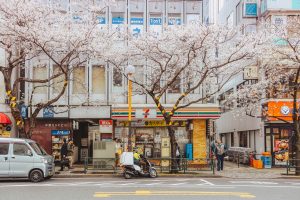
10-Day Japan Cherry Blossom Itinerary Overview
- Day 1 to 3 in Tokyo
- Day 4 to 5 in Mount Fuji region
- Day 6 to 8 in Kyoto
- Day 9 to 10 in Osaka
This route minimizes backtracking and uses Japan’s efficient rail network to move between cities quickly.
Day 1 to Day 3: Tokyo Cherry Blossom Experience
Tokyo offers a perfect introduction to Japan. It blends futuristic cityscapes with traditional temples and Japan’s seasonal beauty. During cherry blossom season, the city’s parks and rivers become vibrant social spaces filled with locals enjoying hanami picnics.
Top cherry blossom spots include Ueno Park, Shinjuku Gyoen, and Chidorigafuchi near the Imperial Palace. The Meguro River is especially popular for its evening illuminations, where lanterns light up the blossoms and create a surreal atmosphere.
On your first day, explore Asakusa and visit Senso-ji Temple. Walk through Nakamise Street for traditional snacks and souvenirs. In the evening, head to the Tokyo Skytree area for city views.
On the second day, focus on cherry blossom viewing. Start early at Shinjuku Gyoen for a quieter experience. Later, visit Harajuku and Meiji Shrine, followed by a walk through Shibuya Crossing.
The third day can include a relaxed morning at Ueno Park and a cultural visit to museums or Akihabara for anime and tech culture. Tokyo offers endless variety, but pacing yourself is important to avoid travel fatigue.
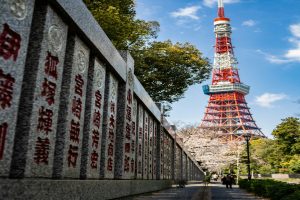
Day 4 to Day 5: Mount Fuji and Kawaguchiko
Travel from Tokyo to the Mount Fuji region, particularly Kawaguchiko, which is part of the Fuji Five Lakes area. This region provides some of the most iconic views of Japan, where cherry blossoms frame the snow-capped peak of Mount Fuji.
The journey takes around two hours by train or bus. Once you arrive, the atmosphere becomes noticeably calmer compared to Tokyo.
Key spots include Lake Kawaguchi, where reflections of Fuji create stunning photography opportunities, and Arakurayama Sengen Park, home to the famous Chureito Pagoda viewpoint. This location offers one of the most photographed views in Japan, combining the pagoda, cherry blossoms, and Mount Fuji in one frame.
Spend your time cycling around the lake, visiting local cafes, and relaxing in a traditional ryokan. Many accommodations include onsen baths, which are perfect for unwinding after busy city exploration.
The Mount Fuji stop not only adds scenic beauty but also helps align your itinerary with slightly later bloom timings, increasing your chances of seeing cherry blossoms at their best.
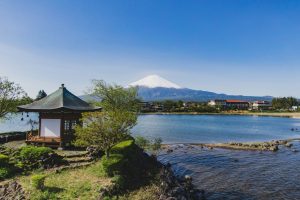
Day 6 to Day 8: Kyoto Cultural and Sakura Highlights
Kyoto represents the cultural heart of Japan. Known for its temples, shrines, and traditional architecture, it becomes even more beautiful during cherry blossom season.
Begin your Kyoto exploration with the Philosopher’s Path, a scenic canal-side walk lined with cherry trees. Early morning visits are recommended to avoid crowds.
Kiyomizu-dera Temple offers panoramic views of the city and is particularly stunning when surrounded by blossoms. The nearby streets of Higashiyama provide a glimpse into old Japan, with wooden buildings, tea houses, and local shops.
Maruyama Park is another key location, especially known for its large weeping cherry tree that is illuminated at night.
The Arashiyama district offers a different experience, combining bamboo forests, river views, and seasonal cherry blossoms. It is slightly farther from central Kyoto but worth visiting for its unique landscape.
You should also explore Fushimi Inari Shrine, famous for its thousands of torii gates. While not a cherry blossom spot, it provides a contrasting cultural experience that enriches your itinerary.
Kyoto can be crowded during peak season, so planning early morning or late evening visits helps you enjoy locations more comfortably.
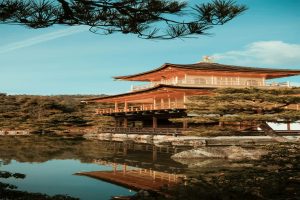
Day 9 to Day 10: Osaka Food and City Life
Osaka provides a lively conclusion to your trip. Known for its food culture and friendly atmosphere, it offers a different energy compared to Kyoto.
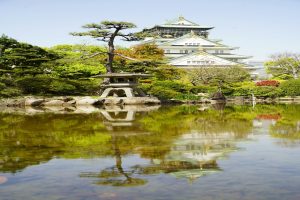
Osaka Castle Park is the main cherry blossom attraction, with hundreds of trees surrounding the historic castle. It is one of the most popular hanami spots in the city.
Kema Sakuranomiya Park offers a quieter riverside experience with long stretches of cherry trees. It is ideal for relaxed walks and photography.
Beyond cherry blossoms, Osaka is famous for its street food. Dotonbori is the best place to try local specialties such as takoyaki and okonomiyaki. The vibrant neon lights and canal views create a memorable urban experience.
If time allows, consider a short day trip to Nara, where you can see free-roaming deer and visit Todai-ji Temple.
Transportation Tips for This Itinerary
Japan’s transportation system is one of the most efficient in the world. For this itinerary, the Japan Rail Pass can be a cost-effective option if you plan multiple long-distance journeys.
The Shinkansen, or bullet train, connects Tokyo, Kyoto, and Osaka quickly and comfortably. Travel times are approximately two and a half hours between Tokyo and Kyoto and around 15 minutes between Kyoto and Osaka.
For local travel, prepaid cards such as Suica or ICOCA make it easy to use trains, buses, and even convenience stores without needing separate tickets.
Planning your routes in advance using navigation apps can save time and reduce confusion, especially during busy travel periods.
Budget Breakdown for 10 Days
A cherry blossom trip to Japan can vary in cost depending on your travel style.
Flights from India typically range between moderate to high pricing during peak season. Accommodation costs increase significantly during sakura season, especially in cities like Kyoto. Booking early helps secure better rates.
Daily expenses for food can vary widely, from affordable street food to high-end dining. Transportation costs depend on whether you use a rail pass or individual tickets.
On average, a 10-day Japan trip may range between mid-budget to premium depending on preferences. Planning ahead and making early reservations can help manage expenses effectively.
Food Experiences to Try During Sakura Season
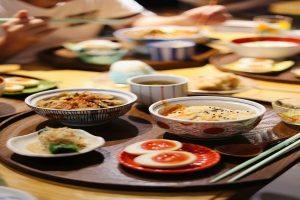
Japan offers seasonal foods that enhance the cherry blossom experience. Sakura-themed desserts, drinks, and snacks are widely available during this time.
You should try items such as sakura mochi, a sweet rice cake wrapped in a cherry leaf, and seasonal beverages available in cafes and convenience stores.
Each city also has its own specialties. Tokyo offers a wide range of international and local cuisine, Kyoto is known for traditional kaiseki meals, and Osaka is famous for street food culture.
Exploring local food is an essential part of the journey and adds depth to your travel experience.
Packing Tips for Cherry Blossom Travel
Spring weather in Japan can be unpredictable. Temperatures are generally mild, but mornings and evenings can be cool.
Pack light layers such as jackets, sweaters, and comfortable walking shoes. Since you will spend a lot of time outdoors, especially in parks, having comfortable clothing is important.
A compact umbrella is useful in case of unexpected rain, which can also affect cherry blossom viewing.
Travel Etiquette and Cultural Tips
Japan is known for its cleanliness and respect for public spaces. When participating in hanami, it is important to follow local etiquette.
Avoid leaving trash behind and respect designated picnic areas. Many parks have specific rules during cherry blossom season.
Being mindful of noise levels, respecting queues, and following basic cultural norms will enhance your experience and ensure a positive interaction with locals.
FAQs
What is the best time to see cherry blossoms in Japan in 2026
Late March to early April is ideal for Tokyo, Kyoto, and Osaka, while Mount Fuji areas bloom slightly later.
How long do cherry blossoms last
Peak bloom typically lasts around 5 to 7 days depending on weather conditions.
Is 10 days enough for Japan
Yes, 10 days is sufficient to cover major destinations like Tokyo, Kyoto, Osaka, and Mount Fuji at a comfortable pace.
Is Japan expensive during cherry blossom season
Yes, it is peak travel season, so prices for flights and accommodation are higher than usual.
Do I need to book in advance
Yes, booking flights and hotels at least three to six months in advance is highly recommended.
Glossary
- Hanami refers to the Japanese tradition of enjoying cherry blossoms, often with picnics under blooming trees.
- Sakura is the Japanese word for cherry blossoms.
- Mankai describes the stage when cherry blossoms are in full bloom.
Conclusion
A cherry blossom trip through Japan is a carefully timed journey that combines natural beauty with cultural richness. From the vibrant streets of Tokyo to the serene temples of Kyoto, the food culture of Osaka, and the iconic views of Mount Fuji, each destination offers a unique perspective of the season.
With proper planning and a well-structured itinerary, you can experience the best of Japan during one of its most beautiful times of the year. If you want a smarter way to plan your journey, platforms like The Tarzan Way can help create personalized travel itineraries based on your preferences and timing.
This 10-day route ensures you experience cherry blossoms at their peak while enjoying the diverse landscapes and traditions that make Japan one of the most fascinating travel destinations in the world.