


Italy is more than just a travel destination — it is an open-air museum filled with centuries of artistic brilliance. From Renaissance paintings and Roman sculptures to grand cathedrals and fresco-covered chapels, the country offers one of the richest cultural experiences in the world.
For art lovers, every Italian city feels like stepping into a living masterpiece. Whether it is Michelangelo’s sculptures in Florence, Leonardo da Vinci’s works in Milan, or Venice’s romantic canals lined with Gothic architecture, Italy blends art seamlessly into everyday life.
The beauty of traveling through Italy for art is that the experience extends beyond museums. Art appears in piazzas, churches, streets, fountains, palaces, and even local cafes.
This guide explores Italy’s most beautiful art cities with perfect art-lover Italy itinerary, iconic masterpieces, cultural highlights, travel tips, and the best experiences for travelers seeking an art-focused Italian journey.
In Short
- Florence is the heart of Renaissance art.
- Rome combines classical antiquity with Baroque masterpieces.
- Venice offers unique Gothic and Byzantine artistic influences.
- Milan is home to Leonardo da Vinci’s iconic works.
- Smaller cities like Siena and Bologna offer underrated artistic treasures.
- Best travel duration for art lovers: 10–14 days.
How Art Shapes Everyday Life in Italy
One of the reasons Italy feels so immersive for art lovers is because art is not confined to galleries or museums. Across the country, artistic heritage forms part of daily life.
In Italy, travelers encounter artistic beauty through:
- Historic piazzas filled with sculptures
- Fresco-covered churches tucked into quiet streets
- Family-owned artisan workshops
- Public fountains designed by legendary architects
- Grand palaces overlooking bustling neighborhoods
Even a simple evening walk through an Italian city often feels cinematic. Street musicians perform near centuries-old cathedrals, painters display local artwork in public squares, and tiny cafes overlook Renaissance architecture.
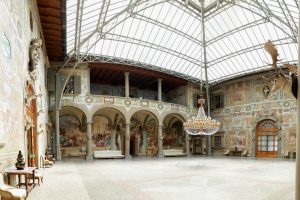
Unlike destinations where art is experienced only inside museums, Italy creates an atmosphere where history and creativity blend naturally into modern life.
This makes Italy particularly rewarding for travelers who enjoy:
- Slow cultural exploration
- Architecture and photography
- Local craftsmanship
- Storytelling through art and history
- Experiencing cities beyond checklist tourism
For many travelers, the emotional connection to Italy comes not only from famous masterpieces but from the feeling of being surrounded by beauty everywhere.
Why Italy Is a Dream Destination for Art Lovers
Italy’s art destinations legacy shaped Western art history for centuries.
The country gave rise to:
- The Renaissance
- Classical sculpture traditions
- Fresco painting techniques
- Baroque architecture
- Humanist artistic philosophy
Italy was home to legendary artists such as:
- Leonardo da Vinci
- Michelangelo
- Raphael
- Botticelli
- Caravaggio
- Titian
- Bernini
What makes Italy unique is how accessible its art feels. Unlike traditional museum destinations, Italy’s masterpieces are integrated into public life.
Travelers can:
- Walk through historic piazzas
- Visit churches housing famous paintings
- Explore centuries-old palaces
- Discover sculptures in public squares
- Admire architecture simply by wandering city streets
Florence – The Birthplace of the Renaissance
Florence is often considered the greatest art city in Italy.
The city played a central role during the Renaissance and became a hub for artistic innovation, patronage, and architecture.
For art lovers, Florence is essential.
Must-Visit Art Attractions in Florence
Uffizi Gallery
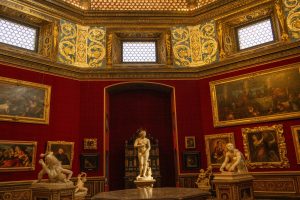
The Uffizi Gallery houses one of the world’s most important Renaissance art collections.
Highlights include works by:
- Botticelli
- Leonardo da Vinci
- Michelangelo
- Raphael
- Titian
One of the gallery’s most famous paintings is Botticelli’s The Birth of Venus.
Tips for Visiting
- Book tickets in advance
- Visit early morning to avoid crowds
- Allow at least 3–4 hours for exploration
Accademia Gallery
The Accademia is home to Michelangelo’s iconic sculpture, David.
Seeing the statue in person is one of Florence’s most unforgettable artistic experiences.
The sculpture demonstrates:
- Renaissance ideals of beauty
- Human anatomy mastery
- Marble carving excellence
Florence Cathedral (Duomo)
The Duomo represents a masterpiece of Renaissance engineering and architecture.
Highlights include:
- Brunelleschi’s Dome
- Fresco interiors
- Marble facades
- Panoramic city views
Art Experiences Beyond Museums in Florence
Florence also offers:
- Artisan workshops
- Leather studios
- Fresco restoration tours
- Traditional paper-making shops
- Sculpture schools
Walking through Florence itself feels like experiencing a living Renaissance painting.
Recommended Stay
3–4 nights
Rome – Ancient Grandeur and Baroque Beauty
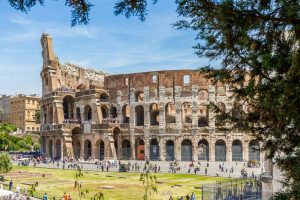
Rome blends ancient history with some of Europe’s most dramatic artistic masterpieces.
The city’s layers of art span:
- Ancient Roman sculpture
- Renaissance frescoes
- Baroque architecture
- Religious masterpieces
Every neighborhood in Rome reveals artistic treasures.
Must-See Art and Architecture in Rome
Vatican Museums and Sistine Chapel
The Vatican Museums contain one of the largest art collections in the world.
The highlight for many visitors is Michelangelo’s Sistine Chapel ceiling.
The frescoes depict:
- Biblical scenes
- The Creation of Adam
- The Last Judgment
Important Tip
Reserve tickets well in advance because queues can be extremely long.
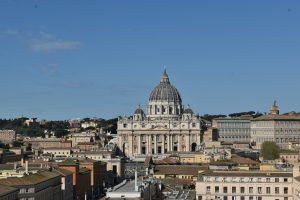
St. Peter’s Basilica
This iconic church showcases contributions from:
- Michelangelo
- Bernini
- Bramante
- Raphael
Inside, visitors can admire:
- Michelangelo’s Pietà
- Grand marble interiors
- Massive domes
- Renaissance architecture
Galleria Borghese
The Borghese Gallery is famous for Bernini’s sculptures and Caravaggio’s paintings.
Art lovers often consider it one of Italy’s finest museum experiences because of its intimate atmosphere.
Highlights include:
- Apollo and Daphne
- David by Bernini
- Caravaggio masterpieces
Rome’s Artistic Streets and Piazzas
Rome’s outdoor art experiences include:
- Trevi Fountain
- Piazza Navona
- Spanish Steps
- Pantheon
- Roman Forum
Art and history appear around nearly every corner.
Recommended Stay
3–4 nights
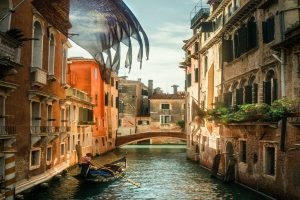
Venice – Gothic Romance and Byzantine Influence
Venice offers a completely different artistic atmosphere compared to Florence and Rome.
The city’s art reflects:
- Maritime history
- Byzantine influences
- Gothic architecture
- Venetian color traditions
Its canals, palaces, and churches create one of the world’s most visually unique urban environments.
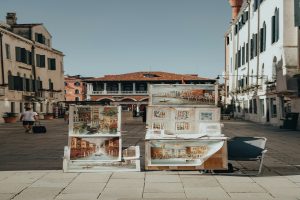
Artistic Highlights in Venice
St. Mark’s Basilica
Known for:
- Golden mosaics
- Byzantine details
- Grand domes
- Historic religious art
The basilica is one of Venice’s architectural masterpieces.
Doge’s Palace
The palace combines:
- Gothic architecture
- Political history
- Renaissance paintings
- Ornate interiors
Visitors can explore:
- Grand council halls
- Bridge of Sighs
- Decorative ceilings
Peggy Guggenheim Collection
For modern art lovers, this museum offers works by:
- Picasso
- Dalí
- Pollock
- Kandinsky
The collection contrasts beautifully with Venice’s historic surroundings.
The Influence of Religion on Italian Art
Religion played a major role in shaping Italy’s artistic identity. Many of the country’s greatest masterpieces were commissioned by churches, popes, and wealthy religious patrons.
Throughout Italy, travelers will notice how deeply art and spirituality are connected.
Churches across the country feature:
- Fresco-covered ceilings
- Marble sculptures
- Mosaic interiors
- Renaissance altarpieces
- Gold-leaf religious paintings
Even smaller towns often contain extraordinary chapels and cathedrals that rival major museums.
For travelers interested in cultural history, understanding the religious influence behind Italian art adds much deeper meaning to museum visits and architectural exploration.
Many iconic works by Michelangelo, Raphael, and Caravaggio were created not simply as decoration, but as visual storytelling tools meant to inspire emotion and devotion.
Travelers do not need to be religious to appreciate the artistic significance of these spaces.
Visiting Italy’s churches also offers:
- Quiet moments away from tourist crowds
- Access to free artistic treasures
- Insight into local traditions
- A deeper understanding of European cultural history
Venice Beyond Museums
Some of Venice’s greatest artistic moments happen while simply exploring:
- Quiet canals
- Hidden bridges
- Artisan mask workshops
- Traditional glassmaking in Murano
- Sunset reflections on the water
Recommended Stay
2–3 nights
Milan – Leonardo da Vinci and Contemporary Creativity
Milan is often associated with fashion and design, but it is also one of Italy’s most important art cities.
The city blends classical masterpieces with modern creativity.
Best Art Experiences in Milan
Leonardo da Vinci’s The Last Supper
One of the world’s most famous paintings is located inside the Convent of Santa Maria delle Grazie.
Because visitor numbers are limited, advance reservations are essential.
The mural remains one of Leonardo’s greatest achievements.
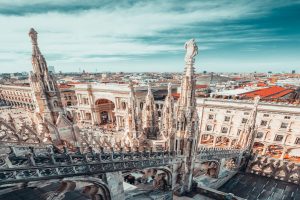
Milan Cathedral (Duomo di Milano)
The cathedral is known for:
- Gothic architecture
- Marble facades
- Rooftop terraces
- Intricate sculptures
The rooftop offers spectacular city views.
Pinacoteca di Brera
This major art gallery includes works from:
- Raphael
- Caravaggio
- Bellini
- Hayez
The surrounding Brera district is also known for:
- Cafes
- galleries
- artistic atmosphere
- boutique shops
Recommended Stay
2 nights
Siena – Medieval Art and Tuscan Heritage
Siena is often overlooked by first-time Italy visitors, but it offers remarkable artistic heritage.
The city retains much of its medieval character.
Artistic Highlights in Siena
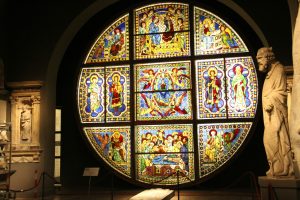
Siena Cathedral
One of Italy’s most beautiful cathedrals.
Known for:
- Black-and-white marble interiors
- Frescoes
- Mosaic floors
- Renaissance sculptures
Piazza del Campo
This shell-shaped square is considered one of Europe’s finest medieval piazzas.
The atmosphere is especially vibrant during local festivals.
Bologna – Italy’s Underrated Cultural Gem
Bologna combines:
- Medieval towers
- historic universities
- portico-lined streets
- rich culinary culture
The city offers a quieter but deeply rewarding artistic experience.
Best Cultural Experiences in Bologna
- Explore historic libraries
- Visit medieval churches
- Walk through covered arcades
- Discover local galleries
Bologna is ideal for slow travelers seeking authentic Italian culture.
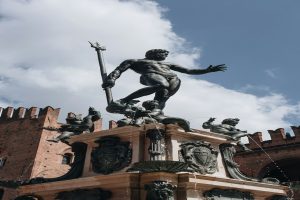
Art Experiences Beyond Museums in Italy
Italy’s artistic beauty extends beyond famous institutions.
Travelers can enjoy:
Church Art
Many churches contain masterpieces that would be museum highlights elsewhere.
Artisan Traditions
Explore:
- Murano glassmaking
- Florentine leatherwork
- Venetian mask-making
- Mosaic craftsmanship
Open-Air Architecture
Italian cities themselves feel like artistic experiences through:
- Piazzas
- Fountains
- Bridges
- Palaces
- Historic streets
Suggested 12-Day Italy Art Itinerary
Day 1–4: Rome
- Vatican Museums
- Borghese Gallery
- Ancient Roman sites
- Baroque piazzas
Day 5–8: Florence and Siena
- Uffizi Gallery
- Accademia Gallery
- Duomo
- Tuscan art towns
Day 9–10: Venice
- St. Mark’s Basilica
- Doge’s Palace
- Canal exploration
Day 11–12: Milan
- The Last Supper
- Brera district
- Milan Cathedral
Best Time to Visit Italy for Art Lovers
Travelling becomes more artistic if you know the best time to visit Italy:
Spring (April–June)
Ideal for:
- Comfortable weather
- Fewer crowds
- Walking tours
Autumn (September–October)
Excellent for:
- Cultural festivals
- Museum visits
- Pleasant temperatures
Avoid peak summer afternoons for museum-heavy itineraries.
Tips for Visiting Art Museums in Italy
Book Tickets in Advance
Major museums often sell out weeks ahead.
Start Early
Morning visits are usually quieter.
Wear Comfortable Shoes
Art-focused trips involve extensive walking.
Combine Museums with Slow Exploration
Avoid museum fatigue by balancing galleries with cafes, piazzas, and local experiences.
Respect Photography Rules
Some churches and museums restrict photography.
Hidden Artistic Experiences Across Italy
Beyond famous museums and landmarks, Italy offers countless lesser-known artistic experiences that make a journey feel more personal and memorable.
Attend Local Art Festivals
Many Italian cities host annual cultural festivals featuring:
- Street performances
- Contemporary art exhibitions
- Classical music concerts
- Film screenings
- Historic parades
These events allow travelers to experience Italy’s creative culture beyond traditional sightseeing.
Explore Artisan Neighborhoods
Several cities still preserve traditional artistic trades.
Travelers can visit:
- Florentine bookbinding studios
- Venetian mask workshops
- Murano glass factories
- Ceramic workshops in Tuscany
- Handmade paper studios
Watching artisans work provides insight into techniques passed down through generations.
Discover Small Local Museums
While famous galleries attract global attention, smaller museums often offer quieter and more intimate experiences.
These spaces frequently showcase:
- Regional artists
- Religious artifacts
- Medieval collections
- Decorative arts
- Local cultural history
They also provide opportunities to slow down and explore Italy beyond crowded tourist routes.
Enjoy Artistic Cafes and Historic Libraries
Italy’s cultural atmosphere extends into everyday spaces.
Travelers can spend afternoons:
- Reading in historic libraries
- Sketching in public gardens
- Visiting literary cafes
- Exploring antique bookstores
- Relaxing in piazzas surrounded by architecture
These slower experiences often become the most memorable parts of an art-focused journey.
Budget Guide for Art Travelers
Budget Travelers
Estimated daily budget: €70–120
Includes:
- Hostels
- Public transport
- Museum passes
- Casual dining
Mid-Range Travelers
Estimated daily budget: €180–300
Includes:
- Boutique hotels
- Guided tours
- Comfortable trains
- Fine dining experiences
Luxury Travelers
Estimated daily budget: €400+
Includes:
- Luxury hotels
- Private museum tours
- Exclusive cultural experiences
- Chauffeur-driven transfers
Sustainable and Responsible Art Tourism
Help preserve Italy’s heritage by:
- Respecting museum rules
- Supporting local artisans
- Avoiding overcrowding behavior
- Choosing locally owned accommodations
- Learning cultural context before visiting sites
Responsible tourism helps protect Italy’s artistic legacy for future generations.
FAQs
Which Italian city is best for Renaissance art?
Florence is widely considered the best city for Renaissance art due to its museums, cathedrals, and historic significance.
Is Rome or Florence better for art lovers?
Rome offers a broader mix of ancient, Renaissance, and Baroque art, while Florence specializes in Renaissance masterpieces.
How many days are ideal for an Italy art trip?
A 10–14 day itinerary allows travelers to comfortably explore Italy’s major art cities.
Are Italian museums expensive?
Museum prices vary, but many cities offer combination passes that reduce overall costs.
What is the best season for museum travel in Italy?
Spring and autumn provide pleasant weather and fewer crowds.
Glossary
- Renaissance: A major cultural movement beginning in Italy during the 14th century that transformed art, science, and philosophy.
- Fresco: A painting technique applied onto freshly plastered walls.
- Baroque: An artistic style known for dramatic detail, grandeur, and movement.
Conclusion
Italy offers one of the most extraordinary art journeys in the world. From Florence’s Renaissance masterpieces and Rome’s monumental architecture to Venice’s romantic canals and Milan’s iconic works by Leonardo da Vinci, every city reveals layers of artistic brilliance.
For art lovers, Italy is not simply a place to visit museums — it is a destination where art shapes everyday life, public spaces, and cultural identity.
Whether you are admiring Michelangelo’s sculptures, wandering through historic piazzas, or discovering hidden chapels filled with frescoes, Italy creates experiences that inspire long after the journey ends.
If you are dreaming of a cultural journey through Europe, Italy remains one of the ultimate destinations for art, history, and timeless beauty.
Start planning your journey with The Tarzan Way and discover Italy beyond the usual.