

Andaman & Nicobar Islands Trip Guide: Airport Guide, Island Hopping & Stay Tips
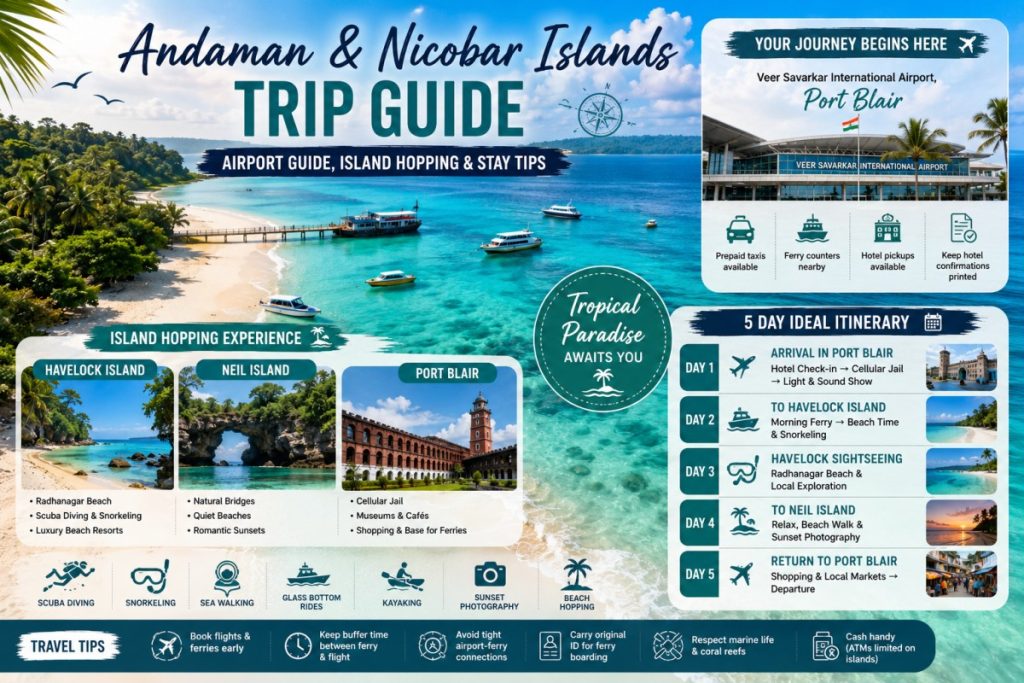
Booking your flight to this tropical paradise is the first step in creating the Andaman and Nicobar Islands itinerary. The first step to planning a seamless, stress-free island trip is to understand the airport in Andaman and Nicobar Islands. Your journey is meticulously shaped by good airport planning and island connections, from landing at the Andaman and Nicobar Islands India airport in Port Blair to boarding ferries that transport you to crystal-clear waters, coral reefs, and serene white-sand beaches.A well-structured itinerary ensures you experience the best of island hopping, beach time, and relaxation without rushing, making your Andaman trip both seamless and unforgettable. This guide will help you with everything you need to know about airport arrival, island transfers, and where to stay, while using the smartest travel planning tips and trending Andaman travel insights. Airport in Andaman and Nicobar Islands: What to Know The primary and sole commercial airport in Andaman and Nicobar Island is the Veer Savarkar International Airport in Port Blair. This is the primary Andaman and Nicobar Islands India airport that connects the islands to mainland India. Flights depart from various destinations like: 1. Delhi 2. Chennai 3. Kolkata 4. Bangalore 5. Hyderabad Port Blair Airport is clean, contemporary, and simple to get around. The island vibe hits you as soon as you land at Andaman with palm trees all around, a sea breeze, and a slower pace of life. Important Tips at the Airport: 1. Availability of Prepaid taxis. 2. Hotel pickups are frequent. 3. Ferry counters and travel agencies are available nearby. 4. For proof, bring a printed copy of hotel confirmations. 5. Internet connectivity can be slower compared to other metro-cities. Explore: Andaman and Nicobar Islands: Tropical Paradise Reimagined After Landing: How to Travel from Airport to Islands Port Blair, the entry point to the Andaman Islands, is where you first arrive. From here, ferries or boats take you to other islands. Common island routes: 1. Port Blair → Havelock Island (Swaraj Dweep) 2. Port Blair → Neil Island (Shaheed Dweep) 3. Port Blair → Baratang Island Ferry options are available for both government based and private based: 1. Ferry options include government ferries, which are slower and more affordable. 2. Private ferries that are quicker and more comfortable include Makruzz, Green Ocean, and ITT Majestic. 3. It is strongly advised to make reservations in advance.Specially during the busiest & peak season times of year reservations are hard to get, so book in advance. Island Hopping in Andaman: The Real Experience Andaman is unforgettable because of island hopping. Every island has a distinct personality: Havelock Island (Swaraj Dweep) It is considered best for: 1. Beautiful Radhanagar Beach 2. Scuba diving & snorkeling 3. Luxury beach resorts Trending keywords: 1. Best island in Andaman 2. Andaman island hopping itinerary 3. Andaman scuba diving destination Neil Island (Shaheed Dweep) Best for: 1. Natural bridges 2. Quiet beaches 3. Romantic sunsets Perfect for slow travelers and couples. Port Blair Best for: 1. Cellular Jail 2. Museums 3. Shopping & cafés 4. Base for ferry connections Best Andaman Itinerary with Airport Travel Flow Day 1: Arrival at airport in Andaman and Nicobar Islands (Port Blair) Hotel check-in → Cellular Jail → Light & Sound Show Day 2: Morning ferry to Havelock Beach time + snorkeling Day 3: Havelock sightseeing → Radhanagar Beach Day 4: Ferry to Neil Island Relax, beach walk, photography Day 5: Return to Port Blair → Shopping → Departure This is considered the best itinerary for Andaman travel for first-time visitors. You can explore: Andaman & Nicobar Islands Railway Station Best Time to Visit Andaman & Nicobar Islands October to May is ideal: 1. Calm seas 2. Clear skies 3. Best water visibility Peak season: 1. December to February 2. March holidays Avoid heavy monsoon months: 1. July–September Where to Stay in Andaman Discover: Andaman and Nicobar Islands: Beyond Beaches – Trekking Adventures Port Blair Budget: Guesthouses, homestays Mid-range: Sea view hotels Luxury: Resorts near Corbyn’s Cove Havelock Island Budget: Beach huts Mid-range: Beach resorts Luxury: 5-star private beach resorts Neil Island Budget: Cozy cottages Mid-range: Eco-resorts Luxury: Limited but peaceful boutique resorts Trending Andaman Travel Keywords to Know Use these when planning: 1. Andaman travel guide 2. Andaman island hopping 3. Andaman airport arrival 4. Andaman honeymoon destination 5. Andaman itinerary 5 days 6. Best beaches in Andaman 7. Andaman trip planner 8. Port Blair airport travel guide Things to Do in Andaman Following are some of the fun adventurous things to do in Andaman: 1. Scuba diving 2. Snorkeling 3. Sea walking 4. Glass-bottom boat rides 5. Beach hopping 6. Sunset photography 7. Island kayaking What to Pack 1. Light cotton clothes 2. Swimwear 3. Sunscreen & sunglasses 4. Motion sickness tablets 5. Waterproof phone pouch 6. Cash (limited ATMs on islands) Travel Tips 1. Book flights and ferries early 2. Keep buffer time between ferry and flight 3. Avoid tight airport-ferry connections 4. Respect marine life and coral reefs in Andaman & Nicobar Island 5. Carry original ID for ferry boarding Why Andaman is Trending Right Now 1. India’s cleanest beaches 2. Visa-free for Indians 3. Perfect for honeymoon & family trips 4. Increasing flight connectivity 5. Growing luxury resort scene FAQs 1. Which is the main airport in Andaman and Nicobar Islands? Veer Savarkar International Airport in Port Blair is the only commercial airport. 2. Is Port Blair the Andaman and Nicobar Islands India airport? Yes, Port Blair Airport (IXZ) is the main entry point for all travelers. 3. How do I reach Havelock Island from the airport? Travel to the Port Blair jetty and take a ferry to Havelock Island. 4. Are there direct flights to Andaman from India? Yes, direct flights operate from cities like Delhi, Chennai, Kolkata, and Bangalore. 5. Should ferries be booked in advance? Yes, especially during peak season, advance booking is highly recommended. 6. How much time should I keep between landing and ferry departure? Keep at least 3–4 hours as buffer time.
Kedarnath Trip Itinerary 2026: Complete Travel Guide, Route, Cost, Trek & Tips

Planning a journey to Kedarnath is more than just organizing travel. Rather it is about preparing for a deeply spiritual experience which requires proper planning for soulful experience. A well-planned Kedarnath trip itinerary means planning the best route, ideal time to visit, accommodation choices, trekking preparation, and overall budget which makes the whole yatra trip smooth and stress-free. It is located in Uttarakhand’s Garhwal Himalayas. Kedarnath Temple is one of the holiest shrines dedicated to Lord Shiva. It is a part of the Char Dham Yatra and the pilgrims often describe the journey as spiritually uplifting. To help you plan your Kedarnath trip with confidence, this Kedarnath travel guide covers everything for you from the route plan, best time to visit, trekking details, helicopter options, accommodation, cost breakdown to travel tips. Best Time for Your Kedarnath Trip Choosing the right time is the important factor of Kedarnath trip planning as weather, crowd levels, and accessibility vary throughout the year. So, it becomes significantly important to select the right season for better experience. May to Mid-June This is the most popular time for Kedarnath Yatra because the weather remains pleasant which contributes to easier trekking. The route becomes fully accessible. Also, the facilities along the trek operate smoothly. However, since this is peak season, the concern remains with the accommodation and helicopter bookings which need to be done prior. September to October These are the post-monsoon months which offer lush green valleys, clear skies, and cooler weather. This period is considered ideal for travelers who prefer fewer crowds and peaceful darshan. Photography enthusiasts especially will enjoy this season more. Because the mountains are more visible after monsoon rains, so it is the best time for the realistic nature clicks. Avoid During Monsoon (July–August) Heavy rainfall increases the risk of landslides, slippery trekking routes, and road closures, so it is recommended to avoid travelling during monsoon seasons. Travel delays are common. Trekking conditions become unsafe. Temple Opening & Closing Opening time of Kedarnath Temple is usually in late April or early May. While due to heavy rainfall, it closes around October or early November. During winter, the idol is moved to Ukhimath where devotees can offer prayers. It is advised to always check official dates from the official sites before planning. Explore: Best Temple Destinations to Visit in India During Festival Time How to Reach Kedarnath By Air The nearest airport is Jolly Grant Airport, Dehradun From the airport, travelers need to hire taxis or take buses to Haridwar or Rishikesh and the journey continues by road toward Kedarnath. While the helicopter services are also available from nearby helipads. By Train The nearest railway stations are Haridwar and Rishikesh and are well-connected with major cities like Delhi, Mumbai, and Kolkata. For onward traveling, buses and taxis are available from the railway station. By Road The motorable route takes around 8-10 hours(depends on traffic and weather) and follows the following route: Haridwar → Rishikesh → Devprayag → Srinagar → Rudraprayag → Guptkashi → Sonprayag → Gaurikund Best Route for Kedarnath Trip from Delhi From Delhi, the most comfortable route is to travel to Haridwar or Rishikesh and afterwards head towards Sonprayag and Gaurikund. This route allows gradual altitude gain and better acclimatization. Travelers can choose overnight stay in Haridwar to avoid long continuous driving. The best tip for you is to start early, it helps to avoid traffic and allows reaching mountain towns before sunset. Kedarnath Trek Route Highlights The Kedarnath trek is scenic and divided into multiple sections where the trail passes through forests, waterfalls, and mountain landscapes. Rest stops like Jungle Chatti, Bheembali, and Linchauli offer food stalls and seating areas. The final stretch provides beautiful views of snow-covered peaks. Walking slowly and maintaining a steady pace helps complete the trek comfortably. Important Things to Know Before Visiting Kedarnath Weather is the concerning part, because Kedarnath is located at high altitude, so weather changes quickly. Travelers should carry warm clothing even during summer. Mobile networks may not work properly near the temple area. ATMs are quite limited, so it is highly recommended to carry cash. Basic facilities are available whereas luxury amenities are limited. Kedarnath Trip Itinerary (6 Days) 1. Day 1 – Arrival at Haridwar / Rishikesh 2. Day 2 – Travel to Gaurikund / Sonprayag 3. Day 3 – Trek to Kedarnath 4. Day 4 – Kedarnath Darshan & Exploration 5. Day 5 – Return Trek 6. Day 6 – Return to Haridwar / Rishikesh Trek or Helicopter? Choose Your Route Trek Route The trek from Gaurikund to Kedarnath is approximately 16–17 km which most of the travelers complete in 6-8 hours. It includes rest stops, food stalls, and medical camps. For your assistance, ponies, palkis, and porters are also available. Helicopter Option Helicopter services operate from:Phata,Guptkashi,Sersi. This option is ideal for elderly travelers, families, or those short on time. It takes around 10 minutes to reach and offers stunning aerial views of the Himalayas. Online helicopter ticket booking is required. Kedarnath Trip Cost Breakdown Budgeting helps avoid unexpected expenses. Costs vary depending on travel style. 1. Transport (Haridwar to Sonprayag): ₹1,000–₹1,500 2. Shared jeep to Gaurikund: ₹100–₹200 3. Accommodation: ₹500–₹3,000 per night 4. Food & miscellaneous: ₹1,000–₹2,000 5. Pony/porter services: ₹500–₹4,000 6. Helicopter (optional): ₹5,000–₹70,000 Budget travelers can complete the trip within ₹6,000–₹10,000. Mid-range travelers may spend ₹12,000–₹20,000. Helicopter trips can cost ₹25,000 or more depending on availability. Explore: Char Dham to Hem Kund, A Tour to the Religious Places in Uttarakhand Trekking & Safety Tips Fitness Preparation Start walking regularly before the trip. Practice stair climbing and cardio exercises. Building stamina helps in completing the trek comfortably. Packing Essentials 1. Comfortable trekking shoes 2. Warm jackets and thermals 3. Raincoat or poncho 4. Water bottle 5. First aid kit 6. Trekking pole Safety Tips 1. Start trek early morning 2. Avoid monsoon season 3. Stay hydrated 4. Follow marked trails only 5. Carry ID proof Kedarnath Registration & Permit Process Kedarnath Registration is mandatory for Yatra.
Cheapest Destinations to Travel in India Without Breaking Your Budget
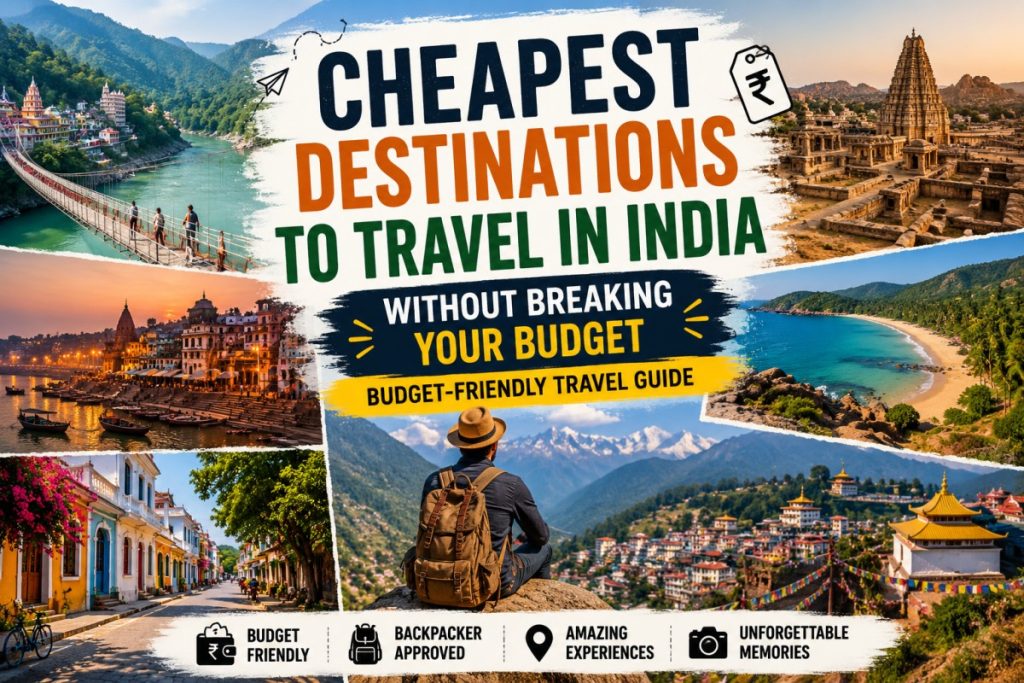
Travelling across India does not necessarily have to cost a fortune. Luxury vacations and high-end resorts are still a favorite among travel enthusiasts. But some of the best places can be explored even if they are quite inexpensive. As travel prices continue to rise in different parts of the world, budget-conscious travelers are looking for destinations that offer great value for money. Luckily, India has a number of budget-friendly destinations where you can enjoy a memorable travel experience without breaking your budget. If you’re a solo traveler, student, backpacker, digital nomad, or family traveler, here is a list of cheapest destinations itinerary guide. Why Budget Travel Is Becoming More Popular Tourists are placing more value on experiences than on luxuries when they travel. Today many tourists prefer to go to places where they can: 1. Travel Longer: Lower daily costs allow you to travel longer without breaking your budget. 2. Experience Local Culture: Budget travel destinations usually provide better opportunities for meeting locals. 3. Explore More Places: Since you save on accommodations and meals, you can go to several destinations in one trip. 4. Travel More Frequently: It becomes 100x easier to travel even during weekends especially when your travel costs are low. 1. Rishikesh – Affordable Adventure and Spirituality Among tourists, Rishikesh has become an extremely popular choice for those who enjoy pocket-friendly trips. It is situated on the shores of the Ganges River. With the surroundings covered with nature’s real beauty, this destination provides a range of adventures, yoga sessions, and spirituality experiences at unbelievably low rates. Discover soul searching experiences in Rishikesh one should not miss during their trip. Why It’s Budget-Friendly 1. Huge number of Cheap hostels and guesthouses 2. Easily accessible and affordable local cuisine 3. Have reasonable modes of transportation to travel and explore the place 4. Free cultural experiences and vibes What to Do 1. Do participate in the Aarti ceremony. 2. For experiencing the cultural and spiritual side of the place, walk across Lakshman Jhula bridge 3. Stroll through local riverside cafes 4. Participate in yoga lessons. 5. Try to experience River Rafting Average Daily Budget ₹1,000–₹2,500 per person Pro Tip Avoid traveling on weekends to find reasonable accommodation costs 2. Pushkar – Culture Without High Costs Pushkar provides a great combination of spirituality, culture, and affordability for tourists to experience all in one at a place. Its laid-back vibe and accessibility make this destination ideal for budget tourists. Why Visit? 1. It has affordable accommodations to stay 2. Inexpensive local transportation for exploration 3. Budget-friendly cafes 4. Free temple visits for spiritual awakening What to Do 1. Visit the most popular and beautiful Pushkar Lake 2. Explore the local markets 3. Attend evening aarti 4. Visit Brahma Temple 5. Enjoy rooftop dining Average Daily Budget ₹1,200–₹2,500 per person Pro Tip Avoid going during festivals. Make sure to viisit during non-festival periods for the lowest prices. 3. McLeod Ganj – Budget Himalayan Escape Being a part of Tibetan culture along with beautiful mountains makes McLeod Ganj an excellent place at a cheap price for hill station lovers. Budget Highlights 1. Affordable guesthouses 2. Low-cost trekking opportunities 3. Budget cafes 4. Inexpensive local transport cost What to Do 1. Namgyal Monastery visit 2. Triund Trek 3. Tibetan market visit 4. Meditation classes Average Daily Budget ₹1,500–₹3,000 per person Pro Tip Avoid staying near the market for better accommodation deals. 4. Hampi – History on a Budget Hampi is one of the most exciting destinations in India that is surprisingly affordable. Hampi is ideal for history enthusiasts, backpackers, and photographers. Before visiting to Hampi, explore the top places to visit in Hampi through this guide for rich travel experience. Why It’s Affordable 1. It has several budget guesthouses 2. Low-cost local food with best authentic experiences 3. Cheap bicycle rentals for travelling 4. Many attractions are nearby to visit What to Do 1. Visit the ancient ruins 2. Virupaksha Temple visit 3. Watch sunset from Matanga Hill 4. Exploring by bicycle Average Daily Budget ₹1,200–₹2,500 per person Pro Tip The best way to save travel costs is by opting a rented bicycle. 5. Varanasi – Rich Experiences at Low Cost Varanasi is one of the oldest cities in the world that is still inhabited. The city remains relatively cheap to visit. Budget Advantages 1. Has various cheapest places to stay 2. Inexpensive street food 3. Affordable public transport 4. Many free attractions nearby What to Do 1. Visit Ganga Aarti 2. Go on a sunrise boat tour 3. Explore the beautiful top ghats in Varanasi 4. Visit temples 5. Experience local culture Average Daily Budget ₹1,000–₹2,500 per person Pro Tip To save money on transportation, book cheap accommodations near ghats. 6. Gokarna – Affordable Beach Alternative to Goa Tourists in Goa who’s looking for cheap beach vibes without high prices, then Gokarna is right for you. If you are a couple and wanted to plan a romantic trip, then make sure to know about these top 6 must-try romantic things in Gokarna. Why Travelers Love It 1. Budget accommodation 2. Cheap seafood restaurants 3. Less commercialized beaches 4. Relaxing atmosphere What to Do 1. Go for beach hopping 2. Try coastal trekking 3. Temple visits 4. Watch sunset at beach Average Daily Budget ₹1,500–₹3,000 per person Pro Tip Do not plan trips during the season and travel in off season to save on accommodation costs. 7. Majuli – Unique Experiences on a Budget Majuli offers a unique cultural experience in India that is surprisingly inexpensive to experience and live. Budget Benefits 1. Affordable homestays 2. Inexpensive local food 3. Low tourist density 4. Authentic cultural experiences What to Do 1. Visit Satras 2. Explore villages 3. Attend cultural performances 4. Enjoy cycling tours Average Daily Budget ₹1,000–₹2,000 per person Pro Tip Stay at homestays with locals. This helps to save money as well as to have an authentic experience. 8. Pondicherry – European Charm Without a Luxury Budget Pondicherry offers colonial architecture, beaches,
Best AI Trip Planners in India in 2026: Which One Actually Helps You Travel Better?
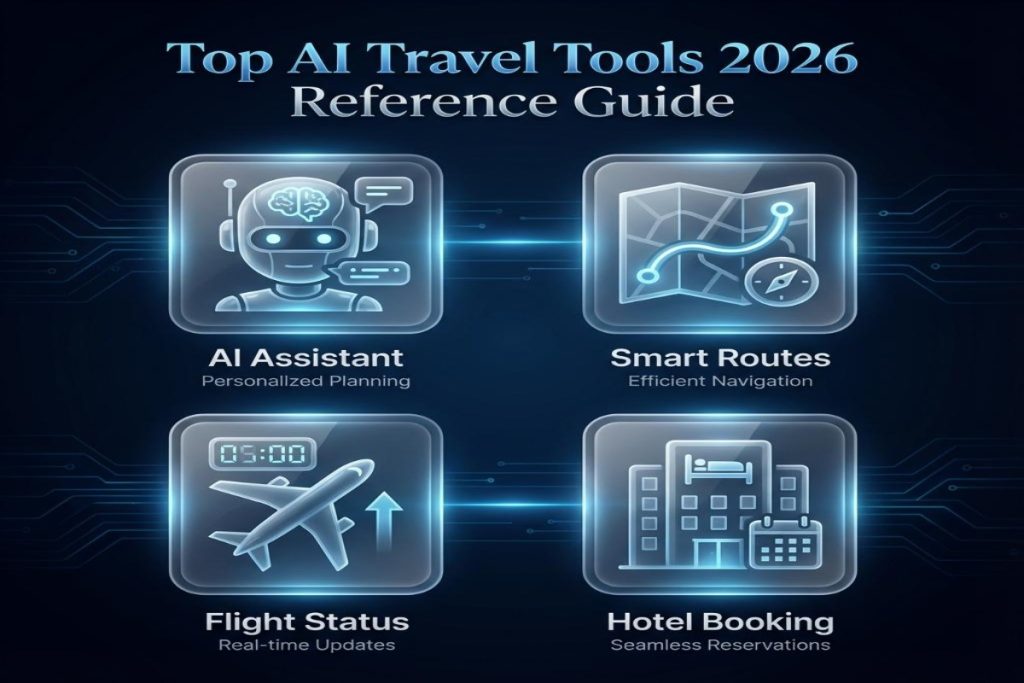
AI is changing how people get around. AI-powered travel itinerary can now do in minutes what used to take hours of research, comparing prices, digging through hotel reviews, creating itineraries, and handling bookings. One of the biggest trends in the Indian travel industry are AI trip planners, ranging from personalized itineraries to smart budget optimization and automated recommendations. But with so many tools on the market, travelers are now wondering: 1. Best AI trip planner in India ? 2. Which AI travel planner is the most personalized? 3. What platform helps beyond itinerary building? 4. Do AI itinerary planners help for real trips? In this blog, we compare some of the most talked-about AI trip planners for Indian travelers in 2026; their strengths, limitations and what sets them apart. Why AI Trip Planners Are Growing Rapidly in India Travel planning behavior has changed a lot over the last few years. What Indian travellers want today: 1. Planning More Quickly 2. Cheap suggestions 3. Customizable itineraries 4. Local experiences behind the scenes 5. Smarter booking 6. Customized travel recommendations At the same time it is overwhelming to plan by hand trips. The overwhelming majority of travelers spend hours: 1. Compare hotel prices 2. Follow airfare prices 3. Watching travel videos on YouTube 4. Reading reddit threads and blogs 5. Saving Instagram suggestions 6. Managing bookings in different apps AI travel planners centralize discovery, planning and recommendations all in one place that results in simplifying the entire process. And as AI tech improves, these platforms are becoming more conversational, intelligent and personalized. Explore : Personalized Travel with AI: How Smart Systems Understand What Kind of Traveler You Are What Makes a Good AI Trip Planner? Not all AI trip planners are the same. Some are only focused on creating itineraries. Some are experts in the discovery of flight. Some help with optimizing budgets or suggesting activities. Typically the best AI travel planners will offer: 1. Custom itineraries 2. Intelligent suggestions 3. Pricing insights in real-time 4. Easy management of bookings 5. Budgeting optimization 6. Travel assistance 7. Flexibility and customisation 8. Accessible on multiple devices The real difference is how intelligently the platform understands travelers. Top AI Trip Planners in India Right Now 1. Google Gemini + Google Travel Many travelers use Google tools for AI-Powered travel experiences to plan their travel with AI. GoogleFlights, Maps and Hotels combined with Gemini help users with: 1. Destinations to Explore 2. Construct rough itineraries 3. Compare travel costs 4. Search for restaurants and things to do 5. Plan trip ideas Pros 1. Making accessibility easy 2. Robust map integration 3. Great for destination research 4. Useful for basic planning Limitations 1. No end-to-end trip handling 2. Need to switch between multiple tools 3. Little personalization 4. No live travel support dedicated Google works well for research-heavy travelers but still requires significant manual effort. 2. Trip Planner AI Trip Planner AI is gaining popularity for itinerary generation and route optimization. It focused on: 1. Automated travel itineraries 2. Planning a multi-city 3. AI Activity Ideas 4. Route efficiency Pros 1. Quick itinerary creation 2. Good interface for planning . 3. Good for travel ideas for a first draft Limitations 1. Limited booking integration 2. Generic advice can sometimes feel like repetition 3. Limited support after booking 4. Less suited for highly personalized travel styles It’s great as an itinerary planning tool, not so much as a full travel ecosystem. 3. Wonderplan AI Wonderplan AI focuses heavily on personalized itineraries. Users type in: Budget, hobbies, durations, travel style and have AI generate travel plans. Pros 1. Tailored itinerary recommendations 2. Beginner friendly interface 3. Good for quick planning inspiration Limitations 1. Mostly itinerary-oriented 2. Limited support for booking 3. No real time trip assist 4. Recommendations may lack contextual local depth Wonderplan is good if you’re a traveller who needs mainly inspiration and structure. 4. Roam Around Roam Around gained popularity due to its conversational AI approach to trip planning. Travelers can plan a specific destination in seconds. Pros 1. Simple conversational interface 2. Fast itinerary generation 3. Good for short rides. Limitations 1. Limited flexibility for complex journeys 2. General outputs for specific travel styles 3. No price optimisation No live support 4. Primarily focused on planning, not execution Good for quick itinerary ideas, but not so practical for full travel management. 5. ChatGPT for Travel Planning Many travelers now use AI chatbot to plan trip such as ChatGPT. It can help with: 1. Ideas for destinations 2. Budget divisions 3. Travel Itineraries 4. Packing advice 5. Visa guidance 6. Suggestions for activities Pros 1. Very conversational 2. Flexible advice 3. Great for trip brainstorming 4. Good for niche travel interests Limitations 1. No online reservation system 2. No live fare tracking 3. Needs manual verification 4. No travel execution integrated It’s a good companion for planning, not a dedicated travel platform. The Biggest Problem With Most AI Trip Planners Most AI trip planners stop once they’ve generated an itinerary. But real travel is much, much more: 1. Flight reservation 2. Hotel verification 3. Price Surveillance 4. Selection of activity 5. Optimize budget 6. Visa support 7. Live support while travelling 8. Last minute alterations This is where a lot of AI itinerary tools fail. Travelers still have to juggle multiple tabs, apps, confirmations and bookings manually. This is precisely where the future of AI travel planner is headed. The Shift Toward Full-Stack AI Travel Planning The next generation of AI( Artificial intelligence) travel tools are no longer just focused on itinerary generation. Instead, the platforms are trying to be your one-stop travel companion. That means combining: 1. AI personalization 2. Smart pricing 3. Booking integration 4. Real-time support 5. Human assistance 6. Travel coordination …into one seamless experience. This is also where newer AI travel platforms like Kaira are gaining attention in the Indian travel space. The World’s Most Personalised AI Trip Planner Meet Kaira, not just an AI. Your travel companion. Traditional
Italy for First-Time Visitors: A Balanced Trip Covering Culture, Coastlines & Countryside
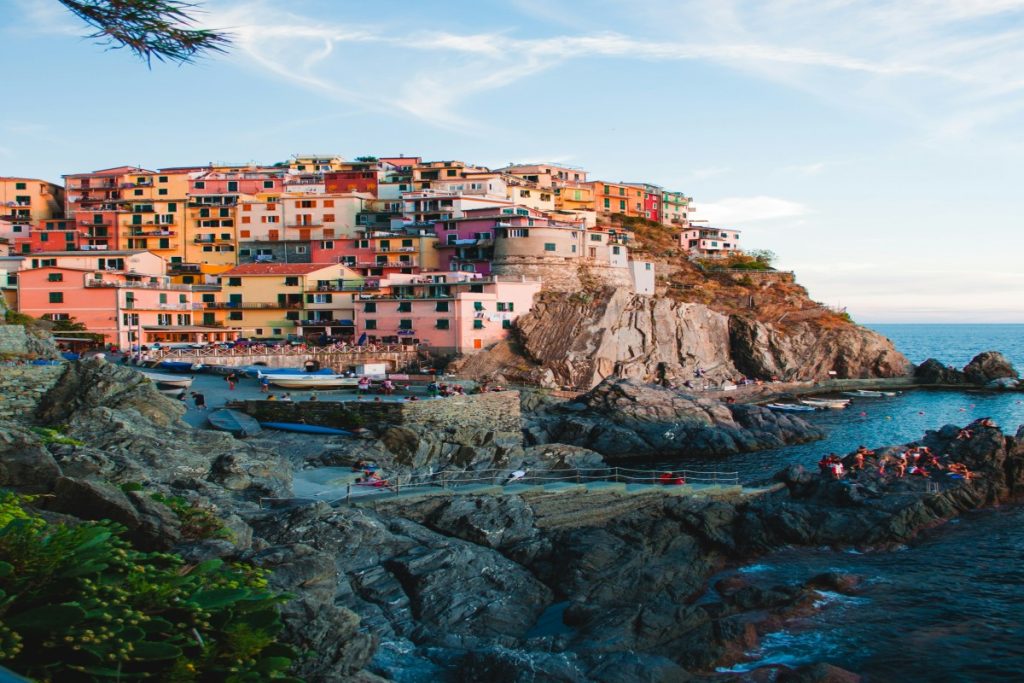
Italy is one of the world’s most rewarding travel destinations for first-time visitors. The country combines ancient history, world-famous art, scenic coastlines, charming villages, rolling countryside, and unforgettable food experiences — all within relatively short travel distances. What makes Italy especially appealing is its balance. In a single trip, travelers can explore Roman ruins, sip wine in Tuscany, cruise along dramatic coastlines, wander through Renaissance cities, and relax in quiet countryside towns. For beginners, however, planning an Italy itinerary can feel overwhelming because there are countless places worth visiting. Instead of trying to see everything, the best approach is to focus on a balanced route that combines Italy’s cultural landmarks, natural beauty, and slower local experiences. This guide is designed specifically for first-time visitors looking for a well-rounded Italian journey filled with: Historic cities Coastal escapes Countryside experiences Regional cuisine Art and architecture Scenic train journeys Authentic local culture Whether you are planning a 10-day vacation or a two-week adventure, this Italy itinerary offers the perfect introduction to the country’s timeless charm. In Short Explore Rome for ancient history and iconic landmarks. Visit Florence and Tuscany for art, wine, and countryside landscapes. Discover Venice’s canals and architecture. Relax along the Amalfi Coast or Cinque Terre. Experience Italy’s regional food culture throughout the journey. Ideal trip duration for first-time visitors: 10–14 days. Why Italy Is Perfect for First-Time Travelers Italy offers an ideal balance between sightseeing and immersive travel experiences. The country is beginner-friendly because of: Efficient train connectivity Walkable historic centers Diverse experiences within short distances Excellent tourism infrastructure Regional food and wine culture Scenic landscapes across every region Unlike destinations where travelers must choose between culture or nature, Italy combines both effortlessly. Travelers can: Visit museums in the morning Enjoy countryside vineyards in the afternoon End the day with coastal sunsets and local cuisine Italy also rewards slow travel. Beyond major landmarks, some of the most memorable experiences happen while wandering through quiet piazzas, discovering local bakeries, or enjoying long dinners in family-run trattorias. Suggested Italy Route for First-Time Visitors Rome → Florence → Tuscany → Venice → Amalfi Coast or Cinque Terre This route works especially well for beginners because it combines: History and architecture Countryside landscapes Coastal relaxation Food and wine experiences Easy train connections It also avoids unnecessary backtracking, making travel more comfortable and efficient. Stop 1: Rome – Italy’s Historic Heart Rome is the perfect introduction to Italy. The city combines ancient ruins, vibrant street life, impressive churches, beautiful piazzas, and some of the country’s best food experiences. For first-time travelers, Rome offers both iconic sightseeing and authentic local atmosphere. Best Things to Do in Rome Visit the Colosseum The Colosseum remains one of the world’s most recognizable landmarks. Visitors can explore: Ancient gladiator arenas Underground chambers Roman engineering Panoramic viewpoints Booking skip-the-line tickets is highly recommended. Explore the Roman Forum and Palatine Hill These archaeological areas reveal the political and cultural center of Ancient Rome. Highlights include: Ancient temples Historic ruins Emperor residences Scenic city views Discover Vatican City Vatican City houses some of the world’s greatest artistic and religious treasures. Must-visit attractions include: St. Peter’s Basilica Sistine Chapel Vatican Museums St. Peter’s Square Explore: Italy for Art Lovers The Vatican is especially rewarding for travelers interested in art , history, and architecture. Experience Rome’s Street Life Some of Rome’s greatest moments happen away from major monuments. Spend time: Wandering cobblestone streets Relaxing at outdoor cafes Watching sunset from piazzas Discovering hidden fountains Enjoying evening aperitivo culture Rome feels most magical when explored slowly. Recommended Stay 3–4 nights Food Experiences in Rome Italy’s food culture changes dramatically by region, and Rome is famous for simple but flavorful dishes. Must-Try Foods in Rome Carbonara Cacio e pepe Supplì Roman-style pizza Gelato Best Culinary Experiences Food walking tours Local markets Traditional trattorias Espresso bars Rooftop dining experiences Dining in Rome is about more than food — it is about atmosphere, conversation, and slowing down. Stop 2: Florence – Renaissance Beauty and Tuscan Charm Florence is often considered the artistic soul of Italy. Known as the birthplace of the Renaissance, the city offers extraordinary museums, cathedrals, architecture, and cultural experiences. Despite its global popularity, Florence remains compact and walkable, making it ideal for first-time visitors. Best Experiences in Florence Visit the Florence Cathedral (Duomo) The Duomo dominates Florence’s skyline. Highlights include: Brunelleschi’s Dome Marble facades Fresco interiors Panoramic city views Climbing to the top rewards visitors with spectacular views over Florence. Explore the Uffizi Gallery The Uffizi contains masterpieces by: Botticelli Leonardo da Vinci Michelangelo Raphael Art lovers should reserve several hours for exploration. Walk Across Ponte Vecchio This historic bridge is lined with small jewelry shops and overlooks the Arno River. It is especially beautiful during sunset. Visit Piazzale Michelangelo For panoramic city views, head to Piazzale Michelangelo. The viewpoint is particularly popular during golden hour. Recommended Stay 2–3 nights Tuscany – Italy’s Countryside at Its Best No first trip to Italy feels complete without experiencing Tuscany’s countryside. Rolling vineyards, medieval villages, olive groves, and scenic roads create some of Italy’s most iconic landscapes. Tuscany offers a slower pace compared to larger cities and provides the perfect balance between sightseeing and relaxation. Best Places to Explore in Tuscany Siena Known for: Medieval architecture Piazza del Campo Gothic cathedral Traditional Tuscan cuisine San Gimignano This hilltop town is famous for: Medieval towers Stone streets Scenic countryside views Artisan shops Val d’Orcia One of Italy’s most picturesque regions. Known for: Cypress-lined roads Vineyards Farm stays Photography viewpoints Best Experiences in Tuscany Wine Tastings Tuscany is globally known for wines such as: Chianti Brunello di Montalcino Vino Nobile di Montepulciano Many vineyards offer guided tastings and countryside lunches. Agriturismo Stays Agriturismos are countryside farm stays that combine: Local hospitality Homemade meals Vineyard views Rural experiences These stays are ideal for travelers wanting a quieter and more authentic side of Italy. Scenic Road Trips Driving through Tuscany allows travelers to explore: Hidden villages Small wineries Scenic viewpoints Local cafes
Sri Lanka’s Hill Country Journey: Tea Estates, Train Views & Quiet Mountain Towns

Introduction Sri Lanka’s hill country feels like a completely different world compared to its tropical coastline. As you move inland, the air turns cooler, the landscapes shift into rolling green hills, and life slows down in the most beautiful way. This region is famous for its tea plantations, colonial-era towns, and some of the most scenic train journeys in the world. But beyond the popular stops, the hill country also hides quiet villages, lesser-known viewpoints, and peaceful stays that are perfect for slow travel. In this guide by The Tarzan Way, we take you through the ultimate hill country Sri Lanka travel itinerary—covering the best towns, iconic train journeys, experiences, and a practical budget in INR to help you plan effortlessly. In Short (Key Takeaways) Best for: Nature lovers, slow travelers, photographers Budget: ₹2,000–₹6,500 per day Must-do: Kandy to Ella train ride Hidden gem: Haputale Ideal duration: 3–5 days What is Sri Lanka’s Hill Country? Sri Lanka’s hill country refers to the central highlands, known for: Tea plantations Cooler climate Colonial towns Scenic train routes Key regions include: Kandy Nuwara Eliya Ella Haputale Kandy – The Cultural Gateway to the Hills Kandy is often the starting point for hill country journeys. Top experiences: Visit the Temple of the Tooth Walk around Kandy Lake Explore local markets Why it matters: Cultural introduction before nature-heavy travel Well-connected by train and road Nuwara Eliya – Tea Estates & Colonial Vibes Often called “Little England,” Nuwara Eliya offers a refreshing escape. What makes it special: Endless tea plantations Cool weather year-round Colonial architecture Top things to do: Visit a tea factory Walk around Gregory Lake Enjoy scenic drives Ella – The Heart of Hill Country Travel Ella is the most popular hill town—and for good reason. Must-do experiences: Hike Little Adam’s Peak Visit Nine Arch Bridge Enjoy cafe culture with mountain views Why travelers love Ella: Perfect mix of adventure + relaxation Easy to explore Stunning viewpoints Haputale – The Quiet Alternative If you want to avoid crowds, Haputale is a hidden gem. Top highlights: Visit Lipton’s Seat Walk through tea plantations Enjoy peaceful surroundings Best for: Slow travel Offbeat experiences Photography The Famous Train Journey: Kandy to Ella Why It’s Special Passes through lush tea plantations Offers open-window views Slow-paced, immersive travel experience Journey Details Duration: 6–7 hours Cost: ₹150–₹1,000 Best seats: Second class for open windows Travel Tips Book tickets early during peak season Sit on the right side (better views from Kandy to Ella) Carry snacks and water This train journey is the highlight of any Sri Lanka trip. Budget Guide for Hill Country (INR) Daily Expenses Budget (₹2,000–₹3,000/day): Homestays Local food Public transport Mid-Range (₹3,000–₹6,500/day): Boutique stays Cafe hopping Guided experiences Cost Breakdown Stay: ₹1,000–₹5,000 per night Food: ₹300–₹1,200 per day Transport: ₹50–₹500 Activities: ₹200–₹1,500 Best Time to Visit Hill Country Know the best time to visit Sri Lanka: February to April: Clear skies and great views June to September: Lush greenery but occasional rain 4-Day Hill Country Itinerary Day 1: Kandy Explore city Visit Temple of the Tooth Day 2: Kandy to Nuwara Eliya Tea plantations Lake visit Day 3: Train to Ella Scenic journey Explore Ella Day 4: Haputale Sunrise at Lipton’s Seat Relax and unwind Travel Tips for Hill Country Carry light jackets (weather can be cold) Book trains in advance Start early for viewpoints Walk whenever possible—distances are short FAQs Is Ella better than Nuwara Eliya? Ella is more vibrant and traveler-friendly, while Nuwara Eliya is quieter and more scenic. How long is the Kandy to Ella train ride? Around 6–7 hours. Is Sri Lanka’s hill country expensive? No, it’s very affordable, especially for Indian travelers. Can you do hill country in 3 days? Yes, but 4–5 days is ideal for a relaxed experience. Conclusion Sri Lanka’s hill country is where time slows down and travel feels more meaningful. From sipping fresh tea in misty plantations to leaning out of a train window as it winds through the mountains, every moment here feels cinematic. Whether you’re chasing scenic views, peaceful stays, or a slower pace of travel, this region offers it all. Add it to your location travel itinerary and experience a side of Sri Lanka that most travelers never fully explore. Plan your journey with The Tarzan Way and discover the magic of Sri Lanka’s hills.
Japan Cherry Blossom Itinerary (2026 Guide): 10-Day Route for Tokyo, Kyoto, Osaka and Mount Fuji
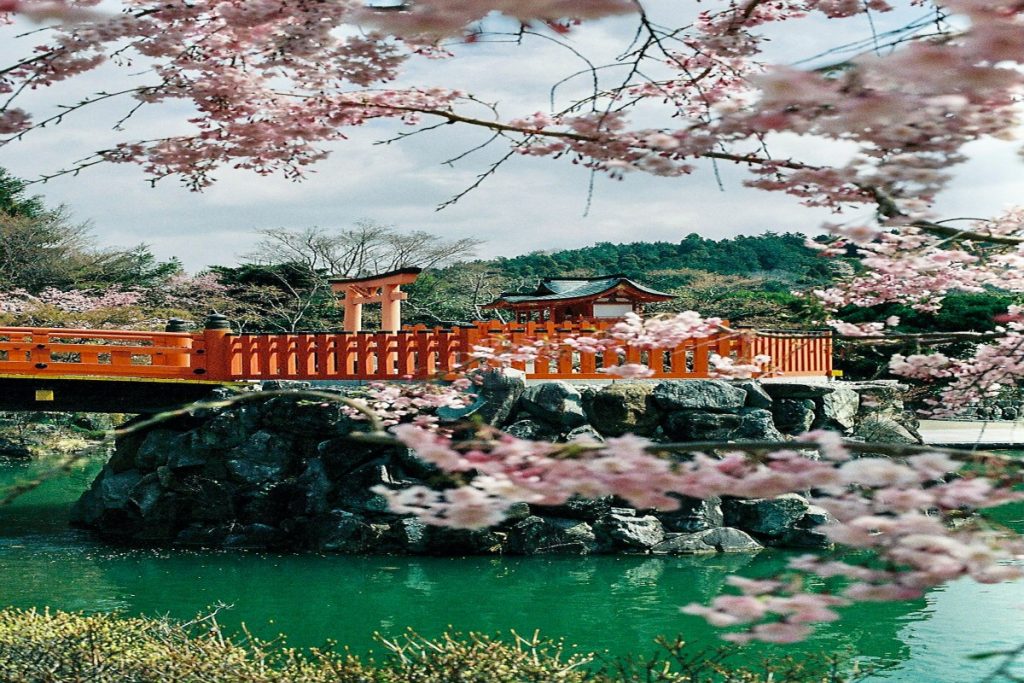
Introduction Cherry blossom season in Japan is one of the most iconic travel experiences in the world. Every spring, the country transforms into a landscape filled with soft pink and white blooms known as sakura. Parks, riversides, temples, and even city streets become gathering spots for locals and travelers celebrating this short-lived but magical season. However, planning a cherry blossom trip can be challenging. The bloom period lasts only around one week at its peak, and dates vary slightly each year depending on weather conditions. This makes timing, route planning, and accommodation booking extremely important. This guide will help you plan a detailed and practical 10-day Japan itinerary covering Tokyo, Kyoto, Osaka, and Mount Fuji during cherry blossom season in 2026. It is designed to balance sightseeing, cultural experiences, and optimal sakura viewing while keeping travel efficient and enjoyable. In Short The best time to follow this itinerary is between late March and early April 2026. Start in Tokyo where blossoms typically appear first, then move toward Mount Fuji for scenic views, followed by Kyoto and Osaka where the bloom peaks slightly later. A 10-day route allows you to experience modern cities, traditional culture, and natural landscapes without rushing. When to Visit Japan for Cherry Blossoms 2026 Cherry blossoms move from south to north across Japan, creating a natural timeline travelers can follow. In most years, Tokyo begins blooming around the last week of March, while Kyoto and Osaka reach peak bloom in early April. The Mount Fuji region, especially areas like Kawaguchiko, sees blossoms slightly later due to higher elevation. The concept of “peak bloom,” or mankai, refers to the period when around 80 percent of blossoms are open. This is the best time for viewing, but it only lasts about 5 to 7 days before petals begin to fall. Weather conditions such as rain or strong winds can shorten this window. To maximize your chances, plan your arrival in Tokyo around March 28 and travel westward as the bloom progresses. This itinerary is built around that natural progression, helping you stay aligned with the best viewing conditions across regions. 10-Day Japan Cherry Blossom Itinerary Overview Day 1 to 3 in Tokyo Day 4 to 5 in Mount Fuji region Day 6 to 8 in Kyoto Day 9 to 10 in Osaka This route minimizes backtracking and uses Japan’s efficient rail network to move between cities quickly. Day 1 to Day 3: Tokyo Cherry Blossom Experience Tokyo offers a perfect introduction to Japan. It blends futuristic cityscapes with traditional temples and Japan’s seasonal beauty. During cherry blossom season, the city’s parks and rivers become vibrant social spaces filled with locals enjoying hanami picnics. Top cherry blossom spots include Ueno Park, Shinjuku Gyoen, and Chidorigafuchi near the Imperial Palace. The Meguro River is especially popular for its evening illuminations, where lanterns light up the blossoms and create a surreal atmosphere. On your first day, explore Asakusa and visit Senso-ji Temple. Walk through Nakamise Street for traditional snacks and souvenirs. In the evening, head to the Tokyo Skytree area for city views. On the second day, focus on cherry blossom viewing. Start early at Shinjuku Gyoen for a quieter experience. Later, visit Harajuku and Meiji Shrine, followed by a walk through Shibuya Crossing. The third day can include a relaxed morning at Ueno Park and a cultural visit to museums or Akihabara for anime and tech culture. Tokyo offers endless variety, but pacing yourself is important to avoid travel fatigue. Day 4 to Day 5: Mount Fuji and Kawaguchiko Travel from Tokyo to the Mount Fuji region, particularly Kawaguchiko, which is part of the Fuji Five Lakes area. This region provides some of the most iconic views of Japan, where cherry blossoms frame the snow-capped peak of Mount Fuji. The journey takes around two hours by train or bus. Once you arrive, the atmosphere becomes noticeably calmer compared to Tokyo. Key spots include Lake Kawaguchi, where reflections of Fuji create stunning photography opportunities, and Arakurayama Sengen Park, home to the famous Chureito Pagoda viewpoint. This location offers one of the most photographed views in Japan, combining the pagoda, cherry blossoms, and Mount Fuji in one frame. Spend your time cycling around the lake, visiting local cafes, and relaxing in a traditional ryokan. Many accommodations include onsen baths, which are perfect for unwinding after busy city exploration. The Mount Fuji stop not only adds scenic beauty but also helps align your itinerary with slightly later bloom timings, increasing your chances of seeing cherry blossoms at their best. Day 6 to Day 8: Kyoto Cultural and Sakura Highlights Kyoto represents the cultural heart of Japan. Known for its temples, shrines, and traditional architecture, it becomes even more beautiful during cherry blossom season. Begin your Kyoto exploration with the Philosopher’s Path, a scenic canal-side walk lined with cherry trees. Early morning visits are recommended to avoid crowds. Kiyomizu-dera Temple offers panoramic views of the city and is particularly stunning when surrounded by blossoms. The nearby streets of Higashiyama provide a glimpse into old Japan, with wooden buildings, tea houses, and local shops. Maruyama Park is another key location, especially known for its large weeping cherry tree that is illuminated at night. The Arashiyama district offers a different experience, combining bamboo forests, river views, and seasonal cherry blossoms. It is slightly farther from central Kyoto but worth visiting for its unique landscape. You should also explore Fushimi Inari Shrine, famous for its thousands of torii gates. While not a cherry blossom spot, it provides a contrasting cultural experience that enriches your itinerary. Kyoto can be crowded during peak season, so planning early morning or late evening visits helps you enjoy locations more comfortably. Day 9 to Day 10: Osaka Food and City Life Osaka provides a lively conclusion to your trip. Known for its food culture and friendly atmosphere, it offers a different energy compared to Kyoto. Osaka Castle Park is the main cherry blossom attraction, with hundreds of trees surrounding the historic castle.
Sri Lanka Beyond the Usual: Best Places to Visit, Budget, Train Routes & Coastal Stays
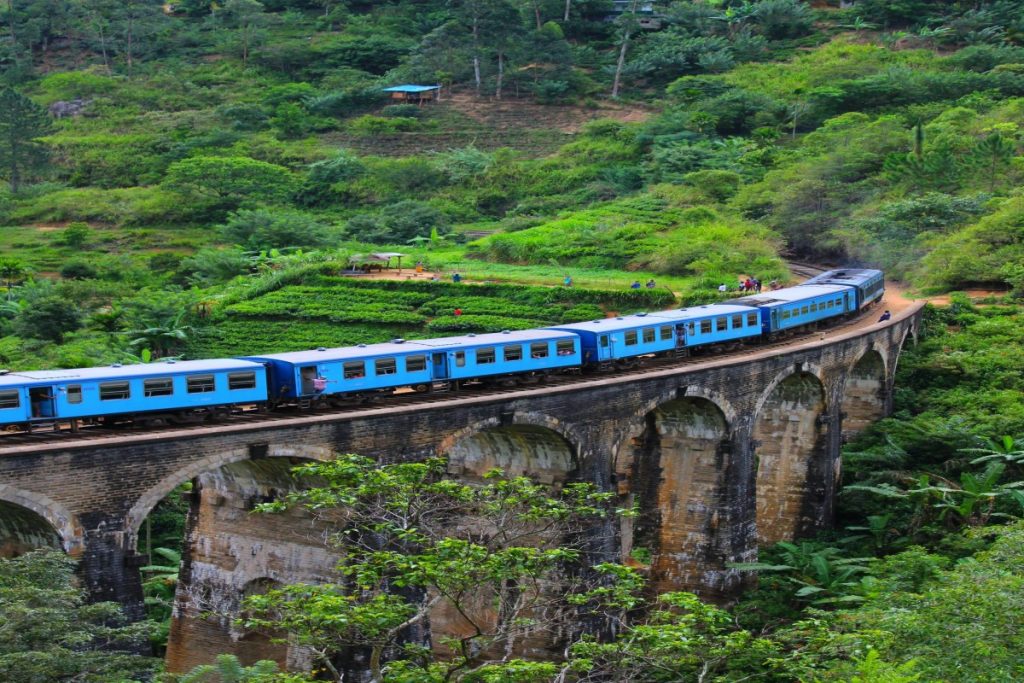
Introduction If your idea of Sri Lanka is limited to beaches and tea plantations, you’re missing out on a much richer story. This island country is filled with hidden mountain towns, scenic train journeys, untouched coastlines, and cultural gems that go far beyond the typical tourist checklist. What makes Sri Lanka truly special is how effortlessly it blends experiences. Within a few hours, you can go from surfing along the southern coast to sipping fresh tea in misty hills. Add to that its affordability, warm hospitality, and compact geography—it becomes one of the best destinations for Indian travelers looking for a balanced international trip. In this guide by The Tarzan Way, we cover everything you need to plan your journey—from offbeat places and scenic train routes to a detailed budget in INR and the best coastal stays. Whether you’re building a relaxed escape or a packed Sri Lanka travel itinerary, this blog has covered everything for you. In Short (Key Takeaways) Sri Lanka is perfect for budget-friendly international travel from India Daily budget: ₹2,000 to ₹7,000 depending on your style Best experience: Kandy to Ella train journey Ideal trip duration: 7–10 days Best time: December to April (West & South), May to September (East Coast) Why Sri Lanka is Perfect for Indian Travelers Sri Lanka offers a rare combination of accessibility and diversity: Short flight duration from India (2–4 hours) Visa-on-arrival or easy ETA process Affordable accommodation and food Scenic landscapes within short travel distances It’s one of the few destinations where your travel itinerary can include beaches, mountains, wildlife, and heritage—all in one trip. Best Places to Visit in Sri Lanka (Beyond the Usual) Ella – A Slow Travel Paradise Ella is often known for its train stop, but it’s much more than that. It’s a laid-back hill town perfect for unwinding. Top experiences: Hike to Little Adam’s Peak Visit the famous Nine Arch Bridge Relax in cafes with panoramic views Ideal for: Solo travelers, couples, workcations Nuwara Eliya – Colonial Charm in the Hills Often called “Little England,” this town offers a completely different vibe with cool weather and colonial architecture. What to explore: Tea estates and factories Gregory Lake Scenic countryside walks Tangalle – Secluded Coastal Escape Unlike crowded beach towns, Tangalle offers peace and raw beauty. Why visit: Quiet, untouched beaches Boutique eco-resorts Turtle nesting experiences Trincomalee – The Underrated East Coast A hidden gem for those looking to avoid crowds. Top things to do: Snorkeling at Pigeon Island Relax at Nilaveli Beach Dolphin and whale watching Haputale – A Hidden Hill Country Gem Less commercial than Ella, but equally stunning. Must-do experiences: Sunrise at Lipton’s Seat Walk through tea plantations Enjoy cloud-covered viewpoints Plan your trip to Weligama: Weligama travel itinerary Sri Lanka Budget Breakdown (2026 Guide in INR) Sri Lanka is one of the most affordable international destinations for Indian travelers. Daily Budget Estimates Budget Traveler (₹2,000–₹3,500/day): Hostels or homestays Local buses and trains Street food and local eateries Mid-Range Traveler (₹3,500–₹7,000/day): Boutique hotels Mix of public and private transport Cafes and curated experiences Luxury Traveler (₹8,000+ per day): Beach resorts and villas Private taxis and guided tours Premium dining experiences Detailed Cost Breakdown Accommodation: ₹800 – ₹6,500 per night Food: ₹400 – ₹1,500 per day Transport: ₹50 – ₹800 (trains & buses) Activities: ₹400 – ₹2,500 Scenic Train Routes You Shouldn’t Miss Sri Lanka’s train journeys are not just about getting from one place to another—they’re a core travel experience. Kandy to Ella Train Ride This is one of the most scenic train journeys in the world. What to expect: Rolling tea plantations Mist-covered mountains Open-door views perfect for photography Duration: 6–7 hours Cost: ₹150–₹1,000 depending on class Colombo to Kandy A shorter route that introduces you to Sri Lanka’s lush landscapes. Ella to Haputale A quieter, equally beautiful alternative route. Travel Tips for Train Journeys Book tickets in advance for reserved seats Choose second class for open windows Travel during daylight for the best views Best Coastal Stays in Sri Lanka Sri Lanka’s coastline offers diverse experiences—from lively beaches to peaceful retreats. Mirissa – Social & Vibrant Backpacker-friendly Beach cafes and nightlife Whale watching tours Unawatuna – Balanced Experience Mix of relaxation and nightlife Close to Galle Fort Tangalle – Peaceful Luxury Private beaches Eco-resorts and boutique stays Arugam Bay – Surfing Hub Ideal for surfers Laid-back, slow vibe Best Time to Visit Sri Lanka Sri Lanka’s weather varies by region due to two monsoon seasons. West & South Coast + Hill Country: December to April East Coast: May to September Sample 7-Day Sri Lanka Itinerary Day 1–2: Colombo to Kandy Explore the city Visit cultural sites Day 3–4: Kandy to Ella Scenic train journey Explore Ella Day 5: Haputale Sunrise at Lipton’s Seat Day 6–7: Tangalle or Mirissa Beach relaxation Water activities Travel Tips for Sri Lanka Carry cash (cards not accepted everywhere) Use trains for scenic travel Rent scooters in coastal towns Stay hydrated in humid weather FAQs What is the average cost of a Sri Lanka trip from India? A 7-day trip can cost between ₹20,000 to ₹60,000 depending on your travel style. Is Sri Lanka cheaper than Thailand? Yes, in most cases Sri Lanka is more budget-friendly for accommodation and transport. What is the best train journey in Sri Lanka? The Kandy to Ella route is the most scenic and popular. How many days are enough for Sri Lanka? 7–10 days are ideal to explore multiple regions comfortably. Do Indian travelers need a visa for Sri Lanka? Indian travelers can apply for ETA online or get visa-on-arrival depending on current rules. Is Sri Lanka safe for solo travelers? Yes, Sri Lanka is considered safe with friendly locals and well-connected tourist routes. What currency is used in Sri Lanka? Sri Lankan Rupee (LKR) is the local currency used across the country. Is Sri Lanka good for a honeymoon trip? Yes, Sri Lanka offers beaches, hills, train journeys, and luxury stays perfect for couples. Conclusion Sri Lanka is a
Singapore Travel Guide: Attractions, Transport & Cost Breakdown
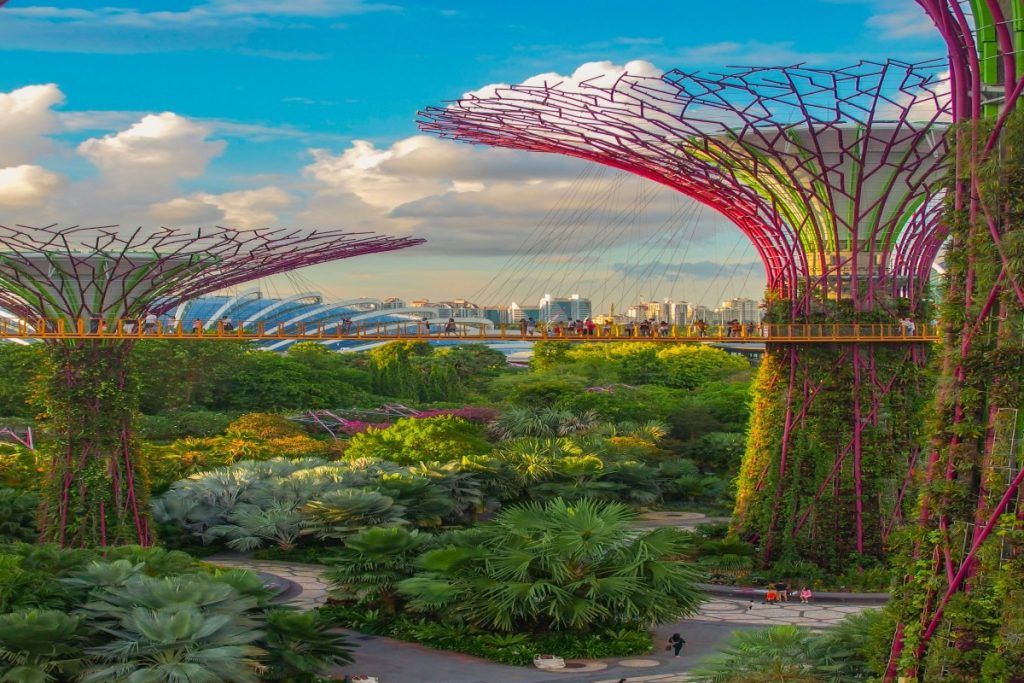
Introduction Singapore is one of the most efficient, vibrant, and traveler-friendly destinations in the world. Known for its futuristic skyline, diverse culture, and world-class infrastructure, this island nation offers a seamless blend of modern attractions and traditional charm. Whether you’re planning your first international trip or a short urban getaway, Singapore makes travel easy—with clean streets, reliable transport, and experiences for every kind of traveler. From iconic landmarks to budget-friendly hawker food, this guide will walk you through everything you need to know: top attractions, how to get around, and a detailed cost breakdown. If you’re building your Singapore travel itinerary, this comprehensive guide by The Tarzan Way will help you plan smarter, spend wisely, and explore deeper. In Short (TL;DR) Singapore offers a mix of modern attractions and cultural neighborhoods Public transport is efficient, affordable, and tourist-friendly Daily travel costs range from ₹5,000–₹12,000 depending on budget Must-visit attractions include Marina Bay, Sentosa, and Gardens by the Bay Ideal trip duration: 3–5 days Why Visit Singapore? Singapore stands out for its unique combination of: Ultra-modern infrastructure Rich multicultural heritage Safe and clean environment Easy navigation for tourists Despite being compact, it offers a wide range of experiences—from luxury shopping to street food and nature escapes. Top Attractions in Singapore Few top must-visit attractions in Singapore are as follows: 1. Marina Bay Sands One of the most iconic structures in the world, Marina Bay Sands is famous for its rooftop infinity pool and stunning city views. What to do: Visit the SkyPark Observation Deck Watch the Spectra light and water show Explore luxury shopping at The Shoppes 2. Gardens by the Bay A futuristic garden that blends technology with nature. Highlights: Supertree Grove light show Cloud Forest dome Flower Dome 3. Sentosa Island A complete entertainment hub perfect for families and adventure seekers. Top experiences: Beaches and water sports Universal Studios Singapore Cable car rides 4. Orchard Road Singapore’s shopping paradise. What to expect: Luxury malls International brands Cafés and restaurants 5. Chinatown A cultural hotspot blending tradition with modern experiences. Don’t miss: Buddha Tooth Relic Temple Street markets Hawker food 6. Little India A vibrant district full of colors, temples, and Indian cuisine. Highlights: Sri Veeramakaliamman Temple Mustafa Centre Authentic Indian food 7. Clarke Quay The go-to place for nightlife and riverside dining. Getting Around Singapore (Transport Guide) Singapore’s transport system is one of the best in the world—clean, punctual, and easy to use. MRT (Mass Rapid Transit) The Singapore MRT is the backbone of the city. Why use MRT: Covers all major attractions Affordable and fast Easy navigation for tourists Cost: ₹120–₹250 per ride Buses Buses complement MRT routes and reach residential areas. Pros: Scenic routes Budget-friendly Taxis & Ride-Hailing Apps like Grab are widely used. Average cost: ₹500–₹1,200 per ride depending on distance Tourist Pass The Singapore Tourist Pass offers unlimited travel on MRT and buses. Best for: Short stays (2–3 days) Frequent travelers within the city Cost Breakdown for Singapore Trip Singapore can be as budget-friendly or luxurious as you want. 1. Accommodation Budget hostels: ₹2,000–₹4,000 per night Mid-range hotels: ₹6,000–₹12,000 Luxury hotels: ₹20,000+ 2. Food Singapore is a paradise for food lovers. Budget options: Hawker meals: ₹300–₹800 Mid-range: Cafés & restaurants: ₹1,000–₹2,500 3. Attractions Gardens by the Bay: ₹1,500–₹2,000 Universal Studios: ₹5,000–₹7,000 Observation decks: ₹1,500+ 4. Transport Daily average: ₹300–₹800 5. Total Daily Budget Budget traveler: ₹5,000–₹7,000 Mid-range: ₹8,000–₹12,000 Luxury: ₹15,000+ Best Time to Visit Singapore Learn about the best time to visit Singapore. Singapore is a year-round destination, but some months are more comfortable. Best months: February to April (less rainfall) Avoid: Heavy monsoon months (November–January) Travel Tips for First-Time Visitors Carry a reusable water bottle Use MRT instead of taxis to save money Follow local rules (strict fines for littering, etc.) Try hawker food for authentic experiences How to Plan Your Singapore Itinerary Step-by-step framework: Step 1: Decide duration 3–5 days is ideal Step 2: Prioritize attractions Mix iconic spots with neighborhoods Step 3: Budget wisely Allocate major expenses to accommodation and attractions Step 4: Use public transport Save money and time Sample 4-Day Singapore Itinerary Day 1: Marina Bay Marina Bay Sands Gardens by the Bay Clarke Quay Day 2: Sentosa Universal Studios Beaches Cable car Day 3: Culture Chinatown Little India Orchard Road Day 4: Leisure Shopping Café hopping Local neighborhoods FAQs Q1. Is Singapore expensive for Indian travelers? Yes, but budget planning and hawker food can reduce costs significantly. Q2. What is the cheapest way to travel in Singapore? MRT and buses are the most affordable options. Q3. Do I need cash in Singapore? Cards are widely accepted, but small cash is useful for hawker stalls. Q4. How many days are enough for Singapore? 3–5 days is ideal to cover major attractions and local experiences. Q5. Is Singapore safe for tourists? Yes, it is one of the safest countries in the world. Glossary MRT: Mass Rapid Transit system used for public transport Hawker Center: Affordable food courts with local vendors Tourist Pass: Unlimited travel card for public transport Conclusion Singapore is a destination that delivers on every front—modern attractions, efficient transport, and diverse experiences. Whether you’re traveling on a budget or indulging in luxury, the city offers something for everyone. By planning your Singapore travel itinerary smartly, you can explore top attractions, manage your expenses, and make the most of your trip. Discover smarter travel experiences with The Tarzan Way and turn your Singapore trip into a seamless adventure.
Vietnam From North to South: Landscapes, Food & Cultural Shifts Explained
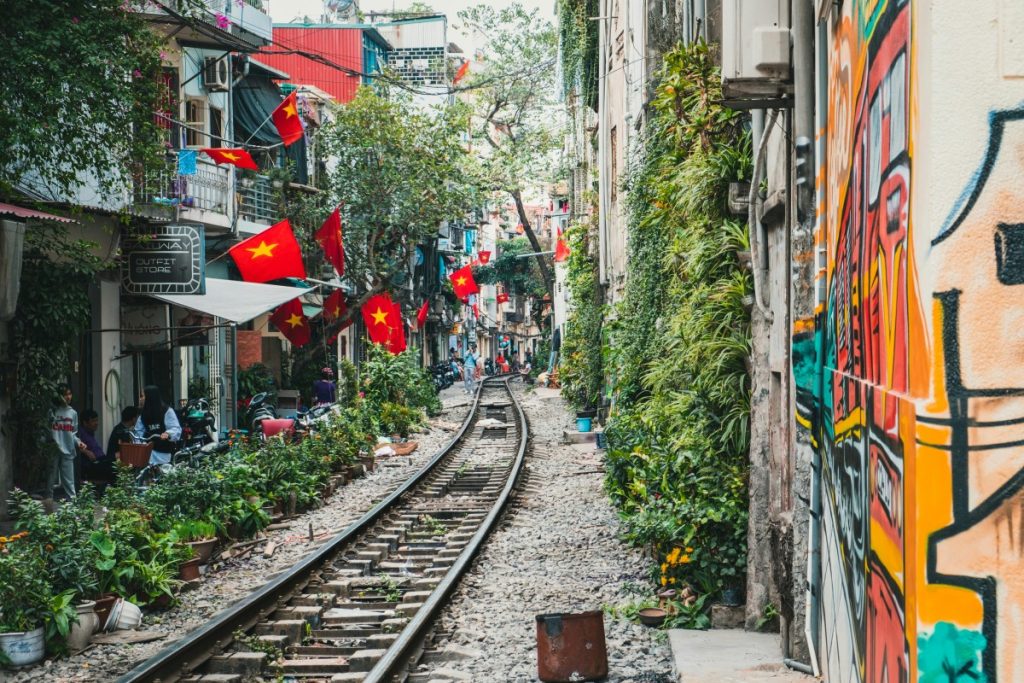
Vietnam is one of Southeast Asia’s most fascinating countries to explore from top to bottom. Stretching over 1,650 km, the country reveals dramatic changes in landscapes, cuisine, culture, and even pace of life as you travel from the misty mountains of the north to the tropical rivers of the south. From the limestone karsts of Ha Long Bay to the bustling streets of Ho Chi Minh City, every region tells a different story shaped by geography, history, and local traditions. For travelers planning a Vietnam travel itinerary, understanding these regional differences helps create a more meaningful journey. This guide breaks down the landscapes, food culture, and social vibe across North, Central, and South Vietnam. In Short (TL;DR) North Vietnam: Dramatic mountains, cooler weather, subtle flavors, traditional culture. Central Vietnam: Historic cities, imperial cuisine, cultural heritage. South Vietnam: Tropical landscapes, sweeter food, modern and energetic lifestyle. The best Vietnam travel itinerary typically moves North → Central → South for geographic and cultural flow. North Vietnam: Dramatic Landscapes & Deep Traditions Northern Vietnam is where many travelers start their journey. The region is known for its mountain scenery, historic cities, and traditional lifestyle. Read: best time to visit Vietnam Key Destinations Hanoi – Vietnam’s capital with colonial architecture and chaotic charm. Sapa – Famous for rice terraces and ethnic minority villages. Ha Long Bay – Iconic limestone islands rising from emerald water. Ninh Binh – Often called “Ha Long Bay on land”. Landscape Characteristics North Vietnam features some of the most dramatic scenery in Southeast Asia: Towering limestone karsts Misty mountain valleys Terraced rice fields Dense tropical forests These landscapes make the region perfect for: Trekking Photography Cultural homestays Nature cruises Cultural Identity The north is considered the cultural heart of Vietnam. Read more about: Best Vietnam Group Tours for Young Travelers Influences include: Ancient Vietnamese dynasties Confucian traditions Ethnic minority cultures such as the Hmong and Dao Life here often feels more traditional and slower-paced than the south. Northern Vietnamese Cuisine Food in northern Vietnam is known for clean, balanced flavors rather than intense sweetness or spice. Signature dishes include: Pho – Hanoi is the birthplace of this iconic dish. Bun Cha – Grilled pork with rice noodles and herbs. Banh Cuon Flavors are typically: Light Savory Herb-forward Central Vietnam: History, Imperial Culture & Coastal Beauty Central Vietnam sits between mountains and sea, creating a unique mix of historic heritage and coastal landscapes. Key Destinations Hue – Former imperial capital of the Nguyen Dynasty. Da Nang – Modern coastal city and gateway to central Vietnam. Hoi An Ancient Town – Lantern-lit historic trading port. Landscape Characteristics Central Vietnam offers diverse scenery: Long sandy beaches Mountain passes like Hai Van Pass Tropical forests Historic river towns Travelers often include this region in a Location travel itinerary for its balance of nature and culture. Cultural Highlights Central Vietnam reflects strong imperial and royal heritage. Important influences include: Nguyen Dynasty architecture Buddhist temples Historic trading culture in Hoi An Key sites include: Imperial City of Hue Ancient merchant houses in Hoi An Cham ruins like My Son Sanctuary Central Vietnamese Cuisine Food in this region is spicier, more complex, and visually artistic. Famous dishes include: Bun Bo Hue Cao Lau Banh Xeo Many dishes were originally created for the imperial court in Hue, resulting in beautiful presentation and rich flavors. South Vietnam: Tropical Energy & Modern Vietnam Southern Vietnam feels completely different from the north. The region is warmer, more tropical, and faster-paced. Key Destinations Ho Chi Minh City – Vietnam’s economic hub. Mekong Delta – Network of rivers and floating markets. Phu Quoc – Tropical island famous for beaches. Landscape Characteristics South Vietnam features: River deltas Tropical islands Coconut groves Floating markets The Mekong Delta is particularly unique with daily life centered around waterways. Cultural Atmosphere Compared to the north, the south feels: More cosmopolitan More business-focused Influenced by global culture Cities like Ho Chi Minh City have: Modern skyscrapers Rooftop bars International cuisine Southern Vietnamese Cuisine Southern food tends to be sweeter and more vibrant. Popular dishes include: Hu Tieu Com Tam Fresh tropical fruits like mango and dragon fruit Common flavor traits: Sweet sauces Coconut milk Fresh herbs Key Cultural Differences Across Vietnam Aspect North Vietnam Central Vietnam South Vietnam Climate Cooler winters Tropical with storms Warm year-round Landscapes Mountains & karsts Coast & historic towns Rivers & islands Cuisine Light and balanced Spicy and royal Sweet and bold Lifestyle Traditional Cultural heritage Fast-paced & modern Major City Hanoi Da Nang Ho Chi Minh City Suggested Vietnam Travel Itinerary (North → South) Many travelers follow this Vietnam travel itinerary route for the best experience. 10–14 Day Route Days 1–3 Explore Hanoi Street food tours Days 4–5 Cruise Ha Long Bay Days 6–7 Trekking in Sapa Days 8–9 Visit Hue Imperial City Days 10–11 Explore Hoi An Ancient Town Days 12–14 Discover Ho Chi Minh City Day trip to Mekong Delta Traveling north to south helps you see the natural and cultural transition of Vietnam step by step. FAQs What is the best route to travel to Vietnam? Most travelers follow Hanoi → Central Vietnam → Ho Chi Minh City, which aligns with the country’s geography. How long does it take to travel Vietnam from north to south? A comfortable trip takes 10–14 days, though 3 weeks allows deeper exploration. Which part of Vietnam has the best food? Food varies by region: North: balanced flavors Central: spicy and complex South: sweeter and tropical What is the best time to visit Vietnam? February–April and September–November usually offer the most balanced weather across the country. Glossary Karst Landscape: A terrain formed by limestone erosion, creating dramatic cliffs and caves. Floating Market: A traditional market where vendors sell goods from boats. Imperial Cuisine: Food originally prepared for Vietnamese royal courts. Conclusion Traveling through Vietnam from north to south feels like exploring three different countries in one journey. The misty mountains of Sapa, the lantern-lit streets of Hoi An, and the river life of the