

Summer Vacation Ideas 2026: Family Trips, Solo Escapes & Kid-Friendly Destinations

Summer vacation is much more than taking a break from education or job; summer vacation is all about creating beautiful memories, visiting exotic destinations, and spending quality time with family members and loved ones. With temperatures soaring high, many families, individuals, and adventurers are already planning their trips and looking for ideal places to visit in 2026. Whether you want to visit cool mountains or relax in the sunny weather at beaches or go on adventures or enjoy culture, there are numerous destinations in which you can find a suitable place according to your budget and travel style. This guide explores some of the best Summer Vacation Ideas 2026 that will help you and your family to plan your summer trip itinerary. Why Summer Is the Perfect Time to Travel There are many reasons why the summer season becomes very popular for travel purposes. Longer Holidays Summer vacations usually last long due to longer holidays at schools and colleges. Pleasant Weather in Mountain Regions Hill stations and mountains offer pleasant weather during summer. More Outdoor Activities Summer is perfect for camping, trekking, wildlife safari, beach vacations, and sightseeing. Family Bonding Opportunities Vacations give people an opportunity to take a break from their schedules and bond with their near and dear ones. Best Summer Vacation Ideas for Families 1. Kashmir: The Paradise of Summer The Kashmir valley is still considered as one of the most beautiful summer spots in India. Explore: Kashmir Travel Guide What Makes It Perfect for Families? 1. It has pleasant temperature to be away with families. 2. It has scenic landscapes and breathtaking scenery 3. It has various family-friendly attractions 4. Comfortable accommodations What to Do Srinagar 1. Take Shikara ride on Dal Lake 2. Visit at Mughal Gardens 3. Explore nearby local markets Gulmarg 1. Take Gondola rides 2. Enjoy mountain views 3. Participate in adventure activities Pahalgam 1. Visit to Betaab Valley 2. River walks 3. Pony rides Unique Highlight Choose to stay at houseboats, because both the children and elders get to enjoy the magic of staying in traditional houseboats. 2. Shimla and Manali, Himachal Pradesh This popular hill station circuit remains the first choice of Indian families. What to Do Shimla 1. Explore the mall road area 2. The Ridge 3. Experience the ride at Toy Train Explore: Shimla Travel Guide Manali 1. Solang Valley 2. Rohtang Pass 3. Nature walks Why Families Love It It offers a complete mix of relaxation, adventure, and accessibility. Pro Tip Visit in early summers to skip the summer rush and to avoid peak-season crowds. 3. Kerala: Backwaters, Beaches & Nature Kerala provides a good blend of nature, culture, and family-friendly experiences. Must-Visit Places Munnar Tea gardens, pleasant climate and cool weather Alleppey Houseboat cruises Thekkady Wildlife and spice plantations Kovalam Relaxing beaches Unique Highlight Houseboat stays are the most memorable part of Kerala family vacations. Kid-Friendly Destinations for Summer 2026 Family travel destinations should be fun as well as comfortable. 1. Jaipur, Rajasthan Jaipur is the perfect place that turns history into a fascinating journey for kids and family. What Kids Enjoy 1. Visit Amer Fort 2. Elephant Village experiences 3. Enjoy light and sound shows 4. Watch puppet performances For more, read: Must Visit 8 cultural places in Rajasthan Educational Value The place holds educational value with history that allows kids to learn about the royal history of India through entertainment. 2. Mysuru, Karnataka Mysuru offers an interesting mix of culture, history, and attractions that makes a Mysuru trip family-friendly. Top Attractions 1. Visit Mysore Palace 2. For children, must visit at Mysore Zoo 3. Brindavan Gardens 4. Railway Museum Why It Works There are many activities to do in the city without overwhelming young travelers. 3. Ooty, Tamil Nadu Ooty continues to be one of the most popular destinations for Indian families during summer. What to Do 1. Toy Train rides 2. Botanical Gardens 3. Ooty Lake boating 4. Tea estate visits Unique Highlight The toy train journey is often a favorite among children as many children love traveling on the toy train. Best Solo Escapes for Summer 2026 Summer is also an excellent time for individual travelers that need some personal discovery, adventure, or peace. 1. Tirthan Valley, Himachal Pradesh It is one of India’s most tranquil hidden gems. Why Solo Travelers Love It 1. It has quiet surroundings 2. Beautiful scenic landscapes 3. Best for slow travel opportunities What to Do 1. Riverside walks 2. Village exploration to get the authentic and cultural understanding of a place. 3. You can go for nature hikes Unique Highlight The destination is the perfect escape and is the best for digital detox and self-reflection. 2. Rishikesh, Uttarakhand Rishikesh is an ideal place for spiritual travelers that need adventure too. Activities 1. Yoga retreats 2. River rafting 3. Meditation sessions 4. Café culture Pro Tip For an immersive experience, take part in a brief yoga retreat to get more out of your travels. 3. Ziro Valley, Arunachal Pradesh A dream destination for travelers that seek to break off from busy travel routes. What to Explore 1. Apatani villages 2. Cycling routes 3. Local culture 4. Scenic landscapes Why Visit? The peaceful atmosphere and tranquil environment makes it ideal for solo exploration. International Summer Vacation Ideas for 2026 For travelers planning an international holiday, several destinations offer pleasant weather and family-friendly attractions during summer. 1. Switzerland Highlights 1. Alpine scenery 2. Scenic train journeys 3. Family-friendly attractions 4. Outdoor adventures Perfect For: Families and honeymooners alike. To prepare Switzerland itinerary, must explore: Switzerland Scenic Train Itinerary 2. Japan What to Experience 1. Cultural attractions 2. Theme parks 3. Historic temples 4. Modern cities Kid-Friendly Attractions: Tokyo Disneyland and Universal Studios Japan. 3. Thailand Why Visit? 1. Affordable travel 2. Beautiful beaches 3. Family resorts 4. Excellent food Top Destinations 1. Phuket 2. Krabi 3. Chiang Mai 4. Bangkok Adventure-Filled Summer Vacation Ideas Ladakh Activities to add in your Ladakh travel guide: 1. Road trips 2. High-altitude
Winter Across Europe Without the Rush: Lesser-Known Cities That Shine in the Cold
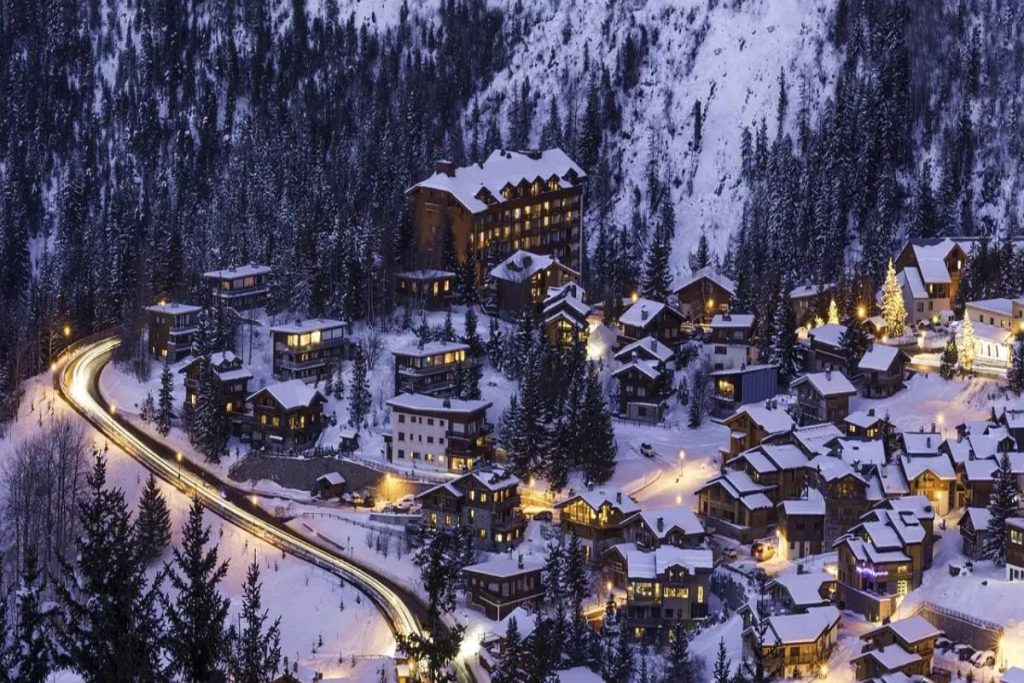
Introduction When winter arrives in Europe, most travelers instantly think of crowded Christmas markets in Paris, Vienna, or Prague. But beyond these popular hotspots lies a quieter, more magical side of the continent—one where snow-dusted streets, cozy cafés, and local traditions feel more authentic and unhurried. If you’ve ever wanted to experience Europe in winter without the crowds, this guide is for you. From charming alpine towns to underrated cultural hubs, these lesser-known cities offer stunning winter experiences—often at a lower cost and with fewer tourists. Whether you’re planning a peaceful getaway or curating your perfect Europe travel itinerary, this guide by The Tarzan Way will help you discover Europe’s hidden winter gems. In Short (TL;DR) 1. Skip crowded cities and explore underrated winter destinations in Europe 2. Enjoy lower costs, fewer tourists, and authentic local culture 3. Best destinations include Hallstatt, Colmar, Tallinn, and Ljubljana 4. Ideal for slow travel, photography, and cozy winter experiences Why Travel to Europe in Winter (Beyond the Usual Cities)? Winter in Europe isn’t just about Christmas markets—it’s about atmosphere. This Europe winter travel guide will help you travel Europe in its in its most magical form. What makes winter special: 1. Snow-covered landscapes and fairy-tale towns 2. Off-season pricing on flights and accommodations 3. Fewer crowds at major attractions 4. Cozy food culture: hot chocolate, mulled wine, and hearty meals Why choose lesser-known cities: 1. More authentic experiences 2. Easier to explore at your own pace 3. Better interaction with locals 4. Hidden cultural traditions you won’t find in tourist-heavy areas 1. Hallstatt, Austria – A Fairytale Frozen in Time Nestled between mountains and a serene lake, Hallstatt transforms into a winter postcard. What makes it special: 1. Snow-covered wooden houses reflecting on the lake 2. Quiet streets without peak-season crowds 3. Scenic viewpoints with alpine backdrops Things to do: 1. Walk along Hallstätter See 2. Visit the salt mines 3. Enjoy lakeside cafés Best for: Couples, photographers, and peaceful retreats 2. Colmar, France – A Storybook Winter Escape Colmar in France feels like stepping into a Disney movie—especially in winter. Highlights: 1. Half-timbered houses dusted with snow 2. Smaller, less crowded Christmas markets 3. Alsatian cuisine and wine Must-try experiences: 1. Warm tarte flambée 2. Mulled wine in local markets 3. Canal-side evening walks 3. Tallinn, Estonia – Medieval Magic in the Snow Tallinn’s Old Town is one of Europe’s best-preserved medieval centers—and winter makes it even more magical. Why visit: 1. Cobblestone streets covered in snow 2. Gothic architecture and towers 3. Cozy candle-lit cafés Activities: 1. Explore Toompea Castle 2. Visit local winter markets 3. Try traditional Estonian dishes 4. Ljubljana, Slovenia – Europe’s Green Capital in Winter Ljubljana offers a perfect mix of charm, culture, and sustainability—even in winter. What stands out: 1. Festive lights along the Ljubljanica River 2. Quiet, crowd-free streets 3. Affordable compared to Western Europe Things to do: 1. Walk through the Old Town 2. Visit Ljubljana Castle 3. Enjoy riverside cafés 5. Ghent, Belgium – A Hidden Gem with Gothic Charm Often overshadowed by Bruges, Ghent in Belgium is equally beautiful but far less crowded. Winter appeal: 1. Medieval architecture lit up at night 2. Fewer tourists than nearby cities 3. Strong food and beer culture Don’t miss: 1. Gravensteen Castle 2. Belgian waffles and hot chocolate 3. Canal views in the evening 6. Rovaniemi, Finland – Beyond Santa Claus While known as Santa Claus Village, Rovaniemi offers much more in winter. Unique experiences: 1. Northern Lights sightings 2. Snow safaris and reindeer rides 3. Arctic wilderness Best for: Adventure travelers and bucket-list seekers 7. Sibiu, Romania – A Cultural Winter Retreat Sibiu combines medieval charm with rich cultural traditions. Why it’s underrated: 1. Beautiful Christmas market without massive crowds 2. Colorful buildings and historic squares 3. Budget-friendly destination Experiences: 1. Explore the Old Town 2. Visit museums and galleries 3. Try Romanian winter cuisine Budget & Travel Tips for Winter in Europe Planning your travel itinerary smartly with budget-friendly Europe trip can make a huge difference. Budget tips: 1. Book flights early for better deals 2. Choose smaller cities for cheaper stays 3. Use trains for scenic and affordable travel Packing essentials: 1. Thermal wear and waterproof boots 2. Gloves, scarves, and layers 3. Travel insurance for winter conditions Travel hacks: 1. Visit attractions early in the day 2. Stay near city centers to avoid transport issues 3. Check local winter festivals and events Best Time to Visit These Cities Timing your trip is key for the best experience. Ideal months: 1. December: Festive markets and decorations 2. January: Snowy landscapes with fewer tourists 3. February: Budget-friendly and quieter travel Explore: Europe’s Hidden Gem How to Plan a Winter Europe Itinerary Creating a seamless itinerary ensures a stress-free trip. Step-by-step framework: 1. Choose 2–3 nearby cities (avoid overpacking your schedule) 2. Check visa and travel requirements 3. Book accommodations near main attractions 4. Plan flexible travel days for weather changes 5. Include both indoor and outdoor activities Explore: Europe’s Night Out Itinerary FAQs What are the best lesser-known winter destinations in Europe? Hallstatt, Colmar, Tallinn, and Ljubljana are among the best for a peaceful winter experience. Is Europe expensive in winter? Not always. Smaller cities and off-peak months like January and February are quite budget-friendly. What should I pack for a winter trip to Europe? Warm layers, waterproof shoes, gloves, and thermal wear are essential. Are these cities safe for solo travelers? Yes, most of these destinations are safe, clean, and traveler-friendly. Glossary Workcation: Working remotely while traveling Off-season travel: Traveling during less popular months for lower costs and fewer crowds EEAT: Expertise, Experience, Authority, and Trustworthiness in content quality Conclusion Winter in Europe doesn’t have to mean crowded streets and long queues. By choosing lesser-known cities, you can experience a more peaceful, authentic, and magical side of the continent. From the frozen beauty of Hallstatt to the medieval charm of Tallinn, these destinations offer unforgettable winter moments without the rush. Whether
Europe Winter Travel Guide: Best Destinations, Snow Experiences & Costs (2026)
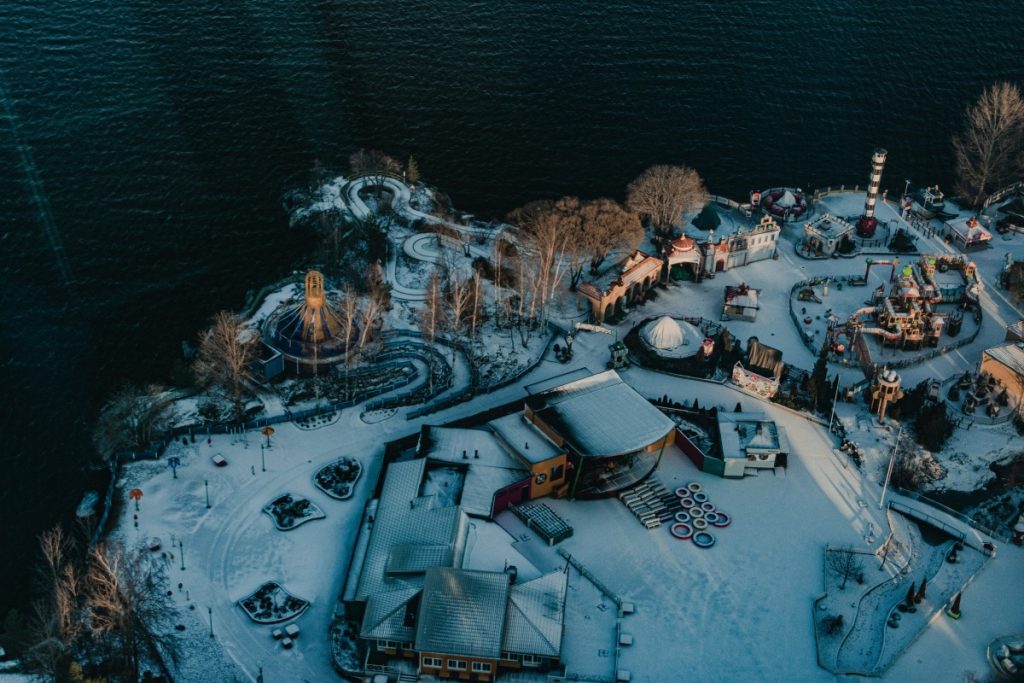
Introduction Europe in winter feels like stepping into a postcard. Snow-covered villages, festive markets, frozen lakes, and cozy cafes create a magical atmosphere that’s completely different from the summer crowds most travelers are used to. But planning a winter trip to Europe can feel overwhelming—weather conditions, varying costs, and choosing the right destinations can make or break your experience. Whether you’re chasing snowfall, Christmas markets, or unique winter adventures, timing and planning are everything. In this comprehensive guide by The Tarzan Way, we break down the best destinations, snow experiences, and a complete budget in INR—so you can build the perfect Europe travel itinerary in winter. In Short (Key Takeaways) 1. Best time: December to February 2. Budget: ₹8,000–₹20,000 per day 3. Top experiences: Christmas markets, snow activities, Northern Lights 4. Best countries: Switzerland, Austria, Germany, Finland 5. Ideal trip duration: 7–12 days Explore Europe Hidden Gems for nature and history. Why Visit Europe in Winter? Winter transforms Europe into a completely different destination: 1. Fewer crowds compared to summer 2. Lower flight and hotel prices (except peak Christmas/New Year) 3. Unique experiences like snow sports and festive markets 4. Cozy atmosphere with winter cuisine and culture Best Winter Destinations in Europe Switzerland – Snowy Landscapes & Scenic Trains Switzerland is the ultimate winter destination. Winter is the best season to explore the true beauty of Switzerland for first-timers. Top places: 1. Zermatt 2. Interlaken 3. Jungfraujoch Experiences: 1. Skiing and snowboarding 2. Glacier train rides 3. Cable car views Austria – Alpine Beauty & Culture Austria blends scenic landscapes with cultural charm. Must-visit: 1. Salzburg 2. Innsbruck Highlights: 1. Christmas markets 2. Snow-covered old towns 3. Classical music heritage Germany – Christmas Markets & Festive Vibes Germany is famous for its winter markets. Top cities: 1. Munich 2. Nuremberg Why go: 1. Traditional Christmas markets 2. Mulled wine and festive food 3. Cultural experiences Finland – Northern Lights & Arctic Adventures For a unique winter experience, Finland is unmatched. Best place: 1. Lapland Experiences: 1. Northern Lights 2. Husky sledding 3. Glass igloos stays France – Romantic Winter Escape France offers both city charm and snowy landscapes. Top spots: 1. Paris 2. Chamonix Best Snow Experiences in Europe Skiing & Snowboarding Best in: 1. Switzerland 2. Austria 3. France Cost: ₹5,000–₹12,000 per day Northern Lights Best seen in: 1. Finland 2. Norway 3. Iceland Christmas Markets Best in: 1. Germany 2. Austria 3. Prague (Czech Republic) Scenic Train Rides 1. Glacier Express (Switzerland) 2. Bernina Express Explore: Perfect Night Trip at Europe Europe Winter Budget (INR Breakdown) Daily Budget Budget Traveler (₹8,000–₹12,000/day): a. Hostels / budget hotels b. Public transport c. Street food Mid-Range (₹12,000–₹20,000/day): a. 3-star hotels b. Intercity trains c. Tours and experiences Luxury (₹25,000+ per day): a. Premium hotels b. Private transfers c. Fine dining Cost Breakdown a. Accommodation: ₹4,000–₹15,000/night b. Food: ₹1,500–₹4,000/day c. Transport: ₹2,000–₹6,000 d. Activities: ₹2,000–₹10,000 Best Time to Visit Europe in Winter 1. December: Christmas markets and festive vibe 2. January–February: Best for snow and skiing 3. Late February: Slightly fewer crowds Know the best time to visit Europe for best trip experience. Sample 10-Day Europe Winter Itinerary Day 1–3: Paris a. City exploration b. Museums and cafes Day 4–6: Switzerland a. Interlaken b. Jungfraujoch Day 7–8: Austria a. Salzburg b. Innsbruck Day 9–10: Germany a. Munich b. Christmas markets Travel Tips for Europe in Winter 1. Pack thermal wear and waterproof shoes 2. Book early for December travel 3. Use rail passes for easy transport 4. Check weather forecasts regularly Discover the best top 10 clubs in Europe for full chill vibe. FAQs Is Europe expensive in winter? It can be, but traveling in January–February reduces costs significantly. Which country is best for snow in Europe? Switzerland and Austria offer the best snow experiences. Is winter a good time to visit Europe? Yes, especially for unique experiences like snow and Christmas markets. How much does a Europe winter trip cost from India? Expect ₹1.2–₹3 lakhs for a 10-day trip depending on style. Conclusion Europe in winter is not just a trip—it’s an experience filled with snow-covered landscapes, festive lights, and unforgettable moments. Whether you’re exploring Christmas markets in Germany or chasing the Northern Lights in Finland, every destination offers something magical. With the right planning and a well-crafted location travel itinerary, you can make the most of your winter adventure without overspending. Start planning your Europe winter journey with The Tarzan Way and turn your snow-filled dreams into reality.
Japan Cherry Blossom Itinerary (2026 Guide): 10-Day Route for Tokyo, Kyoto, Osaka and Mount Fuji
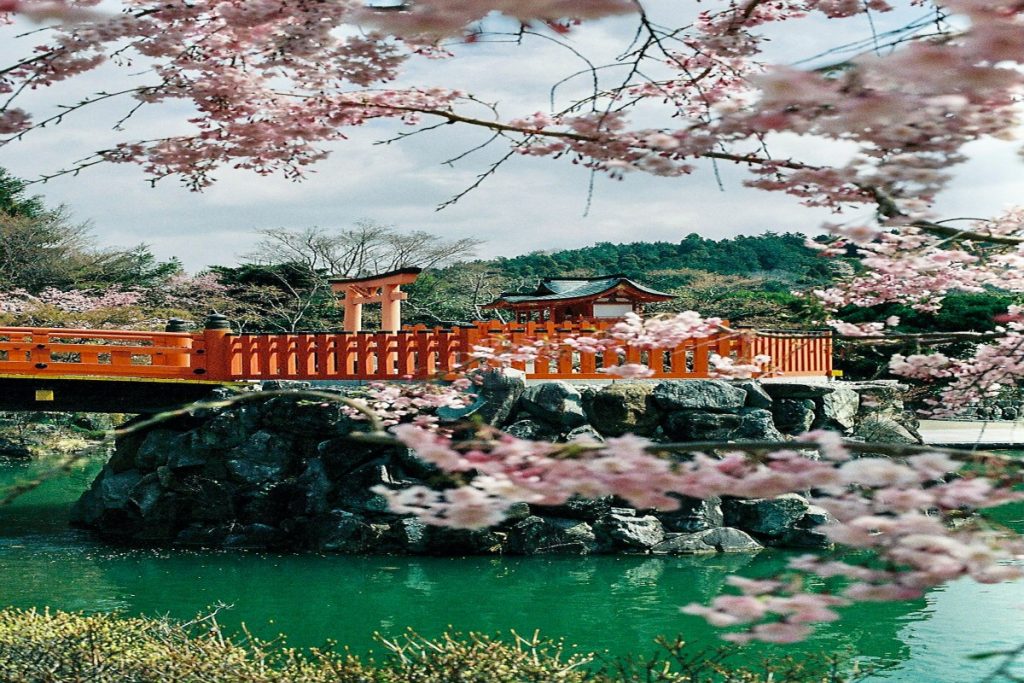
Introduction Cherry blossom season in Japan is one of the most iconic travel experiences in the world. Every spring, the country transforms into a landscape filled with soft pink and white blooms known as sakura. Parks, riversides, temples, and even city streets become gathering spots for locals and travelers celebrating this short-lived but magical season. However, planning a cherry blossom trip can be challenging. The bloom period lasts only around one week at its peak, and dates vary slightly each year depending on weather conditions. This makes timing, route planning, and accommodation booking extremely important. This guide will help you plan a detailed and practical 10-day Japan itinerary covering Tokyo, Kyoto, Osaka, and Mount Fuji during cherry blossom season in 2026. It is designed to balance sightseeing, cultural experiences, and optimal sakura viewing while keeping travel efficient and enjoyable. In Short The best time to follow this itinerary is between late March and early April 2026. Start in Tokyo where blossoms typically appear first, then move toward Mount Fuji for scenic views, followed by Kyoto and Osaka where the bloom peaks slightly later. A 10-day route allows you to experience modern cities, traditional culture, and natural landscapes without rushing. When to Visit Japan for Cherry Blossoms 2026 Cherry blossoms move from south to north across Japan, creating a natural timeline travelers can follow. In most years, Tokyo begins blooming around the last week of March, while Kyoto and Osaka reach peak bloom in early April. The Mount Fuji region, especially areas like Kawaguchiko, sees blossoms slightly later due to higher elevation. The concept of “peak bloom,” or mankai, refers to the period when around 80 percent of blossoms are open. This is the best time for viewing, but it only lasts about 5 to 7 days before petals begin to fall. Weather conditions such as rain or strong winds can shorten this window. To maximize your chances, plan your arrival in Tokyo around March 28 and travel westward as the bloom progresses. This itinerary is built around that natural progression, helping you stay aligned with the best viewing conditions across regions. 10-Day Japan Cherry Blossom Itinerary Overview Day 1 to 3 in Tokyo Day 4 to 5 in Mount Fuji region Day 6 to 8 in Kyoto Day 9 to 10 in Osaka This route minimizes backtracking and uses Japan’s efficient rail network to move between cities quickly. Day 1 to Day 3: Tokyo Cherry Blossom Experience Tokyo offers a perfect introduction to Japan. It blends futuristic cityscapes with traditional temples and Japan’s seasonal beauty. During cherry blossom season, the city’s parks and rivers become vibrant social spaces filled with locals enjoying hanami picnics. Top cherry blossom spots include Ueno Park, Shinjuku Gyoen, and Chidorigafuchi near the Imperial Palace. The Meguro River is especially popular for its evening illuminations, where lanterns light up the blossoms and create a surreal atmosphere. On your first day, explore Asakusa and visit Senso-ji Temple. Walk through Nakamise Street for traditional snacks and souvenirs. In the evening, head to the Tokyo Skytree area for city views. On the second day, focus on cherry blossom viewing. Start early at Shinjuku Gyoen for a quieter experience. Later, visit Harajuku and Meiji Shrine, followed by a walk through Shibuya Crossing. The third day can include a relaxed morning at Ueno Park and a cultural visit to museums or Akihabara for anime and tech culture. Tokyo offers endless variety, but pacing yourself is important to avoid travel fatigue. Day 4 to Day 5: Mount Fuji and Kawaguchiko Travel from Tokyo to the Mount Fuji region, particularly Kawaguchiko, which is part of the Fuji Five Lakes area. This region provides some of the most iconic views of Japan, where cherry blossoms frame the snow-capped peak of Mount Fuji. The journey takes around two hours by train or bus. Once you arrive, the atmosphere becomes noticeably calmer compared to Tokyo. Key spots include Lake Kawaguchi, where reflections of Fuji create stunning photography opportunities, and Arakurayama Sengen Park, home to the famous Chureito Pagoda viewpoint. This location offers one of the most photographed views in Japan, combining the pagoda, cherry blossoms, and Mount Fuji in one frame. Spend your time cycling around the lake, visiting local cafes, and relaxing in a traditional ryokan. Many accommodations include onsen baths, which are perfect for unwinding after busy city exploration. The Mount Fuji stop not only adds scenic beauty but also helps align your itinerary with slightly later bloom timings, increasing your chances of seeing cherry blossoms at their best. Day 6 to Day 8: Kyoto Cultural and Sakura Highlights Kyoto represents the cultural heart of Japan. Known for its temples, shrines, and traditional architecture, it becomes even more beautiful during cherry blossom season. Begin your Kyoto exploration with the Philosopher’s Path, a scenic canal-side walk lined with cherry trees. Early morning visits are recommended to avoid crowds. Kiyomizu-dera Temple offers panoramic views of the city and is particularly stunning when surrounded by blossoms. The nearby streets of Higashiyama provide a glimpse into old Japan, with wooden buildings, tea houses, and local shops. Maruyama Park is another key location, especially known for its large weeping cherry tree that is illuminated at night. The Arashiyama district offers a different experience, combining bamboo forests, river views, and seasonal cherry blossoms. It is slightly farther from central Kyoto but worth visiting for its unique landscape. You should also explore Fushimi Inari Shrine, famous for its thousands of torii gates. While not a cherry blossom spot, it provides a contrasting cultural experience that enriches your itinerary. Kyoto can be crowded during peak season, so planning early morning or late evening visits helps you enjoy locations more comfortably. Day 9 to Day 10: Osaka Food and City Life Osaka provides a lively conclusion to your trip. Known for its food culture and friendly atmosphere, it offers a different energy compared to Kyoto. Osaka Castle Park is the main cherry blossom attraction, with hundreds of trees surrounding the historic castle.
Japan’s Seasonal Rhythm: Where to Travel in Spring, Summer, Autumn & Winter
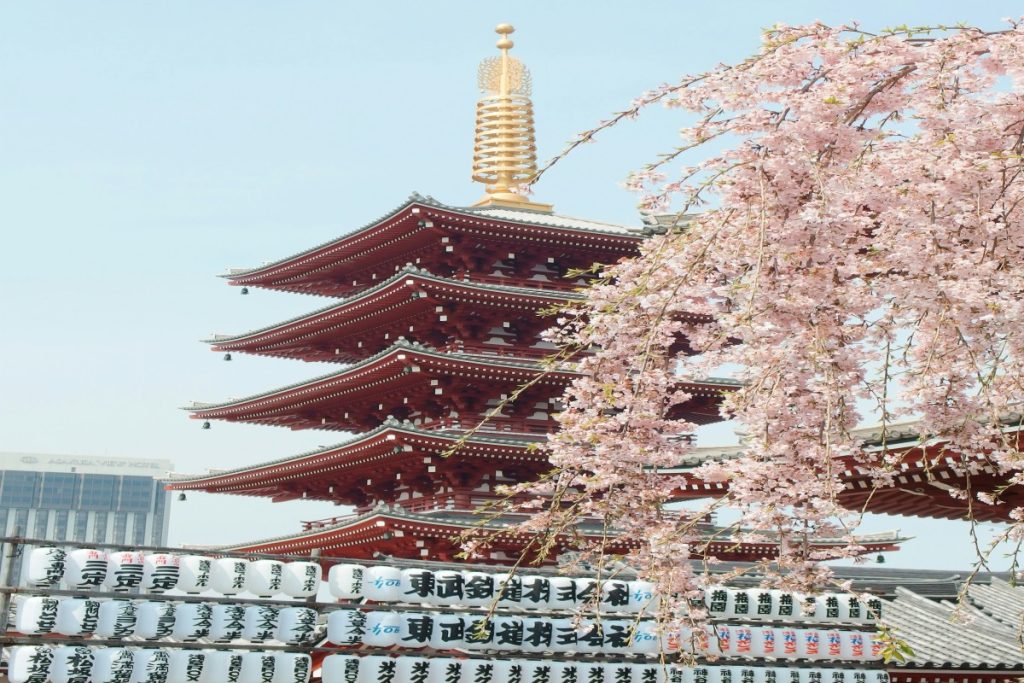
Japan is a country where every season feels like a completely new destination. From cherry blossoms in spring to snow-covered hot springs in winter, timing your trip can transform your experience. Whether you’re chasing vibrant festivals, scenic landscapes, or peaceful cultural moments, Japan’s seasonal rhythm offers something unforgettable year-round. This guide will help you decide where to travel in Japan across spring, summer, autumn, and winter, along with tips, highlights, and ideal experiences—perfect for planning your next Japan travel itinerary with The Tarzan Way. In Short (TL;DR) Spring (March–May): Cherry blossoms, best in Kyoto and Tokyo Summer (June–August): Festivals & beaches, explore Hokkaido and Okinawa Autumn (September–November): Fall foliage in Nikko and Kyoto Winter (December–February): Snow & ski resorts in Hokkaido and Nagano Spring in Japan (March–May): Cherry Blossom Magic Spring is Japan’s most iconic season, marked by the blooming of sakura (cherry blossoms). Parks, riversides, and temples turn into pastel dreamscapes.This Japan travel guide help travellers find the best destinations as per specific seasons. Best Places to Visit in Spring 1. Kyoto Historic temples framed by cherry blossoms Walk through the Philosopher’s Path Experience traditional tea houses 2. Tokyo Ueno Park and Shinjuku Gyoen for hanami (flower viewing) Vibrant city + nature balance 3. Osaka Osaka Castle surrounded by sakura Lively food and nightlife Why Visit in Spring? Comfortable weather (10–20°C) Cultural events and picnics under blossoms Ideal for photography and slow travel Summer in Japan (June–August): Festivals & Coastal Escapes Summer in Japan is vibrant, energetic, and filled with matsuri (festivals), fireworks, and coastal getaways. Best Places to Visit in Summer 1. Hokkaido Cooler climate compared to mainland Japan Lavender fields in Furano Ideal for hiking and nature 2. Okinawa Tropical beaches and turquoise waters Snorkeling and diving spots 3. Kyoto (for festivals) Attend the famous Gion Matsuri Traditional parades and street food Why Visit in Summer? Fireworks festivals across the country Cultural immersion through local celebrations Great for beach lovers Note: Expect humidity and temperatures above 30°C in cities like Tokyo and Osaka. Autumn in Japan (September–November): A Symphony of Colors Autumn rivals spring in beauty, with fiery red and golden foliage covering mountains and temples. Best Places to Visit in Autumn 1. Kyoto Arashiyama Bamboo Grove with fall colors Scenic temple views 2. Nikko UNESCO heritage shrines surrounded by forests Stunning waterfalls and lakes 3. Hakone Views of Mount Fuji with autumn foliage Relaxing hot springs (onsen) Why Visit in Autumn? Mild weather and fewer crowds than spring Perfect for scenic road trips and photography Rich seasonal cuisine Winter in Japan (December–February): Snow & Serenity Winter transforms Japan into a snowy wonderland, especially in the north. Best Places to Visit in Winter 1. Hokkaido World-class ski resorts Attend the Sapporo Snow Festival 2. Nagano Famous snow monkeys at Jigokudani Skiing and mountain retreats 3. Tokyo Illuminations and winter shopping Fewer tourists at major attractions Why Visit in Winter? Snow sports and hot springs Magical landscapes and festivals Budget-friendly travel (except peak holidays) How to Choose the Best Season for You Your ideal time depends on your travel style: Nature lovers: Spring & Autumn Festival seekers: Summer Snow & adventure: Winter Balanced experience: Late spring or early autumn Travel Tips for Japan Some of the best Japan travel tips are as follows: Book accommodations early during peak seasons (spring & autumn) Use Japan Rail Pass for intercity travel Carry cash—many places still prefer it Respect local customs and etiquette FAQs About Traveling Japan by Season What is the best time to visit Japan? Spring (March–April) and autumn (October–November) are the most popular due to pleasant weather and natural beauty. Is Japan too crowded during cherry blossom season? Yes, major cities like Tokyo and Kyoto can be crowded. Book early and explore lesser-known spots. Which season is cheapest to travel to Japan? Winter (excluding New Year) is generally the most budget-friendly. Is summer a good time to visit Japan? Yes, especially for festivals and northern regions like Hokkaido, though it can be hot and humid. When is cherry blossom season in Japan? Cherry blossom season usually runs from late March to early April depending on the region. Which part of Japan gets the most snow? Hokkaido and the Japanese Alps including Nagano receive the heaviest snowfall. Is autumn a good time for first-time travelers? Yes, autumn offers pleasant weather, beautiful foliage, and fewer crowds than spring. What should I pack for winter travel in Japan? Warm layers, waterproof shoes, gloves, scarves, and thermal wear are recommended. Conclusion Japan’s beauty lies in its ever-changing seasons—each offering a unique perspective of the country’s culture, landscapes, and experiences. Whether you’re admiring cherry blossoms in Kyoto, hiking through Hokkaido’s summer fields, capturing autumn leaves in Nikko, or soaking in a snowy onsen in Nagano, there’s no wrong time to visit. If you’re planning your next Location travel itinerary, let The Tarzan Way help you craft a journey that aligns perfectly with Japan’s seasonal rhythm.
Best international festivals to attend in December and January
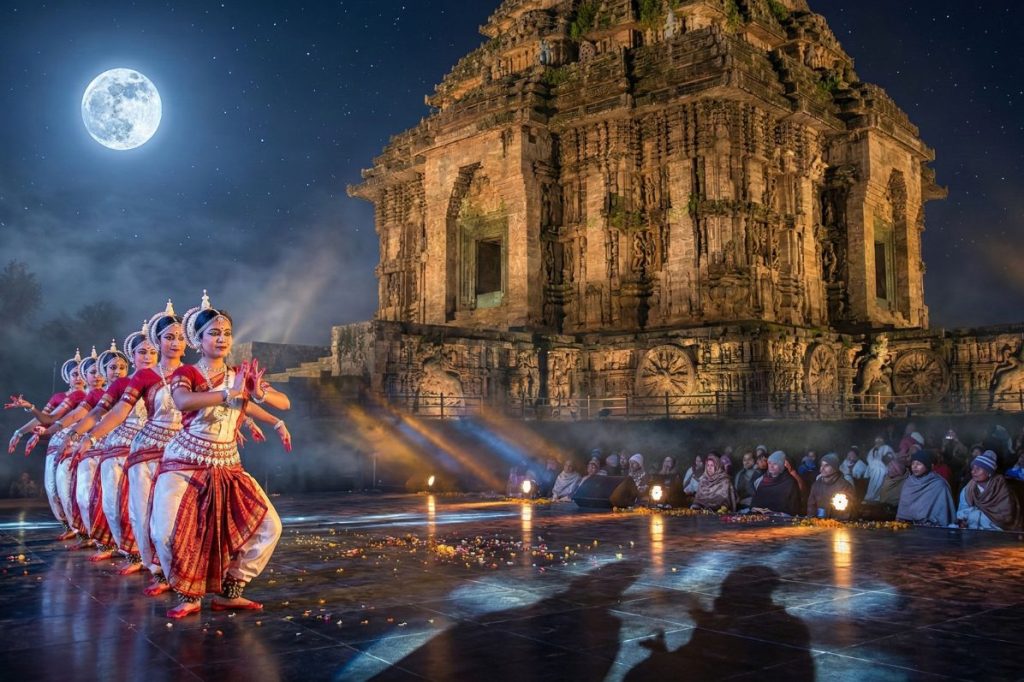
Last Update: 03 March 2026 The last few weeks of the year are always filled with a touch of magic. Cities are ablaze with twinkling lights, and there is an intoxicating aroma wafting through the streets from roasted chestnuts and cinnamon being prepared at winter festival markets. Fireworks can be seen reflecting off the surface of the ocean and rivers, and people are gathering and celebrating together as if they were the best of friends. For many travelers, the festivities in December for the holidays and celebrations for New Year’s day are memorable not only for celebrating, but also for the memories created during the holiday season. The celebration period of December creates an atmosphere of music, culture, and excitement that attracts tourists and creates excitement in their daily lives. Whether you want to: Stroll through Christmas festivals & winter markets in Europe Dance on the beaches of Brazil or Thailand on New Year’s Eve Watch iconic fireworks in Sydney, New York, Dubai, or Singapore – this guide will help you find the perfect celebration. In Short December and January are peak months for Global festivals & Winter festivals across Europe, Asia, North America, South America & Oceania. Best picks include Christmas Markets in Europe, Amsterdam Light Festival, Rio New Year Festival, Sydney Fireworks, Times Square NYC, Sapporo Snow Festival Japan, and Montreal Winter Festival Canada. Ideal for culture lovers, families, couples, backpackers, party-goers & festival travelers. Book 2–4 months early to save on flights and stays. Layers and warm clothing essential for European winter; tropical festival travelers pack light. Why Travel for Festivals in December & January Travelers are more likely to remember a moment or experience than a location; this is true not only for large cities but also for small towns. Memories of emotions (excitement, joy) in relation to cities will last much longer than memories of simply where you were (geographical location). Additionally, experiencing the sights and sounds of an event (snow falling in a town, or the sounds of a large crowd cheering) has a much greater emotional impact than just tasting food or looking at buildings. Why winter festival travel is worth it Cities look completely transformed with lights, parades, art installations & fireworks Cultural festivals offer local food, music, traditions & immersive experiences Perfect vacation window for offices, schools & families Best season for snow holidays, skiing, and winter wonderlands Globally, Festival Tourism has become one of the fastest-growing travel trends for 2025–2026 – travelers are planning trips around events, not the other way around. For inspiration on destinations around this time, you may also explore ? Best Winter Destinations for Christmas & New Year Vacations Best International Festivals to Attend in December Below are the most iconic December festivals around the world – combining Christmas festivals, light festivals, seasonal festivals, and winter cultural celebrations worth traveling for. Christmas Markets in Europe (Germany, Austria, Czech Republic, France, Switzerland) If there is one image that defines December travel, it is wandering through snow-covered fairytale streets glowing with Christmas lights, sipping hot mulled wine, listening to choirs sing carols beneath gothic cathedrals, and browsing stalls filled with handcrafted ornaments and winter treats. Europe’s Christmas Markets are some of the most beloved Winter festivals in the world. Experience Highlights Handcrafted gifts, gingerbread, and festive street food Magical night markets & music performances Ice skating rinks & castle-lit towns Snowfall that feels straight out of a movie Best cities to experience Christmas Markets Destination Why visit Average December Temperature Munich, Germany Most traditional Bavarian markets -4°C to 4°C Vienna, Austria Classical music + imperial architecture 0°C to 5°C Prague, Czech Republic Most photographed Christmas market in Europe -2°C to 3°C Strasbourg, France Called “Capital of Christmas” 1°C to 7°C Estimated Budget Hotels: €90–€200 per night (₹8,500–₹18,000) Food & Entry: €20–€50 per day Full 1-week trip average: €900–€1,800 (₹85,000–₹1,70,000) What to Pack Thermal layers, fleece jackets, gloves, scarves, anti-slip winter boots Thermo flask & pocket warmers Travel Tips Weekday visits have fewer crowds and cheaper flight rates Pre-book popular market tours & chapel concerts For more festive inspiration, check ? Top International Destinations for New Year Celebrations Amsterdam Light Festival – Netherlands A glowing wonder of art, creativity, and water – the Amsterdam Light Festival turns the city’s canals into a floating museum. Artists from around the world install giant illuminated sculptures and projections that come alive at night. Why Travelers Love It Magical nighttime canal cruises surrounded by floating light art Walkable festival paths with installations on bridges & waterfronts A photographer’s paradise Dates Late November – Early January (varies each year) Cost Festival canal cruise: €20–€35 (₹2000-₹4000) Accommodation: €110–€200/night (₹11,000-₹21,000) Weather 2°C to 6°C – cold & damp, carry waterproof layers Check our detailed guide ? Amsterdam Light Festival Route, Tickets & Timings – Complete Travel Guide Winter Wonderland – London, United Kingdom One of the most thrilling Winter festivals in the world, held at Hyde Park. Experience Ice skating rink, carnival rides, circus shows Christmas village & food markets Giant observation wheel & music shows Budget £100–£200 (₹12,000-₹25,000 approx.) per day per traveler Hotels begin at £120–£300/night (peak pricing) Weather 2°C to 8°C Expect rain → Pack waterproof & thermal wear. Hong Kong WinterFest A glowing skyline, Christmas lights on skyscrapers across Victoria Harbour, giant installations at Harbour City & Disneyland celebrations. Good for: Families, couples, shopping travelers Dubai Shopping Festival & New Year Fireworks Known for luxury shopping, concerts, drone light shows & the world’s most extravagant fireworks display near Burj Khalifa. Tips Book stays early – December = peak tourism Ideal warm-weather winter escape Spain’s December Festivals & Three Kings Parade – Madrid & Barcelona Colorful parades, fireworks, dances and gift-giving festivities. Rio de Janeiro New Year Festival – Brazil Millions dressed in white gather at Copacabana Beach to watch one of the world’s largest fireworks shows. Best Global Festivals to Attend in January New Year’s Eve at Times Square, New York City (USA) January celebrations often begin the night before –
Best Winter Destinations for Christmas & New Year Vacations
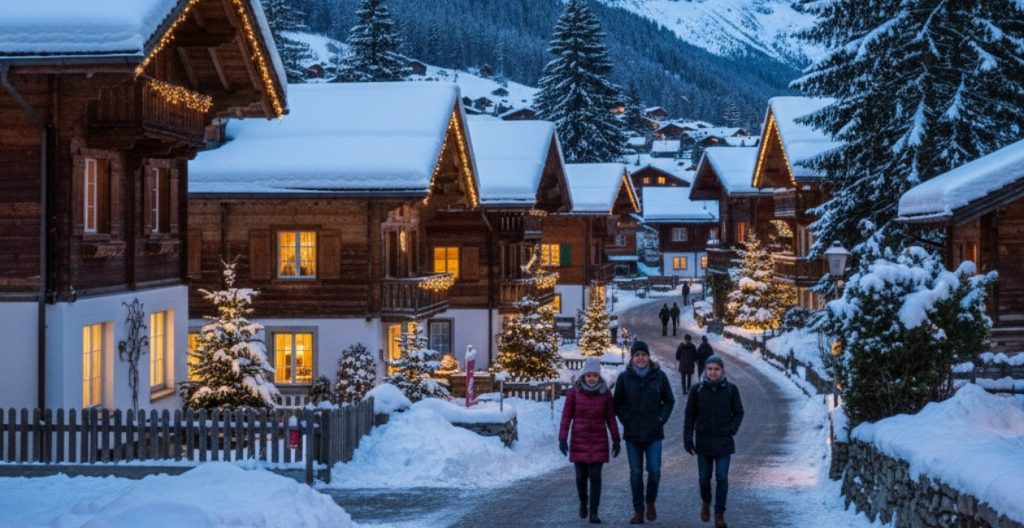
The end of each year is filled with a variety of festive games, gatherings, and markets, and a huge amount of sparkle and fun! Christmas and New Year offer people a chance to get away from the normal routine and have unforgettable experiences, so it is more than just another holiday or event to share with friends and family. Travellers today want to experience unique moments – viewing fireworks against the backdrop of famous landmarks, building snow sculptures in snow-covered villages, dancing at midnight on tropical beaches, or drinking champagne beneath the Aurora Borealis (Northern Lights). The way we celebrate this time of year has changed; instead of staying home, we now focus on creating lifelong memories. Why People Love Traveling During Christmas & New Year For most people, the holiday season brings plenty of joy, excitement, and oneness with each other as they celebrate worldwide during this time of year. Many global cities are transformed into winter wonderlands, while millions of people will travel for romantic getaways, time with family, or exciting ‘bucket list’ adventures too. Celebrating holidays overseas is an exciting and liberating experience that allows you to expand your horizons – rather than putting up the same old, familiar Christmas tree, you’ll have the chance to check out the tallest Christmas tree in the world located in Dubai, enjoy the Rockefeller Tree lighting ceremony in New York City, or wander around snow-covered streets in Switzerland (around Christmas time) listening to carols. When you travel to celebrate a holiday, you are essentially celebrating the journey itself. Experience over celebration at home While staying home feels safe and familiar, celebrating Christmas and New Year abroad transforms the occasion into a once-in-a-lifetime experience. Travel gives you: New cultures and festive customs to explore Unique food, decorations, traditions & winter activities The chance to step out of routine and reconnect with loved ones Memories that feel richer than any material gift Today, experiences matter more than possessions – and December is the most meaningful time to invest in experiences. Travel Trends 2026 The global travel landscape is evolving rapidly, and the 2026 winter season is expected to be one of the biggest travel periods of the decade. Here are the most exciting travel trends shaping December 2026 vacations: ✦ Snow & Arctic travel boom Travelers are increasingly drawn to cold destinations like Finland, Iceland, Switzerland, and Canada to chase snowfall, Northern Lights, and winter wonder landscapes. ✦ Festival & event tourism Instead of regular sightseeing vacations, people plan trips around major events – New Year fireworks, Christmas markets, music festivals, theme-based experiences, and cultural shows. ✦ Digital Nomad slow travel More professionals blend work + travel and choose longer itineraries across multiple destinations, especially during the holiday slowdown period. ✦ Experiential and immersive travel Local cultural experiences, cooking workshops, festive parades, igloo stays, ski & snow adventure holidays, wine & Christmas market tours, and offbeat road trips are trending more than typical package tours. ✦ Multi-destination and multi-experience trips Travellers combine 2 or more countries in one holiday – perfect for celebrating Christmas in one place and New Year in another. Why Plan a Combined Christmas + New Year Vacation Most people either travel for Christmas or New Year – but planning a single extended vacation that covers both festivals is now the smartest and most enjoyable trend. Here’s why: Longer holidays & time flexibility The end-of-year breaks, school holidays, and corporate closures create the ideal window to plan a 10- to 15-day vacation without taking excessive leaves. Best global weather December marks peak winter across Europe, UK, Canada, and parts of Asia – bringing postcard-perfect snow destinations. Meanwhile tropical beaches like Bali, Thailand, and the Maldives offer sunny escapes. Better value for money Instead of spending on two short trips separately, combine Christmas + New Year into one long adventure – better planning, smarter budget, lesser travel fatigue, and more experiences. Perfect for every traveler type Whether you’re a couple seeking romance, a family with kids, or a friends group wanting the biggest parties – extended festive vacations give everyone the time to enjoy themselves fully. Key Highlights Here’s what you’ll discover in this travel guide: The best places around the world to enjoy magical Christmas markets & spectacular New Year fireworks Destinations suitable for couples, families, party lovers, luxury travelers, and budget explorers Weather, budgeting, and travel tips for December vacations Detailed 7-10 day itineraries designed to celebrate Christmas & New Year together Local experiences, adventures, and must-attend events Options for multi-city and multi-country route planning Top 6 Destinations in the World for Christmas & New Year Vacations Below are six handpicked destinations-crafted to help you enjoy both Christmas & New Year in one epic vacation, with experience-rich itineraries, nearby excursions, markets, fireworks and seasonal events. 1. Switzerland & France (Zurich → Lucerne → Interlaken → Paris) Perfect for: Couples, winter lovers, first-time Europe travelers, Christmas markets, luxury holidays Ideal Trip Duration: 10–12 days Celebrate Christmas in the snow-filled Swiss Alps and ring in the New Year with fireworks under the Eiffel Tower – the ultimate magical winter route. Switzerland in late December turns into a postcard: frozen lakes, wooden chalets decorated with Christmas lights, fondue cafés, ski slopes, and scenic train journeys like the GoldenPass and Glacier Express. Begin in Zurich, exploring its traditional Christmas markets and Lake Zürich views; spend a white-Christmas in Lucerne or Interlaken, enjoying Mt. Titlis & Jungfraujoch snow activities; then travel to Paris for New Year countdown. Suggested Itinerary Dec 21–23: Zurich – Old Town walks, Bahnhofstrasse Christmas market, Rhine Falls day trip Dec 24–26: Lucerne / Interlaken – Christmas celebrations, Mt. Titlis ice cave, Jungfraujoch Top of Europe Dec 27–30: Scenic train to Paris, Disneyland Christmas Parade Dec 31: Eiffel Tower fireworks & Champagne cruise on the Seine Seasonal Highlights Magical snowy Christmas & European festive charm Luxury winter trains & alpine adventures Iconic Paris New Year celebration 2. New York + Niagara + Washington DC (USA East Coast) Perfect for:
How to Plan a Trip to Shimla Winter Carnival from Delhi
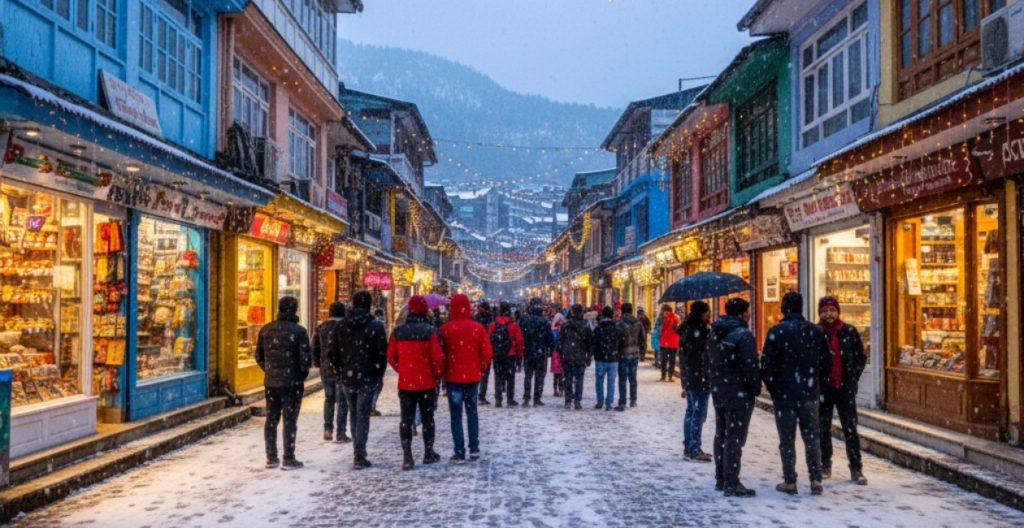
Last Update: 11 March 2026 If you have ever envisioned wintertime that features snow-laden streets, jubilant celebrations, and an energetic mountainous ambiance, then you must consider attending the Shimla Winter Carnival at the top of your travel agenda. Every January, the geographical and cultural capital of Himachal Pradesh welcomes visitors from Delhi and across the country. The Street comes alive to host new snowfall, cultural activities, dance performances and traditional festivities – it is one of the most exhilarating wintertime festivals in Himachal Pradesh, and if you have the opportunity to experience it, you should not miss it! However, attempting to make a trip to/from Delhi to attend the Shimla Winter Carnival necessitates preparation – traveling with various weather/transportation/accommodation options assists with things to consider, and missing out on key dates and timeframes to travel in January to get there. The purpose of this post is to walk through everything you will need to know about the Shimla Winter Carnival, such as what it is, key dates, and when are the best times to attend the festivities as a visitor in the snowfall season. The Tarzan Way will make your Shimla trip easier and less stressful with AI based personalized itinerary planning. Quick Summary Best month: January (peak winter + high chance of snowfall) Shimla Winter Carnival 2025: Early–Mid January (final dates to be announced) Top events: Folk dances, music concerts, ice skating shows, fashion shows, food stalls Best route from Delhi: Road or Volvo bus for direct access Ideal trip duration: 3 days Weather: –2°C to 7°C, expect snow at night or after a snowfall spell Who should visit: Families, couples, photographers, snow lovers Quick itinerary: Day 1 – Delhi to Shimla, Mall Road Day 2 – Carnival events + Kufri snow Day 3 – Local sightseeing, return Estimated budget: ₹6,000–₹15,000 depending on stay & transport What Is the Shimla Winter Carnival? The Shimla Winter Carnival is an annual winter festival that celebrates Himachal Pradesh’s culture, art, traditions, and the winter beauty of the region. The Carnival coincides with the peak of winter, especially when Shimla is covered in snow and adds an enchanting charm to the entire celebration. Why the Carnival is famous It combines culture, food, adventure, and snow in one event. Tourists enjoy Shimla at its most picturesque—blanketed in white snow. Major events take place around The Ridge, Mall Road, and Lakkar Bazaar, making it easy to explore on foot. It highlights Himachali culture through dance, handicrafts, and food stalls. Who should attend Families looking for a winter holiday Couples wanting a romantic snowy getaway Solo travellers and backpackers Snow lovers & photographers Festival enthusiasts In short, the Carnival brings winter alive with fun, colour, and culture, making it a top pick for travellers from Delhi every year. Shimla Winter Carnival 2025 Dates, Events & Highlights While official dates for Shimla Winter Carnival 2025 are typically announced closer to December, the festival historically takes place in the first or second week of January. Expected Dates for 2025 First Week of January – Mid January 2025 (Once government notifications are out, you can update this section.) Main Event Locations The Ridge – cultural shows, inaugural ceremony Mall Road – food stalls, shopping, live music Lakkar Bazaar – souvenirs, local crafts Ice Skating Rink near Lakkar Bazaar – winter sports events Major Events to Expect 1. Cultural Dance & Music Shows Himachali folk dances like Nati, Gaddi, and Kinnauri performances attract huge crowds. 2. Ice Skating Events Shimla boasts one of the oldest open-air ice skating rinks in Asia. Expect: Ice skating competitions Figure skating displays Beginner lessons 3. Fashion Shows & Talent Competitions Local artists and youth showcase modern and traditional styles. 4. Food Stalls & Himachali Cuisine Try: Siddu Babru Thukpa Momos Local hot beverages Winter sweets 5. Adventure Activities In and around Shimla, especially at Kufri, you can enjoy: Skiing Tobogganing Snow-walking Short treks 6. Photography & Art Stalls Carnival corners dedicated to local painters and photographers showcase Himachal’s landscapes and culture. Why These Events Matter for Travelers They offer a deep cultural immersion. Most activities are free or low-cost. Everything takes place in central Shimla, making navigation easy. The Carnival atmosphere is lively, vibrant, and perfect for winter travel. Explore Best Winter Adventure Destinations in India for Snow Lovers to plan your winter activities itinerary. Best Time to Visit Shimla Winter Carnival (Snowfall Season Guide) One of the biggest reasons Delhi travelers visit Shimla in January is the chance of experiencing live snowfall. When does Shimla get snowfall? Late December Early January Mid January These weeks are historically the most snow-heavy in Shimla. Temperature in January Day: 4°C to 7°C Night: –2°C to 2°C Cold waves and icy winds are common. Snowfall Conditions in Carnival Week Snowfall usually depends on weather patterns, but typically: After a western disturbance, Shimla often sees moderate snowfall. Kufri and Mashobra frequently see heavier snow than Shimla town. Best Days to Attend the Carnival Early mornings: Less crowd Evenings: Best for lights, music, and longer events Weekdays: Less crowded than weekends Peak vs Off-Peak Visit Time Pros Cons Early January High snowfall chance, coldest, best photos Max crowd, higher hotel rates Mid January Fewer tourists, still winter charm Slightly lower snowfall chances If You Want Snowfall Guarantee Visit: Kufri, Mashobra, or Narkanda (1–2 hrs from Shimla). Even during low-snowfall weeks in Shimla town, these areas usually stay snow-covered. Why This Is the Best Time for Delhi Travelers Perfect winter escape from Delhi’s foggy plains Carnival + snowfall = ideal holiday combo Scenic winter drives and mountain sunrises Cooler, fresher air compared to Delhi’s harsh winter pollution How to Reach Shimla Winter Carnival from Delhi (Complete Transport Guide) Travelling from Delhi to Shimla during winter is exciting but requires planning due to snowfall, fog, and traffic near festival venues. Here are all the travel options—road, bus, train, and flight—explained with winter-specific details. Delhi to Shimla by Road (Winter Road Trip) A road trip is one of the most
Best Winter Adventure Destinations in India for Snow Lovers
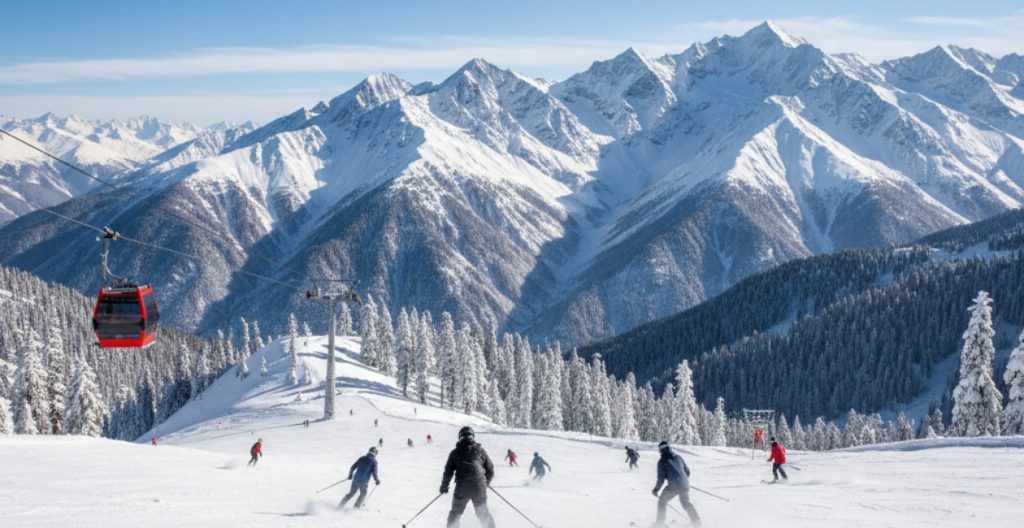
Last Updated: 03 March 2026 If you enjoy snow-covered landscapes, fresh winter air, and the excitement of adventure, India can be a fairytale playground from December to February. From skiing over fresh powder to winter trekking over frozen valleys, India has many of the best winter adventure destinations for snow lovers regardless of experience level – you may be a first-time snow traveler or a much more experienced traveler and just need to acclimatize to heights as you’ve already done low-altitude snow travel. Winter travel in India has grown rapidly and with it, the demand for snow destinations, winter adventure travel, and off-the-beaten-path snowy escapes. This guide outlines India’s favorite winter adventure destinations, what winter adventure experiences they provide, the best time of the year to visit, and what to consider when planning that special winter holiday. This blog will help you choose your winter getaway, whether you want to ski in Kashmir, camp in Spiti, trek in Uttarakhand or participate in family-friendly snowfall and sightseeing in Himachal. In Short India has some of the best winter destinations for snow lovers between December and February. Ideal for skiing, snow trekking, snow camping, sledging, winter photography, and more. Best regions: Jammu & Kashmir, Himachal Pradesh, Uttarakhand, Sikkim, and Arunachal Pradesh. Perfect for families, adventurers, honeymooners, and budget travelers. Top Snow Destinations in India 1. Gulmarg – India’s Winter Adventure Capital Gulmarg remains the ultimate destination for snow lovers and thrill-seekers. Known for its world-class skiing terrain and powder snow, it attracts both beginners and professional skiers from around the world. Why Visit Gulmarg? One of Asia’s best skiing destinations Home to the famous Gulmarg Gondola, one of the world’s highest cable cars Consistent heavy snowfall from December to March Stunning winter landscapes for photography Winter Adventures: Skiing & snowboarding Gondola ride to Apharwat Peak Snow trekking Snowmobile rides Sledging Best Time: Late December – March Who Is It For? Adventure seekers, photographers, couples. 2. Sonamarg – Frozen Wonderland of Kashmir Sonamarg transforms into a sparkling winter paradise during snowfall. Its frozen rivers, white meadows, and towering peaks make it one of the most enchanting winter destinations in India. Why Visit Sonamarg? Mesmerizing snow-covered valleys Less crowded than Gulmarg, perfect for peaceful winter travel Dreamlike landscapes ideal for film-style photography Gateway to Thajiwas Glacier winter trek Winter Adventures: Snow trekking to Thajiwas Glacier Snowmobile rides Sledging on soft snow slopes Frozen lake walks Best Time: December – March Who Is It For? Nature lovers, families, offbeat snow travelers. 3. Pahalgam – Family-Friendly Snow Destination Pahalgam is known for its gentle snow-covered meadows, pine forests, and riverside winter charm. It offers the perfect balance between adventure and relaxation. Why Visit Pahalgam? Safe and scenic for families and kids Soft, powdery snow perfect for beginners Beautiful winter views of Betaab Valley and Aru Valley Ideal for peaceful snow holidays Winter Adventures: Sledging & snow play Snow hikes in Aru Valley Pony rides through snowy forests Riverside winter walks Best Time: December – February Who Is It For? Families, couples, leisure travelers. 4. Manali & Solang Valley – Adventure Hub of Himachal Manali and Solang Valley transform into bustling winter adventure hubs every year. These destinations are ideal for first-time snow travelers and thrill-seekers alike. Why Visit Manali & Solang? Endless snow activities for all ages Famous for accessible adventure sports Snowy mountain views without long travel Perfect for winter road trips Winter Adventures: Skiing & snowboarding (Solang Valley) ATV & snowmobile rides Paragliding over snow-covered valleys Snow tubing, zorbing, and ropeway rides Best Time: December – February Who Is It For? Families, groups, adventure beginners. 5. Spiti Valley – Raw, Rugged & Only for the Brave Winter in Spiti is not for everyone. With frozen rivers, sub-zero temperatures, and dramatic landscapes, this is the ultimate test of adventure and resilience. Why Visit Spiti Valley? One of India’s most extreme winter destinations Lunar-like white landscapes Chance to spot the elusive snow leopard Authentic local hospitality in remote villages Winter Adventures: Winter treks across frozen terrain Monastery visits (Ki, Tabo) Snow leopard tracking Frozen river walks Best Time: January – March Who Is It For? Hardcore adventurers, photographers, wildlife enthusiasts. 6. Kalpa & Sangla – Himalayan Villages Wrapped in Snow Kalpa and Sangla offer peaceful, postcard-perfect winter escapes. Snow-covered apple orchards, old wooden houses, and quiet valleys make them magical. Why Visit Kalpa & Sangla? Stunning views of Kinnaur Kailash Untouched snow villages with minimal tourism Old-world charm and wooden architecture Clear skies perfect for sunrise and stargazing Winter Adventures: Snow village walks Winter hiking Local food & homestay experiences Photography of snow-covered orchards Best Time: December – February Who Is It For? Slow travelers, couples, culture lovers. 7. Auli – India’s Skiing Paradise Auli is India’s most popular skiing destination, known for its perfectly groomed slopes and panoramic Himalayan views. Why Visit Auli? One of India’s best places to learn skiing Breathtaking views of Nanda Devi and surrounding peaks Smooth slopes ideal for beginners Perfect combination of snow, adventure & scenery Winter Adventures: Skiing (beginner + professional courses) Chairlift & gondola rides Snow trekking Snow camping nearby Best Time: Late December – February Who Is It For? Beginner skiers, families, snow lovers. 8. Chopta–Tungnath–Chandrashila – Winter Trekking Heaven This region offers one of the most rewarding winter treks in India, famous for its snowy forests and summit views. Why Visit Chopta–Tungnath–Chandrashila? Known as India’s “Mini Switzerland” Easy-to-moderate trek even in winter Breathtaking 360° Himalayan summit view from Chandrashila Snow-covered forests and old temples Winter Adventures: Tungnath Temple snow trek Chandrashila summit climb Snow camping Wildlife spotting along the trail Best Time: December – February Who Is It For? Trekking enthusiasts, backpackers, adventure groups. 9. Mukteshwar – Snowy Forests & Tranquil Escapes Mukteshwar offers a quiet, serene winter escape surrounded by pine forests and mountain views. It’s ideal for slow travel and peaceful snow experiences. Why Visit Mukteshwar? Quiet alternative to crowded hill stations Beautiful forest trails dusted with snow Charming cafes, cottages, and nature
Shimla Guide: Discover the Charm of the Hills
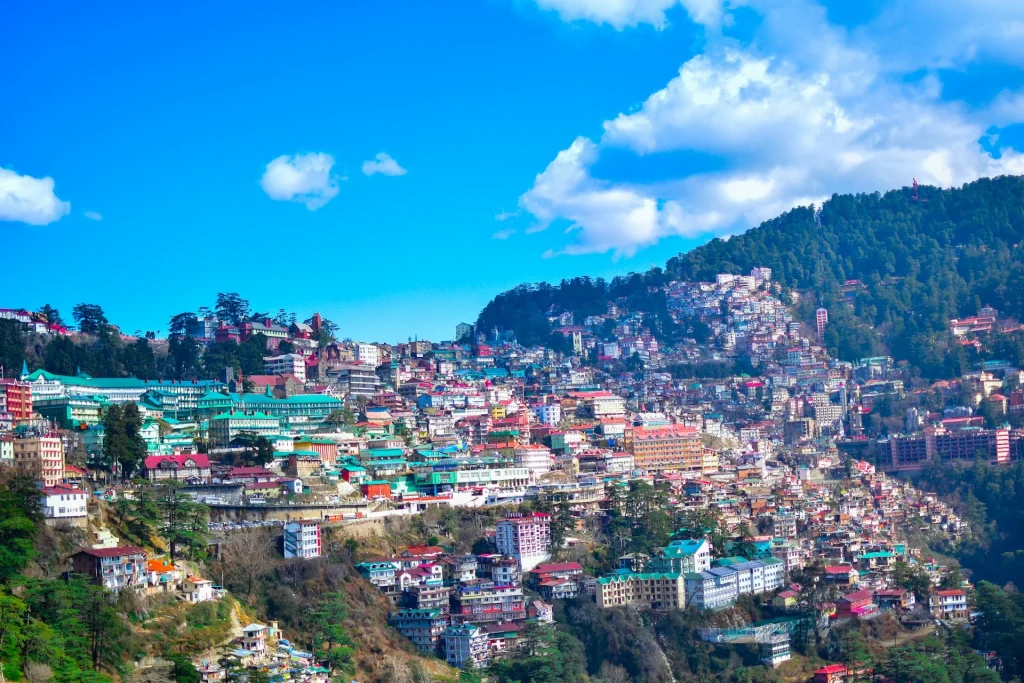
Where the Hills Echo: An Introduction, The Past Picture a place where the air smells like pine trees covered in mist, colonial-era buildings stand as proud reminders of a time long gone, and the majestic Himalayas rise up behind it all. This is Shimla, not a dream. This beautiful hill station was once the summer capital of British India. It still draws travellers in with its unique mix of natural beauty and architectural elegance. This place is more than just a vacation spot; it’s a trip back in time. Shimla is the answer for people who want to get away from the noise of the city and into a world of peaceful scenery and interesting history. This guide is meant to be your best friend as you explore every part of the “Queen of Hills.” We’ll show you around its famous sights, take you on secret trails, let you taste its local foods, and give you all the useful advice you need to plan an amazing trip. The Tarzan Way brings immersive storytelling journeys to life, allowing travellers to safely explore Shimla’s historic lanes and beautiful viewpoints, where every corner has a story and every view is a work of art. Are you ready to be charmed? Let’s go to the heart of Shimla and find out why it has always been so appealing. Key Takeaways: A Historic Getaway: Find out why Shimla was the summer capital of British India and see its beautiful colonial buildings, such as the Viceregal Lodge and Christ Church. Famous Places: Find out about the must-see places, such as The Ridge, Mall Road, and the Jakhoo Temple, which has a huge statue of Lord Hanuman. UNESCO World Heritage: Take a ride on the Kalka-Shimla Toy Train, a historic train ride that gives you stunning views of the Himalayas. Beyond the Town: Kufri is great for adventure sports, Chail is great for its peaceful palace, and Mashobra is great for its peaceful nature trails. Practical Planning: Find out when the best time to go is, how to get to Shimla, where to stay, what to eat, and other important travel tips. Be a responsible traveller: Learn how to travel mindfully in the Himalayas so you can protect its beauty and culture with help from groups like The Tarzan Way. 1. A Look into Shimla’s Royal Past Credit: Unsplash Shimla was once a quiet group of villages before it became a busy tourist spot. In the 1820s, British officers looking for a break from the hot Indian summers found its nice weather and changed their fate. In 1864, it was officially named the British Raj’s summer capital. For the next few decades, the whole government would move here from Calcutta (and later Delhi) for six months each year. Because of this yearly migration, Shimla became a centre of power, glamour, and political intrigue. It was given the nickname “Queen of the Hills.” The beautiful buildings, the carefully planned Mall Road, and the overall layout of the town are all lasting gifts from this time period. Advice for Travellers You can see rare photos and objects from the British Raj at the Shimla Heritage Museum. Hire a local guide to take you on a heritage walk so you can hear interesting stories and anecdotes that aren’t in guidebooks. Read Rudyard Kipling’s “Kim,” which has Shimla in it a lot, to get a sense of what the town was like at that time. Quick Facts Shyamala Devi, the goddess Shyamala, was the name before. Height: About 2,276 metres (7,467 feet). Importance in history: From 1864 to 1947, it was the summer capital of British India. 2. The Ridge and Mall Road are the heart of Shimla Credit: Unsplash A leisurely walk along The Ridge and Mall Road, Shimla’s two most famous streets, is a must for anyone who goes there. In the middle of town, The Ridge is a big open area with amazing, unobstructed views of the snow-capped Himalayan ranges. It is the centre of all cultural activities and is surrounded by important landmarks. Mall Road, a street without cars, is just below The Ridge. It is lined with colonial-style buildings, busy shops, cute cafes, and restaurants. It’s the main shopping street and social centre of Shimla. It’s a great place to go for a walk, look for souvenirs, or just enjoy the lively atmosphere. Tips for Travellers The Ridge has the best views and photo opportunities at sunrise and sunset. It’s a classic Shimla experience to get soft ice cream from the vendors on Mall Road. Wear shoes that are easy to walk in because the road is only for pedestrians. Why It Draws Tourists: Because it’s the best way to experience a hill station. The mix of beautiful mountain views, old buildings, and lively local life makes for a relaxing and energising atmosphere. 3. Amazing buildings from the British period Credit: Unsplash Shimla is a museum of colonial architecture that is still in use. The neo-Gothic, Tudor, and Victorian styles of the buildings here tell stories of a grand past. Christ Church is the second-oldest church in North India and is on The Ridge. You have to see it because of its beautiful stained-glass windows, tall spire, and peaceful atmosphere. At night, when the church is lit up, it looks especially nice. Viceregal Lodge and Botanical Gardens: This used to be the home of the British Viceroy of India. Now it is home to the Indian Institute of Advanced Study. Scottish Baronial architecture is amazing. Take a guided tour of the inside to see the teak-panelled walls and learn about the important decisions that were made there, like the ones that led to the partition of India. Gaiety Theatre: A Victorian theatre on Mall Road that has been beautifully restored. It used to host famous people like Rudyard Kipling. It still hosts a variety of cultural events and plays. Advice for Travellers Because the times for the Viceregal Lodge tour are set, you should check