

10 Places in Northeast India You Should Be Planning a Trip To in 2026
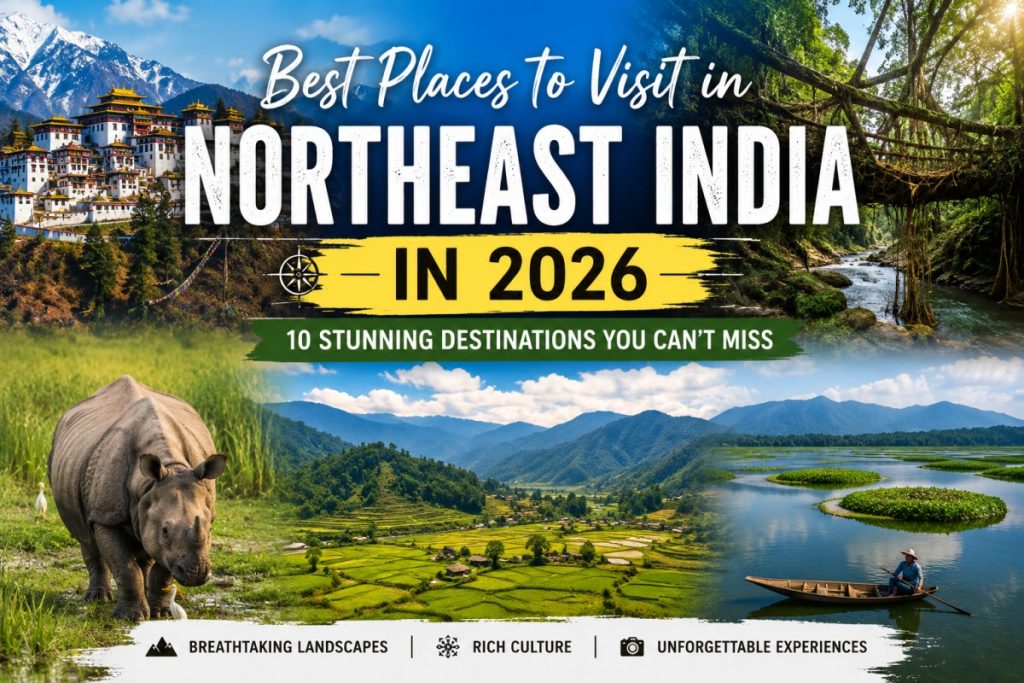
Most people who travel across India never make it up here. That’s part of what makes Northeast India worth the extra effort – eight states, one region, and an almost absurd range of landscapes packed into it: snow-dusted peaks, lakes so still they double as mirrors, root bridges grown by hand over generations, wildlife reserves, and tribal cultures that have held onto their own rhythms far from the usual tourist circuit. Tourism here has been picking up steadily, partly because more people are looking for trips that don’t feel mass-produced. Whether you’ve got a long weekend or three weeks to spare, here’s the best Northeast India itinerary to visit in 2026 and why now is a good time to go. 1. Tawang, Arunachal Pradesh Tawang sits above 10,000 feet, tucked between Himalayan peaks, and it feels like it. The town is anchored by Tawang Monastery — the largest in India and one of the most significant Buddhist sites anywhere. Beyond the monastery, Sela Pass, Madhuri Lake, and Bum La Pass (right near the India-China border) are all worth the detour. Go between: March–May or September–November Why now: Roads into Tawang have improved noticeably, and the tourism infrastructure is finally starting to catch up with the scenery. 2. Shillong, Meghalaya People call Shillong the “Scotland of the East,” and once you’re there — cool air, rolling green hills, waterfalls tucked into every valley — it’s easy to see why. It also happens to have a genuinely good live music scene, which isn’t something you’d necessarily expect. Umiam Lake, Elephant Falls, Shillong Peak, and Laitlum Canyon are the standard stops, and all of them earn their reputation. Go between: October–April Do this: Spend an evening drifting between cafés and catching a live set, it’s one of the better ways to get a feel for the city. 3. Sohra (Cherrapunji), Meghalaya Cherrapunji holds the title for one of the wettest places on Earth, but reducing it to rainfall statistics misses the point. This is where you’ll find the living root bridges — footbridges grown from rubber tree roots over decades — along with Nohkalikai Falls, Seven Sisters Falls, and the famous Double Decker root bridge trek. Go between: October–May What makes it different: Few places anywhere combine raw adventure, dense nature, and this kind of quiet human ingenuity in one trip. Visit: Most Instagrammable Places in Northeast India 4. Kaziranga National Park, Assam Kaziranga is a UNESCO World Heritage Site and home to the largest population of one-horned rhinoceroses left in the world. It’s not just rhinos, either — elephants, wild buffalo, swamp deer, and Bengal tigers all roam the park. Go between: November–April Do this: A jeep or elephant safari gets you close enough to actually see the animals, not just spot them from a distance. 5. Ziro Valley, Arunachal Pradesh If you want quiet, Ziro delivers it. The valley is ringed by hills and carpeted in rice paddies, and it’s home to the Apatani tribe, known for farming practices that were sustainable long before the word became fashionable. Once a year, the valley also hosts the Ziro Music Festival, one of India’s better-known outdoor festivals. Go between: March–October Best suited for: Travelers who want to slow down : photographers, culture-focused trips, anyone not in a rush. 6. Gangtok, Sikkim Gangtok manages a rare balance — real mountain scenery paired with the comforts of a proper city. As Sikkim’s capital, it has markets, monasteries, and enough adventure options to fill a week, alongside sights like Tsomgo Lake, Nathula Pass, Rumtek Monastery, and MG Marg. Go between: March–June or September–November Why people keep coming back: It’s an easy entry point into the Northeast : comfortable, accessible, and still genuinely beautiful. Explore: 13 Unique things to do in Sikkim 7. Loktak Lake, Manipur Loktak is unlike anything else in India. Its surface is dotted with phumdis, floating islands of vegetation, which give the whole lake a strange, almost otherworldly quality. Nearby, Keibul Lamjao National Park is the only floating national park on Earth, and it’s the last home of the endangered Sangai deer. Go between: October–March Worth doing: Take a boat out across the floating islands — there’s genuinely nowhere else you can do this. 8. Kohima and Dzukou Valley, Nagaland Nagaland pairs deep tribal heritage with some of the best trekking in the country. Kohima, the state capital, carries a lot of history. Dzukou Valley, meanwhile, is routinely ranked among India’s most beautiful treks — and during flowering season, it turns into something close to a wildflower carpet. Go between: October–May Don’t skip: The Hornbill Festival often called the “Festival of Festivals”, which brings together Nagaland’s many tribal traditions in one place. 9. Majuli, Assam Majuli, set in the Brahmaputra River, is the largest inhabited river island in the world. It’s a genuine cultural hub, Vaishnavite monasteries, traditional dance forms, handicrafts, and a slower pace of rural life that’s increasingly rare to find. Go between: October–March Best for: Travelers after something off the well-worn path, with real cultural depth to it. 10. Mechuka, Arunachal Pradesh Mechuka is about as hidden as it gets. This remote valley near the Indo-China border has sweeping mountain views, small unhurried villages, and a stillness that’s hard to find elsewhere. It’s gaining a reputation, but it hasn’t been overrun yet. Go between: October–April Why go: It’s one of the most rewarding corners of the Northeast — genuinely untouched scenery paired with culture that hasn’t been packaged for tourists. A Few Practical Tips Before You Go 1. Carry valid ID at all times. 2. Check permit requirements ahead of time, especially for Arunachal Pradesh. 3. Build extra time into road journeys, they tend to run longer than maps suggest. 4. Be mindful of local customs and tribal traditions. 5. Weather can shift fast, so pack layers. 6. Book accommodation and transport early, particularly in peak season. Discover: 8 Things You Shouldn’t Miss on Your Northeast India Trip Final Thought Tourism in
Kedarnath Trip Itinerary 2026: Complete Travel Guide, Route, Cost, Trek & Tips

Planning a journey to Kedarnath is more than just organizing travel. Rather it is about preparing for a deeply spiritual experience which requires proper planning for soulful experience. A well-planned Kedarnath trip itinerary means planning the best route, ideal time to visit, accommodation choices, trekking preparation, and overall budget which makes the whole yatra trip smooth and stress-free. It is located in Uttarakhand’s Garhwal Himalayas. Kedarnath Temple is one of the holiest shrines dedicated to Lord Shiva. It is a part of the Char Dham Yatra and the pilgrims often describe the journey as spiritually uplifting. To help you plan your Kedarnath trip with confidence, this Kedarnath travel guide covers everything for you from the route plan, best time to visit, trekking details, helicopter options, accommodation, cost breakdown to travel tips. Best Time for Your Kedarnath Trip Choosing the right time is the important factor of Kedarnath trip planning as weather, crowd levels, and accessibility vary throughout the year. So, it becomes significantly important to select the right season for better experience. May to Mid-June This is the most popular time for Kedarnath Yatra because the weather remains pleasant which contributes to easier trekking. The route becomes fully accessible. Also, the facilities along the trek operate smoothly. However, since this is peak season, the concern remains with the accommodation and helicopter bookings which need to be done prior. September to October These are the post-monsoon months which offer lush green valleys, clear skies, and cooler weather. This period is considered ideal for travelers who prefer fewer crowds and peaceful darshan. Photography enthusiasts especially will enjoy this season more. Because the mountains are more visible after monsoon rains, so it is the best time for the realistic nature clicks. Avoid During Monsoon (July–August) Heavy rainfall increases the risk of landslides, slippery trekking routes, and road closures, so it is recommended to avoid travelling during monsoon seasons. Travel delays are common. Trekking conditions become unsafe. Temple Opening & Closing Opening time of Kedarnath Temple is usually in late April or early May. While due to heavy rainfall, it closes around October or early November. During winter, the idol is moved to Ukhimath where devotees can offer prayers. It is advised to always check official dates from the official sites before planning. Explore: Best Temple Destinations to Visit in India During Festival Time How to Reach Kedarnath By Air The nearest airport is Jolly Grant Airport, Dehradun From the airport, travelers need to hire taxis or take buses to Haridwar or Rishikesh and the journey continues by road toward Kedarnath. While the helicopter services are also available from nearby helipads. By Train The nearest railway stations are Haridwar and Rishikesh and are well-connected with major cities like Delhi, Mumbai, and Kolkata. For onward traveling, buses and taxis are available from the railway station. By Road The motorable route takes around 8-10 hours(depends on traffic and weather) and follows the following route: Haridwar → Rishikesh → Devprayag → Srinagar → Rudraprayag → Guptkashi → Sonprayag → Gaurikund Best Route for Kedarnath Trip from Delhi From Delhi, the most comfortable route is to travel to Haridwar or Rishikesh and afterwards head towards Sonprayag and Gaurikund. This route allows gradual altitude gain and better acclimatization. Travelers can choose overnight stay in Haridwar to avoid long continuous driving. The best tip for you is to start early, it helps to avoid traffic and allows reaching mountain towns before sunset. Kedarnath Trek Route Highlights The Kedarnath trek is scenic and divided into multiple sections where the trail passes through forests, waterfalls, and mountain landscapes. Rest stops like Jungle Chatti, Bheembali, and Linchauli offer food stalls and seating areas. The final stretch provides beautiful views of snow-covered peaks. Walking slowly and maintaining a steady pace helps complete the trek comfortably. Important Things to Know Before Visiting Kedarnath Weather is the concerning part, because Kedarnath is located at high altitude, so weather changes quickly. Travelers should carry warm clothing even during summer. Mobile networks may not work properly near the temple area. ATMs are quite limited, so it is highly recommended to carry cash. Basic facilities are available whereas luxury amenities are limited. Kedarnath Trip Itinerary (6 Days) 1. Day 1 – Arrival at Haridwar / Rishikesh 2. Day 2 – Travel to Gaurikund / Sonprayag 3. Day 3 – Trek to Kedarnath 4. Day 4 – Kedarnath Darshan & Exploration 5. Day 5 – Return Trek 6. Day 6 – Return to Haridwar / Rishikesh Trek or Helicopter? Choose Your Route Trek Route The trek from Gaurikund to Kedarnath is approximately 16–17 km which most of the travelers complete in 6-8 hours. It includes rest stops, food stalls, and medical camps. For your assistance, ponies, palkis, and porters are also available. Helicopter Option Helicopter services operate from:Phata,Guptkashi,Sersi. This option is ideal for elderly travelers, families, or those short on time. It takes around 10 minutes to reach and offers stunning aerial views of the Himalayas. Online helicopter ticket booking is required. Kedarnath Trip Cost Breakdown Budgeting helps avoid unexpected expenses. Costs vary depending on travel style. 1. Transport (Haridwar to Sonprayag): ₹1,000–₹1,500 2. Shared jeep to Gaurikund: ₹100–₹200 3. Accommodation: ₹500–₹3,000 per night 4. Food & miscellaneous: ₹1,000–₹2,000 5. Pony/porter services: ₹500–₹4,000 6. Helicopter (optional): ₹5,000–₹70,000 Budget travelers can complete the trip within ₹6,000–₹10,000. Mid-range travelers may spend ₹12,000–₹20,000. Helicopter trips can cost ₹25,000 or more depending on availability. Explore: Char Dham to Hem Kund, A Tour to the Religious Places in Uttarakhand Trekking & Safety Tips Fitness Preparation Start walking regularly before the trip. Practice stair climbing and cardio exercises. Building stamina helps in completing the trek comfortably. Packing Essentials 1. Comfortable trekking shoes 2. Warm jackets and thermals 3. Raincoat or poncho 4. Water bottle 5. First aid kit 6. Trekking pole Safety Tips 1. Start trek early morning 2. Avoid monsoon season 3. Stay hydrated 4. Follow marked trails only 5. Carry ID proof Kedarnath Registration & Permit Process Kedarnath Registration is mandatory for Yatra.
How to Plan a Budget Thailand Trip That Feels Luxurious

Are you planning a budget-friendly trip to Thailand? You don’t need a luxury budget to enjoy luxury experiences in Thailand. With some smart planning and a focus on hidden gems, you can fully enjoy beachfront stays, cultural treasures, and peaceful escapes without overspending. This personalised Thailand travel planner lays out a day-by-day itinerary filled with practical tips, regional highlights, and fun ideas for different travel styles. Perfect 10-Day Travel Itinerary On a Budget Day 1–2: Touchdown in Bangkok – Urban Adventures & Skyline Views Start your beautiful journey in Bangkok, It’s Thailand’s lively capital that blends tradition with modernity. From A1 stylish rooftop bars to floating markets, the city has many more things to explore & experience. Highlights: • Visit Wat Arun and the Grand Palace for a glimpse at Thailand’s spiritual and royal history. • Check out the busy Chatuchak Market or take a boat to the Amphawa Floating Market. • Enjoy a sunset drink at Octave Rooftop Bar or Vertigo, both known for their stunning views. For Travel Personalities: • Solo Travelers: Take a food tour through Chinatown. • Romantic Duo: Go on a sunset boat cruise on the Chao Phraya River. • Culture Buffs: Visit the Jim Thompson House Museum. Pro Tip: Stay in boutique hotels near Sukhumvit or Silom. They offer city views and stylish interiors at a lower cost. Day 3–4: Chiang Mai – Temples, Treks, and Tranquility Fly from the north to Chiang Mai, it is a historic city surrounded by beautiful mountains and filled with ancient temples. Highlights: • Visit Doi Suthep Temple for a spiritual morning with great views of the city. • Attend a traditional Lanna cooking class or take a bamboo raft ride through the countryside. • Walk around the Old Town with its charming cafes and night markets. For Travel Personalities: • Wellness Seekers: Join a yoga retreat or herbal sauna session. • Digital Nomads: Work from a café with mountain views in Nimmanhaemin. • Adventure Lovers: Trek to the Sticky Waterfalls (Bua Tong). Pro Tip: Download Grab to avoid haggling with tuk-tuk drivers and ensure safer rides. Day 5–6: Krabi & Ao Nang – Beach Vibes Without the Price Tag For a change of scenery, travel to southern Thailand. The Railay Peninsula and some of Thailand’s most stunning beaches are accessible from Ao Nang in Krabi province. Highlights: • Take a long-tail boat to Phra Nang Beach or Tonsai. • Watch the sun set into the sea at Ao Nang’s beach promenade. • Visit the Emerald Pool and Hot Springs Waterfall in the nearby jungle. For Travel Personalities: • Couples: Railay’s cave beach is ideal for private moments. • Budget Travelers: Stay in local guesthouses in Krabi Town and use it as your base. • Island Hoppers: Book a day trip to Phi Phi Islands or Hong Islands. Pro Tip: To avoid the crowds visit Railay before noon. Remember to bring water shoes during your travel since the rocks can be slippery! Day 7–8: Koh Yao Noi – Offbeat Island Luxury Swap crowded islands for the tranquil island of Koh Yao Noi, which lies between Krabi and Phuket. It provides quiet beaches away from the nightlife and boutique eco-resorts with barefoot luxury. Highlights: • Rent a bike to explore rubber plantations and quiet fishing villages. • Enjoy a sunrise paddleboarding session or kayak through mangroves. • Treat yourself to a Thai massage at a beachfront spa while sipping coconut water. For Travel Personalities: • Slow Travelers: This spot is perfect for digital detox and mindfulness trips. • Eco-tourists: Choose from many eco-friendly accommodations and farm-to-table restaurants. Pro Tip: Skip the taxis on the island. Renting a motorbike is the most convenient and cheapest way to get around. Day 9–10: Return to Bangkok – Shop, Sip, and Say Goodbye With a lighter, soothing & relaxing schedule, end your trip back in Bangkok. Highlights: • Shop for handmade crafts in Siam Square or explore hidden cafes in Ari. • Try boat noodles at Victory Monument, a local favorite go-to experience. • Unwind at Thailand’s luxurious cinemas, where reclining seats and food service are standard. Pro Tip: Use your last day to get a herbal compress massage before your flight. It’s a great way to relieve jet lag. FAQs: Q1: Is it possible to have a luxury experience on a tight budget in Thailand? A: 100%, it is possible! With smart & affordable choices and choosing lesser-known islands, you’ll get the luxury experience in Thailand on a tight budget. That’s what the real beauty of Thailand. Q2: When exactly is the best preferrable time to plan a budget-friendly Thailand trip that still feels luxe? A: Best preferrable time to hit up Thailand is the shoulder seasons. March to May or September to November. Prices get dropped, crowds thin out, and the vibes? Immaculate. This hack is followed by a Thailand trip planner for a better experience on a limited budget. Q3: Do I need a Thailand tour guide, or can I just DIY the whole thing? A: Honestly, you can totally plan your own adventure to go solo. With Google Maps, TikTok inspo, and apps like Grab and Klook make it super easy for travellers. Q4: What are some unique, offbeat, hidden spots in Thailand that feel luxurious? A: Skip the usual and check out Koh Yao Noi, Pai, or Ao Nang. These places are stunning, quiet, and give you rich royal vibes without rich prices. Q5: How much should I budget for a 10-day trip in Thailand that still feels upscale? A: Around ₹60K–₹80K ($700–$950). You can experience mid-range boutique stays, epic, delicious meals, intercity flights, and a few luxe splurges. Q6: Is Bangkok worth staying in, or should I just fly through? A: Yes, it is worth staying. Stay a few nights! Bangkok has rooftop bars, floating markets, trendy cafes, and some of the coolest boutique hotels on a budget. Final Thoughts Thailand proves the saying “luxury doesn’t always come with a hefty price tag”. Whether you’re a
Most Expensive vs Cheapest Destinations 2026 Travel Guide: Same Experience, Different Budget

Traveling is typically associated with luxurious resorts, high-end flights, and once-in-a-lifetime bucket list destinations. Nevertheless, one of the main myths related to traveling is that only the most expensive places are able to offer unforgettable travel experiences. Contrary to this myth, many destinations that cost less offer beautiful sceneries, activities, culture, and adventure similar to the most expensive travel hot spots. In 2026, people who like traveling are getting smarter and becoming more focused on experiencing and saving money. Travelers no longer spend all their travel budget on one destination and use this money to be able to travel longer and deeper and have more fun. Irrespective of what type of travel experience you are looking for from alpine mountain peaks to tropical beaches, from cultural adventure to a road trip, there is a cheaper destination that will give you a very similar experience. However, there is an underlying secret to all of this. By planning the ideal travel itinerary, one can be assured of experiencing spectacular scenery, great adventure, amazing culture, and wonderful experiences without paying too much. In this guide, we compare some of the world’s costliest travel spots to their affordable alternatives which offer the same travel experience and make your travel planning for 2026 much easier. Why Compare Expensive and Affordable Destinations? Travel is not about spending more money, but rather having an experience. In today’s world many travelers tend to prefer: 1. Longer trips 2. Authentic local experiences 3. Better value for money 4. Slow travel 5. Meaningful cultural connections 6. Less crowded destinations 7. Flexible travel itineraries Instead of utilizing the whole budget for just one week at a luxury destination, one can choose a longer journey at another destination. Understanding the Difference: Expensive vs Budget-Friendly Travel Expensive destinations are always believed to be more enjoyable than cheaper destinations. Actually, it is not always true, and it is important to take into account that your vacation is going to depend not on how much money you will pay for it but rather on what kind of experience you will get from it. 1. Accommodation Prices High-end destinations usually charge high prices for their hotels and resorts. 2. Transportation Costs Flight fares, transportation expenses, and accessibility all sums up in increasing the budget of the trip. 3. Food and Dining For restaurants and dining options, popular tourist destinations tend to charge higher prices than emerging tourist destinations. 4. Activities and Attractions Depending on the destination, the cost varies for activities, entry fees, tours, safaris, adventure sports, and culture. 5. Tourism Demand Highly popular destinations end up being expensive due to high demand. 6. Currency Value The exchange rate makes the place seem extremely cheap or very expensive to tourists. 7. Travel Style Luxury tourists, backpackers, digital nomads, and families often encounter the same destination under totally different budgeting circumstances. Destination Comparisons: Same Experience, Different Budget The positive thing about it is that there are a number of affordable places that can offer you travel experiences almost identical to what you would get in some of the most expensive travel destinations. Here is a comparison of some of the most suitable options for 2026. 1. Switzerland vs Himachal Pradesh, India Switzerland: The Luxury Alpine Dream Switzerland is one of the world’s most popular mountain destinations. Known for: 1. Snow-capped Alps 2. Scenic train journeys 3. Mountain villages 4. Crystal-clear lakes 5. Luxury tourism Average Daily Budget Budget Traveler: $120–180 Mid-Range Traveler: $250–400 Luxury Traveler: $500+ Himachal Pradesh: The Affordable Mountain Alternative Himachal Pradesh is a perfect place for those who want to experience stunning mountain scenery and do not wish to spend much money on that. Top Destinations 1. Tirthan Valley 2. Jibhi 3. Kalpa 4. Spiti Valley 5. Manali Why It Feels Similar 1. Stunning mountain scenery 2. Adventure activities 3. Cozy mountain stays 4. Scenic road trips 5. Peaceful villages Average Daily Budget Budget Traveler: $20–40 Mid-Range Traveler: $50–100 Experience Comparison 1. Alpine landscapes 2. Hiking opportunities 3. Scenic drives 4. Mountain culture 5. Nature-focused itineraries The Verdict If you dream of being surrounded by nature, mountains, enjoying nice views and going on hikes – Himachal Pradesh can offer you this. 2. Maldives vs Andaman Islands Maldives: Luxury Island Living The Maldives have been known for their luxurious vacation packages and honeymoon experiences. Known for: 1. Overwater villas 2. White-sand beaches 3. Coral reefs 4. Crystal-clear lagoons 5. Private island resorts Average Daily Budget Budget Traveler: $250+ Luxury Traveler: $1000+ Andaman Islands: Tropical Beauty Without the Luxury Price The Andaman Islands offer many of the same tropical experiences. Best Places to Visit 1. Havelock Island 2. Neil Island 3. Ross Island Why It Feels Similar 1. Turquoise waters 2. Island hopping 3. Scuba diving 4. Snorkeling 5. Secluded beaches Average Daily Budget Budget Traveler: $40–120 Experience Comparison 1. Beach relaxation 2. Water sports 3. Marine life encounters 4. Sunset views 5. Tropical island atmosphere The Verdict Though the Maldives wins when it comes to luxury, Andaman Islands give you all the same nature experiences but at a much lower cost. 3. Santorini, Greece vs Gokarna, India Santorini: Greece’s Romantic Icon Santorini is certainly among Europe’s most popular destinations. Known for: 1. Whitewashed architecture 2. Cliffside sunsets 3. Luxury stays 4. Romantic atmosphere 5. Coastal views Average Daily Budget Budget Traveler: $150–250 Mid-Range Traveler: $300–400 Gokarna: India’s Relaxed Coastal Escape Gokarna provides travelers with a less crowded yet beautiful coastal experience. Highlights 1. Hidden beaches 2. Coastal treks 3. Beach cafes 4. Relaxed atmosphere 5. Scenic viewpoints Average Daily Budget Budget Traveler: $20–60 Experience Comparison 1. Ocean views 2. Sunset experiences 3. Beachside stays 4. Slow travel opportunities 5. Relaxing coastal vibe The Verdict Travelers searching for sunsets, beach holidays, and relaxed atmosphere may find Gokarna quite interesting. 4. Japan vs Vietnam Japan: Tradition Meets Innovation Japan is still one of the most fascinating countries in Asia. Known for: 1. Historic temples 2. Modern cities 3. Cherry blossoms 4. Efficient transport 5. Rich cultural
Summer Vacation Ideas 2026: Family Trips, Solo Escapes & Kid-Friendly Destinations

Summer vacation is much more than taking a break from education or job; summer vacation is all about creating beautiful memories, visiting exotic destinations, and spending quality time with family members and loved ones. With temperatures soaring high, many families, individuals, and adventurers are already planning their trips and looking for ideal places to visit in 2026. Whether you want to visit cool mountains or relax in the sunny weather at beaches or go on adventures or enjoy culture, there are numerous destinations in which you can find a suitable place according to your budget and travel style. This guide explores some of the best Summer Vacation Ideas 2026 that will help you and your family to plan your summer trip itinerary. Why Summer Is the Perfect Time to Travel There are many reasons why the summer season becomes very popular for travel purposes. Longer Holidays Summer vacations usually last long due to longer holidays at schools and colleges. Pleasant Weather in Mountain Regions Hill stations and mountains offer pleasant weather during summer. More Outdoor Activities Summer is perfect for camping, trekking, wildlife safari, beach vacations, and sightseeing. Family Bonding Opportunities Vacations give people an opportunity to take a break from their schedules and bond with their near and dear ones. Best Summer Vacation Ideas for Families 1. Kashmir: The Paradise of Summer The Kashmir valley is still considered as one of the most beautiful summer spots in India. Explore: Kashmir Travel Guide What Makes It Perfect for Families? 1. It has pleasant temperature to be away with families. 2. It has scenic landscapes and breathtaking scenery 3. It has various family-friendly attractions 4. Comfortable accommodations What to Do Srinagar 1. Take Shikara ride on Dal Lake 2. Visit at Mughal Gardens 3. Explore nearby local markets Gulmarg 1. Take Gondola rides 2. Enjoy mountain views 3. Participate in adventure activities Pahalgam 1. Visit to Betaab Valley 2. River walks 3. Pony rides Unique Highlight Choose to stay at houseboats, because both the children and elders get to enjoy the magic of staying in traditional houseboats. 2. Shimla and Manali, Himachal Pradesh This popular hill station circuit remains the first choice of Indian families. What to Do Shimla 1. Explore the mall road area 2. The Ridge 3. Experience the ride at Toy Train Explore: Shimla Travel Guide Manali 1. Solang Valley 2. Rohtang Pass 3. Nature walks Why Families Love It It offers a complete mix of relaxation, adventure, and accessibility. Pro Tip Visit in early summers to skip the summer rush and to avoid peak-season crowds. 3. Kerala: Backwaters, Beaches & Nature Kerala provides a good blend of nature, culture, and family-friendly experiences. Must-Visit Places Munnar Tea gardens, pleasant climate and cool weather Alleppey Houseboat cruises Thekkady Wildlife and spice plantations Kovalam Relaxing beaches Unique Highlight Houseboat stays are the most memorable part of Kerala family vacations. Kid-Friendly Destinations for Summer 2026 Family travel destinations should be fun as well as comfortable. 1. Jaipur, Rajasthan Jaipur is the perfect place that turns history into a fascinating journey for kids and family. What Kids Enjoy 1. Visit Amer Fort 2. Elephant Village experiences 3. Enjoy light and sound shows 4. Watch puppet performances For more, read: Must Visit 8 cultural places in Rajasthan Educational Value The place holds educational value with history that allows kids to learn about the royal history of India through entertainment. 2. Mysuru, Karnataka Mysuru offers an interesting mix of culture, history, and attractions that makes a Mysuru trip family-friendly. Top Attractions 1. Visit Mysore Palace 2. For children, must visit at Mysore Zoo 3. Brindavan Gardens 4. Railway Museum Why It Works There are many activities to do in the city without overwhelming young travelers. 3. Ooty, Tamil Nadu Ooty continues to be one of the most popular destinations for Indian families during summer. What to Do 1. Toy Train rides 2. Botanical Gardens 3. Ooty Lake boating 4. Tea estate visits Unique Highlight The toy train journey is often a favorite among children as many children love traveling on the toy train. Best Solo Escapes for Summer 2026 Summer is also an excellent time for individual travelers that need some personal discovery, adventure, or peace. 1. Tirthan Valley, Himachal Pradesh It is one of India’s most tranquil hidden gems. Why Solo Travelers Love It 1. It has quiet surroundings 2. Beautiful scenic landscapes 3. Best for slow travel opportunities What to Do 1. Riverside walks 2. Village exploration to get the authentic and cultural understanding of a place. 3. You can go for nature hikes Unique Highlight The destination is the perfect escape and is the best for digital detox and self-reflection. 2. Rishikesh, Uttarakhand Rishikesh is an ideal place for spiritual travelers that need adventure too. Activities 1. Yoga retreats 2. River rafting 3. Meditation sessions 4. Café culture Pro Tip For an immersive experience, take part in a brief yoga retreat to get more out of your travels. 3. Ziro Valley, Arunachal Pradesh A dream destination for travelers that seek to break off from busy travel routes. What to Explore 1. Apatani villages 2. Cycling routes 3. Local culture 4. Scenic landscapes Why Visit? The peaceful atmosphere and tranquil environment makes it ideal for solo exploration. International Summer Vacation Ideas for 2026 For travelers planning an international holiday, several destinations offer pleasant weather and family-friendly attractions during summer. 1. Switzerland Highlights 1. Alpine scenery 2. Scenic train journeys 3. Family-friendly attractions 4. Outdoor adventures Perfect For: Families and honeymooners alike. To prepare Switzerland itinerary, must explore: Switzerland Scenic Train Itinerary 2. Japan What to Experience 1. Cultural attractions 2. Theme parks 3. Historic temples 4. Modern cities Kid-Friendly Attractions: Tokyo Disneyland and Universal Studios Japan. 3. Thailand Why Visit? 1. Affordable travel 2. Beautiful beaches 3. Family resorts 4. Excellent food Top Destinations 1. Phuket 2. Krabi 3. Chiang Mai 4. Bangkok Adventure-Filled Summer Vacation Ideas Ladakh Activities to add in your Ladakh travel guide: 1. Road trips 2. High-altitude
Wildlife, Temples and Beaches of Sri Lanka: A Travel Route from Sigiriya to the South Coast
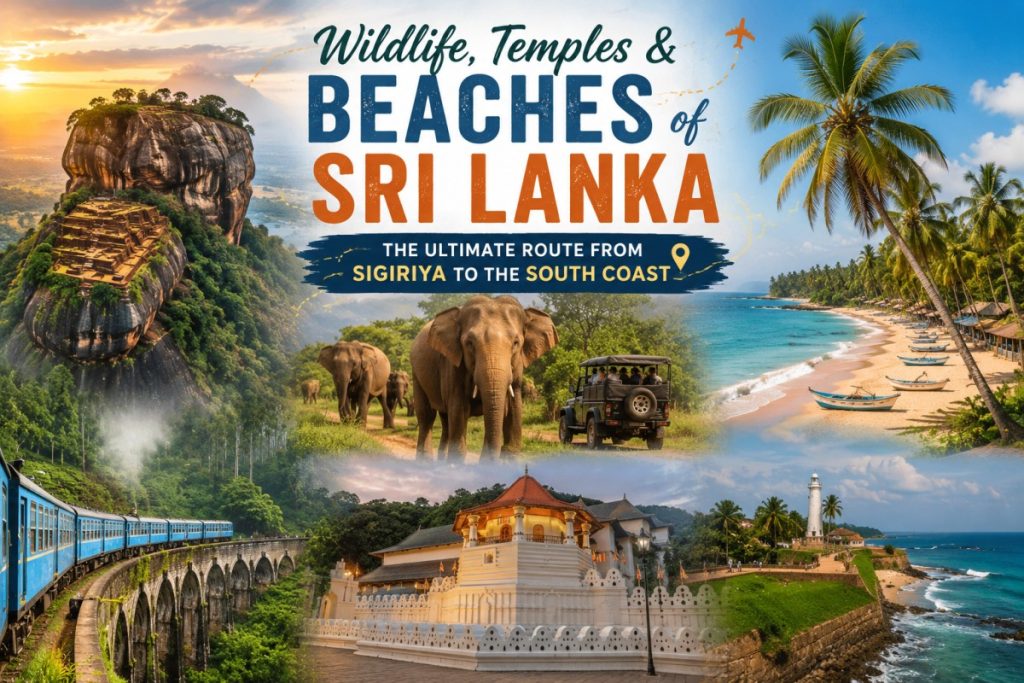
Sri Lanka may be small in size, but it packs an incredible variety of experiences into one island. In just a single trip, travelers can climb ancient rock fortresses, spot elephants and leopards in the wild, visit centuries-old Buddhist temples, and relax on golden beaches lined with palm trees. If you are planning your first Sri Lanka itinerary, one of the best routes combines the cultural heart of the country with its stunning southern coastline. Starting from Sigiriya in the Cultural Triangle and ending along the South Coast gives travelers the perfect balance of history, wildlife, mountains, and beaches. This route is ideal for: 1. Couples and honeymooners 2. Wildlife enthusiasts 3. Backpackers and slow travelers 4. Families looking for varied experiences 5. Travelers visiting Sri Lanka for 7–14 days In this guide, you will discover the best stops, experiences, travel tips, ideal duration, and FAQs for planning a memorable Sri Lanka trip. In Short 1. Start your journey in Sigiriya for ancient history and scenic landscapes. 2. Explore wildlife parks like Yala and Udawalawe for elephant and leopard safaris. 3. Visit sacred temples in Kandy and southern Sri Lanka. 4. Take the scenic train ride through Sri Lanka’s hill country. 5. End your trip on the beaches of Mirissa, Unawatuna, or Tangalle. 6. Best travel duration: 10–14 days. Why This Sri Lanka Route Works Perfectly Sri Lanka’s compact geography makes it easy to combine multiple landscapes in one trip. This route works especially well because it gradually transitions from: 1. Ancient cultural sites 2. Dense forests and wildlife reserves 3. Cool tea-covered mountains 4. Tropical southern beaches Instead of rushing between disconnected destinations, this route flows naturally across the island. Suggested Route Sigiriya → Kandy → Ella → Yala/Udawalawe → Mirissa/Unawatuna/Tangalle → Colombo This route allows travelers to: 1. Avoid unnecessary backtracking 2. Experience Sri Lanka’s famous train journey 3. Explore both culture and coastlines 4. Enjoy a mix of adventure and relaxation Stop 1: Sigiriya – Sri Lanka’s Ancient Rock Fortress Sigiriya is often the highlight of Sri Lanka’s Cultural Triangle. The towering rock fortress rises dramatically from the surrounding jungle and is one of the country’s most iconic landmarks. Built by King Kashyapa in the 5th century, Sigiriya combines ancient engineering, royal gardens, and panoramic views. Things to Do in Sigiriya Climb Sigiriya Rock Fortress The climb to the top takes around 1.5–2 hours. Highlights include: 1. Ancient frescoes 2. Mirror Wall inscriptions 3. Lion’s Paw entrance 4. Panoramic views from the summit Early morning climbs are best to avoid heat and crowds. Visit Pidurangala Rock Many travelers now prefer Pidurangala for sunrise hikes. Why visit: 1. Stunning views of Sigiriya Rock 2. Less crowded than Sigiriya 3. More affordable entry fee 4. Excellent photography spot Explore Dambulla Cave Temple Located close to Sigiriya, the Dambulla Cave Temple is a UNESCO World Heritage Site. Inside the cave complex, you will find: 1. Giant reclining Buddha statues 2. Ancient Buddhist murals 3. Rock cave shrines 4. Peaceful hilltop views Recommended Stay 2–3 nights Best Time to Visit December to April offers dry weather and clearer skies. Stop 2: Kandy – Temples, Lakes and Cultural Heritage From Sigiriya, continue south to Kandy, Sri Lanka’s cultural capital surrounded by green hills. Kandy is famous for its sacred Buddhist sites, colonial charm, and relaxed atmosphere. Must-Visit Places in Kandy Temple of the Sacred Tooth Relic This temple is among the most important Buddhist pilgrimage sites in the world. Visitors can: 1. Witness traditional rituals 2. Explore temple architecture 3. Experience Sri Lankan Buddhist culture 4. Attend evening ceremonies Dress modestly when visiting religious sites. Kandy Lake The lake area is ideal for: 1. Evening walks 2. Street photography 3. Local snacks and tea stalls 4. Relaxing after sightseeing Royal Botanical Gardens, Peradeniya The botanical gardens feature: 1. Massive bamboo groves 2. Orchid collections 3. Giant tropical trees 4. Scenic walking paths Cultural Experiences in Kandy Travelers can also enjoy: 1. Traditional Kandyan dance performances 2. Sri Lankan cooking classes 3. Tea tastings 4. Local handicraft shopping Recommended Stay 2 nights The Scenic Train Ride: Kandy to Ella The train journey from Kandy to Ella is considered one of the most scenic train rides in the world. The route passes through: 1. Tea plantations 2. Waterfalls 3. Misty mountains 4. Colonial-era bridges 5. Small hill-country villages Explore: Sri Lanka Beyond the Usual: Best Places to Visit, Budget, Train Routes & Coastal Stays Travel Tips for the Train Ride 1. Book reserved seats in advance 2. Choose second-class reserved for open windows and comfort 3. Carry snacks and water 4. Keep your camera ready throughout the ride The full journey usually takes 6–8 hours. Stop 3: Ella – Tea Hills and Mountain Landscapes Ella is a laid-back hill town surrounded by tea estates and hiking trails. It offers a cooler climate and slower pace compared to Sri Lanka’s hotter lowlands. Best Things to Do in Ella Nine Arches Bridge One of Sri Lanka’s most photographed landmarks. Best time to visit: 1. Early morning 2. Around train crossing times Little Adam’s Peak A relatively easy hike with rewarding views. The trail passes through: 1. Tea plantations 2. Scenic ridges 3. Green valleys Ravana Falls Located along the main road, Ravana Falls is a popular stop for photos and short breaks. Tea Factory Tours Sri Lanka is globally known for Ceylon tea. Tea factory visits allow travelers to: 1. Learn tea production processes 2. Taste fresh tea varieties 3. Understand Sri Lanka’s plantation history Explore: Sri Lanka’s Hill Country Journey: Tea Estates, Train Views & Quiet Mountain Towns Recommended Stay 2–3 nights Stop 4: Wildlife Adventures in Yala and Udawalawe Sri Lanka is one of the best destinations in Asia for wildlife experiences. The country’s national parks are home to elephants, crocodiles, monkeys, exotic birds, and even leopards. Depending on your interests, you can choose between Yala National Park and Udawalawe National Park. Yala National Park Yala is most famous for leopard sightings. Animals
Spookiest Destinations Around the World with Bone-Chilling Backstories

Travel is not always all about beautiful beaches, luxurious resorts, and picturesque mountains. Some people find adventure in exploring mysterious and haunting places which have interesting and frightening backgrounds. There are various places across the world where the power of folklore, tragic happenings, supernatural experiences, and haunting tales have converted these places into the most amazing destinations for traveling. Even if you don’t believe in ghosts, these destinations provide you amazing insights into the historical and cultural backgrounds and the traditions of storytelling in these places. If you are an enthusiast of ghost stories, dark history, and mysterious experiences, then here are some of the spookiest destinations itinerary guide. Why Haunted Destinations Fascinate Travelers The popularity of dark tourism and paranormal tourism is growing rapidly these days. Tourists tend to seek International and India’s haunted destinations which have interesting stories and experiences associated with them. What Makes These Places Popular? 1. Fascinating historical events 2. Myths and legends about a place 3. Architectural beauty with mysterious pasts 4. Investigating paranormal incidents and ghost tours 5. Cultural storytelling traditions Very often, history associated with such places can be even more fascinating than myths and legends. 1. Aokigahara Forest – Japan’s Mysterious Sea of Trees This forest is located at the foot of Mount Fuji in Japan. It is one of the most intriguing eerie locations across the globe. Vegetation, silence, and local folklore give this place a rather haunting feel. It comes under world’s top 10 haunted forests. The Bone-Chilling Backstory Japanese folklore says that Yurei spirits roam through the forest. With the passing time, stories and myths about this place became more and more intriguing. What Makes It So Eerie? 1. Dense forest that blocks outside noise 2. Mysterious atmosphere and silence 3. Local folklore 4. Mist-covered trails Visitor Experience Nowadays, people visit this location for hiking and nature trails in order to explore one of the most mysterious landscapes of Japan. Pro Tip Do not leave trails off-road and show respect to the sensitive history of this place. 2. Bran Castle – The Dracula Connection Among the most legendary sites connected to the supernatural, Bran Castle in Romania is probably the most recognizable one. Connected to the Dracula mythology, this medieval fortress draws lots of tourists annually. The Bone-Chilling Backstory Though the link between the castle and Dracula is mostly made up, the castle’s impressive architecture and Transylvanian location have inspired many vampire stories. What Makes It Spooky? 1. Gothic architecture 2. Hidden passageways 3. Myths about medieval tortures 4. Fog-covered mountain surroundings What to Do 1. Discover the castle’s rooms 2. Make a visit to the museum 3. Learn about local vampire folklore Pro Tip If you want to see the haunted side of the castle, plan your visit in the fall (autumn) season. 3. Tower of London – Centuries of Ghost Stories Amongst the most historic buildings in England, you will find one of the most haunted places as well. The Tower of London has been the site of numerous executions and imprisonments for hundreds of years. The Bone-Chilling Backstory Many personalities had a tragic death inside it, ranging from queens to nobles and even prisoners. Reported Paranormal Legends 1. Spirit appearances of past prisoners 2. Appearances of historical personalities 3. Unexplained sounds and footsteps 4. Encounters with ghosts reported by guards What to Explore 1. Crown Jewels 2. Medieval towers 3. Historic exhibitions 4. Guided ghost-themed tours Pro Tip Go on an evening tour to enhance the experience. 4. Bhangarh Fort – India’s Most Haunted Fort Bhangarh Fort is perhaps the most famous haunting site in all of India. It is full of tales and local warnings, and has become one of the most popular haunted places in Jaipur. The Bone-Chilling Backstory These are tales of curses, forbidden love, and other unexplained events that purportedly led to the fort’s demise. Why It’s Famous 1. Abandoned structures 2. Many ghost stories 3. Restricted entry after sunset 4. Strong local legends What to See 1. Ancient temples 2. Palace ruins 3. Historic architecture 4. Scenic surroundings Pro Tip Discover many local legends associated with the fort by taking a tour led by an expert. 5. Edinburgh Castle – Scotland’s Haunted Stronghold Edinburgh Castle dominates Castle Rock, looming over the entire city with its haunted history. The Bone-Chilling Backstory The castle has been a fortress, prison, barracks, and royal palace. Paranormal Legends 1. Phantom pipers 2. Ghostly prisoners 3. Unusual sounds 4. Apparitions in underground chambers Visitor Highlights 1. Historic exhibitions 2. City panoramic views 3. Visits to underground vaults 4. Ghost-themed experiences Pro Tip Pair your visit with Edinburgh’s famous ghost walks. 6. Poveglia Island – The Forbidden Island There are few places that stir more interest than Poveglia Island near Venice. The Bone-Chilling Backstory The island has been historically used for quarantine purposes when plagues occurred on the island and was later home to a mental health institution. Why It’s Considered Haunted 1. Abandoned buildings 2. Dark historical associations 3. Local ghost stories 4. Restricted public access What Makes It Fascinating? It has kept its intriguing past and became a subject for documentaries, investigations, and urban legends. Pro Tip Due to access restrictions, it can only be viewed from a distance. 7. Eastern State Penitentiary – America’s Infamous Prison This old jail is said to be one of the most haunted places in the United States. The Bone-Chilling Backstory This prison was founded in 1829 and was used to house famous criminals. It used strict isolation. Paranormal Reports 1. Shadowy figures 2. Echoing voices 3. Strange sounds 4. Unexplained sightings What to Explore 1. Historic cell blocks 2. Museum exhibits 3. Seasonal haunted attractions 4. Guided tours Pro Tip Make your trip in the Halloween season for immersive experiences. 8. Hoia Baciu Forest – The World’s Most Haunted Forest? Like the infamous Bermuda Triangle, Hoia Baciu Forest has gained fame due to its unexplained mysteries. The Bone-Chilling Backstory Strange lights, missing time, unusual feeling, and other
Underrated Travel Destinations in India Worth Visiting in 2026
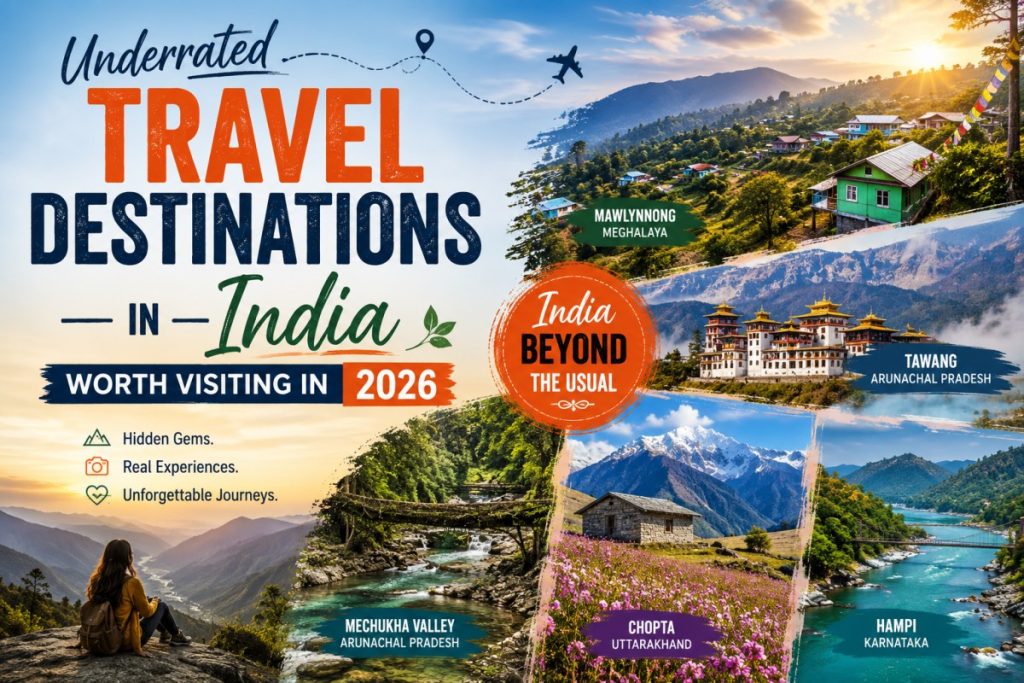
In case you are exploring India, there may be many cities like Goa, Manali, Jaipur, Kerala, and Kashmir on your mind. However, with the changing trend of travelling and people opting for experiential tourism, lesser-known destinations have been gaining popularity among travellers. India has so much in store in terms of off-the-beaten path villages located amid the Himalayas, secluded beaches, undiscovered heritage cities, and pristine valleys. These destinations provide amazing natural beauty and the opportunity to immerse yourself into the vibrant Indian culture while meeting the locals without any pressure of being surrounded by tourists. If you are planning your unique travel itinerary for 2026 then here are some of the most underrated travel destinations in India worth adding to your bucket list. Why Choose Underrated Destinations in 2026? In today’s world, people are traveling not just to mark things off their checklist but also to experience things. Rather than opting for crowded sites, most people would rather go for destinations where they can: 1. Experience More Relaxation: Some lesser-known destinations give you the opportunity to explore the destination leisurely without long waiting lines or congestion. 2. Cultural Authenticity: Alternative destinations help preserve customs, cuisine, and way of life which remain unaffected by mass tourism. 3. Value for Money: Accommodation and travel costs are lower in alternative destinations compared to the usual tourist spots. 4. Travel Sustainably: Tourism helps less visited locations economically while reducing the load from popular places. 1. Tawang – Monasteries, Mountains, and Serenity Tawang is one of the most scenic but lesser-known parts of India situated within the eastern Himalayan region. The ambiance of Tawang is quite distinct from anything you would expect from India. There are mountains around Tawang with permanently snow-capped peaks and a long history of Tibetan Buddhism in the region. It is one of the spiritual villages in India that promote inner healing. What Makes Tawang Special? 1. Location of India’s biggest Buddhist monastery 2. High altitude lakes 3. Beautiful mountain passes 4. Influence of Tibetan Buddhism culture What to Do 1. Explore Tawang Monastery 2. Go on Sela Pass tours 3. Explore Madhuri Lake 4. Attend local Buddhist festivals 5. Learn about local Monpa culture Best Travel Months: March – June or September – November. Pro Tip: Leave additional days in your schedule to account for any potential delays related to mountain weather. 2. Ziro – A Valley of Culture and Nature The Ziro valley is situated in the N.E. part of India and is becoming popular due to its potential for being a destination for those who like sustainable cultural tourism and breathtaking nature. The Apatani people live in the Ziro Valley, which makes it peaceful and therefore, is a place where tourists can avoid the usual commercialization of other Indian hill stations. Unique Highlights 1. Beautiful lush valleys 2. Indigenous people 3. Local farming practices 4. Pristine nature What to Do 1. Visit Apatani Villages 2. Attend Ziro Music Festival 3. Walk through rice paddies 4. Learn about Local Customs 5. Enjoy nature photography Best Time to Visit September to November. Pro Tip: Engage with local communities for an authentic experience. 3. Mawlynnong – India’s Cleanest Village While Mawlynnong may be less famous than Shillong and Cherrapunji, it is certainly one of the nicest villages in India. It is well-known for being eco-friendly and extremely clean. Why Visit? 1. Eco-friendliness environment 2. Living root bridges 3. Traditional Khasi culture 4. Beautiful countryside views What to Do 1. Walk across living root bridges 2. Visit nearby waterfalls 3. Explore village pathways 4. Experience local hospitality Best Time to Visit October to April. Pro Tip: Stay overnight to experience village life after day visitors leave. 4. Majuli – The World’s Largest River Island Majuli remains one of the most fascinating hidden destinations to visit in India. Located in the Brahmaputra River, the island is known for its spiritual heritage and unique ecosystem. Unique Highlights 1. River island lifestyle 2. Neo-Vaishnavite monasteries 3. Traditional Assamese culture 4. Scenic landscapes What to Do 1. Visit Satras (monastic centers) 2. Attend cultural performances 3. Explore local villages 4. Birdwatching and cycling Best Time to Visit November to March. Pro Tip: Travel during cultural festivals for the most immersive experience. 5. Chopta – Mini Switzerland of India While destinations like Manali and Mussoorie attract large crowds, Chopta remains relatively untouched. Surrounded by Himalayan views, it offers a perfect combination of adventure and tranquility. Why Travelers Love Chopta 1. Spectacular mountain scenery 2. Less crowded trekking routes 3. Rich biodiversity 4. Peaceful atmosphere What to Do 1. Trek to Tungnath Temple 2. Hike to Chandrashila Summit 3. Camp under the stars 4. Explore forest trails Best Time to Visit April to June and September to November. Pro Tip: Carry warm clothing throughout the year, as temperatures can drop unexpectedly. 6. Mandu – Forgotten City of Romance Mandu is a hidden historical treasure filled with Afghan architecture, palaces, and legends. Despite its beauty, it receives far fewer visitors than many famous heritage sites. Unique Highlights 1. Historic forts and palaces 2. Beautiful architecture 3. Romantic legends 4. Scenic hilltop setting What to Do 1. Visit Jahaz Mahal 2. Explore ancient ruins 3. Learn local history 4. Enjoy monsoon landscapes Best Time to Visit July to February. Pro Tip: Hire a local guide to uncover fascinating stories behind the monuments. 7. Gokarna – Beyond Goa’s Crowds Although growing in popularity, Gokarna remains far more relaxed than Goa. It combines beaches, spirituality, and laid-back coastal culture. Discover: Top 6 must-try romantic things in Gokarna What Makes It Special? 1. Quiet beaches 2. Temple town atmosphere 3. Scenic coastal trails 4. Relaxed lifestyle What to Do 1. Beach hopping 2. Visit Mahabaleshwar Temple 3. Sunset trekking 4. Yoga and wellness retreats Best Time to Visit October to March. Pro Tip: Explore beaches on foot to discover secluded spots. 8. Chettinad – Heritage, Architecture, and Food Chettinad offers one of India’s most unique cultural experiences. Known for grand mansions and
Winter Across Europe Without the Rush: Lesser-Known Cities That Shine in the Cold
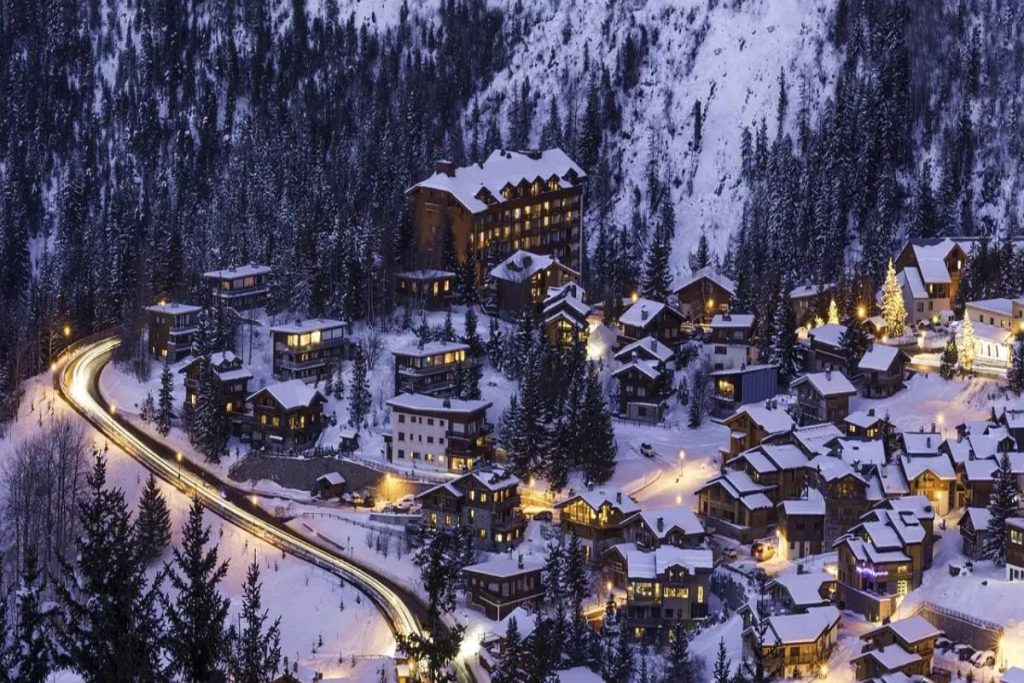
Introduction When winter arrives in Europe, most travelers instantly think of crowded Christmas markets in Paris, Vienna, or Prague. But beyond these popular hotspots lies a quieter, more magical side of the continent—one where snow-dusted streets, cozy cafés, and local traditions feel more authentic and unhurried. If you’ve ever wanted to experience Europe in winter without the crowds, this guide is for you. From charming alpine towns to underrated cultural hubs, these lesser-known cities offer stunning winter experiences—often at a lower cost and with fewer tourists. Whether you’re planning a peaceful getaway or curating your perfect Europe travel itinerary, this guide by The Tarzan Way will help you discover Europe’s hidden winter gems. In Short (TL;DR) 1. Skip crowded cities and explore underrated winter destinations in Europe 2. Enjoy lower costs, fewer tourists, and authentic local culture 3. Best destinations include Hallstatt, Colmar, Tallinn, and Ljubljana 4. Ideal for slow travel, photography, and cozy winter experiences Why Travel to Europe in Winter (Beyond the Usual Cities)? Winter in Europe isn’t just about Christmas markets—it’s about atmosphere. This Europe winter travel guide will help you travel Europe in its in its most magical form. What makes winter special: 1. Snow-covered landscapes and fairy-tale towns 2. Off-season pricing on flights and accommodations 3. Fewer crowds at major attractions 4. Cozy food culture: hot chocolate, mulled wine, and hearty meals Why choose lesser-known cities: 1. More authentic experiences 2. Easier to explore at your own pace 3. Better interaction with locals 4. Hidden cultural traditions you won’t find in tourist-heavy areas 1. Hallstatt, Austria – A Fairytale Frozen in Time Nestled between mountains and a serene lake, Hallstatt transforms into a winter postcard. What makes it special: 1. Snow-covered wooden houses reflecting on the lake 2. Quiet streets without peak-season crowds 3. Scenic viewpoints with alpine backdrops Things to do: 1. Walk along Hallstätter See 2. Visit the salt mines 3. Enjoy lakeside cafés Best for: Couples, photographers, and peaceful retreats 2. Colmar, France – A Storybook Winter Escape Colmar in France feels like stepping into a Disney movie—especially in winter. Highlights: 1. Half-timbered houses dusted with snow 2. Smaller, less crowded Christmas markets 3. Alsatian cuisine and wine Must-try experiences: 1. Warm tarte flambée 2. Mulled wine in local markets 3. Canal-side evening walks 3. Tallinn, Estonia – Medieval Magic in the Snow Tallinn’s Old Town is one of Europe’s best-preserved medieval centers—and winter makes it even more magical. Why visit: 1. Cobblestone streets covered in snow 2. Gothic architecture and towers 3. Cozy candle-lit cafés Activities: 1. Explore Toompea Castle 2. Visit local winter markets 3. Try traditional Estonian dishes 4. Ljubljana, Slovenia – Europe’s Green Capital in Winter Ljubljana offers a perfect mix of charm, culture, and sustainability—even in winter. What stands out: 1. Festive lights along the Ljubljanica River 2. Quiet, crowd-free streets 3. Affordable compared to Western Europe Things to do: 1. Walk through the Old Town 2. Visit Ljubljana Castle 3. Enjoy riverside cafés 5. Ghent, Belgium – A Hidden Gem with Gothic Charm Often overshadowed by Bruges, Ghent in Belgium is equally beautiful but far less crowded. Winter appeal: 1. Medieval architecture lit up at night 2. Fewer tourists than nearby cities 3. Strong food and beer culture Don’t miss: 1. Gravensteen Castle 2. Belgian waffles and hot chocolate 3. Canal views in the evening 6. Rovaniemi, Finland – Beyond Santa Claus While known as Santa Claus Village, Rovaniemi offers much more in winter. Unique experiences: 1. Northern Lights sightings 2. Snow safaris and reindeer rides 3. Arctic wilderness Best for: Adventure travelers and bucket-list seekers 7. Sibiu, Romania – A Cultural Winter Retreat Sibiu combines medieval charm with rich cultural traditions. Why it’s underrated: 1. Beautiful Christmas market without massive crowds 2. Colorful buildings and historic squares 3. Budget-friendly destination Experiences: 1. Explore the Old Town 2. Visit museums and galleries 3. Try Romanian winter cuisine Budget & Travel Tips for Winter in Europe Planning your travel itinerary smartly with budget-friendly Europe trip can make a huge difference. Budget tips: 1. Book flights early for better deals 2. Choose smaller cities for cheaper stays 3. Use trains for scenic and affordable travel Packing essentials: 1. Thermal wear and waterproof boots 2. Gloves, scarves, and layers 3. Travel insurance for winter conditions Travel hacks: 1. Visit attractions early in the day 2. Stay near city centers to avoid transport issues 3. Check local winter festivals and events Best Time to Visit These Cities Timing your trip is key for the best experience. Ideal months: 1. December: Festive markets and decorations 2. January: Snowy landscapes with fewer tourists 3. February: Budget-friendly and quieter travel Explore: Europe’s Hidden Gem How to Plan a Winter Europe Itinerary Creating a seamless itinerary ensures a stress-free trip. Step-by-step framework: 1. Choose 2–3 nearby cities (avoid overpacking your schedule) 2. Check visa and travel requirements 3. Book accommodations near main attractions 4. Plan flexible travel days for weather changes 5. Include both indoor and outdoor activities Explore: Europe’s Night Out Itinerary FAQs What are the best lesser-known winter destinations in Europe? Hallstatt, Colmar, Tallinn, and Ljubljana are among the best for a peaceful winter experience. Is Europe expensive in winter? Not always. Smaller cities and off-peak months like January and February are quite budget-friendly. What should I pack for a winter trip to Europe? Warm layers, waterproof shoes, gloves, and thermal wear are essential. Are these cities safe for solo travelers? Yes, most of these destinations are safe, clean, and traveler-friendly. Glossary Workcation: Working remotely while traveling Off-season travel: Traveling during less popular months for lower costs and fewer crowds EEAT: Expertise, Experience, Authority, and Trustworthiness in content quality Conclusion Winter in Europe doesn’t have to mean crowded streets and long queues. By choosing lesser-known cities, you can experience a more peaceful, authentic, and magical side of the continent. From the frozen beauty of Hallstatt to the medieval charm of Tallinn, these destinations offer unforgettable winter moments without the rush. Whether
Best AI Trip Planners in India in 2026: Which One Actually Helps You Travel Better?

AI is changing how people get around. AI-powered travel itinerary can now do in minutes what used to take hours of research, comparing prices, digging through hotel reviews, creating itineraries, and handling bookings. One of the biggest trends in the Indian travel industry are AI trip planners, ranging from personalized itineraries to smart budget optimization and automated recommendations. But with so many tools on the market, travelers are now wondering: 1. Best AI trip planner in India ? 2. Which AI travel planner is the most personalized? 3. What platform helps beyond itinerary building? 4. Do AI itinerary planners help for real trips? In this blog, we compare some of the most talked-about AI trip planners for Indian travelers in 2026; their strengths, limitations and what sets them apart. Why AI Trip Planners Are Growing Rapidly in India Travel planning behavior has changed a lot over the last few years. What Indian travellers want today: 1. Planning More Quickly 2. Cheap suggestions 3. Customizable itineraries 4. Local experiences behind the scenes 5. Smarter booking 6. Customized travel recommendations At the same time it is overwhelming to plan by hand trips. The overwhelming majority of travelers spend hours: 1. Compare hotel prices 2. Follow airfare prices 3. Watching travel videos on YouTube 4. Reading reddit threads and blogs 5. Saving Instagram suggestions 6. Managing bookings in different apps AI travel planners centralize discovery, planning and recommendations all in one place that results in simplifying the entire process. And as AI tech improves, these platforms are becoming more conversational, intelligent and personalized. Explore : Personalized Travel with AI: How Smart Systems Understand What Kind of Traveler You Are What Makes a Good AI Trip Planner? Not all AI trip planners are the same. Some are only focused on creating itineraries. Some are experts in the discovery of flight. Some help with optimizing budgets or suggesting activities. Typically the best AI travel planners will offer: 1. Custom itineraries 2. Intelligent suggestions 3. Pricing insights in real-time 4. Easy management of bookings 5. Budgeting optimization 6. Travel assistance 7. Flexibility and customisation 8. Accessible on multiple devices The real difference is how intelligently the platform understands travelers. Top AI Trip Planners in India Right Now 1. Google Gemini + Google Travel Many travelers use Google tools for AI-Powered travel experiences to plan their travel with AI. GoogleFlights, Maps and Hotels combined with Gemini help users with: 1. Destinations to Explore 2. Construct rough itineraries 3. Compare travel costs 4. Search for restaurants and things to do 5. Plan trip ideas Pros 1. Making accessibility easy 2. Robust map integration 3. Great for destination research 4. Useful for basic planning Limitations 1. No end-to-end trip handling 2. Need to switch between multiple tools 3. Little personalization 4. No live travel support dedicated Google works well for research-heavy travelers but still requires significant manual effort. 2. Trip Planner AI Trip Planner AI is gaining popularity for itinerary generation and route optimization. It focused on: 1. Automated travel itineraries 2. Planning a multi-city 3. AI Activity Ideas 4. Route efficiency Pros 1. Quick itinerary creation 2. Good interface for planning . 3. Good for travel ideas for a first draft Limitations 1. Limited booking integration 2. Generic advice can sometimes feel like repetition 3. Limited support after booking 4. Less suited for highly personalized travel styles It’s great as an itinerary planning tool, not so much as a full travel ecosystem. 3. Wonderplan AI Wonderplan AI focuses heavily on personalized itineraries. Users type in: Budget, hobbies, durations, travel style and have AI generate travel plans. Pros 1. Tailored itinerary recommendations 2. Beginner friendly interface 3. Good for quick planning inspiration Limitations 1. Mostly itinerary-oriented 2. Limited support for booking 3. No real time trip assist 4. Recommendations may lack contextual local depth Wonderplan is good if you’re a traveller who needs mainly inspiration and structure. 4. Roam Around Roam Around gained popularity due to its conversational AI approach to trip planning. Travelers can plan a specific destination in seconds. Pros 1. Simple conversational interface 2. Fast itinerary generation 3. Good for short rides. Limitations 1. Limited flexibility for complex journeys 2. General outputs for specific travel styles 3. No price optimisation No live support 4. Primarily focused on planning, not execution Good for quick itinerary ideas, but not so practical for full travel management. 5. ChatGPT for Travel Planning Many travelers now use AI chatbot to plan trip such as ChatGPT. It can help with: 1. Ideas for destinations 2. Budget divisions 3. Travel Itineraries 4. Packing advice 5. Visa guidance 6. Suggestions for activities Pros 1. Very conversational 2. Flexible advice 3. Great for trip brainstorming 4. Good for niche travel interests Limitations 1. No online reservation system 2. No live fare tracking 3. Needs manual verification 4. No travel execution integrated It’s a good companion for planning, not a dedicated travel platform. The Biggest Problem With Most AI Trip Planners Most AI trip planners stop once they’ve generated an itinerary. But real travel is much, much more: 1. Flight reservation 2. Hotel verification 3. Price Surveillance 4. Selection of activity 5. Optimize budget 6. Visa support 7. Live support while travelling 8. Last minute alterations This is where a lot of AI itinerary tools fail. Travelers still have to juggle multiple tabs, apps, confirmations and bookings manually. This is precisely where the future of AI travel planner is headed. The Shift Toward Full-Stack AI Travel Planning The next generation of AI( Artificial intelligence) travel tools are no longer just focused on itinerary generation. Instead, the platforms are trying to be your one-stop travel companion. That means combining: 1. AI personalization 2. Smart pricing 3. Booking integration 4. Real-time support 5. Human assistance 6. Travel coordination …into one seamless experience. This is also where newer AI travel platforms like Kaira are gaining attention in the Indian travel space. The World’s Most Personalised AI Trip Planner Meet Kaira, not just an AI. Your travel companion. Traditional