

Vietnam is one of Southeast Asia’s most fascinating countries to explore from top to bottom. Stretching over 1,650 km, the country reveals dramatic changes in landscapes, cuisine, culture, and even pace of life as you travel from the misty mountains of the north to the tropical rivers of the south.
From the limestone karsts of Ha Long Bay to the bustling streets of Ho Chi Minh City, every region tells a different story shaped by geography, history, and local traditions.
For travelers planning a Vietnam travel itinerary, understanding these regional differences helps create a more meaningful journey. This guide breaks down the landscapes, food culture, and social vibe across North, Central, and South Vietnam.
In Short (TL;DR)
- North Vietnam: Dramatic mountains, cooler weather, subtle flavors, traditional culture.
- Central Vietnam: Historic cities, imperial cuisine, cultural heritage.
- South Vietnam: Tropical landscapes, sweeter food, modern and energetic lifestyle.
- The best Vietnam travel itinerary typically moves North → Central → South for geographic and cultural flow.
North Vietnam: Dramatic Landscapes & Deep Traditions
Northern Vietnam is where many travelers start their journey. The region is known for its mountain scenery, historic cities, and traditional lifestyle.
Read: best time to visit Vietnam
Key Destinations
- Hanoi – Vietnam’s capital with colonial architecture and chaotic charm.
- Sapa – Famous for rice terraces and ethnic minority villages.
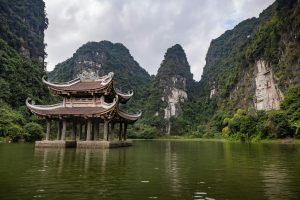
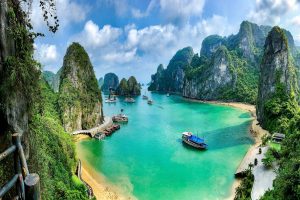
- Ha Long Bay – Iconic limestone islands rising from emerald water.
- Ninh Binh – Often called “Ha Long Bay on land”.
Landscape Characteristics
North Vietnam features some of the most dramatic scenery in Southeast Asia:
- Towering limestone karsts
- Misty mountain valleys
- Terraced rice fields
- Dense tropical forests
These landscapes make the region perfect for:
- Trekking
- Photography
- Cultural homestays
- Nature cruises
Cultural Identity
The north is considered the cultural heart of Vietnam.
Read more about: Best Vietnam Group Tours for Young Travelers
Influences include:
- Ancient Vietnamese dynasties
- Confucian traditions
- Ethnic minority cultures such as the Hmong and Dao
Life here often feels more traditional and slower-paced than the south.
Northern Vietnamese Cuisine
Food in northern Vietnam is known for clean, balanced flavors rather than intense sweetness or spice.
Signature dishes include:
- Pho – Hanoi is the birthplace of this iconic dish.
- Bun Cha – Grilled pork with rice noodles and herbs.
- Banh Cuon
Flavors are typically:
- Light
- Savory
- Herb-forward
Central Vietnam: History, Imperial Culture & Coastal Beauty
Central Vietnam sits between mountains and sea, creating a unique mix of historic heritage and coastal landscapes.
Key Destinations
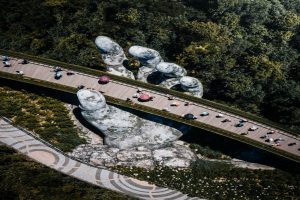
- Hue – Former imperial capital of the Nguyen Dynasty.
- Da Nang – Modern coastal city and gateway to central Vietnam.
- Hoi An Ancient Town – Lantern-lit historic trading port.
Landscape Characteristics
Central Vietnam offers diverse scenery:
- Long sandy beaches
- Mountain passes like Hai Van Pass
- Tropical forests
- Historic river towns
Travelers often include this region in a Location travel itinerary for its balance of nature and culture.
Cultural Highlights
Central Vietnam reflects strong imperial and royal heritage.
Important influences include:
- Nguyen Dynasty architecture
- Buddhist temples
- Historic trading culture in Hoi An
Key sites include:
- Imperial City of Hue
- Ancient merchant houses in Hoi An
- Cham ruins like My Son Sanctuary
Central Vietnamese Cuisine
Food in this region is spicier, more complex, and visually artistic.
Famous dishes include:
- Bun Bo Hue
- Cao Lau
- Banh Xeo
Many dishes were originally created for the imperial court in Hue, resulting in beautiful presentation and rich flavors.
South Vietnam: Tropical Energy & Modern Vietnam
Southern Vietnam feels completely different from the north. The region is warmer, more tropical, and faster-paced.
Key Destinations
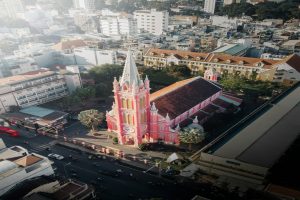
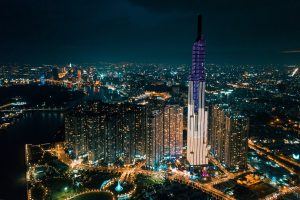
- Ho Chi Minh City – Vietnam’s economic hub.
- Mekong Delta – Network of rivers and floating markets.
- Phu Quoc – Tropical island famous for beaches.
Landscape Characteristics
South Vietnam features:
- River deltas
- Tropical islands
- Coconut groves
- Floating markets
The Mekong Delta is particularly unique with daily life centered around waterways.
Cultural Atmosphere
Compared to the north, the south feels:
- More cosmopolitan
- More business-focused
- Influenced by global culture
Cities like Ho Chi Minh City have:
- Modern skyscrapers
- Rooftop bars
- International cuisine
Southern Vietnamese Cuisine
Southern food tends to be sweeter and more vibrant.
Popular dishes include:
- Hu Tieu
- Com Tam
- Fresh tropical fruits like mango and dragon fruit
Common flavor traits:
- Sweet sauces
- Coconut milk
- Fresh herbs
Key Cultural Differences Across Vietnam
Aspect
North Vietnam
Central Vietnam
South Vietnam
Climate
Cooler winters
Tropical with storms
Warm year-round
Landscapes
Mountains & karsts
Coast & historic towns
Rivers & islands
Cuisine
Light and balanced
Spicy and royal
Sweet and bold
Lifestyle
Traditional
Cultural heritage
Fast-paced & modern
Major City
Hanoi
Da Nang
Ho Chi Minh City
Suggested Vietnam Travel Itinerary (North → South)
Many travelers follow this Vietnam travel itinerary route for the best experience.
10–14 Day Route
Days 1–3
Explore Hanoi
Street food tours
Days 4–5
Cruise Ha Long Bay
Days 6–7
Trekking in Sapa
Days 8–9
Visit Hue Imperial City
Days 10–11
Explore Hoi An Ancient Town
Days 12–14
Discover Ho Chi Minh City
Day trip to Mekong Delta
Traveling north to south helps you see the natural and cultural transition of Vietnam step by step.
FAQs
What is the best route to travel to Vietnam?
Most travelers follow Hanoi → Central Vietnam → Ho Chi Minh City, which aligns with the country’s geography.
How long does it take to travel Vietnam from north to south?
A comfortable trip takes 10–14 days, though 3 weeks allows deeper exploration.
Which part of Vietnam has the best food?
Food varies by region:
North: balanced flavors
Central: spicy and complex
South: sweeter and tropical
What is the best time to visit Vietnam?
February–April and September–November usually offer the most balanced weather across the country.
Glossary
- Karst Landscape: A terrain formed by limestone erosion, creating dramatic cliffs and caves.
- Floating Market: A traditional market where vendors sell goods from boats.
- Imperial Cuisine: Food originally prepared for Vietnamese royal courts.
Conclusion
Traveling through Vietnam from north to south feels like exploring three different countries in one journey. The misty mountains of Sapa, the lantern-lit streets of Hoi An, and the river life of the Mekong Delta all showcase the incredible diversity of this long, narrow nation.
For travelers building a location travel itinerary, Vietnam offers a rare opportunity to experience dramatic shifts in landscape, culture, and cuisine within a single trip.
Whether you’re drawn by food, history, or natural beauty, The Tarzan Way promises an unforgettable journey from start to finish.