

Most Expensive vs Cheapest Destinations 2026 Travel Guide: Same Experience, Different Budget

Traveling is typically associated with luxurious resorts, high-end flights, and once-in-a-lifetime bucket list destinations. Nevertheless, one of the main myths related to traveling is that only the most expensive places are able to offer unforgettable travel experiences. Contrary to this myth, many destinations that cost less offer beautiful sceneries, activities, culture, and adventure similar to the most expensive travel hot spots. In 2026, people who like traveling are getting smarter and becoming more focused on experiencing and saving money. Travelers no longer spend all their travel budget on one destination and use this money to be able to travel longer and deeper and have more fun. Irrespective of what type of travel experience you are looking for from alpine mountain peaks to tropical beaches, from cultural adventure to a road trip, there is a cheaper destination that will give you a very similar experience. However, there is an underlying secret to all of this. By planning the ideal travel itinerary, one can be assured of experiencing spectacular scenery, great adventure, amazing culture, and wonderful experiences without paying too much. In this guide, we compare some of the world’s costliest travel spots to their affordable alternatives which offer the same travel experience and make your travel planning for 2026 much easier. Why Compare Expensive and Affordable Destinations? Travel is not about spending more money, but rather having an experience. In today’s world many travelers tend to prefer: 1. Longer trips 2. Authentic local experiences 3. Better value for money 4. Slow travel 5. Meaningful cultural connections 6. Less crowded destinations 7. Flexible travel itineraries Instead of utilizing the whole budget for just one week at a luxury destination, one can choose a longer journey at another destination. Understanding the Difference: Expensive vs Budget-Friendly Travel Expensive destinations are always believed to be more enjoyable than cheaper destinations. Actually, it is not always true, and it is important to take into account that your vacation is going to depend not on how much money you will pay for it but rather on what kind of experience you will get from it. 1. Accommodation Prices High-end destinations usually charge high prices for their hotels and resorts. 2. Transportation Costs Flight fares, transportation expenses, and accessibility all sums up in increasing the budget of the trip. 3. Food and Dining For restaurants and dining options, popular tourist destinations tend to charge higher prices than emerging tourist destinations. 4. Activities and Attractions Depending on the destination, the cost varies for activities, entry fees, tours, safaris, adventure sports, and culture. 5. Tourism Demand Highly popular destinations end up being expensive due to high demand. 6. Currency Value The exchange rate makes the place seem extremely cheap or very expensive to tourists. 7. Travel Style Luxury tourists, backpackers, digital nomads, and families often encounter the same destination under totally different budgeting circumstances. Destination Comparisons: Same Experience, Different Budget The positive thing about it is that there are a number of affordable places that can offer you travel experiences almost identical to what you would get in some of the most expensive travel destinations. Here is a comparison of some of the most suitable options for 2026. 1. Switzerland vs Himachal Pradesh, India Switzerland: The Luxury Alpine Dream Switzerland is one of the world’s most popular mountain destinations. Known for: 1. Snow-capped Alps 2. Scenic train journeys 3. Mountain villages 4. Crystal-clear lakes 5. Luxury tourism Average Daily Budget Budget Traveler: $120–180 Mid-Range Traveler: $250–400 Luxury Traveler: $500+ Himachal Pradesh: The Affordable Mountain Alternative Himachal Pradesh is a perfect place for those who want to experience stunning mountain scenery and do not wish to spend much money on that. Top Destinations 1. Tirthan Valley 2. Jibhi 3. Kalpa 4. Spiti Valley 5. Manali Why It Feels Similar 1. Stunning mountain scenery 2. Adventure activities 3. Cozy mountain stays 4. Scenic road trips 5. Peaceful villages Average Daily Budget Budget Traveler: $20–40 Mid-Range Traveler: $50–100 Experience Comparison 1. Alpine landscapes 2. Hiking opportunities 3. Scenic drives 4. Mountain culture 5. Nature-focused itineraries The Verdict If you dream of being surrounded by nature, mountains, enjoying nice views and going on hikes – Himachal Pradesh can offer you this. 2. Maldives vs Andaman Islands Maldives: Luxury Island Living The Maldives have been known for their luxurious vacation packages and honeymoon experiences. Known for: 1. Overwater villas 2. White-sand beaches 3. Coral reefs 4. Crystal-clear lagoons 5. Private island resorts Average Daily Budget Budget Traveler: $250+ Luxury Traveler: $1000+ Andaman Islands: Tropical Beauty Without the Luxury Price The Andaman Islands offer many of the same tropical experiences. Best Places to Visit 1. Havelock Island 2. Neil Island 3. Ross Island Why It Feels Similar 1. Turquoise waters 2. Island hopping 3. Scuba diving 4. Snorkeling 5. Secluded beaches Average Daily Budget Budget Traveler: $40–120 Experience Comparison 1. Beach relaxation 2. Water sports 3. Marine life encounters 4. Sunset views 5. Tropical island atmosphere The Verdict Though the Maldives wins when it comes to luxury, Andaman Islands give you all the same nature experiences but at a much lower cost. 3. Santorini, Greece vs Gokarna, India Santorini: Greece’s Romantic Icon Santorini is certainly among Europe’s most popular destinations. Known for: 1. Whitewashed architecture 2. Cliffside sunsets 3. Luxury stays 4. Romantic atmosphere 5. Coastal views Average Daily Budget Budget Traveler: $150–250 Mid-Range Traveler: $300–400 Gokarna: India’s Relaxed Coastal Escape Gokarna provides travelers with a less crowded yet beautiful coastal experience. Highlights 1. Hidden beaches 2. Coastal treks 3. Beach cafes 4. Relaxed atmosphere 5. Scenic viewpoints Average Daily Budget Budget Traveler: $20–60 Experience Comparison 1. Ocean views 2. Sunset experiences 3. Beachside stays 4. Slow travel opportunities 5. Relaxing coastal vibe The Verdict Travelers searching for sunsets, beach holidays, and relaxed atmosphere may find Gokarna quite interesting. 4. Japan vs Vietnam Japan: Tradition Meets Innovation Japan is still one of the most fascinating countries in Asia. Known for: 1. Historic temples 2. Modern cities 3. Cherry blossoms 4. Efficient transport 5. Rich cultural
Summer Vacation Ideas 2026: Family Trips, Solo Escapes & Kid-Friendly Destinations

Summer vacation is much more than taking a break from education or job; summer vacation is all about creating beautiful memories, visiting exotic destinations, and spending quality time with family members and loved ones. With temperatures soaring high, many families, individuals, and adventurers are already planning their trips and looking for ideal places to visit in 2026. Whether you want to visit cool mountains or relax in the sunny weather at beaches or go on adventures or enjoy culture, there are numerous destinations in which you can find a suitable place according to your budget and travel style. This guide explores some of the best Summer Vacation Ideas 2026 that will help you and your family to plan your summer trip itinerary. Why Summer Is the Perfect Time to Travel There are many reasons why the summer season becomes very popular for travel purposes. Longer Holidays Summer vacations usually last long due to longer holidays at schools and colleges. Pleasant Weather in Mountain Regions Hill stations and mountains offer pleasant weather during summer. More Outdoor Activities Summer is perfect for camping, trekking, wildlife safari, beach vacations, and sightseeing. Family Bonding Opportunities Vacations give people an opportunity to take a break from their schedules and bond with their near and dear ones. Best Summer Vacation Ideas for Families 1. Kashmir: The Paradise of Summer The Kashmir valley is still considered as one of the most beautiful summer spots in India. Explore: Kashmir Travel Guide What Makes It Perfect for Families? 1. It has pleasant temperature to be away with families. 2. It has scenic landscapes and breathtaking scenery 3. It has various family-friendly attractions 4. Comfortable accommodations What to Do Srinagar 1. Take Shikara ride on Dal Lake 2. Visit at Mughal Gardens 3. Explore nearby local markets Gulmarg 1. Take Gondola rides 2. Enjoy mountain views 3. Participate in adventure activities Pahalgam 1. Visit to Betaab Valley 2. River walks 3. Pony rides Unique Highlight Choose to stay at houseboats, because both the children and elders get to enjoy the magic of staying in traditional houseboats. 2. Shimla and Manali, Himachal Pradesh This popular hill station circuit remains the first choice of Indian families. What to Do Shimla 1. Explore the mall road area 2. The Ridge 3. Experience the ride at Toy Train Explore: Shimla Travel Guide Manali 1. Solang Valley 2. Rohtang Pass 3. Nature walks Why Families Love It It offers a complete mix of relaxation, adventure, and accessibility. Pro Tip Visit in early summers to skip the summer rush and to avoid peak-season crowds. 3. Kerala: Backwaters, Beaches & Nature Kerala provides a good blend of nature, culture, and family-friendly experiences. Must-Visit Places Munnar Tea gardens, pleasant climate and cool weather Alleppey Houseboat cruises Thekkady Wildlife and spice plantations Kovalam Relaxing beaches Unique Highlight Houseboat stays are the most memorable part of Kerala family vacations. Kid-Friendly Destinations for Summer 2026 Family travel destinations should be fun as well as comfortable. 1. Jaipur, Rajasthan Jaipur is the perfect place that turns history into a fascinating journey for kids and family. What Kids Enjoy 1. Visit Amer Fort 2. Elephant Village experiences 3. Enjoy light and sound shows 4. Watch puppet performances For more, read: Must Visit 8 cultural places in Rajasthan Educational Value The place holds educational value with history that allows kids to learn about the royal history of India through entertainment. 2. Mysuru, Karnataka Mysuru offers an interesting mix of culture, history, and attractions that makes a Mysuru trip family-friendly. Top Attractions 1. Visit Mysore Palace 2. For children, must visit at Mysore Zoo 3. Brindavan Gardens 4. Railway Museum Why It Works There are many activities to do in the city without overwhelming young travelers. 3. Ooty, Tamil Nadu Ooty continues to be one of the most popular destinations for Indian families during summer. What to Do 1. Toy Train rides 2. Botanical Gardens 3. Ooty Lake boating 4. Tea estate visits Unique Highlight The toy train journey is often a favorite among children as many children love traveling on the toy train. Best Solo Escapes for Summer 2026 Summer is also an excellent time for individual travelers that need some personal discovery, adventure, or peace. 1. Tirthan Valley, Himachal Pradesh It is one of India’s most tranquil hidden gems. Why Solo Travelers Love It 1. It has quiet surroundings 2. Beautiful scenic landscapes 3. Best for slow travel opportunities What to Do 1. Riverside walks 2. Village exploration to get the authentic and cultural understanding of a place. 3. You can go for nature hikes Unique Highlight The destination is the perfect escape and is the best for digital detox and self-reflection. 2. Rishikesh, Uttarakhand Rishikesh is an ideal place for spiritual travelers that need adventure too. Activities 1. Yoga retreats 2. River rafting 3. Meditation sessions 4. Café culture Pro Tip For an immersive experience, take part in a brief yoga retreat to get more out of your travels. 3. Ziro Valley, Arunachal Pradesh A dream destination for travelers that seek to break off from busy travel routes. What to Explore 1. Apatani villages 2. Cycling routes 3. Local culture 4. Scenic landscapes Why Visit? The peaceful atmosphere and tranquil environment makes it ideal for solo exploration. International Summer Vacation Ideas for 2026 For travelers planning an international holiday, several destinations offer pleasant weather and family-friendly attractions during summer. 1. Switzerland Highlights 1. Alpine scenery 2. Scenic train journeys 3. Family-friendly attractions 4. Outdoor adventures Perfect For: Families and honeymooners alike. To prepare Switzerland itinerary, must explore: Switzerland Scenic Train Itinerary 2. Japan What to Experience 1. Cultural attractions 2. Theme parks 3. Historic temples 4. Modern cities Kid-Friendly Attractions: Tokyo Disneyland and Universal Studios Japan. 3. Thailand Why Visit? 1. Affordable travel 2. Beautiful beaches 3. Family resorts 4. Excellent food Top Destinations 1. Phuket 2. Krabi 3. Chiang Mai 4. Bangkok Adventure-Filled Summer Vacation Ideas Ladakh Activities to add in your Ladakh travel guide: 1. Road trips 2. High-altitude
Wildlife, Temples and Beaches of Sri Lanka: A Travel Route from Sigiriya to the South Coast
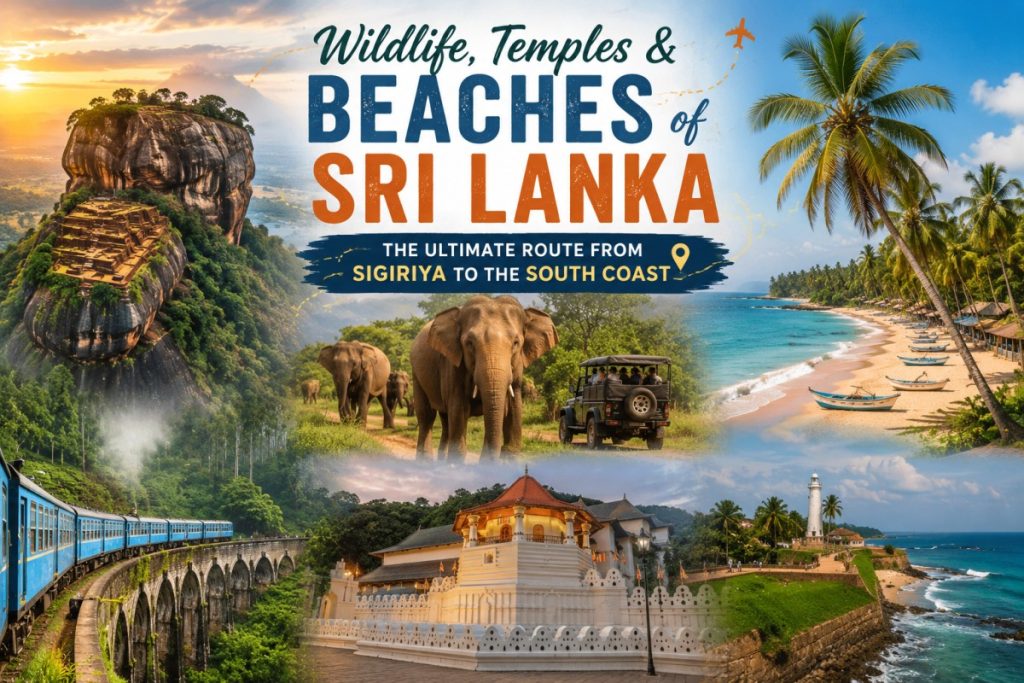
Sri Lanka may be small in size, but it packs an incredible variety of experiences into one island. In just a single trip, travelers can climb ancient rock fortresses, spot elephants and leopards in the wild, visit centuries-old Buddhist temples, and relax on golden beaches lined with palm trees. If you are planning your first Sri Lanka itinerary, one of the best routes combines the cultural heart of the country with its stunning southern coastline. Starting from Sigiriya in the Cultural Triangle and ending along the South Coast gives travelers the perfect balance of history, wildlife, mountains, and beaches. This route is ideal for: 1. Couples and honeymooners 2. Wildlife enthusiasts 3. Backpackers and slow travelers 4. Families looking for varied experiences 5. Travelers visiting Sri Lanka for 7–14 days In this guide, you will discover the best stops, experiences, travel tips, ideal duration, and FAQs for planning a memorable Sri Lanka trip. In Short 1. Start your journey in Sigiriya for ancient history and scenic landscapes. 2. Explore wildlife parks like Yala and Udawalawe for elephant and leopard safaris. 3. Visit sacred temples in Kandy and southern Sri Lanka. 4. Take the scenic train ride through Sri Lanka’s hill country. 5. End your trip on the beaches of Mirissa, Unawatuna, or Tangalle. 6. Best travel duration: 10–14 days. Why This Sri Lanka Route Works Perfectly Sri Lanka’s compact geography makes it easy to combine multiple landscapes in one trip. This route works especially well because it gradually transitions from: 1. Ancient cultural sites 2. Dense forests and wildlife reserves 3. Cool tea-covered mountains 4. Tropical southern beaches Instead of rushing between disconnected destinations, this route flows naturally across the island. Suggested Route Sigiriya → Kandy → Ella → Yala/Udawalawe → Mirissa/Unawatuna/Tangalle → Colombo This route allows travelers to: 1. Avoid unnecessary backtracking 2. Experience Sri Lanka’s famous train journey 3. Explore both culture and coastlines 4. Enjoy a mix of adventure and relaxation Stop 1: Sigiriya – Sri Lanka’s Ancient Rock Fortress Sigiriya is often the highlight of Sri Lanka’s Cultural Triangle. The towering rock fortress rises dramatically from the surrounding jungle and is one of the country’s most iconic landmarks. Built by King Kashyapa in the 5th century, Sigiriya combines ancient engineering, royal gardens, and panoramic views. Things to Do in Sigiriya Climb Sigiriya Rock Fortress The climb to the top takes around 1.5–2 hours. Highlights include: 1. Ancient frescoes 2. Mirror Wall inscriptions 3. Lion’s Paw entrance 4. Panoramic views from the summit Early morning climbs are best to avoid heat and crowds. Visit Pidurangala Rock Many travelers now prefer Pidurangala for sunrise hikes. Why visit: 1. Stunning views of Sigiriya Rock 2. Less crowded than Sigiriya 3. More affordable entry fee 4. Excellent photography spot Explore Dambulla Cave Temple Located close to Sigiriya, the Dambulla Cave Temple is a UNESCO World Heritage Site. Inside the cave complex, you will find: 1. Giant reclining Buddha statues 2. Ancient Buddhist murals 3. Rock cave shrines 4. Peaceful hilltop views Recommended Stay 2–3 nights Best Time to Visit December to April offers dry weather and clearer skies. Stop 2: Kandy – Temples, Lakes and Cultural Heritage From Sigiriya, continue south to Kandy, Sri Lanka’s cultural capital surrounded by green hills. Kandy is famous for its sacred Buddhist sites, colonial charm, and relaxed atmosphere. Must-Visit Places in Kandy Temple of the Sacred Tooth Relic This temple is among the most important Buddhist pilgrimage sites in the world. Visitors can: 1. Witness traditional rituals 2. Explore temple architecture 3. Experience Sri Lankan Buddhist culture 4. Attend evening ceremonies Dress modestly when visiting religious sites. Kandy Lake The lake area is ideal for: 1. Evening walks 2. Street photography 3. Local snacks and tea stalls 4. Relaxing after sightseeing Royal Botanical Gardens, Peradeniya The botanical gardens feature: 1. Massive bamboo groves 2. Orchid collections 3. Giant tropical trees 4. Scenic walking paths Cultural Experiences in Kandy Travelers can also enjoy: 1. Traditional Kandyan dance performances 2. Sri Lankan cooking classes 3. Tea tastings 4. Local handicraft shopping Recommended Stay 2 nights The Scenic Train Ride: Kandy to Ella The train journey from Kandy to Ella is considered one of the most scenic train rides in the world. The route passes through: 1. Tea plantations 2. Waterfalls 3. Misty mountains 4. Colonial-era bridges 5. Small hill-country villages Explore: Sri Lanka Beyond the Usual: Best Places to Visit, Budget, Train Routes & Coastal Stays Travel Tips for the Train Ride 1. Book reserved seats in advance 2. Choose second-class reserved for open windows and comfort 3. Carry snacks and water 4. Keep your camera ready throughout the ride The full journey usually takes 6–8 hours. Stop 3: Ella – Tea Hills and Mountain Landscapes Ella is a laid-back hill town surrounded by tea estates and hiking trails. It offers a cooler climate and slower pace compared to Sri Lanka’s hotter lowlands. Best Things to Do in Ella Nine Arches Bridge One of Sri Lanka’s most photographed landmarks. Best time to visit: 1. Early morning 2. Around train crossing times Little Adam’s Peak A relatively easy hike with rewarding views. The trail passes through: 1. Tea plantations 2. Scenic ridges 3. Green valleys Ravana Falls Located along the main road, Ravana Falls is a popular stop for photos and short breaks. Tea Factory Tours Sri Lanka is globally known for Ceylon tea. Tea factory visits allow travelers to: 1. Learn tea production processes 2. Taste fresh tea varieties 3. Understand Sri Lanka’s plantation history Explore: Sri Lanka’s Hill Country Journey: Tea Estates, Train Views & Quiet Mountain Towns Recommended Stay 2–3 nights Stop 4: Wildlife Adventures in Yala and Udawalawe Sri Lanka is one of the best destinations in Asia for wildlife experiences. The country’s national parks are home to elephants, crocodiles, monkeys, exotic birds, and even leopards. Depending on your interests, you can choose between Yala National Park and Udawalawe National Park. Yala National Park Yala is most famous for leopard sightings. Animals
Best AI Trip Planners in India in 2026: Which One Actually Helps You Travel Better?
AI is changing how people get around. AI-powered travel itinerary can now do in minutes what used to take hours of research, comparing prices, digging through hotel reviews, creating itineraries, and handling bookings. One of the biggest trends in the Indian travel industry are AI trip planners, ranging from personalized itineraries to smart budget optimization and automated recommendations. But with so many tools on the market, travelers are now wondering: 1. Best AI trip planner in India ? 2. Which AI travel planner is the most personalized? 3. What platform helps beyond itinerary building? 4. Do AI itinerary planners help for real trips? In this blog, we compare some of the most talked-about AI trip planners for Indian travelers in 2026; their strengths, limitations and what sets them apart. Why AI Trip Planners Are Growing Rapidly in India Travel planning behavior has changed a lot over the last few years. What Indian travellers want today: 1. Planning More Quickly 2. Cheap suggestions 3. Customizable itineraries 4. Local experiences behind the scenes 5. Smarter booking 6. Customized travel recommendations At the same time it is overwhelming to plan by hand trips. The overwhelming majority of travelers spend hours: 1. Compare hotel prices 2. Follow airfare prices 3. Watching travel videos on YouTube 4. Reading reddit threads and blogs 5. Saving Instagram suggestions 6. Managing bookings in different apps AI travel planners centralize discovery, planning and recommendations all in one place that results in simplifying the entire process. And as AI tech improves, these platforms are becoming more conversational, intelligent and personalized. Explore : Personalized Travel with AI: How Smart Systems Understand What Kind of Traveler You Are What Makes a Good AI Trip Planner? Not all AI trip planners are the same. Some are only focused on creating itineraries. Some are experts in the discovery of flight. Some help with optimizing budgets or suggesting activities. Typically the best AI travel planners will offer: 1. Custom itineraries 2. Intelligent suggestions 3. Pricing insights in real-time 4. Easy management of bookings 5. Budgeting optimization 6. Travel assistance 7. Flexibility and customisation 8. Accessible on multiple devices The real difference is how intelligently the platform understands travelers. Top AI Trip Planners in India Right Now 1. Google Gemini + Google Travel Many travelers use Google tools for AI-Powered travel experiences to plan their travel with AI. GoogleFlights, Maps and Hotels combined with Gemini help users with: 1. Destinations to Explore 2. Construct rough itineraries 3. Compare travel costs 4. Search for restaurants and things to do 5. Plan trip ideas Pros 1. Making accessibility easy 2. Robust map integration 3. Great for destination research 4. Useful for basic planning Limitations 1. No end-to-end trip handling 2. Need to switch between multiple tools 3. Little personalization 4. No live travel support dedicated Google works well for research-heavy travelers but still requires significant manual effort. 2. Trip Planner AI Trip Planner AI is gaining popularity for itinerary generation and route optimization. It focused on: 1. Automated travel itineraries 2. Planning a multi-city 3. AI Activity Ideas 4. Route efficiency Pros 1. Quick itinerary creation 2. Good interface for planning . 3. Good for travel ideas for a first draft Limitations 1. Limited booking integration 2. Generic advice can sometimes feel like repetition 3. Limited support after booking 4. Less suited for highly personalized travel styles It’s great as an itinerary planning tool, not so much as a full travel ecosystem. 3. Wonderplan AI Wonderplan AI focuses heavily on personalized itineraries. Users type in: Budget, hobbies, durations, travel style and have AI generate travel plans. Pros 1. Tailored itinerary recommendations 2. Beginner friendly interface 3. Good for quick planning inspiration Limitations 1. Mostly itinerary-oriented 2. Limited support for booking 3. No real time trip assist 4. Recommendations may lack contextual local depth Wonderplan is good if you’re a traveller who needs mainly inspiration and structure. 4. Roam Around Roam Around gained popularity due to its conversational AI approach to trip planning. Travelers can plan a specific destination in seconds. Pros 1. Simple conversational interface 2. Fast itinerary generation 3. Good for short rides. Limitations 1. Limited flexibility for complex journeys 2. General outputs for specific travel styles 3. No price optimisation No live support 4. Primarily focused on planning, not execution Good for quick itinerary ideas, but not so practical for full travel management. 5. ChatGPT for Travel Planning Many travelers now use AI chatbot to plan trip such as ChatGPT. It can help with: 1. Ideas for destinations 2. Budget divisions 3. Travel Itineraries 4. Packing advice 5. Visa guidance 6. Suggestions for activities Pros 1. Very conversational 2. Flexible advice 3. Great for trip brainstorming 4. Good for niche travel interests Limitations 1. No online reservation system 2. No live fare tracking 3. Needs manual verification 4. No travel execution integrated It’s a good companion for planning, not a dedicated travel platform. The Biggest Problem With Most AI Trip Planners Most AI trip planners stop once they’ve generated an itinerary. But real travel is much, much more: 1. Flight reservation 2. Hotel verification 3. Price Surveillance 4. Selection of activity 5. Optimize budget 6. Visa support 7. Live support while travelling 8. Last minute alterations This is where a lot of AI itinerary tools fail. Travelers still have to juggle multiple tabs, apps, confirmations and bookings manually. This is precisely where the future of AI travel planner is headed. The Shift Toward Full-Stack AI Travel Planning The next generation of AI( Artificial intelligence) travel tools are no longer just focused on itinerary generation. Instead, the platforms are trying to be your one-stop travel companion. That means combining: 1. AI personalization 2. Smart pricing 3. Booking integration 4. Real-time support 5. Human assistance 6. Travel coordination …into one seamless experience. This is also where newer AI travel platforms like Kaira are gaining attention in the Indian travel space. The World’s Most Personalised AI Trip Planner Meet Kaira, not just an AI. Your travel companion. Traditional
Which AI Trip Planner Is the Best for Your Next Adventure?

Travel planning has changed quickly in the past few years. Previously, organizing a trip involved hours of comparing hotel prices, checking flight deals, reading blogs, creating spreadsheets and saving dozens of screenshots. Today, AI trip planners are revolutionizing that very experience. AI-powered travel tools are increasingly being used to plan trips, from creating personalized itineraries and recommending restaurants to optimizing routes, comparing live fares and managing bookings. Are you planning a solo backpacking trip, honeymoon, family vacation, or a quick weekend getaway? AI travel planner can make the process much easier. But with so many options out there, travelers are now asking an important question: which AI trip planner is actually the best for your next adventure? In this blog, we compare some of the best AI trip planners in India, dive into what makes a great AI travel assistant and understand why travellers are increasingly looking for more than just basic itinerary generation on platforms. Why AI Trip Planners Are Becoming So Popular Today’s travellers do not want generic travel itineraries copied from the internet. People want experiences that are tailored around their interests, budget, travel style, pace and preferences. That’s where the impact of AI trip planner is massive. AI travel planners can: 1. Create personalised itineraries instantly 2. Suggest destinations based on mood and interests 3. Recommend hotels, restaurants, and attractions 4. Compare live prices 5. Optimise travel routes and schedules 6. Reduce research time significantly 7. Offer smarter travel recommendations 8. Help travellers manage bookings in one place Over the past year, interest in terms such as “AI trip planner,” “best AI travel planner,” “AI itinerary generator,” and “AI vacation planner” has exploded. Travellers are clearly looking for faster and smarter ways to plan trips. However, not every AI planner offers the same experience. What Makes a Good AI Trip Planner? Before we get into the comparison of platforms, it’s important to understand what separates your average itinerary generator from a truly useful travel companion. 1. Personalised Recommendations A good AI travel planner should be able to personalise itineraries based on the traveller’s interests, budget, travel pace and goals instead of just creating generic schedules. 2. Planning and Booking Together Most platforms just create itineraries and travelers still need to book hotels and flights themselves. The best AI travel planners are a combination of planning and booking. 3. Transparent Pricing Travel can be stressful, with its hidden costs and fluctuating fares. Smart AI planners can make pricing transparent to users and suggest better value alternatives. 4. Flexibility Travelers should have the freedom to tailor itineraries rather than adhere to inflexible schedules. 5. Real-Time Support Travel rarely goes as planned. One of the most valuable features is real time support during the trip. 6. End-to-End Travel Assistance The best travel platforms assist travelers all the way, from planning and bookings to live help during the trip itself. Top AI Trip Planners in India Right Now 1. Google Travel Google Travel is one of the most commonly used tools for organising travel plans. It combines hotel suggestions, flight tracking, maps, and destination research into a single platform. Pros 1. Easy to use 2. Helpful flight price tracking 3. Strong integration with Google Maps 4. Useful destination information Cons 1. Limited personalisation 2. No deep itinerary customisation 3. Requires separate bookings across platforms 4. Minimal live travel support Google Travel works best for travellers who already know what they want and mainly need organisational support. 2. Trip Planner AI Trip Planner AI has become popular among younger travellers looking for quick AI-generated itineraries. Pros 1. Fast itinerary generation 2. User-friendly interface 3. Helpful destination discovery 4. Good for inspiration Cons 1. Limited booking integration 2. Generic recommendations sometimes appear repetitive 3. Minimal support during travel 4. Less suitable for complex trips It works well for travellers seeking basic itinerary ideas but not complete travel management. 3. Roam Around Roam Around focuses on quick itinerary creation using generative AI. Pros 1. Instant itinerary generation 2. Easy destination exploration 3. Simple planning process Cons 1. Limited customisation depth 2. No integrated booking system 3. Minimal pricing support 4. Less accurate personalisation Roam Around is useful for quick travel inspiration but may feel limited for detailed travel planning. 4. GuideGeek GuideGeek functions like an AI-powered travel chatbot where users can ask destination-related questions and receive recommendations. Pros 1. Conversational planning 2. Helpful recommendations 3. Good for destination research Cons 1. Not a full travel management platform 2. Limited itinerary structuring 3. No integrated booking ecosystem GuideGeek works better for travel discovery than complete trip planning. 5. Kaira by The Tarzan Way Among the emerging AI trip planners in India, Kaira stands out because it focuses on becoming more than just another itinerary generator. Among the new AI trip planners in India, Kaira is different as it is looking to be more than just another itinerary generator. Many AI travel tools end at suggesting a travel plan; Kaira integrates planning, bookings, pricing intelligence and real-time support into one seamless ecosystem with A1 AI-Powered Travel Experiences. The platform is built to make the whole travel journey simple. What Makes Kaira Different from Other AI Trip Planners? 1. Personalised Itineraries Based on Travel Style Kaira builds highly personalised itineraries based on: 1) Budget 2) Travel style 3) Preferences 4) Trip vibe 5) Interests 6) Duration 7) Travel pace A solo traveller looking for hidden cafes and local experiences receives different recommendations than a family traveller looking for comfort and convenience. This level of customisation helps trips feel personal instead of algorithmic. 2. AI Trip Planning + Booking in One Place One major issue with most AI itinerary generators is that travellers still need to book flights, hotels, and activities separately. Kaira combines: 1) AI itinerary planning 2) Flight bookings 3) Hotel bookings 4) Activity bookings 5) Experience recommendations into a single platform. This reduces planning friction significantly. 3. Smart Pricing Assistance Kaira is not just a recommendation engine. It actively helps travellers make smarter
Sri Lanka Beyond the Usual: Best Places to Visit, Budget, Train Routes & Coastal Stays
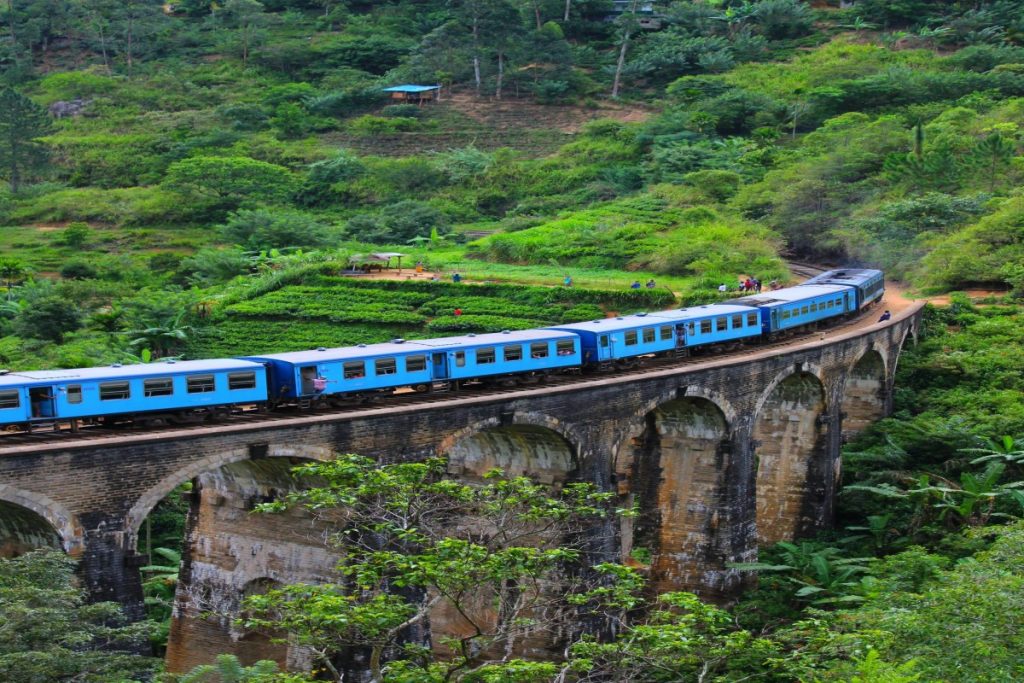
Introduction If your idea of Sri Lanka is limited to beaches and tea plantations, you’re missing out on a much richer story. This island country is filled with hidden mountain towns, scenic train journeys, untouched coastlines, and cultural gems that go far beyond the typical tourist checklist. What makes Sri Lanka truly special is how effortlessly it blends experiences. Within a few hours, you can go from surfing along the southern coast to sipping fresh tea in misty hills. Add to that its affordability, warm hospitality, and compact geography—it becomes one of the best destinations for Indian travelers looking for a balanced international trip. In this guide by The Tarzan Way, we cover everything you need to plan your journey—from offbeat places and scenic train routes to a detailed budget in INR and the best coastal stays. Whether you’re building a relaxed escape or a packed Sri Lanka travel itinerary, this blog has covered everything for you. In Short (Key Takeaways) Sri Lanka is perfect for budget-friendly international travel from India Daily budget: ₹2,000 to ₹7,000 depending on your style Best experience: Kandy to Ella train journey Ideal trip duration: 7–10 days Best time: December to April (West & South), May to September (East Coast) Why Sri Lanka is Perfect for Indian Travelers Sri Lanka offers a rare combination of accessibility and diversity: Short flight duration from India (2–4 hours) Visa-on-arrival or easy ETA process Affordable accommodation and food Scenic landscapes within short travel distances It’s one of the few destinations where your travel itinerary can include beaches, mountains, wildlife, and heritage—all in one trip. Best Places to Visit in Sri Lanka (Beyond the Usual) Ella – A Slow Travel Paradise Ella is often known for its train stop, but it’s much more than that. It’s a laid-back hill town perfect for unwinding. Top experiences: Hike to Little Adam’s Peak Visit the famous Nine Arch Bridge Relax in cafes with panoramic views Ideal for: Solo travelers, couples, workcations Nuwara Eliya – Colonial Charm in the Hills Often called “Little England,” this town offers a completely different vibe with cool weather and colonial architecture. What to explore: Tea estates and factories Gregory Lake Scenic countryside walks Tangalle – Secluded Coastal Escape Unlike crowded beach towns, Tangalle offers peace and raw beauty. Why visit: Quiet, untouched beaches Boutique eco-resorts Turtle nesting experiences Trincomalee – The Underrated East Coast A hidden gem for those looking to avoid crowds. Top things to do: Snorkeling at Pigeon Island Relax at Nilaveli Beach Dolphin and whale watching Haputale – A Hidden Hill Country Gem Less commercial than Ella, but equally stunning. Must-do experiences: Sunrise at Lipton’s Seat Walk through tea plantations Enjoy cloud-covered viewpoints Plan your trip to Weligama: Weligama travel itinerary Sri Lanka Budget Breakdown (2026 Guide in INR) Sri Lanka is one of the most affordable international destinations for Indian travelers. Daily Budget Estimates Budget Traveler (₹2,000–₹3,500/day): Hostels or homestays Local buses and trains Street food and local eateries Mid-Range Traveler (₹3,500–₹7,000/day): Boutique hotels Mix of public and private transport Cafes and curated experiences Luxury Traveler (₹8,000+ per day): Beach resorts and villas Private taxis and guided tours Premium dining experiences Detailed Cost Breakdown Accommodation: ₹800 – ₹6,500 per night Food: ₹400 – ₹1,500 per day Transport: ₹50 – ₹800 (trains & buses) Activities: ₹400 – ₹2,500 Scenic Train Routes You Shouldn’t Miss Sri Lanka’s train journeys are not just about getting from one place to another—they’re a core travel experience. Kandy to Ella Train Ride This is one of the most scenic train journeys in the world. What to expect: Rolling tea plantations Mist-covered mountains Open-door views perfect for photography Duration: 6–7 hours Cost: ₹150–₹1,000 depending on class Colombo to Kandy A shorter route that introduces you to Sri Lanka’s lush landscapes. Ella to Haputale A quieter, equally beautiful alternative route. Travel Tips for Train Journeys Book tickets in advance for reserved seats Choose second class for open windows Travel during daylight for the best views Best Coastal Stays in Sri Lanka Sri Lanka’s coastline offers diverse experiences—from lively beaches to peaceful retreats. Mirissa – Social & Vibrant Backpacker-friendly Beach cafes and nightlife Whale watching tours Unawatuna – Balanced Experience Mix of relaxation and nightlife Close to Galle Fort Tangalle – Peaceful Luxury Private beaches Eco-resorts and boutique stays Arugam Bay – Surfing Hub Ideal for surfers Laid-back, slow vibe Best Time to Visit Sri Lanka Sri Lanka’s weather varies by region due to two monsoon seasons. West & South Coast + Hill Country: December to April East Coast: May to September Sample 7-Day Sri Lanka Itinerary Day 1–2: Colombo to Kandy Explore the city Visit cultural sites Day 3–4: Kandy to Ella Scenic train journey Explore Ella Day 5: Haputale Sunrise at Lipton’s Seat Day 6–7: Tangalle or Mirissa Beach relaxation Water activities Travel Tips for Sri Lanka Carry cash (cards not accepted everywhere) Use trains for scenic travel Rent scooters in coastal towns Stay hydrated in humid weather FAQs What is the average cost of a Sri Lanka trip from India? A 7-day trip can cost between ₹20,000 to ₹60,000 depending on your travel style. Is Sri Lanka cheaper than Thailand? Yes, in most cases Sri Lanka is more budget-friendly for accommodation and transport. What is the best train journey in Sri Lanka? The Kandy to Ella route is the most scenic and popular. How many days are enough for Sri Lanka? 7–10 days are ideal to explore multiple regions comfortably. Do Indian travelers need a visa for Sri Lanka? Indian travelers can apply for ETA online or get visa-on-arrival depending on current rules. Is Sri Lanka safe for solo travelers? Yes, Sri Lanka is considered safe with friendly locals and well-connected tourist routes. What currency is used in Sri Lanka? Sri Lankan Rupee (LKR) is the local currency used across the country. Is Sri Lanka good for a honeymoon trip? Yes, Sri Lanka offers beaches, hills, train journeys, and luxury stays perfect for couples. Conclusion Sri Lanka is a
Japan’s Seasonal Rhythm: Where to Travel in Spring, Summer, Autumn & Winter
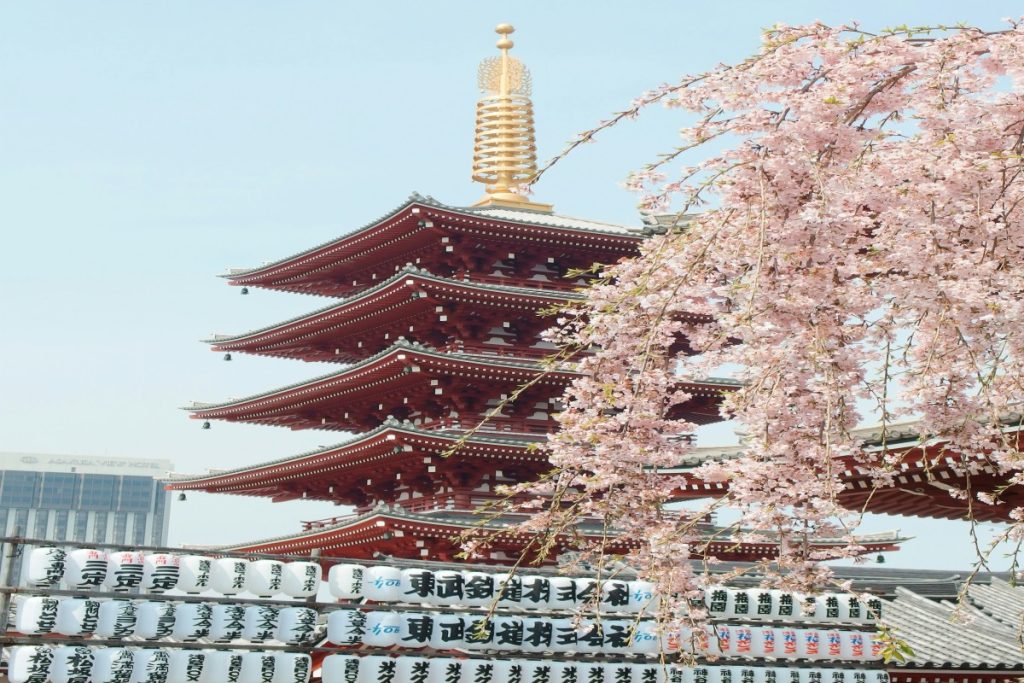
Japan is a country where every season feels like a completely new destination. From cherry blossoms in spring to snow-covered hot springs in winter, timing your trip can transform your experience. Whether you’re chasing vibrant festivals, scenic landscapes, or peaceful cultural moments, Japan’s seasonal rhythm offers something unforgettable year-round. This guide will help you decide where to travel in Japan across spring, summer, autumn, and winter, along with tips, highlights, and ideal experiences—perfect for planning your next Japan travel itinerary with The Tarzan Way. In Short (TL;DR) Spring (March–May): Cherry blossoms, best in Kyoto and Tokyo Summer (June–August): Festivals & beaches, explore Hokkaido and Okinawa Autumn (September–November): Fall foliage in Nikko and Kyoto Winter (December–February): Snow & ski resorts in Hokkaido and Nagano Spring in Japan (March–May): Cherry Blossom Magic Spring is Japan’s most iconic season, marked by the blooming of sakura (cherry blossoms). Parks, riversides, and temples turn into pastel dreamscapes.This Japan travel guide help travellers find the best destinations as per specific seasons. Best Places to Visit in Spring 1. Kyoto Historic temples framed by cherry blossoms Walk through the Philosopher’s Path Experience traditional tea houses 2. Tokyo Ueno Park and Shinjuku Gyoen for hanami (flower viewing) Vibrant city + nature balance 3. Osaka Osaka Castle surrounded by sakura Lively food and nightlife Why Visit in Spring? Comfortable weather (10–20°C) Cultural events and picnics under blossoms Ideal for photography and slow travel Summer in Japan (June–August): Festivals & Coastal Escapes Summer in Japan is vibrant, energetic, and filled with matsuri (festivals), fireworks, and coastal getaways. Best Places to Visit in Summer 1. Hokkaido Cooler climate compared to mainland Japan Lavender fields in Furano Ideal for hiking and nature 2. Okinawa Tropical beaches and turquoise waters Snorkeling and diving spots 3. Kyoto (for festivals) Attend the famous Gion Matsuri Traditional parades and street food Why Visit in Summer? Fireworks festivals across the country Cultural immersion through local celebrations Great for beach lovers Note: Expect humidity and temperatures above 30°C in cities like Tokyo and Osaka. Autumn in Japan (September–November): A Symphony of Colors Autumn rivals spring in beauty, with fiery red and golden foliage covering mountains and temples. Best Places to Visit in Autumn 1. Kyoto Arashiyama Bamboo Grove with fall colors Scenic temple views 2. Nikko UNESCO heritage shrines surrounded by forests Stunning waterfalls and lakes 3. Hakone Views of Mount Fuji with autumn foliage Relaxing hot springs (onsen) Why Visit in Autumn? Mild weather and fewer crowds than spring Perfect for scenic road trips and photography Rich seasonal cuisine Winter in Japan (December–February): Snow & Serenity Winter transforms Japan into a snowy wonderland, especially in the north. Best Places to Visit in Winter 1. Hokkaido World-class ski resorts Attend the Sapporo Snow Festival 2. Nagano Famous snow monkeys at Jigokudani Skiing and mountain retreats 3. Tokyo Illuminations and winter shopping Fewer tourists at major attractions Why Visit in Winter? Snow sports and hot springs Magical landscapes and festivals Budget-friendly travel (except peak holidays) How to Choose the Best Season for You Your ideal time depends on your travel style: Nature lovers: Spring & Autumn Festival seekers: Summer Snow & adventure: Winter Balanced experience: Late spring or early autumn Travel Tips for Japan Some of the best Japan travel tips are as follows: Book accommodations early during peak seasons (spring & autumn) Use Japan Rail Pass for intercity travel Carry cash—many places still prefer it Respect local customs and etiquette FAQs About Traveling Japan by Season What is the best time to visit Japan? Spring (March–April) and autumn (October–November) are the most popular due to pleasant weather and natural beauty. Is Japan too crowded during cherry blossom season? Yes, major cities like Tokyo and Kyoto can be crowded. Book early and explore lesser-known spots. Which season is cheapest to travel to Japan? Winter (excluding New Year) is generally the most budget-friendly. Is summer a good time to visit Japan? Yes, especially for festivals and northern regions like Hokkaido, though it can be hot and humid. When is cherry blossom season in Japan? Cherry blossom season usually runs from late March to early April depending on the region. Which part of Japan gets the most snow? Hokkaido and the Japanese Alps including Nagano receive the heaviest snowfall. Is autumn a good time for first-time travelers? Yes, autumn offers pleasant weather, beautiful foliage, and fewer crowds than spring. What should I pack for winter travel in Japan? Warm layers, waterproof shoes, gloves, scarves, and thermal wear are recommended. Conclusion Japan’s beauty lies in its ever-changing seasons—each offering a unique perspective of the country’s culture, landscapes, and experiences. Whether you’re admiring cherry blossoms in Kyoto, hiking through Hokkaido’s summer fields, capturing autumn leaves in Nikko, or soaking in a snowy onsen in Nagano, there’s no wrong time to visit. If you’re planning your next Location travel itinerary, let The Tarzan Way help you craft a journey that aligns perfectly with Japan’s seasonal rhythm.
Bali Travel Guide for Non-Party Travelers: Temples, Nature & Quiet Beaches
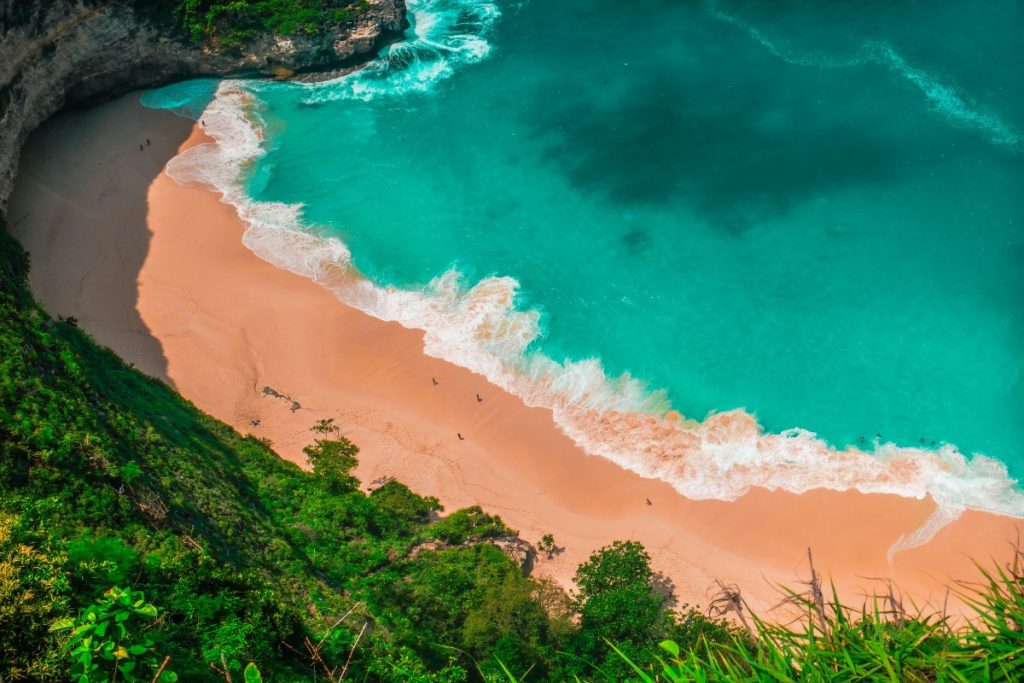
Bali is often portrayed as a party paradise filled with beach clubs and nightlife. But beyond the crowds of Kuta and Seminyak, the island offers a completely different experience — one filled with serene temples, lush jungles, quiet beaches, and deeply spiritual culture. For travelers who prefer peaceful exploration over nightlife, Bali can be one of the most rewarding destinations in Southeast Asia. From sunrise hikes near Mount Batur to meditation in ancient temples and slow days in rice terrace villages, Bali is perfect for a calm and reflective journey. If you’re building a Bali travel itinerary, this guide will help you discover the quieter side of Bali — where culture, nature, and tranquility come first. In Short (TL;DR) Bali is ideal for slow travel focused on temples, nature, and wellness. Best peaceful regions include Ubud, Amed, Sidemen, and Munduk. Skip crowded nightlife zones and focus on mountains, rice terraces, and hidden beaches. A 7–10 day Bali travel itinerary works well for non-party travelers. Ubud: Bali’s Cultural and Spiritual Heart Located in the island’s central highlands, Ubud is the perfect base for travelers seeking art, spirituality, and nature. Why Non-Party Travelers Love Ubud Unlike Bali’s coastal party areas, Ubud focuses on: Yoga and meditation retreats Traditional art and crafts Jungle landscapes Cultural performances The pace of life here is slow, reflective, and creative. Must-Visit Attractions Tegallalang Rice Terraces Sacred Monkey Forest Sanctuary Campuhan Ridge Walk These places offer scenic walks, cultural insights, and peaceful nature views. Cultural Experiences Travelers can explore Balinese traditions through: Temple ceremonies Balinese cooking classes Art workshops Local dance performances Explore Bali beyond Ubud Bali’s Sacred Temples: Spiritual Experiences Across the Island Temples are central to daily life in Bali. The island practices Balinese Hinduism, and thousands of temples exist across villages, mountains, and coastlines. Must-Visit Temples Tanah Lot – Iconic temple on a rocky offshore formation. Ulun Danu Beratan Temple – Floating temple on Lake Beratan. Lempuyang Temple – Famous for its mountain views. Besakih Temple – The largest and most sacred temple in Bali. Tips for Visiting Temples Wear a sarong and sash (often provided at entrances). Visit early morning to avoid crowds. Respect ceremonies and avoid loud behavior. Temples offer one of the most peaceful and spiritual experiences in Bali. Quiet Beach Destinations in Bali While many Bali beaches are crowded, some areas remain peaceful and untouched. Best Quiet Beaches Amed Calm fishing village Great for snorkeling and sunrise views Relaxed atmosphere Virgin Beach Clear turquoise water White sand Few tourists Balangan Beach Dramatic cliffs Excellent sunset spot Nyang Nyang Beach Long stretch of untouched coastline Requires a short hike to reach These beaches offer space, quiet, and natural beauty far from Bali’s nightlife scene. Bali’s Nature Escapes: Mountains, Waterfalls & Jungle Bali’s interior is filled with lush jungle landscapes and dramatic mountains. Top Nature Experiences Sunrise Trek at Mount Batur One of Bali’s most popular hikes Incredible sunrise views over volcanic landscapes Waterfalls in Sekumpul Waterfall Often considered Bali’s most beautiful waterfall Surrounded by rainforest Village Life in Sidemen Quiet rice-field village Authentic Balinese rural culture Mountain Retreat in Munduk Cool climate Coffee plantations Scenic hiking trails Nature-focused travelers often find these regions far more rewarding than the busy coastal towns. Learn about: Bali Travel Guide for beaches, Culture & Adventure Suggested 7–10 Day Bali Travel Itinerary (Quiet Route) Days 1–3: Ubud Explore rice terraces Visit temples Walk Campuhan Ridge Try yoga or meditation Days 4–5: Munduk Waterfall trekking Coffee plantation visits Lake temple at Ulun Danu Days 6–7: Sidemen Relax in rice-field villages Visit local temples Enjoy Mount Agung views Days 8–10: Amed Snorkeling and diving Sunrise beach walks Visit Lempuyang Temple This route highlights Bali’s most peaceful destinations. Travel Tips for a Calm Bali Experience Avoid Party Zones Skip or limit time in: Kuta Seminyak Canggu These areas focus heavily on nightlife and beach clubs. Travel Early in the Day Sunrise temple visits are magical Fewer crowds and cooler temperatures Check official site of Bali travel guide to learn about visa and other co-related tips Stay in Eco Resorts or Boutique Villas Many quiet regions offer: Jungle villas Eco lodges Yoga retreats These accommodations enhance the slow travel experience. FAQs Is Bali good for non-party travelers? Yes. Areas like Ubud, Munduk, Sidemen, and Amed offer peaceful landscapes, culture, and wellness experiences. What is the quietest part of Bali? Sidemen and Munduk are among the most peaceful regions, with few crowds and beautiful scenery. How many days do you need in Bali? A 7–10 day trip allows enough time to explore temples, nature, and beaches at a relaxed pace. When is the best time to visit Bali? The best months are April to October, during Bali’s dry season. Glossary Balinese Hinduism: A unique form of Hinduism practiced in Bali combining Hindu philosophy, ancestor worship, and local traditions. Rice Terrace Farming: A traditional agricultural method where rice is grown on stepped hillsides. Sarong: A traditional cloth worn around the waist when visiting temples. Conclusion Bali is far more than a party destination. Hidden among the rice terraces, jungle valleys, sacred temples, and quiet beaches is a peaceful island filled with spiritual traditions and natural beauty. For travelers seeking calm experiences, a carefully planned location travel itinerary by The Tarzan Way can reveal Bali’s most authentic side — sunrise volcano hikes, temple rituals, remote villages, and tranquil beaches. With slow travel and mindful exploration, Bali becomes not just a destination but a deeply meaningful journey.
Vietnam From North to South: Landscapes, Food & Cultural Shifts Explained
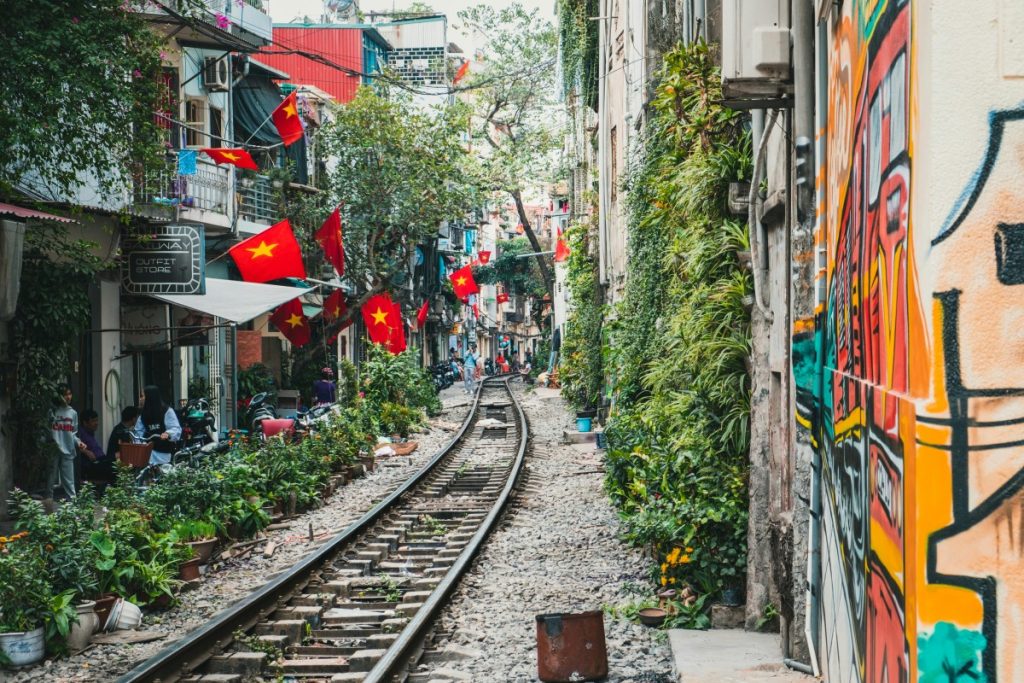
Vietnam is one of Southeast Asia’s most fascinating countries to explore from top to bottom. Stretching over 1,650 km, the country reveals dramatic changes in landscapes, cuisine, culture, and even pace of life as you travel from the misty mountains of the north to the tropical rivers of the south. From the limestone karsts of Ha Long Bay to the bustling streets of Ho Chi Minh City, every region tells a different story shaped by geography, history, and local traditions. For travelers planning a Vietnam travel itinerary, understanding these regional differences helps create a more meaningful journey. This guide breaks down the landscapes, food culture, and social vibe across North, Central, and South Vietnam. In Short (TL;DR) North Vietnam: Dramatic mountains, cooler weather, subtle flavors, traditional culture. Central Vietnam: Historic cities, imperial cuisine, cultural heritage. South Vietnam: Tropical landscapes, sweeter food, modern and energetic lifestyle. The best Vietnam travel itinerary typically moves North → Central → South for geographic and cultural flow. North Vietnam: Dramatic Landscapes & Deep Traditions Northern Vietnam is where many travelers start their journey. The region is known for its mountain scenery, historic cities, and traditional lifestyle. Read: best time to visit Vietnam Key Destinations Hanoi – Vietnam’s capital with colonial architecture and chaotic charm. Sapa – Famous for rice terraces and ethnic minority villages. Ha Long Bay – Iconic limestone islands rising from emerald water. Ninh Binh – Often called “Ha Long Bay on land”. Landscape Characteristics North Vietnam features some of the most dramatic scenery in Southeast Asia: Towering limestone karsts Misty mountain valleys Terraced rice fields Dense tropical forests These landscapes make the region perfect for: Trekking Photography Cultural homestays Nature cruises Cultural Identity The north is considered the cultural heart of Vietnam. Read more about: Best Vietnam Group Tours for Young Travelers Influences include: Ancient Vietnamese dynasties Confucian traditions Ethnic minority cultures such as the Hmong and Dao Life here often feels more traditional and slower-paced than the south. Northern Vietnamese Cuisine Food in northern Vietnam is known for clean, balanced flavors rather than intense sweetness or spice. Signature dishes include: Pho – Hanoi is the birthplace of this iconic dish. Bun Cha – Grilled pork with rice noodles and herbs. Banh Cuon Flavors are typically: Light Savory Herb-forward Central Vietnam: History, Imperial Culture & Coastal Beauty Central Vietnam sits between mountains and sea, creating a unique mix of historic heritage and coastal landscapes. Key Destinations Hue – Former imperial capital of the Nguyen Dynasty. Da Nang – Modern coastal city and gateway to central Vietnam. Hoi An Ancient Town – Lantern-lit historic trading port. Landscape Characteristics Central Vietnam offers diverse scenery: Long sandy beaches Mountain passes like Hai Van Pass Tropical forests Historic river towns Travelers often include this region in a Location travel itinerary for its balance of nature and culture. Cultural Highlights Central Vietnam reflects strong imperial and royal heritage. Important influences include: Nguyen Dynasty architecture Buddhist temples Historic trading culture in Hoi An Key sites include: Imperial City of Hue Ancient merchant houses in Hoi An Cham ruins like My Son Sanctuary Central Vietnamese Cuisine Food in this region is spicier, more complex, and visually artistic. Famous dishes include: Bun Bo Hue Cao Lau Banh Xeo Many dishes were originally created for the imperial court in Hue, resulting in beautiful presentation and rich flavors. South Vietnam: Tropical Energy & Modern Vietnam Southern Vietnam feels completely different from the north. The region is warmer, more tropical, and faster-paced. Key Destinations Ho Chi Minh City – Vietnam’s economic hub. Mekong Delta – Network of rivers and floating markets. Phu Quoc – Tropical island famous for beaches. Landscape Characteristics South Vietnam features: River deltas Tropical islands Coconut groves Floating markets The Mekong Delta is particularly unique with daily life centered around waterways. Cultural Atmosphere Compared to the north, the south feels: More cosmopolitan More business-focused Influenced by global culture Cities like Ho Chi Minh City have: Modern skyscrapers Rooftop bars International cuisine Southern Vietnamese Cuisine Southern food tends to be sweeter and more vibrant. Popular dishes include: Hu Tieu Com Tam Fresh tropical fruits like mango and dragon fruit Common flavor traits: Sweet sauces Coconut milk Fresh herbs Key Cultural Differences Across Vietnam Aspect North Vietnam Central Vietnam South Vietnam Climate Cooler winters Tropical with storms Warm year-round Landscapes Mountains & karsts Coast & historic towns Rivers & islands Cuisine Light and balanced Spicy and royal Sweet and bold Lifestyle Traditional Cultural heritage Fast-paced & modern Major City Hanoi Da Nang Ho Chi Minh City Suggested Vietnam Travel Itinerary (North → South) Many travelers follow this Vietnam travel itinerary route for the best experience. 10–14 Day Route Days 1–3 Explore Hanoi Street food tours Days 4–5 Cruise Ha Long Bay Days 6–7 Trekking in Sapa Days 8–9 Visit Hue Imperial City Days 10–11 Explore Hoi An Ancient Town Days 12–14 Discover Ho Chi Minh City Day trip to Mekong Delta Traveling north to south helps you see the natural and cultural transition of Vietnam step by step. FAQs What is the best route to travel to Vietnam? Most travelers follow Hanoi → Central Vietnam → Ho Chi Minh City, which aligns with the country’s geography. How long does it take to travel Vietnam from north to south? A comfortable trip takes 10–14 days, though 3 weeks allows deeper exploration. Which part of Vietnam has the best food? Food varies by region: North: balanced flavors Central: spicy and complex South: sweeter and tropical What is the best time to visit Vietnam? February–April and September–November usually offer the most balanced weather across the country. Glossary Karst Landscape: A terrain formed by limestone erosion, creating dramatic cliffs and caves. Floating Market: A traditional market where vendors sell goods from boats. Imperial Cuisine: Food originally prepared for Vietnamese royal courts. Conclusion Traveling through Vietnam from north to south feels like exploring three different countries in one journey. The misty mountains of Sapa, the lantern-lit streets of Hoi An, and the river life of the
Best Winter Destinations for Christmas & New Year Vacations
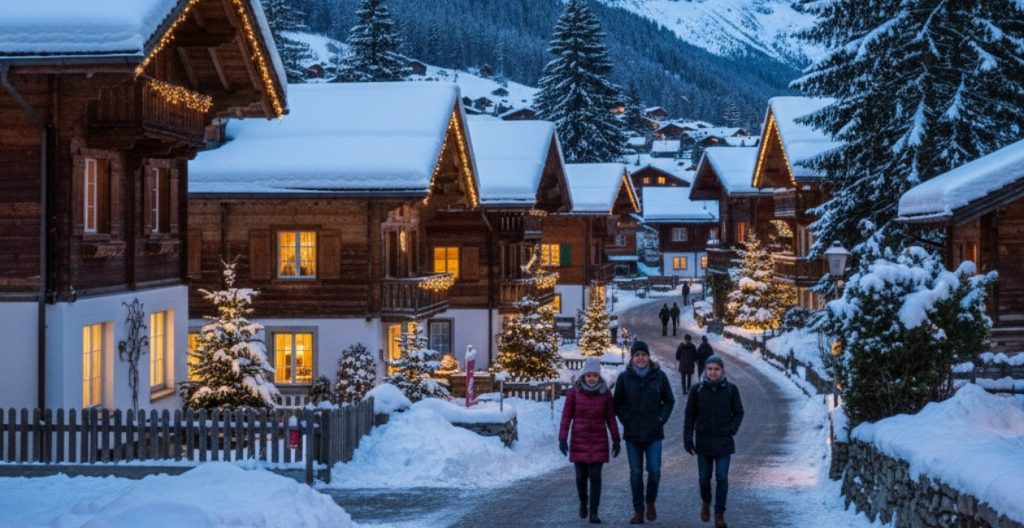
The end of each year is filled with a variety of festive games, gatherings, and markets, and a huge amount of sparkle and fun! Christmas and New Year offer people a chance to get away from the normal routine and have unforgettable experiences, so it is more than just another holiday or event to share with friends and family. Travellers today want to experience unique moments – viewing fireworks against the backdrop of famous landmarks, building snow sculptures in snow-covered villages, dancing at midnight on tropical beaches, or drinking champagne beneath the Aurora Borealis (Northern Lights). The way we celebrate this time of year has changed; instead of staying home, we now focus on creating lifelong memories. Why People Love Traveling During Christmas & New Year For most people, the holiday season brings plenty of joy, excitement, and oneness with each other as they celebrate worldwide during this time of year. Many global cities are transformed into winter wonderlands, while millions of people will travel for romantic getaways, time with family, or exciting ‘bucket list’ adventures too. Celebrating holidays overseas is an exciting and liberating experience that allows you to expand your horizons – rather than putting up the same old, familiar Christmas tree, you’ll have the chance to check out the tallest Christmas tree in the world located in Dubai, enjoy the Rockefeller Tree lighting ceremony in New York City, or wander around snow-covered streets in Switzerland (around Christmas time) listening to carols. When you travel to celebrate a holiday, you are essentially celebrating the journey itself. Experience over celebration at home While staying home feels safe and familiar, celebrating Christmas and New Year abroad transforms the occasion into a once-in-a-lifetime experience. Travel gives you: New cultures and festive customs to explore Unique food, decorations, traditions & winter activities The chance to step out of routine and reconnect with loved ones Memories that feel richer than any material gift Today, experiences matter more than possessions – and December is the most meaningful time to invest in experiences. Travel Trends 2026 The global travel landscape is evolving rapidly, and the 2026 winter season is expected to be one of the biggest travel periods of the decade. Here are the most exciting travel trends shaping December 2026 vacations: ✦ Snow & Arctic travel boom Travelers are increasingly drawn to cold destinations like Finland, Iceland, Switzerland, and Canada to chase snowfall, Northern Lights, and winter wonder landscapes. ✦ Festival & event tourism Instead of regular sightseeing vacations, people plan trips around major events – New Year fireworks, Christmas markets, music festivals, theme-based experiences, and cultural shows. ✦ Digital Nomad slow travel More professionals blend work + travel and choose longer itineraries across multiple destinations, especially during the holiday slowdown period. ✦ Experiential and immersive travel Local cultural experiences, cooking workshops, festive parades, igloo stays, ski & snow adventure holidays, wine & Christmas market tours, and offbeat road trips are trending more than typical package tours. ✦ Multi-destination and multi-experience trips Travellers combine 2 or more countries in one holiday – perfect for celebrating Christmas in one place and New Year in another. Why Plan a Combined Christmas + New Year Vacation Most people either travel for Christmas or New Year – but planning a single extended vacation that covers both festivals is now the smartest and most enjoyable trend. Here’s why: Longer holidays & time flexibility The end-of-year breaks, school holidays, and corporate closures create the ideal window to plan a 10- to 15-day vacation without taking excessive leaves. Best global weather December marks peak winter across Europe, UK, Canada, and parts of Asia – bringing postcard-perfect snow destinations. Meanwhile tropical beaches like Bali, Thailand, and the Maldives offer sunny escapes. Better value for money Instead of spending on two short trips separately, combine Christmas + New Year into one long adventure – better planning, smarter budget, lesser travel fatigue, and more experiences. Perfect for every traveler type Whether you’re a couple seeking romance, a family with kids, or a friends group wanting the biggest parties – extended festive vacations give everyone the time to enjoy themselves fully. Key Highlights Here’s what you’ll discover in this travel guide: The best places around the world to enjoy magical Christmas markets & spectacular New Year fireworks Destinations suitable for couples, families, party lovers, luxury travelers, and budget explorers Weather, budgeting, and travel tips for December vacations Detailed 7-10 day itineraries designed to celebrate Christmas & New Year together Local experiences, adventures, and must-attend events Options for multi-city and multi-country route planning Top 6 Destinations in the World for Christmas & New Year Vacations Below are six handpicked destinations-crafted to help you enjoy both Christmas & New Year in one epic vacation, with experience-rich itineraries, nearby excursions, markets, fireworks and seasonal events. 1. Switzerland & France (Zurich → Lucerne → Interlaken → Paris) Perfect for: Couples, winter lovers, first-time Europe travelers, Christmas markets, luxury holidays Ideal Trip Duration: 10–12 days Celebrate Christmas in the snow-filled Swiss Alps and ring in the New Year with fireworks under the Eiffel Tower – the ultimate magical winter route. Switzerland in late December turns into a postcard: frozen lakes, wooden chalets decorated with Christmas lights, fondue cafés, ski slopes, and scenic train journeys like the GoldenPass and Glacier Express. Begin in Zurich, exploring its traditional Christmas markets and Lake Zürich views; spend a white-Christmas in Lucerne or Interlaken, enjoying Mt. Titlis & Jungfraujoch snow activities; then travel to Paris for New Year countdown. Suggested Itinerary Dec 21–23: Zurich – Old Town walks, Bahnhofstrasse Christmas market, Rhine Falls day trip Dec 24–26: Lucerne / Interlaken – Christmas celebrations, Mt. Titlis ice cave, Jungfraujoch Top of Europe Dec 27–30: Scenic train to Paris, Disneyland Christmas Parade Dec 31: Eiffel Tower fireworks & Champagne cruise on the Seine Seasonal Highlights Magical snowy Christmas & European festive charm Luxury winter trains & alpine adventures Iconic Paris New Year celebration 2. New York + Niagara + Washington DC (USA East Coast) Perfect for: