



Introduction
Japan in autumn is one of the most visually stunning travel experiences you can have. As temperatures cool down, landscapes across the country transform into vibrant shades of red, orange, and gold. This seasonal phenomenon, known as koyo, draws travelers from around the world who want to witness temples framed by fiery maple leaves, peaceful gardens covered in golden ginkgo, and mountains glowing with fall colors.
Unlike the Japan cherry blossom season, autumn foliage lasts longer and moves gradually from north to south, giving travelers more flexibility. However, timing still matters, especially if you want to experience peak colors in multiple cities within a single trip.
This guide offers a complete 10-day Japan autumn itinerary covering Tokyo, Kyoto, Nara, and Hakone. It is designed to help you experience the best fall foliage while balancing culture, food, and scenic landscapes.
In Short
The best time for this itinerary is mid-November to early December 2026. Start in Tokyo, where autumn colors appear slightly earlier, then move to Hakone for mountain views, followed by Kyoto and Nara where foliage peaks later. This route ensures you experience the progression of fall colors across regions.
What is Koyo
Koyo refers to the changing color of leaves during autumn in Japan. Maple trees turn deep red, while ginkgo trees turn bright yellow. Unlike Japan cherry blossom, which bloom and fall quickly, autumn foliage lasts for several weeks, allowing more flexibility in travel planning.
The viewing of autumn leaves is an important cultural activity, similar to hanami in spring. Parks, temples, and gardens become gathering spaces where people appreciate nature’s seasonal transformation.
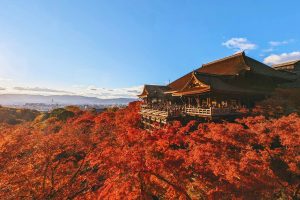
When to Visit Japan for Autumn Foliage 2026
Autumn colors typically begin in northern Japan in October and gradually move south. By mid-November, central regions like Tokyo and Hakone are at or near peak, while Kyoto and Nara often reach their best colors from late November to early December.
Peak foliage depends on temperature patterns, but cooler weather generally leads to more vibrant colors. Planning your itinerary from Tokyo to Kyoto allows you to follow the foliage timeline naturally.
For 2026, the ideal travel window for this itinerary is approximately November 15 to December 5.
10-Day Autumn Itinerary Overview
- Day 1 to 3 in Tokyo
- Day 4 to 5 in Hakone
- Day 6 to 8 in Kyoto
- Day 9 to 10 in Nara
This route is efficient, avoids backtracking, and allows you to experience both urban and natural landscapes during peak Japan’s seasonal rhythm.
Day 1 to Day 3: Tokyo Autumn Highlights
Tokyo in autumn offers a unique combination of modern city life and seasonal beauty. Parks, avenues, and gardens are filled with colorful foliage, making it one of the best places to start your journey.
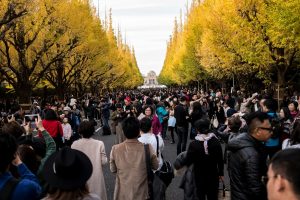
One of the most famous autumn spots is Meiji Jingu Gaien, known for its long avenue of ginkgo trees that turn bright yellow. The contrast between golden leaves and city architecture creates a striking visual experience.
Shinjuku Gyoen is another must-visit destination. This large park features a mix of Japanese, English, and French garden styles, offering diverse scenery during autumn. The calm atmosphere makes it ideal for a relaxed start to your trip.
Ueno Park also provides a vibrant setting with museums and walking paths surrounded by seasonal colors. Rikugien Garden is particularly famous for its evening illumination events, where autumn leaves are lit up, creating a magical nighttime experience.
In addition to foliage viewing, explore iconic Tokyo experiences such as Shibuya Crossing, Asakusa’s Senso-ji Temple, and Harajuku’s shopping streets.
Day 4 to Day 5: Hakone Scenic Autumn Escape
Travel from Tokyo to Hakone, a mountainous region known for hot springs, scenic views, and autumn landscapes. The journey takes around 1.5 to 2 hours, making it a convenient escape from the city.
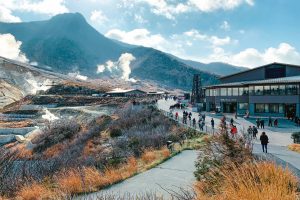
Hakone is famous for its natural beauty, especially during autumn when forests turn vibrant shades of red and orange. Lake Ashi offers stunning views with reflections of autumn foliage and, on clear days, distant views of Mount Fuji.
The Hakone Ropeway provides a unique perspective from above, allowing you to see valleys covered in colorful trees. Owakudani Valley adds a volcanic landscape to your itinerary, creating a contrast with the surrounding greenery and autumn colors.
Staying in a ryokan in Hakone is highly recommended. These traditional inns often include onsen baths and kaiseki meals, offering a relaxing and culturally immersive experience.
Hakone serves as a perfect midpoint in your itinerary, combining nature, relaxation, and scenic travel.
Day 6 to Day 8: Kyoto Autumn Foliage and Culture
Kyoto is one of the best destinations in Japan for autumn foliage. The combination of historic temples and vibrant leaves creates some of the most iconic views in the country.
Kiyomizu-dera Temple is a highlight, offering panoramic views of the city surrounded by autumn colors. The wooden stage of the temple provides an elevated viewpoint, making it a popular photography spot.
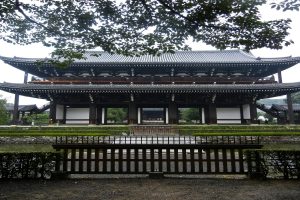
Tofuku-ji Temple is another must-visit location, known for its valley filled with maple trees. The Tsutenkyo Bridge offers a stunning view of red leaves stretching across the landscape.
Arashiyama is equally impressive in autumn. The Togetsukyo Bridge, bamboo grove, and surrounding hills create a picturesque setting. The area is especially beautiful in the early morning when crowds are smaller.
Eikando Temple is famous for its evening illumination events, where visitors can see autumn leaves lit up against temple structures. This creates a completely different experience compared to daytime visits.
Kyoto also offers cultural experiences such as tea ceremonies, traditional dining, and exploring historic districts like Gion.
Day 9 to Day 10: Nara Autumn Charm
Nara, located a short train ride from Kyoto, provides a quieter and more relaxed atmosphere. It is known for its historical significance and natural beauty.
Nara Park is the main attraction, where you can see free-roaming deer among autumn foliage. The combination of wildlife and seasonal colors creates a unique experience.
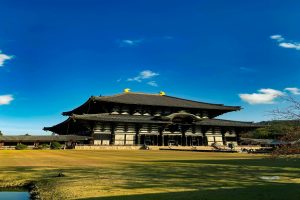
Todai-ji Temple, home to the Great Buddha, is another highlight. The surrounding grounds are especially beautiful during autumn.
Kasuga Taisha Shrine, with its lantern-lined pathways, becomes even more scenic when framed by colorful leaves.
Nara’s slower pace makes it an ideal place to end your journey, allowing you to reflect and relax before departure.
Transportation Guide
Japan’s rail system makes traveling between these destinations efficient and convenient. The Japan Rail Pass can be useful if you plan multiple long-distance trips.
The Shinkansen connects Tokyo to Kyoto in approximately 2.5 hours. From Kyoto, Nara is just under an hour away. Hakone is easily accessible from Tokyo via train or bus.
Using prepaid cards like Suica or ICOCA simplifies local travel and payments.
Budget Breakdown
A 10-day trip to Japan varies depending on travel style.
Flights can range from moderate to high, especially during peak foliage season. Accommodation costs in Kyoto tend to be higher due to demand.
Daily food expenses can vary from budget-friendly street food to premium dining experiences. Transportation costs depend on whether you use a rail pass.
Overall, a mid-range budget is recommended for comfort and flexibility.
Food Experiences During Autumn
Autumn in Japan is also known as the season of food. Seasonal specialties include roasted sweet potatoes, chestnuts, and matsutake mushrooms.
Each destination offers unique dishes. Tokyo provides a wide variety of cuisine, Kyoto focuses on traditional meals, and Nara offers local specialties.
Trying seasonal food enhances the overall travel experience and connects you with Japanese culture.

Packing Tips
Autumn weather in Japan is cool and comfortable, but temperatures can vary. Pack layers such as light jackets and sweaters. Comfortable walking shoes are essential, as most sightseeing involves walking.
Carrying a small backpack for daily essentials and a camera for capturing scenery is recommended.
Travel Tips
- Book accommodations early, especially in Kyoto where demand is high.
- Visit popular attractions early in the morning or late in the evening to avoid crowds.
- Respect local customs and maintain cleanliness in public spaces.
- Plan flexible schedules to adjust based on weather and foliage conditions.
FAQs
What is the best time to see autumn leaves in Japan
Mid-November to early December is ideal for central regions like Tokyo and Kyoto.
How long do autumn leaves last
Foliage can last several weeks, depending on weather conditions.
Is autumn a good time to visit Japan
Yes, it offers pleasant weather, beautiful scenery, and fewer crowds than spring.
Is Hakone worth visiting in autumn
Yes, it provides scenic landscapes and relaxing onsen experiences.
Do I need a rail pass
It can be cost-effective if you plan multiple long-distance train journeys.
Glossary
- Koyo refers to the changing colors of leaves during autumn.
- Ryokan is a traditional Japanese inn offering tatami rooms and local meals.
- Onsen refers to natural hot spring baths.
Conclusion
An autumn journey through Tokyo, Hakone, Kyoto, and Nara offers a perfect blend of natural beauty and cultural depth.
With vibrant foliage, pleasant weather, and diverse experiences, this 10-day itinerary allows you to explore Japan at a relaxed pace while witnessing one of its most beautiful seasons.
For travelers looking to simplify planning, The Tarzan Way provides curated travel itineraries and tools to create personalized journeys based on your preferences.
This route ensures you experience the best of Japan’s autumn while enjoying a balanced and memorable travel experience.