

Introduction
France isn’t just a destination—it’s a collection of experiences that feel entirely different depending on where you go. From lavender fields in the south to vineyard-covered hills in the east and rugged coastlines in the north, every region tells its own story.
If you’ve only explored Paris, you’ve barely scratched the surface. The real magic of France lies in its diversity—culture, cuisine, landscapes, and even pace of life change dramatically from one region to another.
In this comprehensive guide by The Tarzan Way, we break down France by regions to help you build a well-rounded France travel itinerary—whether you’re planning a slow road trip, a cultural deep dive, or a food-focused adventure.
In Short (TL;DR)
- France offers diverse travel experiences across its regions
- Provence, Normandy, Alsace, and the French Riviera all feel unique
- Ideal for road trips and slow travel itineraries
- Perfect blend of culture, food, history, and landscapes
Why Explore France by Regions?
Traveling through region-by-region and exploring France beyond Paris allows you to experience its true character.
What makes regional travel special:
- Distinct cuisines and wine traditions
- Unique architecture and landscapes
- Local festivals and cultural identities
- Slower, more immersive travel experiences
Pro Tip:
Instead of rushing through multiple cities, spend 3–5 days in each region for a deeper experience.
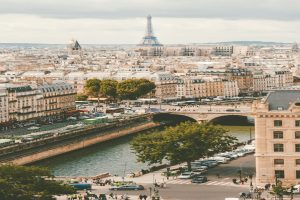
1. Île-de-France – The Cultural Heart Beyond Paris
Île-de-France is often associated with Paris, but the surrounding region has much more to offer.
Highlights:
- Royal palaces like Palace of Versailles
- Charming towns and countryside escapes
- World-class museums and historical landmarks
Experience:
- Day trips from Paris
- Art, history, and architecture
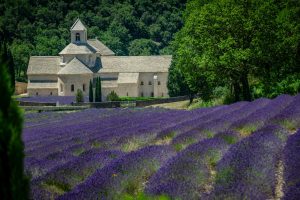
2. Provence – Sun, Lavender, and Slow Living
Provence is the essence of southern France—warm, colorful, and relaxed.
What defines Provence:
- Lavender fields (best in June–July)
- Hilltop villages and local markets
- Mediterranean climate
Must-visit places:
- Aix-en-Provence
- Avignon
- Gordes
Best for:
Photography, slow travel, and cultural immersion
3. French Riviera (Côte d’Azur) – Glamour Meets Coastal Beauty
French Riviera offers a mix of luxury and natural beauty.
Highlights:
- Turquoise Mediterranean waters
- Stylish beach towns
- Vibrant nightlife
Top destinations:
- Nice
- Cannes
- Monaco
Ideal for:
Beach lovers and luxury travelers
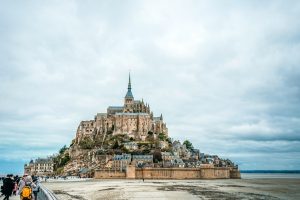
4. Normandy – History and Coastal Charm
Normandy is rich in history and natural beauty.
What makes it unique:
- Dramatic cliffs and coastline
- Key sites from D-Day landings
- Quaint seaside towns
Must-see:
- Mont Saint-Michel
- Étretat
5. Alsace – A Blend of France and Germany
Alsace feels like a fairytale with its unique cultural mix.
Distinct features:
- Half-timbered houses
- Wine routes and vineyards
- German-influenced cuisine
Top towns:
- Strasbourg
- Colmar
Best for:
Winter travel and wine lovers
6. Loire Valley – Castles and Countryside
Loire Valley is known as the “Garden of France.”
Highlights:
- Stunning châteaux (castles)
- Scenic countryside
- Wine tasting experiences
Must-visit castles:
- Château de Chambord
- Château de Chenonceau
7. Bordeaux – Wine Capital of the World
Bordeaux and its surrounding region are synonymous with wine.
What to expect:
- World-famous vineyards
- Elegant architecture
- Gourmet food culture
Experiences:
- Vineyard tours
- Wine tastings
- Riverside walks

8. French Alps – Adventure and Scenic Beauty
French Alps offer year-round appeal.
Winter:
- Skiing and snowboarding
Summer:
- Hiking and mountain lakes
Top destinations:
- Chamonix
- Mont Blanc
9. Brittany – Rugged Coastlines and Celtic Roots
Brittany has a completely different feel from the rest of France.
Unique traits:
- Dramatic cliffs and lighthouses
- Celtic cultural influences
- Fresh seafood cuisine
Must-see:
- Saint-Malo
Budget & Travel Tips for France
Planning a smart Location travel itinerary helps you make the most of your trip.
Budget tips:
- Travel by train using regional passes
- Stay in smaller towns for lower costs
- Eat at local bakeries and markets
Travel tips:
- Learn basic French phrases
- Book popular attractions in advance
- Travel off-season for better prices
Best Time to Visit Each Region
Seasonal breakdown:
- Spring (April–June): Provence, Loire Valley
- Summer (July–August): French Riviera, Alps
- Autumn (Sept–Oct): Bordeaux, Alsace
- Winter (Dec–Feb): Alps, Alsace (Christmas markets)
How to Plan Your France Itinerary
Step-by-step framework:
- Choose 2–4 regions based on your interests
- Plan travel routes (train or car)
- Allocate 3–4 days per region
- Mix cities with countryside experiences
- Keep buffer days for relaxation
FAQs
How many regions should I visit in one trip to France?
2–4 regions are ideal for a 10–14 day trip to avoid rushing.
What is the best way to travel across France?
Trains are fast and efficient, but renting a car is best for rural regions.
Is France expensive for tourists?
It can be, but smaller towns and off-season travel help reduce costs.
Which region is best for first-time visitors?
Île-de-France and the Loire Valley offer a great mix of culture and scenery.
Glossary
- Château: A French castle or manor house
- Terroir: The environmental factors that affect a crop’s characteristics (especially wine)
- Côte d’Azur: French term for the French Riviera
Conclusion
France is not just one destination—it’s a collection of journeys waiting to be experienced. Each region offers something completely unique, from the lavender-scented air of Provence to the historic shores of Normandy and the vineyard landscapes of Bordeaux.
By exploring France region by region, you unlock a deeper, richer travel experience that goes far beyond the usual tourist trail. Whether you’re crafting a cultural escape, a culinary adventure, or a scenic road trip, building a thoughtful Location travel itinerary is the key.
Start planning your journey with The Tarzan Way and discover how every corner of France feels like a brand-new adventure.