

Europe Winter Travel Guide: Best Destinations, Snow Experiences & Costs (2026)
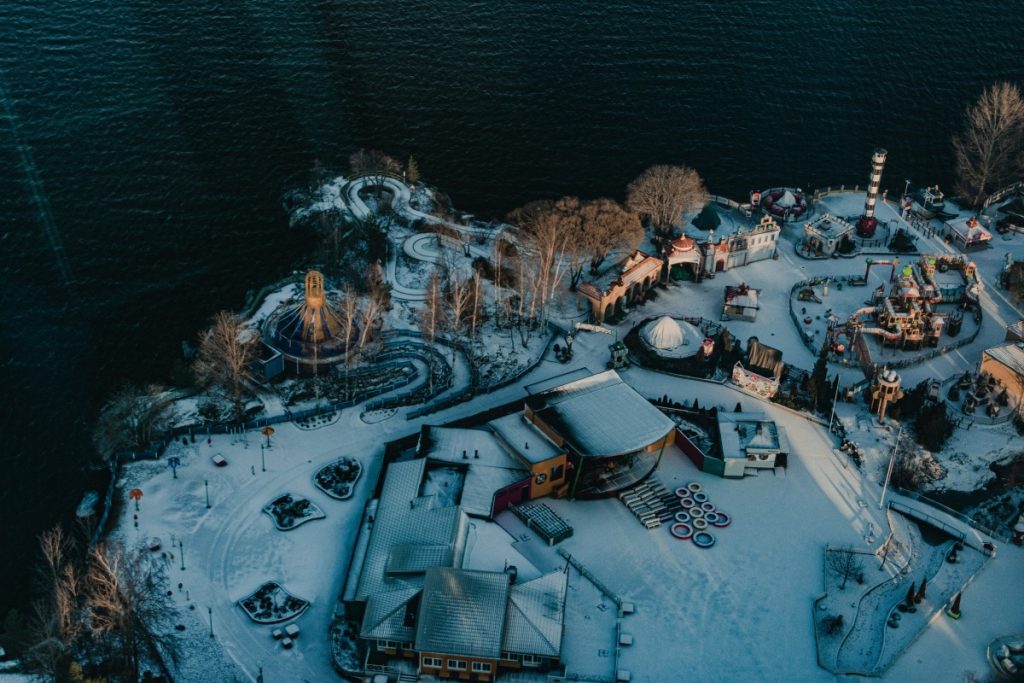
Introduction Europe in winter feels like stepping into a postcard. Snow-covered villages, festive markets, frozen lakes, and cozy cafes create a magical atmosphere that’s completely different from the summer crowds most travelers are used to. But planning a winter trip to Europe can feel overwhelming—weather conditions, varying costs, and choosing the right destinations can make or break your experience. Whether you’re chasing snowfall, Christmas markets, or unique winter adventures, timing and planning are everything. In this comprehensive guide by The Tarzan Way, we break down the best destinations, snow experiences, and a complete budget in INR—so you can build the perfect Europe travel itinerary in winter. In Short (Key Takeaways) 1. Best time: December to February 2. Budget: ₹8,000–₹20,000 per day 3. Top experiences: Christmas markets, snow activities, Northern Lights 4. Best countries: Switzerland, Austria, Germany, Finland 5. Ideal trip duration: 7–12 days Explore Europe Hidden Gems for nature and history. Why Visit Europe in Winter? Winter transforms Europe into a completely different destination: 1. Fewer crowds compared to summer 2. Lower flight and hotel prices (except peak Christmas/New Year) 3. Unique experiences like snow sports and festive markets 4. Cozy atmosphere with winter cuisine and culture Best Winter Destinations in Europe Switzerland – Snowy Landscapes & Scenic Trains Switzerland is the ultimate winter destination. Winter is the best season to explore the true beauty of Switzerland for first-timers. Top places: 1. Zermatt 2. Interlaken 3. Jungfraujoch Experiences: 1. Skiing and snowboarding 2. Glacier train rides 3. Cable car views Austria – Alpine Beauty & Culture Austria blends scenic landscapes with cultural charm. Must-visit: 1. Salzburg 2. Innsbruck Highlights: 1. Christmas markets 2. Snow-covered old towns 3. Classical music heritage Germany – Christmas Markets & Festive Vibes Germany is famous for its winter markets. Top cities: 1. Munich 2. Nuremberg Why go: 1. Traditional Christmas markets 2. Mulled wine and festive food 3. Cultural experiences Finland – Northern Lights & Arctic Adventures For a unique winter experience, Finland is unmatched. Best place: 1. Lapland Experiences: 1. Northern Lights 2. Husky sledding 3. Glass igloos stays France – Romantic Winter Escape France offers both city charm and snowy landscapes. Top spots: 1. Paris 2. Chamonix Best Snow Experiences in Europe Skiing & Snowboarding Best in: 1. Switzerland 2. Austria 3. France Cost: ₹5,000–₹12,000 per day Northern Lights Best seen in: 1. Finland 2. Norway 3. Iceland Christmas Markets Best in: 1. Germany 2. Austria 3. Prague (Czech Republic) Scenic Train Rides 1. Glacier Express (Switzerland) 2. Bernina Express Explore: Perfect Night Trip at Europe Europe Winter Budget (INR Breakdown) Daily Budget Budget Traveler (₹8,000–₹12,000/day): a. Hostels / budget hotels b. Public transport c. Street food Mid-Range (₹12,000–₹20,000/day): a. 3-star hotels b. Intercity trains c. Tours and experiences Luxury (₹25,000+ per day): a. Premium hotels b. Private transfers c. Fine dining Cost Breakdown a. Accommodation: ₹4,000–₹15,000/night b. Food: ₹1,500–₹4,000/day c. Transport: ₹2,000–₹6,000 d. Activities: ₹2,000–₹10,000 Best Time to Visit Europe in Winter 1. December: Christmas markets and festive vibe 2. January–February: Best for snow and skiing 3. Late February: Slightly fewer crowds Know the best time to visit Europe for best trip experience. Sample 10-Day Europe Winter Itinerary Day 1–3: Paris a. City exploration b. Museums and cafes Day 4–6: Switzerland a. Interlaken b. Jungfraujoch Day 7–8: Austria a. Salzburg b. Innsbruck Day 9–10: Germany a. Munich b. Christmas markets Travel Tips for Europe in Winter 1. Pack thermal wear and waterproof shoes 2. Book early for December travel 3. Use rail passes for easy transport 4. Check weather forecasts regularly Discover the best top 10 clubs in Europe for full chill vibe. FAQs Is Europe expensive in winter? It can be, but traveling in January–February reduces costs significantly. Which country is best for snow in Europe? Switzerland and Austria offer the best snow experiences. Is winter a good time to visit Europe? Yes, especially for unique experiences like snow and Christmas markets. How much does a Europe winter trip cost from India? Expect ₹1.2–₹3 lakhs for a 10-day trip depending on style. Conclusion Europe in winter is not just a trip—it’s an experience filled with snow-covered landscapes, festive lights, and unforgettable moments. Whether you’re exploring Christmas markets in Germany or chasing the Northern Lights in Finland, every destination offers something magical. With the right planning and a well-crafted location travel itinerary, you can make the most of your winter adventure without overspending. Start planning your Europe winter journey with The Tarzan Way and turn your snow-filled dreams into reality.
Italy for Art Lovers: Exploring Italy’s Most Beautiful Art Cities Through Historic Masterpieces
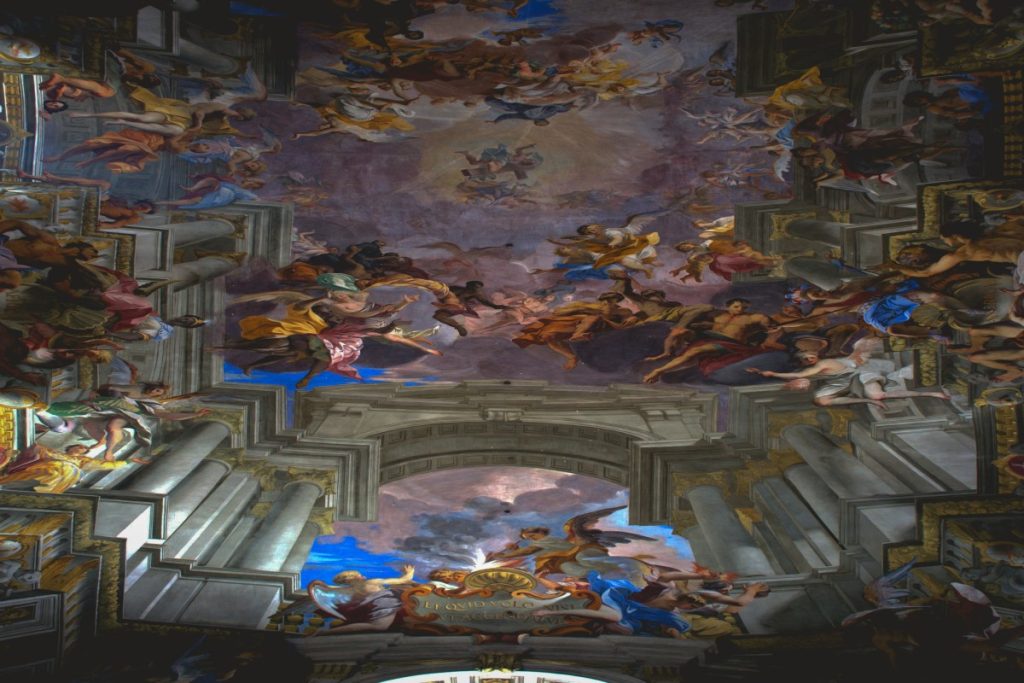
Italy is more than just a travel destination — it is an open-air museum filled with centuries of artistic brilliance. From Renaissance paintings and Roman sculptures to grand cathedrals and fresco-covered chapels, the country offers one of the richest cultural experiences in the world. For art lovers, every Italian city feels like stepping into a living masterpiece. Whether it is Michelangelo’s sculptures in Florence, Leonardo da Vinci’s works in Milan, or Venice’s romantic canals lined with Gothic architecture, Italy blends art seamlessly into everyday life. The beauty of traveling through Italy for art is that the experience extends beyond museums. Art appears in piazzas, churches, streets, fountains, palaces, and even local cafes. This guide explores Italy’s most beautiful art cities with perfect art-lover Italy itinerary, iconic masterpieces, cultural highlights, travel tips, and the best experiences for travelers seeking an art-focused Italian journey. In Short Florence is the heart of Renaissance art. Rome combines classical antiquity with Baroque masterpieces. Venice offers unique Gothic and Byzantine artistic influences. Milan is home to Leonardo da Vinci’s iconic works. Smaller cities like Siena and Bologna offer underrated artistic treasures. Best travel duration for art lovers: 10–14 days. How Art Shapes Everyday Life in Italy One of the reasons Italy feels so immersive for art lovers is because art is not confined to galleries or museums. Across the country, artistic heritage forms part of daily life. In Italy, travelers encounter artistic beauty through: Historic piazzas filled with sculptures Fresco-covered churches tucked into quiet streets Family-owned artisan workshops Public fountains designed by legendary architects Grand palaces overlooking bustling neighborhoods Even a simple evening walk through an Italian city often feels cinematic. Street musicians perform near centuries-old cathedrals, painters display local artwork in public squares, and tiny cafes overlook Renaissance architecture. Unlike destinations where art is experienced only inside museums, Italy creates an atmosphere where history and creativity blend naturally into modern life. This makes Italy particularly rewarding for travelers who enjoy: Slow cultural exploration Architecture and photography Local craftsmanship Storytelling through art and history Experiencing cities beyond checklist tourism For many travelers, the emotional connection to Italy comes not only from famous masterpieces but from the feeling of being surrounded by beauty everywhere. Why Italy Is a Dream Destination for Art Lovers Italy’s art destinations legacy shaped Western art history for centuries. The country gave rise to: The Renaissance Classical sculpture traditions Fresco painting techniques Baroque architecture Humanist artistic philosophy Italy was home to legendary artists such as: Leonardo da Vinci Michelangelo Raphael Botticelli Caravaggio Titian Bernini What makes Italy unique is how accessible its art feels. Unlike traditional museum destinations, Italy’s masterpieces are integrated into public life. Travelers can: Walk through historic piazzas Visit churches housing famous paintings Explore centuries-old palaces Discover sculptures in public squares Admire architecture simply by wandering city streets Florence – The Birthplace of the Renaissance Florence is often considered the greatest art city in Italy. The city played a central role during the Renaissance and became a hub for artistic innovation, patronage, and architecture. For art lovers, Florence is essential. Must-Visit Art Attractions in Florence Uffizi Gallery The Uffizi Gallery houses one of the world’s most important Renaissance art collections. Highlights include works by: Botticelli Leonardo da Vinci Michelangelo Raphael Titian One of the gallery’s most famous paintings is Botticelli’s The Birth of Venus. Tips for Visiting Book tickets in advance Visit early morning to avoid crowds Allow at least 3–4 hours for exploration Accademia Gallery The Accademia is home to Michelangelo’s iconic sculpture, David. Seeing the statue in person is one of Florence’s most unforgettable artistic experiences. The sculpture demonstrates: Renaissance ideals of beauty Human anatomy mastery Marble carving excellence Florence Cathedral (Duomo) The Duomo represents a masterpiece of Renaissance engineering and architecture. Highlights include: Brunelleschi’s Dome Fresco interiors Marble facades Panoramic city views Art Experiences Beyond Museums in Florence Florence also offers: Artisan workshops Leather studios Fresco restoration tours Traditional paper-making shops Sculpture schools Walking through Florence itself feels like experiencing a living Renaissance painting. Recommended Stay 3–4 nights Rome – Ancient Grandeur and Baroque Beauty Rome blends ancient history with some of Europe’s most dramatic artistic masterpieces. The city’s layers of art span: Ancient Roman sculpture Renaissance frescoes Baroque architecture Religious masterpieces Every neighborhood in Rome reveals artistic treasures. Must-See Art and Architecture in Rome Vatican Museums and Sistine Chapel The Vatican Museums contain one of the largest art collections in the world. The highlight for many visitors is Michelangelo’s Sistine Chapel ceiling. The frescoes depict: Biblical scenes The Creation of Adam The Last Judgment Important Tip Reserve tickets well in advance because queues can be extremely long. St. Peter’s Basilica This iconic church showcases contributions from: Michelangelo Bernini Bramante Raphael Inside, visitors can admire: Michelangelo’s Pietà Grand marble interiors Massive domes Renaissance architecture Galleria Borghese The Borghese Gallery is famous for Bernini’s sculptures and Caravaggio’s paintings. Art lovers often consider it one of Italy’s finest museum experiences because of its intimate atmosphere. Highlights include: Apollo and Daphne David by Bernini Caravaggio masterpieces Rome’s Artistic Streets and Piazzas Rome’s outdoor art experiences include: Trevi Fountain Piazza Navona Spanish Steps Pantheon Roman Forum Art and history appear around nearly every corner. Recommended Stay 3–4 nights Venice – Gothic Romance and Byzantine Influence Venice offers a completely different artistic atmosphere compared to Florence and Rome. The city’s art reflects: Maritime history Byzantine influences Gothic architecture Venetian color traditions Its canals, palaces, and churches create one of the world’s most visually unique urban environments. Artistic Highlights in Venice St. Mark’s Basilica Known for: Golden mosaics Byzantine details Grand domes Historic religious art The basilica is one of Venice’s architectural masterpieces. Doge’s Palace The palace combines: Gothic architecture Political history Renaissance paintings Ornate interiors Visitors can explore: Grand council halls Bridge of Sighs Decorative ceilings Peggy Guggenheim Collection For modern art lovers, this museum offers works by: Picasso Dalí Pollock Kandinsky The collection contrasts beautifully with Venice’s historic surroundings. The Influence of Religion on Italian Art Religion played a major
Sri Lanka’s Hill Country Journey: Tea Estates, Train Views & Quiet Mountain Towns

Introduction Sri Lanka’s hill country feels like a completely different world compared to its tropical coastline. As you move inland, the air turns cooler, the landscapes shift into rolling green hills, and life slows down in the most beautiful way. This region is famous for its tea plantations, colonial-era towns, and some of the most scenic train journeys in the world. But beyond the popular stops, the hill country also hides quiet villages, lesser-known viewpoints, and peaceful stays that are perfect for slow travel. In this guide by The Tarzan Way, we take you through the ultimate hill country Sri Lanka travel itinerary—covering the best towns, iconic train journeys, experiences, and a practical budget in INR to help you plan effortlessly. In Short (Key Takeaways) Best for: Nature lovers, slow travelers, photographers Budget: ₹2,000–₹6,500 per day Must-do: Kandy to Ella train ride Hidden gem: Haputale Ideal duration: 3–5 days What is Sri Lanka’s Hill Country? Sri Lanka’s hill country refers to the central highlands, known for: Tea plantations Cooler climate Colonial towns Scenic train routes Key regions include: Kandy Nuwara Eliya Ella Haputale Kandy – The Cultural Gateway to the Hills Kandy is often the starting point for hill country journeys. Top experiences: Visit the Temple of the Tooth Walk around Kandy Lake Explore local markets Why it matters: Cultural introduction before nature-heavy travel Well-connected by train and road Nuwara Eliya – Tea Estates & Colonial Vibes Often called “Little England,” Nuwara Eliya offers a refreshing escape. What makes it special: Endless tea plantations Cool weather year-round Colonial architecture Top things to do: Visit a tea factory Walk around Gregory Lake Enjoy scenic drives Ella – The Heart of Hill Country Travel Ella is the most popular hill town—and for good reason. Must-do experiences: Hike Little Adam’s Peak Visit Nine Arch Bridge Enjoy cafe culture with mountain views Why travelers love Ella: Perfect mix of adventure + relaxation Easy to explore Stunning viewpoints Haputale – The Quiet Alternative If you want to avoid crowds, Haputale is a hidden gem. Top highlights: Visit Lipton’s Seat Walk through tea plantations Enjoy peaceful surroundings Best for: Slow travel Offbeat experiences Photography The Famous Train Journey: Kandy to Ella Why It’s Special Passes through lush tea plantations Offers open-window views Slow-paced, immersive travel experience Journey Details Duration: 6–7 hours Cost: ₹150–₹1,000 Best seats: Second class for open windows Travel Tips Book tickets early during peak season Sit on the right side (better views from Kandy to Ella) Carry snacks and water This train journey is the highlight of any Sri Lanka trip. Budget Guide for Hill Country (INR) Daily Expenses Budget (₹2,000–₹3,000/day): Homestays Local food Public transport Mid-Range (₹3,000–₹6,500/day): Boutique stays Cafe hopping Guided experiences Cost Breakdown Stay: ₹1,000–₹5,000 per night Food: ₹300–₹1,200 per day Transport: ₹50–₹500 Activities: ₹200–₹1,500 Best Time to Visit Hill Country Know the best time to visit Sri Lanka: February to April: Clear skies and great views June to September: Lush greenery but occasional rain 4-Day Hill Country Itinerary Day 1: Kandy Explore city Visit Temple of the Tooth Day 2: Kandy to Nuwara Eliya Tea plantations Lake visit Day 3: Train to Ella Scenic journey Explore Ella Day 4: Haputale Sunrise at Lipton’s Seat Relax and unwind Travel Tips for Hill Country Carry light jackets (weather can be cold) Book trains in advance Start early for viewpoints Walk whenever possible—distances are short FAQs Is Ella better than Nuwara Eliya? Ella is more vibrant and traveler-friendly, while Nuwara Eliya is quieter and more scenic. How long is the Kandy to Ella train ride? Around 6–7 hours. Is Sri Lanka’s hill country expensive? No, it’s very affordable, especially for Indian travelers. Can you do hill country in 3 days? Yes, but 4–5 days is ideal for a relaxed experience. Conclusion Sri Lanka’s hill country is where time slows down and travel feels more meaningful. From sipping fresh tea in misty plantations to leaning out of a train window as it winds through the mountains, every moment here feels cinematic. Whether you’re chasing scenic views, peaceful stays, or a slower pace of travel, this region offers it all. Add it to your location travel itinerary and experience a side of Sri Lanka that most travelers never fully explore. Plan your journey with The Tarzan Way and discover the magic of Sri Lanka’s hills.
Which AI Trip Planner Is the Best for Your Next Adventure?

Travel planning has changed quickly in the past few years. Previously, organizing a trip involved hours of comparing hotel prices, checking flight deals, reading blogs, creating spreadsheets and saving dozens of screenshots. Today, AI trip planners are revolutionizing that very experience. AI-powered travel tools are increasingly being used to plan trips, from creating personalized itineraries and recommending restaurants to optimizing routes, comparing live fares and managing bookings. Are you planning a solo backpacking trip, honeymoon, family vacation, or a quick weekend getaway? AI travel planner can make the process much easier. But with so many options out there, travelers are now asking an important question: which AI trip planner is actually the best for your next adventure? In this blog, we compare some of the best AI trip planners in India, dive into what makes a great AI travel assistant and understand why travellers are increasingly looking for more than just basic itinerary generation on platforms. Why AI Trip Planners Are Becoming So Popular Today’s travellers do not want generic travel itineraries copied from the internet. People want experiences that are tailored around their interests, budget, travel style, pace and preferences. That’s where the impact of AI trip planner is massive. AI travel planners can: 1. Create personalised itineraries instantly 2. Suggest destinations based on mood and interests 3. Recommend hotels, restaurants, and attractions 4. Compare live prices 5. Optimise travel routes and schedules 6. Reduce research time significantly 7. Offer smarter travel recommendations 8. Help travellers manage bookings in one place Over the past year, interest in terms such as “AI trip planner,” “best AI travel planner,” “AI itinerary generator,” and “AI vacation planner” has exploded. Travellers are clearly looking for faster and smarter ways to plan trips. However, not every AI planner offers the same experience. What Makes a Good AI Trip Planner? Before we get into the comparison of platforms, it’s important to understand what separates your average itinerary generator from a truly useful travel companion. 1. Personalised Recommendations A good AI travel planner should be able to personalise itineraries based on the traveller’s interests, budget, travel pace and goals instead of just creating generic schedules. 2. Planning and Booking Together Most platforms just create itineraries and travelers still need to book hotels and flights themselves. The best AI travel planners are a combination of planning and booking. 3. Transparent Pricing Travel can be stressful, with its hidden costs and fluctuating fares. Smart AI planners can make pricing transparent to users and suggest better value alternatives. 4. Flexibility Travelers should have the freedom to tailor itineraries rather than adhere to inflexible schedules. 5. Real-Time Support Travel rarely goes as planned. One of the most valuable features is real time support during the trip. 6. End-to-End Travel Assistance The best travel platforms assist travelers all the way, from planning and bookings to live help during the trip itself. Top AI Trip Planners in India Right Now 1. Google Travel Google Travel is one of the most commonly used tools for organising travel plans. It combines hotel suggestions, flight tracking, maps, and destination research into a single platform. Pros 1. Easy to use 2. Helpful flight price tracking 3. Strong integration with Google Maps 4. Useful destination information Cons 1. Limited personalisation 2. No deep itinerary customisation 3. Requires separate bookings across platforms 4. Minimal live travel support Google Travel works best for travellers who already know what they want and mainly need organisational support. 2. Trip Planner AI Trip Planner AI has become popular among younger travellers looking for quick AI-generated itineraries. Pros 1. Fast itinerary generation 2. User-friendly interface 3. Helpful destination discovery 4. Good for inspiration Cons 1. Limited booking integration 2. Generic recommendations sometimes appear repetitive 3. Minimal support during travel 4. Less suitable for complex trips It works well for travellers seeking basic itinerary ideas but not complete travel management. 3. Roam Around Roam Around focuses on quick itinerary creation using generative AI. Pros 1. Instant itinerary generation 2. Easy destination exploration 3. Simple planning process Cons 1. Limited customisation depth 2. No integrated booking system 3. Minimal pricing support 4. Less accurate personalisation Roam Around is useful for quick travel inspiration but may feel limited for detailed travel planning. 4. GuideGeek GuideGeek functions like an AI-powered travel chatbot where users can ask destination-related questions and receive recommendations. Pros 1. Conversational planning 2. Helpful recommendations 3. Good for destination research Cons 1. Not a full travel management platform 2. Limited itinerary structuring 3. No integrated booking ecosystem GuideGeek works better for travel discovery than complete trip planning. 5. Kaira by The Tarzan Way Among the emerging AI trip planners in India, Kaira stands out because it focuses on becoming more than just another itinerary generator. Among the new AI trip planners in India, Kaira is different as it is looking to be more than just another itinerary generator. Many AI travel tools end at suggesting a travel plan; Kaira integrates planning, bookings, pricing intelligence and real-time support into one seamless ecosystem with A1 AI-Powered Travel Experiences. The platform is built to make the whole travel journey simple. What Makes Kaira Different from Other AI Trip Planners? 1. Personalised Itineraries Based on Travel Style Kaira builds highly personalised itineraries based on: 1) Budget 2) Travel style 3) Preferences 4) Trip vibe 5) Interests 6) Duration 7) Travel pace A solo traveller looking for hidden cafes and local experiences receives different recommendations than a family traveller looking for comfort and convenience. This level of customisation helps trips feel personal instead of algorithmic. 2. AI Trip Planning + Booking in One Place One major issue with most AI itinerary generators is that travellers still need to book flights, hotels, and activities separately. Kaira combines: 1) AI itinerary planning 2) Flight bookings 3) Hotel bookings 4) Activity bookings 5) Experience recommendations into a single platform. This reduces planning friction significantly. 3. Smart Pricing Assistance Kaira is not just a recommendation engine. It actively helps travellers make smarter
Switzerland Scenic Train Itinerary: One Week Scenic Journey Across Top Alpine Stops (2026 Guide)
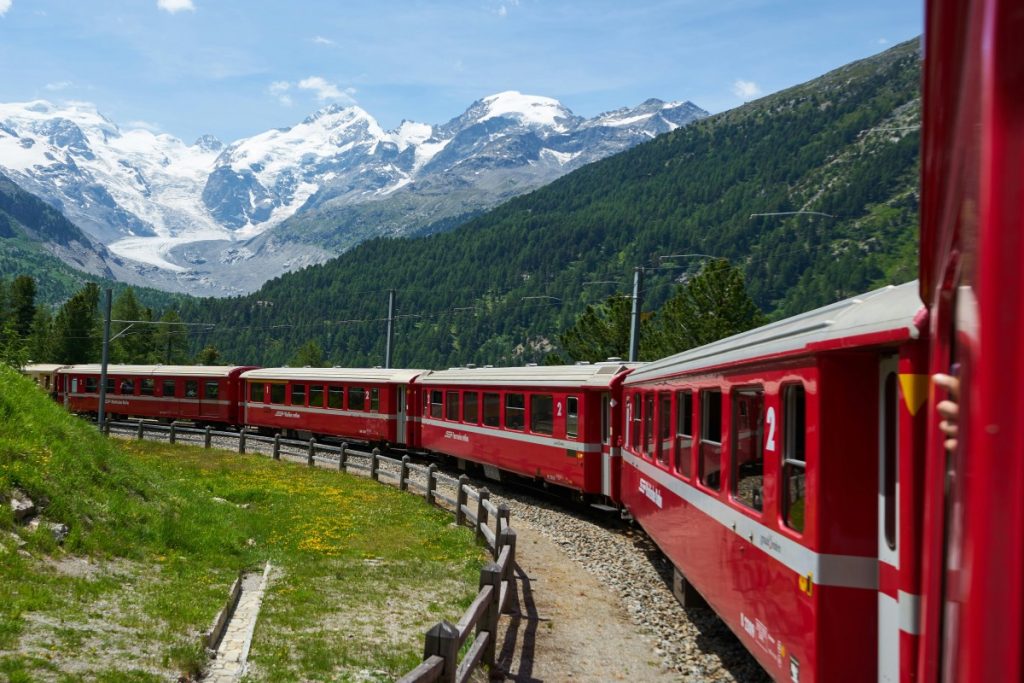
Introduction There are very few travel experiences in the world where the journey itself becomes the highlight. Switzerland is one of those rare places. Most trips are built around destinations—cities to check off, landmarks to photograph, attractions to visit. But in Switzerland, something shifts. You begin to notice that the most memorable moments aren’t always tied to where you stop, but to what you see along the way. A train curves around a mountain, and suddenly a valley opens up below you. A quiet lake appears, reflecting snow-covered peaks. Small wooden houses sit perfectly against a backdrop of rolling green hills. And all of this unfolds slowly, without effort, as if the country is revealing itself one frame at a time. That’s the magic of Switzerland’s scenic trains. This one-week Switzerland scenic train itinerary is designed for travelers who want to experience the country deeply, not rush through it. It combines iconic routes like the Glacier Express and Bernina Express with thoughtfully chosen stops such as Lucerne, Interlaken, Zermatt, and St. Moritz. The goal is simple: to give you a journey that feels immersive, balanced, and unforgettable. Whether you’re planning a honeymoon, a first-time Europe trip, or a solo escape into nature, this itinerary will help you navigate Switzerland in the most beautiful way possible—by rail. In Short (TL;DR) Duration: 7 days Travel style: Scenic train-based itinerary Top routes: Glacier Express, Bernina Express, GoldenPass Line Key stops: Zurich, Lucerne, Interlaken, Zermatt, St. Moritz Ideal for: Couples, photographers, slow travelers Best time: May–October (lush landscapes) or December–February (snow views) Scenic Train travel is must for all the tourists travelling Switzerland for first-timers. Why Scenic Train Travel Works Best in Switzerland Switzerland’s railway system is not just efficient—it’s intentionally designed to showcase the country’s landscapes. This is what makes train travel here fundamentally different from most other destinations. First, there’s the visual experience. Scenic trains come with oversized panoramic windows that stretch toward the ceiling, allowing you to fully absorb your surroundings. Unlike car travel, where your focus shifts between driving and navigating, trains allow uninterrupted viewing. You can sit back and watch entire landscapes unfold without distraction. Second, there’s ease and reliability. Switzerland is known for precision, and that applies to its trains. Connections are smooth, delays are rare, and even remote mountain towns are accessible without hassle. You don’t need to plan complex routes or worry about logistics—everything is designed to flow seamlessly. Third, there’s comfort. Long journeys like the Glacier Express are built for relaxation. Wide seats, onboard service, and a calm atmosphere make even an eight-hour ride feel effortless. And finally, there’s sustainability. Train travel is one of the most environmentally friendly ways to explore Switzerland, aligning with the country’s strong focus on eco-conscious tourism. Your 7-Day Switzerland Scenic Train Route Overview Explore ultimate Switzerland itinerary for 7 days : Day 1: Arrival in Zurich Day 2: Zurich to Lucerne Day 3: Lucerne to Interlaken via GoldenPass Line Day 4: Interlaken to Zermatt Day 5: Glacier Express (Zermatt to St. Moritz) Day 6: Bernina Express (St. Moritz to Tirano) Day 7: Return via Chur Each leg is chosen to balance travel time with meaningful experiences. Day 1: Arrival in Zurich – Settling Into Switzerland Zurich is often treated as a transit city, but spending time here helps you ease into the rhythm of Switzerland. The city feels calm, organized, and quietly sophisticated. Unlike larger European capitals, Zurich doesn’t overwhelm you—it invites you to slow down. Start your exploration in the Old Town (Altstadt). The streets here are narrow and winding, lined with historic buildings, boutique shops, and cafés. It’s the kind of place where you don’t need a plan—just walking is enough. From there, head toward Lake Zurich. The promenade is perfect for a relaxed evening walk. Locals gather here, especially during sunset, giving you a glimpse into everyday life. If you’re interested in shopping or simply observing the city’s upscale side, walk along Bahnhofstrasse, one of the world’s most exclusive shopping streets. Food-wise, keep it simple on your first day. Try Swiss chocolate, a cheese platter, or rösti—a classic potato dish that’s both comforting and filling. Where to stay: Choose accommodation near Zurich HB (main station). This makes your onward train journey effortless the next morning. Day 2: Zurich to Lucerne – First Glimpse of the Alps The train from Zurich to Lucerne takes just about an hour, but the transition in scenery is noticeable. Lucerne feels like Switzerland distilled into one town. It has everything—mountains, a lake, historic architecture, and a slower pace of life. One of the first landmarks you’ll encounter is the Chapel Bridge (Kapellbrücke), a wooden bridge that dates back to the 14th century. It’s simple but iconic, and it sets the tone for the town. A short walk away is the Lion Monument, carved into a rock face. It’s a quiet, reflective spot that contrasts with the otherwise cheerful atmosphere of Lucerne. The real highlight, however, is Lake Lucerne. Taking a boat ride here gives you a completely different perspective of the surrounding mountains. The water is calm, the air is fresh, and the views feel almost surreal. If you have extra time, consider a half-day trip to Mount Pilatus or Mount Rigi. Both offer panoramic alpine views, but they differ slightly in experience—Pilatus feels more dramatic, while Rigi is calmer and more scenic. By evening, Lucerne becomes even more peaceful. Walking along the lake during sunset is one of those moments that stays with you long after the trip ends. Day 3: Lucerne to Interlaken – The GoldenPass Scenic Line This is where your journey starts to feel distinctly “Swiss.” The GoldenPass Line connects Lucerne to Interlaken and is known for its varied landscapes. As the train moves forward, you’ll notice how quickly the scenery changes. You pass through green meadows where cows graze quietly, small villages with wooden chalets, and lakes that appear suddenly between hills. It’s not dramatic in a single moment—it’s beautiful in a continuous, evolving way.
4 Days in Paris with a Day Trip to Versailles & Montmartre: A Compact France City Break (2026 Guide)
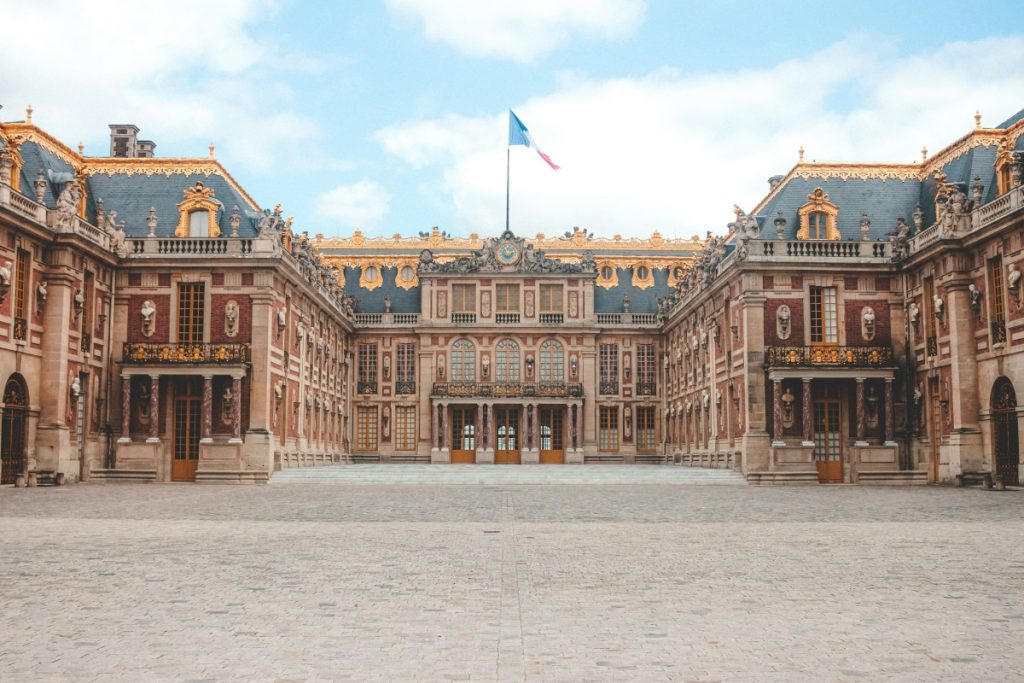
Introduction Paris is often described as a city of romance, art, and timeless beauty—but those words, as familiar as they sound, don’t quite prepare you for what it actually feels like to be there. Because Paris isn’t just about landmarks. It’s about moments. It’s the quiet clink of coffee cups in a morning café. The golden glow of street lamps reflecting off the Seine at dusk. The way a simple walk turns into an experience because every street seems to hold history, texture, and life all at once. And yet, there’s a paradox. Paris invites you to slow down—but most travelers arrive with limited time. So how do you experience a city like this in just four days without turning it into a rushed checklist? How do you see the Eiffel Tower, explore world-class museums, take a day trip to Versailles, and still leave room for wandering, for pausing, for simply being in Paris? That’s exactly what this itinerary is designed to solve. This 4-day Paris travel itinerary with a day trip to Versailles and a dedicated Montmartre exploration is built not just around places, but around flow. It balances iconic experiences with quieter discoveries, ensuring you don’t just see Paris—you feel it. In Short (TL;DR) Duration: 4 days Style: Premium, slow-paced city experience Highlights: Eiffel Tower, Louvre, Seine, Versailles, Montmartre Ideal for: First-time visitors, couples, culture lovers Stay area: Central Paris (Le Marais or Saint-Germain) Best time: April–June or September–October Understanding Paris Before You Begin Before diving into the itinerary, it helps to understand how Paris works. The city is divided into arrondissements (districts), arranged in a spiral pattern. While this might sound confusing at first, it actually makes planning easier—each area has its own personality. Paris is also incredibly walkable. Yes, the metro is efficient, but some of your best experiences will come from simply walking between places. Distances that seem long on a map often feel short when the journey is filled with cafés, bakeries, and unexpected views. Most importantly, Paris rewards those who don’t rush. Trying to “do everything” often leads to exhaustion and missed moments. This itinerary avoids that by giving each day a clear theme and natural pacing. Where to Stay in Paris (Setting the Tone for Your Trip) Where you stay in Paris will shape your experience more than you expect. If this is your first visit, choose a neighborhood that allows you to step out and immediately feel connected to the city. Le Marais is one of the best choices. It’s central, lively, and full of character. You’ll find boutique shops, art galleries, and excellent cafés within walking distance. Saint-Germain-des-Prés, on the Left Bank, offers a more classic Parisian atmosphere. It’s quieter, slightly more refined, and ideal if you imagine yourself sitting in a café with a book and coffee. Both areas allow you to explore Paris on foot while staying well-connected to major attractions. Day 1: First Impressions – The Paris You’ve Always Imagined Your first day in Paris should feel cinematic. Not rushed, not overwhelming—but memorable from the very first moment. Morning: Meeting the Eiffel Tower Start your day early and head toward the Eiffel Tower. No matter how many times you’ve seen it in photos, the first real view always feels different. There’s a scale to it, a presence, that’s hard to capture until you’re standing beneath it. Arriving early means fewer crowds and softer morning light—perfect for taking it in without distraction. If you choose to go up, take your time. Don’t rush through the experience. Look out across the city and let it sink in—this is Paris, and this is just the beginning. Late Morning: Walking Along the Seine From the Eiffel Tower, begin walking along the Seine. This is where the city starts to reveal its rhythm. You’ll pass bridges, riverside stalls selling books and prints, and locals sitting by the water. There’s no need to hurry. In fact, the slower you walk, the more you’ll notice. Afternoon: The Louvre & A Shift in Pace By midday, head toward the Louvre. It’s massive—far too large to “complete”—so don’t try. Instead, approach it with intention. Choose a few key works, wander through a couple of sections, and allow yourself to simply absorb the scale of it all. The glass pyramid outside, the courtyards, the long corridors—it’s as much about the space as the art. Afterward, step into the Tuileries Garden. Sit by one of the fountains. Watch people pass by. This pause is just as important as the museum itself. Evening: Paris from the Water As evening approaches, take a Seine river cruise. Seeing Paris from the water changes your perspective. Landmarks pass by slowly, illuminated as the sky shifts from gold to deep blue. It’s calm, reflective, and quietly beautiful. End your night in Saint-Germain with a relaxed dinner. Sit outside if the weather allows. Order something simple, and let the day settle. Day 2: Culture, Texture & the Real Paris If Day 1 was about iconic Paris, Day 2 is about understanding its character. Morning: Musée d’Orsay – Art That Feels Alive Start your day at the Musée d’Orsay. Compared to the Louvre, it feels more approachable. The building itself—a former railway station—adds a sense of openness. Here, art feels less distant. The Impressionist works capture moments, light, and everyday life in a way that’s easier to connect with. Take your time moving through the galleries. There’s no rush. Late Morning: The Latin Quarter Step out into the Latin Quarter. This area feels alive in a different way—slightly chaotic, full of students, bookstores, and narrow streets. Find a small café. Sit down. Order coffee. Watch people. This is where Paris starts to feel personal. Afternoon: Notre-Dame & Sainte-Chapelle Walk toward Notre-Dame. Even from the outside, it carries a sense of history and resilience. Spend a few minutes here, not just looking, but observing the details. Then visit Sainte-Chapelle. Inside, the stained glass transforms the space. Light filters through in colors that feel almost unreal.
Japan Cherry Blossom Itinerary (2026 Guide): 10-Day Route for Tokyo, Kyoto, Osaka and Mount Fuji
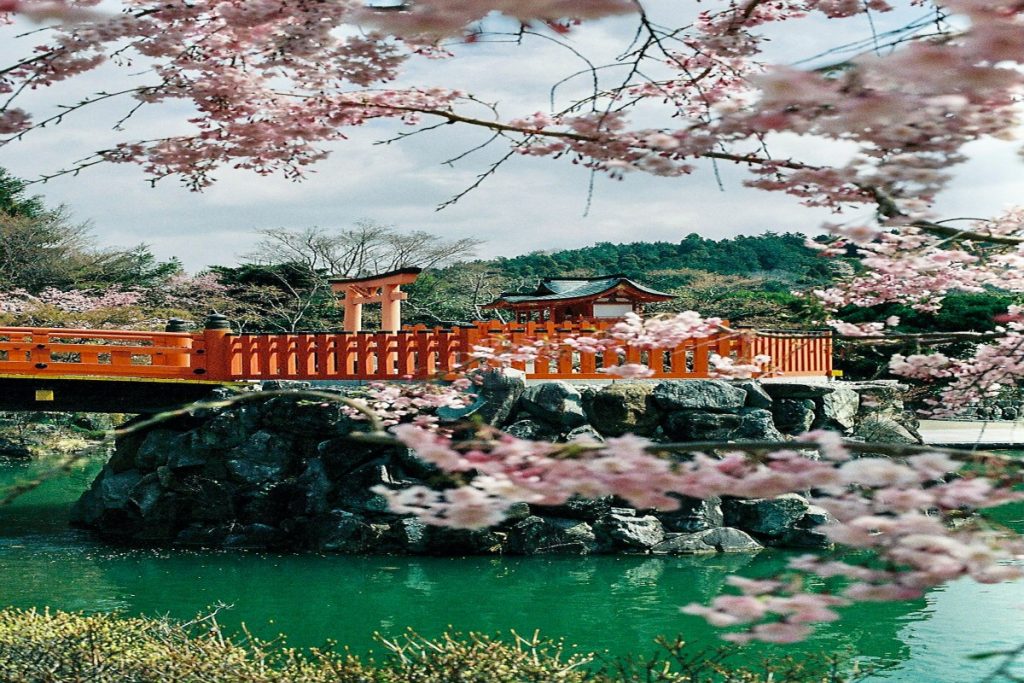
Introduction Cherry blossom season in Japan is one of the most iconic travel experiences in the world. Every spring, the country transforms into a landscape filled with soft pink and white blooms known as sakura. Parks, riversides, temples, and even city streets become gathering spots for locals and travelers celebrating this short-lived but magical season. However, planning a cherry blossom trip can be challenging. The bloom period lasts only around one week at its peak, and dates vary slightly each year depending on weather conditions. This makes timing, route planning, and accommodation booking extremely important. This guide will help you plan a detailed and practical 10-day Japan itinerary covering Tokyo, Kyoto, Osaka, and Mount Fuji during cherry blossom season in 2026. It is designed to balance sightseeing, cultural experiences, and optimal sakura viewing while keeping travel efficient and enjoyable. In Short The best time to follow this itinerary is between late March and early April 2026. Start in Tokyo where blossoms typically appear first, then move toward Mount Fuji for scenic views, followed by Kyoto and Osaka where the bloom peaks slightly later. A 10-day route allows you to experience modern cities, traditional culture, and natural landscapes without rushing. When to Visit Japan for Cherry Blossoms 2026 Cherry blossoms move from south to north across Japan, creating a natural timeline travelers can follow. In most years, Tokyo begins blooming around the last week of March, while Kyoto and Osaka reach peak bloom in early April. The Mount Fuji region, especially areas like Kawaguchiko, sees blossoms slightly later due to higher elevation. The concept of “peak bloom,” or mankai, refers to the period when around 80 percent of blossoms are open. This is the best time for viewing, but it only lasts about 5 to 7 days before petals begin to fall. Weather conditions such as rain or strong winds can shorten this window. To maximize your chances, plan your arrival in Tokyo around March 28 and travel westward as the bloom progresses. This itinerary is built around that natural progression, helping you stay aligned with the best viewing conditions across regions. 10-Day Japan Cherry Blossom Itinerary Overview Day 1 to 3 in Tokyo Day 4 to 5 in Mount Fuji region Day 6 to 8 in Kyoto Day 9 to 10 in Osaka This route minimizes backtracking and uses Japan’s efficient rail network to move between cities quickly. Day 1 to Day 3: Tokyo Cherry Blossom Experience Tokyo offers a perfect introduction to Japan. It blends futuristic cityscapes with traditional temples and Japan’s seasonal beauty. During cherry blossom season, the city’s parks and rivers become vibrant social spaces filled with locals enjoying hanami picnics. Top cherry blossom spots include Ueno Park, Shinjuku Gyoen, and Chidorigafuchi near the Imperial Palace. The Meguro River is especially popular for its evening illuminations, where lanterns light up the blossoms and create a surreal atmosphere. On your first day, explore Asakusa and visit Senso-ji Temple. Walk through Nakamise Street for traditional snacks and souvenirs. In the evening, head to the Tokyo Skytree area for city views. On the second day, focus on cherry blossom viewing. Start early at Shinjuku Gyoen for a quieter experience. Later, visit Harajuku and Meiji Shrine, followed by a walk through Shibuya Crossing. The third day can include a relaxed morning at Ueno Park and a cultural visit to museums or Akihabara for anime and tech culture. Tokyo offers endless variety, but pacing yourself is important to avoid travel fatigue. Day 4 to Day 5: Mount Fuji and Kawaguchiko Travel from Tokyo to the Mount Fuji region, particularly Kawaguchiko, which is part of the Fuji Five Lakes area. This region provides some of the most iconic views of Japan, where cherry blossoms frame the snow-capped peak of Mount Fuji. The journey takes around two hours by train or bus. Once you arrive, the atmosphere becomes noticeably calmer compared to Tokyo. Key spots include Lake Kawaguchi, where reflections of Fuji create stunning photography opportunities, and Arakurayama Sengen Park, home to the famous Chureito Pagoda viewpoint. This location offers one of the most photographed views in Japan, combining the pagoda, cherry blossoms, and Mount Fuji in one frame. Spend your time cycling around the lake, visiting local cafes, and relaxing in a traditional ryokan. Many accommodations include onsen baths, which are perfect for unwinding after busy city exploration. The Mount Fuji stop not only adds scenic beauty but also helps align your itinerary with slightly later bloom timings, increasing your chances of seeing cherry blossoms at their best. Day 6 to Day 8: Kyoto Cultural and Sakura Highlights Kyoto represents the cultural heart of Japan. Known for its temples, shrines, and traditional architecture, it becomes even more beautiful during cherry blossom season. Begin your Kyoto exploration with the Philosopher’s Path, a scenic canal-side walk lined with cherry trees. Early morning visits are recommended to avoid crowds. Kiyomizu-dera Temple offers panoramic views of the city and is particularly stunning when surrounded by blossoms. The nearby streets of Higashiyama provide a glimpse into old Japan, with wooden buildings, tea houses, and local shops. Maruyama Park is another key location, especially known for its large weeping cherry tree that is illuminated at night. The Arashiyama district offers a different experience, combining bamboo forests, river views, and seasonal cherry blossoms. It is slightly farther from central Kyoto but worth visiting for its unique landscape. You should also explore Fushimi Inari Shrine, famous for its thousands of torii gates. While not a cherry blossom spot, it provides a contrasting cultural experience that enriches your itinerary. Kyoto can be crowded during peak season, so planning early morning or late evening visits helps you enjoy locations more comfortably. Day 9 to Day 10: Osaka Food and City Life Osaka provides a lively conclusion to your trip. Known for its food culture and friendly atmosphere, it offers a different energy compared to Kyoto. Osaka Castle Park is the main cherry blossom attraction, with hundreds of trees surrounding the historic castle.
Sri Lanka Beyond the Usual: Best Places to Visit, Budget, Train Routes & Coastal Stays
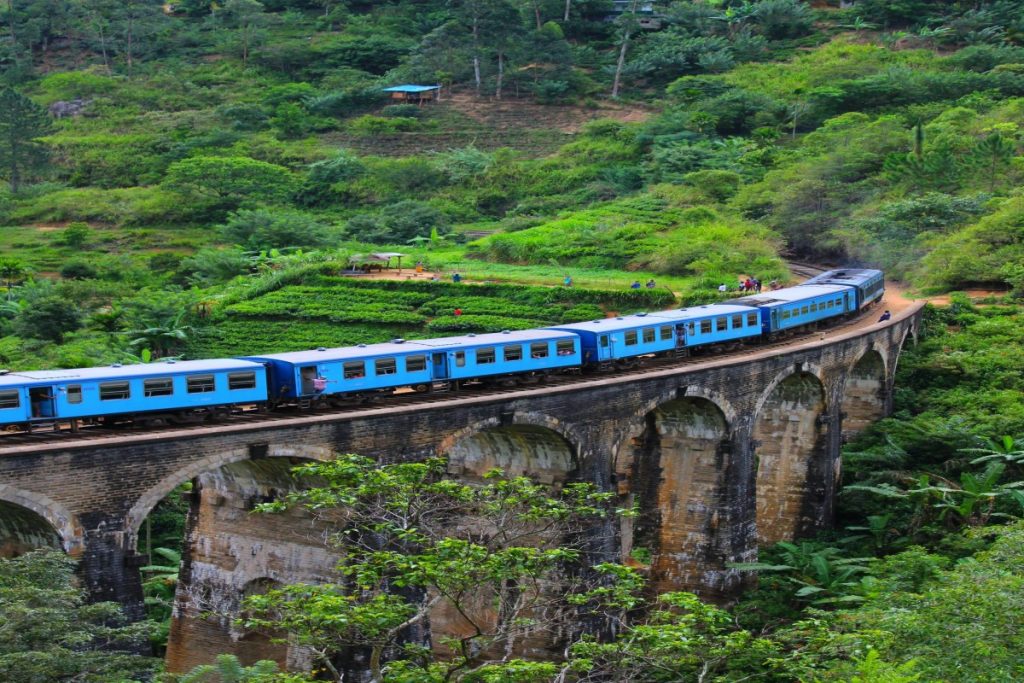
Introduction If your idea of Sri Lanka is limited to beaches and tea plantations, you’re missing out on a much richer story. This island country is filled with hidden mountain towns, scenic train journeys, untouched coastlines, and cultural gems that go far beyond the typical tourist checklist. What makes Sri Lanka truly special is how effortlessly it blends experiences. Within a few hours, you can go from surfing along the southern coast to sipping fresh tea in misty hills. Add to that its affordability, warm hospitality, and compact geography—it becomes one of the best destinations for Indian travelers looking for a balanced international trip. In this guide by The Tarzan Way, we cover everything you need to plan your journey—from offbeat places and scenic train routes to a detailed budget in INR and the best coastal stays. Whether you’re building a relaxed escape or a packed Sri Lanka travel itinerary, this blog has covered everything for you. In Short (Key Takeaways) Sri Lanka is perfect for budget-friendly international travel from India Daily budget: ₹2,000 to ₹7,000 depending on your style Best experience: Kandy to Ella train journey Ideal trip duration: 7–10 days Best time: December to April (West & South), May to September (East Coast) Why Sri Lanka is Perfect for Indian Travelers Sri Lanka offers a rare combination of accessibility and diversity: Short flight duration from India (2–4 hours) Visa-on-arrival or easy ETA process Affordable accommodation and food Scenic landscapes within short travel distances It’s one of the few destinations where your travel itinerary can include beaches, mountains, wildlife, and heritage—all in one trip. Best Places to Visit in Sri Lanka (Beyond the Usual) Ella – A Slow Travel Paradise Ella is often known for its train stop, but it’s much more than that. It’s a laid-back hill town perfect for unwinding. Top experiences: Hike to Little Adam’s Peak Visit the famous Nine Arch Bridge Relax in cafes with panoramic views Ideal for: Solo travelers, couples, workcations Nuwara Eliya – Colonial Charm in the Hills Often called “Little England,” this town offers a completely different vibe with cool weather and colonial architecture. What to explore: Tea estates and factories Gregory Lake Scenic countryside walks Tangalle – Secluded Coastal Escape Unlike crowded beach towns, Tangalle offers peace and raw beauty. Why visit: Quiet, untouched beaches Boutique eco-resorts Turtle nesting experiences Trincomalee – The Underrated East Coast A hidden gem for those looking to avoid crowds. Top things to do: Snorkeling at Pigeon Island Relax at Nilaveli Beach Dolphin and whale watching Haputale – A Hidden Hill Country Gem Less commercial than Ella, but equally stunning. Must-do experiences: Sunrise at Lipton’s Seat Walk through tea plantations Enjoy cloud-covered viewpoints Plan your trip to Weligama: Weligama travel itinerary Sri Lanka Budget Breakdown (2026 Guide in INR) Sri Lanka is one of the most affordable international destinations for Indian travelers. Daily Budget Estimates Budget Traveler (₹2,000–₹3,500/day): Hostels or homestays Local buses and trains Street food and local eateries Mid-Range Traveler (₹3,500–₹7,000/day): Boutique hotels Mix of public and private transport Cafes and curated experiences Luxury Traveler (₹8,000+ per day): Beach resorts and villas Private taxis and guided tours Premium dining experiences Detailed Cost Breakdown Accommodation: ₹800 – ₹6,500 per night Food: ₹400 – ₹1,500 per day Transport: ₹50 – ₹800 (trains & buses) Activities: ₹400 – ₹2,500 Scenic Train Routes You Shouldn’t Miss Sri Lanka’s train journeys are not just about getting from one place to another—they’re a core travel experience. Kandy to Ella Train Ride This is one of the most scenic train journeys in the world. What to expect: Rolling tea plantations Mist-covered mountains Open-door views perfect for photography Duration: 6–7 hours Cost: ₹150–₹1,000 depending on class Colombo to Kandy A shorter route that introduces you to Sri Lanka’s lush landscapes. Ella to Haputale A quieter, equally beautiful alternative route. Travel Tips for Train Journeys Book tickets in advance for reserved seats Choose second class for open windows Travel during daylight for the best views Best Coastal Stays in Sri Lanka Sri Lanka’s coastline offers diverse experiences—from lively beaches to peaceful retreats. Mirissa – Social & Vibrant Backpacker-friendly Beach cafes and nightlife Whale watching tours Unawatuna – Balanced Experience Mix of relaxation and nightlife Close to Galle Fort Tangalle – Peaceful Luxury Private beaches Eco-resorts and boutique stays Arugam Bay – Surfing Hub Ideal for surfers Laid-back, slow vibe Best Time to Visit Sri Lanka Sri Lanka’s weather varies by region due to two monsoon seasons. West & South Coast + Hill Country: December to April East Coast: May to September Sample 7-Day Sri Lanka Itinerary Day 1–2: Colombo to Kandy Explore the city Visit cultural sites Day 3–4: Kandy to Ella Scenic train journey Explore Ella Day 5: Haputale Sunrise at Lipton’s Seat Day 6–7: Tangalle or Mirissa Beach relaxation Water activities Travel Tips for Sri Lanka Carry cash (cards not accepted everywhere) Use trains for scenic travel Rent scooters in coastal towns Stay hydrated in humid weather FAQs What is the average cost of a Sri Lanka trip from India? A 7-day trip can cost between ₹20,000 to ₹60,000 depending on your travel style. Is Sri Lanka cheaper than Thailand? Yes, in most cases Sri Lanka is more budget-friendly for accommodation and transport. What is the best train journey in Sri Lanka? The Kandy to Ella route is the most scenic and popular. How many days are enough for Sri Lanka? 7–10 days are ideal to explore multiple regions comfortably. Do Indian travelers need a visa for Sri Lanka? Indian travelers can apply for ETA online or get visa-on-arrival depending on current rules. Is Sri Lanka safe for solo travelers? Yes, Sri Lanka is considered safe with friendly locals and well-connected tourist routes. What currency is used in Sri Lanka? Sri Lankan Rupee (LKR) is the local currency used across the country. Is Sri Lanka good for a honeymoon trip? Yes, Sri Lanka offers beaches, hills, train journeys, and luxury stays perfect for couples. Conclusion Sri Lanka is a
Japan’s Seasonal Rhythm: Where to Travel in Spring, Summer, Autumn & Winter
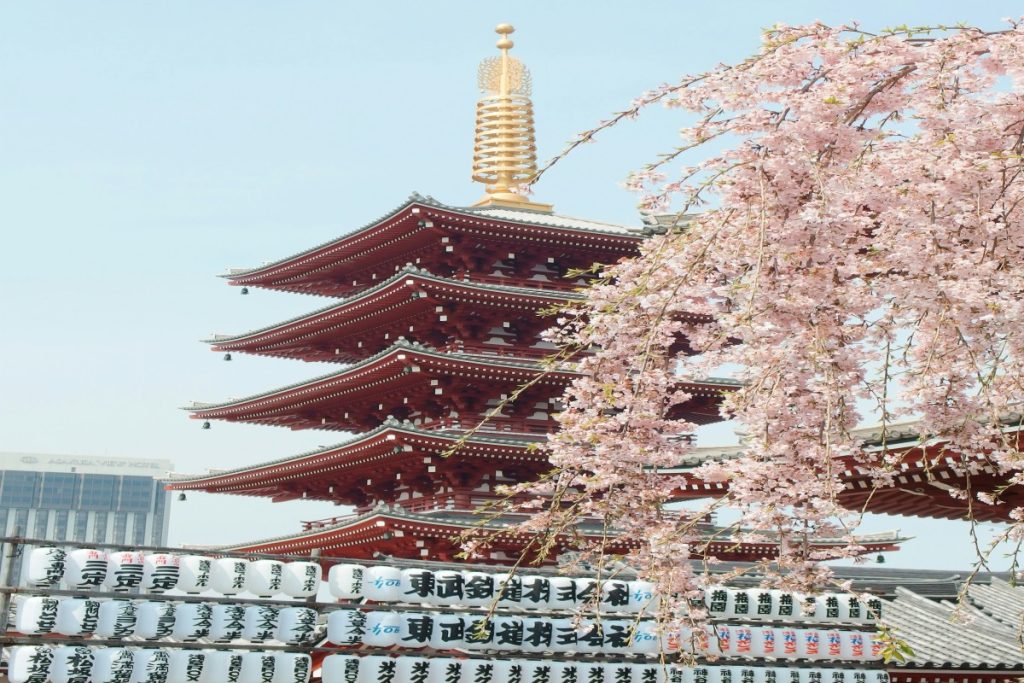
Japan is a country where every season feels like a completely new destination. From cherry blossoms in spring to snow-covered hot springs in winter, timing your trip can transform your experience. Whether you’re chasing vibrant festivals, scenic landscapes, or peaceful cultural moments, Japan’s seasonal rhythm offers something unforgettable year-round. This guide will help you decide where to travel in Japan across spring, summer, autumn, and winter, along with tips, highlights, and ideal experiences—perfect for planning your next Japan travel itinerary with The Tarzan Way. In Short (TL;DR) Spring (March–May): Cherry blossoms, best in Kyoto and Tokyo Summer (June–August): Festivals & beaches, explore Hokkaido and Okinawa Autumn (September–November): Fall foliage in Nikko and Kyoto Winter (December–February): Snow & ski resorts in Hokkaido and Nagano Spring in Japan (March–May): Cherry Blossom Magic Spring is Japan’s most iconic season, marked by the blooming of sakura (cherry blossoms). Parks, riversides, and temples turn into pastel dreamscapes.This Japan travel guide help travellers find the best destinations as per specific seasons. Best Places to Visit in Spring 1. Kyoto Historic temples framed by cherry blossoms Walk through the Philosopher’s Path Experience traditional tea houses 2. Tokyo Ueno Park and Shinjuku Gyoen for hanami (flower viewing) Vibrant city + nature balance 3. Osaka Osaka Castle surrounded by sakura Lively food and nightlife Why Visit in Spring? Comfortable weather (10–20°C) Cultural events and picnics under blossoms Ideal for photography and slow travel Summer in Japan (June–August): Festivals & Coastal Escapes Summer in Japan is vibrant, energetic, and filled with matsuri (festivals), fireworks, and coastal getaways. Best Places to Visit in Summer 1. Hokkaido Cooler climate compared to mainland Japan Lavender fields in Furano Ideal for hiking and nature 2. Okinawa Tropical beaches and turquoise waters Snorkeling and diving spots 3. Kyoto (for festivals) Attend the famous Gion Matsuri Traditional parades and street food Why Visit in Summer? Fireworks festivals across the country Cultural immersion through local celebrations Great for beach lovers Note: Expect humidity and temperatures above 30°C in cities like Tokyo and Osaka. Autumn in Japan (September–November): A Symphony of Colors Autumn rivals spring in beauty, with fiery red and golden foliage covering mountains and temples. Best Places to Visit in Autumn 1. Kyoto Arashiyama Bamboo Grove with fall colors Scenic temple views 2. Nikko UNESCO heritage shrines surrounded by forests Stunning waterfalls and lakes 3. Hakone Views of Mount Fuji with autumn foliage Relaxing hot springs (onsen) Why Visit in Autumn? Mild weather and fewer crowds than spring Perfect for scenic road trips and photography Rich seasonal cuisine Winter in Japan (December–February): Snow & Serenity Winter transforms Japan into a snowy wonderland, especially in the north. Best Places to Visit in Winter 1. Hokkaido World-class ski resorts Attend the Sapporo Snow Festival 2. Nagano Famous snow monkeys at Jigokudani Skiing and mountain retreats 3. Tokyo Illuminations and winter shopping Fewer tourists at major attractions Why Visit in Winter? Snow sports and hot springs Magical landscapes and festivals Budget-friendly travel (except peak holidays) How to Choose the Best Season for You Your ideal time depends on your travel style: Nature lovers: Spring & Autumn Festival seekers: Summer Snow & adventure: Winter Balanced experience: Late spring or early autumn Travel Tips for Japan Some of the best Japan travel tips are as follows: Book accommodations early during peak seasons (spring & autumn) Use Japan Rail Pass for intercity travel Carry cash—many places still prefer it Respect local customs and etiquette FAQs About Traveling Japan by Season What is the best time to visit Japan? Spring (March–April) and autumn (October–November) are the most popular due to pleasant weather and natural beauty. Is Japan too crowded during cherry blossom season? Yes, major cities like Tokyo and Kyoto can be crowded. Book early and explore lesser-known spots. Which season is cheapest to travel to Japan? Winter (excluding New Year) is generally the most budget-friendly. Is summer a good time to visit Japan? Yes, especially for festivals and northern regions like Hokkaido, though it can be hot and humid. When is cherry blossom season in Japan? Cherry blossom season usually runs from late March to early April depending on the region. Which part of Japan gets the most snow? Hokkaido and the Japanese Alps including Nagano receive the heaviest snowfall. Is autumn a good time for first-time travelers? Yes, autumn offers pleasant weather, beautiful foliage, and fewer crowds than spring. What should I pack for winter travel in Japan? Warm layers, waterproof shoes, gloves, scarves, and thermal wear are recommended. Conclusion Japan’s beauty lies in its ever-changing seasons—each offering a unique perspective of the country’s culture, landscapes, and experiences. Whether you’re admiring cherry blossoms in Kyoto, hiking through Hokkaido’s summer fields, capturing autumn leaves in Nikko, or soaking in a snowy onsen in Nagano, there’s no wrong time to visit. If you’re planning your next Location travel itinerary, let The Tarzan Way help you craft a journey that aligns perfectly with Japan’s seasonal rhythm.
Singapore Travel Guide: Attractions, Transport & Cost Breakdown
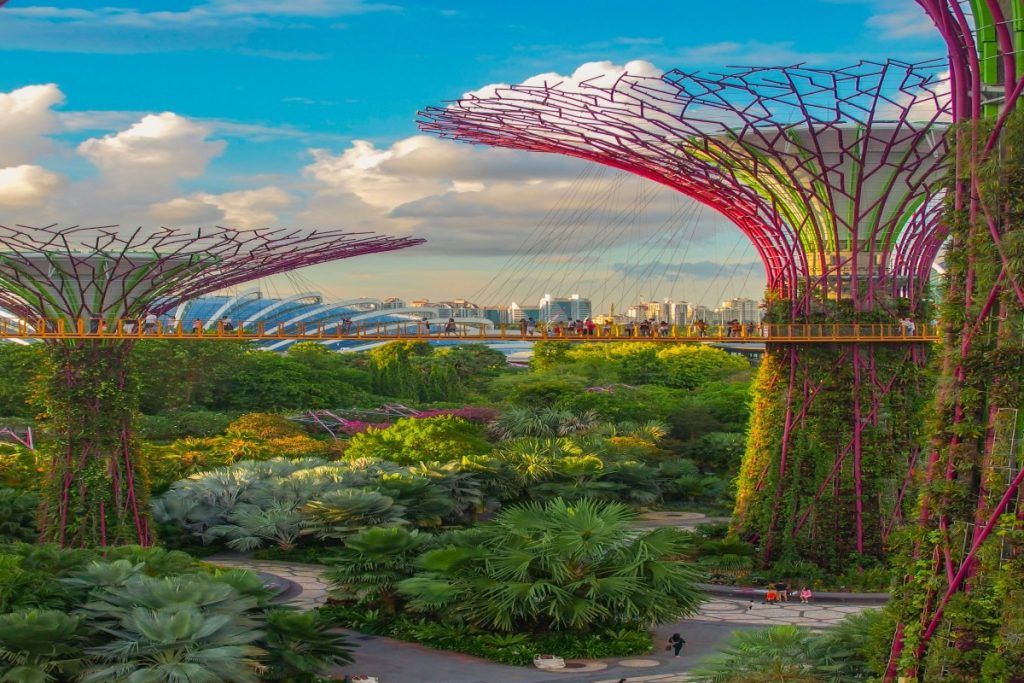
Introduction Singapore is one of the most efficient, vibrant, and traveler-friendly destinations in the world. Known for its futuristic skyline, diverse culture, and world-class infrastructure, this island nation offers a seamless blend of modern attractions and traditional charm. Whether you’re planning your first international trip or a short urban getaway, Singapore makes travel easy—with clean streets, reliable transport, and experiences for every kind of traveler. From iconic landmarks to budget-friendly hawker food, this guide will walk you through everything you need to know: top attractions, how to get around, and a detailed cost breakdown. If you’re building your Singapore travel itinerary, this comprehensive guide by The Tarzan Way will help you plan smarter, spend wisely, and explore deeper. In Short (TL;DR) Singapore offers a mix of modern attractions and cultural neighborhoods Public transport is efficient, affordable, and tourist-friendly Daily travel costs range from ₹5,000–₹12,000 depending on budget Must-visit attractions include Marina Bay, Sentosa, and Gardens by the Bay Ideal trip duration: 3–5 days Why Visit Singapore? Singapore stands out for its unique combination of: Ultra-modern infrastructure Rich multicultural heritage Safe and clean environment Easy navigation for tourists Despite being compact, it offers a wide range of experiences—from luxury shopping to street food and nature escapes. Top Attractions in Singapore Few top must-visit attractions in Singapore are as follows: 1. Marina Bay Sands One of the most iconic structures in the world, Marina Bay Sands is famous for its rooftop infinity pool and stunning city views. What to do: Visit the SkyPark Observation Deck Watch the Spectra light and water show Explore luxury shopping at The Shoppes 2. Gardens by the Bay A futuristic garden that blends technology with nature. Highlights: Supertree Grove light show Cloud Forest dome Flower Dome 3. Sentosa Island A complete entertainment hub perfect for families and adventure seekers. Top experiences: Beaches and water sports Universal Studios Singapore Cable car rides 4. Orchard Road Singapore’s shopping paradise. What to expect: Luxury malls International brands Cafés and restaurants 5. Chinatown A cultural hotspot blending tradition with modern experiences. Don’t miss: Buddha Tooth Relic Temple Street markets Hawker food 6. Little India A vibrant district full of colors, temples, and Indian cuisine. Highlights: Sri Veeramakaliamman Temple Mustafa Centre Authentic Indian food 7. Clarke Quay The go-to place for nightlife and riverside dining. Getting Around Singapore (Transport Guide) Singapore’s transport system is one of the best in the world—clean, punctual, and easy to use. MRT (Mass Rapid Transit) The Singapore MRT is the backbone of the city. Why use MRT: Covers all major attractions Affordable and fast Easy navigation for tourists Cost: ₹120–₹250 per ride Buses Buses complement MRT routes and reach residential areas. Pros: Scenic routes Budget-friendly Taxis & Ride-Hailing Apps like Grab are widely used. Average cost: ₹500–₹1,200 per ride depending on distance Tourist Pass The Singapore Tourist Pass offers unlimited travel on MRT and buses. Best for: Short stays (2–3 days) Frequent travelers within the city Cost Breakdown for Singapore Trip Singapore can be as budget-friendly or luxurious as you want. 1. Accommodation Budget hostels: ₹2,000–₹4,000 per night Mid-range hotels: ₹6,000–₹12,000 Luxury hotels: ₹20,000+ 2. Food Singapore is a paradise for food lovers. Budget options: Hawker meals: ₹300–₹800 Mid-range: Cafés & restaurants: ₹1,000–₹2,500 3. Attractions Gardens by the Bay: ₹1,500–₹2,000 Universal Studios: ₹5,000–₹7,000 Observation decks: ₹1,500+ 4. Transport Daily average: ₹300–₹800 5. Total Daily Budget Budget traveler: ₹5,000–₹7,000 Mid-range: ₹8,000–₹12,000 Luxury: ₹15,000+ Best Time to Visit Singapore Learn about the best time to visit Singapore. Singapore is a year-round destination, but some months are more comfortable. Best months: February to April (less rainfall) Avoid: Heavy monsoon months (November–January) Travel Tips for First-Time Visitors Carry a reusable water bottle Use MRT instead of taxis to save money Follow local rules (strict fines for littering, etc.) Try hawker food for authentic experiences How to Plan Your Singapore Itinerary Step-by-step framework: Step 1: Decide duration 3–5 days is ideal Step 2: Prioritize attractions Mix iconic spots with neighborhoods Step 3: Budget wisely Allocate major expenses to accommodation and attractions Step 4: Use public transport Save money and time Sample 4-Day Singapore Itinerary Day 1: Marina Bay Marina Bay Sands Gardens by the Bay Clarke Quay Day 2: Sentosa Universal Studios Beaches Cable car Day 3: Culture Chinatown Little India Orchard Road Day 4: Leisure Shopping Café hopping Local neighborhoods FAQs Q1. Is Singapore expensive for Indian travelers? Yes, but budget planning and hawker food can reduce costs significantly. Q2. What is the cheapest way to travel in Singapore? MRT and buses are the most affordable options. Q3. Do I need cash in Singapore? Cards are widely accepted, but small cash is useful for hawker stalls. Q4. How many days are enough for Singapore? 3–5 days is ideal to cover major attractions and local experiences. Q5. Is Singapore safe for tourists? Yes, it is one of the safest countries in the world. Glossary MRT: Mass Rapid Transit system used for public transport Hawker Center: Affordable food courts with local vendors Tourist Pass: Unlimited travel card for public transport Conclusion Singapore is a destination that delivers on every front—modern attractions, efficient transport, and diverse experiences. Whether you’re traveling on a budget or indulging in luxury, the city offers something for everyone. By planning your Singapore travel itinerary smartly, you can explore top attractions, manage your expenses, and make the most of your trip. Discover smarter travel experiences with The Tarzan Way and turn your Singapore trip into a seamless adventure.