

Best Temple Destinations to Visit in India During Festival Time
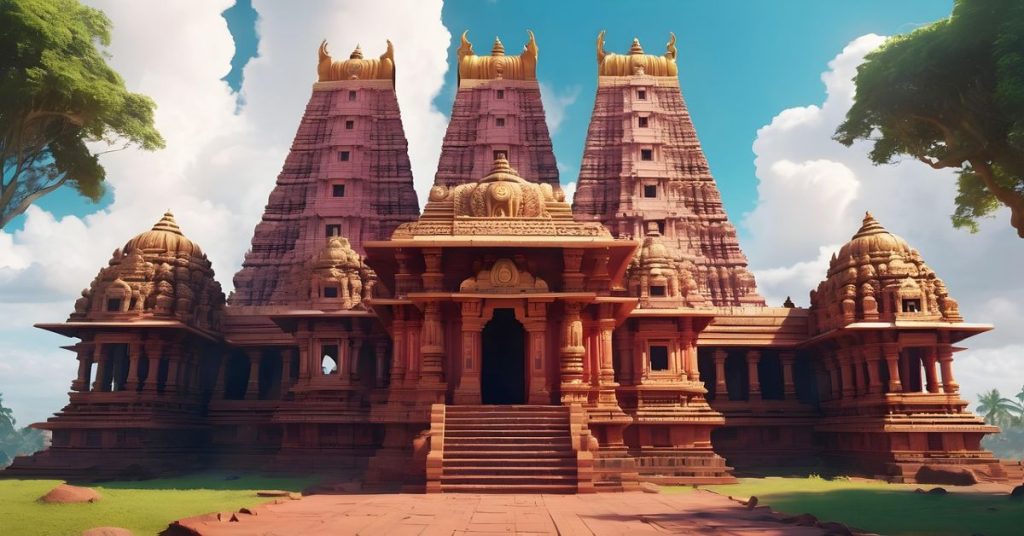
For those with a passion for travel and a desire to experience it in a deep way, there can be no better way than to plan their trip for India with temple festivals. A visitor to India will have the opportunity not only to witness the great scenery, but also to take part in the daily lifestyles of the people during times of celebration. When planning a temple-based trip with an organized temple-focused itinerary and an expectation of attending festivals and participating in (or at least observing) the rituals and activities, visitors will have the unique benefit of seeing how much cultural and spiritual life connects with each location. The ability to choose from the vast number of festivals throughout the year allows the traveller to develop travel routes that combine religious sites with cultural festivals. Temple festivals are ideal anchors for travel destinations as they naturally combine elements of history, devotion, and culture, whether creating an itinerary of a few days or covering multiple states. Why Plan a Temple-Focused Itinerary During Festivals Temple travel is enhanced by festive seasons, which transform static landmarks into vibrant cultural centers. For tourists, this means: Eye-witnessing rare rituals that are only carried out during festivals. Experiencing local way of life through food, music, and processions Organizing travel schedules around specific festival dates A festival-based itinerary maximizes cultural exposure while establishing a clear travel schedule. North India Temple Itinerary During Festive Seasons Varanasi & Prayagraj (Dev Deepawali and Kartik Purnima) This itinerary focuses majorly on sacred river cities. Varanasi’s morning rituals and evening aartis Festive ghats illuminated with lamps For a day trip, visit the holy river in Prayagraj. Best time: October–November Ideal for: Spiritual travelers and first-time visitors East India Temple Travel Route Puri & Bhubaneswar (Rath Yatra and Monsoon Festivals) Cultural immersion is possible along this coastal temple route. Jagannath Temple celebrations in Puri Bhubaneswar temple architecture tours Coastal experiences alongside pilgrimage Best time: June–July Ideal for: Cultural explorers and heritage travelers South India Temple Itinerary During Festivals Madurai – Rameswaram – Thanjavur (Chaitra & Shivratri Festivals) This traditional temple circuit in South India is festival-rich. Madurai’s Meenakshi Temple ceremonies Sacred water rituals in Rameswaram Chola-era temples and traditions in Thanjavur Best time: March–April or February Ideal for: Slow travelers and history lovers Western India Temple Festival Route Ujjain – Omkareshwar (Maha Shivratri) A short itinerary focused on the temples of Jyotirlinga. Night-long rituals at Mahakaleshwar River-based ceremonies in Omkareshwar Spiritual towns connected by road travel Best time: February–March Ideal for: Short spiritual getaways More Must-Visit Temple Destinations During Indian Festive Seasons Adding a variety of must-visit temple destinations to your itinerary gives it more depth and flexibility. Tirupati, Andhra Pradesh (Brahmotsavam) It is one of India’s most visited temples especially during festive time. Massive processions and temple rituals Well-organized infrastructure for pilgrims Can be combined with Chennai or Vellore itineraries Best time: September–October Sabarimala, Kerala (Mandala & Makaravilakku Season) A unique Kerala’s pilgrimage itinerary rooted in strict traditions. Forest routes and hill trekking Seasonal-only darshan windows Often combined with Kerala backwater travel Best time: November–January Dwarka, Gujarat (Janmashtami) A coastal temple destination tied to Krishna legends. Festive temple décor and midnight rituals are the best thing to experience. Easy to combine with Somnath and coastal Gujarat Ideal for short religious road trips Best time: August–September Kamakhya, Assam (Ambubachi Mela) A powerful destination for spiritual and cultural travelers. Large gatherings and unique ceremonies are observed. The trip can be combined with exploration to Northeast India Best time: June Shirdi, Maharashtra (Sai Baba Punyatithi & Ram Navami) A high-demand spiritual destination during festivals. Devotional processions and extended temple hours Strong rail and road connectivity Suitable for short, focused itineraries Best time: March–April, September–October Vaishno Devi, Jammu (Navratri) It blends mountain travel along with a spiritual pilgrimage experience. The route to the temple is the best scenic trekking route. Festive chants and celebrations Can be extended to Patnitop or Kashmir Best time: March–April, September–October Lesser-Known Temple Destinations for Festival Travel Ideal for the travelers seeking quieter routes: Chidambaram during Natyanjali Dance Festival Guruvayur during Ekadasi celebrations Hampi during Virupaksha Temple festivals These destinations suit travelers who prefer offbeat itineraries. Best Months to Plan Temple Festival Travel in India October to February: Best weather and major festivals are celebrated during this time. March to April:It is a time of significant temple rituals with rising heat. June to July: Region-specific festivals with fewer tourists Aligning festivals with weather improves itinerary comfort. How Many Days Are Ideal for a Temple Festival Itinerary? For a single-city festival trip experience,ideal days of trip will be 3–4 days.>For the regional temple circuit,5–7 days are ideal.>For multi-state festival route.8–10 days are ideal. Travel duration depends on festival density and travel pace. Temple Festival Dress Code: What to Wear Festive temple travel requires respectful and practical clothing. What to Wear Modest clothing covering shoulders and knees Cotton outfits for warm regions Shawls or scarves for head covering where required Comfortable footwear for walking (easy to remove) What to Avoid Shorts, sleeveless tops, or revealing clothes Heavy gold or diamond jewelry during crowded festivals Tight or restrictive outfits Flashy or overly casual beachwear Dress codes may vary by temple, so checking local customs is recommended. What to Carry for Temple Festival Travel Packing smart for temple visits improves comfort and safety. Essentials to Carry Small backpack or sling bag Reusable water bottle Hand sanitizer and wet wipes Light jacket for early mornings or evenings Printed and digital copies of bookings Minimal cash for temple offerings What Not to Carry Large bags or backpacks (often restricted) Expensive electronics or valuables Drones or professional camera gear without permission Food items inside temple premises Travel light to move easily through crowds. Where to Stay During Temple Festivals Accommodation choices impact festival experience. Temple guesthouses for proximity Heritage hotels for cultural immersion Nearby cities for crowd avoidance Booking early is essential during peak festival periods. Practical Travel Tips for Temple Festival Itineraries Book accommodations early near
Is Thailand Good for Couples and Families? Complete Guide

Thailand has a unique combination of qualities that few other countries provide, making it a destination that is both magical for couples seeking romance and enjoyable for families who want an easier, more gratifying vacation. The country has everything from peaceful beaches and breathtaking tropical islands to bustling cities teeming with local culture, food, and entertainment; there is something for everyone, depending on individual preferences for travel, all without overwhelming the entire family. For most tourists visiting Thailand, the winter season is the ideal time to experience everything the country has to offer. The weather is beautiful throughout Thailand during the winter months, with bright clear skies, mild temperatures, and calm ocean waters, which allows visitors to travel around the country expeditiously and to enjoy plentiful beach days at their leisure. The winter months are also the most enjoyable months for resort and outdoor activities, as visitors feel the safest, and the convenience factor is maximized, especially for first-time travelers or families with young children. It is therefore no surprise that many international travelers consider the winter months to be the best time to visit Thailand, as it offers an exceptional combination of comfort, scenery, and the best selection of activities available to visitors. Why Thailand Is Ideal for Couples and Families Thailand consistently ranks as one of the best seasons to visit Thailand during winter, particularly for mixed-group travel that includes both adults and children. The country’s tourism infrastructure is designed to be intuitive, friendly, and stress-free. Key reasons it works so well: Safe and welcoming culture Thai hospitality is genuine and warm, making couples feel relaxed and families feel supported throughout their journey. Easy travel between cities and islands Short flights, ferries, and well-connected transport make moving from beaches to cities smooth, even with kids. Balance of relaxation and activities You can enjoy slow beach days while still having access to cultural attractions, shows, and entertainment. Resorts designed for couples and kids Many properties offer private villas, kids’ clubs, pools, and spa experiences under one roof. For first-time visitors, this ease of travel is a major advantage. If safety is a concern, exploring the Safest Places in Thailand for First-Time Visitors can help narrow down destinations with confidence. Overall, Thailand winter travel removes many of the common stress points associated with international holidays. Romantic & Family-Friendly Experiences in Thailand During Winter Winter opens up some of the most memorable things to do in Thailand in winter, without weather-related disruptions. Beach Resorts and Island Hopping Calm seas and sunny days make island hopping ideal for couples, while family-friendly beach resorts provide shallow waters, activities, and safe environments for children. Cultural Shows and Night Markets Evenings are perfect for exploring night markets, enjoying cultural performances, or sharing street food experiences that appeal to all age groups. Festivals and Lantern Events Several Thailand winter festivals take place during this season, adding colour, tradition, and unforgettable moments to a winter itinerary. Theme Parks, Aquariums, and Nature Parks Thailand offers aquariums, wildlife parks, and amusement parks that are engaging for children while still enjoyable for adults, making winter sightseeing both fun and educational. Best Thailand Beach Destinations for Couples & Families Winter conditions make Thailand beaches in winter especially appealing, with clear water, soft sand, and predictable weather across popular coastal regions. Phuket in Winter Phuket combines luxury resorts, family attractions, and calm beaches, making it one of the most versatile Thailand beach destinations for mixed travellers. Krabi Winter Weather Krabi’s dramatic limestone cliffs and quieter beaches suit couples seeking romance, while its resorts and easy excursions work well for families. Koh Samui Winter Travel Koh Samui offers a laid-back island atmosphere, excellent family resorts, and smooth travel connections, making it a strong choice for relaxed winter holidays. Thailand Winter Weather Explained for Couples & Families Weather conditions during the winter months contribute significantly to Thailand’s popularity as a winter holiday destination. The dry, sunny climate has proven that winter months are cooler and much less humid than summer months, which are suitable for both couples and families; warm daytime temperatures without extreme heat, cool evening temperatures, and easy access to sightseeing opportunities. In summary, the winter months provide a perfect climate for enjoying time on the beach, exploring cities, and travelling with children due to minimal interruption of weather conditions. Thailand December Weather December marks the start of peak winter conditions. Expect bright days, low humidity, and calm seas. This is an excellent month for beach holidays and outdoor attractions, especially for families travelling during school breaks. Thailand January Weather January offers the most stable winter climate. Temperatures are comfortable across cities and islands, making it perfect for sightseeing, island hopping, and relaxed resort stays. For couples, this is one of the most romantic times to visit. Thailand February Weather February remains dry and sunny, with slightly warmer temperatures. Sea conditions stay favourable, and crowds begin to thin toward the end of the month. It suits travellers seeking warmth without extreme heat. Across these months, Thailand winter temperature by month stays within a range that supports kid-friendly sightseeing and long outdoor days without fatigue. Is Winter a Good Time to Visit Thailand with Family or Partner? For most travellers, the answer is yes. When evaluating is winter a good time to visit Thailand, the benefits clearly outweigh the drawbacks. Why winter works well: Consistent Thailand sunny weather with minimal rain Safe sea conditions for swimming and boat trips Festivals and cultural events that enhance the travel experience Comfortable travel conditions for children and older family members Trade-offs to consider: Popular destinations can feel crowded Accommodation and flights are priced higher than off-season For couples and families prioritising comfort, predictability, and overall ease, winter remains the most reliable season. Is Thailand Hot in Winter? A common concern is, Is Thailand hot in winter, especially for travellers unfamiliar with tropical climates. The reality is that winter temperatures are warm but manageable. In Bangkok in winter, daytime temperatures are pleasant for sightseeing, shopping, and
Best Time to Visit Spain: Weather, Seasons and Costs
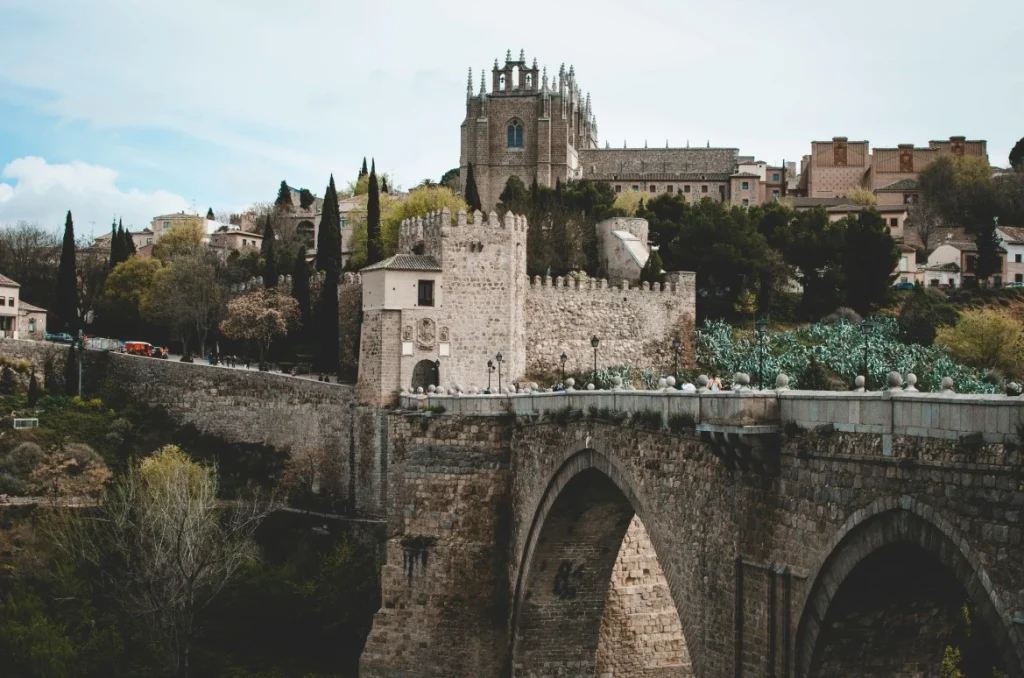
Spain is a year-round destination, but the experience changes dramatically depending on when you visit. From sun-soaked beaches to historic city walks and budget-friendly winter escapes, each season in Spain offers something different. This variety often creates confusion for travelers planning their trip for the first time. Spain’s weather varies sharply by region-coastal areas, inland cities, and southern Spain experience very different climates. Travel costs fluctuate heavily by month, with prices peaking in summer and dropping significantly in winter. Crowd levels also play a major role, as peak season tourism can completely alter the sightseeing experience in popular cities. This guide breaks down the best time to visit Spain by season, helping you decide the ideal months for sightseeing, the cheapest time to travel, when to avoid crowds, and which seasons work best for first-time visitors-based on Spain travel seasons and Spain weather by month. In Short Best overall: April-June and September-October Cheapest months: January-March (excluding holidays) Peak season: June-August (hot, crowded, expensive) Best for first-time travelers: Spring and fall Best to avoid crowds: Shoulder seasons Spain Travel Seasons Explained Spain does not follow a single, uniform climate pattern. Travel experiences vary significantly depending on region and season, which is why understanding Spain travel seasons is critical for planning. Coastal regions enjoy milder winters and busy summers Inland cities face temperature extremes-hot summers and cold winters Southern Spain remains warmer year-round These variations directly impact weather conditions, travel costs, and crowd levels. Knowing when Spain’s peak season and off season travel periods occur helps set realistic expectations for your trip. Spain in Spring (April-June) – Best Overall Balance Spring is widely regarded as the best season to visit Spain, especially for travelers seeking comfort and flexibility. Mild temperatures across most regions Ideal for sightseeing, walking tours, and city exploration Shoulder-season pricing before summer demand increases Excellent choice for first-time travelers Spring offers a strong balance of pleasant weather, manageable crowds, and good value. Spain in Summer (July-August) – Peak Heat & Crowds Summer represents Spain’s peak season, with travel conditions that vary sharply by region. Extreme heat in Madrid, Seville, and inland Spain Coastal destinations are the busiest and most expensive Festivals, nightlife, and beach travel dominate itineraries Less suitable for cultural sightseeing beginners This season works best for beach-focused trips rather than intensive city sightseeing. Spain in Autumn (September-October) – Smart Alternative Autumn is a highly efficient travel window and a classic shoulder season in Spain. Warm but comfortable daytime temperatures Noticeably reduced crowds after summer ends Improved hotel availability and more stable pricing Excellent for city breaks, food travel, and relaxed sightseeing Autumn delivers many summer benefits without peak-season drawbacks. Spain in Winter (November-March) – Budget-Friendly Travel Winter marks the core Spain off season travel period and is ideal for budget-conscious travelers. Lowest flight and hotel prices of the year Fewer tourists in major cities and attractions Mild weather in southern regions like Andalusia Limited appeal for beach-focused travel Winter suits cultural travelers, city explorers, and those prioritizing lower costs. Spain Weather by Month – What to Expect Understanding Spain weather by month helps travelers align comfort with cost and crowd tolerance. While conditions vary by region, some patterns remain consistent nationwide. High-level weather guidance: May and September offer the most reliable weather across Spain Warm days, cooler evenings Ideal for sightseeing, walking tours, and outdoor dining July and August bring significant heat risks in inland cities Madrid, Seville, and Córdoba can exceed comfortable limits Coastal areas remain pleasant but crowded Winter months deliver mixed conditions Cities are comfortable for exploration Northern regions are cooler and wetter For most travelers, May and September rank as the best months to visit Spain for good weather. Spain Travel Costs by Season Travel expenses in Spain fluctuate sharply by season. Knowing Spain travel costs by season prevents budget surprises and improves planning accuracy. Peak Season (June-August) Highest flight and hotel prices of the year Premium pricing in beach destinations and islands Attractions sell out quickly; advance booking is essential This is the most expensive and crowded time to visit Spain. Shoulder Season (April-May, September-October) Best overall value for money Balanced accommodation and flight pricing Greater itinerary flexibility and availability Shoulder months combine comfort, affordability, and reduced crowds. Off Season (January-March) Lowest prices across flights and hotels Excellent choice for budget-focused travel Limited appeal for beach and island experiences The off season represents the cheapest time to visit Spain, particularly for city-based itineraries. Best Time to Visit Spain for Different Travelers Choosing the best time to visit Spain depends on how you plan to experience the country. Different seasons clearly favor different travel goals. By travel goal: Sightseeing-focused travelers: April-May and September offer ideal walking weather, open attractions, and manageable crowds. These months are widely considered the best time to visit Spain for sightseeing. Budget travelers: January-March delivers the lowest flight and hotel prices, making it the best time to visit Spain on a budget, especially for city trips. First-time visitors: Spring and fall provide the smoothest experience, balancing weather, costs, and crowd levels. Crowd-averse travelers: Shoulder seasons consistently offer fewer tourists without sacrificing experiences. When Should You Avoid Visiting Spain? Understanding when peak tourist season is in Spain helps set realistic expectations. August brings extreme heat in inland cities Easter and Christmas create sharp price and crowd spikes Coastal destinations can feel overcrowded in midsummer Avoiding these periods leads to a more relaxed trip. FAQs 1. What is the best time of year to visit Spain? The best time to visit Spain is during spring (April-June) and fall (September-October) when the weather is pleasant and crowds are manageable. 2. What is the cheapest time to visit Spain? The cheapest time to visit Spain is during the off-season, from January to March, excluding major holidays. 3. When is peak tourist season in Spain? Peak season in Spain runs from June to August, especially in coastal areas and major cities. 4. Is winter a good time to visit Spain? Yes. Winter is
Best Places to Visit in Spain for First-Time Travelers
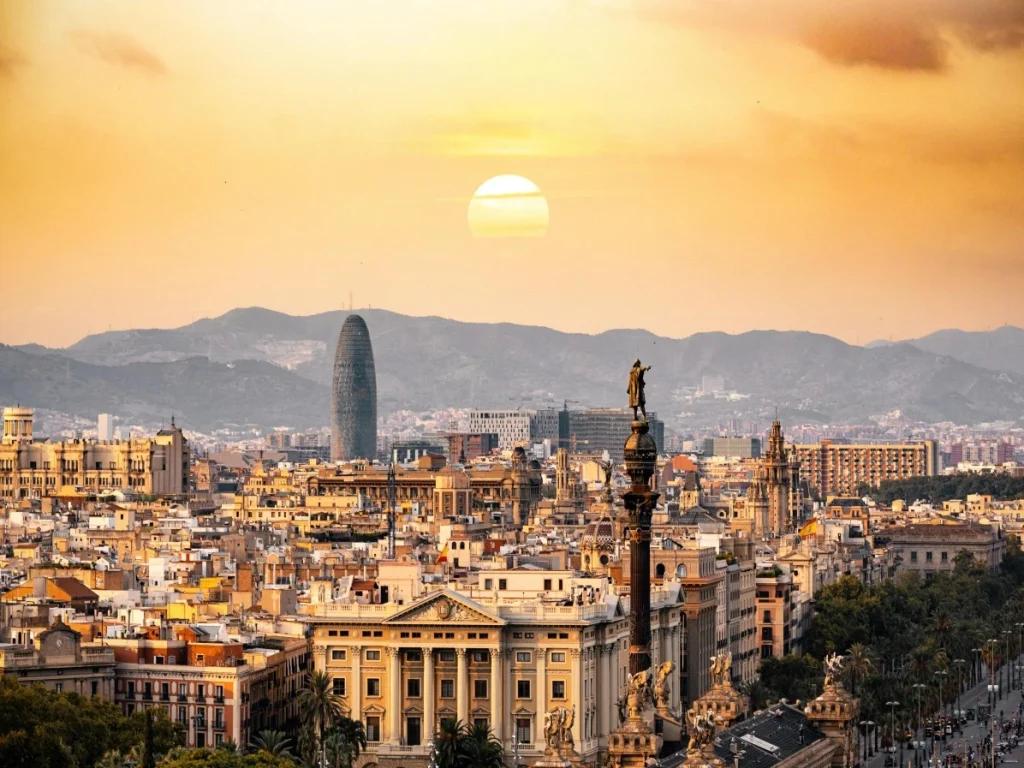
Making your first trip to Europe can be confusing. As someone new to Europe, you are likely wondering about where to go and what to do, how to communicate with the locals and how to manage your budget and costs effectively while still getting a good experience. However, Spain is one of the easiest countries for first-time visitors to travel to. Spain’s many well-connected international airports, excellent public transportation services The purpose of this Spain Travel Guide is to help you decide on a travel itinerary that is right for you as a first-time visitor. This Guide will be useful in choosing your destinations in Spain, providing you with information on getting from one city to another, and presenting you with a time-based itinerary to help you avoid the pitfalls of over-planning. Instead of planning to do all of the most popular tourist attractions during your trip, you will learn how to enjoy and appreciate the most popular tourist destinations based on your preferences. Why Spain Is Perfect for First-Time Travelers Spain consistently ranks among the easiest European destinations for beginners, thanks to its infrastructure, safety, and variety. Key reasons Spain works so well for first-time visitors: Excellent public transport: High-speed AVE trains connect major cities like Barcelona, Madrid, Seville, and Valencia quickly and comfortably. Safe and walkable cities: Spain is widely regarded as safe for tourists, with city centers designed for walking and sightseeing. Diverse experiences in one country: You can combine history, architecture, beaches, food culture, and nightlife without long travel times. Strong value for money: Compared to France or Italy, Spain offers more affordable accommodation, food, and transport options. For Spain travel for beginners, the balance between ease and depth is what makes the experience so appealing. How Many Days Do You Need in Spain for a First Trip? The ideal length of your first Spain trip depends on how many cities you want to include and how fast you prefer to travel. Recommended timeframes: 7 days: Best for visiting 2 cities Fast-paced but manageable Ideal for Barcelona and Madrid 10 days: Best balance for first-time travelers Covers 3-4 cities without rushing Allows cultural depth and relaxed sightseeing 14 days: Suitable for deeper exploration Includes major cities plus day trips or coastal stops If you are unsure how many days are needed in Spain, 10 days is widely considered the most comfortable option for first-time visitors. Spain Itinerary Ideas for First-Time Visitors A well-planned route is more important than the number of places you visit. These beginner-friendly routes use Spain’s strongest transport connections and avoid unnecessary backtracking. Popular Spain itinerary options: 7-day Spain itinerary: Barcelona → Madrid 10-day Spain itinerary (classic): Barcelona → Madrid → Seville 10-day Spain itinerary (southern focus): Madrid → Seville → Granada Each route introduces different aspects of Spain while remaining easy to follow, making them ideal Spain travel routes for beginners. Best Places to Visit in Spain for First-Time Travelers Spain has many incredible destinations, but first-time visitors benefit most from cities that are easy to navigate, well-connected, and rich in experiences. The places listed below offer the best balance of iconic sights, efficient transport, safety, and beginner-friendly travel experiences, making them ideal starting points for exploring Spain. Barcelona – Architecture, Beaches & Culture Why Barcelona is ideal for beginners: Home to Sagrada Família, Park Güell, and iconic Gaudí architecture Highly walkable neighborhoods like El Born and the Gothic Quarter Unique beach + city combination, rare among major European cities Excellent public transport and strong tourist infrastructure Barcelona introduces first-time travelers to Spain through a perfect mix of culture, design, food, and coastal relaxation. Madrid – Museums, Royal History & Easy Day Trips Top highlights in Madrid: World-class museums, including the Prado Museum and Reina Sofía Historic landmarks such as the Royal Palace of Madrid Ideal base for day trips to Toledo, Segovia, and Ávila Spain’s main transport hub, simplifying travel across the country Madrid is structured, central, and culturally rich-making it an excellent anchor city for a first Spain itinerary. Seville – Spain’s Traditional Heart Why first-time travelers love Seville: Deep-rooted flamenco culture and Andalusian traditions Architectural icons like the Alcázar of Seville and Seville Cathedral Compact historic center that is easy to explore on foot Warm atmosphere and slower pace compared to larger cities Seville delivers an authentic Spanish experience without overwhelming new travelers. Granada – Moorish History & Iconic Views Must-see experiences in Granada: The world-famous Alhambra Palace (UNESCO World Heritage Site) Scenic viewpoints in the Albaicín historic quarter Strong Moorish influence unique to southern Spain More affordable accommodation and dining than major cities Granada adds depth and history to a first-time Spain trip while remaining budget-friendly and manageable. Valencia – Modern Spain Meets the Sea Why Valencia works for beginners: Less crowded and calmer than Barcelona or Madrid Striking modern architecture at the City of Arts & Sciences Easy access to sandy beaches near the city Birthplace of paella, ideal for food-focused travelers Valencia offers a balanced mix of tradition, innovation, and coastal living for first-time visitors. Spain’s Best Beaches for First-Time Visitors Beginner-friendly beach options: Barcelona beaches – Urban, convenient, and lively Costa del Sol – Relaxed resorts with excellent infrastructure Valencia coast – Balanced beaches with fewer crowds These beach destinations are easy to combine with major cities and require minimal additional planning. Barcelona or Madrid – Which Should You Visit First? Both cities are excellent entry points for first-time travelers, but the right choice depends on your interests and travel style. Barcelona Beaches combined with iconic architecture Gaudí landmarks like Sagrada Família and Park Güell More relaxed, outdoor-focused atmosphere Madrid World-class museums and royal history Central location with easy access to other Spanish cities Ideal for travelers focused on culture and day trips If it’s your first visit to Spain, starting with Barcelona for visual impact or Madrid for cultural depth are both smart choices. You can also checkout Ultimate Spain Itinerary for Families: Culture, Fun & Relaxation Spain vs Italy vs France for
Best Vietnam Itinerary for First-Time Visitors
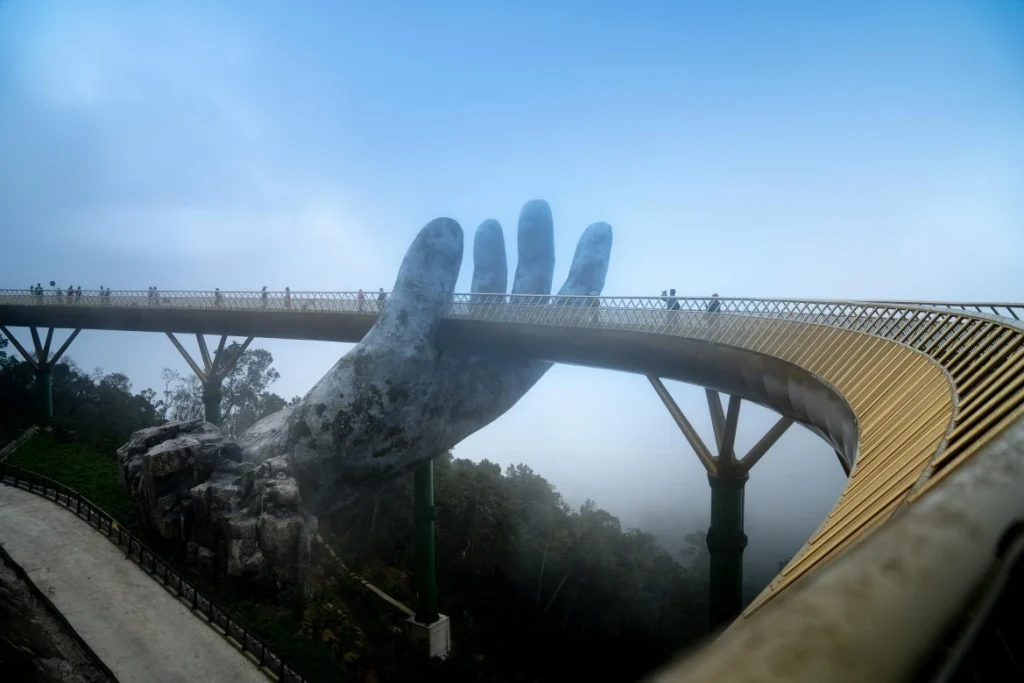
If you’re gearing up for your first-ever journey to Vietnam, get ready for an unforgettable adventure.It can be overwhelming to plan a first trip to Vietnam, but in a good way. Vietnam offers amazing diversity in a relatively compact country, from bustling cities and serene rice fields to lantern-lit old towns and emerald bays. You can enjoy this diversity without hurrying, being confused, or missing any of the highlights with a well-planned Vietnam travel itinerary. Designed specifically for first-time travelers, this Vietnam travel guide covers everything from the best routes and daily schedules to prices, seasons, and helpful advice that’s especially helpful if you’re planning a trip to Vietnam from India. Whether you have five, seven, or ten days, this guide will help you confidently create the best Vietnam travel itinerary. Why Vietnam Is Perfect for First-Time International Travel For all traveller types,Vietnam is incredibly rewarding and beginner-friendly be it Vietnam group tour, solo tour, family or couple trip. Easy tourist visas. Reasonably priced lodging, transportation, and food. Strong infrastructure for tourism. A rich blend of history, nature, and culture You can visit famous locations in Vietnam without feeling hurried if you have the right Vietnam trip planner. Best Time to Visit Vietnam (Seasonal Breakdown) .Planning your itinerary requires knowing when is the best time to visit Vietnam. Best time to go to Vietnam overall: February to April & August to October Best month to visit Vietnam: March is the ideal month to travel to Vietnam because of the pleasant weather in all areas. Vietnam best time to visit for beaches: April to August Vietnam best time to visit for sightseeing: February, March, October Vietnam’s climate varies, so timing is more important than a single “perfect” month. Best Vietnam Itinerary Options (5, 7 & 10 Days) Below are flexible itineraries that work well for first-time visitors. Vietnam Itinerary – 5 Days (Quick Introduction) Ideal for: Short vacations or add-on international trips Day 1: Hanoi Old Quarter walk Hoan Kiem Lake Street food exploration Day 2: Halong Bay Overnight cruise Kayaking & limestone caves Day 3: Fly to Da Nang → Hoi An Lantern-lit old town Riverside cafés Day 4: Hoi An Bicycle through rice fields Tailor shops & local markets Day 5: Return This Vietnam itinerary 5 days focuses on North + Central Vietnam highlights. Vietnam Itinerary – 7 Days (Most Popular Choice) Best itinerary for Vietnam if you want balance without rushing. Day 1–2: Hanoi Cultural sites, cafés, local food Day 3: Halong Bay cruise Day 4: Fly to Da Nang → Hoi An Day 5: Hoi An Cooking class or beach visit Day 6: Fly to Ho Chi Minh City War Remnants Museum Ben Thanh Market Day 7: Mekong Delta day trip This Vietnam itinerary of 7 days is the most recommended for first-timers. Vietnam Itinerary – 10 Days (Complete First-Time Experience) Best Vietnam travel itinerary if time allows. Day 1–2: Hanoi Day 3–4: Halong Bay Day 5: Fly to Da Nang → Hoi An Day 6: Hoi An countryside & beach Day 7: Fly to Ho Chi Minh City Day 8: Cu Chi Tunnels Day 9: Mekong Delta Day 10: Departure This Vietnam itinerary of 10 days covers North, Central, and South Vietnam smoothly. Must-Have Experiences to Include in Your Vietnam Travel Itinerary A well-thought-out itinerary for a trip to Vietnam includes experiences that define the trip rather than just locations. Cruising through limestone karsts in Halong Bay After sunset, walking through Hoi An’s lantern-lit streets Vietnamese coffee in a café in Hanoi Exploring floating markets in the Mekong Delta An ordinary itinerary becomes unforgettable because of these moments. Vietnam Trip Plan from India (Practical Overview) Vietnam is among the most straightforward or easiest Southeast Asian destinations for Indian tourists. Direct flights from Delhi, Mumbai, Bangalore Easy e-visa procedure Vegetarian cuisine is widely accessible Indian restaurants in major cities Time is saved and internal travel stress is avoided with a well-planned Vietnam trip plan from India. Vietnam Trip Cost from India (Realistic Breakdown) Vietnam Trip Cost from India (Per Person) (7–8 days, mid-range) Flights: ₹30,000 – ₹45,000 Hotels: ₹20,000 – ₹30,000 Transport & internal flights: ₹10,000 – ₹15,000 Food & activities: ₹10,000 – ₹15,000 Total: ₹70,000 – ₹1,05,000 approx. Vietnam Trip Cost from India for Couple Comfortable mid-range couple trip: ₹1.4 – ₹1.8 lakh Luxury-focused itinerary: ₹2+ lakh When compared to many other international destinations, Vietnam offers exceptional value. Getting Around Vietnam (Travel Planner Tips) Efficient transportation is a key component of a well-planned trip to Vietnam. Time is saved by domestic flights. Budget-friendly overnight trains. Use the Grab app for local transportation Organized tours for Halong Bay & Mekong This ensures a seamless and predictable itinerary for your trip to Vietnam. Where to Stay (First-Time Friendly Areas) Hanoi: Old Quarter Hoi An: Ancient Town or riverside Ho Chi Minh City: District 1 Staying in the center shortens travel times and enhances the experience. Unique Experiences to Add to Your Vietnam Trip Plan For tourists looking for something more: Join a Vietnamese cooking class in Hoi An Take a countryside bicycle tour through villages Take a river cruise in Ho Chi Minh City at sunset. Explore historical sites and the war era tunnels. A typical trip itinerary from India to Vietnam is enhanced by these activities. Cultural Highlights First-Time Visitors Should Experience Vietnam’s culture reveals itself through everyday life. Morning Tai Chi sessions around Hoan Kiem Lake Traditional water puppet shows in Hanoi Visits to pagodas and local temples Interactions with local vendors and artisans Including cultural stops adds depth to your Vietnam vacation guide. Food You Shouldn’t Miss Vietnamese food is light, fresh, and flavorful. Street-side pho (noodle soup) for breakfast. Banh Mi (Vietnamese sandwich) for quick lunches Fresh spring rolls and local seafood Egg coffee in Hanoi and iced coffee in the south Food experiences are affordable and deeply local. Food is a highlight in every Vietnam vacation guide for good reason. Travel Tips for First-Time Vietnam Visitors Following are some of
Dhurandhar Movie Locations You Can Travel To
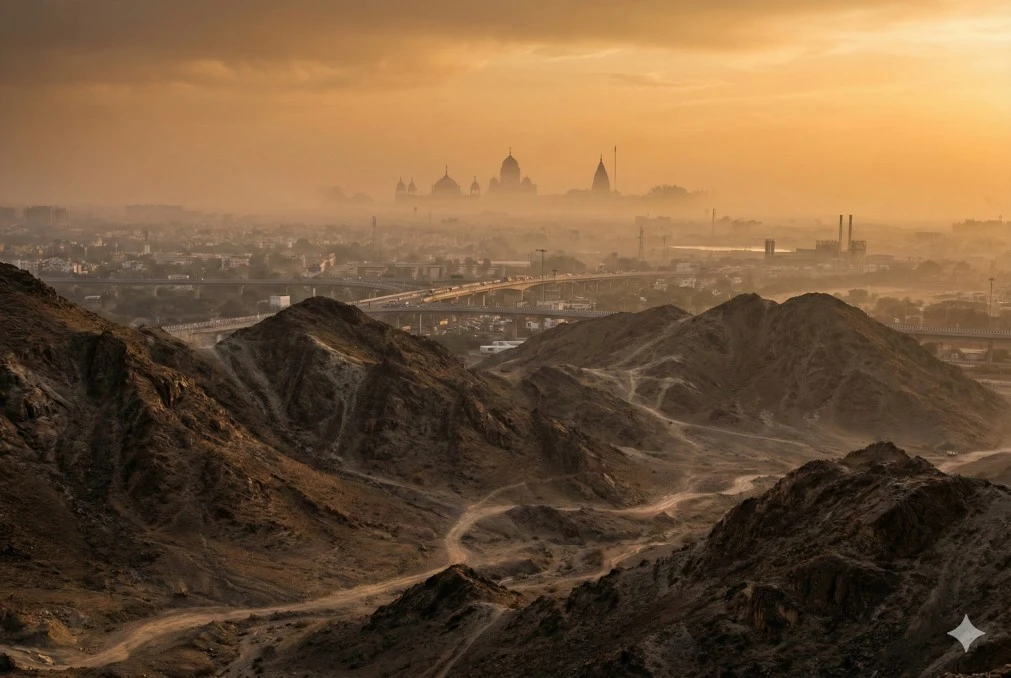
Dhurandhar is a film that relies heavily on visual authenticity. Rather than depending solely on studio backdrops or green screens, the makers chose grounded, real-world locations to amplify the film’s intensity and realism. From bustling urban landscapes to remote, rugged terrains, the movie’s settings play an active role in shaping its narrative. A significant portion of Dhurandhar was filmed across real locations in India and Thailand, making the visuals feel raw, immersive, and travel-worthy. While a few controlled sequences were recreated on temporary sets for logistical or safety reasons, most scenes were shot in actual, accessible destinations. Where Was Dhurandhar Filmed? (Complete Location Snapshot) Before diving into each destination in detail, here is a quick snapshot of the primary filming locations used in Dhurandhar: Bangkok, Thailand Amritsar, Punjab Khera Village, Ludhiana Ladakh Mumbai, Maharashtra Kasauli / Sanawar, Himachal Pradesh Chandigarh These locations set clear expectations: the film spans international cityscapes, culturally rich towns, and dramatic natural backdrops. IN SHORT Dhurandhar was filmed across India and Thailand Most locations shown are real and visit-ready A limited number of scenes used temporary sets The film blends cinematic fiction with authentic destinations Dhurandhar Movie Locations You Can Visit in Real Life Below is a clear, location-wise breakdown with travel relevance. Bangkok, Thailand – International Filming Base What was filmed Lyari Town was recreated on a 6-acre temporary set Designed exclusively for controlled action sequences The set was dismantled after filming What travelers should know The set no longer exists Bangkok itself is very much visitable and vibrant Why visit Bangkok anyway Grand temples and cultural landmarks Floating markets and street food scenes River cruises along the Chao Phraya One of the most popular hubs for Bollywood movies shot in Thailand Amritsar, Punjab – Spiritual & Urban Backdrop Key filming spots Golden Temple surroundings Amritsar Bus Stand Lal Kothi near Bhandari Bridge Travel relevance All locations are fully visitable Excellent road, rail, and air connectivity Why it works on screen Mix of spiritual calm and urban movement Deep cultural texture adds realism to scenes Khera Village, Ludhiana – Rural Punjab on Screen How it appears in the film Village scenes adapted to represent cross-border settings Minimal artificial modifications Strong emphasis on authenticity For travelers Easily reachable from Ludhiana Best visited with local guidance No formal tourist infrastructure, but rich in real rural character Ladakh – Rugged Action Landscapes Filming highlights High-intensity action sequences Locations around Leh and Gurudwara Patthar Sahib Vast, raw Himalayan terrain Travel considerations Popular tourist region Acclimatisation is essential due to high altitude Seasonal accessibility should be planned in advance Why Ladakh stands out Adds scale and intensity to the film One of the most visually striking Dhurandhar filming locations Mumbai – Studios & City Sequences Where filming happened Filmistan Studios (indoor shoots) Madh Island Dombivli–Mankoli Bridge Industrial zones around Vile Parle Visitor access Studio interiors are restricted Outdoor locations can be viewed externally Why Mumbai fits Versatile cityscapes Seamless mix of controlled studio work and real-world environments Kasauli / Sanawar, Himachal Pradesh – Hill Setting Filming location The Lawrence School, Sanawar What to expect Colonial-era architecture Calm hill town visuals Misty, scenic atmosphere Access notes Kasauli is freely visitable School campus access may require prior permission Chandigarh – Clean Urban Visuals Filming areas Near Sukhna Lake Landscaped gardens and city spaces Why it works for travelers Planned city with clear navigation Well-maintained public attractions Easy to explore independently Are Dhurandhar Movie Locations Suitable for Travel Planning? Short answer: Yes-most of them are. Why Dhurandhar locations work for travelers Majority of filming locations are established tourist destinations Cities and regions featured already support: Hotels across budget categories Reliable road, rail, and air connectivity Guided tours and local transport Ideal for themed travel itineraries Mountains: Ladakh, Himachal Pradesh Culture & heritage: Amritsar, Chandigarh Urban exploration: Mumbai, Bangkok Rural immersion: Villages near Ludhiana Planning takeaway While a few scenes relied on temporary sets, the travel value lies in the real landscapes and cities where the story unfolds. How Dhurandhar Uses Real Places to Tell a Fictional Story Dhurandhar blends realism with cinematic adaptation to maintain narrative flexibility. Temporary Sets vs Authentic Locations Select scenes used custom-built sets (such as the recreated Lyari Town in Thailand) These sets were created for: Controlled action choreography Security and logistical ease Most other scenes rely on authentic, recognisable places Why filmmakers choose adaptable destinations Real locations add texture, credibility, and scale Cities like Mumbai and Bangkok offer: Studio infrastructure Diverse visual backdrops within short distances How cinema elevates real-world places Films reframe familiar destinations through: Lighting, camera angles, and narrative tension Emotional context rather than pure geography This often sparks viewer interest in visiting places they may have otherwise overlooked FAQs Where was the Dhurandhar movie shot? Dhurandhar was filmed across multiple locations in India and Thailand, including Mumbai, Ladakh, Amritsar, Ludhiana, Himachal Pradesh, Chandigarh, and Bangkok. Can you visit Dhurandhar movie locations in real life? Yes. Most Dhurandhar movie locations are real, accessible places that can be visited by travelers, except for a few temporary sets created solely for filming. Which Dhurandhar scenes were filmed in Ladakh? Action-heavy sequences were filmed around Leh and the Gurudwara Patthar Sahib area, using Ladakh’s rugged terrain as a dramatic backdrop. Was any part of Dhurandhar shot outside India? Yes. Portions of the film were shot in Bangkok, Thailand, where a temporary set was constructed for specific scenes. Are the Dhurandhar movie locations suitable for travel planning? Yes. The majority of locations are well-connected tourist regions with accommodation, transport, and sightseeing infrastructure already in place. Which Indian city has the most Dhurandhar shooting locations? Mumbai features the highest number of shooting locations, including studio-based scenes and multiple outdoor urban settings. Is Dhurandhar based on real places or fictional locations? The story is fictional, but it is told through a mix of real locations and limited temporary sets, grounding the narrative in authentic geography. Conclusion Dhurandhar stands out not just for its storytelling, but for its expansive geographic footprint across
Thailand in Winter: Sunshine, Beaches and Clear Skies
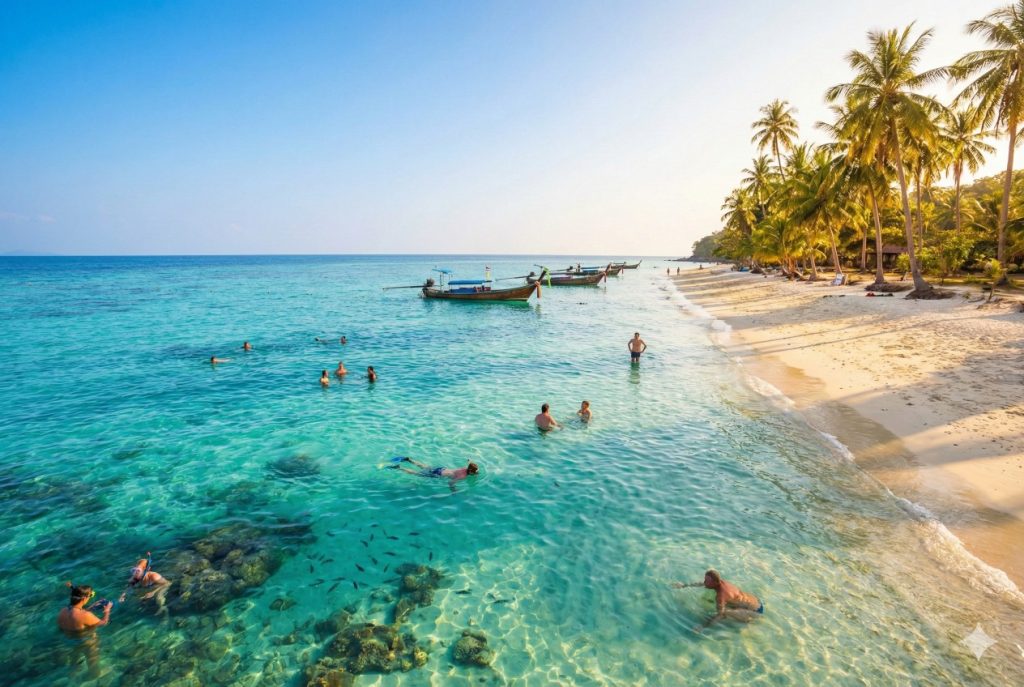
Imagine the ideal conditions for Thailand: no clouds or haze in the sky, plenty of sunshine, turquoise water on the beaches, and mountainous regions filled with people having fun. During the winter months of December through February, Thailand’s high tourist season peaks, with thousands of beachgoers, festival goers, and first-time visitors flocking to the lands. The scenery during winter in Thailand is at its most beautiful. Traveling in Thailand during this time is also the easiest and most enjoyable experience you could ask for; During the days, you can spend time outdoors enjoying the warm sunshine in dry conditions; at night, you are comfortable but still have the ability to be outside. When you think of Thailand, you envision yourself going from island to island in the Andaman Sea, attending lantern-lit festivals in the northern regions, enjoying views of Bangkok from the tops of rooftops, etc. Winter will provide you with the same experience of travel that will forever remain imprinted on your memory. This season is not intended to be used for travel planning or budgeting, but rather to help you understand how this season creates a unique memory for you and why visitors from around the world schedule their trips around this time. In Short Winter in Thailand means dry days, blue skies, and reliable sunshine Thailand’s best beaches and biggest festivals happen during this season It is the peak experience period, offering incredible energy with some trade-offs Why Winter Is the Most Loved Season in Thailand Thailand in winter feels designed for travelers. The season brings conditions that make exploring easy and enjoyable: Clear skies and low humidity Comfortable daytime warmth without extreme heat Cooler evenings perfect for outdoor dining and nightlife Winter in Thailand suits every travel style. Beach destinations thrive, cities feel more walkable, and island travel becomes smoother and more predictable. It is the time when ferry routes, tours, and nightlife operate at full scale. For many travelers, this balance of comfort and activity is why winter is considered Thailand’s most desirable season. You can move easily between beaches, cultural hubs, and nightlife zones without weather disruptions shaping your plans. Best Beaches in Thailand During Winter Thailand’s beaches in winter are at their absolute best. Calm seas, sunny days, and excellent visibility create ideal beach conditions across the country. These are some of the most popular Thailand winter beach destinations: Phuket in Winter Phuket in winter offers postcard-perfect beach days. Calm waters for swimming and boat trips Lively beach towns with restaurants and nightlife Easy access to island tours and day cruises It is a favorite for travelers who want a mix of beaches, nightlife, and convenience. Krabi Winter Weather Krabi winter weather is ideal for scenic beach lovers. Dramatic limestone cliffs and clear waters Excellent conditions for kayaking and snorkeling A relaxed atmosphere compared to larger resort hubs Krabi attracts travelers looking for beauty without constant crowds. Koh Samui Winter Travel Koh Samui winter travel combines comfort with island charm. Resort-friendly beaches and smooth ferry access Balanced mix of nightlife and quiet coastal spots Ideal for couples and slow-paced travelers Koh Samui works well for those who want beach time without overwhelming energy. Things to Do in Thailand in Winter (Beyond Beaches) There are plenty of things to do in Thailand in winter beyond sunbathing. The season supports experiences that depend on dry weather and high visitor energy. Full Moon Party season: Winter is peak time for iconic beach parties and nightlife experiences Chiang Mai lanterns and festivals: Cultural celebrations and glowing night skies define the northern winter experience Bangkok nightlife and rooftop bars: Clear evenings make city views and late nights more enjoyable Thailand winter nightlife thrives during these months, with extended hours, larger crowds, and a festive atmosphere across major destinations. Winter festivals and events add cultural depth, making travel feel immersive rather than routine. Thailand Winter Weather Explained (Month by Month) Thailand weather in winter remains largely consistent, but small monthly differences can shape your experience. Here’s how the season typically unfolds. Thailand December Weather December marks the beginning of peak winter travel. Dry days and low humidity across most regions Comfortable daytime temperatures Clear skies ideal for sightseeing and beach travel December is popular because it balances pleasant weather with festive energy, especially around year-end holidays. Thailand January Weather January is often considered the most comfortable winter month. Stable weather with minimal rainfall Mild mornings and evenings Excellent conditions for outdoor activities This is when Thailand winter weather feels the most reliable, making it a favorite for first-time visitors. Thailand February Weather February signals the transition toward warmer months. Slight increase in daytime heat Continued dry conditions Longer, sunnier days Thailand’s winter temperature by month shows February as warmer but still manageable, especially for beach-focused travel. Is Winter a Good Time to Visit Thailand? Yes, winter is widely regarded as the best season to visit Thailand, but it comes with clear trade-offs. Pros: Consistently pleasant weather Festivals, events, and nightlife at full scale Ideal conditions for beaches, islands, and cities Cons: Higher tourist volumes Increased prices for flights and accommodation Popular destinations feel crowded during holidays If weather reliability and experiences matter more than avoiding crowds, winter is a strong choice. Does It Rain in Thailand During Winter? Rainfall is minimal during winter months. Most regions experience dry, sunny days Occasional short showers may occur, but rarely disrupt plans Thailand sunny weather dominates the season Compared to other times of the year, winter offers the least rain-related uncertainty, especially for beach and island travel. Is Thailand Hot in Winter? Thailand is warm year-round, but winter brings more comfortable conditions. Daytime temperatures are warm, not extreme Evenings feel cooler, especially in northern regions Bangkok in winter is more walkable and less humid In contrast, Chiang Mai winter weather can feel noticeably cooler at night, making it ideal for travelers who prefer milder climates. Winter does not eliminate heat, but it makes Thailand far more comfortable to explore. Is Thailand
Stranger Things-Inspired Adventures You Must Experience at Least Once
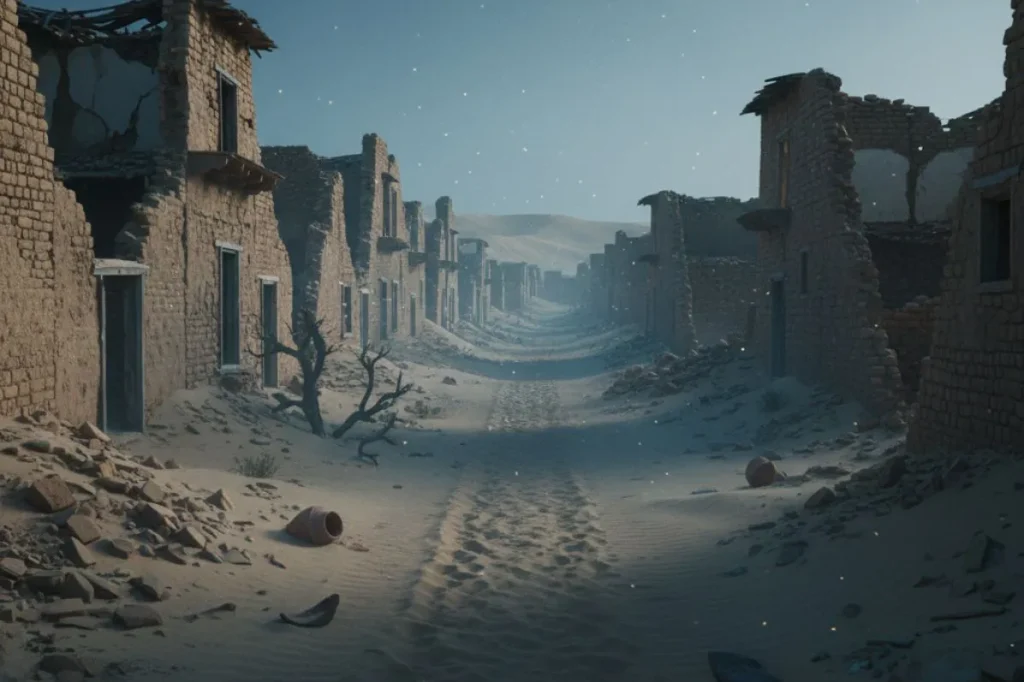
Last Updated: 06 March 2026 Many feel the same way as you after seeing Stranger Things: “I’d like to go there!” Since Eleven lifted the van (and subsequently the Demogorgon) out of Hawkins Middle School, people across the globe have searched for real locations that evoke a similar creepy feeling (i.e. the foggy forest/abandoned towns/streetlamps), where silence can be deafening. The increase in dark tourism and adrenaline-seeking activities related to Stranger Things has resulted in the next generation of experiential travel for many. People no longer want traditional sightseeing. They are seeking suspense, mystery, and adrenaline-producing experiences including landscapes that are one-dimensional near the Upside Down. From shadowy forests reminiscent of Will Byers’ disappearance to abandoned locations that look like Hawkins Lab, this blog uncovers the best destinations worldwide that promise a thrill only true Stranger Things fans will understand. IN SHORT Before diving in, here’s what this part covers: The world’s most atmospheric forests that feel like portals to the Upside Down. Abandoned towns and derelict industrial zones that recreate the eerie tension of Hawkins Lab. Real Stranger Things filming locations you can actually visit, from Hawkins Middle School to Starcourt Mall. Perfect global choices for fans seeking supernatural adventure destinations, creepy adventure activities, and Hawkins-style adventures. Global Stranger Things – Inspired Adventures These destinations blend eerie landscapes, supernatural legends, abandoned architecture, and suspenseful energy-perfect for fans craving real-life Hawkins vibes. Mystery Forest Trekking Adventures That Feel Like the Upside Down Some forests are just forests. Others feel like portals-silent, fog-wrapped, and unpredictable. If the thought of walking where a Dimensional Rift could open excites you, these forests belong on your adventure list. Aokigahara Forest, Japan Located at the base of Mount Fuji, Aokigahara is one of the world’s most mysterious forests. Dense trees block sunlight, creating a near-dark atmosphere even during daylight. Compasses reportedly malfunction due to the volcanic soil-similar to how magnetic disturbances appear near the Upside Down. Known for eerie silence and maze-like paths. Hoia Baciu Forest, Romania Often called the “Bermuda Triangle of Transylvania,” Hoia Baciu is famous for paranormal phenomena. Visitors report strange lights and unexplained shadows. Perfect setting for supernatural adventure destinations. The circular clearing resembles the mysterious scorch marks and portals Eleven often interacts with. Black Forest, Germany A fairytale forest by day, a haunting maze by night. Mist-cloaked trails Whispering winds Old folklore of ghostly figures This forest channels the same chilling atmosphere that surrounded Will’s disappearance in Season 1. Also explore: Top 10 Haunted Forests in the World for Brave Adventurers. Why this feels like Stranger Things Fog density makes visibility drop-like entering a sensory deprivation zone. Trees twist into unnatural silhouettes, nodding to the Mind Flayer’s web-like tendrils. Ideal for night trekking for thrill seekers craving an atmospheric, cinematic adventure Abandoned Locations Adventure Tours for Real-Life Hawkins Vibes If your favorite scenes involve the Hawkins Lab, Creel House basement, or the Russian base corridors, these abandoned destinations will send chills down your spine-in the best possible way. Hashima Island, Japan Once a bustling coal mining town, now a completely deserted island fortress. Concrete buildings collapsing into the sea Narrow corridors eerily similar to the Russian base arc Feels like a whole city evaporated overnight Pripyat (Chernobyl), Ukraine The world’s most iconic abandoned town. Kindergarten toys left scattered Broken Ferris wheel looming over an empty plaza Silent apartments frozen in 1986 This mirrors the unsettling emptiness of Hawkins in Season 2 when the Mind Flayer took control. Bodie Ghost Town, California, USA A preserved Wild West town caught in a state of “arrested decay.” Dusty saloons Abandoned tool shops Homes filled with belongings left in place The atmosphere feels similar to wandering around Hawkins after Vecna’s attacks-silent, lifeless, and charged with tension. Stranger Things parallels Rusted machinery evokes the industrial chaos of Hawkins Lab. Echoing hallways mirror the tension of Season 4’s Creel House scenes. Perfect destinations for dark tourism adventures. Explore Real Stranger Things Filming Locations For fans who want to physically step into Hawkins, the real filming locations in the U.S. offer a rewarding and immersive experience. Hawkins Middle School & Hawkins High School – Atlanta, Georgia Yes, these buildings exist-and you can visit them. The courtyard where Mike, Dustin, Lucas, and Will rode their bikes The exact corridors where Demogorgons were heard scratching the walls A must-see for photographers and superfans Starcourt Mall Filming Site The mall lives on-minus the Mind Flayer goo and Russian laser tunnels. Iconic Season 3 battle scenes Retro design preserved in parts Fans often recreate “Scoops Ahoy” moments here Bellwood Quarry A dramatic filming location used in several intense sequences. Steep cliffs and deep waters Featured in multiple suspense scenes Palace Arcade Relive Season 2 nostalgia. Neon lights 80s’-inspired arcade games The setting for Max’s introduction as “Mad Max” Why visit? You step directly into the world where Eleven fought monsters and Hopper cracked mysteries. Locations are well-maintained and easy to access. Ideal for fans who want authentic Stranger Things inspired travel experiences. Extreme & Thrilling Adventure Activities These activities blend danger, mystery, supernatural energy, and pure adrenaline-ideal for adventure tourism for adrenaline lovers and fans who want experiences far more intense than Netflix marathons. Darkness & Depth: Cave Adventures That Feel Like the Tunnels of the Upside Down If Season 2’s sprawling, pulsating tunnel network gave you chills, these caves will feel like stepping into Will Byers’ nightmares. Damp walls, echoing chambers, shifting shadows-everything screams mystery. Waitomo Glowworm Caves, New Zealand An enchanting yet eerie system where the ceilings glow with thousands of blue luminescent creatures. Black-water rafting through tight caverns Silent chambers illuminated only by glowworms Feels like a bioluminescent Upside Down with magical spores floating overhead Postojna Cave, Slovenia One of Europe’s most dramatic cave systems. Underground train ride Massive stalactite formations Labyrinthine tunnels that feel like Vecna’s lair The deep resonance in these caverns resembles the unsettling echo effects during Will’s possession scenes. Meghalaya Caves, India India’s adventure capital for cave exploration-dark, wet, rugged, and unpredictable. Krem
Haunted Places in India That Give You the Stranger Things Vibe
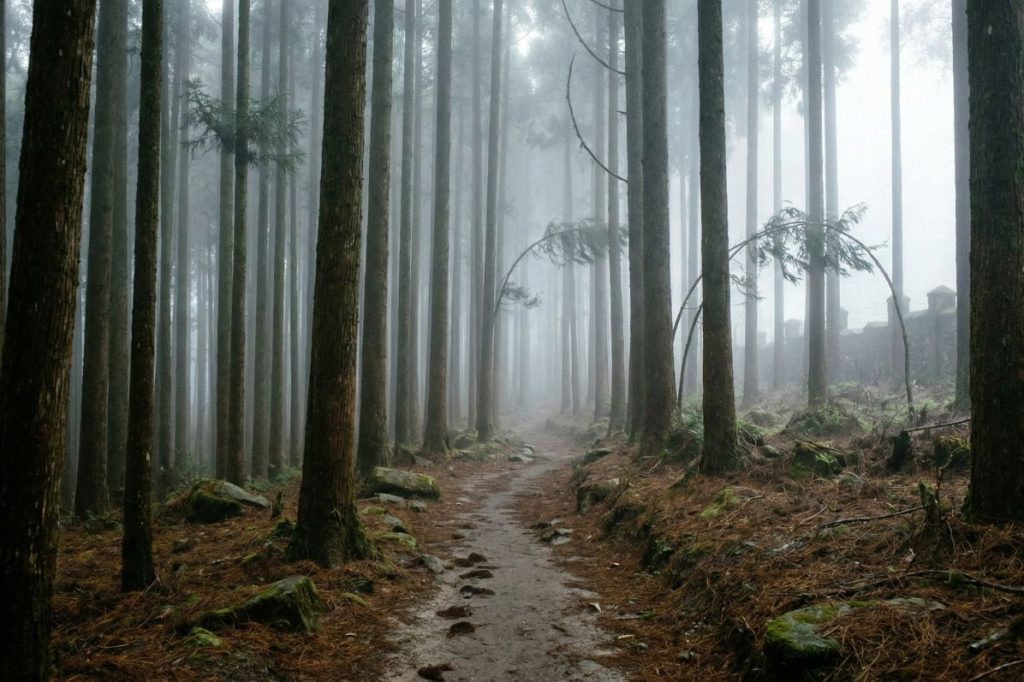
Last Updated: 02 Mar 2026 Introduction Ever since Stranger Things released, the world has been chasing that Hawkins vibe – foggy streets, flickering lights, dense forests, and the feel that something might crawl out of the shadows at any moment. This series provided viewers with much more than just Demogorgons, telekinesis and psychic powers from Eleven, and Mind Flayers-it also established a whole new aesthetic. The combination of nostalgia for small-town America, 1980s mystery, supernatural danger, and the friendship connections found in the midst of chaotic experiences shaped our perspectives on traveling to spooky locations. It is not just the monsters that hooked viewers – it is the atmosphere. The empty roads that feel too quiet. The woods that seem to breathe. The abandoned structures that whisper stories. That classic Stranger Things silence that somehow feels louder than noise. All over the globe, including in India, there are real locations where you can experience those intense feelings that draw fans to the show, such as: the intrigue that makes Dustin’s curiosity spike the thrill that would make Steve grab his nail-bat the uneasy quiet Eleven senses before something strange happens the wonder that turns every mystery into a Mike-and-Will adventure These eerie landscapes offer more than stunning visuals; they also provide a powerful source of nostalgia, suspense, and unbridled adventure that can transport fans back into the world of Stranger Things. The same combination of emotions that made the show so successful is present in off-the-beaten-path locations across the globe, whether it’s a ghost village deep within the forest, a haunted woodlands, or deserted industrial buildings. IN SHORT If you love Stranger Things, there are real places around the world-and in India-that evoke the same spooky, cinematic energy. These locations share: Abandoned or forgotten landscapes Disturbing legends or paranormal claims Dense forests, fog, tunnels, and empty structures Vibes similar to Hawkins Lab, the Upside Down, and the show’s supernatural setting In this part of the guide, you will explore: What makes a place feel like Stranger Things Kuldhara Village – one of India’s most mysterious abandoned settlements Lambi Dehar Mines – an eerie hillside location resembling Hawkins Lab’s secrecy Each destination includes traveller insights, visual cues, and reasons why they mirror the show’s atmosphere. What Makes a Place Feel Like Stranger Things? A real-world place feels like Stranger Things when it carries the same blend of mystery, subtle horror, and “something is not right here” energy. It is not only about abandoned structures-it is about ambience. Key Elements That Create the Stranger Things Vibe Isolation and silence – Small towns, empty villages, or remote hills that instantly feel unsettling. Abandoned architecture – Mines, derelict buildings, ghost villages, or underground areas. Fog, forests, and dim lighting – Natural elements that create the perfect eerie canvas. Folklore and legends – Stories of disappearances, curses, hauntings, or unexplained phenomena. Cold, industrial energy – Structures that resemble Hawkins National Laboratory: secretive, abandoned, or heavily guarded in the past. “Upside Down” resemblance – Overgrown vegetation, twisted pathways, or places where nature feels unnatural. Emotional Triggers Similar to the Show A sense of being watched Sudden quietness Atmospheric tension Visual cues like cracked walls, rusting machinery, or unlit corridors Why Travellers Love These Places They offer cinematic adventure beyond traditional tourism. They appeal to fans of dark tourism, paranormal experiences, and offbeat travel. They create opportunities for incredible photo shoots and storytelling. Stranger Things-like locations combine nostalgia, mystery, and adrenaline-making them perfect for explorers seeking something beyond the typical “beautiful place”. 1. Kuldhara Village, Rajasthan – The Real-Life Upside Down Kuldhara is often described as one of India’s eeriest abandoned sites, and for good reason. Walking through its deserted lanes feels like stepping into the Upside Down-silent, frozen in time, and charged with an invisible tension. Why It Feels Like Stranger Things Abandoned overnight – Just like Hawkins’ sudden chaos, the entire Paliwal Brahmin community vanished in one night. Desolate architecture – Crumbling havelis, broken walls, and empty pathways create a post-apocalyptic aesthetic. Absolute silence – The village remains untouched, giving it a haunting “another dimension” vibe. Local myths – Residents believe the village is cursed, adding a supernatural layer similar to Hawkins’ whispers. Visual Similarities Vast barren surroundings resembling the Upside Down’s empty landscapes Lack of human activity Wind sweeping through narrow lanes, creating eerie sound patterns Ideal For Fans of mystery and dark tourism Photographers looking for cinematic, dystopian frames Travellers exploring haunted or abandoned destinations Kuldhara’s stillness and visuals make it one of the closest real-life parallels to Stranger Things’s most terrifying dimension. 2. Lambi Dehar Mines, Mussoorie – The Hawkins Lab Energy Located in the hills of Mussoorie, the abandoned Lambi Dehar Mines carry an unsettling mix of industrial silence and paranormal mystery-very similar to the dark aura surrounding Hawkins National Laboratory. Why It Feels Like Hawkins Lab Industrial ruins – Old mining tunnels, rusted machinery, and derelict structures create a sinister scientific-facility vibe. History of tragedy – Thousands of miners reportedly died due to unsafe working conditions, embedding a sense of sorrow and disturbance. Restricted areas – Some parts remain inaccessible, enhancing the feeling of secrecy. Frequent paranormal claims – Locals report strange noises, screams, and unexplained shadows after dark. Atmospheric Elements Thick forests surrounding the site Fog rolling down the hills, reducing visibility A strange, metallic smell around certain tunnels Complete absence of daily human movement Ideal For Adventure travellers Dark tourism enthusiasts Fans looking to experience the unsettling Hawkins Lab aesthetic firsthand Lambi Dehar Mines blends industrial dread, paranormal rumours, and natural eeriness-making it feel straight out of a Stranger Things subplot. 3. Dow Hill, Kurseong – Mirkwood Forest in India Dow Hill in Kurseong is one of India’s most unsettling forest regions, known for phantom sightings, unexplained footsteps, and a deep silence that feels engineered. With mist-covered pine trees, narrow trails, and a chilling emptiness, it strongly resembles the “Mirkwood” forest sequences in Stranger Things-especially the scenes where Will Byers disappears. Why It
Haunted Places Around the World That Feel Straight Out of Stranger Things
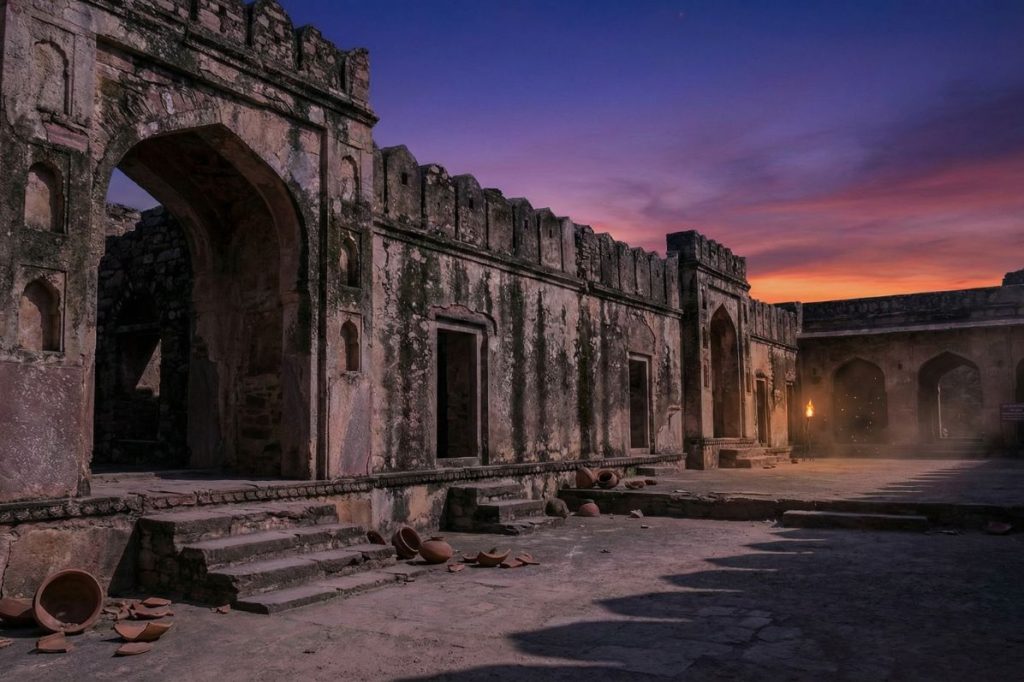
Last Updated: 03 March 2026 The allure of the unknown is magnetic. It draws you in unquestionably, before you have time to develop a reason for being drawn to it. As an example, think about what allows a ghost town to be shrouded in silence, or a forest where children seemingly vanish with no explanation. Unknown places creating unknown experiences are so appealing to today’s travelers who want much more than just to take pretty pictures of the environment. Today’s tourists, especially with regards to ‘dark tourism’, are looking for more emotion and adrenaline than just pretty scenery! Stranger Things reminded us how much of what we all see is only half of the true story. There is an “upside-down” world out there, both literally and metaphorically: abandoned labs that have been untouched for decades, haunted islands full of old memories, and towns that feel like they have stopped happening altogether (like Hawkins). Standing somewhere eerily remote yet so familiar (like Hawkins), you would encounter the same sorts of phenomena as depicted in the show-thick, grey fog, buzzing lights, the sensation of feet following behind you, and absolutely no one around. These could very possibly be portals to an unknown realm. This guide reveals 7 haunted locations across the world that feel straight out of Stranger Things – places with chilling legends, terrifying histories, and experiences powerful enough to bend reality. Get ready to step just a little closer to the dark side. And if you’re planning a dark-themed adventure, smart tools like The Tarzan Way’s AI-powered travel planning can help curate safe routes, guided tours, and budget-friendly stay options designed for adventure lovers. In Short 7 most haunted places around the world inspired by Stranger Things themes Perfect for paranormal lovers, thrill seekers & dark tourism explorers Includes haunted forests, ghost towns, cursed islands, abandoned hotels & asylums 1. Hoia Baciu Forest, Romania – “The Real-Life Upside Down” Often called the most haunted forest in the world, Hoia Baciu in Transylvania has long been associated with paranormal sightings, mysterious disappearances, and unexplained electromagnetic disturbances. Travelers report sudden nausea, disorientation, malfunctioning compasses, and strange lights floating among the trees-eerily similar to the supernatural energy fields in Stranger Things. Why it feels like Stranger Things A circular clearing where nothing grows – similar to dimensional rift portals Documented UFO sightings and ghost photographs Locals warn visitors from entering after dark How to Visit Closest city: Cluj-Napoca (Romania) Best season: September–November for foggy ambience Recommended: guided night investigation tours For more eerie natural locations and forest legends, explore Top 10 Haunted Forests in the World for Brave Adventurers – perfect read before planning your trip. 2. Pripyat & Chernobyl Exclusion Zone, Ukraine – Frozen in Time Once a thriving Soviet town, Pripyat was evacuated within hours after the 1986 Chernobyl nuclear disaster. Today, a ghost city remains-abandoned schools, fairgrounds, hospitals, and apartments still filled with personal belongings. The silence feels unbearably heavy, like Hawkins after the Demogorgon strikes. Stranger Things parallels Government experimentation and secrecy Toxic abandoned laboratories & restricted zones Nature reclaiming destroyed human spaces Travel Information Access only via licensed tour agencies Full-day & 2-day guided photography tours available Carry protective clothing & follow safety instructions 3. Aokigahara Forest, Japan – The Sea of Trees Resting on the slopes of Mount Fuji, Aokigahara is infamous for being one of the world’s most tragic and spiritually heavy forests. Dense trees swallow sound, causing almost complete silence-creating a surreal, oppressive feeling. Why it feels like Stranger Things Disorienting paths & magnetic soil that distorts phone signals Rumored spirit presence & abandoned belongings scattered across paths Locals say compasses spin wildly Travel Tips Stick to marked trails only Visit early morning or during guided tours 4. Bhangarh Fort, India – “The Most Haunted Place in India” Located in Rajasthan, Bhangarh Fort is infamous for its Archaeological Survey of India notice prohibiting entry after sunset-no one is allowed inside once darkness falls. Legends speak of a cursed town, mass disappearance, and a sorcerer whose broken spell still haunts the abandoned palace ruins. Why it feels like Stranger Things A cursed town suddenly collapsed without explanation (like Hawkins after a major attack) Locals report screams, shadows, and footsteps after dark Energy shifts and oppressive silence in abandoned markets and temples How to Visit Nearest airport: Jaipur (85 km) Visiting Hours: 6 AM–6 PM only Best time: October–February (winter for pleasant weather) Travel Tip: Hire licensed guide-stories and locations become far more powerful with guided storytelling. Interested in India’s ghost road legends? Check out ? Spine-Chilling Road Trips: India’s Most Haunted Highways 5. Island of the Dolls, Mexico – A Silent Island of Staring Eyes Deep inside Mexico City’s Xochimilco canals lies Isla de las Muñecas, where thousands of old broken dolls hang from trees-eyes, limbs, and heads arranged like a ritual offering. Created by a hermit who believed dolls could protect him from spirits, the island now feels like an abandoned experiment gone wrong. Stranger Things Parallels Dolls turning heads & whispering sounds reported by visitors Unsettling silence except for cracking branches Feels like an abandoned laboratory world in the Upside Down Travel Details Access via boat ride from Embarcadero Cuemanco Guided haunted canal tours available at night Bring warm clothes & avoid carrying valuables 6. Centralia Ghost Town, USA – The Ever-Burning Hellfire Town Once a thriving mining community, Centralia became uninhabitable after a coal mine fire ignited underground in 1962 and continues burning to this day. Smoke vents from cracks in the ground, paint melts off structures, and the deserted roads echo with emptiness. Why it feels like Stranger Things Toxic environment similar to Vecna’s decaying dimension Empty buildings frozen in time Fog, smoke & unnatural silence Visitor Guidance Official access is partially restricted Most travelers explore the outer remains & Graffiti Highway Do not step on steaming cracks-ground is unstable 7. Hashima Island, Japan – Ghost Industrial City Known as Battleship Island, Hashima was