

Georgia’s Wine & Mountain Trail: A Cultural Route Few Travelers Know
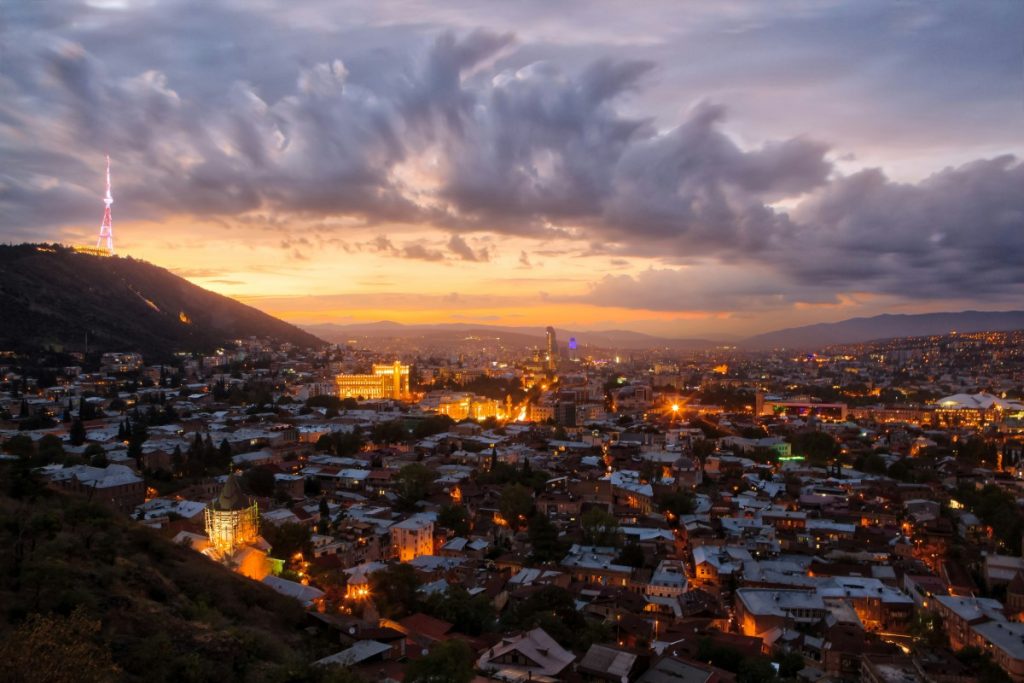
Tucked between Europe and Asia, Georgia is one of those rare destinations where ancient traditions, dramatic landscapes, and warm hospitality blend seamlessly. While most travelers flock to mainstream European hotspots, Georgia quietly offers something far more immersive—a journey through 8,000 years of winemaking and breathtaking mountain culture. If you’re looking for a unique Georgia travel itinerary, this guide will walk you through Georgia’s lesser-known yet unforgettable Wine & Mountain Trail—a route that combines vineyards, monasteries, and the mighty Caucasus mountains. Crafted with insights from The Tarzan Way, this is slow travel at its finest. In Short (TL;DR) Start in Tbilisi for culture & food Explore wine heritage in Kakheti Visit spiritual landmarks like Alaverdi Monastery Head north to Kazbegi for mountains Experience authentic village life in Svaneti Why Georgia Should Be on Your Travel Radar Georgia is often called the “cradle of wine”, thanks to its ancient qvevri winemaking technique—fermenting wine in clay vessels buried underground. But that’s just one side of the story. Here’s what makes Georgia special: A blend of European and Asian influences UNESCO-listed traditions and architecture Diverse landscapes—from vineyards to glaciers Warm, welcoming locals and rich cuisine Stop 1: Tbilisi – Where Old Meets New Your journey begins in Tbilisi, a city that effortlessly mixes history with modern charm. What to Experience Wander through the Old Town with colorful balconies Visit sulfur bathhouses in Abanotubani Try traditional dishes like khinkali and khachapuri Don’t Miss Wine bars serving natural Georgian wines Cable car ride to Narikala Fortress Why it matters: Tbilisi sets the tone—introducing you to Georgia’s culture, cuisine, and wine. Stop 2: Kakheti – The Heart of Georgian Wine Just a few hours from Tbilisi lies Kakheti, the epicenter of Georgian winemaking. What Makes Kakheti Unique? 8,000-year-old wine traditions Family-run wineries using qvevri Scenic vineyards with mountain backdrops Key Experiences Wine tastings at local cellars Vineyard tours and harvest participation (September) Traditional supra (Georgian feast) Stop 3: Alaverdi Monastery – Where Wine Meets Spirituality This centuries-old monastery isn’t just a religious site—it’s also a working winery. Highlights Monks still produce wine using ancient techniques Peaceful surroundings with panoramic views Deep cultural and spiritual significance Insight: In Georgia, wine is not just a drink—it’s part of identity, ritual, and faith. Stop 4: Kazbegi – Gateway to the Caucasus Leaving vineyards behind, head north along the Georgian Military Highway to Kazbegi (Stepantsminda). What Awaits You Dramatic mountain landscapes The iconic Gergeti Trinity Church Fresh alpine air and scenic hikes Best Experiences Jeep rides through valleys Sunrise views over Mount Kazbek Local homestays with traditional meals Stop 5: Svaneti – Georgia’s Hidden Gem If you want to go deeper into untouched Georgia, Svaneti is where the magic truly happens. Why Visit Svaneti? Medieval stone towers unique to the region Remote villages like Mestia and Ushguli Rich folklore and traditions Activities Trekking through alpine trails Exploring ancient watchtowers Experiencing authentic mountain life Suggested 7–10 Day Itinerary Day 1–2: Tbilisi City exploration, food tours, wine tasting Day 3–4: Kakheti Vineyard visits, monastery tours Day 5: Travel & Scenic Stops Drive along Georgian Military Highway Day 6–7: Kazbegi Hiking, mountain views Day 8–10: Svaneti (optional extension) Trekking and cultural immersion Travel Tips for the Route Best Time to Visit: Spring (April–June) and Autumn (September–October) Transport: Rent a car or hire a driver for flexibility Stay Options: Boutique guesthouses and family homestays Local Etiquette: Always accept wine during a supra—it’s a sign of respect What to Eat & Drink Khachapuri: Cheese-filled bread Khinkali: Juicy dumplings Churchkhela: Traditional sweet snack Amber Wine: Unique Georgian specialty FAQs What makes Georgian wine unique? Georgia uses the ancient qvevri method, fermenting wine underground, giving it a distinct flavor and texture. Is Georgia safe for travelers? Yes, Georgia is considered very safe with friendly locals and low crime rates. Do I need a visa for Georgia? Many nationalities can enter visa-free, but always check current requirements. How many days are enough for this route? 7–10 days is ideal to explore both wine regions and mountains comfortably. Glossary Qvevri: Clay vessels used for traditional Georgian winemaking Supra: A traditional Georgian feast with toasts and storytelling Caucasus: Mountain range spanning Eastern Europe and Western Asia Conclusion Georgia’s Wine & Mountain Trail is more than just a trip—it’s a journey through time, culture, and nature. From sipping ancient wines in Kakheti to standing beneath towering peaks in Kazbegi, every moment feels deeply rooted in tradition and authenticity. If you’re seeking a unique Location travel itinerary away from crowded tourist paths, this hidden cultural route is your answer. Let The Tarzan Way help you turn this into a personalized journey—crafted around your pace, preferences, and passion for meaningful travel.
Top 8 Cultural Places You Must Visit in Rajasthan
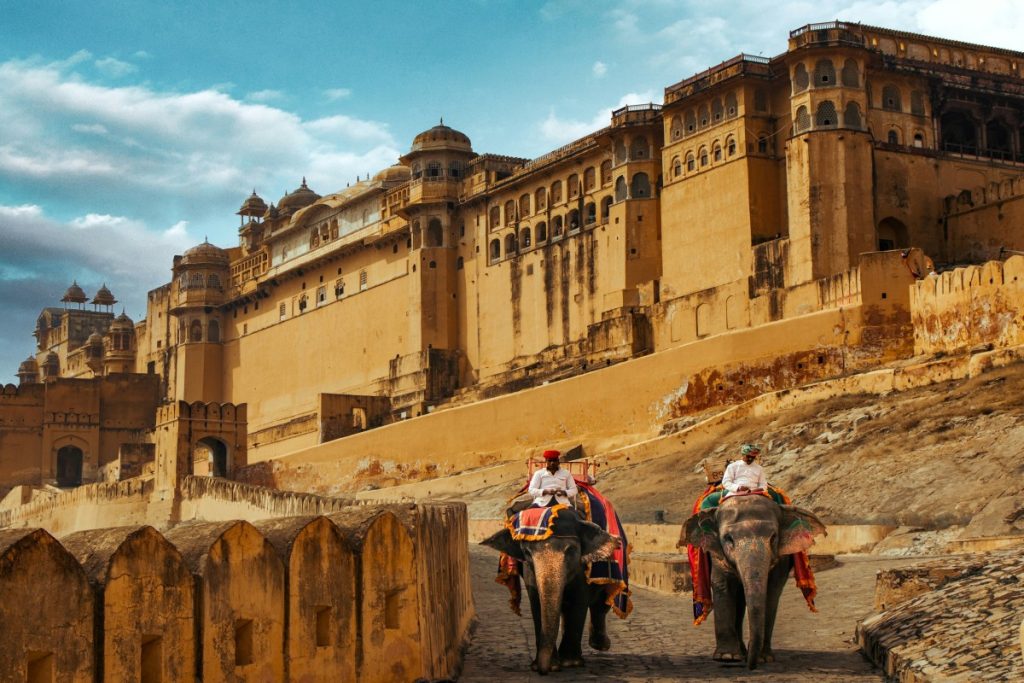
Are you planning to have a cultural rich tour this vacation? Then you are at the right place. Rajasthan is an ideal destination and is unbeatable for its royal palaces, deserts, colorful festivals, and traditions. Every city in this lively state of India has some interesting story to tell, from warrior legends and grand forts to holy lakes. This Rajasthan travel itinerary gives you one of India’s richest cultural travel experiences. No matter whether you’re interested in architecture, food, history, or local customs, this article will help you to explore the authentic heritage side of Rajasthan. This guide tells you about the top 8 cultural sites in Rajasthan and helps you know about what makes each place special, and what activities you should definitely do. 1. Jaipur – Royal Heritage & Vibrant Culture Jaipur is the cultural heart of Rajasthan. It is one of India’s most visited heritage cities of India. Jaipur is known as the Pink City and combines royal architecture, local markets, and traditional experiences. What To Do Visit Amber Fort and explore royal courtyards Explore City Palace museum and royal galleries Take photos at Hawa Mahal Walk through Johari Bazaar and Bapu Bazaar Attend cultural folk dance dinner show Visit Albert Hall Museum Unique Highlights Pink-colored old city architecture Royal Rajput and Mughal fusion buildings Traditional handicrafts and jewelry markets Local Rajasthani street food experience Cultural Experiences Block printing workshops Blue pottery shopping Traditional puppet shows Rajasthani thali dining Pro Tip Visit Amber Fort early morning to avoid crowds and heat. You can also join evening light shows, it is worth attending too. 2. Udaipur – Lakes, Palaces & Artistic Culture Udaipur is widely popular and is known for its peaceful atmosphere, royal palaces, and scenic lakes. It is the city that reflects the real cultural side of Rajasthan’s artistic culture. What To Do To experience Udaipur in the best possible way, take a boat ride on Lake Pichola Make sure to visit City Palace complex Explore the beautiful Jag Mandir island palace You can also watch folk dance at Bagore Ki Haveli Walk through old city streets for a more cultural historic vibe. Unique Highlights Lakefront palaces and temples Sunset views over Aravalli hills Traditional miniature painting art Calm and romantic cultural vibe Cultural Experiences Attend evening cultural show Visit local art galleries Explore heritage havelis Try rooftop dining with lake views Pro Tip Plan a sunset boat ride on Lake Pichola for the best photography and cultural atmosphere. 3. Jodhpur – Blue Houses & Desert Traditions To experience the desert side of Rajasthan with Marwar heritage, make sure to add Jodhpur in your itinerary. Everything like blue-painted houses and towering forts seem to create a striking cultural landscape. What To Do Explore Mehrangarh Fort museum Walk through blue streets of old city Visit Clock Tower market Try traditional Rajasthani cuisine Make sure to visit Jaswant Thada memorial Unique Highlights Blue-painted houses Massive hilltop fort Traditional desert lifestyle Local spice markets Cultural Experiences Folk music performances Local handicraft shopping Desert-inspired cuisine Heritage walking tours Pro Tip If you want to experience real peace & cultural vibe, do visit Mehrangarh Fort early in the morning for fewer crowds and better views. 4. Jaisalmer – Golden Desert Culture Jaisalmer offers one of the most authentic desert cultural experiences and the golden sandstone architecture makes the city more demanding and unique for travellers in Rajasthan. What To Do Explore Jaisalmer Fort Visit Patwon Ki Haveli Camel safari in Sam Sand Dunes Stay in desert camp Watch folk dance performance Unique Highlights Golden sandstone buildings Living fort with homes and shops Desert camping experience Star-lit cultural evenings Cultural Experiences Kalbelia dance performance Traditional desert cuisine Camel safari villages Folk music nights Pro Tip Stay overnight in desert camps for full cultural experience including music, dance, and dinner. 5. Pushkar – Spiritual Culture & Sacred Traditions Pushkar is known to be one of Rajasthan’s most peaceful cultural towns because of its spiritual atmosphere. What To Do Walk around Pushkar Lake Visit Brahma Temple Explore Pushkar markets Attend evening aarti Try rooftop cafes Unique Highlights Sacred lake with ghats Spiritual cultural environment Famous Pushkar Camel Fair Fusion of traditional and modern culture Cultural Experiences Temple rituals Yoga and meditation Local handicraft shopping Cultural cafes Pro Tip Visit during Pushkar Camel Fair for vibrant cultural activities and festivals. 6. Bikaner – Authentic Desert Heritage Bikaner offers a quieter yet culturally rich Rajasthan experience. The city preserves traditional desert culture. What To Do Visit Junagarh Fort Explore Karni Mata Temple Visit camel breeding farm Walk through old markets Try Bikaneri snacks Unique Highlights Camel culture Historic desert fort Traditional sweets and food Less crowded heritage streets Cultural Experiences Local food tasting Temple visits Heritage architecture walks Traditional shopping Pro Tip Try local Bikaneri bhujia and sweets from traditional shops. 7. Chittorgarh – Rajput History & Valor Chittorgarh is one of Rajasthan’s most historic destinations. The massive fort reflects bravery and sacrifice. What To Do Explore Chittorgarh Fort Visit Vijay Stambh See Rani Padmini Palace Attend sound and light show Visit ancient temples Unique Highlights Largest fort in Rajasthan Historic Rajput stories Panoramic hilltop views Ancient architecture Cultural Experiences Heritage walks Photography spots Historical storytelling Fort exploration Pro Tip Hire a guide inside the fort to understand historical significance. 8. Bundi – Hidden Cultural Gem Bundi is a lesser-known destination in India. But Bundi is rich in architecture and heritage. What To Do Visit Bundi Palace Explore Taragarh Fort See stepwells (Baoris) Walk through old town Visit local markets Unique Highlights Beautiful murals Stepwell architecture Quiet heritage streets Offbeat cultural vibe Cultural Experiences Photography tours Local artisan visits Heritage walks Temple visits Pro Tip Bundi is best explored on foot to discover hidden streets and stepwells. Best Time to Visit Rajasthan The best time to travel for cultural experience in Rajasthan is from October to March. The weather is nice during this period of time, which makes it easy to see the sights. There
Turkey for First-Time Travelers: Must-Visit Cities, Culture & Local Experiences (2026 Guide)
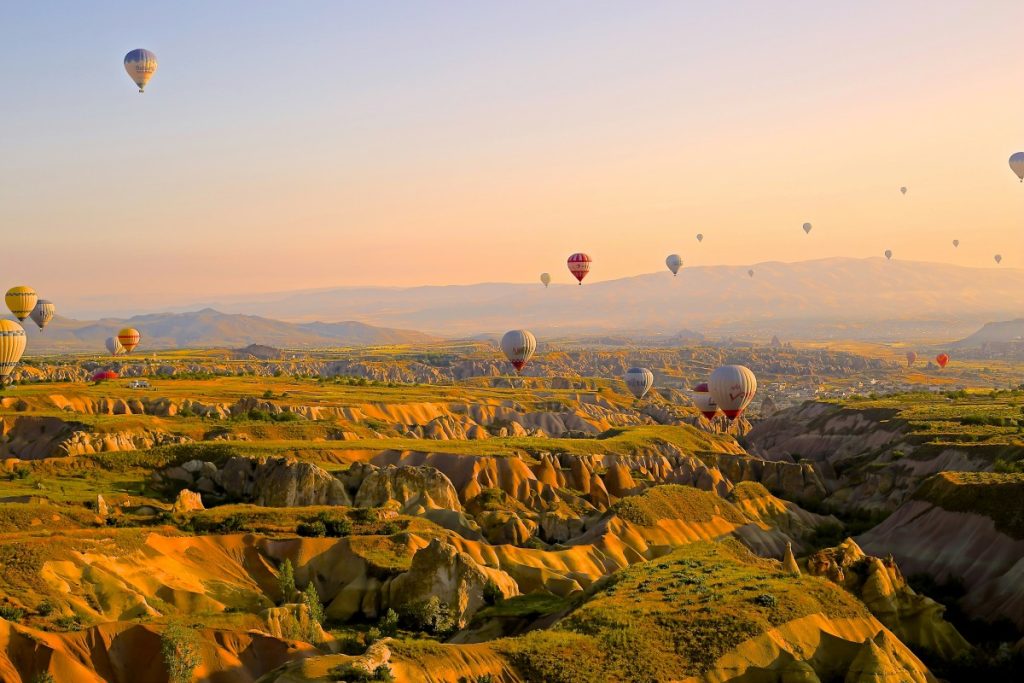
Introduction Turkey is where continents meet, cultures blend, and every city tells a different story. From the bustling bazaars of Istanbul to the surreal landscapes of Cappadocia and the turquoise coastline along the Mediterranean, Turkey offers an incredibly diverse travel experience. For first-time travelers, planning a trip here can feel overwhelming. Which cities should you visit? How do you navigate the culture? What experiences are truly worth it? In this detailed guide by The Tarzan Way, we simplify everything for you—covering must-visit cities, cultural insights, local experiences, and a complete budget in INR to help you build the perfect Turkey travel itinerary. In Short (Key Takeaways) Ideal trip duration: 7–10 days Budget: ₹4,000–₹12,000 per day Must-visit: Istanbul, Cappadocia, Antalya Best time: April–June & September–October Top experience: Hot air balloon ride in Cappadocia Why Visit Turkey for the First Time? Turkey offers a unique mix of Europe and Asia, making it ideal for first-time international travelers. What makes it special: Rich history and architecture Diverse landscapes Affordable compared to Europe Delicious and familiar cuisine for Indian travelers Must-Visit Cities in Turkey Istanbul – Where East Meets West Istanbul is the heart of Turkey and the perfect starting point. Top attractions: Hagia Sophia Blue Mosque Grand Bazaar Experiences: Bosphorus cruise Street food tours Exploring historic neighborhoods Cappadocia – Dreamlike Landscapes Famous for its fairy chimneys and sunrise balloons. Must-do: Hot air balloon ride Explore cave hotels Visit underground cities Antalya – Mediterranean Escape Perfect for beaches and relaxation. Highlights: Turquoise coast Old Town (Kaleiçi) Waterfalls and boat tours Pamukkale – Cotton Castle A natural wonder with white thermal terraces. Top experiences: Walk on travertine terraces Visit Hierapolis ruins Cultural Experiences You Shouldn’t Miss Turkish Cuisine Must-try foods: Kebabs Baklava Turkish tea and coffee Hammam (Turkish Bath) A traditional wellness experience: Steam bath Massage Relaxation ritual Local Markets & Bazaars Best places: Grand Bazaar (Istanbul) Spice Bazaar Turkey Budget Guide (INR) Daily Budget Budget Traveler (₹4,000–₹6,000/day): Hostels or budget hotels Public transport Street food Mid-Range (₹6,000–₹12,000/day): Boutique hotels Domestic flights or buses Guided tours Luxury (₹15,000+ per day): Premium hotels Private tours Fine dining Cost Breakdown Accommodation: ₹2,000–₹10,000/night Food: ₹800–₹2,500/day Transport: ₹1,000–₹4,000 Activities: ₹1,500–₹8,000 Best Time to Visit Turkey Spring (April–June): Pleasant weather, fewer crowds Autumn (September–October): Ideal for sightseeing Winter: Good for budget travel, fewer tourists Sample 8-Day Turkey Itinerary Day 1–3: Istanbul Explore historical sites Food and culture Day 4–5: Cappadocia Balloon ride Cave exploration Day 6: Pamukkale Thermal terraces Day 7–8: Antalya Beaches and relaxation Travel Tips for First-Time Travelers Following are some of the safe travel tips: Carry some cash (Turkish Lira) Use public transport in cities Dress modestly at religious sites Learn basic local phrases FAQs Is Turkey safe for first-time travelers? Yes, Turkey is generally safe for tourists, especially in popular destinations. Do Indians need a visa for Turkey? Yes, but the e-visa process is simple and quick. How expensive is Turkey compared to Europe? Turkey is significantly more affordable than most European countries. What is the best itinerary for Turkey? A mix of Istanbul, Cappadocia, and Antalya over 7–10 days works best. Conclusion Turkey is one of those rare destinations that offers history, culture, nature, and adventure all in one trip. For first-time travelers, it provides the perfect balance of comfort and exploration. Whether you’re wandering through Istanbul’s bustling streets, watching the sunrise over Cappadocia, or relaxing along Antalya’s coast, every moment feels unique and memorable. With the right location travel itinerary, your Turkey trip can be seamless, affordable, and deeply enriching. Start planning your journey with The Tarzan Way and experience Turkey like never before.
Austria to Hungary: A Cross-Border Journey Through Music, Castles & Cafés
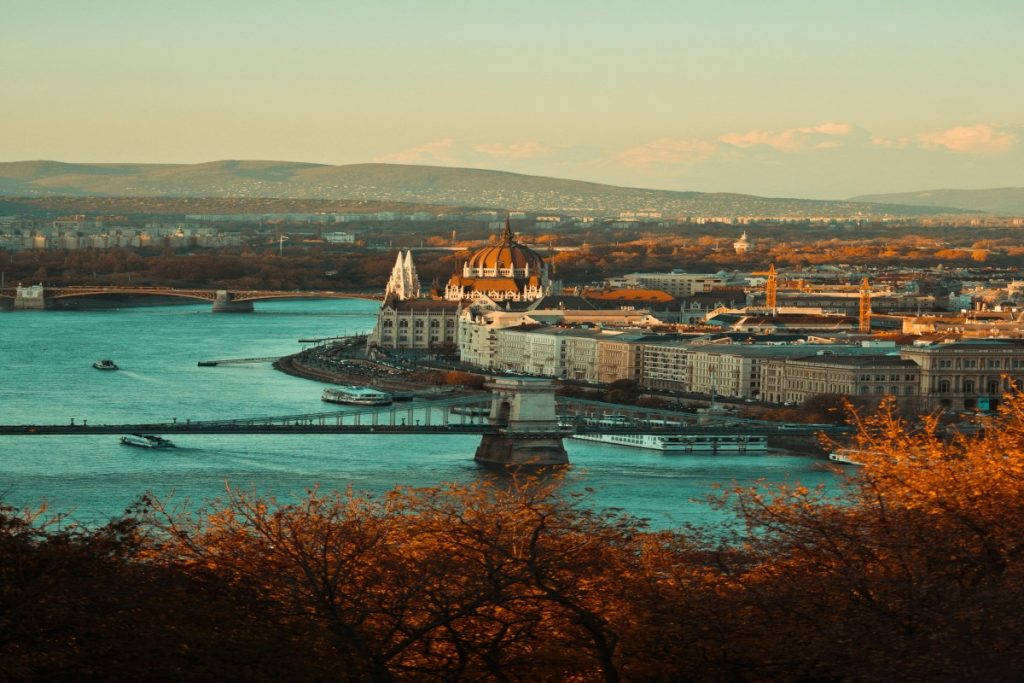
Central Europe is one of the most enchanting regions to explore, especially when two culturally rich nations sit just a few hours apart. Traveling from Austria to Hungary is not just a border crossing—it’s a journey through centuries of imperial history, classical music heritage, majestic castles, and legendary coffeehouse culture. Austria offers elegant cities, alpine landscapes, and a deep musical legacy, while Hungary welcomes travelers with thermal baths, vibrant architecture, and a lively café scene. Together, they create the perfect multi-country travel experience. Whether you’re planning a relaxed train trip, a road adventure, or a carefully curated location travel itinerary, this guide will help you discover the best routes, cities, cultural highlights, and travel tips for an unforgettable journey. In Short (TL;DR) Austria and Hungary are only 2–3 hours apart by train. The most popular route is Vienna → Budapest. Expect imperial palaces, castles, classical music heritage, and historic cafés. Best travel time: April–June and September–October. Perfect for first-time Europe travelers and culture lovers. Why Travel From Austria to Hungary? Traveling between Austria and Hungary is unique because both countries share deep historical roots within the Austro-Hungarian Empire, which ruled Central Europe for centuries. This shared past means travelers experience: 1. Imperial Architecture Grand palaces, baroque churches, and historic squares define cities like Vienna and Budapest. 2. Musical Heritage Austria is the birthplace of legendary composers like Mozart and Strauss, while Hungary celebrates folk music traditions and classical performances. 3. Café Culture Both countries are famous for historic coffeehouses where writers, artists, and intellectuals once gathered. 4. Easy Travel Connections Direct trains Scenic road trips Budget flights This makes it one of the most seamless cross-border trips in Europe. Best Route: Vienna to Budapest The Vienna to Budapest route is the most popular way to travel between Austria and Hungary. Distance: ~240 km (150 miles) Travel Time Train: 2.5 hours Car: 2.5–3 hours Bus: 3 hours Why This Route Is Perfect Smooth rail connections Scenic landscapes along the Danube Two of Europe’s most beautiful capitals Many travelers start in Vienna and end in Budapest, though the journey works just as well in reverse. Must-Visit Places in Austria Before Crossing the Border Vienna – The City of Music Austria’s capital is one of Europe’s most elegant cities. Top Experiences Visit Schönbrunn Palace, the summer residence of the Habsburgs Watch a performance at the Vienna State Opera Walk through St. Stephen’s Cathedral Enjoy traditional pastries in historic cafés Café Culture Tip Try classic Viennese treats: Sachertorte Apple strudel Melange coffee Salzburg – Mozart’s Magical City Salzburg is smaller but incredibly charming. Highlights Birthplace of Wolfgang Amadeus Mozart The majestic Hohensalzburg Fortress Stunning baroque architecture Beautiful alpine surroundings Music lovers especially appreciate Salzburg’s deep cultural heritage. Arriving in Hungary: Budapest Highlights Budapest is often called “The Paris of the East.” The city is divided by the Danube River into Buda and Pest, each with its own character. Top Attractions 1. Buda Side Buda Castle Fisherman’s Bastion Matthias Church 2. Pest Side Hungarian Parliament Building St. Stephen’s Basilica Great Market Hall Experience Hungary’s Famous Thermal Baths Budapest sits on over 100 natural thermal springs, making spa culture a central part of local life. Most Popular Baths Széchenyi Thermal Bath – the largest spa complex Gellért Baths – famous Art Nouveau architecture Rudas Baths – historic Ottoman-era spa Relaxing in these warm mineral waters is a must-do experience after exploring the city. Café Culture Across Austria & Hungary Both countries share a long-standing café tradition. What Makes Their Cafés Special Elegant interiors with chandeliers Marble tables and velvet seating Slow-paced coffee culture Must-Try Treats Austria: Sachertorte Kaiserschmarrn Hungary: Dobos cake Chimney cake Cafés are more than places to drink coffee—they’re cultural institutions. Suggested 5-Day Austria–Hungary Travel Itinerary If you’re planning a short European trip, this location travel itinerary works perfectly. Day 1 – Vienna Explore Schönbrunn Palace Visit St. Stephen’s Cathedral Dinner in a traditional Viennese restaurant Day 2 – Vienna Culture Vienna State Opera tour MuseumsQuartier Evening classical concert Day 3 – Travel to Budapest Scenic train ride (2.5 hours) Danube evening cruise Dinner with Hungarian cuisine Day 4 – Budapest Exploration Parliament Building tour Fisherman’s Bastion viewpoint Explore ruin bars at night Day 5 – Thermal Bath & Markets Morning spa at Széchenyi Baths Visit Central Market Hall Café hopping Best Time to Travel Spring (April–June) Pleasant weather Fewer crowds Blooming city parks Autumn (September–October) Beautiful fall colors Comfortable sightseeing weather Winter (December) Magical Christmas markets in Vienna and Budapest. Travel Tips for Crossing the Austria–Hungary Border No Passport Checks Both countries are part of the Schengen Area, so borders are open. Currency Difference Austria: Euro (€) Hungary: Hungarian Forint (HUF) Language Austria: German Hungary: Hungarian English is widely spoken in tourist areas. FAQs What is the best way to travel from Austria to Hungary? The fastest and most comfortable option is a direct train from Vienna to Budapest, which takes around 2.5 hours. Do you need a visa to travel between Austria and Hungary? If you already have a Schengen visa, you can travel freely between both countries. Is Budapest cheaper than Vienna? Yes. Budapest is generally 20–30% cheaper than Vienna for food, accommodation, and attractions. How many days are enough for Austria and Hungary? A 5–7 day trip is ideal to explore Vienna and Budapest comfortably. Glossary Workcation: Working remotely while traveling. Schengen Area: A group of European countries with open borders allowing visa-free movement. Thermal Baths: Natural hot spring spas rich in minerals used for relaxation and wellness. Conclusion A journey from Austria to Hungary is one of Central Europe’s most rewarding travel experiences. From Vienna’s imperial elegance and musical legacy to Budapest’s vibrant cafés and relaxing thermal baths, the trip blends culture, history, and leisure beautifully. Whether you’re exploring grand palaces, listening to classical concerts, or sipping coffee in historic cafés, this cross-border adventure delivers unforgettable moments. If you’re planning a seamless location travel itinerary, combining Austria and Hungary is the perfect way to experience the heart of
Switzerland for First-Timers: Choosing Between Lakes, Mountains & Alpine Villages (2026 Guide)
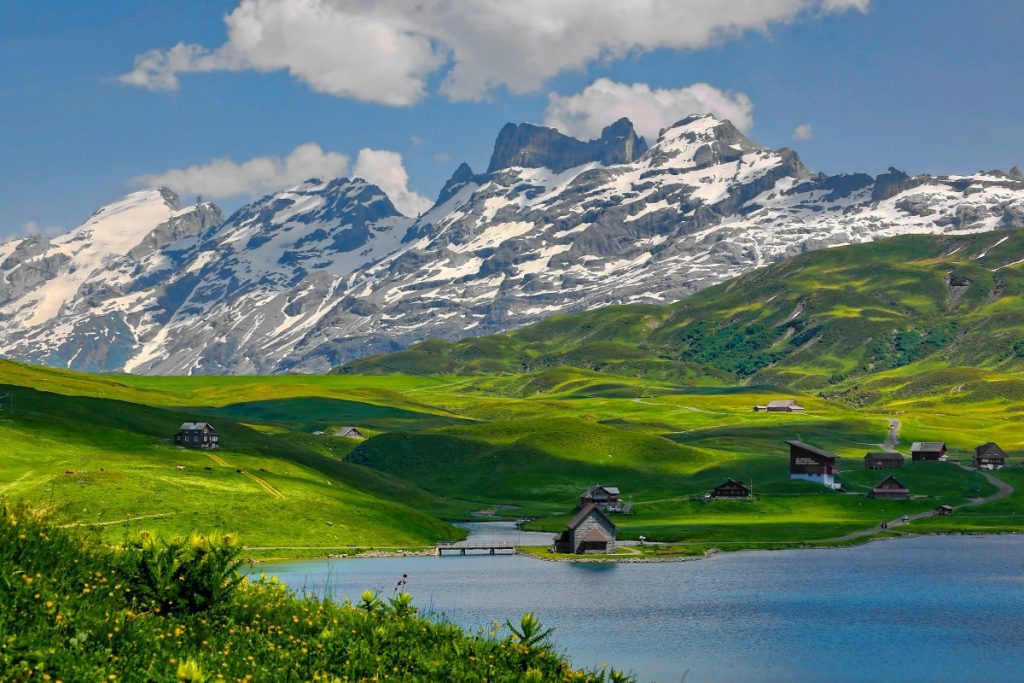
Planning your first trip to Switzerland can feel overwhelming. Do you base yourself near a crystal-clear lake? Stay in a dramatic alpine village? Or focus on iconic mountain peaks? Switzerland may be compact, but it offers extraordinary diversity — from serene lakeside towns to towering glaciers and postcard-perfect villages. This guide helps first-time travelers choose between lakes, mountains, and alpine villages — while building a smart, balanced Switzerland travel itinerary. In Short (TL;DR) Switzerland is ideal for nature-focused travel Best for first-timers: combine 2 scenic bases Lakes = relaxation & scenic towns Mountains = adventure & panoramic views Alpine villages = charm & iconic Swiss landscapes 7–10 days is ideal for a well-paced trip 1. Switzerland’s Landscape: Why It’s So Diverse Switzerland is divided into three primary landscapes: Lakes (Geneva, Lucerne, Zurich region) Alpine mountains (Bernese Oberland, Valais) Traditional alpine villages (Zermatt, Grindelwald, Wengen) Efficient trains make it easy to combine all three in one travel itinerary. 2. Option 1: Swiss Lakes – Relaxed & Scenic If you prefer scenic walks, boat rides, and charming towns, Switzerland’s lakes are perfect. 2.1 Lake Lucerne Surrounded by mountains Paddle steamers & cruises Easy access to Mount Pilatus Lucerne tourism: https://www.luzern.com/en/ 2.2 Lake Geneva (Lac Léman) Elegant lakeside towns like Montreux Vineyards of Lavaux (UNESCO site) French-Swiss cultural mix 2.3 Lake Zurich Near Switzerland’s largest city Relaxed promenade vibe Day trips to Rhine Falls Best for: First-time travelers Couples Scenic photography lovers 3. Option 2: Swiss Mountains – Big Peaks & Adventure If dramatic landscapes and high-altitude views excite you, the Swiss Alps are unmatched. 3.1 Jungfraujoch – Top of Europe Europe’s highest railway station Glacier views Snow year-round Official info: https://www.jungfrau.ch/en-gb/jungfraujoch-top-of-europe/ 3.2 Matterhorn – Switzerland’s Icon Located near Zermatt One of the most photographed mountains Stunning sunrise views 3.3 Mount Titlis Rotating cable car Glacier cave Easy day trip from Lucerne Official site: https://www.titlis.ch/en Best for: Adventure travelers Hikers Snow lovers 4. Option 3: Alpine Villages – Storybook Switzerland Alpine villages combine mountain scenery with cozy charm. 4.1 Grindelwald Popular base for Jungfrau region Scenic train rides Cable cars & hiking trails 4.2 Wengen Car-free village Quiet atmosphere Incredible valley views 4.3 Zermatt No cars allowed Close to the Matterhorn High-end but unforgettable Best for: Photographers Couples Peaceful stays 5. How to Travel Around Switzerland Switzerland has one of the world’s best train networks. Operated by: Swiss Federal Railways (SBB) Consider: Swiss Travel Pass for unlimited travel Scenic routes like Glacier Express Mountain railways require separate tickets Glacier Express info: https://www.glacierexpress.ch/en/ Trains are punctual, clean, and incredibly scenic. 6. How Many Days Do You Need? 5–7 Days Lucerne + Interlaken 1 mountain excursion 8–10 Days Add Zermatt or Lake Geneva More relaxed pacing 12–14 Days Full lakes + mountains + alpine village experience Avoid switching hotels daily — stay 2–3 nights per base. 7. Is Switzerland Expensive? Yes — but manageable with planning. Average Daily Budget: Budget: CHF 120–160 Mid-range: CHF 200–350 Luxury: CHF 500+ Money-saving tips: Buy supermarket meals Stay outside major tourist hubs Travel during shoulder season (May–June, September) 8. Best Time to Visit Switzerland Best time to visit Switzerland in different seasons as per preference: Summer (June–September) Best hiking weather Alpine meadows in bloom Winter (December–March) Ski season Snowy villages Spring & Autumn Fewer tourists Better hotel prices FAQs for First-Time Switzerland Travelers Q: Is Switzerland good for first-time Europe travelers? Yes. It’s safe, organized, and English is widely spoken. Q: Should I choose lakes or mountains? Ideally both. Combine one lakeside town with one alpine village. Q: Is the Swiss Travel Pass worth it? Yes, if you plan multiple train journeys and mountain excursions. Q: Is Switzerland safe? Very. It consistently ranks among the safest countries globally. Glossary Alpine Village: Traditional mountain settlement. Glacier Express: Scenic train connecting Zermatt & St. Moritz. Swiss Travel Pass: Unlimited travel pass for public transport. Shoulder Season: Period between peak and low tourist seasons. Final Thoughts: Lakes, Peaks or Villages? For first-timers, the best Switzerland travel itinerary combines: 1 lakeside town (Lucerne or Montreux) 1 alpine base (Interlaken, Zermatt, or Grindelwald) 1 scenic mountain excursion Switzerland rewards slow exploration. Stay longer, ride the trains, take the cable cars, and enjoy the landscapes. If you’d like a customized, Location-based Switzerland itinerary that balances lakes, mountains, and alpine villages, The Tarzan Way can help you design the perfect first trip
Japan Without the Rush: How to Experience Cities, Countryside & Culture Together
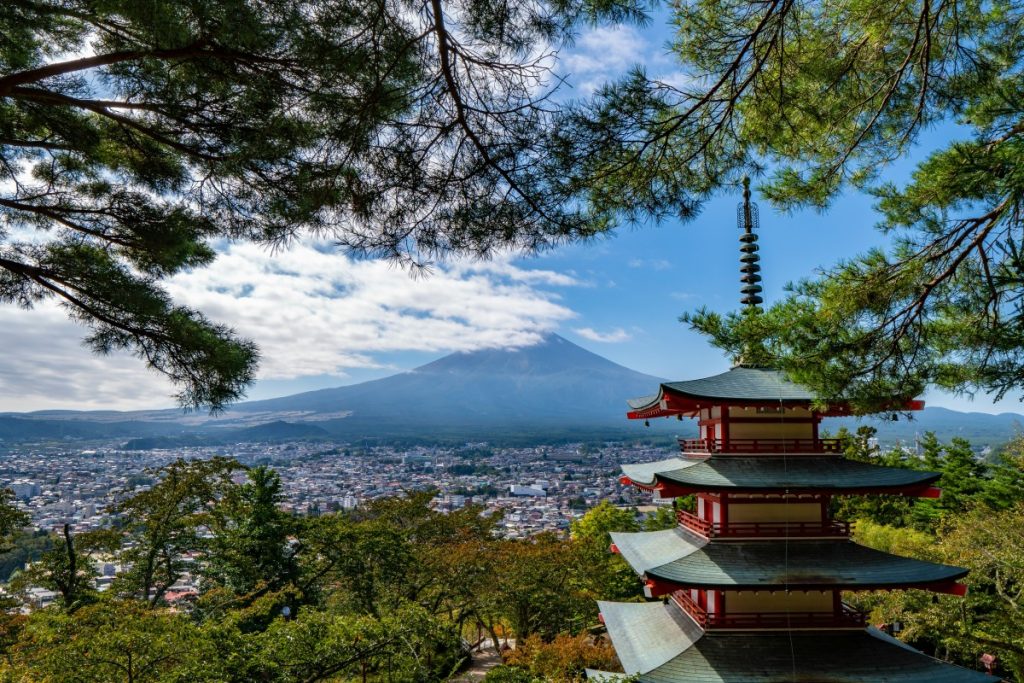
Japan often appears in travel reels as a fast-moving montage — neon lights in Tokyo, bullet trains racing past Mount Fuji, cherry blossoms falling in Kyoto. But what if you experienced Japan without the rush? What if your travel itinerary allowed you to blend vibrant cities, quiet countryside, and centuries-old culture — without feeling like you’re ticking boxes? This guide shows you how to slow down and experience Japan more meaningfully in 10–14 days. Whether you’re a first-time traveler or planning a return trip, this balanced Japan travel itinerary helps you combine modern city life, rural landscapes, and authentic cultural experiences. In Short: Japan Without the Rush Spend 3–4 nights in each main location Combine Tokyo + Kyoto + one countryside destination Use trains wisely but avoid daily hotel hopping Prioritize experiences over sightseeing checklists Include slow cultural activities like tea ceremonies and onsens Why Slow Travel Works Best in Japan Japan is incredibly efficient — trains run on time, cities are organized, and attractions are well connected. But many travelers try to do too much: Tokyo (2 days) Kyoto (1 day) Osaka (1 day) Hiroshima (1 day) Hakone (half-day) This often leads to exhaustion rather than connection. Slow travel in Japan means: Staying longer in fewer places Exploring neighborhoods deeply Allowing time for quiet experiences Embracing local rhythm instead of rushing between landmarks Japan rewards patience — whether it’s sitting under cherry blossoms or soaking in a countryside hot spring. 1. Tokyo: Modern Energy with Hidden Calm Recommended stay: 4 days Best for: First-time visitors, food lovers, pop culture enthusiasts Tokyo is electric — but it also hides pockets of calm. Balance the Energy Instead of rushing through all districts, structure your travel itinerary like this: Day 1: Modern Tokyo Shibuya Crossing Harajuku Shinjuku skyline views Day 2: Cultural Tokyo Meiji Shrine Asakusa & Senso-ji Temple Sumida River walk Day 3: Local Neighborhoods Yanaka Ginza Daikanyama cafés Shimokitazawa thrift streets Day 4: Slow Morning Shinjuku Gyoen TeamLab (if interested) Sushi omakase dinner Tip: Start early. Tokyo mornings are peaceful before the commuter rush. 2. Kyoto: Tradition at a Gentle Pace Recommended stay: 3–4 days Best for: History, temples, traditional culture Kyoto feels like stepping into Japan’s past. How to Avoid Temple Fatigue Kyoto has over 1,600 temples — don’t try to see them all. Instead, pick 2–3 per day: Fushimi Inari (early morning) Kinkaku-ji (Golden Pavilion) Arashiyama Bamboo Grove Philosopher’s Path Gion District walk at dusk Add Cultural Depth Slow travel in Kyoto means participating, not just observing: Tea ceremony experience Kimono rental & walking tour Traditional kaiseki dinner Zen meditation session Visit in spring (March–April) or autumn (November) for peak beauty. 3. Add the Countryside: Japan Beyond the Cities To truly experience Japan without the rush, add one countryside destination to your travel itinerary. Here are three beautiful options: Hakone: Mountain Views & Onsen Retreat Distance from Tokyo: 1.5 hours Hakone offers: Mount Fuji views Lake Ashi cruises Open-air museums Ryokan stays with hot spring baths Stay overnight in a traditional ryokan instead of doing a rushed day trip. Takayama: Traditional Mountain Town Takayama feels preserved in time. Highlights: Edo-period streets Hida beef Morning markets Quiet riverside walks Ideal if you want a peaceful rural vibe between Tokyo and Kyoto. Naoshima: Art Island Escape Naoshima blends art and nature. Yayoi Kusama’s iconic pumpkins Minimalist museums Coastal cycling Quiet island sunsets Perfect for slow, reflective travelers. 4. Sample 12-Day Japan Travel Itinerary Here’s a balanced, slow-paced route: Days 1 to 4: Tokyo Days 5 to 6: Hakone or Takayama Days 7 to 10: Kyoto Day 11: Nara or Osaka day trip Day 12: Return to Tokyo or fly home from Osaka Why this works: Minimal hotel changes Logical train routes Time to rest Cultural immersion 5. How to Travel Between Locations Smoothly Japan’s transport is world-class. Use the Shinkansen Wisely Book seats during peak seasons Travel mid-morning to avoid crowds Luggage Strategy Use luggage forwarding services Pack light for easier train transfers IC Cards Suica or Pasmo for easy metro access Avoid overpacking your travel itinerary with long-distance hops every day. 6. Where to Stay for a Slower Experience In Cities Choose neighborhood-based stays over central tourist hubs Boutique hotels or serviced apartments In Countryside Ryokans with dinner & breakfast included Minshuku (family-run guesthouses) Staying local deepens cultural experience. 7. Cultural Etiquette for Meaningful Travel Japan values harmony and respect. Remember: Remove shoes indoors Keep voices low in trains Carry cash (many small shops prefer it) Respect shrine and temple customs Small gestures enhance your connection with local culture. FAQs About Experiencing Japan Without the Rush Q1: Is 10 days enough for Japan? Yes. Focus on 2 cities and 1 countryside location for a balanced experience. Q2: What is the best month to visit Japan? March–April (cherry blossoms) and October–November (autumn foliage) offer ideal weather. Q3: Should I get the JR Pass? It depends on your route. Before purchase, compare individual ticket prices. Q4: Can I explore Japan without speaking Japanese? Yes. Major cities have English signage, and locals are helpful. Q5: Is Japan good for slow travel? Absolutely. Efficient transport and safe environments make it perfect for relaxed exploration. Glossary Ryokan: Traditional Japanese inn with tatami flooring and futon bedding. Onsen: Natural hot spring bath. Shinkansen: Japan’s high-speed bullet train. IC Card: Rechargeable smart card for public transport. Conclusion: Discover Japan at Your Own Pace Japan doesn’t need to be rushed. When you combine Tokyo’s energy, Kyoto’s heritage, and the countryside’s calm into one thoughtfully designed travel itinerary, you experience a deeper, richer side of the country. Slow down. Stay longer. Wander neighborhoods. Share meals. Watch sunsets. If you’re planning your next Japan journey, let The Tarzan Way help you design a personalized Location-based travel itinerary that balances cities, countryside, and culture — without the rush.
Georgia Travel Guide (2026): Europe’s Hidden Gem for Nature & History
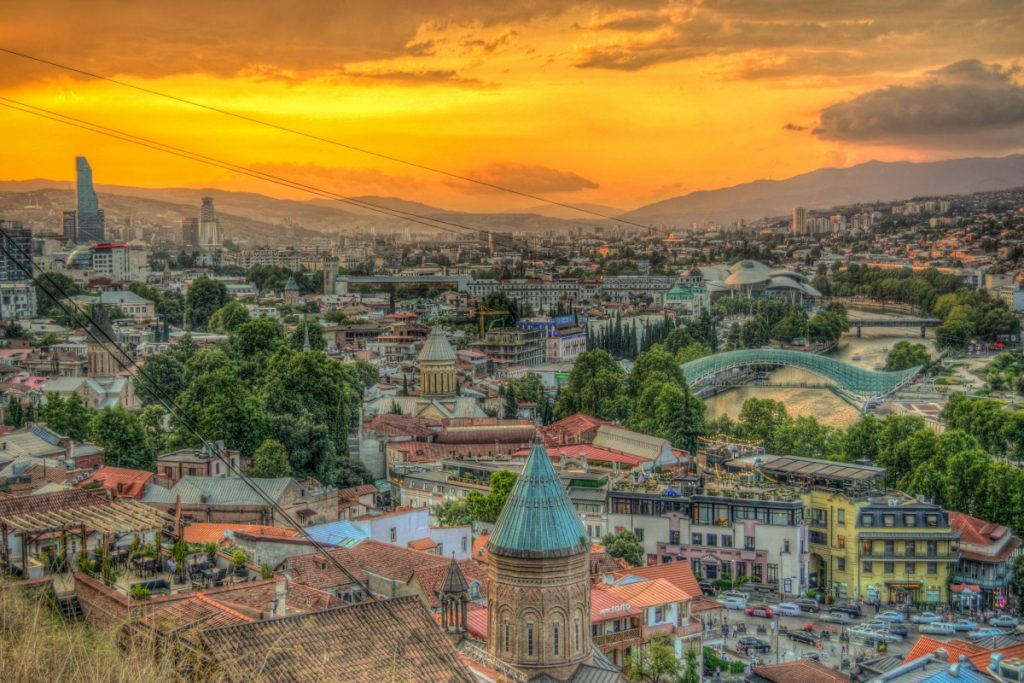
If you’re looking for a destination that blends dramatic mountain landscapes, ancient churches, wine traditions older than most civilizations, and charming cobblestone towns — Georgia might be your perfect next trip. Tucked between Europe and Asia, this small Caucasus country remains one of the continent’s most underrated travel destinations. Yet it offers everything: snow-capped peaks, Black Sea beaches, UNESCO heritage sites, warm hospitality, and surprisingly affordable travel. This complete Georgia travel guide will help you plan your trip — covering the best places to visit, history, food, budget, safety, and practical travel tips. In Short (TL;DR) Georgia is located at the crossroads of Europe and Asia. Best time to visit: May–June & September–October. Top highlights: Tbilisi, Kazbegi, Svaneti, Batumi. Budget-friendly compared to Western Europe. Ideal for nature lovers, history enthusiasts, and food explorers. 1. Where Is Georgia & Why Visit? Georgia sits between Russia, Turkey, Armenia, and Azerbaijan, along the Caucasus Mountains. Despite being geographically at the crossroads, culturally it feels distinctly European — with deep-rooted Christian traditions, medieval monasteries, and a thriving café culture. Why Georgia Is Trending: Visa-free or visa-on-arrival for many nationalities Affordable accommodation and food Untouched mountain landscapes 8,000-year-old wine culture Warm, welcoming locals It’s perfect if you want Europe — without Western Europe prices. 2. Best Places to Visit in Georgia 2.1 Tbilisi – The Cultural Heart Tbilisi blends old-world charm with modern energy. Top Attractions: Narikala Fortress (panoramic city views) Abanotubani sulfur baths Peace Bridge Holy Trinity Cathedral Spend 2–3 days exploring cobblestone streets, cafés, wine bars, and art galleries. 2.2 Kazbegi – Dramatic Mountain Scenery Officially called Stepantsminda, Kazbegi is famous for: Gergeti Trinity Church Mount Kazbek views Epic road trip via the Georgian Military Highway Ideal for hiking and photography lovers. 2.3 Svaneti – Medieval Towers & Wild Beauty A UNESCO-listed region known for: Stone defensive towers Remote mountain villages Ushguli (one of Europe’s highest settlements) Perfect for adventure travelers. 2.4 Batumi – Beach & Modern Architecture Located on the Black Sea coast, Batumi offers: Beachfront promenade Contemporary skyline Botanical gardens Relaxed summer vibe 3. Georgia’s Rich History & Culture Georgia has one of the oldest Christian traditions in the world, adopting Christianity in the 4th century. Throughout history, it has been influenced by: Persian empires Ottoman rule Russian Empire Soviet Union Yet Georgia has preserved its unique language and script — one of the most distinctive alphabets in the world. 4. Georgian Food You Must Try Food is a major highlight of traveling in Georgia. Popular Dishes: Khachapuri (cheese-filled bread) Khinkali (dumplings) Churchkhela (walnut candy) Lobio (bean stew) Georgia is also considered the birthplace of wine, with traditional clay-pot fermentation (qvevri). 5. Best Time to Visit Georgia Spring (May–June) Mild weather Fewer crowds Great for hiking Summer (July–August) Best for mountains & Batumi beaches Warmer temperatures Peak tourist season Autumn (September–October) Wine harvest season Beautiful fall colors Ideal temperatures Winter (December–February) Skiing in Gudauri Snow-covered landscapes 6. How Expensive Is Georgia? Georgia is significantly cheaper than most European countries. Average Daily Budget: Budget traveler: $30–50/day Mid-range: $60–120/day Luxury: $150+/day Accommodation, food, and local transport are very affordable. 7. Is Georgia Safe for Tourists? Yes — Georgia is considered one of the safest countries in the region. Low violent crime rates Safe for solo travelers Friendly locals Basic travel precautions still apply. 8. How Many Days Do You Need in Georgia? Ideal Duration: 5–7 days: Tbilisi + Kazbegi 10 days: Add Svaneti or Batumi 14 days: Full mountain + coast experience Georgia is compact but packed with diversity. 9. Sample 7-Day Georgia Itinerary Day 1–2: Tbilisi exploration Day 3: Day trip to Mtskheta Day 4–5: Kazbegi Day 6–7: Svaneti or Batumi FAQs About Traveling to Georgia Q: Is Georgia in Europe or Asia? A: Geographically it sits at the crossroads, but culturally and politically it aligns with Europe. Q: Do I need a visa to visit Georgia? A: Many nationalities enjoy visa-free entry for up to 1 year. Always check official guidelines before traveling. Q: What currency is used in Georgia? A: The Georgian Lari (GEL). Q: Is English widely spoken? A: In Tbilisi and tourist areas, yes. Less so in rural regions. Glossary Caucasus Mountains: Mountain range between the Black and Caspian Seas. Qvevri: Traditional Georgian clay vessel used for wine fermentation. Workation: Working remotely while traveling. Final Thoughts: Is Georgia Worth Visiting? Absolutely. Georgia offers a rare combination of untouched nature, ancient culture, unique cuisine, and affordability — all without the crowds of mainstream European destinations. Whether you’re hiking in Kazbegi, wandering Tbilisi’s colorful lanes, or sipping wine in a mountain village, Georgia delivers depth and authenticity. If you’re ready to explore Europe’s hidden gem, let The Tarzan Way help you design a personalized, Location-based Georgia travel itinerary tailored to your travel style.
First-Timer’s Guide to the Philippines: Destinations, Budget & Best Time
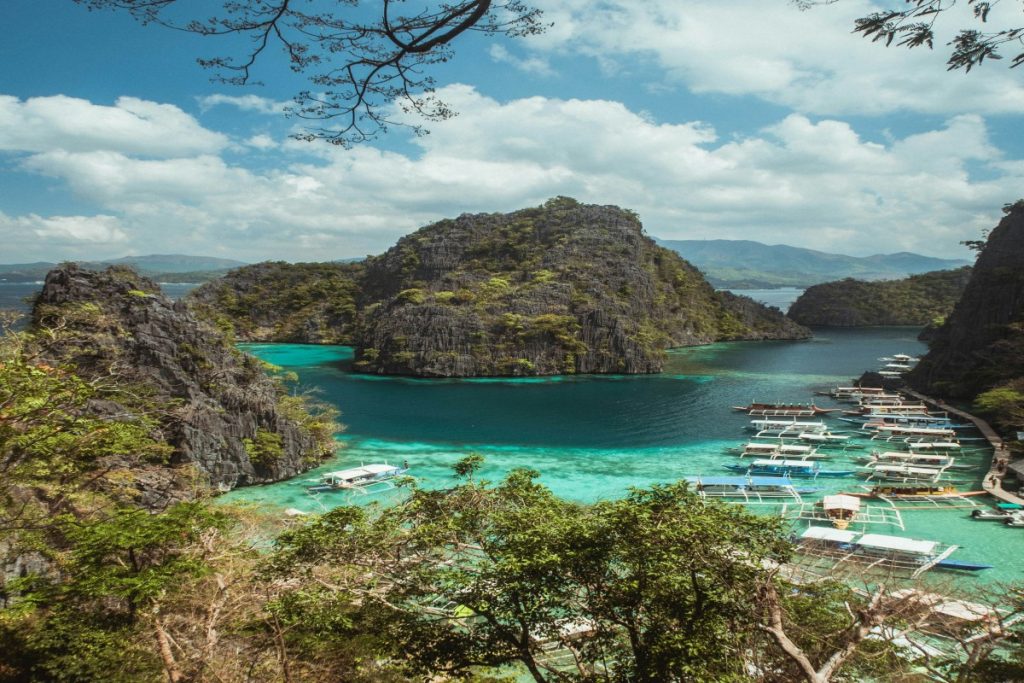
If you’re gearing up for your first-ever journey to the Philippines,get ready for a once-in-a-lifetime experience.The Philippines is a place that offers first-time visitors the best possible surprise. With more than 7,000 islands, crystal-clear waters, energetic cities, and friendly locals, organizing your first trip can be both thrilling and overwhelming. To fully experience the Philippines without hurrying or missing its highlights, a well-planned Philippines travel itinerary is essential. Whether you have five days, seven days, or a little more, this Philippines travel guide is specifically made for first-time travelers, assisting you in creating the ideal itinerary, comprehending expenses, and traveling with confidence. Understanding the Philippines Before You Plan Travel time is important in the Philippines because it is an island nation with multiple destinations. There are frequent flights between islands, and every area has a unique atmosphere. Beaches & islands: Palawan, Boracay, Cebu Adventure & diving: Cebu, Bohol, Siargao Culture & cities: Manila, Cebu City, Vigan Instead of attempting to see everything at once, a smart Philippines trip planner focuses on fewer destinations. Best Places to Include in a First-Time Philippines Itinerary 1. Manila – The Starting Point Manila is where the majority of international flights land. Cultural sites like Intramuros Food, shopping, and nightlife Gateway to domestic flights Before island hopping, spend a day getting used to this place. 2. Palawan – The Postcard Philippines Often regarded as the most picturesque area in the nation. El Nido island-hopping tours Limestone cliffs and lagoons Perfect for leisurely exploration Palawan is ideal for itineraries that are five or seven days long. 3.Cebu & Bohol – Adventure Meets Culture It is excellent for first-timers and especially to the one who wants variety. Waterfalls, snorkeling, whale sharks Chocolate Hills and tarsiers in Bohol Easy inter-island connections In this area, adventure and sightseeing are balanced. Philippines Itinerary 5 Days (First-Time Friendly) Day 1: Arrive in Manila, explore Intramuros Day 2: Fly to El Nido (Palawan) Day 3: Island hopping tour Day 4: Beach time and viewpoints Day 5: Return to Manila & depart This Philippines itinerary 5 days trip works best for travelers focused on beaches and scenery. Philippines Itinerary 7 Days (Balanced Experience) Day 1: Manila sightseeing Day 2: Fly to Cebu Day 3: Cebu waterfalls & snorkeling Day 4: Ferry to Bohol Day 5: Chocolate Hills & island tour Day 6: Fly to Manila or Palawan Day 7: Departure A Philippines itinerary 7 days trip offers a mix of culture, adventure, and relaxation—ideal for first-time visitors. How to Plan the Best Itinerary for the Philippines Remember these things when creating your Philippines itinerary: Limit to 2–3 destinations that is not more than two or three places Take flights rather than ferries when traveling long distances. Consider travel delays due to the weather or other factors. Give islands priority over cities especially when you are making your first trip. A more seamless and pleasurable experience is guaranteed with this strategy. Philippines Trip Cost from India (Estimated) Cost is a question that tourists frequently ask. Approximate budget per person: Flights (India–Philippines): ₹35,000–₹60,000 Hotels (mid-range): ₹3,000–₹6,000 per night Food & local transport: ₹2,000–₹3,000 per day Activities & tours: ₹10,000–₹20,000 total A seven-day Philippines trip cost from India ranges between ₹80,000 and ₹1.3 lakh, depending on the mode of transportation. Best Time to Visit the Philippines November to April: Best weather, peak season December–January: Great for first-timers, festive vibe June to October: Monsoon season (cheaper but riskier) Winter is the best season for a seamless first trip. Getting Around: Flights, Ferries & Transfers Time and energy are saved by inter-island flights. Domestic flights are inexpensive and frequent. Ferries are ideal for short trips. In remote areas, private transfers are helpful. Logistics can be made easier with pre-arranged transfers or a good Philippines tour guide. Food, Culture & Local Experiences The Philippines offers simple but flavorful cuisine. Try adobo, lechon, sinigang In well-known locations, street food is safe. Many people speak English. Due to its cultural openness, the Philippines is a beginner-friendly country. Travel Tips for First-Time Visitors Carry cash for small towns and islands. Schedule extra days to account for weather variations or buffer days. Make reservations for island tours one day in advance. Pack light, breathable clothing A good trip can be made even better with these suggestions. Why the Philippines Is Perfect for First-Time International Travelers Friendly locals and English-speaking environment Easy island-hopping experiences Reasonably priced in comparison to many beach locations The perfect balance of leisure, relaxation and adventure This Philippines vacation guide demonstrates that the nation is hospitable, adaptable, and memorable for newcomers. Must-Have Experiences in the Philippines There are certain experiences that make a first trip to the Philippines unforgettable. Island hopping in El Nido or Coron Snorkeling or diving in crystal-clear reefs Sunset views from white-sand beaches Local market visits and street food tasting Traditional boat rides and coastal village walks The essence of traveling to the Philippines is shaped by these experiences. Unique Highlights That Make the Philippines Special Even when it comes to island travel, the Philippines stands out. More than 7,000 islands with different landscapes Limestone cliffs, lagoons, and hidden beaches Warm, welcoming local culture Many people in the nation speak English. Inexpensive first-time guided tours This combination facilitates planning and enhances the experience of travel. Top Things to Do for First-Time Visitors There is more to the Philippines than just beaches. Explore Intramuros in Manila Chase waterfalls in Cebu Visit Chocolate Hills in Bohol Relax on Boracay’s White Beach Lagoon kayaking in Palawan A balanced itinerary combines relaxation, culture, and the outdoors. Where to Stay in the Philippines (By Travel Style) Selecting the ideal base enhances your journey. Manila: Central lodgings close to BGC or Makati Palawan: Boutique accommodations(resorts) or beachfront resorts Cebu/Bohol: Mid-range resorts near attractions in Cebu/Bohol Boracay: Beachside hotels for easy access It is advantageous for newcomers to stay close to major transportation hubs. Island Hopping vs Slow Travel: What to Choose Not every traveler desires the same pace. Island hopping is
Bollywood-Inspired Travel: 10 Bollywood Movie Locations in India
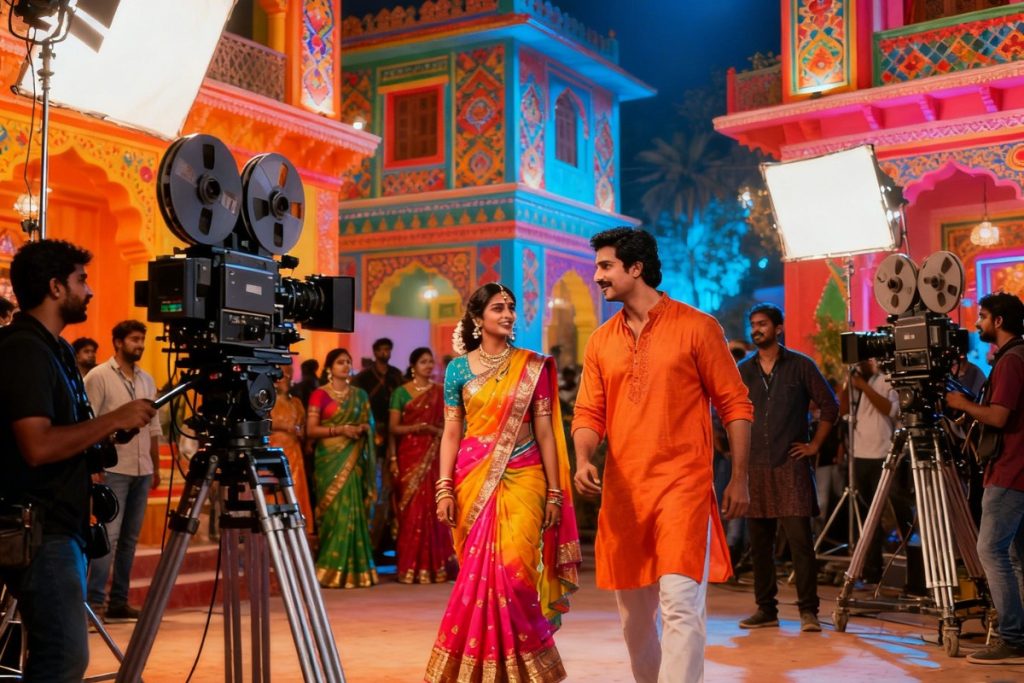
Bollywood is more than just a film industry in fact it is a source of inspiration for travel.The films are set in a number of places that have become popular travel destinations worldwide. Many famous movie scenes were filmed in places you can still visit today, from snow-covered mountains and royal palaces to busy streets and serene beaches. A single song has the power to inspire you to pack your bags, create a Bollywood-themed travel itinerary, and track down the precise location of your favorite scene.The best part? Many of these famous sites are actual locations that you can visit, explore, take pictures of, and experience exactly like the characters did on screen. If you want to experience India through the eyes of film makers, then these Bollywood movie locations are a perfect place to start. 1. Pangong Lake, Ladakh – Where the Ending of 3 Idiots Lives On Famous films: 3 Idiots, Jab Tak Hai Jaan Why it feels special: Pangong Lake doesn’t look real even when you’re standing in front of it. The water shifts shades of blue and green through the day, and the silence makes the place feel almost unreal. What to do beyond the movie spot: Drive along the lake for quieter viewpoints Visit nearby villages for a glimpse of Ladakhi life Stay overnight to see the lake under moonlight Unique highlights: Pangong Lake changes color multiple times a day due to sunlight angles Located at over 14,000 ft, making it one of the highest filming locations in India Best visited between May and September Travel tip: Acclimatization is key. Spend at least one day in Leh before heading here. 2. Udaipur, Rajasthan – Bollywood’s Favorite Romantic Backdrop Famous films: Goliyon Ki Raasleela Ram-Leela, Yeh Jawaani Hai Deewani Why filmmakers love it: As a naturally cinematic place, Udaipur’s lakes, palaces, and old streets do not require filters to showcase their beauty. How to experience it like a film scene: Go for a sunset boat ride across the lake Pichola. Explore City Palace’s courtyards in the early morning. Dining in the evening at Rooftop Cafes with vistas across the lake. Travel tip: To get more filming locations and better scenic views, stay in the old part of the city. 3. Manali, Himachal Pradesh – Road Trips, Snow & Feel-Good Scenes Famous films: Yeh Jawaani Hai Deewani, Jab We Met Why it works on screen: Manali is ideal for coming-of-age movies and it’s full of winding roads and unexpected snowfall, along with great little cafes. Don’t just stop at the famous spots: Check out Old Manali, where you can find great cafes and peaceful lanes Take scenic shots by driving up to Solang Valley. Also, take some short-themed hikes through the forest when you’re out sightseeing. Travel tip: When sightseeing, go early in the day to beat the crowds; peak seasons are especially heavy with traffic! 4. Kashmir Valley – Poetry, Emotions & Natural Drama Famous films: Haider, Bajrangi Bhaijaan What makes it unforgettable: Kashmir’s landscapes don’t need a script—they already tell a story.Often referred to as Bollywood’s original outdoor studio.Dal Lake shikara scenes are filmed at dawn for soft lighting. Beyond Dal Lake scenes: Visit Pahalgam for open valleys and rivers Explore Gulmarg meadows if weather allows Try a traditional shikara ride at sunrise Travel tip: Plan with flexibility. Best visited between April and October.Weather and local conditions can change quickly. 5. Mumbai – The City That Is Bollywood Famous films: Wake Up Sid, Bombay, Dil Chahta Hai Why this city feels cinematic: From Marine Drive to narrow Bandra lanes, Mumbai is constantly playing itself in films. Experience Mumbai like a movie montage: Morning walk at Marine Drive Explore Bandra’s cafés and street art Take a Bollywood studio tour if you’re curious Travel tip: The early morning walk along Marine Drive provides an opportunity to see popular locations without the crowds. 6. Goa – Where Every Frame Feels Like a Holiday Famous films: Dil Chahta Hai, Dear Zindagi Why Goa keeps coming back on screen: Beaches, forts, sunsets, and a relaxed atmosphere are what make Goa the vacation spot for Bollywood. More than just Chapora Fort: Visit quieter beaches in South Goa Explore Portuguese-era streets and churches Watch sunsets from lesser-known viewpoints Goa is good at any point of time, but is best between October and March when it’s cool. Most of the beach scenes are filmed in the early morning and late evening. Travel tip: Renting a scooter will allow you to explore the filming sites of a movie at your comfort. Explore South Goa for quieter filming locations. 7. Jaipur – Royal Frames & Historic Drama Famous films: Bajrangi Bhaijaan, Jodhaa Akbar Why it stands out: Jaipur can transform into any historical city in a movie while remaining true to its heritage. Explore beyond the famous forts: Walk through old bazaars early morning Visit lesser-known stepwells nearby Catch cultural shows in the evening Unique highlights: Amber Fort and Hawa Mahal are frequently used for historical scenes Jaipur is featured in films as many different fictional cities when it comes to shooting movies. The best time to visit Jaipur is between October and March. Travel tip: Winter is best for long sightseeing days without heat fatigue. 8. Kolkata – Old Souls & Quiet Storytelling Famous films: Piku, Parineeta What gives it character: Kolkata’s charm lies in its lived-in feel—perfect for emotional, grounded stories. How to soak it in: Walk North Kolkata’s old neighborhoods Visit heritage cafés and bookshops Watch life unfold along the Hooghly River Unique highlights: North Kolkata’s old lanes are preserved for period films Many locations are residential neighborhoods Ideal for slow, culture-focused travel Travel tip: Slow down. This city rewards patience and curiosity. 9. Rann of Kutch – Vast, Bold & Visually Striking Famous films: Ram-Leela Why it looks unreal on screen: The endless white desert creates powerful visual contrast. Make the most of your visit: Time your trip with Rann Utsav Explore nearby craft villages Stay overnight for stargazing Filming
Songkran Festival in Thailand: A Complete Travel Guide to the World’s Biggest Water Celebration
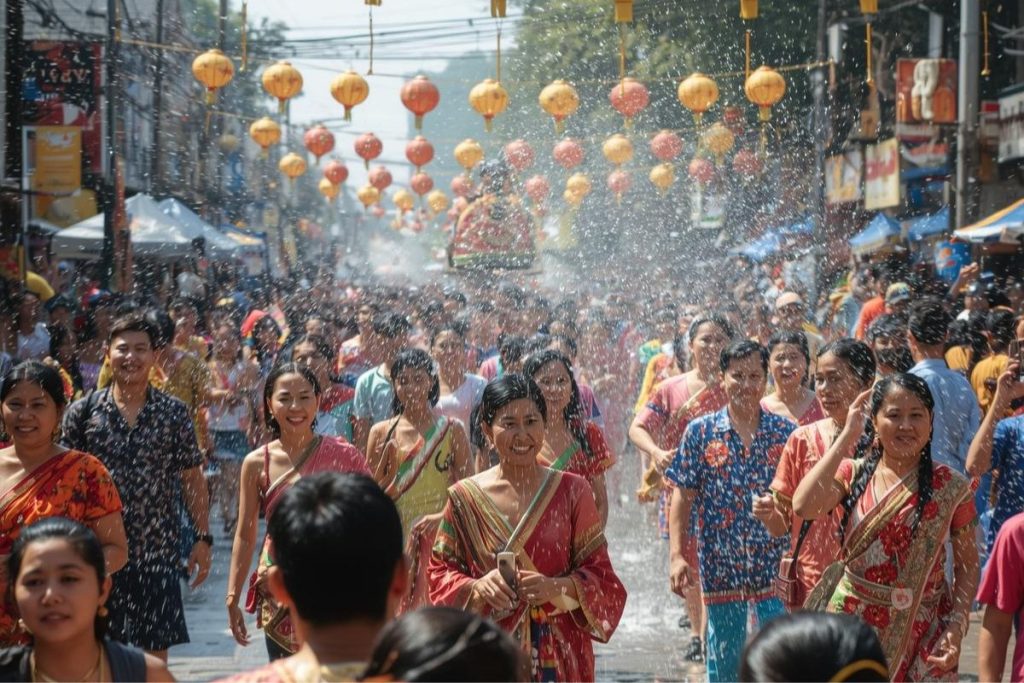
If there is a festival that embodies Thailand’s joyous nature, rich cultural heritage, and love of festivities, it is the Songkran Festival in Thailand.Songkran, the traditional Thai New Year, is celebrated with vibrant water fights, spiritual rites, family get-togethers, and street-wide celebrations that last for days. It is widely recognized as the Thai water festival.Residents and visitors gather each April to splash around, wash away bad luck, and celebrate a new beginning. Everything you need to know is covered in this guide, including the history, festival dates,best places to celebrate Songkran in Thailand, a carefully well-planned Songkran itinerary, important travel advice, and frequently asked questions to help you get the most out of this remarkable New Year’s celebration. What Is the Songkran Festival in Thailand? Thailand’s traditional New Year’s celebration is called the Songkran Festival.The origins of this festival can be traced back to ancient Buddhist and Hindu traditions.Songkran means “to move” or “to pass” in Sanskrit. It marks the start of a new year and the sun’s entry into a new zodiac sign. In Songkran festival, people prayed for happiness, wealth, and good health by lightly pouring water over Buddha statues and elders’ hands as a blessing.This tradition evolved into the vibrant Thai water festival we see today, where entire cities are turned into riotous water battlegrounds. Despite its contemporary fun, Songkran is a spiritual and family-oriented celebration. It combines tradition and celebration in a way that only. Songkran Festival 2026 Dates The official Songkran festival 2026 dates are: April 13 to April 15, 2026 Nonetheless, festivities can start a day early or last up to a week in many cities. To give everyone an opportunity to take part, some locations even extend the celebrations. Since April is Thailand’s hottest month.During April, splashing in the water is not only symbolic but also very cool. Why Water Is Central to Songkran Water is the heart of the Songkran Festival in Thailand. In Thailand, the Songkran Festival revolves around water, which has profound symbolic meaning. Water has historically been used as a symbol of purification, washing away bad luck, errors, and negative energy from the previous year. Today, the symbolic sprinkling has turned into: Water guns Buckets of ice-cold water Street-wide water fights Smiles, laughter, and friendly chaos It’s common (and expected!) to get soaked the moment you step outside during Songkran. If you don’t want to get wet, it’s best to stay indoors—because no one is spared! Best Places to Celebrate Songkran in Thailand Different cities offer different Songkran vibes. Here are the best places to celebrate Songkran in Thailand, depending on what kind of experience you want. 1. Bangkok – The Ultimate Songkran Experience Bangkok hosts one of the biggest and liveliest Songkran celebrations in the country. Top areas: Khao San Road – Backpacker-friendly, wild, and energetic Silom Road – Long stretches of water fights, music, and crowds Temples & Old City – For traditional rituals and cultural experiences Bangkok is ideal if you want a mix of modern festival energy and traditional Thai customs. 2. Chiang Mai – Cultural Capital of Songkran Chiang Mai is often considered the best place to experience traditional Songkran. Highlights include: Rituals along the Ping River Temple visits and merit-making Sand pagoda building Slower, more meaningful celebrations alongside water fights If you want culture, history, and community vibes, Chiang Mai is perfect. 3. Pattaya – Extended Party Celebrations Pattaya is famous for extending Songkran celebrations beyond the official dates. Expect: Beachside water fights Nightlife and street parties A more party-focused atmosphere Great for travelers who want non-stop celebration. 4. Phuket – Beach + Festival Fun Phuket blends Songkran with tropical beach vibes. You can enjoy: Water fights near Patong Beach Resort celebrations A relaxed but festive environment Ideal for couples and beach lovers who want fun without overwhelming crowds. Songkran Traditions and Rituals You Should Know While water fights dominate social media, Songkran traditions and rituals are deeply meaningful. Temple Visits Locals visit temples to: Pour water over Buddha statues Offer food to monks Make merit for the new year Respecting Elders In order to show respect and obtain blessings, younger people gently pour scented water on elders’ hands. Family Gatherings Families gather together, clean their homes, and pay respect to their ancestors during Songkran. Respectfully engaging in these customs enhances the richness of your trip. Songkran Thailand Travel Tips (Very Important!) Remember these Songkran Thailand travel tips to make the most of the Songkran Festival in Thailand. What to Wear Light clothing that dries quickly Wear comfortable sandals or waterproof shoes Avoid white or delicate fabrics Safeguard Your Property Make use of waterproof phone cases. Keep minimum valuables with you. Documents should be sealed. Stay Safe Avoid motorcycles because the roads are slippery Avoid splashing water in people’s faces. Be respectful towards monks, children, and elderly people Book in Advance Make reservations in advance.During Songkran, hotels and flights sell out fast, particularly in Bangkok and Chiang Mai. Food & Local Experiences During Songkran Thai food is best experienced during Songkran. Must-try dishes: Khao Chae –Khao Chae, a traditional Songkran dish made with chilled water and jasmine rice. Som Tum – Papaya salad Mango Sticky Rice The festival is a foodie’s paradise because there are street food markets all over the place. Is Songkran Safe for Tourists? In general, Songkran is safe and friendly to visitors. However, follow basic Songkran safety tips: Be mindful in crowded areas If uncomfortable, avoid and stay away from areas where alcohol is consumed. Be mindful of cultural differences and respect cultural boundaries Thai people are very welcoming and delighted to have guests join in their festivities. Why You Should Experience the Songkran Festival at Least Once Thailand’s Songkran Festival is more than just a celebration; it’s a feeling. It teaches you to embrace renewal, connect with strangers, laugh freely, and let go. Few festivals in the world combine: A sense of community Community spirit Playful chaos Travel excitement Songkran creates treasured memories whether you come for