

Rann Utsav 2026-27: Dates, Tickets; First-Time Visitor’s Travel Guide
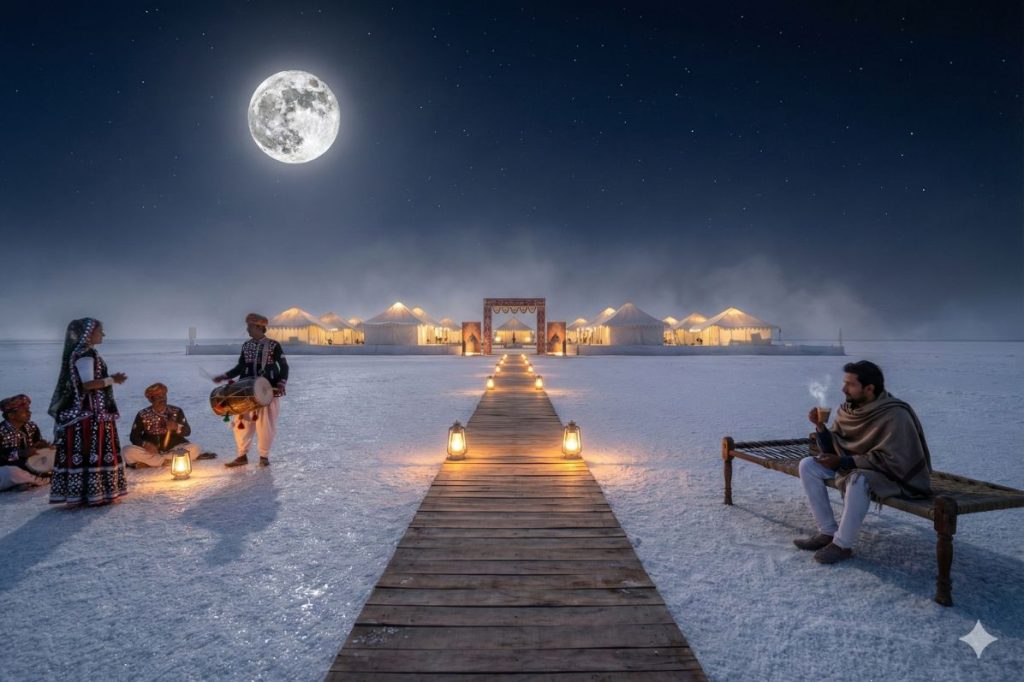
Last Update: 07 April 2026 Introduction Rann Utsav is truly a magical festival. The festival takes place in a remote desert area known as Rann of Kutch. The desert has very few inhabitants and is home to many ethnic groups. While you stand on a flat, white salt pan looking up at the stars, you hear the sound of traditional folk music playing in the background as you drink hot spiced tea called chai from a tent set up beside the tent where artisans sell their wares. You are surrounded by artisans who sell their goods, including colourful clothing and other beautiful handicrafts. You can also smell the delicious, traditional dishes being served at food stalls all around the festival. If this is your first time visiting, this guide will help you with: 2026 festival dates & booking tips How to reach the desert and where to stay What the Tent City experience includes Best travel windows, costs, and practical tips In Short – Key Takeaways Festival Period: late October/early November 2026 To February/early March 2027 Best months to visit: November to February – pleasant desert climate & full-moon nights Getting there: Fly or train to Bhuj → 80 km / ~1.5–2 hr road to Dhordo Tent City Why go: White-salt desert under full-moon, cultural shows, folk art & crafts, desert adventure under stars What Is Rann Utsav? Rann Utsav is a winter festival hosted in the Kutch’s Rann region, where there is a large expanse of white salt deserts. When illuminated by the moonlight, this vast desert transforms into a dream-like white scene. During the festival’s existence, it has evolved into a combination of several aspects including nature, culture, adventure, and hospitality. This festival provides an opportunity for travelers who want to do something different than visit beaches or populous areas. What to Expect at Rann Utsav A temporary Tent City at Dhordo offering varied accommodation from simple tents to premium cottages Cultural nights with folk music, traditional dance, local cuisine, and handicraft bazaars showcasing Kutchi art & textiles Desert adventures: camel rides, ATV/buggy rides, paramotoring, night desert safaris, sunrise & sunset visits to the White Desert White-salt plains glowing under full-moon – a surreal photography & stargazing experience For many, Rann Utsav is a chance to experience Gujarat’s heritage, desert beauty, and local hospitality all at once. Rann Utsav 2026 Dates & Schedule Period What to Expect Late Oct – Early Nov Festival kickoff; moderate crowds; first full-moon nights after monsoon November – February (Peak) Best time – clear skies, comfortable weather, full-moon nights, maximum cultural events & tent occupancy March (early) Festival wind-down; fewer crowds, cooler desert mornings, ideal for budget travelers Best months to visit: November, December, January – when the weather is pleasant, nights are cool, and the desert under moonlight is magical. Pro tip: For a jaw-dropping experience, aim for full-moon nights – the salt desert reflects moonlight beautifully, creating a surreal, dream-like landscape. Location & How to Reach Rann Utsav Where is it Held? The festival is held at Dhordo Tent City, set at the edge of the White Salt Desert in Kutch, Gujarat. How to Reach Mode Details By Air Fly into Bhuj Airport (BHJ) – nearest airstrip to Rann Utsav By Train Reach Bhuj Railway Station, well connected to major cities; then travel by road From Bhuj to Dhordo ~80 km / ~1.5–2 hours by road. Taxi, shuttle or pre-arranged transfer recommended Typical travel cost (road transfer from Bhuj): modest – especially if using shared taxi or shuttle services. If you come via major cities like Ahmedabad, Mumbai or Delhi, you can combine flight/train to Bhuj + road transfer for a smooth journey. Why Rann Utsav Should Be On Your Travel Radar If you’re looking for a travel experience unlike beaches, hills or cities – Rann Utsav offers a magical mix: A salt-desert transformed into a cultural festival under a blanket of stars Rustic tents & ethnic vibes that bring you close to local culture Adventure + calm: desert safaris by day, folk music under moonlight by night Affordable for Indian travellers – budget friendly compared to international trips Whether you’re travelling solo, with family or friends, Rann Utsav gives a slice of surreal beauty, culture, and adventure – all wrapped into one experience. For travellers who enjoy global seasonal festivals, this could be India’s most unique winter escape – something akin to a desert festival crossed with a cultural carnival. Rann Utsav Tent City & Accommodation Guide When you arrive at Rann Utsav, you stay at the well-managed Tent City at Dhordo. Here’s what you need to know about accommodation and tent city booking. Types of Tents & Facilities Rann Utsav tent options range from budget-friendly to premium luxury. Choices include: Tent Type / Class Key Features Non-AC / Basic Tent or Swiss Cottage Simple tent or cottage with fan or basic ventilation, twin beds or single, attached bathroom – budget friendly. Deluxe AC / AC Swiss Cottage Air-conditioned or well-ventilated, attached bathroom, comfortable beds and amenities – mid-range comfort. Premium Tent Bigger space, typically better interiors, AC, front porch – good balance of comfort & value. Super Premium / Luxury / “Darbari / Rajwadi Suite” Highest level comfort: AC, premium furnishings, possibly more space or suite-style amenities for couples or those wanting luxury. All tent-city stays usually include meals, access to cultural evenings & festival-related shows, and proximity to the desert/sunset-point for night desert & full-moon experiences. Tip for selection: If you’re on a budget or travelling solo or as backpackers → choose Non-AC / Deluxe tent. For families, couples or comfort-seekers → Premium or Super Premium tent works best. For travellers after full comfort + extras (AC, privacy, luxury) → go for the luxury suite tent option. Rann Utsav Tickets & Tent City Prices (2026–27) Here’s a breakdown of typical tent-city pricing and inclusions. Actual tariff may vary based on dates (full-moon nights, holidays, demand), so check current rates before booking. Stay / Tent Type Price
Best international festivals to attend in December and January
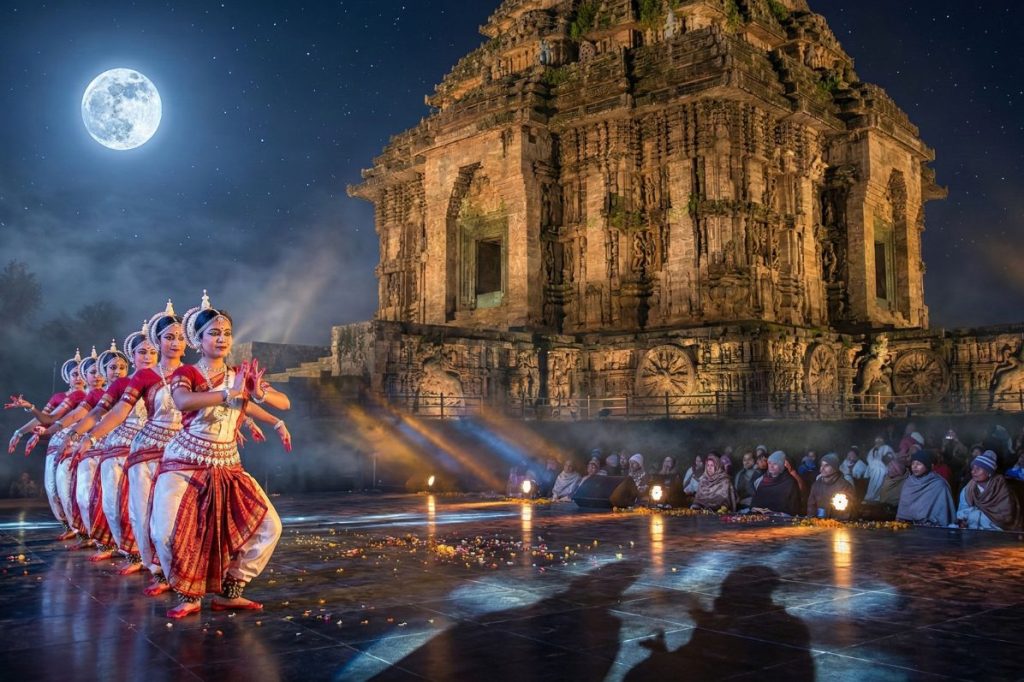
Last Update: 03 March 2026 The last few weeks of the year are always filled with a touch of magic. Cities are ablaze with twinkling lights, and there is an intoxicating aroma wafting through the streets from roasted chestnuts and cinnamon being prepared at winter festival markets. Fireworks can be seen reflecting off the surface of the ocean and rivers, and people are gathering and celebrating together as if they were the best of friends. For many travelers, the festivities in December for the holidays and celebrations for New Year’s day are memorable not only for celebrating, but also for the memories created during the holiday season. The celebration period of December creates an atmosphere of music, culture, and excitement that attracts tourists and creates excitement in their daily lives. Whether you want to: Stroll through Christmas festivals & winter markets in Europe Dance on the beaches of Brazil or Thailand on New Year’s Eve Watch iconic fireworks in Sydney, New York, Dubai, or Singapore – this guide will help you find the perfect celebration. In Short December and January are peak months for Global festivals & Winter festivals across Europe, Asia, North America, South America & Oceania. Best picks include Christmas Markets in Europe, Amsterdam Light Festival, Rio New Year Festival, Sydney Fireworks, Times Square NYC, Sapporo Snow Festival Japan, and Montreal Winter Festival Canada. Ideal for culture lovers, families, couples, backpackers, party-goers & festival travelers. Book 2–4 months early to save on flights and stays. Layers and warm clothing essential for European winter; tropical festival travelers pack light. Why Travel for Festivals in December & January Travelers are more likely to remember a moment or experience than a location; this is true not only for large cities but also for small towns. Memories of emotions (excitement, joy) in relation to cities will last much longer than memories of simply where you were (geographical location). Additionally, experiencing the sights and sounds of an event (snow falling in a town, or the sounds of a large crowd cheering) has a much greater emotional impact than just tasting food or looking at buildings. Why winter festival travel is worth it Cities look completely transformed with lights, parades, art installations & fireworks Cultural festivals offer local food, music, traditions & immersive experiences Perfect vacation window for offices, schools & families Best season for snow holidays, skiing, and winter wonderlands Globally, Festival Tourism has become one of the fastest-growing travel trends for 2025–2026 – travelers are planning trips around events, not the other way around. For inspiration on destinations around this time, you may also explore ? Best Winter Destinations for Christmas & New Year Vacations Best International Festivals to Attend in December Below are the most iconic December festivals around the world – combining Christmas festivals, light festivals, seasonal festivals, and winter cultural celebrations worth traveling for. Christmas Markets in Europe (Germany, Austria, Czech Republic, France, Switzerland) If there is one image that defines December travel, it is wandering through snow-covered fairytale streets glowing with Christmas lights, sipping hot mulled wine, listening to choirs sing carols beneath gothic cathedrals, and browsing stalls filled with handcrafted ornaments and winter treats. Europe’s Christmas Markets are some of the most beloved Winter festivals in the world. Experience Highlights Handcrafted gifts, gingerbread, and festive street food Magical night markets & music performances Ice skating rinks & castle-lit towns Snowfall that feels straight out of a movie Best cities to experience Christmas Markets Destination Why visit Average December Temperature Munich, Germany Most traditional Bavarian markets -4°C to 4°C Vienna, Austria Classical music + imperial architecture 0°C to 5°C Prague, Czech Republic Most photographed Christmas market in Europe -2°C to 3°C Strasbourg, France Called “Capital of Christmas” 1°C to 7°C Estimated Budget Hotels: €90–€200 per night (₹8,500–₹18,000) Food & Entry: €20–€50 per day Full 1-week trip average: €900–€1,800 (₹85,000–₹1,70,000) What to Pack Thermal layers, fleece jackets, gloves, scarves, anti-slip winter boots Thermo flask & pocket warmers Travel Tips Weekday visits have fewer crowds and cheaper flight rates Pre-book popular market tours & chapel concerts For more festive inspiration, check ? Top International Destinations for New Year Celebrations Amsterdam Light Festival – Netherlands A glowing wonder of art, creativity, and water – the Amsterdam Light Festival turns the city’s canals into a floating museum. Artists from around the world install giant illuminated sculptures and projections that come alive at night. Why Travelers Love It Magical nighttime canal cruises surrounded by floating light art Walkable festival paths with installations on bridges & waterfronts A photographer’s paradise Dates Late November – Early January (varies each year) Cost Festival canal cruise: €20–€35 (₹2000-₹4000) Accommodation: €110–€200/night (₹11,000-₹21,000) Weather 2°C to 6°C – cold & damp, carry waterproof layers Check our detailed guide ? Amsterdam Light Festival Route, Tickets & Timings – Complete Travel Guide Winter Wonderland – London, United Kingdom One of the most thrilling Winter festivals in the world, held at Hyde Park. Experience Ice skating rink, carnival rides, circus shows Christmas village & food markets Giant observation wheel & music shows Budget £100–£200 (₹12,000-₹25,000 approx.) per day per traveler Hotels begin at £120–£300/night (peak pricing) Weather 2°C to 8°C Expect rain → Pack waterproof & thermal wear. Hong Kong WinterFest A glowing skyline, Christmas lights on skyscrapers across Victoria Harbour, giant installations at Harbour City & Disneyland celebrations. Good for: Families, couples, shopping travelers Dubai Shopping Festival & New Year Fireworks Known for luxury shopping, concerts, drone light shows & the world’s most extravagant fireworks display near Burj Khalifa. Tips Book stays early – December = peak tourism Ideal warm-weather winter escape Spain’s December Festivals & Three Kings Parade – Madrid & Barcelona Colorful parades, fireworks, dances and gift-giving festivities. Rio de Janeiro New Year Festival – Brazil Millions dressed in white gather at Copacabana Beach to watch one of the world’s largest fireworks shows. Best Global Festivals to Attend in January New Year’s Eve at Times Square, New York City (USA) January celebrations often begin the night before –
Best Winter Destinations for Christmas & New Year Vacations
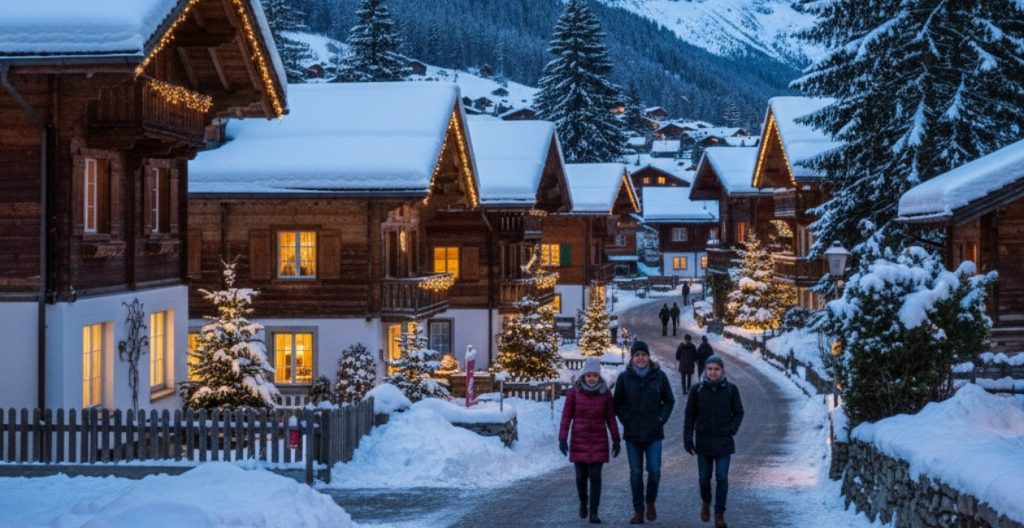
The end of each year is filled with a variety of festive games, gatherings, and markets, and a huge amount of sparkle and fun! Christmas and New Year offer people a chance to get away from the normal routine and have unforgettable experiences, so it is more than just another holiday or event to share with friends and family. Travellers today want to experience unique moments – viewing fireworks against the backdrop of famous landmarks, building snow sculptures in snow-covered villages, dancing at midnight on tropical beaches, or drinking champagne beneath the Aurora Borealis (Northern Lights). The way we celebrate this time of year has changed; instead of staying home, we now focus on creating lifelong memories. Why People Love Traveling During Christmas & New Year For most people, the holiday season brings plenty of joy, excitement, and oneness with each other as they celebrate worldwide during this time of year. Many global cities are transformed into winter wonderlands, while millions of people will travel for romantic getaways, time with family, or exciting ‘bucket list’ adventures too. Celebrating holidays overseas is an exciting and liberating experience that allows you to expand your horizons – rather than putting up the same old, familiar Christmas tree, you’ll have the chance to check out the tallest Christmas tree in the world located in Dubai, enjoy the Rockefeller Tree lighting ceremony in New York City, or wander around snow-covered streets in Switzerland (around Christmas time) listening to carols. When you travel to celebrate a holiday, you are essentially celebrating the journey itself. Experience over celebration at home While staying home feels safe and familiar, celebrating Christmas and New Year abroad transforms the occasion into a once-in-a-lifetime experience. Travel gives you: New cultures and festive customs to explore Unique food, decorations, traditions & winter activities The chance to step out of routine and reconnect with loved ones Memories that feel richer than any material gift Today, experiences matter more than possessions – and December is the most meaningful time to invest in experiences. Travel Trends 2026 The global travel landscape is evolving rapidly, and the 2026 winter season is expected to be one of the biggest travel periods of the decade. Here are the most exciting travel trends shaping December 2026 vacations: ✦ Snow & Arctic travel boom Travelers are increasingly drawn to cold destinations like Finland, Iceland, Switzerland, and Canada to chase snowfall, Northern Lights, and winter wonder landscapes. ✦ Festival & event tourism Instead of regular sightseeing vacations, people plan trips around major events – New Year fireworks, Christmas markets, music festivals, theme-based experiences, and cultural shows. ✦ Digital Nomad slow travel More professionals blend work + travel and choose longer itineraries across multiple destinations, especially during the holiday slowdown period. ✦ Experiential and immersive travel Local cultural experiences, cooking workshops, festive parades, igloo stays, ski & snow adventure holidays, wine & Christmas market tours, and offbeat road trips are trending more than typical package tours. ✦ Multi-destination and multi-experience trips Travellers combine 2 or more countries in one holiday – perfect for celebrating Christmas in one place and New Year in another. Why Plan a Combined Christmas + New Year Vacation Most people either travel for Christmas or New Year – but planning a single extended vacation that covers both festivals is now the smartest and most enjoyable trend. Here’s why: Longer holidays & time flexibility The end-of-year breaks, school holidays, and corporate closures create the ideal window to plan a 10- to 15-day vacation without taking excessive leaves. Best global weather December marks peak winter across Europe, UK, Canada, and parts of Asia – bringing postcard-perfect snow destinations. Meanwhile tropical beaches like Bali, Thailand, and the Maldives offer sunny escapes. Better value for money Instead of spending on two short trips separately, combine Christmas + New Year into one long adventure – better planning, smarter budget, lesser travel fatigue, and more experiences. Perfect for every traveler type Whether you’re a couple seeking romance, a family with kids, or a friends group wanting the biggest parties – extended festive vacations give everyone the time to enjoy themselves fully. Key Highlights Here’s what you’ll discover in this travel guide: The best places around the world to enjoy magical Christmas markets & spectacular New Year fireworks Destinations suitable for couples, families, party lovers, luxury travelers, and budget explorers Weather, budgeting, and travel tips for December vacations Detailed 7-10 day itineraries designed to celebrate Christmas & New Year together Local experiences, adventures, and must-attend events Options for multi-city and multi-country route planning Top 6 Destinations in the World for Christmas & New Year Vacations Below are six handpicked destinations-crafted to help you enjoy both Christmas & New Year in one epic vacation, with experience-rich itineraries, nearby excursions, markets, fireworks and seasonal events. 1. Switzerland & France (Zurich → Lucerne → Interlaken → Paris) Perfect for: Couples, winter lovers, first-time Europe travelers, Christmas markets, luxury holidays Ideal Trip Duration: 10–12 days Celebrate Christmas in the snow-filled Swiss Alps and ring in the New Year with fireworks under the Eiffel Tower – the ultimate magical winter route. Switzerland in late December turns into a postcard: frozen lakes, wooden chalets decorated with Christmas lights, fondue cafés, ski slopes, and scenic train journeys like the GoldenPass and Glacier Express. Begin in Zurich, exploring its traditional Christmas markets and Lake Zürich views; spend a white-Christmas in Lucerne or Interlaken, enjoying Mt. Titlis & Jungfraujoch snow activities; then travel to Paris for New Year countdown. Suggested Itinerary Dec 21–23: Zurich – Old Town walks, Bahnhofstrasse Christmas market, Rhine Falls day trip Dec 24–26: Lucerne / Interlaken – Christmas celebrations, Mt. Titlis ice cave, Jungfraujoch Top of Europe Dec 27–30: Scenic train to Paris, Disneyland Christmas Parade Dec 31: Eiffel Tower fireworks & Champagne cruise on the Seine Seasonal Highlights Magical snowy Christmas & European festive charm Luxury winter trains & alpine adventures Iconic Paris New Year celebration 2. New York + Niagara + Washington DC (USA East Coast) Perfect for:
Top International Destinations for New Year Celebrations
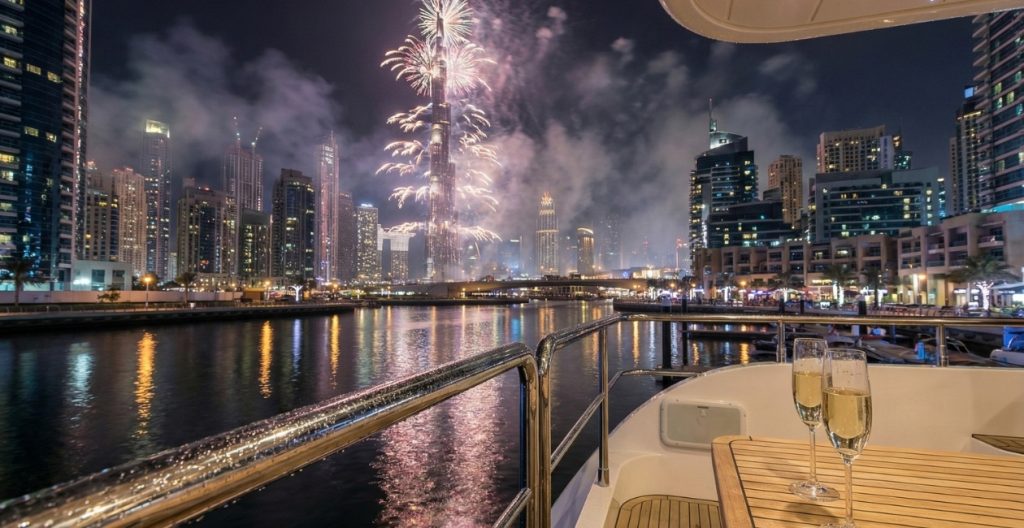
Across the globe, many of us around the world celebrate New Year’s Eve as one of our most cherished and exciting dates each year. This is the date filled with celebrations, fireworks, countdowns, large crowds of people celebrating, and amazing memories. If you are thinking about planning on going away for New Years this coming season, this is a perfect opportunity to travel to some of the most famous and best cities or holiday spots in the world. No matter where you are traveling to (Australia, America, Asia) there are astounding displays of fireworks being held in cities like Sydney, Dubai, etc., as well as romantic date nights in locations like Paris and the Maldives, as well as festive street parties being held in locations like Bangkok and New York City – the ways in which we all celebrate the New Year are limitless!! If your travel plans are for a luxury getaway, budget-friendly trip away for New Years, a family vacation away for New Years, or a Romantic Vacation away to Celebrate New Year’s, there are a ton of amazing options out there for you! International travel is becoming more and more common due to trends related to international tourism and the growing number of countries that are now offering the ability to enter their country with a quick and easy visa as well as their festive travel offerings/travel packages will contribute to making international travel for New Year 2025 one of the top Holiday Choices as well. Why Celebrate New Year Abroad? Celebrating New Year outside India is not just a vacation – it’s an experience packed with energy, culture, emotion, and celebration. Here’s why travellers are choosing global destinations: Iconic Fireworks & Countdown Events – Burj Khalifa, Sydney Harbour, NYC Times Square, London Thames Beach Parties & Warm Winter Destinations – Bali, Phuket, Maldives, Singapore Romantic New Year Getaways – Paris, Santorini, Maldives, Swiss Alps Family-Friendly Celebrations & Festivals – Singapore, Dubai, Sydney, London Unique Cultural New Year Traditions – Japan, Spain, Hong Kong, Vietnam World-Class Nightlife & Parties – Bangkok, Amsterdam, Miami, Rio Better Travel Accessibility – More direct flights, travel packages, visa-on-arrival options Traveling abroad for New Year gives you a chance to begin the year in a new place, with new memories and inspiration – perfect for couples, families, solo travelers, and groups alike. Travel Trends for New Year 2025 Based on global travel forecasts and booking patterns: International New Year travel is expected to rise by 30–40% in 2025, especially among young Indian travellers and families Dubai, Singapore, Sydney, and Bali are among the top trending choices due to availability of Visa-on-Arrival / easy visas Affordable New Year destinations like Vietnam, Sri Lanka, Nepal, and Turkey are gaining huge popularity People are booking earlier than ever – 4–6 months in advance to secure flights and hotels at good rates Experiential trips (cruises, rooftop countdown parties, concerts, cultural festivals) are becoming more desirable than traditional travel Demand for customized and group holiday packages is rapidly growing, making New Year 2025 one of the biggest travel seasons Key Highlights Best global cities for New Year fireworks: Dubai, Sydney, New York, London Warm winter & beach celebrations: Bali, Maldives, Phuket, Goa Best places for nightlife & parties: Bangkok, Amsterdam, Miami Romantic escapes for couples: Paris, Santorini, Maldives Family-friendly destinations: Singapore, Dubai, Sydney Budget picks: Vietnam, Sri Lanka, Nepal, Turkey Book 4–6 months early for best prices Choose based on weather, visa, budget & travel style Top 10 International Destinations for New Year Celebrations 1. Dubai, UAE – The World’s Most Iconic New Year Fireworks Dubai remains one of the best international destinations for New Year celebrations, famous for its larger-than-life fireworks at Burj Khalifa, Palm Jumeirah, and Burj Al Arab. The entire city turns into a festival ground with concerts, luxury cruises, beach parties, desert gala nights and spectacular lighting across the skyline. Who should visit? Couples – Romantic dinner cruises at Dubai Marina, rooftop celebrations Families – Kid-friendly events, theme parks, fireworks views from beaches Party Lovers – Nightclubs, beach concerts & DJ nights Budget Travellers – Free public fireworks at Dubai Mall & Jumeirah Beach Luxury – Private yacht parties, Atlantis gala, five-star resort events Best Experience: Countdown at Burj Khalifa Fountain Show + Dinner cruise at Marina Best Time to Book: 3–5 months in advance Want a personalized New Year package with cruise or yacht options? The Tarzan Way helps plan curated Dubai experiences with airport-to-airport support and visa assistance. 2. Singapore – Family-Friendly Countdown by the Bay Singapore is perfect for travellers looking for a safe, clean, and beautifully organized New Year experience. The highlight is the New Year Marina Bay Countdown, one of Asia’s largest fireworks and laser light shows. Who should visit? Families – Universal Studios, Sentosa Island, SEA Aquarium Couples – Romantic sky-views from Marina Bay Sands, night cruise dinners Party lovers – Clarke Quay, Siloso Beach Party, rooftop bars Budget friendly – Chinatown & Gardens by the Bay light show (free entry) Special Experiences: Garden Rhapsody at Gardens by the Bay Cable car dinner with stunning skyline views Cruise countdown at Clarke Quay Singapore is a top choice for easy visa + quick weekend getaway from India, making it popular among families and first-time travellers. If you’re planning New Year travel combos like Singapore + Malaysia, The Tarzan Way can help design the perfect itinerary. 3. Sydney, Australia – The First Major City to Enter the New Year Sydney offers one of the most televised New Year celebrations in the world, with fireworks illuminating the Sydney Harbour Bridge and Opera House. Watching the fireworks reflected on water is a once-in-a-lifetime memory. Who should visit? Couples – Harbour cruise + opera dinner Families – Accessible viewpoints & parks Party travellers – Darling Harbour clubs & beach parties Budget – Free views from Mrs Macquarie’s Point Unique Experiences: Midnight fireworks cruise Bondi & Manly Beach parties Helicopter views of fireworks Sydney is perfect for people who want a stand-out,
How to Plan a Trip to Shimla Winter Carnival from Delhi
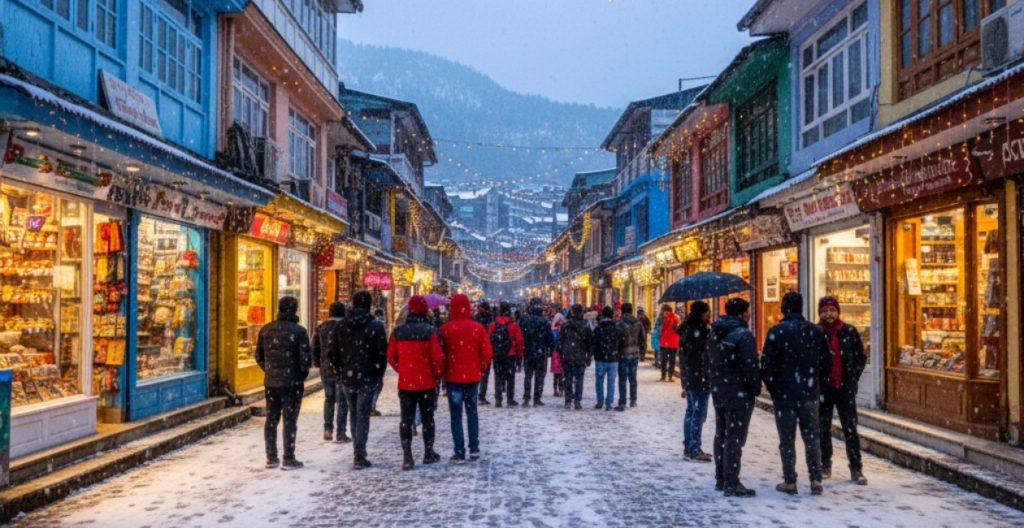
Last Update: 11 March 2026 If you have ever envisioned wintertime that features snow-laden streets, jubilant celebrations, and an energetic mountainous ambiance, then you must consider attending the Shimla Winter Carnival at the top of your travel agenda. Every January, the geographical and cultural capital of Himachal Pradesh welcomes visitors from Delhi and across the country. The Street comes alive to host new snowfall, cultural activities, dance performances and traditional festivities – it is one of the most exhilarating wintertime festivals in Himachal Pradesh, and if you have the opportunity to experience it, you should not miss it! However, attempting to make a trip to/from Delhi to attend the Shimla Winter Carnival necessitates preparation – traveling with various weather/transportation/accommodation options assists with things to consider, and missing out on key dates and timeframes to travel in January to get there. The purpose of this post is to walk through everything you will need to know about the Shimla Winter Carnival, such as what it is, key dates, and when are the best times to attend the festivities as a visitor in the snowfall season. The Tarzan Way will make your Shimla trip easier and less stressful with AI based personalized itinerary planning. Quick Summary Best month: January (peak winter + high chance of snowfall) Shimla Winter Carnival 2025: Early–Mid January (final dates to be announced) Top events: Folk dances, music concerts, ice skating shows, fashion shows, food stalls Best route from Delhi: Road or Volvo bus for direct access Ideal trip duration: 3 days Weather: –2°C to 7°C, expect snow at night or after a snowfall spell Who should visit: Families, couples, photographers, snow lovers Quick itinerary: Day 1 – Delhi to Shimla, Mall Road Day 2 – Carnival events + Kufri snow Day 3 – Local sightseeing, return Estimated budget: ₹6,000–₹15,000 depending on stay & transport What Is the Shimla Winter Carnival? The Shimla Winter Carnival is an annual winter festival that celebrates Himachal Pradesh’s culture, art, traditions, and the winter beauty of the region. The Carnival coincides with the peak of winter, especially when Shimla is covered in snow and adds an enchanting charm to the entire celebration. Why the Carnival is famous It combines culture, food, adventure, and snow in one event. Tourists enjoy Shimla at its most picturesque—blanketed in white snow. Major events take place around The Ridge, Mall Road, and Lakkar Bazaar, making it easy to explore on foot. It highlights Himachali culture through dance, handicrafts, and food stalls. Who should attend Families looking for a winter holiday Couples wanting a romantic snowy getaway Solo travellers and backpackers Snow lovers & photographers Festival enthusiasts In short, the Carnival brings winter alive with fun, colour, and culture, making it a top pick for travellers from Delhi every year. Shimla Winter Carnival 2025 Dates, Events & Highlights While official dates for Shimla Winter Carnival 2025 are typically announced closer to December, the festival historically takes place in the first or second week of January. Expected Dates for 2025 First Week of January – Mid January 2025 (Once government notifications are out, you can update this section.) Main Event Locations The Ridge – cultural shows, inaugural ceremony Mall Road – food stalls, shopping, live music Lakkar Bazaar – souvenirs, local crafts Ice Skating Rink near Lakkar Bazaar – winter sports events Major Events to Expect 1. Cultural Dance & Music Shows Himachali folk dances like Nati, Gaddi, and Kinnauri performances attract huge crowds. 2. Ice Skating Events Shimla boasts one of the oldest open-air ice skating rinks in Asia. Expect: Ice skating competitions Figure skating displays Beginner lessons 3. Fashion Shows & Talent Competitions Local artists and youth showcase modern and traditional styles. 4. Food Stalls & Himachali Cuisine Try: Siddu Babru Thukpa Momos Local hot beverages Winter sweets 5. Adventure Activities In and around Shimla, especially at Kufri, you can enjoy: Skiing Tobogganing Snow-walking Short treks 6. Photography & Art Stalls Carnival corners dedicated to local painters and photographers showcase Himachal’s landscapes and culture. Why These Events Matter for Travelers They offer a deep cultural immersion. Most activities are free or low-cost. Everything takes place in central Shimla, making navigation easy. The Carnival atmosphere is lively, vibrant, and perfect for winter travel. Explore Best Winter Adventure Destinations in India for Snow Lovers to plan your winter activities itinerary. Best Time to Visit Shimla Winter Carnival (Snowfall Season Guide) One of the biggest reasons Delhi travelers visit Shimla in January is the chance of experiencing live snowfall. When does Shimla get snowfall? Late December Early January Mid January These weeks are historically the most snow-heavy in Shimla. Temperature in January Day: 4°C to 7°C Night: –2°C to 2°C Cold waves and icy winds are common. Snowfall Conditions in Carnival Week Snowfall usually depends on weather patterns, but typically: After a western disturbance, Shimla often sees moderate snowfall. Kufri and Mashobra frequently see heavier snow than Shimla town. Best Days to Attend the Carnival Early mornings: Less crowd Evenings: Best for lights, music, and longer events Weekdays: Less crowded than weekends Peak vs Off-Peak Visit Time Pros Cons Early January High snowfall chance, coldest, best photos Max crowd, higher hotel rates Mid January Fewer tourists, still winter charm Slightly lower snowfall chances If You Want Snowfall Guarantee Visit: Kufri, Mashobra, or Narkanda (1–2 hrs from Shimla). Even during low-snowfall weeks in Shimla town, these areas usually stay snow-covered. Why This Is the Best Time for Delhi Travelers Perfect winter escape from Delhi’s foggy plains Carnival + snowfall = ideal holiday combo Scenic winter drives and mountain sunrises Cooler, fresher air compared to Delhi’s harsh winter pollution How to Reach Shimla Winter Carnival from Delhi (Complete Transport Guide) Travelling from Delhi to Shimla during winter is exciting but requires planning due to snowfall, fog, and traffic near festival venues. Here are all the travel options—road, bus, train, and flight—explained with winter-specific details. Delhi to Shimla by Road (Winter Road Trip) A road trip is one of the most
Best Winter Adventure Destinations in India for Snow Lovers
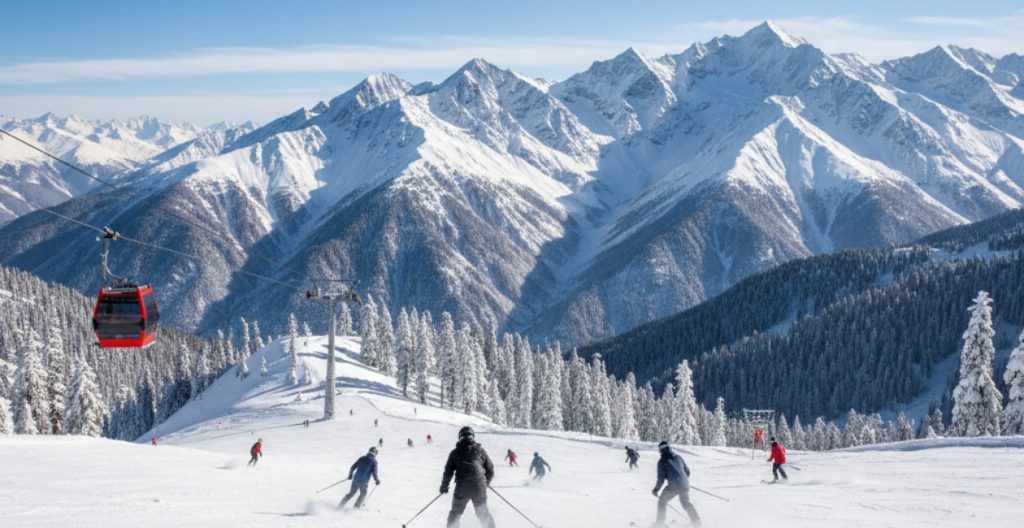
Last Updated: 03 March 2026 If you enjoy snow-covered landscapes, fresh winter air, and the excitement of adventure, India can be a fairytale playground from December to February. From skiing over fresh powder to winter trekking over frozen valleys, India has many of the best winter adventure destinations for snow lovers regardless of experience level – you may be a first-time snow traveler or a much more experienced traveler and just need to acclimatize to heights as you’ve already done low-altitude snow travel. Winter travel in India has grown rapidly and with it, the demand for snow destinations, winter adventure travel, and off-the-beaten-path snowy escapes. This guide outlines India’s favorite winter adventure destinations, what winter adventure experiences they provide, the best time of the year to visit, and what to consider when planning that special winter holiday. This blog will help you choose your winter getaway, whether you want to ski in Kashmir, camp in Spiti, trek in Uttarakhand or participate in family-friendly snowfall and sightseeing in Himachal. In Short India has some of the best winter destinations for snow lovers between December and February. Ideal for skiing, snow trekking, snow camping, sledging, winter photography, and more. Best regions: Jammu & Kashmir, Himachal Pradesh, Uttarakhand, Sikkim, and Arunachal Pradesh. Perfect for families, adventurers, honeymooners, and budget travelers. Top Snow Destinations in India 1. Gulmarg – India’s Winter Adventure Capital Gulmarg remains the ultimate destination for snow lovers and thrill-seekers. Known for its world-class skiing terrain and powder snow, it attracts both beginners and professional skiers from around the world. Why Visit Gulmarg? One of Asia’s best skiing destinations Home to the famous Gulmarg Gondola, one of the world’s highest cable cars Consistent heavy snowfall from December to March Stunning winter landscapes for photography Winter Adventures: Skiing & snowboarding Gondola ride to Apharwat Peak Snow trekking Snowmobile rides Sledging Best Time: Late December – March Who Is It For? Adventure seekers, photographers, couples. 2. Sonamarg – Frozen Wonderland of Kashmir Sonamarg transforms into a sparkling winter paradise during snowfall. Its frozen rivers, white meadows, and towering peaks make it one of the most enchanting winter destinations in India. Why Visit Sonamarg? Mesmerizing snow-covered valleys Less crowded than Gulmarg, perfect for peaceful winter travel Dreamlike landscapes ideal for film-style photography Gateway to Thajiwas Glacier winter trek Winter Adventures: Snow trekking to Thajiwas Glacier Snowmobile rides Sledging on soft snow slopes Frozen lake walks Best Time: December – March Who Is It For? Nature lovers, families, offbeat snow travelers. 3. Pahalgam – Family-Friendly Snow Destination Pahalgam is known for its gentle snow-covered meadows, pine forests, and riverside winter charm. It offers the perfect balance between adventure and relaxation. Why Visit Pahalgam? Safe and scenic for families and kids Soft, powdery snow perfect for beginners Beautiful winter views of Betaab Valley and Aru Valley Ideal for peaceful snow holidays Winter Adventures: Sledging & snow play Snow hikes in Aru Valley Pony rides through snowy forests Riverside winter walks Best Time: December – February Who Is It For? Families, couples, leisure travelers. 4. Manali & Solang Valley – Adventure Hub of Himachal Manali and Solang Valley transform into bustling winter adventure hubs every year. These destinations are ideal for first-time snow travelers and thrill-seekers alike. Why Visit Manali & Solang? Endless snow activities for all ages Famous for accessible adventure sports Snowy mountain views without long travel Perfect for winter road trips Winter Adventures: Skiing & snowboarding (Solang Valley) ATV & snowmobile rides Paragliding over snow-covered valleys Snow tubing, zorbing, and ropeway rides Best Time: December – February Who Is It For? Families, groups, adventure beginners. 5. Spiti Valley – Raw, Rugged & Only for the Brave Winter in Spiti is not for everyone. With frozen rivers, sub-zero temperatures, and dramatic landscapes, this is the ultimate test of adventure and resilience. Why Visit Spiti Valley? One of India’s most extreme winter destinations Lunar-like white landscapes Chance to spot the elusive snow leopard Authentic local hospitality in remote villages Winter Adventures: Winter treks across frozen terrain Monastery visits (Ki, Tabo) Snow leopard tracking Frozen river walks Best Time: January – March Who Is It For? Hardcore adventurers, photographers, wildlife enthusiasts. 6. Kalpa & Sangla – Himalayan Villages Wrapped in Snow Kalpa and Sangla offer peaceful, postcard-perfect winter escapes. Snow-covered apple orchards, old wooden houses, and quiet valleys make them magical. Why Visit Kalpa & Sangla? Stunning views of Kinnaur Kailash Untouched snow villages with minimal tourism Old-world charm and wooden architecture Clear skies perfect for sunrise and stargazing Winter Adventures: Snow village walks Winter hiking Local food & homestay experiences Photography of snow-covered orchards Best Time: December – February Who Is It For? Slow travelers, couples, culture lovers. 7. Auli – India’s Skiing Paradise Auli is India’s most popular skiing destination, known for its perfectly groomed slopes and panoramic Himalayan views. Why Visit Auli? One of India’s best places to learn skiing Breathtaking views of Nanda Devi and surrounding peaks Smooth slopes ideal for beginners Perfect combination of snow, adventure & scenery Winter Adventures: Skiing (beginner + professional courses) Chairlift & gondola rides Snow trekking Snow camping nearby Best Time: Late December – February Who Is It For? Beginner skiers, families, snow lovers. 8. Chopta–Tungnath–Chandrashila – Winter Trekking Heaven This region offers one of the most rewarding winter treks in India, famous for its snowy forests and summit views. Why Visit Chopta–Tungnath–Chandrashila? Known as India’s “Mini Switzerland” Easy-to-moderate trek even in winter Breathtaking 360° Himalayan summit view from Chandrashila Snow-covered forests and old temples Winter Adventures: Tungnath Temple snow trek Chandrashila summit climb Snow camping Wildlife spotting along the trail Best Time: December – February Who Is It For? Trekking enthusiasts, backpackers, adventure groups. 9. Mukteshwar – Snowy Forests & Tranquil Escapes Mukteshwar offers a quiet, serene winter escape surrounded by pine forests and mountain views. It’s ideal for slow travel and peaceful snow experiences. Why Visit Mukteshwar? Quiet alternative to crowded hill stations Beautiful forest trails dusted with snow Charming cafes, cottages, and nature
AI-Powered Travel Experiences: The Future of Smart Tourism and Intelligent Itineraries

Last Update: 26 May 2026 Introduction – The Dawn of AI-Powered Travel The world of travel is changing more rapidly than at any point in history. Whether it is a spontaneous weekend trip, or an excursion on another continent, today’s travelers desire something more than a simple checklist – they are looking for connection, personalization and meaning. At the core of today’s shift is AI powered travel – technology infused with emotion which creates journeys that often feel human in their humanity. We are officially in the age of smart tourism – a social movement that is transforming travel into an intelligent, data driven, and profoundly immersive experience. Rather than the old-fashioned approach to trip planning, smart tourism utilizes AI travel tech to predict interests, optimize itineraries, and personalize every part of your journey down to the moment you begin searching for your next trip, to the stories you share when you arrive home. This transformation is being led by a wave of travel-tech startups in India that are combining artificial intelligence with stories of culture. The Tarzan Way (TTW), a travel platform that is reimagining intelligent travel planning by combining automation with authenticity, is a leading innovator in this space. Check out our deep dive: AI Travel Planner: How Artificial Intelligence Is Changing Trip Planning What Smart Tourism Means in 2025 Smart tourism is not a concept for the future-it is happening right now. In 2025, smart tourism involves innovation, sustainability and personalization. It is about enabling AI and data analytics to promote travelers’ journey at every stage. What if you were to: search for “a quiet coastal retreat” on your phone, and an AI-based itinerary planner provided you not only with scenic seaside towns but also with destination suggestions that reflect your personality, whether you are a quiet writer in search of solitude or a digital nomad seeking Wi-Fi and a wave. That’s AI-driven travel at its best-predictive, personal, and above all, human. The Evolution of Smart Tourism In the early 2010s, the technology for travel was measured largely by its transactional quality – booking tickets, reserving a hotel, or comparing prices. Then, as we reached 2020, personalization emerged as the next great frontier. Platforms began making tailored suggestions based on behavioral markers. Now, here we are in 2025, and we are in a new era of intelligent travel planning. The system is now not only reactive, but predictive. AI greatly enhances the opportunity for personalization, as it can analyze substantial amounts of traveler data-preferences, reviews, and even social media sentiment-to curate trips that feel like a tailored experience. This is not just about convenience, it is about curating experiences that enhance the emotional and intentional activity of belonging to the place in question. Smart Tourism and Sustainability Sustainability is yet another pillar key to smart tourism in 2025. AI can avert over-tourism by directing travelers to less-travelled destinations, reducing energy use in hotels and other accommodations, and cultivating local economies via curated local experiences. By merging data-based travel experiences with sustainable smart tourism, startups like The Tarzan Way show that ingenuity can be purpose-driven, as “smart tourism is not about technology replacing intuition. Smart tourism connects us by creating experiences around people with intelligent algorithms and personalization”. Smart tourism is not about “where to go” – it’s about why to go there and the experience of travelling together. Data-Driven and Predictive Travel Experiences If smart tourism is the soul of future travel, data is its heartbeat. Every choice a traveler makes – the kind of destinations they prefer, how long they stay, what foods they love, and even when they decide to travel – generates valuable insights. When analyzed with AI, these insights turn into predictive travel technology that anticipates what travelers will want before they even search for it. This is what we call data-driven travel experiences – journeys shaped by patterns, powered by personalization, and perfected by prediction. The Shift from Reactive to Predictive Travel Traditional travel platforms worked reactively. You searched for destinations, compared hotels, and manually built itineraries. Now, AI in tourism goes a step further. By analyzing your search intent, social media sentiment, weather trends, and global events, it predicts your next move. Planning a spiritual trip? AI tools recommend destinations like Bhutan or Bali during calmer, off-peak months. Prefer adventure? Predictive models suggest spots like New Zealand or Peru when conditions are ideal for hiking or skydiving. Traveling for mindfulness? AI curates wellness itineraries blending meditation, local healing practices, and sustainable stays. This is intelligent travel planning – transforming passive browsing into active personalization. “In predictive travel, you don’t plan your journey. Your journey plans itself for you.” Behind the Magic – How Predictive Travel Technology Works Predictive AI combines machine learning in tourism with behavioral analytics. It learns from millions of interactions – every booking, review, and click – to identify patterns of traveler behavior. At The Tarzan Way, this technology is used to create what we call “Traveler DNA” – a profile built from emotional, experiential, and behavioral data. For example: A traveler who books serene, nature-driven destinations might receive suggestions for digital detox or mindfulness retreats. A thrill-seeker searching for offbeat routes might get itineraries built around outdoor expeditions, local sports, or cultural immersion. Every recommendation is unique because the algorithm learns you. Read: Top Digital Detox Retreats Around the World to see how predictive AI connects travelers with tech-free mindfulness experiences. How The Tarzan Way Combines AI with Human Insights Technology can personalize, but only humans can empathize. That’s why at The Tarzan Way (TTW), we’ve designed our platform not just as an AI travel planner, but as a human-guided system that balances artificial intelligence and authentic intuition. We call this model: “AI + HI = Authentic Intelligence.” Human-AI Collaboration in Travel Most AI travel apps rely purely on algorithms. They’re fast, efficient – but often cold. TTW’s philosophy goes beyond that. Our travel design process starts with AI-based itinerary planners that use data to recommend
Rann Utsav 2026: Dates, Tickets & First-Time Visitor’s Travel Guide
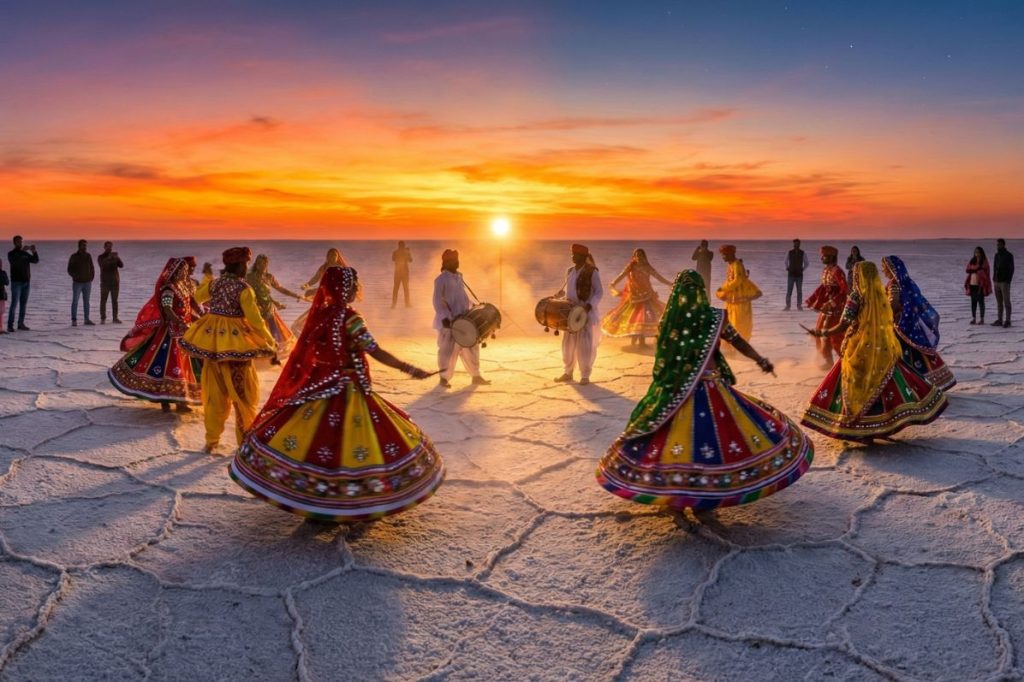
Introduction Rann Utsav is truly a magical festival. The festival takes place in a remote desert area known as Rann of Kutch. The desert has very few inhabitants and is home to many ethnic groups. While you stand on a flat, white salt pan looking up at the stars, you hear the sound of traditional folk music playing in the background as you drink hot spiced tea called chai from a tent set up beside the tent where artisans sell their wares. You are surrounded by artisans who sell their goods, including colourful clothing and other beautiful handicrafts. You can also smell the delicious, traditional dishes being served at food stalls all around the festival. If this is your first time visiting, this guide will help you with: Official 2025 festival dates & booking tips How to reach the desert and where to stay What the Tent City experience includes Best travel windows, costs, and practical tips In Short – Key Takeaways Festival Period: 23 Oct 2025 to 4 Mar 2026 Best months to visit: November to February – pleasant desert climate & full-moon nights Getting there: Fly or train to Bhuj → 80 km / ~1.5–2 hr road to Dhordo Tent City Why go: White-salt desert under full-moon, cultural shows, folk art & crafts, desert adventure under stars What Is Rann Utsav? Rann Utsav is a winter festival hosted in the Kutch’s Rann region, where there is a large expanse of white salt deserts. When illuminated by the moonlight, this vast desert transforms into a dream-like white scene. During the festival’s existence, it has evolved into a combination of several aspects including nature, culture, adventure, and hospitality. This festival provides an opportunity for travelers who want to do something different than visit beaches or populous areas. What to Expect at Rann Utsav A temporary Tent City at Dhordo offering varied accommodation from simple tents to premium cottages Cultural nights with folk music, traditional dance, local cuisine, and handicraft bazaars showcasing Kutchi art & textiles Desert adventures: camel rides, ATV/buggy rides, paramotoring, night desert safaris, sunrise & sunset visits to the White Desert White-salt plains glowing under full-moon – a surreal photography & stargazing experience For many, Rann Utsav is a chance to experience Gujarat’s heritage, desert beauty, and local hospitality all at once. Rann Utsav 2025 Dates & Schedule The 2025-26 edition of Rann Utsav runs from 23 October 2025 to 4 March 2026. Period What to Expect Late Oct – Early Nov Festival kickoff; moderate crowds; first full-moon nights after monsoon November – February (Peak) Best time – clear skies, comfortable weather, full-moon nights, maximum cultural events & tent occupancy March (early) Festival wind-down; fewer crowds, cooler desert mornings, ideal for budget travelers Best months to visit: November, December, January – when the weather is pleasant, nights are cool, and the desert under moonlight is magical. Pro tip: For a jaw-dropping experience, aim for full-moon nights – the salt desert reflects moonlight beautifully, creating a surreal, dream-like landscape. Location & How to Reach Rann Utsav Where is it Held? The festival is held at Dhordo Tent City, set at the edge of the White Salt Desert in Kutch, Gujarat. How to Reach Mode Details By Air Fly into Bhuj Airport (BHJ) – nearest airstrip to Rann Utsav By Train Reach Bhuj Railway Station, well connected to major cities; then travel by road From Bhuj to Dhordo ~80 km / ~1.5–2 hours by road. Taxi, shuttle or pre-arranged transfer recommended Typical travel cost (road transfer from Bhuj): modest – especially if using shared taxi or shuttle services. If you come via major cities like Ahmedabad, Mumbai or Delhi, you can combine flight/train to Bhuj + road transfer for a smooth journey. Why Rann Utsav Should Be On Your Travel Radar If you’re looking for a travel experience unlike beaches, hills or cities – Rann Utsav offers a magical mix: A salt-desert transformed into a cultural festival under a blanket of stars Rustic tents & ethnic vibes that bring you close to local culture Adventure + calm: desert safaris by day, folk music under moonlight by night Affordable for Indian travellers – budget friendly compared to international trips Whether you’re travelling solo, with family or friends, Rann Utsav gives a slice of surreal beauty, culture, and adventure – all wrapped into one experience. For travellers who enjoy global seasonal festivals, this could be India’s most unique winter escape – something akin to a desert festival crossed with a cultural carnival. Rann Utsav Tent City & Accommodation Guide When you arrive at Rann Utsav, you stay at the well-managed Tent City at Dhordo. Here’s what you need to know about accommodation and tent city booking. Types of Tents & Facilities Rann Utsav tent options range from budget-friendly to premium luxury. Choices include: Tent Type / Class Key Features Non-AC / Basic Tent or Swiss Cottage Simple tent or cottage with fan or basic ventilation, twin beds or single, attached bathroom – budget friendly. Deluxe AC / AC Swiss Cottage Air-conditioned or well-ventilated, attached bathroom, comfortable beds and amenities – mid-range comfort. Premium Tent Bigger space, typically better interiors, AC, front porch – good balance of comfort & value. Super Premium / Luxury / “Darbari / Rajwadi Suite” Highest level comfort: AC, premium furnishings, possibly more space or suite-style amenities for couples or those wanting luxury. All tent-city stays usually include meals, access to cultural evenings & festival-related shows, and proximity to the desert/sunset-point for night desert & full-moon experiences. Tip for selection: If you’re on a budget or travelling solo or as backpackers → choose Non-AC / Deluxe tent. For families, couples or comfort-seekers → Premium or Super Premium tent works best. For travellers after full comfort + extras (AC, privacy, luxury) → go for the luxury suite tent option. Rann Utsav Tickets & Tent City Prices (2025–26) Here’s a breakdown of typical tent-city pricing and inclusions. Actual tariff may vary based on dates (full-moon nights, holidays, demand),
The Ultimate Guide to the Shimla to Manali Road Trip
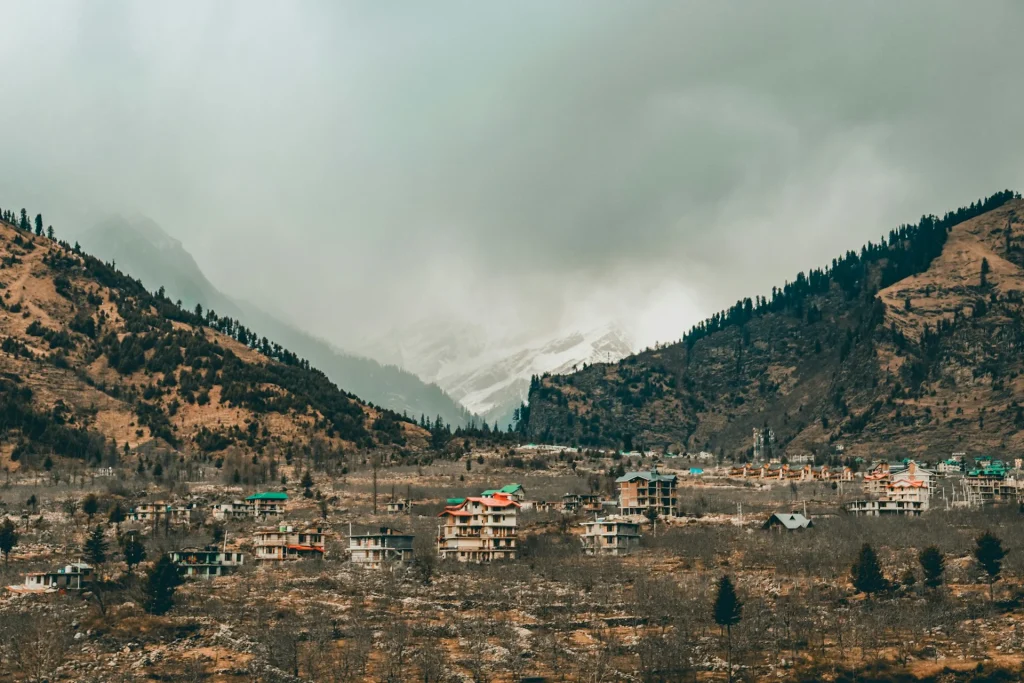
Beginning — The Call of the Himalayan Road The scenic highway from Shimla to Manali is a road tripper’s dream come true. It has winding paths framed by tall, snow-capped peaks, colorful villages, and charming roadside cafes serving hot momos. This famous road in northern India is more than just a way to get from one famous hill station to another; it’s an epic journey in its own right. It gives you nonstop beautiful views of the foothills of the Himalayas, with the turquoise Beas River always by your side, cutting through lush valleys. The 240-kilometer drive can be done in one long day, but it’s best to take your time and enjoy the culture, adventure, and food along the way over two, three, or even four days. This guide is the best thing you can bring with you on that trip. We will begin in the colonial charm of Shimla, then visit all the important stops along the way, from the quiet beauty of Naggar to the busy valley of Kullu. Finally, we will reach Manali, the adventure capital of the north. The Tarzan Way brings immersive storytelling journeys to life, turning this drive from a simple transfer into a rich cultural expedition, revealing hidden gems and local stories at every turn. Are you ready to pick up the phone? Let’s plan the best road trip through the Himalayas. Important Points The Route: A 240-kilometer drive (about 8 to 10 hours) that connects two of Himachal’s most well-known hill stations. Best to do over two or three days. Shimla is the starting point. You can learn about colonial history, visit The Ridge, Jakhoo Temple, and the UNESCO Kalka-Shimla Toy Train. The Journey: The drive itself is a draw, as it goes along the Beas River through towns like Kullu and Naggar. Key Stops: Kullu is great for river rafting, Naggar has a historic castle, and Manikaran has holy hot springs. Destination (Manali): a place for adventure and culture, with paragliding in Solang Valley, the Hadimba Temple, and Old Manali’s cafes. Important Planning: You need a Rohtang Pass Permit. Because of the risk of landslides, don’t take this route during the peak monsoon season (July to August). Be a responsible traveler: this ecosystem is very delicate. Working with guides like The Tarzan Way makes sure that your trip is safe and responsible. Shimla: The Beginning of the Colonies Credit: Unsplash Shimla, the “Queen of Hills” and the former summer capital of British India, is where your road trip starts. This city is the perfect first stop. It’s a great place to get used to the area and learn about its history before you go deeper into the mountains. Its neo-Gothic buildings and pedestrian-friendly streets give it an old-world charm that makes for a relaxing start to your trip. The Ridge and Mall Road This is the most important part of Shimla. The Ridge is a big, open-air platform that lets you see the Shivalik mountain ranges from all sides. On either side are Christ Church, the State Library, and a row of stores. Mall Road, a street without cars, is just below it and is full of life. It’s a great place to take a leisurely walk, buy souvenirs, and enjoy the lively atmosphere. Jakhoo Temple This old temple is on top of Jakhoo Hill, the highest peak in Shimla. It is dedicated to Lord Hanuman, the monkey god. There is a huge statue of the god that is 108 feet tall and can be seen from most of the city. There are two ways to get there: a beautiful hike or the “Jakhoo Gondola,” which is a cable car that gives you amazing views from above. Toy Train from Kalka to Shimla The trip to Shimla can be part of the fun. If you’re coming from Kalka (near Chandigarh), leave your car behind and take this train, which is a UNESCO World Heritage Site. This narrow-gauge railway, which was an engineering marvel at the time, goes through 103 tunnels, over 800 bridges, and offers stunning views of the forested hills. Tips for Travelers Jakhoo Monkeys: At Jakhoo Temple, be very careful with your things, like your phone, sunglasses, and food. Everyone knows that the monkeys that live there are very naughty. Booking a Toy Train: During peak season, tickets for the toy train sell out weeks or even months in advance. You can book online through the IRCTC website. Best Views: For the best pictures of the Himalayan skyline, go to The Ridge during the “golden hour,” which is either sunrise or sunset. Quick Facts The height of Shimla is 2,276 meters (7,467 feet). The Ridge, Kalka-Shimla Railway, and colonial architecture are some of the things that make it famous. Sita Ram & Sons for Chana Bhatura and Indian Coffee House for a nostalgic feel are two places you have to eat. The Journey: Driving on the Shimla-Manali Highway The trip from Shimla to Manali is a lot of fun. You will start by going down from Shimla’s heights and eventually meet the Beas River, which will guide you most of the way to Manali. The roads wind through tall pine forests, pass through small villages, and have many places where you can stop and take pictures of the beautiful scenery. Route and Conditions: NH 205 and NH 3 are the main roads that lead to it. The distance is only about 240 km, but it takes 8 to 10 hours to drive because the roads are winding and there may be traffic. That’s why it’s a good idea to stop along the way. What Makes It Popular with Travelers? The trip is the goal. The pine and deodar forests of the Shimla area give way to the more rugged, open, and beautiful valley of Kullu-Manali. Important Stops Along the Way: Kullu, Naggar, and More Credit: Unsplash Take your time on this drive. The towns and villages between Shimla and Manali are interesting in their own right, each
Beyond the Pink: The Ultimate Guide to Jaipur That No One Knows About
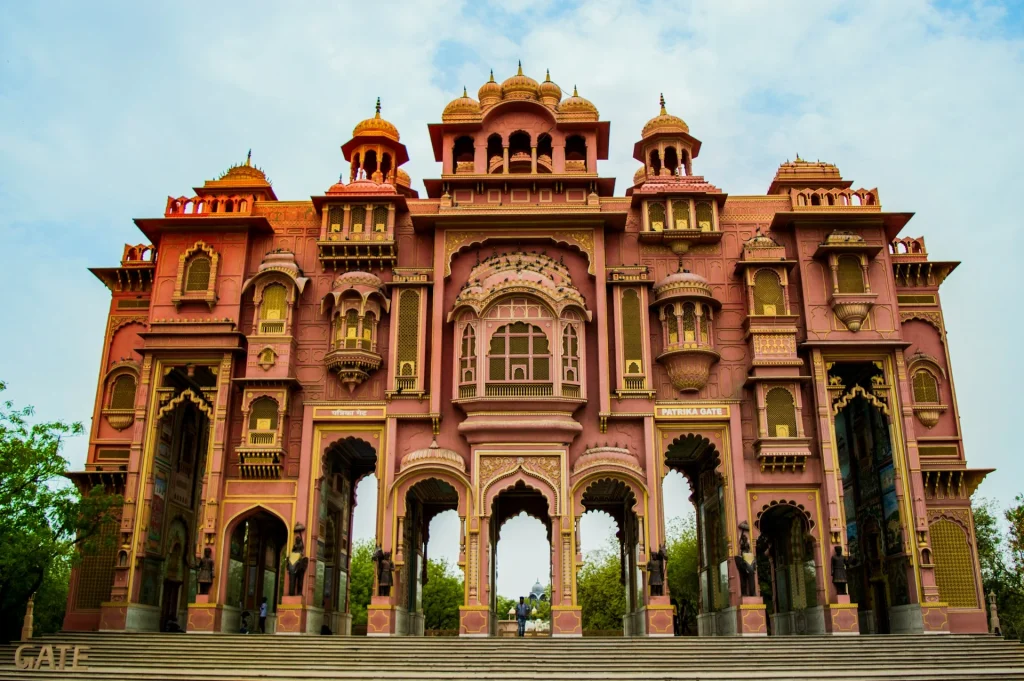
The Secrets of the Pink City: An Introduction Jaipur, the beautiful capital of Rajasthan, is a colourful, cultural, and royal city. The Pink City’s grand forts, opulent palaces, and vibrant bazaars are legendary, drawing travelers into a storybook of maharajas and empires. But there is more to Jaipur than just Hawa Mahal and Amer Fort. It has peaceful gardens made for a beloved queen, holy temples full of monkeys, old stepwells with impossible shapes, and urban forests where leopards roam. This guide will help you figure out those mysteries. We’ll take off the tourist trail’s layers to show you the lesser-known treasures that are often right in front of you, giving you a deeper, more personal look at Jaipur’s true soul. These are the places that tell a different story, one of love, spirituality, amazing architecture, and wild nature. The Tarzan Way makes immersive storytelling journeys possible, allowing travellers to go beyond the obvious and connect with the living history and hidden corners of Jaipur in a way that is both meaningful and memorable. Are you ready to see the Jaipur that most tourists don’t see? Let’s go look around. Important Points Beyond the Forts: This guide reveals 10 of Jaipur’s best-kept secrets, including royal gardens, old stepwells, and urban leopard safaris. A Different View: Check out architectural wonders like Panna Meena Ka Kund and Gaitore Ki Chhatriyan, which are great places to take pictures without the crowds. Find peace at the sacred Galta Ji Temple (The Monkey Temple) and the 17th-century Jagat Shiromani Temple. Nature in the City: Visit the amazing Jhalana Leopard Safari Park, Chandlai Lake, which is a birdwatcher’s paradise, and Asia’s largest circular park. Cultural Immersion: Don’t just shop at Bapu Bazaar; check out the Anokhi Museum, which is all about the art of block printing. Helpful Tips: Each location has important “Traveler’s Tips” on when to go, how to act, and how to get the most out of your visit. Sisodia Rani Ka Bagh: A Love Garden for Royals Credit: Unsplash Sisodia Rani Ka Bagh stands out as a peaceful oasis in the rough terrain of the Aravalli Hills. Maharaja Sawai Jai Singh II had this beautiful multi-tiered garden built in 1728 for his second wife, a princess from the Sisodia, Udaipur. It was a gift of love, a place for her to get away from the court. The way the garden is laid out is a perfect mix of Mughal and Rajput styles. There are several terraces with cascading water channels, fountains, and pavilions on them. The walls are covered in colourful murals that show scenes from the life of Lord Krishna, which show how much the queen loved him. It’s a lovely place to get away from the noise of the city, and it’s often hidden by the city’s bigger buildings. Advice for Travellers If you’re driving from Agra, this garden is right on the way, so it’s a great first stop. You can also easily visit both sites in one trip because they are so close to each other. The best times to go are early in the morning or late in the afternoon, when the light is soft and the mood is calm. Quick Facts The Maharaja Sawai Jai Singh II built it in 1728. Architecture: A mix of Mughal (Charbagh) and Rajput styles Location: 8 km from Jaipur on the road to Agra What it’s known for: its romantic history, beautiful murals, and calm atmosphere The Sacred Monkey Temple is called Galta Ji Temple Credit: Unsplash Galta Ji Temple is a peaceful and spiritual place that is hidden away in a rocky gorge just outside the city. The Monkey Temple is a famous Hindu pilgrimage site that is built into the Aravalli Hills. There are a lot of temples, pavilions, and, most importantly, seven kunds (water tanks) that are fed by natural springs. The main attraction is the natural spring that flows from the top of the hill and fills a series of sacred pools. Pilgrims come to these pools to bathe in the holy water. The temple is surrounded by rocky hills and has a peaceful feel to it. There are hundreds of rhesus macaques in the area, and they are considered sacred. This is why the temple is known by this name. Tips for Travellers Be Monkey-Aware: Don’t carry food in plain sight. Make sure your bags, phones, and sunglasses are safe. The monkeys are very brave and will take things. The best time to go is in the late afternoon. The temples are lit up in gold, and you can see the monkeys play as the sun goes down. Dress Code: This is a working and holy place of pilgrimage. Wear clothes that aren’t too revealing, like covering your knees and shoulders. Why does it draw tourists?? It’s a living piece of culture. It’s not a clean tourist site; it’s a living centre of faith where nature and architecture come together in a way that is both raw and unforgettable. Panna Meena Ka Kund: A Wonder of Architecture Credit: Unsplash Panna Meena Ka Kund is a beautiful example of Jaipur’s architectural excellence. It’s a hidden gem near the base of Amer Fort. This 16th-century stepwell, or baori, is a work of art that many tourists miss on their way to the fort. It has a unique design with symmetrical, diamond-patterned staircases on three sides and a pavilion with multiple stories on the fourth. The thousands of steps make a beautiful geometric wonderland that changes with the light and shadow, making it a photographer’s dream. This stepwell was more than just a place to get water; it was also an important community centre where people could get together and cool off in the summer. Advice for Travellers If you want to have the whole place to yourself, go early in the morning, right after sunrise. You can’t walk down the steps anymore for safety reasons, but you can take amazing pictures from the edges and upper levels.