

Underrated Travel Destinations in India Worth Visiting in 2026
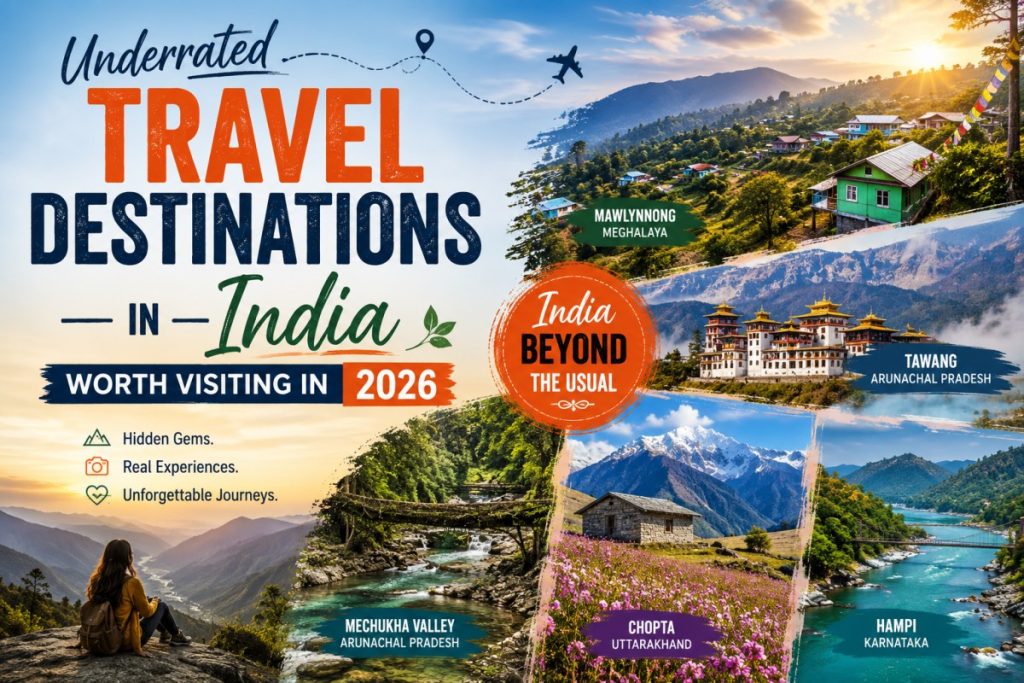
In case you are exploring India, there may be many cities like Goa, Manali, Jaipur, Kerala, and Kashmir on your mind. However, with the changing trend of travelling and people opting for experiential tourism, lesser-known destinations have been gaining popularity among travellers. India has so much in store in terms of off-the-beaten path villages located amid the Himalayas, secluded beaches, undiscovered heritage cities, and pristine valleys. These destinations provide amazing natural beauty and the opportunity to immerse yourself into the vibrant Indian culture while meeting the locals without any pressure of being surrounded by tourists. If you are planning your unique travel itinerary for 2026 then here are some of the most underrated travel destinations in India worth adding to your bucket list. Why Choose Underrated Destinations in 2026? In today’s world, people are traveling not just to mark things off their checklist but also to experience things. Rather than opting for crowded sites, most people would rather go for destinations where they can: 1. Experience More Relaxation: Some lesser-known destinations give you the opportunity to explore the destination leisurely without long waiting lines or congestion. 2. Cultural Authenticity: Alternative destinations help preserve customs, cuisine, and way of life which remain unaffected by mass tourism. 3. Value for Money: Accommodation and travel costs are lower in alternative destinations compared to the usual tourist spots. 4. Travel Sustainably: Tourism helps less visited locations economically while reducing the load from popular places. 1. Tawang – Monasteries, Mountains, and Serenity Tawang is one of the most scenic but lesser-known parts of India situated within the eastern Himalayan region. The ambiance of Tawang is quite distinct from anything you would expect from India. There are mountains around Tawang with permanently snow-capped peaks and a long history of Tibetan Buddhism in the region. It is one of the spiritual villages in India that promote inner healing. What Makes Tawang Special? 1. Location of India’s biggest Buddhist monastery 2. High altitude lakes 3. Beautiful mountain passes 4. Influence of Tibetan Buddhism culture What to Do 1. Explore Tawang Monastery 2. Go on Sela Pass tours 3. Explore Madhuri Lake 4. Attend local Buddhist festivals 5. Learn about local Monpa culture Best Travel Months: March – June or September – November. Pro Tip: Leave additional days in your schedule to account for any potential delays related to mountain weather. 2. Ziro – A Valley of Culture and Nature The Ziro valley is situated in the N.E. part of India and is becoming popular due to its potential for being a destination for those who like sustainable cultural tourism and breathtaking nature. The Apatani people live in the Ziro Valley, which makes it peaceful and therefore, is a place where tourists can avoid the usual commercialization of other Indian hill stations. Unique Highlights 1. Beautiful lush valleys 2. Indigenous people 3. Local farming practices 4. Pristine nature What to Do 1. Visit Apatani Villages 2. Attend Ziro Music Festival 3. Walk through rice paddies 4. Learn about Local Customs 5. Enjoy nature photography Best Time to Visit September to November. Pro Tip: Engage with local communities for an authentic experience. 3. Mawlynnong – India’s Cleanest Village While Mawlynnong may be less famous than Shillong and Cherrapunji, it is certainly one of the nicest villages in India. It is well-known for being eco-friendly and extremely clean. Why Visit? 1. Eco-friendliness environment 2. Living root bridges 3. Traditional Khasi culture 4. Beautiful countryside views What to Do 1. Walk across living root bridges 2. Visit nearby waterfalls 3. Explore village pathways 4. Experience local hospitality Best Time to Visit October to April. Pro Tip: Stay overnight to experience village life after day visitors leave. 4. Majuli – The World’s Largest River Island Majuli remains one of the most fascinating hidden destinations to visit in India. Located in the Brahmaputra River, the island is known for its spiritual heritage and unique ecosystem. Unique Highlights 1. River island lifestyle 2. Neo-Vaishnavite monasteries 3. Traditional Assamese culture 4. Scenic landscapes What to Do 1. Visit Satras (monastic centers) 2. Attend cultural performances 3. Explore local villages 4. Birdwatching and cycling Best Time to Visit November to March. Pro Tip: Travel during cultural festivals for the most immersive experience. 5. Chopta – Mini Switzerland of India While destinations like Manali and Mussoorie attract large crowds, Chopta remains relatively untouched. Surrounded by Himalayan views, it offers a perfect combination of adventure and tranquility. Why Travelers Love Chopta 1. Spectacular mountain scenery 2. Less crowded trekking routes 3. Rich biodiversity 4. Peaceful atmosphere What to Do 1. Trek to Tungnath Temple 2. Hike to Chandrashila Summit 3. Camp under the stars 4. Explore forest trails Best Time to Visit April to June and September to November. Pro Tip: Carry warm clothing throughout the year, as temperatures can drop unexpectedly. 6. Mandu – Forgotten City of Romance Mandu is a hidden historical treasure filled with Afghan architecture, palaces, and legends. Despite its beauty, it receives far fewer visitors than many famous heritage sites. Unique Highlights 1. Historic forts and palaces 2. Beautiful architecture 3. Romantic legends 4. Scenic hilltop setting What to Do 1. Visit Jahaz Mahal 2. Explore ancient ruins 3. Learn local history 4. Enjoy monsoon landscapes Best Time to Visit July to February. Pro Tip: Hire a local guide to uncover fascinating stories behind the monuments. 7. Gokarna – Beyond Goa’s Crowds Although growing in popularity, Gokarna remains far more relaxed than Goa. It combines beaches, spirituality, and laid-back coastal culture. Discover: Top 6 must-try romantic things in Gokarna What Makes It Special? 1. Quiet beaches 2. Temple town atmosphere 3. Scenic coastal trails 4. Relaxed lifestyle What to Do 1. Beach hopping 2. Visit Mahabaleshwar Temple 3. Sunset trekking 4. Yoga and wellness retreats Best Time to Visit October to March. Pro Tip: Explore beaches on foot to discover secluded spots. 8. Chettinad – Heritage, Architecture, and Food Chettinad offers one of India’s most unique cultural experiences. Known for grand mansions and
Northern Lights Beyond the Bucket List: What the Journey Really Looks Like
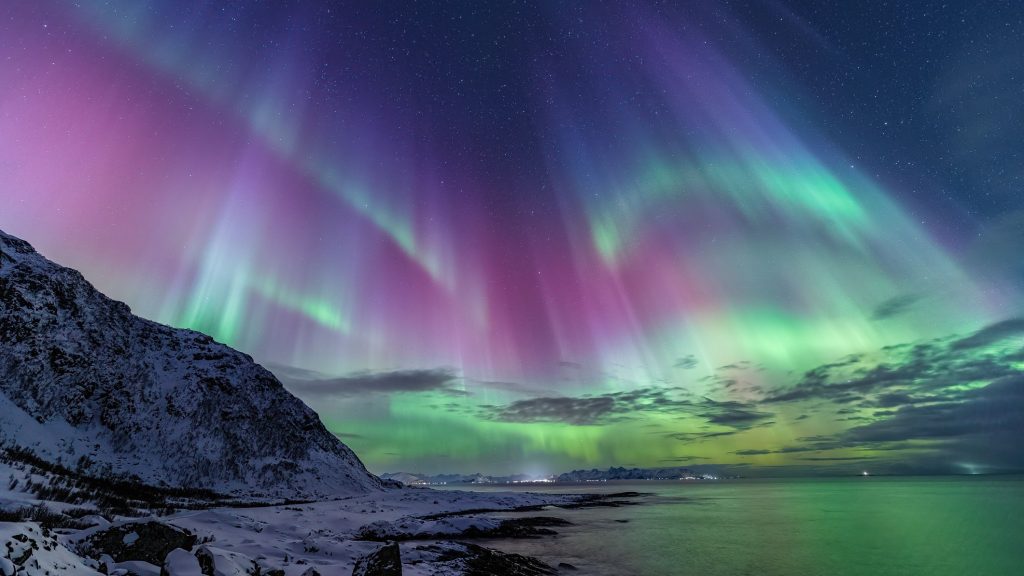
The Northern Lights have long held a place on travel bucket lists around the world. But beyond the Aurora Borealis lies a journey filled with Arctic adventures, dramatic landscapes, and unforgettable experiences. Through The Tarzan Way’s Northern Lights itineraries, we’ve seen that the most memorable moments often happen beyond the lights themselves. Here’s everything you need to know before planning your Northern Lights journey: Where to See the Northern Lights? Norway: For Dramatic Arctic Landscapes Only few places combine accessibility and natural beauty quite like Norway. From the fjords of Tromsø to the remote islands of Lofoten, Norway provides some of the best chances of seeing the Northern Lights alongside breathtaking scenery. Pros 1. Excellent Aurora visibility 2. Stunning fjords and Arctic scenery 3. Well-developed tourism infrastructure Cons 1. One of the more expensive destinations 2. Peak season can be crowded Finland: For Cozy Winter Escapes If your idea of the best winter destinations with the perfect winter holiday has glass igloos, snow-covered forests, and quiet nights under the stars, Finland delivers exactly that. Pros 1. Unique stays like glass igloos 2. Family-friendly experiences 3. Great winter activities beyond the Northern Lights Cons 1. Popular accommodations book up quickly 2. Can be expensive during peak season Iceland: For Road Trips and Natural Wonders Beyond the Northern Lights, Iceland offers waterfalls, glaciers, volcanoes, and geothermal lagoons which ensure every day feels like an adventure. Pros 1. Incredible variety of landscapes 2. Easy self-drive itineraries 3. Plenty to do even outside Aurora hunting Cons 1. Weather can be highly unpredictable 2. Higher travel costs compared to some destinations Canada & Alaska: For Untouched Wilderness For those seeking vast open spaces and fewer crowds, Canada and Alaska offer some of the most rewarding Northern Lights experiences. Pros 1. Dark skies and excellent viewing conditions 2. Incredible wilderness and wildlife 3. Less crowded than many European destinations Cons 1. Longer travel times 2. Limited accessibility in some regions Sweden: For a Slower Arctic Experience Often overshadowed by its Nordic neighbours, Sweden offers a quieter and more laid-back Northern Lights experience, particularly around Abisko. Pros 1. Excellent viewing conditions 2. Fewer crowds 3. Relaxed pace of travel Cons 1. Fewer direct international connections 2. Less variety of attractions compared to Iceland or Norway When Is the Best Time to See the Northern Lights? The Northern Lights season typically runs from September to April, when Arctic nights are long and dark enough for sightings. While the Aurora can appear at any point during this period, however, each season offers a different experience. September to November: Autumn Adventures 1. Milder temperatures 2. Fewer crowds 3. Beautiful autumn colours 4. Good chances of seeing the lights December to February: Peak Winter Magic 1. Snow-covered landscapes 2. Longest nights of the year 3. Popular winter activities like dog sledding and snowmobiling 4. Peak travel season across the Arctic Looking to make the most of the winter season? Our roundup of the best winter destinations for Christmas and New Year vacations features destinations that truly come alive during the colder months. March to April: The Best of Both Worlds 1. Longer daylight hours 2. Winter scenery remains intact 3. Comfortable temperatures compared to mid-winter 4. Excellent viewing opportunities What Time Do the Northern Lights Appear? The best viewing window is generally between 10 PM and 2 AM, although activity can occur earlier or later depending on weather and solar conditions. How Many Days Do You Need for a Northern Lights Trip? One of the most common mistakes travelers make is actually underestimating how much time they need for a Northern Lights trip. Although it’s possible to spot the lights on your very first night, giving yourself a few extra days can make the experience far more rewarding. 3 Nights 1. Good for travelers with limited time 2. Possible to see the lights, but flexibility is limited 5–7 Nights 1. Ideal for most travelers 2. Allows multiple viewing opportunities 3. Enough time to enjoy Arctic experiences beyond Aurora hunting 7+ Nights 1. Best for dedicated Northern Lights trips 2. Greater flexibility around weather conditions 3. Opportunity to explore multiple destinations Beyond the Lights: What Makes the Journey Special 1. Arctic Adventures Beyond Aurora Hunting The Northern Lights can be the reason for booking the trip, but they’re actually only one part of the experience. Across the Arctic, days are often spent dog sledding through snowy forests, snowmobiling across frozen landscapes, hiking glaciers, or exploring charming towns tucked away beneath dramatic mountain ranges. These experiences add a sense of adventure to the journey long before night falls. 2. A Window into Local Culture A Northern Lights trip is also an opportunity to connect with cultures that have called the Arctic home for centuries. From learning about Sami traditions in Scandinavia to enjoying local cuisine and storytelling experiences, these encounters offer a deeper understanding of life in some of the world’s northernmost regions. 3. Wildlife Encounters in the Arctic The Arctic is home to an incredible variety of wildlife. Depending on where you travel, you will hopefully spot reindeer, Arctic foxes, whales, puffins, or even moose during your journey. For many travelers, these unexpected encounters become just as memorable as the Northern Lights themselves. 4. Slow Moments Worth Savoring Not every memorable travel experience involves an adrenaline rush. Sometimes it’s soaking in a Nordic sauna after a day in the snow, enjoying a warm drink while watching the Arctic twilight, or simply taking in the stillness of a winter landscape. 5. Unique Places to Stay Few travel experiences feel as magical as spending a night in a glass igloo beneath a star-filled sky. From cozy cabins and wilderness lodges to boutique Arctic stays, the accommodation often becomes a memorable part of the Northern Lights experience itself. How to Improve Your Chances of Seeing the Northern Lights? 1. Clear Skies Matter Most Even the strong Aurora activity can be hidden behind thick cloud cover. Before heading out, keep an eye on local weather
Singapore Beyond Attractions: Neighborhoods, Cafés & Hidden Corners
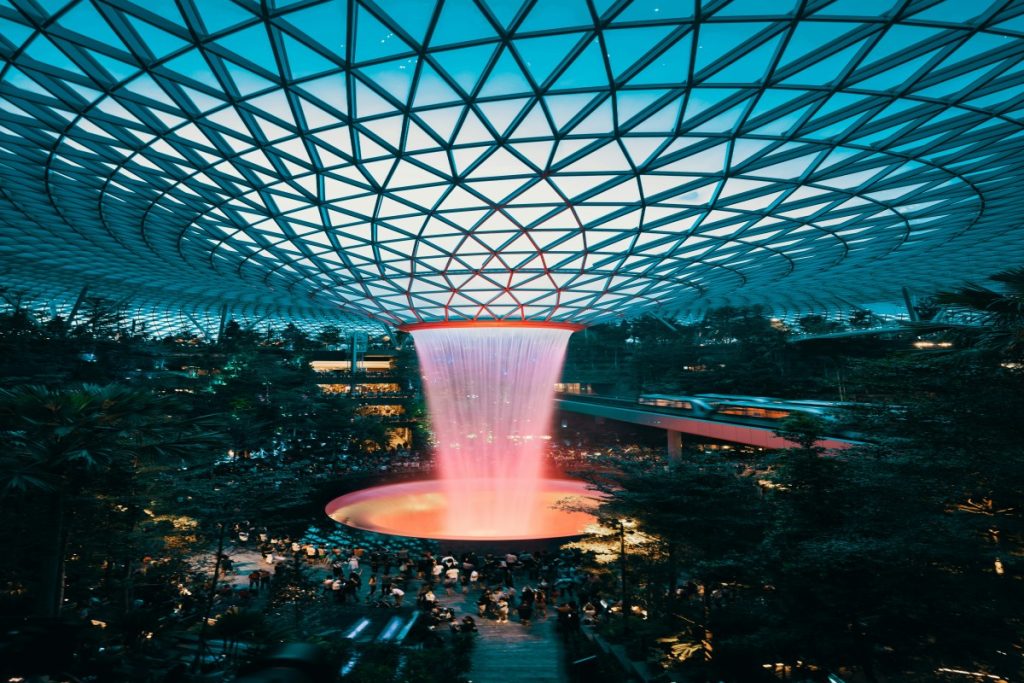
Introduction When most travelers think of Singapore, they picture Marina Bay Sands, Gardens by the Bay, and Orchard Road. While these iconic landmarks are worth visiting, they barely scratch the surface of what the city truly offers. The real soul of Singapore lies in its neighborhoods—quiet residential streets, heritage enclaves, indie cafés, and hidden corners that locals cherish. This guide goes beyond the typical Singapore itinerary. Whether you’re a slow traveler, digital nomad, or someone seeking authentic experiences, this blog will help you discover a different side of Singapore—one that’s intimate, cultural, and deeply local. In Short (TL;DR) 1. Singapore’s best experiences lie beyond tourist hotspots 2. Explore neighborhoods like Chinatown, Joo Chiat, and Tiong Bahru 3. Hidden cafés and hawker stalls offer authentic local flavors 4. Residential areas reveal a quieter, cultural side of the city 5. Perfect for slow travel and immersive itineraries Why Explore Singapore Beyond Attractions? Singapore may be small, but it’s layered. Beneath its polished skyline lies a network of neighborhoods that reflect its multicultural identity—Chinese, Malay, Indian, and Peranakan influences all blend seamlessly. Explore Singapore travel guide beyond attractions allows you to: 1. Experience authentic local life 2. Discover unique cafés and food spots 3. Avoid crowds and overpriced tourist zones 4. Connect with culture, history, and community As many travelers note, the most memorable experiences often come from wandering through cultural neighborhoods and lesser-known areas rather than sticking to mainstream attractions. 1. Chinatown: Where Heritage Meets Hidden Cafés Chinatown is one of Singapore’s most vibrant neighborhoods—but step away from the main streets, and you’ll discover a quieter, more authentic side. What makes it special: 1. Traditional temples alongside modern cafés 2. Hidden speakeasies in heritage shophouses 3. Iconic hawker centers like Maxwell Food Centre The area is known for its contrasts—touristy on the surface, but deeply local in its side streets. Hidden experiences: 1. Explore back alleys for boutique cafés 2. Try kaya toast at lesser-known coffee spots 3. Visit during weekdays for a calmer vibe 2. Joo Chiat: Colorful Streets & Café Culture Joo Chiat is a charming district filled with pastel-colored shophouses and a laid-back vibe. Why visit: 1. Rich Peranakan heritage 2. Instagram-worthy streets 3. Specialty coffee shops and bakeries Unlike central Singapore, Joo Chiat feels slower and more local, attracting brunch lovers and culture enthusiasts during the Singapore trip. Must-do: 1. Café hopping through hidden roasteries 2. Exploring traditional Peranakan eateries 3. Walking through quiet residential lanes 3. Tiong Bahru: Vintage Charm Meets Modern Cafés Tiong Bahru is often described as Singapore’s most hip yet nostalgic neighborhood. What to expect: 1. Art Deco architecture 2. Indie bookstores and cafés 3. A strong community vibe This area blends old-world charm with modern creativity, making it a favorite among locals and travelers seeking authenticity. Hidden gems: 1. Local bakeries tucked into housing blocks 2. Quiet streets perfect for morning walks 3. Boutique stores with unique finds 4. Tanjong Pagar: Food, Bars & Urban Energy Tanjong Pagar is a lively neighborhood packed with culinary diversity. Highlights: 1. Korean BBQ streets 2. Japanese izakayas 3. Hidden cocktail bars It’s one of Singapore’s top food districts, offering everything from casual cafés to high-end dining. Insider tip: Explore Keong Saik Road and Club Street for hidden nightlife spots. 5. Toa Payoh: The Heartland Experience Toa Payoh offers a glimpse into everyday Singaporean life. Why it’s special: 1. Authentic hawker culture 2. Affordable local food 3. Minimal tourist presence Neighborhoods like Toa Payoh are home to hidden food gems and traditional eateries that locals frequent. What to try: 1. Hawker stalls serving classic dishes 2. Small family-run cafés 3. Community markets 6. Holland Village: Social & Café Hub Holland Village is popular among expats and young professionals. Key features: 1. Vibrant café scene 2. Weekend brunch culture 3. Lively nightlife It’s perfect for travelers who want a mix of local and international vibes. 7. Hidden Cafés You Shouldn’t Miss Singapore trip itinerary including hidden café goes far beyond Instagram hotspots. Many hidden cafés are tucked away in quiet streets, industrial areas, or even alleys. Notable hidden café experiences: 1. Minimalist cafés in Upper Thomson 2. Kyoto-style tea houses in industrial zones 3. Alleyway dessert cafés Some cafés are intentionally low-key, offering peaceful spaces away from crowds—ideal for reading, working, or relaxing. Why they stand out: 1. Cozy, intimate atmosphere 2. High-quality specialty coffee 3. Unique interiors and concepts 8. Hawker Centers: The Real Food Gems No Singapore itinerary is complete without hawker food—but skip the famous ones and explore neighborhood centers. Why hawker centers matter: 1. Affordable meals (often under S$10) which serves affordable Singapore vibe and pocket-friendly trip. 2. Authentic local flavors 3. Community-driven dining Hidden hawker experiences: 1. Corner stalls with loyal local followings 2. Family-run businesses with decades of history 3. Unique fusion dishes 9. Nature & Hidden Corners Beyond urban neighborhoods, Singapore also offers hidden natural escapes. Lesser-known spots: 1. Pulau Ubin – rustic island with kampong life 2. Fort Serapong – historical WWII site These places offer a refreshing break from the city’s fast pace. 10. Residential Streets & Secret Alleys Some of Singapore’s most memorable experiences come from simply wandering. What to look for: 1. Quiet residential lanes 2. Hidden murals and street art 3. Small neighborhood cafés As locals often say, the best discoveries are the ones you stumble upon—shops and eateries that don’t advertise but deliver unforgettable experiences. How to Plan a “Beyond Attractions” Itinerary Step-by-step framework: Step 1: Pick 2–3 neighborhoods per day Avoid rushing—focus on depth over quantity Step 2: Combine food + culture + walking Example: Chinatown = temples + hawker food + cafés Step 3: Use MRT + walking Singapore’s public transport makes exploration easy Step 4: Visit during off-peak hours Early mornings or weekdays offer the best experience Step 5: Stay curious Leave room for spontaneous discoveries If you want to experience the real beauty, then discover the best time to visit Singapore for festivals and events Sample 3-Day Local Experience Itinerary
Winter Across Europe Without the Rush: Lesser-Known Cities That Shine in the Cold
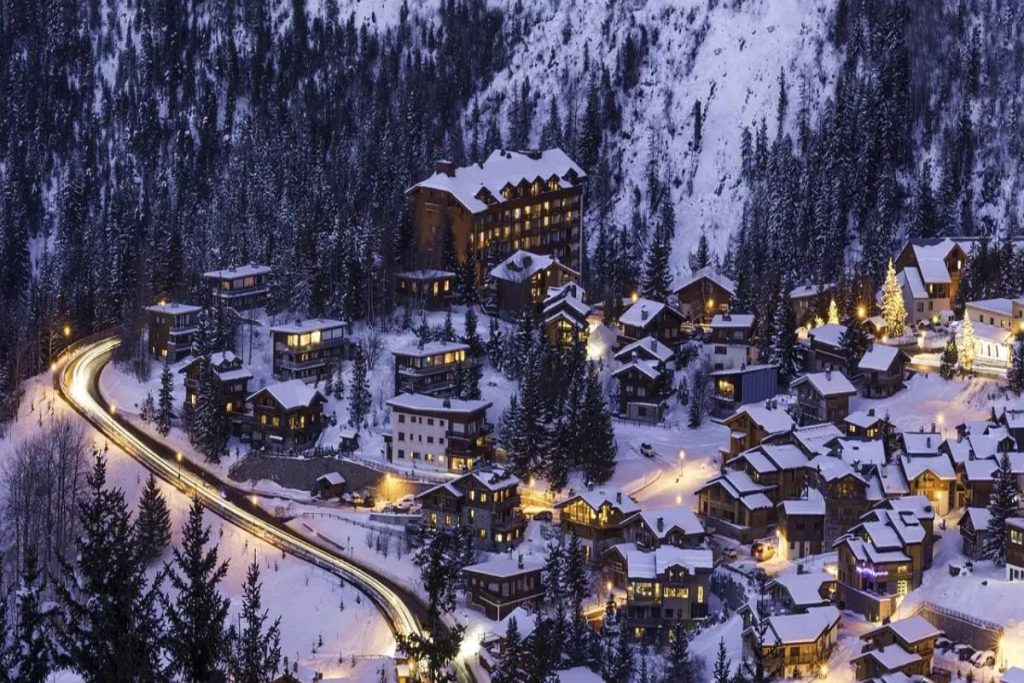
Introduction When winter arrives in Europe, most travelers instantly think of crowded Christmas markets in Paris, Vienna, or Prague. But beyond these popular hotspots lies a quieter, more magical side of the continent—one where snow-dusted streets, cozy cafés, and local traditions feel more authentic and unhurried. If you’ve ever wanted to experience Europe in winter without the crowds, this guide is for you. From charming alpine towns to underrated cultural hubs, these lesser-known cities offer stunning winter experiences—often at a lower cost and with fewer tourists. Whether you’re planning a peaceful getaway or curating your perfect Europe travel itinerary, this guide by The Tarzan Way will help you discover Europe’s hidden winter gems. In Short (TL;DR) 1. Skip crowded cities and explore underrated winter destinations in Europe 2. Enjoy lower costs, fewer tourists, and authentic local culture 3. Best destinations include Hallstatt, Colmar, Tallinn, and Ljubljana 4. Ideal for slow travel, photography, and cozy winter experiences Why Travel to Europe in Winter (Beyond the Usual Cities)? Winter in Europe isn’t just about Christmas markets—it’s about atmosphere. This Europe winter travel guide will help you travel Europe in its in its most magical form. What makes winter special: 1. Snow-covered landscapes and fairy-tale towns 2. Off-season pricing on flights and accommodations 3. Fewer crowds at major attractions 4. Cozy food culture: hot chocolate, mulled wine, and hearty meals Why choose lesser-known cities: 1. More authentic experiences 2. Easier to explore at your own pace 3. Better interaction with locals 4. Hidden cultural traditions you won’t find in tourist-heavy areas 1. Hallstatt, Austria – A Fairytale Frozen in Time Nestled between mountains and a serene lake, Hallstatt transforms into a winter postcard. What makes it special: 1. Snow-covered wooden houses reflecting on the lake 2. Quiet streets without peak-season crowds 3. Scenic viewpoints with alpine backdrops Things to do: 1. Walk along Hallstätter See 2. Visit the salt mines 3. Enjoy lakeside cafés Best for: Couples, photographers, and peaceful retreats 2. Colmar, France – A Storybook Winter Escape Colmar in France feels like stepping into a Disney movie—especially in winter. Highlights: 1. Half-timbered houses dusted with snow 2. Smaller, less crowded Christmas markets 3. Alsatian cuisine and wine Must-try experiences: 1. Warm tarte flambée 2. Mulled wine in local markets 3. Canal-side evening walks 3. Tallinn, Estonia – Medieval Magic in the Snow Tallinn’s Old Town is one of Europe’s best-preserved medieval centers—and winter makes it even more magical. Why visit: 1. Cobblestone streets covered in snow 2. Gothic architecture and towers 3. Cozy candle-lit cafés Activities: 1. Explore Toompea Castle 2. Visit local winter markets 3. Try traditional Estonian dishes 4. Ljubljana, Slovenia – Europe’s Green Capital in Winter Ljubljana offers a perfect mix of charm, culture, and sustainability—even in winter. What stands out: 1. Festive lights along the Ljubljanica River 2. Quiet, crowd-free streets 3. Affordable compared to Western Europe Things to do: 1. Walk through the Old Town 2. Visit Ljubljana Castle 3. Enjoy riverside cafés 5. Ghent, Belgium – A Hidden Gem with Gothic Charm Often overshadowed by Bruges, Ghent in Belgium is equally beautiful but far less crowded. Winter appeal: 1. Medieval architecture lit up at night 2. Fewer tourists than nearby cities 3. Strong food and beer culture Don’t miss: 1. Gravensteen Castle 2. Belgian waffles and hot chocolate 3. Canal views in the evening 6. Rovaniemi, Finland – Beyond Santa Claus While known as Santa Claus Village, Rovaniemi offers much more in winter. Unique experiences: 1. Northern Lights sightings 2. Snow safaris and reindeer rides 3. Arctic wilderness Best for: Adventure travelers and bucket-list seekers 7. Sibiu, Romania – A Cultural Winter Retreat Sibiu combines medieval charm with rich cultural traditions. Why it’s underrated: 1. Beautiful Christmas market without massive crowds 2. Colorful buildings and historic squares 3. Budget-friendly destination Experiences: 1. Explore the Old Town 2. Visit museums and galleries 3. Try Romanian winter cuisine Budget & Travel Tips for Winter in Europe Planning your travel itinerary smartly with budget-friendly Europe trip can make a huge difference. Budget tips: 1. Book flights early for better deals 2. Choose smaller cities for cheaper stays 3. Use trains for scenic and affordable travel Packing essentials: 1. Thermal wear and waterproof boots 2. Gloves, scarves, and layers 3. Travel insurance for winter conditions Travel hacks: 1. Visit attractions early in the day 2. Stay near city centers to avoid transport issues 3. Check local winter festivals and events Best Time to Visit These Cities Timing your trip is key for the best experience. Ideal months: 1. December: Festive markets and decorations 2. January: Snowy landscapes with fewer tourists 3. February: Budget-friendly and quieter travel Explore: Europe’s Hidden Gem How to Plan a Winter Europe Itinerary Creating a seamless itinerary ensures a stress-free trip. Step-by-step framework: 1. Choose 2–3 nearby cities (avoid overpacking your schedule) 2. Check visa and travel requirements 3. Book accommodations near main attractions 4. Plan flexible travel days for weather changes 5. Include both indoor and outdoor activities Explore: Europe’s Night Out Itinerary FAQs What are the best lesser-known winter destinations in Europe? Hallstatt, Colmar, Tallinn, and Ljubljana are among the best for a peaceful winter experience. Is Europe expensive in winter? Not always. Smaller cities and off-peak months like January and February are quite budget-friendly. What should I pack for a winter trip to Europe? Warm layers, waterproof shoes, gloves, and thermal wear are essential. Are these cities safe for solo travelers? Yes, most of these destinations are safe, clean, and traveler-friendly. Glossary Workcation: Working remotely while traveling Off-season travel: Traveling during less popular months for lower costs and fewer crowds EEAT: Expertise, Experience, Authority, and Trustworthiness in content quality Conclusion Winter in Europe doesn’t have to mean crowded streets and long queues. By choosing lesser-known cities, you can experience a more peaceful, authentic, and magical side of the continent. From the frozen beauty of Hallstatt to the medieval charm of Tallinn, these destinations offer unforgettable winter moments without the rush. Whether
Best AI Trip Planners in India in 2026: Which One Actually Helps You Travel Better?
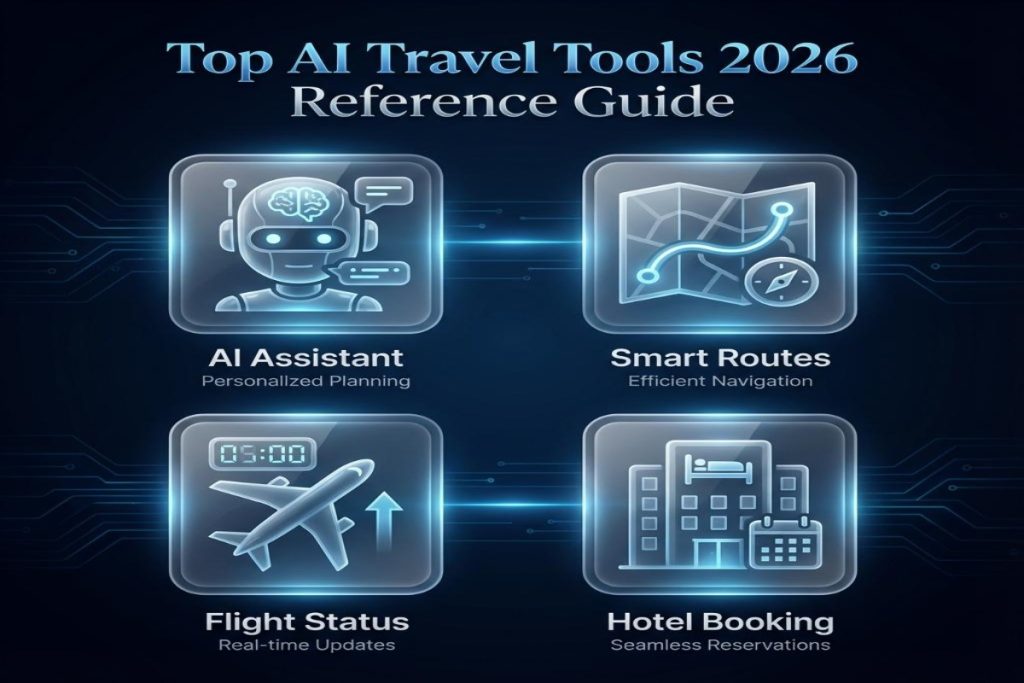
AI is changing how people get around. AI-powered travel itinerary can now do in minutes what used to take hours of research, comparing prices, digging through hotel reviews, creating itineraries, and handling bookings. One of the biggest trends in the Indian travel industry are AI trip planners, ranging from personalized itineraries to smart budget optimization and automated recommendations. But with so many tools on the market, travelers are now wondering: 1. Best AI trip planner in India ? 2. Which AI travel planner is the most personalized? 3. What platform helps beyond itinerary building? 4. Do AI itinerary planners help for real trips? In this blog, we compare some of the most talked-about AI trip planners for Indian travelers in 2026; their strengths, limitations and what sets them apart. Why AI Trip Planners Are Growing Rapidly in India Travel planning behavior has changed a lot over the last few years. What Indian travellers want today: 1. Planning More Quickly 2. Cheap suggestions 3. Customizable itineraries 4. Local experiences behind the scenes 5. Smarter booking 6. Customized travel recommendations At the same time it is overwhelming to plan by hand trips. The overwhelming majority of travelers spend hours: 1. Compare hotel prices 2. Follow airfare prices 3. Watching travel videos on YouTube 4. Reading reddit threads and blogs 5. Saving Instagram suggestions 6. Managing bookings in different apps AI travel planners centralize discovery, planning and recommendations all in one place that results in simplifying the entire process. And as AI tech improves, these platforms are becoming more conversational, intelligent and personalized. Explore : Personalized Travel with AI: How Smart Systems Understand What Kind of Traveler You Are What Makes a Good AI Trip Planner? Not all AI trip planners are the same. Some are only focused on creating itineraries. Some are experts in the discovery of flight. Some help with optimizing budgets or suggesting activities. Typically the best AI travel planners will offer: 1. Custom itineraries 2. Intelligent suggestions 3. Pricing insights in real-time 4. Easy management of bookings 5. Budgeting optimization 6. Travel assistance 7. Flexibility and customisation 8. Accessible on multiple devices The real difference is how intelligently the platform understands travelers. Top AI Trip Planners in India Right Now 1. Google Gemini + Google Travel Many travelers use Google tools for AI-Powered travel experiences to plan their travel with AI. GoogleFlights, Maps and Hotels combined with Gemini help users with: 1. Destinations to Explore 2. Construct rough itineraries 3. Compare travel costs 4. Search for restaurants and things to do 5. Plan trip ideas Pros 1. Making accessibility easy 2. Robust map integration 3. Great for destination research 4. Useful for basic planning Limitations 1. No end-to-end trip handling 2. Need to switch between multiple tools 3. Little personalization 4. No live travel support dedicated Google works well for research-heavy travelers but still requires significant manual effort. 2. Trip Planner AI Trip Planner AI is gaining popularity for itinerary generation and route optimization. It focused on: 1. Automated travel itineraries 2. Planning a multi-city 3. AI Activity Ideas 4. Route efficiency Pros 1. Quick itinerary creation 2. Good interface for planning . 3. Good for travel ideas for a first draft Limitations 1. Limited booking integration 2. Generic advice can sometimes feel like repetition 3. Limited support after booking 4. Less suited for highly personalized travel styles It’s great as an itinerary planning tool, not so much as a full travel ecosystem. 3. Wonderplan AI Wonderplan AI focuses heavily on personalized itineraries. Users type in: Budget, hobbies, durations, travel style and have AI generate travel plans. Pros 1. Tailored itinerary recommendations 2. Beginner friendly interface 3. Good for quick planning inspiration Limitations 1. Mostly itinerary-oriented 2. Limited support for booking 3. No real time trip assist 4. Recommendations may lack contextual local depth Wonderplan is good if you’re a traveller who needs mainly inspiration and structure. 4. Roam Around Roam Around gained popularity due to its conversational AI approach to trip planning. Travelers can plan a specific destination in seconds. Pros 1. Simple conversational interface 2. Fast itinerary generation 3. Good for short rides. Limitations 1. Limited flexibility for complex journeys 2. General outputs for specific travel styles 3. No price optimisation No live support 4. Primarily focused on planning, not execution Good for quick itinerary ideas, but not so practical for full travel management. 5. ChatGPT for Travel Planning Many travelers now use AI chatbot to plan trip such as ChatGPT. It can help with: 1. Ideas for destinations 2. Budget divisions 3. Travel Itineraries 4. Packing advice 5. Visa guidance 6. Suggestions for activities Pros 1. Very conversational 2. Flexible advice 3. Great for trip brainstorming 4. Good for niche travel interests Limitations 1. No online reservation system 2. No live fare tracking 3. Needs manual verification 4. No travel execution integrated It’s a good companion for planning, not a dedicated travel platform. The Biggest Problem With Most AI Trip Planners Most AI trip planners stop once they’ve generated an itinerary. But real travel is much, much more: 1. Flight reservation 2. Hotel verification 3. Price Surveillance 4. Selection of activity 5. Optimize budget 6. Visa support 7. Live support while travelling 8. Last minute alterations This is where a lot of AI itinerary tools fail. Travelers still have to juggle multiple tabs, apps, confirmations and bookings manually. This is precisely where the future of AI travel planner is headed. The Shift Toward Full-Stack AI Travel Planning The next generation of AI( Artificial intelligence) travel tools are no longer just focused on itinerary generation. Instead, the platforms are trying to be your one-stop travel companion. That means combining: 1. AI personalization 2. Smart pricing 3. Booking integration 4. Real-time support 5. Human assistance 6. Travel coordination …into one seamless experience. This is also where newer AI travel platforms like Kaira are gaining attention in the Indian travel space. The World’s Most Personalised AI Trip Planner Meet Kaira, not just an AI. Your travel companion. Traditional
Europe Winter Travel Guide: Best Destinations, Snow Experiences & Costs (2026)
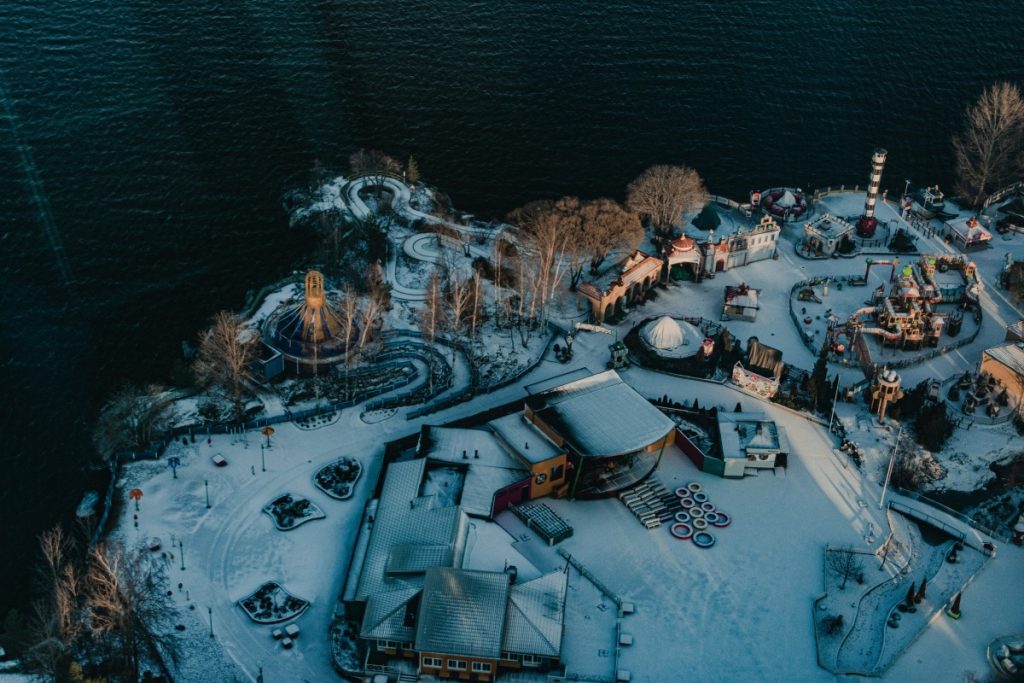
Introduction Europe in winter feels like stepping into a postcard. Snow-covered villages, festive markets, frozen lakes, and cozy cafes create a magical atmosphere that’s completely different from the summer crowds most travelers are used to. But planning a winter trip to Europe can feel overwhelming—weather conditions, varying costs, and choosing the right destinations can make or break your experience. Whether you’re chasing snowfall, Christmas markets, or unique winter adventures, timing and planning are everything. In this comprehensive guide by The Tarzan Way, we break down the best destinations, snow experiences, and a complete budget in INR—so you can build the perfect Europe travel itinerary in winter. In Short (Key Takeaways) 1. Best time: December to February 2. Budget: ₹8,000–₹20,000 per day 3. Top experiences: Christmas markets, snow activities, Northern Lights 4. Best countries: Switzerland, Austria, Germany, Finland 5. Ideal trip duration: 7–12 days Explore Europe Hidden Gems for nature and history. Why Visit Europe in Winter? Winter transforms Europe into a completely different destination: 1. Fewer crowds compared to summer 2. Lower flight and hotel prices (except peak Christmas/New Year) 3. Unique experiences like snow sports and festive markets 4. Cozy atmosphere with winter cuisine and culture Best Winter Destinations in Europe Switzerland – Snowy Landscapes & Scenic Trains Switzerland is the ultimate winter destination. Winter is the best season to explore the true beauty of Switzerland for first-timers. Top places: 1. Zermatt 2. Interlaken 3. Jungfraujoch Experiences: 1. Skiing and snowboarding 2. Glacier train rides 3. Cable car views Austria – Alpine Beauty & Culture Austria blends scenic landscapes with cultural charm. Must-visit: 1. Salzburg 2. Innsbruck Highlights: 1. Christmas markets 2. Snow-covered old towns 3. Classical music heritage Germany – Christmas Markets & Festive Vibes Germany is famous for its winter markets. Top cities: 1. Munich 2. Nuremberg Why go: 1. Traditional Christmas markets 2. Mulled wine and festive food 3. Cultural experiences Finland – Northern Lights & Arctic Adventures For a unique winter experience, Finland is unmatched. Best place: 1. Lapland Experiences: 1. Northern Lights 2. Husky sledding 3. Glass igloos stays France – Romantic Winter Escape France offers both city charm and snowy landscapes. Top spots: 1. Paris 2. Chamonix Best Snow Experiences in Europe Skiing & Snowboarding Best in: 1. Switzerland 2. Austria 3. France Cost: ₹5,000–₹12,000 per day Northern Lights Best seen in: 1. Finland 2. Norway 3. Iceland Christmas Markets Best in: 1. Germany 2. Austria 3. Prague (Czech Republic) Scenic Train Rides 1. Glacier Express (Switzerland) 2. Bernina Express Explore: Perfect Night Trip at Europe Europe Winter Budget (INR Breakdown) Daily Budget Budget Traveler (₹8,000–₹12,000/day): a. Hostels / budget hotels b. Public transport c. Street food Mid-Range (₹12,000–₹20,000/day): a. 3-star hotels b. Intercity trains c. Tours and experiences Luxury (₹25,000+ per day): a. Premium hotels b. Private transfers c. Fine dining Cost Breakdown a. Accommodation: ₹4,000–₹15,000/night b. Food: ₹1,500–₹4,000/day c. Transport: ₹2,000–₹6,000 d. Activities: ₹2,000–₹10,000 Best Time to Visit Europe in Winter 1. December: Christmas markets and festive vibe 2. January–February: Best for snow and skiing 3. Late February: Slightly fewer crowds Know the best time to visit Europe for best trip experience. Sample 10-Day Europe Winter Itinerary Day 1–3: Paris a. City exploration b. Museums and cafes Day 4–6: Switzerland a. Interlaken b. Jungfraujoch Day 7–8: Austria a. Salzburg b. Innsbruck Day 9–10: Germany a. Munich b. Christmas markets Travel Tips for Europe in Winter 1. Pack thermal wear and waterproof shoes 2. Book early for December travel 3. Use rail passes for easy transport 4. Check weather forecasts regularly Discover the best top 10 clubs in Europe for full chill vibe. FAQs Is Europe expensive in winter? It can be, but traveling in January–February reduces costs significantly. Which country is best for snow in Europe? Switzerland and Austria offer the best snow experiences. Is winter a good time to visit Europe? Yes, especially for unique experiences like snow and Christmas markets. How much does a Europe winter trip cost from India? Expect ₹1.2–₹3 lakhs for a 10-day trip depending on style. Conclusion Europe in winter is not just a trip—it’s an experience filled with snow-covered landscapes, festive lights, and unforgettable moments. Whether you’re exploring Christmas markets in Germany or chasing the Northern Lights in Finland, every destination offers something magical. With the right planning and a well-crafted location travel itinerary, you can make the most of your winter adventure without overspending. Start planning your Europe winter journey with The Tarzan Way and turn your snow-filled dreams into reality.
Top Luxury Travel Experiences & Destinations Defining 2026
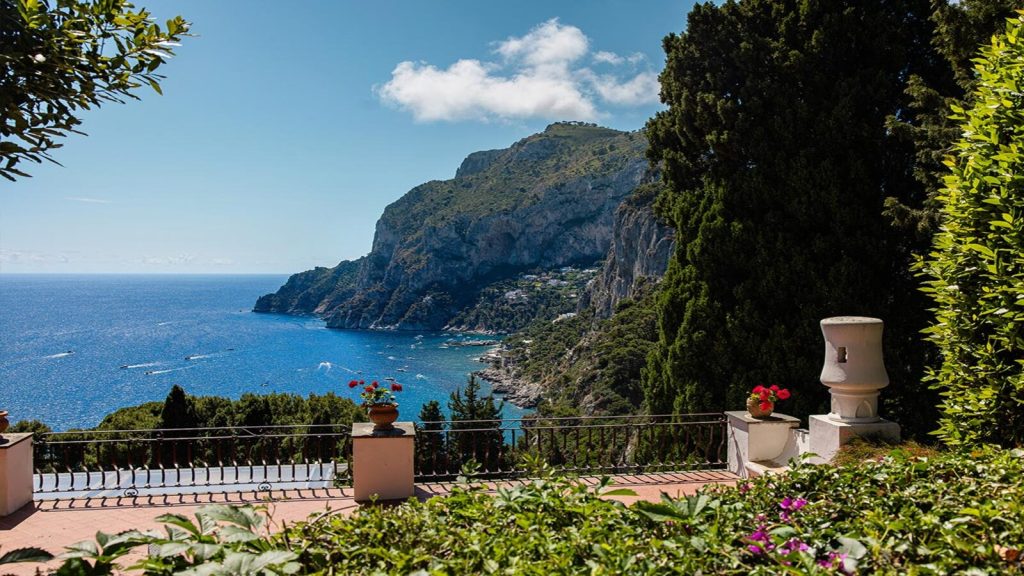
Luxury Travel in 2026 is no longer about rushed itineraries or predictable tourist checklists. Instead, travelers are seeking destinations that feel cinematic, immersive and deeply memorable – where mornings begin with ocean views, breakfasts turn into long conversations, and every experience lingers long after the trip ends. Through the The Tarzan Way’s luxury travel itineraries, one thing is becoming clear: people are no longer collecting destinations, but meaningful stories and experiences. These are the destinations redefining luxury in 2026: Romantic & Slow Luxury Escapes Santorini, Greece — Where Luxury Feels Like a Love Story Santorini is known for being romantic. However, in 2026, people are slowing down a bit and experiencing a more intentional side of the island. Instead of packed viewpoints and rushed sunset tours, luxury travelers are choosing slow evenings overlooking the caldera. There’s a reason so many proposals happen here – Santorini feels cinematic without even trying too hard. This is the version of Santorini that surprises most people. Who should Visit? Couples – Seeking the perfect romantic proposal backdrop along with intimate sunset moments. Luxury Seekers –Private cliffside suites and exclusive caldera views, away from crowded places, so that they can sit back and relax. Connoisseurs –Private wine tasting experiences inside unique volcanic vineyards are worth-visiting. Best Experience: Booking a private catamaran cruise to sail across the caldera as the sun sets. Best Time to Visit: September and October. Amalfi Coast & Capri, Italy — Slow Luxury by the Sea Luxury travel here is all about choosing fewer places that offer deeper experiences instead of trying to cover the entire Italy. This is what expensive looks like in Italy — not flashy, but effortless. It is a destination where one coastline gives a full luxury reset and evenings feel longer, giving you the time to sit back and relax. Capri adds another layer of elegance to the journey with some of its hidden beaches, boutique stays, and old-world Italian glamour. Who Should Visit: Slow Travelers –Preferring long lunches overlooking the sea and quiet afternoons wandering through cliffside towns. Couples & Anniversary Elites – Craving timeless European charm, effortless sophistication, and absolute privacy. Ocean Lovers – For experiencing private boat rides along dramatic coastlines. Best Experience: Spending an afternoon wandering through quiet cliffside towns followed by a private boat ride along the coastline. Best Time to Visit: May, June, and September. French Riviera, France — Where Travel Starts Feeling Cinematic French Riviera somewhere feels unreal – from glamour of Cannes and Monaco to the old Nice streets and the yacht-lined coastlines, every evening here feels literally like a movie scene. This is where Europe stops being a vacation and starts feeling cinematic. Now, visitors are pairing up their coastal road trips, beach clubs, boutique lodging and slow Mediterranean life to take in the more romantic side of France that they don’t generally hear about enough. Who Should Visit: Film & Culture Lovers – To see the glamour of Cannes and iconic cinematic backdrops. Road Trippers – Excited to witness beautiful coastal drives with boutique resort stays. Yacht & Sun Seekers – Seeking premier beach clubs, slow Mediterranean life, and elite views of the Monaco harbor. Best Experience: Taking a coastal road trip that combines Monaco, Cannes, and Nice. Best Time to Visit: May to June and September to early October. Wellness & Island Luxury Escapes Nusa Dua, Bali — The Softer Side of Luxury Travel Nusa Dua offers a calmer experience as compared to some other busier tourist hubs. This is exactly how Bali is meant to be experienced. Luxury resorts main focus here is on privacy, wellness, and slower travel rhythms. Days are spent surrounding world-class spa treatments and quiet beaches. For many couples, especially the honeymooners, your first honeymoon deserves this version of Bali. Who Should Visit: Honeymooners – Couples looking for an intimate, romantic, and beautifully slow island start to marriage. Wellness Seekers – To spend peaceful days with world-class spa treatments and quiet beaches. Luxury Retreaters –Opting for high-end resorts focused on privacy, oceanfront breakfasts, and slow travel. Best Experience: An oceanfront private breakfast in the morning followed by an all-day luxurious spa treatment. Best Time to Visit: Between April and October. Koh Samui, Thailand — The Island People Keep Returning To Koh Samui is the more laid-back and intimate side of Thailand – this is the version of Thailand people generally come back for. It beautifully balances tropical luxury with a much slower atmosphere. This part of Thailand gets mostly skipped in itineraries. It is becoming increasingly popular among couples looking for luxury without the chaos of larger tourist destinations, providing dedicated yoga sessions, beachfront villas, and island experiences that provide peace. Who Should Visit: Couples – Can have top-tier tropical luxury entirely avoiding the chaos of larger tourist destinations. Wellness Enthusiasts – For dedicated yoga retreats, beachfront villas, and wellness resorts. Slow Island Seekers – Wanting private sunset dinners and an intimate, unhurried island landscape. Best Experience: Booking a private beachfront villa paired with a secluded sunset dinner on the water. Best Time to Visit: Mid-January to March. Cinematic & Once-in-a-Lifetime Experiences Lapland, Finland — A Once-in-a-Decade Winter Experience Lapland feels unreal during winter. The sky is doing something absolutely insane this year, and with the solar maximum bringing stronger aurora activity, 2026 is expected to be one of the best times to see the Northern Lights. This won’t happen again for another 11 years. Luxury stays in Lapland is all about rugged Arctic adventure with high-end comfort. Your days will be filled with snow-covered forests, husky sled rides, and frozen lakes. Who Should Visit: Aurora Chasers –To see the strong Northern Lights displays during the solar maximum cycle. Winter Adventurers – Wanting to enjoy husky sled rides, snow covered forests and frozen lakes. Bucket-List Travelers – Looking for rare, once-in-a-lifetime winter experiences from absolute comfort. Best Experience: Watching the Northern Lights dancing above you while sitting in a luxury heated glass igloo. Best Months to Visit: December to March.
Italy for First-Time Visitors: A Balanced Trip Covering Culture, Coastlines & Countryside
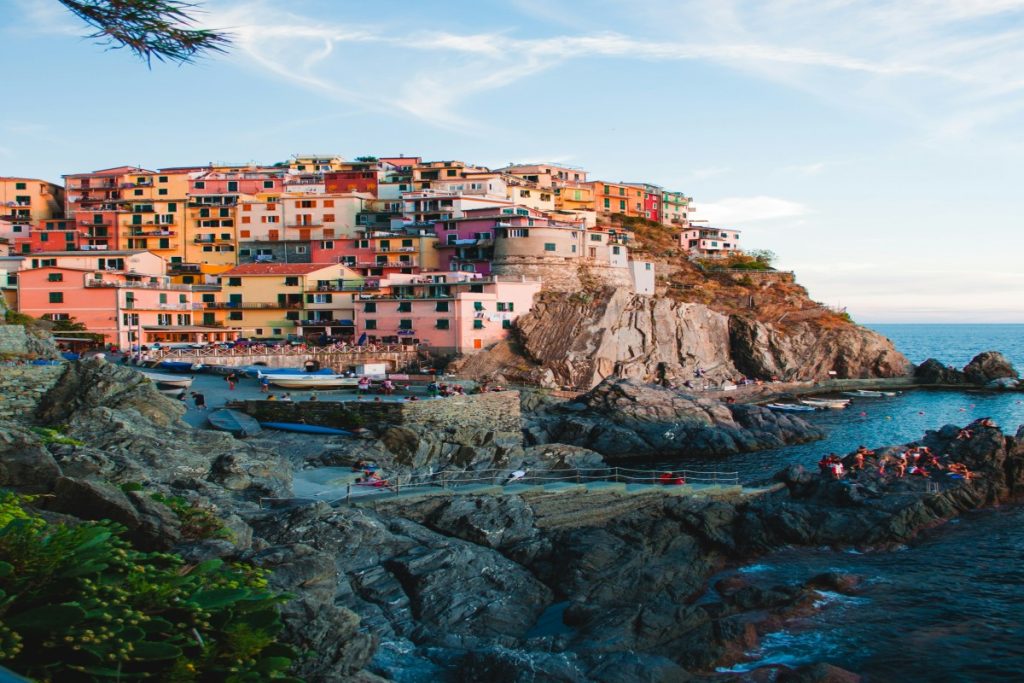
Italy is one of the world’s most rewarding travel destinations for first-time visitors. The country combines ancient history, world-famous art, scenic coastlines, charming villages, rolling countryside, and unforgettable food experiences — all within relatively short travel distances. What makes Italy especially appealing is its balance. In a single trip, travelers can explore Roman ruins, sip wine in Tuscany, cruise along dramatic coastlines, wander through Renaissance cities, and relax in quiet countryside towns. For beginners, however, planning an Italy itinerary can feel overwhelming because there are countless places worth visiting. Instead of trying to see everything, the best approach is to focus on a balanced route that combines Italy’s cultural landmarks, natural beauty, and slower local experiences. This guide is designed specifically for first-time visitors looking for a well-rounded Italian journey filled with: Historic cities Coastal escapes Countryside experiences Regional cuisine Art and architecture Scenic train journeys Authentic local culture Whether you are planning a 10-day vacation or a two-week adventure, this Italy itinerary offers the perfect introduction to the country’s timeless charm. In Short Explore Rome for ancient history and iconic landmarks. Visit Florence and Tuscany for art, wine, and countryside landscapes. Discover Venice’s canals and architecture. Relax along the Amalfi Coast or Cinque Terre. Experience Italy’s regional food culture throughout the journey. Ideal trip duration for first-time visitors: 10–14 days. Why Italy Is Perfect for First-Time Travelers Italy offers an ideal balance between sightseeing and immersive travel experiences. The country is beginner-friendly because of: Efficient train connectivity Walkable historic centers Diverse experiences within short distances Excellent tourism infrastructure Regional food and wine culture Scenic landscapes across every region Unlike destinations where travelers must choose between culture or nature, Italy combines both effortlessly. Travelers can: Visit museums in the morning Enjoy countryside vineyards in the afternoon End the day with coastal sunsets and local cuisine Italy also rewards slow travel. Beyond major landmarks, some of the most memorable experiences happen while wandering through quiet piazzas, discovering local bakeries, or enjoying long dinners in family-run trattorias. Suggested Italy Route for First-Time Visitors Rome → Florence → Tuscany → Venice → Amalfi Coast or Cinque Terre This route works especially well for beginners because it combines: History and architecture Countryside landscapes Coastal relaxation Food and wine experiences Easy train connections It also avoids unnecessary backtracking, making travel more comfortable and efficient. Stop 1: Rome – Italy’s Historic Heart Rome is the perfect introduction to Italy. The city combines ancient ruins, vibrant street life, impressive churches, beautiful piazzas, and some of the country’s best food experiences. For first-time travelers, Rome offers both iconic sightseeing and authentic local atmosphere. Best Things to Do in Rome Visit the Colosseum The Colosseum remains one of the world’s most recognizable landmarks. Visitors can explore: Ancient gladiator arenas Underground chambers Roman engineering Panoramic viewpoints Booking skip-the-line tickets is highly recommended. Explore the Roman Forum and Palatine Hill These archaeological areas reveal the political and cultural center of Ancient Rome. Highlights include: Ancient temples Historic ruins Emperor residences Scenic city views Discover Vatican City Vatican City houses some of the world’s greatest artistic and religious treasures. Must-visit attractions include: St. Peter’s Basilica Sistine Chapel Vatican Museums St. Peter’s Square Explore: Italy for Art Lovers The Vatican is especially rewarding for travelers interested in art , history, and architecture. Experience Rome’s Street Life Some of Rome’s greatest moments happen away from major monuments. Spend time: Wandering cobblestone streets Relaxing at outdoor cafes Watching sunset from piazzas Discovering hidden fountains Enjoying evening aperitivo culture Rome feels most magical when explored slowly. Recommended Stay 3–4 nights Food Experiences in Rome Italy’s food culture changes dramatically by region, and Rome is famous for simple but flavorful dishes. Must-Try Foods in Rome Carbonara Cacio e pepe Supplì Roman-style pizza Gelato Best Culinary Experiences Food walking tours Local markets Traditional trattorias Espresso bars Rooftop dining experiences Dining in Rome is about more than food — it is about atmosphere, conversation, and slowing down. Stop 2: Florence – Renaissance Beauty and Tuscan Charm Florence is often considered the artistic soul of Italy. Known as the birthplace of the Renaissance, the city offers extraordinary museums, cathedrals, architecture, and cultural experiences. Despite its global popularity, Florence remains compact and walkable, making it ideal for first-time visitors. Best Experiences in Florence Visit the Florence Cathedral (Duomo) The Duomo dominates Florence’s skyline. Highlights include: Brunelleschi’s Dome Marble facades Fresco interiors Panoramic city views Climbing to the top rewards visitors with spectacular views over Florence. Explore the Uffizi Gallery The Uffizi contains masterpieces by: Botticelli Leonardo da Vinci Michelangelo Raphael Art lovers should reserve several hours for exploration. Walk Across Ponte Vecchio This historic bridge is lined with small jewelry shops and overlooks the Arno River. It is especially beautiful during sunset. Visit Piazzale Michelangelo For panoramic city views, head to Piazzale Michelangelo. The viewpoint is particularly popular during golden hour. Recommended Stay 2–3 nights Tuscany – Italy’s Countryside at Its Best No first trip to Italy feels complete without experiencing Tuscany’s countryside. Rolling vineyards, medieval villages, olive groves, and scenic roads create some of Italy’s most iconic landscapes. Tuscany offers a slower pace compared to larger cities and provides the perfect balance between sightseeing and relaxation. Best Places to Explore in Tuscany Siena Known for: Medieval architecture Piazza del Campo Gothic cathedral Traditional Tuscan cuisine San Gimignano This hilltop town is famous for: Medieval towers Stone streets Scenic countryside views Artisan shops Val d’Orcia One of Italy’s most picturesque regions. Known for: Cypress-lined roads Vineyards Farm stays Photography viewpoints Best Experiences in Tuscany Wine Tastings Tuscany is globally known for wines such as: Chianti Brunello di Montalcino Vino Nobile di Montepulciano Many vineyards offer guided tastings and countryside lunches. Agriturismo Stays Agriturismos are countryside farm stays that combine: Local hospitality Homemade meals Vineyard views Rural experiences These stays are ideal for travelers wanting a quieter and more authentic side of Italy. Scenic Road Trips Driving through Tuscany allows travelers to explore: Hidden villages Small wineries Scenic viewpoints Local cafes
Italy for Art Lovers: Exploring Italy’s Most Beautiful Art Cities Through Historic Masterpieces
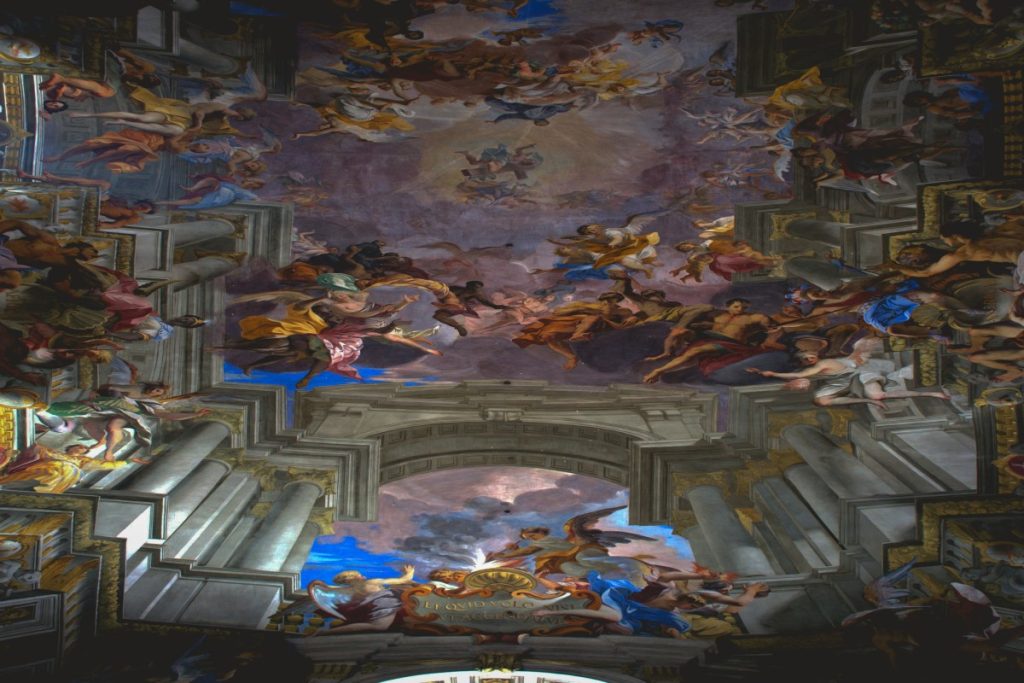
Italy is more than just a travel destination — it is an open-air museum filled with centuries of artistic brilliance. From Renaissance paintings and Roman sculptures to grand cathedrals and fresco-covered chapels, the country offers one of the richest cultural experiences in the world. For art lovers, every Italian city feels like stepping into a living masterpiece. Whether it is Michelangelo’s sculptures in Florence, Leonardo da Vinci’s works in Milan, or Venice’s romantic canals lined with Gothic architecture, Italy blends art seamlessly into everyday life. The beauty of traveling through Italy for art is that the experience extends beyond museums. Art appears in piazzas, churches, streets, fountains, palaces, and even local cafes. This guide explores Italy’s most beautiful art cities with perfect art-lover Italy itinerary, iconic masterpieces, cultural highlights, travel tips, and the best experiences for travelers seeking an art-focused Italian journey. In Short Florence is the heart of Renaissance art. Rome combines classical antiquity with Baroque masterpieces. Venice offers unique Gothic and Byzantine artistic influences. Milan is home to Leonardo da Vinci’s iconic works. Smaller cities like Siena and Bologna offer underrated artistic treasures. Best travel duration for art lovers: 10–14 days. How Art Shapes Everyday Life in Italy One of the reasons Italy feels so immersive for art lovers is because art is not confined to galleries or museums. Across the country, artistic heritage forms part of daily life. In Italy, travelers encounter artistic beauty through: Historic piazzas filled with sculptures Fresco-covered churches tucked into quiet streets Family-owned artisan workshops Public fountains designed by legendary architects Grand palaces overlooking bustling neighborhoods Even a simple evening walk through an Italian city often feels cinematic. Street musicians perform near centuries-old cathedrals, painters display local artwork in public squares, and tiny cafes overlook Renaissance architecture. Unlike destinations where art is experienced only inside museums, Italy creates an atmosphere where history and creativity blend naturally into modern life. This makes Italy particularly rewarding for travelers who enjoy: Slow cultural exploration Architecture and photography Local craftsmanship Storytelling through art and history Experiencing cities beyond checklist tourism For many travelers, the emotional connection to Italy comes not only from famous masterpieces but from the feeling of being surrounded by beauty everywhere. Why Italy Is a Dream Destination for Art Lovers Italy’s art destinations legacy shaped Western art history for centuries. The country gave rise to: The Renaissance Classical sculpture traditions Fresco painting techniques Baroque architecture Humanist artistic philosophy Italy was home to legendary artists such as: Leonardo da Vinci Michelangelo Raphael Botticelli Caravaggio Titian Bernini What makes Italy unique is how accessible its art feels. Unlike traditional museum destinations, Italy’s masterpieces are integrated into public life. Travelers can: Walk through historic piazzas Visit churches housing famous paintings Explore centuries-old palaces Discover sculptures in public squares Admire architecture simply by wandering city streets Florence – The Birthplace of the Renaissance Florence is often considered the greatest art city in Italy. The city played a central role during the Renaissance and became a hub for artistic innovation, patronage, and architecture. For art lovers, Florence is essential. Must-Visit Art Attractions in Florence Uffizi Gallery The Uffizi Gallery houses one of the world’s most important Renaissance art collections. Highlights include works by: Botticelli Leonardo da Vinci Michelangelo Raphael Titian One of the gallery’s most famous paintings is Botticelli’s The Birth of Venus. Tips for Visiting Book tickets in advance Visit early morning to avoid crowds Allow at least 3–4 hours for exploration Accademia Gallery The Accademia is home to Michelangelo’s iconic sculpture, David. Seeing the statue in person is one of Florence’s most unforgettable artistic experiences. The sculpture demonstrates: Renaissance ideals of beauty Human anatomy mastery Marble carving excellence Florence Cathedral (Duomo) The Duomo represents a masterpiece of Renaissance engineering and architecture. Highlights include: Brunelleschi’s Dome Fresco interiors Marble facades Panoramic city views Art Experiences Beyond Museums in Florence Florence also offers: Artisan workshops Leather studios Fresco restoration tours Traditional paper-making shops Sculpture schools Walking through Florence itself feels like experiencing a living Renaissance painting. Recommended Stay 3–4 nights Rome – Ancient Grandeur and Baroque Beauty Rome blends ancient history with some of Europe’s most dramatic artistic masterpieces. The city’s layers of art span: Ancient Roman sculpture Renaissance frescoes Baroque architecture Religious masterpieces Every neighborhood in Rome reveals artistic treasures. Must-See Art and Architecture in Rome Vatican Museums and Sistine Chapel The Vatican Museums contain one of the largest art collections in the world. The highlight for many visitors is Michelangelo’s Sistine Chapel ceiling. The frescoes depict: Biblical scenes The Creation of Adam The Last Judgment Important Tip Reserve tickets well in advance because queues can be extremely long. St. Peter’s Basilica This iconic church showcases contributions from: Michelangelo Bernini Bramante Raphael Inside, visitors can admire: Michelangelo’s Pietà Grand marble interiors Massive domes Renaissance architecture Galleria Borghese The Borghese Gallery is famous for Bernini’s sculptures and Caravaggio’s paintings. Art lovers often consider it one of Italy’s finest museum experiences because of its intimate atmosphere. Highlights include: Apollo and Daphne David by Bernini Caravaggio masterpieces Rome’s Artistic Streets and Piazzas Rome’s outdoor art experiences include: Trevi Fountain Piazza Navona Spanish Steps Pantheon Roman Forum Art and history appear around nearly every corner. Recommended Stay 3–4 nights Venice – Gothic Romance and Byzantine Influence Venice offers a completely different artistic atmosphere compared to Florence and Rome. The city’s art reflects: Maritime history Byzantine influences Gothic architecture Venetian color traditions Its canals, palaces, and churches create one of the world’s most visually unique urban environments. Artistic Highlights in Venice St. Mark’s Basilica Known for: Golden mosaics Byzantine details Grand domes Historic religious art The basilica is one of Venice’s architectural masterpieces. Doge’s Palace The palace combines: Gothic architecture Political history Renaissance paintings Ornate interiors Visitors can explore: Grand council halls Bridge of Sighs Decorative ceilings Peggy Guggenheim Collection For modern art lovers, this museum offers works by: Picasso Dalí Pollock Kandinsky The collection contrasts beautifully with Venice’s historic surroundings. The Influence of Religion on Italian Art Religion played a major
Sri Lanka’s Hill Country Journey: Tea Estates, Train Views & Quiet Mountain Towns

Introduction Sri Lanka’s hill country feels like a completely different world compared to its tropical coastline. As you move inland, the air turns cooler, the landscapes shift into rolling green hills, and life slows down in the most beautiful way. This region is famous for its tea plantations, colonial-era towns, and some of the most scenic train journeys in the world. But beyond the popular stops, the hill country also hides quiet villages, lesser-known viewpoints, and peaceful stays that are perfect for slow travel. In this guide by The Tarzan Way, we take you through the ultimate hill country Sri Lanka travel itinerary—covering the best towns, iconic train journeys, experiences, and a practical budget in INR to help you plan effortlessly. In Short (Key Takeaways) Best for: Nature lovers, slow travelers, photographers Budget: ₹2,000–₹6,500 per day Must-do: Kandy to Ella train ride Hidden gem: Haputale Ideal duration: 3–5 days What is Sri Lanka’s Hill Country? Sri Lanka’s hill country refers to the central highlands, known for: Tea plantations Cooler climate Colonial towns Scenic train routes Key regions include: Kandy Nuwara Eliya Ella Haputale Kandy – The Cultural Gateway to the Hills Kandy is often the starting point for hill country journeys. Top experiences: Visit the Temple of the Tooth Walk around Kandy Lake Explore local markets Why it matters: Cultural introduction before nature-heavy travel Well-connected by train and road Nuwara Eliya – Tea Estates & Colonial Vibes Often called “Little England,” Nuwara Eliya offers a refreshing escape. What makes it special: Endless tea plantations Cool weather year-round Colonial architecture Top things to do: Visit a tea factory Walk around Gregory Lake Enjoy scenic drives Ella – The Heart of Hill Country Travel Ella is the most popular hill town—and for good reason. Must-do experiences: Hike Little Adam’s Peak Visit Nine Arch Bridge Enjoy cafe culture with mountain views Why travelers love Ella: Perfect mix of adventure + relaxation Easy to explore Stunning viewpoints Haputale – The Quiet Alternative If you want to avoid crowds, Haputale is a hidden gem. Top highlights: Visit Lipton’s Seat Walk through tea plantations Enjoy peaceful surroundings Best for: Slow travel Offbeat experiences Photography The Famous Train Journey: Kandy to Ella Why It’s Special Passes through lush tea plantations Offers open-window views Slow-paced, immersive travel experience Journey Details Duration: 6–7 hours Cost: ₹150–₹1,000 Best seats: Second class for open windows Travel Tips Book tickets early during peak season Sit on the right side (better views from Kandy to Ella) Carry snacks and water This train journey is the highlight of any Sri Lanka trip. Budget Guide for Hill Country (INR) Daily Expenses Budget (₹2,000–₹3,000/day): Homestays Local food Public transport Mid-Range (₹3,000–₹6,500/day): Boutique stays Cafe hopping Guided experiences Cost Breakdown Stay: ₹1,000–₹5,000 per night Food: ₹300–₹1,200 per day Transport: ₹50–₹500 Activities: ₹200–₹1,500 Best Time to Visit Hill Country Know the best time to visit Sri Lanka: February to April: Clear skies and great views June to September: Lush greenery but occasional rain 4-Day Hill Country Itinerary Day 1: Kandy Explore city Visit Temple of the Tooth Day 2: Kandy to Nuwara Eliya Tea plantations Lake visit Day 3: Train to Ella Scenic journey Explore Ella Day 4: Haputale Sunrise at Lipton’s Seat Relax and unwind Travel Tips for Hill Country Carry light jackets (weather can be cold) Book trains in advance Start early for viewpoints Walk whenever possible—distances are short FAQs Is Ella better than Nuwara Eliya? Ella is more vibrant and traveler-friendly, while Nuwara Eliya is quieter and more scenic. How long is the Kandy to Ella train ride? Around 6–7 hours. Is Sri Lanka’s hill country expensive? No, it’s very affordable, especially for Indian travelers. Can you do hill country in 3 days? Yes, but 4–5 days is ideal for a relaxed experience. Conclusion Sri Lanka’s hill country is where time slows down and travel feels more meaningful. From sipping fresh tea in misty plantations to leaning out of a train window as it winds through the mountains, every moment here feels cinematic. Whether you’re chasing scenic views, peaceful stays, or a slower pace of travel, this region offers it all. Add it to your location travel itinerary and experience a side of Sri Lanka that most travelers never fully explore. Plan your journey with The Tarzan Way and discover the magic of Sri Lanka’s hills.