



The Northern Lights have long held a place on travel bucket lists around the world. But beyond the Aurora Borealis lies a journey filled with Arctic adventures, dramatic landscapes, and unforgettable experiences. Through The Tarzan Way’s Northern Lights itineraries, we’ve seen that the most memorable moments often happen beyond the lights themselves.
Here’s everything you need to know before planning your Northern Lights journey:
Where to See the Northern Lights?
Norway: For Dramatic Arctic Landscapes
Only few places combine accessibility and natural beauty quite like Norway. From the fjords of Tromsø to the remote islands of Lofoten, Norway provides some of the best chances of seeing the Northern Lights alongside breathtaking scenery.
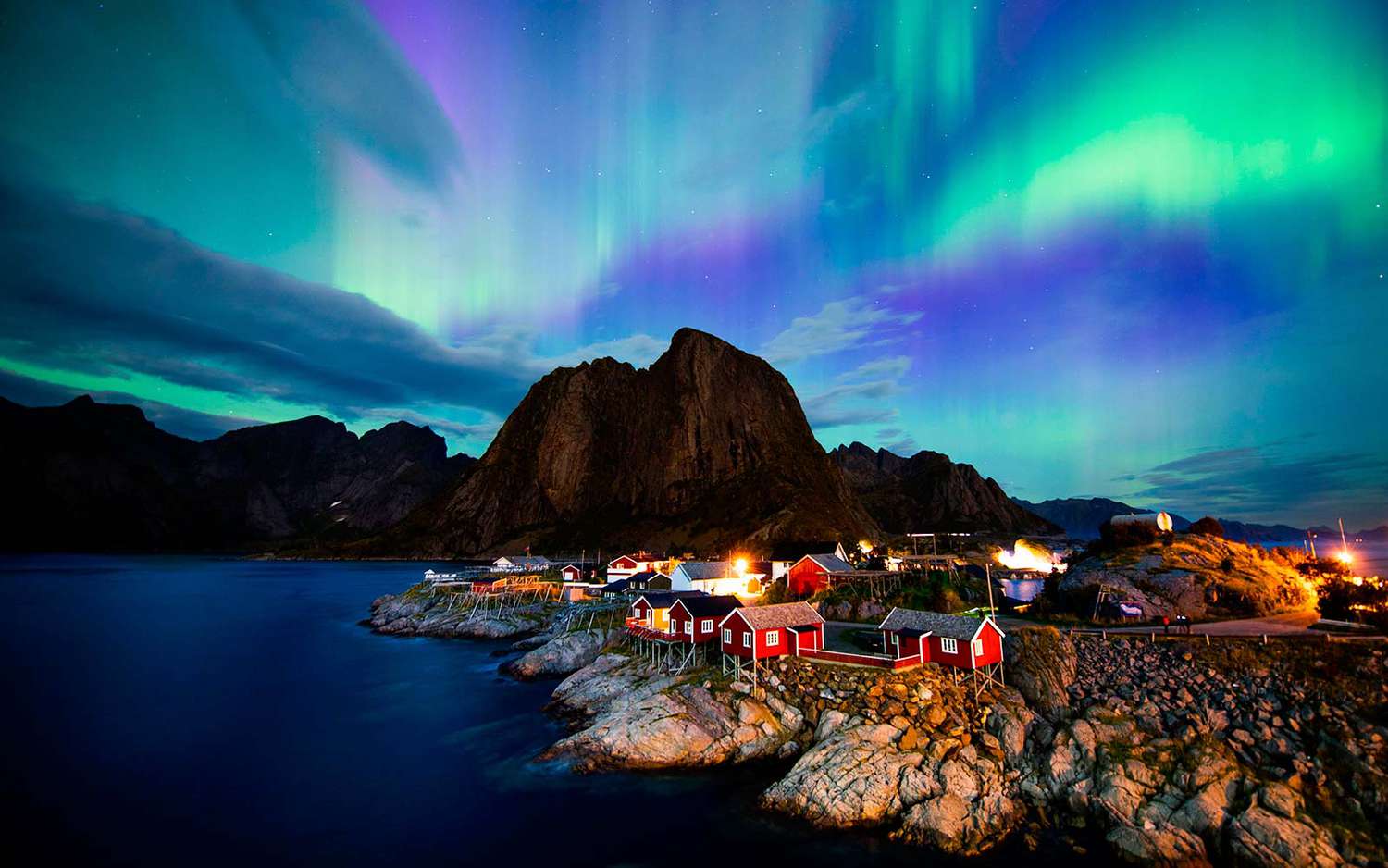
Pros
1. Excellent Aurora visibility
2. Stunning fjords and Arctic scenery
3. Well-developed tourism infrastructure
Cons
1. One of the more expensive destinations
2. Peak season can be crowded
Finland: For Cozy Winter Escapes
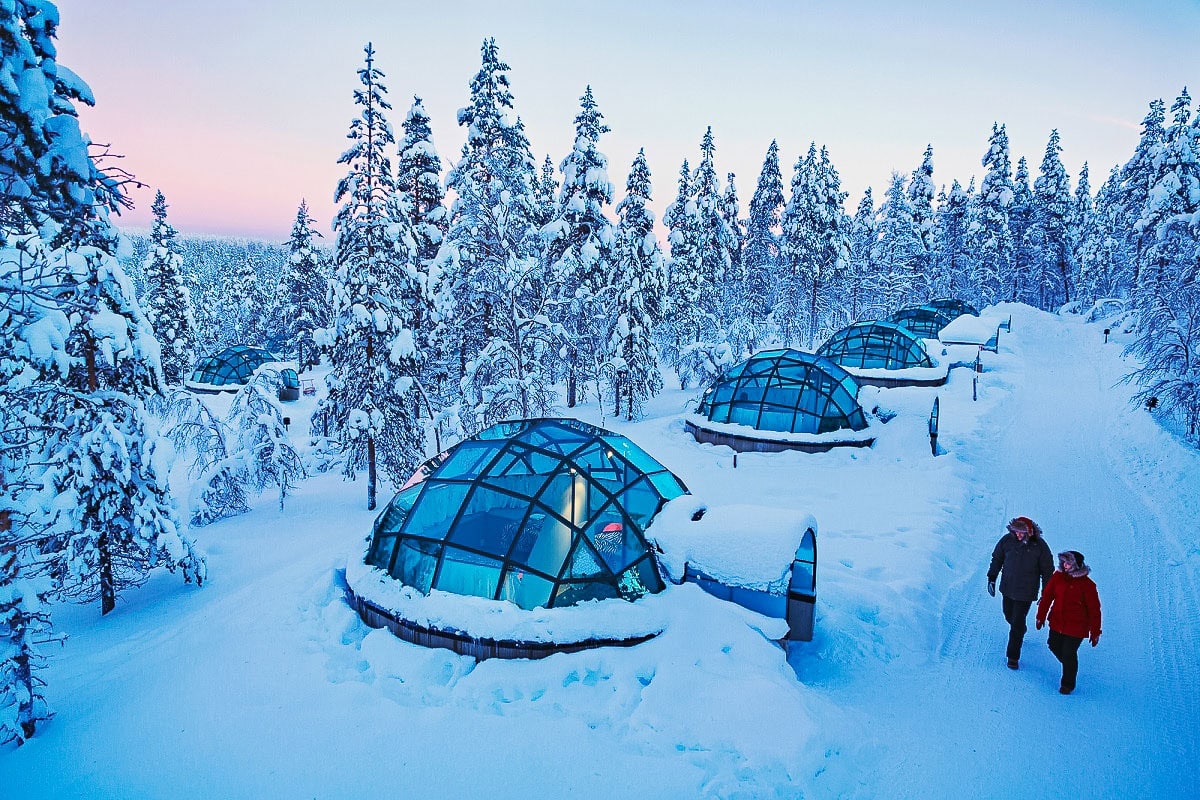
If your idea of the best winter destinations with the perfect winter holiday has glass igloos, snow-covered forests, and quiet nights under the stars, Finland delivers exactly that.
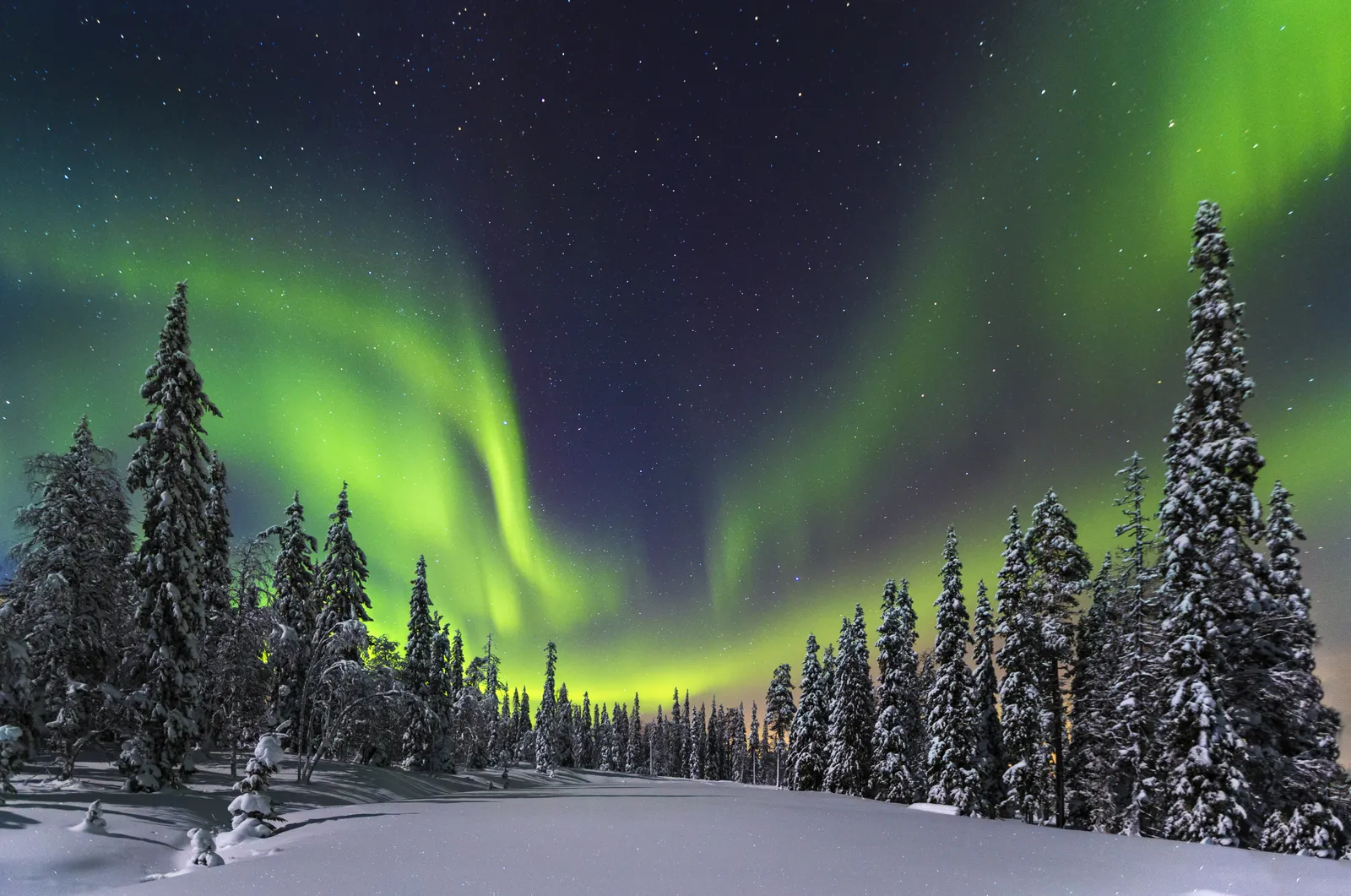
Pros
1. Unique stays like glass igloos
2. Family-friendly experiences
3. Great winter activities beyond the Northern Lights
Cons
1. Popular accommodations book up quickly
2. Can be expensive during peak season
Iceland: For Road Trips and Natural Wonders
Beyond the Northern Lights, Iceland offers waterfalls, glaciers, volcanoes, and geothermal lagoons which ensure every day feels like an adventure.
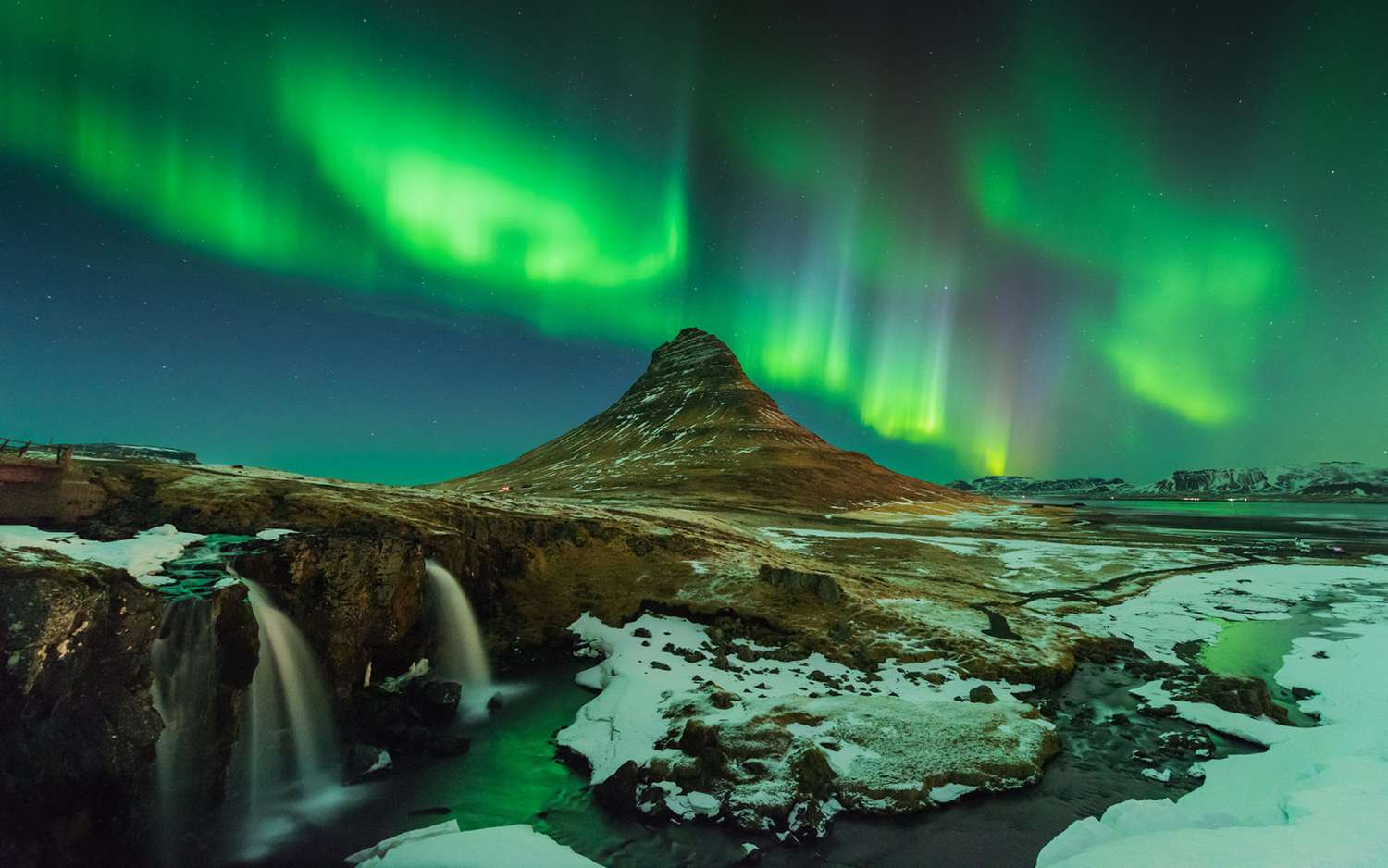
Pros
1. Incredible variety of landscapes
2. Easy self-drive itineraries
3. Plenty to do even outside Aurora hunting
Cons
1. Weather can be highly unpredictable
2. Higher travel costs compared to some destinations
Canada & Alaska: For Untouched Wilderness
For those seeking vast open spaces and fewer crowds, Canada and Alaska offer some of the most rewarding Northern Lights experiences.
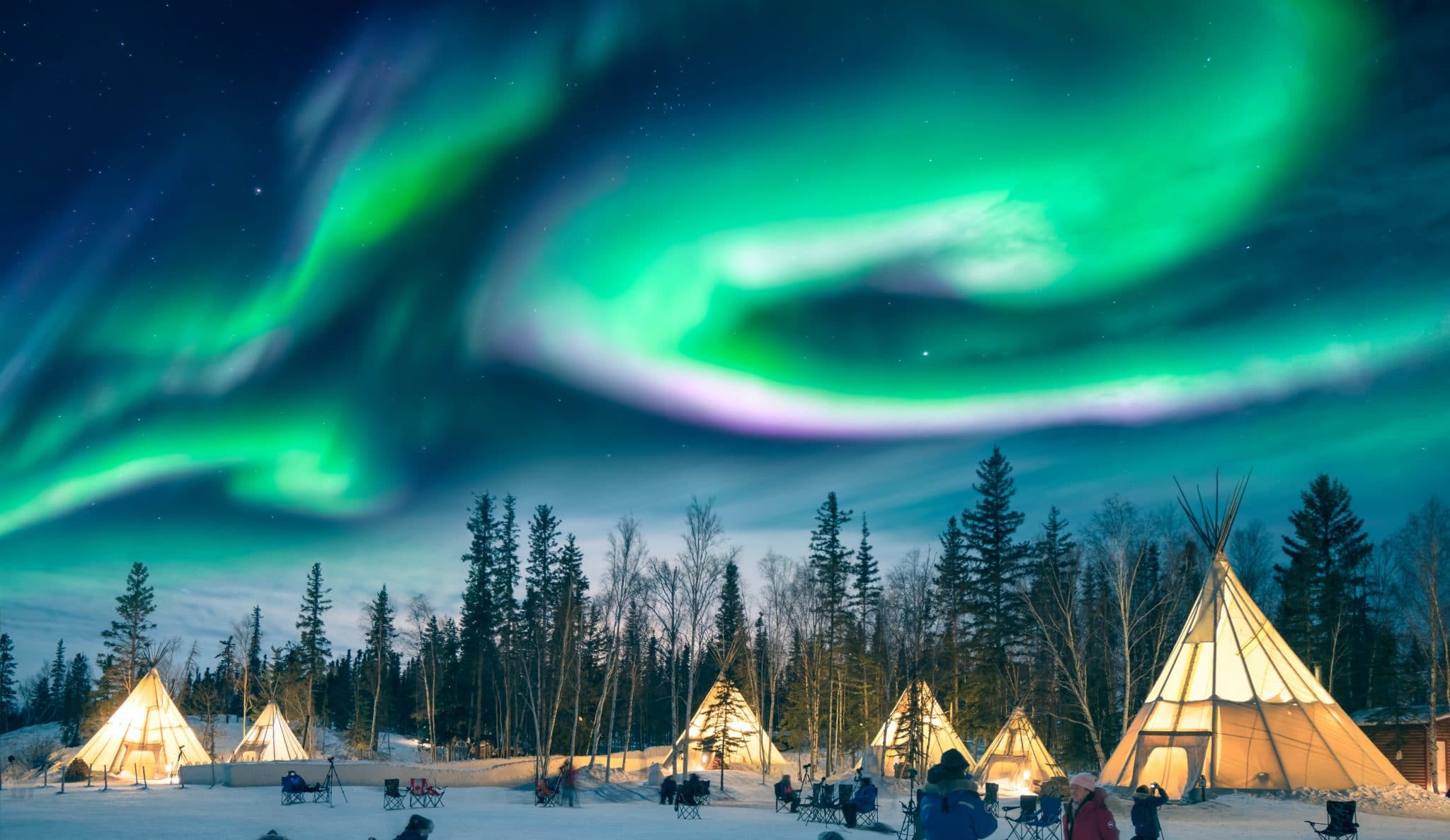
Pros
1. Dark skies and excellent viewing conditions
2. Incredible wilderness and wildlife
3. Less crowded than many European destinations
Cons
1. Longer travel times
2. Limited accessibility in some regions
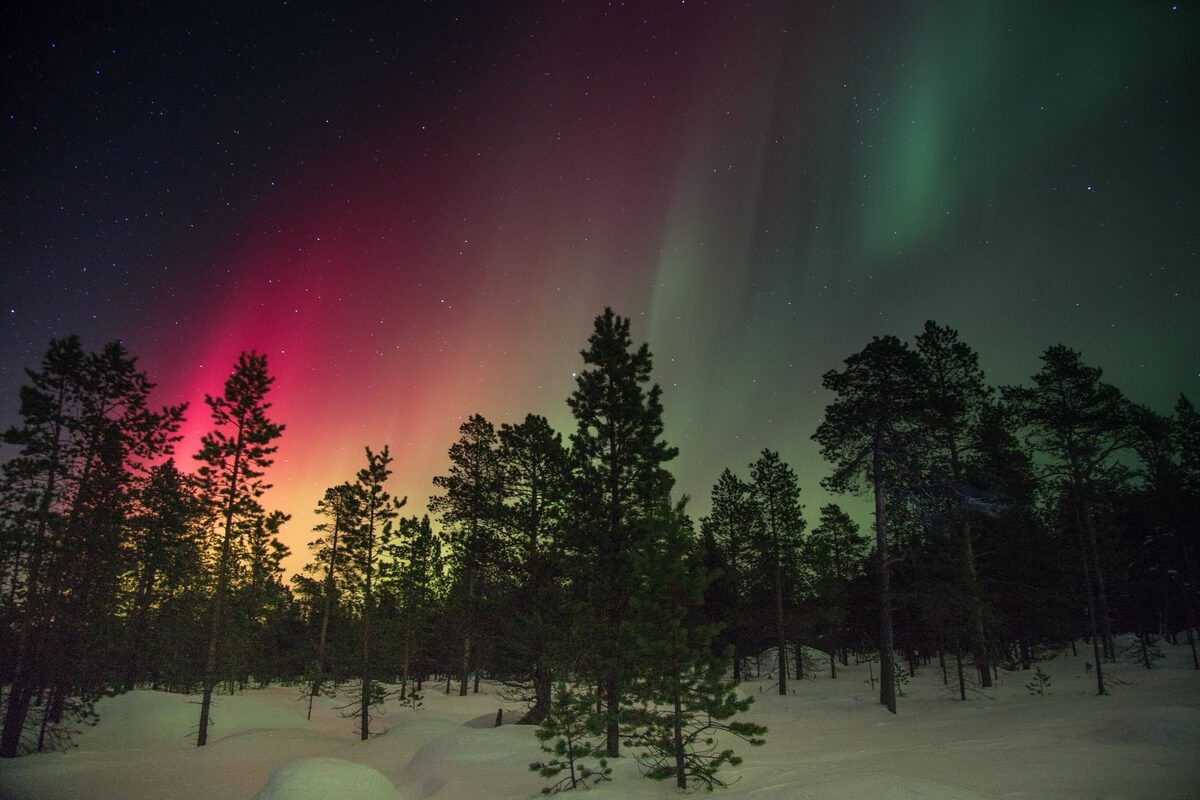
Sweden: For a Slower Arctic Experience
Often overshadowed by its Nordic neighbours, Sweden offers a quieter and more laid-back Northern Lights experience, particularly around Abisko.
Pros
1. Excellent viewing conditions
2. Fewer crowds
3. Relaxed pace of travel
Cons
1. Fewer direct international connections
2. Less variety of attractions compared to Iceland or Norway
When Is the Best Time to See the Northern Lights?
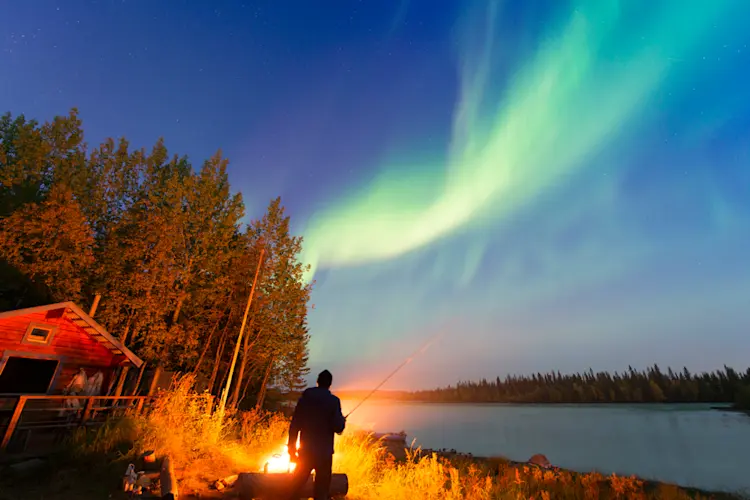
The Northern Lights season typically runs from September to April, when Arctic nights are long and dark enough for sightings.
While the Aurora can appear at any point during this period, however, each season offers a different experience.
September to November: Autumn Adventures
1. Milder temperatures
2. Fewer crowds
3. Beautiful autumn colours
4. Good chances of seeing the lights
December to February: Peak Winter Magic
1. Snow-covered landscapes
2. Longest nights of the year
3. Popular winter activities like dog sledding and snowmobiling
4. Peak travel season across the Arctic
Looking to make the most of the winter season? Our roundup of the best winter destinations for Christmas and New Year vacations features destinations that truly come alive during the colder months.
March to April: The Best of Both Worlds
1. Longer daylight hours
2. Winter scenery remains intact
3. Comfortable temperatures compared to mid-winter
4. Excellent viewing opportunities
What Time Do the Northern Lights Appear?
The best viewing window is generally between 10 PM and 2 AM, although activity can occur earlier or later depending on weather and solar conditions.
How Many Days Do You Need for a Northern Lights Trip?
One of the most common mistakes travelers make is actually underestimating how much time they need for a Northern Lights trip.
Although it’s possible to spot the lights on your very first night, giving yourself a few extra days can make the experience far more rewarding.
3 Nights
1. Good for travelers with limited time
2. Possible to see the lights, but flexibility is limited
5–7 Nights
1. Ideal for most travelers
2. Allows multiple viewing opportunities
3. Enough time to enjoy Arctic experiences beyond Aurora hunting
7+ Nights
1. Best for dedicated Northern Lights trips
2. Greater flexibility around weather conditions
3. Opportunity to explore multiple destinations
Beyond the Lights: What Makes the Journey Special
1. Arctic Adventures Beyond Aurora Hunting
The Northern Lights can be the reason for booking the trip, but they’re actually only one part of the experience.
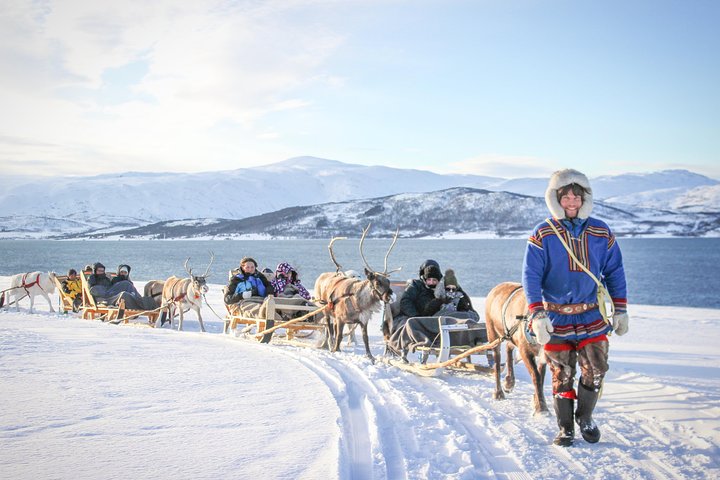
Across the Arctic, days are often spent dog sledding through snowy forests, snowmobiling across frozen landscapes, hiking glaciers, or exploring charming towns tucked away beneath dramatic mountain ranges. These experiences add a sense of adventure to the journey long before night falls.
2. A Window into Local Culture
A Northern Lights trip is also an opportunity to connect with cultures that have called the Arctic home for centuries.
From learning about Sami traditions in Scandinavia to enjoying local cuisine and storytelling experiences, these encounters offer a deeper understanding of life in some of the world’s northernmost regions.
3. Wildlife Encounters in the Arctic
The Arctic is home to an incredible variety of wildlife. Depending on where you travel, you will hopefully spot reindeer, Arctic foxes, whales, puffins, or even moose during your journey.
For many travelers, these unexpected encounters become just as memorable as the Northern Lights themselves.
4. Slow Moments Worth Savoring
Not every memorable travel experience involves an adrenaline rush.
Sometimes it’s soaking in a Nordic sauna after a day in the snow, enjoying a warm drink while watching the Arctic twilight, or simply taking in the stillness of a winter landscape.
5. Unique Places to Stay
Few travel experiences feel as magical as spending a night in a glass igloo beneath a star-filled sky.
From cozy cabins and wilderness lodges to boutique Arctic stays, the accommodation often becomes a memorable part of the Northern Lights experience itself.
How to Improve Your Chances of Seeing the Northern Lights?
1. Clear Skies Matter Most
Even the strong Aurora activity can be hidden behind thick cloud cover. Before heading out, keep an eye on local weather forecasts and look for destinations known for clearer winter skies.
2. Location Makes a Difference
The farther north you go, the better your chances. Regions within or close to the Arctic Circle generally experience more frequent Aurora activity.
3. Stay Away from City Lights
Light pollution can make it harder to see the Northern Lights. This is why many Aurora tours take travelers away from towns and cities to darker viewing spots.
4. Solar Activity Plays a Role
The Northern Lights are powered by activity from the sun. Stronger solar activity often leads to brighter and more dramatic displays. Travelers can also monitor real-time solar activity through SpaceWeatherLive.
5. Give Yourself Time
Perhaps the most important factor of all is flexibility. A longer stay means more opportunities to catch clear skies and favourable viewing conditions.
Quick Tip
It’s worth checking an Aurora forecast before your trip. Combined with weather forecasts, it can help you plan your viewing nights more effectively.
What Should You Pack for a Northern Lights Trip?
Arctic weather can be unpredictable, and temperatures often drop well below freezing once the sun goes down.
1. Dress in Layers
Layering is literally the key to staying warm and comfortable.
A simple layering system includes:
1. Thermal base layers
2. An insulating mid-layer (fleece or wool)
3. A windproof and waterproof outer layer
2. Invest in Good Footwear
You’ll likely spend long periods standing outdoors, often on snow or ice.
Look for:
1. Insulated winter boots=
2. Waterproof footwear
3. Thick wool socks
3. Don’t Forget the Essentials
A few small items can make a big difference during long viewing sessions:
1. Warm gloves or mittens
2. A beanie or thermal hat
3. Hand and foot warmers
4. A neck gaiter or scarf
5. A reusable water bottle
Capturing the Northern Lights
The Northern Lights are one of those experiences you’ll remember long even after the trip ends. Fortunately, most modern smartphones can capture the lights surprisingly well, especially when using Night Mode.
If photography is a priority, carrying a tripod and an extra battery can go a long way, particularly in Arctic temperatures where devices tend to drain faster.
But while it’s tempting to spend the entire night behind a screen, don’t forget to take a moment to simply look up. Sometimes the best memories are the ones you don’t photograph.
FAQs
1. What is the best country to see the Northern Lights?
Norway, Finland, Iceland, Sweden, Canada, and Alaska are among the best destinations for Northern Lights viewing.
2. When is the best time to see the Northern Lights?
The Northern Lights season typically runs from September to April, with peak viewing during the darker winter months.
3. How many days should I plan for a Northern Lights trip?
A 5–7 day trip is ideal, as it gives you multiple opportunities to see the Aurora and enjoy Arctic experiences.
4. What time are the Northern Lights most visible?
They are usually most active between 10 PM and 2 AM, although sightings can occur at other times.
5. Can I see the Northern Lights without a guided tour?
Yes. If you’re staying in a good Aurora-viewing location with clear skies and low light pollution, you can see them independently.
6. What should I wear for a Northern Lights trip?
Wear thermal layers, an insulated mid-layer, a waterproof outer jacket, warm boots, gloves, and a winter hat.
7. Do I need special equipment to photograph the Northern Lights?
A smartphone with Night Mode can work well. For better results, use a camera with manual settings and a tripod.
8. Are the Northern Lights guaranteed?
No. Aurora sightings depend on weather conditions, cloud cover, and solar activity.
9. What else can I do on a Northern Lights trip?
Popular activities include dog sledding, snowmobiling, reindeer experiences, glacier walks, whale watching, and exploring Arctic towns.
10. Is a Northern Lights trip suitable for families?
Yes. Destinations like Finland and Norway offer family-friendly accommodations and winter activities suitable for all ages.
Final Thoughts
A Northern Lights trip is more than a bucket-list experience—it’s a journey filled with wonder, adventure, and memories beneath some of the world’s most spectacular skies.
For travelers seeking a more effortless way to plan, Kaira by The Tarzan Way curates personalized Northern Lights itineraries around your pace and preferences.
Discover thoughtfully designed Arctic adventures with The Tarzan Way.