



Introduction
When most travelers think of Singapore, they picture Marina Bay Sands, Gardens by the Bay, and Orchard Road. While these iconic landmarks are worth visiting, they barely scratch the surface of what the city truly offers. The real soul of Singapore lies in its neighborhoods—quiet residential streets, heritage enclaves, indie cafés, and hidden corners that locals cherish.
This guide goes beyond the typical Singapore itinerary. Whether you’re a slow traveler, digital nomad, or someone seeking authentic experiences, this blog will help you discover a different side of Singapore—one that’s intimate, cultural, and deeply local.
In Short (TL;DR)
1. Singapore’s best experiences lie beyond tourist hotspots
2. Explore neighborhoods like Chinatown, Joo Chiat, and Tiong Bahru
3. Hidden cafés and hawker stalls offer authentic local flavors
4. Residential areas reveal a quieter, cultural side of the city
5. Perfect for slow travel and immersive itineraries

Why Explore Singapore Beyond Attractions?
Singapore may be small, but it’s layered. Beneath its polished skyline lies a network of neighborhoods that reflect its multicultural identity—Chinese, Malay, Indian, and Peranakan influences all blend seamlessly.
Explore Singapore travel guide beyond attractions allows you to:
1. Experience authentic local life
2. Discover unique cafés and food spots
3. Avoid crowds and overpriced tourist zones
4. Connect with culture, history, and community
As many travelers note, the most memorable experiences often come from wandering through cultural neighborhoods and lesser-known areas rather than sticking to mainstream attractions.
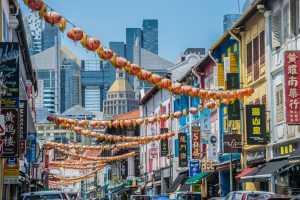
1. Chinatown: Where Heritage Meets Hidden Cafés
Chinatown is one of Singapore’s most vibrant neighborhoods—but step away from the main streets, and you’ll discover a quieter, more authentic side.
What makes it special:
1. Traditional temples alongside modern cafés
2. Hidden speakeasies in heritage shophouses
3. Iconic hawker centers like Maxwell Food Centre
The area is known for its contrasts—touristy on the surface, but deeply local in its side streets.
Hidden experiences:
1. Explore back alleys for boutique cafés
2. Try kaya toast at lesser-known coffee spots
3. Visit during weekdays for a calmer vibe
2. Joo Chiat: Colorful Streets & Café Culture
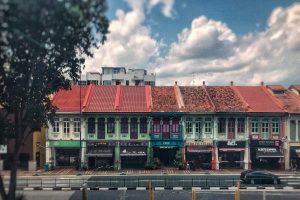
Joo Chiat is a charming district filled with pastel-colored shophouses and a laid-back vibe.
Why visit:
1. Rich Peranakan heritage
2. Instagram-worthy streets
3. Specialty coffee shops and bakeries
Unlike central Singapore, Joo Chiat feels slower and more local, attracting brunch lovers and culture enthusiasts during the Singapore trip.
Must-do:
1. Café hopping through hidden roasteries
2. Exploring traditional Peranakan eateries
3. Walking through quiet residential lanes
3. Tiong Bahru: Vintage Charm Meets Modern Cafés
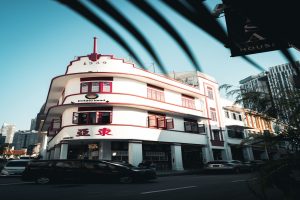
Tiong Bahru is often described as Singapore’s most hip yet nostalgic neighborhood.
What to expect:
1. Art Deco architecture
2. Indie bookstores and cafés
3. A strong community vibe
This area blends old-world charm with modern creativity, making it a favorite among locals and travelers seeking authenticity.
Hidden gems:
1. Local bakeries tucked into housing blocks
2. Quiet streets perfect for morning walks
3. Boutique stores with unique finds
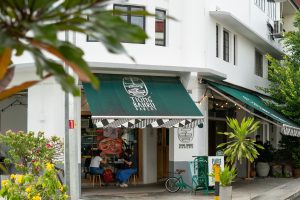
4. Tanjong Pagar: Food, Bars & Urban Energy
Tanjong Pagar is a lively neighborhood packed with culinary diversity.
Highlights:
1. Korean BBQ streets
2. Japanese izakayas
3. Hidden cocktail bars
It’s one of Singapore’s top food districts, offering everything from casual cafés to high-end dining.
Insider tip:
Explore Keong Saik Road and Club Street for hidden nightlife spots.
5. Toa Payoh: The Heartland Experience
Toa Payoh offers a glimpse into everyday Singaporean life.
Why it’s special:
1. Authentic hawker culture
2. Affordable local food
3. Minimal tourist presence
Neighborhoods like Toa Payoh are home to hidden food gems and traditional eateries that locals frequent.
What to try:
1. Hawker stalls serving classic dishes
2. Small family-run cafés
3. Community markets
6. Holland Village: Social & Café Hub
Holland Village is popular among expats and young professionals.
Key features:
1. Vibrant café scene
2. Weekend brunch culture
3. Lively nightlife
It’s perfect for travelers who want a mix of local and international vibes.
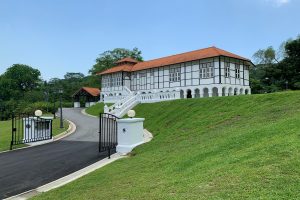
7. Hidden Cafés You Shouldn’t Miss
Singapore trip itinerary including hidden café goes far beyond Instagram hotspots. Many hidden cafés are tucked away in quiet streets, industrial areas, or even alleys.
Notable hidden café experiences:
1. Minimalist cafés in Upper Thomson
2. Kyoto-style tea houses in industrial zones
3. Alleyway dessert cafés
Some cafés are intentionally low-key, offering peaceful spaces away from crowds—ideal for reading, working, or relaxing.
Why they stand out:
1. Cozy, intimate atmosphere
2. High-quality specialty coffee
3. Unique interiors and concepts
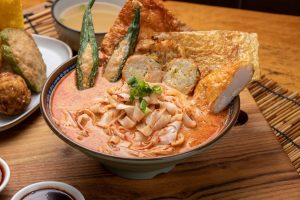
8. Hawker Centers: The Real Food Gems
No Singapore itinerary is complete without hawker food—but skip the famous ones and explore neighborhood centers.
Why hawker centers matter:
1. Affordable meals (often under S$10) which serves affordable Singapore vibe and pocket-friendly trip.
2. Authentic local flavors
3. Community-driven dining
Hidden hawker experiences:
1. Corner stalls with loyal local followings
2. Family-run businesses with decades of history
3. Unique fusion dishes
9. Nature & Hidden Corners
Beyond urban neighborhoods, Singapore also offers hidden natural escapes.
Lesser-known spots:
1. Pulau Ubin – rustic island with kampong life
2. Fort Serapong – historical WWII site
These places offer a refreshing break from the city’s fast pace.
10. Residential Streets & Secret Alleys
Some of Singapore’s most memorable experiences come from simply wandering.
What to look for:
1. Quiet residential lanes
2. Hidden murals and street art
3. Small neighborhood cafés
As locals often say, the best discoveries are the ones you stumble upon—shops and eateries that don’t advertise but deliver unforgettable experiences.
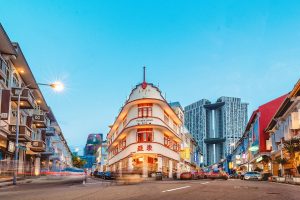
How to Plan a “Beyond Attractions” Itinerary
Step-by-step framework:
Step 1: Pick 2–3 neighborhoods per day
Avoid rushing—focus on depth over quantity
Step 2: Combine food + culture + walking
Example: Chinatown = temples + hawker food + cafés
Step 3: Use MRT + walking
Singapore’s public transport makes exploration easy
Step 4: Visit during off-peak hours
Early mornings or weekdays offer the best experience
Step 5: Stay curious
Leave room for spontaneous discoveries
If you want to experience the real beauty, then discover the best time to visit Singapore for festivals and events
Sample 3-Day Local Experience Itinerary
Day 1: Heritage & Cafés
- Chinatown exploration
- Hidden cafés + hawker lunch
- Evening at Duxton Hill
Day 2: Culture & Community
- Joo Chiat walking tour
- Café hopping
- Dinner in Tanjong Pagar
Day 3: Local Life & Nature
Explore: Best Singapore City Tours with unique local experience
- Toa Payoh markets
- Hidden hawker lunch
- Pulau Ubin day trip
FAQs
Q1. What is the best neighborhood to explore in Singapore?
Chinatown, Joo Chiat, and Tiong Bahru are great starting points for culture and cafés.
Q2. Are hidden cafés expensive in Singapore?
Most range from S$8–18, depending on location and specialty drinks.
Q3. How many days are enough for exploring neighborhoods?
3–4 days is ideal for a slow, immersive experience.
Q4. Is it safe to explore residential areas?
Yes, Singapore is extremely safe, even in quieter neighborhoods.
Q5. What is a hawker center?
A hawker center is a food complex with multiple affordable stalls serving local dishes.
Glossary
- Hawker Center: A food court with local vendors offering affordable meals
- Peranakan Culture: A blend of Chinese and Malay heritage
- Workcation: Working remotely while traveling
Conclusion
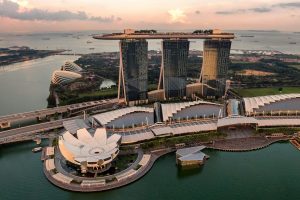
Singapore is far more than its iconic skyline. Its true charm lies in the neighborhoods—where heritage meets modernity, where cafés tell stories, and where every corner holds a surprise.
By stepping beyond attractions, you’ll experience a version of Singapore that feels personal, authentic, and unforgettable. Whether it’s sipping coffee in a hidden alley or exploring a quiet residential street, these moments define the journey.
Plan your next Singapore itinerary with The Tarzan Way and uncover the city like a local.