


Japan often appears in travel reels as a fast-moving montage — neon lights in Tokyo, bullet trains racing past Mount Fuji, cherry blossoms falling in Kyoto.
But what if you experienced Japan without the rush?
What if your travel itinerary allowed you to blend vibrant cities, quiet countryside, and centuries-old culture — without feeling like you’re ticking boxes?
This guide shows you how to slow down and experience Japan more meaningfully in 10–14 days. Whether you’re a first-time traveler or planning a return trip, this balanced Japan travel itinerary helps you combine modern city life, rural landscapes, and authentic cultural experiences.
In Short: Japan Without the Rush
- Spend 3–4 nights in each main location
- Combine Tokyo + Kyoto + one countryside destination
- Use trains wisely but avoid daily hotel hopping
- Prioritize experiences over sightseeing checklists
- Include slow cultural activities like tea ceremonies and onsens
Why Slow Travel Works Best in Japan
Japan is incredibly efficient — trains run on time, cities are organized, and attractions are well connected.
But many travelers try to do too much:
- Tokyo (2 days)
- Kyoto (1 day)
- Osaka (1 day)
- Hiroshima (1 day)
- Hakone (half-day)
This often leads to exhaustion rather than connection.
Slow travel in Japan means:
- Staying longer in fewer places
- Exploring neighborhoods deeply
- Allowing time for quiet experiences
- Embracing local rhythm instead of rushing between landmarks
Japan rewards patience — whether it’s sitting under cherry blossoms or soaking in a countryside hot spring.
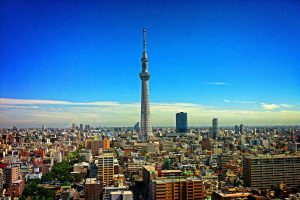
1. Tokyo: Modern Energy with Hidden Calm
Recommended stay: 4 days
Best for: First-time visitors, food lovers, pop culture enthusiasts
Tokyo is electric — but it also hides pockets of calm.
Balance the Energy
Instead of rushing through all districts, structure your travel itinerary like this:
Day 1: Modern Tokyo
- Shibuya Crossing
- Harajuku
- Shinjuku skyline views
Day 2: Cultural Tokyo
- Meiji Shrine
- Asakusa & Senso-ji Temple
- Sumida River walk
Day 3: Local Neighborhoods
- Yanaka Ginza
- Daikanyama cafés
- Shimokitazawa thrift streets
Day 4: Slow Morning
- Shinjuku Gyoen
- TeamLab (if interested)
- Sushi omakase dinner
Tip: Start early. Tokyo mornings are peaceful before the commuter rush.
2. Kyoto: Tradition at a Gentle Pace
Recommended stay: 3–4 days
Best for: History, temples, traditional culture
Kyoto feels like stepping into Japan’s past.
How to Avoid Temple Fatigue
Kyoto has over 1,600 temples — don’t try to see them all.
Instead, pick 2–3 per day:
- Fushimi Inari (early morning)
- Kinkaku-ji (Golden Pavilion)
- Arashiyama Bamboo Grove
- Philosopher’s Path
- Gion District walk at dusk
Add Cultural Depth
Slow travel in Kyoto means participating, not just observing:
- Tea ceremony experience
- Kimono rental & walking tour
- Traditional kaiseki dinner
- Zen meditation session
Visit in spring (March–April) or autumn (November) for peak beauty.
3. Add the Countryside: Japan Beyond the Cities
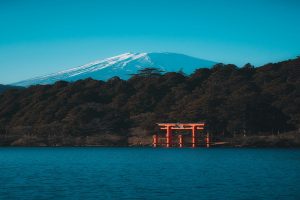
To truly experience Japan without the rush, add one countryside destination to your travel itinerary.
Here are three beautiful options:
Hakone: Mountain Views & Onsen Retreat
Distance from Tokyo: 1.5 hours
Hakone offers:
- Mount Fuji views
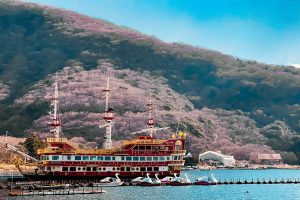
- Lake Ashi cruises
- Open-air museums
- Ryokan stays with hot spring baths
Stay overnight in a traditional ryokan instead of doing a rushed day trip.
Takayama: Traditional Mountain Town
Takayama feels preserved in time.
Highlights:
- Edo-period streets
- Hida beef
- Morning markets
- Quiet riverside walks
Ideal if you want a peaceful rural vibe between Tokyo and Kyoto.
Naoshima: Art Island Escape
Naoshima blends art and nature.
- Yayoi Kusama’s iconic pumpkins
- Minimalist museums
- Coastal cycling
- Quiet island sunsets
Perfect for slow, reflective travelers.
4. Sample 12-Day Japan Travel Itinerary
Here’s a balanced, slow-paced route:
Days 1 to 4: Tokyo
Days 5 to 6: Hakone or Takayama
Days 7 to 10: Kyoto
Day 11: Nara or Osaka day trip
Day 12: Return to Tokyo or fly home from Osaka
Why this works:
- Minimal hotel changes
- Logical train routes
- Time to rest
- Cultural immersion
5. How to Travel Between Locations Smoothly
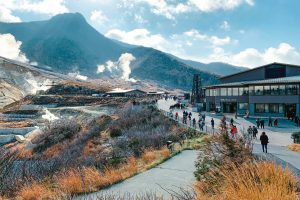
Japan’s transport is world-class.
Use the Shinkansen Wisely
- Book seats during peak seasons
- Travel mid-morning to avoid crowds
Luggage Strategy
- Use luggage forwarding services
- Pack light for easier train transfers
IC Cards
- Suica or Pasmo for easy metro access
Avoid overpacking your travel itinerary with long-distance hops every day.
6. Where to Stay for a Slower Experience
In Cities
- Choose neighborhood-based stays over central tourist hubs
- Boutique hotels or serviced apartments
In Countryside
- Ryokans with dinner & breakfast included
- Minshuku (family-run guesthouses)
Staying local deepens cultural experience.
7. Cultural Etiquette for Meaningful Travel
Japan values harmony and respect.
Remember:
- Remove shoes indoors
- Keep voices low in trains
- Carry cash (many small shops prefer it)
- Respect shrine and temple customs
Small gestures enhance your connection with local culture.
FAQs About Experiencing Japan Without the Rush
Q1: Is 10 days enough for Japan?
Yes. Focus on 2 cities and 1 countryside location for a balanced experience.
Q2: What is the best month to visit Japan?
March–April (cherry blossoms) and October–November (autumn foliage) offer ideal weather.
Q3: Should I get the JR Pass?
It depends on your route. Before purchase, compare individual ticket prices.
Q4: Can I explore Japan without speaking Japanese?
Yes. Major cities have English signage, and locals are helpful.
Q5: Is Japan good for slow travel?
Absolutely. Efficient transport and safe environments make it perfect for relaxed exploration.
Glossary
Ryokan: Traditional Japanese inn with tatami flooring and futon bedding.
Onsen: Natural hot spring bath.
Shinkansen: Japan’s high-speed bullet train.
IC Card: Rechargeable smart card for public transport.
Conclusion: Discover Japan at Your Own Pace
Japan doesn’t need to be rushed.
When you combine Tokyo’s energy, Kyoto’s heritage, and the countryside’s calm into one thoughtfully designed travel itinerary, you experience a deeper, richer side of the country.
Slow down. Stay longer. Wander neighborhoods. Share meals. Watch sunsets.
If you’re planning your next Japan journey, let The Tarzan Way help you design a personalized Location-based travel itinerary that balances cities, countryside, and culture — without the rush.