

Women Solo Travel in Goa: Safety, Budget, Nightlife & Complete Guide (2026)
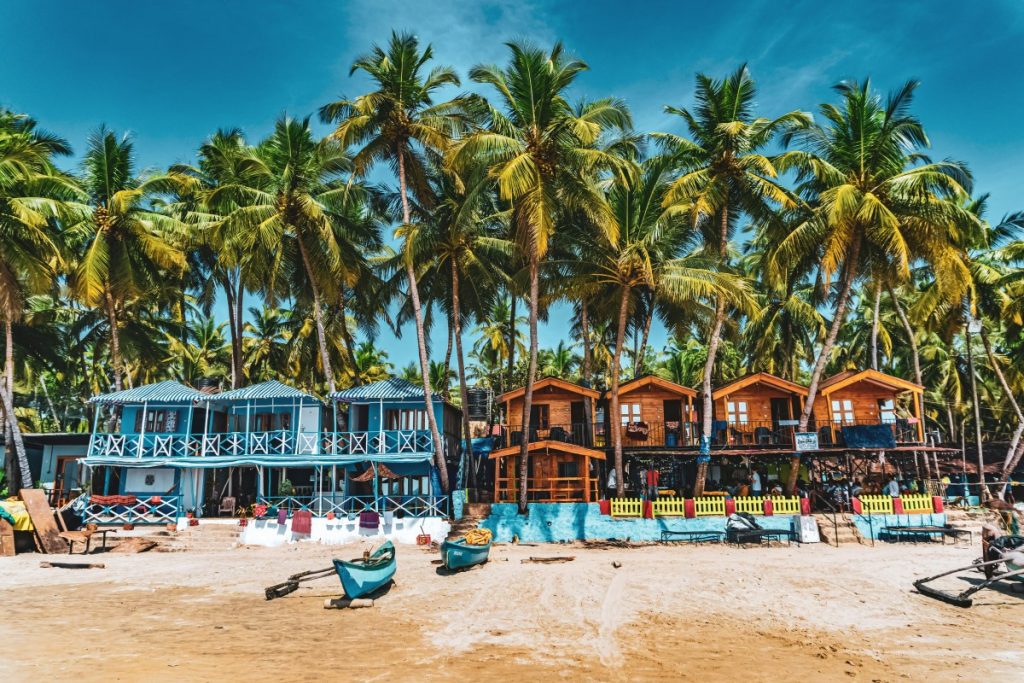
Are you planning to go on your first trip? Planning your first solo trip as a woman definitely can feel exciting and a little intimidating too but what if you have the perfect itinerary. If you’re searching for the perfect destination to make your first trip memorable & fun, then Goa definitely tops the list and that is for good reasons. Goa with its beach culture, laid-back vibe, vibrant cafés, and welcoming atmosphere makes it a most popular choice for solo female travellers. No matter whether you’re looking to relax by the ocean, explore nightlife, or simply enjoy, Goa offers the freedom and comfort that many women seek while traveling alone. This detailed guide will help you explore from safety and budget to nightlife and Goa itinerary tips. Why Goa is Ideal for Women Solo Travel Goa is an ideal choice for solo travel and is different from most places in India. It’s more liberal, more tourist-friendly, and far more relaxed compared to any other destinations. Everything feels magical, fun with a chill vibe. Another reason Goa works so well is its diversity that makes it tourist friendly. If you are a socialite or an extrovert and love to meet people, then explore North Goa which is lively, social, and perfect. If you are looking for solo peaceful time to spend time with yourself, then explore South Goa which is calm & scenic. This balance of Goa’s calmness and party vibe locations makes it suitable for both first-time solo travellers and experienced ones. Is Goa Safe for Solo Female Travellers in 2026? Short answer: If you are travelling solo, make sure to stay aware and yes, Goa is relatively safe. As far as safety is concerned, compared to many destinations, Goa is comparatively safer for women & solo travellers. However, safety largely depends on many factors, especially when it comes to nightlife, transport, and location. What you should know: Areas with tourist crowds are generally safer. Most issues involve late-night situations or isolated places. Locals are usually helpful. Caution is needed around strangers Essential Safety Tips for Women Travelling Alone Preparation makes you stay aware. These Goa simple tips will help you make your trip stress-free: 1. Avoid isolated areas at night Try to avoid visiting isolated places. Stick to crowded and well-lit places. After dark, avoid empty beaches as well. 2. Choose the right accommodation Choosing the right and safe accommodation that is female-friendly is highly preferred. Try to pick hostels or hotels with strong reviews that are female-friendly. 3. Be mindful with alcohol Knowing the limits while drinking is a must, enjoying Goa’s nightlife, but always keep an eye on your drink. 4. Use trusted transport While using transport to travel late at night, rely on app-based taxis or hotel-arranged rides instead of random options. 5. Share your plans Also, make sure to share your plans and information about your locations to your closest one, be it a friend or family member, especially if you’re heading out at night. Budget Guide for Solo Women (2026) One of the best things about Goa is that it works for every budget—from backpackers to luxury travellers. Accommodation For Hostel dorms, it is usually ₹500 – ₹1,200 per night For Private rooms, it is usually ₹1,500 – ₹4,000 per night Food For daily budget, it is usually ₹600 – ₹1,000 You can save more by eating at local cafés and beach shacks. Transport For Scooter rental, it is usually ₹300 – ₹500 per day For Taxis, it is usually more expensive but safer at night Total Budget (5 Days) The total budget for 5 days is approx between ₹12,000 – ₹25,000 depending on your travel style Smart Budget Tips Book your stays early in advance especially during peak season If your concern is safety as well as savings, better to choose female dorms Better to travel in shoulder season (Feb–March or Oct–Nov) Better choice to save money is by splitting costs by joining group activities Goa Nightlife for Solo Female Travellers Goa’s nightlife is one of its biggest attractions—but also where you need to be the most cautious. Safe Nightlife Tips For safety concern, try to stick to popular and crowded clubs Avoid leaving alone late at night Arrange transport before heading out and book from a trusted platform. What to Avoid Do not accept drinks or any kind of edible things from strangers Do not visit or walk alone in isolated areas after parties Over-intoxication Best Areas for Nightlife Baga & Calangute – It is busy, tourist-friendly and safer. Anjuna & Vagator – It is trendy and has a backpacker crowd. South Goa – It has minimal nightlife but more peaceful evenings. If you’re new to solo travel, start with crowded, well-known places rather than hidden party spots. Best Places to Visit in Goa for Solo Women North Goa (Social & Lively) It is absolutely perfect if you want to meet people and explore nightlife: Baga Beach Anjuna Beach Vagator South Goa (Peaceful & Relaxing) It is absolutely ideal for slow travel and introspection: Palolem Beach Agonda Beach Colva 5-Day Solo Itinerary for Goa Here’s a balanced itinerary that gives you both adventure and relaxation: Day 1: Arrival & Panaji Exploration Walk through Fontainhas (Latin Quarter) Explore cafés and local markets Day 2: North Goa Beaches Visit Baga and Anjuna Sunset at Vagator Day 3: Activities & Social Time Try water sports Join a hostel event or group tour Day 4: South Goa Escape Travel to Palolem or Agonda Relax, read, or try yoga Day 5: Chill & Departure Morning beach walk Souvenir shopping Where to Stay (Safe Areas) Choosing the right and safe area can make a huge difference in your experience. Best Areas for Solo Women: Anjuna / Vagator – It is social and hostel-friendly Panaji – It is safer and has more structured environment Palolem / Agonda – It has calm and peaceful vibe What to Look For: The one having good online reviews (especially from women)
How to Plan a Trip to Shimla Winter Carnival from Delhi
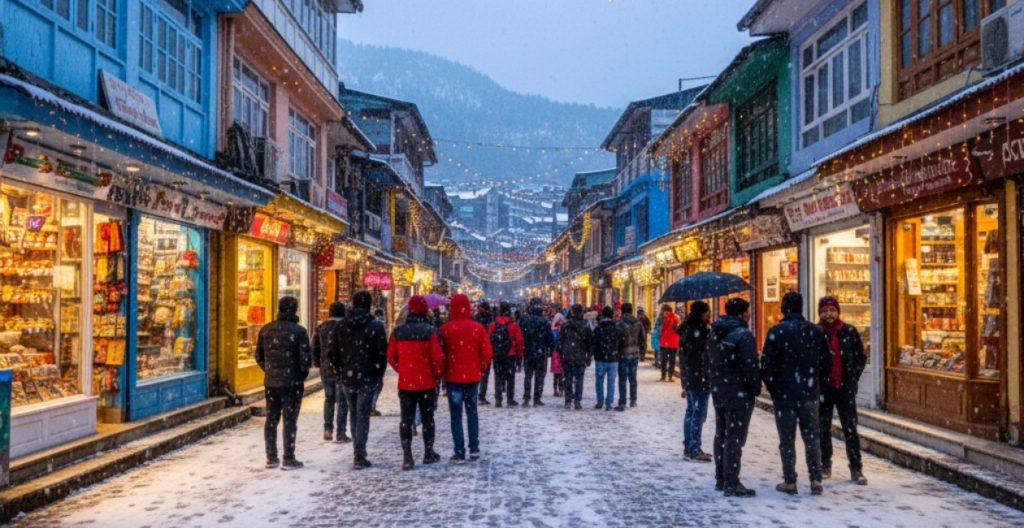
Last Update: 11 March 2026 If you have ever envisioned wintertime that features snow-laden streets, jubilant celebrations, and an energetic mountainous ambiance, then you must consider attending the Shimla Winter Carnival at the top of your travel agenda. Every January, the geographical and cultural capital of Himachal Pradesh welcomes visitors from Delhi and across the country. The Street comes alive to host new snowfall, cultural activities, dance performances and traditional festivities – it is one of the most exhilarating wintertime festivals in Himachal Pradesh, and if you have the opportunity to experience it, you should not miss it! However, attempting to make a trip to/from Delhi to attend the Shimla Winter Carnival necessitates preparation – traveling with various weather/transportation/accommodation options assists with things to consider, and missing out on key dates and timeframes to travel in January to get there. The purpose of this post is to walk through everything you will need to know about the Shimla Winter Carnival, such as what it is, key dates, and when are the best times to attend the festivities as a visitor in the snowfall season. The Tarzan Way will make your Shimla trip easier and less stressful with AI based personalized itinerary planning. Quick Summary Best month: January (peak winter + high chance of snowfall) Shimla Winter Carnival 2025: Early–Mid January (final dates to be announced) Top events: Folk dances, music concerts, ice skating shows, fashion shows, food stalls Best route from Delhi: Road or Volvo bus for direct access Ideal trip duration: 3 days Weather: –2°C to 7°C, expect snow at night or after a snowfall spell Who should visit: Families, couples, photographers, snow lovers Quick itinerary: Day 1 – Delhi to Shimla, Mall Road Day 2 – Carnival events + Kufri snow Day 3 – Local sightseeing, return Estimated budget: ₹6,000–₹15,000 depending on stay & transport What Is the Shimla Winter Carnival? The Shimla Winter Carnival is an annual winter festival that celebrates Himachal Pradesh’s culture, art, traditions, and the winter beauty of the region. The Carnival coincides with the peak of winter, especially when Shimla is covered in snow and adds an enchanting charm to the entire celebration. Why the Carnival is famous It combines culture, food, adventure, and snow in one event. Tourists enjoy Shimla at its most picturesque—blanketed in white snow. Major events take place around The Ridge, Mall Road, and Lakkar Bazaar, making it easy to explore on foot. It highlights Himachali culture through dance, handicrafts, and food stalls. Who should attend Families looking for a winter holiday Couples wanting a romantic snowy getaway Solo travellers and backpackers Snow lovers & photographers Festival enthusiasts In short, the Carnival brings winter alive with fun, colour, and culture, making it a top pick for travellers from Delhi every year. Shimla Winter Carnival 2025 Dates, Events & Highlights While official dates for Shimla Winter Carnival 2025 are typically announced closer to December, the festival historically takes place in the first or second week of January. Expected Dates for 2025 First Week of January – Mid January 2025 (Once government notifications are out, you can update this section.) Main Event Locations The Ridge – cultural shows, inaugural ceremony Mall Road – food stalls, shopping, live music Lakkar Bazaar – souvenirs, local crafts Ice Skating Rink near Lakkar Bazaar – winter sports events Major Events to Expect 1. Cultural Dance & Music Shows Himachali folk dances like Nati, Gaddi, and Kinnauri performances attract huge crowds. 2. Ice Skating Events Shimla boasts one of the oldest open-air ice skating rinks in Asia. Expect: Ice skating competitions Figure skating displays Beginner lessons 3. Fashion Shows & Talent Competitions Local artists and youth showcase modern and traditional styles. 4. Food Stalls & Himachali Cuisine Try: Siddu Babru Thukpa Momos Local hot beverages Winter sweets 5. Adventure Activities In and around Shimla, especially at Kufri, you can enjoy: Skiing Tobogganing Snow-walking Short treks 6. Photography & Art Stalls Carnival corners dedicated to local painters and photographers showcase Himachal’s landscapes and culture. Why These Events Matter for Travelers They offer a deep cultural immersion. Most activities are free or low-cost. Everything takes place in central Shimla, making navigation easy. The Carnival atmosphere is lively, vibrant, and perfect for winter travel. Explore Best Winter Adventure Destinations in India for Snow Lovers to plan your winter activities itinerary. Best Time to Visit Shimla Winter Carnival (Snowfall Season Guide) One of the biggest reasons Delhi travelers visit Shimla in January is the chance of experiencing live snowfall. When does Shimla get snowfall? Late December Early January Mid January These weeks are historically the most snow-heavy in Shimla. Temperature in January Day: 4°C to 7°C Night: –2°C to 2°C Cold waves and icy winds are common. Snowfall Conditions in Carnival Week Snowfall usually depends on weather patterns, but typically: After a western disturbance, Shimla often sees moderate snowfall. Kufri and Mashobra frequently see heavier snow than Shimla town. Best Days to Attend the Carnival Early mornings: Less crowd Evenings: Best for lights, music, and longer events Weekdays: Less crowded than weekends Peak vs Off-Peak Visit Time Pros Cons Early January High snowfall chance, coldest, best photos Max crowd, higher hotel rates Mid January Fewer tourists, still winter charm Slightly lower snowfall chances If You Want Snowfall Guarantee Visit: Kufri, Mashobra, or Narkanda (1–2 hrs from Shimla). Even during low-snowfall weeks in Shimla town, these areas usually stay snow-covered. Why This Is the Best Time for Delhi Travelers Perfect winter escape from Delhi’s foggy plains Carnival + snowfall = ideal holiday combo Scenic winter drives and mountain sunrises Cooler, fresher air compared to Delhi’s harsh winter pollution How to Reach Shimla Winter Carnival from Delhi (Complete Transport Guide) Travelling from Delhi to Shimla during winter is exciting but requires planning due to snowfall, fog, and traffic near festival venues. Here are all the travel options—road, bus, train, and flight—explained with winter-specific details. Delhi to Shimla by Road (Winter Road Trip) A road trip is one of the most
Best Winter Adventure Destinations in India for Snow Lovers
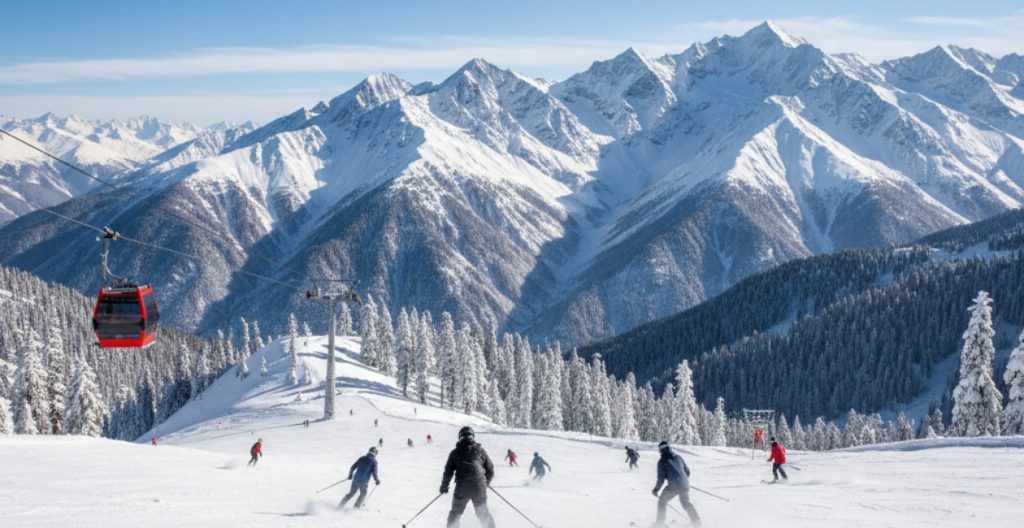
Last Updated: 03 March 2026 If you enjoy snow-covered landscapes, fresh winter air, and the excitement of adventure, India can be a fairytale playground from December to February. From skiing over fresh powder to winter trekking over frozen valleys, India has many of the best winter adventure destinations for snow lovers regardless of experience level – you may be a first-time snow traveler or a much more experienced traveler and just need to acclimatize to heights as you’ve already done low-altitude snow travel. Winter travel in India has grown rapidly and with it, the demand for snow destinations, winter adventure travel, and off-the-beaten-path snowy escapes. This guide outlines India’s favorite winter adventure destinations, what winter adventure experiences they provide, the best time of the year to visit, and what to consider when planning that special winter holiday. This blog will help you choose your winter getaway, whether you want to ski in Kashmir, camp in Spiti, trek in Uttarakhand or participate in family-friendly snowfall and sightseeing in Himachal. In Short India has some of the best winter destinations for snow lovers between December and February. Ideal for skiing, snow trekking, snow camping, sledging, winter photography, and more. Best regions: Jammu & Kashmir, Himachal Pradesh, Uttarakhand, Sikkim, and Arunachal Pradesh. Perfect for families, adventurers, honeymooners, and budget travelers. Top Snow Destinations in India 1. Gulmarg – India’s Winter Adventure Capital Gulmarg remains the ultimate destination for snow lovers and thrill-seekers. Known for its world-class skiing terrain and powder snow, it attracts both beginners and professional skiers from around the world. Why Visit Gulmarg? One of Asia’s best skiing destinations Home to the famous Gulmarg Gondola, one of the world’s highest cable cars Consistent heavy snowfall from December to March Stunning winter landscapes for photography Winter Adventures: Skiing & snowboarding Gondola ride to Apharwat Peak Snow trekking Snowmobile rides Sledging Best Time: Late December – March Who Is It For? Adventure seekers, photographers, couples. 2. Sonamarg – Frozen Wonderland of Kashmir Sonamarg transforms into a sparkling winter paradise during snowfall. Its frozen rivers, white meadows, and towering peaks make it one of the most enchanting winter destinations in India. Why Visit Sonamarg? Mesmerizing snow-covered valleys Less crowded than Gulmarg, perfect for peaceful winter travel Dreamlike landscapes ideal for film-style photography Gateway to Thajiwas Glacier winter trek Winter Adventures: Snow trekking to Thajiwas Glacier Snowmobile rides Sledging on soft snow slopes Frozen lake walks Best Time: December – March Who Is It For? Nature lovers, families, offbeat snow travelers. 3. Pahalgam – Family-Friendly Snow Destination Pahalgam is known for its gentle snow-covered meadows, pine forests, and riverside winter charm. It offers the perfect balance between adventure and relaxation. Why Visit Pahalgam? Safe and scenic for families and kids Soft, powdery snow perfect for beginners Beautiful winter views of Betaab Valley and Aru Valley Ideal for peaceful snow holidays Winter Adventures: Sledging & snow play Snow hikes in Aru Valley Pony rides through snowy forests Riverside winter walks Best Time: December – February Who Is It For? Families, couples, leisure travelers. 4. Manali & Solang Valley – Adventure Hub of Himachal Manali and Solang Valley transform into bustling winter adventure hubs every year. These destinations are ideal for first-time snow travelers and thrill-seekers alike. Why Visit Manali & Solang? Endless snow activities for all ages Famous for accessible adventure sports Snowy mountain views without long travel Perfect for winter road trips Winter Adventures: Skiing & snowboarding (Solang Valley) ATV & snowmobile rides Paragliding over snow-covered valleys Snow tubing, zorbing, and ropeway rides Best Time: December – February Who Is It For? Families, groups, adventure beginners. 5. Spiti Valley – Raw, Rugged & Only for the Brave Winter in Spiti is not for everyone. With frozen rivers, sub-zero temperatures, and dramatic landscapes, this is the ultimate test of adventure and resilience. Why Visit Spiti Valley? One of India’s most extreme winter destinations Lunar-like white landscapes Chance to spot the elusive snow leopard Authentic local hospitality in remote villages Winter Adventures: Winter treks across frozen terrain Monastery visits (Ki, Tabo) Snow leopard tracking Frozen river walks Best Time: January – March Who Is It For? Hardcore adventurers, photographers, wildlife enthusiasts. 6. Kalpa & Sangla – Himalayan Villages Wrapped in Snow Kalpa and Sangla offer peaceful, postcard-perfect winter escapes. Snow-covered apple orchards, old wooden houses, and quiet valleys make them magical. Why Visit Kalpa & Sangla? Stunning views of Kinnaur Kailash Untouched snow villages with minimal tourism Old-world charm and wooden architecture Clear skies perfect for sunrise and stargazing Winter Adventures: Snow village walks Winter hiking Local food & homestay experiences Photography of snow-covered orchards Best Time: December – February Who Is It For? Slow travelers, couples, culture lovers. 7. Auli – India’s Skiing Paradise Auli is India’s most popular skiing destination, known for its perfectly groomed slopes and panoramic Himalayan views. Why Visit Auli? One of India’s best places to learn skiing Breathtaking views of Nanda Devi and surrounding peaks Smooth slopes ideal for beginners Perfect combination of snow, adventure & scenery Winter Adventures: Skiing (beginner + professional courses) Chairlift & gondola rides Snow trekking Snow camping nearby Best Time: Late December – February Who Is It For? Beginner skiers, families, snow lovers. 8. Chopta–Tungnath–Chandrashila – Winter Trekking Heaven This region offers one of the most rewarding winter treks in India, famous for its snowy forests and summit views. Why Visit Chopta–Tungnath–Chandrashila? Known as India’s “Mini Switzerland” Easy-to-moderate trek even in winter Breathtaking 360° Himalayan summit view from Chandrashila Snow-covered forests and old temples Winter Adventures: Tungnath Temple snow trek Chandrashila summit climb Snow camping Wildlife spotting along the trail Best Time: December – February Who Is It For? Trekking enthusiasts, backpackers, adventure groups. 9. Mukteshwar – Snowy Forests & Tranquil Escapes Mukteshwar offers a quiet, serene winter escape surrounded by pine forests and mountain views. It’s ideal for slow travel and peaceful snow experiences. Why Visit Mukteshwar? Quiet alternative to crowded hill stations Beautiful forest trails dusted with snow Charming cafes, cottages, and nature
Spiritual Villages in India That Promote Inner Healing
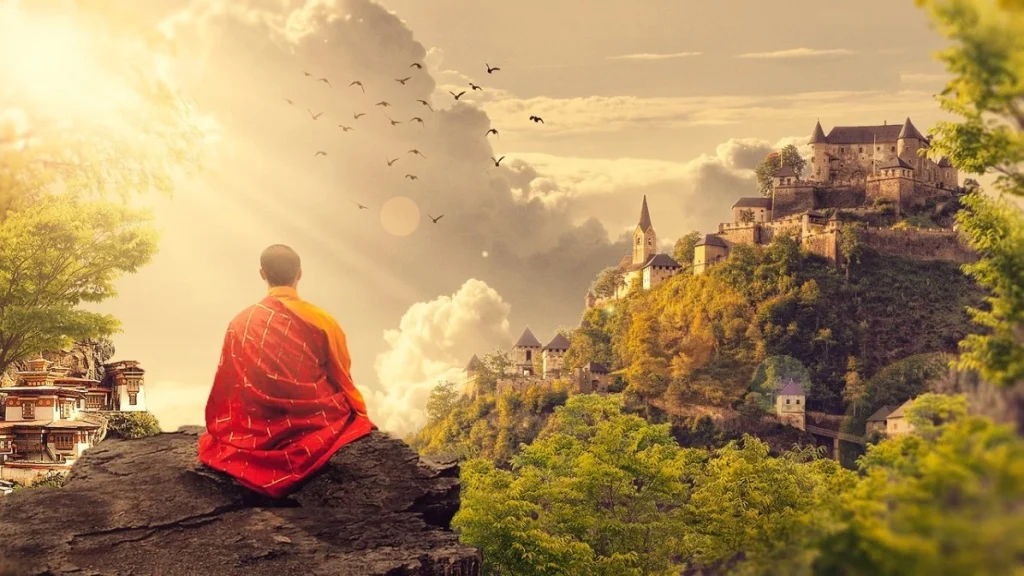
Many tourists are organizing wellness itineraries in 2025, which include spiritual walks through rural India, healing stays, and meditation retreats. These lesser-known villages teach you to live simply, slow down, and rediscover yourself. They are more than just tourist destinations. This comprehensive travel guide covers six of India’s most spiritual villages that genuinely encourage self-healing. 1. Auroville, Tamil Nadu – The Global Village of Conscious Living Why Visit: The concept of unity and inner transformation served as the foundation for Auroville. People come together to live sustainably and mindfully in this international township. Unique Highlight: If you’re into Yoga, meditation, pottery, and eco-workshops, then these all can be incorporated into a visitor’s customized healing schedule. Festivals: To celebrate Auroville Anniversary Day, every February, Auroville hosts meditation events and cultural performances. Foods: Expect plant-based, organic meals prepared using regional ingredients. Pro Tip: To adjust gradually, schedule a 3-day stay. Go to the morning meditation, and spend the evenings at the Matrimandir gardens. 2. Tawang Village Region, Arunachal Pradesh – Peace Amid the Himalayas Why Visit: The rhythm of monastery bells and clean mountain air helps in creating an atmosphere full of healing and mindfulness. It provides a tranquil fusion of natural beauty and Tibetan Buddhist culture. Unique Highlight: Visitors can walk through nearby hamlets, and soak in peaceful mountain sunsets. Participate in morning prayer sessions at the historic Tawang Monastery. Festivals: In January, the Torgya Festival includes masked dances that represent protection and purification. Foods: Enjoy momos, thukpa, and hot butter tea. Its healthy enriched nutrients make it ideal for healing at high elevations. Pro Tip: For peaceful reflection, eat light, drink lots of water, and go to a monastery for evening prayers. 3. Gokarna, Karnataka – The Coastal Sanctuary for Mindful Living Why Visit: Gokarna’s charm is in how it combines spiritual depth with beach tranquility. It is perfect for tourists looking for leisure as well as introspection. Unique Highlight: A leisurely coastal wellness itinerary includes visiting the historic Mahabaleshwar Temple, doing sunrise yoga by the sea, and strolling between beaches along picturesque cliffs. Festivals: Gokarna becomes a hub of devotion during Mahashivaratri. Foods: Try South Indian thalis, banana pancakes, fresh coconut water, Sattvic meals, and herbal teas. Pro Tip: For calm weather, go there between October and March. Reserve lodging close to Om Beach. 4. Rajgir, Bihar – Ancient Healing in the Heart of Magadha Why Visit: Rajgir, a timeless village renowned for its hot springs, Buddhist heritage, and serene hills, was once the capital of the ancient Magadha Empire. It is one of India’s first healing locations. Unique Highlight: Buddha preached at Vulture’s Peak, where you can meditate. You can also take a bath in the Rajgir Kund. Festivals: Every November, music, dance, and spiritual customs come together for the Rajgir Mahotsav. Foods: You stay energized and light throughout the day with simple Bihari meals like litti-chokha, sattu parathas, and seasonal vegetables. Pro Tip: Meditate in the vicinity of the Shanti Stupa. Be mindful of local traditions by wearing modest clothing and taking off your shoes when you’re close to shrines. 5. Meherabad, Maharashtra – A Retreat for Silence and Reflection Why Visit: Meher Baba, who was well-known for his teachings on love and silence, established Meherabad. His legacy is carried on by the village, which welcomes guests looking for simplicity as a means of achieving peace. Unique Highlight: You can read spiritual literature, stroll through peaceful fields, and meditate at Meher Baba’s Samadhi during the day. Festivals: Meher Baba’s Mahasamadhi is celebrated on January 31 of each year during the Amartithi Festival. Foods: Ashram kitchens prepare fresh Maharashtrian cuisine, including jowar roti, lentil dal, and seasonal vegetables. Pro Tip: Schedule your visit during Amartithi Week. Keep a journal with you at all times. 6. Spiti Valley Villages, Himachal Pradesh – The High-Altitude Haven Why Visit: The villages of Spiti, such as Kibber, Langza, and Dhankar, are tucked away in the Trans-Himalayan region and provide an unspoiled setting for profound spiritual healing. Unique Highlight: You can observe the Milky Way’s night sky illumination, learn meditation at isolated monasteries, and stay with local families. Festivals: The Tibetan New Year is celebrated at the Losar Festival with dance, chants, and blessings for rebirth. Foods: Taste warming dishes ideal for mountain climates, such as yak-butter tea, tsampa porridge, and barley soup. Pro Tip: For safer roads, travel between June and September. Bring a tea thermos, sunscreen, and altitude medication. Festivals of Healing Across India Auroville: Peaceful assemblies to foster creativity and solidarity. Tawang: Purification-symbolizing mask dances. Gokarna: The spiritual energy of Mahashivaratri by the sea. Rajgir: Peace festivals that combine music and Buddhism. Meherabad: Silent remembrance of Meher Baba. Spiti: Losar Festival welcoming new beginnings. Pro Tip: For more cultural and spiritual feel, plan your trip especially during regional festivals. Foods That Heal the Soul South India: Coconut-based curries, millets, and herbal teas. Himalayas: For strength, use barley, yak butter, and warm broths. Bihar & Maharashtra: Simple thalis that strike a balance between nutrition and flavor. Avoid overeating or processed food. Eat mindfully, chew slowly, and have gratitude. Pro Tip: Keep a reusable cutlery and bottle with you. Avoid single-use plastic. Travel Planner & Itinerary Ideas Day 1: Arrive in Delhi, Pune, or Guwahati on the first day, then relax. Day 2-3: Go to Gokarna or Auroville for yoga and relaxation. Day 4-5: Travel to Meherabad or Rajgir to participate in meditation sessions. Day 6-7: Conclude in Tawang or Spiti for mountain reflection and stargazing. Pro Tip: Before you travel, always check the climate. Include buffer days in your schedule. Frequently Asked Questions Q1. How long to stay? Three to Seven days. Q2. Are these open to beginners? Yes. It is open to beginners. Q3. When is the best time to visit? October to March. Himalayan villages in June to September. Q4. What is the average budget? ₹1500 – ₹3000 per day except Auroville and Spiti villages. Q5. Are these villages safe? Yes, it is safe. An invitation to slow
Ladakh Travel Guide: Explore the Land of High Passes
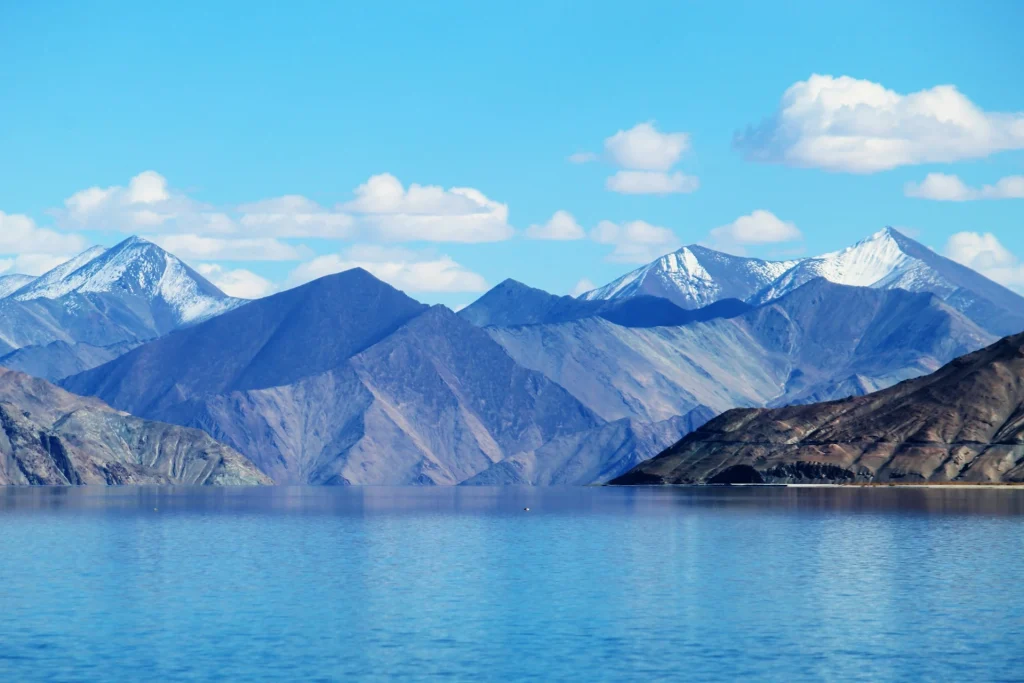
Beginning — Where Heaven and Earth Meet Imagine a desert at a high altitude that is painted in shades of ochre, brown, and deep purple. It is surrounded by the world’s most dangerous mountain ranges. Think of lakes that are the same color as the sky, old monasteries that cling to rocky cliffs, and colorful prayer flags that flutter in the cool, thin air, sending whispers of peace across quiet valleys. This is Ladakh, which means “Land of High Passes.” Ladakh is more than just a place to visit; it’s an adventure that tests the body, inspires the mind, and moves the soul. Ladakh is a one-of-a-kind place for adventurers, spiritual seekers, and nature lovers. This guide will help you find your way around this amazing part of the Himalayas. We will travel across the highest motorable passes in the world, stand in awe at lakes that change color, explore the peaceful world of Buddhist culture, and give you all the important tips you need to plan a safe and unforgettable trip. The Tarzan Way’s immersive storytelling journeys let you responsibly explore the raw, wild beauty of Ladakh while deeply connecting with its landscapes, culture, and people. Are you ready to answer the mountains’ call? Let’s go on a trip to the top of the world. Key Takeaways A Place of Greatness: Find out why Ladakh is known as the “Land of High Passes.” It has some of the highest motorable roads in the world, like Khardung La and Chang La. Iconic Landscapes: Find out about the natural wonders you have to see, like the otherworldly Pangong Tso Lake, the strange sand dunes of Nubra Valley, and the magnetic pull of Magnetic Hill. Spiritual Heartland: Visit the ancient and beautiful Tibetan Buddhist monasteries of Thiksey, Hemis, and Diskit to learn about the peaceful way of life there. Adventure Capital: Learn about exciting things to do, like the famous Chadar Trek, white-water rafting on the Zanskar River, and legendary motorbiking trips. Important Planning and Acclimatization: Learn how important it is to get used to Ladakh’s high altitude and get useful information on when to go, how to get there, and what permits you need. Exploration with care: With help from responsible travel partners like The Tarzan Way, you can learn how to travel mindfully in this delicate ecosystem. Pangong Tso: The Lake That Changes Color Credit: Unsplash The bright blue waters of Pangong Tso are the most famous picture of Ladakh. This saline lake is over 4,350 meters high and runs for an amazing 134 kilometers from India to Tibet. The most magical thing about it is that it changes colors throughout the day, going from blue to green to gray, depending on where the sun is. The Chang La Pass (5,360 m) is a tough part of the journey to the lake. The bare, stark mountains that surround the lake make the area feel very strange and peaceful. Advice for Travelers Plan to spend the night at a campsite near the lake’s shores (in villages like Spangmik or Man) to see the lake’s colors change. It takes about 5–6 hours to get from Leh to Pangong Tso, so leave early. Before going to Pangong, which is even higher, you should spend at least two days getting used to the altitude in Leh. Quick Facts 4,350 meters (14,270 feet) above sea level. Location: It runs along the border between India and China. Type: Endorheic (saline) lake that freezes over completely in the winter. Nubra Valley: The Sky Desert Credit: Unsplash You go down into a valley that feels like another world after crossing the famous Khardung La Pass, which was once thought to be the highest road in the world at 5,602 m. The Nubra Valley is a cold desert at a high altitude that is known for its stunning scenery, silver sand dunes near Hunder, and the one-of-a-kind double-humped Bactrian camels that live there. The Shyok and Nubra (or Siachan) rivers flow through the valley, making it surprisingly green and fertile in the middle of the dry mountains. Another place you have to see is the beautiful Diskit Monastery, which has a huge statue of the Maitreya Buddha looking down on the valley. Why People Want to Go There: It has a beautiful mix of landscapes that you can’t find anywhere else. It is truly unforgettable to ride a camel through sand dunes that are more than 10,000 feet high and see snow-capped peaks in the distance. Advice for Travelers To avoid getting sick from the high altitude, don’t stay at the top of Khardung La for more than 15 to 20 minutes. A camel safari on the Bactrian camels in Hunder is a must-do in Nubra. For a relaxing soak, go to the hot springs in Panamik. A spiritual trip to Ladakh’s old monasteries (Gompas) Credit: Unsplash Ladakh is a stronghold of Tibetan Buddhism. Its landscape is full of beautiful monasteries, or Gompas, that are places of art, spirituality, and learning. Thiksey Monastery: It has a multi-level structure that is often compared to the Potala Palace in Lhasa, Tibet, making it one of the most impressive monasteries. The Maitreya Buddha statue inside is an amazing 49 feet tall. Hemis Monastery: The richest and one of the most important monasteries in Ladakh, Hemis is known for its annual Hemis Festival, which features colorful cultural events and masked dances. Diskit Monastery is the oldest and biggest monastery in Nubra Valley. It has great views and is home to the famous 106-foot Maitreya Buddha statue. Alchi Monastery: Alchi is different because it is built on flat ground next to the Indus River. It is famous for its very old murals and paintings from the 11th century that are very detailed. Advice for Travelers Go to Thiksey Monastery early in the morning, around 6 AM, to see the monks’ deeply moving morning prayer ceremony. When you go to a monastery, wear clothes that cover your shoulders and knees. As a sign of
Dubai Desert Safaris & Offbeat Experiences You Can’t Miss

There is something magical about the desert that words cannot express—the endless golden sand dunes, the stillness of the sun sinking into the horizon, and the sparkling stars that twinkle down on you when the sun goes down. Most people think of Dubai as luxury shopping, iconic skyscrapers, and city life—but go a little further out of the city, and another world unfolds. And while dune bashing and camel rides are some of the most popular activities to do in the desert, there are other experiences you will remember long after your trip is over. If you are planning a Dubai holiday, or are simply looking for a unique way to enjoy the desert, The Tarzan Way can assist with crafting experiences based on the type of adventures you’ve always dreamed of—whether it resembles an adventure, a romantic getaway, or simply a moment to unwind and relax. Why Dubai’s Desert Is More Than Just a Safari Many people tend to believe that a desert trip in Dubai is simply a few hours of dune bashing, an obligatory camel selfie, and a quick dinner at a camp. In reality, it is an opportunity to very literally enjoy the slow passage of time, where every moment seems like a beautiful moment in cinema. Romantic Desert Moments A romantic early morning camel ride two hours before sunrise reveals soft pink and orange skies, while evenings bring golden sunsets and the whispers of Bedouin stories carried by the wind. A Space for Peace, Romance, and Adventure Dubai’s desert offers a space to find peace, celebrate romance, or seek adventure — far beyond the typical ride experience. Beyond the Usual Safari From sandboarding and falcon shows to stargazing under an infinite night sky or sharing a private dinner in the dunes, every moment adds depth to your Dubai trip itinerary. If you love uncovering hidden gems, also check our post on Top Free & Offbeat Things to Do in Dubai for ideas beyond the usual tourist trails. Top Dubai Desert Experiences Beyond the Standard Safari Here’s where your desert adventure goes from ordinary to extraordinary: 1. Sunrise & Sunset Photography Tours A photographer’s dream can be found in the desert—the early-morning and late-afternoon light turns the dunes into limitless gold, pink, and purple sand dunes that could be captured from sunrise to sunset. Many tour operators have specialized photography excursions, where you have an opportunity to take the best photos possible. Another opportunity for truly incredible images and peacefulness is through a quiet group camel adventure at dawn, which, even if it did not end with beautiful images, is often rare to find in a city. 2. Camel Trekking & Bedouin Cultural Encounters Camel rides go beyond a travel cliché—they take you back in time. Some tours take you far into the dunes to meet Bedouins, learn about traditional crafts, and enjoy stories around a fire. These cultural experiences are especially great for travelers who want to add another layer to their Dubai travel itinerary. 3. Stargazing & Nighttime Desert Magic When the sun goes down, the nighttime desert sky turns into a shimmering blanket of stars. Desert night activities include guided stargazing, private dinners under the stars, and sometimes, even overnight stays in opulent tents! The cool desert night, far away from city lights, gives a peacefulness that no other place possesses. 4. Luxury Desert Camps & Romantic Experiences Dubai’s desert camps are very romantic options for couples or honeymooners. Imagine secluded dinners, traditional singing, and comfy lounges nestled in the dunes, offering unique experiences for your Dubai tour honeymoon package. You can even combine the desert camp with hot-air balloon rides or private quad biking to create a mix of romance and adventure. 5. Adventure Sports Beyond Dune Bashing The desert can be much more than a serene landscape—there’s also adrenaline. Activities like sandboarding, quad biking, and dune buggies inject excitement into your Dubai trip. If you’re preparing a Dubai trip guide to suit both rest and adventure, these inclusions guarantee all members of your traveling group have exhilarating memories to share long into the future. Planning Your Desert Trip: Tips & Insider Advice While the desert is mesmerizing, preparation makes all the difference. Timing is everything: The cooler months (October–April) are ideal. Early morning and late afternoon offer the best light for photos. Choose Your Experience Wisely: From luxury camps to adventure sports, pick what suits your style. Clothing & Essentials: Light layers, comfortable shoes, sunblock, and water are must-haves. Nighttime can get chilly, so pack accordingly. Booking & Tour Operators: There are an abundance of tour operators, Dubai travel agents, and travel agencies in Dubai; however, for a tailored, hassle-free experience, a smart option is a personalized itinerary planner like The Tarzan Way, which suggests options curated to your desires. For budget travelers, also check Dubai Travel on a Budget – Is It Possible to learn how to enjoy desert adventures without overspending. Ample Desert & City Combined Itinerary Here’s a mix of city and desert for a balanced Dubai trip: 3-Day Quick Escape: Day 1: Arrive in Dubai, explore city highlights like the Dubai Mall and Burj Khalifa. Day 2: Morning desert camel ride, sunset photography, and luxury dinner at a desert camp. Day 3: Adventure sports (sandboarding/quad biking) followed by an evening dhow cruise. 5-Day Extended Adventure: Day 1: City exploration and cultural tours. Day 2: Desert sunrise photography and Bedouin cultural experience. Day 3: Luxury desert camp overnight with stargazing. Day 4: Explore offbeat city experiences and markets. Day 5: Relaxation, optional hot-air balloon ride, and departure. This flexible approach works for families, couples, or solo travelers and ensures your Dubai travel and tourism experience is well-rounded. FAQs 1. What are the must-try desert experiences in Dubai? Sunrise photography, camel trekking, stargazing, sandboarding, and luxury desert camps are top picks. 2. How can I plan a Dubai trip itinerary with desert adventures? Start by deciding your experience type—adventure, romance, or cultural. Then combine city highlights with desert
Best Time to Visit Goa for Parties vs Peace
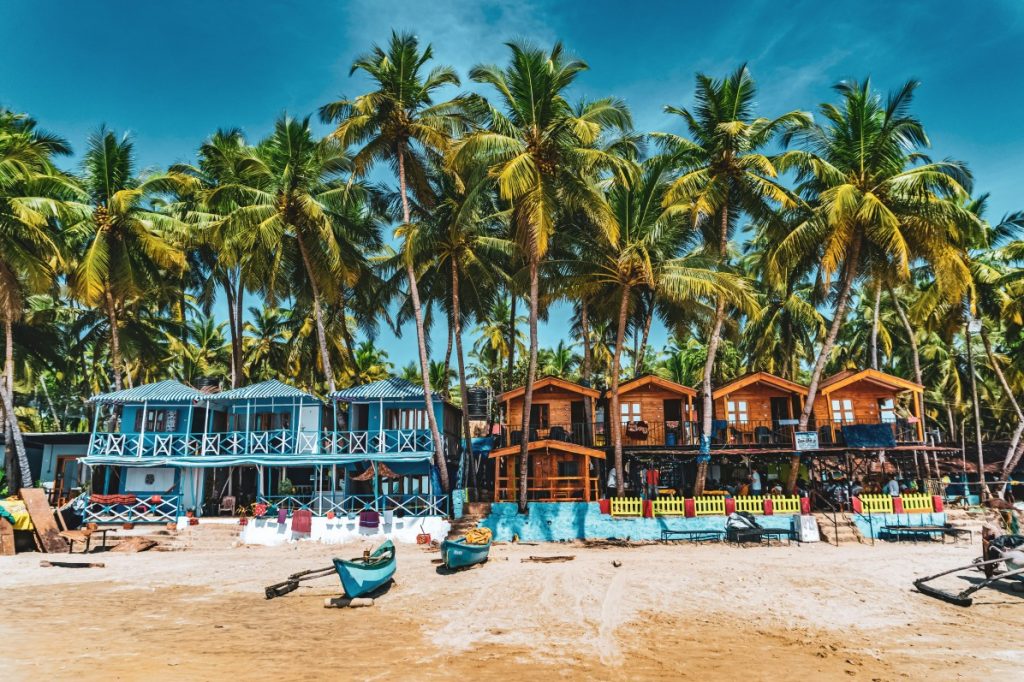
If you ask ten different travelers, “When’s the best time to visit Goa?” you’ll probably get ten different answers. For some, Goa means neon-lit beaches, buzzing nightclubs, and sunrise parties. For others, it’s sipping chai on a quiet shore, listening to waves instead of loudspeakers. The truth is – Goa has two faces. And the best time to visit depends on whether you’re chasing parties or peace. This blog will help you decide when to pack your bags for a vibrant Goa trip or a laid-back getaway. We’ll talk about seasons, experiences, stays, and even hidden gems. Along the way, I’ll also share a few insider links from other detailed guides (because Goa is too big for one blog!). And if planning feels overwhelming, you can always try The Tarzan Way, an AI-powered personalized travel itinerary planner that builds your Goa itinerary around your vibe – whether you’re a party animal or a peace-seeker. Goa for Parties – The Vibrant Side When people think of Goa tourism, the first thing that pops into mind is its electrifying nightlife. From December to January, Goa turns into a carnival of music, dance, and endless celebrations. Best time for parties: November – February December & New Year’s Eve → The most happening season, but also the most crowded and expensive. Sunburn Festival (usually in December) → Asia’s biggest electronic dance music festival. Christmas Week → Goa turns into a non-stop party zone. Must-try experiences for party lovers: Clubbing hotspots: Tito’s, Mambo’s, and LPK Waterfront. Beach parties: Anjuna, Vagator, and Baga beaches. Late-night cafes: Curlies and Shiva Valley. This is where Goa nightlife really shines. If you’re wondering about the things to do in Goa at night besides clubbing, try a night cruise on the Mandovi River or a midnight beach walk. For a detailed look at the party scene, check out our blog Goa’s Nightlife: A Guide to the Lit Nightlife. Goa for Peace – The Serene Side Now, let’s flip the coin. Beyond the rave music and crowds, Goa hides a quieter, soulful personality. If your idea of travel is watching sunsets, practicing yoga, or strolling along empty beaches, you’ll love the off-season. Best time for peace: June – September (monsoon) or October – early November Monsoons bring lush greenery, waterfalls, and far fewer tourists. October is shoulder season – less crowded, but still great weather. Where to find peace: South Goa → Palolem, Agonda, and Colva beaches are serene and less commercial. Hidden beaches → Butterfly Beach, Kakolem Beach (worth the trek!). Retreats → Yoga, meditation, and Ayurveda centers across Goa. If you’re traveling with family, you’ll love the family-friendly beaches in Goa – they’re cleaner, calmer, and safer for kids. For a deeper dive, explore our guides: Best Hidden Beaches in Goa for Peaceful Escape!! South Goa Unplugged: Exploring the Quieter Side Parties vs Peace: When Should You Go? Here’s a quick breakdown so you can match your vibe to the right season: For Parties (Peak Season: Nov–Feb): Bustling nightlife International tourists Higher prices for flights & stays Packed beaches For Peace (Monsoon & Shoulder Season): Quiet beaches and roads Lush green landscapes Affordable stays Perfect for slow travelers & families If you’re building a Goa itinerary, think about what matters more to you: dancing till dawn or waking up to the sound of waves with no one around. Our guide Top Attractions to Include in Your Goa Travel Itinerary can help you mix both worlds. Where to Stay – Party vs Peace The type of accommodation you choose will also depend on your vibe. For Party Lovers: Beachfront resorts in North Goa → Perfect for quick access to clubs and bars. Party hostels → Zostel, The Bucket List Hostel, and other backpacker hostels keep the fun going. Luxury villas → If you’re with a group, renting a villa near Baga or Anjuna keeps you close to the nightlife. For Peace Seekers: Budget-friendly hotels in North Goa → Tucked away from crowds but still accessible. South Goa resorts → More private, surrounded by nature. Heritage stays → Portuguese-style villas or boutique homestays. Whether you’re eyeing Goa resorts for a luxurious vibe or cozy Goa hotels for affordability, Goa has it all. Curious about combining work and leisure? Check out 13 Best Places to Have an Amazing Workation in Goa. Planning Your Goa Trip Now, here’s the tricky part – planning. Should you go for Goa packages or build your own? Packages are convenient, but they often stick to touristy spots. If you prefer something unique, creating your own itinerary might be better. That’s where The Tarzan Way can help again. It’s designed to personalize your Goa trip – whether you want bar-hopping nights or lazy beach mornings. (And yes, it saves you from endlessly scrolling Google Maps!). FAQs 1. What is the best time to visit Goa for nightlife? The peak season from November to February is best for experiencing Goa nightlife, especially December during Christmas and New Year. 2. Which season is best for a peaceful Goa trip? The monsoon (June–September) and shoulder season (October) are perfect for peaceful, crowd-free travel. 3. Are there budget-friendly hotels in North Goa near the beach? Yes, North Goa has plenty of budget-friendly hotels close to beaches like Anjuna, Vagator, and Morjim. 4. What are the top things to do in Goa at night apart from clubs? Try night markets, beach bonfires, midnight cruises, and live music events for non-clubbing fun. 5. Which are the best family-friendly beaches in Goa? Palolem, Agonda, and Colva beaches in South Goa are family-friendly and safer for kids. 6. Should I book Goa packages or plan my own trip? Packages are good for convenience, but planning your own gives more flexibility and lets you discover offbeat places. 7. How many days are enough for a Goa itinerary? A 4–5 day Goa itinerary is ideal for exploring both North and South Goa comfortably. 8. What is cheaper: staying in Goa hotels or Goa resorts? Goa hotels are
Dubai on a Budget: Top Free & Offbeat Activities

When you hear the word Dubai, what comes to mind? Probably glittering malls, sky-touching skyscrapers like the Burj Khalifa, and ultra-luxury experiences. But here’s the secret most first-time Indian travellers don’t realize: Dubai is full of free and offbeat things to do that can make your trip unforgettable—without burning through your savings.From vibrant souks and heritage districts to flamingo spotting, free beaches, and hidden art alleys, Dubai has plenty of gems that cost little or nothing. If you’ve been worried about the budget Dubai trip cost from India, this guide will show you how to experience the city differently. To make it even easier, you can plan smarter with The Tarzan Way, an AI-powered trip planner that curates personalized itineraries—blending iconic sights, budget hacks, and hidden cultural treasures for Indian tourists. What’s in This Blog: Why explore free & offbeat Dubai Top free attractions in Dubai Offbeat cultural & local experiences Night-time free experiences Parks, beaches & nature escapes Cheap food for Indian travellers Suggested 5-day itinerary Cost of a budget Dubai trip from India Why plan with The Tarzan Way FAQs Why Free & Offbeat Dubai is Worth Exploring Most travellers assume Dubai is all about shopping malls and five-star resorts. While those are fun, they’re also expensive. The real magic of Dubai is in its free cultural experiences, old neighbourhoods, local beaches, and offbeat art scenes. For Indian travellers, this means you can enjoy a fulfilling vacation even if you’re on a tight budget. The budget vs luxury travel Dubai cost difference is massive – while a luxury traveller might spend ₹2–3 lakh in a week, a smart budget traveller can explore Dubai for just ₹55,000–65,000 including flights, visas, and stays. That’s why you should know how to travel Dubai on a tight budget. Free attractions balance your trip beautifully. Top Free Things to Do in Dubai Here’s where to start ticking off your free bucket list: Dubai Fountain Show – At the base of the Burj Khalifa, this stunning water and light show is completely free. Evening shows are magical. Old Souks (Gold & Spice Souk) – You can wander through traditional markets in Deira, soak in the smells, sights, and sounds. Connects perfectly with our blog Old Dubai’s Hidden Gems: Cultural Charms for a Romantic Getaway. Dubai Mall Aquarium (exterior view) – Even if you don’t buy a ticket, you can admire the massive aquarium tank from the mall itself. Al Fahidi Historical District – A charming heritage area with art cafes, galleries, and museums (many are free or cost under ₹200 / AED 10). These are perfect Dubai free attractions for Indian tourists who want cultural vibes without paying for high-end tours. Offbeat Dubai Experiences If you’re the kind of traveller who enjoys going off the usual tourist path, these spots will surprise you: Dubai Creek Walking Tour – Take a slow stroll along Dubai Creek. For just ₹22 (AED 1), hop on an Abra wooden boat ferry. A cheap thrill with authentic local feel. Street Art in Al Karama & Al Fahidi – Dubai isn’t all polished glass towers; graffiti and murals here tell stories of its people. Ras Al Khor Wildlife Sanctuary – Just outside the city, this free sanctuary is home to thousands of flamingos and other migratory birds. Perfect for nature lovers. Alserkal Avenue – An offbeat art and creative district. Most exhibitions are free to enter, and you’ll find local cafés buzzing with energy. These truly define offbeat Dubai experiences and feel like hidden gems in Dubai free for curious travellers. Beaches, Parks & Nature (Free to Visit) Not all beach days need to be expensive resort experiences. For Indian families, these spots are the spot to spend the best family time: Jumeirah Public Beach – You get free access, clean sands, and a great view of Burj Al Arab. Kite Beach – It is quite popular with locals for jogging, kite surfing, and street food kiosks. Zabeel Park – It is a huge green space. Sometimes offers free entry on special days. Dubai Miracle Garden – Though it’s not free (₹1,200 / AED 50), but very affordable compared to other attractions and worth a mention. These free parks & gardens in Dubai, make great picnic spots for families. Night-time Free & Cheap Things Dubai at night doesn’t have to mean expensive clubs. Try these instead: Dubai Fountain Show (again!) – Different shows run every half hour in the evening. Dubai Marina Walk – A lively promenade lined with yachts and cafés. Walking is free, and the views are priceless. Global Village – Entry costs only ₹240 (AED 10). A budget-friendly carnival of food, culture, and entertainment. This is your guide to the best free things to see in Dubai at night—beautiful, lively, and easy on the pocket. Cheap Food Options for Indian Budget Travellers Food is often where budget trips fail. But Dubai is heaven for street eats and budget meals. Shawarma – ₹150–200 (AED 6–8) at small shops across Bur Dubai and Deira. Falafel Sandwich – Around ₹100 (AED 4), tasty and filling. Veg/Chicken Biryani – ₹300–400 (AED 12–15) in Indian restaurants near Meena Bazaar. Street Sweets & Tea – ₹50–80 (AED 2–3) for a Karak chai and sweet snacks. This is exactly what travellers mean when searching for cheap food options in Dubai for budget travellers. Suggested 5-Day Free & Offbeat Dubai Itinerary Here’s a sample plan for exploring without overspending: Day 1 – Dubai Mall, Fountain Show, Burj Park. Day 2 – Old Souks, Al Fahidi Historical District, Abra ride across Dubai Creek. Day 3 – Jumeirah Beach + Kite Beach, Ras Al Khor Wildlife Sanctuary. Day 4 – Alserkal Avenue art district, Dubai Marina Walk at night. Day 5 – Parks + free leisure day, explore more souks or enjoy street food in Bur Dubai. This doubles as one of the best budget itineraries Dubai 5 days—covering free, cheap, and cultural attractions. How Much Does a Free + Budget Dubai Trip Cost for Indians?
Goa Beyond Beaches: Explore Culture, Heritage & Local Life
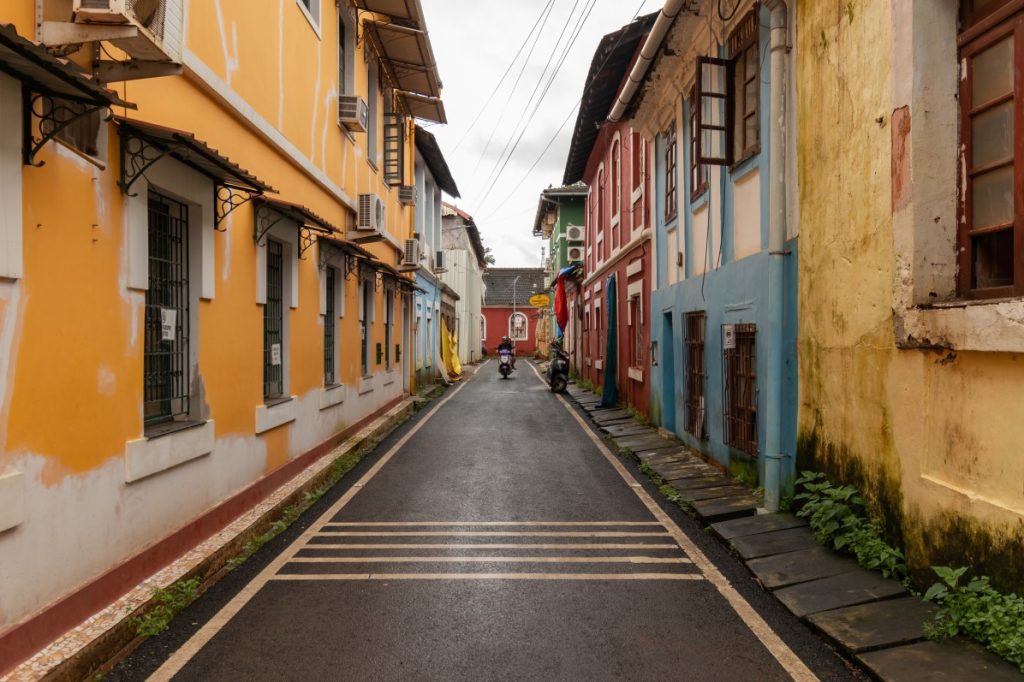
When you think of Goa, the first thing that probably comes to mind is sandy beaches, sun-drenched parties, and exciting nightlife. However, Goa is a lot more than that, blending together all of its Portuguese influence, its ancient temples, colorful festivals, and secret traditions to give travelers a real experience that is much fuller and more enriching. In this blog, we will take you to Goa beyond beaches – through its cultural roots, historical sites, heritage villages, art, culinary offerings, music, and festivals. And for everyone, whether you love history, enjoy cultural trips, or are just looking for another side of Goa, this blog will help you with your trip. We have made it simple for you to plan your trip by providing you with a helpful AI powered personalized travel planner, The Tarzan Way, which curates experiences just for you. What’s in this Blog Goa’s Unique Cultural Identity Portuguese & Colonial Heritage Temples, Churches & Spiritual Landmarks Goan Festivals & Celebrations Heritage Villages & Old Goa Charm Art, Music & Local Traditions Food & Culinary Heritage Museums & Historical Landmarks Suggested Itinerary: Goa Beyond Beaches Things to Remember Before You Go FAQs Final Thoughts Goa’s Unique Cultural Identity Goa is frequently described as the crossroads of the East and the West. Its Portuguese colonial history has resulted in breathtaking architecture, food that is a fusion of European and Indian, and cultural traditions, making it a hub for Goa cultural experiences. Goa feels distinct from other places in India because it has a unique mix of relaxed village life alongside lively cosmopolitan culture. Portuguese & Colonial Heritage Goa was ruled by the Portuguese for over 450 years. Their strong impact can be seen everywhere within the space of Goa, from churches in the Baroque-style to colonial mansions with ports and pillars. The Goa heritage sites are intact and respectfully maintained. Basilica of Bom Jesus: This site is a UNESCO World Heritage Site and houses the mortal remains of St. Francis Xavier. Se Cathedral: Recognized for its golden bell and stunning Portuguese architecture Goa. Fontainhas (Latin Quarter, Panjim): A lively neighborhood boasting Portuguese-style houses, numerous balconies, and narrow lanes in-between. Heritage Mansions: The Palácio do Deão and Braganza House represent Indo-Portuguese architecture. For hidden experiences near beaches, read: Best Hidden Beaches in Goa for Peaceful Escape. Temples, Churches & Spiritual Landmarks In addition to the spectacular churches, Goa has ancient Hindu temples, showcasing the spiritual blend in all its richness. Mangeshi Temple: This temple is dedicated to Lord Shiva and has an impressive entrance and a lamp tower with seven stories. Shantadurga Temple: A peaceful temple complex located in Ponda. The Church of St. Cajetan: This church is constructed in the image of St. Peter’s Basilica in Rome. The combination of Hindu and Christian worship sites illustrate Goa religious sites and the state’s unique cultural faith and coexistence. Goan Festivals & Celebrations Goa festivals are not just events – they are vibrant cultural showcases. Carnival (February): A Portuguese legacy with parades, dances, and music. Sao Joao (June): Celebrated with water games and vibrant rituals. Shigmo (March): A Hindu spring festival with folk dances and colorful parades. Christmas & New Year: The most vibrant season with midnight masses, street lights, and festivities. If you love festivals, check out Goa Bliss: AI-Guided Wellness Retreats for holistic cultural experiences. Heritage Villages & Old Goa Charm If you want to truly experience Goa’s heart, step away from the beaches and explore Goa’s heritage village life. Chandor: Known for Portuguese mansions and heritage homes. Loutolim: A quaint village with colonial homes and the Big Foot Museum. Old Goa: A UNESCO site with historic churches and museums. Saligao & Siolim: Villages that preserve Goan rural lifestyle with scenic charm. Art, Music & Local Traditions Goa is the hub of creativity – art and music flow in Goa’s culture. Goan Folk Music: Mando and Fado are traditional Goan musical styles. Goa Chitra Museum: Displays traditional farming tools and Goan heritage. Kala Academy: A cultural hub hosting exhibitions and performances. Local Dance Forms: Fugdi, Dhalo, and Dekhni depict Goan traditions. Music lovers should not miss Goa’s Nightlife: A Guide to the Lit Nightlife for a modern contrast. Food & Culinary Heritage Goan food & cuisine is a cultural experience in itself – blending Konkani, Portuguese, and coastal flavors. Signature Dishes: Vindaloo, Xacuti, Bebinca (dessert), Sorpotel, and Sannas. Seafood: Fresh fish curries and prawn balchao. Markets: Mapusa and Panjim markets for spices and local snacks. Feni: A local cashew liquor that’s part of Goa’s cultural identity. Foodies should read Top Restaurants in Goa and Gokarna for dining recommendations. Museums & Historical Landmarks Some of Goa’s cultural treasures are preserved in its museums: Goa State Museum: Documents Goan history, art, and culture. Naval Aviation Museum: India’s only museum dedicated to naval aviation. Big Foot Museum, Loutolim: Depicts rural Goan life and legends. Suggested Itinerary: Goa Beyond Beaches Day 1: Explore Old Goa – Basilica of Bom Jesus, Se Cathedral, St. Augustine ruins. Day 2: Explore Panjim – Fontainhas walk, local markets, art galleries. Day 3: Go for heritage villages like Chandor & Loutolim, Big Foot Museum. Day 4: Have the cultural experiences – attend a folk performance, cooking class, or Fado night. Day 5: Explore local cuisine, museums, and end with a wellness retreat. Planning a longer trip? Read: Top Attractions to Include in Your Goa Travel Itinerary and South Goa Unplugged: Exploring the Quieter Side. Things to Remember Before You Go Dress modestly when visiting temples and churches. Carry cash, especially in rural heritage villages. Hire local guides for deeper cultural insights. Respect traditions and ask permission before photographing locals. Use The Tarzan Way for curated heritage tours and AI-powered trip planning. FAQs Q. What is special about Goa? Goa is special for its mix of beaches, Portuguese heritage, vibrant festivals, and rich food culture. Q. What is special in Goa for girls? Shopping in flea markets, wellness retreats, yoga, and safe nightlife options make Goa appealing for girls.
Jibhi Offbeat Travel Guide: 3–5 Days of Nature, Culture & Adventure
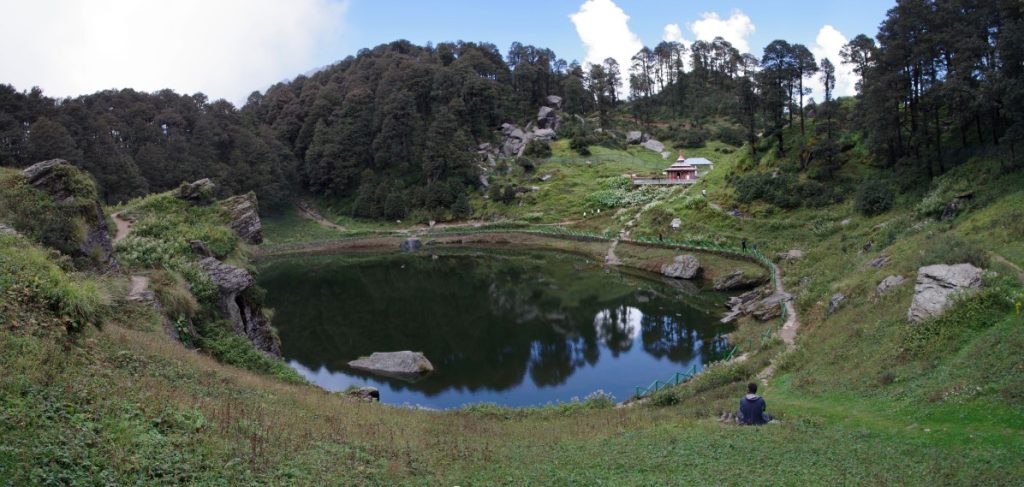
Why Jibhi Is a Hidden Gem Jibhi is a peaceful, worth-visiting village ideal for leisurely travel. It is nestled in the Tirthan Valley of Himachal. Jibhi provides immense peace, unexplored paths, and genuine mountain life in contrast to Manali or Shimla. A well-planned Jibhi itinerary aids in striking a balance between leisure, adventure, and sightseeing. Whether you are looking for a 3-day short escape, 4-day balanced holiday, or 5-day immersive trip, Jibhi has something to offer to everyone be it families, couples or backpackers. Unique Highlight: Because of Jibhi’s verdant meadows and wooden homes, it is referred to as the “mini New Zealand of India.” Pro Tip: To avoid high tourist rush and to take advantage of stunning homestay options, schedule your trip to Jibhi advance especially during the week. What’s in this Blog? Why Jibhi Is a Hidden Gem How to Reach Jibhi Best Time to Visit Jibhi Jibhi Itinerary – 3 Days Jibhi Itinerary – 4 Days Jibhi Itinerary – 5 Days Where to Stay in Jibhi Things to Do in Jibhi & Nearby Local Festivals and Food Pro Travel Tips for Jibhi FAQs Final Thoughts How to Reach Jibhi By Road: It takes 12 to 14 hours to drive 500 km via the Aut tunnel from Delhi to Jibhi. By Train: Chandigarh is the closest station; from there, take a bus or taxi. By Bus: Direct overnight Volvo buses run till Aut, followed by a 1.5-hour local cab. By Air: Take a plane to 60-kilometer-distance Kullu-Manali Airport (Bhuntar). Pro Tip: Motion Sickness is common as mountain curves can be quite steep. So, always carry motion sickness medication when driving. Best Time to Visit Jibhi Spring (March–May): If you love nature & greenery, it’s the perfect time, as there are blossoms and greenery all around. Perfect for trekking too. Summer (June–August): In the month of June to August, there’s the essence of cool climate, refreshing waterfalls to relax, and offbeat escapes. Autumn (September–November): Great time to experience the beauty of golden landscapes, clear skies, and festivals. Winter (December–February): In this snowy paradise, cozy getaways and romantic getaways are ideal for exploring. Pro Tip: Avoid the time of July–August especially if you’re traveling with kids or elderly. Because there’s a high chance of monsoon landslides. Jibhi Itinerary – 3 Days (Short Getaway Plan) Day 1: Stay at riverside homestay for experiencing real sight-seeing beauty and unwind with a bonfire in the evening. Day 2: Explore Chehni Kothi and visit the beautiful Jibhi Waterfall, and have a local Himachali lunch. Day 3: Before departing, don’t forget to visit serene Serolsar Lake and Jalori Pass. For Couples: Arrange a stargazing stroll. Spend your evenings at the riverbank cafés. For Families: Stay away from rough & lengthy hikes especially if you’ve come with children or elders. Better to opt for shorter treks like Jibhi Waterfall. For Backpackers: Stay in hostels to network with other fellow tourists. It’s a better opportunity to exchange trekking advice. Pro Tip: In Jibhi, get up early as days are shorter. Because the sun sets quickly in the valley, so plan your itinerary accordingly. Jibhi Itinerary – 4 Days (Balanced Trip Plan) Day 1: Arrival, riverside walk, and local café visit. Day 2: Day trip to Tirthan Valley, trout fishing, and village exploration. Day 3: Serolsar Lake picnic and hike up Jalori Pass. Day 4: Explore the temples and Banjar village while shopping for handicrafts. For Couples: Go to Shoja for a day trip to take pictures of the sunset. For Families: Incorporate Banjar village to experience local cuisine and culture. For Backpackers: Extend to Tirthan Valley. A must try meal is trout fishing. Pro Tip: Better to rent a comfortable scooter locally for the mobility between villages. Jibhi Itinerary – 5 Days (In-Depth Experience) Day 1: Check-in to your home-stay. Have a delicious & authentic local Himachali thali dinner to start with a local vibe. Day 2: Trek to a waterfall and explore towards the Tirthan Valley. Day 3: A full-day hike up Jalori Pass and lakeside relaxation. Day 4: Must visit Shoja, take walks for photography, and discover hidden meadows. Day 5: For Cultural immersion better to have cooking sessions with locals. For Couples: For better privacy and bonfires experience, it is ideal to go for wooden cottages. For Families: Dedicate a day for Himachali meals and local cooking classes. For Backpackers: Add the Great Himalayan National Park on your list of places to visit. Pro Tip: To visit Great Himalayan National Park, you need to add an extra night in your trip. Where to Stay in Jibhi Homestays: Suitable for genuine Himachali hospitality. Cottages: Comfortable wooden accommodations with views of pine forests. Budget Hostels: Excellent for lone travelers and backpackers. Luxury Resorts: Perfect for couples looking for comfort and privacy. Pro Tip: Make your reservations for homestays in advance. Especially during summer and New year, it’s a smart move to book in prior. Jibhi has a lot of different lodging choices, from riverside hostels to comfortable wooden cottages. Your choice must be based on what traveller you are, whether you are backpacker, traveling with family, or traveling as a couple. For Couples : Romantic Cottages: There is the availability of private wooden cottages with fireplaces and mountain-view cottages for couples. Boutique Stays: Riverside cabins provide seclusion and candlelight dinners. Luxury Resorts: Luxury resorts are ideal for a couple’s honeymoon or anniversary trips. Pro Tip: Ask for cottages with valley-viewing balconies for an unforgettable sunrise experience. For Families : Family-Friendly Homestays: Homestays having big spacious rooms with home-cooked meals and warm hospitality. Cottages with Kitchenettes: It is perfect if you extended your stays with children; Local Villager Homes: Excellent for cross-cultural interactions. It provides a safer environment to families. Pro Tip: For the availability of nearby markets and medical facilities, it is better to choose stays near Banjar or Shoja. For Backpackers: Budget Hostels: You can meet fellow travelers in the common areas and dorms. Eco-Stays: Reasonably priced mud homes or wooden huts close to