

How to Plan a Budget Thailand Trip That Feels Luxurious

Are you planning a budget-friendly trip to Thailand? You don’t need a luxury budget to enjoy luxury experiences in Thailand. With some smart planning and a focus on hidden gems, you can fully enjoy beachfront stays, cultural treasures, and peaceful escapes without overspending. This personalised Thailand travel planner lays out a day-by-day itinerary filled with practical tips, regional highlights, and fun ideas for different travel styles. Perfect 10-Day Travel Itinerary On a Budget Day 1–2: Touchdown in Bangkok – Urban Adventures & Skyline Views Start your beautiful journey in Bangkok, It’s Thailand’s lively capital that blends tradition with modernity. From A1 stylish rooftop bars to floating markets, the city has many more things to explore & experience. Highlights: • Visit Wat Arun and the Grand Palace for a glimpse at Thailand’s spiritual and royal history. • Check out the busy Chatuchak Market or take a boat to the Amphawa Floating Market. • Enjoy a sunset drink at Octave Rooftop Bar or Vertigo, both known for their stunning views. For Travel Personalities: • Solo Travelers: Take a food tour through Chinatown. • Romantic Duo: Go on a sunset boat cruise on the Chao Phraya River. • Culture Buffs: Visit the Jim Thompson House Museum. Pro Tip: Stay in boutique hotels near Sukhumvit or Silom. They offer city views and stylish interiors at a lower cost. Day 3–4: Chiang Mai – Temples, Treks, and Tranquility Fly from the north to Chiang Mai, it is a historic city surrounded by beautiful mountains and filled with ancient temples. Highlights: • Visit Doi Suthep Temple for a spiritual morning with great views of the city. • Attend a traditional Lanna cooking class or take a bamboo raft ride through the countryside. • Walk around the Old Town with its charming cafes and night markets. For Travel Personalities: • Wellness Seekers: Join a yoga retreat or herbal sauna session. • Digital Nomads: Work from a café with mountain views in Nimmanhaemin. • Adventure Lovers: Trek to the Sticky Waterfalls (Bua Tong). Pro Tip: Download Grab to avoid haggling with tuk-tuk drivers and ensure safer rides. Day 5–6: Krabi & Ao Nang – Beach Vibes Without the Price Tag For a change of scenery, travel to southern Thailand. The Railay Peninsula and some of Thailand’s most stunning beaches are accessible from Ao Nang in Krabi province. Highlights: • Take a long-tail boat to Phra Nang Beach or Tonsai. • Watch the sun set into the sea at Ao Nang’s beach promenade. • Visit the Emerald Pool and Hot Springs Waterfall in the nearby jungle. For Travel Personalities: • Couples: Railay’s cave beach is ideal for private moments. • Budget Travelers: Stay in local guesthouses in Krabi Town and use it as your base. • Island Hoppers: Book a day trip to Phi Phi Islands or Hong Islands. Pro Tip: To avoid the crowds visit Railay before noon. Remember to bring water shoes during your travel since the rocks can be slippery! Day 7–8: Koh Yao Noi – Offbeat Island Luxury Swap crowded islands for the tranquil island of Koh Yao Noi, which lies between Krabi and Phuket. It provides quiet beaches away from the nightlife and boutique eco-resorts with barefoot luxury. Highlights: • Rent a bike to explore rubber plantations and quiet fishing villages. • Enjoy a sunrise paddleboarding session or kayak through mangroves. • Treat yourself to a Thai massage at a beachfront spa while sipping coconut water. For Travel Personalities: • Slow Travelers: This spot is perfect for digital detox and mindfulness trips. • Eco-tourists: Choose from many eco-friendly accommodations and farm-to-table restaurants. Pro Tip: Skip the taxis on the island. Renting a motorbike is the most convenient and cheapest way to get around. Day 9–10: Return to Bangkok – Shop, Sip, and Say Goodbye With a lighter, soothing & relaxing schedule, end your trip back in Bangkok. Highlights: • Shop for handmade crafts in Siam Square or explore hidden cafes in Ari. • Try boat noodles at Victory Monument, a local favorite go-to experience. • Unwind at Thailand’s luxurious cinemas, where reclining seats and food service are standard. Pro Tip: Use your last day to get a herbal compress massage before your flight. It’s a great way to relieve jet lag. FAQs: Q1: Is it possible to have a luxury experience on a tight budget in Thailand? A: 100%, it is possible! With smart & affordable choices and choosing lesser-known islands, you’ll get the luxury experience in Thailand on a tight budget. That’s what the real beauty of Thailand. Q2: When exactly is the best preferrable time to plan a budget-friendly Thailand trip that still feels luxe? A: Best preferrable time to hit up Thailand is the shoulder seasons. March to May or September to November. Prices get dropped, crowds thin out, and the vibes? Immaculate. This hack is followed by a Thailand trip planner for a better experience on a limited budget. Q3: Do I need a Thailand tour guide, or can I just DIY the whole thing? A: Honestly, you can totally plan your own adventure to go solo. With Google Maps, TikTok inspo, and apps like Grab and Klook make it super easy for travellers. Q4: What are some unique, offbeat, hidden spots in Thailand that feel luxurious? A: Skip the usual and check out Koh Yao Noi, Pai, or Ao Nang. These places are stunning, quiet, and give you rich royal vibes without rich prices. Q5: How much should I budget for a 10-day trip in Thailand that still feels upscale? A: Around ₹60K–₹80K ($700–$950). You can experience mid-range boutique stays, epic, delicious meals, intercity flights, and a few luxe splurges. Q6: Is Bangkok worth staying in, or should I just fly through? A: Yes, it is worth staying. Stay a few nights! Bangkok has rooftop bars, floating markets, trendy cafes, and some of the coolest boutique hotels on a budget. Final Thoughts Thailand proves the saying “luxury doesn’t always come with a hefty price tag”. Whether you’re a
Most Expensive vs Cheapest Destinations 2026 Travel Guide: Same Experience, Different Budget

Traveling is typically associated with luxurious resorts, high-end flights, and once-in-a-lifetime bucket list destinations. Nevertheless, one of the main myths related to traveling is that only the most expensive places are able to offer unforgettable travel experiences. Contrary to this myth, many destinations that cost less offer beautiful sceneries, activities, culture, and adventure similar to the most expensive travel hot spots. In 2026, people who like traveling are getting smarter and becoming more focused on experiencing and saving money. Travelers no longer spend all their travel budget on one destination and use this money to be able to travel longer and deeper and have more fun. Irrespective of what type of travel experience you are looking for from alpine mountain peaks to tropical beaches, from cultural adventure to a road trip, there is a cheaper destination that will give you a very similar experience. However, there is an underlying secret to all of this. By planning the ideal travel itinerary, one can be assured of experiencing spectacular scenery, great adventure, amazing culture, and wonderful experiences without paying too much. In this guide, we compare some of the world’s costliest travel spots to their affordable alternatives which offer the same travel experience and make your travel planning for 2026 much easier. Why Compare Expensive and Affordable Destinations? Travel is not about spending more money, but rather having an experience. In today’s world many travelers tend to prefer: 1. Longer trips 2. Authentic local experiences 3. Better value for money 4. Slow travel 5. Meaningful cultural connections 6. Less crowded destinations 7. Flexible travel itineraries Instead of utilizing the whole budget for just one week at a luxury destination, one can choose a longer journey at another destination. Understanding the Difference: Expensive vs Budget-Friendly Travel Expensive destinations are always believed to be more enjoyable than cheaper destinations. Actually, it is not always true, and it is important to take into account that your vacation is going to depend not on how much money you will pay for it but rather on what kind of experience you will get from it. 1. Accommodation Prices High-end destinations usually charge high prices for their hotels and resorts. 2. Transportation Costs Flight fares, transportation expenses, and accessibility all sums up in increasing the budget of the trip. 3. Food and Dining For restaurants and dining options, popular tourist destinations tend to charge higher prices than emerging tourist destinations. 4. Activities and Attractions Depending on the destination, the cost varies for activities, entry fees, tours, safaris, adventure sports, and culture. 5. Tourism Demand Highly popular destinations end up being expensive due to high demand. 6. Currency Value The exchange rate makes the place seem extremely cheap or very expensive to tourists. 7. Travel Style Luxury tourists, backpackers, digital nomads, and families often encounter the same destination under totally different budgeting circumstances. Destination Comparisons: Same Experience, Different Budget The positive thing about it is that there are a number of affordable places that can offer you travel experiences almost identical to what you would get in some of the most expensive travel destinations. Here is a comparison of some of the most suitable options for 2026. 1. Switzerland vs Himachal Pradesh, India Switzerland: The Luxury Alpine Dream Switzerland is one of the world’s most popular mountain destinations. Known for: 1. Snow-capped Alps 2. Scenic train journeys 3. Mountain villages 4. Crystal-clear lakes 5. Luxury tourism Average Daily Budget Budget Traveler: $120–180 Mid-Range Traveler: $250–400 Luxury Traveler: $500+ Himachal Pradesh: The Affordable Mountain Alternative Himachal Pradesh is a perfect place for those who want to experience stunning mountain scenery and do not wish to spend much money on that. Top Destinations 1. Tirthan Valley 2. Jibhi 3. Kalpa 4. Spiti Valley 5. Manali Why It Feels Similar 1. Stunning mountain scenery 2. Adventure activities 3. Cozy mountain stays 4. Scenic road trips 5. Peaceful villages Average Daily Budget Budget Traveler: $20–40 Mid-Range Traveler: $50–100 Experience Comparison 1. Alpine landscapes 2. Hiking opportunities 3. Scenic drives 4. Mountain culture 5. Nature-focused itineraries The Verdict If you dream of being surrounded by nature, mountains, enjoying nice views and going on hikes – Himachal Pradesh can offer you this. 2. Maldives vs Andaman Islands Maldives: Luxury Island Living The Maldives have been known for their luxurious vacation packages and honeymoon experiences. Known for: 1. Overwater villas 2. White-sand beaches 3. Coral reefs 4. Crystal-clear lagoons 5. Private island resorts Average Daily Budget Budget Traveler: $250+ Luxury Traveler: $1000+ Andaman Islands: Tropical Beauty Without the Luxury Price The Andaman Islands offer many of the same tropical experiences. Best Places to Visit 1. Havelock Island 2. Neil Island 3. Ross Island Why It Feels Similar 1. Turquoise waters 2. Island hopping 3. Scuba diving 4. Snorkeling 5. Secluded beaches Average Daily Budget Budget Traveler: $40–120 Experience Comparison 1. Beach relaxation 2. Water sports 3. Marine life encounters 4. Sunset views 5. Tropical island atmosphere The Verdict Though the Maldives wins when it comes to luxury, Andaman Islands give you all the same nature experiences but at a much lower cost. 3. Santorini, Greece vs Gokarna, India Santorini: Greece’s Romantic Icon Santorini is certainly among Europe’s most popular destinations. Known for: 1. Whitewashed architecture 2. Cliffside sunsets 3. Luxury stays 4. Romantic atmosphere 5. Coastal views Average Daily Budget Budget Traveler: $150–250 Mid-Range Traveler: $300–400 Gokarna: India’s Relaxed Coastal Escape Gokarna provides travelers with a less crowded yet beautiful coastal experience. Highlights 1. Hidden beaches 2. Coastal treks 3. Beach cafes 4. Relaxed atmosphere 5. Scenic viewpoints Average Daily Budget Budget Traveler: $20–60 Experience Comparison 1. Ocean views 2. Sunset experiences 3. Beachside stays 4. Slow travel opportunities 5. Relaxing coastal vibe The Verdict Travelers searching for sunsets, beach holidays, and relaxed atmosphere may find Gokarna quite interesting. 4. Japan vs Vietnam Japan: Tradition Meets Innovation Japan is still one of the most fascinating countries in Asia. Known for: 1. Historic temples 2. Modern cities 3. Cherry blossoms 4. Efficient transport 5. Rich cultural
Summer Vacation Ideas 2026: Family Trips, Solo Escapes & Kid-Friendly Destinations

Summer vacation is much more than taking a break from education or job; summer vacation is all about creating beautiful memories, visiting exotic destinations, and spending quality time with family members and loved ones. With temperatures soaring high, many families, individuals, and adventurers are already planning their trips and looking for ideal places to visit in 2026. Whether you want to visit cool mountains or relax in the sunny weather at beaches or go on adventures or enjoy culture, there are numerous destinations in which you can find a suitable place according to your budget and travel style. This guide explores some of the best Summer Vacation Ideas 2026 that will help you and your family to plan your summer trip itinerary. Why Summer Is the Perfect Time to Travel There are many reasons why the summer season becomes very popular for travel purposes. Longer Holidays Summer vacations usually last long due to longer holidays at schools and colleges. Pleasant Weather in Mountain Regions Hill stations and mountains offer pleasant weather during summer. More Outdoor Activities Summer is perfect for camping, trekking, wildlife safari, beach vacations, and sightseeing. Family Bonding Opportunities Vacations give people an opportunity to take a break from their schedules and bond with their near and dear ones. Best Summer Vacation Ideas for Families 1. Kashmir: The Paradise of Summer The Kashmir valley is still considered as one of the most beautiful summer spots in India. Explore: Kashmir Travel Guide What Makes It Perfect for Families? 1. It has pleasant temperature to be away with families. 2. It has scenic landscapes and breathtaking scenery 3. It has various family-friendly attractions 4. Comfortable accommodations What to Do Srinagar 1. Take Shikara ride on Dal Lake 2. Visit at Mughal Gardens 3. Explore nearby local markets Gulmarg 1. Take Gondola rides 2. Enjoy mountain views 3. Participate in adventure activities Pahalgam 1. Visit to Betaab Valley 2. River walks 3. Pony rides Unique Highlight Choose to stay at houseboats, because both the children and elders get to enjoy the magic of staying in traditional houseboats. 2. Shimla and Manali, Himachal Pradesh This popular hill station circuit remains the first choice of Indian families. What to Do Shimla 1. Explore the mall road area 2. The Ridge 3. Experience the ride at Toy Train Explore: Shimla Travel Guide Manali 1. Solang Valley 2. Rohtang Pass 3. Nature walks Why Families Love It It offers a complete mix of relaxation, adventure, and accessibility. Pro Tip Visit in early summers to skip the summer rush and to avoid peak-season crowds. 3. Kerala: Backwaters, Beaches & Nature Kerala provides a good blend of nature, culture, and family-friendly experiences. Must-Visit Places Munnar Tea gardens, pleasant climate and cool weather Alleppey Houseboat cruises Thekkady Wildlife and spice plantations Kovalam Relaxing beaches Unique Highlight Houseboat stays are the most memorable part of Kerala family vacations. Kid-Friendly Destinations for Summer 2026 Family travel destinations should be fun as well as comfortable. 1. Jaipur, Rajasthan Jaipur is the perfect place that turns history into a fascinating journey for kids and family. What Kids Enjoy 1. Visit Amer Fort 2. Elephant Village experiences 3. Enjoy light and sound shows 4. Watch puppet performances For more, read: Must Visit 8 cultural places in Rajasthan Educational Value The place holds educational value with history that allows kids to learn about the royal history of India through entertainment. 2. Mysuru, Karnataka Mysuru offers an interesting mix of culture, history, and attractions that makes a Mysuru trip family-friendly. Top Attractions 1. Visit Mysore Palace 2. For children, must visit at Mysore Zoo 3. Brindavan Gardens 4. Railway Museum Why It Works There are many activities to do in the city without overwhelming young travelers. 3. Ooty, Tamil Nadu Ooty continues to be one of the most popular destinations for Indian families during summer. What to Do 1. Toy Train rides 2. Botanical Gardens 3. Ooty Lake boating 4. Tea estate visits Unique Highlight The toy train journey is often a favorite among children as many children love traveling on the toy train. Best Solo Escapes for Summer 2026 Summer is also an excellent time for individual travelers that need some personal discovery, adventure, or peace. 1. Tirthan Valley, Himachal Pradesh It is one of India’s most tranquil hidden gems. Why Solo Travelers Love It 1. It has quiet surroundings 2. Beautiful scenic landscapes 3. Best for slow travel opportunities What to Do 1. Riverside walks 2. Village exploration to get the authentic and cultural understanding of a place. 3. You can go for nature hikes Unique Highlight The destination is the perfect escape and is the best for digital detox and self-reflection. 2. Rishikesh, Uttarakhand Rishikesh is an ideal place for spiritual travelers that need adventure too. Activities 1. Yoga retreats 2. River rafting 3. Meditation sessions 4. Café culture Pro Tip For an immersive experience, take part in a brief yoga retreat to get more out of your travels. 3. Ziro Valley, Arunachal Pradesh A dream destination for travelers that seek to break off from busy travel routes. What to Explore 1. Apatani villages 2. Cycling routes 3. Local culture 4. Scenic landscapes Why Visit? The peaceful atmosphere and tranquil environment makes it ideal for solo exploration. International Summer Vacation Ideas for 2026 For travelers planning an international holiday, several destinations offer pleasant weather and family-friendly attractions during summer. 1. Switzerland Highlights 1. Alpine scenery 2. Scenic train journeys 3. Family-friendly attractions 4. Outdoor adventures Perfect For: Families and honeymooners alike. To prepare Switzerland itinerary, must explore: Switzerland Scenic Train Itinerary 2. Japan What to Experience 1. Cultural attractions 2. Theme parks 3. Historic temples 4. Modern cities Kid-Friendly Attractions: Tokyo Disneyland and Universal Studios Japan. 3. Thailand Why Visit? 1. Affordable travel 2. Beautiful beaches 3. Family resorts 4. Excellent food Top Destinations 1. Phuket 2. Krabi 3. Chiang Mai 4. Bangkok Adventure-Filled Summer Vacation Ideas Ladakh Activities to add in your Ladakh travel guide: 1. Road trips 2. High-altitude
Cheapest Destinations to Travel in India Without Breaking Your Budget
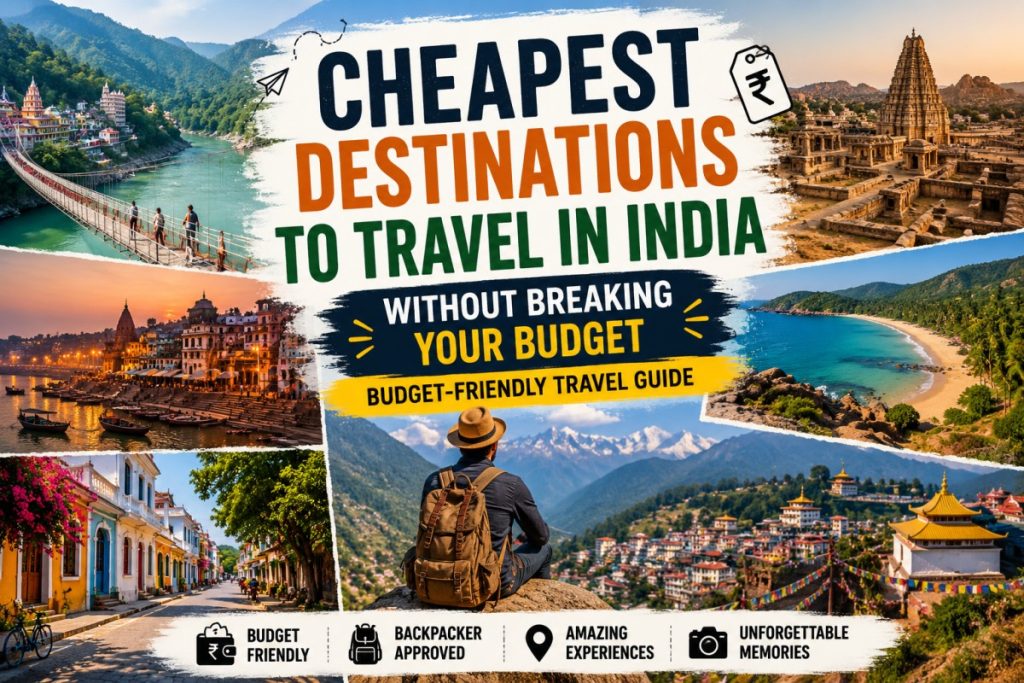
Travelling across India does not necessarily have to cost a fortune. Luxury vacations and high-end resorts are still a favorite among travel enthusiasts. But some of the best places can be explored even if they are quite inexpensive. As travel prices continue to rise in different parts of the world, budget-conscious travelers are looking for destinations that offer great value for money. Luckily, India has a number of budget-friendly destinations where you can enjoy a memorable travel experience without breaking your budget. If you’re a solo traveler, student, backpacker, digital nomad, or family traveler, here is a list of cheapest destinations itinerary guide. Why Budget Travel Is Becoming More Popular Tourists are placing more value on experiences than on luxuries when they travel. Today many tourists prefer to go to places where they can: 1. Travel Longer: Lower daily costs allow you to travel longer without breaking your budget. 2. Experience Local Culture: Budget travel destinations usually provide better opportunities for meeting locals. 3. Explore More Places: Since you save on accommodations and meals, you can go to several destinations in one trip. 4. Travel More Frequently: It becomes 100x easier to travel even during weekends especially when your travel costs are low. 1. Rishikesh – Affordable Adventure and Spirituality Among tourists, Rishikesh has become an extremely popular choice for those who enjoy pocket-friendly trips. It is situated on the shores of the Ganges River. With the surroundings covered with nature’s real beauty, this destination provides a range of adventures, yoga sessions, and spirituality experiences at unbelievably low rates. Discover soul searching experiences in Rishikesh one should not miss during their trip. Why It’s Budget-Friendly 1. Huge number of Cheap hostels and guesthouses 2. Easily accessible and affordable local cuisine 3. Have reasonable modes of transportation to travel and explore the place 4. Free cultural experiences and vibes What to Do 1. Do participate in the Aarti ceremony. 2. For experiencing the cultural and spiritual side of the place, walk across Lakshman Jhula bridge 3. Stroll through local riverside cafes 4. Participate in yoga lessons. 5. Try to experience River Rafting Average Daily Budget ₹1,000–₹2,500 per person Pro Tip Avoid traveling on weekends to find reasonable accommodation costs 2. Pushkar – Culture Without High Costs Pushkar provides a great combination of spirituality, culture, and affordability for tourists to experience all in one at a place. Its laid-back vibe and accessibility make this destination ideal for budget tourists. Why Visit? 1. It has affordable accommodations to stay 2. Inexpensive local transportation for exploration 3. Budget-friendly cafes 4. Free temple visits for spiritual awakening What to Do 1. Visit the most popular and beautiful Pushkar Lake 2. Explore the local markets 3. Attend evening aarti 4. Visit Brahma Temple 5. Enjoy rooftop dining Average Daily Budget ₹1,200–₹2,500 per person Pro Tip Avoid going during festivals. Make sure to viisit during non-festival periods for the lowest prices. 3. McLeod Ganj – Budget Himalayan Escape Being a part of Tibetan culture along with beautiful mountains makes McLeod Ganj an excellent place at a cheap price for hill station lovers. Budget Highlights 1. Affordable guesthouses 2. Low-cost trekking opportunities 3. Budget cafes 4. Inexpensive local transport cost What to Do 1. Namgyal Monastery visit 2. Triund Trek 3. Tibetan market visit 4. Meditation classes Average Daily Budget ₹1,500–₹3,000 per person Pro Tip Avoid staying near the market for better accommodation deals. 4. Hampi – History on a Budget Hampi is one of the most exciting destinations in India that is surprisingly affordable. Hampi is ideal for history enthusiasts, backpackers, and photographers. Before visiting to Hampi, explore the top places to visit in Hampi through this guide for rich travel experience. Why It’s Affordable 1. It has several budget guesthouses 2. Low-cost local food with best authentic experiences 3. Cheap bicycle rentals for travelling 4. Many attractions are nearby to visit What to Do 1. Visit the ancient ruins 2. Virupaksha Temple visit 3. Watch sunset from Matanga Hill 4. Exploring by bicycle Average Daily Budget ₹1,200–₹2,500 per person Pro Tip The best way to save travel costs is by opting a rented bicycle. 5. Varanasi – Rich Experiences at Low Cost Varanasi is one of the oldest cities in the world that is still inhabited. The city remains relatively cheap to visit. Budget Advantages 1. Has various cheapest places to stay 2. Inexpensive street food 3. Affordable public transport 4. Many free attractions nearby What to Do 1. Visit Ganga Aarti 2. Go on a sunrise boat tour 3. Explore the beautiful top ghats in Varanasi 4. Visit temples 5. Experience local culture Average Daily Budget ₹1,000–₹2,500 per person Pro Tip To save money on transportation, book cheap accommodations near ghats. 6. Gokarna – Affordable Beach Alternative to Goa Tourists in Goa who’s looking for cheap beach vibes without high prices, then Gokarna is right for you. If you are a couple and wanted to plan a romantic trip, then make sure to know about these top 6 must-try romantic things in Gokarna. Why Travelers Love It 1. Budget accommodation 2. Cheap seafood restaurants 3. Less commercialized beaches 4. Relaxing atmosphere What to Do 1. Go for beach hopping 2. Try coastal trekking 3. Temple visits 4. Watch sunset at beach Average Daily Budget ₹1,500–₹3,000 per person Pro Tip Do not plan trips during the season and travel in off season to save on accommodation costs. 7. Majuli – Unique Experiences on a Budget Majuli offers a unique cultural experience in India that is surprisingly inexpensive to experience and live. Budget Benefits 1. Affordable homestays 2. Inexpensive local food 3. Low tourist density 4. Authentic cultural experiences What to Do 1. Visit Satras 2. Explore villages 3. Attend cultural performances 4. Enjoy cycling tours Average Daily Budget ₹1,000–₹2,000 per person Pro Tip Stay at homestays with locals. This helps to save money as well as to have an authentic experience. 8. Pondicherry – European Charm Without a Luxury Budget Pondicherry offers colonial architecture, beaches,
Europe Winter Travel Guide: Best Destinations, Snow Experiences & Costs (2026)
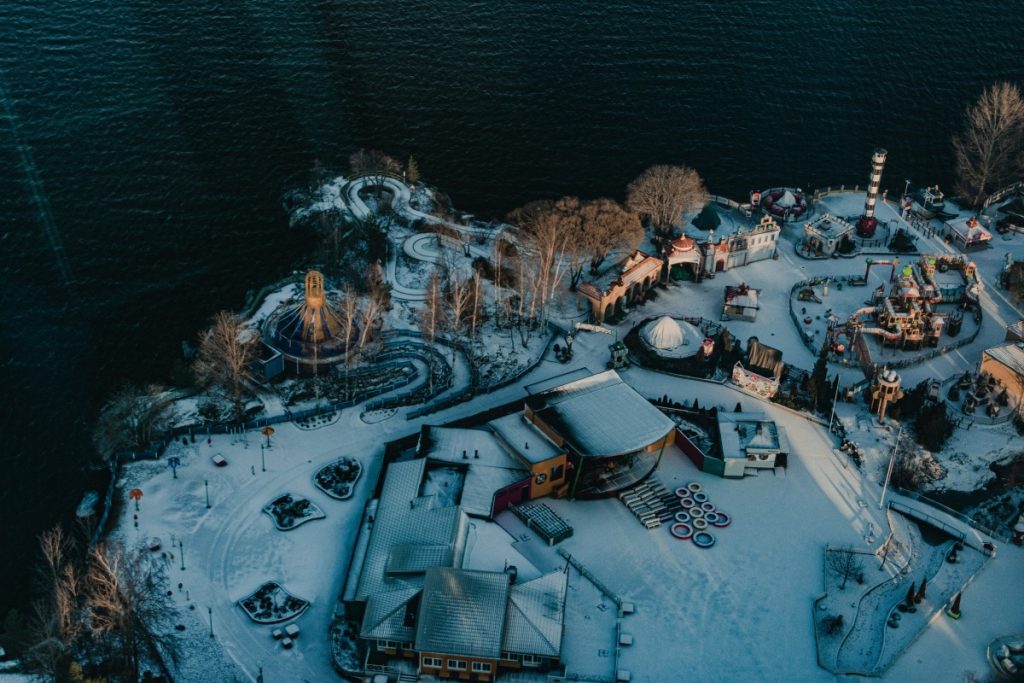
Introduction Europe in winter feels like stepping into a postcard. Snow-covered villages, festive markets, frozen lakes, and cozy cafes create a magical atmosphere that’s completely different from the summer crowds most travelers are used to. But planning a winter trip to Europe can feel overwhelming—weather conditions, varying costs, and choosing the right destinations can make or break your experience. Whether you’re chasing snowfall, Christmas markets, or unique winter adventures, timing and planning are everything. In this comprehensive guide by The Tarzan Way, we break down the best destinations, snow experiences, and a complete budget in INR—so you can build the perfect Europe travel itinerary in winter. In Short (Key Takeaways) 1. Best time: December to February 2. Budget: ₹8,000–₹20,000 per day 3. Top experiences: Christmas markets, snow activities, Northern Lights 4. Best countries: Switzerland, Austria, Germany, Finland 5. Ideal trip duration: 7–12 days Explore Europe Hidden Gems for nature and history. Why Visit Europe in Winter? Winter transforms Europe into a completely different destination: 1. Fewer crowds compared to summer 2. Lower flight and hotel prices (except peak Christmas/New Year) 3. Unique experiences like snow sports and festive markets 4. Cozy atmosphere with winter cuisine and culture Best Winter Destinations in Europe Switzerland – Snowy Landscapes & Scenic Trains Switzerland is the ultimate winter destination. Winter is the best season to explore the true beauty of Switzerland for first-timers. Top places: 1. Zermatt 2. Interlaken 3. Jungfraujoch Experiences: 1. Skiing and snowboarding 2. Glacier train rides 3. Cable car views Austria – Alpine Beauty & Culture Austria blends scenic landscapes with cultural charm. Must-visit: 1. Salzburg 2. Innsbruck Highlights: 1. Christmas markets 2. Snow-covered old towns 3. Classical music heritage Germany – Christmas Markets & Festive Vibes Germany is famous for its winter markets. Top cities: 1. Munich 2. Nuremberg Why go: 1. Traditional Christmas markets 2. Mulled wine and festive food 3. Cultural experiences Finland – Northern Lights & Arctic Adventures For a unique winter experience, Finland is unmatched. Best place: 1. Lapland Experiences: 1. Northern Lights 2. Husky sledding 3. Glass igloos stays France – Romantic Winter Escape France offers both city charm and snowy landscapes. Top spots: 1. Paris 2. Chamonix Best Snow Experiences in Europe Skiing & Snowboarding Best in: 1. Switzerland 2. Austria 3. France Cost: ₹5,000–₹12,000 per day Northern Lights Best seen in: 1. Finland 2. Norway 3. Iceland Christmas Markets Best in: 1. Germany 2. Austria 3. Prague (Czech Republic) Scenic Train Rides 1. Glacier Express (Switzerland) 2. Bernina Express Explore: Perfect Night Trip at Europe Europe Winter Budget (INR Breakdown) Daily Budget Budget Traveler (₹8,000–₹12,000/day): a. Hostels / budget hotels b. Public transport c. Street food Mid-Range (₹12,000–₹20,000/day): a. 3-star hotels b. Intercity trains c. Tours and experiences Luxury (₹25,000+ per day): a. Premium hotels b. Private transfers c. Fine dining Cost Breakdown a. Accommodation: ₹4,000–₹15,000/night b. Food: ₹1,500–₹4,000/day c. Transport: ₹2,000–₹6,000 d. Activities: ₹2,000–₹10,000 Best Time to Visit Europe in Winter 1. December: Christmas markets and festive vibe 2. January–February: Best for snow and skiing 3. Late February: Slightly fewer crowds Know the best time to visit Europe for best trip experience. Sample 10-Day Europe Winter Itinerary Day 1–3: Paris a. City exploration b. Museums and cafes Day 4–6: Switzerland a. Interlaken b. Jungfraujoch Day 7–8: Austria a. Salzburg b. Innsbruck Day 9–10: Germany a. Munich b. Christmas markets Travel Tips for Europe in Winter 1. Pack thermal wear and waterproof shoes 2. Book early for December travel 3. Use rail passes for easy transport 4. Check weather forecasts regularly Discover the best top 10 clubs in Europe for full chill vibe. FAQs Is Europe expensive in winter? It can be, but traveling in January–February reduces costs significantly. Which country is best for snow in Europe? Switzerland and Austria offer the best snow experiences. Is winter a good time to visit Europe? Yes, especially for unique experiences like snow and Christmas markets. How much does a Europe winter trip cost from India? Expect ₹1.2–₹3 lakhs for a 10-day trip depending on style. Conclusion Europe in winter is not just a trip—it’s an experience filled with snow-covered landscapes, festive lights, and unforgettable moments. Whether you’re exploring Christmas markets in Germany or chasing the Northern Lights in Finland, every destination offers something magical. With the right planning and a well-crafted location travel itinerary, you can make the most of your winter adventure without overspending. Start planning your Europe winter journey with The Tarzan Way and turn your snow-filled dreams into reality.
Italy for First-Time Visitors: A Balanced Trip Covering Culture, Coastlines & Countryside
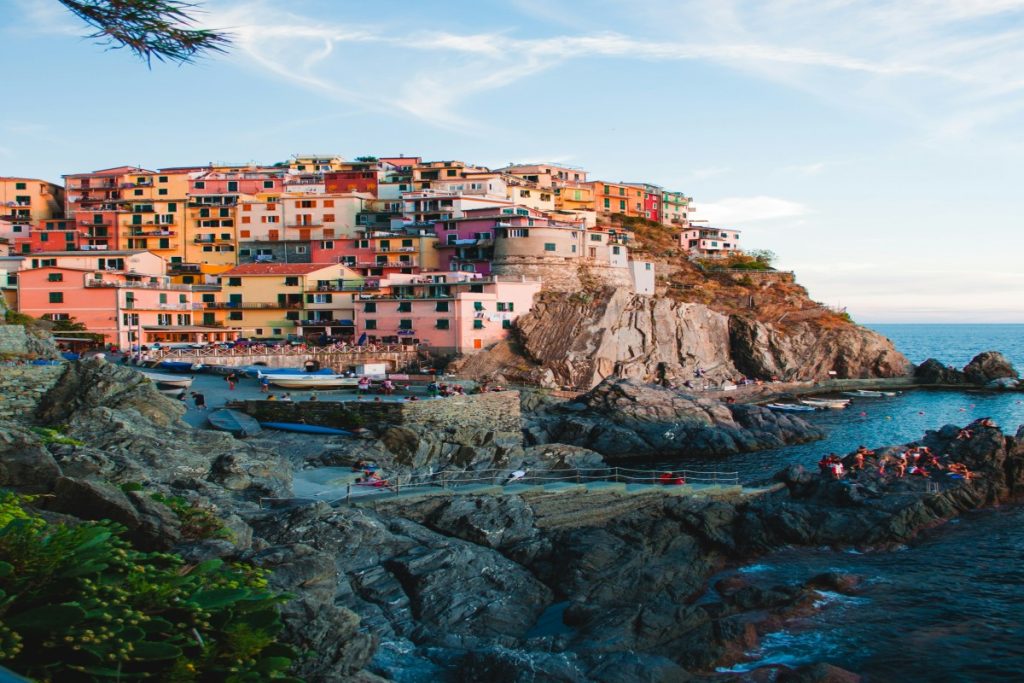
Italy is one of the world’s most rewarding travel destinations for first-time visitors. The country combines ancient history, world-famous art, scenic coastlines, charming villages, rolling countryside, and unforgettable food experiences — all within relatively short travel distances. What makes Italy especially appealing is its balance. In a single trip, travelers can explore Roman ruins, sip wine in Tuscany, cruise along dramatic coastlines, wander through Renaissance cities, and relax in quiet countryside towns. For beginners, however, planning an Italy itinerary can feel overwhelming because there are countless places worth visiting. Instead of trying to see everything, the best approach is to focus on a balanced route that combines Italy’s cultural landmarks, natural beauty, and slower local experiences. This guide is designed specifically for first-time visitors looking for a well-rounded Italian journey filled with: Historic cities Coastal escapes Countryside experiences Regional cuisine Art and architecture Scenic train journeys Authentic local culture Whether you are planning a 10-day vacation or a two-week adventure, this Italy itinerary offers the perfect introduction to the country’s timeless charm. In Short Explore Rome for ancient history and iconic landmarks. Visit Florence and Tuscany for art, wine, and countryside landscapes. Discover Venice’s canals and architecture. Relax along the Amalfi Coast or Cinque Terre. Experience Italy’s regional food culture throughout the journey. Ideal trip duration for first-time visitors: 10–14 days. Why Italy Is Perfect for First-Time Travelers Italy offers an ideal balance between sightseeing and immersive travel experiences. The country is beginner-friendly because of: Efficient train connectivity Walkable historic centers Diverse experiences within short distances Excellent tourism infrastructure Regional food and wine culture Scenic landscapes across every region Unlike destinations where travelers must choose between culture or nature, Italy combines both effortlessly. Travelers can: Visit museums in the morning Enjoy countryside vineyards in the afternoon End the day with coastal sunsets and local cuisine Italy also rewards slow travel. Beyond major landmarks, some of the most memorable experiences happen while wandering through quiet piazzas, discovering local bakeries, or enjoying long dinners in family-run trattorias. Suggested Italy Route for First-Time Visitors Rome → Florence → Tuscany → Venice → Amalfi Coast or Cinque Terre This route works especially well for beginners because it combines: History and architecture Countryside landscapes Coastal relaxation Food and wine experiences Easy train connections It also avoids unnecessary backtracking, making travel more comfortable and efficient. Stop 1: Rome – Italy’s Historic Heart Rome is the perfect introduction to Italy. The city combines ancient ruins, vibrant street life, impressive churches, beautiful piazzas, and some of the country’s best food experiences. For first-time travelers, Rome offers both iconic sightseeing and authentic local atmosphere. Best Things to Do in Rome Visit the Colosseum The Colosseum remains one of the world’s most recognizable landmarks. Visitors can explore: Ancient gladiator arenas Underground chambers Roman engineering Panoramic viewpoints Booking skip-the-line tickets is highly recommended. Explore the Roman Forum and Palatine Hill These archaeological areas reveal the political and cultural center of Ancient Rome. Highlights include: Ancient temples Historic ruins Emperor residences Scenic city views Discover Vatican City Vatican City houses some of the world’s greatest artistic and religious treasures. Must-visit attractions include: St. Peter’s Basilica Sistine Chapel Vatican Museums St. Peter’s Square Explore: Italy for Art Lovers The Vatican is especially rewarding for travelers interested in art , history, and architecture. Experience Rome’s Street Life Some of Rome’s greatest moments happen away from major monuments. Spend time: Wandering cobblestone streets Relaxing at outdoor cafes Watching sunset from piazzas Discovering hidden fountains Enjoying evening aperitivo culture Rome feels most magical when explored slowly. Recommended Stay 3–4 nights Food Experiences in Rome Italy’s food culture changes dramatically by region, and Rome is famous for simple but flavorful dishes. Must-Try Foods in Rome Carbonara Cacio e pepe Supplì Roman-style pizza Gelato Best Culinary Experiences Food walking tours Local markets Traditional trattorias Espresso bars Rooftop dining experiences Dining in Rome is about more than food — it is about atmosphere, conversation, and slowing down. Stop 2: Florence – Renaissance Beauty and Tuscan Charm Florence is often considered the artistic soul of Italy. Known as the birthplace of the Renaissance, the city offers extraordinary museums, cathedrals, architecture, and cultural experiences. Despite its global popularity, Florence remains compact and walkable, making it ideal for first-time visitors. Best Experiences in Florence Visit the Florence Cathedral (Duomo) The Duomo dominates Florence’s skyline. Highlights include: Brunelleschi’s Dome Marble facades Fresco interiors Panoramic city views Climbing to the top rewards visitors with spectacular views over Florence. Explore the Uffizi Gallery The Uffizi contains masterpieces by: Botticelli Leonardo da Vinci Michelangelo Raphael Art lovers should reserve several hours for exploration. Walk Across Ponte Vecchio This historic bridge is lined with small jewelry shops and overlooks the Arno River. It is especially beautiful during sunset. Visit Piazzale Michelangelo For panoramic city views, head to Piazzale Michelangelo. The viewpoint is particularly popular during golden hour. Recommended Stay 2–3 nights Tuscany – Italy’s Countryside at Its Best No first trip to Italy feels complete without experiencing Tuscany’s countryside. Rolling vineyards, medieval villages, olive groves, and scenic roads create some of Italy’s most iconic landscapes. Tuscany offers a slower pace compared to larger cities and provides the perfect balance between sightseeing and relaxation. Best Places to Explore in Tuscany Siena Known for: Medieval architecture Piazza del Campo Gothic cathedral Traditional Tuscan cuisine San Gimignano This hilltop town is famous for: Medieval towers Stone streets Scenic countryside views Artisan shops Val d’Orcia One of Italy’s most picturesque regions. Known for: Cypress-lined roads Vineyards Farm stays Photography viewpoints Best Experiences in Tuscany Wine Tastings Tuscany is globally known for wines such as: Chianti Brunello di Montalcino Vino Nobile di Montepulciano Many vineyards offer guided tastings and countryside lunches. Agriturismo Stays Agriturismos are countryside farm stays that combine: Local hospitality Homemade meals Vineyard views Rural experiences These stays are ideal for travelers wanting a quieter and more authentic side of Italy. Scenic Road Trips Driving through Tuscany allows travelers to explore: Hidden villages Small wineries Scenic viewpoints Local cafes
Sri Lanka’s Hill Country Journey: Tea Estates, Train Views & Quiet Mountain Towns

Introduction Sri Lanka’s hill country feels like a completely different world compared to its tropical coastline. As you move inland, the air turns cooler, the landscapes shift into rolling green hills, and life slows down in the most beautiful way. This region is famous for its tea plantations, colonial-era towns, and some of the most scenic train journeys in the world. But beyond the popular stops, the hill country also hides quiet villages, lesser-known viewpoints, and peaceful stays that are perfect for slow travel. In this guide by The Tarzan Way, we take you through the ultimate hill country Sri Lanka travel itinerary—covering the best towns, iconic train journeys, experiences, and a practical budget in INR to help you plan effortlessly. In Short (Key Takeaways) Best for: Nature lovers, slow travelers, photographers Budget: ₹2,000–₹6,500 per day Must-do: Kandy to Ella train ride Hidden gem: Haputale Ideal duration: 3–5 days What is Sri Lanka’s Hill Country? Sri Lanka’s hill country refers to the central highlands, known for: Tea plantations Cooler climate Colonial towns Scenic train routes Key regions include: Kandy Nuwara Eliya Ella Haputale Kandy – The Cultural Gateway to the Hills Kandy is often the starting point for hill country journeys. Top experiences: Visit the Temple of the Tooth Walk around Kandy Lake Explore local markets Why it matters: Cultural introduction before nature-heavy travel Well-connected by train and road Nuwara Eliya – Tea Estates & Colonial Vibes Often called “Little England,” Nuwara Eliya offers a refreshing escape. What makes it special: Endless tea plantations Cool weather year-round Colonial architecture Top things to do: Visit a tea factory Walk around Gregory Lake Enjoy scenic drives Ella – The Heart of Hill Country Travel Ella is the most popular hill town—and for good reason. Must-do experiences: Hike Little Adam’s Peak Visit Nine Arch Bridge Enjoy cafe culture with mountain views Why travelers love Ella: Perfect mix of adventure + relaxation Easy to explore Stunning viewpoints Haputale – The Quiet Alternative If you want to avoid crowds, Haputale is a hidden gem. Top highlights: Visit Lipton’s Seat Walk through tea plantations Enjoy peaceful surroundings Best for: Slow travel Offbeat experiences Photography The Famous Train Journey: Kandy to Ella Why It’s Special Passes through lush tea plantations Offers open-window views Slow-paced, immersive travel experience Journey Details Duration: 6–7 hours Cost: ₹150–₹1,000 Best seats: Second class for open windows Travel Tips Book tickets early during peak season Sit on the right side (better views from Kandy to Ella) Carry snacks and water This train journey is the highlight of any Sri Lanka trip. Budget Guide for Hill Country (INR) Daily Expenses Budget (₹2,000–₹3,000/day): Homestays Local food Public transport Mid-Range (₹3,000–₹6,500/day): Boutique stays Cafe hopping Guided experiences Cost Breakdown Stay: ₹1,000–₹5,000 per night Food: ₹300–₹1,200 per day Transport: ₹50–₹500 Activities: ₹200–₹1,500 Best Time to Visit Hill Country Know the best time to visit Sri Lanka: February to April: Clear skies and great views June to September: Lush greenery but occasional rain 4-Day Hill Country Itinerary Day 1: Kandy Explore city Visit Temple of the Tooth Day 2: Kandy to Nuwara Eliya Tea plantations Lake visit Day 3: Train to Ella Scenic journey Explore Ella Day 4: Haputale Sunrise at Lipton’s Seat Relax and unwind Travel Tips for Hill Country Carry light jackets (weather can be cold) Book trains in advance Start early for viewpoints Walk whenever possible—distances are short FAQs Is Ella better than Nuwara Eliya? Ella is more vibrant and traveler-friendly, while Nuwara Eliya is quieter and more scenic. How long is the Kandy to Ella train ride? Around 6–7 hours. Is Sri Lanka’s hill country expensive? No, it’s very affordable, especially for Indian travelers. Can you do hill country in 3 days? Yes, but 4–5 days is ideal for a relaxed experience. Conclusion Sri Lanka’s hill country is where time slows down and travel feels more meaningful. From sipping fresh tea in misty plantations to leaning out of a train window as it winds through the mountains, every moment here feels cinematic. Whether you’re chasing scenic views, peaceful stays, or a slower pace of travel, this region offers it all. Add it to your location travel itinerary and experience a side of Sri Lanka that most travelers never fully explore. Plan your journey with The Tarzan Way and discover the magic of Sri Lanka’s hills.
Switzerland Scenic Train Itinerary: One Week Scenic Journey Across Top Alpine Stops (2026 Guide)
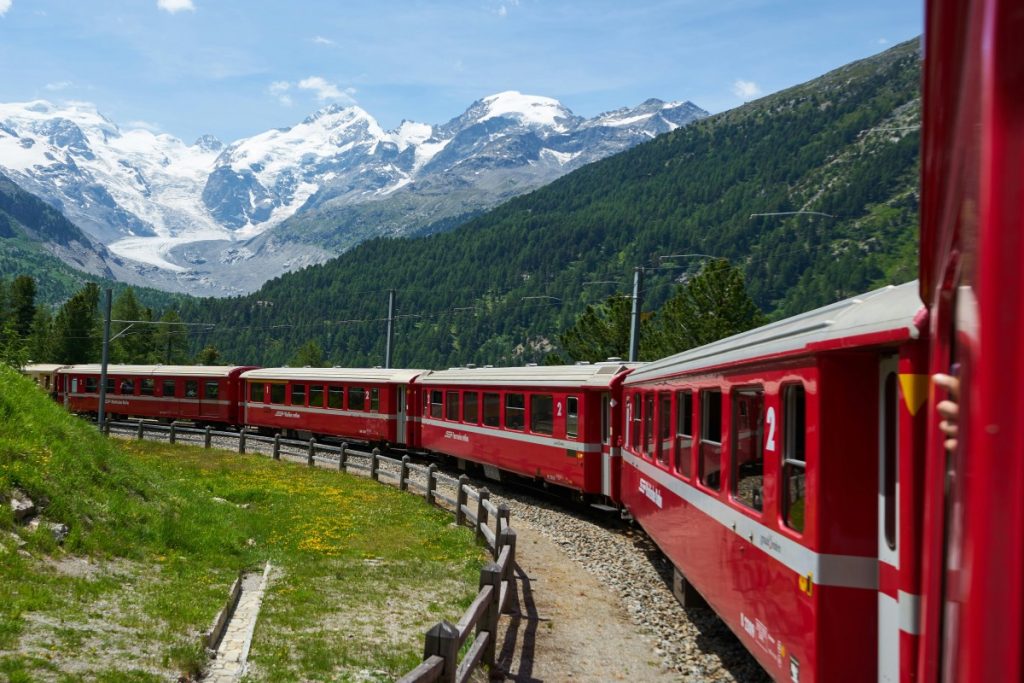
Introduction There are very few travel experiences in the world where the journey itself becomes the highlight. Switzerland is one of those rare places. Most trips are built around destinations—cities to check off, landmarks to photograph, attractions to visit. But in Switzerland, something shifts. You begin to notice that the most memorable moments aren’t always tied to where you stop, but to what you see along the way. A train curves around a mountain, and suddenly a valley opens up below you. A quiet lake appears, reflecting snow-covered peaks. Small wooden houses sit perfectly against a backdrop of rolling green hills. And all of this unfolds slowly, without effort, as if the country is revealing itself one frame at a time. That’s the magic of Switzerland’s scenic trains. This one-week Switzerland scenic train itinerary is designed for travelers who want to experience the country deeply, not rush through it. It combines iconic routes like the Glacier Express and Bernina Express with thoughtfully chosen stops such as Lucerne, Interlaken, Zermatt, and St. Moritz. The goal is simple: to give you a journey that feels immersive, balanced, and unforgettable. Whether you’re planning a honeymoon, a first-time Europe trip, or a solo escape into nature, this itinerary will help you navigate Switzerland in the most beautiful way possible—by rail. In Short (TL;DR) Duration: 7 days Travel style: Scenic train-based itinerary Top routes: Glacier Express, Bernina Express, GoldenPass Line Key stops: Zurich, Lucerne, Interlaken, Zermatt, St. Moritz Ideal for: Couples, photographers, slow travelers Best time: May–October (lush landscapes) or December–February (snow views) Scenic Train travel is must for all the tourists travelling Switzerland for first-timers. Why Scenic Train Travel Works Best in Switzerland Switzerland’s railway system is not just efficient—it’s intentionally designed to showcase the country’s landscapes. This is what makes train travel here fundamentally different from most other destinations. First, there’s the visual experience. Scenic trains come with oversized panoramic windows that stretch toward the ceiling, allowing you to fully absorb your surroundings. Unlike car travel, where your focus shifts between driving and navigating, trains allow uninterrupted viewing. You can sit back and watch entire landscapes unfold without distraction. Second, there’s ease and reliability. Switzerland is known for precision, and that applies to its trains. Connections are smooth, delays are rare, and even remote mountain towns are accessible without hassle. You don’t need to plan complex routes or worry about logistics—everything is designed to flow seamlessly. Third, there’s comfort. Long journeys like the Glacier Express are built for relaxation. Wide seats, onboard service, and a calm atmosphere make even an eight-hour ride feel effortless. And finally, there’s sustainability. Train travel is one of the most environmentally friendly ways to explore Switzerland, aligning with the country’s strong focus on eco-conscious tourism. Your 7-Day Switzerland Scenic Train Route Overview Explore ultimate Switzerland itinerary for 7 days : Day 1: Arrival in Zurich Day 2: Zurich to Lucerne Day 3: Lucerne to Interlaken via GoldenPass Line Day 4: Interlaken to Zermatt Day 5: Glacier Express (Zermatt to St. Moritz) Day 6: Bernina Express (St. Moritz to Tirano) Day 7: Return via Chur Each leg is chosen to balance travel time with meaningful experiences. Day 1: Arrival in Zurich – Settling Into Switzerland Zurich is often treated as a transit city, but spending time here helps you ease into the rhythm of Switzerland. The city feels calm, organized, and quietly sophisticated. Unlike larger European capitals, Zurich doesn’t overwhelm you—it invites you to slow down. Start your exploration in the Old Town (Altstadt). The streets here are narrow and winding, lined with historic buildings, boutique shops, and cafés. It’s the kind of place where you don’t need a plan—just walking is enough. From there, head toward Lake Zurich. The promenade is perfect for a relaxed evening walk. Locals gather here, especially during sunset, giving you a glimpse into everyday life. If you’re interested in shopping or simply observing the city’s upscale side, walk along Bahnhofstrasse, one of the world’s most exclusive shopping streets. Food-wise, keep it simple on your first day. Try Swiss chocolate, a cheese platter, or rösti—a classic potato dish that’s both comforting and filling. Where to stay: Choose accommodation near Zurich HB (main station). This makes your onward train journey effortless the next morning. Day 2: Zurich to Lucerne – First Glimpse of the Alps The train from Zurich to Lucerne takes just about an hour, but the transition in scenery is noticeable. Lucerne feels like Switzerland distilled into one town. It has everything—mountains, a lake, historic architecture, and a slower pace of life. One of the first landmarks you’ll encounter is the Chapel Bridge (Kapellbrücke), a wooden bridge that dates back to the 14th century. It’s simple but iconic, and it sets the tone for the town. A short walk away is the Lion Monument, carved into a rock face. It’s a quiet, reflective spot that contrasts with the otherwise cheerful atmosphere of Lucerne. The real highlight, however, is Lake Lucerne. Taking a boat ride here gives you a completely different perspective of the surrounding mountains. The water is calm, the air is fresh, and the views feel almost surreal. If you have extra time, consider a half-day trip to Mount Pilatus or Mount Rigi. Both offer panoramic alpine views, but they differ slightly in experience—Pilatus feels more dramatic, while Rigi is calmer and more scenic. By evening, Lucerne becomes even more peaceful. Walking along the lake during sunset is one of those moments that stays with you long after the trip ends. Day 3: Lucerne to Interlaken – The GoldenPass Scenic Line This is where your journey starts to feel distinctly “Swiss.” The GoldenPass Line connects Lucerne to Interlaken and is known for its varied landscapes. As the train moves forward, you’ll notice how quickly the scenery changes. You pass through green meadows where cows graze quietly, small villages with wooden chalets, and lakes that appear suddenly between hills. It’s not dramatic in a single moment—it’s beautiful in a continuous, evolving way.
Women Solo Travel in Goa: Safety, Budget, Nightlife & Complete Guide (2026)
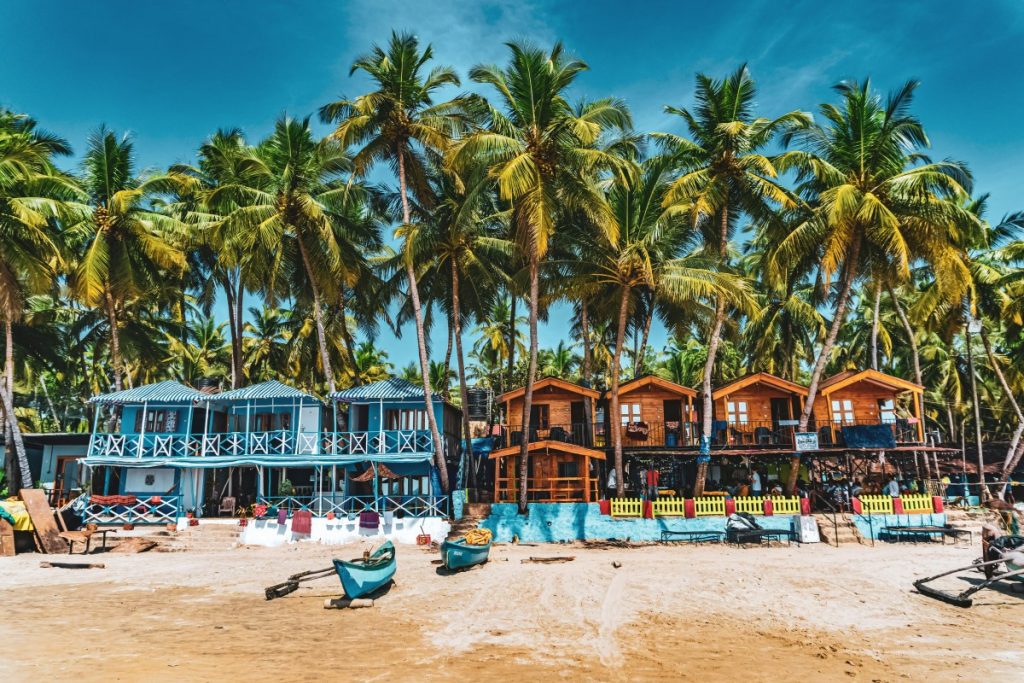
Are you planning to go on your first trip? Planning your first solo trip as a woman definitely can feel exciting and a little intimidating too but what if you have the perfect itinerary. If you’re searching for the perfect destination to make your first trip memorable & fun, then Goa definitely tops the list and that is for good reasons. Goa with its beach culture, laid-back vibe, vibrant cafés, and welcoming atmosphere makes it a most popular choice for solo female travellers. No matter whether you’re looking to relax by the ocean, explore nightlife, or simply enjoy, Goa offers the freedom and comfort that many women seek while traveling alone. This detailed guide will help you explore from safety and budget to nightlife and Goa itinerary tips. Why Goa is Ideal for Women Solo Travel Goa is an ideal choice for solo travel and is different from most places in India. It’s more liberal, more tourist-friendly, and far more relaxed compared to any other destinations. Everything feels magical, fun with a chill vibe. Another reason Goa works so well is its diversity that makes it tourist friendly. If you are a socialite or an extrovert and love to meet people, then explore North Goa which is lively, social, and perfect. If you are looking for solo peaceful time to spend time with yourself, then explore South Goa which is calm & scenic. This balance of Goa’s calmness and party vibe locations makes it suitable for both first-time solo travellers and experienced ones. Is Goa Safe for Solo Female Travellers in 2026? Short answer: If you are travelling solo, make sure to stay aware and yes, Goa is relatively safe. As far as safety is concerned, compared to many destinations, Goa is comparatively safer for women & solo travellers. However, safety largely depends on many factors, especially when it comes to nightlife, transport, and location. What you should know: Areas with tourist crowds are generally safer. Most issues involve late-night situations or isolated places. Locals are usually helpful. Caution is needed around strangers Essential Safety Tips for Women Travelling Alone Preparation makes you stay aware. These Goa simple tips will help you make your trip stress-free: 1. Avoid isolated areas at night Try to avoid visiting isolated places. Stick to crowded and well-lit places. After dark, avoid empty beaches as well. 2. Choose the right accommodation Choosing the right and safe accommodation that is female-friendly is highly preferred. Try to pick hostels or hotels with strong reviews that are female-friendly. 3. Be mindful with alcohol Knowing the limits while drinking is a must, enjoying Goa’s nightlife, but always keep an eye on your drink. 4. Use trusted transport While using transport to travel late at night, rely on app-based taxis or hotel-arranged rides instead of random options. 5. Share your plans Also, make sure to share your plans and information about your locations to your closest one, be it a friend or family member, especially if you’re heading out at night. Budget Guide for Solo Women (2026) One of the best things about Goa is that it works for every budget—from backpackers to luxury travellers. Accommodation For Hostel dorms, it is usually ₹500 – ₹1,200 per night For Private rooms, it is usually ₹1,500 – ₹4,000 per night Food For daily budget, it is usually ₹600 – ₹1,000 You can save more by eating at local cafés and beach shacks. Transport For Scooter rental, it is usually ₹300 – ₹500 per day For Taxis, it is usually more expensive but safer at night Total Budget (5 Days) The total budget for 5 days is approx between ₹12,000 – ₹25,000 depending on your travel style Smart Budget Tips Book your stays early in advance especially during peak season If your concern is safety as well as savings, better to choose female dorms Better to travel in shoulder season (Feb–March or Oct–Nov) Better choice to save money is by splitting costs by joining group activities Goa Nightlife for Solo Female Travellers Goa’s nightlife is one of its biggest attractions—but also where you need to be the most cautious. Safe Nightlife Tips For safety concern, try to stick to popular and crowded clubs Avoid leaving alone late at night Arrange transport before heading out and book from a trusted platform. What to Avoid Do not accept drinks or any kind of edible things from strangers Do not visit or walk alone in isolated areas after parties Over-intoxication Best Areas for Nightlife Baga & Calangute – It is busy, tourist-friendly and safer. Anjuna & Vagator – It is trendy and has a backpacker crowd. South Goa – It has minimal nightlife but more peaceful evenings. If you’re new to solo travel, start with crowded, well-known places rather than hidden party spots. Best Places to Visit in Goa for Solo Women North Goa (Social & Lively) It is absolutely perfect if you want to meet people and explore nightlife: Baga Beach Anjuna Beach Vagator South Goa (Peaceful & Relaxing) It is absolutely ideal for slow travel and introspection: Palolem Beach Agonda Beach Colva 5-Day Solo Itinerary for Goa Here’s a balanced itinerary that gives you both adventure and relaxation: Day 1: Arrival & Panaji Exploration Walk through Fontainhas (Latin Quarter) Explore cafés and local markets Day 2: North Goa Beaches Visit Baga and Anjuna Sunset at Vagator Day 3: Activities & Social Time Try water sports Join a hostel event or group tour Day 4: South Goa Escape Travel to Palolem or Agonda Relax, read, or try yoga Day 5: Chill & Departure Morning beach walk Souvenir shopping Where to Stay (Safe Areas) Choosing the right and safe area can make a huge difference in your experience. Best Areas for Solo Women: Anjuna / Vagator – It is social and hostel-friendly Panaji – It is safer and has more structured environment Palolem / Agonda – It has calm and peaceful vibe What to Look For: The one having good online reviews (especially from women)
First-Timer’s Guide to the Philippines: Destinations, Budget & Best Time
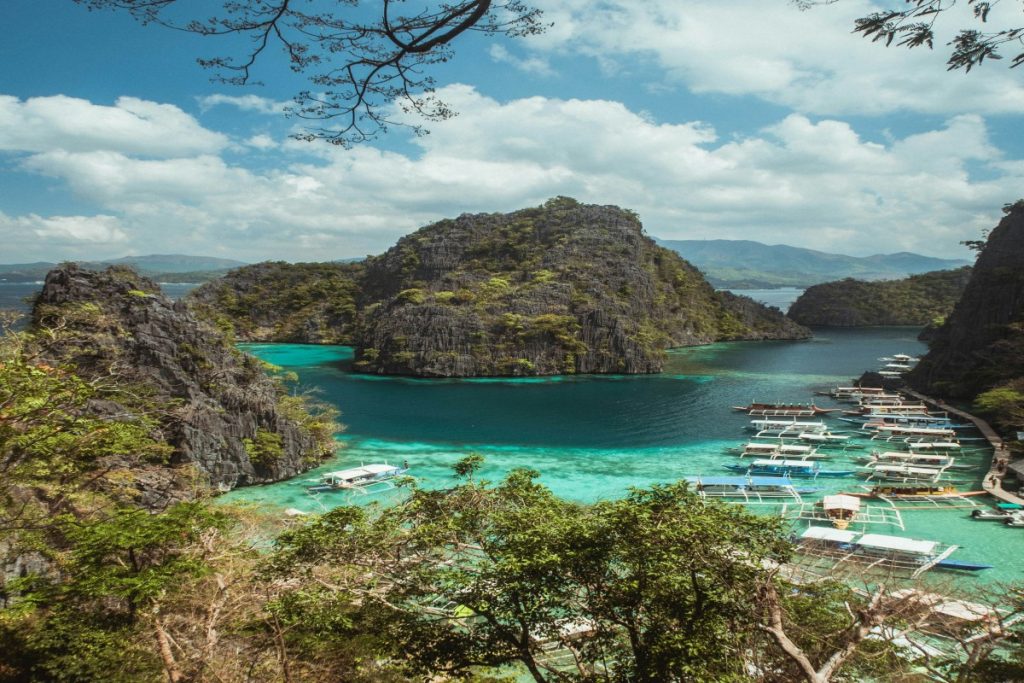
If you’re gearing up for your first-ever journey to the Philippines,get ready for a once-in-a-lifetime experience.The Philippines is a place that offers first-time visitors the best possible surprise. With more than 7,000 islands, crystal-clear waters, energetic cities, and friendly locals, organizing your first trip can be both thrilling and overwhelming. To fully experience the Philippines without hurrying or missing its highlights, a well-planned Philippines travel itinerary is essential. Whether you have five days, seven days, or a little more, this Philippines travel guide is specifically made for first-time travelers, assisting you in creating the ideal itinerary, comprehending expenses, and traveling with confidence. Understanding the Philippines Before You Plan Travel time is important in the Philippines because it is an island nation with multiple destinations. There are frequent flights between islands, and every area has a unique atmosphere. Beaches & islands: Palawan, Boracay, Cebu Adventure & diving: Cebu, Bohol, Siargao Culture & cities: Manila, Cebu City, Vigan Instead of attempting to see everything at once, a smart Philippines trip planner focuses on fewer destinations. Best Places to Include in a First-Time Philippines Itinerary 1. Manila – The Starting Point Manila is where the majority of international flights land. Cultural sites like Intramuros Food, shopping, and nightlife Gateway to domestic flights Before island hopping, spend a day getting used to this place. 2. Palawan – The Postcard Philippines Often regarded as the most picturesque area in the nation. El Nido island-hopping tours Limestone cliffs and lagoons Perfect for leisurely exploration Palawan is ideal for itineraries that are five or seven days long. 3.Cebu & Bohol – Adventure Meets Culture It is excellent for first-timers and especially to the one who wants variety. Waterfalls, snorkeling, whale sharks Chocolate Hills and tarsiers in Bohol Easy inter-island connections In this area, adventure and sightseeing are balanced. Philippines Itinerary 5 Days (First-Time Friendly) Day 1: Arrive in Manila, explore Intramuros Day 2: Fly to El Nido (Palawan) Day 3: Island hopping tour Day 4: Beach time and viewpoints Day 5: Return to Manila & depart This Philippines itinerary 5 days trip works best for travelers focused on beaches and scenery. Philippines Itinerary 7 Days (Balanced Experience) Day 1: Manila sightseeing Day 2: Fly to Cebu Day 3: Cebu waterfalls & snorkeling Day 4: Ferry to Bohol Day 5: Chocolate Hills & island tour Day 6: Fly to Manila or Palawan Day 7: Departure A Philippines itinerary 7 days trip offers a mix of culture, adventure, and relaxation—ideal for first-time visitors. How to Plan the Best Itinerary for the Philippines Remember these things when creating your Philippines itinerary: Limit to 2–3 destinations that is not more than two or three places Take flights rather than ferries when traveling long distances. Consider travel delays due to the weather or other factors. Give islands priority over cities especially when you are making your first trip. A more seamless and pleasurable experience is guaranteed with this strategy. Philippines Trip Cost from India (Estimated) Cost is a question that tourists frequently ask. Approximate budget per person: Flights (India–Philippines): ₹35,000–₹60,000 Hotels (mid-range): ₹3,000–₹6,000 per night Food & local transport: ₹2,000–₹3,000 per day Activities & tours: ₹10,000–₹20,000 total A seven-day Philippines trip cost from India ranges between ₹80,000 and ₹1.3 lakh, depending on the mode of transportation. Best Time to Visit the Philippines November to April: Best weather, peak season December–January: Great for first-timers, festive vibe June to October: Monsoon season (cheaper but riskier) Winter is the best season for a seamless first trip. Getting Around: Flights, Ferries & Transfers Time and energy are saved by inter-island flights. Domestic flights are inexpensive and frequent. Ferries are ideal for short trips. In remote areas, private transfers are helpful. Logistics can be made easier with pre-arranged transfers or a good Philippines tour guide. Food, Culture & Local Experiences The Philippines offers simple but flavorful cuisine. Try adobo, lechon, sinigang In well-known locations, street food is safe. Many people speak English. Due to its cultural openness, the Philippines is a beginner-friendly country. Travel Tips for First-Time Visitors Carry cash for small towns and islands. Schedule extra days to account for weather variations or buffer days. Make reservations for island tours one day in advance. Pack light, breathable clothing A good trip can be made even better with these suggestions. Why the Philippines Is Perfect for First-Time International Travelers Friendly locals and English-speaking environment Easy island-hopping experiences Reasonably priced in comparison to many beach locations The perfect balance of leisure, relaxation and adventure This Philippines vacation guide demonstrates that the nation is hospitable, adaptable, and memorable for newcomers. Must-Have Experiences in the Philippines There are certain experiences that make a first trip to the Philippines unforgettable. Island hopping in El Nido or Coron Snorkeling or diving in crystal-clear reefs Sunset views from white-sand beaches Local market visits and street food tasting Traditional boat rides and coastal village walks The essence of traveling to the Philippines is shaped by these experiences. Unique Highlights That Make the Philippines Special Even when it comes to island travel, the Philippines stands out. More than 7,000 islands with different landscapes Limestone cliffs, lagoons, and hidden beaches Warm, welcoming local culture Many people in the nation speak English. Inexpensive first-time guided tours This combination facilitates planning and enhances the experience of travel. Top Things to Do for First-Time Visitors There is more to the Philippines than just beaches. Explore Intramuros in Manila Chase waterfalls in Cebu Visit Chocolate Hills in Bohol Relax on Boracay’s White Beach Lagoon kayaking in Palawan A balanced itinerary combines relaxation, culture, and the outdoors. Where to Stay in the Philippines (By Travel Style) Selecting the ideal base enhances your journey. Manila: Central lodgings close to BGC or Makati Palawan: Boutique accommodations(resorts) or beachfront resorts Cebu/Bohol: Mid-range resorts near attractions in Cebu/Bohol Boracay: Beachside hotels for easy access It is advantageous for newcomers to stay close to major transportation hubs. Island Hopping vs Slow Travel: What to Choose Not every traveler desires the same pace. Island hopping is