

Perfect 7-Day Goa Itinerary Blissful North & South (2026)
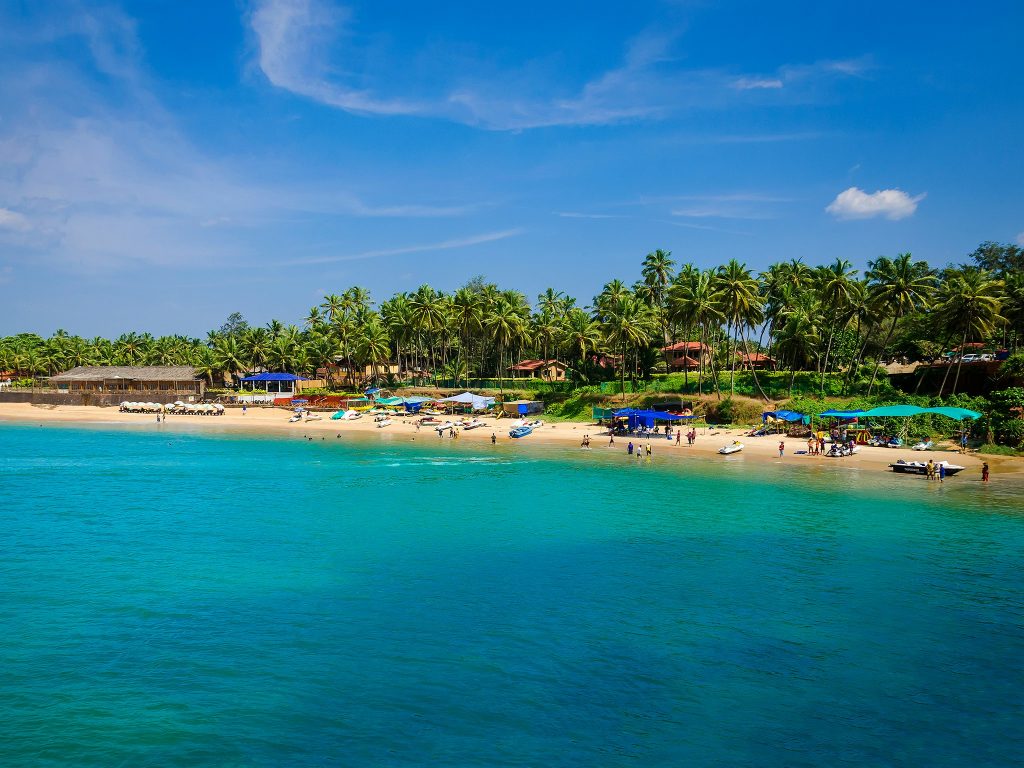
Last Updated: 02 August 2026 Goa is justly famous for its beaches, but this former Portuguese colony is characterized by much more. It is also home to some of the most stunning waterfalls in India, Indo-Portuguese architecture, ancient temples, and a delightful multicultural heritage. Goa is also the only part of India with a significant European influence, a portion of Konkan soul, and a unique, rich, cultural tapestry. “The Perfect 7-Day Goa Itinerary” For first time Goa visitors differentiating between the party atmosphere of North Goa and the calm, lush, and lovely landscapes of South Goa can be a challenge. Why not get the best of both? Too lazy to plan your Goa trip? Try The Tarzan Way – it’s like having your own AI trip buddy that plans everything around your vibe. Their 7-day Goa plan is the perfect mix of chill beaches + cultural feels. This Goa week-long trip is intended to be a pack itinerary to sample the active culture of the region. The 7-day Goa itinerary is designed to be a time balance between relaxation pants and culture boots. For Day 1, Discover the Buzzing Beaches of North Goa On the first day in Goa, you should visit the beautiful beaches. The North Goa beaches are filled with activity. You may spend the holiday in the busy, tourist-loved beaches such as Vagator or Baga. If you want to relax, you can spend the holiday at Morjim beach. You can spend the day at the beach and enjoy swimming, sunbathing and water sports such as parasailing or banana rides. Pro Tip: You should get a scooter. You can visit Calangute, Baga, Anjuna and other North Goa beaches with your scooter. It is the most popular method of transport. Day 2: Check Out the Unique Attractions in Panjim The capital of Goa is Panjim or Panaji and the heart of the state. It offers a perfect blend of culture, shopping, and history. Spend the morning in the Fontainhas Latin Quarter and then visit the narrow streets and enjoy the beautiful, colorful Portuguese houses. In the evening, the tourists can enjoy the street market filled with local and unique merchandise, live music andstreet performances. Be sure not to overlook the various street food vendors situated in Panjim. To gain a true understanding of the area, you should sample some of the local Goan treats, particularly the chorizo pav and the fish cutlets. Day 3: Discover Goa’s Historical Landmarks Leave the third day for the history of Goa. Go to Old Goa (Velha Goa), a location that is a UNESCO World Heritage site and used to be the capital of the Portuguese Indies, and the most magnificent Old Goa. Go to the awe inspiring Basilica of Bom Jesus, where the mortal remains of St. Francis Xavier rest, and to the imposing Sé Cathedral. Then, in the afternoon, you go back in the direction of Panjim in order to see historic forts, either Reis Magos or Fort Aguada, to appreciate their history and spectacular views of the sea. Pro Tip: In Old Goa, you should hire a licensed guide. The history of the monumental churches and colonial buildings is enhanced for a reasonable price by their narratives and knowledge. Day 4: Southern Voyage to Relax and Camp at Cola Beach Leaving behind the South’s bustle, Cola Beach is in the South Goa region. South Goa is cleaner, more fully, and more peaceful. Head to Cola Beach, for it is one of the understated marvels of Goa, famous for its lagoon. For the rest of the day, bask in the glory of nature, and at night, experience the wonder that is camping on the beach. Relax, the locals have improvised huts as well as deluxe tents for you to choose from. Pro Tip: Cola Beach. Camp on the beach. Relax, the locals have improvised huts as well as deluxe tents for you to choose from. Day 5: Gaze at the Horizon from Cabo De Rama Fort The route to Cabo De Rama is one of the oldest in Goa, and the most dramatic. It sits on a cliff above the beach, at the middle of Agonda and Cavelossim. It has one of the best views of the Arabian Sea. Pro Tip: Make sure you wear proper shoes as you explore the rocky paths in the fort. There isn’t much in the way of shops, so bring your own water and snacks. Day 6: Scavenge the Streets of Palolem If you find the solitude of the South a little too much, you can head to Palolem beach. It is much livelier, and one of the most beautiful beaches in the South. It is well known for its crescent shape, and calm waters. The beach is lined with shops that sell clothes, souvenirs, and trinkets. It is a great place to practice your bargaining skills. Pro Tip: If you are looking for a unique Goa’s nightlife, you can check for a Silent Noise party at Palolem, or the nearby Patnem beach. You are given wireless headsets and can choose different DJs to listen to, making for a surreal party experience. Day 7: The Final Day of Leisure Your final day is to be spent doing anything you wish, be it revisiting your favorite beach, attending a Goan cooking class, getting an Ayurvedic massage, or simply hanging out at a beach shack with a book and a drink, enjoying all the final moments of your Goan paradise before heading to the airport. Pro Tip: For an authentic Goan meal, you may want to finish your trip at a local restaurant and enjoy some fish curry and rice or prawn vindaloo. Still Have Some Doubts in Your Mind “FAQs”: Q. What are the things to do if I have 1 day in Goa? A: Hit the buzzing beaches of North Goa — Baga, Anjuna or Vagator for water sports. Q. What is it like to spend a day in Panjim? A: Stroll through Fontainhas’ Latin
Best Time to Visit Bali for Beaches & Culture
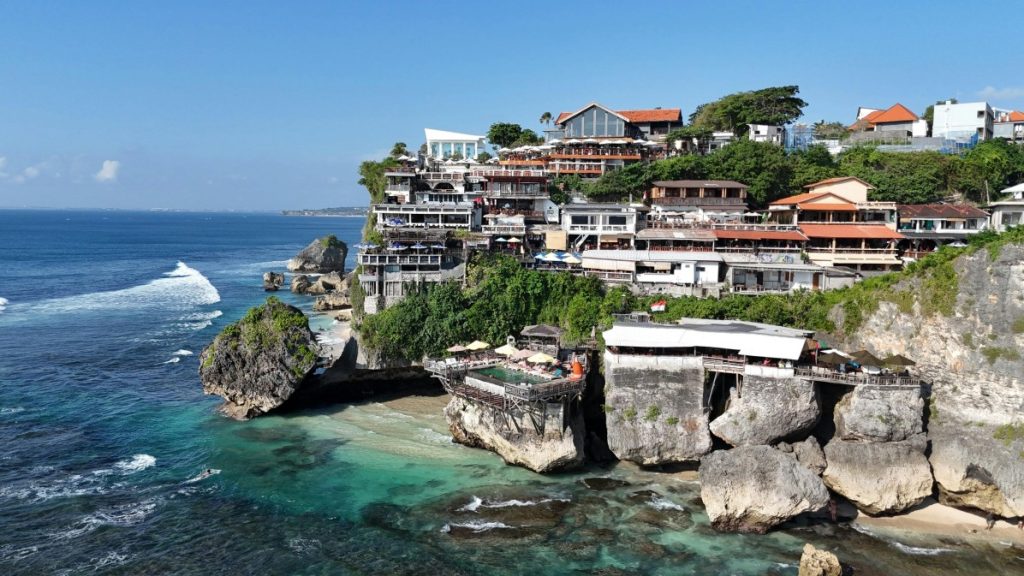
Bali effortlessly sparks your creativity. You can find golden beaches, emerald rice terraces, colorful temples, and fun festivals to keep any traveler entertained. When it comes to your ideal Bali, timing is important; the right season will allow your beaches to sparkle, your cultural experiences to deepen, and your holiday to remain stress-free. If you are a first timer, this guide is for you! We will give you the best time to visit Bali, weather breakdown by month, festival calendar, avoiding crowds, and other travel advice to plan your trip using The Tarzan Way, your AI-powered personalized trip planner. Bali Weather by Month: A Quick Overview Getting to know the weather in Bali is the first step for your trip planning. There are two main seasons in Bali: Dry Season vs Wet Season Dry Season (April to September): This is the sunniest time, perfect if you want to spend a lot of time on the beach, enjoy outdoor activities, and visit temples. You can expect clear blue skies, flat seas, and little rain. Wet Season (October to March): Expect heavy rainfall, humidity, and occasional storms. Don’t worry though—rain usually does not last long. Bali is still beautiful, just a little wetter. Pro Tip: Even in the wet season, mornings are often sunny, making it possible to enjoy sightseeing before the afternoon showers. Best Time to Visit Bali for Beaches If your main goal is lounging on soft sand, surfing, or snorkeling, timing is everything. Peak Beach Season: April to October Calm seas, clear waters, and sunny skies dominate. Popular beaches like Kuta, Seminyak, and Nusa Dua are at their best. Perfect for surfing beginners and experienced surfers alike. Best Months for Bali Beaches: July, August, and September—sunny days with gentle waves. Surfing Tip: The west coast is great from May to September, while the east coast shines from November to March. If you want to catch epic waves, check out The Tarzan Way’s surf-focused itineraries for personalized guidance. Best Time to Visit Bali for Culture Bali is more than just beaches; it is a living, breathing cultural gem. There are temples, ceremonies, and festivals everywhere, and scheduling your visit can change everything. Bali Festival Season: March to October Galungan & Kuningan: Celebrate the triumph and balance of good over evil with temple ceremonies, dances, and colorful offerings. Nyepi (Balinese New Year): A fascinating experience when the whole island honors a day of silence. Streets are deserted, flights are suspended, and a spiritual reset takes place unlike anywhere else in the world. Visiting Bali during Nyepi Festival: If you love culture, it’s worth timing your trip around this festival—but plan ahead since transport and activities are limited. The Tarzan Way can help schedule your activities perfectly around Nyepi for a truly immersive experience. Bali Crowds and Tourist Season Peak Season (July–August, Christmas–New Year): Expect busy beaches, higher hotel rates, and full attractions. Shoulder Season (April–June, September–October): Fewer crowds, pleasant weather, and great for photography. Off-Peak/Wet Season (January–March): Less crowded, more budget-friendly, but some rain expected. Cheapest Time to Visit Bali: January, February, and early March—perfect for travelers seeking deals and fewer crowds. Month-by-Month Guide: Bali Weather & Activities Month Weather Beach Activities Cultural Highlights January Wet, occasional storms Swimming limited Temple visits, indoor workshops February Wet, humid Low tourist crowds Local festivals, rice terrace walks March Transition to dry Surfing picks up Galungan preparations April Dry begins Ideal for beaches Temple ceremonies May Dry, sunny Snorkeling, diving Art festivals June Dry, cooler mornings Surfing, beach hopping Cultural tours July Dry, peak season Surfing, sunbathing Local performances August Dry, sunny Beach sports & surfing Ubud arts events September Dry, warm Perfect for beaches Temple visits October Dry to wet transition Surfing possible Festival season ends November Wet begins Limited beach time Temple ceremonies December Wet, humid Beaches less ideal Christmas celebrations, indoor activities Tips for First-Timers Visiting Bali Plan your beaches and cultural visits separately. Sunny mornings for temples, afternoons for beaches. Book accommodation early during peak months to avoid inflated prices. Use The Tarzan Way to customize your itinerary based on your interests and preferred timing. Pack for unpredictable weather if traveling during the wet season. A light raincoat and waterproof shoes are lifesavers. Frequently Asked Questions Q1. What is the best month to visit Bali? For first-timers, April to September is ideal for sunny beaches and cultural exploration. July and August are peak season months with vibrant festivals. Q2. Is Bali worth visiting during the rainy season? Yes! While it rains more, the island is lush and less crowded. Indoor activities, temples, and cultural tours remain accessible. Q3. Which season is best for experiencing Balinese culture? Dry season (April–September) is perfect. Festivals like Galungan and Nyepi happen around this time, offering an authentic cultural experience. Q4. When is the cheapest time to travel to Bali? January to early March is budget-friendly with fewer tourists. Hotels and flights are cheaper. Q5. Is July a good time to visit Bali? Absolutely! It’s sunny, perfect for beaches, and festival season is in full swing. Just expect more crowds. Q6. What is Nyepi Festival and should I plan my trip around it? Nyepi is the Balinese Day of Silence marking the new year. It’s unique, peaceful, and spiritual. If you plan carefully, it’s a one-of-a-kind cultural experience. Q7. Is Bali good for surfing year-round? Yes, but the west coast is best May–September, and the east coast shines November–March. Personalized surf itineraries are available through The Tarzan Way. Q8. How many days are enough for a Bali trip? A 7–10 day trip lets you cover beaches, cultural spots, and a couple of nearby islands comfortably. Q9. Is Bali too crowded during peak season? It can be busy, especially Kuta and Seminyak. Visiting during shoulder months like April–June or September–October ensures fewer crowds. Planning Your Bali Adventure the Smart Way Choosing the best time to visit Bali depends on your priorities—beaches, culture, or budget. For first-timers, the dry season between April and September offers the
Are the Andaman & Nicobar Islands Coral Reefs?
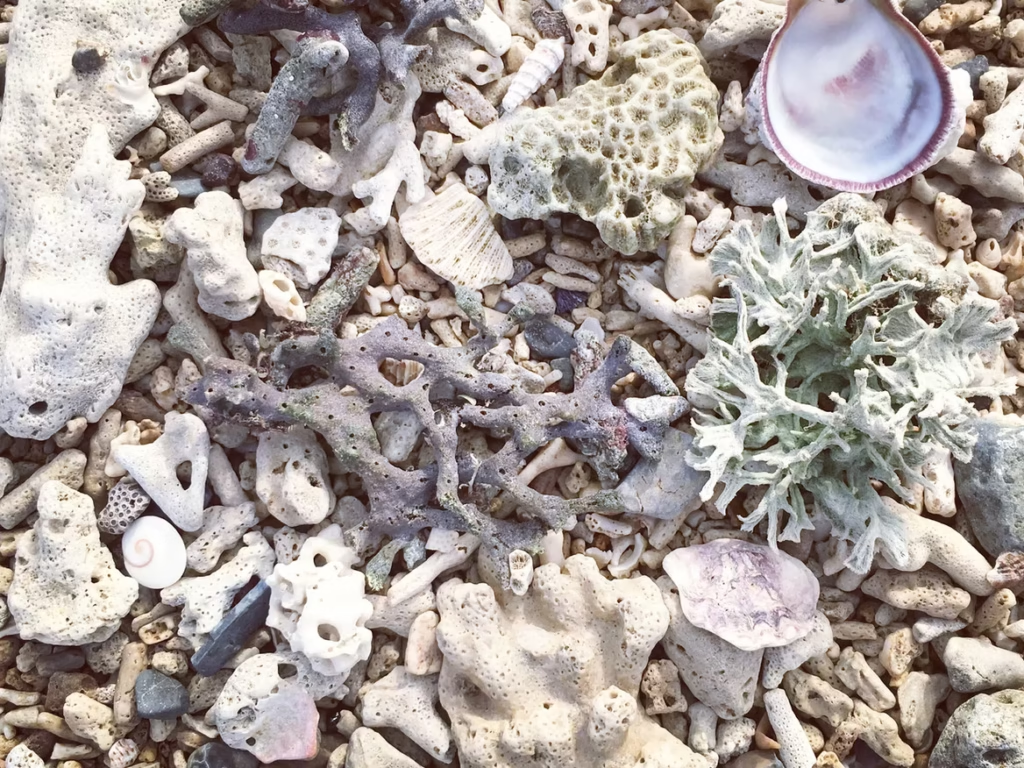
When people think of the Andaman and Nicobar Islands, they think of blue water, tropical forest, and colorful marine life. But there is one question – are the Andaman and Nicobar Islands coral islands? The answer is yes and no. The Andaman and Nicobar Islands – unlike the Lakshadweep Islands that are all coral atolls – are mainly volcanic. Indeed, they have wonderful coral reefs in Andaman Nicobar surrounding them.In this guide, we will share geological facts, show you where there may be colorful coral diversity in Andaman, the other coral islands, available snorkeling and diving, and the need to conserve. If you are organizing your Andaman adventure, plan with The Tarzan Way, which is an AI-based personalized travel planner that will develop itineraries based on your interests in coral island visits, diving trips, and eco travel. Geological Background of Andaman & Nicobar The formation of these islands started almost 88 million years ago. Large-scale tectonic plate generation led to the Indian Ocean’s formation. The Andaman and Nicobar Islands resulted from volcanic activity and the subduction zone of the Indian Plate and the Burmese Plate. This is the reason that most of the archipelago is rocky instead of built from coral. However, these volcanic origins created perfect conditions for corals to develop over the millennia allowing the rich coral reefs that are now seen in the Andaman Nicobar. If you’re fascinated by the ancient past, check out our blog How Were Andaman and Nicobar Islands Formed? to dive deeper into the geological processes that shaped these islands. Are They Really Coral Islands? Are the Andaman Islands coral islands? The answer is: not entirely. The Lakshadweep Islands are coral atolls made entirely of reef growth, while the Andaman Islands are volcanic islands with fringing coral reefs surrounding them. There are some smaller islands, specifically those around North Bay, Neil, and Havelock, that people often refer to as Andaman coral islands, as their beaches and lagoons have been heavily shaped by corals. However, strictly speaking, not every Andaman island was made from coral. This unique combination of volcanic core and coral periphery is part of what makes the archipelago so unique. Visitors get to experience dramatic cliffs and dense forests inland and clear waters with beautiful coral gardens off the coast. Coral Diversity and Marine Life The coral diversity in the Andaman region is one of India’s richest. We have documented over 200 species of hard and soft corals, from large brain corals to small branching staghorns. These reefs provide habitat for: Colorful reef fishes such as parrotfish, clownfish, and butterflyfish; Sea turtles that feed on sea grass near coral lagoons; Mollusks, rays, and reef sharks that inhabit the deeper reef edges. The coral ecosystems at Andaman Nicobar have so much life that divers often refer to them as “underwater cities,” full of life and color. For a more immersive look at marine biodiversity, explore our blog Andaman and Nicobar Islands: Diving into Underwater Wonders. Best Coral Islands in Andaman If you’re dreaming of snorkeling or diving into coral-rich waters, here are the best coral islands in Andaman worth visiting: North Bay Island – Known for glass-bottom boat rides, snorkeling, and close-to-shore coral reefs. Havelock Island (Swaraj Dweep) – Home to Elephant Beach, one of the best spots for vibrant coral snorkneling. Neil Island (Shaheed Dweep) – Famous for shallow reefs teeming with colorful fish. Cinque Islands – Often called “the twin islands,” offering untouched coral beauty. Red Skin Island – Part of Mahatma Gandhi Marine National Park, ideal for beginners to see corals up close. Each of these Andaman coral islands offers a different shade of underwater beauty, making them perfect for eco-travelers and adventure seekers alike. Activities: Snorkeling, Diving & Glass-Bottom Rides Experiencing coral reefs is not limited to professional divers. The islands offer something for everyone: Snorkeling coral Andaman: Popular at Elephant Beach and North Bay Island, suitable even for beginners. Scuba diving: Havelock, Neil, and Cinque Islands offer world-class dive schools with certified instructors. Glass-bottom boat rides: Perfect for non-swimmers who still want to marvel at reefs without getting wet. These activities not only allow travelers to explore coral reefs in Andaman Nicobar but also provide sustainable ways to enjoy marine life when done with eco-certified operators. Importance of Coral Ecosystems What is the importance of these reefs? The coral ecology in Andaman is critical to: Protecting shorelines from erosion by buffering waves Acting as nurseries for marine life and fish Supporting local livelihoods through fishing and tourism Contributing to global biodiversity hotspots The ecological balance of the islands would collapse without coral reefs, so we need to work to conserve coral reefs in Andaman. Threats to Coral Reefs in Andaman Sadly, the reefs face challenges from multiple sources: Climate change & bleaching: Coral bleaching events have increased over the last number of years because sea temperatures are warming. Pollution: The health of the reef is affected by the presence of plastic and sewage. Tourism pressure: Irresponsible and poor tourist behavior such as snorkelers kicking up sand, boats anchoring in a bad manner, and touching coral are impacting fragile reefs. Coastal development: the building of resorts and construction near beach fronts is damaging ecosystems. All of these aspects can directly or indirectly threaten coral reefs in Andaman, so it is imperative travelers and sport fishing and all authorities act in a responsible manner. Conservation Efforts in Andaman Coral Islands There are ongoing initiatives to safeguard the Andaman coral islands: marine protected areas like Mahatma Gandhi Marine National Park and Rani Jhansi Marine National Park. Project aimed at transplanting coral and restoration of damaged reef areas. Government regulation which limits tourism to sensitive areas. NGOs working to promote awareness of what constitutes sustainable tourism. Choosing eco-responsible activities while on your trip or visit, will help support initiatives that conserve the coral reefs in Andaman. Eco-Friendly Travel Tips for Visitors If you want to explore these reefs responsibly, keep these tips in mind: Never touch or step on corals—they
Peaceful Islands in Thailand: Best Hidden Escapes Away from the Crowds
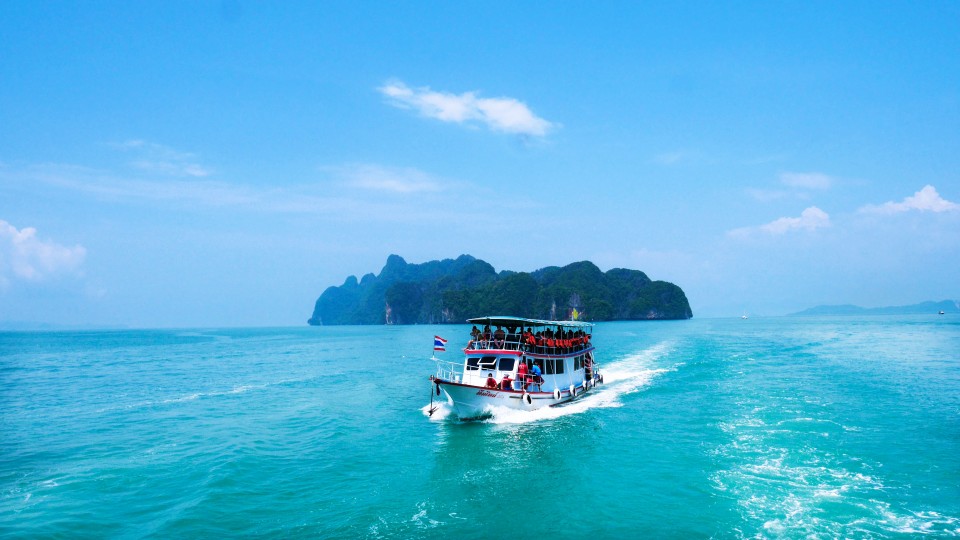
Dreaming of white sand, turquoise water, and total tranquility? While places like Phuket and Koh Samui are amazing, sometimes all you want are peaceful islands in Thailand without the party crowds. If that sounds like your vibe, this Thailand travel guide is just what you need. We’ve rounded up the most serene islands in the Land of Smiles, perfect for couples, solo travelers, or anyone looking to disconnect and reset. Whether you’re planning your next workation, honeymoon, or long-overdue getaway, let this be your go-to Thailand vacation planner. 1. Koh Yao Noi – The Quiet Luxury Island If you’re after seclusion without sacrificing comfort, Koh Yao Noi is a dream. Tucked between Phuket and Krabi, this island is known for its serene beaches, rice paddies, and chic eco-resorts. Expect lazy mornings, yoga by the beach, and jaw-dropping views of Phang Nga Bay. A Thailand tour guide would probably call this the “chill capital” of the Andaman. Pro tip: Skip the speedboat and take the longtail ferry from Phuket. It’s slower but way more scenic. 2. Koh Mak—Thailand’s Eco-Friendly Secret Not many people know about Koh Mak, and that’s what makes it perfect. With its ban on jet skis and nightlife, this island offers nothing but nature, biking paths, coconut groves, and calm beaches. It’s a must-add to your Thailand holiday guide if you’re dreaming of a digital detox with a strong sustainability vibe. Pro tip: Rent a bicycle instead of a scooter. It’s the best way to explore this flat, green gem. 3. Ko Kradan—The Maldives of Thailand Part of Hat Chao Mai National Park, Ko Kradan is postcard-perfect. Crystal-clear waters, soft white sand, and just a few beachfront stays make it ideal for honeymooners and peace-seekers alike. Use this as your “beach therapy” stop in your Thailand travel planner. Pro tip: Visit during the shoulder months (March or November) to avoid both crowds and storms. 4. Ko Phayam – Rustic, Remote, Relaxing Imagine no ATMs, no chain resorts, and a chilled-out hippie vibe. That’s Ko Phayam. Located near the Myanmar border, it’s a backpacker favorite but in a peaceful, quiet kind of way. This is the spot to truly unplug and slow down. An essential mention in any Thailand trip guide that focuses on raw beauty and mindfulness. Pro tip: Bring enough cash; there are no ATMs on the island! 5. Ko Bulon Le—The Ultimate Escape Tiny, untouched, and almost surreal in its quietness, Ko Bulon Le is often skipped in mainstream Thailand travel guides, which is exactly why you should go. There’s very little internet and barely any nightlife, but plenty of hammock time and sunsets. Add it to your Thailand trip itinerary if your heart says “off-grid escape.” Pro tip: Stay with locals in a bungalow; it’s authentic, affordable, and supports the community. FAQs About Peaceful Islands in Thailand Q1. What are the best peaceful islands in Thailand for a relaxing vacation? A: Koh Yao Noi, Koh Mak, Ko Kradan, Ko Phayam, and Ko Bulon Le are some of the best off-the-beaten-path islands you can explore. These gems are often skipped in popular Thailand tour guides, making them ideal for a calm, crowd-free getaway. Q2. Are these islands included in typical Thailand travel itineraries? A: Not usually, and that’s the beauty of it. These hidden islands are perfect additions to a well-perused Thailand travel itinerary, especially if you’re curating a quiet and scenic Thailand vacation. Q3. Which peaceful island is ideal for a honeymoon in Thailand? A: Koh Kradan and Koh Yao Noi are top choices for a honeymoon. They’re secluded and stunning and offer intimate luxury stays—a must for any Thailand honeymoon guide. Q4. Can I include these islands in my Thailand trip planner even if I’m on a budget? A: Absolutely! Most of these islands have affordable guesthouses and local homestays. If you’re working with a Thailand trip planner, ask for custom budget-friendly routes that include ferry info and local tips. Q5. Are there work-friendly options for digital nomads on these islands? A: Yes, especially on Koh Yao Noi and Koh Mak. They’re slowly becoming favorites in the Thailand digital nomad community, offering quiet cafes and decent Wi-Fi perfect for a peaceful workation. Q6. What’s the best time to visit these peaceful islands in Thailand? A: November to April is ideal for dry weather and calm seas. Planning your trip during this season ensures you get the best out of your Thailand holiday guide experience. Final Thoughts Thailand isn’t just about full moon parties and bustling Bangkok streets. For those chasing serenity, soul-soothing beaches, and slower travel, these hidden islands are your calling. With this Thailand vacation guide in your back pocket, you’re ready to experience the quiet side of paradise. Ready to ditch the crowds and find your slice of Thai heaven? Let The Tarzan Way help you plan the ultimate peaceful island escape—from curated itineraries to authentic stays, we’ve got your back.
Hidden Beaches in Kerala You Won’t Find in Guidebooks
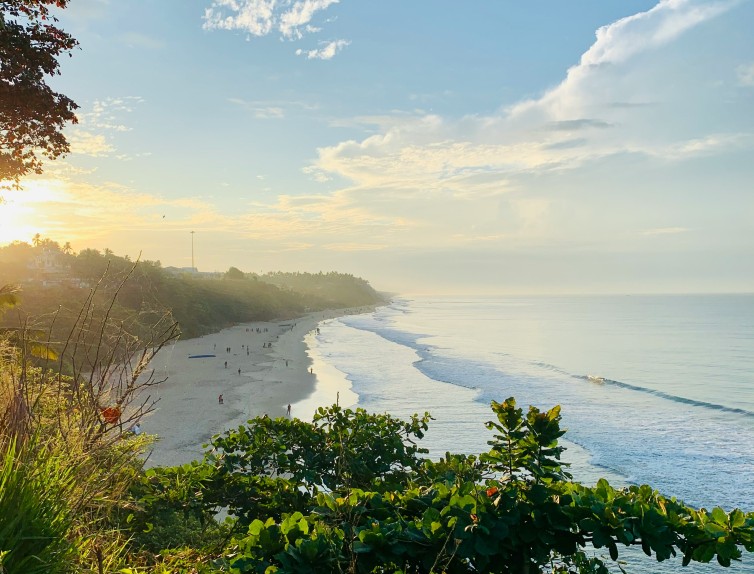
Sure, everyone talks about Kerala’s houseboats and those picture-perfect backwaters, but let’s be honest, sometimes you just want to breathe. No crowds, no noise, just you and the sound of waves. That’s the Kerala we’re diving into here. Tucked away from the touristy chaos are beaches so quiet, so untouched, it almost feels like they were waiting just for you. Whether you’re chasing a moment of peace, a little romance, or just some time to reset, these hidden beaches in Kerala might be exactly what your soul’s been craving. No filters, no hype, just real, raw beauty. 1. Pozhiyoor Beach – The Vibe Check You Didn’t Know You Needed Right where Kerala meets Tamil Nadu lies this underrated slice of peace: Pozhiyoor Beach. Think golden sands, quiet backwaters, and zero chaos. It’s where the Neyyar River casually flows into the Arabian Sea, and honestly? It’s giving main character energy. No vendors yelling, no selfie crowds—just you, the waves, and your thoughts (or your playlist). Pro Tip: Pull up on a weekday evening to have the whole place practically to yourself. Pack your own snacks and drinks, though there are no cafés, just pure unplugged vibes. 2. Kappil Beach – Varkala’s Chill Cousin That No One Talks About Okay, so you’ve done Varkala. But just 15 mins down the road is Kappil Beach, and trust us, it’s got that “where-has-this-been-all-my-life” vibe. Picture this: sea on one side, calm backwaters on the other, palm trees swaying like they’re in a slow-mo music video. It’s peaceful, raw, and totally off the radar. Perfect for quiet journaling moments, cinematic drone shots, or pretending you’re in a nature documentary. Pro Tip: Rent a scooter in Varkala and ride down for the day. Stop at the cliff viewpoints for some killer IG stories before you vibe out at Kappil. 3. Thaikadappuram Beach – Where Baby Turtles Steal the Show Okay, picture this: you’re chilling on a quiet beach in Kasaragod, and suddenly tiny baby turtles are making their way to the ocean. Yeah, it’s that kind of magical. Thaikadappuram Beach is totally off the tourist radar, but come turtle hatching season, it turns into a real-life nature doc minus the crowd. Pro Tip: Want to catch the turtle hatchlings? Plan your trip between September and November. It’s wholesome, it’s rare, and yes, it’ll totally melt your heart. Just don’t be that person; stay quiet, no flash photography, and let nature do its thing. 4. Marari Pozhi—The Chill Spot You Didn’t Know You Needed Sure, Marari Beach gets all the hype, but just sneak a little further and boom, you’re in Marari Pozhi, its quieter, introverted sibling. This part’s got zero crowd stress, soft sand that basically begs for a beach nap, and palms swaying like they’re on a lo-fi playlist. Pro Tip: Pack a mat, a good book, or that journal you’ve been ignoring. This is the place to zone out and vibe with yourself—no interruptions, no drama 5. Puthenpuram Beach – For That Raw, Real Kerala Energy Tucked near Cherai but totally off the beaten path, Puthenthope Beach is the kind of untouched beauty that makes you feel like you’ve stumbled into a postcard. You’ll see fishermen casting their nets and feel like you’re part of something real, not curated. Pro Tip: Wake up early (yes, we know it’s hard) and catch the locals at work. It’s pure, it’s peaceful, and the sunrise pics? Pure magic. 6. Kizhunna Ezhara Beach – Underrated Bliss You Didn’t Know You Needed Tucked near Kannur, Kizhunna and Ezhara are twin beaches that feel like a perfectly curated playlist—low-key, scenic, and effortlessly chill. Picture golden sands, swaying coconut trees, and sunsets that look like they’ve been filtered IRL. Pro Tip: Stay in a nearby homestay for that authentic Kerala vibe. You’ll get homemade meals and maybe even some insider tips on hidden sunrise spots that don’t make it to Instagram. 7. Valiathura Pier Beach—All About That Ocean Mood Close to Trivandrum but never overhyped, Valiathura Pier Beach is for people who just want to feel something (and not in a depressing way). The giant pier stretching into the sea gives major dramatic flair, and watching the waves slam during monsoon season? Totally therapeutic. Pro Tip: Visit during the rains if you want full-on ocean power vibes, but stay safe and don’t get too close to the edge. The goal is to heal, not fly. FAQs How do I add hidden beaches to my Kerala trip planner? Use your Kerala trip planner to slot beach days between popular stops like Alleppey, Varkala, and Kochi. These beaches are often short detours from well-known towns, so you won’t have to go out of your way. Is it safe to visit the hidden beaches in Kerala alone or as a couple? Totally! Most hidden beaches in Kerala are safe, peaceful, and less crowded, making them ideal for solo travelers and romantic getaways. Just follow general safety tips and go during daylight hours. Can I include these secret beaches in a 7-day Kerala itinerary? Yes! Whether you’re using a DIY Kerala travel planner or working with a travel agency, it’s easy to fit 2–3 of these beaches into a week-long Kerala itinerary. Kappil or Marari are great near Alleppey; Kuzhupilly works near Kochi. Are there budget stays near these offbeat beaches in Kerala? Absolutely. Your Kerala vacation guide isn’t complete without mentioning cozy homestays, beach huts, and backpacker hostels near beaches like Marari or Kizhunna. Perfect for that chill, no-frills vibe. What’s the best time to visit hidden beaches in Kerala? November to February is peak season for beach weather—sunny, breezy, and not too humid. Your Kerala trip planner should ideally avoid monsoon months (June–August) if beach time is a priority. Can a Kerala travel planner help me find hidden beaches no one talks about? Yes! The best Kerala travel planners or local guides know exactly where the secret gems are, often ones not listed on typical websites. A planner can also help with transport,
BALI’S TOP TRAVEL PICKS: ICONIC AND HIDDEN GEMS!!

Bali, the “Island of the Gods” is a tropical paradise offering stunning beach fronts and traditional culture with its beautiful settings. Bali offers tourists a perfect place to explore its diverse range of must visit travel destinations from iconic to hidden sites. This blog will take you through the best places in Bali, including secret beaches, stunning waterfalls, ancient temples, and adventure spots. Best Time to Visit Bali: April to October (Dry Season): Best for beach activities, trekking, and sightseeing. November to March (Rainy Season): Best time for those who love lush green landscapes and fewer crowds. Iconic Tourist Attractions in Bali: 1. Ubud: Ubud, known as the cultural heart of Bali, showcases well-known aesthetic features which include scenic rice terraces, traditional architecture and historical temples. Bali is the ultimate haven for art lovers, yoga enthusiasts, and those seeking a spiritual retreat. This is a must visit destination to experience serene landscapes and a vibrant arts scene. Nearby Attractions & Activities: Goa Gajah (Elephant Cave) – A historical place with amazing rock carvings. Tegalalang Rice Terraces – Stunning terraced rice fields. Campuhan Ridge Walk – A scenic trekking path with serene views. 2. Gili Islands: The Gili Islands (Gili Trawangan, Gili Air, and Gili Meno) offer pristine white sandy beaches, crystal-clear waters, and incredible snorkeling spots. Gili Islands is the perfect spot to experience tropical beauty as there are no vehicles and offer both vibrant evenings and quiet tranquility. Nearby Attractions & Activities: Scuba Diving – Explore underwater coral gardens and shipwrecks. Bike Tours – Cycle around the islands. Snorkeling with sea turtles –The experience stands as an absolute must. 3. Canggu: Canggu is a lively coastal town that offers surf-friendly beaches, hip cafes, and energetic nightlife. This should be a must visit place for beach enthusiasts and nature lovers as it provides both relaxation and adventurous experiences. Nearby Attractions & Activities: Pererenan Beach – A peaceful beach with scenic landscapes. Tanah Lot Temple – A stunning seaside temple famous for sunset views. Horseback Riding – Ride through the black sand coast for an unforgettable journey. 4. Kuta: Kuta is one of Bali’s most famous destinations, known for its golden beaches, bustling nightlife, and surf-friendly waves.This place offers tourists an exciting scene with many amusement choices. Nearby Attractions & Activities: Waterbom Bali – One of the best water parks for thrill lovers. Legian Beach – A great spot for a more relaxed beach vibe. Beachwalk Shopping Center –Shopping mall with global brands and dining. 5. Nusa Lembongan: Nusa Lembongan is a peaceful island escape just off the coast of Bali, featuring dramatic cliffs, vibrant marine life, and crystal-clear waters. It offers an ideal setting for relaxation and is the perfect destination to experience Bali’s natural wonders away from crowds. Nearby Attractions & Activities: Nusa Penida – Kelingking Beach and Broken Beach. Nusa Ceningan – A beautiful island with stunning views. Mangrove Forest Tour – A peaceful kayaking experience through lush mangroves. Hidden Gems in Bali: For those who love to explore offbeat locations, here are some of Bali’s best-kept secrets: 1. Sidemen Valley: A peaceful alternative to Ubud, Sidemen Valley features lush rice fields, traditional villages, and scenic mountains. It’s perfect to escape the crowds and enjoy an authentic Balinese experience. Tourists can explore Balinese terrain while biking through rice paddies and stopping at traditional weaving studios and hiking to concealed waterfalls. 2. Banyu Wana Amertha Waterfall: Banyu Wana Amertha Waterfall is an underrated natural wonder featuring multiple waterfalls surrounded by lush jungle. People seeking a peaceful nature getaway will find Banyu Wana Amertha Waterfall as one of Bali’s most scenic hidden waterfalls. There are several other spots including Gitgit Waterfall and Ulun Danu Beratan Temple for travellers. 3. Tukad Cepung Waterfall: One of Bali’s most magical waterfalls, Tukad Cepung is a hidden gem located inside a cave, where sunlight creates a mesmerizing effect on the water. The trek to the waterfall is short but adventurous, passing through jungle pathways and rocky terrain. Nearby, you can also visit Tibumana Waterfall and Goa Rang Reng Waterfall for more nature adventures. Frequently Asked Questions (FAQs): Q1. What is the best time to visit Bali? The best time to visit Bali is from April to October for ideal beach weather, sightseeing, and outdoor activities. However, the rainy season from November to March offers less crowds and lush green landscapes. Q2. What are the must-visit temples in Bali? Must Visit temples include Besakih Temple, Tanah Lot, Tirta Empul, Goa Gajah and Uluwatu Temple for a glimpse into Bali’s rich cultural and spiritual heritage. Q3. What are the best islands near Bali to visit? The Gili Islands, Nusa Penida, Nusa Lembongan, and Nusa Ceningan offer stunning beaches, snorkeling spots, and adventure activities. Q4. How do I get around Bali? Travel around Bali using taxis, private drivers, scooter rentals or local shuttle services. Renting a scooter is a budget-friendly and flexible option, but ensure you have an international driving license. Q5. How much does a trip to Bali cost? Bali is a budget friendly option with tourists spending around $30–50 per day, while luxury travelers can expect to spend $150+ per day on accommodations, dining, and activities. Conclusion: Bali offers a perfect mix of adventure, culture, and relaxation. From iconic landmarks like Tanah Lot and Uluwatu Temple to hidden gems like Sidemen Valley and Tukad Cepung Waterfall.. Bali provides visitors with every experience they could want ranging from photogenic sites to adventure and tranquil hideaways. So pack your bags, plan your perfect Bali adventure, and get ready to explore the best places in Bali! Planning a trip? You are just one click away! Click here and let The Tarzan Way’s AI planner do the hassle for you. Let’s plan the best trip ever!
Gateway of India to Marine Drive: Mumbai’s Electric Symphony of Lights and Life

Mumbai is a city that never slows down—it’s a mix of chaos and charm, where history and modern life collide, and at the heart of it all are two of its most iconic landmarks: the Gateway of India and Marine Drive. These locations serve as both popular tourist destinations and embodiments of the history of Mumbai and its enduring spirit and delightful atmosphere. This breathtaking journey connects the Gateway of India with Marine Drive no matter if you visit Mumbai for the first time or if you have lived there for years. This enchanting stretch features colonial architecture, while the Arabian Sea waves create a perfect symphony with history and cultural attractions and mesmerizing seaside vistas. Gateway of India: The Grand Welcome to Mumbai A Monument of History and Majesty The Gateway of India received its completion in 1924 to mark the royal visit of King George V and Queen Mary to India. This large basalt gateway fills the waterfront in Colaba, where visitors encounter architectural influences from both Indo-Saracenic and Islamic traditions. Through time it evolved into Mumbai’s most distinguished attraction that showcases both the history of British colonial rule and Indian independence. Pro Tip: Coming early in the morning before 8 AM allows visitors to experience the site without crowds and capture fantastic photographs under soft morning illumination. What Makes the Gateway of India Special? ● Historical Significance: The British troops used this location as their departure point from India to mark its independence in 1948. ● Stunning Architecture: A mix of Hindu, Muslim, and European styles. ● Ferry Rides: From this location guests can obtain ferry rides that lead to the UNESCO World Heritage Site of Elephanta Caves. ● Vibrant Atmosphere: The location offers a bustling, energetic environment because of its numerous performers along with photographers and busy cafes lining the streets. ● Nearby Attractions: Walk to Taj Mahal Palace Hotel, an architectural masterpiece and one of Mumbai’s most luxurious hotels. Pro Tip: Don’t miss sunset time at Gateway because the setting sun casts golden light over the arch, which makes it perfect for photographers. The Journey: Gateway of India to Marine Drive The distance between the Gateway of India and Marine Drive is about 3 km. You can explore this stretch in multiple ways: By Taxi (10-15 min): The most convenient option. On Foot (30-40 min): A scenic foot trek exploring Colaba Causeway will take 30 to 40 minutes while you see attractions such as the Taj Mahal Palace Hotel and Regal Cinema. By Bus (20 min): You can reach Marine Drive in 20 minutes by riding a local bus from Colaba to Churchgate Station followed by a brief walking distance. Cycling (25 min): Experience Mumbai differently by spending 25 minutes on a rental bike. Pro Tip: If you decide to walk through Mumbai, take a detour to Colaba Causeway because it hosts an iconic street market selling jewelry and bags together with antique items. But if Mumbai’s bustling streets aren’t enough to satisfy your explorer’s spirit, the wilderness beyond the city awaits—discover the best adventure getaways near Mumbai. Marine Drive: Mumbai’s Queen’s Necklace A Coastal Marvel That Shines at Night A step toward Marine Drive transports you from the bustling urban traffic into the peaceful seaside landscapes. The 3.6-kilometer boulevard follows the coastline while maintaining its exclusive views of the Arabian Sea. The streetlights create a sparkling line stretching across the landscape that draws comparisons to a necklace, thus earning its title “Queen’s Necklace.” People from all walks of life in the city visit this stretch because it serves as their top destination for relaxation. Why is Marine Drive famous? ● Sunset Views: The city’s most desirable location for Arabian Sea sunset viewing exists at this site. ● Peaceful Ambience: This area provides a peaceful atmosphere suitable both for joggers during mornings and walkers during evenings and for relaxation along the promenade. ● Breathtaking Nightscape: The Mumbai skyline creates a mesmerizing display as night falls on the city. ● Bollywood’s Favorite: Marine Drive has been featured in countless Bollywood movies, adding to its legendary status. ● Romantic Spot: The romantic atmosphere of this location attracts many couples who want to admire its breathtaking beauty, making it rank among Mumbai’s most romantic sites. But if you’re looking to make the day truly unforgettable, these Valentine’s Day plans in Mumbai might just set the perfect mood. Pro Tip: The best time to see the Queen’s Necklace emerge is between 5:30 PM and 7:00 PM, when the light turns golden before the evening transforms into total darkness. Things to Do Around Marine Drive 1. Indulge in Street Food at Girgaum Chowpatty Girgaum Chowpatty stands at the north end of Marine Drive as a destination perfect for street food enthusiasts. People can find authentic Mumbai flavors at this place through dishes like pani puri along with pav bhaji and the popular kulfi, and for those who believe the best experiences don’t have to come with a hefty price tag, Mumbai has plenty to offer on a student budget. 2. Experience Luxury Dining Marine Drive has excellent fine dining restaurants, which you can discover through these recommendations: Pizza By The Bay: Famous for delicious pizzas with ocean views. The Bayview at Hotel Marine Plaza: Rooftop dining with a panoramic city skyline. Bachelor’s: A legendary spot for juices, shakes, and ice creams. Dome at InterContinental: One of Mumbai’s best rooftop bars. 3. Explore Nariman Point: The Business Hub Marine Drive’s southern endpoint shifts into the business district known as Nariman Point, which dominates Mumbai’s business landscape. The district holds the city’s tallest buildings and luxury hotels, which create an amazing vision between financial centers and calm oceanfront space. Pro Tip: Walk to NCPA (National Centre for Performing Arts) to catch a live play or a music concert. Frequently Asked Questions: Can I Visit Marine Drive at Night? Yes! Marine Drive remains accessible for visitors throughout the day and night because it is fully secure during every hour. Marine Drive appears most enchanting during the dark hours of the
Best Hidden Beaches in Goa for Peaceful Escape!!
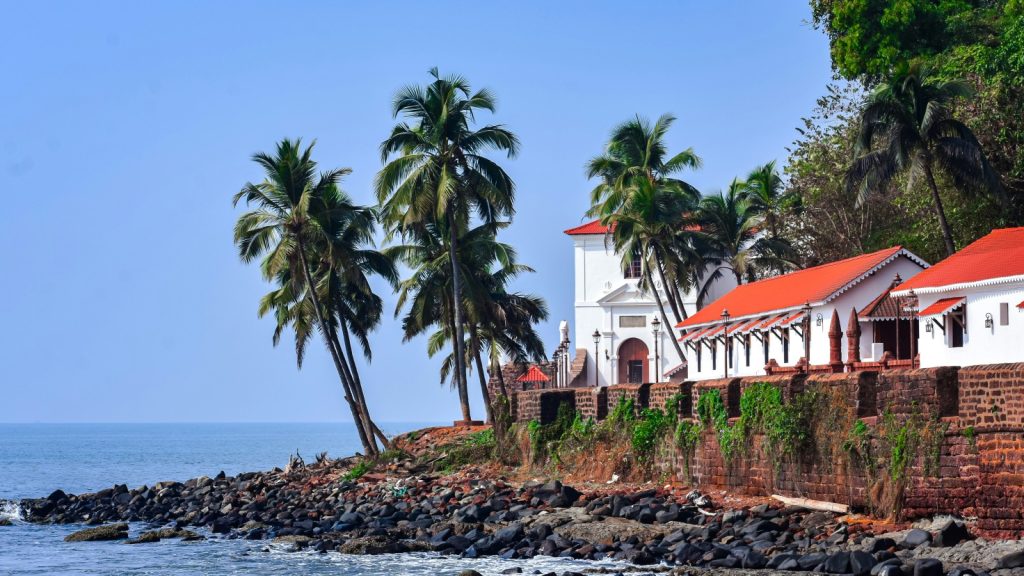
Goa, the state with vibrant nightlife, stunning coastline, and bustling beaches, also hides some of the most peaceful and secluded beaches. The popular beaches like Baga, Calangute, and Anjuna attract large crowds. There are also multiple offbeat and lesser-known beaches of Goa that provide a peaceful environment that lets you escape the tourist rush. The crystal-clear waters of Vainguinim Beach and Cola Beach’s stunning beauty surrounded by coconut trees are perfect hideaways. The most peaceful beach experiences are from March to April or from November to December. Whether you’re looking for quiet beaches in North Goa or majestic beaches in South Goa, this guide will take you through the best hidden beaches in Goa. Serene view of a beach in Goa featuring greenery and crystal-clear water. 1. BUTTERFLY BEACH: Butterfly Beach is one of the most beautiful beaches, known for its peaceful environment and serene views. The most eye-catching feature of this beach is that you can witness many butterflies flying over the hilltop. This beach is situated on the northern end of Palolem Beach and is accessible by boat or trek. Butterfly Beach is a must-visit for people who love nature and calm environments. Butterfly Beach with golden sand and warm blue water surrounded by lush green forest. 2. KAKOLEM BEACH: Kakolem Beach is one of the best hidden beaches with breathtaking views. It is surrounded by cliffs and greenery away from the hustle and bustle. This beach offers a unique experience with the best sunset views and a peaceful environment. It is the perfect spot for a relaxing trip along with the beauty of nature. Kakolem Beach is a must-visit for nature lovers and photographers. A hidden paradise—Kakolem Beach featuring serene views surrounded by lush green hills. 3. GALGIBAGA BEACH: Galgibaga Beach is one of the cleanest and most peaceful beaches that remains untouched, surrounded by golden sand and crystal-clear waters. This beach is surrounded by palm trees, making it perfect for a relaxing stroll and offering a serene atmosphere. Galgibaga Beach remains refreshingly undeveloped, with minimal commercial activity, providing people the opportunity to enjoy the raw beauty of nature. It is a must-visit for those who want to experience untouched natural beauty. Scenic views of Galgibaga Beach framed by lush greenery and golden sands meeting crystal water. 4. COLA BEACH: Cola Beach is one of Goa’s most secluded and untouched beaches, a perfect escape for nature lovers. It lies hidden behind thick vegetation and palm trees. Cola Beach features a stunning blue lagoon where a small river meets the Arabian Sea. This beach is a great place to disconnect from city life and relax. It is a must-visit for people who want to enjoy raw, untouched beauty with a magical lagoon. The best time to visit Cola Beach is November to May, as the place remains closed during monsoons. Cola Beach with its stunning views featuring the majestic blue lagoon. 5. HOLLANT BEACH: Hollant Beach is a peaceful, quiet, and lesser-known beach. It is one of the rare beaches to watch a stunning sunrise over the sea. Unlike many other Goa beaches, this beach is safe for swimming because of its slow and gentle waves. Hollant Beach is perfect for people who want to relax in a calm environment. It is a must-visit for photographers and nature lovers. Hollant Beach, surrounded by palm trees and crystal-clear water, offering a peaceful ambiance. 5. SINQUERIM BEACH: Sinquerim Beach is one of the least crowded beaches in North Goa. It is a good spot for a peaceful retreat. Sinquerim Beach offers serene views with mesmerizing sunsets over the crystal-clear water. It is perfect for those looking for peaceful beaches in North Goa. This beach is a must-visit for nature lovers and photographers. Sinquerim Beach, featuring scenic views with crystal-clear water. 6. AGONDA BEACH: Agonda Beach is one of the most peaceful beaches of South Goa. It is surrounded by palm trees and gentle waves. This beach offers a serene environment where one can relax and soak in the natural beauty. Agonda Beach is perfect for long walks, swimming, and relaxing. Agonda Beach is the perfect place for people who love exploring hidden gems. It is a must-visit if you want to experience a peaceful setting surrounded by nature. Scenic view of Agonda Beach with palm trees and clear blue sky, offering a serene coastal getaway. 7. BETALBATIM BEACH: Betalbatim Beach is one of the most serene and peaceful beaches away from large crowds. This beach is famous for its sunset, where one can see the most enchanting sunset. Betalbatim Beach is a heaven for people who love clean and peaceful environments with scenic views. It is also known for its dolphin spotting opportunities. This is the perfect spot for nature lovers and solitude seekers. Night view of Betalbatim Beach showcasing scenic coastal landscape and peaceful setting. 8. VAINGUINIM BEACH: Vainguinim Beach is a hidden gem in Goa known for its silver sand seashore and peaceful atmosphere. This place offers serene views with greenish-blue water and lush greenery. It is ideal for sunbathing, swimming, and long walks. Vainguinim Beach is a great spot and a must-visit for birdwatchers, families, and nature lovers. Serene views of Vainguinim beach featuring golden sand, lush greenery, and crystal water Best Times to Visit Hidden Beaches: The charm of Goa’s hidden beaches is best enjoyed when you plan your trip during the ideal months. Off-Season Experience: November to December and March to April have perfect weather, and there are fewer tourists at secret beaches. These months offer peaceful moments away from the usual tourist buzz. These hidden beaches become peaceful during the off-season. This would be the perfect time to experience the beauty of these beaches without distractions. Monsoon Beauty at these hidden gems: The monsoon months from June to September reveal a different side of Goa’s hidden beaches. Rivers swell to their banks, and the landscape turns lush green during this time. The monsoon adds a beauty that shows up only in these months.
South Goa Unplugged: Exploring the Quieter Side
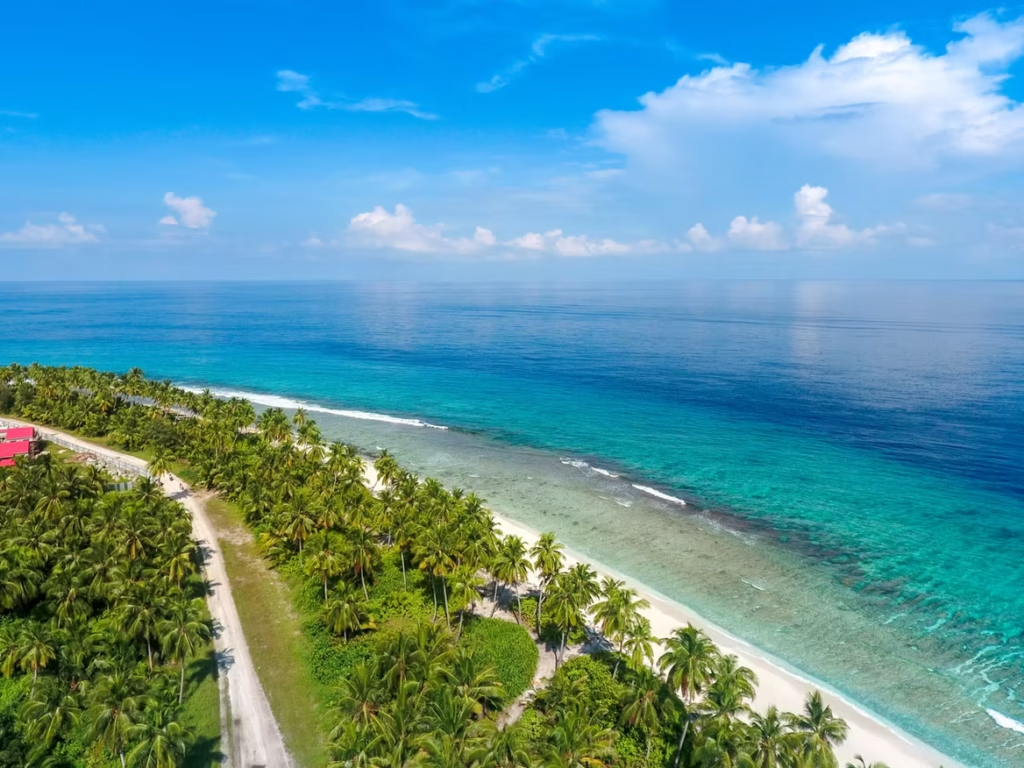
Are you tired of the crowded beaches and bustling streets of Goa? Do you crave a more peaceful and serene experience? Then it’s time to explore the quieter side of Goa, where the true essence of this vibrant state resides. Join us on an unforgettable journey as we discover secluded beaches, quaint villages, and hidden gems in South Goa that will leave you refreshed and rejuvenated. Are you tired of the crowded beaches and bustling streets of Goa? Do you crave a more peaceful and serene experience? Then it’s time to explore the quieter side of Goa, where the true essence of this vibrant state resides. Let’s embark on an unforgettable journey as we discover secluded beaches, quaint villages, and hidden gems in South Goa that will leave you refreshed and rejuvenated. Palolem & Colva: Secluded Beach Escapes Palolem and Colva stand out as epitomes of tranquility in South Goa. Unlike their bustling northern counterparts, these beaches offer a more relaxed and laid-back atmosphere. Palolem, nestled in Canacona, mesmerizes with its crescent-shaped shoreline embraced by swaying palms. The calm waters invite leisurely swims or tranquil moments by the shore, perfect for introspection or simply soaking in the natural beauty. Colva, with its 2.4-kilometer stretch of soft sands, beckons visitors to unwind amidst scenic surroundings. Water sports enthusiasts can indulge in activities like parasailing, adding a dash of adventure to their serene getaway. Both Palolem and Colva boast charming beach shacks and eateries, serving up delectable Goan cuisine that tantalizes the taste buds while offering uninterrupted views of the azure sea. Tranquil Escapes: Agonda, Cola, and Butterfly Beach Venturing further into the tranquil realm of South Goa, Agonda, Cola, and Butterfly Beach emerge as hidden paradises awaiting discovery. Agonda’s laid-back vibe and picturesque setting make it a haven for those seeking solitude amid nature’s splendor. The beach’s souvenir market and local eateries provide glimpses into Goan culture and culinary delights. Cola Beach, although slightly off the beaten path, rewards intrepid travelers with its untouched beauty. Accessible via a scenic boat ride, Cola’s pristine sands and crystalline waters create an idyllic setting for blissful relaxation or romantic moments against a backdrop of panoramic coastal views. Butterfly Beach, shrouded in a veil of secrecy, captivates with its secluded charm. Accessible only by boat from Palolem, this hidden gem offers a sense of exclusivity and tranquility. Sunset vistas from Butterfly Beach paint the sky in hues of gold and crimson, casting a magical spell over visitors fortunate enough to witness nature’s nightly spectacle. Vasco De Gama: A Journey Through Time Venture inland to Vasco De Gama, where history and heritage await. This historic city is a testament to Goa’s rich past, with ancient churches and museums offering glimpses into bygone eras. Explore the old-world charm of St. Andrews Church and delve into the maritime history at the Naval-Aviation Museum, discovering the layers of Goa beyond its beaches. Immersing in Local Life Beyond the tourist hotspots, South Goa reveals its authentic charm through its quaint villages and vibrant culture. Take a leisurely stroll through the narrow lanes, interact with friendly locals, and savor traditional delicacies that reflect the region’s culinary heritage. It’s a chance to experience Goa not just as a tourist destination but as a living, breathing tapestry of traditions and stories. Culinary Delights and Cultural Immersion No exploration of Goa is complete without savoring its culinary delights and immersing oneself in its rich culture. South Goa’s eateries serve up a delectable array of seafood delicacies, infused with traditional spices and flavors that epitomize Goan cuisine’s essence. From fresh catch of the day at beachside shacks to fine dining experiences showcasing Goa’s culinary heritage, every meal becomes a gastronomic journey. Cultural immersion opportunities abound in South Goa, where traditional festivals, arts, and crafts offer glimpses into Goa’s vibrant heritage. From lively music and dance performances to artisanal markets brimming with handmade treasures, every moment unveils a facet of Goa’s multifaceted identity. Final Thoughts South Goa is more than just a destination—it’s a feeling. A place where time slows down, where waves whisper instead of roar, and where every moment invites you to unwind, reflect, and reconnect with yourself. Whether you’re craving solitude, culture, or coastal charm, South Goa delivers it all—without the crowds. Ready to escape the noise and experience the real Goa?Let The Tarzan Way craft a personalized South Goa itinerary for you—filled with hidden beaches, authentic experiences, and peaceful stays designed around your pace. Because your journey into tranquility deserves to be as unique as you are.
Andaman and Nicobar Islands: Tropical Paradise Reimagined.

Dream vacation with pristine beaches and lush greenery? Look no further! Discover the untouched beauty of Andaman and Nicobar Islands in this travel guide that will take you on a journey through its tropical paradise reimagined. Nestled in the azure waters of the Bay of Bengal The Andaman and Nicobar Islands are a captivating destination that promises a tropical paradise like no other. With their pristine beaches, crystal-clear waters, and lush greenery, these islands offer a serene escape from the hustle and bustle of everyday life. Credits: Unspalsh Immerse yourself in the natural beauty of the islands by taking a leisurely stroll along the shores, or embark on a thrilling scuba diving or snorkeling adventure to discover the vibrant marine life that thrives beneath the surface. With its diverse range of flora and fauna, the Andaman and Nicobar Islands are a nature lover’s paradise. Scubadiving, Credits: Unsplash Whether you’re seeking relaxation, adventure, or a glimpse into the local culture, the Andaman and Nicobar Islands offer a truly enchanting experience that will leave you with memories to last a lifetime. Top Attractions to Explore When visiting the Andaman and Nicobar Islands, there are several must-visit attractions that should be on your itinerary. Beaches to relax and unwid: Radhanagar Beach on Havelock Island is a must-see. With its pristine white sand and turquoise waters, it has been consistently ranked as one of the best beaches in Asia. Elephant Beach, known for its vibrant coral reefs and colorful marine life, is another popular spot for snorkeling and diving. Radhanagar Beach, Credits: Unspalsh For History Buffs and Architecture Lovers: One of the most popular destinations is the Cellular Jail in Port Blair, which serves as a reminder of the islands’ colonial past and the struggle for independence. The light and sound show held at the jail is a moving experience that takes you back in time. Cellular Jail, Credit: unsplash A visit to Ross Island is highly recommended. Once the administrative headquarters of the British during their rule, the island now stands as a fascinating ruin, with remnants of colonial buildings and a serene atmosphere. For nature enthusiasts, a trip to the Mahatma Gandhi Marine National Park is a must. Spanning several islands, the park is home to a diverse range of marine life, including coral reefs, turtles, and tropical fish. Take a glass-bottom boat ride to explore the underwater world without getting wet. These are just a few of the many attractions that the Andaman and Nicobar Islands have to offer. Each destination has its own unique charm and beauty, waiting to be discovered. Unique Experiences to Indulge In While exploring the Andaman and Nicobar Islands, there are several unique experiences that you can indulge in to make your trip truly unforgettable. 1.) One of the highlights of visiting these islands is the opportunity to witness the mesmerizing bioluminescence phenomenon. Take a night-time swim or simply stroll along the shoreline to witness this magical spectacle. Credit: Unsplash 2) Visit the limestone caves take a boat ride through the dense mangrove forests to reach the caves and marvel at their stunning beauty. These natural formations are home to thousands of swiftlets, and the sound of their chirping echoes throughout the caves. Bartanga Island, Credit: Pintrest 3) For adventure seekers, a trek to the top of Mount Harriet is a must. As the highest peak in the Andaman and Nicobar Islands, it offers breathtaking panoramic views of the surrounding islands and the vast expanse of the Bay of Bengal. From exploring hidden beaches to encountering exotic wildlife, there is always something new and exciting to discover. Local Cuisine and Culture The local cuisine is a fusion of Indian, Southeast Asian, and tribal flavors, seafood is a staple in the islands, with fresh catches of fish, crabs, prawns, and lobsters available in abundance. Andaman fish curry, a spicy and tangy delicacy that is sure to tantalize your taste buds. Andaman cusinie spread In addition to seafood, the islands are known for their tropical fruits, such as mangoes, bananas, and coconuts. Indulge in refreshing fruit juices and smoothies made from these locally sourced ingredients. Tips for Planning Your Trip To make the most of your trip to the Andaman and Nicobar Islands, here are some tips to keep in mind: – Plan your trip in advance to ensure availability of flights and accommodations, especially during peak tourist seasons. – Pack light and comfortable clothing, as the islands have a tropical climate throughout the year. – Don’t forget to carry sunscreen, insect repellent, and a hat to protect yourself from the sun. – Stay hydrated and drink plenty of water, especially if you’re engaging in outdoor activities. – Take the time to interact with the local communities and learn about their way of life. By following these tips, you’ll be well-prepared for an amazing journey through the tropical paradise of the Andaman and Nicobar Islands.