

Goa’s Nightlife: A Guide to the Lit Night life
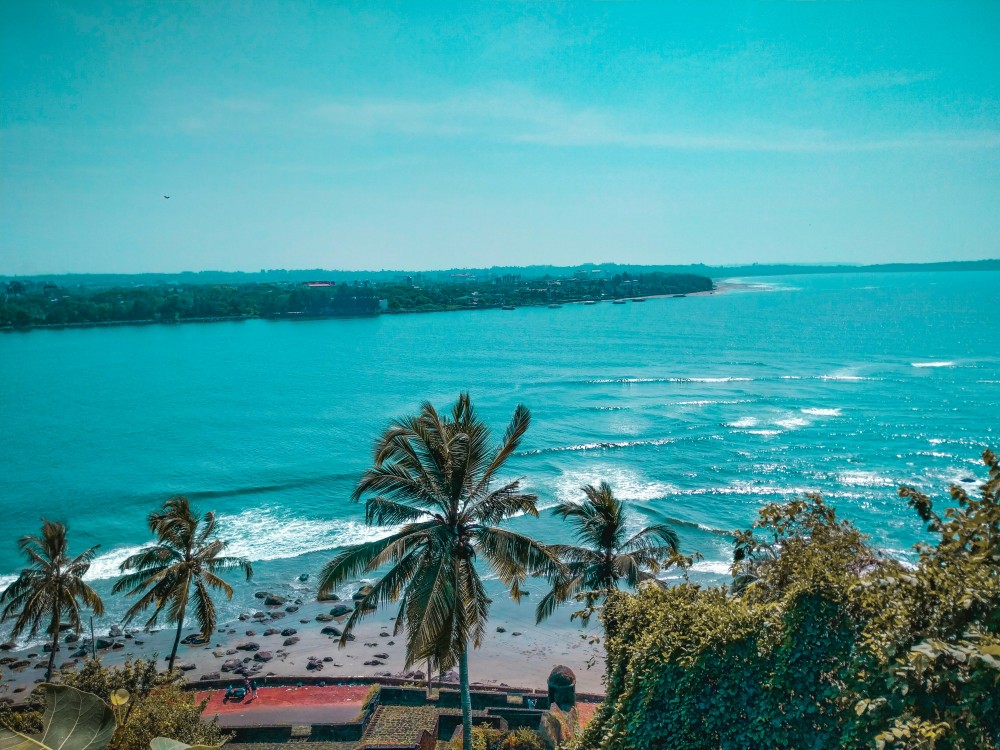
From Legendary Beach Ragers to Hidden Kickbacks, Goa’s Nightlife is Lit When that bright Indian sun finally sets over Goa’s gorgeous beaches, this laid-back tropical haven transforms into a non-stop party animal. The former Portuguese colony on India’s western coast comes alive at night with a legendary nightlife scene that attracts folks from all over the globe. Whether you’re looking to go wild at the epic beach parties or discover some quirky underground spots, Goa’s got all kinds of wicked nightlife experiences waiting for you. This guide will take you to the hottest hotspots and hidden gems where you can let loose and party until dawn. Beachside Bashes That Go All Night Long You can’t do Goa nightlife without hitting up the wildly famous beach parties. These massive open-air ragers on the sand are where the real party magic happens, with world-class DJs, fire dancers, and crowds of revelers from across the world cutting loose together. Anjuna Beach The Trance Party Capital, Anjuna Beach, is the trance party capital of not just Goa, but maybe the whole world. Every Wednesday, this picturesque beach transforms into an all-night rager, with booming beats, mind-blowing light shows, and nonstop dancing that doesn’t stop until sunrise. The legendary Shiva Valley, smack in the middle of Anjuna’s dune,s is the place to be for these wildly popular trance fests. Named after the Hindu god of partying (kind of), this huge open-air dance floor hosts the biggest trance DJs and some of the craziest psytrance parties you’ll ever witness. Just imagine moving and grooving barefoot in the sand as mesmerizing visuals are projected onto the nearby cliffs. Vagator Beach Sunset Chasers’ Bootylicious Spot As that bright orange sun starts dipping into the Arabian Sea, the scene at Vagator Beach starts heating up. This rustic beach strip comes to life at sundown with a whole bunch of funky little beach shacks and pop-up parties lining the sandy shores. It’s the ultimate spot for those looking to chase that epic Goa sunset with a cold drink in hand while grooving to live musicians and DJs throwing down an eclectic mix of grooves and beats. Goa’s Hidden Underground: From Salsa Clubs to Bohemian Bars While the beach bashes are Goa’s most famous after-hours affairs, the party momentum continues at the area’s awesome range of underground clubs and bars. From swanky Latin-inspired hotspots to bohemian artist hangouts, Goa’s nightlife gems offer up all kinds of unique vibes. Club Cubana Havana Meets Goa Step through the doors of Club Cubana, and you’ll feel like you’ve teleported straight to the streets of Old Havana. This massive two-floor Arpora club is decked out with vintage 1950s Cuban decor—think colorful hand-painted tiles, old-school cars, and a lush outdoor courtyard that’ll make you feel like you’re in the heart of the Caribbean. The DJ keeps the Cuban-inspired Latin jams and infectious salsa rhythms pumping all night while skilled bartenders shake up premium rum cocktails behind the bar. The real draw is the regular live salsa and Cuban dance shows that take over the dance dancefloor. Tito’s Lane Trippy Artists’ Hangout For a totally different kind of nightlife experience, head to Tito’s Lane in the heart of Baga. This winding bohemian alleyway is packed with quirky hole-in-the-wall bars, funky cafes, and live music joints that ooze a super chill, artsy feel. It’s the perfect escape from the glitzy club scene. As you weave through the lively, winding lanes, you’ll uncover hidden gems bursting with character. Step into Café Mambo, where fresh local talent and touring reggae artists light up the stage every night, turning the space into a rhythm-filled escape. Slip into the playful world of Cocktails & Dreams, sip on a craft drink, and catch quirky open mic performances that keep the energy buzzing. And then there’s Tito’s, a place that thrives on being delightfully offbeat, where the mix of people, music, and vibe feels like pure magic. Joseph Bar Goa’s Quintessential Watering Hole. For a true taste of old-school Goan nightlife, there’s no better spot than Joseph Bar in Vagator. This classic beach shack-style bar has been a fixture on the scene for decades, attracting a fun mix of grizzled expats, salty backpackers, and Goa party vets. The atmosphere is super laid-back and quintessentially Goan, with a barefoot crowd sipping on dangerously strong cocktails and beers until the early AM. Take On Goa’s Nonstop Nightly Action From thumping beach parties under the moonlight to salsa beats in Havana-style clubs and secret boho hideouts where music never stops, Goa is pure nightlife magic. It’s the place where every night turns into a story worth telling. Grab your gang, let loose, and dive into India’s wildest after-dark adventure because when the sun sets in Goa, the real party begins. Contact the Tarzan Way today to start planning your unforgettable Goa’s Nightlife experience, and let us create a night to remember, tailored just for you!
Goa Bliss: AI-Guided Wellness Retreats

Rejuvenate Your Mind and Body in the Wellness Havens of Goa. India’s tropical paradise of Goa is renowned for its sun-kissed beaches, pulsating nightlife, and laid-back coastal charm. However, beyond the revelry lies a serene realm dedicated to holistic wellness, where ancient healing traditions seamlessly blend with modern practices. Embark on a transformative journey with our AI-powered guide, unveiling the best yoga retreats, soothing spas, and nourishing experiences that will leave you feeling rejuvenated from the inside out. Yoga by the Beach: Embracing Mindfulness in Nature’s Embrace Goa’s idyllic beachfronts provide the perfect setting for yoga enthusiasts seeking to deepen their practice amidst the soothing sounds of lapping waves and gentle sea breezes. Discover tranquil seaside retreats that offer a sanctuary for reconnecting with your mind, body, and spirit. Bamboo Yoga Retreat, Ashvem Beach Nestled along the pristine shores of Ashvem Beach, the Bamboo Yoga Retreat welcomes you to a serene oasis crafted from sustainable bamboo. Immerse yourself in daily yoga sessions, guided by experienced instructors, as you practice amidst swaying palm trees and the calming rhythm of the ocean. Complementary wellness offerings, such as meditation classes and Ayurvedic consultations, further enhance your journey toward inner balance. Purple Valley Yoga Retreat, Mandrem Beach Tucked away in the picturesque village of Mandrem, the Purple Valley Yoga Retreat offers a transformative experience that combines the ancient wisdom of yoga with modern amenities. Participate in a diverse range of yoga styles, including Hatha, Vinyasa, and Ashtanga, led by renowned teachers from around the world. After your practice, indulge in delectable vegetarian cuisine and explore the retreat’s lush gardens, creating a harmonious connection with nature. Ayurvedic Spas in North Goa: Revitalizing Ancient Healing Traditions Goa’s rich heritage in Ayurvedic medicine has given rise to luxurious spas that harness the power of ancient healing practices to promote overall well-being. Surrender to the skilled hands of Ayurvedic therapists and experience a profound sense of rejuvenation. Soulfit Ayurvedic Spa, Nerul Step into the tranquil oasis of Soulfit Ayurvedic Spa, where traditional Ayurvedic therapies are combined with modern wellness techniques. Embark on a personalized journey tailored to your unique constitution (dosha), with treatments ranging from revitalizing massages to detoxifying therapies. The spa’s serene ambiance, complemented by the expertise of skilled practitioners, creates an environment conducive to deep relaxation and healing. Kadamb Ayurveda & Yoga Village, Pilgao Immerse yourself in the authenticity of Ayurvedic living at the Kadamb Ayurveda & Yoga Village. This serene retreat nestled in the quaint village of Pilgao offers a holistic approach to wellness, blending traditional Ayurvedic treatments with yoga, meditation, and nutritious Ayurvedic cuisine. Experience the transformative power of panchakarma therapies, designed to detoxify and restore balance, while enjoying the tranquility of the surrounding lush gardens. Holistic Well-Being Experiences in Goa Beyond yoga and Ayurveda, Goa offers a tapestry of holistic experiences that cater to various aspects of wellness, allowing you to curate a truly personalized journey of self-discovery and renewal. Mindfulness Retreats at Sarmavi Embark on a profound journey of mindfulness and self-exploration at Sarmavi, a tranquil retreat centered around the principles of Vipassana meditation. Guided by experienced teachers, you’ll delve into the art of mindful living, cultivating present-moment awareness and learning techniques to navigate life’s challenges with greater clarity and equanimity. The peaceful surroundings, complemented by nourishing vegetarian cuisine, provide an ideal environment for introspection and personal growth. Unleash your inner bliss in the wellness havens of Goa, where ancient healing traditions intertwine with modern practices to create a harmonious pathway to rejuvenation. Whether you seek to deepen your yoga practice, restore balance through Ayurvedic therapies, or embark on a transformative journey of self-discovery, our AI-guided wellness guide will lead you to the most authentic and revitalizing experiences in this tropical paradise. Let The Tarzan Way curate your perfect wellness escape in Goa—powered by AI, personalized just for you. From yoga on quiet beaches to spa retreats hidden in the palms, your rejuvenation journey starts here. Book your AI-guided wellness retreat to Goa now with The Tarzan Way—because bliss shouldn’t be one-size-fits-all.
Lakshadweep Mystique: Stargazing and Celestial Delights

Why Lakshadweep? The Lakshadweep Islands, an enthralling tropical paradise inside the Arabian Sea, offer more than simply sun, sand, and surf. These pristine islands are a haven for stargazing fanatics, imparting some of the clearest nighttime skies you may ever witness. In this blog, we will take you on a celestial journey through the islands, from the ethereal landscapes of Lakshadweep stargazing to the wonders of the night sky in Kadmat and celestial delights in Agatti. The Perfect Stargazing Destination Star-studded sky in Lakshadweep The Lakshadweep Islands, a collection of 36 coral atolls, lagoons, and islands, are far removed from the hustle and bustle of metropolis lighting fixtures and pollutants. This isolation makes the islands an ideal vacation spot for looking at the nighttime sky in all its glory. Whether you are an amateur astronomer or truly want to be surprised by the stars, Lakshadweep gives an exceptional experience. The Wonders of Lakshadweep Stargazing 1. Crystal Clear Skies One of the largest blessings of stargazing in Lakshadweep is the crystal-clean skies. The absence of light pollutants allows you to look at the celebrities as they had been meant to be seen: shiny, beautiful, and unobstructed. Milky way band throughout the sky of Lakshadweep The Milky Way turns into a stunning band throughout the sky, imparting a surreal experience for everybody who looks up. 2. Agatti: A Celestial Hotspot Agatti Island is one of the most famous vacationer locations in Lakshadweep and additionally a haven for stargazers. Its pristine beaches and secluded spots provide the best places for a night of celestial observation. Agatti Island at nighttime The island’s crystal-clear waters mirror the nighttime sky, creating a mesmerizing mirror effect that amplifies the beauty of the celebrities. Agatti is also a hotspot for adventure seekers; the calmness at night might turn into an adrenaline rush in the morning with the water sports in Agatti. TTW Tip: When stargazing in Agatti, keep an eye out for the that is seen in the iciest months. You may additionally catch a glimpse of the Southern Cross, a well-known constellation visible within the Southern Hemisphere. 3. Kadmat: A Starry Paradise Kadmat Island, with its long stretches of sandy seashores and serene ecosystem, is every other stargazing paradise. The island’s far-flung place and restrained populace make it a really perfect spot for observing the night sky in Kadmat. Kadmat beach The tranquility of the surroundings complements the experience, permitting you to lose yourself inside the celestial wonders above. The Tarzan Tip: Kadmat is a fantastic vicinity for viewing meteor showers, especially during peak months. Keep an eye out for the Perseids in August and the Geminids in December for an astounding show. Tips for Stargazing in Lakshadweep Plan Your Visit: The high-quality time for stargazing in Lakshadweep is at some point of the dry season (October to April) when the skies are clearest. Find a Secluded Spot: Look for quiet beaches away from artificial lights for the first-rate viewing revel in. Bring Binoculars or a Telescope: Enhance your stargazing enjoyment by bringing along binoculars or a telescope to get a better view of celestial gadgets. Check Moon Phases: A new moon offers the darkest skies and top-quality stargazing conditions, so plan your experience around it if viable. Local Stargazing Tours: Consider becoming a member of a neighborhood stargazing excursion to research more approximately the constellations and celestial items visible inside the location. Conclusion Lakshadweep offers a unique opportunity to immerse yourself in the splendor of the night sky while enjoying the tranquil environment of the islands. Whether you’re watching the stars from the seashores of Agatti or catching a meteor bath in Kadmat, the celestial delights of Lakshadweep will leave you in awe. So, pack your telescope and binoculars, and get ready to enjoy the magic of Lakshadweep stargazing. This journey of celestial wonders is guaranteed to be a journey you may cherish for an entire life. Thanks for tuning in, and remember, the pleasant adventures take place off the overwhelmed route! Let The Tarzan Way help you plan your trip!
Lakshadweep Serenity: AI-Enhanced Beach Escapes

If you’re dreaming of a peaceful beach vacation, where soft sands meet calm waters and time feels slower, Lakshadweep might just be your answer. These islands, scattered across the Arabian Sea, remain one of India’s quietest and most untouched getaways. And now, thanks to a few smart tech tools, discovering this hidden paradise has never been easier—or more personal. The Calm of Lakshadweep’s Shores There’s something about Lakshadweep that feels different. Maybe it’s the silence, or how the sky blends into the sea with no skyscrapers in sight. Unlike the usual tourist-packed coastlines, this group of islands gives you space—space to breathe, relax, and just be. Each beach here has its own personality. Some are wide and welcoming, great for long walks or lazy afternoons. Others are tucked away, perfect for travelers who’d rather go off the map than follow a crowd. Planning your first trip? Take a look at Lakshadweep Revealed: An Essential Guide for First-Time Visitors — it’ll help you navigate entry permits, island hopping, and local customs without overwhelm. Beaches That Speak for Themselves A few of the best-known spots include: Agatti Beach – calm waters, white sands, and no noise except the wind. Ideal for swimming or just watching the sunset. Kavaratti Beach – livelier, but still peaceful. Water sports are popular here, so if you’re in the mood for kayaking or snorkeling, this is your place. Bangaram Island – uninhabited and untouched. You won’t find shops or cafes here—just sand, sea, and silence. For those planning a couple’s retreat, Romantic Escapes in Lakshadweep: Honeymoon Packages and Experiences in Lakshadweep covers candlelit dinners, private villas, and everything you need to turn your getaway into something unforgettable. What Lies Beneath: Coral Reefs & Atolls Above water, Lakshadweep is beautiful. Underwater? It’s something else. Minicoy Atoll offers calm, clear lagoons where schools of fish swim past like living art. Kadmat Atoll is a hit with divers—its coral reefs are bright, colorful, and full of life. Kiltan Atoll is more quiet and local, but the coral gardens here are just as magical. The best part? AI tools can now help you explore the sea more safely and smartly. Apps can point out coral species as you snorkel or alert you to eco-sensitive zones. They don’t replace a guide—but they make you feel more connected to the environment you’re in. We explored this tech-meets-nature magic in Lakshadweep: A Tropical Haven Mapped by AI, where the islands are navigated not just by maps, but intelligent planning. Let AI Help You Travel Smarter No, robots aren’t booking your hotel. But AI tools can make your Lakshadweep trip smoother. Want a day-by-day plan? You can use apps that build itineraries based on your travel dates, interests, and budget. Not sure what to pack? Tools that track weather and activities can help prep your bag with more than just flip-flops. Curious about what to expect? Virtual previews of resorts, dive sites, and beaches let you decide where to go before you even get there. If you’re someone who likes to keep things organized and stress-free, having a little tech on your side can make all the difference. More Than Just Beaches Lakshadweep isn’t only about white sand and blue water. There’s culture here too—quiet, simple, and deeply rooted in tradition. The Kavaratti Aquarium is a small but fascinating stop where you can see some of the sea creatures that live just offshore. Kalpeni Island offers more than beautiful views. If you’re lucky, you might catch a local dance or festival—small, welcoming, and full of heart. And when night falls? The skies here are unreal. With little light pollution, you can actually see the stars. Grab a mat, lie on the beach, and just look up. For night-sky lovers, Lakshadweep Mystique: Stargazing and Celestial Delights dives into all the best places and times to catch shooting stars and constellations. Great for Families Too People often think of Lakshadweep as a couple’s spot. And while it’s definitely romantic, it’s also a great place for families. Shallow waters make it safe for kids to swim. Many resorts have easy walking trails, and some offer educational nature walks and boat rides. If you’re traveling with parents or children, Lakshadweep Island – An All-Age Vacation Guide for Families breaks down how to make it fun for everyone—from toddlers to grandparents. In Closing: Peace Meets Personalization It’s hard to find places like this anymore. Lakshadweep doesn’t throw itself at you. It doesn’t rush. It lets you settle in—slowly. And with the help of a few smart travel tools, you can make the most of your time here without overplanning or missing what matters. If you’re ready to explore somewhere quiet, meaningful, and naturally stunning—without giving up the perks of smart planning—then Lakshadweep is waiting. Let The Tarzan Way help you plan the ultimate peaceful island escape—from curated itineraries to authentic stays, we’ve got your back.
Lakshadweep Revealed: An Essential Guide for First-Time Visitors
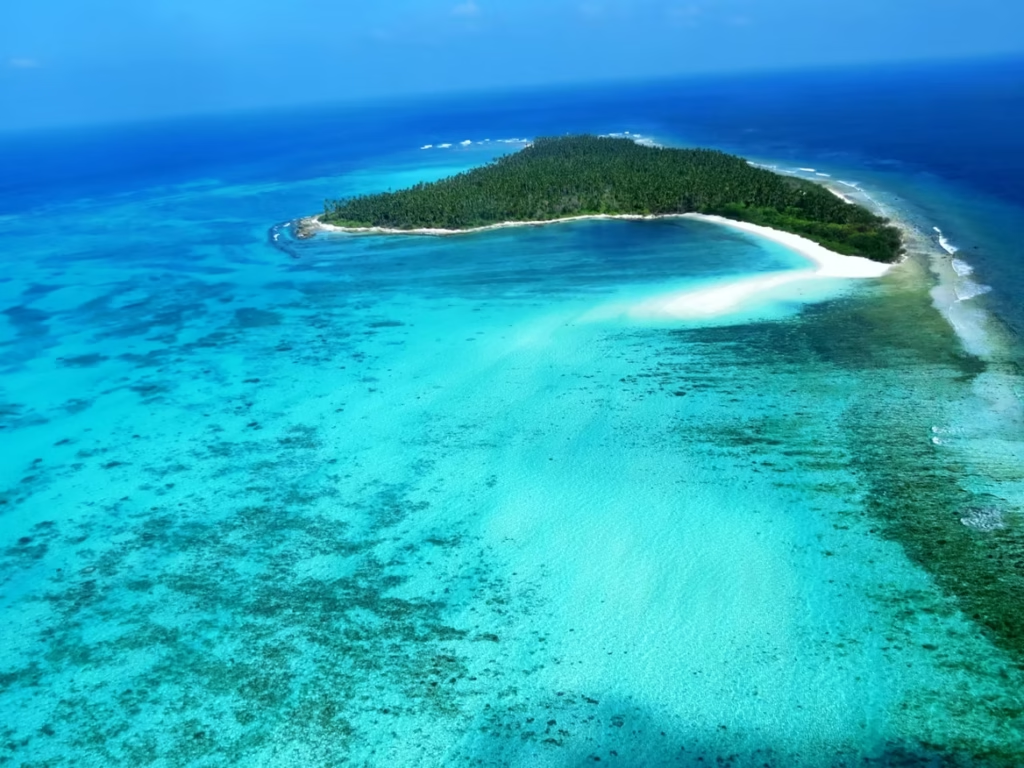
You’ve dreamed about Lakshadweep’s stunning beach screensavers and imagined yourself on those pearl-white shores, where the horizon melts into turquoise waters and time itself seems to pause. The islands have always carried a certain aura of mystery, often compared to faraway paradises like the Maldives, yet uniquely Indian in culture, tradition, and charm. But when it comes to actually planning your first visit, the process can feel overwhelming. Are you looking for a Lakshadweep travel guide? Do you have questions like: Which of the thirty-six islands are open to visitors? How do you get there? What should you pack, and when is the best time to go? And perhaps most importantly, how can you experience the islands authentically while also respecting their delicate environment and rich heritage? This blog is here to clear away that uncertainty. Think of it as your sacred manual, a Lakshadweep travel guide that not only answers these questions but also reveals the secrets that will make your inaugural Lakshadweep journey truly heavenly. From the cultural heart of Kavaratti to the tranquil shores of Kadmat, from Minicoy’s cultural blend to Bangaram’s postcard-perfect beaches, we’ll walk you through everything you need to know. By the time you finish reading, you’ll not only be ready to plan your trip with confidence, but you’ll also feel more connected to the soul of these islands long before you set foot on their sands. Lakshadweep Islands The Sanctuaries: Where Heaven Meets Earth Your Lakshadweep journey usually starts at Kavaratti, the main island, and the perfect place to get a real feel of the islands. Think of it as your warm welcome into this paradise. The local markets are buzzing with life, and you’ll see stalls stacked with coconuts, fresh seafood, and handmade crafts. It’s the best way to taste and feel how the locals live. If you want a sneak peek into what waits underwater, the Marine Aquarium is a must. You’ll spot bright, colorful fish, corals, and even sea creatures you’ve probably only seen on TV. The Ujra Mosque, with its peaceful vibe and beautiful old wooden design, is another stop that shows the island’s culture and history. But the real magic of Kavaratti is in the water. The lagoons here are calm, clear, and perfect for your first snorkeling or diving experience. Whether you’re just floating near the shore or going deeper with a dive instructor, you’ll see coral gardens and marine life that look straight out of a documentary. Imagine swimming with schools of neon fish or spotting a sea turtle gliding right past you; it’s a memory you won’t forget. Kavaratti sets the tone for your Lakshadweep trip. It’s fun, it’s beautiful, and it gives you just the right mix of local culture and island adventure. Kavaratti Islands, Sources: Incredible India Kadmat – The Calm Escape Kadmat is where you go when you just want peace. With long sandy beaches, crystal-clear lagoons, and zero crowds, it feels like your own private island. Days here are slow, perfect for sunbathing, swimming, or just lying back and doing nothing. The highlight? At night, the water sometimes glows with bioluminescence, tiny organisms that make the waves sparkle blue. It’s like nature’s own light show, and it’s pure magic. If you’re up for more, Kadmat also has snorkeling, diving, and kayaking. But honestly, the best thing to do here is relax and let the island’s calm vibes recharge you. Kadmat Island Minicoy – The Culture Mix Minicoy is the island where cultures meet. It feels a little different from the rest of Lakshadweep because it’s heavily influenced by the Maldives, and that’s what makes it so unique. Here you can climb the old lighthouse for insane sea views, watch the famous Lava dance performed by locals, and walk through fishing villages to see traditional island life up close. Of course, the reefs around Minicoy are a diver’s dream colorful corals, tropical fish, and crystal-clear water. And when it comes to food, the seafood here is as fresh as it gets. Minicoy is all about culture, color, and coral, perfect for travelers who want more than just beaches. Minicoy Island, Source: Medium Divine Cuisine: Savoring The Sacred Flavors Food in Lakshadweep is all about freshness. Most of what you eat here comes straight from the sea and is paired with coconuts, rice, and simple island spices. The result? Dishes that are bold, flavorful, and feel like they’ve been made just for you after a day in the sun and sand. Here are some dishes you can’t miss on your trip: Mas Riha – A traditional coconut-based fish curry that’s rich, creamy, and full of flavor. Every family has their own version, but no matter where you try it, you’ll remember it. Tuna Masala – Tuna is one of the island’s staples, and when it’s cooked with fiery spices and coconut oil, it turns into the ultimate comfort dish. Best enjoyed with rice or flatbread. Akra – Think of these as the island’s version of pakoras. Deep-fried fritters made with fish or veggies, crispy on the outside and soft inside. Perfect as a quick snack, especially with a cup of hot tea at sunset. Octopus Fry – For the more adventurous eater, this dish is bold and spicy, with flavors you won’t forget anytime soon. Coconut Shake – When the sun gets too hot, nothing beats a cold coconut shake. It’s refreshing, hydrating, and you’ll probably end up having more than one a day. What makes Lakshadweep’s food special is how connected it is to the islands themselves. Everything is local, caught in the ocean, picked from coconut trees, or grown in small island gardens. Eating here isn’t just about filling your stomach; it’s about experiencing the culture through flavors. Even a simple meal feels authentic, homely, and satisfying. Don’t worry we are listing everything for your in this Lakshadweep travel guide! If you’re a foodie, Lakshadweep is heaven. And even if you’re not, the freshness of the dishes, the simplicity
Lakshadweep: A Tropical Haven

Imagine what the world would be like without turquoise waters shimmering in the heat, white sandy beaches stretching for miles, and leaf-like coral reefs teeming with marine life. Where the music of the sea is the music of the gentleman, and all sunrisings are newborn days. Lakshadweep is a little-known paradise in India and one of the most beautiful tropical archipelagos in the world. The cluster of 36 small islands, located in the Arabian Sea, is a paradise of no less than that. It is quite literally called a hundred thousand islands, though there are not that many, but the beauty here does not have any limits. Throughout this travel guide, we will walk you through all the information you need to know about Lakshadweep, including some of the best places to visit and the exciting activities to do in the water, as well as the best tips to pack, and some of the most common questions. Towards the end, you will be at the point to design the ultimate island escape and understand it is known as Lakshadweep: A Tropical Haven. Lakshadweep Why Visit Lakshadweep? Lakshadweep remains among the purest places of all in India, with an ideal balance of adventure and the serenity every tourist needs. People are coming and going in the other travel spaces but the islands are untouched and less frequented to allow the experience to be exclusive and intimate. Here is the reason why Lakshadweep is on your travel bucket list: Clean Beaches – White sandy beaches with crystal clear waters where people can swim and sunbathe. Thrilling Water Adventures – Snorkeling, scuba diving, kayaking, and others to get an adrenaline rush. Exclusive Marine Life – It contains colored coral and exotic marine life. Peaceful Getaway– a relaxing vacation in the midst of the bustle of city life. Cultural Richness– Find out what the locals in the island communities’ culture and hospitality are like. Island Hopping in Lakshadweep Island hopping is the most suitable way to visit Lakshadweep because the islands have something to offer. These are the best islands that you should not miss: 1. Kavaratti – The Cultural Heart Start at the Lakshadweep capital of Kavaratti. The island is perfect regarding the balance between nature and culture because it is reputed to be serene and has lovely lagoons and stunning landscapes. Best things to do in Kavaratti: Exhibit and visit the local marine biodiversity in the Marine aquarium and museum. Visit Ujra Mosque, which has a special structure and was built centuries ago. You can take long walks on the beaches and have a peaceful sunset. You can also go snorkeling or take a glass-bottom boat ride to see colorful coral reefs. Kavaratti is the best place to have a good time and take in culture at the same time. Kavaratti: The capital of Lakshadweep 2. Agatti – The Adventure Hub Agatti Island is the heaven of adrenaline junkies. Most visitors enter through it because it is the only airstrip in Lakshadweep. Why visit Agatti: Considered to have exciting water sports activities such as scuba diving, jet skiing, kayaking, and windsurfing. It also has the most colorful coral reefs in India, which provide one of the best snorkeling experiences. Perfectly suited to less practiced and more expert divers. Crystal-clear lagoons in Agatti have transformed the island into the best spot to explore the underwater world. Agatti: Water Sports Hub 3. Kadmat – The Peaceful Retreat Kadmat Island is the paradise of any traveler who wants to be alone and feels more relaxed. It has a more intimate and romantic feel with the long sandy beaches and insanely breathtaking coral reefs. Top activities in Kadmat: Rest in a hammock as you tan. Play beach volleyball, swim, or walk along the beach. Kadmat is the perfect place to be when one wants to relax during a honeymoon or as a couple. Kadmat Beach 4. Bangaram – The Hidden Gem Bangaram is an untouched island, thus regarded as one of the most exclusive places to visit. It has blue waters and pure, untouched beaches that make it ideal for photography lovers and nature enthusiasts. Why Bangaram is special: Isolated, serene, and impossibly beautiful. Good deep-sea fishing area as well as a diving area. An amorous outing without people. Things to Do in Lakshadweep: A Tropical Haven There is more to Lakshadweep than lying on the beach (but that is also a good choice). Some of the activities that one must not leave out are as follows: Snorkeling and Scuba Diving Discover the sea life at Lakshadweep. The experience here is comparable to the most exotic fish species in the world due to its colorful coral reefs and exotic fish species. Kayaking and Canoeing Cruise along smooth lagoons and mangroves, and coral reefs. It is calm and suitable for novice and advanced paddlers. Glass-Bottom Boat Rides A boat ride on top of the glass bottom is the perfect day for viewing the sea inhabitants without getting wet if you are not prepared to dive. Cultural Exploration Explore the quaint villages in the country, mingle with the hospitable natives in the islands, and learn about the country’s products and foods of Lakshadweep. Picnics and leisure on the beach. In some cases, there is no better plan than no plan. Take a book, drink fresh coconut water, and relax. Best Time to Visit Lakshadweep The climate on the islands is tropical throughout the year, although the best months to travel are between October and March. During this period: It is a good summer with great weather. The open ocean is the water, and therefore, the water sports are quite safe and enjoyable. Snorkeling and diving visibility are at their best. One is advised not to travel during the monsoon season (June to September) when rains and rough seas can spoil the travel plans. Travel Tips for Lakshadweep It takes a little planning to visit Lakshadweep: A Tropical Haven. Here are a few key tips: Get
Lakshadweep Island – An All-Age Vacation Guide for Families

Discover the allure of Lakshadweep Island as the ultimate family getaway destination! Dive into turquoise waters, lounge on pristine beaches, and immerse in cultural delights. From beach bliss to marine marvels and enriching cultural experiences, this guide unveils why Lakshadweep is perfect for all-age vacations. Plan your tropical adventure today! Lakshadweep Islands Welcome to the jewel of the Indian Ocean, where turquoise waters meet pristine beaches and cultural wonders await at every turn. Lakshadweep, with its serene landscapes and vibrant marine life, is not just a destination for the adventurous souls but also a perfect spot for families seeking a memorable vacation. In this guide, we’ll take you through a journey of discovery, showcasing why Lakshadweep is ideal for an all-age vacation packed with fun activities and cultural experiences. Why Choose Lakshadweep for a Family Vacation? Picture this: You and your family stepping onto the soft sands of Agatti Beach, the gentle waves inviting you for a swim while the kids build sandcastles. Lakshadweep offers a safe and tranquil environment perfect for families. The island’s secluded beaches ensure privacy, while its crystal-clear waters make swimming and snorkeling a delightful experience for all ages. A family on a beach Lakshadweep’s All-Age Activities Beach Bliss for Everyone The beaches of Lakshadweep are nothing short of paradise. Bangaram, known for its serene ambiance and swaying palm trees, is a favorite spot for families. Imagine spending a day here, soaking in the sun while the kids splash in the shallow waters, collecting seashells as souvenirs. Sunset For a more adventurous experience, head to Kadmat Island. Its untouched beauty and calm waters make it an ideal spot for snorkeling. Imagine snorkeling alongside your kids, marveling at the colorful fish and vibrant coral reefs beneath the surface. Marine Marvels to Explore Lakshadweep’s underwater world is a treasure trove of marine life. Take your family on a snorkeling or diving expedition to witness the wonders beneath the waves. Spotting sea turtles gliding gracefully or encountering playful dolphins is a memory your family will cherish forever. Sea-Turtle Cultural Immersion for Enriching Experiences Beyond its natural beauty, Lakshadweep offers rich cultural experiences. Attend a traditional dance performance where the rhythms of the islands come alive. Let your kids participate in local handicraft workshops, learning the art of weaving or shell crafting from skilled artisans. Visit Minicoy Island to explore its historical lighthouse, offering panoramic views of the island’s coastline. The Archaeological Museum provides insights into Lakshadweep’s heritage, perfect for a family outing filled with learning and discovery. Shells Best Time to Visit Lakshadweep for Families Planning your family vacation to Lakshadweep? Consider visiting between October and May for the best weather and water conditions. This period offers calm seas, ideal for water activities, and comfortable temperatures for beach outings and exploration. Family-Friendly Accommodations and Dining Lakshadweep offers a range of family-friendly accommodations, from beach resorts to cozy guesthouses. These establishments often provide amenities like kids’ play areas, swimming pools, and babysitting services, ensuring a comfortable stay for families. When it comes to dining, indulge in local seafood delicacies like fresh fish curry or grilled lobster. Don’t miss out on traditional Malabar cuisine, with its flavorful spices and aromatic rice dishes. For the little ones, restaurants and resorts offer a variety of kid-friendly meals, ensuring everyone’s tastes are catered to. Tips for a Memorable Family Vacation in Lakshadweep Pack Wisely: Bring along sunscreen, hats, and beach essentials for protection from the sun. Stay Hydrated: Keep water bottles handy, especially during outdoor activities. Respect Local Customs: Familiarize yourself with local customs and dress modestly when visiting cultural sites. Safety First: Follow safety instructions during water sports and activities to ensure a safe experience for everyone. Conclusion: Create Unforgettable Memories in Lakshadweep Lakshadweep is more than just a vacation destination; it’s a gateway to creating lasting memories with your family. Whether it’s building sandcastles on the beach, snorkeling among vibrant marine life, or immersing yourselves in the island’s rich culture, Lakshadweep offers something for every member of your family. Plan your all-age vacation to this tropical paradise and embark on a journey filled with fun, adventure, and moments to treasure forever.
Andaman and Nicobar Islands: Beyond Beaches – Trekking Adventures

Explore the diverse landscapes of the Andaman and Nicobar Islands beyond the pristine beaches through thrilling trekking adventures. When we think of the Andaman and Nicobar Islands, pristine beaches often dominate our imagination. However, beyond the sun-kissed shores lies a realm of adventure waiting to be explored. From dense forests to picturesque waterfalls, there are countless hidden treasures to uncover. Take the road less travelled and be rewarded with breath-taking views and a sense of adventure. Andaman and Nicobar These hidden gems offer a sense of tranquility and serenity that is hard to find in more popular tourist destinations. Challenging Trekking Trails Await If you’re up for a challenge, the Andaman and Nicobar Islands offer a range of trekking trails that will put your skills to the test. Whether you’re an experienced hiker or a beginner looking for an adrenaline rush, there’s a trail for everyone. Trekking Trail The islands are home to diverse landscapes, including rugged mountains, dense forests, and rolling hills. Each trail offers a unique experience, with varying levels of difficulty. From steep ascents to rocky terrains, you’ll be tested both physically and mentally. But the effort is worth it, as you’ll be rewarded with stunning panoramic views and a sense of accomplishment. Let’s delve into the lesser-known trekking trails of these enchanting islands Andaman trek trails 1.) Ross and Smith Island Trek: The Ross and Smith Island Trek offers a unique experience, where travelers traverse a narrow strip of land connecting two picturesque islands, surrounded by turquoise waters. The gentle sway of coconut palms and the rhythmic lull of waves create a sensory feast like no other. Ross and Smith Island Trek, Credits: Experience Andaman 2.) Mount Harriet National Park Trek: For those seeking a more rugged terrain, the Mount Harriet National Park Trek provides an exhilarating journey through dense forests and rolling hills. The panoramic views of the surrounding islands from the summit leave trekkers breathless, both from the trek and the sheer beauty of nature. Mount Harriet National Park Trek, Credits: wildlifezones.com Mount Harriet National Park Trek, Credits: wildlifezones.com Nicobar Hiking Adventures 1.) Galathia to Kondul Island Trek: This trek takes you through the pristine forests and coastal landscapes of Nicobar. Starting from Galathia Beach, you’ll hike along rugged trails, cross streams, and witness stunning views of the ocean. The trail leads to Kondul Island, known for its secluded beaches and tranquil atmosphere. Island 2.) Campbell Bay National Park Trek: Explore the rich biodiversity of Nicobar at Campbell Bay National Park. The trek within the park offers encounters with diverse flora and fauna, including rare bird species like the Nicobar pigeon. The trail takes you through dense forests, freshwater streams, and scenic viewpoints, providing a memorable adventure in Nicobar’s wilderness. Campbell Bay Cultural Encounters Along the Trekking Routes Trekking in the Andaman and Nicobar Islands is not just about exploring nature, but also about immersing yourself in the local culture. Along the trekking routes, you’ll have the opportunity to interact with the indigenous tribes that call these islands home. Learn about their unique way of life, traditions, and customs. Engage in cultural exchanges and gain a deeper understanding of the rich heritage of the Andaman and Nicobar Islands. These encounters will not only enrich your trekking experience, but also leave a lasting impression. Tribes Essential Tips for a Memorable Trekking Experience To ensure a memorable trekking experience in the Andaman and Nicobar Islands, here are some essential tips to keep in mind: – Pack light and carry only the essentials. A heavy backpack can make your trek more challenging and tiring. – Wear comfortable and sturdy hiking shoes to protect your feet from rough terrains. – Stay hydrated throughout your trek by carrying an adequate amount of water and drinking regularly. – Apply sunscreen and wear a hat to protect yourself from the sun’s rays. – Follow the instructions of your guide and stay on designated trails to minimize your impact on the environment. ` By following these tips, you’ll be well-prepared for an unforgettable trekking adventure in the Andaman and Nicobar Islands. As we reluctantly say goodbye to the sun-kissed shores, it’s evident that the Andaman and Nicobar Islands are much more than just beaches; they’re a treasure trove of thrilling trekking adventures. From lush jungles to hidden coves, each path weaves a tale to be told. So gather your gear, tie your shoelaces, and dive into the wilderness. The call of adventure awaits, urging you to explore beyond the shoreline. Know more about this destination here.
Andaman and Nicobar Islands: Diving into Underwater Wonders
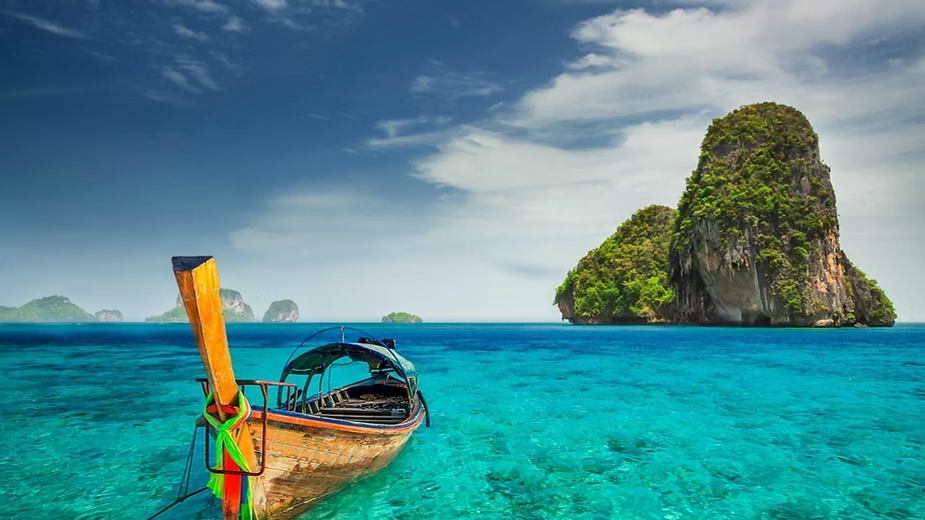
Discovering Andaman Scuba Diving The Andaman and Nicobar Islands are a paradise for scuba diving enthusiasts. With crystal-clear waters, diverse marine life, and stunning coral reefs, it offers an unforgettable experience for underwater explorers. Andaman and Nicobar Islands Andaman scuba diving opens up a whole new world beneath the waves. Dive into the depths and discover the vibrant colors and unique ecosystem that exists below the surface. With visibility of up to 40 meters, you’ll be able to see the coral reefs in all their glory. Whether you’re a beginner or an experienced diver, there are plenty of diving spots to choose from in the Andaman Islands. Havelock Island, Neil Island, and North Bay Island are some of the popular destinations known for their rich marine biodiversity. During your scuba diving adventure, you may come across majestic creatures like manta rays, sea turtles, and even dolphins. The underwater landscape is also home to a variety of coral species, including the rare black coral. Scuba Diving With professional dive operators and certified instructors, you can rest assured that your diving experience in Andaman will be safe and enjoyable. They provide all the necessary equipment and guidance to ensure a memorable underwater journey. So, pack your diving gear and get ready to plunge into the enchanting world of Andaman scuba diving. Click here to get your free personalized travel itinerary. Explore the underwater wonders and create memories that will last a lifetime. Exploring the Underwater Wonders Once you dive beneath the surface of the Andaman Sea, you’ll be amazed by the underwater wonders that await you. The coral reefs here are teeming with life, offering a kaleidoscope of colors and shapes. As you swim through the clear waters, you’ll encounter a variety of marine species. From tropical fish in all shapes and sizes to graceful sea turtles gliding through the currents, each dive brings a new adventure. Coral Reefs One of the highlights of exploring the underwater wonders is the chance to witness the unique symbiotic relationship between corals and other marine organisms. The coral reefs provide a habitat for countless species, from tiny shrimp to large groupers. For those interested in underwater photography, the Andaman Islands offer plenty of opportunities to capture the beauty of the marine world. From close-up shots of vibrant corals to wide-angle shots of schools of fish, there’s something for every photography enthusiast. Whether you’re snorkeling or scuba diving, take your time to explore the nooks and crannies of the coral reefs. You never know what hidden treasures you might discover, from hidden caves to colorful nudibranchs. Black Nudibranchs in Andman Sea With every dive, you’ll be mesmerized by the underwater wonders of the Andaman and Nicobar Islands. It’s a truly magical experience that will leave you in awe of the beauty and diversity of the marine ecosystem. Encountering Marine Biodiversity The Andaman and Nicobar Islands are known for their rich marine biodiversity. With over 500 species of corals and a wide variety of marine life, it’s a haven for nature enthusiasts and conservationists alike. During your underwater adventure, you’ll have the opportunity to encounter a myriad of marine species. From colorful reef fish like butterflyfish and angelfish to larger predators like barracudas and sharks, there’s always something fascinating to see. The coral reefs of the Andaman Islands are not only home to fish but also to a wide range of invertebrates. Keep an eye out for delicate sea fans, elegant sea anemones, and tiny crustaceans that call the reefs their home. Butterflyfish Angelfish One of the most unique encounters you can have in the Andaman Sea is swimming alongside majestic sea turtles. These gentle creatures can often be spotted gliding through the water, providing a truly unforgettable experience. Majestic Sea Turtle The marine biodiversity of the Andaman and Nicobar Islands is a testament to the importance of preserving and protecting this fragile ecosystem. By practicing responsible diving and supporting conservation efforts, we can ensure that future generations can also enjoy the wonders of these underwater habitats. Diving Tips and Safety Measures Before embarking on your scuba diving adventure in the Andaman and Nicobar Islands, it’s important to be well-prepared and aware of the necessary safety measures. First and foremost, make sure you are physically fit and in good health before diving. If you have any medical conditions, consult a doctor beforehand to ensure that diving is safe for you. Always dive with a certified instructor or dive master who is familiar with the local dive sites. They will guide you through the underwater world and ensure that you have a safe and enjoyable experience. Remember to do a thorough equipment check before each dive. Check your mask, fins, and other gear to make sure everything is in proper working order. When diving, always follow the buddy system and stay close to your dive partner. Finally, be mindful of your impact on the marine environment. Avoid touching or damaging coral reefs, and do not disturb or chase marine life. By being a responsible diver, you can help preserve the fragile ecosystem and contribute to its conservation. Preserving the Marine Ecosystem The Andaman and Nicobar Islands are blessed with a unique and fragile marine ecosystem. It’s our responsibility to protect and preserve this natural wonder for future generations to enjoy. One of the most important ways we can contribute to the preserve the marine ecosystem is by practicing responsible diving. This means respecting the underwater environment, following diving guidelines, and not disturbing or damaging marine life or coral reefs. Supporting local conservation efforts is another way to make a positive impact. Many organizations in the Andaman Islands are working tirelessly to protect the marine environment. By volunteering or donating to such organizations, you can help ensure the
The Andaman & Nicobar Islands Railway Station: A Hidden Gem in the Indian Ocean

Introduction: Where Trains Meet the Sea When travelers think of the Andaman & Nicobar Islands, images of turquoise waters, swaying palm trees, and coral reefs come to mind. What few know is that there is a unique landmark that marries architecture, culture, and nature – the Andaman & Nicobar Islands Railway Station. Picture yourself standing on the platform of a railway station, where the rhythm of the trains dances to the melody of waves, coconut palms sway in the sun and the salty sea breeze drifts outside. This station is more than just the trains that pass through it – it provides a glimpse into the soul of the islands. For travelers arriving in the archipelago via Port Blair, many travelers find themselves extending their stay longer than planned, enamored by the island spirit and charm of the station. If you are looking for hidden gems on the islands and to experience the Andaman like a local, The Tarzan Way can tailor a bespoke itinerary that incorporates the railway station as part of the adventure itinerary along the beaches, diving trips and cultural experiences. Why the Andaman Railway Station is Special Eco-Friendly Infrastructure: Solar panels, rainwater harvesting, and sustainable materials preserve the environment. Architecture Blending with Nature: Thatched roofs, wooden beams, and artisan carvings reflect local culture. Scenic Views: Platforms overlook pristine beaches, coconut groves, and coral-rich waters. Cultural Hub: Friendly staff and occasional folk performances make the station lively. Photography Heaven: Ideal for travelers who want to capture the island’s beauty. Pro Tip: Combine a visit to the station with The Tarzan Way’s curated Andaman itineraries for a complete travel experience. Design and Architecture: A Harmony of Tradition and Sustainability The station is designed to honor the natural environment while showcasing Nicobari and Andamanese culture: Materials: Local timber, stone, and sustainable composites. Roofing: Thatch-inspired design to blend with the coastal environment. Energy: Integrated solar panels and rainwater harvesting. Landscaping: Native plants and flora surrounding the station. This makes it one of the unique stations in Andaman, demonstrating how infrastructure can harmonize with nature rather than disrupt it. Cultural Experiences at the Station One of the most enchanting aspects of this station is the human touch. Travelers can interact with locals, learn island stories, and enjoy spontaneous cultural moments: Folk music performances on shaded platforms Storytelling by station staff about Andamanese culture and history Local artisan displays showcasing traditional handicrafts Even if trains aren’t running, the station itself offers a cultural journey. This blog ensures travelers don’t miss these authentic experiences while exploring Andaman’s hidden gems. Scenic Beauty Around the Station The station isn’t just an architectural marvel—it’s surrounded by breathtaking scenery: White sandy beaches stretches into the horizon Coconut groves rustle in the sea breeze Turquoise waters and coral gardens perfect for diving and snorkeling Ideal sunset and sunrise spots for photography Many visitors combine their station visit with nearby beaches, taking in both natural beauty and local culture. Nearby Attractions and Activities Whether you’re a beach lover, a diver, or a cultural enthusiast, the station is a perfect starting point: 1. Beaches Short walks to secluded shores Relaxation and swimming Sunset views over the Indian Ocean 2. Coral Reefs and Diving Guided diving trips to Havelock and Neil Islands Snorkeling coral Andaman tours for beginners Glass-bottom boat rides for non-swimmers 3. Cultural Tours Local markets and handicraft villages Folk music and storytelling events Interaction with artisans 4. Eco-Tourism Learn about sustainable building and eco-friendly practices Observe how the station blends with the environment Responsible travel tips included in The Tarzan Way itineraries Pro Tip: Plan your station visit along with eco-tours and diving trips via The Tarzan Way, which ensures every activity respects local culture and nature. Travel Information Topic Details Location Near Port Blair, Andaman & Nicobar Islands Best Time to Visit October – May (dry season, calm seas) Entry Open for sightseeing, photography, and cultural experiences Transport Taxi, local bus, or combination of ferry and road for nearby islands Nearby Hotels Eco-lodges and resorts recommended in Andaman travel guides For more information about Andaman & Nicobar Islands you can checkout our Blogs: Are Andaman and Nicobar Coral Islands? How were Andaman and Nicobar Islands Formed? Andaman and Nicobar Islands: Tropical Paradise Reimagined. FAQs Q. What is the Andaman & Nicobar Islands Railway Station? It is a unique cultural and architectural landmark in the Andaman Islands, blending sustainable design with natural beauty. Q. Where is the Andaman & Nicobar station located? The station is situated near Port Blair, making it easily accessible for travelers before exploring Havelock, Neil, or other islands. Q. Is it operational for trains? While it resembles a railway station, it primarily functions as a cultural and tourist site rather than serving regular train operations. Q. What makes it eco-friendly? The station uses solar power, rainwater harvesting, native plants, and sustainable materials to minimize environmental impact. Q. Can visitors enter for sightseeing? Yes, visitors can explore the station, take photographs, enjoy cultural activities, and admire scenic ocean and beach views. Q. Are there nearby attractions? Nearby attractions include pristine beaches, coral reefs, local markets, cultural centers, and eco-tourism activities for travelers. Q. What cultural experiences are offered? Travelers can enjoy folk music, storytelling by locals, artisan displays, and insights into traditional Andamanese culture. Q. How do I reach the station? Visitors can reach the station via taxi, local bus, or a combination of ferry and road transport when coming from nearby islands. Q. When is the best time to visit? The ideal time to visit is October through May, during the dry season, for calm seas, clear skies, and perfect sightseeing. Q. Can beginners enjoy diving and snorkeling? Yes, beginners can safely enjoy snorkeling, guided diving tours, and glass-bottom boat rides to explore the vibrant reefs. Why Visit the Andaman & Nicobar Islands Railway Station? Experience Andaman architecture blending with nature Enjoy eco-conscious design while exploring tropical beauty Interact with locals and learn island culture Visit nearby beaches, coral reefs, and markets