

Best Time to Visit Switzerland for Snow & Summer Trips
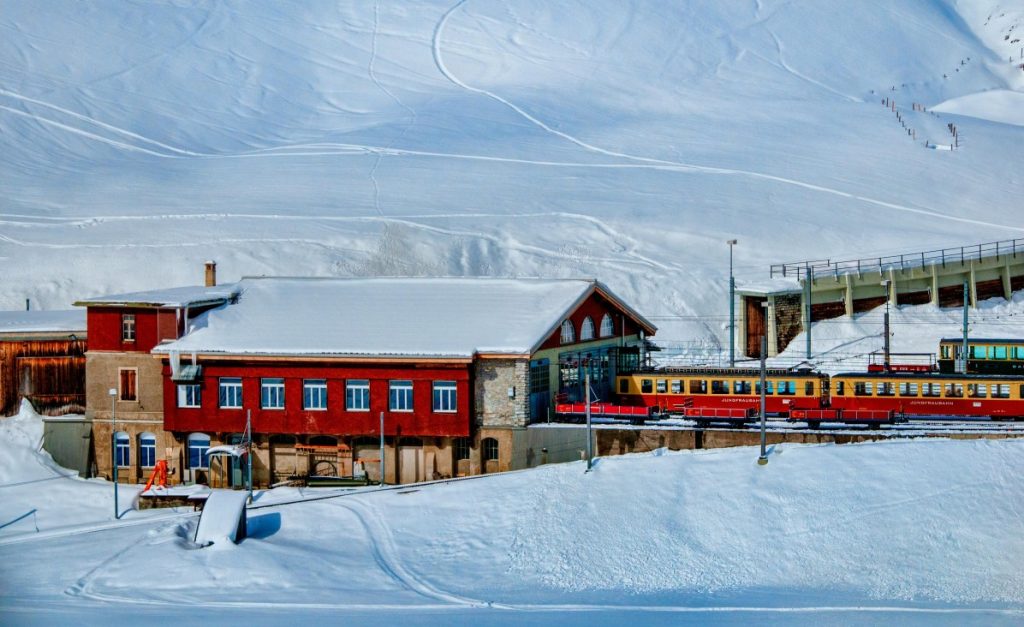
Switzerland is a dream trip destination with experiences for all types of travelers, from snow peaked mountains, sparkling lakes, charming medieval villages, and bustling cities. Whether taking a honeymoon trip, a family trip, a solo trip, or with a group, understanding the best time to visit is an important first step. You will have the possibility of a successful trip if you do your due diligence by planning your Switzerland itineraries creative tour packages that help you safely maximize your adventure, sightseeing, or relaxation efforts throughout your journey. Understanding Switzerland’s Seasons Switzerland transforms dramatically with the seasons, each offering unique experiences: Spring (March–May): Lower elevation snow melts; green meadows and blooming wildflowers abound. Perfect for walking tours, exploring the city, or taking photos in Zurich, Bern, and Lucerne. Less tourists mean you will enjoy sightseeing more. Summer (June–August): The mountains of the Alps are rich in greenery, with trails and lakes about which to create adventure. Cities are a vibrant hub of open-air markets, cultural festivals, and outdoor happenings. It is a place for families and couples and for people who are traveling alone to connect with nature and culture. Autumn (September–November): Switzerland turns golden and crimson; vineyards, alpine meadows, and forests are picturesque. Perfect for wine and food festivals, and a budget-friendly travel experience. Winter (December–February): The country is blanketed with snow: a winter paradise for skiing, snowboarding, tobogganing, and snowshoeing. Ideal for quaint honeymoon packages and delightful chalets. Visit Christmas markets, sip Swiss hot chocolate, and enjoy stunning train travel. Snow & Winter Activities For snow lovers, Switzerland in winter is unbeatable: Skiing & Snowboarding: Zermatt, St. Moritz, Verbier. Winter Adventures: Sledding, snowshoeing, winter hiking. Romantic Escapes: Chalets, private ski lessons, scenic gondolas. Festive Highlights: Christmas markets in Lucerne, Zurich, and Geneva. Booking guided tours or tour packages ensures safety, convenience, and access to hidden gems. Summer & Outdoor Adventures The Summer brings endless outdoor activities and city exploration: Hiking: Swiss Alps trails with panoramic views. Water Activities: Swimming, paddleboarding, or boat rides on Lake Geneva, Lucerne, and Thun. City Exploration: Zurich, Lucerne, Bern, and Interlaken offer culture, markets, and nightlife. Festivals: Open-air concerts, cultural events, and food fairs. Summer evenings are perfect for local cuisine, riverside cafés, and social nightlife. Must-Visit Cities & Attractions Lucerne: Medieval architecture, Chapel Bridge, and Lake Lucerne. Zurich: Modern city life, museums, shopping, and riverside strolls. Geneva: Jet d’Eau, lakeside promenades, and cosmopolitan vibes. Zermatt & Matterhorn: Skiing, hiking, and iconic alpine views. Interlaken: Adventure hub for paragliding, lake cruises, and hiking. Budget travelers can enjoy free attractions like hiking trails and lake promenades, while luxury seekers can opt for scenic train rides and private experiences. Suggested 7–10 Day Itinerary Days 1–2: Zurich – Old Town, Lake Zurich, museums. Day 3: Lucerne & Mt. Pilatus – Cable car, city strolls. Days 4–5: Interlaken & Jungfrau – Paragliding, hiking, lakes. Day 6: Zermatt & Matterhorn – Ski or summer hikes. Days 7–8: Geneva & Montreux – Jet d’Eau, Château de Chillon, vineyards. Days 9–10: Bern – Medieval streets, Zytglogge Clock Tower, local markets. Using a Switzerland travel planner ensures you balance nature, adventure, and urban exploration. Travel Tips Transport: Swiss Travel Pass for trains, buses, and trams. Accommodation: Budget hostels, mid-range hotels, luxury alpine resorts. Packing: Layered clothing, hiking shoes, swimwear. Etiquette: Punctuality, modest attire in churches, tipping appreciated but optional. Budget Travel: Eat at local cafés, use self-catering, and explore free attractions. Honeymoon & Romantic Experiences Switzerland is perfect for romance: Scenic train rides on Glacier Express or Bernina Express. Sunset cruises on Lake Geneva. Luxury spa retreats and chalet stays. Ski resorts for winter romance. Honeymoon packages combine private tours, romantic accommodations, and curated itineraries. FAQs Best time to visit: April–June (spring), July–Sept (summer), Dec–Feb (winter). Cities to visit: Zurich, Lucerne, Geneva, Interlaken, Zermatt, Montreux. Solo travel safety: Very safe with reliable transport. Must-see attractions: Matterhorn, Jungfraujoch, Rhine Falls, Lake Geneva, Château de Chillon. Budget options: Hostels, public transport, self-catering. Honeymoon packages available: Yes, with romantic experiences. Ideal itinerary: 7–10 days covers highlights comfortably. Nightlife: Zurich, Geneva, Interlaken – clubs, bars, live music. Switzerland is a utopia for nature lovers, adventurers, culture lovers, and honeymooners. From skiing the Alps to exploring quaint towns, skiing, enjoying lakes, and city life, it has it all. With a Switzerland travel guide or package, a considerate approach will help develop the perfect travel plan that includes the desired levels of adventure, relaxation, and romance. Start planning your unique escape to Switzerland now and enjoy the magic mix of snow, summer, culture, and adventure. Ready to explore every corner of Switzerland? Scroll down to dive into the complete Switzerland travel guide and discover the best seasons, cities, activities, and hidden gems for your perfect snow or summer trip. Switzerland Awaits, Any Season is Magical Switzerland is a country that feels like it was lifted out of a storybook. Snow-capped mountains, pristine lakes, medieval villages, and vibrant cities make it a dream place to visit for every type of traveler. Whether you’re planning your honeymoon, a family getaway, a solo trip, or even a group trip, knowing when the best time is to visit Switzerland is important to help you have the best experience possible. Take Anna and Marco from Italy who wanted to visit Switzerland for their honeymoon, for example. They began planning their trip for several months using a Switzerland travel guide, and a Switzerland trip planner. Ultimately, by organizing their days, they were able to do snow sports in Zermatt, summer hiking in Interlaken, or cultural walks in Lucerne – all in one trip. A structured Switzerland travel itinerary is a must to incorporate the full range of adventure, sightseeing, and relaxation for a rewarding trip and to maximize the value of each trip. With customized and curated Switzerland tour packages, tourists will experience popular attractions and hidden gems, from elevated views of the mountains to quaint Swiss villages. Whether it’s your first time traveling to Switzerland or planning a romantic trip with
9 Indian Ancient Ruins to See to Get Away from Technology
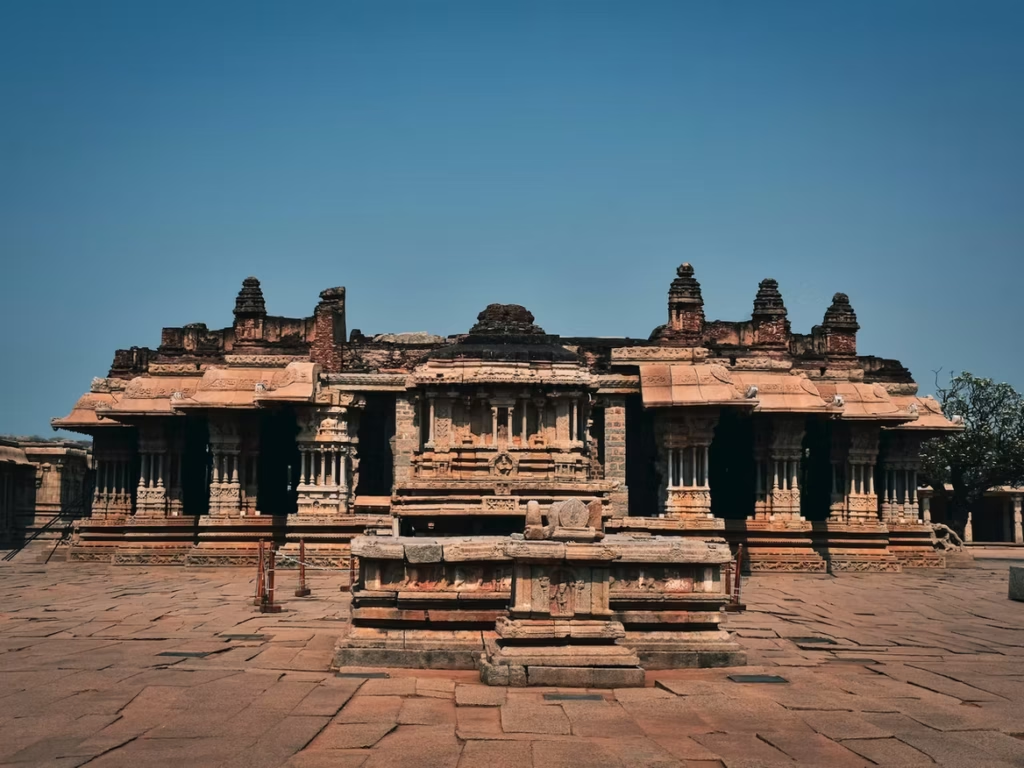
With all the notifications, scrolling, and buzzing of digital life, the need to disconnect has never been stronger. A lot of the time, we dream of going somewhere where we can turn off our phones, clear our heads, and just be in the moment. A beach or a mountain retreat is a great choice, but the ancient ruins of India are a special kind of peaceful place that has been quiet for hundreds of years. These old buildings are full of forgotten stories from the past, showing off the amazing art and engineering of our ancestors. When you visit them, it’s like going back in time to a place without Wi-Fi and deadlines. They want you to walk around, think, and hear the whispers of the past. These peaceful and quiet places are the best places to go to get away from technology. It’s a chance to get away from the noise and reconnect with nature, history, and yourself. “So, get ready to pack your favorite books and a basket for a picnic. These 9 amazing old ruins in India are great places to get away from the modern world.” 1. Raigad Fort in Maharashtra: The Capital of an Empire A picture from a Wikipedia page Raigad Fort was the capital of the great Maratha warrior Chhatrapati Shivaji Maharaj. It is on top of a huge hill in the Sahyadri mountains. This fort, which was thought to be impossible to break into, is a symbol of Maratha pride and is known as the “Gibraltar of the East.” Why It’s Great for a Digital Detox: Walking around the fort is a great way to stay active and present because it is so big. From the top, the views of the valleys and hills all around are amazing and make you feel like you’re on top of the world. The Story Behind the Ruins: Shivaji was crowned king at the fort and spent a lot of time there during his reign. You can see the ruins of his court, public spaces, watchtowers, the main market, and his tomb today. Traveling Toolkit: The best time to go is from September to March. The monsoon season is also pretty, but the trek can be slippery. Things to Do: You can either hike up the 1,737 steps to the top, which takes about 2–3 hours, or take a 4-minute scenic ride on a ropeway. Visit the ruins and take in the beautiful views. Pro Tip: Choose to hike up and take the ropeway down as a pro tip. The hike is worth it, and you’ll have more energy to explore the big fort area at the top before taking a nice ride down. 2. The Martand Sun Temple in Jammu and Kashmir is a wonder of the Himalayas A picture from a Wikipedia page The Martand Sun Temple is one of the most beautiful and underrated ancient ruins in India. It stands proudly against a backdrop of snow-capped Himalayan peaks. King Lalitaditya built this temple in the 8th century to honor Surya, the Sun God. Why It’s Great for a Digital Detox: The temple is in a quiet, open field near Anantnag and gives off a deep sense of peace. The ruins are grand, and the Kashmir valley is beautiful. It’s a great place to think and take pictures. The Story of the Ruins: The temple is a great example of Kashmiri architecture because it combines styles from Gandhara, Gupta, Greece, and Rome. Even though it is in ruins, its beautiful colonnades and detailed carvings still give a sense of how grand it used to be. Traveler’s Toolkit: The best time to go is from April to October, when the weather is nice. Things to Do: Look at the temple’s architecture, have a quiet picnic on the lawns, and take pictures of the ruins with the beautiful mountains in the background. Pro Tip: Get a local guide from Anantnag. A guide can help you understand the temple’s history and the meaning of its unique architectural features. 3. Hampi, Karnataka: The Lost Empire of Boulders A picture from Unsplash- Sandip Hampi was once the beautiful capital of the powerful Vijayanagara Empire. Now, it is a UNESCO World Heritage Site and one of the most beautiful places in India. The remains of grand temples, royal palaces, and busy markets are scattered across a strange landscape of huge, rust-colored boulders and lush green rice fields. Why It’s Great for a Digital Detox: The size of Hampi is so big that it makes you want to walk, bike, and explore for hours. The Tungabhadra River flows peacefully through the otherworldly landscape, which has a calming effect that makes you forget about your phone. The Story Behind the Ruins: Hampi was a rich, busy city from the 14th to the 16th centuries, known for its art and architecture. After it was taken over and left in ruins, its glory came to an end. Today, all that is left is a stunning open-air museum. The Vittala Temple, with its famous stone chariot and musical pillars, shows how skilled people were at the time. Traveler’s Tools: The best time to go is between October and February, when the weather is nice. Rent a bike or scooter to see the huge ruins, take a coracle boat ride on the river, climb Matanga Hill for a beautiful view of the sunset, and listen to the musical pillars at Vittala Temple. Pro Tip: If you want a more relaxed and disconnected vibe, stay in a guesthouse on the “hippie island” side of the river (Anegundi). There isn’t much internet access here, so you’ll have to naturally take a break from technology. 4. Dhanushkodi, Tamil Nadu: The Ghost Town at the End of the World A picture from the Wikipedia website Dhanushkodi is a ghost town that is hauntingly beautiful. It is on the southeastern tip of Pamban Island. In 1964, a terrible cyclone wiped out the whole town, which used to be a busy ferry
Shimla Guide: Discover the Charm of the Hills
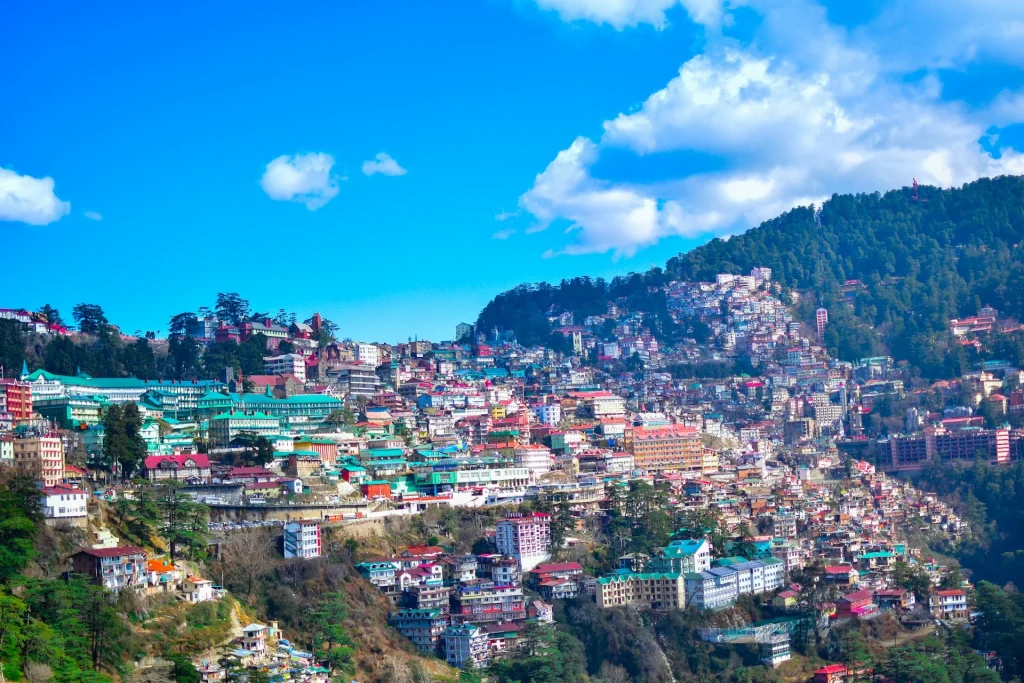
Where the Hills Echo: An Introduction, The Past Picture a place where the air smells like pine trees covered in mist, colonial-era buildings stand as proud reminders of a time long gone, and the majestic Himalayas rise up behind it all. This is Shimla, not a dream. This beautiful hill station was once the summer capital of British India. It still draws travellers in with its unique mix of natural beauty and architectural elegance. This place is more than just a vacation spot; it’s a trip back in time. Shimla is the answer for people who want to get away from the noise of the city and into a world of peaceful scenery and interesting history. This guide is meant to be your best friend as you explore every part of the “Queen of Hills.” We’ll show you around its famous sights, take you on secret trails, let you taste its local foods, and give you all the useful advice you need to plan an amazing trip. The Tarzan Way brings immersive storytelling journeys to life, allowing travellers to safely explore Shimla’s historic lanes and beautiful viewpoints, where every corner has a story and every view is a work of art. Are you ready to be charmed? Let’s go to the heart of Shimla and find out why it has always been so appealing. Key Takeaways: A Historic Getaway: Find out why Shimla was the summer capital of British India and see its beautiful colonial buildings, such as the Viceregal Lodge and Christ Church. Famous Places: Find out about the must-see places, such as The Ridge, Mall Road, and the Jakhoo Temple, which has a huge statue of Lord Hanuman. UNESCO World Heritage: Take a ride on the Kalka-Shimla Toy Train, a historic train ride that gives you stunning views of the Himalayas. Beyond the Town: Kufri is great for adventure sports, Chail is great for its peaceful palace, and Mashobra is great for its peaceful nature trails. Practical Planning: Find out when the best time to go is, how to get to Shimla, where to stay, what to eat, and other important travel tips. Be a responsible traveller: Learn how to travel mindfully in the Himalayas so you can protect its beauty and culture with help from groups like The Tarzan Way. 1. A Look into Shimla’s Royal Past Credit: Unsplash Shimla was once a quiet group of villages before it became a busy tourist spot. In the 1820s, British officers looking for a break from the hot Indian summers found its nice weather and changed their fate. In 1864, it was officially named the British Raj’s summer capital. For the next few decades, the whole government would move here from Calcutta (and later Delhi) for six months each year. Because of this yearly migration, Shimla became a centre of power, glamour, and political intrigue. It was given the nickname “Queen of the Hills.” The beautiful buildings, the carefully planned Mall Road, and the overall layout of the town are all lasting gifts from this time period. Advice for Travellers You can see rare photos and objects from the British Raj at the Shimla Heritage Museum. Hire a local guide to take you on a heritage walk so you can hear interesting stories and anecdotes that aren’t in guidebooks. Read Rudyard Kipling’s “Kim,” which has Shimla in it a lot, to get a sense of what the town was like at that time. Quick Facts Shyamala Devi, the goddess Shyamala, was the name before. Height: About 2,276 metres (7,467 feet). Importance in history: From 1864 to 1947, it was the summer capital of British India. 2. The Ridge and Mall Road are the heart of Shimla Credit: Unsplash A leisurely walk along The Ridge and Mall Road, Shimla’s two most famous streets, is a must for anyone who goes there. In the middle of town, The Ridge is a big open area with amazing, unobstructed views of the snow-capped Himalayan ranges. It is the centre of all cultural activities and is surrounded by important landmarks. Mall Road, a street without cars, is just below The Ridge. It is lined with colonial-style buildings, busy shops, cute cafes, and restaurants. It’s the main shopping street and social centre of Shimla. It’s a great place to go for a walk, look for souvenirs, or just enjoy the lively atmosphere. Tips for Travellers The Ridge has the best views and photo opportunities at sunrise and sunset. It’s a classic Shimla experience to get soft ice cream from the vendors on Mall Road. Wear shoes that are easy to walk in because the road is only for pedestrians. Why It Draws Tourists: Because it’s the best way to experience a hill station. The mix of beautiful mountain views, old buildings, and lively local life makes for a relaxing and energising atmosphere. 3. Amazing buildings from the British period Credit: Unsplash Shimla is a museum of colonial architecture that is still in use. The neo-Gothic, Tudor, and Victorian styles of the buildings here tell stories of a grand past. Christ Church is the second-oldest church in North India and is on The Ridge. You have to see it because of its beautiful stained-glass windows, tall spire, and peaceful atmosphere. At night, when the church is lit up, it looks especially nice. Viceregal Lodge and Botanical Gardens: This used to be the home of the British Viceroy of India. Now it is home to the Indian Institute of Advanced Study. Scottish Baronial architecture is amazing. Take a guided tour of the inside to see the teak-panelled walls and learn about the important decisions that were made there, like the ones that led to the partition of India. Gaiety Theatre: A Victorian theatre on Mall Road that has been beautifully restored. It used to host famous people like Rudyard Kipling. It still hosts a variety of cultural events and plays. Advice for Travellers Because the times for the Viceregal Lodge tour are set, you should check
Explore Bali Beyond Ubud: Hidden Beaches & Villages
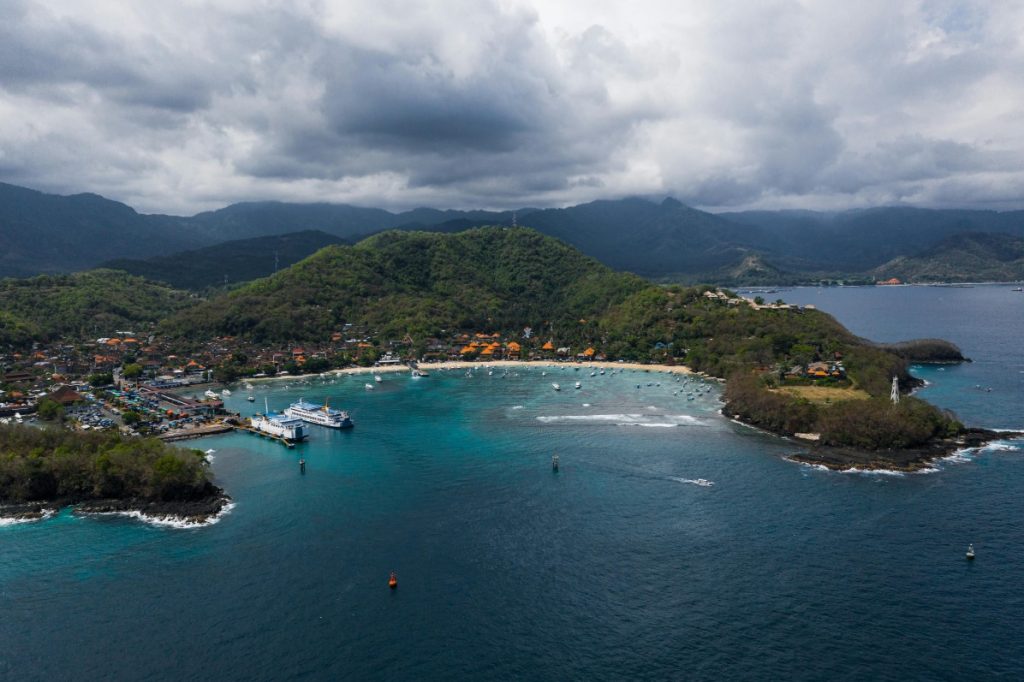
Most people visiting Bali will think of rice terraces and yoga retreats in Ubud, but the island’s true beauty is often found away from the common hotspots. Bali offers hidden beaches, traditional villages, waterfalls, and adventure trails, which underpin a cultural, nature, and local life-filled Bali adventure for all visitors to experience. Utilize a Bali travel planner or Bali trip planner to help ensure that you discover Bali’s hidden gems efficiently and in a meaningful way. Offbeat Beaches Canggu Bali: Surf, yoga, and sunset vibes! With hip cafes, smoothie bowls, and live music, Canggu is perfect for Bali solo travel or couples. Sanur Bali: Calm, family-friendly, and perfect for traveling the beachfront by bike. It is also the gateway to see Nusa Lembongan and Nusa Penida for an island getaway. Nusa Dua Bali: Home to luxury resorts, white sand beaches, and cultural experiences such as Museum Pasifika, Nusa Dua is perfect for Bali honeymoon packages all inclusive. Jimbaran Bali: Known for its sunset seafood dinners on the beach, Jimbaran is a must-visit for couples and families traveling together. Hidden Villages & Cultural Escapes Sidemen Village: Surrounded by stunning rice fields and offers weaving workshops and homestays. This is the perfect destination for the Bali honeymoon itinerary and provides a peaceful and authentic experience. Penglipuran Village: Regarded as one of the cleanest villages in Bali and continues to maintain its traditional architecture and local traditions. Tabanan & Jatiluwih Rice Terraces: UNESCO-recognized rice terraces that are perfect for an early morning walk, taking photos, and engaging with local culture. Adventure Trails Mount Batur Trek: Trekking to the summit of Mount Batur for sunrise views over the lake and volcano. Moderate difficulty; guided treks recommended. Rice Terraces and the Tegallalang: Walk paths to see the rice terraces or just be present to see produce agriculture and interact with farmers doing traditional irrigation. Waterfalls: Tegenungan (easy access), Tukad Cepung (different – hidden cave), Sekumpul (remote jungle). Wellness & Yoga Retreats Ubud Outskirts: Forest sanctuaries for meditation, healing, and spiritual connection. Canggu: Surf-friendly yoga studios and morning beach sessions. North Bali: Less touristy, perfect for detox, wellness, and mindful relaxation. Where to Stay Budget: Homestays located in Sidemen or Sanur to experience authentic local life. Mid-range: Boutique villas in Canggu or Seminyak to provide comfort and cultural experience. Luxury: Spa resorts located in Uluwatu, Nusa Dua, or Jimbaran for Bali honeymoon packages with everything included. The Tarzan Way offers curated stays connecting you to culture, hidden gems, and immersive adventures. Bali Nightlife & Food Scenes Seminyak: Upscale beach clubs and live music. Pair with spa or cycling tours. Canggu: Night markets, cafés, and acoustic music venues for solo travelers and digital nomads. Jimbaran & Sanur: Sunset dining and relaxed evenings. Local flavors include Nasi Campur, Lawar, Bebek Betutu, and Sate Lilit, best explored through food tours. Suggested 7–10 Day Bali Itinerary Day 1–3: Ubud, Sidemen, Mount Batur sunrise trek, Tegallalang rice terraces. Day 4–5: Canggu, Seminyak, Uluwatu, Jimbaran beach. Day 6–7: Nusa Dua, waterfalls, Sanur, optional island hopping. Optional Days 8–10: Tabanan exploration, workshops, spa retreats, and shopping. Check Complete Bali Itinerary (5, 7, 10 Days) for details. Best Time to Visit Bali April–June: Dry season, ideal for beaches and waterfalls. July–September: Peak season, festivals, and nightlife. October–March: Rainy season, perfect for wellness and spa retreats. Travel Tips Use scooters or local drivers for navigating the area. Remember to bring small bills in IDR for local shopping. Lightweight clothing, swimwear, hiking shoes, and yoga clothes are recommended. Dress modestly at temples and observe local customs. Bali is a rich tapestry of beaches, villages, waterfalls, and temples. Slow down, discover hidden paths, and participate in local life. With experiences curated for you from The Tarzan Way, let your Bali trip be a blend of adventure, culture, wellness, and romance. Begin your hidden Bali adventure today! Ready to dive deeper? Scroll down to explore the complete Bali travel guide and uncover every hidden beach, village, and local experience waiting beyond Ubud. Beyond Ubud – The Real Bali Begins Here When most people think of Bali, they think of Ubud – rice terraces, yoga, and a spiritual sense of calm. For Mira and Karan, who first traveled to Ubud on their honeymoon, Bali was full of secrets that went beyond the obvious postcards. On their second day in Ubud, they left the busy streets and went off the beaten path. They drove before the sun had finished rising over the horizon as they crossed emerald rice paddies, small rivers glistening in the sunlight, and tiny villages watching time pass without visitors. This was the other side of Bali; an island full of stories, traditions, and landscapes that many visitors never see. Bali is not just a group of resorts and temples, it is a living mosaic of experiences waiting to be discovered. If you want to plan a trip like Mira and Karan did in Bali, use a Bali travel planner or Bali itinerary planner. A properly organized Bali itinerary will give you time to visit hidden beaches, ancient villages, and adventure trails, while also capturing the true magic of the island. For first-time visitors, the Bali Travel Guide 2025 – The Ultimate Planner for Your Dream Trip provides detailed tips on transport, cultural etiquette, and must-visit spots. The Allure of Hidden Bali There exists a Bali beyond Ubud, and the busy streets that accompany most tourist centers. This is a Bali where mornings are spent smelling frangipani, witnessing locals work in rice paddies, and fishermen throwing their nets in a quiet cove. Visiting some remote corners of the island can give you: Quiet beaches like Balangan or Bingin, where the ocean seems endless. Authentic villages preserving centuries-old crafts and customs. Adventure trails ranging from volcano treks to jungle waterfalls. Wellness escapes tucked away in quiet corners, perfect for solo travelers or honeymooners. When you plan with a Bali vacation planner or tour packages to Bali, you can create a travel balance of adventure, culture, and relaxing
Best Singapore City Tours with Unique Local Experiences
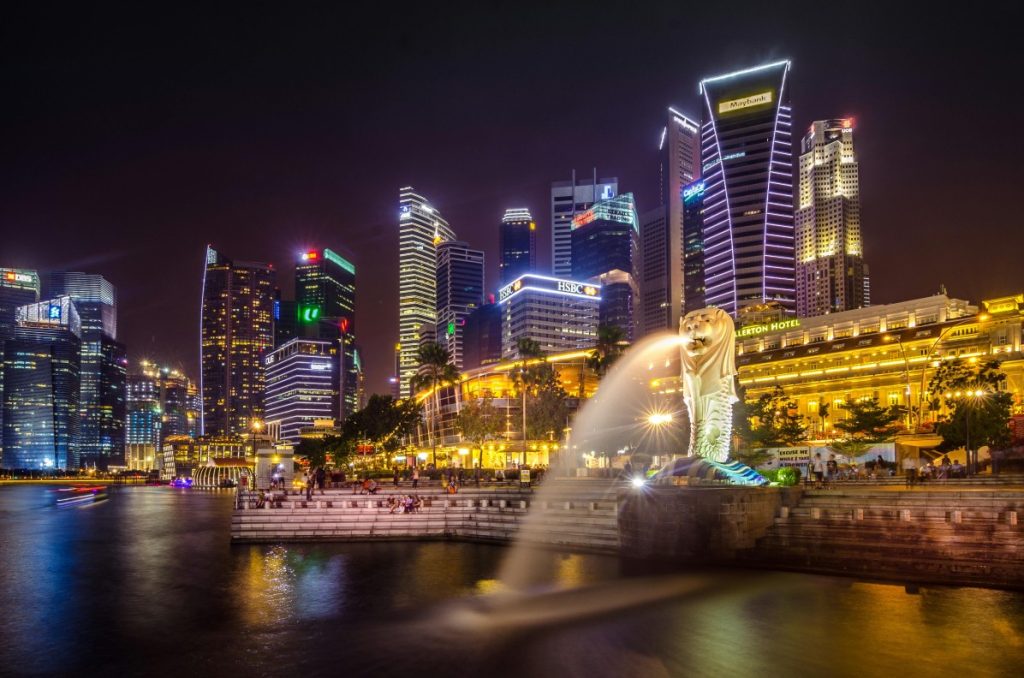
There is more to Singapore than Marina Bay Sands or Gardens by the Bay; it is a blend of culture, history, cuisine, and little-known narratives. The best way to delve into the city is to walk its streets, explore its neighborhoods, and participate in urban walks and city tours. The Tarzan Way offers curated experiences for first-time visitors that juxtapose well-known attractions with authentic interactions with the locals. Why City Tours Matter City tours are bridges to culture, history, and community. Benefits: Discover hidden gems not in guidebooks Save time with guided routes Interact with locals, taste authentic food, attend festivals Ideal for solo travelers, couples, and families who are looking to immerse themselves in Singapore vacation experiences. Types of City Tours 1. Heritage & Cultural Tours Explore Chinatown, Little India, Kampong Glam. Learn stories behind temples, markets, and family-run shops. Experience traditional food, art, and festivals. Pro Tip: Wear comfortable shoes; carry water. 2. Nature & Urban Green Tours Visit Gardens by the Bay, Singapore Botanic Gardens, Southern Ridges. Enjoy walking, hiking, panoramic views, and seasonal light festivals. Pro Tip: Bring a camera, sunscreen, and enjoy family-friendly spots. 3. Night Tours & Light Experiences Discover the city after dark: Marina Bay light show, Clarke Quay nightlife, Jewel Changi waterfall. Great for couples, photographers, and evening relaxation. 4. Culinary & Street Food Tours Must-visit hawker centers: Maxwell Food Centre, Old Airport Road, Lau Pa Sat. Sample iconic dishes like chicken rice, laksa, satay, and desserts. Pro Tip: Carry small bills, eat what locals eat, and ask about family recipes. 5. Offbeat & Thematic Experiences Hidden gems like Tiong Bahru murals, Pulau Ubin cycling, workshops (batik, Peranakan cooking). Ideal for travelers seeking authentic, local stories and hands-on experiences. Suggested Singapore 5-Day Itinerary Day 1: Marina Bay, Gardens by the Bay, river cruise Day 2: Chinatown & Little India heritage tours Day 3: Sentosa Island, Universal Studios/S.E.A. Aquarium Day 4: ArtScience Museum, Tiong Bahru cafés, Orchard Road shopping Day 5: Botanic Gardens, local cafés, Jewel Changi waterfall Pro Tip: Start early, plan around MRT routes, carry water and a camera. Best Time to Visit Jan–Mar: Pleasant, ideal for sightseeing Apr–Jun: Hot and humid; indoor attractions recommended Jul–Sep: Festival season, cultural immersion Oct–Dec: Occasional rain; Christmas lights and markets Planning around festivals enhances your Singapore trip guide experience. Where to Stay Bugis: Central, lively, MRT access Chinatown: Budget-friendly, culture-rich Clarke Quay: Nightlife and riverside dining Little India: Colorful heritage vibe Pro Tip: Stay near MRT lines for easy access to attractions. Special Experiences Romantic: Sunset cruises, rooftop dinners, spa retreats Family-Friendly: Sentosa, Night Safari, Singapore Flyer Solo Travel: Pulau Ubin cycling, hawker tours, cultural workshops Travel Tips Transport: MRT, buses; EZ-Link card recommended Apps: Grab, Google Maps for easy navigation Safety: Singapore is extremely safe Currency: SGD; small bills for hawkers Etiquette: Respect temples, avoid littering, follow local rules Shopping & Souvenirs Bugis Street: Fashion, souvenirs, quirky finds Chinatown: Crafts, snacks, home décor Little India: Textiles, spices, handcrafted items Orchard Road: Luxury and mid-range shopping Conclusion Singapore is a city filled with stories, flavors, and hidden treasures. Travelers can fully immerse themselves in the Singapore experience by participating in city tours, strolling through neighborhoods, sampling delicious street food, and attending festivals. You can visit on your own, as a couple, or with family; there is a way for everyone to create memories, immerse in culture, and enjoy local experiences that are only available in Singapore.
Spiti Valley: The Best Travel Guide to Finding the Right Time to Go
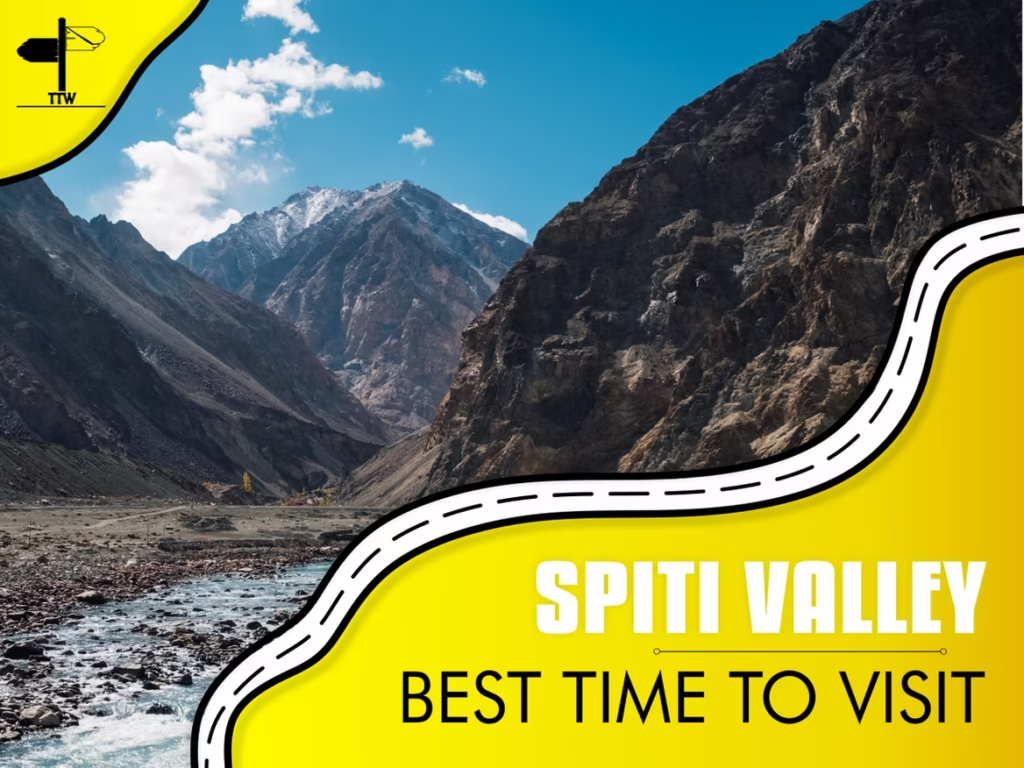
Some places on Earth are more than just places to go; they are trips to another world. One of these places is the Spiti Valley. This cold desert mountain valley is a piece of Tibet that has been cut off from the rest of India. It is in the far north-east of Himachal Pradesh. It’s a place of stark, breathtaking beauty, with ancient monasteries clinging to bare cliffs, clear blue rivers cutting through huge canyons, and a billion stars lighting up the night sky. If you’re not brave, you shouldn’t go to Spiti. The roads are hard to drive on, the altitude is hard to deal with, and the weather is bad. But for those who answer its call, the rewards are beyond measure. It’s an adventure that pushes you to your limits, a spiritual journey that calms your soul, and a cultural experience that opens your heart. The friendly people who live here, who have simple lives and warm smiles, are what make this valley special. Timing is the most important thing for a successful trip to the Spiti Valley. Picking the best time to visit Spiti Valley can make the difference between a great trip and a logistical nightmare. The weather here is very bad, and the high mountain passes that connect the two areas are only open for a few months each year. This is the most complete guide to planning the best trip to Spiti Valley. We’ll talk about everything, from the best time of year for your travel style to detailed itineraries, what to pack, how to budget, and all the things you need to do (and not do!). We have something for everyone, whether you’re looking for adventure, spirituality, or photography. A World Within a World: About Spiti Valley Credit: unsplash The name “Spiti” means “The Middle Land,” which is a perfect way to describe where it is between India and Tibet. It’s a cold desert at a high altitude, which means it doesn’t get much rain because the Himalayas block the monsoon clouds. This makes the area’s famous landscape: rocky, barren mountains in shades of brown, purple, and grey, with patches of green barley fields and the Spiti River’s shimmering turquoise. Tibetan Buddhism is the main religion in this area. There are some of the oldest and most important monasteries in the world in the valley. For more than a thousand years, there have been places where people can learn and grow spiritually. Life here is simple, hard, and very connected to nature and faith. A full breakdown of the best times to visit Spiti Valley by season Credit: freepik.com There isn’t one “best” time to visit Spiti; it all depends on what you want to do. The valley has a very different personality in each season. The best time to go is in the summer, from June to September This is the best time to visit Spiti Valley because it is the most popular and easiest to get to. The weather is perfect, and the whole Spiti circuit, even the high passes, is open. Weather: The temperature during the day is nice and warm, between 15°C and 25°C. A t-shirt and a light jacket are often enough to keep you warm. But the nights are still cold, with temperatures dropping to between 3°C and 7°C. Road Conditions: The highways from Manali to Kaza and from Shimla to Kaza are both open. There may be some water crossings from melting snow and occasional landslides caused by the monsoon on the roads leading up to the area (especially near Manali), but this is usually the safest time to go on a road trip. What to Look Forward To: Bright Landscapes: The valley is at its greenest right now, with lush barley fields making beautiful patches of colour against the dry mountains. Access: It’s easy to get to all of the monasteries, villages, and tourist spots, like the famous Chandratal Lake. Peak Crowds: This is the most crowded time of year, especially in June and July when Indian schools are out for summer break. There will be more tourists, and rooms can fill up quickly. Who Should Go in the Summer? This time of year is great for first-time visitors, families, and people who like the weather to be more pleasant. This is the best time to see and do everything the valley has to offer. Fall (from mid-September to October) is the best time for photographers Credit: freepik.com A lot of people who have been to Spiti Valley before say that this is the best time to go. The summer crowds are gone, the monsoon has passed, and the valley is now bathed in a magical golden light. The weather is nice and clear, with temperatures between 10°C and 20°C. But the nights get a lot colder, and they often go below freezing (0°C to -5°C). Road Conditions: The roads are mostly in great shape now that the monsoon rains have stopped. But there is a small but real chance that the Kunzum Pass (on the Manali route) will close after the first week of October due to an early snowfall. What You Should Expect: The valley turns into a canvas of fall colours that are stunning. After the harvest, the poplar and willow trees turn a bright yellow, and the fields turn a golden brown. Fewer Tourists: You’ll have the beautiful scenery and old monasteries all to yourself. Clear Skies: The air after the monsoon is very clear, giving you the best views of the snow-covered peaks and the stars at night. Who Should Come in the Fall? This time of year is great for photographers, people looking for peace, and experienced travellers who don’t mind the cold and want to see the valley at its most beautiful and peaceful. Winter (November to April) is the best time for an adventure Credit: pexels.com Not everyone can go to Spiti in the winter. It is a very extreme adventure that needs a lot
Top Dubai Tours: Perfect for Groups & Solo Travelers
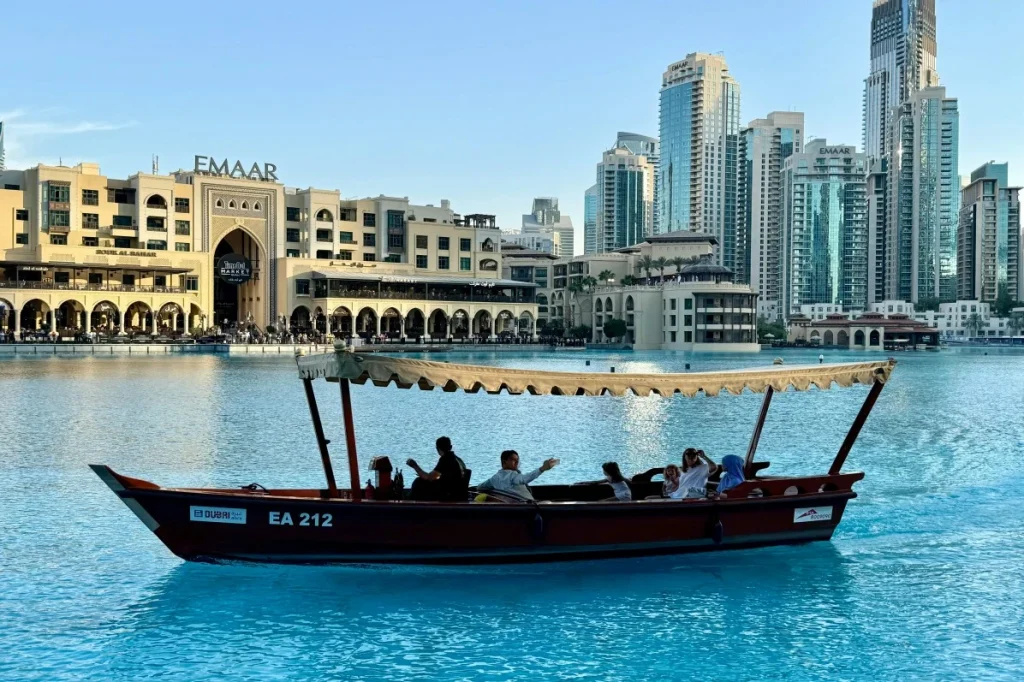
Dubai is full of contrasts — huge skyscrapers next to golden deserts; fancy resorts next to traditional bustling souks; and, on every corner, stories to uncover. Dubai has something for every traveler whether you’re traveling alone, with friends, or in a group. From adrenaline-charged activities to cultural explorations. Here is your guide to the best Dubai tours to help share ideas for your ideal trip. Planning a Dubai tour may seem overwhelming – there are so many options! The Tarzan Way has you covered. Tour itineraries designed by the experts help travelers narrow down experiences based on preferences, group size, and time pace so you can focus on memories without stress. Why Choose Dubai Tours? Exploring Dubai is more than basic sightseeing – it’s about experiencing the city more thoughtfully. Here are reasons why it’s a good idea to participate in a guided tour or follow a set itinerary: Local Knowledge: If you’re going to go on a guided tour, the tour guide is likely going to know the perfect times to see the best spots, where the hidden gem locations are. Convenience for Groups: Coordinated transport(relieving the burden of car rentals and taxis), entrance tickets, and tour guides make for a relaxing experience for all. Comfort Factor for Solo Travelers: Small group tours offer a perfect place to meet other like-minded travelers while also keeping it safe. Unique Experiences: Sometimes, a tour can include desert activities like safaris or cultural walks that can add a lot to your visit and show what to do in the tour besides dune bashing. If you like finding ways to get off the beaten path during travel, there’s a great blog about Dubai Desert Safaris – Offbeat and Unique Experiences You Can’t Miss that shares unique ideas on things to do in the desert instead of dune bashing that you’ll never forget! Top Dubai Tours for Group Travelers 1. Desert Safari Adventure A desert safari is a must-do while in Dubai — be it just a half-day ride or possibly an overnight camp, the desert is where adventure meets culture. What will you be doing: dune bashing, camel rides, standard sandboarding, and BBQ dinners under the stars, punctuated by traditional music. Pro Tip: Make sure you book for an evening — you’ll catch the dunes glowing from the sunset, and the temperature is cooler in the evening. For travelers looking for offbeat and unique experiences, combining the desert adventure with small cultural insights can be truly magical. You can even read Top Free Offbeat Things to Do in Dubai for ideas on quirky spots to explore nearby. 2. Dubai City Tour If you’re visiting the city for the first time, you definitely want to join a guided city tour. You will see all of the major sites without the stress of figuring things out based on transportation. Highlights of the tour include: Burj Khalifa, Dubai Mall, Dubai Fountain, Jumeirah Mosque, Palm Jumeirah, Atlantis The Palm. Pro Tip: If you choose a morning tour, there are usually fewer crowds. It is perfect to do the tour in the day, and then go back for the evening fountain show. Members also love this type of tour because they combine seeing the sites, and a little flexibility for shopping or photo stops. 3. Abu Dhabi Day Trip A short drive from Dubai will take you to Abu Dhabi, where you can enjoy culture and luxury beyond what Dubai has to offer. As a reminder, Abu Dhabi’s highlights include: Sheikh Zayed Grand Mosque, Louvre Abu Dhabi, Ferrari World, and Yas Marina Circuit. Pro Tip: Visiting on a midweek day is quieter and more relaxing. Usually, you can plan the wonder of a day trip to Abu Dhabi alongside your Dubai city tour as part of a larger experience of the UAE together. This arrangement tends to serve well for travelers wanting a modern city and culture. 4. Adventure & Sports Tours Dubai offers plenty for those who seek an adrenaline rush. From sky-diving over Palm Jumeirah, to jet-skiing and flyboarding, there is no shortage of excitement for every type of thrill seeker. Pro Tip: If you are traveling in the high season (Nov-Mar) to Dubai, take the opportunity to book in advance to guarantee time-slots for the best adventures at the best price. Whether you are a solo traveller or part of a group, adventure and sightseeing tours are going to be an especially engaging way to visit Dubai. Don’t forget, if you want to incorporate an ‘off the beaten path’ and experience that is a little more affordable, some experiences shared in this post from Dubai Travel on a Budget – Is It Possible? would compliment a great, fun day. 5. Cultural & Historical Tours Dubai has a rich past, and exploring it can be fascinating. Al Fahidi Historical District, Dubai Museum, Dubai Creek, Gold Souk, Spice Souk are the highlights. Pro Tip: Take a traditional abra ride across Dubai Creek — it’s a peaceful and authentic way to soak in the city’s history. For a more romantic and cultural angle, couples can also check Old Dubai’s Hidden Gems – Cultural Charms for a Romantic Getaway for ideas on scenic walks and historical spots. Best Dubai Tours for Solo Travelers 1. Walking & Food Tours Solo travelers love walking and food tours — they’re social, easy, and authentic. Highlights: Try shawarma, luqaimat, camel milk ice cream, and explore lively neighborhoods. Pro Tip: Evening tours combine food sampling with cultural insights — a great way to meet people. 2. Art & Photography Tours Dubai’s public art, skyscrapers, and street murals make it a photographer’s paradise. Highlights: Alserkal Avenue, Dubai Opera, colorful murals, futuristic architecture. Pro Tip: Early morning light is ideal for capturing the best photos. For solo travelers looking for creative inspiration, there’s a helpful guide on Dubai Dreams – Honeymoon Adventures Unveiled that also includes visual spots perfect for photography. 3. Wellness & Spa Tours Relaxation is also part of the solo travel experience
Best Time to Visit Singapore for Festivals & Events
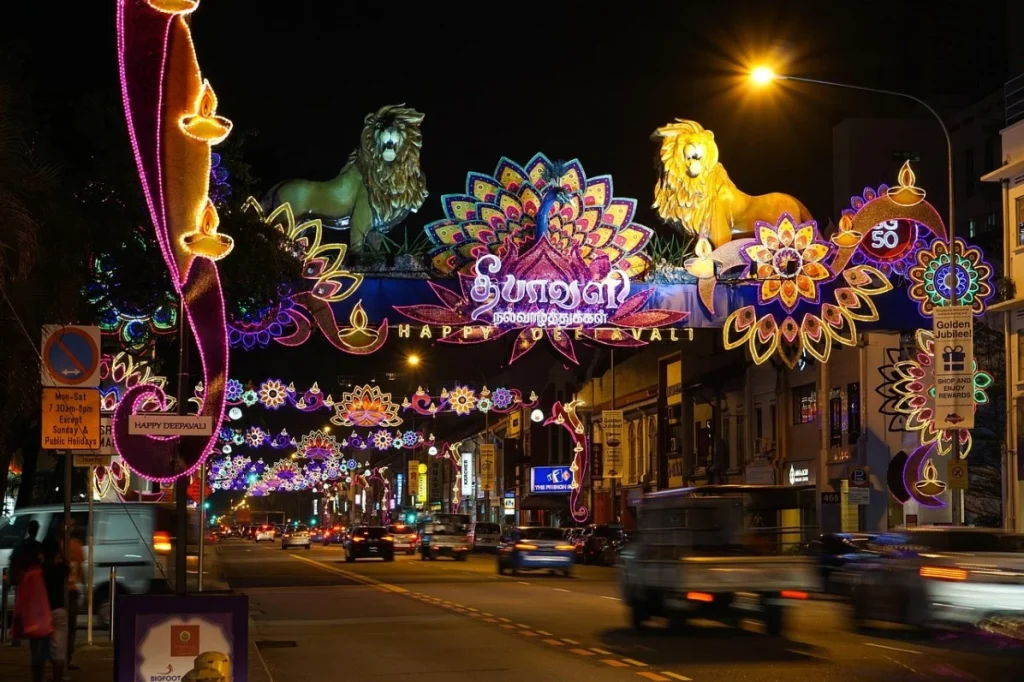
Singapore is one of those places teeming with life, with a little of everything for visitors all year round; a tiny island bursting with color, energy, and celebration every single month. From the spectacular street parades and celebratory cultural feasts to the international music festivals and mega shopping carnivals, Singapore never tires. But of course, the question travelers always want to know is — “When is the best time to visit Singapore?” The ‘best time’ will depend entirely on what kind of experience you are wanting to have. Whether that means immersing yourself in the glow of Chinese lanterns, or tasting your way through hawker stalls at the food festival, or dancing with revelers under fireworks on New Year’s Eve, we walk you through the best seasons and events that will have you planning your trip to Singapore with ease. And if planning your trip sounds like too much work, The Tarzan Way will make this effortless. It will help you build smart, experience-driven travel plans based on what you love, so you can concentrate on enjoying Singapore and not worrying about the logistics. Understanding Singapore’s Seasons Compared to many other countries of the world, Singapore does not really have four seasons; it has a tropical climate, which means it is warm and humid throughout the year. The average temperatures range between 25°C and 32°C, and it tends to rain briefly on occasion. There are two monsoon seasons: Northeast Monsoon (Dec–Mar): This typically produces more rain, and generally contains cooler winds. Southwest Monsoon (Jun–Sep): This typically produces lighter rains and breezy weeks. So, if you plan on going on a trip purely based on the weather, the best time to go out and experience all the sights is from February to April when the rain recedes, the skies clear up, and all the outdoor events commence. Pro Tip: Always take with you a random light rain jacket or umbrella — the rain can always be unpredictable, yet usually rather short-lived. You’d be surprised how many Singaporeans wait in their favorite cafés and malls to let the rain cease before making their return back outside. Major Festivals & Events Month by Month January–March: Cultural & New Year Festivities If you revel in vibrant traditions, these months are a sensory overload. The city turns into a sea of red and gold with Chinese New Year; Chinatown comes alive with lion dances, lanterns, and street food. The Chingay Parade is one of Asia’s largest street performances and takes over the city with floats, dancers, and costumes covered in sequins and electronics flashing lights. For a deeper look into a cultural experience there is Thaipusam, a Hindu festival where devotees carry ornate structures called kavadis in a spiritual act of devotion. It is often intense, spiritual and uniquely Singaporean. If you’re a first-time visitor, this period gives you a rich taste of the island’s multicultural energy. You can dive deeper into the city’s cultural neighborhoods with this detailed Singapore Travel Guide 2025 – Everything First-Time Visitors Need to Know. April–June: The Food & Shopping Lovers’ Season In April, the city exchanges the traditional festival atmosphere for a more gluttonous experience. This is the time when the Singapore Food Festival stages itself — a historic experience for any foodie. With amazing pop-up stalls, hawkers selling delicious food, Michelin-rated food events, and creative culinary learning experiences, you’ll be able to taste fare representing just about every corner of Asia, as well as the dishes you must try, such as laksa, chili crab, and satay. At the same time, The Great Singapore Sale takes over the malls and shopping districts. Orchard Road, Bugis, and Marina Bay become a shopping paradise filled with unending offers and deep discounts on luxury brands, electronics, and fashion. It’s also a great time for travelers looking for budget-friendly Singapore travel packages. You can find curated options here — Book Singapore Experiential Travel Packages Under $1000. Pro Tip: Combine the food festival with your shopping spree — hop between hawker stalls during the day and night markets for souvenirs in the evening. July–September: Music, Lights & National Pride If you would like to see the energetic side of Singapore, this is a great time to visit. In August, we have National Day, where the nation comes together in red and white with art shows, fireworks, and a sense of national pride. The celebration is in its finest form at Marina Bay with an exhilarating atmosphere. Next is the Singapore Night Festival, a creative extravaganza that transforms the Bras Basah-Bugis district into an outdoor gallery of visual art in the form of projections, performances, and immersive experiences. Also, September is when the Singapore Grand Prix happens, one of the great night races in Formula 1. Even if you are not a motor sport fan, you will love the concerts, parties, and energy of the occasion. Pro Tip: Hotels fill up quickly during the F1 season. Book early or stay in neighborhoods like Tiong Bahru or Katong for a quieter, authentic local experience. October–December: Festive Lights & Romantic Getaways This is possibly the most enchanting season of the year in Singapore. The month of October comes alive with Deepavali, where the streets of Little India are decorated with dazzling decorations, multicultural markets, and endless colorful sweet options. By November, Christmas on Orchard Street will turn the iconic boulevard into a glowing magical wonderland with lights, carols, and themed installations. Then, December will be the best month for couples, when the city is cozy and merry, and perfect for long romantic walks along the Marina Bay waterfront, or rooftop dinners with great views of the skyline. If you’re planning a couple’s escape, check out these Singapore Honeymoon Packages: Best Ideas & Itinerary for inspiration. Pro Tip: Visit during early December — you’ll catch both Deepavali lights and the Christmas charm without peak holiday crowds. Choosing the Best Time Based on Your Travel Style For Culture Seekers (Jan–Feb): Chinese New Year, Thaipusam, and Chingay Parade offer
The Complete Guide to Coorg: Discovering India’s Coffee Capital
Where Mist Meets Aromatic Plantations: An Introduction Imagine waking up on a cool, foggy morning with the strong, intoxicating smell of roasted coffee beans in the air. The soft sound of birds chirping adds to the peacefulness of the scene as rolling hills covered in many shades of green fade into a soft blanket of fog. This isn’t a dream; it’s just another morning in Coorg, which is known as the “Scotland of India.” Kodagu is the official name for this beautiful hill station in the Western Ghats of Karnataka. It is a place that soothes the soul and wakes up the spirit of adventure. Coorg is a great place for travellers who want to get away from everyday life. It has lush landscapes, waterfalls, exciting activities, and a rich, unique culture. This guide is meant to be your one-stop shop for everything you need to know about the coffee estates, the food, and the wild, untamed beauty of the area. We’ll go over everything you need to know to plan a trip that will be both relaxing and unforgettable. The Tarzan Way brings to life immersive storytelling journeys that let you really get to know Coorg’s culture and nature, making sure that your experience is both real and responsible. Are you ready to get lost in Coorg’s green paradise? Let’s start our trip to India’s coffee capital. Key Takeaways Coffee Paradise: Learn about Coorg’s identity as India’s coffee capital, including how to visit large estates, learn about the “bean to cup” process, and taste real coffee. Natural Wonders: Discover the breathtaking scenery of Coorg, from the grand Abbey and Iruppu Falls to the sweeping views from Raja’s Seat and Mandalpatti. Adventure Hub: Find out about exciting things to do, like white-water rafting on the Barapole River, climbing Tadiandamol (Coorg’s highest peak), and going on wildlife safaris in Nagarhole National Park. Explore the world of the Kodavas, the local warrior group, and learn about their unique culture and food. Enjoy unique foods like Pandi Curry and Kadumbuttu, and stay in a traditional homestay where you’ll be treated like family. Guide to Practical Planning: Get all the important details about when to go, how to get to Coorg, where to stay, and a sample itinerary to help you plan your trip. Travel Responsibly: Learn how to explore the Western Ghats in a way that protects its natural beauty for years to come. 1. The Heart of Coorg: Visiting Coffee Plantations That Smell Good Credit: Unsplash You can’t talk about Coorg without talking about its lifeblood: coffee. The Robusta and Arabica types of coffee grown in this area are among the best in India. Huge coffee estates cover the land, and tall silver oaks covered in pepper vines often cast shade over them. Coming here is a lesson in and of itself. Most plantations have guided tours where you can walk through the bushes, learn how to tell the difference between different beans, and see the whole process, from picking the ripe red berries to pulping, drying, and finally roasting them to perfection. The best part of the experience is the tasting, where you can enjoy the freshest cup of coffee you’ve ever had. Recommended Plantations: Tata Coffee Plantation Trails: Offers a “bean to cup” tour that is both luxurious and in-depth. Evolve Back (Orange County) is a high-end resort with its own plantations that lets you fully experience the area. Mercara Gold Estate and Dubare Elephant Camp: You can go on a coffee and spice tour and also get to know elephants. Advice for Travellers The coffee blossom season, which lasts from March to April, is magical because the estates are covered in sweet-smelling white flowers. The best time to see the plantations busy is during the harvest season, which runs from November to January. For the best taste and a fair price, buy your coffee straight from the estate. Quick Facts Arabica and Robusta are the two main types. The nickname is “Coffee Capital of India.” Paired Crop: Coffee and pepper vines are often grown together, with the same trees supporting both. 2. Chasing Waterfalls and Peaks Covered in Mist: Coorg’s Natural Wonders Credit: Unsplash The beauty of Coorg is raw, dramatic, and completely captivating. The Western Ghats’ rolling hills have given it stunning views and amazing waterfalls that come to life, especially during the monsoon season. Abbey Falls: This is one of Coorg’s most famous waterfalls and is close to Madikeri. Water from the Kaveri River flows down a rock face from a height of 70 feet into a calm pool. A bridge that hangs down gives you a great view. Iruppu Falls is a beautiful waterfall with many levels in the Brahmagiri Hill range. People also think of it as a holy place, and they think the water there has healing powers. Raja’s Seat: This beautiful garden in Madikeri was said to be the Kodagu kings’ favourite place to watch the sunset. It has amazing views of the misty valleys and rolling hills all around it. Mandalpatti is the best place to go for an adventurous, off-road jeep ride with 360-degree views of the Western Ghats. The view from the top, especially at sunrise, makes the bumpy ride worth it. Why does it draw tourists?? Because it’s nature at its most basic level. The powerful waterfalls, peaceful viewpoints, and lush greenery make this a great place to get away from it all and take pictures. 3. The Call of the Wild: Adventures with animals and hiking Credit: Unsplash The rough terrain and thick forests of Coorg make it a great place for people who want to have fun. There’s something for every thrill-seeker, whether you want to climb a mountain or see animals in the wild. Trekking: Coorg has some of the best trekking trails in Karnataka Tadiandamol is the highest peak in Coorg, rising 1,748 meters. The trek takes you through thick Shola forests and wide grasslands, and the views from the top are amazing. The
Best Vietnam Group Tours for Young Travelers
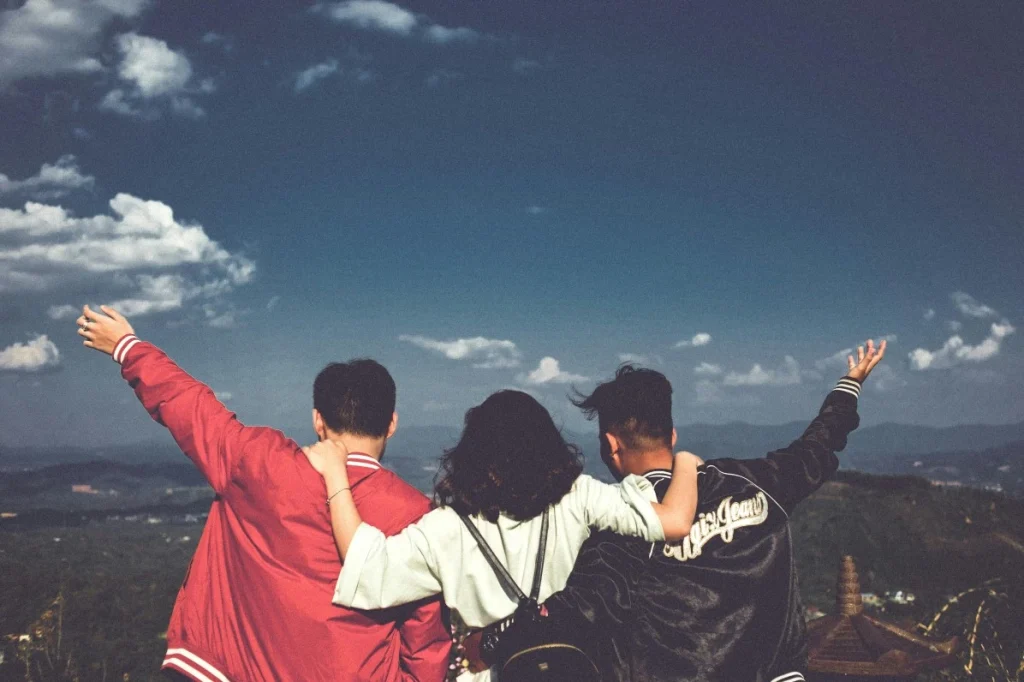
Vietnam is not just a destination – it’s a human connection experience. Between the night markets of Hanoi and the rice terraces of Sapa, there’s magic waiting to be explored at every corner of the country. And when travelers share those experiences with fellow wanderers, they become stories you will tell for the rest of your life. For youthful knowledgeable travelers who want some adventure, culture, and maybe a bit of chaos, Vietnam group tours perfectly balance independence and fun as you meet people from around the world, all there to experience the food, history, and hidden treasures that Vietnam has to offer. Whether you’re traveling alone or with some buddies, participating in a well-planned group journey means you can spare the strain of planning and get right to the fun of Vietnam – The Tarzan Way can offer simple customizable itineraries to best accommodate your vibe and budget. Why Vietnam is Perfect for Young Travelers Budget-Friendly Yet Experience-Rich You do not need a lot of money to have a pleasant visit to Vietnam. Food from street stalls can be as low as one dollar, local trains provide a great way to see scenery while also being inexpensive, and you can find hostels throughout the country that provide clean environments and a social scene for backpackers. A two-week trip to Vietnam for under $800, including accommodations, intercity travel, and tours, is easy – a small fraction of what you would spend in Europe or Japan. Vibrant Social Travel Culture Every major location in Vietnam – from Hanoi’s Old Quarter to Hoi An’s riverside bars – relies on social energy. Travelers connect over the same meals, the same hostel pub crawls, the same once-in-a-lifetime motorbike rides, and the same sleepless overnight trains. Most group tours are comprised of backpackers, students, and young professionals in the 18–35 demographic and come with built-in energy and casual atmosphere. Adventure at Every Turn Few countries present so much diversity in such a small package. You can take a trip to Ha Long Bay and cruise through limestone cliffs, trek through terraced rice fields in Sapa, explore caves in Phong Nha, and then party at the beaches in Phu Quoc – all in one trip. Top Group Tour Routes for Young Travelers 1. Northern Vietnam Explorer – Hanoi, Ninh Binh, Sapa & Ha Giang This area is the heart of Vietnam. This is the ideal destination for the adventurous types who appreciate rough nature, real culture, and scenic drives. Hanoi: Begin in the capital city among narrow streets full of scooters and food stalls. Make sure to try egg coffee and Bia Hoi nights with the locals. Ninh Binh (Tam Coc): Sometimes referred to as “Ha Long Bay on land,” Ninh Binh is a beautiful destination for boat rides through limestone karsts and golden rice fields. Sapa: Trekking through villages of different ethnic minorities such as Hmong and Red Dao; overnight homestays may provide an interesting angle to local life. Ha Giang Loop: The best motorbike trip ever! With winding roads around mountains and valleys by the Chinese border, this four-day ride may be one of the most picturesque rides in Asia. Most northern group tours last 7–10 days, offering a mix of trekking, homestays, and road trips with small, friendly groups. Pro Tip: Pack warm layers — mountain weather changes fast! Rent a motorbike with a guide for the Ha Giang Loop; it’s safer and way more fun. 2. Central Vietnam Adventure – Hue, Hoi An & Phong Nha In Central Vietnam, you’ll find ancient culture, stunning coastlines, and captivating caves. Hue: It was once an imperial capital and is home to royal tombs, temples, and the Perfume River. Hoi An: The most beautiful town in all Vietnam – famous for colorful lanterns that light the streets, many tailor shops, and restaurants along the river. Phong Nha-Ke Bang National Park: A playground for adventure seekers. Visit enormous caves like the Paradise Cave, or zipline into the Dark Cave and enjoy a mud bath inside! Most tours in the central region typically include cycling tours, caving activities, and beach parties, which can offer a nice combination of a relaxing vacation, and an adventure holiday. Pro Tip: Visit Hoi An’s Lantern Festival if your trip aligns — it’s magical. Book cave tours in advance, as Phong Nha’s adventure slots fill up quickly. 3. Southern Escape – Ho Chi Minh City, Mekong Delta & Phu Quoc The south is all about contrasts – bustling metropolises versus quiet rural areas. Ho Chi Minh City (Saigon): Experience the buzz of nightlife, rooftop bars, and historical locations like the Cu Chi Tunnels. Mekong Delta: Glide through floating markets, coconut farms, and stilt houses – the true essence of rural Vietnam. Phu Quoc Island: End your journey on the velvet beaches that rise out of the azure water. Swim, snorkel, kayak, and watch the sun drift into the ocean. Southern Vietnam group tours work for socially minded travelers focused on history and hedonism – visiting war museums during the day then going to bustling markets by night. Pro Tip: Try a night cruise on the Saigon River for skyline views. In the Mekong, start early to catch the floating markets before they close by noon. Offbeat & Themed Group Tours for the Curious Traveler Cultural Immersion Tours Live with local families in Mai Chau or Pu Luong, learn to cook pho in Hoi An, or join rice harvest festivals in the north. These tours are immersive, sustainable, and deeply meaningful. Adventure Expeditions Trek across remote highlands, camp under the stars, or kayak through Lan Ha Bay – a quieter and cleaner alternative to Ha Long Bay. Perfect for thrill-seekers. Food & Nightlife Tours From bun cha and banh mi to rooftop cocktails in Saigon, food tours in Vietnam are a sensory overload. Some tours even include cooking classes, bar crawls, and live music nights. Motorbike Road Trips The Ha Giang Loop and Hai Van Pass are legendary among bikers. Join a