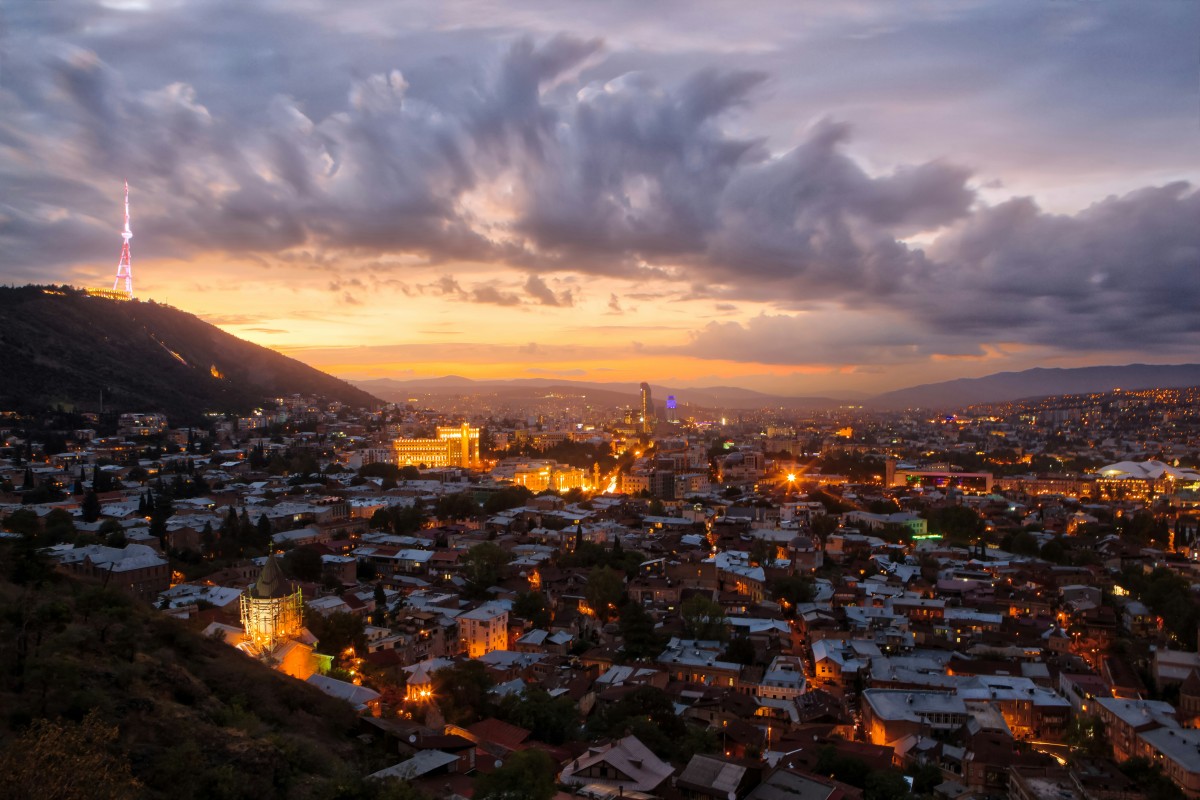



Central Europe is one of the most enchanting regions to explore, especially when two culturally rich nations sit just a few hours apart. Traveling from Austria to Hungary is not just a border crossing—it’s a journey through centuries of imperial history, classical music heritage, majestic castles, and legendary coffeehouse culture.
Austria offers elegant cities, alpine landscapes, and a deep musical legacy, while Hungary welcomes travelers with thermal baths, vibrant architecture, and a lively café scene. Together, they create the perfect multi-country travel experience.
Whether you’re planning a relaxed train trip, a road adventure, or a carefully curated location travel itinerary, this guide will help you discover the best routes, cities, cultural highlights, and travel tips for an unforgettable journey.
In Short (TL;DR)
- Austria and Hungary are only 2–3 hours apart by train.
- The most popular route is Vienna → Budapest.
- Expect imperial palaces, castles, classical music heritage, and historic cafés.
- Best travel time: April–June and September–October.
- Perfect for first-time Europe travelers and culture lovers.
Why Travel From Austria to Hungary?

Traveling between Austria and Hungary is unique because both countries share deep historical roots within the Austro-Hungarian Empire, which ruled Central Europe for centuries.
This shared past means travelers experience:
1. Imperial Architecture
Grand palaces, baroque churches, and historic squares define cities like Vienna and Budapest.
2. Musical Heritage
Austria is the birthplace of legendary composers like Mozart and Strauss, while Hungary celebrates folk music traditions and classical performances.
3. Café Culture
Both countries are famous for historic coffeehouses where writers, artists, and intellectuals once gathered.
4. Easy Travel Connections
- Direct trains
- Scenic road trips
- Budget flights
This makes it one of the most seamless cross-border trips in Europe.
Best Route: Vienna to Budapest
The Vienna to Budapest route is the most popular way to travel between Austria and Hungary.
Distance: ~240 km (150 miles)
Travel Time
- Train: 2.5 hours
- Car: 2.5–3 hours
- Bus: 3 hours
Why This Route Is Perfect
- Smooth rail connections
- Scenic landscapes along the Danube
- Two of Europe’s most beautiful capitals
Many travelers start in Vienna and end in Budapest, though the journey works just as well in reverse.

Must-Visit Places in Austria Before Crossing the Border
Vienna – The City of Music
Austria’s capital is one of Europe’s most elegant cities.
Top Experiences
- Visit Schönbrunn Palace, the summer residence of the Habsburgs
- Watch a performance at the Vienna State Opera
- Walk through St. Stephen’s Cathedral
- Enjoy traditional pastries in historic cafés
Café Culture Tip
Try classic Viennese treats:
- Sachertorte
- Apple strudel
- Melange coffee
Salzburg – Mozart’s Magical City
Salzburg is smaller but incredibly charming.
Highlights
- Birthplace of Wolfgang Amadeus Mozart
- The majestic Hohensalzburg Fortress
- Stunning baroque architecture
- Beautiful alpine surroundings
Music lovers especially appreciate Salzburg’s deep cultural heritage.
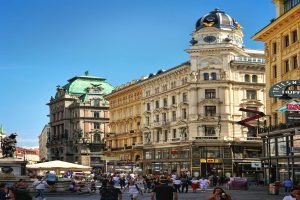
Arriving in Hungary: Budapest Highlights
Budapest is often called “The Paris of the East.”
The city is divided by the Danube River into Buda and Pest, each with its own character.
Top Attractions
1. Buda Side
- Buda Castle
- Fisherman’s Bastion
- Matthias Church
2. Pest Side
- Hungarian Parliament Building
- St. Stephen’s Basilica
- Great Market Hall

Experience Hungary’s Famous Thermal Baths
Budapest sits on over 100 natural thermal springs, making spa culture a central part of local life.
Most Popular Baths
- Széchenyi Thermal Bath – the largest spa complex
- Gellért Baths – famous Art Nouveau architecture
- Rudas Baths – historic Ottoman-era spa
Relaxing in these warm mineral waters is a must-do experience after exploring the city.
Café Culture Across Austria & Hungary
Both countries share a long-standing café tradition.
What Makes Their Cafés Special
- Elegant interiors with chandeliers
- Marble tables and velvet seating
- Slow-paced coffee culture
Must-Try Treats
Austria:
- Sachertorte
- Kaiserschmarrn
Hungary:
- Dobos cake
- Chimney cake
Cafés are more than places to drink coffee—they’re cultural institutions.
Suggested 5-Day Austria–Hungary Travel Itinerary
If you’re planning a short European trip, this location travel itinerary works perfectly.

Day 1 – Vienna
- Explore Schönbrunn Palace
- Visit St. Stephen’s Cathedral
- Dinner in a traditional Viennese restaurant
Day 2 – Vienna Culture
- Vienna State Opera tour
- MuseumsQuartier
- Evening classical concert
Day 3 – Travel to Budapest
- Scenic train ride (2.5 hours)
- Danube evening cruise
- Dinner with Hungarian cuisine
Day 4 – Budapest Exploration
- Parliament Building tour
- Fisherman’s Bastion viewpoint
- Explore ruin bars at night
Day 5 – Thermal Bath & Markets
- Morning spa at Széchenyi Baths
- Visit Central Market Hall
- Café hopping
Best Time to Travel
Spring (April–June)
- Pleasant weather
- Fewer crowds
- Blooming city parks
Autumn (September–October)
- Beautiful fall colors
- Comfortable sightseeing weather
Winter (December)
- Magical Christmas markets in Vienna and Budapest.
Travel Tips for Crossing the Austria–Hungary Border
No Passport Checks
- Both countries are part of the Schengen Area, so borders are open.
Currency Difference
- Austria: Euro (€)
- Hungary: Hungarian Forint (HUF)
Language
- Austria: German
- Hungary: Hungarian
English is widely spoken in tourist areas.

FAQs
What is the best way to travel from Austria to Hungary?
The fastest and most comfortable option is a direct train from Vienna to Budapest, which takes around 2.5 hours.
Do you need a visa to travel between Austria and Hungary?
If you already have a Schengen visa, you can travel freely between both countries.
Is Budapest cheaper than Vienna?
Yes. Budapest is generally 20–30% cheaper than Vienna for food, accommodation, and attractions.
How many days are enough for Austria and Hungary?
A 5–7 day trip is ideal to explore Vienna and Budapest comfortably.
Glossary
- Workcation: Working remotely while traveling.
- Schengen Area: A group of European countries with open borders allowing visa-free movement.
- Thermal Baths: Natural hot spring spas rich in minerals used for relaxation and wellness.
Conclusion
A journey from Austria to Hungary is one of Central Europe’s most rewarding travel experiences. From Vienna’s imperial elegance and musical legacy to Budapest’s vibrant cafés and relaxing thermal baths, the trip blends culture, history, and leisure beautifully.
Whether you’re exploring grand palaces, listening to classical concerts, or sipping coffee in historic cafés, this cross-border adventure delivers unforgettable moments.
If you’re planning a seamless location travel itinerary, combining Austria and Hungary is the perfect way to experience the heart of Europe.
For curated European journeys and personalized travel planning, explore experiences with The Tarzan Way.