


Introduction
Spain is one of Europe’s most culturally vibrant destinations. From Moorish palaces and Gothic cathedrals to flamenco music and tapas-filled evenings, the country offers an extraordinary mix of art, history, and local traditions.
For culture lovers, Spain isn’t just about visiting famous landmarks—it’s about experiencing the rhythm of its cities, exploring centuries-old neighborhoods, and discovering regional flavors through food, festivals, and local life.
This guide outlines a thoughtfully designed Spain travel route for culture lovers, covering iconic cities, enriching day trips, and authentic local experiences. Whether you’re planning your first visit or returning to explore deeper layers of Spanish heritage, this Spain travel itinerary will help you experience the best of Spain.
In Short (TL;DR)
- Ideal trip duration: 10–14 days
- Best cultural cities: Barcelona, Madrid, Seville, Granada
- Key highlights: Gaudí architecture, Moorish palaces, flamenco culture, historic old towns
- Perfect for: history lovers, architecture enthusiasts, food explorers
- Best travel months: April–June and September–October
Why Spain Is Perfect for Culture-Focused Travel
Spain’s cultural richness comes from centuries of diverse influences, including Roman, Moorish, Christian, and Mediterranean traditions.
What Makes Spain Unique
Architectural Diversity
- Gothic cathedrals
- Moorish palaces
- Modernist masterpieces
Artistic Legacy
- Spain is home to globally renowned artists like Picasso, Dalí, and Velázquez.
Regional Culture
- Each region—from Catalonia to Andalusia—has its own traditions, cuisine, and festivals.
Vibrant Local Experiences
- Flamenco performances
- Tapas culture
- Historic markets and plazas
These elements make Spain one of Europe’s most rewarding destinations for immersive cultural travel.
Suggested Spain Cultural Route
A well-planned route allows travelers to experience Spain’s cultural highlights without rushing.
Recommended Route
- Barcelona → Madrid → Seville → Granada
This route moves naturally from Spain’s Mediterranean coast to the historic heart of Andalusia.
Travel Time Between Cities
- Barcelona → Madrid: 2.5 hours (high-speed train)
- Madrid → Seville: 2.5 hours
- Seville → Granada: 2.5–3 hours
Spain’s efficient AVE high-speed rail network makes traveling between cities fast and comfortable.
Barcelona: Art, Architecture & Mediterranean Culture
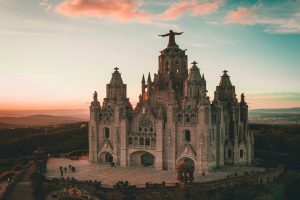
Barcelona blends historic charm with modern artistic energy.
Top Cultural Experiences
Sagrada Familia
- The iconic basilica designed by Antoni Gaudí is one of the world’s most extraordinary architectural masterpieces.
Park Güell
- A vibrant public park filled with colorful mosaics and surreal architecture.
Gothic Quarter
- Wander medieval streets lined with hidden plazas, historic churches, and artisan shops.
La Boqueria Market
- One of Europe’s most famous food markets offering fresh tapas and local delicacies.
Madrid: Spain’s Artistic & Cultural Heart
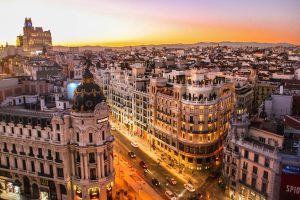
Spain’s capital offers a perfect mix of royal history, world-class museums, and lively city life.
The Prado Museum
- Home to masterpieces by Velázquez, Goya, and other European masters.
Royal Palace of Madrid
- One of Europe’s largest royal palaces.
Retiro Park
- A beautiful green escape ideal for relaxed strolls.
Plaza Mayor
- A historic square surrounded by elegant arcaded buildings.
Day Trips From Madrid
Madrid is perfectly located for fascinating cultural day trips.
Toledo
- A UNESCO World Heritage city famous for its medieval streets and historic cathedral.
Segovia
- Known for its remarkably preserved Roman aqueduct and the fairy-tale Alcázar Castle.
Both destinations are less than one hour from Madrid by train, making them easy additions to your Spain travel route.
Seville: Flamenco, Palaces & Andalusian Charm
Seville embodies the spirit of southern Spain.
Cultural Highlights
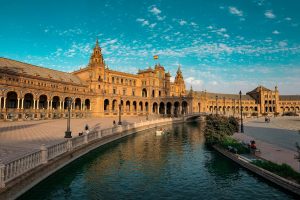
Plaza de España
- A magnificent plaza with canals, bridges, and ornate ceramic decorations.
Real Alcázar
- A stunning Moorish palace complex known for its intricate architecture and gardens.
Seville Cathedral
- The largest Gothic cathedral in the world.
Flamenco Shows
- Seville is one of the best places to experience authentic flamenco performances.
Granada: Moorish History & The Alhambra
Granada is home to one of the most spectacular monuments in Europe.
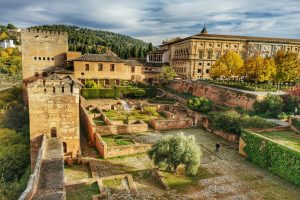
The Alhambra
A breathtaking Moorish palace complex featuring:
- Intricate Islamic architecture
- Ornate courtyards
- Beautiful gardens and fountains
Albaicín District
- Granada’s historic neighborhood is filled with narrow streets, white houses, and stunning viewpoints overlooking the Alhambra.
Local Experiences You Shouldn’t Miss
To truly experience Spain’s culture, go beyond sightseeing.
Try Tapas Culture
- Instead of large meals, locals enjoy multiple small dishes across different bars.
Attend a Flamenco Show
- Flamenco combines music, singing, and dance, representing Andalusia’s cultural heritage.
Join a Cooking Class
Learn to prepare classic dishes like:
- Paella
- Tortilla Española
- Gazpacho
Visit Local Markets
- Markets offer insight into daily life and regional cuisine.
Suggested 10-Day Spain Cultural Itinerary
This Spain travel itinerary balances major cities and cultural exploration.
Day 1–3: Barcelona
- Sagrada Familia
- Park Güell
- Gothic Quarter
- Beach sunset
Day 4–5: Madrid
- Prado Museum
- Royal Palace
- Retiro Park
Day 6: Day Trip
- Toledo or Segovia
Day 7–8: Seville
- Plaza de España
- Alcázar Palace
- Flamenco performance
Day 9–10: Granada
- Alhambra Palace
- Albaicín district
- Scenic viewpoints
Best Time to Visit Spain
The best time to visit Spain are as follows:
Spring (April–June)
- Pleasant weather
- Festivals and outdoor events
Autumn (September–October)
- Comfortable temperatures
- Ideal for sightseeing
Summer (July–August)
- Very lively but can be extremely hot, especially in southern Spain.
FAQs
What is the best cultural route in Spain?
A popular route is Barcelona → Madrid → Seville → Granada, combining architecture, history, and Andalusian culture.
How many days are enough for Spain?
A 10–14 day trip allows enough time to explore major cities and day trips comfortably.
Is Spain easy to travel between cities?
Yes. Spain’s AVE high-speed trains connect major cities efficiently.
Which Spanish city has the most culture?
Madrid offers world-class museums, while Seville and Granada showcase Spain’s historic Moorish heritage.
Glossary
- Tapas: Small Spanish dishes served as appetizers or snacks.
- Flamenco: A traditional Andalusian art form combining singing, guitar music, and dance.
- AVE Train: Spain’s high-speed rail network connecting major cities.
Conclusion
Spain is a dream destination for travelers who love art, history, and authentic local culture. From Barcelona’s modernist architecture to the Moorish palaces of Granada and the flamenco-filled streets of Seville, every stop along this route reveals a different layer of Spanish heritage.
Following this thoughtfully planned location travel itinerary allows you to experience Spain at a relaxed pace while enjoying its most iconic cities and hidden cultural gems.
For curated European travel experiences and personalized itineraries, explore journeys with The Tarzan Way.