

Affordable Switzerland: Budget Travel Guide

Ever thought of having hot chocolate in the Swiss Alps, or skating past pure blue lakes, or even riding the most scenic trains in the world only to be stopped with the thought of thinking “Switzerland is really too much money”? You aren’t alone. While Switzerland is known for its beauty, high prices also make it notoriously prohibitive for budget travelers. If you know how to plan—like a Switzerland trip planner—and a few tricks, then a trip, even a budget trip, to Switzerland is not only possible, but magical. What’s in this blog Why Switzerland on a Budget? Affordable Travel Tips (Flights, Stay, Food, Transport) Switzerland Trip Itinerary on a Budget (7–10 Days) Travel Essentials Why Plan with The Tarzan Way FAQs Final Thoughts Why Switzerland on a Budget? Switzerland is regularly listed among the most expensive countries in the world. Expensive doesn’t necessarily equal impossible. With options like the Swiss Travel Pass, budget accommodations, and free things to do (mountain hikes, lake views, walkable old towns), you can develop a Switzerland travel itinerary that balances cost and experiences. Using a Switzerland vacation guide or Switzerland travel guide can simplify your planning and help you design a Switzerland trip itinerary that is both cost-efficient and memorable. Cost-Saving Travel Tips ✈️ Flights Book early (6–8 months in advance) for the best deals. Consider flying into an adjacent hub like Milan and taking a budget train to get to Switzerland. Many Switzerland tour packages also include discounted airfare if booked together. ???? Accommodation Hostels and guesthouses start around CHF 35-50/night. Budget hotels average CHF 80-120 per stay, and better deals are available outside of Zurich or Geneva. For couples, Airbnb apartments are a base-bargain compared to hotels in the city. Switzerland honeymoon packages sometimes include cozy mountain chalets at affordable rates. ???? Food Restaurants will empty your wallet faster than anything, so instead: Pick up supermarket meals (Coop, Migros) for CHF 5-10. If you have a kitchen at your hostel, try your hand at self-cooking. Stay away from restaurants—street food and local bakeries are a budget-friendly lifesaver! A Switzerland holiday package that includes half-board meals can also help reduce costs. ???? Transport If you are visiting multiple cities, find a travel network pass called the Swiss Travel Pass if you want unlimited access to trains, buses and boats. If you are in only for a short visit, you can buy Saver Day Passes online. Of course, walking and cycling are free, but many of the cities and towns are pedestrian-only in entirety! For long stays, using a Switzerland travel planner helps compare train, bus, and car rental options. ???? Experiences Free walking tours in cities (Zurich, Lucerne, Bern), provided by locals. Scenic hikes and picnics by one of the countless lakes. Many museums and galleries also have free or discounted entry on certain days. A Switzerland tour guide can also help you uncover lesser-known attractions that are completely free. Budget Switzerland Trip Itinerary (7-10 Days) Sample budget itinerary for the trip of a lifetime featuring breathtaking sites and economical options: Day 1-2: Zurich – Old Town walking, Lake Zurich, museums that are free. Day 3-4: Lucerne – Chapel Bridge, Lake Lucerne, hike Mt. Rigi (included with Swiss Travel Pass). Day 5-6: Interlaken & Lauterbrunnen – valley of waterfalls, low-cost hikes, local guesthouses Day 7: Bern or Geneva – cultural areas and lakeside walks Day 8-10 (optional): Zermatt – views of the Matterhorn, hikes in the alpine, meals as picnics to save money. This could also serve as a Switzerland honeymoon itinerary for couples traveling on a budget, with warm accommodations and incredible train travel to nurture romance. A Switzerland trip guide ensures you don’t miss highlights while staying within your budget. Essentials for Travel April through June or September through October are the best times to go because of the mild weather and cheaper costs. Packing includes a reusable water bottle (tap water is safe), light layers, and comfy walking shoes. Health & Safety: Travel insurance is always a good idea, even though Switzerland is a safe place to visit. Local advice: Learn some French or German greetings; they are very helpful. Always check Switzerland travel packages to see if essentials like SIM cards, passes, or local tours are included. Why Use the Tarzan Way for Planning With so many options and unanticipated expenses, organizing a trip to Switzerland alone can be quite daunting. The Tarzan Way can help with that: A customized trip planner for Switzerland that fits your spending limit. Customized Switzerland holiday packages that include genuine local experiences. Prioritize affordability without sacrificing the highlights. They act as your Switzerland tour guide and Switzerland travel planner combined. Imagine it as your friend who is well-versed in Switzerland, easing the stress of your ideal vacation. FAQ Q. Is Switzerland expensive for travel? Yes, it makes it difficult, but with some smart planning, it will work out. Budget travelers could plan on approximately ₹7,000–10,000 per person/day. Q. Is Switzerland expensive for Indians? It is definitely more expensive than Southeast Asia or Europe, but with the budget option Switzerland travel packages available, Indians will be able to make it with a plan. Q. Is 1 lakh enough for a trip to Switzerland? For a solo traveler ₹1–1.2 lakhs is enough for a 7 day trip if you are staying in budget hotels and taking trains and eating basic meals. Q. How much is the cost for going from India to Switzerland? As of now we are looking at return flight prices between ₹40,000–60,000 for a flight from India (and these should be booked 4-6 months in advance). Q. What is the Switzerland visa fee for Indians? A Schengen visa costs about ₹7,000 for a single person. Q. What is the best month to travel to Switzerland? The best months are April–June (spring) and September–October (autumn) for good weather and prices. Q. How much is a meal in Switzerland? Expect a meal to cost around CHF 20-30 at a restaurant, but
How to Volunteer in Rural Kerala and Make an Impact
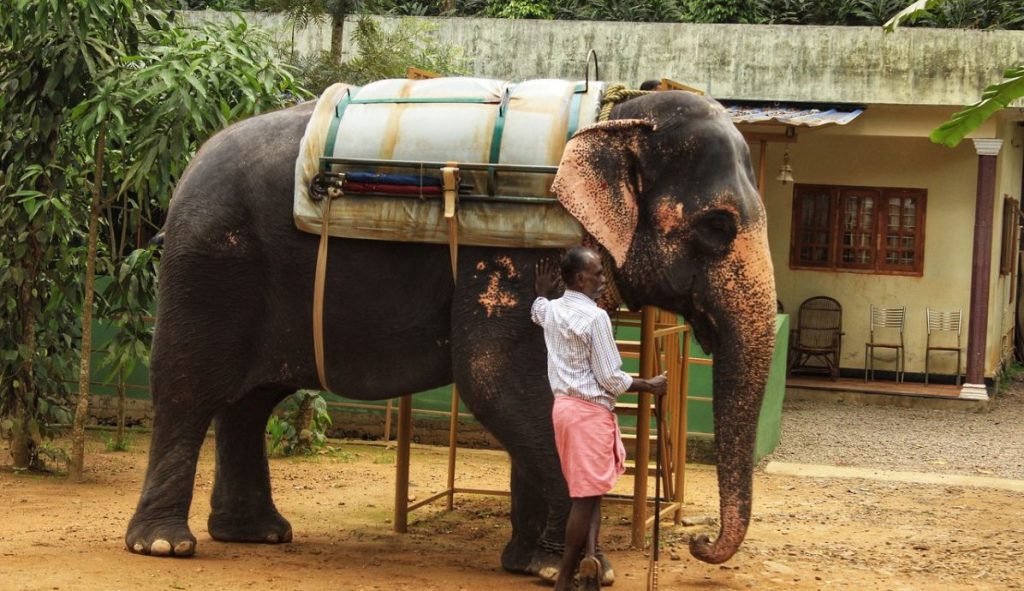
When most people think of Kerala, they imagine houseboats on backwaters or tea gardens on misty hills. But Kerala’s real charm lies in its villages — where culture, traditions, and warm hospitality create unforgettable experiences. Volunteering in rural Kerala not only enriches your trip but also makes a meaningful difference in local lives. This guide will help you make your Kerala itinerary memorable & meaningful for life. 1. Why to Choose Rural Kerala for Volunteering? Volunteering in Kerala’s rural areas gives visitors an opportunity to experience the state apart from experiencing populated tourist locations. The villages offer authentic culture & traditions, friendly hospitality by locals, and untold tales. Volunteering gives you authentic village experiences by immersing you in daily life, unlike traditional Kerala packages. There are multiple ways to contribute—teaching children, supporting women’s groups, or helping in eco-projects. The community is strengthened by each and every action, no matter how big or small it is. Pro Tip: Before you enroll, it is advised to better look for reputable Kerala tour companies or regional NGOs that run such volunteer events. 2. Top Volunteering Opportunities in Rural Kerala (Teaching, Farming, Healthcare & More) There are numerous volunteer opportunities available in Kerala. Amongst all, the most significant opportunities are as follows: Teaching Programs: To support educational initiatives, volunteering to teach computer skills, English or any other subjects in schools is one way to volunteer for the right cause. Sustainable Farming: Encourage organic & sustainable farming projects over inorganic farming in the hill stations of Kerala. Support for Healthcare: To volunteer for the healthcare department, reach out to remote clinics. Help out local medical staff . Eco-Tourism Projects: Support sustainable tourism activities. Encourage eco-friendly responsible travel & sustainable tourism in villages. These kinds of opportunities, which combine leisure and purpose, are trip-worthy to be included in your customized Kerala travel packages. Pro Tip: Select projects as per your preferred skills. There are a lot of activities to be indulged in like from Teaching, farming, to healthcare—choose where you can truly add real value. 3. Best Places to Volunteer in Kerala: Wayanad, Alleppey, Munnar & Kumarakom Your preferred interests will determine the location for volunteering. Each and every region has something special to offer: Wayanad: It is known for its sustainable farming initiatives and for tribal communities that support sustainability.. Alleppey: It defines the combination of ecotourism run by the locals and beautiful backwaters. Munnar: Volunteer on tea plantations and organic farms in the hills. Kumarakom: This area is home to eco-friendly initiatives and bird sanctuaries. Each destination adds depth to your Kerala travel guide, making it more meaningful than a typical Kerala road trip. It has something or the other to experience & learn while volunteering at the same time. Pro Tip: Speak with your Kerala tour planner to mix volunteering with sightseeing for a balanced experience. 4. How to Plan Your Volunteer Trip To ensure a rewarding volunteer experience ,careful examination & better planning is what you all need .Here are some of the key steps that will add value to your volunteer trip, if followed: Decide your duration—whether you want to go for short-term or long-term. To make travel plans to Kerala, get in touch with travel agencies. To combine volunteering with travel, pick trustworthy & informative Kerala tour companies. Mentally get ready for simple authentic living and cultural differences. A reputable Kerala planner can create a fulfilling itinerary that incorporates impact exploration. Pro Tip: Keep a journal when you travel. Writing down your experiences fosters reflection and strengthens bonds with others 5. Unique Experiences To Experience While Volunteering In Kerala, volunteering is more about the reward that is to gain than it is to give back. Anticipate more on following activities that will add value to your volunteering tour : Take part in customary celebrations. During homestays, discover Keralan cuisine. Learn about Ayurvedic methods in rural areas. Hike to undiscovered waterfalls accompanied by locals. These immersive experiences turn your trip into lifelong unforgettable memories, in contrast to generic Kerala family tours or vacation packages with no volunteering . Pro Tip: Carry a travel journal. Documenting your experiences will deepen your connection and help you reflect all the memories to re-live the moment. 6. Balancing Travel and Volunteering altogether Many tourists are curious about how to combine volunteering and leisure time for a better trip. Integration is crucial. By combining volunteer work with touring Kerala’s hill stations, backwaters, and cultural sites ,you can make a significant contribution without missing out on famous locations. Volunteering days can be added to Kerala vacation packages. This guarantees that your Kerala vacation package combines enjoyment and purpose along with a lot of learning thoroughly. Pro Tip: Take advantage of the weekends to explore the destination. For the ideal balance, commit to volunteering during the week days. FAQs Q1. Does volunteering in Kerala require any prior experience? No. Beginners are welcome in many projects. More important than skill is enthusiasm and transparency. Q2. Is it possible to combine volunteering with a honeymoon tour package to Kerala? Indeed. It is definitely possible to add personalized volunteering along with a honeymoon tour package. Q3. How do I find reliable travel agents for Kerala trips for volunteering? Seek out authorized Kerala tour companies that collaborate with neighborhood associations or non-profits communities. Q4. Is volunteering in rural Kerala safe for solo travelers? Yes. Villages in Kerala are known for their hospitality and safety. Just stay connected with your Kerala tour guide. Q5. Can a quick Kerala vacation package include volunteering? Indeed. Volunteering for even two or three days can make your Kerala vacation impactful & memorable. Final Thoughts Your journey becomes more than just a vacation when you volunteer in rural Kerala. It’s a worthwhile opportunity to change lives, embrace customs, and come back with meaningful tales. Whether you are traveling by road, taking a family vacation, or using a Kerala tour operator, volunteering adds value to your trip that will last. If you want your Kerala volunteer journey filled
Best Time to Visit Vietnam for Travelers in 2026
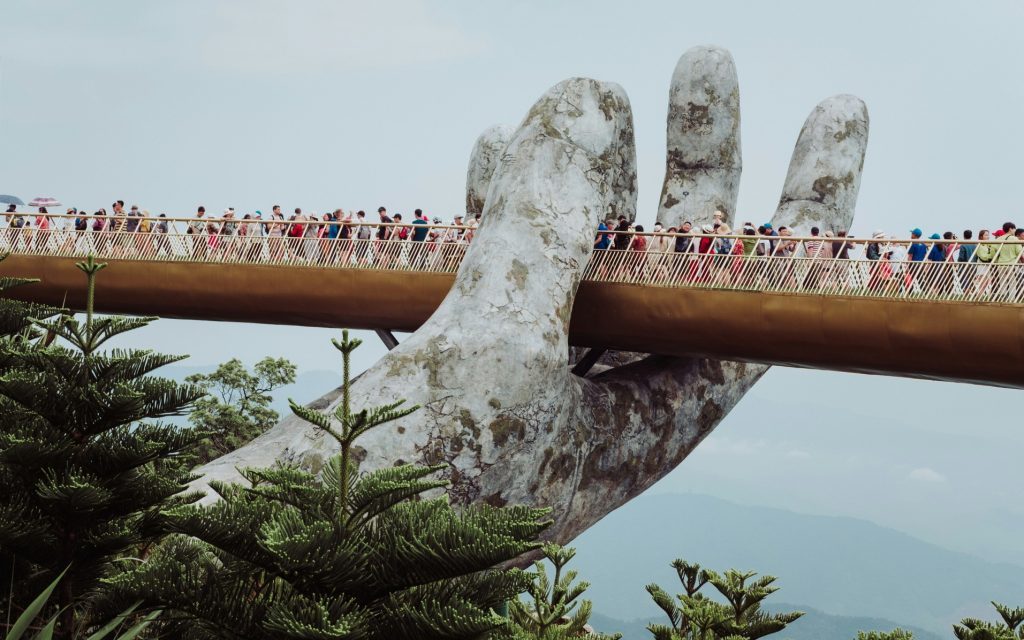
Travelling to Vietnam is an adventurous and daunting experience. Through its smoky mountainous north and its crowded cities, Vietnam has a wide variety of activities and attractions suitable for any kind of traveler. But before you dive into the details of your Vietnam travel itinerary, there’s one essential question to answer first: When is the best time to visit Vietnam in 2025? The climate in Vietnam is special in the sense that the nation extends over 1,000 miles in length between the north and the south. This forms three different climatic zones, i.e., the most auspicious seasons to visit, depending on the part of the land you are sightseeing. A properly organised trip planner to Vietnam will make your trip as fruitful as possible because they will match your activities with the best seasons. In this Vietnamese travel guide, we’ll explore seasonal highlights, regional variations, festivals, and tips to make your Vietnam trip planning smoother. Whether you’re crafting a Vietnam honeymoon itinerary, a family vacation plan, or a solo adventure, this guide has you covered. Understand the Vietnam Climate Before finalizing your Vietnam travel itinerary, it’s important to understand how weather patterns vary across the country. The regions of Vietnam are three: Northern Vietnam (Hanoi, Sapa, Ha Long Bay): There are four seasons: spring, summer, autumn, and winter. Winters (December to February) can be cold, particularly in mountainous places such as Sapa. Summers (May- August) are hot, humid, and sometimes have heavy rains. The Central Vietnam (Da Nang, Hoi An, Hue): Warm weather throughout the year tropical climate. Likely to typhoons and downpours during September and November. Southern Vietnam (Ho Chi Minh City, Mekong Delta, Phu Quoc): Warm and humid year-round. Separated into the dry season (November to April) and the rainy season (May to October). By aligning your Vietnam holiday guide with these climate zones, you can avoid weather-related disruptions while enjoying the country at its best. Best Time to Visit Northern Vietnam Northern Vietnam is a natural and cultural treasure trove, having it all, cities with their colored lights and mountains covered with mist. Ideal Months: October -April. These months are cool and comfortable, thus an ideal time to sightsee and do other activities outdoors. The months of October and November have clear skies and would be the best moments to be taken around Ha Long Bay or traveling in Hanoi. During winter months (December to February), there is a different kind of appeal, and in Sapa, it may be misty and occasionally there is a snowfall in the higher places. The month of spring (March to April) is lovely as flowers begin to bloom and there are celebrations. Must-Do Activities: Visiting the ancient streets and cuisine of Hanoi. Take a romantic Ha Long Bay cruise, perfect for couples on a Vietnam honeymoon itinerary. Hike across the Sapa terraced rice fields to have stunning scenery. Pro Tip: Tet, the Lunar New Year in Vietnam, generally occurs in the late month of January or February. It is a spectacular cultural adventure, and transportation and hotels are already booked several months beforehand, so reserve early. Central Vietnam Best Times to Visit The place is a country that boasts of cultural landmarks, historic cities, and beautiful beaches. Most suitable Months: February to August. It is also the time of year when the weather in the country is dry and sunny, and therefore, beach vacations and outdoor exploration are perfect. This would also be a perfect opportunity to explore Hoi An Ancient Town and the imperial monuments of Hue without fear of getting drenched by rain. Hoi An Lantern Festival, conducted every month, is particularly magical during clear weather. Must-Do Activities: Take a break on immaculate beaches such as My Khe Beach in Da Nang or An Bang Beach in Hoi An. Stroll in the by-lanes of Hoi An, illuminated with lanterns. Hue, the royal city of Vietnam, with the Imperial City and royal tombs. Visit My Son Sanctuary, which is also a UNESCO World Heritage site displaying the ancient Cham ruins. Travel Tip: Central Vietnam is prone to typhoons and flooding, especially in September to November, and so should not be visited at all. Best Time to Visit Southern Vietnam Southern Vietnam is a combination of bustling city life and all-natural immersion. Best Months: November-April. These are dry months in the year, and the weather is sunny, ideal in case people need to travel to Ho Chi Minh City, have boat tours in the Mekong Delta, or go to the beaches at Phu Quoc Island. Must-Do Activities: Tour the Tan Cu Chi Tunnels and gain knowledge about the history of the Vietnam War. Explore the floating markets of the Mekong Delta to have a glimpse of the local life. It is also about unwinding on the pristine white-sanded beaches of Phu Quoc and having a taste of seafood. Travel Tip: The rainy season lasts between May and October, although showers are normally brief and appear in the late afternoon thus they will not get your plans spoiled entirely. Month-by-Month Guide for 2025 Here’s a quick breakdown to help with your Vietnam travel planner: January: The Northern part is cool and dry, and festal Tet celebrations are on their way. February: Good in every part, good time to get outdoors. March: Hot and sunny, great in central Vietnam, and green hiking in the north. April: Beautiful climate all over the country, wonderful to sightsee and explore the outdoors. May: The rainy season begins in the south, but central and northern areas are always good places to visit. June-July: It is the high season of the beach season in central Vietnam, but somehow it becomes crowded. Sample Vietnam Honeymoon Itinerary The diversity of Vietnam makes it a great honeymoon country. Here’s a suggested 10-day Vietnam honeymoon itinerary: Days 1-3: Begin in Hanoi and explore the cultural sites, and spend 3 days on a luxury cruise in Ha Long Bay. Day 4-5: Fly to Da Nang, wander Hoi An with its romanticising lantern-lit
Singapore Travel Guide 2026: Everything First-Time Visitors Need to Know
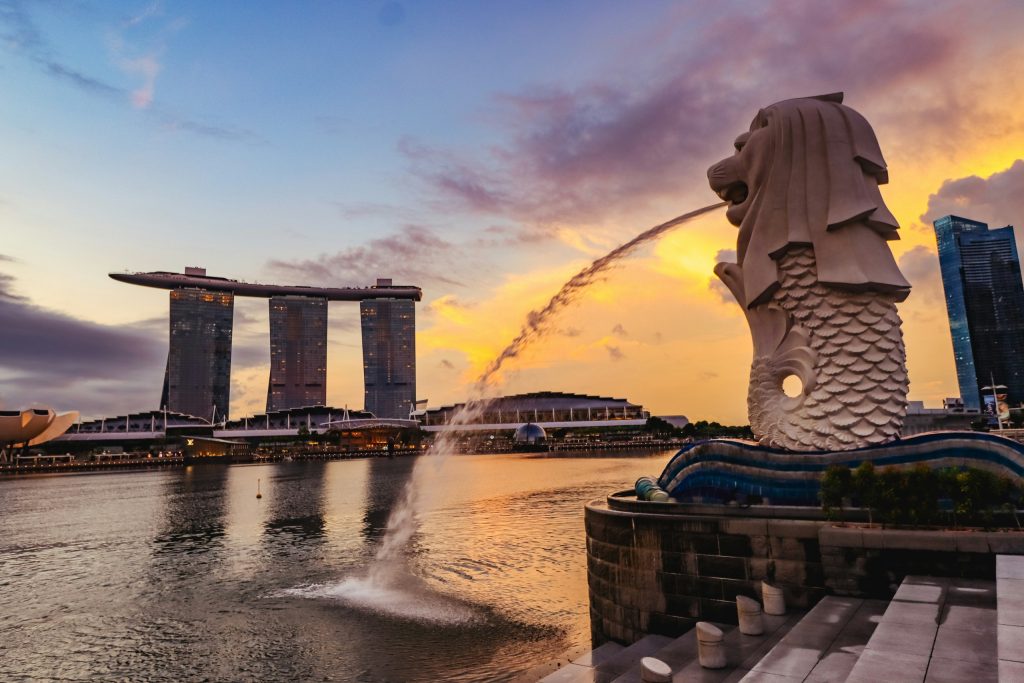
Planning your first trip to Singapore in 2025? Get ready to explore one of Asia’s most exciting and efficient cities. This island nation is a stunning mix of heritage and innovation where ancient temples stand beside striking skyscrapers, and vibrant neighborhoods like Chinatown and Little India bring culture to life. First-time visitors will love how easy it is to get around thanks to the world-class MRT system and a cashless, tourist-friendly setup. From the futuristic beauty of Gardens by the Bay to the endless food choices at famous hawker centres, Singapore offers a rich and seamless travel experience. Safe, clean, and full of energy, it’s the perfect introduction to Southeast Asia. So why go to Singapore in 2025? Because it’s a full-on experience rather than just a stopover. Wandering through vibrant temples one moment, and then enjoying a cocktail 57 stories above the ground while taking in the dancing city lights the next. Tradition and technology coexist there, and for some reason, it just works. Singapore meets all of your needs, whether you’re looking at week-long vacation packages, organizing your ideal honeymoon, or simply wanting a stress-free, short getaway. Culture? Verify. Comfort? Definitely. Adventure? Always. Getting There & Getting Around Arrival: Changi Airport is one of the best in the world—clean, efficient, and easy to navigate. You’ll be in the city within 30 minutes of landing Transport: Getting around Singapore is a breeze. For short stays, the Singapore Tourist Pass offers unlimited rides on buses and trains for one to three days. If you prefer pay-as-you-go, the EZ-Link card is a great alternative. Both are available at MRT stations and convenience stores. Public transport is reliable, air-conditioned, and tourist-friendly. Places to Stay Singapore offers options for both saving and spending. Are you feeling opulent? Enjoy iconic accommodations like the renowned Raffles Hotel or Marina Bay Sands, which offer rooftop pools, skyline views, and classic elegance. Cool meets comfort: Budget-friendly gems like YOTEL Orchard and Hotel G (in trendy Bugis) provide serious style, excellent locations, and clever design. On a tight budget? Choose charming, affordable, and central locations such as The Great Madras in bustling Little India or Capsule Pod Hostel in Chinatown. Planning a romantic escape? There are plenty of curated Singapore honeymoon packages that include scenic stays, spa days, and private tours. What to Eat (As well as Where to Get It) Singapore’s Food Scene: A Must-Do Experience If your trip to Singapore isn’t centered around food, you’re doing it incorrectly. This city is a foodie’s paradise, offering everything from Michelin-starred restaurants that are less expensive than a movie ticket to delicious street food. Many Singapore holiday packages include food tours or hawker centre visits so you can feast like royalty without burning through your travel budget. Snacks you must try include the national favorite, Hainanese chicken rice, spicy laksa, chili crab, crispy roti prata, and smoky satay skewers. Where to eat: Visit well-known local establishments like the cherished Tiong Bahru Market, Lau Pa Sat (Satay Street comes alive at night!), Old Airport Road and Maxwell Food Centre. You’ll thank yourself later if you arrive hungry. Top Attractions in 2025 Singapore may be small, but it’s packed with jaw-dropping sights you’ll be talking about long after you leave. Many Singapore tour guides include these spots, but you can also go at your own pace. Gardens by the Bay Step into a sci-fi garden where trees glow at night and clouds live indoors. Supertree Grove: These towering vertical gardens light up in a dazzling show every night free, magical, and totally Instagram-worthy. OCBC Skyway: Stroll among the treetops with skyline views that feel like a movie scene. Cloud Forest: A cool misty wonderland with a 42-meter indoor waterfall (yes, you read that right). Flower Dome: Like walking through a global botanical postcard, no passport needed. Marina Bay Sands Even if you don’t stay here, head up to the SkyPark Observation Deck. The views of the city, the bay, and those glowing Supertrees? Unreal. Come at sunset for the full wow factor Sentosa: Singapore’s Fun Island If Singapore had a playground, this would be it. Sentosa is where you go when you’re ready to swap skyscrapers for sunshine. Lounge on the beach, zip through roller coasters at Universal Studios, or wander the underwater world at S.E.A. Aquarium. It’s fun, fast, and a little over the top in the best way possible. (Heads up: the Sentosa Express isn’t included in most tourist passes, so bring a couple of extra bucks.) More Must-See Spots Singapore Zoo & Night Safari: Where the animals roam in lush, open habitats, and yes, the Night Safari is just as magical as it sounds. Chinatown, Little India & Kampong Glam: These cultural neighborhoods are full of color, spice, history, and heart. Think temples, street art, textiles, and food that will change your life. Orchard Road: This isn’t just shopping, it’s a retail marathon. Global brands, local designers, air-con heaven. Haji Lane: Tiny, artsy, and overflowing with personality. You’ll find street murals, indie boutiques, and cafés that could live on Pinterest. Singapore River Cruise + Clarke Quay: Float through the city’s story on a breezy boat ride, then hop off for riverside dinner and cocktails under fairy lights. Best Time to Visit February–April: Dry and pleasantly warm Late January/February: Chinese New Year July: Great Singapore Sale + cultural events Avoid the heavy monsoon season from November to January. Real Talk: Travel Tips for Singapore (2025) Leave the cash at home. Almost everything in Singapore is tap-and-go. Your phone or card will get you through food stalls, trains, and even vending machines. It’s hot. Always. Think tropical. Pack light clothes, comfy shoes, and don’t forget a small umbrella. Sun one minute, rain the next. Play by the rules. Singapore is super safe and spotless for a reason. Don’t litter, don’t chew gum, and always cross at the light. It’s not strict; it’s smart. Stay online. Grab an eSIM or local data plan so you
Leh Ladakh tour package guide: must see places & must do experiences
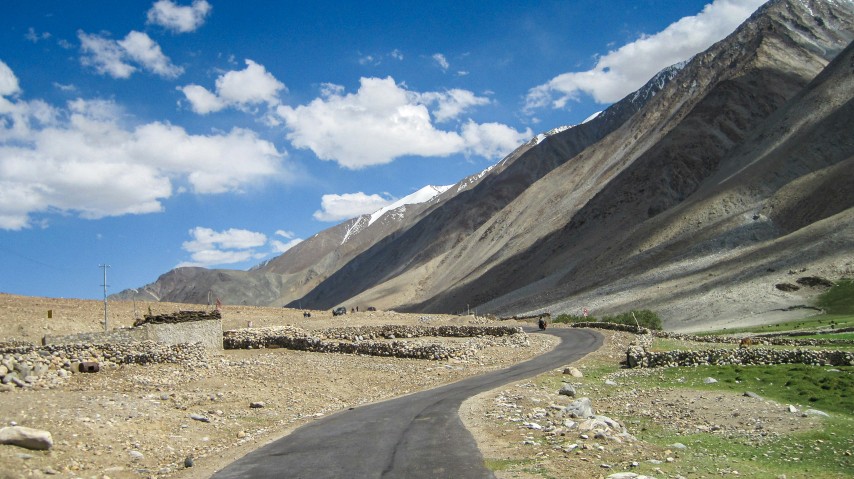
Imagine this: You’re standing by a shimmering blue lake at 14,000 feet, snow-capped peaks all around, prayer flags fluttering in the breeze, and not a single honk or email in sight. That’s Ladakh for you. If this high-altitude dream has been on your bucket list for a while, it’s time to stop scrolling and start planning. Whether you’re chasing roads less traveled, dreaming of a romantic getaway, or plotting the ultimate road trip with friends, this guide to the perfect Leh Ladakh trip package has you covered. Let’s break it down: what to see, what to do, and what to book to make this trip unforgettable. Places That Belong on Your Ladakh Hitlist Leh Town Why Visit: This is the heart of Ladakh—a high-altitude town surrounded by the Himalayas. It’s where culture, history, and comfort meet. Attractions: Shanti Stupa, Leh Palace, Namgyal Tsemo Monastery, vibrant local bazaars, and Tibetan cafés. Pro Tip: Spend at least 2 days in Leh to acclimatize before heading to higher-altitude regions. Nubra Valley Why Visit: A high-altitude desert nestled between mountains, known for sand dunes and double-humped camels. Attractions: Diskit Monastery, Hunder Sand Dunes, Turtuk Village (a cultural gem near the Indo-Pak border). Pro Tip: Visit Turtuk for a unique cultural experience, and stay in a Nubra homestay for a local touch. Pangong Lake Why Visit: India’s most iconic high-altitude lake, famous for its surreal blue shades. Attractions: Camping by the lake, sunrise photography, and stargazing. Pro Tip: There’s no mobile network here—download offline maps and carry power backups. Tso Moriri Why Visit: A more peaceful and less touristy alternative to Pangong is Tso Moriri, ideal for meditation and nature lovers. Attractions: Bird watching, Karzok village, and raw natural beauty. Pro Tip: Visit this last on your itinerary, as it’s one of the highest points and requires full acclimatization. Magnetic Hill & Gurudwara Pathar Sahib Why Visit: A quirky stop where vehicles appear to roll uphill. The Gurudwara offers peace and hot tea. Attractions: Magnetic illusion, confluence of Zanskar & Indus rivers. Pro Tip: Combine this with Alchi Monastery or Lamayuru on a short half-day trip from Leh. Hemis & Thiksey Monasteries Why Visit: These monasteries showcase Ladakh’s rich spiritual life, architecture, and Himalayan rituals. Attractions: Giant Maitreya Buddha at Thiksey, Hemis Festival (if visiting in June/July), morning chants. Pro Tip: Visit Thiksey at sunrise for incredible light and fewer tourists. Must-Do Experiences That Make It All Worth It Road Tripping on the World’s Highest Highways Trust us—nothing compares to riding through Ladakh with the wind in your hair and the majestic Himalayas unfolding before you. Whether you’re traveling solo or with a group, this is one adventure that absolutely deserves a spot on your bucket list. Stargazing Like Never Before In Ladakh, the stars don’t twinkle; they dazzle. Pangong, Hanle, and Tso Moriri offer skies so clear, you’ll forget the city even exists. Monastery Mornings Wake up early, sip butter tea, and watch monks chant in candlelight. It’s peace you can feel. Camp By the Lake A blanket of stars, a hot cup of Maggi, and the gentle sound of waves while camping by Pangong or Tso Moriri are the stuff dreams are made of. Acclimatization & Altitude Sickness: What to Know Stay 48 hours in Leh before heading to higher altitudes. Hydrate constantly—3–4 liters per day. Avoid alcohol and heavy meals the first few days. Watch for AMS symptoms like dizziness and nausea. Carry Diamox (after consulting a doctor) or use oxygen cylinders if needed. Packing Essentials for Ladakh Thermal wear, fleece layers, and down jackets Sunglasses, SPF 50+ sunscreen, lip balm Sturdy trekking shoes Reusable water bottle, energy bars Power bank and offline maps Copies of permits and ID proofs What Should Your Leh Ladakh Package Really Include? Let’s be honest: booking a trip to Ladakh isn’t just about ticking boxes; it’s about making sure you’re comfortable, safe, and actually enjoying every moment. Here’s what to look for before you hit that Book Now button: A Good Place to Crash After a long day of road tripping and sightseeing, you’ll want a cozy bed, not a sleeping bag in the cold. Look for clean, comfy hotels in Leh and lakeside camps in Nubra or Pangong with proper bedding and warm food. Reliable Wheels Ladakh’s roads can get rough (we’re talking mountain passes and hairpin bends), so SUVs like a Scorpio or Innova are the way to go. Bonus points if the driver’s a local; they know the terrain like the back of their hand. Meals Sorted Most good packages include breakfast and dinner, and trust us, you’ll want that sorted when you’re at 14,000 feet and the nearest café is 50 km away. Plus, who doesn’t love hot Maggi or butter tea after a long drive? Oxygen on Standby The altitude can sneak up on you, especially in the first couple of days. Packages that include oxygen support or emergency protocols are always a smart pick. Better safe than breathless. A Bit of Wiggle Room The best kind of travel? The kind that doesn’t feel rushed. Go for a customizable itinerary, one that lets you explore at your pace, maybe squeeze in a monastery you just heard about, or stay an extra night by the lake. Leh Ladakh Itinerary: 7-Day Travel Plan Day 1: Arrive in Leh, rest, and light exploration (Shanti Stupa, market) Day 2: Leh sightseeing—Hall of Fame, Leh Palace, monasteries Day 3: Drive to Nubra via Khardung La, explore Diskit & Hunder Day 4: Visit Turtuk or enjoy sand dunes & monastery visit Day 5: Drive to Pangong Lake via Shyok route, overnight camp Day 6: Return to Leh via Chang La; stop at Hemis Monastery Day 7: Local shopping or visit Magnetic Hill & Pathar Sahib before departure FAQs About Leh Ladakh 2025 1. Do I need any permits to visit Leh Ladakh in 2025? Yes, Inner Line Permits (ILPs) are required for Indian citizens and Protected Area Permits (PAPs) for foreign nationals. These are needed for areas like
Thailand Tour Guide 2026: Top Places to Visit & Expert Tips
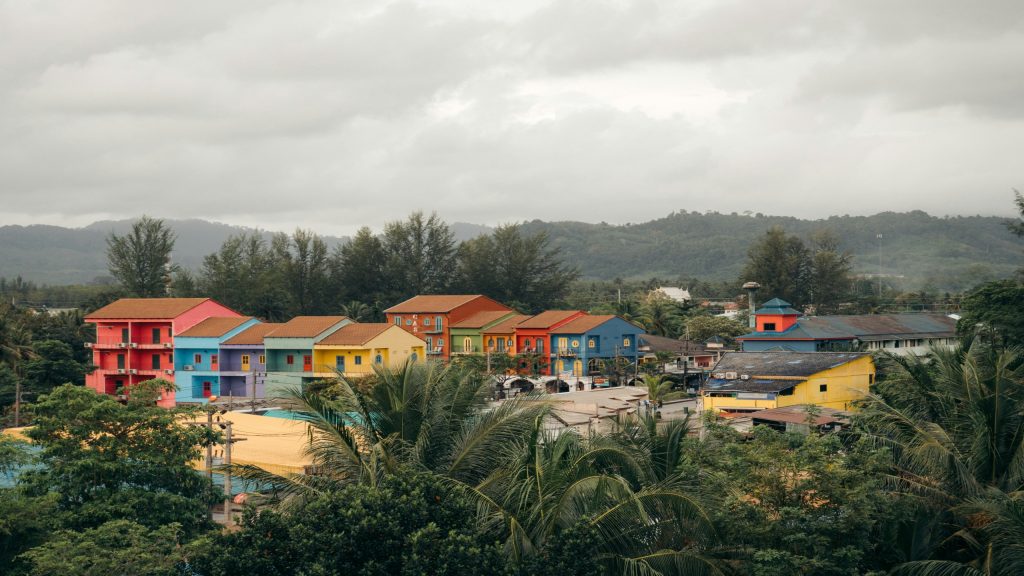
Planning a trip to Thailand? You’re in for something amazing. Whether it’s your first time or you’ve been before, Thailand’s got that perfect mix of chill beaches, wild cities, incredible food, and culture that hits different. This guide has everything you actually need, from top places to visit and helpful tips to a simple Bangkok itinerary to get you started. No pressure, no overplanning, just a solid starting point for your 2025 adventure. Think of it as your low-key Thailand trip planner from someone who’s just as excited about the journey as you are. Top Places to Visit in Thailand in 2025 1. Bangkok—The City That Never Sleeps If you’re planning a Bangkok, Thailand trip and skipping Bangkok… rethink that. It’s loud, a little wild, but honestly, kind of magical. One minute you’re walking through a 200-year-old temple, the next you’re sipping cocktails on a rooftop 40 floors up. It just works. Places you can’t miss: Wat Arun at sunset—trust me, it’s unreal Wat Pho for the massive Reclining Buddha Chatuchak Market if you’re down for cheap clothes, souvenirs, and snacks every few feet Tip: Don’t mess with Bangkok traffic; it’s brutal. Stick to the BTS Skytrain or catch a riverboat. It’s faster, cheaper, and kind of fun. Sample 3-Day Bangkok Itinerary: Day 1: Hit the big temples and take a river cruise Day 2: Shop ‘til you drop + street food crawl (save room for mango sticky rice) Day 3: Do a chill day trip either to Ayutthaya (ancient ruins) or a floating market Bangkok can feel overwhelming at first, but once you settle in, you’ll get why it’s a must on every Thailand travel planner. Just roll with the chaos that’s part of the charm. 2. Chiang Mai – Slow Days, Good Energy Chiang Mai feels like a deep breath after the buzz of Bangkok. It’s up in the mountains, way more laid-back, and kind of perfect if you’re into nature, temples, and slow mornings with good coffee. You’ll spend your days wandering through night markets, visiting peaceful temples, and maybe even hanging out with elephants (the nice, ethical kind—no rides, just love). What’s worth your time: Doi Suthep Temple—the view from the top is unreal Local night bazaars—perfect for souvenirs and endless street food An elephant sanctuary And if you’re there in November, catch the Yi Peng Lantern Festival with floating lanterns everywhere. It’s one of those moments you’ll never forget. Tip: November is the sweet spot. Cooler temps, fewer tourists, and the whole city just feel alive during festival season. Chiang Mai isn’t about rushing around; it’s more like… take it slow, enjoy the vibes, and let the place grow on you. If you’re planning your Thailand holiday guide and want something meaningful (and super chill), this is your place. 3. Phuket – Sun, Sea & Zero Regrets Phuket’s the kind of place that makes you want to ditch your return ticket. It’s all palm trees, blue water, and a “let’s just stay forever” vibe. Whether you’re there to party, explore, or fully unplug, it just works. You’ll probably end up at Patong Beach at least once. It’s loud, messy, and kind of chaotic… but also kind of fun. If that’s not your scene, no worries; there are way more peaceful spots too. Definitely take a boat trip out to the Phi Phi Islands. Yeah, it’s touristy, but it’s also insanely beautiful. And at some point, go visit the Big Buddha. It’s quiet, up on a hill, and the views over the island are actually kind of surreal. Tip: Stay on the west side of the island if you’re into sunsets and want a break from the noise. The beaches are calmer, and the vibes are unbeatable. Phuket’s a must for any Thailand trip planner, especially if you’re looking to mix a little adventure with a whole lot of chill. 4. Krabi—Straight-Up Coastal Magic Krabi is a screensaver IRL. You’ve got these giant limestone cliffs, crazy blue water, and beaches that are somehow both chill and dramatic at the same time. Musts: Railay Beach—no roads, just boats and jaw-dropping views Ao Nang—super chill, good food, easy vibes Island hopping—hit up Koh Phi Phi or Koh Lanta (yes, both if you can) Tip: Book the early boat tours; it’s quieter, cooler, and ideal for stunning photos. If your Thailand itinerary doesn’t include Krabi, it’s time to reconsider. The experience is nothing short of cinematic. 5. Pai—Your Soft Life Era Pai is tiny, peaceful, and kind of magical. It’s the place you go when you’re tired of being “on” all the time. No big plans, no loud crowds—just mountains, fresh air, and a slow pace that hits different. What you’ll find: Hot springs, waterfalls, sleepy cafés, people playing guitar at sunset, and the kind of quiet that makes you actually breathe. It’s not flashy, and that’s exactly the point. Tip: Rent a scooter and just cruise around. No map needed. Every random road leads to something pretty. Pai won’t be for everyone. But if you’re craving calm, creativity, or just a break from the noise, this is your sign to add it to your Thailand trip guide. FAQs About Traveling to Thailand (2025 Edition) 1. What’s the best time to visit Thailand? Thailand is great year-round, but the best weather is from November to February—cooler, drier, and perfect for sightseeing or beach-hopping. A good Thailand vacation planner will help you avoid the rainy season in the south and extreme heat in the north. 2. Do I need a visa to travel to Thailand? Depends on your passport. Many countries get a 30-day visa exemption, but always double-check. A solid Thailand travel planner or Thailand tour guide should include up-to-date visa info. 3. Is Thailand expensive for travelers? Not really. Thailand can be super affordable, especially for food, transport, and accommodation. Whether you’re going luxe or backpacker, a good Thailand trip planner can help you stick to your budget. 4. Is it safe to travel solo in Thailand? Yes,
Top 7 Places to Visit in Istanbul & Experiences You Can’t Miss

Istanbul is a city like no other, bridging two continents and blending its history, culture, and modern energy into one unforgettable experience. Every corner of this place has its own story and pretty tale to share and every new visitor’s fascination discovers something amazing and breathtaking because of Istanbul’s rich history, super markets buzzing with activity and its spectacular beauty. Whether you’re drawn to its historical charm or its lively atmosphere, Istanbul offers a journey that stays with you long after you leave. Everyone will discover something they love about Istanbul because it has a wide range of experiences to offer. Whether it is its beautiful historical palaces and mosques, a wide variety of food exploration, or the experience of sailing across the Bosphorus, Istanbul is like a museum that invites tourists from around the world to explore its history, culture, and art. These are the top seven attractions in Istanbul that every visitor should see, along with the unique experiences each location has to offer. Hagia Sophia Hagia Sophia stands as the architectural gem of Byzantine times since its initial construction occurred in 537 AD. Istanbul’s rich heritage is displayed through this building which began as a church transformed into a mosque and re-established as a mosque for present-day use. The architectural masterpiece combines its enormous dome with intricate mosaics which meet beautiful Islamic calligraphy. Things to Do: You can view remarkable Byzantine mosaics at Hagia Sophia that show images of Christ as well as the Virgin Mary and angels. Admire the central dome’s impressive design which was once thought impossible to build. You can experience breathtaking interior views through the upper gallery levels. Pro tip : Visitors should arrive at the location during early hours to secure photos under optimal natural light while skipping the peak traffic periods. Blue Mosque The Sultan Ahmed Mosque known as the Blue Mosque which faces the Hagia Sophia stands out with its blue tile design as another spectacular building. Tourists can experience the active worship functions and notable six minarets together with the many blue tiles from Iznik at this religious site. Things to Do: Admire the stunning dome with its intricate blue tile work. Experience calmness in the surrounding environment while you watch local Istanbulites conducting their daily prayers. Tourists should explore the historical Sultanahmet Square as it stands as the central point of Istanbul’s old part. Pro tip: Every female visitor should bring a headscarf to follow the religious protocol at this site. A free scarf distribution service is located at the site entrance. Topkapi Palace The Topkapi Palace served as the Base of Ottoman Sultans where they ruled the Ottoman Empire for 400 years during the luxurious Golden Age. The Bosphorus offers a spectacular panorama from the palace along with magnificent rooms and beautiful courtyards. Things to Do: You can discover the Harem which was the hidden palace section where the sultan’s wives together with concubines resided. Travelers can view religious artifacts including Prophet Muhammad’s sword and his cloak. Pro tip: When visiting this expansive complex you need at least three to four hours to fully appreciate everything it has to offer. Grand Bazaar The Grand Bazaar stands as one of the world’s largest and oldest covered markets and represents a must-see destination during any Istanbul visit. The bustling market provides an ideal place to buy different souvenirs through its 4,000 shops. Things to Do: Explore the market to buy original Turkish carpets alongside authentic ceramics and lamps and also purchase regional spices. When shopping it’s normal practice to bargain with vendors because this tradition forms an integral part of exploring the bazaar. Traditional Turkish delight along with special sweets exist at specialty stalls throughout the market. Pro tip: Begin your adventure at Gate 1 starting from Beyazıt because it leads to the most direct shopping path in this complex maze-like bazaar. Bosphorus Cruise A Bosphorus cruise across Where Europe Meets Asia. It enables visitors to discover the city’s enchanting charm while cruising past historic palaces as well as waterfront mansions and beautiful landscapes. This strait functions as a bridge that joins together the Black Sea alongside the Sea of Marmara while keeping Europe separate from Asia. The picturesque view of a Bosphorus cruise sailing on the water with passengers relaxing onboard. Things to Do: Travel only 2 hours by boat through Istanbul for breathtaking waterfront views. Joy seekers should select a complete day cruise service that includes stops in Anadolu Kavağı which presents itself as a beautiful fishing town. Spend a romantic evening eating dinner during the sunset on a cruising vessel. Pro tip: Make your cruise reservations ahead of time because reservations secure excellent deck viewing areas free from interruptions. Istiklal Street & Taksim Square The Beating Heart of Istanbul represents Istanbul’s most popular street through its combination of shops and restaurants along historical landmarks. The vintage red tram operating within the street further enhances the street’s appealing magic. The lively Istiklal Street and Taksim Square filled with people walking and exploring Istanbul’s vibrant atmosphere. Things to Do: Take a walk on Istiklal Street which spans 1.4 kilometers between international stores and Turkish local shops. The historic Çiçek Pasajı arcade stands out because of its active restaurants inside its confined area. View the entire city panorama of Istanbul from the observation deck situated at Galata Tower. Pro tip: Visitors should attend at night because it gives them a chance to witness the street lights as well as hear live music. Spice Bazaar The Egyptian Bazaar also known as the Spice Bazaar presents a sensory experience through its lively stalls filled with scented spices and dried fruit assortment. Things to Do: People can buy saffron along with sumac and Turkish tea for carrying a taste of Istanbul with them. Taste the freshly baked baklava and halva as well as fresh roasted nuts. Photo enthusiasts can take memorable snaps at the vivid stalls that display spices. Pro tip: People who want to shop peacefully should visit early in
Singapore Travel Guide 2026: Must-Visit Places, Hidden Gems & Top Things to Do!!
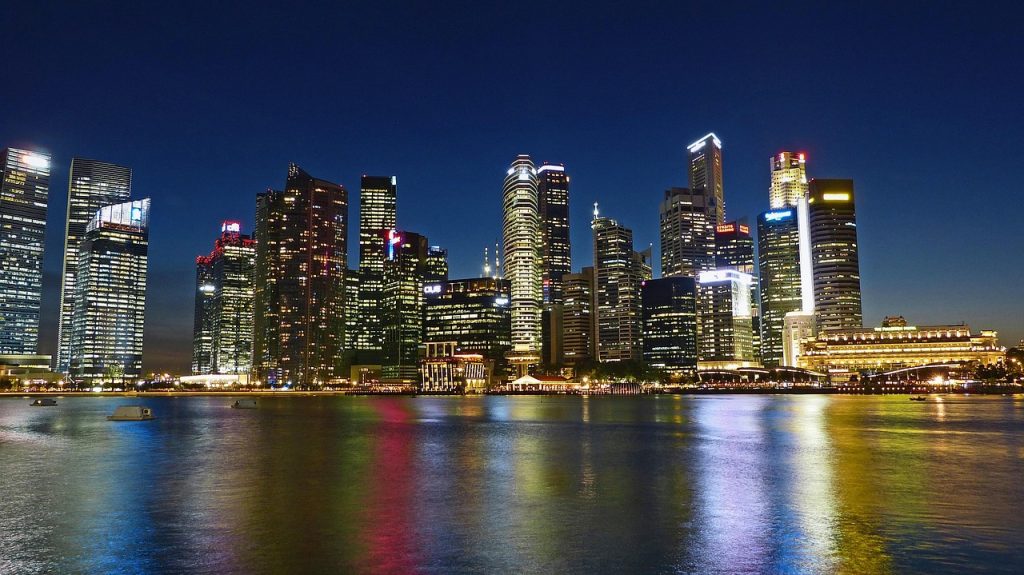
Singapore, a vibrant blend of modernity and tradition, offers views of skyscrapers, lush green spaces, and rich cultural heritage. If you’re a solo traveler, visiting with family, or planning a luxury getaway, this Singapore travel guide 2025 will help you explore the best places to visit in Singapore while discovering hidden gems and unforgettable experiences. Let’s dive into the top attractions in Singapore and make your trip unforgettable! Must-Visit Places in Singapore & Nearby Attractions: 1. Marina Bay Sands & Gardens by the Bay: Marina Bay Sands, one of Singapore’s most stunning destinations offers breathtaking views from its SkyPark along with elite shopping and fine dining. Gardens by the Bay showcases its iconic Supertree Grove and misty Cloud Forest attraction for those who enjoy natural settings. Nearby Attractions & Activities: Take a ride on the Singapore Flyer Enjoy the Water Show & Spectra Light at Marina Bay Sands Explore ArtScience Museum 2. Sentosa Island & Universal Studios Singapore: A haven for adventure seekers, Sentosa Island offers thrilling attractions, beautiful beaches, and fun experiences. Located on Sentosa Island, Universal Studios Singapore is a must-visit for theme park lovers. The place offers thrilly rides and live entertainment. Nearby Attractions & Activities: Visit Madame Tussauds Singapore Try thrilling Singapore adventure activities like MegaZip & iFly Singapore Enjoy Singapore’s best beaches (Siloso, Palawan, Tanjong Beach) 3. Chinatown: Chinatown offers a perfect lively environment for food lovers and culture enthusiasts with its bustling markets and outstanding food stalls. It provides visitors an excellent spot to experience Singapore street food while finding exclusive souvenirs. Nearby Attractions & Activities: Shop at Chinatown Street Market Visit Buddha Tooth Relic Temple & Sri Mariamman Temple Try best food places in Singapore Chinatown like Maxwell Food Centre 4. Little India & Kampong Glam: For a vibrant cultural experience, Little India and Kampong Glam showcase Singapore’s rich heritage, from vibrant temples to trendy boutiques. Tourists can explore historical landmarks and shops while tasting traditional Indian and Malay dishes in the neighborhood streets. Nearby Attractions & Activities: Explore Mustafa Centre for budget shopping Try the best halal restaurants in Singapore Visit Sultan Mosque & Haji Lane for boutique shopping and cafes 5. Jewel Changi Airport: Jewel Changi Airport is not just an airport but a world-class attraction featuring the breathtaking HSBC Rain Vortex, lush indoor gardens, incredible shopping and dining experiences. It’s the perfect place to explore before and between flights. Nearby Attractions & Activities: Visit the HSBC Rain Vortex Shop at Singapore’s best shopping malls within the airport Explore the Canopy Park & Sky Nets Hidden Gems in Singapore: Singapore offers tourists a few hidden attractions away from the crowds, including: Henderson Waves: A unique wave-shaped bridge with panoramic city views Lazarus Island: A serene beach escape from the city Kranji Countryside: A rural retreat with organic farms and fresh produce. MacRitchie Reservoir: Guests visiting this place can kayak while enjoying nature walks. Things to Do in Singapore 2025: Best Free Attractions in Singapore: Singapore Botanic Gardens (UNESCO Site) Merlion Park for classic Singapore skyline views East Coast Park for cycling & picnics Singapore heritage trails through Joo Chiat & Katong Top Night Activities: Singapore Night Safari: Witness rare wildlife in action. Clarke Quay for Singapore nightlife and bars Explore rooftop dining at Singapore’s top rooftop restaurants Cultural & Historical Sites: Asian Civilisations Museum & National Gallery Singapore Visiting Singapore’s museums like Peranakan Museum Exploring Singapore’s cultural districts like Tiong Bahru Shopping & Food Experiences: Best local markets in Singapore like Tekka Centre & Bugis Street Hawker Centers for must-try experiences like Maxwell Food Centre Singapore must-visit cultural sites like Thian Hock Keng Temple FREQUENTLY ASKED QUESTIONS (FAQs): Q1. Is Singapore a good place to visit? Absolutely! Singapore is a top travel destination known for its cleanliness, safety, diverse culture, and stunning attractions like Marina Bay Sands, Gardens by the Bay, and Sentosa Island. Q2. What is the best time to visit Singapore? The best time to visit is from February to April, when the weather is pleasant, and there are fewer chances of rain. However, Singapore is a year round destination. Q3. Do I need a visa to visit Singapore? It depends on your nationality. Many countries enjoy visa-free entry for short stays, but it’s best to check with the Singapore Immigration website before traveling. Q4. What are the best foods to try in Singapore? Hainanese Chicken Rice, Chilli Crab, Laksa, Satay, Kaya Toast & Kopi are some must try foods. Conclusion: Singapore is an exceptional travel location featuring phenomenal attractions alongside cultural offerings and thrilling activities. This ultimate Singapore travel guide presents every essential detail necessary to create remarkable experiences during your time in Singapore. A visit to Singapore in 2025 will be rewarding as it offers world-class infrastructure alongside rich heritage and a vibrant food scene. Planning a trip? You are just one click away! Click here and let The Tarzan Way’s AI planner do the hassle for you. Let’s plan the best trip ever!
Andaman and Nicobar Islands: Tropical Paradise Reimagined.

Dream vacation with pristine beaches and lush greenery? Look no further! Discover the untouched beauty of Andaman and Nicobar Islands in this travel guide that will take you on a journey through its tropical paradise reimagined. Nestled in the azure waters of the Bay of Bengal The Andaman and Nicobar Islands are a captivating destination that promises a tropical paradise like no other. With their pristine beaches, crystal-clear waters, and lush greenery, these islands offer a serene escape from the hustle and bustle of everyday life. Credits: Unspalsh Immerse yourself in the natural beauty of the islands by taking a leisurely stroll along the shores, or embark on a thrilling scuba diving or snorkeling adventure to discover the vibrant marine life that thrives beneath the surface. With its diverse range of flora and fauna, the Andaman and Nicobar Islands are a nature lover’s paradise. Scubadiving, Credits: Unsplash Whether you’re seeking relaxation, adventure, or a glimpse into the local culture, the Andaman and Nicobar Islands offer a truly enchanting experience that will leave you with memories to last a lifetime. Top Attractions to Explore When visiting the Andaman and Nicobar Islands, there are several must-visit attractions that should be on your itinerary. Beaches to relax and unwid: Radhanagar Beach on Havelock Island is a must-see. With its pristine white sand and turquoise waters, it has been consistently ranked as one of the best beaches in Asia. Elephant Beach, known for its vibrant coral reefs and colorful marine life, is another popular spot for snorkeling and diving. Radhanagar Beach, Credits: Unspalsh For History Buffs and Architecture Lovers: One of the most popular destinations is the Cellular Jail in Port Blair, which serves as a reminder of the islands’ colonial past and the struggle for independence. The light and sound show held at the jail is a moving experience that takes you back in time. Cellular Jail, Credit: unsplash A visit to Ross Island is highly recommended. Once the administrative headquarters of the British during their rule, the island now stands as a fascinating ruin, with remnants of colonial buildings and a serene atmosphere. For nature enthusiasts, a trip to the Mahatma Gandhi Marine National Park is a must. Spanning several islands, the park is home to a diverse range of marine life, including coral reefs, turtles, and tropical fish. Take a glass-bottom boat ride to explore the underwater world without getting wet. These are just a few of the many attractions that the Andaman and Nicobar Islands have to offer. Each destination has its own unique charm and beauty, waiting to be discovered. Unique Experiences to Indulge In While exploring the Andaman and Nicobar Islands, there are several unique experiences that you can indulge in to make your trip truly unforgettable. 1.) One of the highlights of visiting these islands is the opportunity to witness the mesmerizing bioluminescence phenomenon. Take a night-time swim or simply stroll along the shoreline to witness this magical spectacle. Credit: Unsplash 2) Visit the limestone caves take a boat ride through the dense mangrove forests to reach the caves and marvel at their stunning beauty. These natural formations are home to thousands of swiftlets, and the sound of their chirping echoes throughout the caves. Bartanga Island, Credit: Pintrest 3) For adventure seekers, a trek to the top of Mount Harriet is a must. As the highest peak in the Andaman and Nicobar Islands, it offers breathtaking panoramic views of the surrounding islands and the vast expanse of the Bay of Bengal. From exploring hidden beaches to encountering exotic wildlife, there is always something new and exciting to discover. Local Cuisine and Culture The local cuisine is a fusion of Indian, Southeast Asian, and tribal flavors, seafood is a staple in the islands, with fresh catches of fish, crabs, prawns, and lobsters available in abundance. Andaman fish curry, a spicy and tangy delicacy that is sure to tantalize your taste buds. Andaman cusinie spread In addition to seafood, the islands are known for their tropical fruits, such as mangoes, bananas, and coconuts. Indulge in refreshing fruit juices and smoothies made from these locally sourced ingredients. Tips for Planning Your Trip To make the most of your trip to the Andaman and Nicobar Islands, here are some tips to keep in mind: – Plan your trip in advance to ensure availability of flights and accommodations, especially during peak tourist seasons. – Pack light and comfortable clothing, as the islands have a tropical climate throughout the year. – Don’t forget to carry sunscreen, insect repellent, and a hat to protect yourself from the sun. – Stay hydrated and drink plenty of water, especially if you’re engaging in outdoor activities. – Take the time to interact with the local communities and learn about their way of life. By following these tips, you’ll be well-prepared for an amazing journey through the tropical paradise of the Andaman and Nicobar Islands.
Santorini Unveiled: A Honeymooner’s Paradise of Romance
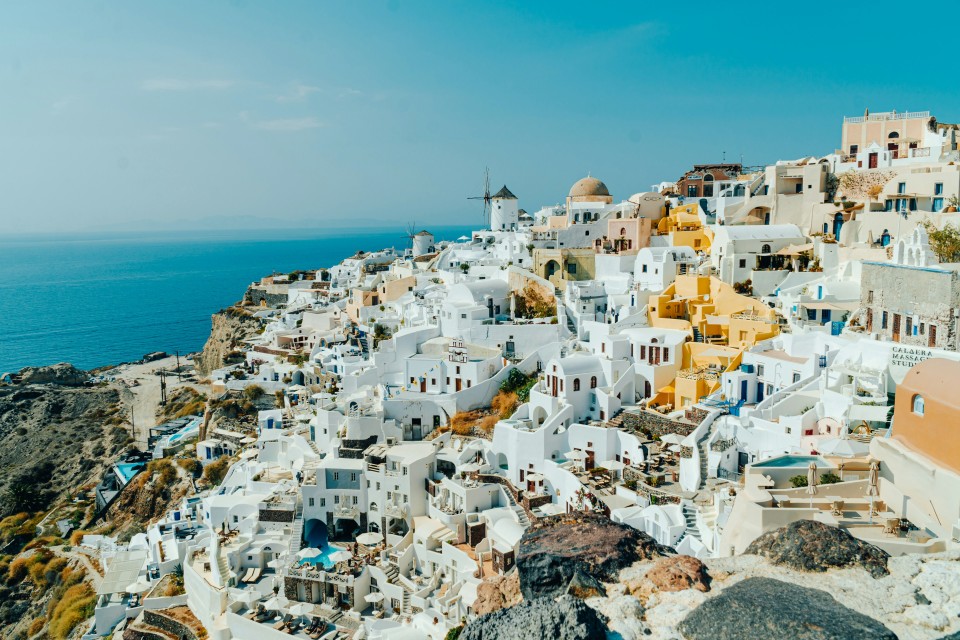
Immerse yourselves within the attraction of Santorini, Greece, wherein azure waters meet whitewashed cliffs. Known for its picturesque views and precise architecture, Santorini has grown to be synonymous with romance and is a dream destination for honeymooners. This island is a haven of intimacy, offering secluded spots, breathtaking views, and culturally rich studies that set the stage for a memorable honeymoon. Santorini In this, we’ll take you on an adventure via Santorini, highlighting hidden gem stones, intimate stays, and cultural adventures that make this island a honeymooner’s paradise. Let’s embark on an exploration of Santorini: A Honeymooner’s Paradise of Romance. Oia: The Iconic Cliffside Village No journey to Santorini is whole without a visit to Oia. This fascinating village is well-known for its whitewashed buildings, blue-domed churches, and beautiful sunsets. Stroll hand in hand along the slim streets, lined with boutique stores and cafes. Secluded Spot: Amoudi Bay Amoudi Bay Just beneath Oia lies Amoudi Bay, a hidden gem recognized for its crystal-clear waters and old-fashioned seafood tavernas. Take a dip within the bay or experience a romantic dinner with a backdrop of the colorful sunset. Fira: The Heart of Santorini Fira, the island’s capital, offers a mix of traditional and modern attractions. Explore the bustling streets coated with shops, cafes, and galleries. Fira, the island’s capital Visit the Orthodox Metropolitan Cathedral for a glimpse of lovely architecture. Secluded Spot: Skaros Rock Skaros Rock in Imerovigli For a secluded and panoramic view of the island, hike to Skaros Rock in Imerovigli, simply north of Fira. The path rewards you with breathtaking vistas of the caldera and surrounding islands. Plan a sunset hike for a virtually magical enjoyment. Intimate Stays: Luxury Retreats Santorini offers quite a number of intimate and expensive inns perfect for honeymooners. Opt for a non-public villa with a plunge pool and terrace overlooking the caldera. Some boutique resorts even provide non-public eating spaces. Secluded Spot: Megalochori Megalochori For a quieter life, do not forget Megalochori, a picturesque village acknowledged for its traditional structure and vineyards. Stay in a restored cave house or fascinating boutique motel for a peaceful retreat. Cultural Experiences for Honeymooners Santorini’s rich history and culture offer opportunities for precise stories. Explore ancient sites like Akrotiri, a well-preserved Minoan city, and Ancient Thera, an archaeological site. Akrotiri: A well-preserved Minoan city Secluded Spot: Pyrgos Visit the village of Pyrgos for a true glimpse into Santorini’s background. Climb the winding streets to the citadel ruins and enjoy panoramic perspectives. Pyrgos Discover neighborhood wineries and savor a wine tasting consultation collectively. Romantic Boat Tours Experience the island from a one-of-a-kind perspective with a romantic boat tour around the caldera. Many tours provide stops at Red Beach and White Beach, where you can loosen up in secluded spots and take in the lovely volcanic landscapes. Red Beach Secluded Spot: Thirassia Thirassia A boat excursion may additionally consist of a visit to Thirassia, a small island simply across the caldera from Oia. Here, you may revel in a quiet afternoon exploring the fascinating village or loosen up on a secluded seashore. Culinary Delights Santorini’s cuisine is a fusion of traditional Greek flavors and nearby ingredients. Dine at waterfront tavernas, trying dishes like fava (yellow cut-up pea puree), tomatokeftedes (tomato fritters), and sparkling seafood. Tomatokeftedes: Tomato fritters, Fava: Yellow cut-up pea puree Secluded Spot: Karterados Karterados: A village near Fira For an extra intimate eating experience, head to Karterados, a village near Fira, for a quiet dinner at a conventional taverna. Enjoy a candlelit meal and delight in the flavors of Santorini. Conclusion Santorini, with its spellbinding splendor, intimate settings, and cultural richness, provides the right backdrop for an unforgettable honeymoon. Whether you are looking for secluded spots, costly remains, or cultural reviews, this island has it all. Santorini: A honeymooner’s Paradise As you explore Santorini’s romantic corners, you will find yourselves captivated by its charm and immersed within the magic of your very own honeymoon paradise. Thanks for tuning in, and remember, the pleasant adventures take place off the overwhelmed route!