

First-Timer’s Guide to the Philippines: Destinations, Budget & Best Time
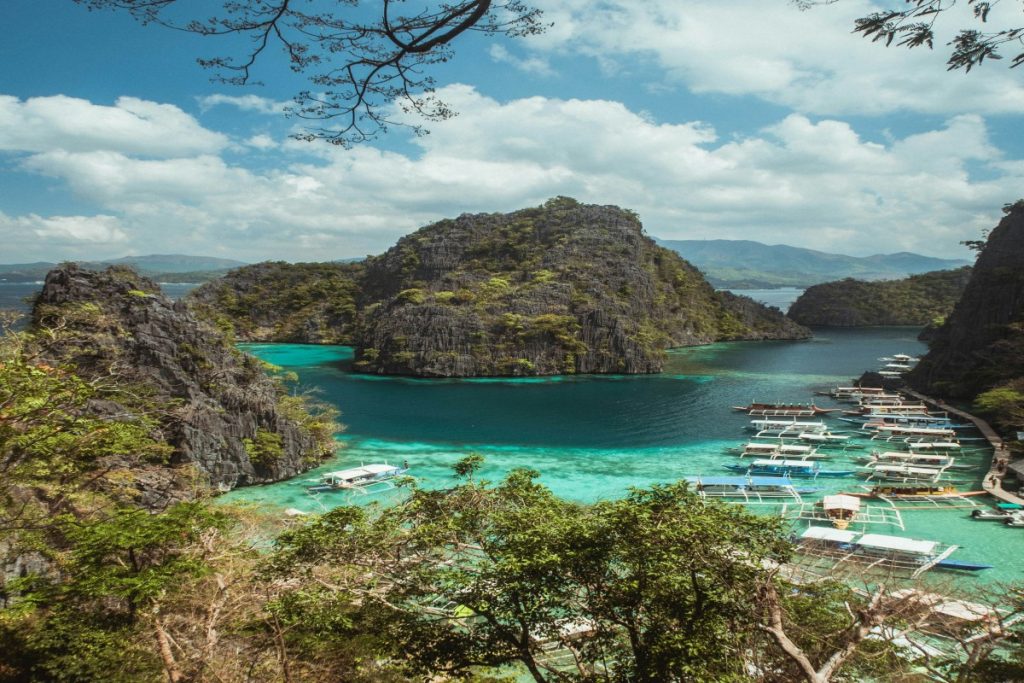
If you’re gearing up for your first-ever journey to the Philippines,get ready for a once-in-a-lifetime experience.The Philippines is a place that offers first-time visitors the best possible surprise. With more than 7,000 islands, crystal-clear waters, energetic cities, and friendly locals, organizing your first trip can be both thrilling and overwhelming. To fully experience the Philippines without hurrying or missing its highlights, a well-planned Philippines travel itinerary is essential. Whether you have five days, seven days, or a little more, this Philippines travel guide is specifically made for first-time travelers, assisting you in creating the ideal itinerary, comprehending expenses, and traveling with confidence. Understanding the Philippines Before You Plan Travel time is important in the Philippines because it is an island nation with multiple destinations. There are frequent flights between islands, and every area has a unique atmosphere. Beaches & islands: Palawan, Boracay, Cebu Adventure & diving: Cebu, Bohol, Siargao Culture & cities: Manila, Cebu City, Vigan Instead of attempting to see everything at once, a smart Philippines trip planner focuses on fewer destinations. Best Places to Include in a First-Time Philippines Itinerary 1. Manila – The Starting Point Manila is where the majority of international flights land. Cultural sites like Intramuros Food, shopping, and nightlife Gateway to domestic flights Before island hopping, spend a day getting used to this place. 2. Palawan – The Postcard Philippines Often regarded as the most picturesque area in the nation. El Nido island-hopping tours Limestone cliffs and lagoons Perfect for leisurely exploration Palawan is ideal for itineraries that are five or seven days long. 3.Cebu & Bohol – Adventure Meets Culture It is excellent for first-timers and especially to the one who wants variety. Waterfalls, snorkeling, whale sharks Chocolate Hills and tarsiers in Bohol Easy inter-island connections In this area, adventure and sightseeing are balanced. Philippines Itinerary 5 Days (First-Time Friendly) Day 1: Arrive in Manila, explore Intramuros Day 2: Fly to El Nido (Palawan) Day 3: Island hopping tour Day 4: Beach time and viewpoints Day 5: Return to Manila & depart This Philippines itinerary 5 days trip works best for travelers focused on beaches and scenery. Philippines Itinerary 7 Days (Balanced Experience) Day 1: Manila sightseeing Day 2: Fly to Cebu Day 3: Cebu waterfalls & snorkeling Day 4: Ferry to Bohol Day 5: Chocolate Hills & island tour Day 6: Fly to Manila or Palawan Day 7: Departure A Philippines itinerary 7 days trip offers a mix of culture, adventure, and relaxation—ideal for first-time visitors. How to Plan the Best Itinerary for the Philippines Remember these things when creating your Philippines itinerary: Limit to 2–3 destinations that is not more than two or three places Take flights rather than ferries when traveling long distances. Consider travel delays due to the weather or other factors. Give islands priority over cities especially when you are making your first trip. A more seamless and pleasurable experience is guaranteed with this strategy. Philippines Trip Cost from India (Estimated) Cost is a question that tourists frequently ask. Approximate budget per person: Flights (India–Philippines): ₹35,000–₹60,000 Hotels (mid-range): ₹3,000–₹6,000 per night Food & local transport: ₹2,000–₹3,000 per day Activities & tours: ₹10,000–₹20,000 total A seven-day Philippines trip cost from India ranges between ₹80,000 and ₹1.3 lakh, depending on the mode of transportation. Best Time to Visit the Philippines November to April: Best weather, peak season December–January: Great for first-timers, festive vibe June to October: Monsoon season (cheaper but riskier) Winter is the best season for a seamless first trip. Getting Around: Flights, Ferries & Transfers Time and energy are saved by inter-island flights. Domestic flights are inexpensive and frequent. Ferries are ideal for short trips. In remote areas, private transfers are helpful. Logistics can be made easier with pre-arranged transfers or a good Philippines tour guide. Food, Culture & Local Experiences The Philippines offers simple but flavorful cuisine. Try adobo, lechon, sinigang In well-known locations, street food is safe. Many people speak English. Due to its cultural openness, the Philippines is a beginner-friendly country. Travel Tips for First-Time Visitors Carry cash for small towns and islands. Schedule extra days to account for weather variations or buffer days. Make reservations for island tours one day in advance. Pack light, breathable clothing A good trip can be made even better with these suggestions. Why the Philippines Is Perfect for First-Time International Travelers Friendly locals and English-speaking environment Easy island-hopping experiences Reasonably priced in comparison to many beach locations The perfect balance of leisure, relaxation and adventure This Philippines vacation guide demonstrates that the nation is hospitable, adaptable, and memorable for newcomers. Must-Have Experiences in the Philippines There are certain experiences that make a first trip to the Philippines unforgettable. Island hopping in El Nido or Coron Snorkeling or diving in crystal-clear reefs Sunset views from white-sand beaches Local market visits and street food tasting Traditional boat rides and coastal village walks The essence of traveling to the Philippines is shaped by these experiences. Unique Highlights That Make the Philippines Special Even when it comes to island travel, the Philippines stands out. More than 7,000 islands with different landscapes Limestone cliffs, lagoons, and hidden beaches Warm, welcoming local culture Many people in the nation speak English. Inexpensive first-time guided tours This combination facilitates planning and enhances the experience of travel. Top Things to Do for First-Time Visitors There is more to the Philippines than just beaches. Explore Intramuros in Manila Chase waterfalls in Cebu Visit Chocolate Hills in Bohol Relax on Boracay’s White Beach Lagoon kayaking in Palawan A balanced itinerary combines relaxation, culture, and the outdoors. Where to Stay in the Philippines (By Travel Style) Selecting the ideal base enhances your journey. Manila: Central lodgings close to BGC or Makati Palawan: Boutique accommodations(resorts) or beachfront resorts Cebu/Bohol: Mid-range resorts near attractions in Cebu/Bohol Boracay: Beachside hotels for easy access It is advantageous for newcomers to stay close to major transportation hubs. Island Hopping vs Slow Travel: What to Choose Not every traveler desires the same pace. Island hopping is
Songkran Festival in Thailand: A Complete Travel Guide to the World’s Biggest Water Celebration
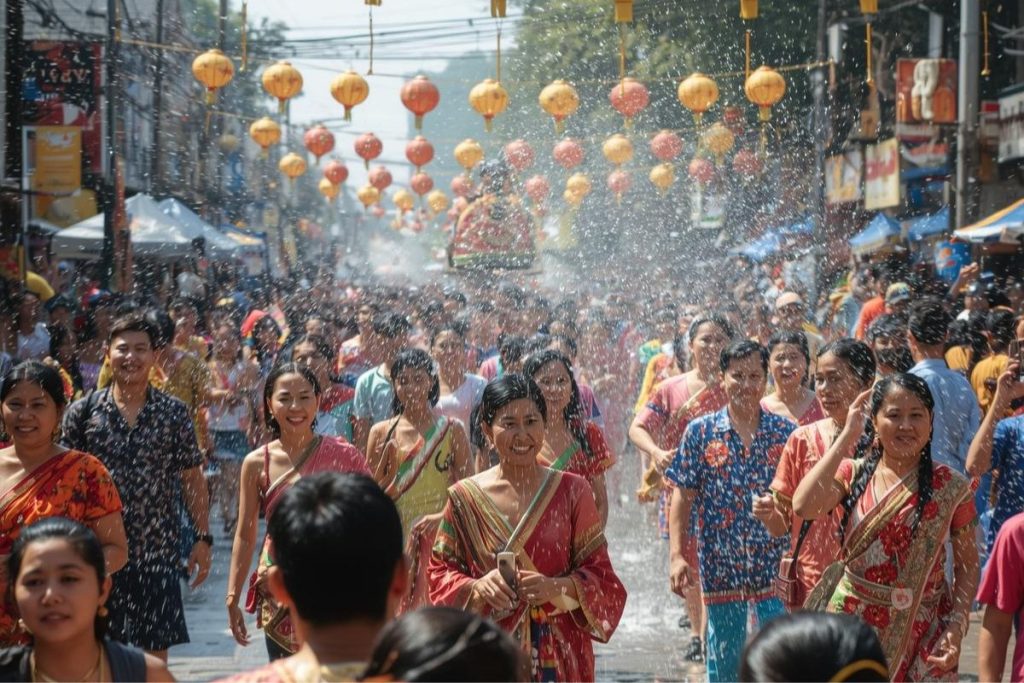
If there is a festival that embodies Thailand’s joyous nature, rich cultural heritage, and love of festivities, it is the Songkran Festival in Thailand.Songkran, the traditional Thai New Year, is celebrated with vibrant water fights, spiritual rites, family get-togethers, and street-wide celebrations that last for days. It is widely recognized as the Thai water festival.Residents and visitors gather each April to splash around, wash away bad luck, and celebrate a new beginning. Everything you need to know is covered in this guide, including the history, festival dates,best places to celebrate Songkran in Thailand, a carefully well-planned Songkran itinerary, important travel advice, and frequently asked questions to help you get the most out of this remarkable New Year’s celebration. What Is the Songkran Festival in Thailand? Thailand’s traditional New Year’s celebration is called the Songkran Festival.The origins of this festival can be traced back to ancient Buddhist and Hindu traditions.Songkran means “to move” or “to pass” in Sanskrit. It marks the start of a new year and the sun’s entry into a new zodiac sign. In Songkran festival, people prayed for happiness, wealth, and good health by lightly pouring water over Buddha statues and elders’ hands as a blessing.This tradition evolved into the vibrant Thai water festival we see today, where entire cities are turned into riotous water battlegrounds. Despite its contemporary fun, Songkran is a spiritual and family-oriented celebration. It combines tradition and celebration in a way that only. Songkran Festival 2026 Dates The official Songkran festival 2026 dates are: April 13 to April 15, 2026 Nonetheless, festivities can start a day early or last up to a week in many cities. To give everyone an opportunity to take part, some locations even extend the celebrations. Since April is Thailand’s hottest month.During April, splashing in the water is not only symbolic but also very cool. Why Water Is Central to Songkran Water is the heart of the Songkran Festival in Thailand. In Thailand, the Songkran Festival revolves around water, which has profound symbolic meaning. Water has historically been used as a symbol of purification, washing away bad luck, errors, and negative energy from the previous year. Today, the symbolic sprinkling has turned into: Water guns Buckets of ice-cold water Street-wide water fights Smiles, laughter, and friendly chaos It’s common (and expected!) to get soaked the moment you step outside during Songkran. If you don’t want to get wet, it’s best to stay indoors—because no one is spared! Best Places to Celebrate Songkran in Thailand Different cities offer different Songkran vibes. Here are the best places to celebrate Songkran in Thailand, depending on what kind of experience you want. 1. Bangkok – The Ultimate Songkran Experience Bangkok hosts one of the biggest and liveliest Songkran celebrations in the country. Top areas: Khao San Road – Backpacker-friendly, wild, and energetic Silom Road – Long stretches of water fights, music, and crowds Temples & Old City – For traditional rituals and cultural experiences Bangkok is ideal if you want a mix of modern festival energy and traditional Thai customs. 2. Chiang Mai – Cultural Capital of Songkran Chiang Mai is often considered the best place to experience traditional Songkran. Highlights include: Rituals along the Ping River Temple visits and merit-making Sand pagoda building Slower, more meaningful celebrations alongside water fights If you want culture, history, and community vibes, Chiang Mai is perfect. 3. Pattaya – Extended Party Celebrations Pattaya is famous for extending Songkran celebrations beyond the official dates. Expect: Beachside water fights Nightlife and street parties A more party-focused atmosphere Great for travelers who want non-stop celebration. 4. Phuket – Beach + Festival Fun Phuket blends Songkran with tropical beach vibes. You can enjoy: Water fights near Patong Beach Resort celebrations A relaxed but festive environment Ideal for couples and beach lovers who want fun without overwhelming crowds. Songkran Traditions and Rituals You Should Know While water fights dominate social media, Songkran traditions and rituals are deeply meaningful. Temple Visits Locals visit temples to: Pour water over Buddha statues Offer food to monks Make merit for the new year Respecting Elders In order to show respect and obtain blessings, younger people gently pour scented water on elders’ hands. Family Gatherings Families gather together, clean their homes, and pay respect to their ancestors during Songkran. Respectfully engaging in these customs enhances the richness of your trip. Songkran Thailand Travel Tips (Very Important!) Remember these Songkran Thailand travel tips to make the most of the Songkran Festival in Thailand. What to Wear Light clothing that dries quickly Wear comfortable sandals or waterproof shoes Avoid white or delicate fabrics Safeguard Your Property Make use of waterproof phone cases. Keep minimum valuables with you. Documents should be sealed. Stay Safe Avoid motorcycles because the roads are slippery Avoid splashing water in people’s faces. Be respectful towards monks, children, and elderly people Book in Advance Make reservations in advance.During Songkran, hotels and flights sell out fast, particularly in Bangkok and Chiang Mai. Food & Local Experiences During Songkran Thai food is best experienced during Songkran. Must-try dishes: Khao Chae –Khao Chae, a traditional Songkran dish made with chilled water and jasmine rice. Som Tum – Papaya salad Mango Sticky Rice The festival is a foodie’s paradise because there are street food markets all over the place. Is Songkran Safe for Tourists? In general, Songkran is safe and friendly to visitors. However, follow basic Songkran safety tips: Be mindful in crowded areas If uncomfortable, avoid and stay away from areas where alcohol is consumed. Be mindful of cultural differences and respect cultural boundaries Thai people are very welcoming and delighted to have guests join in their festivities. Why You Should Experience the Songkran Festival at Least Once Thailand’s Songkran Festival is more than just a celebration; it’s a feeling. It teaches you to embrace renewal, connect with strangers, laugh freely, and let go. Few festivals in the world combine: A sense of community Community spirit Playful chaos Travel excitement Songkran creates treasured memories whether you come for
India’s Food Festivals: When & Where to Travel
In India, food is not only a source of nourishment but also a symbol of celebration, identity, and storytelling. From silver-plated royal thalis to smoky street grills, every region expresses itself through flavor. Planning your trip around India’s culinary festivals is one of the most rewarding ways to experience the country. These events showcase regional cooking methods, customary recipes, in-season ingredients, and cutting-edge culinary creativity all in one place. Building a food festival itinerary offers a reason to travel with appetite and purpose, no matter whether you’re a street food lover, a dessert enthusiast, or someone curious about India’s culinary heritage. India’s food festivals bring these traditions together, turning cities and towns into vibrant tasting locations where tourists can gradually get a taste of the country. Why Food Festivals Are a Must-Experience in India In India, food festivals involve much more than just eating. These are cultural gatherings that unite community, agriculture, history, and climate. Many festivals have a strong connection to local life because they are associated with harvest seasons, religious holidays, or royal customs. These celebrations offer tourists: Availability of authentic regional cuisine in a single location. Opportunities to interact with local chefs, home cooks, and food artisans. A chance to sample seasonal or time-limited specialties. Without needing to travel across the state borders, India’s culinary festivals give tourists a daily opportunity to experience the nation’s diversity. Best Food Festivals in India (Month by Month) India’s year-round food festivals calendar makes it simple to arrange your food-focused travel throughout the year based on your taste. January – National Street Food Festival (New Delhi) One of the most well-known food festivals in India, it honors street cuisine from all over the nation. Recipes from over 20 Indian states Iconic snacks like chaat, momos, kebabs, and dosas Live music and cultural performances This festival is ideal for all the first-time visitors and also for those food-enthusiast travelers who are looking for a crash course in Indian street cuisine. February – Goa Food and Cultural Festival (Goa) Goa’s culinary festival showcases its Portuguese influence and coastal flavors. Fresh seafood, Goan curries, and desserts Beachside atmosphere and live entertainment A blend of modern and traditional Goan cuisine It’s perfect for tourists who want leisurely coastal travel combined with culinary adventures. March – Hornbill Festival Food Trails (Nagaland) Hornbill offers one of India’s most distinctive culinary experiences, despite being primarily a cultural festival. Tribal dishes and smoked meats Fermented foods and local brews Indigenous cooking techniques For all the adventurous diners and culture-focused travelers, this celebration is ideal to plan your trip to India. July – Mango Festivals (Multiple Cities) Summer in India brings mango season. The seasonal highlight mango is celebrated across states like Delhi, Mumbai, and Uttar Pradesh. Hundreds of mango varieties Mango-based dishes, drinks, and desserts Tastings and competitions Mango festivals are short but highly anticipated, making them a seasonal highlight. August – Onam Sadya Season (Kerala) While not a single festival event, Onam is Kerala’s biggest food celebration. Traditional vegetarian feast served on banana leaves Over 20 dishes prepared during the festival Emphasis on seasonal produce and balance Traveling to Kerala during Onam is a must for lovers of traditional Indian meals. October – Dussehra & Navratri Food Festivals (Multiple Cities) Autumn brings regional food festivals tied to religious celebrations. Fasting foods and festive sweets Regional variations in vegetarian cuisine Street food stalls and temple offerings These festivals highlight India’s spiritual connection to food. November – International Food Festival (Delhi & Mumbai) This festival blends Indian and global cuisines. Indian regional stalls alongside international food counters Chef demonstrations and culinary workshops Family-friendly atmosphere It’s ideal for travelers seeking variety in one location. December – Winter Food Festivals & Christmas Feasts (Pan-India) Winter is the peak food festival season in India to experience multiple culture-riched authentic cuisines. Regional winter specialties and comfort foods. Christmas food festivals in Goa, Kerala, and Northeast India Open-air night markets and pop-up food events. December combines food exploration with festive travel energy. Best Destinations in India for Food-Lover Travel When it comes to food-focused travel, some cities consistently stand out to be listed in India’s best foodie destinations for authentic regional cuisine. Delhi Known for its street food, Mughlai cuisine, and food festivals. Kashmir Kashmiri food is well known for its aromatic Wazwan feasts, saffron-infused dishes, traditional breads, and seasonal specialties. Mumbai Famous for snacks, coastal flavors, and multicultural food events. Kolkata Celebrated for sweets, fish dishes, and traditional Bengali cuisine. Chennai Offers South Indian staples and temple food traditions. Lucknow Renowned for Awadhi cuisine and slow-cooked royal recipes. Ladakh Known for its unique Ladakhi cuisine.Offers a distinctive high-altitude food experience with dishes like thukpa, momos, and butter tea, reflecting Tibetan influences. What Makes India’s Food Festivals Unique India’s culinary celebrations are unique because: Recipes are often passed down generations Many dishes are seasonal and unavailable year-round Regional differences in cooking techniques are significant. Here, the cuisine is very local and not standardized. Travel Tips for Visiting India’s Food Festivals To avoid long queues, arrive early. Start with small portions to try more dishes Drink plenty of water and take your time. Seek advice from locals. Food festivals can be very rewarding, but they can also be intense. Regional Food Festivals You Shouldn’t Miss Food festivals in India are a reflection of both taste and regional identity. North India: Rich gravies, breads, and festive sweets South India: Rice-based dishes, coconut flavors, and temple cuisine East India: Fish curries, rice desserts, and seasonal sweets West India: Street snacks, farsan, and festival thalis Beyond popular dishes, a deeper understanding of cuisine can be gained by traveling region by region. Budgeting for a Food Festival Trip in India Traveling to India with an emphasis on food can be reasonably priced. Entry fees are often minimal or free Food is less expensive than dining at a restaurant. Cities offer reasonably priced accommodations Food festivals make it possible to have luxurious travel experiences without breaking the bank. Who Should
Exploring The Exquisite Flavors Of Kerala: A Culinary Odyssey
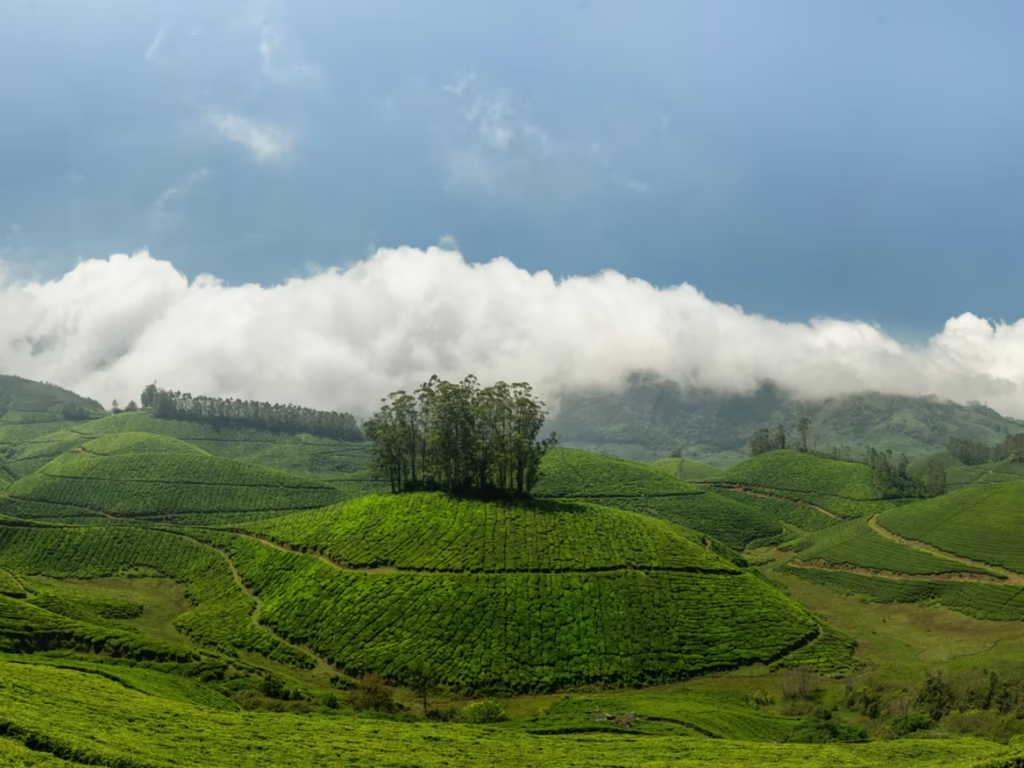
Embark on a gastronomic journey through the flavors of Kerala with our AI-enhanced culinary guide. From traditional spices to coastal delicacies, savor the best of Kerala cuisine. Introduction: The Rich Culinary Heritage Of Kerala Kerala, a state located in the southern region of India, is renowned for its rich and diverse culture, enchanting landscapes and warm hospitality. But one aspect of this beautiful land that often goes unnoticed is its flourishing culinary heritage. The food of Kerala is as captivating and varied as its people, with influences from different cultures dating back to ancient times. From fragrant spices to fresh seafood, every bite in this picturesque state is an explosion of flavors that will leave your taste buds wanting more. Keep reading to know more! Backwaters of Kerala From Sea To Plate: Exploring Kerala’s Coastal Cuisine Kerala’s long coastline along the Arabian Sea has not only blessed it with breathtaking views but also a unique and diverse cuisine that has been influenced by various cultures over centuries. From seafood to coconut-based dishes, Kerala’s coastal cuisine is a true reflection of its rich cultural heritage and natural resources. Kerala Chemmeen (Prawns/Curry) Appam and crab masala Karimeen Pollichathu Oyster Ethakka Thoran A Vegetarian’s Paradise: Taste The Delights Of Onam Sadya This traditional feast is a must-try for any food lover, especially vegetarians. Onam Sadya is a grand meal served during the festival of Onam in Kerala. It consists of an elaborate spread of over 20 different vegetarian dishes, all made with fresh and local ingredients. From flavorful curries to crispy papadums, every dish has its own unique taste and complements each other perfectly. And the best part? It’s all served on a banana leaf, adding a touch of eco-friendliness to this culinary experience. Following are the top 5 mouthwatering dishes part of the Onam sadya spread: 1)Thoran: It is a stir fry vegetable dish made of either cabbage, beans, raw jackfruit or carrot and grated coconut. Thoran 2)Olan: A mixture of white pumpkin, coconut milk and cow peas, olan can be served with steamed rice or red rice. Olan 3)Upperi or Sarkara Varatti: Add a sugary twist to the banana chips and you have upperi. Upperi or Sarkara Varatti 4)Ada Payasam: Ada Pradhaman is a traditional Kerala payasam prepared with jaggery coconut milk and rice ada or rice flakes. Ada Payasam 5) Puli Inji: Puli Inji is a sweet and sour ginger pickle made of tamarind, ginger and jaggery, served as an appetiser in Sadhya. Puli Inji The Art Of Pickling And Preserving In Kerala One of the most beloved aspects of Kerala’s cuisine is the art of pickling and preserving. This traditional method of food preservation has been passed down through generations in Kerala, resulting in an array of flavors. The process involves using a variety of spices, oils, and vinegars to create mouth-watering pickles that can be enjoyed for months on end. From fiery mango pickle to tangy lemon pickle to sweet and spicy mixed vegetable pickle, there is no shortage of options when it comes to pickled delights in Kerala. These special preserves not only add flavor to meals but also have numerous health benefits as they are packed with probiotics and essential nutrients.. Pickles Influences From Around The World: Fusion Dishes In Kerala’s Cuisine One of the most unique aspects of Kerala’s cuisine is its fusion dishes. The state, situated in the southern part of India, has been a major trading hub for centuries and has welcomed influences from around the world. This is reflected in its cuisine, which blends Indian ingredients and cooking techniques with flavors from various cultures such as Chinese, Portuguese, Dutch, and Arab. These fusion dishes add an exotic touch to the already diverse cuisine From spicy and tangy curries to mouth-watering seafood delicacies, the fusion dishes in Kerala are a must-try for food enthusiasts looking to embark on a culinary odyssey through this beautiful state. 1) Meen Moilee: A coconut milk-based fish curry with influences from Portuguese and Dutch cuisines, featuring Kerala’s signature spices. Meen Moilee 2) Kerala Beef Fry: Marinated beef stir-fried with onions, spices, and curry leaves, reflecting a blend of Kerala’s traditional flavors with Portuguese and Dutch influences. Kerala Beef Fry 3) Kerala Prawn Curry: Prawns cooked in a tangy coconut milk gravy infused with spices, showcasing the fusion of Kerala’s culinary traditions with Dutch and Arab influences. Kerala Prawn Curry 4) Kerala Chicken Stew: A creamy chicken stew with potatoes, carrots, and coconut milk, combining Kerala’s spices with Portuguese and Dutch culinary techniques. Kerala Chicken Stew 5) Kerala Egg Roast: Hard-boiled eggs cooked in a spicy onion-tomato gravy, representing the fusion of Kerala’s flavors with influences from Chinese, Portuguese, and Arab cuisines. Kerala Egg Roast Desserts, Sweets, And Snacks: An Exploration Of Kerala’s Sweet Tooth One can’t talk about Kerala’s cuisine without mentioning its irresistible sweet treats. From traditional desserts passed down through generations to modern snacks influenced by global flavors, Kerala’s love for sweets knows no bounds. Unniyappam: Sweet and fluffy rice flour fritters, flavoured with jaggery and bananas, a beloved snack during festivals. Palada Payasam: A creamy rice pudding cooked in milk, flavoured with cardamom and garnished with nuts, a must-have dessert for celebrations. Nei Appam: Crispy, golden-brown pancakes made with rice flour, coconut, and jaggery, a delightful treat enjoyed year-round. Kozhikodan Halwa: A chewy and aromatic sweet made from wheat, ghee, sugar, and nuts, a specialty of Kozhikode’s culinary heritage. Ada Pradhaman: A rich and decadent dessert made with rice flakes, coconut milk, jaggery, and garnished with fried coconut pieces, a staple during Onam festivities. Unniyappam Palada Payasam Kozhikodan Halwa As we come to the end of our culinary adventure in Kerala, we’ve experienced a rich blend of traditional flavors. In Kerala, food is not just a means of