

The Andaman & Nicobar Islands Railway Station: A Hidden Gem in the Indian Ocean
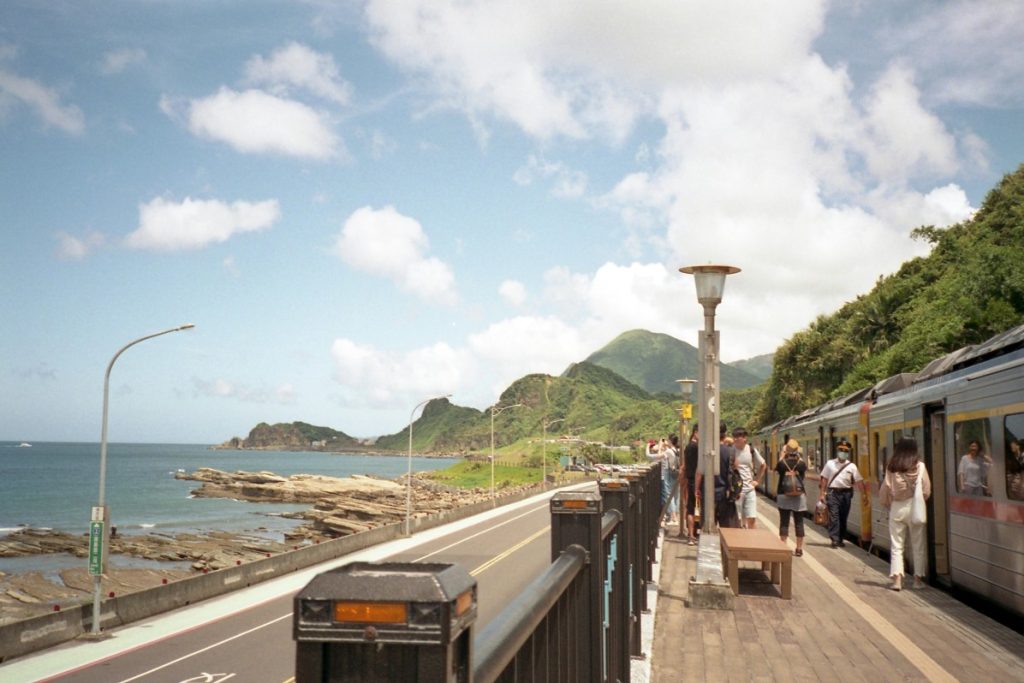
Introduction: Where Trains Meet the Sea When travelers think of the Andaman & Nicobar Islands, images of turquoise waters, swaying palm trees, and coral reefs come to mind. What few know is that there is a unique landmark that marries architecture, culture, and nature – the Andaman & Nicobar Islands Railway Station. Picture yourself standing on the platform of a railway station, where the rhythm of the trains dances to the melody of waves, coconut palms sway in the sun and the salty sea breeze drifts outside. This station is more than just the trains that pass through it – it provides a glimpse into the soul of the islands. For travelers arriving in the archipelago via Port Blair, many travelers find themselves extending their stay longer than planned, enamored by the island spirit and charm of the station. If you are looking for hidden gems on the islands and to experience the Andaman like a local, The Tarzan Way can tailor a bespoke itinerary that incorporates the railway station as part of the adventure itinerary along the beaches, diving trips and cultural experiences. Why the Andaman Railway Station is Special Eco-Friendly Infrastructure: Solar panels, rainwater harvesting, and sustainable materials preserve the environment. Architecture Blending with Nature: Thatched roofs, wooden beams, and artisan carvings reflect local culture. Scenic Views: Platforms overlook pristine beaches, coconut groves, and coral-rich waters. Cultural Hub: Friendly staff and occasional folk performances make the station lively. Photography Heaven: Ideal for travelers who want to capture the island’s beauty. Pro Tip: Combine a visit to the station with The Tarzan Way’s curated Andaman itineraries for a complete travel experience. Design and Architecture: A Harmony of Tradition and Sustainability The station is designed to honor the natural environment while showcasing Nicobari and Andamanese culture: Materials: Local timber, stone, and sustainable composites. Roofing: Thatch-inspired design to blend with the coastal environment. Energy: Integrated solar panels and rainwater harvesting. Landscaping: Native plants and flora surrounding the station. This makes it one of the unique stations in Andaman, demonstrating how infrastructure can harmonize with nature rather than disrupt it. Cultural Experiences at the Station One of the most enchanting aspects of this station is the human touch. Travelers can interact with locals, learn island stories, and enjoy spontaneous cultural moments: Folk music performances on shaded platforms Storytelling by station staff about Andamanese culture and history Local artisan displays showcasing traditional handicrafts Even if trains aren’t running, the station itself offers a cultural journey. This blog ensures travelers don’t miss these authentic experiences while exploring Andaman’s hidden gems. Scenic Beauty Around the Station The station isn’t just an architectural marvel—it’s surrounded by breathtaking scenery: White sandy beaches stretches into the horizon Coconut groves rustle in the sea breeze Turquoise waters and coral gardens perfect for diving and snorkeling Ideal sunset and sunrise spots for photography Many visitors combine their station visit with nearby beaches, taking in both natural beauty and local culture. Nearby Attractions and Activities Whether you’re a beach lover, a diver, or a cultural enthusiast, the station is a perfect starting point: 1. Beaches Short walks to secluded shores Relaxation and swimming Sunset views over the Indian Ocean 2. Coral Reefs and Diving Guided diving trips to Havelock and Neil Islands Snorkeling coral Andaman tours for beginners Glass-bottom boat rides for non-swimmers 3. Cultural Tours Local markets and handicraft villages Folk music and storytelling events Interaction with artisans 4. Eco-Tourism Learn about sustainable building and eco-friendly practices Observe how the station blends with the environment Responsible travel tips included in The Tarzan Way itineraries Pro Tip: Plan your station visit along with eco-tours and diving trips via The Tarzan Way, which ensures every activity respects local culture and nature. Travel Information Topic Details Location Near Port Blair, Andaman & Nicobar Islands Best Time to Visit October – May (dry season, calm seas) Entry Open for sightseeing, photography, and cultural experiences Transport Taxi, local bus, or combination of ferry and road for nearby islands Nearby Hotels Eco-lodges and resorts recommended in Andaman travel guides For more information about Andaman & Nicobar Islands you can checkout our Blogs: Are Andaman and Nicobar Coral Islands? How were Andaman and Nicobar Islands Formed? Andaman and Nicobar Islands: Tropical Paradise Reimagined. FAQs Q. What is the Andaman & Nicobar Islands Railway Station? It is a unique cultural and architectural landmark in the Andaman Islands, blending sustainable design with natural beauty. Q. Where is the Andaman & Nicobar station located? The station is situated near Port Blair, making it easily accessible for travelers before exploring Havelock, Neil, or other islands. Q. Is it operational for trains? While it resembles a railway station, it primarily functions as a cultural and tourist site rather than serving regular train operations. Q. What makes it eco-friendly? The station uses solar power, rainwater harvesting, native plants, and sustainable materials to minimize environmental impact. Q. Can visitors enter for sightseeing? Yes, visitors can explore the station, take photographs, enjoy cultural activities, and admire scenic ocean and beach views. Q. Are there nearby attractions? Nearby attractions include pristine beaches, coral reefs, local markets, cultural centers, and eco-tourism activities for travelers. Q. What cultural experiences are offered? Travelers can enjoy folk music, storytelling by locals, artisan displays, and insights into traditional Andamanese culture. Q. How do I reach the station? Visitors can reach the station via taxi, local bus, or a combination of ferry and road transport when coming from nearby islands. Q. When is the best time to visit? The ideal time to visit is October through May, during the dry season, for calm seas, clear skies, and perfect sightseeing. Q. Can beginners enjoy diving and snorkeling? Yes, beginners can safely enjoy snorkeling, guided diving tours, and glass-bottom boat rides to explore the vibrant reefs. Why Visit the Andaman & Nicobar Islands Railway Station? Experience Andaman architecture blending with nature Enjoy eco-conscious design while exploring tropical beauty Interact with locals and learn island culture Visit nearby beaches, coral reefs, and markets
Dog Friendly Trip to Europe
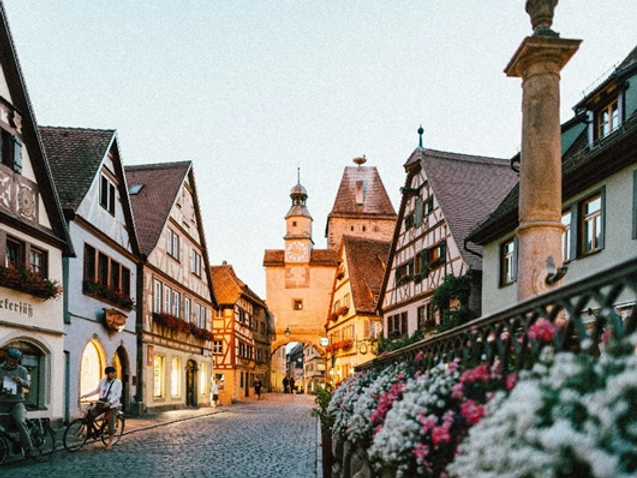
Imagine embarking on an unforgettable European adventure with your faithful canine companion. Europe is not just a dream destination for humans; it’s also an absolute delight for our four-legged friends. Whether you have a Golden Retriever, Rottweiler, Doberman, Pit Bull, or any other breed, there’s a world of dog-friendly destinations to explore together. In this comprehensive guide, we’ll lead you through some fantastic European cities and regions that not only tolerate dogs but also wholeheartedly welcome them into the fold. For dog lovers, there’s no better way to explore Europe than with your four-legged friends in tow. The Old Continent is increasingly welcoming to furry companions, making it easier than ever to plan a memorable dog-friendly trip. In this comprehensive guide, we’ll take you on a journey through the fantastic adventures awaiting you and your dogs in Europe, featuring some of the friendliest breeds, including the Golden Retriever, Rottweiler, Doberman, and Pit Bull. So, fasten your seatbelts and get ready to embark on a one-of-a-kind European adventure with your beloved canine friends. Golden Retrievers: Joyful Explorers Golden Retrievers are renowned for their friendly and easygoing nature. These lovable, medium-to-large dogs are ideal companions for a European escapade. Here’s how to make the most of your journey with your Golden Retriever: 1. Dog-Friendly Accommodations: Europe offers a diverse range of dog-friendly accommodations. From charming cottages nestled in the rolling hills of the English countryside to sleek apartments in the heart of Barcelona, finding pet-welcoming places to stay is a breeze. 2. Embrace the Outdoors: Europe is a haven for nature lovers. Take your Golden Retriever hiking in the Swiss Alps or enjoy a leisurely walk along the stunning French Riviera. Many national parks and hiking trails across the continent are open to dogs, ensuring both you and your Golden Retriever enjoy the breathtaking landscapes. 3. Café Culture: One of the quintessential European experiences is sitting in a cozy café, sipping on espresso or enjoying a croissant. Many cafes in Europe allow dogs to join their owners on the terrace. Imagine savoring a cappuccino in Rome while your Golden Retriever lounges contentedly at your feet. Rottweilers: The Loyal Companion Rottweilers are known for their loyalty and protective instincts. While their strong and imposing presence might seem intimidating to some, they can be excellent travel buddies. Explore the following aspects of European travel with your Rottweiler: 1. Historical Sites: Europe is teeming with history, and Rottweilers can be your loyal protectors as you explore ancient ruins, castles, and historic landmarks. From the Colosseum in Rome to the Acropolis in Athens, your Rottweiler will be your guardian throughout your historical journey. 2. Dog-Friendly Beaches: Europe boasts numerous dog-friendly beaches, particularly in Spain, Portugal, and Croatia. Your Rottweiler can enjoy the refreshing waters of the Mediterranean while you soak up the sun. 3. Pet-Friendly Transportation: Europe’s extensive public transportation networks are often pet-friendly. Trains, buses, and ferries typically welcome dogs, making it convenient to travel from one city to another with your Rottweiler. Dobermans: Elegance in the City Dobermans are sleek and elegant, known for their intelligence and agility. These qualities make them perfect for exploring Europe’s vibrant cities. Dive into the urban experience with your Doberman: 1. City Adventures: European cities like Paris, London, and Berlin offer endless opportunities for exploration. Walk your Doberman along the Seine in Paris, take them on a double-decker bus tour in London, or visit the Berlin Wall. Dobermans thrive in urban environments with their attentive nature. 2. Dog-Friendly Museums: Europe’s world-renowned museums often have pet-friendly policies. While you admire art and history, your Doberman can also partake in the cultural experience. Ensure your pup is well-behaved and on a leash during your museum visits. 3. Culinary Delights: European cities are culinary havens, with many restaurants welcoming dogs in their outdoor seating areas. Savor delectable cuisine with your Doberman, and don’t forget to share a treat or two from your plate. Pit Bulls: Enthusiastic Hiking Companions Pit Bulls are strong, loyal, and energetic dogs, making them exceptional hiking companions. Explore Europe’s diverse terrains and hiking trails with your energetic pit bull: 1. Mountain Adventures: Europe offers a plethora of mountain ranges perfect for hiking, and pit bulls will thrive in these challenging environments. Explore the Dolomites in Italy, the Pyrenees in France, or the Tatra Mountains in Poland with your adventurous pit bull. 2. Dog-Friendly Wineries: Europe is known for its wine culture, and many vineyards in France, Italy, and Spain allow dogs on their premises. Wine tasting becomes a delightful experience with your pit bull by your side. 3. Dog Parks and Trails: Many European cities have dedicated dog parks and trails where your pit bull can burn off energy and socialize with other dogs. Research local options to find the best spots for your canine friend. Itinerary for Your Dog-Friendly Trip to Europe Day 1: Arrival in Europe Morning: Arrive at the international airport in your chosen European destination. Make sure you and your furry companion are well-prepared for the journey, with all necessary documents, vaccinations, and pet supplies. Afternoon: Check-in at your dog-friendly accommodation. Settle in, and take a leisurely walk in the neighborhood to let your dog get used to the new surroundings. Evening: Enjoy a quiet evening together at a dog-friendly local eatery, soaking in the ambiance of your destination. Day 2-4: Golden Retriever’s Delight—Exploring the Outdoors Morning: Begin your day with a visit to a nearby dog-friendly park or beach where your Golden Retriever can enjoy some playtime and exercise. Afternoon: Explore the natural beauty of your chosen European destination with a hike or a visit to a dog-friendly nature reserve. Evening: Dine at a café or restaurant that allows dogs on the terrace, enjoying a meal while your Golden Retriever relaxes at your feet. Day 5-7: Rottweiler’s Historical Adventure Morning: Visit historical landmarks and sites like castles, museums, and ancient ruins, with your loyal Rottweiler by your side. Afternoon: Explore the city’s dog-friendly attractions, perhaps taking a guided tour
Night Life and How to plan Perfect Night Out in Europe
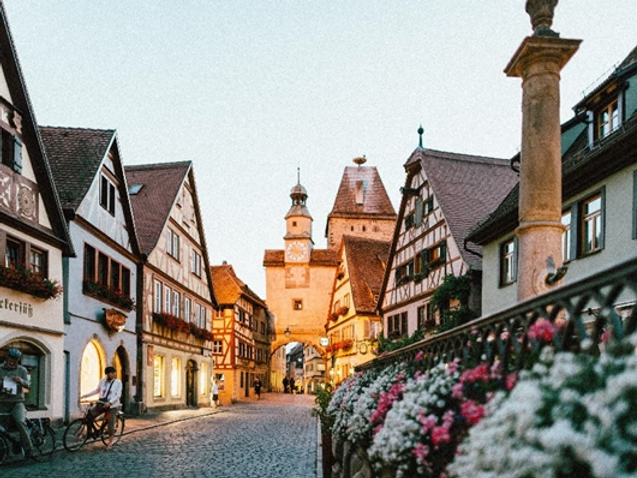
When the sun sets over the enchanting landscapes of Europe, a vibrant and energetic world comes alive. From bustling metropolises to charming villages, Europe offers a diverse and captivating nightlife that’s sure to make your evenings unforgettable. In this blog, we’ll delve into the secrets of experiencing the perfect night out in Europe, as we explore the dynamic nightlife scene, the different countries to visit, and the pursuit of happiness through a thriving nocturnal lifestyle. Just like the nightingale, let’s sing our songs of celebration as we venture into the heart of Europe’s nightlife. The Enigmatic Night Life of Europe Europe is a continent that never sleeps, where the night is as alive as the day. Each country offers a unique flavor of nightlife, making it a thrilling experience for night owls and partygoers. From the sultry rhythms of Spanish flamenco in Barcelona to the electro beats of Berlin’s techno scene, there’s something for everyone. Ibiza, Spain: Start your European night-out adventure in Ibiza, Spain. Known for its world-renowned clubs and electronic music scene, the island pulses with energy after dark. Dance the night away under the stars at iconic venues like Pacha and Amnesia. Amsterdam, Netherlands: Amsterdam offers a diverse range of experiences for the perfect night out. From canal-side bars to live music venues, the city caters to all tastes. Don’t forget to explore the Red Light District, a unique part of Amsterdam’s nightlife. Berlin, Germany: Berlin is a city that thrives on its techno and underground club culture. Visit Berghain, one of the world’s most famous techno clubs, or enjoy open-air parties along the Spree River. The city offers an unrivaled nightlife experience for electronic music enthusiasts. Prague, Czech Republic: For a more budget-friendly yet vibrant night out, Prague is the place to be. Enjoy affordable drinks at the countless bars and clubs in this beautiful city. Be sure to visit the historic Cross Club for an unforgettable night. Istanbul, Turkey: Experience the unique fusion of Eastern and Western culture in Istanbul’s nightlife. Sip on traditional Turkish tea or delight in delicious street food while listening to live music in the bustling streets of the city. Crafting the Perfect Night Out in Europe Planning the perfect night out in Europe takes a bit of preparation and a sense of adventure. Here’s how to create an evening you’ll cherish: Choose the Right Destination: First, select a European city or region that aligns with your interests. Whether you’re into electronic music, jazz, or classical concerts, Europe has it all. Local Cuisine: Before the evening kicks off, enjoy a dinner of local cuisine. Savoring traditional dishes at a local restaurant can be the perfect prelude to a night of fun. Entertainment: Check out local event listings for concerts, club nights, or theater performances that align with your interests. Europe offers a diverse array of entertainment options. Transportation: Plan your transportation for the night. Consider local public transport, taxis, or designated drivers to ensure a safe return. Dress Code: European cities often have specific dress codes for clubs and upscale venues. Dress appropriately to ensure you’re not turned away at the door. Be Adventurous: Don’t be afraid to explore new places and meet new people. Some of the best nights out in Europe happen when you let spontaneity lead the way. Seeking Happiness through Nightlife Nightlife isn’t just about partying; it’s also about experiencing joy, connecting with others, and embracing the cultural diversity that Europe offers. Happiness can be found in the rhythms of music, the laughter of friends, and the warmth of the local crowd. As you embark on your European night-out adventure, remember to enjoy the journey itself. The essence of happiness lies in the experiences you collect and the memories you create along the way. Itinerary: The Perfect Night Out in Europe Day 1: Arrival in Ibiza, Spain Evening: Arrive in Ibiza, the party capital of the world. Check in to your accommodation and unwind. Head to a beachside restaurant for traditional Spanish cuisine and watch the sunset. Day 2: Ibiza—Electronic Music Extravaganza Morning: Relax on one of Ibiza’s stunning beaches during the day. Evening: Experience the iconic nightlife. Start at Pacha Ibiza, where world-class DJs spin electronic beats. Dance the night away and enjoy the island’s electrifying atmosphere. Day 3: Amsterdam, Netherlands—Canals and Culture Morning: Travel to Amsterdam, the “Venice of the North.” Check in and explore the city during the day. Evening: Stroll along the picturesque canals and dine at a canal-side restaurant. Immerse yourself in Amsterdam’s vibrant nightlife by visiting local bars or live music venues. Day 4: Berlin, Germany—Techno Wonderland Morning: Fly to Berlin, a city known for its rich history and legendary techno scene. Evening: Dive into Berlin’s underground culture. Start your night at Berghain, one of the world’s most famous techno clubs. Explore the city’s open-air parties by the Spree River. Day 5: Prague, Czech Republic—Affordable Night Out Morning: Travel to Prague, the heart of Bohemian culture. Check in and explore the charming city. Evening: Enjoy a budget-friendly night out at Prague’s pubs and clubs. Don’t miss the historic Cross Club for a unique experience. Day 6: Istanbul, Turkey—East Meets West Morning: Fly to Istanbul, the city where East meets West, and immerse yourself in its rich cultural heritage. Evening: Experience Istanbul’s unique nightlife by savoring traditional Turkish tea and street food while listening to live music in the bustling streets. Day 7: Reflection and Departure Morning: Take some time to reflect on the incredible nights you’ve had in Europe. Afternoon: Depending on your departure time, explore any remaining attractions or simply relax. Evening: Bid farewell to Europe and embark on your journey back home, cherishing the memories of your perfect nights out in this beautiful continent. This itinerary provides an eclectic mix of nightlife experiences in some of Europe’s most exciting cities. Whether you’re dancing to electronic beats in Ibiza, savoring local cuisine in Amsterdam, or immersing yourself in Berlin’s techno culture, this journey promises unforgettable nights and lasting
Top 10 Clubs in Europe

Europe is a continent known for its rich cultural diversity, stunning landscapes, and vibrant nightlife. From the vibrant streets of Western Europe to the unique Bohemian clubs of Eastern Europe, the European club scene offers a kaleidoscope of experiences for music lovers and night owls. In this blog, we’ll take you on a thrilling journey to discover the top 10 clubs in Europe, spanning both Eastern and Western Europe, where you can dance the night away and create unforgettable memories. Berghain—Berlin, Germany Nestled in the heart of Berlin, Berghain is a legendary techno temple. Renowned for its cutting-edge music and distinctive interior design, this club has an unwavering reputation for creating a truly unique experience. Remember, getting past the door’s infamous bouncers can be a challenge, so be sure to follow the club’s unspoken rules for entry. Fabric – London, England Fabric in London is an iconic club that has withstood the test of time. It’s celebrated for its top-tier lineups and immersive sound systems. The club’s dedication to electronic music has made it a must-visit for dance music aficionados. Amnesia—Ibiza, Spain Ibiza, often referred to as the “party capital of the world,” is home to Amnesia, a renowned club on the island. With its world-class DJs, pulsating beats, and magical atmosphere, Amnesia guarantees an unforgettable night of dancing beneath the stars. Cavo Paradiso—Mykonos, Greece Mykonos, known for its stunning beaches and glamorous lifestyle, also boasts Cavo Paradiso. This open-air club offers incredible views and a dazzling lineup of international DJs. It’s the perfect destination for those who want to combine partying with the beauty of the Greek islands. Ushuaïa—Ibiza, Spain Ushuaïa is another gem on the party island of Ibiza. This beachfront club is famous for its daytime pool parties and open-air events featuring the biggest names in electronic dance music. The stunning outdoor setting and the pool create an unparalleled atmosphere. Zouk – Singapore For an Asian club experience, Zouk in Singapore is a must-visit. Known for its innovative design and diverse music offerings, Zouk is a hub for electronic and dance music enthusiasts in Asia. The club’s three distinctive rooms cater to a variety of musical tastes. Fabrique—Moscow, Russia In the heart of Moscow, Fabrique is a striking club offering a mix of underground and mainstream electronic music. The venue is known for its industrial ambiance, impressive light shows, and energetic crowd. It’s a true gem in the Russian club scene. Tresor—Berlin, Germany Another legendary club in Berlin, Tresor is a techno institution that has been around since the early ’90s. It’s located in a former power plant and is famous for its raw and underground atmosphere. It’s a must-visit for those who want to experience Berlin’s techno heritage. Space—Ibiza, Spain Space in Ibiza, one of the island’s most iconic venues, has now relocated to another island, Mykonos. The club’s infamous closing parties are legendary in the dance music world. The new location continues the tradition of top-quality DJs and a dynamic atmosphere. Bohemian Clubs of Eastern Europe While not specific to one club, Eastern Europe is home to a range of Bohemian-style venues. Cities like Prague, Budapest, and Krakow offer underground, alternative, and artsy club scenes. Be sure to explore the unique culture and music of the Bohemian clubs in these cities. Conclusion: Dance the Night Away in Europe Europe’s club scene is a melting pot of music, cultures, and experiences. From the pulsating beats of Berlin’s techno temples to the beachfront glamour of Ibiza, Europe’s top clubs cater to a diverse range of tastes. Whether you’re a party enthusiast or a music lover, these clubs offer a dynamic and unforgettable nightlife experience. So, put on your dancing shoes and prepare to dance the night away in the top clubs of Europe, creating memories that will last a lifetime.
Best things to buy in Jaipur

Entering Jaipur, often known as the Pink City of India, is like entering a world where craftsmanship, culture, and history all blend together in a beautiful symphony. Beyond the magnificent Amber Fort and the complex Hawa Mahal is a world of lively markets and busy bazaars, each of which offers a treasure trove of one-of-a-kind goods that embody the spirit of the city. We will go deeper into the top items to buy in Jaipur in this extensive exploration, enabling you to take home not only mementos of your visit but also a piece of the city’s rich history. Jaipur’s World-Famous Gemstones and Jewelry The “Gem City,” Jaipur, is linked with beautiful jewels and priceless jewellery. The city’s gem markets are renowned for their exquisite craftsmanship and vast selection of precious and semi-precious stones. Jaipur’s jewellery is a reflection of the wealth and workmanship of the city, from the captivating allure of emeralds and sapphires to the timeless elegance of diamonds and the distinctive pink tourmalines. A trip to the renowned Johari Bazaar is like entering a world of glistening jewels and elaborate jewellery. Both conventional Kundan jewellery with elaborate settings and new designs that combine contemporary aesthetics with traditional techniques are on display on the market. Credit: Unsplash Textiles and Block-Printed Fabrics For those who love textiles, Jaipur’s streets are a veritable rainbow of hues, designs, and materials, showcasing the city’s prowess in textile creativity. Block printing, tie-dyeing, and embroidery are all forms of art that are deeply ingrained in Jaipur’s cultural fabric. You’ll come across a wide variety of materials that, via their exquisite designs, convey stories as you stroll around the busy Bapu Bazaar. Bandhani (tie-dyed) and leheriya (striped) fabrics, both of which are elaborately made by experienced artisans, are particularly well known for being produced in the city. The labor-intensive processes used to create these textiles are explained in the Anokhi Museum of Hand Printing. The textile markets in Jaipur offer a sensory feast that immerses you in the centre of its artistic traditions, whether you’re seeking for sarees, scarves, or clothing. Credit: Unsplash Handicrafts and Artifacts People looking to bring a piece of Rajasthan’s artistic past home may find refuge in the vibrant handicraft marketplaces of Jaipur. These markets are filled with a wide range of goods, from brass decorative objects to elaborately carved wooden artefacts. Among the handicrafts, the city’s well-known blue pottery stands out because of its unusual azure hues. When you visit the bazaars around the City Palace, you’ll see a wide variety of handcrafted goods that highlight the city’s artistic talent. Each object is a monument to the artistry passed down through the years, whether it be exquisitely decorated wooden figurines, carefully crafted marble objects, or the captivating blue ceramics. Credit: Unsplash Rajasthani Textiles and Clothing Rajasthan’s traditional attire is a magnificent example of how its rich cultural heritage is portrayed. Rajasthani clothing that embodies the distinctive style of the area is available in a colourful array in the markets of Jaipur. The streets near the Hawa Mahal and Johari Bazaar are ideal for discovering traditional apparel, from the flowing ghagras (skirts) covered with delicate embroidery to the vivid turbans that are symbolic of Rajasthan’s culture. Indulge in these traditional outfits to fully experience the hues and textures of Rajasthan. These artefacts are a monument to the city’s commitment to maintaining its cultural history thanks to their superb craftsmanship and meticulous attention to detail. Credit: Unsplash Spices and Traditional Rajasthani Snacks As much a sensory experience as it is a treat for the taste senses, taking home the spirit of Jaipur’s culinary pleasures is a rewarding endeavour. The bright assortment of aromatic spices available at Jaipur’s spice markets ranges from cardamom’s warmth to saffron’s richness and cumin’s earthiness. You will be surrounded by the brilliant colours and aromas of the spices as you tour the region around Govind Dev Ji Temple. Enjoy the flavours of traditional Rajasthani foods in addition to the spices. Just a few of the mouthwatering foods found in Jaipur’s markets include ghevar, kachori, and bikaneri bhujia. With the help of these culinary gems, you can bring a little bit of the city’s thriving culinary culture home with you. Credit: Unsplash Conclusion: Capturing Jaipur’s Essence The city of Jaipur begs to be explored in all its facets. Remember that the best items to buy in Jaipur are more than just stuff; they are windows into the city’s character as you explore its bustling markets and colourful bazaars. Whether it’s a glistening gemstone, an elaborately woven fabric, a handcrafted artefact, a piece of traditional dress, or fragrant spices, each object carries the legends, customs, and workmanship that are the essence of Jaipur. Your shopping excursion in the Pink City turns into a voyage of connection as you get to know the talented artists, the colourful marketplaces, and the city’s unique culture. So make your discoveries and purchases a physical extension of your time spent in this magical city so you may take a little bit of Jaipur with you wherever you go.
Haunted places in Jaipur
With its stunning architecture, vibrant culture, and extensive history, Jaipur, the capital of Rajasthan, has an unmistakable fascination. Jaipur, often known as the Pink City because of its pink-hued structures, is home to a wealth of tourist destinations that highlight its regal past. But underneath its vibrant exterior is another kind of fascination: the haunting locations that intrigue and terrify both locals and visitors. In this lengthy article, we’ll go in-depth into Jaipur’s frightening world of haunted locales, exploring ghost tales and learning the truth about these sinister spots. Bhangarh Fort: The Eerie Enigma One of the most well-known haunted locations in India, and not only in Jaipur, is the Bhangarh Fort, which is located inside the Sariska Tiger Reserve. This fort from the 17th century, which Man Singh I erected for his grandson Madho Singh I, has a peculiar air of mystery about it that makes it stand out from other historical locations. The fort was supposedly cursed by a tantric guru, according to the myth surrounding Bhangarh, which doomed it to be abandoned and engulfed in darkness. The tale goes on to say that anyone who attempts to construct a structure here will see it fall. The fort is reported to assume a spooky appearance as dusk falls; residents are adamant that the ghosts of the damned souls prowl its grounds. Despite the fort’s appealing beauty and breathtaking views, entry is not permitted after sundown. People who were bold enough to ignore this warning have described weird events, including shadows that appear to move by themselves and wind whispers. Although skeptics might deny these assertions, explorers and ghost lovers continue to flock to the Bhangarh Fort because of its reputation for being haunted. Nahargarh Fort: Where Legends Linger Nahargarh Fort, perched on the craggy hills overlooking the Pink City, offers a spectacular panoramic perspective of Jaipur’s bustling surroundings. It is a popular destination during the day for tourists looking for gorgeous photos and a taste of history. Nahargarh, however, changes into a site where the line separating the natural and supernatural worlds appears to blur as the sun sets. The narrative of Nahar Singh Bhomia, a Rathore prince who perished prematurely and unfairly, is connected to the fort’s eerie past. It’s thought that his restless ghost still prowls the fort, unable to rest until justice is done. Local lore claims that after dark, the fort is filled with weird noises, flickering lights, and a general sense of dread. Even when they are the only people within the fort, visitors have reported hearing footsteps echoing through the hallways. Others assert that they experienced an eerie presence observing them from the shadows. Whether one believes in ghosts or not, there is an undeniable air of the strange about Nahargarh Fort that makes people wonder what secrets the night hides. The Jal Mahal: Submerged Secrets The Jal Mahal, or Water Palace, stands as a tribute to Jaipur’s architectural genius amid the tranquil waters of Man Sagar Lake. It is a sight that captures the eye and arouses the imagination with its finely crafted facade rising from the waves. However, this palace is more complex than it first appears. The past of the Jal Mahal is steeped in mystery. It is rumored that the palace’s lower floors are still underwater, which has led to questions regarding any secrets that might be kept in these submerged spaces. Despite not being a classically haunted home, the Jal Mahal’s air of mystery has given rise to rumors about secret passageways and the potential for coming into contact with paranormal entities there. The Jal Mahal appears almost unreal as the moon’s reflection dances across the lake’s surface. It is simple to imagine the palace’s former splendor and to hear the echoes of royal celebrations that once filled its halls. Perhaps it is these hints of history that inspire tourists to wonder what mysteries lie beneath the placid waters. Ramgarh Bungalow: A Colonial Ghost Tale The Ramgarh Bungalow is a reminder of the colonial era in the middle of Jaipur’s contemporary bustle. It served as a hunting lodge for British officers in the past and has seen the affluence and luxury of that time. However, its historical allure is accompanied by a darker side, one with a history of spooky encounters and ghostly occurrences. According to legend, a British officer’s wife who was grieving the death of her child died tragically at the cottage. According to legend, her ghost wanders the hallways, her heartbroken cries resonating through the night. Although skepticism may cause some to dismiss these tales as mere superstition, the bungalow’s atmosphere changes significantly at night. There is a definite sense of melancholy in the air, according to visitors who have stayed the night at the Ramgarh Bungalow. They also report experiencing unexplained chills and catching fleeting sightings of dark figures. For those who are interested in the paranormal, the bungalow is a must-visit regardless of whether these experiences are the result of imagination or anything more. Jagatpura: Crossing Paths with the Otherworldly Jagatpura, a bustling district that hums with contemporary activity, is located in the center of the city of Jaipur. A gentler side of Jagatpura exists amid the bustle and traffic noise; this side is home to a spooky legend that people frequently whisper in private. The focal point of this local ghost story is an old haveli, or traditional home. Its former owner’s ghost is said to still reside within its walls. Strange phenomena have been reported by visitors, including unexpected temperature decreases and inexplicable drafts, suggesting a presence that defies scientific explanation. The haveli is a symbol of how the supernatural and modern worlds may coexist in a city that is alive with activity. It serves as a reminder that despite our technological advancements, we will always be fascinated by the mysteries of the unknowable. Conclusion: Unraveling the Paranormal Threads The Pink City of Jaipur is well-known for its historical riches and colorful culture, yet just beneath the surface
Places to visit early morning in Jaipur
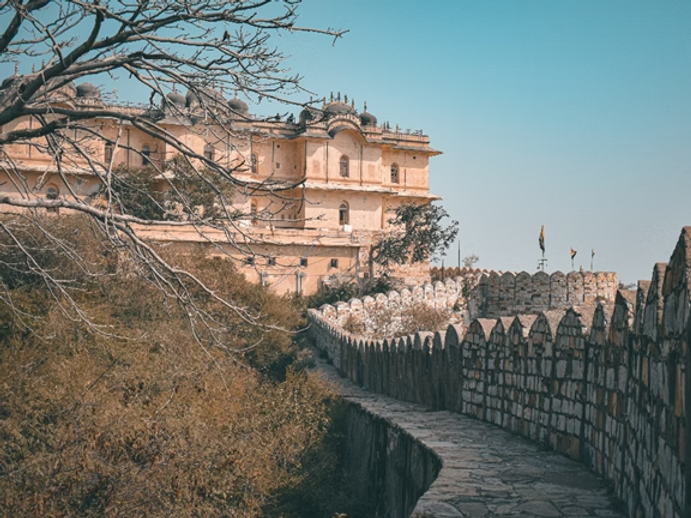
Last Updated: 28 Feb 2026 Rajasthan’s capital city, Jaipur, is a fascinating place to visit because of its vivacious culture, opulent architecture, and historical significance. An exceptional opportunity to see the city’s beauty and tranquilly before the hustle and bustle of the day. This article will walk you through some of the amazing locations in Jaipur in a completely new way. Nahargarh Fort: Witness the Sunrise Splendor The Nahargarh Fort, perched above the Aravalli Hills, is not only a historical monument. But it is also an incredible vantage point to see the sunrise. The sweeping views of Jaipur’s skyline are nothing less than amazing as the first light of day illuminates the city below. Early morning solitude in the fort provides a chance for reflection and a connection to the city’s past. Imagine the tales of the royals who once resided within these walls as you stroll through the fort’s halls. It’s easy to relax and enjoy the beauty of morning thanks to the peaceful surroundings and cooling wind. An early morning visit to Nahargarh Fort, a well-liked spot during the day, offers a special vantage point on Jaipur’s magnificence. Credit: Unsplash Hawa Mahal: A Silent Glimpse of History The famous Hawa Mahal, often known as the Palace of Winds, is evidence of Jaipur’s inventiveness in architecture. Even though it’s a popular destination throughout the day, the early morning offers an opportunity to view its elaborate façade in a more tranquil environment. You’ll be whisked away to a bygone period of beauty and splendour as the golden sunlight bathes the ornate lattice windows. You may appreciate the fine details up close without being distracted by crowds by taking a leisurely stroll around the area. The palace’s honeycomb architecture takes on an ethereal air in the soft morning light, making for a genuinely magical experience. Enjoy the peace and quiet before the city comes to life while allowing the history and beauty of the Hawa Mahal to enthral your senses. Credit: Unsplash Jal Mahal: Reflections at Dawn On the serene waters of Man Sagar Lake, the ethereal Jal Mahal, also known as the Water Palace, seems to float. Even though it’s a beautiful sight at any time of day, seeing the Jal Mahal at sunrise is a very magical experience. The palace appears as a mirage of beauty and tranquilly as the sky’s shifting hues cast a mesmerising reflection on the water’s surface. Take a boat trip on the lake in the early morning to fully immerse yourself in the experience. The palace appears to emerge from a dreamscape as you float across the tranquil waters, the dawn’s gentle touch enhancing its magnificence. You can notice the lyrical relationship between architecture and nature in the morning’s leisurely pace. Credit: Unsplash Albert Hall Museum: Quiet Contemplation Early risers looking for a peaceful interaction with art and history should check out the Albert Hall Museum. In the early morning light, the museum’s ornate Indo-Saracenic architecture takes on a mystical air. It provides a distinctive backdrop for examining its artefacts. The absence of crowds creates a serene setting for reflection and appreciation. You will travel through time as you visit the galleries that are home to a wide variety of exhibits. Explore the stories behind each piece in the serene setting and learn more about Rajasthan’s rich cultural heritage. Have a contemplative start to your day at the Albert Hall Museum. At this place you can engage with art and history more deeply. Credit: Unsplash Central Park: Nature’s Embrace Central Park, a vast sanctuary in the middle of Jaipur, comes to life as the sun rises. This park becomes a hive of activity as the city wakes up, with early morning joggers, yogis, and birdwatchers. The surrounding lush vegetation and the chirping birds combine to produce a revitalising mood. Go for a leisurely stroll or look for a peaceful place to sit and take it all in. The lively energy of the park and the companionship of other early risers enhance the sense of community. Central Park in Jaipur is the ideal place whether you’re looking for a rejuvenating workout or some peace. Conclusion: Embracing the Dawn’s Delight Early morning hours present a special chance to take in the splendour of the city in a serene environment. Each location begs you to embrace the peace of dawn, from the imposing Nahargarh Fort to the airy Hawa Mahal. You’ll learn a new aspect of Jaipur’s charm as you explore these treasures before the city comes to life. The soft rays of the rising sun illuminate unseen facts, tales, and feelings that create a tapestry of treasured memories. Decide to get up early. Enter Jaipur’s morning embrace, and let its beauty to awaken your senses to the rhythm of a new day.
The Ultimate Manali Travel Guide: How to reach and get around the mountain town.
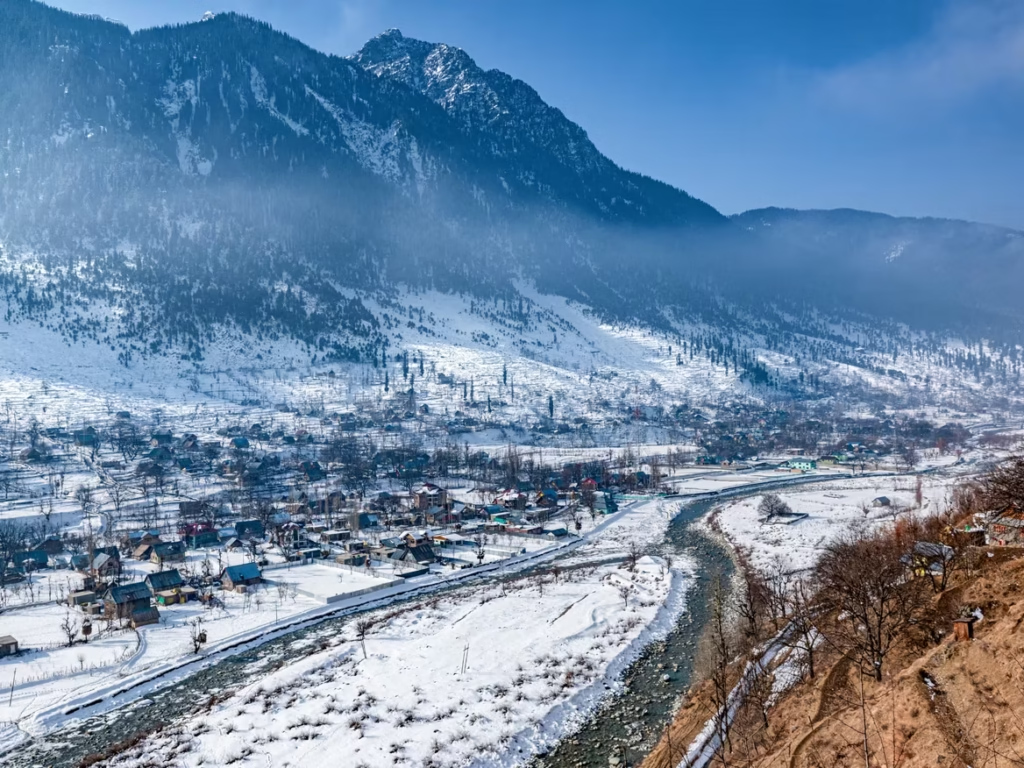
One of the few mountain towns that wins over every tourist’s heart is Manali. Manali, which is proudly located in the Kullu Valley of Himachal Pradesh and has the Beas River running through the center of it, combines cultural diversity with stunning scenery. Manali never lets you down, whether you’re there for trekking, snow sports, temple visits, or just to enjoy a hot chocolate in a quaint café overlooking the mountains. However, “How do I get to Manali, and once I’m there, how do I get around?” is one of the most common questions tourists have before going. Everything you need is covered in this ultimate Manali travel guide, from the best routes to get to this mountain paradise to the most practical and efficient ways to get around once you’re there. Plan your dream trip to Manali by AI powered Manali itinerary planner. What’s in this Blog? Why Visit Manali? Best Time to Visit Manali How to Reach Manali Reaching Manali by Road Reaching Manali by Train Reaching Manali by Air How to Get Around Manali Local Buses Taxis and Cabs Two-Wheeler and Car Rentals Walking Around Town Tips for Smooth Travel Using The Tarzan Way for Smarter Planning FAQs About Reaching and Getting Around Manali Final Thoughts Why Visit Manali? Manali is an experience rather than merely a town. Imagine walking through apple orchards, opening your window to view snow-capped peaks, and waking up to the crisp mountain air. Manali is ideal for all types of tourists because every area has a distinct vibe: Adventure Seekers: Paragliding over snowfields, river rafting in the Beas, or skiing in the Solang Valley. Couples and honeymooners: Couples can enjoy quiet walks in Old Manali, cozy lodgings, and candlelit dinners by fireplaces. Families: Kid-friendly attractions like Hadimba Temple and Vashisht Hot Springs, family-friendly lodging, and a safe atmosphere. Backpackers: There are lots of like-minded travelers to meet, lively cafés, and inexpensive hostels. For a complete picture, check out The Ultimate Manali Experience: Nature, Adventure, and Culture!!. Best Time to Visit Manali Summer (March – June): Ideal for sightseeing, trekking, and river activities. Days are pleasant (10–25°C). Monsoon (July – September): The valley turns green and beautiful, but heavy rains can cause landslides. Travel with extra caution. Winter (October – February): Temperatures drop below zero, but snowfall transforms Manali into a wonderland. Perfect for honeymooners and snow lovers. How to Reach Manali Getting to Manali depends on your budget, time, and comfort preferences. Here are the main routes: Reaching Manali by Road Road journeys are the most popular way to reach Manali. From Delhi: Around 550 km, 12–14 hours by car or bus. From Chandigarh: 310 km, around 8–9 hours. By Bus: Luxury Volvos and Himachal Roadways buses leave daily from Delhi, Chandigarh, and Shimla. Prices: ₹1000–₹1500. By Car/Self-Drive: Perfect for those who love scenic drives. Popular stops include Mandi, Kullu, and Kasol. Pro Tip: Winter driving requires snow chains and caution. If road trips excite you, read How to Plan the Perfect Delhi to Manali Road Trip for a complete guide. Reaching Manali by Train Manali doesn’t have a railway station, but you can combine train + road: Joginder Nagar Railway Station (163 km): Smallest and nearest station, limited trains. Chandigarh Railway Station (310 km): Best choice, with regular trains from Delhi, Mumbai, and Kolkata. Ambala Cantt (340 km): Another good option for major train routes. From these stations, taxis or buses connect you to Manali. Reaching Manali by Air The quickest way is flying into Kullu-Manali Airport (Bhuntar Airport): Distance: ~50 km from Manali. Connectivity: Delhi and Chandigarh via Air India and smaller airlines. Taxi cost: ₹1500–₹2000 from Bhuntar to Manali. If direct flights are limited, fly to Chandigarh or Delhi and continue by road. How to Get Around Manali Once you arrive, moving around Manali is relatively easy. Here are your best options: Local Buses Cheapest mode of transport. Connects nearby attractions like Naggar, Kullu, and Solang Valley. Great for budget-conscious and solo travelers. Taxis and Cabs Readily available at Mall Road taxi stands. Comfortable for families and honeymooners. Best for day trips to Rohtang Pass, Solang Valley, and Kasol. Always negotiate or use prepaid counters. Two-Wheeler and Car Rentals Adventure seekers often rent scooters or bikes (₹500–₹1200/day). Cars are available for self-drive or with a driver. Driving gives freedom to stop at lesser-known spots like Sethan Village or Jana Waterfalls. Explore more scenic routes in our blog: Exploring the Mountains: A Guide to the Main Attractions Along the Shimla-Manali Highway. Walking Around Town Mall Road and Old Manali are best explored on foot. Walking lets you enjoy cafés, handicraft shops, and music scenes at leisure. Great way to feel the town’s slow-paced, charming lifestyle. Tips for Smooth Travel Book in Advance during May–June and December–January. Carry Cash: Digital payments are common, but rural areas still depend on cash. Pack Smart: Layered clothing, power banks, and medicines. Travel Light: Mountain terrain isn’t friendly to oversized luggage. Check Weather: Always before booking road trips, especially in monsoon. Using The Tarzan Way for Smarter Planning Planning trips can be overwhelming with so many options. That’s why The Tarzan Way offers AI-powered travel planning: Personalized itineraries based on your budget and interests. Suggestions for budget hotels in Manali and transport options. Helps you balance cost, comfort, and experiences. Just like we simplify road trips such as Manali to Leh: The Ultimate High-Altitude Road Trip in India!!, we can make your Manali trip seamless. FAQs 1. What is the best way to reach Manali from Delhi? The most popular option is the overnight Volvo bus, which is affordable and comfortable. Self-driving offers flexibility but requires long hours. 2. Does Manali have a railway station? No, the nearest station is Joginder Nagar (163 km), though Chandigarh is a more reliable hub for onward travel. 3. How far is Manali from Delhi by road? It’s about 550 km, taking 12–14 hours depending on weather and traffic. 4. Which is the nearest airport to Manali? Bhuntar
Planning a Trip to Manali this Summer? Here’s What You Need to Know About the Weather
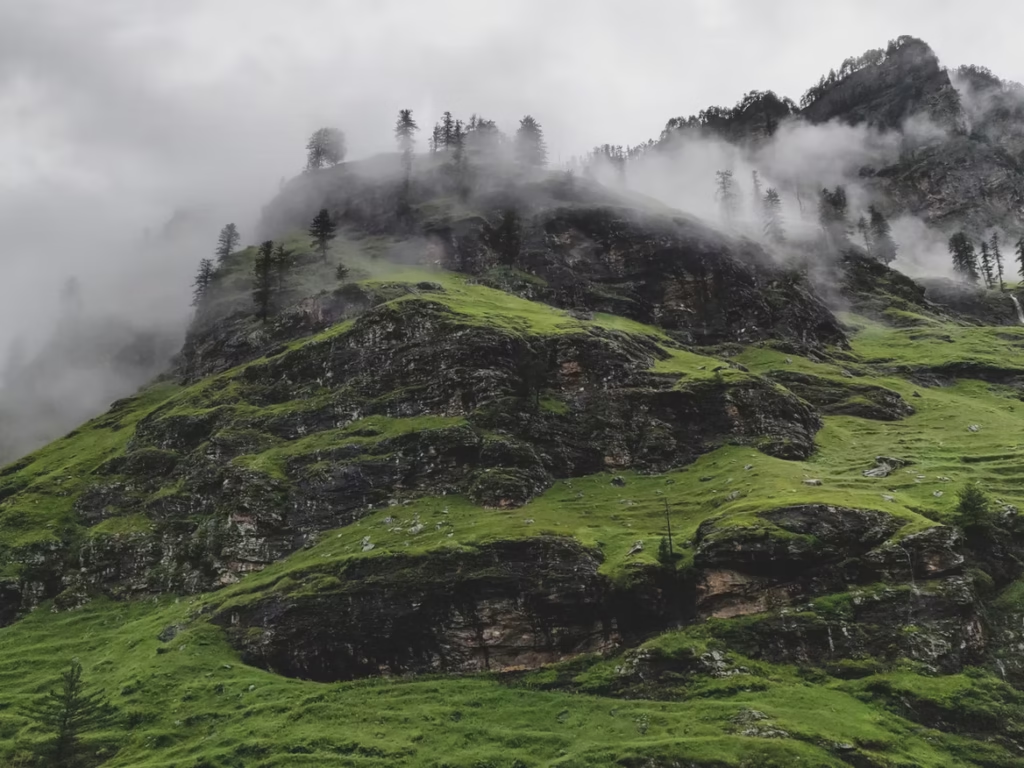
Tucked away in the Himalayas, Manali is one of the most popular summer getaways for Indians. When the plains heat up, this hill town is cool relief and a mix of scenic beauty and adventure. During the summer, you should expect anything from sunny mornings to misty rains to thunderstorms at any given moment.With a bit of planning, you can still get the most out of your Manali trip. This guide will tell you everything you need to know about Manali weather, including temperatures, rainfall amounts, what to pack, things to do in Manali by season, and the best time to visit Manali so that you can enjoy your holiday rain or shine. You can also plan your trip to Manali with The Tarzan Way. What’s in this blog Manali Weather: An Overview Manali in Summer (April–June) Manali in Monsoon (July–September) Manali in Winter (December–February) Manali in Spring (March–April) Best Time to Visit Manali What to Pack for Your Trip Things to Do in Manali by Season Suggested Itinerary for Manali FAQs Final Thoughts Manali Weather: An Overview At an altitude of nearly 2,050 meters, the weather in Manali can be dramatically different from season to season. Summertime may bring comfortable temperatures between 15°C and 25°C, but the high altitude makes the sun feel stronger. The monsoon usually starts at the end of June, with sudden showers. This unpredictable Manali weather means travelers must pack efficiently during the summer—they should carry light clothes for hot sunny days, a jacket for breezy evenings, and an umbrella for unexpected showers. Manali in Summer (April–June) Visiting Manali in summer is the most popular choice. Daytime temperatures are pleasant (15–25°C), perfect for an outdoor getaway. Humidity starts creeping in by May, but monsoon hasn’t fully arrived. Pros: Clear skies and mountain views. Ideal for trekking, paragliding, rafting, and camping. Cafes and markets are lively for food and shopping. Cons: Rain may arrive by late June. Rohtang Pass might still be closed in early April. Planning a road trip? Read: How to Plan the Perfect Delhi to Manali Road Trip. Manali in Monsoon (July–September) The monsoon season creates a verdant green paradise in Manali, but it also brings heavy rainfall that influences travel accessibility. Humidity will be high at levels between 75%–80% and landslides may occur frequently. Pros: Fewer travellers and hotel prices are discounted. Rivers and waterfalls could be flowing at their most spectacular. Great time for budget travelers. Cons: The roads may be prone to landslides and blockages. Outdoor adventure activities will be limited. Fog could obscure views. Want more? Check out our Manali Travel Guide for some safety tips during the monsoon season. Manali in Winter (December–February) In winter, Manali becomes an enchanting snow-laden land. The temperature fluctuates from -5°C during the night to 10°C in the day. Pros: Skiing, snowboarding, and snowmobiling at the Solang Valley. Fewer tourists, and appealing hotel offers. Charming sceneries with snow-clad mountains. Cons: Heavy snow can make the roads impassable. Limited connectivity to remote areas. Very cold and necessitate heavy winter wear. Manali in Spring (March–April) Spring brings moderate weather with highs of 18°C to 25°C, but evenings can still be chilly. Expect light showers and even snow at higher altitudes. Pros: Blooming orchards and colorful valleys. Off-season discounts on hotels. Ideal time for temple visits and easy treks. Cons: Sudden rain or snow at higher points. Some activities remain closed until summer. Best Time to Visit Manali The “best” time depends on your travel style: Summer (April–June): Adventure activities, family trips. Monsoon (July–September): Budget-friendly, lush scenery. Winter (December–February): Snow sports and cozy retreats. Spring (March–April): Flowering orchards, festivals, and fewer crowds. Planning a romantic escape? Check out our Manali Honeymoon Guide. What to Pack for Your Trip Summer: Light cottons, hats, sunscreen, trekking shoes, and a light jacket for evenings. Monsoon: Raincoat, umbrella, waterproof boots, quick-dry clothing. Winter: Heavy woolens, thermals, snow boots, gloves, moisturizers. Spring: Layered clothing, compact umbrella, light sweaters for evenings. Tip: Always carry a basic medical kit and reusable water bottles. Things to Do in Manali by Season Summer (April–June): Paragliding at Solang Valley, rafting in the Beas River, trekking (Hampta Pass, Bhrigu Lake), riverside camping. Monsoon (July–September): Temple visits (Hadimba, Vashisht), cozy cafes, local food, indoor relaxation. Winter (December–February): Skiing, snowboarding, sledding, zorbing, trekking (Chadar trek for experts). Spring (March–April): Nature walks, birdwatching, apple orchards, temple visits, cultural festivals. These activities highlight some of the best things to do in Manali no matter when you visit. Suggested Itinerary for Manali (4 Days) Day 1: Explore Mall Road and Hadimba Temple. Day 2: Adventure sports in Solang Valley. Day 3: Visit Naggar Castle, Vashisht hot springs, and Old Manali cafes. Day 4: Optional trip to Rohtang Pass (if open) or explore Kullu. This plan covers top places to visit in Manali, giving you a balanced mix of adventure and relaxation. FAQs Q. Is Manali hot in summer? No, summers are cool with 15°C–25°C temperatures, perfect for sightseeing. Q. Does it rain in Manali in June? Yes, occasional showers start by late June as monsoon approaches. Q. Which month is best for Manali? April–June for adventure, December–February for snow. Q. Is May good for Manali? Yes, sunny days, pleasant evenings, and open adventure activities. Q. Does Manali get snow in summer? Not in town, but higher passes may still have snow till May. Q. Is Manali crowded in June? Yes, June sees peak tourist crowds before monsoon starts. Q. What to wear in Manali in May? Light cottons by day, a jacket for cool evenings. Q. Is Manali safe in July? July is monsoon season; heavy rains can disrupt travel. Q. Does it snow in Manali in December? Yes, December usually brings snowfall, especially after mid-month. Q. Is January a good time for Manali? Yes, but pack heavy woolens; expect snow and sub-zero nights. Q. How many days are enough for Manali? 3–4 days are enough for sightseeing, cafes, and adventure. Q. Is Rohtang open in June? Yes, Rohtang Pass usually
Goa Travel Itinerary: Must-Visit Spots & Hidden Gems

There’s something magnetic about Goa: its laid-back vibe, its breezy sea-salted mornings and lively evenings filled with music, laughter and dancing. For those who travel, Goa is more than a place. It is a feeling that looks different depending on how one engages with it. In this Goa itinerary, whether you’re planning a 1-3 day getaway or a full week of beach relaxation, we’ve pulled together the top highlights and some hidden gems locals enjoy. With a mix of nights out on the town and family-friendly beaches during the day, this itinerary finds the right balance between excitement and tranquility – just as it should be in Goa. If you would prefer a travel itinerary unique to your tastes, which circumvents the difficulties of planning and finding the perfect balance on your own, The Tarzan Way can plan your perfect Goa trip in minutes. North Goa – Where the Energy Never Sleeps Welcome to the lively half of Goa, where the roads buzz with scooters, beach bars shine with fairy lights, and music wafts through the night. North Goa is the place to begin – bold, crowded, and unapologetically alive. Must-Visit Spots: Calangute & Baga Beaches: The heartbeat of Goa tourism – perfect for water sports and beach parties. Fort Aguada: Catch golden sunsets and views stretching across the Arabian Sea. Anjuna Flea Market: Shop boho jewelry, handmade art, and souvenirs. Vagator & Chapora Fort: For those iconic cliff-top views featured in “Dil Chahta Hai.” Things to Do at Night: Party at Tito’s Lane or Curlies Beach Shack. Join a silent disco at Palolem or beach shacks along Anjuna. Explore local cafes that transform into cozy bars post-sunset. Pro Tip: If you’re looking for the convenience of walking to most nightlife options, stay close to Calangute or Baga. Book your stay early – budget accommodations come and go quickly in North Goa, especially on weekends and holidays. South Goa – For Serenity Seekers and Peace Lovers If, in North Goa, you have energy, in South Goa, you have balance – beaches lined with palms, morning yoga, and peaceful cafes with views of calm waters. This part of your trip to Goa feels like a refreshing breath after a prolonged song. Top Beaches: Palolem Beach: Great for kayaking, yoga, and relaxed evenings. Agonda Beach: Perfect for solitude and romantic sunsets. Butterfly Beach: Hidden and scenic – accessible by boat. Colva Beach: A mix of local life and scenic sands. Experiences You’ll Love: Morning dolphin tours and sunset cruises. Exploring Cabo de Rama Fort – one of the best Goa tourism places for views. Cafe-hopping in Patnem and Palolem for vegan and beachside brunches. Pro Tip: If you want to spend time in peace and silence, then visit South Goa during weekdays for the quietest experience. For a mix of luxury and affordability, try boutique Goa resorts near Agonda – they often come with private beach access. Hidden Gems Only Locals Know About Beyond the tourist maps of Goa, lay hidden treasures that frequent visitors may never see. These destinations will reveal the heart and soul of Goa – slow, simple, and breathtakingly beautiful. Hidden Beaches & Places: Kakolem (Tiger) Beach – Wild cliffs and pure privacy. Betul Beach – Delightfully small fishing village with an estuary. Hollant Beach – Tranquil bay for swimming and sunrises. Divar Island – Picturesque churches and colorful Portuguese houses. Netravali Waterfalls – Lush, jungle escape in South Goa. Why You Should Go: Excellent for nature photography. Ideal for travelers who prefer empty sand versus crowds. Peek into Goa’s traditional way of life. Pro Tip: Be sure to take cash with you while discovering the hidden beaches, because most stalls or taxis don’t have card machines. Always check tide timings if you’re heading to secluded coves. Beyond the Beaches – Goa’s Cultural & Heritage Side Goa’s charm isn’t just in its coastline – it’s in the music echoing from old churches, the bright Latin Quarter of Panjim, and the stories whispered by 400-year-old forts. Cultural Experiences to Try: Walk through Fontainhas – the Latin Quarter painted in blues and yellows. Visit Basilica of Bom Jesus and Se Cathedral – UNESCO heritage sites. Explore Reis Magos Fort for river views and history. Attend a local Goan music night in Panjim. Pro Tip: Early mornings are the best time to explore Old Goa – fewer crowds, softer light, and peaceful vibes for great photos. Where to Stay – Budget, Boutique & Beachside Bliss Whether you’re a backpacker or a comfort seeker, Goa offers stays that match every mood and budget. North Goa Stays: Budget-friendly hotels in North Goa (Calangute, Candolim, Baga). Ideal for partygoers and social travelers. South Goa Stays: Boutique villas and Goa resorts around Agonda or Palolem. Great for couples and families. Central Goa Stays: Panjim and Fontainhas – perfect for heritage lovers. If you’re planning a workation, browse through 13 Best Places to Have an Amazing Workation in Goa for the most scenic spots to mix work and leisure. Pro Tip: Book your stay near the area you plan to explore most – North for nightlife, South for peace. Many mid-range hotels offer discounts for stays longer than 5 nights. Sample 5-Day Goa Itinerary – Balanced & Breezy Day 1: Arrival + North Goa beaches (Calangute, Baga, Fort Aguada) Day 2: Anjuna Market + Chapora Fort + nightlife at Baga Day 3: Old Goa heritage sites + Fontainhas walk Day 4: Head to South Goa (Colva, Palolem, Cabo de Rama Fort) Day 5: Hidden beaches and cafe-hopping before departure For longer stays, check Goa Itinerary for 3, 5, and 7 Days for detailed route plans. Pro Tip: Keep your last day flexible – weather and beach vibes in Goa often tempt travelers to extend their stay. Goa Beyond the Sun – Food, People & Vibe No Goa travel guide is complete without talking about food. From beachside seafood shacks to local taverns serving spicy vindaloo, Goan cuisine reflects its mixed heritage. Must-Try Foods: Goan prawn