

Lakshadweep Serenity: AI-Enhanced Beach Escapes

If you’re dreaming of a peaceful beach vacation, where soft sands meet calm waters and time feels slower, Lakshadweep might just be your answer. These islands, scattered across the Arabian Sea, remain one of India’s quietest and most untouched getaways. And now, thanks to a few smart tech tools, discovering this hidden paradise has never been easier—or more personal. The Calm of Lakshadweep’s Shores There’s something about Lakshadweep that feels different. Maybe it’s the silence, or how the sky blends into the sea with no skyscrapers in sight. Unlike the usual tourist-packed coastlines, this group of islands gives you space—space to breathe, relax, and just be. Each beach here has its own personality. Some are wide and welcoming, great for long walks or lazy afternoons. Others are tucked away, perfect for travelers who’d rather go off the map than follow a crowd. Planning your first trip? Take a look at Lakshadweep Revealed: An Essential Guide for First-Time Visitors — it’ll help you navigate entry permits, island hopping, and local customs without overwhelm. Beaches That Speak for Themselves A few of the best-known spots include: Agatti Beach – calm waters, white sands, and no noise except the wind. Ideal for swimming or just watching the sunset. Kavaratti Beach – livelier, but still peaceful. Water sports are popular here, so if you’re in the mood for kayaking or snorkeling, this is your place. Bangaram Island – uninhabited and untouched. You won’t find shops or cafes here—just sand, sea, and silence. For those planning a couple’s retreat, Romantic Escapes in Lakshadweep: Honeymoon Packages and Experiences in Lakshadweep covers candlelit dinners, private villas, and everything you need to turn your getaway into something unforgettable. What Lies Beneath: Coral Reefs & Atolls Above water, Lakshadweep is beautiful. Underwater? It’s something else. Minicoy Atoll offers calm, clear lagoons where schools of fish swim past like living art. Kadmat Atoll is a hit with divers—its coral reefs are bright, colorful, and full of life. Kiltan Atoll is more quiet and local, but the coral gardens here are just as magical. The best part? AI tools can now help you explore the sea more safely and smartly. Apps can point out coral species as you snorkel or alert you to eco-sensitive zones. They don’t replace a guide—but they make you feel more connected to the environment you’re in. We explored this tech-meets-nature magic in Lakshadweep: A Tropical Haven Mapped by AI, where the islands are navigated not just by maps, but intelligent planning. Let AI Help You Travel Smarter No, robots aren’t booking your hotel. But AI tools can make your Lakshadweep trip smoother. Want a day-by-day plan? You can use apps that build itineraries based on your travel dates, interests, and budget. Not sure what to pack? Tools that track weather and activities can help prep your bag with more than just flip-flops. Curious about what to expect? Virtual previews of resorts, dive sites, and beaches let you decide where to go before you even get there. If you’re someone who likes to keep things organized and stress-free, having a little tech on your side can make all the difference. More Than Just Beaches Lakshadweep isn’t only about white sand and blue water. There’s culture here too—quiet, simple, and deeply rooted in tradition. The Kavaratti Aquarium is a small but fascinating stop where you can see some of the sea creatures that live just offshore. Kalpeni Island offers more than beautiful views. If you’re lucky, you might catch a local dance or festival—small, welcoming, and full of heart. And when night falls? The skies here are unreal. With little light pollution, you can actually see the stars. Grab a mat, lie on the beach, and just look up. For night-sky lovers, Lakshadweep Mystique: Stargazing and Celestial Delights dives into all the best places and times to catch shooting stars and constellations. Great for Families Too People often think of Lakshadweep as a couple’s spot. And while it’s definitely romantic, it’s also a great place for families. Shallow waters make it safe for kids to swim. Many resorts have easy walking trails, and some offer educational nature walks and boat rides. If you’re traveling with parents or children, Lakshadweep Island – An All-Age Vacation Guide for Families breaks down how to make it fun for everyone—from toddlers to grandparents. In Closing: Peace Meets Personalization It’s hard to find places like this anymore. Lakshadweep doesn’t throw itself at you. It doesn’t rush. It lets you settle in—slowly. And with the help of a few smart travel tools, you can make the most of your time here without overplanning or missing what matters. If you’re ready to explore somewhere quiet, meaningful, and naturally stunning—without giving up the perks of smart planning—then Lakshadweep is waiting. Let The Tarzan Way help you plan the ultimate peaceful island escape—from curated itineraries to authentic stays, we’ve got your back.
Riviera Reverie: Romantic Escapes Along the French Riviera

Glamorous towns and pristine seashores create the best setting for a romantic get away, all in the sophistication of the French Riviera. The French Riviera, or Côte d’Azur, has lengthy been referred to as a playground for the wealthy and well-known, with its expensive yachts, grand villas, and picturesque coastlines. Yet, beyond its popularity for opulence, the French Riviera is likewise a dream destination for couples looking for a romantic getaway. French Riviera Let us take you to discover a number of Romantic Escapes Along the French Riviera and picturesque towns alongside and offer insights into its glamorous and romantic offerings. Nice: A Coastal Paradise Nice, the capital of the French Riviera, is a metropolis that captures the hearts of vacationers with its captivating beauty. Stroll hand-in-hand along the Promenade des Anglais, where the azure waters of the Mediterranean stretch out as far as the attention can see. As you stroll, take within the stunning perspectives of the coastline and absorb the vibrant power of the town. Nice: The capital of the French Riviera Promenade des Anglais In the coronary heart of Nice, visit the Old Town (Vieux Nice), a charming labyrinth of slender streets and colorful buildings. Lose yourselves within the Bustling markets Quaint boutiques savoring local cuisine like socca and pissaladière. As the sun sets, head to Castle Hill for a panoramic panoramic view of the city and its surrounding hills. For a romantic beach day, relax on the metropolis’s pristine beaches or take a dip inside the clean waters of the Mediterranean. You can even rent a cozy seaside hut for a private and intimate enjoy. Cannes: A Touch of Glamour Known for its international-famous film competition, Cannes exudes an air of glamour and elegance that is ideal for a couple’s retreat. Stroll down the long-lasting Boulevard de L.A. Croisette, a palm-lined avenue that runs alongside the coastline and offers spectacular perspectives of the Mediterranean. Boulevard de L.A. Croisette Treat yourselves to a steeply-priced dinner at certainly one of Cannes’ upscale restaurants, wherein you could indulge in gourmand French cuisine. Afterward, take a leisurely stroll along the Port de Cannes, in which you could admire the stunning yachts that line the jetty. Port de Cannes For a virtually romantic enjoy, bear in mind a day journey to the nearby Îles de Lérins. These serene islands provide idyllic spots for picnicking, exploring historical monasteries, and snorkeling in crystal-clean waters. Îles de Lérins Saint-Tropez: The Iconic Escape Saint-Tropez is synonymous with luxury and beauty, making it an excellent destination for couples looking for a romantic get away. The metropolis’s picturesque harbor, dotted with vibrant fishing boats and glossy yachts, creates a charming setting for a romantic nighttime stroll. Saint-Tropez Explore the slender, winding streets of the metropolis middle, coming across boutiques, artwork galleries, and cozy cafés. Make your manner to Plage de Pampelonne, a world-famed beach in which you can relax at the golden sands or rent a non-public cabana for a secluded revel in. Plage de Pampelonne For a touch of adventure, lease a boat and cruise along the stunning coastline. The scenic views of the rugged cliffs and secluded coves will leave you in awe. Èze: A Medieval Romantic Retreat Nestled on a hilltop, the medieval village of Èze offers breathtaking perspectives of the Mediterranean. This fascinating village is a super spot for couples in search of a romantic get away with a touch of records. Èze: A Medieval Romantic Retreat Wander via its cobblestone streets, dotted with artisan stores and old fashioned cafés. Visit the Exotic Garden for lovely vistas and uncommon plant life. Exotic Garden For a romantic touch, revel in a candlelit dinner at one of the village’s restaurants, acknowledged for their panoramic views and amazing delicacies. Monaco: Opulence and Elegance The principality of Monaco is a glamorous haven for couples seeking luxury and elegance. Monte Carlo Casino Explore the famed Monte Carlo Casino and its lavish surroundings, where you can attempt your good fortune or truly recognize the incredible architecture. Stroll alongside the waterfront promenade, taking within the dazzling yachts and lovely perspectives. Japanese Garden Princess Grace Rose Garden Monaco also offers tranquil gardens which includes the Japanese Garden Princess Grace Rose Garden Ideal for a peaceful break out amidst the hustle and bustle of the metropolis. Antibes: A Picturesque Escape For couples in search of a quieter, greater intimate revel in, Antibes is a picturesque coastal metropolis that gives a charming break out. Princess Grace Rose Garden Explore the old fashioned streets of the Old Town, in which you may go to the Picasso Museum and admire works through the legendary artist. Picasso Museum Take a leisurely walk along the Ramparts for stunning perspectives of the ocean and the Alps in the distance. Don’t omit the Marché Provençal, wherein you could pattern fresh nearby produce and artisanal delights. Conclusion The French Riviera is a true paradise for couples in search of a romantic break out. Its glamorous towns, medieval villages, and pristine seashores offer the proper backdrop for developing unforgettable memories with your loved one. Romantic Escapes Along the French Riviera Whether you choose to explore the vibrant streets of Nice, immerse yourselves within the beauty of Cannes, or unwind in the luxurious of Saint-Tropez, the Riviera guarantees a paranormal revel in. So, pack your bags and embark on a romantic journey alongside the French Riviera. Let the charm of this lovely location sweep you off your toes and ignite the spark of romance. Bon voyage! Thanks for tuning in, and remember, the pleasant adventures take place off the overwhelmed route! ????✈️????
Unexplored Kashmir: 9 Secret Spots to Explore on your visit
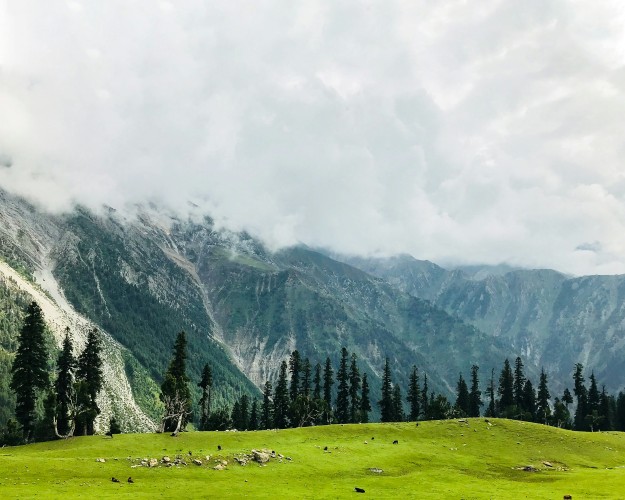
Kashmir, called the “Paradise on Earth,” frequently conjures pix of majestic landscapes, tranquil lakes, and bustling bazaars. But beyond the popular spots frequented by travelers, the valley holds hidden gems ready to be observed. Apart from the famous places like these. Let’s find more secret spots in Kashmir that deserve your attention. From offbeat places in Srinagar to unexplored valleys, these lesser-known treasures provide a glimpse into an exceptional aspect of Kashmir. In this post, we’re going to journey through those secret escapes that promise a memorable experience far away from the crowds. Offbeat Places in Srinagar While Srinagar’s Dal Lake and Mughal gardens attract throngs of visitors, there are quieter, offbeat locations that offer a greater intimate experience of the metropolis. Nishat Bagh: This Mughal garden may be well-known; however, its splendor is frequently overshadowed by using Shalimar Bagh. Take a quiet stroll through the luxurious terraced garden overlooking Dal Lake. Chashme Shahi: This serene garden features a herbal spring and picturesque terraces, making it an excellent spot for a nonviolent retreat. Zaina Kadal: Known as one of the oldest bridges in Srinagar, Zaina Kadal offers a glimpse into the metropolis’s historical appeal and architecture. Unexplored Valleys Kashmir’s unexplored valleys are a treasure trove of natural beauty and calmness. These hidden wonders are ideal for the ones seeking a serene escape from the hustle and bustle. Aru Valley: Nestled inside the Lidder Valley, Aru is a picturesque village surrounded with the aid of lush meadows and pine forests. It’s a haven for nature fanatics and trekkers. Gurez Valley: Known for its pristine landscapes and great hospitality, Gurez Valley is a faraway place supplying lovely perspectives of the Habba Khatoon top. Doodhpathri: Meaning “Valley of Milk,” Doodhpathri is known for its lush, unexperienced meadows and pristine streams. It’s a peaceful breakout for the ones seeking solitude. Kashmir’s Hidden Gems In addition to its valleys, Kashmir is domestic to hidden gems that regularly pass neglected by using travelers. These locations provide a unique experience and a hazard to delve deeper into the vicinity’s culture and traditions. Verinag: Famous for its ancient spring, Verinag is the source of the Jhelum River. The beautifully landscaped garden and Mughal architecture make it a peaceful retreat. Chatpal: A small village surrounded by thick forests and rivers, Chatpal offers a quiet getaway for those searching for a closer connection to nature. Pulwama: Known as the “Anand of Kashmir,” Pulwama is famous for its saffron fields and natural springs, imparting visitors a chance to discover the place’s agricultural background. Conclusion Kashmir’s lesser-acknowledged treasures offer a clean perspective on this spellbinding vicinity. Whether you’re wandering via offbeat locations in Srinagar, discovering unexplored valleys, or locating hidden gemstones, those escapes offer a unique side of Kashmir that is simply as fascinating. So, in case you’re making plans for your next experience in Kashmir, go beyond the same old vacationer trail and uncover the valley’s secrets and techniques. The adventure promises an unforgettable revel packed with the magic of nature, lifestyle, and journey. Let Kashmir’s unexplored beauty captivate you and create memories that will last a lifetime. Thanks for tuning in, and remember, the pleasant adventures take place off the overwhelmed route!
Kashmir’s beauty: Valley of Dreams Unraveled
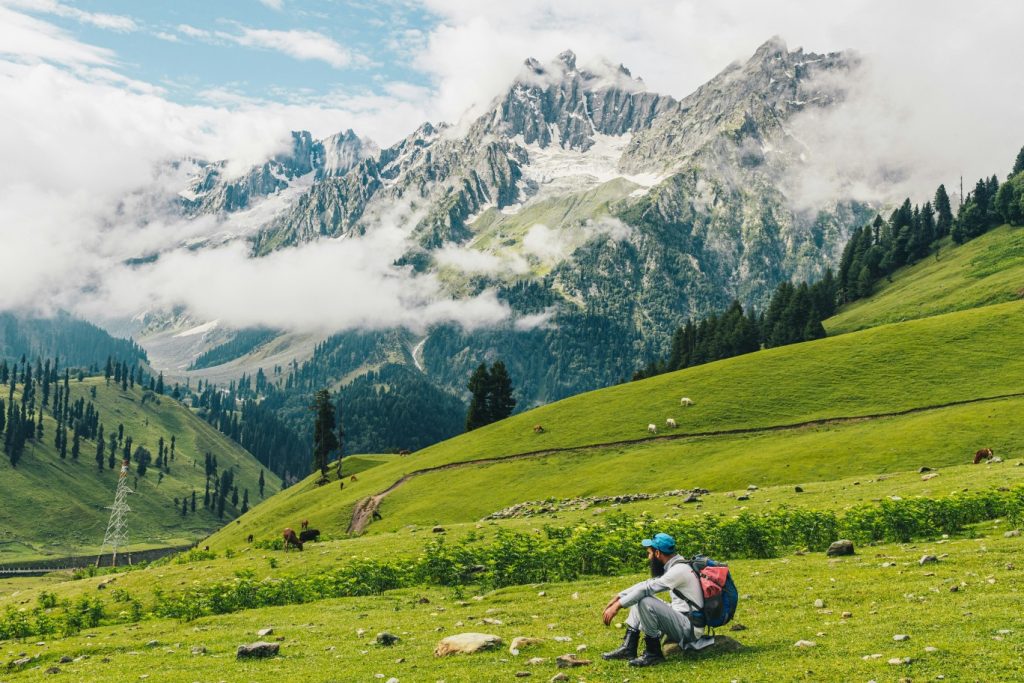
Nestled between the potent Himalayas and the stunning Pir Panjal range, Kashmir is referred to as the “Paradise on Earth.” This breathtakingly beautiful area captivates site visitors with its snow-capped peaks, lush green valleys, and enthralling rivers. However, the tale of Kashmir goes past its herbal splendor; it allows us to embark on an interactive adventure to unravel the beauty of the Kashmir Valley. An Intriguing History Old Kashmir: History Kashmir’s history is a charming tapestry woven from the threads of numerous rulers and influences. The valley has witnessed the reign of historical dynasties, which include the Mauryas and Guptas, followed by Muslim and Hindu rulers. Culture of Kashmir Its strategic region made it a hub of exchange and culture, leading to an amalgamation of various traditions. The Enchantment of Nature Serene beauty of Kashmir Kashmir’s natural splendor is exceptional. From the serene Dal Lake with its shikaras (conventional boats) and floating gardens to the breathtaking landscapes of Gulmarg and Sonamarg, the vicinity gives a ceremonial dinner for the senses. Tulips Garden of Kashmir The vibrant tulip gardens in spring and the pristine snow throughout winter make Kashmir a vacation spot for all seasons. Rich Cultural Heritage Making of Pashmina shawls Kashmir’s way of life is a mix of Hindu, Buddhist, and Islamic influences. The traditional artwork bureaucracy, along with Pashmina weaving and papier-mâché, showcases the complex craftsmanship of the local artisans. The valley is likewise regarded for its distinct tune and dance paperwork, like Rouf and Bhand Pather. A Culinary Adventure Kashmiri delicacies are a culinary journey via flavors and spices. The area’s signature dish, Wazwan, is a multi-course meal featuring succulent meats and aromatic rice dishes. Kahwa, a traditional saffron-infused tea, gives warm temperature and luxury, especially throughout the chilly icy months. Wazwan and Kahwa: Dishes of Kashmir The Warmth of the People One of the most memorable factors of touring Kashmir is the hospitality of its people. Kashmiri residents Known for their warmth and kindness, the locals welcome site visitors with open hands, making them feel at home in the valley. Conclusion Kashmir, the valley of dreams, is a land of stunning landscapes, rich records, and colorful lifestyles. Its charming splendor and warm hospitality leave an indelible mark on all who go there. As we get to the bottom of the layers of this captivating region, we come to understand why it has stimulated poets, artists, and tourists for centuries. Kashmir’s scenic view Embark on this adventure and let Kashmir weave its magic on you. Whether you are exploring the lush meadows, sampling its extremely good delicacies, or immersing yourself in its particular history, the valley is sure to leave you with memories that last a lifetime. Also, find hidden gems of Kashmir, the unexplored places in Kashmir From snow-kissed mountains to shikara rides on still waters, Kashmir truly is a dream waiting to be lived. Whether you’re planning a romantic escape, a soulful solo trip, or an unforgettable family getaway, let The Tarzan Way help you craft the perfect experience.
Rajasthan: Guide beyond the Palaces – Exploring the Hidden Gems

Khamma Ghani, fellow explorers! We are now diving deep into the heart of India, exploring the enthralling nation of Rajasthan, it is manner past the palaces that often steal the highlight! Credits: Canva Venture off the beaten path in Rajasthan with our AI-pushed guide. You may think you know Rajasthan – the land of palaces, vibrant fairs, and wealthy records. But nowadays, we are unlocking the secrets and techniques of this magical place, revealing hidden gems in order to go away you in awe. Hidden Gems in Jodhpur: Beyond the Blue City Jodhpur, the Blue City, is well-known for its majestic Mehrangarh Fort and bustling bazaars. But permit me take you beyond the same old traveler spots. Mehrangarh Fort Credits: Freepik Picture this: historic step wells, intricately designed and steeped in records. These architectural wonders now not most effective served as water assets but also as community collecting spaces. Join us as we discover those hidden marvels that regularly cross omitted. Cultural Exploration in Bikaner: Uncover the Authentic Rajasthan Junagarh Fort Credits: Freepik Now, let’s shift our cognizance to Bikaner, a town with a completely unique blend of lifestyle and allure. Beyond the grandeur of Junagarh Fort, there lies a cultural tapestry waiting to be unraveled Credits:Freepik Local markets packed with vibrant colours, aromatic spices, and conventional crafts offer a real flavor of Rajasthan’s authenticity. We’ll immerse ourselves in the hustle and bustle, discovering the soul of Bikaner via its streets and local flavors. Unknown: Off beat Experiences Across Rajasthan But wait, there’s more! Rajasthan has hidden treasures scattered across its landscape. Ever heard of the mystical Abhaneri Step Well? Let’s descend into its depths and wonder at the structure that echoes with tales from centuries in the past. Abhaneri Step well Credits: Freepik Now, believe the serene landscapes of the Keoladeo National Park, a birdwatcher’s paradise tucked far from the bustling towns. Join us on an adventure to these lesser-known places that redefine your notion of Rajasthan, showcasing its diverse splendour past the opulent palaces. Keolado National Park Credits: Freepik Ranakpur Jain Temple, As you approach this architectural masterpiece, you are greeted by a symphony of intricate carvings that seem to dance on the walls, telling tales of devotion and artistry. The temple, dedicated to Adinatha, the first Tirthankara of Jainism, is a sanctuary where spirituality and craftsmanship intertwine seamlessly. Ranakpur jain temple Credits: Unsplash Ranakpur is not just about the temple; it’s a sanctuary of peace surrounded by lush greenery and the soothing melody of nature. The nearby Sadri village offers a glimpse into the local way of life, where the warmth of the people mirrors the golden hues of the desert landscape. Kumbhalgarh Fort Prepare to step into the realm of Kumbhalgarh Fort, where history whispers through ancient stones, and the walls resonate with the tales of valor and mystique. Buckle up for an adventure that transcends time – Kumbhalgarh, where every stone has a story, and every turret hides a secret. Kumbhalgarh Fort Credits: Unsplash This isn’t just a destination it’s an odyssey into the heart of Rajasthan’s majestic past, guarded by the formidable walls of quirkiness and grandeur. Engaging with the Locals And the quality part? Interact with the locals, participate in conventional sports, and get a flavor of the true Rajasthani way of life. It’s no longer only a journey; it’s an immersive cultural enjoy. Credits:Canva Join the Adventure! So, there you’ve got it! Rajasthan isn’t pretty much the palaces; it is approximately the hidden gemstones, the offbeat stories, and the colorful tradition that awaits you. Join us on this exceptional adventure as we explore the unexplored, unlocking the secrets that make Rajasthan genuinely magical. Thanks for tuning in, and remember, the pleasant adventures take place off the overwhelmed route! ????✈️????
Kashmir essence : Arts & Craft along the Dal lake

Dal lake Credits: Unsplash The jewel in the crown of Indian tourism, Kashmir beckons with its captivating beauty tucked and preserved in the nation’s north. Known as “Heaven on Earth”, this heaven of natural beauties captivates tourists. Adventure is waiting for you here, amidst the snow-capped peaks and verdant valleys. Welcome to Kashmir, where there is always something new to discover at every turn. Whether you’re seeking relaxation, adventure, or a glimpse into the local culture, Kashmir offers it all with even more, especially with it’s exceptional arts and handicrafts. HANDICRAFTS OF KASHMIR Pottery activities Credits: Unsplash Enter the enchanted realm of Kashmir, where decades’ worth of tradition are woven together by skill and ingenuity. This place has an incredible collection of handcrafted wonders hidden within the beautiful scenery, just waiting to be discovered. Embrace the rich warmth of embroidered shawls and Pashminas, marvel at the exquisite craftsmanship of paper-mâché goods, and lose yourself in the exquisite beauty of silk and wool rugs. Every piece of silverware, no matter how elegant or how shiny, reflects the rich history of Kashmir. Discover the charm of Pashmina shawls, which are sought after all over the world for their excellent craftsmanship. Here is a collection of well-known Kashmiri arts and crafts that are exclusive to this state and region and are renowned for their exceptional craftsmanship, which elevates them to the status of some of the best handicrafts in the world. 1.Tila Sozi 2. Namda Waeving 3. Crewel Work 4. Carpet Weaving 5. Wood Carving (Walnut) 6. PaperMachie 7. Pashmina Shawls 8. Sozini Work 9. CopperWare 10. Chain Stich 11. Phool Kari 12. Basoli Miniature Paintings 13. Ladakhi Rugs 14. Wicker Work (Willow Work) 15. Silk Tweeds 16. Silverware Among all of these the ones that must be highlighted are of course the hand made shawls and the mesmerizing wood carving of Kashmir. HANDMADE SHAWLS OF KASHMIR Pashmina shawl Credits: Unsplash Explore the rich past of the unmistakable Kashmir shawl, where each thread relates a tale of grace and tradition. Unlike the girdle-style worn by Persians, these exquisite woolen robes, which derive from the Persian word “shal,” were originally draped across shoulders in India. Although shawls are loved for their coziness and fashion in North India these days, Kashmir is the region that attracts attention from around the world. Captivated by its allure, Akbar (the Mughal emperor) explored several styling options, eventually popularizing the carefree draped aesthetic. Fashion fans worldwide appreciate Kashmiri shawls, which have become a symbol of ageless charm from the busy streets of Mumbai to far-flung areas abroad. Kashmir’s Top 6 Shopping Destinations A devotee of art and craft ought to dedicate a day to perusing genuine merchandise in Kashmir. The greatest stores in Kashmir for textiles, tea, spices, and handicrafts are featured here. 1. Sarnal Payeen Anantnag Kashmir: For Metal Crafts 2. Heritage: For Traditional Wear 3. Ahmad Complex: For Kashmiri Jewelry 4. Shri Kedarnath Shop: For Sandalwood And Metals 5. Royal Kashmir: For Dry Fruits 6. Pick N Choose: For Tea Products And More. Now continuing into marking up of a higher stage of peace which is granted by just a long and nice fresh breath of air at the dal lake. DAL LAKE: NOT JUST ANY BODY OF WATER Vendors in Dal lake Credits: Unsplash Travel to Dal Lake, the jewel in Kashmir, where majesty and tranquility co-exist harmoniously. Picture yourself floating across its calm waters with the soothing sound of oars splashing in time to your favorite music. Not simply a simple body of water, Dal Lake tells stories of beauty and culture and is the beating heart of Srinagar. Tucked away amid the jaw-dropping views of the Zabarwan Range, Dal Lake is a captivating blend of blue waters and lush surroundings. Every moment is a discovery of Kashmir’s rich culture, whether you’re visiting the lively floating bazaar or enjoying a relaxing Shikara ride. Dal Lake turns into an incredibly beautiful painting when the sun sets and casts a golden glow over the serene waters. And your stay will be nothing short of spectacular because there are so many hotels in the area that provide gorgeous views and scrumptious local cuisine. Explore the charm of Dal Lake, a place of beauty and simplicity, and set out on a tour through the heart of Kashmir that will never be forgotten. Thanks for tuning in, and remember, the pleasant adventures take place off the overwhelmed route! ????✈️????
Himachal Hideouts: Remote Villages and Cultural Immersion
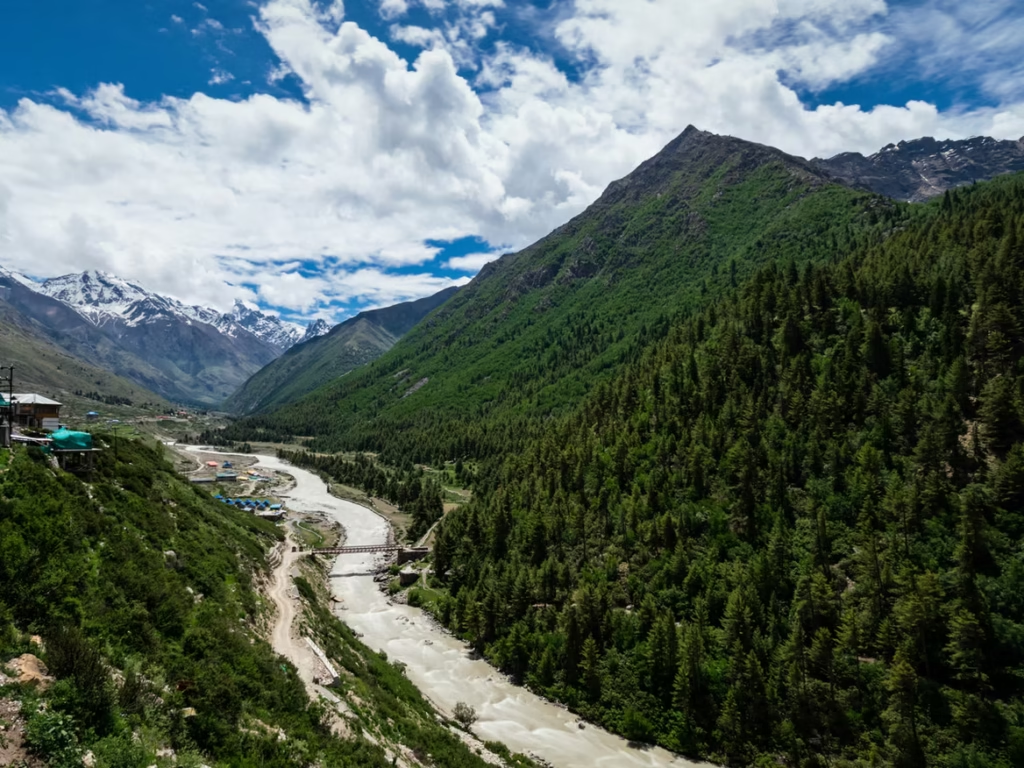
Discover the hidden gems of Himachal Pradesh by immersing yourself in the local culture of its remote villages. Explore the traditional way of life, interact with the friendly locals, and experience the rich heritage of this beautiful region. Himachal Pradesh, nestled in the mighty Himalayas, is a land of breathtaking beauty and enchanting charm. From snow-capped peaks to lush green valleys, this region is a paradise for nature lovers and adventure enthusiasts alike. But beyond its natural splendor, Himachal Pradesh also boasts a rich cultural heritage that is worth exploring. The state is home to numerous remote villages that offer a glimpse into the traditional way of life in the hills. These villages are tucked away from the bustling tourist hotspots, allowing visitors to truly immerse themselves in the local culture. From the warm hospitality of the villagers to the age-old customs and traditions, every aspect of life in these remote villages is just waiting for you to be explored. Himachal Pradesh Exploring the Remote Villages in Kinnaur Kinnaur, a district in Himachal Pradesh, is known for its remote villages that offer a glimpse into the unique culture and traditions of the region. Tucked away in the lap of the Himalayas, these villages are a paradise for nature lovers and culture enthusiasts alike. As you explore the remote villages of Kinnaur, you will be mesmerized by the stunning landscapes and the warm hospitality of the locals. From traditional wooden houses to ancient temples, every corner of these villages is steeped in history and charm. You can interact with the friendly villagers, learn about their way of life, and even participate in their daily activities. One of the highlights of exploring these remote villages is the opportunity to witness the vibrant local festivals and celebrations. Kinnaur, Himachal Pradesh From the famous Kinnaur Dussehra to the Fulaich Fair, these festivals offer a glimpse into the rich cultural heritage of the region. Soak in the festive atmosphere, try the local delicacies, and immerse yourself in the local traditions. Fulaich Fair Whether you choose to trek through the picturesque valleys or simply relax amidst the serene surroundings, a visit to the remote villages of Kinnaur is sure to leave you with lasting memories and a deeper appreciation for the cultural diversity of Himachal Pradesh. Embracing Traditional Life in Spiti Spiti, a remote valley in Himachal Pradesh, is a haven for those seeking a true cultural immersion. Nestled between Tibet and India, this region is known for its rugged landscapes, ancient monasteries, and traditional way of life. Spiti Valley As you venture into the remote villages of Spiti, you will be transported back in time. The traditional mud houses, prayer flags fluttering in the wind, and the serene monasteries create a mystical ambiance that is hard to find elsewhere. You can witness the daily rituals of the monks, listen to their enchanting chants, and even try your hand at meditation. You can participate in local festivals, learn traditional crafts like weaving and pottery, and savor the local cuisine that is infused with flavors unique to this region. Local festival celebration in Spiti Valley But Spiti is not just about culture and traditions. The valley also offers breathtaking views of snow-capped peaks, crystal clear rivers, and vast expanses of barren land. You can embark on thrilling treks, visit ancient Buddhist monasteries perched on hilltops, or simply soak in the serene beauty of the surroundings. Sounds exciting right? click here to get your free personalized itinerary and everything you need to know about Spiti. Lake in Spiti Valley Culinary Delights and Local Cuisine One of the best ways to experience the culture of Himachal Pradesh is through its mouth watering cuisine. Each region in Himachal has its own unique culinary traditions, influenced by the local ingredients and the cultural heritage of the area. In the remote villages of Himachal, you can savour authentic local dishes that are prepared using age-old recipes and traditional cooking techniques. From steaming bowls of thukpa in Spiti to the famous chha meat in Kinnaur, every bite is a burst of flavors. Thukpa Chha Meat The use of locally sourced ingredients like buckwheat, barley, and wild mushrooms adds a distinct taste to the dishes. You can also sample the traditional beverages like bhaang and chhang, which are an integral part of the local culture. But it’s not just about the food. The act of sharing a meal with the locals creates a sense of community and allows you to forge deep connections. So don’t be shy to try new dishes, engage in conversations over a cup of tea, and immerse yourself in the culinary delights of Himachal Pradesh. Art and Handicrafts The remote villages of Himachal Pradesh don’t just boast about their natural beauty and cultural traditions, but also are treasure troves of art and handicrafts that have been passed down through generations. From intricate wood carvings and handwoven textiles to exquisite metalwork and pottery, the art forms of Himachal Pradesh reflect the rich cultural heritage of the region. Wood Carvings Handwoven textiles By supporting these local artisans, you not only bring home unique souvenirs but also contribute to the preservation of these traditional art forms. Be it handcrafted shawls, or beautifully carved wooden artefacts, or a piece of intricate jewelry, each purchase helps sustain the livelihoods of these talented craftsmen. Take a stroll through the narrow lanes of the villages, visit the local markets, and witness the artistry firsthand. You may even get a chance to interact with the artisans, learn about their techniques, and try your hand at creating your own masterpiece. Preserve the heritage of Himachal Pradesh by embracing the art and handicrafts of its remote villages, and carry a piece of this rich culture back home with you. Found this interesting? Read about the captivating
Himachal Heights: Chasing Waterfalls and Peaks

Embark on a soul-stirring journey through Himachal Pradesh’s enchanting landscapes, where cascading waterfalls and majestic peaks await your exploration. Feel the mist on your face as you hike towards the enchanting waterfalls, their cascading waters creating a symphony of nature. Listen to the soothing sound of the water as it gracefully falls from great heights, creating a magical atmosphere that will leave you in awe. Take a moment to pause and soak in the beauty of these majestic waterfalls, capturing memories that will last a lifetime. Himachal Pradesh Another highlight of the Himachal waterfall trek is the opportunity to witness the flora and fauna of the region. The trek takes you through diverse landscapes, allowing you to encounter a variety of plant and animal species. Top 5 waterfalls that you must visit on your next trip to Himachal Riva Waterfall Tucked away in Tikar Taluk of Shimla, Riva Waterfall awaits the adventurous souls willing to embark on a splendid detour. Although reaching the waterfall requires a short hike from the main road, the journey is well worth it for the breathtaking views. Riva Waterfall Chadwick Falls: Nature’s Retreat Hidden amidst dense pine and deodar forests in Shimla, Chadwick Falls offers a refreshing escape from the city bustle. Trek through the scenic route and cool off in the pool formed by the 86-meter cascade. For the adventurous souls, why not try your hand at rock climbing? Chadwick Falls Jibhi Waterfall Tranquil Oasis Escape to the peaceful town of Jibhi and discover its hidden gem, Jibhi Waterfall. Easily accessible from the road, this waterfall offers a serene retreat amidst nature’s beauty. Cross wooden bridges, take a dip in the cool waters, and maybe even try waterfall rappelling for an adrenaline rush. Jibhi Waterfall Jogini Waterfalls Even in the monsoon, Jogini Waterfalls in Manali never fails to impress. Watch in awe as water cascades from a height of 150 feet, surrounded by lush greenery. Make sure to visit the nearby Jogini Mata Temple for a spiritual experience. Jogini Waterfalls Bhagsunag Waterfall Located in Mcleodganj, Bhagsunag Waterfall is a treat for both nature lovers and shutterbugs. After paying homage at Bhagsunag Temple, take a refreshing dip in the natural pool and recharge with snacks from nearby cafes. Bhagsunag Falls Bhagsunag Waterfall Exploring Himachal’s Awesome Peaks Kinnaur Kailash Peak (6500 m, 21320 ft): This massive peak in Kinnaur is super tall at 6500 meters. People love trekking to Charang La Pass nearby, but it’s no walk in the park – it’s known as one of India’s toughest treks! Indrasan Peak (6220 m, 20401 ft): When you catch sight of Indrasan Peak after crossing Hampta Pass, you’ll get why it’s called “The Aasan of Indra.” It’s like the Rain God’s throne! This peak is super technical and was untouched until the 1960s. Deo Tibba Peak (6001 m, 19683 ft): Deo Tibba stands tall in Kullu valley, perfect for climbers who’ve tackled smaller peaks. The trek to Deo Tibba is famous around Manali, offering killer views of the peak. Hanuman Tibba Peak (5860 m, 19220 ft): This peak near Manali looks like a pyramid from some angles and is a real challenge to climb. It’s a favourite among climbers for its steep sides and epic views. Shitidhar Peak (5290 m, 17351 ft): Shitidhar Peak is all about snow and training. It’s popular among mountaineering students and is like a warm-up for bigger Himalayan peaks. The name comes from its sharp edges! In Himachal, each waterfall tells a unique story of beauty and strength, while every peak reminds us of the thrill of adventure. Himachal is not just about stunning views but also about finding peace in nature and taking care of our planet. And if you are someone who’s tired of waiting for your friends to join you on a trip, checkout this carefully curated itinerary by us for solo adventures like you, click here. Tips for an Unforgettable Himachal Adventure To make the most of your Himachal adventure, here are some tips to keep in mind: – Pack appropriate clothing and gear for the weather conditions, including sturdy shoes for trekking. – Respect the local culture and traditions, and be mindful of the environment. – Check the weather forecast before embarking on any outdoor activities. – Engage in responsible tourism by supporting local businesses and minimizing your ecological footprint. By following these tips, you can ensure that your Himachal adventure is not only unforgettable but also sustainable and responsible. Read more about the remote villages and culture of the state, click here.
Andaman and Nicobar Islands: Diving into Underwater Wonders
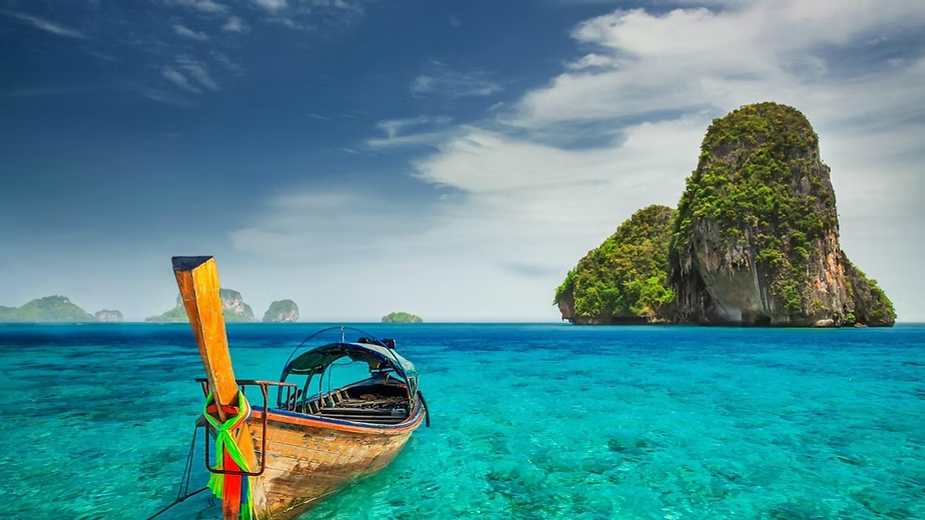
Discovering Andaman Scuba Diving The Andaman and Nicobar Islands are a paradise for scuba diving enthusiasts. With crystal-clear waters, diverse marine life, and stunning coral reefs, it offers an unforgettable experience for underwater explorers. Andaman and Nicobar Islands Andaman scuba diving opens up a whole new world beneath the waves. Dive into the depths and discover the vibrant colors and unique ecosystem that exists below the surface. With visibility of up to 40 meters, you’ll be able to see the coral reefs in all their glory. Whether you’re a beginner or an experienced diver, there are plenty of diving spots to choose from in the Andaman Islands. Havelock Island, Neil Island, and North Bay Island are some of the popular destinations known for their rich marine biodiversity. During your scuba diving adventure, you may come across majestic creatures like manta rays, sea turtles, and even dolphins. The underwater landscape is also home to a variety of coral species, including the rare black coral. Scuba Diving With professional dive operators and certified instructors, you can rest assured that your diving experience in Andaman will be safe and enjoyable. They provide all the necessary equipment and guidance to ensure a memorable underwater journey. So, pack your diving gear and get ready to plunge into the enchanting world of Andaman scuba diving. Click here to get your free personalized travel itinerary. Explore the underwater wonders and create memories that will last a lifetime. Exploring the Underwater Wonders Once you dive beneath the surface of the Andaman Sea, you’ll be amazed by the underwater wonders that await you. The coral reefs here are teeming with life, offering a kaleidoscope of colors and shapes. As you swim through the clear waters, you’ll encounter a variety of marine species. From tropical fish in all shapes and sizes to graceful sea turtles gliding through the currents, each dive brings a new adventure. Coral Reefs One of the highlights of exploring the underwater wonders is the chance to witness the unique symbiotic relationship between corals and other marine organisms. The coral reefs provide a habitat for countless species, from tiny shrimp to large groupers. For those interested in underwater photography, the Andaman Islands offer plenty of opportunities to capture the beauty of the marine world. From close-up shots of vibrant corals to wide-angle shots of schools of fish, there’s something for every photography enthusiast. Whether you’re snorkeling or scuba diving, take your time to explore the nooks and crannies of the coral reefs. You never know what hidden treasures you might discover, from hidden caves to colorful nudibranchs. Black Nudibranchs in Andman Sea With every dive, you’ll be mesmerized by the underwater wonders of the Andaman and Nicobar Islands. It’s a truly magical experience that will leave you in awe of the beauty and diversity of the marine ecosystem. Encountering Marine Biodiversity The Andaman and Nicobar Islands are known for their rich marine biodiversity. With over 500 species of corals and a wide variety of marine life, it’s a haven for nature enthusiasts and conservationists alike. During your underwater adventure, you’ll have the opportunity to encounter a myriad of marine species. From colorful reef fish like butterflyfish and angelfish to larger predators like barracudas and sharks, there’s always something fascinating to see. The coral reefs of the Andaman Islands are not only home to fish but also to a wide range of invertebrates. Keep an eye out for delicate sea fans, elegant sea anemones, and tiny crustaceans that call the reefs their home. Butterflyfish Angelfish One of the most unique encounters you can have in the Andaman Sea is swimming alongside majestic sea turtles. These gentle creatures can often be spotted gliding through the water, providing a truly unforgettable experience. Majestic Sea Turtle The marine biodiversity of the Andaman and Nicobar Islands is a testament to the importance of preserving and protecting this fragile ecosystem. By practicing responsible diving and supporting conservation efforts, we can ensure that future generations can also enjoy the wonders of these underwater habitats. Diving Tips and Safety Measures Before embarking on your scuba diving adventure in the Andaman and Nicobar Islands, it’s important to be well-prepared and aware of the necessary safety measures. First and foremost, make sure you are physically fit and in good health before diving. If you have any medical conditions, consult a doctor beforehand to ensure that diving is safe for you. Always dive with a certified instructor or dive master who is familiar with the local dive sites. They will guide you through the underwater world and ensure that you have a safe and enjoyable experience. Remember to do a thorough equipment check before each dive. Check your mask, fins, and other gear to make sure everything is in proper working order. When diving, always follow the buddy system and stay close to your dive partner. Finally, be mindful of your impact on the marine environment. Avoid touching or damaging coral reefs, and do not disturb or chase marine life. By being a responsible diver, you can help preserve the fragile ecosystem and contribute to its conservation. Preserving the Marine Ecosystem The Andaman and Nicobar Islands are blessed with a unique and fragile marine ecosystem. It’s our responsibility to protect and preserve this natural wonder for future generations to enjoy. One of the most important ways we can contribute to the preserve the marine ecosystem is by practicing responsible diving. This means respecting the underwater environment, following diving guidelines, and not disturbing or damaging marine life or coral reefs. Supporting local conservation efforts is another way to make a positive impact. Many organizations in the Andaman Islands are working tirelessly to protect the marine environment. By volunteering or donating to such organizations, you can help ensure the
Rajasthan: 10 Royal destinations at the Rajas’ abode, experiencing royalty
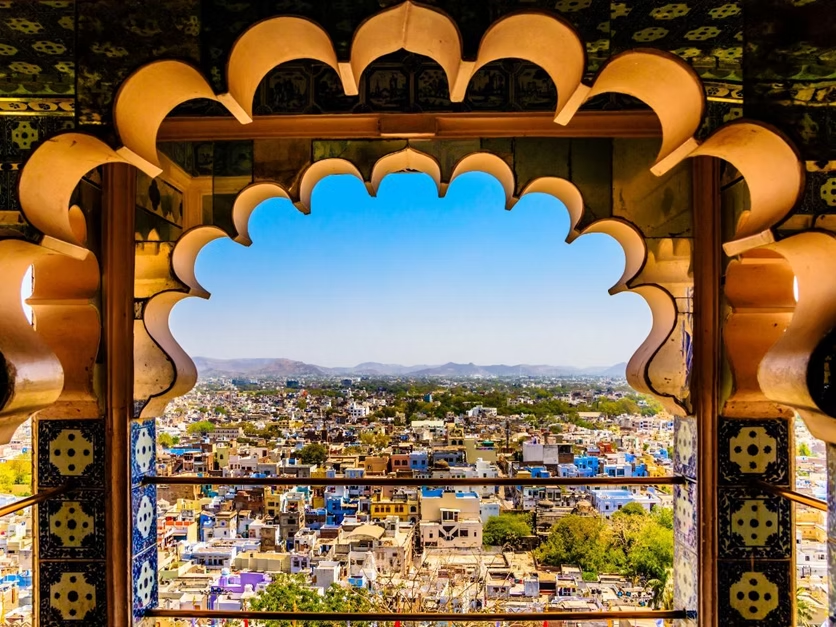
Rajasthan, a historical odyssey welcoming us to unveil the reminiscent of Historical kings and queens. Tag along with us and come and unravel the rich historical background of this state in the classical journey, to show its breath-taking palaces and fascinating culture. By means of our AI designed travel itinerary you are going to make the trip of insight and full-line immersion into the royal splendor of Ramayana and of the heroes’ valor and traditions. Credits: Unsplash How far would you journey back to the past to unravel the fascinating centuries of humanity’s existence, if you had a chance travel back in time? Walking through the ancient historical memorials that name old scars on Rajasthan’s landscape. From the once reputed 1. Mehmandar fortress in Jodhpur Pic: Mehmandar fortress Credit: Unsplash 2. To the heavenly Amber fort in Jaipur, The seepage from the history of unspeakable past, come face-to-face with the architectural wonders that have remained the silent witnesses of the region’s glorious past. Pic:Amber Fort Credit: Unsplash 3. Udaipur Palace Tour: This is the land of Queens and Kings but the one and only love can prevail. Our forthcoming visit is Udaipur – the City of Lakes, a place where you will find majestic palaces and the feeling of romance in the air. Experience the splendor of the City Palace on 4. Lake Pichola’s Banks and indulge yourself in its attractions. Beautifully designed buildings, grand suites and fantastic surrounding views make for an eye-opening palace tour. Don’t forget to add the experience of the beautiful 5. Mughal Gardens of Saheliyon Ki Bari and Jag Mandir into your itinerary, as we continue to unravel the lifestyle of the proud Rajput rulers. Pic: Pinchola Lake Credits: Unsplash 6. Jaipur Cultural Experiences: The details of course include Colors, Crafts, and Cuisine. On our way to Jaipur, the Pink City, hold tight to your enthusiasm so that you can go through a cultural excursion. Plunge into the hustle and crowding of – 7. Johari and Bapu markets Made of scents of spice and eyes with vibrant fabrics. Practical encounter the work of talented artists, who made and pass on elaborate labors involving generations. Credits:Unsplash 8. Chokhi Dhani village resort is famous because it is all about flavor and the culture of Rajasthan. The cultural presentations and warmth of hospitality in Chokhi Dhani will engage you into its communal feeling and remain eternally memorable. Pic: Chokhi Dhani Credits: Unsplash 9. Alsisar Mahal A mesmerizing metropolis inside the heart of Rajasthan. Uncover the splendors of Alsisar Mahal, a 17th-century palace-turned-resort, as it weaves testimonies of bygone royalty. Dive into the vibrant streets embellished with colorful havelis, and partake in a arms-on turban tying workshop for a taste of regal Rajasthani tradition. Pic: Alsisar Mahal Credits: Unsplash The place is located only at a distance of 4 hours from Gurgaon/Amer/Jaipur. Can be counted for a one day short visit as well. 10. Lodhruva: The desert’s lost kingdom Embark on a journey to Lodhruva, an ancient oasis in the coronary heart of Thar Desert. Unearth the mystique of its ruined temples, whispering memories of affection and loss. Feel the desolate tract winds weave thru time as you explore the regal echoes of Lodhruva’s past. Conclusion: Share your royal moments. While journey through the royal majesty of Rajasthan marks it’s end, on our behalf we would like to ask you to kindly share the biggest and unforgettable highlights of the journey. Credits: Unsplash Have you portrayed the hypnotizing structures of Mehrangarh fort or felt the allure of majestic palaces of Udaipur by the lakeside? For example, you could have chosen a dish that you had once seen on a food show, and now you want to reproduce it at your house. Leave your reviews, biographies, and general tips in the comments part. Together, we’ll build a nucleus of the fellow seaside creatures, everyone enriches the tale with their own thing. Credits: Freepik As you wind up this virtual expedition, we would like to say that packing your bags and experience Rajasthan in real is a perfect idea to fly until you find your treasures. Upon this journey of yours, may you be filled with wonder, discovery, and vigour of the Royal Palace until the last instant! Khadi Khamma!