

Songkran Festival in Thailand: A Complete Travel Guide to the World’s Biggest Water Celebration
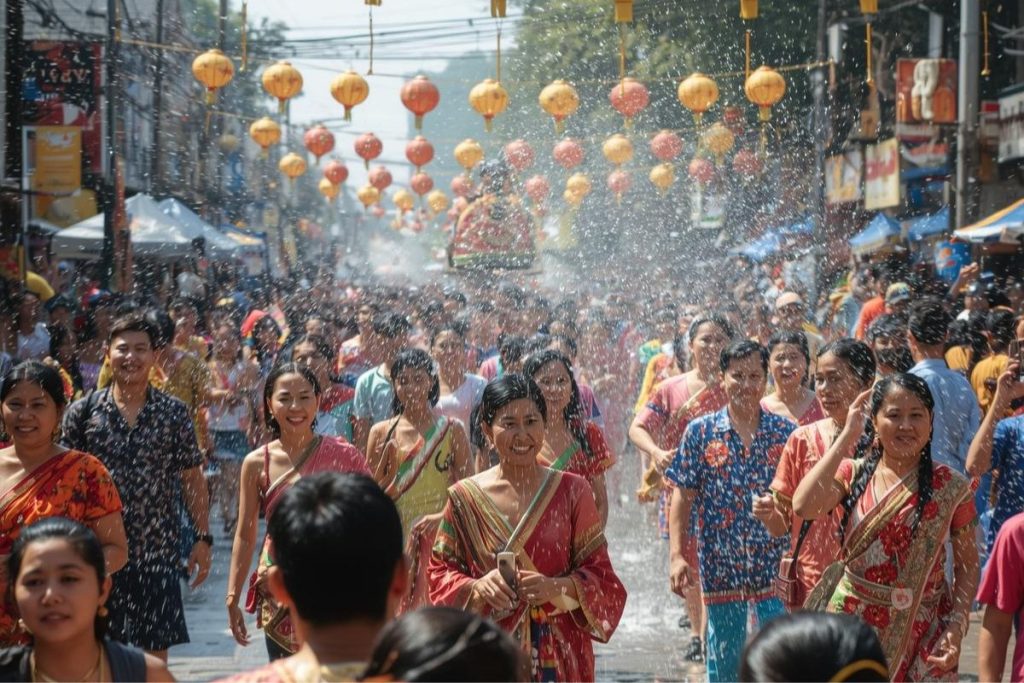
If there is a festival that embodies Thailand’s joyous nature, rich cultural heritage, and love of festivities, it is the Songkran Festival in Thailand.Songkran, the traditional Thai New Year, is celebrated with vibrant water fights, spiritual rites, family get-togethers, and street-wide celebrations that last for days. It is widely recognized as the Thai water festival.Residents and visitors gather each April to splash around, wash away bad luck, and celebrate a new beginning. Everything you need to know is covered in this guide, including the history, festival dates,best places to celebrate Songkran in Thailand, a carefully well-planned Songkran itinerary, important travel advice, and frequently asked questions to help you get the most out of this remarkable New Year’s celebration. What Is the Songkran Festival in Thailand? Thailand’s traditional New Year’s celebration is called the Songkran Festival.The origins of this festival can be traced back to ancient Buddhist and Hindu traditions.Songkran means “to move” or “to pass” in Sanskrit. It marks the start of a new year and the sun’s entry into a new zodiac sign. In Songkran festival, people prayed for happiness, wealth, and good health by lightly pouring water over Buddha statues and elders’ hands as a blessing.This tradition evolved into the vibrant Thai water festival we see today, where entire cities are turned into riotous water battlegrounds. Despite its contemporary fun, Songkran is a spiritual and family-oriented celebration. It combines tradition and celebration in a way that only. Songkran Festival 2026 Dates The official Songkran festival 2026 dates are: April 13 to April 15, 2026 Nonetheless, festivities can start a day early or last up to a week in many cities. To give everyone an opportunity to take part, some locations even extend the celebrations. Since April is Thailand’s hottest month.During April, splashing in the water is not only symbolic but also very cool. Why Water Is Central to Songkran Water is the heart of the Songkran Festival in Thailand. In Thailand, the Songkran Festival revolves around water, which has profound symbolic meaning. Water has historically been used as a symbol of purification, washing away bad luck, errors, and negative energy from the previous year. Today, the symbolic sprinkling has turned into: Water guns Buckets of ice-cold water Street-wide water fights Smiles, laughter, and friendly chaos It’s common (and expected!) to get soaked the moment you step outside during Songkran. If you don’t want to get wet, it’s best to stay indoors—because no one is spared! Best Places to Celebrate Songkran in Thailand Different cities offer different Songkran vibes. Here are the best places to celebrate Songkran in Thailand, depending on what kind of experience you want. 1. Bangkok – The Ultimate Songkran Experience Bangkok hosts one of the biggest and liveliest Songkran celebrations in the country. Top areas: Khao San Road – Backpacker-friendly, wild, and energetic Silom Road – Long stretches of water fights, music, and crowds Temples & Old City – For traditional rituals and cultural experiences Bangkok is ideal if you want a mix of modern festival energy and traditional Thai customs. 2. Chiang Mai – Cultural Capital of Songkran Chiang Mai is often considered the best place to experience traditional Songkran. Highlights include: Rituals along the Ping River Temple visits and merit-making Sand pagoda building Slower, more meaningful celebrations alongside water fights If you want culture, history, and community vibes, Chiang Mai is perfect. 3. Pattaya – Extended Party Celebrations Pattaya is famous for extending Songkran celebrations beyond the official dates. Expect: Beachside water fights Nightlife and street parties A more party-focused atmosphere Great for travelers who want non-stop celebration. 4. Phuket – Beach + Festival Fun Phuket blends Songkran with tropical beach vibes. You can enjoy: Water fights near Patong Beach Resort celebrations A relaxed but festive environment Ideal for couples and beach lovers who want fun without overwhelming crowds. Songkran Traditions and Rituals You Should Know While water fights dominate social media, Songkran traditions and rituals are deeply meaningful. Temple Visits Locals visit temples to: Pour water over Buddha statues Offer food to monks Make merit for the new year Respecting Elders In order to show respect and obtain blessings, younger people gently pour scented water on elders’ hands. Family Gatherings Families gather together, clean their homes, and pay respect to their ancestors during Songkran. Respectfully engaging in these customs enhances the richness of your trip. Songkran Thailand Travel Tips (Very Important!) Remember these Songkran Thailand travel tips to make the most of the Songkran Festival in Thailand. What to Wear Light clothing that dries quickly Wear comfortable sandals or waterproof shoes Avoid white or delicate fabrics Safeguard Your Property Make use of waterproof phone cases. Keep minimum valuables with you. Documents should be sealed. Stay Safe Avoid motorcycles because the roads are slippery Avoid splashing water in people’s faces. Be respectful towards monks, children, and elderly people Book in Advance Make reservations in advance.During Songkran, hotels and flights sell out fast, particularly in Bangkok and Chiang Mai. Food & Local Experiences During Songkran Thai food is best experienced during Songkran. Must-try dishes: Khao Chae –Khao Chae, a traditional Songkran dish made with chilled water and jasmine rice. Som Tum – Papaya salad Mango Sticky Rice The festival is a foodie’s paradise because there are street food markets all over the place. Is Songkran Safe for Tourists? In general, Songkran is safe and friendly to visitors. However, follow basic Songkran safety tips: Be mindful in crowded areas If uncomfortable, avoid and stay away from areas where alcohol is consumed. Be mindful of cultural differences and respect cultural boundaries Thai people are very welcoming and delighted to have guests join in their festivities. Why You Should Experience the Songkran Festival at Least Once Thailand’s Songkran Festival is more than just a celebration; it’s a feeling. It teaches you to embrace renewal, connect with strangers, laugh freely, and let go. Few festivals in the world combine: A sense of community Community spirit Playful chaos Travel excitement Songkran creates treasured memories whether you come for
Best Temple Destinations to Visit in India During Festival Time
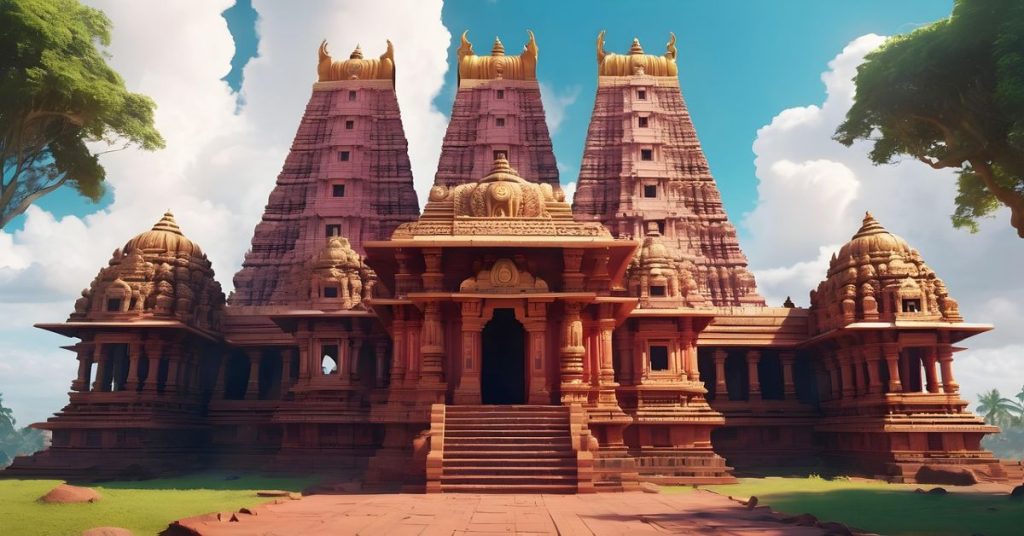
For those with a passion for travel and a desire to experience it in a deep way, there can be no better way than to plan their trip for India with temple festivals. A visitor to India will have the opportunity not only to witness the great scenery, but also to take part in the daily lifestyles of the people during times of celebration. When planning a temple-based trip with an organized temple-focused itinerary and an expectation of attending festivals and participating in (or at least observing) the rituals and activities, visitors will have the unique benefit of seeing how much cultural and spiritual life connects with each location. The ability to choose from the vast number of festivals throughout the year allows the traveller to develop travel routes that combine religious sites with cultural festivals. Temple festivals are ideal anchors for travel destinations as they naturally combine elements of history, devotion, and culture, whether creating an itinerary of a few days or covering multiple states. Why Plan a Temple-Focused Itinerary During Festivals Temple travel is enhanced by festive seasons, which transform static landmarks into vibrant cultural centers. For tourists, this means: Eye-witnessing rare rituals that are only carried out during festivals. Experiencing local way of life through food, music, and processions Organizing travel schedules around specific festival dates A festival-based itinerary maximizes cultural exposure while establishing a clear travel schedule. North India Temple Itinerary During Festive Seasons Varanasi & Prayagraj (Dev Deepawali and Kartik Purnima) This itinerary focuses majorly on sacred river cities. Varanasi’s morning rituals and evening aartis Festive ghats illuminated with lamps For a day trip, visit the holy river in Prayagraj. Best time: October–November Ideal for: Spiritual travelers and first-time visitors East India Temple Travel Route Puri & Bhubaneswar (Rath Yatra and Monsoon Festivals) Cultural immersion is possible along this coastal temple route. Jagannath Temple celebrations in Puri Bhubaneswar temple architecture tours Coastal experiences alongside pilgrimage Best time: June–July Ideal for: Cultural explorers and heritage travelers South India Temple Itinerary During Festivals Madurai – Rameswaram – Thanjavur (Chaitra & Shivratri Festivals) This traditional temple circuit in South India is festival-rich. Madurai’s Meenakshi Temple ceremonies Sacred water rituals in Rameswaram Chola-era temples and traditions in Thanjavur Best time: March–April or February Ideal for: Slow travelers and history lovers Western India Temple Festival Route Ujjain – Omkareshwar (Maha Shivratri) A short itinerary focused on the temples of Jyotirlinga. Night-long rituals at Mahakaleshwar River-based ceremonies in Omkareshwar Spiritual towns connected by road travel Best time: February–March Ideal for: Short spiritual getaways More Must-Visit Temple Destinations During Indian Festive Seasons Adding a variety of must-visit temple destinations to your itinerary gives it more depth and flexibility. Tirupati, Andhra Pradesh (Brahmotsavam) It is one of India’s most visited temples especially during festive time. Massive processions and temple rituals Well-organized infrastructure for pilgrims Can be combined with Chennai or Vellore itineraries Best time: September–October Sabarimala, Kerala (Mandala & Makaravilakku Season) A unique Kerala’s pilgrimage itinerary rooted in strict traditions. Forest routes and hill trekking Seasonal-only darshan windows Often combined with Kerala backwater travel Best time: November–January Dwarka, Gujarat (Janmashtami) A coastal temple destination tied to Krishna legends. Festive temple décor and midnight rituals are the best thing to experience. Easy to combine with Somnath and coastal Gujarat Ideal for short religious road trips Best time: August–September Kamakhya, Assam (Ambubachi Mela) A powerful destination for spiritual and cultural travelers. Large gatherings and unique ceremonies are observed. The trip can be combined with exploration to Northeast India Best time: June Shirdi, Maharashtra (Sai Baba Punyatithi & Ram Navami) A high-demand spiritual destination during festivals. Devotional processions and extended temple hours Strong rail and road connectivity Suitable for short, focused itineraries Best time: March–April, September–October Vaishno Devi, Jammu (Navratri) It blends mountain travel along with a spiritual pilgrimage experience. The route to the temple is the best scenic trekking route. Festive chants and celebrations Can be extended to Patnitop or Kashmir Best time: March–April, September–October Lesser-Known Temple Destinations for Festival Travel Ideal for the travelers seeking quieter routes: Chidambaram during Natyanjali Dance Festival Guruvayur during Ekadasi celebrations Hampi during Virupaksha Temple festivals These destinations suit travelers who prefer offbeat itineraries. Best Months to Plan Temple Festival Travel in India October to February: Best weather and major festivals are celebrated during this time. March to April:It is a time of significant temple rituals with rising heat. June to July: Region-specific festivals with fewer tourists Aligning festivals with weather improves itinerary comfort. How Many Days Are Ideal for a Temple Festival Itinerary? For a single-city festival trip experience,ideal days of trip will be 3–4 days.>For the regional temple circuit,5–7 days are ideal.>For multi-state festival route.8–10 days are ideal. Travel duration depends on festival density and travel pace. Temple Festival Dress Code: What to Wear Festive temple travel requires respectful and practical clothing. What to Wear Modest clothing covering shoulders and knees Cotton outfits for warm regions Shawls or scarves for head covering where required Comfortable footwear for walking (easy to remove) What to Avoid Shorts, sleeveless tops, or revealing clothes Heavy gold or diamond jewelry during crowded festivals Tight or restrictive outfits Flashy or overly casual beachwear Dress codes may vary by temple, so checking local customs is recommended. What to Carry for Temple Festival Travel Packing smart for temple visits improves comfort and safety. Essentials to Carry Small backpack or sling bag Reusable water bottle Hand sanitizer and wet wipes Light jacket for early mornings or evenings Printed and digital copies of bookings Minimal cash for temple offerings What Not to Carry Large bags or backpacks (often restricted) Expensive electronics or valuables Drones or professional camera gear without permission Food items inside temple premises Travel light to move easily through crowds. Where to Stay During Temple Festivals Accommodation choices impact festival experience. Temple guesthouses for proximity Heritage hotels for cultural immersion Nearby cities for crowd avoidance Booking early is essential during peak festival periods. Practical Travel Tips for Temple Festival Itineraries Book accommodations early near