

Night Life and How to plan Perfect Night Out in Europe
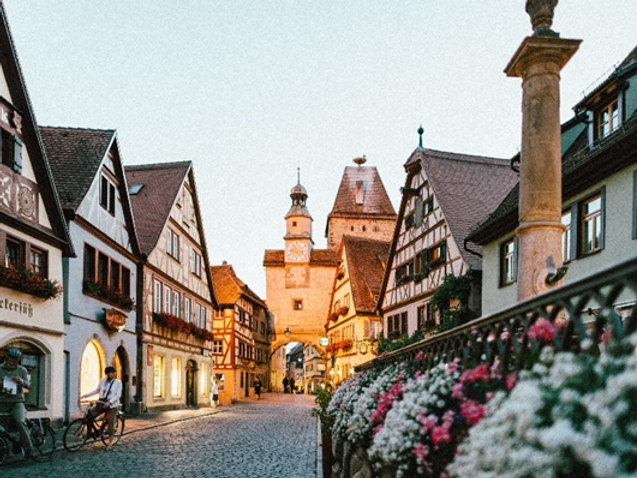
When the sun sets over the enchanting landscapes of Europe, a vibrant and energetic world comes alive. From bustling metropolises to charming villages, Europe offers a diverse and captivating nightlife that’s sure to make your evenings unforgettable. In this blog, we’ll delve into the secrets of experiencing the perfect night out in Europe, as we explore the dynamic nightlife scene, the different countries to visit, and the pursuit of happiness through a thriving nocturnal lifestyle. Just like the nightingale, let’s sing our songs of celebration as we venture into the heart of Europe’s nightlife. The Enigmatic Night Life of Europe Europe is a continent that never sleeps, where the night is as alive as the day. Each country offers a unique flavor of nightlife, making it a thrilling experience for night owls and partygoers. From the sultry rhythms of Spanish flamenco in Barcelona to the electro beats of Berlin’s techno scene, there’s something for everyone. Ibiza, Spain: Start your European night-out adventure in Ibiza, Spain. Known for its world-renowned clubs and electronic music scene, the island pulses with energy after dark. Dance the night away under the stars at iconic venues like Pacha and Amnesia. Amsterdam, Netherlands: Amsterdam offers a diverse range of experiences for the perfect night out. From canal-side bars to live music venues, the city caters to all tastes. Don’t forget to explore the Red Light District, a unique part of Amsterdam’s nightlife. Berlin, Germany: Berlin is a city that thrives on its techno and underground club culture. Visit Berghain, one of the world’s most famous techno clubs, or enjoy open-air parties along the Spree River. The city offers an unrivaled nightlife experience for electronic music enthusiasts. Prague, Czech Republic: For a more budget-friendly yet vibrant night out, Prague is the place to be. Enjoy affordable drinks at the countless bars and clubs in this beautiful city. Be sure to visit the historic Cross Club for an unforgettable night. Istanbul, Turkey: Experience the unique fusion of Eastern and Western culture in Istanbul’s nightlife. Sip on traditional Turkish tea or delight in delicious street food while listening to live music in the bustling streets of the city. Crafting the Perfect Night Out in Europe Planning the perfect night out in Europe takes a bit of preparation and a sense of adventure. Here’s how to create an evening you’ll cherish: Choose the Right Destination: First, select a European city or region that aligns with your interests. Whether you’re into electronic music, jazz, or classical concerts, Europe has it all. Local Cuisine: Before the evening kicks off, enjoy a dinner of local cuisine. Savoring traditional dishes at a local restaurant can be the perfect prelude to a night of fun. Entertainment: Check out local event listings for concerts, club nights, or theater performances that align with your interests. Europe offers a diverse array of entertainment options. Transportation: Plan your transportation for the night. Consider local public transport, taxis, or designated drivers to ensure a safe return. Dress Code: European cities often have specific dress codes for clubs and upscale venues. Dress appropriately to ensure you’re not turned away at the door. Be Adventurous: Don’t be afraid to explore new places and meet new people. Some of the best nights out in Europe happen when you let spontaneity lead the way. Seeking Happiness through Nightlife Nightlife isn’t just about partying; it’s also about experiencing joy, connecting with others, and embracing the cultural diversity that Europe offers. Happiness can be found in the rhythms of music, the laughter of friends, and the warmth of the local crowd. As you embark on your European night-out adventure, remember to enjoy the journey itself. The essence of happiness lies in the experiences you collect and the memories you create along the way. Itinerary: The Perfect Night Out in Europe Day 1: Arrival in Ibiza, Spain Evening: Arrive in Ibiza, the party capital of the world. Check in to your accommodation and unwind. Head to a beachside restaurant for traditional Spanish cuisine and watch the sunset. Day 2: Ibiza—Electronic Music Extravaganza Morning: Relax on one of Ibiza’s stunning beaches during the day. Evening: Experience the iconic nightlife. Start at Pacha Ibiza, where world-class DJs spin electronic beats. Dance the night away and enjoy the island’s electrifying atmosphere. Day 3: Amsterdam, Netherlands—Canals and Culture Morning: Travel to Amsterdam, the “Venice of the North.” Check in and explore the city during the day. Evening: Stroll along the picturesque canals and dine at a canal-side restaurant. Immerse yourself in Amsterdam’s vibrant nightlife by visiting local bars or live music venues. Day 4: Berlin, Germany—Techno Wonderland Morning: Fly to Berlin, a city known for its rich history and legendary techno scene. Evening: Dive into Berlin’s underground culture. Start your night at Berghain, one of the world’s most famous techno clubs. Explore the city’s open-air parties by the Spree River. Day 5: Prague, Czech Republic—Affordable Night Out Morning: Travel to Prague, the heart of Bohemian culture. Check in and explore the charming city. Evening: Enjoy a budget-friendly night out at Prague’s pubs and clubs. Don’t miss the historic Cross Club for a unique experience. Day 6: Istanbul, Turkey—East Meets West Morning: Fly to Istanbul, the city where East meets West, and immerse yourself in its rich cultural heritage. Evening: Experience Istanbul’s unique nightlife by savoring traditional Turkish tea and street food while listening to live music in the bustling streets. Day 7: Reflection and Departure Morning: Take some time to reflect on the incredible nights you’ve had in Europe. Afternoon: Depending on your departure time, explore any remaining attractions or simply relax. Evening: Bid farewell to Europe and embark on your journey back home, cherishing the memories of your perfect nights out in this beautiful continent. This itinerary provides an eclectic mix of nightlife experiences in some of Europe’s most exciting cities. Whether you’re dancing to electronic beats in Ibiza, savoring local cuisine in Amsterdam, or immersing yourself in Berlin’s techno culture, this journey promises unforgettable nights and lasting
Top 10 Clubs in Europe

Europe is a continent known for its rich cultural diversity, stunning landscapes, and vibrant nightlife. From the vibrant streets of Western Europe to the unique Bohemian clubs of Eastern Europe, the European club scene offers a kaleidoscope of experiences for music lovers and night owls. In this blog, we’ll take you on a thrilling journey to discover the top 10 clubs in Europe, spanning both Eastern and Western Europe, where you can dance the night away and create unforgettable memories. Berghain—Berlin, Germany Nestled in the heart of Berlin, Berghain is a legendary techno temple. Renowned for its cutting-edge music and distinctive interior design, this club has an unwavering reputation for creating a truly unique experience. Remember, getting past the door’s infamous bouncers can be a challenge, so be sure to follow the club’s unspoken rules for entry. Fabric – London, England Fabric in London is an iconic club that has withstood the test of time. It’s celebrated for its top-tier lineups and immersive sound systems. The club’s dedication to electronic music has made it a must-visit for dance music aficionados. Amnesia—Ibiza, Spain Ibiza, often referred to as the “party capital of the world,” is home to Amnesia, a renowned club on the island. With its world-class DJs, pulsating beats, and magical atmosphere, Amnesia guarantees an unforgettable night of dancing beneath the stars. Cavo Paradiso—Mykonos, Greece Mykonos, known for its stunning beaches and glamorous lifestyle, also boasts Cavo Paradiso. This open-air club offers incredible views and a dazzling lineup of international DJs. It’s the perfect destination for those who want to combine partying with the beauty of the Greek islands. Ushuaïa—Ibiza, Spain Ushuaïa is another gem on the party island of Ibiza. This beachfront club is famous for its daytime pool parties and open-air events featuring the biggest names in electronic dance music. The stunning outdoor setting and the pool create an unparalleled atmosphere. Zouk – Singapore For an Asian club experience, Zouk in Singapore is a must-visit. Known for its innovative design and diverse music offerings, Zouk is a hub for electronic and dance music enthusiasts in Asia. The club’s three distinctive rooms cater to a variety of musical tastes. Fabrique—Moscow, Russia In the heart of Moscow, Fabrique is a striking club offering a mix of underground and mainstream electronic music. The venue is known for its industrial ambiance, impressive light shows, and energetic crowd. It’s a true gem in the Russian club scene. Tresor—Berlin, Germany Another legendary club in Berlin, Tresor is a techno institution that has been around since the early ’90s. It’s located in a former power plant and is famous for its raw and underground atmosphere. It’s a must-visit for those who want to experience Berlin’s techno heritage. Space—Ibiza, Spain Space in Ibiza, one of the island’s most iconic venues, has now relocated to another island, Mykonos. The club’s infamous closing parties are legendary in the dance music world. The new location continues the tradition of top-quality DJs and a dynamic atmosphere. Bohemian Clubs of Eastern Europe While not specific to one club, Eastern Europe is home to a range of Bohemian-style venues. Cities like Prague, Budapest, and Krakow offer underground, alternative, and artsy club scenes. Be sure to explore the unique culture and music of the Bohemian clubs in these cities. Conclusion: Dance the Night Away in Europe Europe’s club scene is a melting pot of music, cultures, and experiences. From the pulsating beats of Berlin’s techno temples to the beachfront glamour of Ibiza, Europe’s top clubs cater to a diverse range of tastes. Whether you’re a party enthusiast or a music lover, these clubs offer a dynamic and unforgettable nightlife experience. So, put on your dancing shoes and prepare to dance the night away in the top clubs of Europe, creating memories that will last a lifetime.
Celebrating the Vibrant Spirit of Bhutan’s Festivals
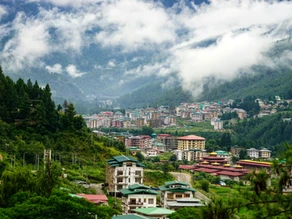
Bhutan – Where Faith Dances and Culture Breathes Located at the top of the Himalayas, Bhutan offers more than a travel experience; it is a destination where the air is filled with faith, and culture grows in every corner of the country. In addition to breathtaking views of mountains and beautiful monasteries, travelers looking for a travel experience can take advantage of the incredible breadth of festivals, each one steeped in centuries of devotion, dance, and delight. Traveling to Bhutan is unlike any other destination: Bhutan holidays are a celebration of colors, cultures, and joyful merriment that inspire you many months after you have traveled home. When you explore ancient dzongs or walk through the festival grounds, Bhutan destination travel will provide a perfect balance between spiritual reflection and vibrant local fiesta. If you enjoy uncovering untold cultural treasures, consider using The Tarzan Way, an AI-driven personalized itinerary planner, to create all kinds of curated experiences, not just limited to festivals. The Soul of Bhutan’s Festivals – A Celebration of Spirit The festivals of Bhutan represent more than just entertainment: They nod to devotion, culture, and the community. The masked dances show victory over evil, and sacred rituals worship deities. These festivals place travelers squarely into the heart of Bhutanese culture. As you discover tourist places in Bhutan, the Tshechus reveal the spiritual and religious aspects of Bhutanese life. A Bhutan guidebook will tell you that participating in one of these festivals is to sense the beat of a culture that acknowledges the right of tradition and the right of joy. And if you’ve ever felt drawn to calm Himalayan vibes, similar to Sillerygaon – The Hills That Beckon a Traveler, Bhutan’s festivals offer that same sense of serene cultural immersion, with the added excitement of communal celebration. Must-Experience Festivals in Bhutan Each Bhutanese festival has a story, a season, and a spirit. Here are the ones you simply cannot miss: Paro Tshechu Held in Paro’s majestic dzong, this festival showcases masked dances, traditional music, and rituals that have been performed for centuries. It is usually celebrated in March or April, making it the best time to visit Bhutan for tourists eager to witness cultural grandeur. Thimphu Tshechu Thimphu, the nation’s capital, comes alive every September or October with dances that narrate stories of heroism and Buddhist mythology. Attending Thimphu Tshechu provides a window into Bhutan’s vibrant spiritual life. Punakha Drubchen Known as the “Battle of the Clans,” Punakha Drubchen reenacts historical conflicts while promoting peace and unity. Travelers often combine this festival with scenic hikes in Punakha’s lush valleys. Jambay Lhakhang Drup Celebrated in Bumthang, this festival features fire rituals, mask dances, and blessings for local communities. The unique rituals make it one of the most photogenic Bhutan tourism places. Haa Summer Festival A lesser-known gem, this festival in the Haa Valley celebrates rural Bhutanese life — from archery competitions to yak races. It’s an authentic glimpse into Bhutanese traditions, perfect for travelers looking to step off the beaten path. Crafting Your Bhutan Itinerary Around the Festivals Planning your Bhutan itinerary around festival dates ensures you witness the country’s soul at its most vibrant. Spring (March–April): Focus on Paro Tshechu and Punakha Drubchen. Summer (June–July): Explore Haa Summer Festival and scenic treks in remote valleys. Autumn (September–October): Attend Thimphu Tshechu and combine it with cultural tours of nearby dzongs. Pair your festival visits with carefully selected Bhutan holiday packages or Bhutan trips to maximize convenience and local insights. For travelers inspired by Himalayan serenity, consider linking your journey with North Sikkim – A Slice of Heaven for breathtaking vistas and spiritual calm. Where to Stay: Finding the Best Hotels in Paro Bhutan and Beyond Accommodation can make or break a festival experience. Near Paro, you’ll find the best hotels in Paro Bhutan offering spectacular views of dzongs and valleys, as well as cozy retreats tucked into the mountains. Tips for a Festival Stay: Book early — festival season fills hotels quickly. Choose lodges near dzongs for easy festival access. Look for traditional Bhutanese architecture and local hospitality for an authentic touch. Beyond Paro, Bhutan tourism places like Thimphu and Punakha also have boutique hotels and homestays. If traveling with colleagues or friends, check out A Guide to Corporate Outings and Tours in India for inspiration on group-friendly Bhutan packages. Practical Bhutan Travel Guide: When to Go and What to Pack Bhutan’s high-altitude terrain demands preparation. Here’s a quick guide: Best time to visit Bhutan for tourists: Spring and Autumn for festivals, summer for lush landscapes. Packing essentials: Layered clothing, comfortable walking shoes, a rain jacket, sun protection, and modest attire respecting local customs. Local etiquette: Greet with a slight bow, avoid touching religious objects, and seek permission before photography inside dzongs or monasteries. A proper Bhutan travel guide and a well-planned Bhutan itinerary ensure your experience is safe, enjoyable, and culturally respectful. Nearby Inspirations Beyond Bhutan If Bhutan’s festivals have captured your heart, consider exploring nearby destinations with similar Himalayan charm: Sillerygaon – The Hills That Beckon a Traveler for serene village life and panoramic views. North Sikkim – A Slice of Heaven for breathtaking landscapes and Buddhist culture. A Guide to Corporate Outings and Tours in India for group-friendly Himalayan trips and cultural adventures. These destinations echo Bhutan’s spiritual vibrancy and offer additional avenues for travelers seeking meaningful journeys. FAQs 1. What are the most popular festivals to attend in Bhutan? Paro Tshechu, Thimphu Tshechu, Punakha Drubchen, Jambay Lhakhang Drup, and Haa Summer Festival are the top must-see events. 2. When is the best time to visit Bhutan for tourists who love festivals? Spring (March–April) and Autumn (September–October) offer the most celebrated festivals and pleasant weather. 3. How can I plan a Bhutan itinerary around the main Tshechu festivals? Map your visit to coincide with festival dates, prioritizing Paro, Thimphu, and Punakha, and use local guides or Bhutan travel guide tools for logistics. 4. Which are the best hotels in Paro Bhutan for festival travelers? Boutique hotels
Exploring Belgium’s Art Scene: From Flemish to Modern
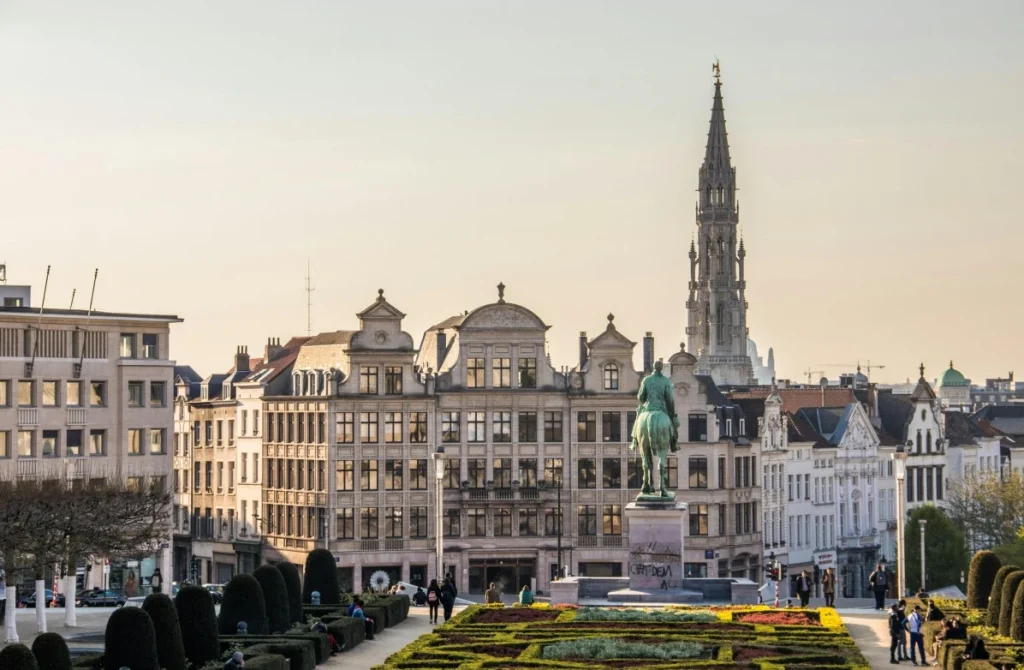
Belgium may be a small dot on the map, but when it comes to art, it is not small and is an artwork unto itself! From the spectacular museums in Antwerp to the picturesque canals in Bruges, with small galleries to the surrealist corners in Brussels, the art scene coordinates to tell a different experience. To investigate art in Belgium is not only to look at paintings, but to sense the layers of culture that have made art with intentional cultural influence for centuries. Bellevue and its art scene are sure to elicit various sensations surrounding the juxtaposition of history and imagination, whether you are an art enthusiast, a traveler who is simply interested in possibilities, or the planner for your European getaway with The Tarzan Way. Why Belgium for Art Lovers The artistic identity of Belgium is inscribed into every cobblestone street and café. Here is how each aspect contributes to Belgium’s arts and culture: Flemish finesse: where the famous painters Rubens, Van Eyck, and Bruegel once lived. Surrealist streak: celebrated with the art of René Magritte, where the ordinary becomes extraordinary. Modern energy: as new galleries and design studios challenge and shape contemporary arts. Compact and connected: for easy day trips in a relatively small land, it is an ideal artis vacay for a short holiday. Flemish Masters & Old Art: Antwerp, Bruges & Ghent Step back to the 15th–17th centuries – a golden era that defined European art. Here’s where to start: Antwerp: Stop by Rubenshuis, the historic home and workshop of Peter Paul Rubens, for a firsthand look at the artist’s life, packed with sketches, sculptures, and a touch of antiquity. Museum Plantin-Moretus: a UNESCO world heritage site that also happens to be the world’s first printing press, and is a must for anyone interested in history or typography. Bruges: Visit the Groeninge Museum to view the brushwork of Van Eyck up close and then walk along the canals — you will feel like the city is a painting. Ghent: Be sure to visit St. Bavo’s Cathedral for the “Adoration of the Mystic Lamb,” one of the most studied works in Europe. Each city is a short train ride away, making it easy to dive deep into Belgium’s classic art story. Brussels: Where Surrealism Meets Modern Life Brussels balances old elegance with new imagination. Royal Museums of Fine Arts: A collection that spans centuries – from Renaissance portraits to Magritte’s dreamlike surrealism. Magritte Museum: Dedicated to the artist who made bowler hats and floating clouds famous. His works blur the line between real and unreal, reflecting the city’s quirky charm. Street Art Scene: Wander around the Marolles district to spot bold murals and pop-art walls — Brussels’ creativity spills onto the streets. The city feels like an open-air gallery where every corner hides a creative surprise. Antwerp’s Modern Edge: KMSKA & MAS Antwerp isn’t just about Rubens – it’s where tradition meets experimentation. Royal Museum of Fine Arts Antwerp (KMSKA): Recently renovated, this museum beautifully blends Flemish masterpieces with modern art displays. Museum aan de Stroom (MAS): A stunning riverside museum combining art, history, and panoramic views. Each floor tells a different story about Antwerp’s identity. Zurenborg District: Architecture lovers will enjoy a stroll here – filled with art nouveau houses and local design studios. End your day at a riverside café, watching the sunset reflect off the Scheldt River. Hidden Art Gems & Local Museums Some of Belgium’s most authentic art experiences happen off the main trail. Plantin-Moretus Museum: Step into the world of 16th-century printing — an experience that connects literature, art, and craftsmanship. Rubenshuis: See how a master lived and created. Check schedules — renovations sometimes limit access. Museum Dr. Guislain (Ghent): An intriguing mix of medical history and outsider art — truly unique. These smaller gems offer an intimate look at Belgium’s creative spirit. Art + Food: A Perfect Pairing In Belgium, food is as expressive as its art. Chocolate & Art Cafés: Enjoy pralines and art prints side by side in Bruges or Brussels. Beer & Creativity: Many breweries double as art spaces — try De Koninck in Antwerp for a culture-meets-craft experience. Art-inspired dining: Some bistros design menus inspired by paintings or artists — creativity doesn’t stop at the canvas! Belgian cuisine adds warmth and character to your cultural journey. Day Trips from Brussels for Art & Culture Belgium’s size makes it easy to plan day trips filled with art and charm. Here are a few favorites: Ghent: Discover MSK and STAM museums, both offering great modern and classical collections. Bruges: Visit Groeninge Museum, then stroll canals lined with art shops. Antwerp: A must for KMSKA and MAS, just an hour from Brussels. Mechelen: Small yet surprising, with charming galleries and historical sites. Pack your daylight — trains are frequent and scenic! Best Time to Visit & Planning Tips Best time: April to June and September to early November — mild weather, fewer tourists, and perfect light for photos. Travel tip: Most museums close on Mondays — plan accordingly. Passes & Cards: Look for city museum passes like the Brussels Card or Antwerp City Pass to save on entries. What to pack: Comfortable shoes and a light rain jacket — Belgium’s weather can be playfully unpredictable. Sample Art Itineraries 48-Hour Art Break Day 1: Brussels — Magritte Museum, Royal Museums, and an evening at Grand Place. Day 2: Short trip to Antwerp for KMSKA and riverside strolls. 4-Day Flemish Loop Day 1: Brussels Day 2: Antwerp Day 3: Bruges Day 4: Ghent + return Week-Long Immersion Combine classic art with modern design — from medieval churches to street murals and creative cafés. FAQs What are the best museums in Belgium for art lovers? KMSKA in Antwerp, the Magritte Museum in Brussels, and Groeninge in Bruges are must-visits. Is Antwerp worth a day trip for art? Absolutely! It’s compact, full of Flemish history, and offers both classical and modern art experiences. What’s unique about Belgium’s art scene? It blends old-world