

Georgia Travel Guide (2026): Europe’s Hidden Gem for Nature & History
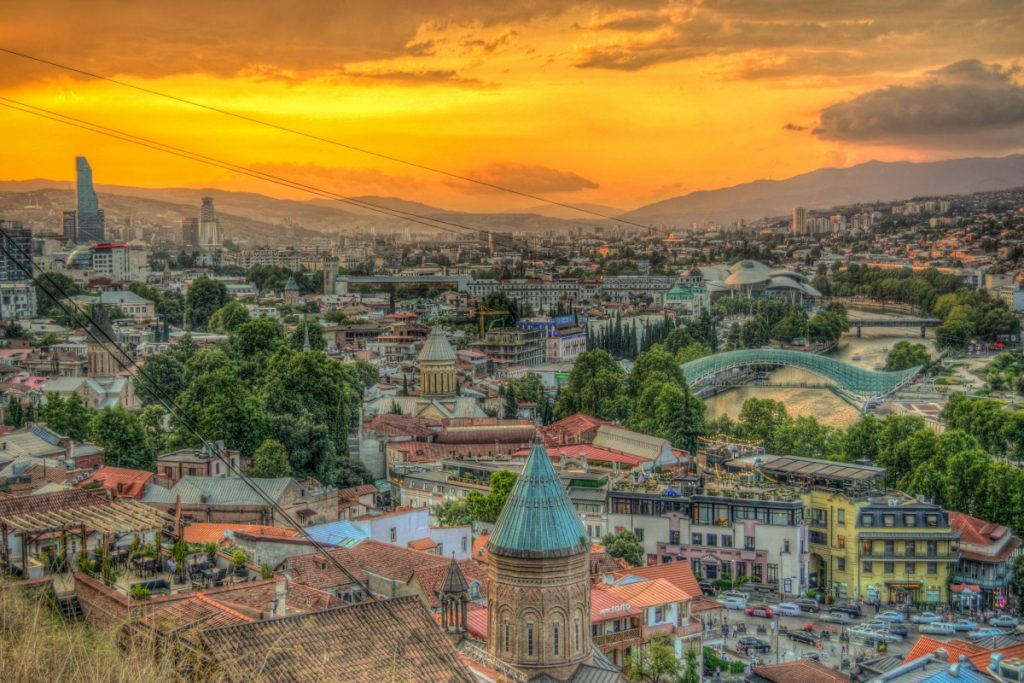
If you’re looking for a destination that blends dramatic mountain landscapes, ancient churches, wine traditions older than most civilizations, and charming cobblestone towns — Georgia might be your perfect next trip. Tucked between Europe and Asia, this small Caucasus country remains one of the continent’s most underrated travel destinations. Yet it offers everything: snow-capped peaks, Black Sea beaches, UNESCO heritage sites, warm hospitality, and surprisingly affordable travel. This complete Georgia travel guide will help you plan your trip — covering the best places to visit, history, food, budget, safety, and practical travel tips. In Short (TL;DR) Georgia is located at the crossroads of Europe and Asia. Best time to visit: May–June & September–October. Top highlights: Tbilisi, Kazbegi, Svaneti, Batumi. Budget-friendly compared to Western Europe. Ideal for nature lovers, history enthusiasts, and food explorers. 1. Where Is Georgia & Why Visit? Georgia sits between Russia, Turkey, Armenia, and Azerbaijan, along the Caucasus Mountains. Despite being geographically at the crossroads, culturally it feels distinctly European — with deep-rooted Christian traditions, medieval monasteries, and a thriving café culture. Why Georgia Is Trending: Visa-free or visa-on-arrival for many nationalities Affordable accommodation and food Untouched mountain landscapes 8,000-year-old wine culture Warm, welcoming locals It’s perfect if you want Europe — without Western Europe prices. 2. Best Places to Visit in Georgia 2.1 Tbilisi – The Cultural Heart Tbilisi blends old-world charm with modern energy. Top Attractions: Narikala Fortress (panoramic city views) Abanotubani sulfur baths Peace Bridge Holy Trinity Cathedral Spend 2–3 days exploring cobblestone streets, cafés, wine bars, and art galleries. 2.2 Kazbegi – Dramatic Mountain Scenery Officially called Stepantsminda, Kazbegi is famous for: Gergeti Trinity Church Mount Kazbek views Epic road trip via the Georgian Military Highway Ideal for hiking and photography lovers. 2.3 Svaneti – Medieval Towers & Wild Beauty A UNESCO-listed region known for: Stone defensive towers Remote mountain villages Ushguli (one of Europe’s highest settlements) Perfect for adventure travelers. 2.4 Batumi – Beach & Modern Architecture Located on the Black Sea coast, Batumi offers: Beachfront promenade Contemporary skyline Botanical gardens Relaxed summer vibe 3. Georgia’s Rich History & Culture Georgia has one of the oldest Christian traditions in the world, adopting Christianity in the 4th century. Throughout history, it has been influenced by: Persian empires Ottoman rule Russian Empire Soviet Union Yet Georgia has preserved its unique language and script — one of the most distinctive alphabets in the world. 4. Georgian Food You Must Try Food is a major highlight of traveling in Georgia. Popular Dishes: Khachapuri (cheese-filled bread) Khinkali (dumplings) Churchkhela (walnut candy) Lobio (bean stew) Georgia is also considered the birthplace of wine, with traditional clay-pot fermentation (qvevri). 5. Best Time to Visit Georgia Spring (May–June) Mild weather Fewer crowds Great for hiking Summer (July–August) Best for mountains & Batumi beaches Warmer temperatures Peak tourist season Autumn (September–October) Wine harvest season Beautiful fall colors Ideal temperatures Winter (December–February) Skiing in Gudauri Snow-covered landscapes 6. How Expensive Is Georgia? Georgia is significantly cheaper than most European countries. Average Daily Budget: Budget traveler: $30–50/day Mid-range: $60–120/day Luxury: $150+/day Accommodation, food, and local transport are very affordable. 7. Is Georgia Safe for Tourists? Yes — Georgia is considered one of the safest countries in the region. Low violent crime rates Safe for solo travelers Friendly locals Basic travel precautions still apply. 8. How Many Days Do You Need in Georgia? Ideal Duration: 5–7 days: Tbilisi + Kazbegi 10 days: Add Svaneti or Batumi 14 days: Full mountain + coast experience Georgia is compact but packed with diversity. 9. Sample 7-Day Georgia Itinerary Day 1–2: Tbilisi exploration Day 3: Day trip to Mtskheta Day 4–5: Kazbegi Day 6–7: Svaneti or Batumi FAQs About Traveling to Georgia Q: Is Georgia in Europe or Asia? A: Geographically it sits at the crossroads, but culturally and politically it aligns with Europe. Q: Do I need a visa to visit Georgia? A: Many nationalities enjoy visa-free entry for up to 1 year. Always check official guidelines before traveling. Q: What currency is used in Georgia? A: The Georgian Lari (GEL). Q: Is English widely spoken? A: In Tbilisi and tourist areas, yes. Less so in rural regions. Glossary Caucasus Mountains: Mountain range between the Black and Caspian Seas. Qvevri: Traditional Georgian clay vessel used for wine fermentation. Workation: Working remotely while traveling. Final Thoughts: Is Georgia Worth Visiting? Absolutely. Georgia offers a rare combination of untouched nature, ancient culture, unique cuisine, and affordability — all without the crowds of mainstream European destinations. Whether you’re hiking in Kazbegi, wandering Tbilisi’s colorful lanes, or sipping wine in a mountain village, Georgia delivers depth and authenticity. If you’re ready to explore Europe’s hidden gem, let The Tarzan Way help you design a personalized, Location-based Georgia travel itinerary tailored to your travel style.
Is Thailand Good for Couples and Families? Complete Guide

Thailand has a unique combination of qualities that few other countries provide, making it a destination that is both magical for couples seeking romance and enjoyable for families who want an easier, more gratifying vacation. The country has everything from peaceful beaches and breathtaking tropical islands to bustling cities teeming with local culture, food, and entertainment; there is something for everyone, depending on individual preferences for travel, all without overwhelming the entire family. For most tourists visiting Thailand, the winter season is the ideal time to experience everything the country has to offer. The weather is beautiful throughout Thailand during the winter months, with bright clear skies, mild temperatures, and calm ocean waters, which allows visitors to travel around the country expeditiously and to enjoy plentiful beach days at their leisure. The winter months are also the most enjoyable months for resort and outdoor activities, as visitors feel the safest, and the convenience factor is maximized, especially for first-time travelers or families with young children. It is therefore no surprise that many international travelers consider the winter months to be the best time to visit Thailand, as it offers an exceptional combination of comfort, scenery, and the best selection of activities available to visitors. Why Thailand Is Ideal for Couples and Families Thailand consistently ranks as one of the best seasons to visit Thailand during winter, particularly for mixed-group travel that includes both adults and children. The country’s tourism infrastructure is designed to be intuitive, friendly, and stress-free. Key reasons it works so well: Safe and welcoming culture Thai hospitality is genuine and warm, making couples feel relaxed and families feel supported throughout their journey. Easy travel between cities and islands Short flights, ferries, and well-connected transport make moving from beaches to cities smooth, even with kids. Balance of relaxation and activities You can enjoy slow beach days while still having access to cultural attractions, shows, and entertainment. Resorts designed for couples and kids Many properties offer private villas, kids’ clubs, pools, and spa experiences under one roof. For first-time visitors, this ease of travel is a major advantage. If safety is a concern, exploring the Safest Places in Thailand for First-Time Visitors can help narrow down destinations with confidence. Overall, Thailand winter travel removes many of the common stress points associated with international holidays. Romantic & Family-Friendly Experiences in Thailand During Winter Winter opens up some of the most memorable things to do in Thailand in winter, without weather-related disruptions. Beach Resorts and Island Hopping Calm seas and sunny days make island hopping ideal for couples, while family-friendly beach resorts provide shallow waters, activities, and safe environments for children. Cultural Shows and Night Markets Evenings are perfect for exploring night markets, enjoying cultural performances, or sharing street food experiences that appeal to all age groups. Festivals and Lantern Events Several Thailand winter festivals take place during this season, adding colour, tradition, and unforgettable moments to a winter itinerary. Theme Parks, Aquariums, and Nature Parks Thailand offers aquariums, wildlife parks, and amusement parks that are engaging for children while still enjoyable for adults, making winter sightseeing both fun and educational. Best Thailand Beach Destinations for Couples & Families Winter conditions make Thailand beaches in winter especially appealing, with clear water, soft sand, and predictable weather across popular coastal regions. Phuket in Winter Phuket combines luxury resorts, family attractions, and calm beaches, making it one of the most versatile Thailand beach destinations for mixed travellers. Krabi Winter Weather Krabi’s dramatic limestone cliffs and quieter beaches suit couples seeking romance, while its resorts and easy excursions work well for families. Koh Samui Winter Travel Koh Samui offers a laid-back island atmosphere, excellent family resorts, and smooth travel connections, making it a strong choice for relaxed winter holidays. Thailand Winter Weather Explained for Couples & Families Weather conditions during the winter months contribute significantly to Thailand’s popularity as a winter holiday destination. The dry, sunny climate has proven that winter months are cooler and much less humid than summer months, which are suitable for both couples and families; warm daytime temperatures without extreme heat, cool evening temperatures, and easy access to sightseeing opportunities. In summary, the winter months provide a perfect climate for enjoying time on the beach, exploring cities, and travelling with children due to minimal interruption of weather conditions. Thailand December Weather December marks the start of peak winter conditions. Expect bright days, low humidity, and calm seas. This is an excellent month for beach holidays and outdoor attractions, especially for families travelling during school breaks. Thailand January Weather January offers the most stable winter climate. Temperatures are comfortable across cities and islands, making it perfect for sightseeing, island hopping, and relaxed resort stays. For couples, this is one of the most romantic times to visit. Thailand February Weather February remains dry and sunny, with slightly warmer temperatures. Sea conditions stay favourable, and crowds begin to thin toward the end of the month. It suits travellers seeking warmth without extreme heat. Across these months, Thailand winter temperature by month stays within a range that supports kid-friendly sightseeing and long outdoor days without fatigue. Is Winter a Good Time to Visit Thailand with Family or Partner? For most travellers, the answer is yes. When evaluating is winter a good time to visit Thailand, the benefits clearly outweigh the drawbacks. Why winter works well: Consistent Thailand sunny weather with minimal rain Safe sea conditions for swimming and boat trips Festivals and cultural events that enhance the travel experience Comfortable travel conditions for children and older family members Trade-offs to consider: Popular destinations can feel crowded Accommodation and flights are priced higher than off-season For couples and families prioritising comfort, predictability, and overall ease, winter remains the most reliable season. Is Thailand Hot in Winter? A common concern is, Is Thailand hot in winter, especially for travellers unfamiliar with tropical climates. The reality is that winter temperatures are warm but manageable. In Bangkok in winter, daytime temperatures are pleasant for sightseeing, shopping, and
Best Time to Visit Spain: Weather, Seasons and Costs
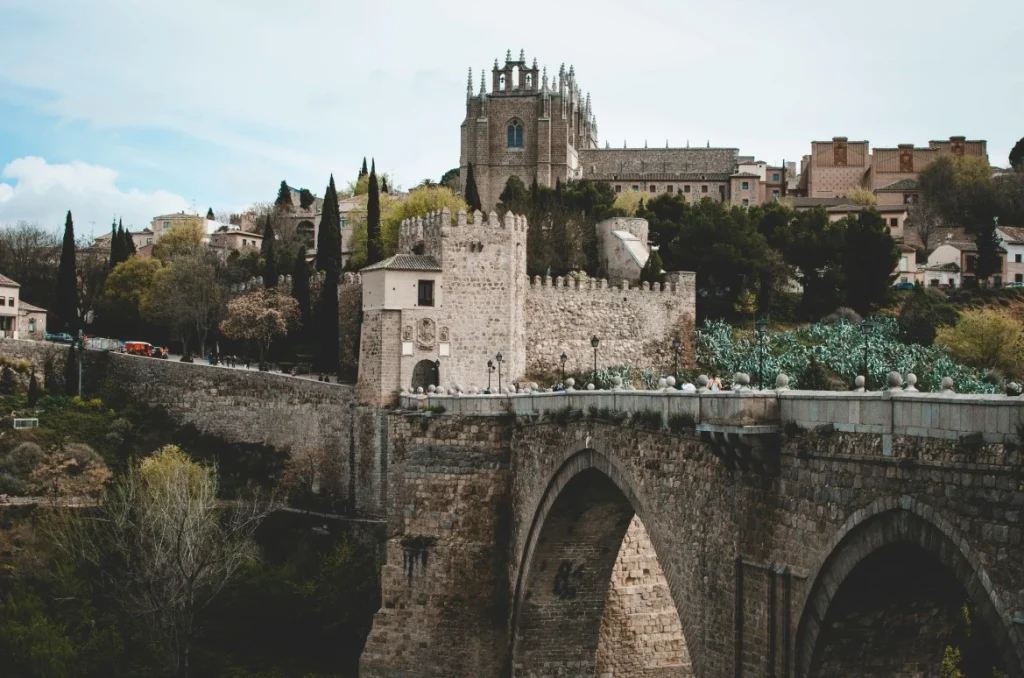
Spain is a year-round destination, but the experience changes dramatically depending on when you visit. From sun-soaked beaches to historic city walks and budget-friendly winter escapes, each season in Spain offers something different. This variety often creates confusion for travelers planning their trip for the first time. Spain’s weather varies sharply by region-coastal areas, inland cities, and southern Spain experience very different climates. Travel costs fluctuate heavily by month, with prices peaking in summer and dropping significantly in winter. Crowd levels also play a major role, as peak season tourism can completely alter the sightseeing experience in popular cities. This guide breaks down the best time to visit Spain by season, helping you decide the ideal months for sightseeing, the cheapest time to travel, when to avoid crowds, and which seasons work best for first-time visitors-based on Spain travel seasons and Spain weather by month. In Short Best overall: April-June and September-October Cheapest months: January-March (excluding holidays) Peak season: June-August (hot, crowded, expensive) Best for first-time travelers: Spring and fall Best to avoid crowds: Shoulder seasons Spain Travel Seasons Explained Spain does not follow a single, uniform climate pattern. Travel experiences vary significantly depending on region and season, which is why understanding Spain travel seasons is critical for planning. Coastal regions enjoy milder winters and busy summers Inland cities face temperature extremes-hot summers and cold winters Southern Spain remains warmer year-round These variations directly impact weather conditions, travel costs, and crowd levels. Knowing when Spain’s peak season and off season travel periods occur helps set realistic expectations for your trip. Spain in Spring (April-June) – Best Overall Balance Spring is widely regarded as the best season to visit Spain, especially for travelers seeking comfort and flexibility. Mild temperatures across most regions Ideal for sightseeing, walking tours, and city exploration Shoulder-season pricing before summer demand increases Excellent choice for first-time travelers Spring offers a strong balance of pleasant weather, manageable crowds, and good value. Spain in Summer (July-August) – Peak Heat & Crowds Summer represents Spain’s peak season, with travel conditions that vary sharply by region. Extreme heat in Madrid, Seville, and inland Spain Coastal destinations are the busiest and most expensive Festivals, nightlife, and beach travel dominate itineraries Less suitable for cultural sightseeing beginners This season works best for beach-focused trips rather than intensive city sightseeing. Spain in Autumn (September-October) – Smart Alternative Autumn is a highly efficient travel window and a classic shoulder season in Spain. Warm but comfortable daytime temperatures Noticeably reduced crowds after summer ends Improved hotel availability and more stable pricing Excellent for city breaks, food travel, and relaxed sightseeing Autumn delivers many summer benefits without peak-season drawbacks. Spain in Winter (November-March) – Budget-Friendly Travel Winter marks the core Spain off season travel period and is ideal for budget-conscious travelers. Lowest flight and hotel prices of the year Fewer tourists in major cities and attractions Mild weather in southern regions like Andalusia Limited appeal for beach-focused travel Winter suits cultural travelers, city explorers, and those prioritizing lower costs. Spain Weather by Month – What to Expect Understanding Spain weather by month helps travelers align comfort with cost and crowd tolerance. While conditions vary by region, some patterns remain consistent nationwide. High-level weather guidance: May and September offer the most reliable weather across Spain Warm days, cooler evenings Ideal for sightseeing, walking tours, and outdoor dining July and August bring significant heat risks in inland cities Madrid, Seville, and Córdoba can exceed comfortable limits Coastal areas remain pleasant but crowded Winter months deliver mixed conditions Cities are comfortable for exploration Northern regions are cooler and wetter For most travelers, May and September rank as the best months to visit Spain for good weather. Spain Travel Costs by Season Travel expenses in Spain fluctuate sharply by season. Knowing Spain travel costs by season prevents budget surprises and improves planning accuracy. Peak Season (June-August) Highest flight and hotel prices of the year Premium pricing in beach destinations and islands Attractions sell out quickly; advance booking is essential This is the most expensive and crowded time to visit Spain. Shoulder Season (April-May, September-October) Best overall value for money Balanced accommodation and flight pricing Greater itinerary flexibility and availability Shoulder months combine comfort, affordability, and reduced crowds. Off Season (January-March) Lowest prices across flights and hotels Excellent choice for budget-focused travel Limited appeal for beach and island experiences The off season represents the cheapest time to visit Spain, particularly for city-based itineraries. Best Time to Visit Spain for Different Travelers Choosing the best time to visit Spain depends on how you plan to experience the country. Different seasons clearly favor different travel goals. By travel goal: Sightseeing-focused travelers: April-May and September offer ideal walking weather, open attractions, and manageable crowds. These months are widely considered the best time to visit Spain for sightseeing. Budget travelers: January-March delivers the lowest flight and hotel prices, making it the best time to visit Spain on a budget, especially for city trips. First-time visitors: Spring and fall provide the smoothest experience, balancing weather, costs, and crowd levels. Crowd-averse travelers: Shoulder seasons consistently offer fewer tourists without sacrificing experiences. When Should You Avoid Visiting Spain? Understanding when peak tourist season is in Spain helps set realistic expectations. August brings extreme heat in inland cities Easter and Christmas create sharp price and crowd spikes Coastal destinations can feel overcrowded in midsummer Avoiding these periods leads to a more relaxed trip. FAQs 1. What is the best time of year to visit Spain? The best time to visit Spain is during spring (April-June) and fall (September-October) when the weather is pleasant and crowds are manageable. 2. What is the cheapest time to visit Spain? The cheapest time to visit Spain is during the off-season, from January to March, excluding major holidays. 3. When is peak tourist season in Spain? Peak season in Spain runs from June to August, especially in coastal areas and major cities. 4. Is winter a good time to visit Spain? Yes. Winter is
Best Places to Visit in Spain for First-Time Travelers

Making your first trip to Europe can be confusing. As someone new to Europe, you are likely wondering about where to go and what to do, how to communicate with the locals and how to manage your budget and costs effectively while still getting a good experience. However, Spain is one of the easiest countries for first-time visitors to travel to. Spain’s many well-connected international airports, excellent public transportation services The purpose of this Spain Travel Guide is to help you decide on a travel itinerary that is right for you as a first-time visitor. This Guide will be useful in choosing your destinations in Spain, providing you with information on getting from one city to another, and presenting you with a time-based itinerary to help you avoid the pitfalls of over-planning. Instead of planning to do all of the most popular tourist attractions during your trip, you will learn how to enjoy and appreciate the most popular tourist destinations based on your preferences. Why Spain Is Perfect for First-Time Travelers Spain consistently ranks among the easiest European destinations for beginners, thanks to its infrastructure, safety, and variety. Key reasons Spain works so well for first-time visitors: Excellent public transport: High-speed AVE trains connect major cities like Barcelona, Madrid, Seville, and Valencia quickly and comfortably. Safe and walkable cities: Spain is widely regarded as safe for tourists, with city centers designed for walking and sightseeing. Diverse experiences in one country: You can combine history, architecture, beaches, food culture, and nightlife without long travel times. Strong value for money: Compared to France or Italy, Spain offers more affordable accommodation, food, and transport options. For Spain travel for beginners, the balance between ease and depth is what makes the experience so appealing. How Many Days Do You Need in Spain for a First Trip? The ideal length of your first Spain trip depends on how many cities you want to include and how fast you prefer to travel. Recommended timeframes: 7 days: Best for visiting 2 cities Fast-paced but manageable Ideal for Barcelona and Madrid 10 days: Best balance for first-time travelers Covers 3-4 cities without rushing Allows cultural depth and relaxed sightseeing 14 days: Suitable for deeper exploration Includes major cities plus day trips or coastal stops If you are unsure how many days are needed in Spain, 10 days is widely considered the most comfortable option for first-time visitors. Spain Itinerary Ideas for First-Time Visitors A well-planned route is more important than the number of places you visit. These beginner-friendly routes use Spain’s strongest transport connections and avoid unnecessary backtracking. Popular Spain itinerary options: 7-day Spain itinerary: Barcelona → Madrid 10-day Spain itinerary (classic): Barcelona → Madrid → Seville 10-day Spain itinerary (southern focus): Madrid → Seville → Granada Each route introduces different aspects of Spain while remaining easy to follow, making them ideal Spain travel routes for beginners. Best Places to Visit in Spain for First-Time Travelers Spain has many incredible destinations, but first-time visitors benefit most from cities that are easy to navigate, well-connected, and rich in experiences. The places listed below offer the best balance of iconic sights, efficient transport, safety, and beginner-friendly travel experiences, making them ideal starting points for exploring Spain. Barcelona – Architecture, Beaches & Culture Why Barcelona is ideal for beginners: Home to Sagrada Família, Park Güell, and iconic Gaudí architecture Highly walkable neighborhoods like El Born and the Gothic Quarter Unique beach + city combination, rare among major European cities Excellent public transport and strong tourist infrastructure Barcelona introduces first-time travelers to Spain through a perfect mix of culture, design, food, and coastal relaxation. Madrid – Museums, Royal History & Easy Day Trips Top highlights in Madrid: World-class museums, including the Prado Museum and Reina Sofía Historic landmarks such as the Royal Palace of Madrid Ideal base for day trips to Toledo, Segovia, and Ávila Spain’s main transport hub, simplifying travel across the country Madrid is structured, central, and culturally rich-making it an excellent anchor city for a first Spain itinerary. Seville – Spain’s Traditional Heart Why first-time travelers love Seville: Deep-rooted flamenco culture and Andalusian traditions Architectural icons like the Alcázar of Seville and Seville Cathedral Compact historic center that is easy to explore on foot Warm atmosphere and slower pace compared to larger cities Seville delivers an authentic Spanish experience without overwhelming new travelers. Granada – Moorish History & Iconic Views Must-see experiences in Granada: The world-famous Alhambra Palace (UNESCO World Heritage Site) Scenic viewpoints in the Albaicín historic quarter Strong Moorish influence unique to southern Spain More affordable accommodation and dining than major cities Granada adds depth and history to a first-time Spain trip while remaining budget-friendly and manageable. Valencia – Modern Spain Meets the Sea Why Valencia works for beginners: Less crowded and calmer than Barcelona or Madrid Striking modern architecture at the City of Arts & Sciences Easy access to sandy beaches near the city Birthplace of paella, ideal for food-focused travelers Valencia offers a balanced mix of tradition, innovation, and coastal living for first-time visitors. Spain’s Best Beaches for First-Time Visitors Beginner-friendly beach options: Barcelona beaches – Urban, convenient, and lively Costa del Sol – Relaxed resorts with excellent infrastructure Valencia coast – Balanced beaches with fewer crowds These beach destinations are easy to combine with major cities and require minimal additional planning. Barcelona or Madrid – Which Should You Visit First? Both cities are excellent entry points for first-time travelers, but the right choice depends on your interests and travel style. Barcelona Beaches combined with iconic architecture Gaudí landmarks like Sagrada Família and Park Güell More relaxed, outdoor-focused atmosphere Madrid World-class museums and royal history Central location with easy access to other Spanish cities Ideal for travelers focused on culture and day trips If it’s your first visit to Spain, starting with Barcelona for visual impact or Madrid for cultural depth are both smart choices. You can also checkout Ultimate Spain Itinerary for Families: Culture, Fun & Relaxation Spain vs Italy vs France for
Best Vietnam Itinerary for First-Time Visitors

If you’re gearing up for your first-ever journey to Vietnam, get ready for an unforgettable adventure.It can be overwhelming to plan a first trip to Vietnam, but in a good way. Vietnam offers amazing diversity in a relatively compact country, from bustling cities and serene rice fields to lantern-lit old towns and emerald bays. You can enjoy this diversity without hurrying, being confused, or missing any of the highlights with a well-planned Vietnam travel itinerary. Designed specifically for first-time travelers, this Vietnam travel guide covers everything from the best routes and daily schedules to prices, seasons, and helpful advice that’s especially helpful if you’re planning a trip to Vietnam from India. Whether you have five, seven, or ten days, this guide will help you confidently create the best Vietnam travel itinerary. Why Vietnam Is Perfect for First-Time International Travel For all traveller types,Vietnam is incredibly rewarding and beginner-friendly be it Vietnam group tour, solo tour, family or couple trip. Easy tourist visas. Reasonably priced lodging, transportation, and food. Strong infrastructure for tourism. A rich blend of history, nature, and culture You can visit famous locations in Vietnam without feeling hurried if you have the right Vietnam trip planner. Best Time to Visit Vietnam (Seasonal Breakdown) .Planning your itinerary requires knowing when is the best time to visit Vietnam. Best time to go to Vietnam overall: February to April & August to October Best month to visit Vietnam: March is the ideal month to travel to Vietnam because of the pleasant weather in all areas. Vietnam best time to visit for beaches: April to August Vietnam best time to visit for sightseeing: February, March, October Vietnam’s climate varies, so timing is more important than a single “perfect” month. Best Vietnam Itinerary Options (5, 7 & 10 Days) Below are flexible itineraries that work well for first-time visitors. Vietnam Itinerary – 5 Days (Quick Introduction) Ideal for: Short vacations or add-on international trips Day 1: Hanoi Old Quarter walk Hoan Kiem Lake Street food exploration Day 2: Halong Bay Overnight cruise Kayaking & limestone caves Day 3: Fly to Da Nang → Hoi An Lantern-lit old town Riverside cafés Day 4: Hoi An Bicycle through rice fields Tailor shops & local markets Day 5: Return This Vietnam itinerary 5 days focuses on North + Central Vietnam highlights. Vietnam Itinerary – 7 Days (Most Popular Choice) Best itinerary for Vietnam if you want balance without rushing. Day 1–2: Hanoi Cultural sites, cafés, local food Day 3: Halong Bay cruise Day 4: Fly to Da Nang → Hoi An Day 5: Hoi An Cooking class or beach visit Day 6: Fly to Ho Chi Minh City War Remnants Museum Ben Thanh Market Day 7: Mekong Delta day trip This Vietnam itinerary of 7 days is the most recommended for first-timers. Vietnam Itinerary – 10 Days (Complete First-Time Experience) Best Vietnam travel itinerary if time allows. Day 1–2: Hanoi Day 3–4: Halong Bay Day 5: Fly to Da Nang → Hoi An Day 6: Hoi An countryside & beach Day 7: Fly to Ho Chi Minh City Day 8: Cu Chi Tunnels Day 9: Mekong Delta Day 10: Departure This Vietnam itinerary of 10 days covers North, Central, and South Vietnam smoothly. Must-Have Experiences to Include in Your Vietnam Travel Itinerary A well-thought-out itinerary for a trip to Vietnam includes experiences that define the trip rather than just locations. Cruising through limestone karsts in Halong Bay After sunset, walking through Hoi An’s lantern-lit streets Vietnamese coffee in a café in Hanoi Exploring floating markets in the Mekong Delta An ordinary itinerary becomes unforgettable because of these moments. Vietnam Trip Plan from India (Practical Overview) Vietnam is among the most straightforward or easiest Southeast Asian destinations for Indian tourists. Direct flights from Delhi, Mumbai, Bangalore Easy e-visa procedure Vegetarian cuisine is widely accessible Indian restaurants in major cities Time is saved and internal travel stress is avoided with a well-planned Vietnam trip plan from India. Vietnam Trip Cost from India (Realistic Breakdown) Vietnam Trip Cost from India (Per Person) (7–8 days, mid-range) Flights: ₹30,000 – ₹45,000 Hotels: ₹20,000 – ₹30,000 Transport & internal flights: ₹10,000 – ₹15,000 Food & activities: ₹10,000 – ₹15,000 Total: ₹70,000 – ₹1,05,000 approx. Vietnam Trip Cost from India for Couple Comfortable mid-range couple trip: ₹1.4 – ₹1.8 lakh Luxury-focused itinerary: ₹2+ lakh When compared to many other international destinations, Vietnam offers exceptional value. Getting Around Vietnam (Travel Planner Tips) Efficient transportation is a key component of a well-planned trip to Vietnam. Time is saved by domestic flights. Budget-friendly overnight trains. Use the Grab app for local transportation Organized tours for Halong Bay & Mekong This ensures a seamless and predictable itinerary for your trip to Vietnam. Where to Stay (First-Time Friendly Areas) Hanoi: Old Quarter Hoi An: Ancient Town or riverside Ho Chi Minh City: District 1 Staying in the center shortens travel times and enhances the experience. Unique Experiences to Add to Your Vietnam Trip Plan For tourists looking for something more: Join a Vietnamese cooking class in Hoi An Take a countryside bicycle tour through villages Take a river cruise in Ho Chi Minh City at sunset. Explore historical sites and the war era tunnels. A typical trip itinerary from India to Vietnam is enhanced by these activities. Cultural Highlights First-Time Visitors Should Experience Vietnam’s culture reveals itself through everyday life. Morning Tai Chi sessions around Hoan Kiem Lake Traditional water puppet shows in Hanoi Visits to pagodas and local temples Interactions with local vendors and artisans Including cultural stops adds depth to your Vietnam vacation guide. Food You Shouldn’t Miss Vietnamese food is light, fresh, and flavorful. Street-side pho (noodle soup) for breakfast. Banh Mi (Vietnamese sandwich) for quick lunches Fresh spring rolls and local seafood Egg coffee in Hanoi and iced coffee in the south Food experiences are affordable and deeply local. Food is a highlight in every Vietnam vacation guide for good reason. Travel Tips for First-Time Vietnam Visitors Following are some of
Thailand in Winter: Sunshine, Beaches and Clear Skies
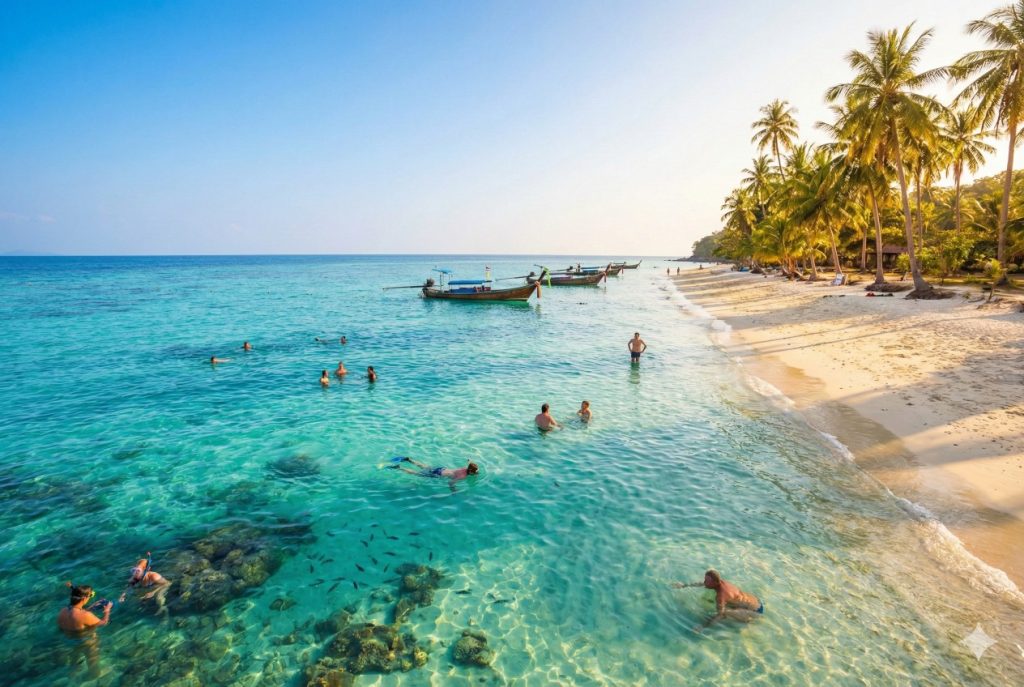
Imagine the ideal conditions for Thailand: no clouds or haze in the sky, plenty of sunshine, turquoise water on the beaches, and mountainous regions filled with people having fun. During the winter months of December through February, Thailand’s high tourist season peaks, with thousands of beachgoers, festival goers, and first-time visitors flocking to the lands. The scenery during winter in Thailand is at its most beautiful. Traveling in Thailand during this time is also the easiest and most enjoyable experience you could ask for; During the days, you can spend time outdoors enjoying the warm sunshine in dry conditions; at night, you are comfortable but still have the ability to be outside. When you think of Thailand, you envision yourself going from island to island in the Andaman Sea, attending lantern-lit festivals in the northern regions, enjoying views of Bangkok from the tops of rooftops, etc. Winter will provide you with the same experience of travel that will forever remain imprinted on your memory. This season is not intended to be used for travel planning or budgeting, but rather to help you understand how this season creates a unique memory for you and why visitors from around the world schedule their trips around this time. In Short Winter in Thailand means dry days, blue skies, and reliable sunshine Thailand’s best beaches and biggest festivals happen during this season It is the peak experience period, offering incredible energy with some trade-offs Why Winter Is the Most Loved Season in Thailand Thailand in winter feels designed for travelers. The season brings conditions that make exploring easy and enjoyable: Clear skies and low humidity Comfortable daytime warmth without extreme heat Cooler evenings perfect for outdoor dining and nightlife Winter in Thailand suits every travel style. Beach destinations thrive, cities feel more walkable, and island travel becomes smoother and more predictable. It is the time when ferry routes, tours, and nightlife operate at full scale. For many travelers, this balance of comfort and activity is why winter is considered Thailand’s most desirable season. You can move easily between beaches, cultural hubs, and nightlife zones without weather disruptions shaping your plans. Best Beaches in Thailand During Winter Thailand’s beaches in winter are at their absolute best. Calm seas, sunny days, and excellent visibility create ideal beach conditions across the country. These are some of the most popular Thailand winter beach destinations: Phuket in Winter Phuket in winter offers postcard-perfect beach days. Calm waters for swimming and boat trips Lively beach towns with restaurants and nightlife Easy access to island tours and day cruises It is a favorite for travelers who want a mix of beaches, nightlife, and convenience. Krabi Winter Weather Krabi winter weather is ideal for scenic beach lovers. Dramatic limestone cliffs and clear waters Excellent conditions for kayaking and snorkeling A relaxed atmosphere compared to larger resort hubs Krabi attracts travelers looking for beauty without constant crowds. Koh Samui Winter Travel Koh Samui winter travel combines comfort with island charm. Resort-friendly beaches and smooth ferry access Balanced mix of nightlife and quiet coastal spots Ideal for couples and slow-paced travelers Koh Samui works well for those who want beach time without overwhelming energy. Things to Do in Thailand in Winter (Beyond Beaches) There are plenty of things to do in Thailand in winter beyond sunbathing. The season supports experiences that depend on dry weather and high visitor energy. Full Moon Party season: Winter is peak time for iconic beach parties and nightlife experiences Chiang Mai lanterns and festivals: Cultural celebrations and glowing night skies define the northern winter experience Bangkok nightlife and rooftop bars: Clear evenings make city views and late nights more enjoyable Thailand winter nightlife thrives during these months, with extended hours, larger crowds, and a festive atmosphere across major destinations. Winter festivals and events add cultural depth, making travel feel immersive rather than routine. Thailand Winter Weather Explained (Month by Month) Thailand weather in winter remains largely consistent, but small monthly differences can shape your experience. Here’s how the season typically unfolds. Thailand December Weather December marks the beginning of peak winter travel. Dry days and low humidity across most regions Comfortable daytime temperatures Clear skies ideal for sightseeing and beach travel December is popular because it balances pleasant weather with festive energy, especially around year-end holidays. Thailand January Weather January is often considered the most comfortable winter month. Stable weather with minimal rainfall Mild mornings and evenings Excellent conditions for outdoor activities This is when Thailand winter weather feels the most reliable, making it a favorite for first-time visitors. Thailand February Weather February signals the transition toward warmer months. Slight increase in daytime heat Continued dry conditions Longer, sunnier days Thailand’s winter temperature by month shows February as warmer but still manageable, especially for beach-focused travel. Is Winter a Good Time to Visit Thailand? Yes, winter is widely regarded as the best season to visit Thailand, but it comes with clear trade-offs. Pros: Consistently pleasant weather Festivals, events, and nightlife at full scale Ideal conditions for beaches, islands, and cities Cons: Higher tourist volumes Increased prices for flights and accommodation Popular destinations feel crowded during holidays If weather reliability and experiences matter more than avoiding crowds, winter is a strong choice. Does It Rain in Thailand During Winter? Rainfall is minimal during winter months. Most regions experience dry, sunny days Occasional short showers may occur, but rarely disrupt plans Thailand sunny weather dominates the season Compared to other times of the year, winter offers the least rain-related uncertainty, especially for beach and island travel. Is Thailand Hot in Winter? Thailand is warm year-round, but winter brings more comfortable conditions. Daytime temperatures are warm, not extreme Evenings feel cooler, especially in northern regions Bangkok in winter is more walkable and less humid In contrast, Chiang Mai winter weather can feel noticeably cooler at night, making it ideal for travelers who prefer milder climates. Winter does not eliminate heat, but it makes Thailand far more comfortable to explore. Is Thailand
Haunted Places Around the World That Feel Straight Out of Stranger Things
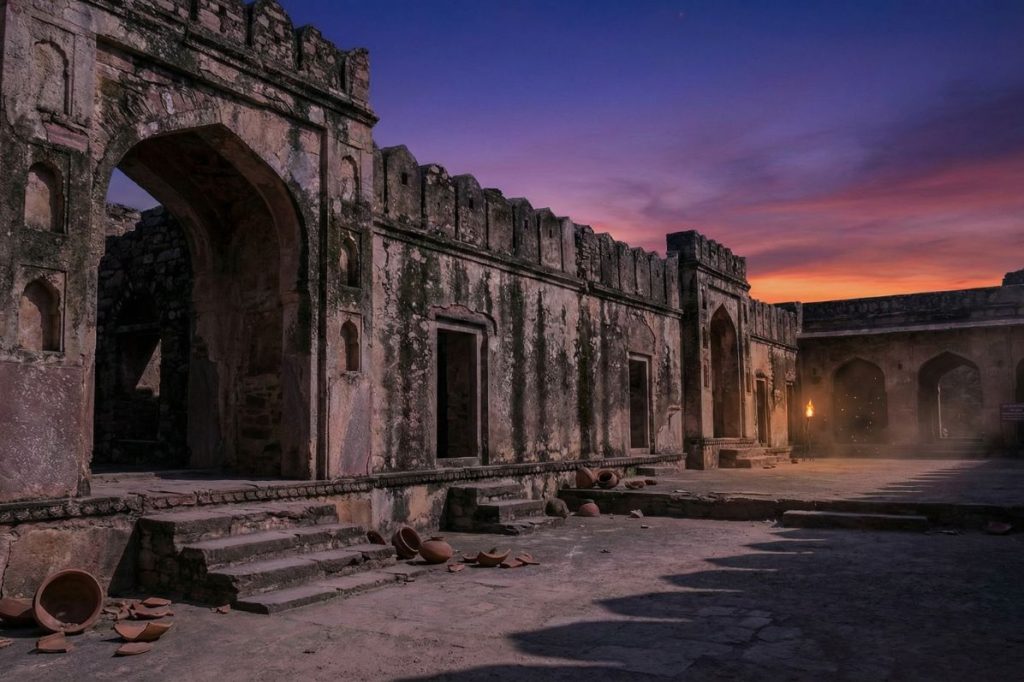
The allure of the unknown is magnetic. It draws you in unquestionably, before you have time to develop a reason for being drawn to it. As an example, think about what allows a ghost town to be shrouded in silence, or a forest where children seemingly vanish with no explanation. Unknown places creating unknown experiences are so appealing to today’s travelers who want much more than just to take pretty pictures of the environment. Today’s tourists, especially with regards to ‘dark tourism’, are looking for more emotion and adrenaline than just pretty scenery! Stranger Things reminded us how much of what we all see is only half of the true story. There is an “upside-down” world out there, both literally and metaphorically: abandoned labs that have been untouched for decades, haunted islands full of old memories, and towns that feel like they have stopped happening altogether (like Hawkins). Standing somewhere eerily remote yet so familiar (like Hawkins), you would encounter the same sorts of phenomena as depicted in the show-thick, grey fog, buzzing lights, the sensation of feet following behind you, and absolutely no one around. These could very possibly be portals to an unknown realm. This guide reveals 7 haunted locations across the world that feel straight out of Stranger Things – places with chilling legends, terrifying histories, and experiences powerful enough to bend reality. Get ready to step just a little closer to the dark side. And if you’re planning a dark-themed adventure, smart tools like The Tarzan Way’s AI-powered travel planning can help curate safe routes, guided tours, and budget-friendly stay options designed for adventure lovers. In Short 7 most haunted places around the world inspired by Stranger Things themes Perfect for paranormal lovers, thrill seekers & dark tourism explorers Includes haunted forests, ghost towns, cursed islands, abandoned hotels & asylums 1. Hoia Baciu Forest, Romania – “The Real-Life Upside Down” Often called the most haunted forest in the world, Hoia Baciu in Transylvania has long been associated with paranormal sightings, mysterious disappearances, and unexplained electromagnetic disturbances. Travelers report sudden nausea, disorientation, malfunctioning compasses, and strange lights floating among the trees-eerily similar to the supernatural energy fields in Stranger Things. Why it feels like Stranger Things A circular clearing where nothing grows – similar to dimensional rift portals Documented UFO sightings and ghost photographs Locals warn visitors from entering after dark How to Visit Closest city: Cluj-Napoca (Romania) Best season: September–November for foggy ambience Recommended: guided night investigation tours For more eerie natural locations and forest legends, explore Top 10 Haunted Forests in the World for Brave Adventurers – perfect read before planning your trip. 2. Pripyat & Chernobyl Exclusion Zone, Ukraine – Frozen in Time Once a thriving Soviet town, Pripyat was evacuated within hours after the 1986 Chernobyl nuclear disaster. Today, a ghost city remains-abandoned schools, fairgrounds, hospitals, and apartments still filled with personal belongings. The silence feels unbearably heavy, like Hawkins after the Demogorgon strikes. Stranger Things parallels Government experimentation and secrecy Toxic abandoned laboratories & restricted zones Nature reclaiming destroyed human spaces Travel Information Access only via licensed tour agencies Full-day & 2-day guided photography tours available Carry protective clothing & follow safety instructions 3. Aokigahara Forest, Japan – The Sea of Trees Resting on the slopes of Mount Fuji, Aokigahara is infamous for being one of the world’s most tragic and spiritually heavy forests. Dense trees swallow sound, causing almost complete silence-creating a surreal, oppressive feeling. Why it feels like Stranger Things Disorienting paths & magnetic soil that distorts phone signals Rumored spirit presence & abandoned belongings scattered across paths Locals say compasses spin wildly Travel Tips Stick to marked trails only Visit early morning or during guided tours 4. Bhangarh Fort, India – “The Most Haunted Place in India” Located in Rajasthan, Bhangarh Fort is infamous for its Archaeological Survey of India notice prohibiting entry after sunset-no one is allowed inside once darkness falls. Legends speak of a cursed town, mass disappearance, and a sorcerer whose broken spell still haunts the abandoned palace ruins. Why it feels like Stranger Things A cursed town suddenly collapsed without explanation (like Hawkins after a major attack) Locals report screams, shadows, and footsteps after dark Energy shifts and oppressive silence in abandoned markets and temples How to Visit Nearest airport: Jaipur (85 km) Visiting Hours: 6 AM–6 PM only Best time: October–February (winter for pleasant weather) Travel Tip: Hire licensed guide-stories and locations become far more powerful with guided storytelling. Interested in India’s ghost road legends? Check out ? Spine-Chilling Road Trips: India’s Most Haunted Highways 5. Island of the Dolls, Mexico – A Silent Island of Staring Eyes Deep inside Mexico City’s Xochimilco canals lies Isla de las Muñecas, where thousands of old broken dolls hang from trees-eyes, limbs, and heads arranged like a ritual offering. Created by a hermit who believed dolls could protect him from spirits, the island now feels like an abandoned experiment gone wrong. Stranger Things Parallels Dolls turning heads & whispering sounds reported by visitors Unsettling silence except for cracking branches Feels like an abandoned laboratory world in the Upside Down Travel Details Access via boat ride from Embarcadero Cuemanco Guided haunted canal tours available at night Bring warm clothes & avoid carrying valuables 6. Centralia Ghost Town, USA – The Ever-Burning Hellfire Town Once a thriving mining community, Centralia became uninhabitable after a coal mine fire ignited underground in 1962 and continues burning to this day. Smoke vents from cracks in the ground, paint melts off structures, and the deserted roads echo with emptiness. Why it feels like Stranger Things Toxic environment similar to Vecna’s decaying dimension Empty buildings frozen in time Fog, smoke & unnatural silence Visitor Guidance Official access is partially restricted Most travelers explore the outer remains & Graffiti Highway Do not step on steaming cracks-ground is unstable 7. Hashima Island, Japan – Ghost Industrial City Known as Battleship Island, Hashima was once one of the world’s
Top International Destinations for New Year Celebrations
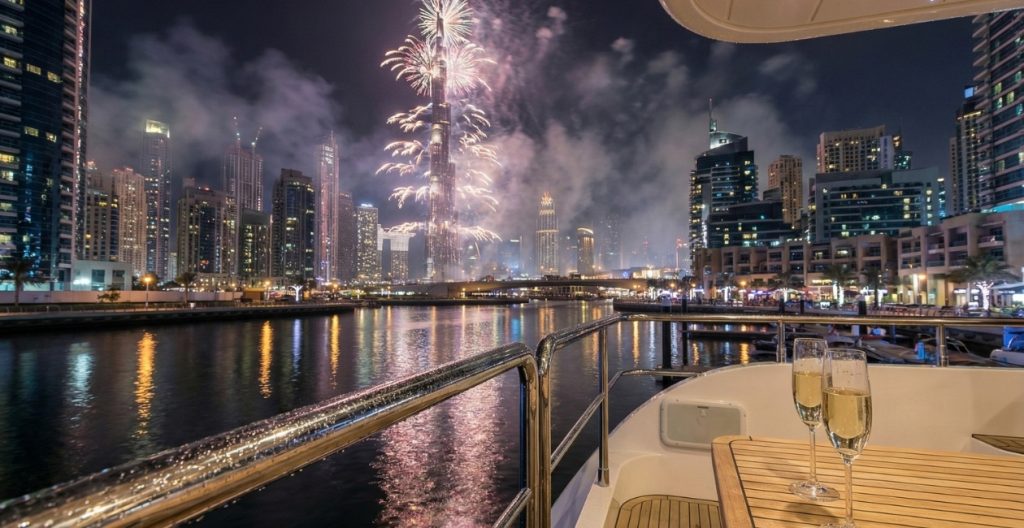
Across the globe, many of us around the world celebrate New Year’s Eve as one of our most cherished and exciting dates each year. This is the date filled with celebrations, fireworks, countdowns, large crowds of people celebrating, and amazing memories. If you are thinking about planning on going away for New Years this coming season, this is a perfect opportunity to travel to some of the most famous and best cities or holiday spots in the world. No matter where you are traveling to (Australia, America, Asia) there are astounding displays of fireworks being held in cities like Sydney, Dubai, etc., as well as romantic date nights in locations like Paris and the Maldives, as well as festive street parties being held in locations like Bangkok and New York City – the ways in which we all celebrate the New Year are limitless!! If your travel plans are for a luxury getaway, budget-friendly trip away for New Years, a family vacation away for New Years, or a Romantic Vacation away to Celebrate New Year’s, there are a ton of amazing options out there for you! International travel is becoming more and more common due to trends related to international tourism and the growing number of countries that are now offering the ability to enter their country with a quick and easy visa as well as their festive travel offerings/travel packages will contribute to making international travel for New Year 2025 one of the top Holiday Choices as well. Why Celebrate New Year Abroad? Celebrating New Year outside India is not just a vacation – it’s an experience packed with energy, culture, emotion, and celebration. Here’s why travellers are choosing global destinations: Iconic Fireworks & Countdown Events – Burj Khalifa, Sydney Harbour, NYC Times Square, London Thames Beach Parties & Warm Winter Destinations – Bali, Phuket, Maldives, Singapore Romantic New Year Getaways – Paris, Santorini, Maldives, Swiss Alps Family-Friendly Celebrations & Festivals – Singapore, Dubai, Sydney, London Unique Cultural New Year Traditions – Japan, Spain, Hong Kong, Vietnam World-Class Nightlife & Parties – Bangkok, Amsterdam, Miami, Rio Better Travel Accessibility – More direct flights, travel packages, visa-on-arrival options Traveling abroad for New Year gives you a chance to begin the year in a new place, with new memories and inspiration – perfect for couples, families, solo travelers, and groups alike. Travel Trends for New Year 2025 Based on global travel forecasts and booking patterns: International New Year travel is expected to rise by 30–40% in 2025, especially among young Indian travellers and families Dubai, Singapore, Sydney, and Bali are among the top trending choices due to availability of Visa-on-Arrival / easy visas Affordable New Year destinations like Vietnam, Sri Lanka, Nepal, and Turkey are gaining huge popularity People are booking earlier than ever – 4–6 months in advance to secure flights and hotels at good rates Experiential trips (cruises, rooftop countdown parties, concerts, cultural festivals) are becoming more desirable than traditional travel Demand for customized and group holiday packages is rapidly growing, making New Year 2025 one of the biggest travel seasons Key Highlights Best global cities for New Year fireworks: Dubai, Sydney, New York, London Warm winter & beach celebrations: Bali, Maldives, Phuket, Goa Best places for nightlife & parties: Bangkok, Amsterdam, Miami Romantic escapes for couples: Paris, Santorini, Maldives Family-friendly destinations: Singapore, Dubai, Sydney Budget picks: Vietnam, Sri Lanka, Nepal, Turkey Book 4–6 months early for best prices Choose based on weather, visa, budget & travel style Top 10 International Destinations for New Year Celebrations 1. Dubai, UAE – The World’s Most Iconic New Year Fireworks Dubai remains one of the best international destinations for New Year celebrations, famous for its larger-than-life fireworks at Burj Khalifa, Palm Jumeirah, and Burj Al Arab. The entire city turns into a festival ground with concerts, luxury cruises, beach parties, desert gala nights and spectacular lighting across the skyline. Who should visit? Couples – Romantic dinner cruises at Dubai Marina, rooftop celebrations Families – Kid-friendly events, theme parks, fireworks views from beaches Party Lovers – Nightclubs, beach concerts & DJ nights Budget Travellers – Free public fireworks at Dubai Mall & Jumeirah Beach Luxury – Private yacht parties, Atlantis gala, five-star resort events Best Experience: Countdown at Burj Khalifa Fountain Show + Dinner cruise at Marina Best Time to Book: 3–5 months in advance Want a personalized New Year package with cruise or yacht options? The Tarzan Way helps plan curated Dubai experiences with airport-to-airport support and visa assistance. 2. Singapore – Family-Friendly Countdown by the Bay Singapore is perfect for travellers looking for a safe, clean, and beautifully organized New Year experience. The highlight is the New Year Marina Bay Countdown, one of Asia’s largest fireworks and laser light shows. Who should visit? Families – Universal Studios, Sentosa Island, SEA Aquarium Couples – Romantic sky-views from Marina Bay Sands, night cruise dinners Party lovers – Clarke Quay, Siloso Beach Party, rooftop bars Budget friendly – Chinatown & Gardens by the Bay light show (free entry) Special Experiences: Garden Rhapsody at Gardens by the Bay Cable car dinner with stunning skyline views Cruise countdown at Clarke Quay Singapore is a top choice for easy visa + quick weekend getaway from India, making it popular among families and first-time travellers. If you’re planning New Year travel combos like Singapore + Malaysia, The Tarzan Way can help design the perfect itinerary. 3. Sydney, Australia – The First Major City to Enter the New Year Sydney offers one of the most televised New Year celebrations in the world, with fireworks illuminating the Sydney Harbour Bridge and Opera House. Watching the fireworks reflected on water is a once-in-a-lifetime memory. Who should visit? Couples – Harbour cruise + opera dinner Families – Accessible viewpoints & parks Party travellers – Darling Harbour clubs & beach parties Budget – Free views from Mrs Macquarie’s Point Unique Experiences: Midnight fireworks cruise Bondi & Manly Beach parties Helicopter views of fireworks Sydney is perfect for people who want a stand-out,
Amsterdam Light Festival | Route, Tickets, Timings & Complete Travel Guide
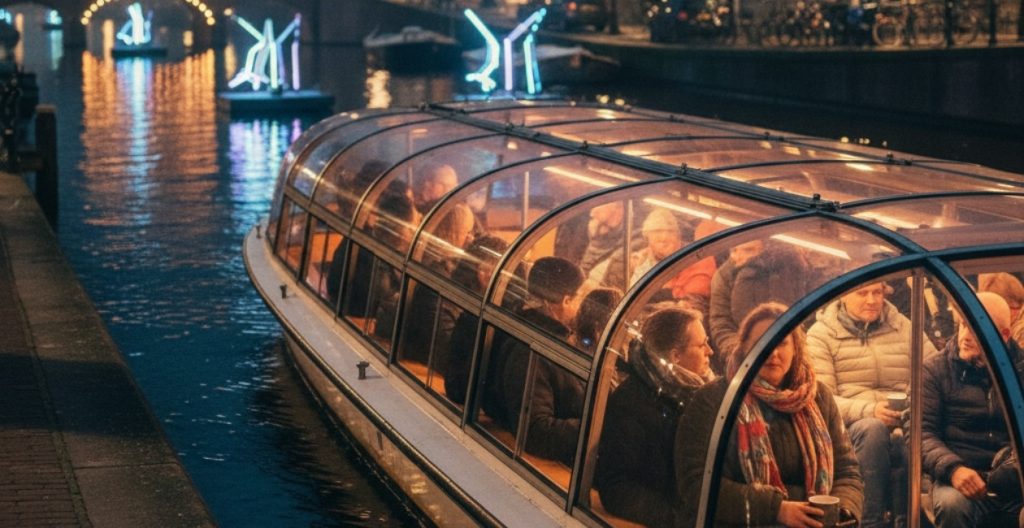
The Amsterdam Light Festival should definitely be on your travel itinerary if you’re thinking about visiting Europe in the winter. The city becomes an outdoor art gallery every year from late November to mid-January, complete with interactive artworks, light sculptures, glowing installations, and enchanted reflections on the canals. The festival has a dreamy and cinematic vibe. It is ideal for winter enthusiasts, whether you explore it on foot or by canal cruise. To help you enjoy the festival like a pro, this guide covers the precise routes, ticket types, best experiences, local advice, and travel planning. Key Takeaways: Every year, the Amsterdam Light Festival transforms the city into an outdoor gallery featuring 20–25 large-scale light artworks. It can be explored by boat, walking routes, or self-guided tours, each of which offers a completely distinct atmosphere and perspective. Depending on the duration, type of boat, and inclusions, tickets range from €18 to €32, depending on the boat operator. Unless you purchase an official map (€7.50) or participate in a guided walk (€15–€20), a walking route is free. The best viewing time is 5 pm – 10 pm, when reflections on the canals look magical for photography. Every year, the artwork is altered according to a theme, making each edition feel original, imaginative, and Instagram worthy. The festival routes are easily accessible if you stay close to Grachtengordel, Jordaan, Museumplein, or Nieuwmarkt. What is the Amsterdam Light Festival? The Amsterdam Light Festival (ALF) is an annual winter event. It is Europe’s most magical winter experiences.Every year in the winter, international artists create light-based artworks along the streets and canals as part of the Amsterdam Light Festival (ALF).It’s the ideal fusion of engineering, art, culture, and the famous canal charm of Amsterdam. It usually lasts 53–60 days. Features 20–25 art installations each year. Includes a theme, curated route, and interactive pieces. Best viewed by boat tours or walking routes. Attracts millions of tourists from all over the world. Amsterdam Light Festival 2025–2026 Dates & Timings Dates: End of November 2025 – Mid-January 2026 Lights On: Daily after sunset Timing: Usually 5 PM – 11 PM Special Days: Lights remain on till midnight during Christmas & New Year weekends. Best Ways to Experience the Amsterdam Light Festival There are two main ways to explore the festival: 1. Boat Route (Highly Recommended) The festival is designed to be seen from the water. Canal cruises give you the closest and clearest views. Why choose the boat tour? You pass directly under or beside installations. Warm boats = comfortable winter experience. No walking in cold winds. Audio guide included. Best for couples, families, senior travellers. Boat Tour Duration 60–75 minutes on average. Boat Tour Starting Points Most boats depart from: Amsterdam Central Station (East Side) Museumplein / Rijksmuseum area Amsterdam Amstel area 2. Walking Route (Budget-Friendly) A self-guided walking route lets you enjoy the installations at your own pace. Why choose the walking route? Free (if self-guided). Perfect for photographers. Lets you enjoy small cafés, Christmas markets, and canal views. You can explore narrow bridges and alleys the boats don’t access. Walking route time: 1.5 to 2.5 hours depending on pace. Amsterdam Light Festival Walking Route (Step-by-Step Itinerary) The route usually changes every year, but the general path follows Amsterdam’s historic canal belt. Here’s the most widely used route outline: Start Point: Oosterdok (Opposite NEMO Science Museum) This is where many installations begin. The waterfront area glows beautifully at night, with reflections dancing on the calm water. What you’ll see here: Large-scale sculptures Intro light installation Boats lined up for cruises City skyline lights Stop 2: Maritime Museum Bridge A picturesque arch bridge with beautiful festival visuals. What to expect: One of the most photographed installations Reflections in water Great for wide-angle shots Stop 3: Entrepotdok Canal A quiet, narrow canal with light artworks stretching between the buildings. Highlights: Suspended installations Moving light artwork Silent, peaceful ambiance Stop 4: Nieuwe Herengracht This area often hosts the biggest centerpiece artwork. You’ll find: Large interactive installations Color-changing light structures Drone-friendly area (follow local rules) Stop 5: Amstel River One of the most iconic sections of Amsterdam. What makes it special: Open water space = huge installations Photo-friendly bridges Stop for mulled wine or hot chocolate nearby Stop 6: Hermitage Museum / Magere Brug (Skinny Bridge) This glowing white wooden bridge becomes stunning under festival lighting. Perfect for: Couple photos Drone photography (where permitted) Slow walking + nighttime river views End Point: Stopera (City Hall & Opera House) The final part usually features immersive or message-based installations. Amsterdam Light Festival Tickets (Complete Breakdown) Boat Tour Tickets Average price: €22 – €29 (standard tourist boats) €35 – €45 (luxury heated boats) €50+ (private boat or small group tours) What’s included: Entry to water route Guided audio commentary Blankets on some boats Hot chocolate or drinks (depending on provider) Walking Route Tickets (Optional) You can walk the festival for free, but they also sell: Official Walking Map (€7–€10) Audio Guide App (€5–€8) Where to Book Tickets Book from: Official Amsterdam Light Festival website City boat companies: Blue Boat Lovers Canal Cruises Stromma Tours & activities platforms: GetYourGuide Viator Tiqets Pro Tip: Book at least 2–6 days earlier. As weekend cruises sell out fast. How to Reach the Festival Route From Amsterdam Central Station: Walk 5–10 minutes to the starting point Or take tram 26 or 14 From Schiphol Airport: Train to Amsterdam Central (15–20 minutes) Then walk or take a tram Food & Café Stops Along the Route Here are popular (and cozy!) winter stops: Café de Sluyswacht — Canal-view drinks Puccini Bomboni — Chocolates Bakers & Roasters — Amazing cakes Hannekes Boom — Wooden, rustic, waterfront Café de Plantage — Warm-lit, aesthetic Pro Tips to Experience the Festival Perfectly Wear warm layers .Amsterdam winds can feel icy. Carry gloves (your phone gets cold too!). Choose weekday evenings for fewer crowds. Take the boat route first, then the walking route. Carry a power bank — photos will drain the battery fast.
Ultimate Switzerland Itinerary for 7 and 10 Days
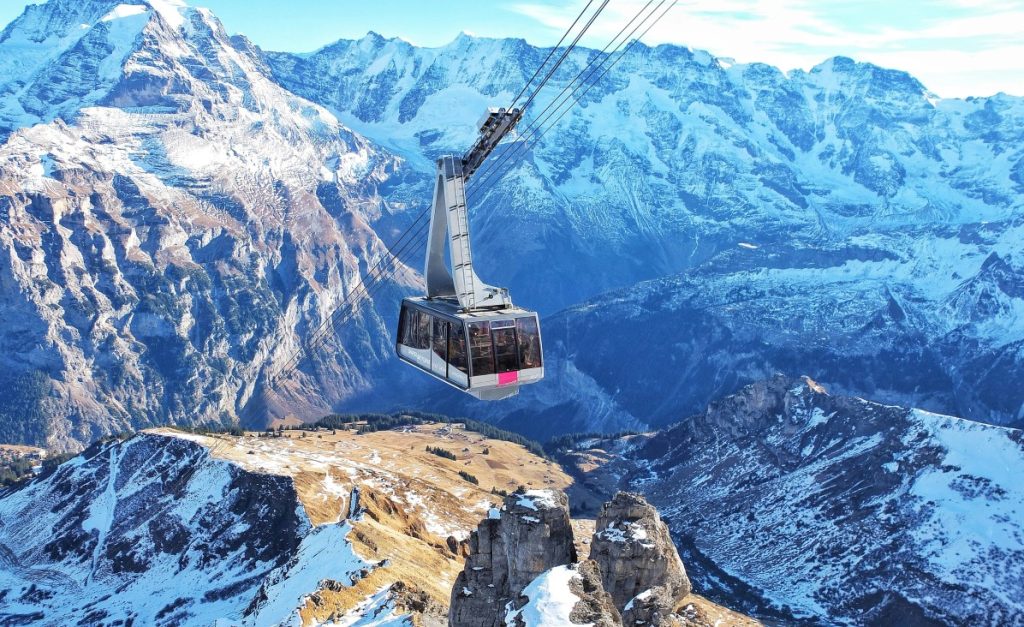
Switzerland is more than just a trip; it is an experience of a lifetime. The fantastic feeling of waking up to cow bells in alpine valleys, breathing the fresh mountain air, and watching the sun shine down on the snowy peaks is life-changing and unforgettable. Whether it is a honeymoon, solo trip, or a family vacation, having a good travel itinerary for travel in Switzerland will make sure you don’t miss a moment. When you have a Switzerland trip planner or curated tour packages you can experience iconic attractions, explore hidden gems, find adventure, and relax on one trip. If you need an example, look to Arjun and Meera from Mumbai, who had the chance to spend 7 days together enjoying Switzerland on their own terms—they went skiing in Zermatt, settled in for sunsets in Interlaken, and explored beautiful cities. Their story illustrates that if you plan thoughtfully, in the end you will have an adventure of several unforgettable moments. Understanding Switzerland – A Country of Contrasts Each Swiss city offers a unique flavor: Zurich: Modern luxury meets historic charm; perfect for shopping, riverside walks, and vibrant nightlife. Lucerne: Picture-perfect lakes, medieval streets, and easy access to Mount Pilatus and Mount Titlis. Interlaken: Nestled between two lakes, ideal for adventure sports and romantic escapes. Zermatt: Home to the iconic Matterhorn, ski slopes, and scenic hikes. Geneva: International culture, serene lake views, and world-class cuisine. The seasons also affect your experience: winter includes snow adventures, while summer includes hiking, festivals, and fun at the lake. You can build your trip around the weather and surrounding festivals to have an unforgettable trip that includes adventure, culture, and relaxation. Suggested 7-Day Switzerland Itinerary Day 1 – Zurich: Explore Old Town, Bahnhofstrasse, and the Limmat River. Evening dining or nightlife options. Day 2 – Lucerne: Walk Chapel Bridge, visit Mount Pilatus or Titlis, and enjoy a lakeside dinner. Day 3 – Interlaken: Paragliding, boat rides on Lake Thun/Brienz, boutique stays for honeymooners. Day 4 – Jungfraujoch: Train to Europe’s highest station, Ice Palace, and Aletsch Glacier views. Day 5 – Zermatt: Gornergrat Bahn, skiing or hiking, fondue dinner in a chalet. Day 6 – Geneva: Jet d’Eau, Old Town, lakeside promenades, and chocolate boutiques. Day 7 – Montreux: Château de Chillon, Lavaux vineyards, lakeside strolls before departure. This itinerary balances cities, mountains, lakes, and cultural experiences without rushing. Extending to a 10-Day Itinerary Longer trips allow exploration of offbeat destinations: Lauterbrunnen: “Valley of 72 Waterfalls” and Trümmelbach Falls. Bern: UNESCO-listed Old Town, Zytglogge Clock Tower, and local cuisine. Lausanne: Olympic Museum, lakeside promenades, vineyards, and wine tours. Gruyères: Famous for cheese, medieval castle, and culinary experiences. A 10-day itinerary offers more immersion, perfect for honeymooners, families, or solo travelers seeking adventure and relaxation. Activities & Experiences Adventure & Outdoor: Skiing, snowboarding, hiking, paragliding, cycling, and mountain biking. Scenic Rides & Water Fun: Glacier Express, Bernina Express, lake cruises, kayaking, and paddleboarding. Cultural Experiences: Medieval villages, local food and wine tours, museums, galleries, and festivals. Curated Switzerland tour packages or a Switzerland trip planner make integrating these experiences simple. Transport, Accommodation & Budget Tips Transport: Swiss Travel Pass covers trains, buses, and boats; panoramic routes include Glacier Express and Bernina Express. Accommodation: Options range from hostels and boutique hotels to luxury chalets and honeymoon packages. Budget Travel: Travel off-peak, use Airbnb or guesthouses, enjoy ready-to-eat meals, and combine destinations efficiently. Honeymoon & Romantic Highlights Switzerland is a top honeymoon destination: Chalet stays in Zermatt or St. Moritz. Scenic train rides on Glacier Express or Bernina Express. Sunset lake cruises and luxury spa retreats. Private wine and chocolate tastings. Packages from The Tarzan Way provide curated itineraries for romance, adventure, and cultural immersion. FAQs & Tips Best time to visit: April–June (spring), July–September (summer), Dec–Feb (winter). Top cities: Zurich, Lucerne, Geneva, Interlaken, Zermatt, Montreux, Bern. Suitability for budget travelers: Yes, with smart planning and Swiss Travel Pass. Trip length: 7–10 days for highlights, longer for hidden gems. Safety: Switzerland is very safe for solo travelers. Switzerland offers the ideal mix of relaxation, excitement, romance, and culture; every traveler will find moments they will remember. Besides beautiful mountains covered in snow, breathtaking lakes, vibrant cities, and relaxing villages, Switzerland is everything a traveler could hope for. You can plan aspects of your trip to Switzerland through an itinerary, guided tour packages, or honeymoon packages that combine all three elements of sightseeing, adventure, and relaxation. Begin your experience and enjoy special moments in memorable landscapes. Ready to plan your dream Swiss adventure? Scroll down to explore the complete Switzerland travel guide and uncover the perfect 7-day and 10-day Switzerland itinerary — featuring breathtaking cities, alpine adventures, scenic train rides, and hidden gems waiting to be discovered. Your Swiss Dream Awaits – Crafting the Perfect Itinerary Waking up to cowbells ringing in the valleys, breathing in the fresh alpine air, and watching the morning sun lightly touch the snow-capped peaks is something magical. Switzerland is not just a place, it’s a sensation. Whether you’re a couple on your honeymoon, a solo traveler, or a family vacationer, a thoughtful Switzerland travel itinerary will help you make the most of your trip to Switzerland. You may sit and sip coffee beside Lake Lucerne, hike in the surrounding Alps, or take a ride on a panoramic train. In Switzerland, with each bend comes another postcard perfect moment. Take for example Arjun and Meera, a couple from Mumbai who were newlywed and wanted to go to Switzerland, they didn’t want to just look at postcards, they wanted to feel Switzerland. With a Switzerland trip planner, they were able to spend 7 days discovering cities, mountains and lakes at their own pace. From skiing in Zermatt to catching a sunset over Interlaken, they found that with a detailed plan and itinerary that it is possible to live innumerable stories in one trip. To make your own dream itinerary come alive, this Switzerland travel guide walks you through everything – from breathtaking cities and