

Singapore Travel Guide 2026: Everything First-Time Visitors Need to Know
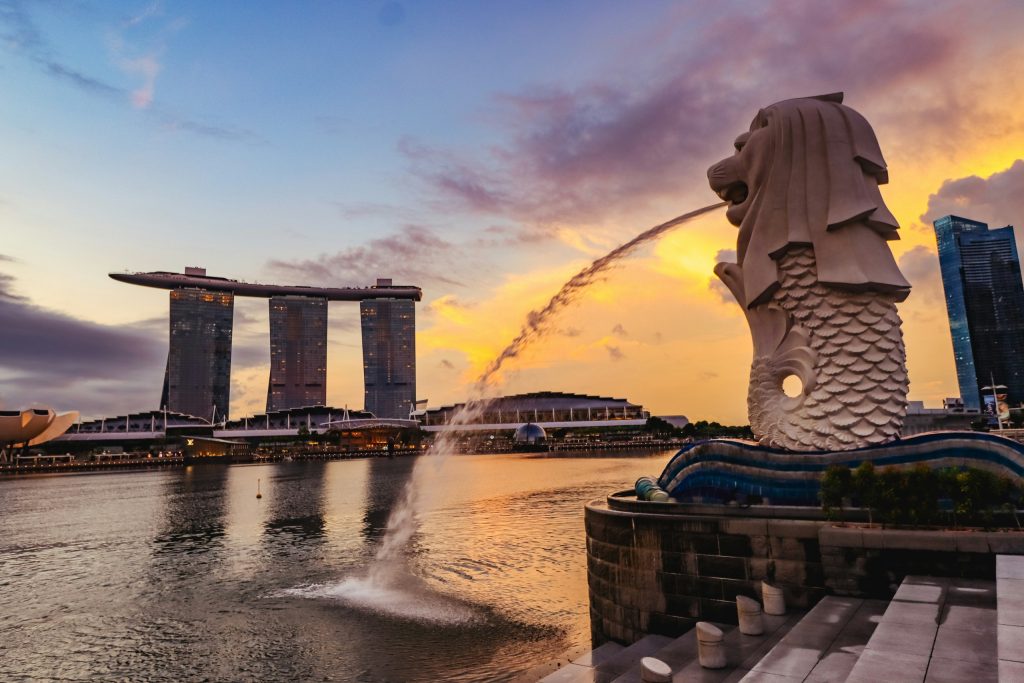
Planning your first trip to Singapore in 2025? Get ready to explore one of Asia’s most exciting and efficient cities. This island nation is a stunning mix of heritage and innovation where ancient temples stand beside striking skyscrapers, and vibrant neighborhoods like Chinatown and Little India bring culture to life. First-time visitors will love how easy it is to get around thanks to the world-class MRT system and a cashless, tourist-friendly setup. From the futuristic beauty of Gardens by the Bay to the endless food choices at famous hawker centres, Singapore offers a rich and seamless travel experience. Safe, clean, and full of energy, it’s the perfect introduction to Southeast Asia. So why go to Singapore in 2025? Because it’s a full-on experience rather than just a stopover. Wandering through vibrant temples one moment, and then enjoying a cocktail 57 stories above the ground while taking in the dancing city lights the next. Tradition and technology coexist there, and for some reason, it just works. Singapore meets all of your needs, whether you’re looking at week-long vacation packages, organizing your ideal honeymoon, or simply wanting a stress-free, short getaway. Culture? Verify. Comfort? Definitely. Adventure? Always. Getting There & Getting Around Arrival: Changi Airport is one of the best in the world—clean, efficient, and easy to navigate. You’ll be in the city within 30 minutes of landing Transport: Getting around Singapore is a breeze. For short stays, the Singapore Tourist Pass offers unlimited rides on buses and trains for one to three days. If you prefer pay-as-you-go, the EZ-Link card is a great alternative. Both are available at MRT stations and convenience stores. Public transport is reliable, air-conditioned, and tourist-friendly. Places to Stay Singapore offers options for both saving and spending. Are you feeling opulent? Enjoy iconic accommodations like the renowned Raffles Hotel or Marina Bay Sands, which offer rooftop pools, skyline views, and classic elegance. Cool meets comfort: Budget-friendly gems like YOTEL Orchard and Hotel G (in trendy Bugis) provide serious style, excellent locations, and clever design. On a tight budget? Choose charming, affordable, and central locations such as The Great Madras in bustling Little India or Capsule Pod Hostel in Chinatown. Planning a romantic escape? There are plenty of curated Singapore honeymoon packages that include scenic stays, spa days, and private tours. What to Eat (As well as Where to Get It) Singapore’s Food Scene: A Must-Do Experience If your trip to Singapore isn’t centered around food, you’re doing it incorrectly. This city is a foodie’s paradise, offering everything from Michelin-starred restaurants that are less expensive than a movie ticket to delicious street food. Many Singapore holiday packages include food tours or hawker centre visits so you can feast like royalty without burning through your travel budget. Snacks you must try include the national favorite, Hainanese chicken rice, spicy laksa, chili crab, crispy roti prata, and smoky satay skewers. Where to eat: Visit well-known local establishments like the cherished Tiong Bahru Market, Lau Pa Sat (Satay Street comes alive at night!), Old Airport Road and Maxwell Food Centre. You’ll thank yourself later if you arrive hungry. Top Attractions in 2025 Singapore may be small, but it’s packed with jaw-dropping sights you’ll be talking about long after you leave. Many Singapore tour guides include these spots, but you can also go at your own pace. Gardens by the Bay Step into a sci-fi garden where trees glow at night and clouds live indoors. Supertree Grove: These towering vertical gardens light up in a dazzling show every night free, magical, and totally Instagram-worthy. OCBC Skyway: Stroll among the treetops with skyline views that feel like a movie scene. Cloud Forest: A cool misty wonderland with a 42-meter indoor waterfall (yes, you read that right). Flower Dome: Like walking through a global botanical postcard, no passport needed. Marina Bay Sands Even if you don’t stay here, head up to the SkyPark Observation Deck. The views of the city, the bay, and those glowing Supertrees? Unreal. Come at sunset for the full wow factor Sentosa: Singapore’s Fun Island If Singapore had a playground, this would be it. Sentosa is where you go when you’re ready to swap skyscrapers for sunshine. Lounge on the beach, zip through roller coasters at Universal Studios, or wander the underwater world at S.E.A. Aquarium. It’s fun, fast, and a little over the top in the best way possible. (Heads up: the Sentosa Express isn’t included in most tourist passes, so bring a couple of extra bucks.) More Must-See Spots Singapore Zoo & Night Safari: Where the animals roam in lush, open habitats, and yes, the Night Safari is just as magical as it sounds. Chinatown, Little India & Kampong Glam: These cultural neighborhoods are full of color, spice, history, and heart. Think temples, street art, textiles, and food that will change your life. Orchard Road: This isn’t just shopping, it’s a retail marathon. Global brands, local designers, air-con heaven. Haji Lane: Tiny, artsy, and overflowing with personality. You’ll find street murals, indie boutiques, and cafés that could live on Pinterest. Singapore River Cruise + Clarke Quay: Float through the city’s story on a breezy boat ride, then hop off for riverside dinner and cocktails under fairy lights. Best Time to Visit February–April: Dry and pleasantly warm Late January/February: Chinese New Year July: Great Singapore Sale + cultural events Avoid the heavy monsoon season from November to January. Real Talk: Travel Tips for Singapore (2025) Leave the cash at home. Almost everything in Singapore is tap-and-go. Your phone or card will get you through food stalls, trains, and even vending machines. It’s hot. Always. Think tropical. Pack light clothes, comfy shoes, and don’t forget a small umbrella. Sun one minute, rain the next. Play by the rules. Singapore is super safe and spotless for a reason. Don’t litter, don’t chew gum, and always cross at the light. It’s not strict; it’s smart. Stay online. Grab an eSIM or local data plan so you
Old Dubai’s Hidden Gems: Cultural Charms for a Romantic Getaway

When you think of Dubai, images of futuristic skyscrapers and luxurious shopping centers may come to mind. However, the city has a rich historical side that is just as captivating, if not more so. Old Dubai Immerse yourselves in the cultural charms of Old Dubai, where history meets authenticity. This blog post will guide you through Old Dubai’s hidden gems, including the Al Fahidi District, traditional souks, and boutique stays that create a cultural and romantic escape in the heart of the city. Exploring the Al Fahidi District The Al Fahidi District, also known as Bastakiya, is one of the oldest neighborhoods in Dubai. Walking through its narrow lanes, you’ll find yourself transported back in time. The district’s traditional wind-tower architecture and sand-colored buildings evoke a sense of nostalgia and charm. Al Fahidi Tip by Tarzan: Al Fahidi Fort: Housing the Dubai Museum, the fort offers insights into the city’s history, including traditional Bedouin life and the pearl diving industry. Al Fahidi Fort Sheikh Mohammed Centre for Cultural Understanding (SMCCU): Take part in a cultural tour or a traditional meal at this center, where you can learn about Emirati customs and traditions. Sheikh Mohammed Centre for Cultural Understanding (SMCCU) Romantic Stays: Boutique Hotels: Experience intimate and charming accommodations in traditional houses that have been transformed into boutique hotels. Many offer rooftop terraces and serene courtyards perfect for a romantic evening under the stars. Authentic Experiences for Couples Old Dubai provides plenty of opportunities for couples to connect with the city’s authentic culture. Traditional Souks: Gold Souk: Explore this iconic market filled with sparkling jewelry. It’s a perfect place to find a special piece for your loved one. Gold gallery in Dubai Spice Souk: Wander through the narrow alleys filled with aromatic spices, herbs, and dried fruits. The sensory experience adds a touch of exotic romance to your day. Spice souk in Dubai Textile Souk: Browse through colorful fabrics and traditional attire. You might even find the perfect material for a custom-made outfit or souvenir. Textile souk in Dubai Unique Dining Experiences Al Seef Waterfront: Enjoy a romantic meal at one of the waterfront restaurants, overlooking the serene Dubai Creek. The blend of modern and traditional architecture creates a picturesque setting for a memorable evening. Al Seef Waterfront Traditional Cafés: Sip on a cup of Arabic coffee or tea at a local café. These intimate spots provide a peaceful atmosphere to unwind and soak in the ambiance of Old Dubai. Delving into Heritage Beyond the souks and cafes, Old Dubai offers other cultural gems that you and your partner can explore: Heritage Houses and Museums: Al Shindagha Museum: Discover Dubai’s transformation from a fishing village to a global metropolis through interactive exhibits and restored heritage houses. Al Shindagha Museum Majlis Gallery: Visit this art gallery housed in a traditional wind-tower building. The gallery features contemporary art by both local and international artists. Majlis Gallery Cultural Performances: Cultural Nights: Check the local calendar for cultural events such as traditional music and dance performances. These events often take place in heritage venues, offering a rich cultural experience. Cultural Nights in dubai Taking a Step Back in Time One of the most romantic ways to experience Old Dubai is to step back in time and embrace the slower pace of life. Creekside Abra Ride: Abra Journey: Take a ride on an abra, a traditional wooden boat, across the Dubai Creek. The serene journey provides a beautiful view of the city and a moment of tranquility away from the hustle and bustle. Abra Visit Alserkal Avenue Alserkal Avenue Art and Culture: While it’s not technically in Old Dubai, a short trip to Alserkal Avenue offers an art and culture scene filled with galleries, studios, and event spaces. Stroll through the district to discover new art forms and engage in stimulating conversations. Conclusion Old Dubai’s rich history, vibrant culture, and charming ambiance make it a perfect destination for couples seeking a romantic and authentic escape. From exploring the Al Fahidi District to indulging in traditional experiences and enjoying Creekside moments, this part of the city offers something special for every couple. Old Dubai: Cultural Charms for a Romantic Getaway Let Old Dubai unveil its hidden gems to you, creating unforgettable memories and a deeper connection with the heart of this captivating city.
Kerala’s Green Getaway: Sustainable Tourism
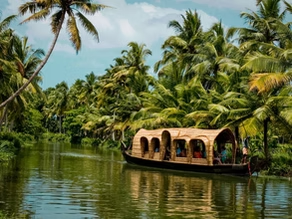
Kerala, also known as ‘God’s Own Country’, is a paradise for nature lovers and adventure enthusiasts. With its lush green landscapes, serene backwaters, and diverse wildlife, Kerala offers a unique opportunity to experience sustainable tourism. Credits: Unspalsh Kerala’s coastline is not only breathtakingly beautiful but also a crucial ecosystem that requires protection. By embracing sustainable tourism practices, Kerala aims to conserve its natural resources and protect its rich cultural heritage. It focuses on promoting eco-friendly activities and responsible travel to ensure the preservation of its pristine environment for future generations. One of the key aspects of sustainable tourism in Kerala is the promotion of green destinations. These destinations are carefully managed to minimize the negative impact on the environment while providing visitors with an unforgettable experience. From the tranquil backwaters of Alleppey to the breathtaking beauty of Munnar. Kerala offers a range of green destinations that showcase the state’s natural wonders. By choosing to explore these green destinations, you become a part of Kerala’s efforts to promote sustainable tourism. Whether you choose to cruise along the backwaters of Alleppey or embark on eco-friendly adventures in Munnar, you will be rewarded with unforgettable experiences and a deeper appreciation for the importance of sustainable travel. Alleppey Backwater Cruise: A Tranquil Journey One of the highlights of sustainable tourism in Kerala is the Alleppey backwater cruise. As you glide through the backwaters on a traditional houseboat, you can witness the daily life of the local communities who depend on these waterways for their livelihood. You can observe the traditional fishing techniques, see the vibrant birdlife, and marvel at the lush green landscapes that surround the backwaters. The Alleppey backwater cruise is not just a visual treat; it also offers a unique opportunity to experience the local culture and cuisine. You can savor traditional Kerala dishes prepared using fresh local ingredients and enjoy the warm hospitality of the boat crew, who will ensure that your journey is comfortable and memorable. By choosing the Alleppey backwater cruise, you support sustainable tourism practices that promote the preservation of the backwaters and the well-being of the local communities. Backwaters of Alleppey, Credits – Unspalsh Munnar Eco-Friendly Adventures: Embracing Nature’s Beauty If you are an adventure enthusiast and a nature lover, Munnar is the perfect destination for you. This picturesque hill station in Kerala offers a range of eco-friendly adventures that allow you to embrace the beauty of nature while minimizing your impact on the environment. From trekking through tea plantations to exploring the stunning waterfalls and wildlife sanctuaries, Munnar offers a wide range of outdoor activities that cater to all levels of adventure seekers. You can embark on guided hikes to the top of the hills, where you will be rewarded with panoramic views of the surrounding valleys and mountains. Munnar is also known for its tea estates, and you can learn about the tea-making process by visiting the tea factories and plantations. Experience the aroma of freshly brewed tea and taste the flavors of Kerala’s famous beverage. By choosing eco-friendly adventures in Munnar, you actively contribute to the sustainable development of the region. So, whether you choose to trek, cycle, or simply explore the natural beauty of Munnar, you can do so knowing that you are supporting sustainable tourism in Kerala. Munnar, Credits – Unspalsh Preserving Kerala’s Cultural Heritage Through Sustainable Tourism Kerala is not just a land of natural beauty; it is also rich in cultural heritage. Through sustainable tourism practices, Kerala aims to preserve its cultural traditions and promote responsible travel that respects the local communities. By engaging in activities that promote cultural preservation, visitors can gain a deeper understanding of Kerala’s history, traditions, and way of life. Preserving Kerala’s cultural heritage also involves supporting local communities and their traditional livelihoods. In order to have an immersive travel experince and to better understand the local culture, heritage and poeple you can: Explore ancient temples and traditional art forms Participating in local festivals and cuisin—–e Stay in eco-friendly accommodations Purchase localy crafted souvenirs Culture of Kerala This way you can not only have an immersive travel experience but also directly contribute to the economic well-being of the local communities and help preserve their way of life. Sustainable tourism not only ensures the preservation of Kerala’s cultural heritage but also provides a more authentic and travel experience for visitors. By connecting with the local communities you can create meaningful connections and memories that will last a lifetime. Community Engagement and Responsible Tourism in Kerala One of the key principles of sustainable tourism in Kerala is community engagement. By actively involving the local communities in the tourism industry, Kerala aims to empower them and create a positive impact on their lives. Through responsible tourism practices, visitors can support the economic development of the local communities. Few ways in which you can contribute as well. By choosing to stay in homestays or community-owned accommodations, you directly support the livelihoods of the local people and gain a deeper understanding of their way of life. By participating in traditional art and craft workshops to learning about sustainable farming practices, these initiatives provide a unique opportunity to learn and exchange cultural knowledge. So, when you visit Kerala, take the time to engage with the local communities and support responsible tourism practices. By doing so, you become a responsible traveler who not only enjoys the beauty of Kerala but also leaves a positive impact on the lives of the local people. Planning a trip to Kerela soon? This might help, click here.
Top Budget Hotels in Manali for a Mountain Getaway
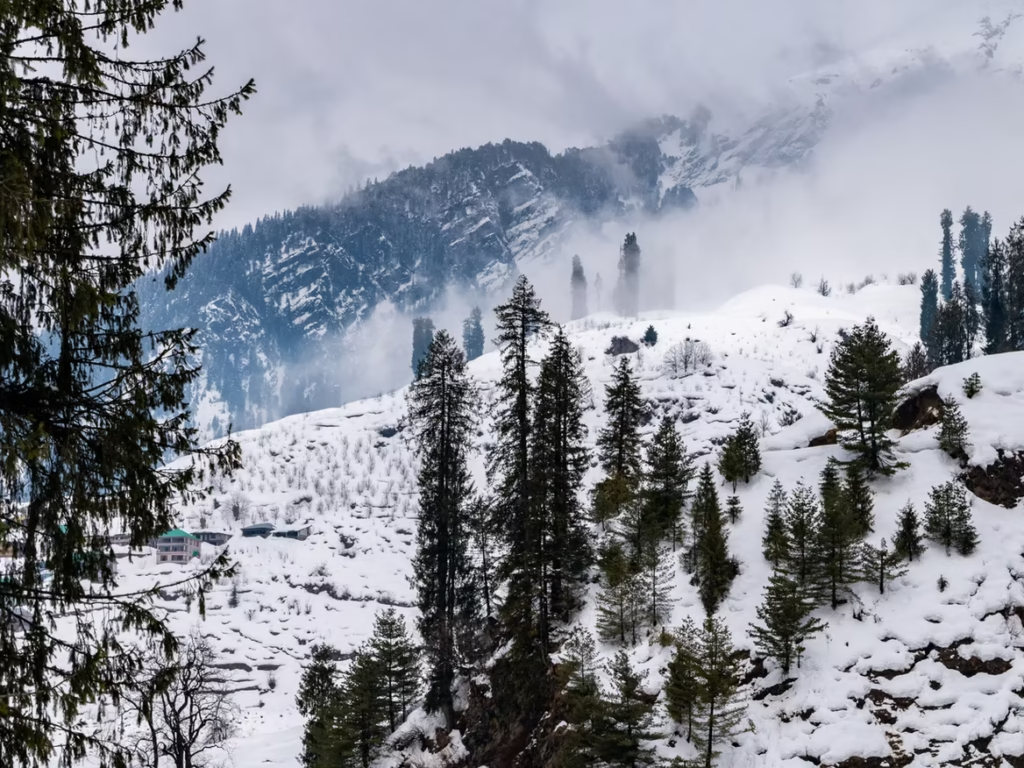
Manali has always been a destination for travelers who love the beauty of the Himalayas. Snow-capped mountains, lush valleys, pine trees, and the Beas River create the perfect picture. But here’s the best thing: you can enjoy this beauty on a budget. There are several top-rated hotels in Manali for a mountain vacation that are affordable with amazing comfort, good eating options, and welcoming hospitality – for a reasonable prize! So, whether you are traveling solo, with friends, a family trip, or on your honeymoon, there is a great blend of affordable stay in Manali. In this blog, we will share some of the best budget hotels in Manali near Mall Road, budget places to stay in peace of mind, and other awesome backpacker hostels. Plan your trip with The Tarzan Way. What’s in this Blog? Why Choose Budget Hotels in Manali? The Orchard Greens Hotel Hotel Snow Valley Resort Zostel Manali Hotel Tibetan Classic Johnson Lodge Manali Tips to Choose the Best Budget Hotels in Manali Why Stay Near Mall Road? Using The Tarzan Way for Smarter Travel Planning FAQs Final Thoughts Why Choose Budget Hotels in Manali? Budget travel is not synonymous with compromised quality. As a matter of fact, most of the negatively reviewed budget hotels to stay in Manali have: Ideal locations – close to Mall Road, Hadimba Temple, and sleepy away from the hustle and bustle are some of the loveliest villages in Manali as Vashisht. Modern amenities – including Wi-Fi, room service, and travel assistance. Quality food – Indian cuisine, Tibetan food including momos and thukpa. More than this, the chances to experience the local activities – including treks, temples and adventure sports available in Manali like paragliding, and rafting. Budget hotels to stay in Manali that families, couples and backpackers take, about their family trips, or honeymoons, budget accommodation is an updated way to experience the magic of the mountains at 50% off. The Orchard Greens Hotel If you’re searching for Manali budget hotels near Mall Road, The Orchard Greens Hotel tops the list. Location: Just minutes away from Hadimba Temple and Manu Temple. Room Rates: From ₹1360 per night. Amenities: Free Wi-Fi, LCD TVs, attached bathrooms, travel desk, fitness center, and a rooftop with breathtaking views. Why Stay Here? Central location makes it easy for couples and small families to explore the town. Hotel Snow Valley Resort Looking for top budget hotels in Manali for a mountain getaway for family? Hotel Snow Valley Resort offers peace and rejuvenation. Location: Nestled in Old Manali, surrounded by gardens and quiet trails. Room Rates: From ₹1500 per night. Unique Features: Floor-to-ceiling windows, yoga sessions, massages, vegetarian meals, and shuttle service to Mall Road. Nearby Adventures: River rafting in the Beas River and paragliding flights. Zostel Manali No list of best budget hotels in Manali is complete without mentioning Zostel – a favorite among backpackers. Location: Near Mall Road and also in Old Manali, Vashisht, Burwa, Pangan, and Dhobi. Room Rates: Beds from just ₹500 per night. Vibe: Colorful dorms, lively common spaces, terrace café, games, and karaoke nights. What’s Special: Free kitchen access, budget-friendly stays, and the chance to connect with travelers worldwide. Hotel Tibetan Classic For travelers wanting something culturally immersive, Hotel Tibetan Classic is an amazing choice. Location: The peaceful village of Vashisht. Room Rates: From ₹1500 per night. Ambience: Ladakhi-style interiors, woodwork, Buddhist murals, and garden café with mountain views. Special Experiences: Butter tea, Tibetan cuisine (momos, thukpa), wellness sessions, and massages. Johnson Lodge Manali One of the best budget hotels in Manali near Mall Road, Johnson Lodge blends comfort with affordability. Location: Central Manali, walking distance to Mall Road. Room Rates: From ₹1000 per night. Amenities: Complimentary breakfast, Wi-Fi, safety lockers, laundry, and a restaurant serving Indian & continental dishes. Why Stay Here? A convenient base for sightseeing while still enjoying a cozy retreat. Tips to Choose the Best Budget Hotels in Manali For Families: Look for budget hotels in Manali for family that provide larger rooms, safety, and kid-friendly food options. For Honeymooners: Choose the best budget hotels in Manali for honeymoon with scenic views and privacy. For Backpackers: Go for dorm-style hostels like Zostel to save money for activities. Near Mall Road: The best budget hotels in Manali near Mall Road are convenient for shopping, food, and nightlife. Cultural Stays: Try unique stays like dharamshala in Manali for stay to experience spirituality and culture. Why Stay Near Mall Road? Staying near Mall Road gives you easy access to: Street shopping for woolens and handicrafts. Local eateries and cafés. Quick access to taxis and bus stands. Proximity to tourist spots like Hadimba Temple. Using The Tarzan Way for Smarter Travel Planning Choosing where to stay in Manali can be overwhelming with so many options. That’s where The Tarzan Way makes a difference. Get personalized hotel recommendations. Build your own custom itinerary. Balance your budget with comfort. If you’re planning longer adventures, check out: Manali to Leh: The Ultimate High-Altitude Road Trip in India The Ultimate Manali Experience: Nature, Adventure, and Culture Exploring the Mountains: A Guide to the Main Attractions Along the Shimla-Manali Highway How to Plan the Perfect Delhi to Manali Road Trip The Ultimate Manali Travel Guide: How to reach and get around the mountain town With The Tarzan Way, you don’t just book hotels—you design your mountain getaway smarter. FAQs 1. Which are the top budget hotels in Manali for a mountain getaway? Some of the best include The Orchard Greens Hotel, Hotel Snow Valley Resort, Johnson Lodge, Hotel Tibetan Classic, and Zostel Manali. 2. What are the best budget hotels in Manali near Mall Road? Johnson Lodge and The Orchard Greens Hotel are excellent choices near Mall Road. 3. Are there budget hotels in Manali for family trips? Yes, Hotel Snow Valley Resort and The Orchard Greens Hotel are great for families. 4. Which are the best budget hotels in Manali for honeymoon couples? Hotel Tibetan Classic in Vashisht and Hotel Snow Valley Resort
Planning a Trip to Manali this Summer? Here’s What You Need to Know About the Weather
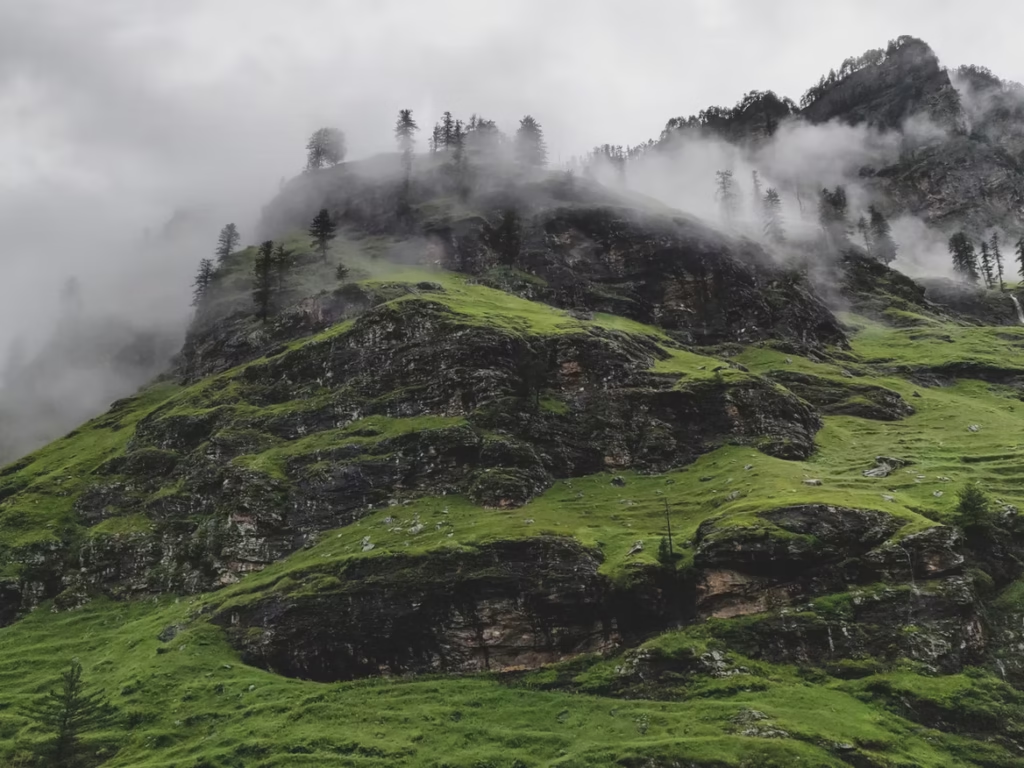
Tucked away in the Himalayas, Manali is one of the most popular summer getaways for Indians. When the plains heat up, this hill town is cool relief and a mix of scenic beauty and adventure. During the summer, you should expect anything from sunny mornings to misty rains to thunderstorms at any given moment.With a bit of planning, you can still get the most out of your Manali trip. This guide will tell you everything you need to know about Manali weather, including temperatures, rainfall amounts, what to pack, things to do in Manali by season, and the best time to visit Manali so that you can enjoy your holiday rain or shine. You can also plan your trip to Manali with The Tarzan Way. What’s in this blog Manali Weather: An Overview Manali in Summer (April–June) Manali in Monsoon (July–September) Manali in Winter (December–February) Manali in Spring (March–April) Best Time to Visit Manali What to Pack for Your Trip Things to Do in Manali by Season Suggested Itinerary for Manali FAQs Final Thoughts Manali Weather: An Overview At an altitude of nearly 2,050 meters, the weather in Manali can be dramatically different from season to season. Summertime may bring comfortable temperatures between 15°C and 25°C, but the high altitude makes the sun feel stronger. The monsoon usually starts at the end of June, with sudden showers. This unpredictable Manali weather means travelers must pack efficiently during the summer—they should carry light clothes for hot sunny days, a jacket for breezy evenings, and an umbrella for unexpected showers. Manali in Summer (April–June) Visiting Manali in summer is the most popular choice. Daytime temperatures are pleasant (15–25°C), perfect for an outdoor getaway. Humidity starts creeping in by May, but monsoon hasn’t fully arrived. Pros: Clear skies and mountain views. Ideal for trekking, paragliding, rafting, and camping. Cafes and markets are lively for food and shopping. Cons: Rain may arrive by late June. Rohtang Pass might still be closed in early April. Planning a road trip? Read: How to Plan the Perfect Delhi to Manali Road Trip. Manali in Monsoon (July–September) The monsoon season creates a verdant green paradise in Manali, but it also brings heavy rainfall that influences travel accessibility. Humidity will be high at levels between 75%–80% and landslides may occur frequently. Pros: Fewer travellers and hotel prices are discounted. Rivers and waterfalls could be flowing at their most spectacular. Great time for budget travelers. Cons: The roads may be prone to landslides and blockages. Outdoor adventure activities will be limited. Fog could obscure views. Want more? Check out our Manali Travel Guide for some safety tips during the monsoon season. Manali in Winter (December–February) In winter, Manali becomes an enchanting snow-laden land. The temperature fluctuates from -5°C during the night to 10°C in the day. Pros: Skiing, snowboarding, and snowmobiling at the Solang Valley. Fewer tourists, and appealing hotel offers. Charming sceneries with snow-clad mountains. Cons: Heavy snow can make the roads impassable. Limited connectivity to remote areas. Very cold and necessitate heavy winter wear. Manali in Spring (March–April) Spring brings moderate weather with highs of 18°C to 25°C, but evenings can still be chilly. Expect light showers and even snow at higher altitudes. Pros: Blooming orchards and colorful valleys. Off-season discounts on hotels. Ideal time for temple visits and easy treks. Cons: Sudden rain or snow at higher points. Some activities remain closed until summer. Best Time to Visit Manali The “best” time depends on your travel style: Summer (April–June): Adventure activities, family trips. Monsoon (July–September): Budget-friendly, lush scenery. Winter (December–February): Snow sports and cozy retreats. Spring (March–April): Flowering orchards, festivals, and fewer crowds. Planning a romantic escape? Check out our Manali Honeymoon Guide. What to Pack for Your Trip Summer: Light cottons, hats, sunscreen, trekking shoes, and a light jacket for evenings. Monsoon: Raincoat, umbrella, waterproof boots, quick-dry clothing. Winter: Heavy woolens, thermals, snow boots, gloves, moisturizers. Spring: Layered clothing, compact umbrella, light sweaters for evenings. Tip: Always carry a basic medical kit and reusable water bottles. Things to Do in Manali by Season Summer (April–June): Paragliding at Solang Valley, rafting in the Beas River, trekking (Hampta Pass, Bhrigu Lake), riverside camping. Monsoon (July–September): Temple visits (Hadimba, Vashisht), cozy cafes, local food, indoor relaxation. Winter (December–February): Skiing, snowboarding, sledding, zorbing, trekking (Chadar trek for experts). Spring (March–April): Nature walks, birdwatching, apple orchards, temple visits, cultural festivals. These activities highlight some of the best things to do in Manali no matter when you visit. Suggested Itinerary for Manali (4 Days) Day 1: Explore Mall Road and Hadimba Temple. Day 2: Adventure sports in Solang Valley. Day 3: Visit Naggar Castle, Vashisht hot springs, and Old Manali cafes. Day 4: Optional trip to Rohtang Pass (if open) or explore Kullu. This plan covers top places to visit in Manali, giving you a balanced mix of adventure and relaxation. FAQs Q. Is Manali hot in summer? No, summers are cool with 15°C–25°C temperatures, perfect for sightseeing. Q. Does it rain in Manali in June? Yes, occasional showers start by late June as monsoon approaches. Q. Which month is best for Manali? April–June for adventure, December–February for snow. Q. Is May good for Manali? Yes, sunny days, pleasant evenings, and open adventure activities. Q. Does Manali get snow in summer? Not in town, but higher passes may still have snow till May. Q. Is Manali crowded in June? Yes, June sees peak tourist crowds before monsoon starts. Q. What to wear in Manali in May? Light cottons by day, a jacket for cool evenings. Q. Is Manali safe in July? July is monsoon season; heavy rains can disrupt travel. Q. Does it snow in Manali in December? Yes, December usually brings snowfall, especially after mid-month. Q. Is January a good time for Manali? Yes, but pack heavy woolens; expect snow and sub-zero nights. Q. How many days are enough for Manali? 3–4 days are enough for sightseeing, cafes, and adventure. Q. Is Rohtang open in June? Yes, Rohtang Pass usually
Republic Day 2023: Unwind yourself with one of these Long Weekend Getaways
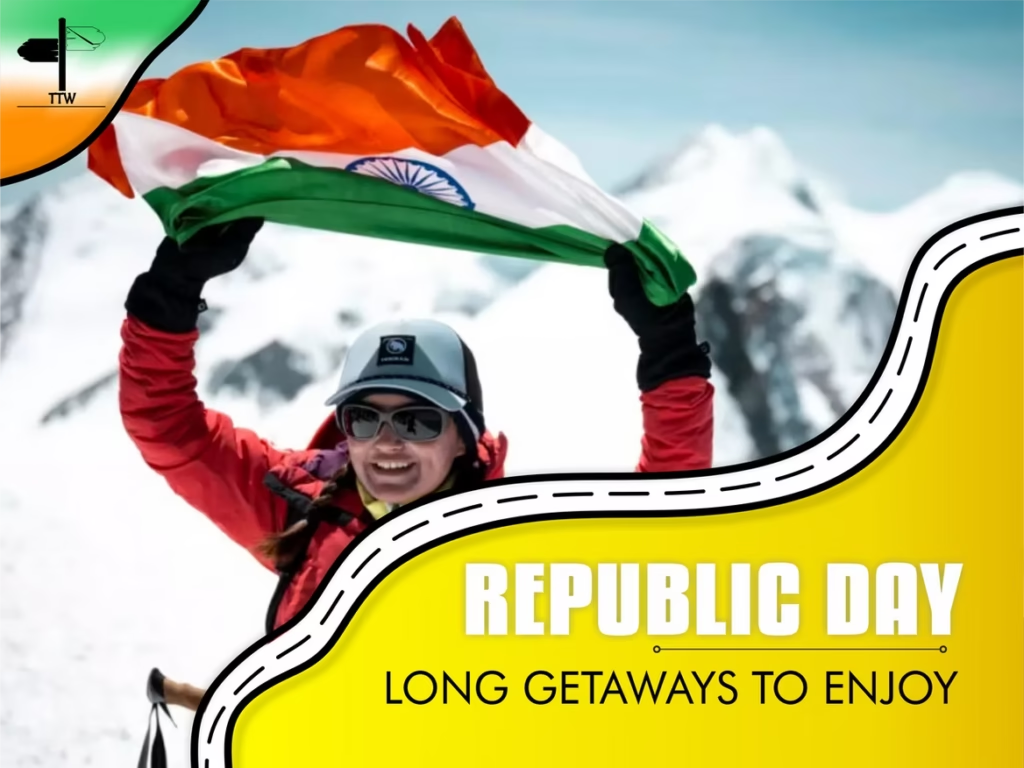
With the onset of 2023, travelers get to start fresh on their travel resolutions for the new year. As the country celebrates its 74th Republic Day, we believe that the overwhelming national feeling of patriotism, pride, and unity should be intertwined with the joy of travel. So why not make the most of it by going on one of the long weekend getaways from our very own highly crafted list of best offbeat places to travel this long weekend on Republic Day 2023? Why not take a moment and get doused in the colors of freedom of travel? Republic Day, January 26 is a gazetted holiday. With R-Day falling on Thursday, if we take a one-day holiday from our work realm (Friday), we can buy ourselves a memorable weekend with the complimentary Saturday-Sunday (January 28-29)! Wondering what can happen in just 3-4 days? The question should be, what NOT can happen over 3-4 days? Here are some suggestions to plan a getaway from Delhi-NCR. Folk, don’t worry we got you covered and included some great rural and hidden gems of India where you can travel from anywhere in India and Make Memories to Last a Lifetime. Table of Contents: Single Day Getaways Short Weekend Getaways Long Weekend Getaways SINGLE-DAY GETAWAYS [ RURAL ] Credit: unsplash.com Agra is the perfect destination, If you’re in the mood for a relaxing and luxurious retreat, Popularly Known for the iconic Taj Mahal, Agra also offers a variety of other historical monuments, delicious street food, and traditional bazaars to explore. Credit: unsplash.com Binsar is at an altitude of around 2,420 Meters from sea level and is an easy trekking destination, it is located amidst the lush greenery, an exotic environment, that will provide you with much-needed relaxation. The major attraction of Binsar is the panoramic view of the mountains from zero point. If you are an Instagram freak this place is heaven for you, it is an ideal place for sightseeing, birdwatching, nature lovers, and photographers. Credit: depositphotos.com If you love jungle safari or wish to immerse in chaotic greenery, then this can be the best place for a one-day trip close to nature, It is just a few hours away from Delhi, Located on the banks of the Ramganga Reservoir in Uttarakhand, this national park is rich in flora and fauna, if lucky, then you can also catch a glimpse of endangered wild animals like tigers, leopard or wild elephants during the early morning forest safari. Credit: unsplash.com For travelers who believe that the journey itself is more important than the destination, planning a road trip to McLeod Ganj is a must. Located almost 474 Km away from Delhi, it will take around 10-12 hours to reach this lovely hill town. This place is best known for its Tibetan influence, so much so that it is also known as ‘Little Lhasa’, Be it treks, camping, exploring monasteries, shopping at local markets, gobbling down a steaming plate of momos at a quaint little cafe on a hilltop, or simply indulging in rejuvenating experiences through yoga and spas, this place is a traveler’s paradise. SHORT WEEKEND GETAWAYS [ URBAN ] Republic Day 2023 is just around the corner and it’s time to plan your short weekend getaway from Delhi. Whether you’re looking for adventure, relaxation, or a mix of both, there are plenty of options for you to choose from for short weekend getaways this Republic Day. Credit: unsplash.com Rishikesh is one popular destination for outdoor enthusiasts, the ‘Yoga Capital of the World’. Here, you can experience the thrill of white-water rafting, bungee jumping, and zip-lining while also immersing yourself in the spiritual culture of the city. Credit: unsplash.com Sariska Tiger Reserve to go closer to mother nature & admire it, another great option for a short weekend getaway from Delhi is the Sariska Tiger Reserve. Located in the Aravalli Hills, it offers a chance to spot tigers, leopards, and a variety of other wildlife on a jeep safari. Credit: unsplash.com For adventure seekers, why not take a road trip to the famous Spiti valley, known for its barren landscapes and remote Buddhist monasteries? And for the history buffs, head to the city of Jaipur, also known as the “Pink City” famous for its fort and palaces. LONG WEEKEND GETAWAYS [ RURAL ] Credit: unsplash.com Khonoma, Nagaland is a small village located in the northeastern state of Nagaland. The village is known for its traditional Angami Naga architecture and is a popular destination for visitors interested in learning about the local culture and customs. On a Republic Day Road Trip, visitors can witness the traditional celebrations of Republic Day in Khonoma and can also visit the Khonoma Nature Conservation and Tragopan Sanctuary, which is home to the rare Blyth’s Tragopan. A local guide will cost Rs 500 for the entire day and a small entry fee of Rs 50, generally collected at the village gate. Credit: unsplash.com Lambasingi, Andhra Pradesh is a small hill station located in the Eastern Ghats mountain range. It is known for its picturesque scenery and cool temperatures, making it a popular destination for visitors looking to escape the heat. On a Republic Day Road Trip, visitors can witness the Republic Day celebrations in Lambasingi and can also enjoy various activities such as trekking, bird watching, and paragliding. Credit: tripoto.com Lava, West Bengal is a small town located in the Darjeeling district of West Bengal. It is known for its scenic beauty and is a popular destination for visitors looking to explore the natural beauty of the region. On a Republic Day Road Trip, visitors can witness the Republic Day celebrations in Lava and can also visit the Lava Monastery, which is a popular attraction in the area. Credit: unsplash.com Katao, Sikkim is a small village located in the northeastern state of
Sangla Valley- A Peaceful Weekend Getaway
Breath- Taking Sangla Valley by TripAdvisor Sometimes, all we want to do is just pack our bags and go to a peaceful place with beautiful scenery and peace. But then the reality hits and we are all sitting in the office chairs and thinking about the weekend and how we all just want to escape the hustle bustle of the city and just relax in the mountains. Sangla Valley is one such place, surrounded by evergreen forests, mountain slopes and snow- clad peaks. You can visit the place and just relax with a beautiful view of the valley or sit near the banks of the Baspa River and look at the clean waters and enjoy yourself for hours. And if you are in for some adventures, Sangla Valley also offers some beautiful trekking trails which you can do within a day and soak in all the beauty that the valley has to offer. Read on to find out more about Sangla Valley and plan a relaxing trip for the upcoming weekend: Kamru Fort Sangla Buddhist Monastery Bering Nag Temple Sangla Kanda Rakchham Tibetan Wood Carving Centre Baspa River Rupin Pass 1. Kamru Fort The Ancient Kamru Fort by Wikipedia An ancient wooden fort located in the Sangla Valley, Kamru Fort was the original seat of the Bushehr dynasty. The Fort was built thousands of years ago by Lord Badrinath and is situated at a height of 2600 meters. Kamru Fort is one of the oldest forts in Himachal Pradesh. Set in a picturesque location, the Fort offers a beautiful view of the Sangla Valley, streams, apple gardens and much more. When entering the Fort, one can see a series of entry gates, while the main gate has a stunning statue of Lord Buddha. One of the key highlights of the Fort is its wooden balcony. At the top of the Fort one can see the idol of Kamakhya Devi, which is believed to have been brought from Guwahati and is of great importance to the people of Sangla. According to some of the folklore, there are 33 crore Gods and Goddesses present inside the Fort premises. 2. Sangla Buddhist Monastery Sangla Buddhist Monastery by NativePlanet Sangla Buddhist Monastery, popularly known as Brelengi Gompa, came into existence in 1992 and was founded by the Mahabodhi Society to provide assistance to the Dalai Lama for observing the Kalachakra ceremony. A modern Buddhist Monastery, it has the 10-meter-high status of the highly revered Buddha. The sight is a treat for the eyes. The top attractions of the Monastery are its wooden walls. The roof of the Monastery has a very beautiful and delicate design which will take your breath away. 3. Bering Nag Temple The Architectural Wonder Bering Nag Temple by Flickr Dedicated to Lord Jagas, a manifestation of Lord Shiva, the temple is a popular attraction for tourists, especially during the months of August and September. Often known as an architectural wonder, the Bering Nag Temple is considered as one of the most important temples for Hindus. The locals visit and worship in the temple for the wellbeing of the village and its inhabitants. The temple is especially a must visit during the Fulaich fair, which is celebrated between the months of August and September. The festival is celebrated to honor the deceased and is done by offering them food items like wine and rice. 4. Sangla Kanda Serene Sangla Kanda by Ixigo A relatively unheard trek, Sangla Kanda is a 6-hour long trek. Often considered a close competitor for Chitkul. Sangla Kanda is a small village with a handful of people and a beautiful lake, known as Kanda Lake. Kanda Lake is a gorgeous lake, situated at a height of 3,568 meters and is surrounded by snow- capped mountains whose reflection in the algae encompassing water just adds to the beauty. The snow- capped mountains surrounding the lake are believed to be Kailash- Lord Shiva’s Home. According to the locals, no person who dares to climb the Kailash Mountains ever returns, as it is not easy to find God. At the base of the hill is a meagre river flowing and is called Black River, which merges into the Baspa River upon reaching the Sanga Valley. The river has a slight black color and is rumored to be cursed, hence the name, Black River. The place is a great site for camping and even provides the basic camping needs like food and washrooms. It is advisable to reach the top of the Sangla Kanda by afternoon because as the day goes by, the place becomes cooler. Also, if you have planned a day trip, then arriving early will give you the benefit of time to soak in the beauty of the place and return during the daylight, as trekking at night can be difficult. 5. Rakchham Picturesque Rakchham by Holidify Rakchham, pronounced as Rakshaym by the locals, is quite a remote village 14km from Sangla Valley. The place is blessed with beautiful gardens, snow- capped mountains and lush green trees. The place has only 800- 1000 people and offers an uninterrupted peace and solitude in the town. Being a quiet and solitary place, Rakcham is not visited by many travelers. However, those who choose to stop over here get to witness the picturesque beauty, the mountain peaks, the fresh atmosphere and the way of life of the people of Rakcham. The people here are very warm and friendly and always welcome everyone with a smile. One can come here or just trek to the town. The place also offers some thrilling sports, like river crossing, nature walks, etc. 6. Tibetan Wood Carving Centre Tibetan Wood Carving Centre by Savaari Blog One of the most famous attractions of Sangla is the Tibetan Wood Carving Centre. The place, as the name
Best Adventure Getaways near Mumbai
Whether you want to get a break from the hectic life in Mumbai or seek an adrenaline-boosting retreat with your friends, there are some great places around Mumbai to sate the thrill-seeker in you. So grab your backpacks and hop onto an adventurous weekend with this guide to the best weekend getaways near Mumbai. 1. Glide over the vast blue lake of Pawna Outdoor activities in Mumbai An artificial lake surrounded by raw nature, the Pawna Lake is a paradise for adventure lovers. It provides an overwhelming camping experience with the backdrop of stunning hills. It is a haven for adventure lovers, providing the opportunity to venture into exciting activities like paragliding, trekking, ridge dancing, and advanced kiting. There are trained instructors to teach you the art of paragliding. No prior experience is required as the pilot instructor will do all the work while you enjoy the beauty of the vast horizon. Learn to surf through the winds and enjoy a view worth your lifetime. Immerse yourself into the shades of nature with an adventure getaway at Pawna lake. Pawna also serves as a great destination for couples. Dance through the nights over a BBQ campfire and spend the mornings with an escapade at this beautiful hub of adventure. Distance from Mumbai: 120 km (Via Lonavala, Bhangarwadi Rd) Nearby attractions: Lohagad Fort, Tikona Fort, Tung Fort, and Visapur Fort. Best time to visit: January – May, October – December Precautions: 1. Only people under the weight of 120 kg can fly. Minors require parental consent. 2. Wear a long-sleeved top and trousers and shoes with ample grip. 2. Go on a fist-pumping raft ride at Kolad Adventure places in Mumbai A humble village seated in the Raigad village in Maharastra, Kolad provides a beautiful view of the rawness of nature among green hills and cascading waterfalls. But the quaint town has much more to offer than the peace, a much-needed spark of thrill. Often referred to as the Rishikesh of Maharashtra, Kolad provides the flavors of the north. It provides one of the best white water river rafting experiences, holding a charm of its own during the monsoons. Located along the fastest river of the south, Kundalika, Kolad provides various degrees of difficulty in river rafting. There are a lot of tour planners and offers to give you the plan that suits you the best. The instructors will guide you throughout the journey. Gear up for a thrilling experience through the tricky rapids. The vibrant destination offers much more to adventure lovers, from rock climbing to kayaking. Enjoy a breathtaking view with the best instructors through the rapids of demarcated grades. Distance from Mumbai: 122 km Cost: Weekdays: Approximately Rs.800; Weekends: Approximately Rs.1200 Best time to visit: June to September Precautions: 1. One should void rafting if they aren’t physically fit. Paddling requires physical strength. 2. Drinking before rafting isn’t allowed. 3. Always listen to the instructor and wear proper safety equipment. 4. It is advised to carry a valid id proof. 3. Climb up to the highest peak of Maharastra Adventurous things to do in Mumbai Planning for a one-day trek near Mumbai?? Reaching a height of 5400 m, the Kalsubai boasts of being the highest peak of Maharastra. The main reason for its popularity is the difficulty of a trek up to the hills. The Kalsubai mountain range, located a bit far from the main Sahyadri range houses the peak. According to the locals, a housemaid disappeared in the mountains while escaping from her abusive employer. Later a temple was erected to remember her and thus, the name of the mountain. Though a bit challenging, a trek to the peak of Kalsubai can be extremely refreshing. Surrounded by lush green hills and forests, the mountain ranges provide a surreal experience to nature enthusiasts. Kalsubai is a perfect destination to get away from the monotonous life in a metro city like Mumbai. Experience a plethora of joy as you successfully climb up to the Everest of Maharashtra to get a breathtaking panoramic view of the hills around. While on the Kalsubai trek, you can also visit the Kalsubai temple. Immerse yourself into the blissfulness of mesmerizing views with the seasonal treks. Though one can pursue a trek to the peak on any day of the year, one would get different views of the beautiful ranges during different seasons. There are two popular trails to reach the summit. Climbers can opt for the easier route starting from the Bari village through a steep iron staircase. Experience the serendipity of discovering the panorama of the Kalsubai Wildlife Sanctuary in the lap of nature. Distance from Mumbai: 152.5 km Best time to visit: Monsoon Trek- June to August, Flowers Trek- September to October, Night Treks – November to May Precautions: 1. One shouldn’t smoke or drink while trekking 2. Wear comfortable clothes and shoes with proper grip. 3. Carry sunscreen and mosquito repellent. Don’t make your trekking bag too heavy. 4. Conquer the mighty hills of Durshet Dotted with hills and plateaus, the small town of Durshet is an ideal place to sate your wanderlust. The hills and rocks add to the ethereal beauty of the place seated amidst the Sahyadri range. From a wide range of cascading waterfalls to meandering rivers, the area of Durshet provides refreshment worth cherishing. But don’t let nature fool you! The steep climbs and rocky terrain brings about an adrenaline rush for the thrillseekers. One can pursue several adventurous activities in Durshet, starting from rappelling, wall climbing, Tarzan jumping, or simply taking a walk across the Burma Bridge. Explorers can also experience the ambient nightlife and the exotic flora and fauna. This haven for mountaineers is a perfect adventure getaway if you like to cover anything from easy treks to perilous terrains. Durshet has become a hotspot for tourists due to the sheer number of watersport options it provides. There are temples around the place for those
Weekend Getaway to Mussoorie
While Mussoorie is a great place to visit any time of the year, it shines through during summer. The captivating beauty of the Himalayan Mountains and the peaceful atmosphere, thanks to the monasteries and Tibetan settlements are what make Mussoorie, Queen of the hills. Mussoorie is located in Uttarakhand and is about 300-kilometers north of New Delhi. Mussoorie is also known to attract adventure sports enthusiasts. With options like sky-walking, river rafting, rock climbing, and paragliding, people are literally spoilt for choice. How to Reach: Falls in the Dehradun District and is 30 km from Dehradun. Dehradun has a national airport along with railways and bus transport. A bus is available every half hour between 5 AM and 8 PM. The bus will leave you at the Library point where cab rentals and self-driving rentals are available. Mussoorie does not have a direct rail link to any of the major towns and cities. Dehradun is the only station that serves Mussoorie throughout the day. Weekend Hotspots: Lal Tibba: Lal Tibba is the highest peak in the region. One should never miss out on a chance to visit Gun-Hill, which is the second-highest. There is an interesting story about this place. It is said that every afternoon, The British used to fire cannons from atop the hill at 3 pm so that the locals knew what time of the day it was. Gun Hill is also popular because it is located above the Mall, which has a cable car ropeway for those who are lazy to trek to the top. Anyways, once you get to the top of the hill, you are treated to an astounding view of the Himalayas, and the city. Happy Valley: In the midst of all the hills, forests, and adventure-seeking is a settlement of Tibetans. A few thousand Tibetans migrated two generations ago to areas around Uttarakhand along with the Dalai Lama. It was in Mussoorie that Dalai Lama had established the Tibetan ‘government in exile’ after fleeing from Chinese authorities in 1959. The government in exile later moved to Dharamshala in Himachal Pradesh. Most of the Tibetan community stayed in the Happy Valley. It is located on the western side of the Library Point, which leads to the ‘Cloud’s end’. Serene gardens, beautiful Tibetan temples, and the famous IAS academy call Happy Valley their home. The Valley seems like a mini-Tibet. The houses, temples, and monasteries are a sneak peek into the Tibet-Chinese culture. The immense beauty is sure to leave everybody spellbound. From the wooded estates to the gardens, and the beautiful temples, these endless sights are always a treat to watch. It is impossible to not mention the snow-covered mountain caps and mountain streams. For Photographers, Happy Valley is the paradise of their dreams and is an absolute must-visit, any time of the year. It is ideal to explore the valley around the summer months(During the winter half the valley is covered in snow, xD). Another place to add to the ‘never miss out’ list is the Char Khamba ridge point. This point falls at about 250 meters from the Dalai Hill. Though not the tallest peak in the area, Char Khamba has is known for the view which it provides, a complete 360 of the Valley. Lake Mist and Kempty Falls: This quaint lake gives one an unforgettably rejuvenating experience. The peaceful, unpolluted environment around the lake is complemented by the several waterfalls fed by the waters of the Kempty river. A number of multi-cuisine restaurants and accommodation options make this an ideal place to unwind with your family and friends. Do not forget to get your camera to capture the beauty of the cascading Kempty waterfalls. Landour: Landour is a cantonment town around 4 kilometers away from Mussoorie and it is among the calm places around the Himalayan region. It sits among the forest-covered terrains and is perched atop the slope of a hill. It is a quaint place and is a perfect getaway to wind down and chill. Travelers who spend some time here come out refreshed, and relaxed. The homemade peanut butter around here is a treat to the taste buds, one you will take home with you. And for those unaware, Landour is home to Ruskin Bond. He is an established children’s writer and comes down to Cambridge Book Depot every weekend. The depot is at the Mussoorie Mall Road, yet another crowd magnet. The road has everything from restaurants and cafes to souvenirs and video game parlors. It is a typical market that is always bustling and is referred to as the Library and Picture Palace side by the locals. No doubt that it gives life to the streets of Mussoorie and is a throbbing artery of the district. In addition to this, the Shivalik range nearby gives breathtaking views of the Doon Valley and is surrounded by a range of shrubs, creepers, and wildlife. Benog Wildlife Sanctuary: If you are a wildlife enthusiast then you have a lot to get excited about Mussoorie, from the Benog Wildlife Sanctuary to the Vinog Mountain Quail Sanctuary. These sanctuaries are known for the lush vegetation amid snow-covered mountains. They were established around 1993 and are expansive, spreading over 340 hectares (That’s 340 hectares of heaven for you folks) including space for the Mountain quails and the Pahari Bater. Sadly, Mountain quails are very low in number and are on the verge of extinction. The sanctuaries are open all round the year and are a heavenly treat for birdwatchers all over the world. From the lush-green sanctuaries to the snow-capped mountains, and from the sky ride adventure parks to the quaint Tibetan settlements, Mussoorie has something for everybody. It is a great set up for family and especially for solo excursions, making it a perfect weekend getaway destination.
6 Stunning Homestays Perfect For A Weekend Getaway!
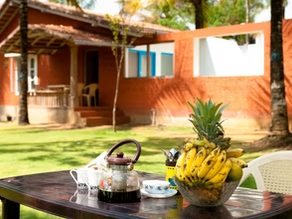
Homestays are marvelous. You must be wondering why? Well, no one knows a place better than the locals, and by living with someone local, you have access to the best information. They will tell you things that you will never be able to find in guides and brochures. Moreover, homestays are affordable, thus, travelers can experience top-notch accommodation without burning a hole in their pockets. Now, are you looking to get in on the fad before the year ends? Then, these incredible and unbelievable homestays will surely change your travel goals for life! 1. Deohari Valley Home Stay, Sainj Valley Sainj Valley in Himachal is indeed a hidden treasure. Snuggled in the arms of the Kullu Valley, this offbeat destination is ideal for those who love serene surroundings, lush green fields, and quaint cottages. The beautiful Deohari Valley Homestay has four spacious rooms consisting of state-of-the-art facilities. All the rooms have especially done woodwork for the comfort and satisfaction of the customers. Moreover, it allows you to explore the place for long hours with a cozy and homely ambiance. 2. Chhotaram Prajapat’s Homestay, Jodhpur Also known as the Blue City, Jodhpur is an architectural wonder. A labyrinth of antiquated lanes, sprinkled with lively and vibrant markets, criss-cross the city, which enjoys a leisurely pace of life. Chhotaram Prajapat’s Homestay is situated in Salawas, a town on the outskirts of Jodhpur. They offer contemporary lodging and a mesmerizing experience to their guests that match the real purpose of tourists’ visit to Jodhpur. This homestay will certainly be a memory to cherish that you will never be able to forget for the rest of your life. 3. Mohan’s Mud Houses, Binsar A trekker’s utopia, Binsar is an ecotourism hotspot for conscious travelers, known for the surreal beauty of the snow-laden Himalayan peaks it provides. Set among forests covered with oak, pine, rhododendrons, and deodar trees, it is home to beautiful lush meadows, stunning temples, and the famous Binsar Wildlife Sanctuary. Mohan’s Mud Houses is a fully furnished homestay that prioritizes the comfort and well-being of its guests. One can witness the mesmerizing view of the sunrise, along with the snow-covered mountains, and experience the melodious chirping of the birds. Their enthusiastic staff is very welcoming and keen to serve the customers their best. 4. NORTH, Naggar Naggar is a small antique town, situated at an altitude of about 1,851 m. Founded by Raja Visudhpal, this place enjoys a good climate. While summers are pleasant, winters are quite cold. One of the must-see sights in this picturesque town is the Naggar Castle, built by the rulers of Kullu around 1500 AD. This tourist destination is ideal for people who want to unwind and rejuvenate by living in the lap of nature. NORTH is a simple and elegant home carefully crafted with wood, stone, and glass. Nestled amidst the mighty deodars, this home is for anyone who longs to dance with magic, far away from city life. They believe in sustainable tourism and provide their guests with a platform to engage & sustain the crafts, heritage & cultural ecology in the Himalayas. 5. Prabhat’s Homestay, Tirthan Acquiring its name from the Tirthan River that flows through it, Tirthan Valley is a place overflowing with adventurous activities and a utopia for nature lovers. This valley is famously known for its trout fishing, trekking, and adventure activities, as well as the gorgeous guesthouses set in nature. Located in the Banjar district, Prabhat’s Homestay overlooks the Tirthan river. One can walk and reach the riverfront and relax for a while. The homestay is super clean and well managed, and the owners make every attempt to make your stay pleasant. They have a couple of rooms, along with a dining area and a small garden. Furthermore, they also provide you with all the necessary equipment and items required for trekking and other adventurous activities. 6. Colonel’s Dacha, Kasol Kasol is a charming little village in Himachal Pradesh located along the banks of the river Parvati. Commonly known as the ‘Amsterdam of India’, Kasol is a tourist attraction that is swiftly gaining popularity and is one of the best places in the country to sit back and chill in the panorama of snow-clad mountains, pine trees, and gurgling river. This place is also is renowned for its trekking trails, which include treks to Kheerganga, Pin Parbati Pass, etc. Colonel’s Dacha at Suma Ropa is perfect for everyone. The owners offer a homestay experience wherein they look forward to hosting you in their Dacha (Russian for Summer House) as per your convenience on any of the 365 days in a year. A comfortable stay with warm hospitality, a simple but delicious meal, and activities of your choice, this homestay will undoubtedly enchant you. You can check out our experiences page for some amazing travel experiences to many of these cities. Do check it out!