

Thailand Tour Guide 2026: Top Places to Visit & Expert Tips
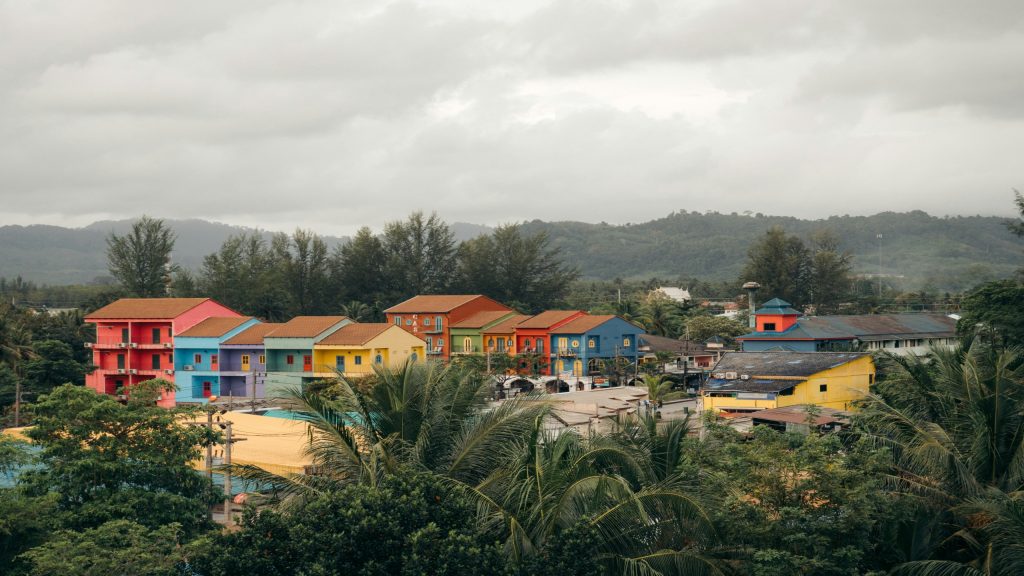
Planning a trip to Thailand? You’re in for something amazing. Whether it’s your first time or you’ve been before, Thailand’s got that perfect mix of chill beaches, wild cities, incredible food, and culture that hits different. This guide has everything you actually need, from top places to visit and helpful tips to a simple Bangkok itinerary to get you started. No pressure, no overplanning, just a solid starting point for your 2025 adventure. Think of it as your low-key Thailand trip planner from someone who’s just as excited about the journey as you are. Top Places to Visit in Thailand in 2025 1. Bangkok—The City That Never Sleeps If you’re planning a Bangkok, Thailand trip and skipping Bangkok… rethink that. It’s loud, a little wild, but honestly, kind of magical. One minute you’re walking through a 200-year-old temple, the next you’re sipping cocktails on a rooftop 40 floors up. It just works. Places you can’t miss: Wat Arun at sunset—trust me, it’s unreal Wat Pho for the massive Reclining Buddha Chatuchak Market if you’re down for cheap clothes, souvenirs, and snacks every few feet Tip: Don’t mess with Bangkok traffic; it’s brutal. Stick to the BTS Skytrain or catch a riverboat. It’s faster, cheaper, and kind of fun. Sample 3-Day Bangkok Itinerary: Day 1: Hit the big temples and take a river cruise Day 2: Shop ‘til you drop + street food crawl (save room for mango sticky rice) Day 3: Do a chill day trip either to Ayutthaya (ancient ruins) or a floating market Bangkok can feel overwhelming at first, but once you settle in, you’ll get why it’s a must on every Thailand travel planner. Just roll with the chaos that’s part of the charm. 2. Chiang Mai – Slow Days, Good Energy Chiang Mai feels like a deep breath after the buzz of Bangkok. It’s up in the mountains, way more laid-back, and kind of perfect if you’re into nature, temples, and slow mornings with good coffee. You’ll spend your days wandering through night markets, visiting peaceful temples, and maybe even hanging out with elephants (the nice, ethical kind—no rides, just love). What’s worth your time: Doi Suthep Temple—the view from the top is unreal Local night bazaars—perfect for souvenirs and endless street food An elephant sanctuary And if you’re there in November, catch the Yi Peng Lantern Festival with floating lanterns everywhere. It’s one of those moments you’ll never forget. Tip: November is the sweet spot. Cooler temps, fewer tourists, and the whole city just feel alive during festival season. Chiang Mai isn’t about rushing around; it’s more like… take it slow, enjoy the vibes, and let the place grow on you. If you’re planning your Thailand holiday guide and want something meaningful (and super chill), this is your place. 3. Phuket – Sun, Sea & Zero Regrets Phuket’s the kind of place that makes you want to ditch your return ticket. It’s all palm trees, blue water, and a “let’s just stay forever” vibe. Whether you’re there to party, explore, or fully unplug, it just works. You’ll probably end up at Patong Beach at least once. It’s loud, messy, and kind of chaotic… but also kind of fun. If that’s not your scene, no worries; there are way more peaceful spots too. Definitely take a boat trip out to the Phi Phi Islands. Yeah, it’s touristy, but it’s also insanely beautiful. And at some point, go visit the Big Buddha. It’s quiet, up on a hill, and the views over the island are actually kind of surreal. Tip: Stay on the west side of the island if you’re into sunsets and want a break from the noise. The beaches are calmer, and the vibes are unbeatable. Phuket’s a must for any Thailand trip planner, especially if you’re looking to mix a little adventure with a whole lot of chill. 4. Krabi—Straight-Up Coastal Magic Krabi is a screensaver IRL. You’ve got these giant limestone cliffs, crazy blue water, and beaches that are somehow both chill and dramatic at the same time. Musts: Railay Beach—no roads, just boats and jaw-dropping views Ao Nang—super chill, good food, easy vibes Island hopping—hit up Koh Phi Phi or Koh Lanta (yes, both if you can) Tip: Book the early boat tours; it’s quieter, cooler, and ideal for stunning photos. If your Thailand itinerary doesn’t include Krabi, it’s time to reconsider. The experience is nothing short of cinematic. 5. Pai—Your Soft Life Era Pai is tiny, peaceful, and kind of magical. It’s the place you go when you’re tired of being “on” all the time. No big plans, no loud crowds—just mountains, fresh air, and a slow pace that hits different. What you’ll find: Hot springs, waterfalls, sleepy cafés, people playing guitar at sunset, and the kind of quiet that makes you actually breathe. It’s not flashy, and that’s exactly the point. Tip: Rent a scooter and just cruise around. No map needed. Every random road leads to something pretty. Pai won’t be for everyone. But if you’re craving calm, creativity, or just a break from the noise, this is your sign to add it to your Thailand trip guide. FAQs About Traveling to Thailand (2025 Edition) 1. What’s the best time to visit Thailand? Thailand is great year-round, but the best weather is from November to February—cooler, drier, and perfect for sightseeing or beach-hopping. A good Thailand vacation planner will help you avoid the rainy season in the south and extreme heat in the north. 2. Do I need a visa to travel to Thailand? Depends on your passport. Many countries get a 30-day visa exemption, but always double-check. A solid Thailand travel planner or Thailand tour guide should include up-to-date visa info. 3. Is Thailand expensive for travelers? Not really. Thailand can be super affordable, especially for food, transport, and accommodation. Whether you’re going luxe or backpacker, a good Thailand trip planner can help you stick to your budget. 4. Is it safe to travel solo in Thailand? Yes,
Romantic Getaway to Malaysia: The Ultimate Travel Guide for Couples
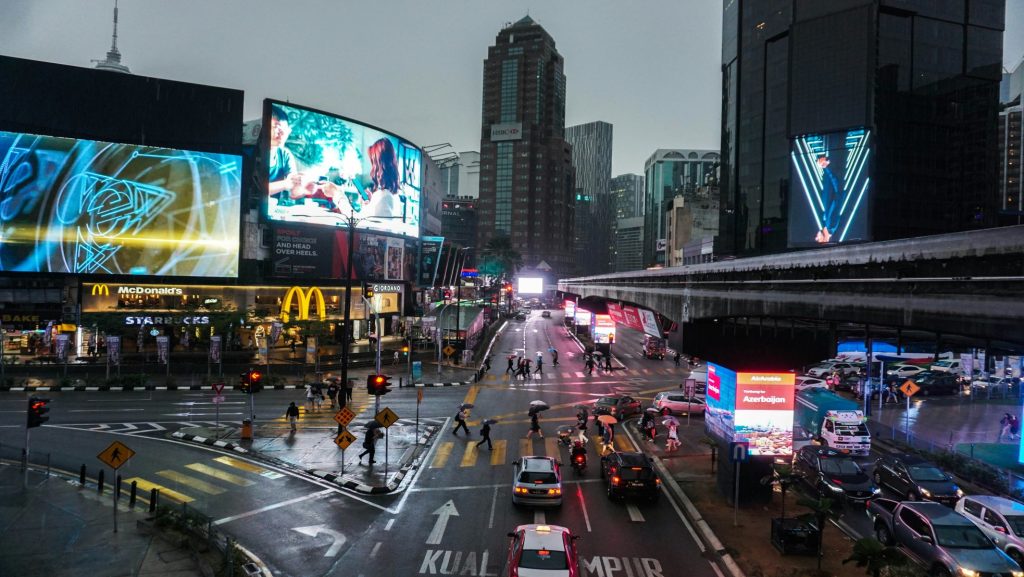
Malaysia, for More Than Just a Vacation A trip for two deserves more than just a good view. It deserves meaning, comfort, and a few unforgettable surprises. If you’re thinking of a romantic getaway to Malaysia, you’re already on the right track. This Southeast Asian gem blends culture, beaches, mountains, and food in a way few places can. And what’s even better? It suits all kinds of couples — relaxed, adventurous, curious, or just deeply in love. Whether you’re sketching your Malaysia travel itinerary on a napkin or working with a seasoned Malaysia trip planner, this country opens its arms to you. Coastal Calm: Where the Sea Meets the Heart First things first — the islands. Langkawi is a solid favourite among couples, and not just because it’s gorgeous. The sunsets over Pantai Cenang, the cable car rides, and even the mangrove boat tours feel special when you’re sharing them with someone. If you want fewer crowds, try Perhentian Islands or Rawa, where there is less buzz, more space. Think of it as your private slice of paradise. Tip: Most Malaysia vacation guides don’t highlight this, but some island beaches are completely empty after sunset. A blanket, a packed dinner, and the sound of waves? That’s romance, untouched. Misty Mornings & Tea Trails: Highland Escapes Now, if you’d rather wrap yourself in a sweater than a sarong, Cameron Highlands will treat you well. Long walks through tea plantations, cool air, and quiet mornings make it a dreamy spot for two. Not far off, Bukit Tinggi offers a charming, European-style escape. It’s cute, quirky, and oddly perfect for couples. These places may not appear at the top of every Malaysia trip guide, but that’s why they’re worth discovering. Tip: Wake up early, visit a local tea farm, and just talk. No distractions. These are the quiet memories you’ll remember most. A City That Surprises: Kuala Lumpur for Couples Big cities aren’t always romantic, unless it’s Kuala Lumpur. Between the glass towers and food stalls, you’ll find quiet gardens, rooftop dinners, and art corners waiting to be explored. Spend a slow morning at Lake Gardens, walk through Batu Caves, then grab dinner with a view of the Petronas Towers. And don’t miss Jalan Alor — noisy, colorful, and full of flavours. Holding hands in the crowd while deciding between satay and noodles? Weirdly romantic. This city should definitely be part of your Malaysia travel planner or Malaysia tour guide notes. It breaks up nature with just enough modern charm. Offbeat, Unfiltered, Unforgettable For couples who want more than a highlight reel, there’s Borneo, home to orangutans, dense forests, and river cruises at dusk. It’s different. It’s real. And it might just be the part of the trip you talk about the most when you’re back home. Places like Lake Kenyir or small towns near Kota Belud aren’t standard in every Malaysia holiday guide, but if you like the idea of cooking over fire or kayaking under stars, add them to your map. Tip: If you’re unsure where to begin with the offbeat stuff, reach out to a small travel agency in Malaysia. They’ll likely know a lot more than generic websites. Your Trip, Your Way There’s no perfect way to explore Malaysia as a couple. You might prefer planning every detail, or you might book one night and see where the road takes you. Either way, having a rough outline from a Malaysia travel guide helps. Just don’t lock yourself into a rigid plan. Malaysia flows, and your trip should too. A Week in Malaysia: Romantic Itinerary for Two If you’re planning your trip without a full-time Malaysia tour guide, here’s a flexible Malaysia travel itinerary to inspire you. You can swap, stretch, or shorten it depending on how you like to travel. Day 1-2: Arrive in Kuala Lumpur Start slow. Land in Kuala Lumpur, settle into a charming boutique stay, and let the city surprise you. Visit the Petronas Towers in the evening for dazzling skyline views Wander through the Islamic Arts Museum or stroll inside Perdana Botanical Garden Grab dinner at a rooftop spot — Marini’s or Heli Lounge are popular Tip: Use your first day to plan the rest of your trip. You’ll find helpful insights even in casual chats with locals or your hotel host. Day 3-4: Cameron Highlands Escape Head to Cameron Highlands — a few hours from KL by road. The cooler temperatures and laid-back pace are perfect after the city buzz. Stay in a cottage or cozy guesthouse among the hills Visit a tea plantation together, try local strawberry jam Hike a short trail, or just relax at a café with valley views Tip: Pack a jacket — temperatures can dip below 15°C, especially in the evenings. Day 5-6: Langkawi’s Sunsets & Sea Breeze Catch a flight to Langkawi, the island that balances nature, adventure, and romance. Take a sunset cruise or kayak through mangroves Ride the Langkawi SkyCab — it’s breathtaking Relax on Tanjung Rhu or explore hidden beaches Most Malaysia trip planners recommend Langkawi because it offers a peaceful atmosphere without losing modern comforts. Tip: Rent a scooter to explore the island on your own — it’s cheaper and much more fun. Day 7: Fly back or extend to Penang If you’ve got time, consider spending an extra day in Penang. The art-lined streets of George Town, the rich heritage, and food scene make it a fun way to wrap things up. Tip: Try local dishes like Char Kway Teow or Nasi Kandar — a good end to your romantic getaway. Helpful Travel Tips for Couples Travel Documents: Malaysia is visa-free for many nationalities for short stays. Still, check with a travel agency in Malaysia if unsure. Currency: Malaysian Ringgit (MYR) is widely accepted, but some remote places prefer cash. Transport: Flights between cities are cheap, and long-distance buses are reliable. Language: English is widely spoken, especially in tourist zones. Cultural Respect: Malaysia is
Kerala Road Trip Itinerary: Scenic Routes, Hidden Gems & Pro Tips
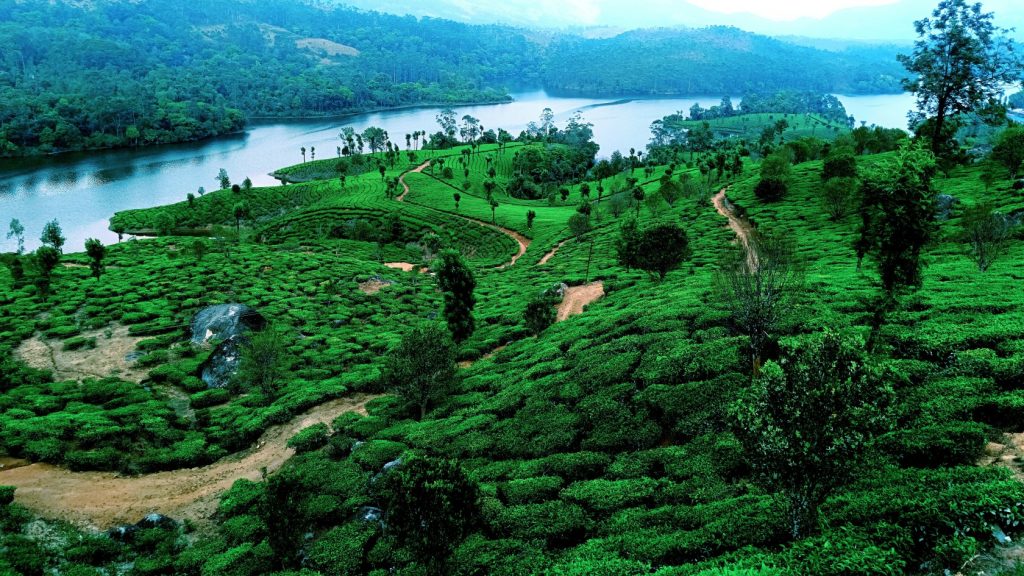
Why a Kerala Road Trip is More Than Just a Vacation Think of a place where the landscape shifts every few hours—from sun-drenched coastlines to mist-covered hills, and then onto the still waters of backwaters and thick forested interiors. That’s Kerala. And while it’s easy to book a Kerala tour package, nothing compares to taking the wheel (or the passenger seat) and experiencing the state up close. A well-planned Kerala road trip gives you the freedom to move at your own pace. Whether you’re leaning on a Kerala travel planner for the broad strokes or plotting it all from scratch, the result is the same: a journey packed with charm, spontaneity, and stories. Pro Tip: Don’t rush the route. Some of the best Kerala moments happen between destinations. Day 1–2: Kochi – Begin with Culture and Coastal Calm Kochi, often the starting point of most Kerala travel packages, is more than a pitstop. It’s where tradition meets the contemporary in a seamless blend. Begin your journey with a couple of relaxed days in Fort Kochi, a neighborhood where every street corner tells a tale. Spend time walking through colonial lanes, sipping filtered coffee at art cafés, and watching the sunset behind Chinese fishing nets. It’s a gentle introduction to Kerala tourism—slow-paced, cultural, and deeply welcoming. Visit Mattancherry Palace and the centuries-old synagogue Shop for antiques and handicrafts in Jew Town Try a Kathakali show or a Kalaripayattu performance You could stay at a restored heritage homestay or one of the boutique hotels the area is known for. This area is ideal for both backpackers and those on a Kerala honeymoon tour package looking to start their trip on a relaxed note. Pro Tip: Early morning walks in Fort Kochi are peaceful, photogenic, and crowd-free. Day 3: Kochi to Munnar – Into the Western Ghats (Approx. 130 km, 4–5 hrs) Leave the coastline behind as you head toward the hills. The route to Munnar is one of Kerala’s most scenic drives—dense forest patches, cascading waterfalls, and winding mountain roads. Munnar, a centerpiece of any Kerala hill station tour, welcomes you with emerald tea estates and cool, refreshing air. Stop for a tea break at Cheeyappara Waterfalls or take a detour to spice gardens along the way. Once in Munnar, explore the Tea Museum, walk through tea gardens, or enjoy a boat ride at Mattupetty Dam. This destination works beautifully for families, couples, or even solo travelers who love nature. Many Kerala family tour packages include Munnar, but when you arrive on your own terms, the experience is more intimate. Pro Tip: Book a stay slightly outside Munnar town for quieter nights and better mountain views. Day 4: Munnar to Thekkady – From Tea Trails to Tiger Country (Approx. 90 km, 3 hrs) As you descend from Munnar and head east to Thekkady, the terrain thickens into forest. Thekkady is home to the Periyar Wildlife Sanctuary, one of India’s richest biodiversity spots and a highlight of any Kerala vacation itinerary. While boat safaris are popular, try a guided forest walk or bamboo rafting session to truly immerse yourself. Afterward, stroll through the spice markets and treat yourself to a traditional Ayurvedic massage. There are several lodges, jungle resorts, and Kerala tour operators that arrange nature-based activities. Thekkady suits travelers seeking a blend of relaxation and adventure. Pro Tip: Many eco-resorts here offer night treks and early-morning bird watching—great ways to see the jungle wake up. Day 5: Thekkady to Vagamon – Kerala’s Quiet Side (Approx. 60 km, 2–2.5 hrs) Vagamon is often left off conventional Kerala tour planner routes—and that’s exactly what makes it special. Tucked between hills and pine forests, this sleepy village is perfect if you’re looking to slow down even more. Take a walk through the meadows, visit the Kurisumala Ashram, or simply enjoy the fog rolling in from your balcony. It’s peaceful, unhurried, and truly offbeat. This is a great stop for those crafting a custom Kerala trip and want to explore lesser-known spots. And yes, it’s incredibly romantic if you’re traveling as a couple. Pro Tip: If you love paragliding, Vagamon is one of the few places in Kerala where you can soar above tea gardens. Day 6: Vagamon to Alleppey – From Hills to Houseboats After soaking in the greenery of Vagamon, it’s time to head towards Alleppey. The drive itself is pretty relaxed — small shops, coconut palms, and villages that seem to move at their own pace. Once you get to Alleppey, or Alappuzha as it’s also called, you’ll know why it’s famous. Everything here flows — the canals, the boats, the pace of life. It’s the heart of Kerala Tourism, and a must-stop for anyone on a Kerala road trip. Most people go straight for the houseboat stay, and for good reason. Gliding through the backwaters on a wooden boat, watching local life go by — it’s not just relaxing, it feels like time stops. If you’re not into boats, there are great homestays right on the water too. Tip: Don’t book the first boat you see. Walk around the dock and talk to locals. You’ll find a quieter, cleaner one at a better price. Day 7: Alleppey to Varkala – Laid-Back by the Sea The next stretch takes you further down the coast to Varkala. Unlike Alleppey’s canals, Varkala gives you cliffs and the open sea. It’s not part of every Kerala tour package, but honestly, it should be. The beach here isn’t packed with loud crowds. Instead, you’ll find quiet cafés, yoga studios, and travelers who came for a weekend and never left. If you’ve been busy ticking off places, this is where you slow down. You can also find simple local restaurants serving authentic Kerala food, and guesthouses with ocean views that don’t cost a fortune. Tip: Wake up early and walk along the cliff path before breakfast. The views (and the breeze) are worth it. Day 8:
Top 10 Things to Include in Your Kerala Honeymoon Tour Package
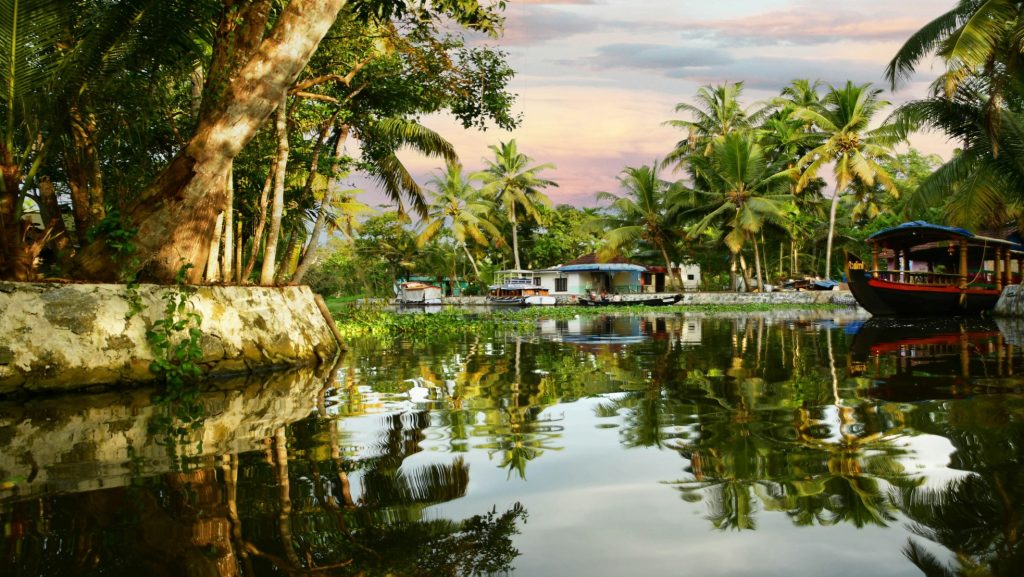
When you think of a honeymoon in India, Kerala probably lands at the top of the list, and with good reason. Between its quiet beaches, scenic hills, and lazy backwaters, there’s something deeply calming about this place. It’s not just about ticking destinations off a list. A honeymoon here feels like a slow, unfolding story, especially when you plan it right. Let’s walk through a few experiences worth adding to your Kerala honeymoon tour package that’ll leave you both relaxed and a little more in love. 1. Drift Through Alleppey’s Backwaters on a Private Houseboat This is probably already on your radar, and it should be. Gliding through Alleppey’s backwaters on a wooden houseboat, just the two of you and the water, is more peaceful than any luxury resort. Many Kerala tour packages include this as a highlight, but go for the private one with a simple layout and good food. You don’t need much more. Pro tip: Avoid the biggest boats. Smaller ones feel more personal, and they usually take quieter routes. 2. Slow Down in the Misty Tea Gardens of Munnar Munnar is cool—literally and emotionally. The air smells like tea leaves and eucalyptus, and even a walk through the plantations feels poetic. This is one of those places where you don’t have to “do” anything. Just sit with a cup of chai and watch the fog roll by. If you’re using a Kerala trip planner, ask for a few nights here. There are plenty of hillside bungalows and quiet boutique stays. Pro tip: Wake up early. Munnar mornings are magic. 3. Beach Days and Lighthouse Views in Kovalam Kovalam offers a nice contrast to the hills and forests. It’s sunny, laid-back, and has some of the cleanest beaches on the West Coast. If you love the idea of sipping coconut water with your toes in the sand, this is your spot. You’ll find beachfront hotels that include spa treatments and candlelight dinners in many Kerala holiday packages. Don’t miss the sunset view from the lighthouse, it’s simple, but perfect. Pro tip: Pick a weekday to visit. Kovalam gets crowded over the weekend. 4. Traditional Ayurveda Couple Therapy You don’t really know what “relaxation” means until you’ve had an authentic Ayurvedic massage in Kerala. For couples, many resorts offer side-by-side therapies using herbal oils and age-old techniques. You leave feeling light and refreshed, like your body’s been reset. Most Kerala travel packages or even local travel agents for Kerala trips will include this as an optional activity. If not, ask for it! Pro tip: Go for a certified Ayurvedic center. There’s a lot of variation in quality. 5. Jungle Walks and Bamboo Rafting in Thekkady Looking for something that’s not all about lounging? Head to Thekkady. It’s green, wild, and gives you a chance to explore nature together. You can go on early morning jungle walks, take a bamboo raft on Periyar Lake, or just watch the birds from your balcony. It’s a refreshing switch from the usual honeymoon routine, and some Kerala tour guides offer special couple-focused activities here. Pro tip: Try staying in a treehouse or a forest cottage for the full experience. 6. Escape to Wayanad’s Waterfalls and Coffee Trails Wayanad isn’t always the first place you see in a travel brochure, but it’s easily one of Kerala’s hidden gems. Tucked away in the Western Ghats, it’s a blend of quiet forests, hilltop viewpoints, and misty waterfalls. For honeymooners, Wayanad is great if you’re looking for a mix of comfort and adventure. Whether it’s hiking to Meenmutty Falls, sipping coffee on a plantation, or simply doing nothing in a treehouse. You’ll feel far, far away from the world. Pro tip: Choose stays near the forest or a stream. The sound of nature here is better than any playlist. 7. Get Lost (in the Best Way) in Fort Kochi’s Streets After all the greenery, Kochi adds a burst of color to your trip. Fort Kochi is a mix of colonial charm, local art cafés, and narrow lanes full of surprises. It’s not your usual honeymoon spot, but that’s what makes it interesting. If you love slow mornings, hand-in-hand walks, and good food, add Kochi to your Kerala trip itinerary. Some Kerala vacation packages even throw in a Kathakali performance or a spice market visit—don’t skip those. Pro tip: Go café-hopping in the afternoon and walk along the beach during sunset. Totally different vibe. 8. Plan a Scenic Kerala Road Trip Together Not every couple wants to stay in one place. If you two are the kind who bond over playlists and window views, consider adding a small road trip to your Kerala honeymoon tour package. You can drive from Kochi to Munnar, Thekkady to Alleppey, or even explore the Vagamon route. Most Kerala tour operators can help with renting a car with a driver, or if you’re confident, you can self-drive. It’s a great way to explore smaller towns, unplanned viewpoints, and roadside tea stalls. Pro tip: Avoid night travel in hilly regions. Roads are narrow, and you won’t want to miss the views anyway. 9. Add a Dash of Local Culture and Cuisine Kerala’s culture is subtle but rich. From the moment you land, you’ll hear the language, see the art, and taste the difference. Instead of just watching from a distance, try to include hands-on experiences in your Kerala honeymoon tour. Learn to cook Kerala-style fish curry, attend a local temple festival, or even watch a Theyyam performance if you’re heading north. These moments often stay with you longer than the sights do. Pro tip: Ask your homestay hosts about local events; they know what’s happening better than any guidebook. 10. End Your Trip with a Relaxing Beach Stay Finish your honeymoon on a slow note. After all the movement, it’s nice to spend your last night or two doing absolutely nothing. Mararikulam, Varkala, or even Poovar are all quieter
Solo Trip to Ladakh: Complete Travel Guide for Independent Explorers
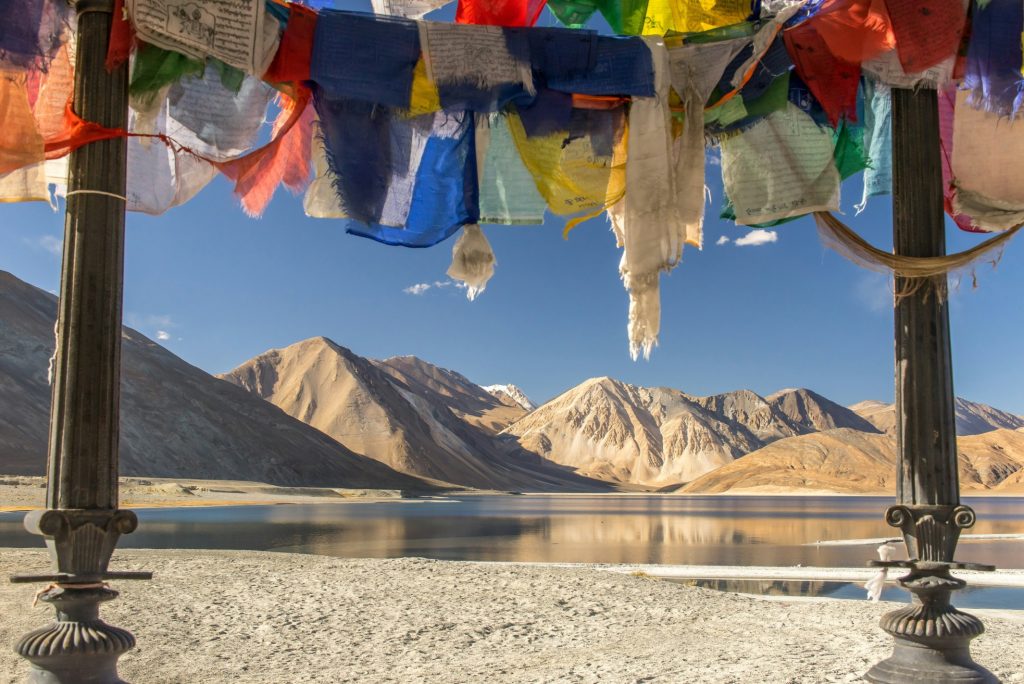
Ladakh Beyond the Obvious Ladakh is often imagined as a land of high passes, barren mountains, and frozen lakes. But for a solo traveller, there’s more than just dramatic landscapes. It’s a place where silence speaks, locals smile easily, and every road leads to a story. Traveling solo in Ladakh gives you the space to meet people, listen to their stories, and maybe hear your own thoughts more clearly. Whether you’re planning a simple Ladakh trip itinerary or booking one of the flexible Leh Ladakh tour packages, this guide gives you a different lens to explore Ladakh: one that values depth over speed. Tip: Don’t pack your schedule with stops. Let your Ladakh trip breathe. The most memorable moments often come unplanned. Stay With Locals: A More Meaningful Way to Travel There’s something different about Ladakhi hospitality. In small villages like Likir, Turtuk, or Hanu, families open their homes to travellers, offering not just a bed, but warmth and stories. Sharing meals, joining morning routines, and learning local customs all become part of your journey. Many modern Ladakh travel packages now include homestays. These not only help you experience real Ladakh holidays, but also support the local economy. It’s a win-win, especially for solo travellers looking for a safe and meaningful stay. Tip: Seek out women-run or community-approved homestays. They’re trustworthy and often lead to the most enriching conversations. Beyond Pangong: Hidden Paths Worth Finding Everyone talks about Pangong Lake and Khardung La, but Ladakh has trails that are quieter, more soulful, and just as beautiful. The Dah and Hanu region, home to the Drokpa community, is rarely visited but full of character. Or try the routes around Rumbak Valley, great for soft treks and wildlife. These aren’t your typical Leh Ladakh tour packages stops. And that’s why they matter. They give you time to walk slowly, speak with locals, and actually feel the place instead of just photographing it. Tip: Local guides aren’t just helpful—they’re essential. Many know hidden trails and offer insight you won’t find online. Time Your Trip for Culture, Not Just Climate Most travellers visit Ladakh between May and September, when the roads are open and the skies are clear. But for solo travellers, timing your trip with cultural festivals can make the experience even more powerful. Hemis Festival (July): Colourful dances and spiritual music Yuru Kabgyat (June): Held at Lamayuru, quieter but full of energy Sindhu Darshan (June): Celebrating the Indus and India’s unity These aren’t just performances; they’re expressions of Ladakhi identity. Attending even one can add so much richness to your Ladakh travel itinerary. Tip: Arrive in Leh at least two days before heading higher. You’ll enjoy the festival more if you’re well acclimatised. Silent Moments: The Spiritual Side of Ladakh Sometimes, solo travel is less about moving and more about pausing. In Ladakh, monasteries like Lamayuru, Diskit, and Phuktal invite you to do just that. You don’t need to be religious to feel something inside those quiet halls. Staying overnight at a monastery or even just sitting quietly during a prayer session can shift your whole journey. For many, this becomes the heart of their Ladakh trip. Tip: Be respectful. Ask for permission before joining any rituals or meals. And when in doubt, just sit and observe. Smart Travel Tips for Solo Explorers Connectivity: Postpaid SIMs from BSNL and Jio work best. Money: Carry enough cash, especially outside Leh. Clothing: Dress in layers. The weather turns quickly. Transport: Shared cabs from Leh are budget-friendly and safe. Tip: Always keep your Ladakh itinerary printed and your permits in a folder. The signal can disappear without warning. This version of Ladakh isn’t fast or flashy. But if you’re looking for something personal, peaceful, and powerful, this solo journey might just be the one that stays with you forever. Day-by-Day Itinerary for Solo Travelers Seeking Meaningful Adventures This Ladakh journey isn’t about ticking boxes. It’s about taking the road less travelled — literally and figuratively. This itinerary is for those who want their solo trip to mean something: to connect, to reflect, and to explore. Day 1: Settle In — Let Leh Welcome You Ladakh’s altitude isn’t gentle. So when you arrive in Leh, let yourself slow down. Rest, hydrate, and give your body a day to adjust Take a short stroll to Leh Market or visit Shanti Stupa Organize local essentials — SIM card, permits, accommodation Tip: Use this downtime to adjust your plans. Local advice can often be more useful than travel blogs. Day 2: Drive to Likir — Start Small, Go Deep Just a short drive away, Likir offers calm and culture Explore the hilltop monastery with its giant Buddha statue Stay in a village homestay; talk, share tea, ask questions Tip: A small village like Likir is ideal for a solo start — safe, personal, and deeply rooted in tradition. Day 3: Ancient Walls and Empty Trails — Alchi & Mangyu Visit Alchi Monastery — home to intricate frescoes and quiet corners Hike toward Mangyu — one of Ladakh’s least visited but oldest monasteries There’s a quiet here you’ll rarely find elsewhere. Tip: There won’t be shops en route, so bring your own snacks and water. Simplicity is part of the experience. Day 4: Journey to Turtuk — Another Side of Ladakh Travel via the iconic Khardung La Pass to reach Turtuk in Nubra Valley Explore a village with Balti roots, riverside paths, and stories from another time Stay in a homestay nestled among apricot trees Tip: Turtuk is ideal for solo explorers — it’s peaceful, welcoming, and less crowded than other stops. Day 5: Sand, Statues, and Stillness — Diskit Visit the Diskit Monastery, with views that stay with you Stop by the Hunder dunes for a rare camel ride Camp under the stars or stay in a quiet guesthouse Tip: Ask your host about the old trader routes — you’ll get tales you won’t find in any brochure. Day 6: A
Leh-Ladakh Travel Guide: Everything You Need for an Epic Trip
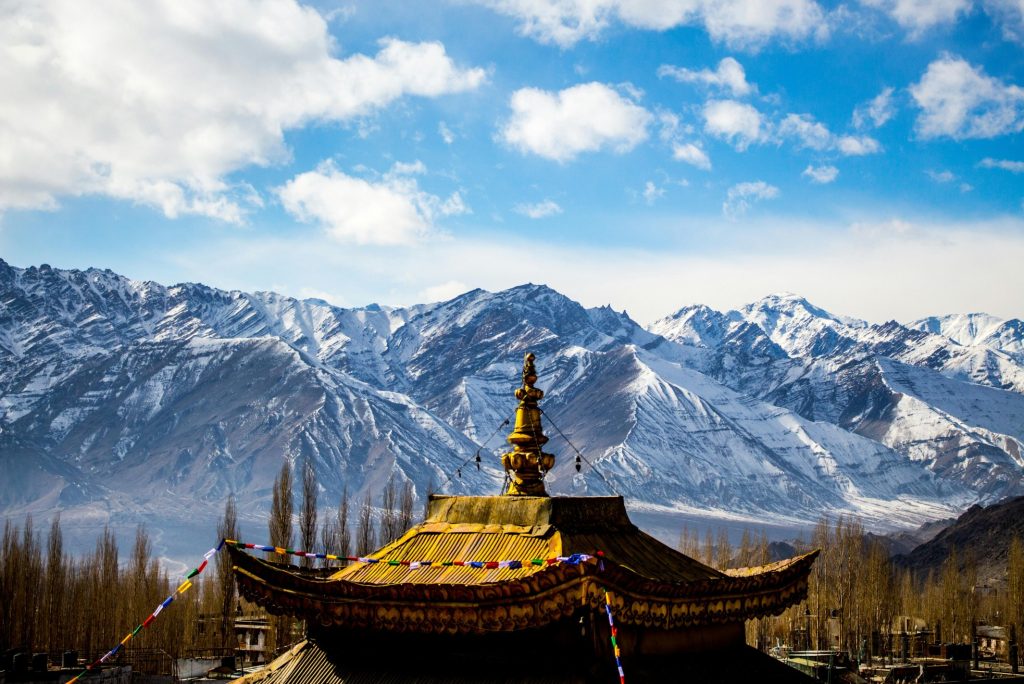
Why Ladakh is the Ultimate Travel Dream Set in the extreme north of India, Ladakh is a land of dream-like beauty and rugged mountains. Known for its dramatic landscapes, vast valleys, and ancient monasteries. A journey through Ladakh offers a once-in-a-lifetime experience of natural wonder, cultural discovery, and adventure. Whether you’re embarking on a Ladakh road trip, planning a Ladakh trekking expedition, or simply looking for immersive Ladakh sightseeing, this region has it all. With growing interest in Leh Ladakh tourism, many travelers now seek curated Ladakh tour packages or build their own Ladakh trip plan to explore this high-altitude desert. Best Time to Visit Ladakh The best time to visit Ladakh is from May to September, when roads are open and the weather is clear. This is also the ideal period for a Ladakh adventure tour, including treks and bike trips but, if you’re planning to visit in Winters (December–February), you’ll find it a bit harsh but it is perfect for extreme routes like the Chadar Trek, which is known as one of the most thrilling experiences in Ladakh trekking. Tip: For a classic Ladakh trip itinerary, choose June or July as these months have fewer roadblocks and perfect visibility for photography and trekking. Ladakh Trip Essentials: Permits, Acclimatization & Safety Permits: During your visit, you will require Inner Line Permits (ILP) in places such as Nubra Valley, Pangong Lake, and Tso Moriri. When you choose Leh Ladakh tour packages, these are usually taken care of. Acclimatization: Ladakh is located at an altitude of over 10,000 feet. I recommend spending at least two days in Leh to acclimatize before starting your Ladakh trip—it’s essential for a safe and enjoyable journey. Safety: Drink plenty of water, do not consume alcohol during the first couple of days, and do not force yourself in case you become dizzy or breathless. Tip: Always carry copies of your ID and permits. If planning a DIY Ladakh road trip, you should pre-print maps as network coverage is limited in remote areas. How to Reach Ladakh & Road Trip Routes There are two iconic routes that you can take for a Leh Ladakh road trip: Srinagar to Leh (434 km) – Open earlier and less steep. Manali to Leh (474 km) – Adventurous, scenic, but more challenging. A Ladakh road trip itinerary often includes stops in Keylong, Sarchu, or Jispa. These are all ideal for rest and acclimatization. Tip: Consider combining both routes in your Ladakh trip plan — travel via Srinagar and return via Manali for a full Himalayan loop. Tour Packages vs. DIY Planning You can either build your own Ladakh itinerary or book a Ladakh trip package through a good and reliable tour company. Most of the Leh Ladakh tour packages include stays, meals, transfers, and permits, which makes it an easy and convenient choice for first-time visitors or groups. DIY travelers can make their own Ladakh travel itinerary, with the help of blogs, forums, and local suggestions online. Tip: If you’re not sure where to start, start by comparing a few Ladakh travel package options online and match them with your ideal Ladakh holiday style, curate it just like you like it. Where to Stay in Ladakh Ladakh offers a range of stays — from cozy guesthouses and eco-camps to boutique homestays and luxurious hotels. Leh has the widest selection, while areas like Pangong, Nubra, and Tso Moriri offer rustic camps and homestays. Tip: Book your accommodations in advance during peak months, especially if your Ladakh tour itinerary includes remote stops like Hanle or Turtuk. Trekking in Ladakh: Top Routes to Know Trekking in Ladakh is one of the most amazing experiences one can have. Some of the popular Ladakh trekking routes include: Markha Valley Trek: Beginner-friendly and scenic (7–9 days). Sham Valley Trek: Short and easy, great for acclimatization (2–3 days). Chadar Trek: A winter-only trek on the frozen Zanskar River. Snow Leopard Trek: Best for wildlife and high-altitude adventure. Tip: For a first-time trek, add Sham Valley to your Ladakh trip planner. It’s short, scenic, and helps you get used to the terrain before taking longer routes. Quick Summary: Planning Your Leh Ladakh Trip Travel between May and September Choose a mix of Ladakh sightseeing, road tripping, and trekking Spend 2 days acclimatizing in Leh Compare multiple Leh Ladakh tour packages itinerary options Get your permits and ID proofs ready in advance Tip: Save this guide as a reference while finalizing your Ladakh travel itinerary. This will help you cover all the essentials without missing out on hidden gems. 7-Day Ladakh Trip Itinerary: Perfect Blend of Road Trip, Culture & Adventure Whether you’re crafting a Leh Ladakh tour itinerary from scratch or customizing a Ladakh tour package that matches your vibe, here is a day-wise guide packed with top experiences, amazing drives, and hidden gems. Day 1: Arrival in Leh & Acclimatization Arrive at Leh Airport (3,500m altitude) Check in and rest for some time. Acclimatization is Important! If you are feeling fine by late afternoon, take a stroll through the Leh market and visit the Shanti Stupa. Tip: Make sure to stay hydrated and avoid alcohol for some time. This first day sets the tone for your entire Leh Ladakh trip. Day 2: Local Ladakh Sightseeing – Leh Highlights Visit Magnetic Hill, Gurudwara Pathar Sahib, and the confluence of Zanskar & Indus Rivers. Next, you can explore Leh Palace, the Hall of Fame Museum, and monasteries like Thiksey and Shey. Tip: You should include this day in every Ladakh trip itinerary to soak in the history, culture, and landscapes before you hit the road. Day 3: Leh Ladakh Road Trip to Nubra Valley via Khardung La Drive to Nubra Valley via Khardung La (world’s highest motorable road at 18,380 ft) Visit Diskit Monastery and the giant Buddha statue Explore Hunder’s sand dunes and ride the Bactrian camels Tip: Book your Nubra stay in advance. Many Leh Ladakh tour packages
Top 5 Places to Visit in India (Hidden Gems Edition)
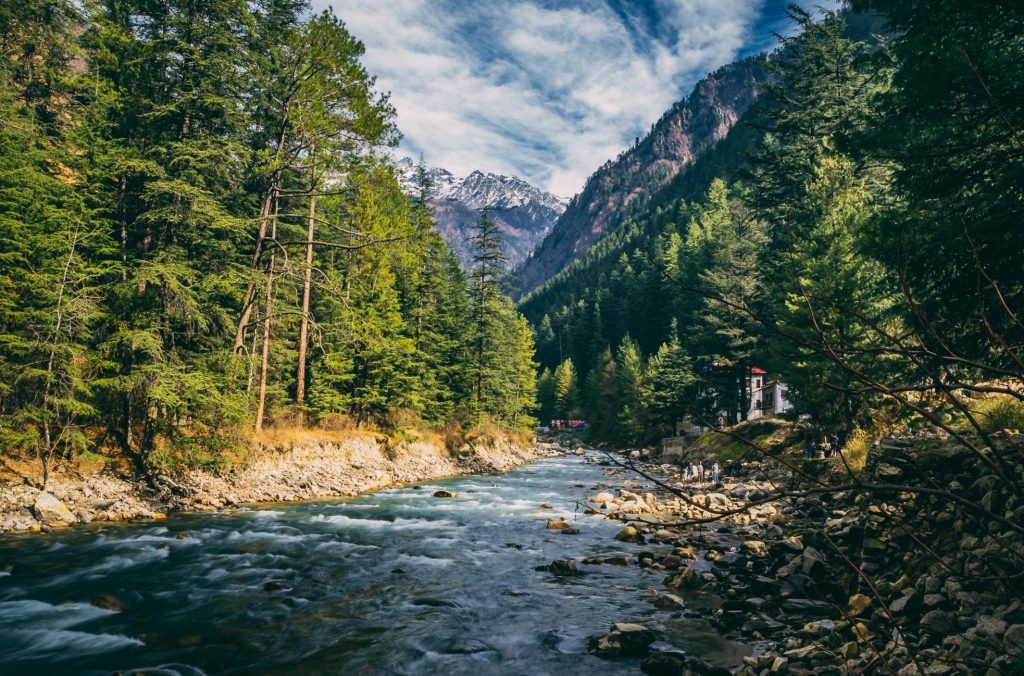
India is not just the land of the Taj Mahal and Jaipur. It’s a treasure chest of hidden gems, peaceful places, and unique travel experiences. Whether you’re seeking the mountains, cultural stories, remote villages, or something completely offbeat, this guide has you covered. Wondering what to see as a tourist in India, or where is the best place to start an India tour? Then this list is made just for you, with off-the-beaten-path India destinations that are ideal for solo travelers, culture vultures, and anyone who just likes to explore. Let’s explore some of India’s best-kept secrets that promise unforgettable experiences. 1. Spiti Valley, Himachal Pradesh Type: Remote · Scenic · Peaceful Best For: Solo travel · Nature seekers · Photographers Recommended Stay: 5–6 days Spiti Valley is a stunning cold desert nestled between Tibet and Himachal Pradesh. It is not like the bustling streets of Manali or Shimla, and that is what makes it a rough and unrefined travel experience; picturesque brown mountains, centuries-old monasteries, clear blue skies, and nights full of stars. What to Do: Visit Key Monastery, perched like a fortress on a hilltop, offering breathtaking views and centuries of spiritual history. Trek to Chandratal Lake, known as the moon-shaped jewel of the valley Stay in traditional homes in villages like Langza or Komic Spot wildlife in Pin Valley National Park Why It’s Special: Spiti is like being in a different world. It is one of those places in India that you just have to visit; it will make you speechless with its silence and greatness. Quick Tip: Be prepared for cold weather, even during the summer months. The roads to Spiti are typically open from May to October, and if you’re traveling from Delhi or Chandigarh, plan for at least a week to truly experience the region. While you’re there, don’t miss trying Thukpa, a warming Tibetan noodle soup that’s perfect for chilly evenings, or time your visit around the Ladarcha Fair in July, when locals from across Spiti gather for trade, culture, and celebration. 2. Ziro Valley, Arunachal Pradesh Type: Rural · Cultural · Green Best For: Cultural India trip · Nature lovers · Backpackers Recommended Stay: 3–4 days In the remote northeast of India, Ziro Valley is surrounded by dense pine forests and colorful rice paddies. It offers the dwelling of the Apatani tribe, who are closely related to nature and have strong cultural backgrounds. What to Do: Attend the Ziro Music Festival (September) for indie music under open skies Trek through lush farms and bamboo trails Stay in tribal homestays and learn about local farming and cooking Explore Apatani craft markets and village life Why It’s Special: Ziro is one of the most peaceful places in India. There are no honking cars, no tall buildings, just nature and warm people. It’s the definition of a hidden gem, India. Quick Tip: Reaching Ziro Valley takes some effort. You’ll need to fly to Guwahati or Dibrugarh and then drive the rest of the way. But that journey is exactly why the valley remains beautifully untouched. 3. Hampi, Karnataka Type: Historic · Scenic · Adventurous Best For: History buffs · Solo travelers · Budget travelers Recommended Stay: 2–3 days If you’re wondering, “What’s the best place to visit in India for 3–4 days?” Hampi is a top contender. It was once the grand capital of a mighty empire; now it is an enormous open-air museum, with ancient temples, grand ruins, and huge boulders that look like they were taken right out of a fantasy movie. What to Do: Visit Virupaksha Temple and Vittala Temple (with its famous musical pillars) Watch the sunset from Matanga Hill Rent a bicycle and explore the ruins at your own pace Cross the river to visit hippie cafes and stay in bamboo huts Why It’s Special: Hampi offers history, adventure, and scenery. It is safe, entertaining, and a perfect match for those traveling alone in India or couples seeking an alternative experience. Quick Tip: Hampi can be visited between October and March, which is the best time as the weather is pretty good and favourable to carry out explorations. It is also well connected to Goa and Bangalore and can be conveniently incorporated in a South India travel itinerary. Pro Travel Tips Whether you’re visiting India for 4 days or 4 weeks, keep these tips in mind: Travel Slow: Don’t rush to see everything. One region at a time is better than ticking boxes. Homestays > Hotels: They offer authentic experiences and help local communities. North East India = Goldmine: If you love peaceful places and rural tourism, this region is perfect. In remote areas, cash is still the preferred mode of payment, so it’s wise to carry some with you. Always carry a copy of your ID, especially in border states like Arunachal. In places like Hampi, local bike rentals are easily available, and staying in budget guesthouses or hostels can help stretch your travel funds while still offering a great experience. 4. Kakkathuruthu, Kerala Type: Rural · Backwater · Quiet Best For: Couples · Nature lovers · Slow travel Recommended Stay: 2 days Have you ever heard of an island called Kakkathuruthu or Crow Island? hidden in the calm waters of the Vembanad Lake in Kerala, this small green island has been one of the most peaceful secrets of India. Time here is at its own slow pace. No cars, no hotels. just plain little houses, silent fishing boats, and palm trees whispering gently in the wind. No wonder National Geographic claimed it as one of the most beautiful places in the world to see the sunset. What to Do: Glide across the backwaters in a canoe ride Walk or cycle around the island through lush green paths Watch thousands of crows fly back home during sunset—an unforgettable sight Stay with local families and enjoy traditional Kerala food Why It’s Special: If you’re seeking peaceful places in India that few travelers visit, Kakkathuruthu is the perfect choice.
Top 7 Places to Visit in Istanbul & Experiences You Can’t Miss

Istanbul is a city like no other, bridging two continents and blending its history, culture, and modern energy into one unforgettable experience. Every corner of this place has its own story and pretty tale to share and every new visitor’s fascination discovers something amazing and breathtaking because of Istanbul’s rich history, super markets buzzing with activity and its spectacular beauty. Whether you’re drawn to its historical charm or its lively atmosphere, Istanbul offers a journey that stays with you long after you leave. Everyone will discover something they love about Istanbul because it has a wide range of experiences to offer. Whether it is its beautiful historical palaces and mosques, a wide variety of food exploration, or the experience of sailing across the Bosphorus, Istanbul is like a museum that invites tourists from around the world to explore its history, culture, and art. These are the top seven attractions in Istanbul that every visitor should see, along with the unique experiences each location has to offer. Hagia Sophia Hagia Sophia stands as the architectural gem of Byzantine times since its initial construction occurred in 537 AD. Istanbul’s rich heritage is displayed through this building which began as a church transformed into a mosque and re-established as a mosque for present-day use. The architectural masterpiece combines its enormous dome with intricate mosaics which meet beautiful Islamic calligraphy. Things to Do: You can view remarkable Byzantine mosaics at Hagia Sophia that show images of Christ as well as the Virgin Mary and angels. Admire the central dome’s impressive design which was once thought impossible to build. You can experience breathtaking interior views through the upper gallery levels. Pro tip : Visitors should arrive at the location during early hours to secure photos under optimal natural light while skipping the peak traffic periods. Blue Mosque The Sultan Ahmed Mosque known as the Blue Mosque which faces the Hagia Sophia stands out with its blue tile design as another spectacular building. Tourists can experience the active worship functions and notable six minarets together with the many blue tiles from Iznik at this religious site. Things to Do: Admire the stunning dome with its intricate blue tile work. Experience calmness in the surrounding environment while you watch local Istanbulites conducting their daily prayers. Tourists should explore the historical Sultanahmet Square as it stands as the central point of Istanbul’s old part. Pro tip: Every female visitor should bring a headscarf to follow the religious protocol at this site. A free scarf distribution service is located at the site entrance. Topkapi Palace The Topkapi Palace served as the Base of Ottoman Sultans where they ruled the Ottoman Empire for 400 years during the luxurious Golden Age. The Bosphorus offers a spectacular panorama from the palace along with magnificent rooms and beautiful courtyards. Things to Do: You can discover the Harem which was the hidden palace section where the sultan’s wives together with concubines resided. Travelers can view religious artifacts including Prophet Muhammad’s sword and his cloak. Pro tip: When visiting this expansive complex you need at least three to four hours to fully appreciate everything it has to offer. Grand Bazaar The Grand Bazaar stands as one of the world’s largest and oldest covered markets and represents a must-see destination during any Istanbul visit. The bustling market provides an ideal place to buy different souvenirs through its 4,000 shops. Things to Do: Explore the market to buy original Turkish carpets alongside authentic ceramics and lamps and also purchase regional spices. When shopping it’s normal practice to bargain with vendors because this tradition forms an integral part of exploring the bazaar. Traditional Turkish delight along with special sweets exist at specialty stalls throughout the market. Pro tip: Begin your adventure at Gate 1 starting from Beyazıt because it leads to the most direct shopping path in this complex maze-like bazaar. Bosphorus Cruise A Bosphorus cruise across Where Europe Meets Asia. It enables visitors to discover the city’s enchanting charm while cruising past historic palaces as well as waterfront mansions and beautiful landscapes. This strait functions as a bridge that joins together the Black Sea alongside the Sea of Marmara while keeping Europe separate from Asia. The picturesque view of a Bosphorus cruise sailing on the water with passengers relaxing onboard. Things to Do: Travel only 2 hours by boat through Istanbul for breathtaking waterfront views. Joy seekers should select a complete day cruise service that includes stops in Anadolu Kavağı which presents itself as a beautiful fishing town. Spend a romantic evening eating dinner during the sunset on a cruising vessel. Pro tip: Make your cruise reservations ahead of time because reservations secure excellent deck viewing areas free from interruptions. Istiklal Street & Taksim Square The Beating Heart of Istanbul represents Istanbul’s most popular street through its combination of shops and restaurants along historical landmarks. The vintage red tram operating within the street further enhances the street’s appealing magic. The lively Istiklal Street and Taksim Square filled with people walking and exploring Istanbul’s vibrant atmosphere. Things to Do: Take a walk on Istiklal Street which spans 1.4 kilometers between international stores and Turkish local shops. The historic Çiçek Pasajı arcade stands out because of its active restaurants inside its confined area. View the entire city panorama of Istanbul from the observation deck situated at Galata Tower. Pro tip: Visitors should attend at night because it gives them a chance to witness the street lights as well as hear live music. Spice Bazaar The Egyptian Bazaar also known as the Spice Bazaar presents a sensory experience through its lively stalls filled with scented spices and dried fruit assortment. Things to Do: People can buy saffron along with sumac and Turkish tea for carrying a taste of Istanbul with them. Taste the freshly baked baklava and halva as well as fresh roasted nuts. Photo enthusiasts can take memorable snaps at the vivid stalls that display spices. Pro tip: People who want to shop peacefully should visit early in
Amritsar Travel Guide: Top Attractions You Can’t Miss
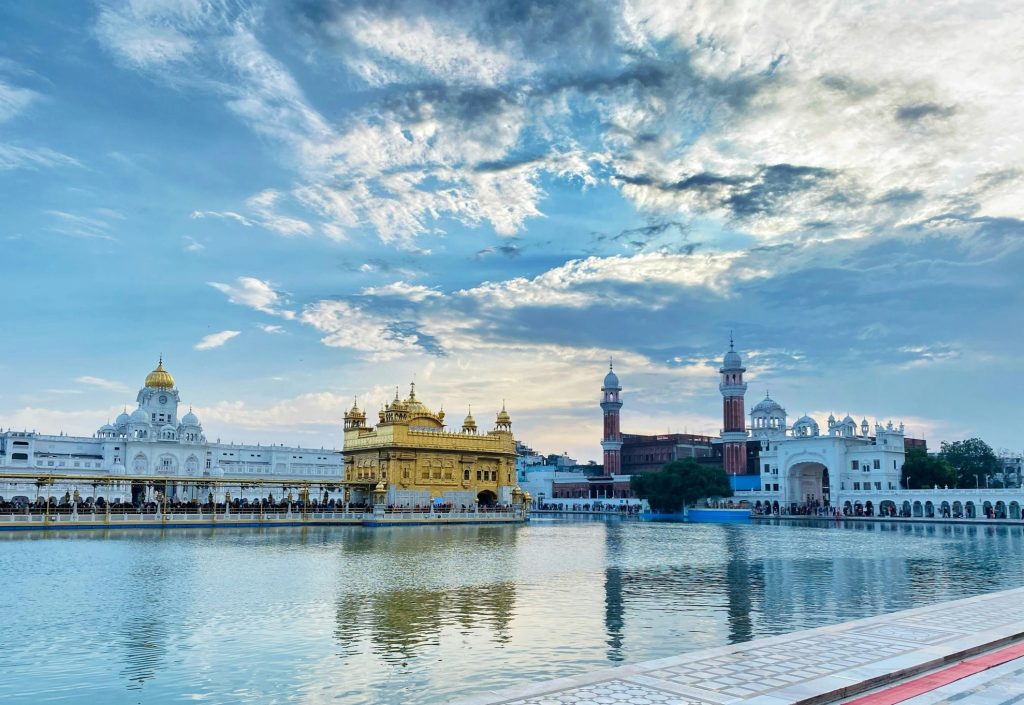
Amritsar stands as the spiritual as well as cultural center of Punjab and represents one of India’s top travel destinations. It is a memorable place known for its rich traditions, vibrant culture, and delicious food. After visiting this destination, it will surely become one of the most lively experiences of your life because both the people and the place are incredible. Beyond its spiritual significance, Amritsar lets you deep dive into India’s rich history and patriotism. With historic sites like Jallianwala Bagh and the unforgettable Wagah Border ceremony, Amritsar offers experiences that will imprint on your hearts forever. The city’s lively streets are filled with bustling bazaars, where you can buy traditional Phulkari embroidery, pick up handcrafted souvenirs for yourself, and soak in the vibrant local culture. And no trip to Amritsar is complete without indulging in its legendary food—whether it’s the buttery Amritsari kulcha, the flavorsome lassi, or the irresistible street-side chaat. This Amritsar travel guide will help you explore its best attractions, must-visit places, and exciting activities, ensuring you experience the true essence of this remarkable city. Top Must Visit Places in Amritsar: 1. Golden Temple: Golden Temple Known as the holiest Sikh shrine, is renowned for its golden architectural magnificence as well as its spiritual charm. Surrounded by the sacred Amrit Sarovar, it offers a serene and peaceful experience. Visitors numbering thousands can access daily langar service, which supports unity along with equality. The temple produces a stunning visual effect when its golden reflections appear on the water’s surface. The Golden Temple is a must-visit for anyone seeking spirituality, history, and architectural beauty. Beyond its divine ambiance, the temple complex also houses the Akal Takht, the highest seat of Sikh authority, and a museum showcasing the rich history of Sikhism. No matter when you visit this place, it is always beautiful and leaves everyone in awe of its beauty and spiritual aura. The Golden Temple offers serene and peaceful views. 2. Jallianwala Bagh: A historic site commemorating the tragic massacre of 1919 by British forces. Visitors can see the bullet-damaged walls and visit the Martyrs’ Well, which perpetually commemorates the past. An everlasting flame exists to honor every person who made the ultimate sacrifice. The Jallianwala Bagh Memorial has a museum which showcases historical documents with personal accounts and rare photographs. Walking through the garden is a powerful experience. It reminds visitors of the sacrifices made for India’s freedom. It is a place every history lover should visit. 3. Wagah Border The Wagah Border serves as a legendary international border that connects India with Pakistan. A former point of separation transformed into a space where patriotism flourishes alongside national unity and traditional customs. Amritsar tourism remains incomplete without experiencing the nightly Beating the Retreat ceremony. The Border Security Force (BSF) and Pakistan Rangers soldiers execute a synchronized parade while displaying perfect discipline and deep patriotism with strong enthusiasm. The event creates an energetic atmosphere because both sides of the audience generate loud, cheerful shouts while brandishing their national flags and performing national anthems. The ceremonial peak arrives when soldiers conduct the synchronized lowering of flags that belong to both nations. The ceremony concludes with the gates closing down, but its impact lasts well past the event’s end. The ceremony displays more than a big show because it helps recall the united past and the strong bond between both two nations. Despite past conflicts, the nations maintain periods of good relations during special events. During Diwali, along with Eid and Independence Day celebrations, soldiers share their greetings and sweets to demonstrate an ongoing spirit of brotherly love that transcends territorial boundaries. 4. Partition Museum: The Partition Museum in Amritsar exists as the world’s sole institution that showcases stories from the 1947 Partition. The museum displays personal items and handwritten messages alongside survivor accounts that illuminate history’s largest migration event. The museum uses historic Town Hall space to exhibit the past through interactive exhibits with rare historical photos and original newspaper clippings, which vividly showcase the era’s emotions. The ‘Tree of Hope’ stands out as a highlight of the museum because visitors can write messages about peace and unity there. This exhibition provides more than museum displays because it serves as an emotional homage to the heroic survivors of Partition. Visitors interested in Indian history and human heritage must visit this landmark. 5. RamBagh Gardens: The beautiful RamBagh Garden, built during the reign of Maharaja Ranjit Singh, served as his summer retreat. Visitors can take a peaceful walk through its lush greenery and enjoy the serene surroundings. The historic palace within the garden has now been converted into a museum. The museum displays unusual artifacts that belonged to the Sikh Empire, together with weapons and paintings. This location offers the perfect relaxation zone for experiencing Punjab’s royal heritage. RamBagh Garden is a quiet and beautiful place with green trees, small water pools, and nice walking paths to enjoy. Visitors can explore the life work of the legendary ruler through the Maharaja Ranjit Singh Museum inside the palace complex. Guests can relax in this peaceful garden as it is a quiet escape from the busy streets of Amritsar. 6. Gobindgarh Fort: Gobindgarh Fort presents Punjab’s cultural and martial accomplishments to visitors through cultural exhibitions that span military history. Gobindgarh Fort offers visitors two main attractions: the Sher-e-Punjab Museum and the ancient Toshakhana. Here at the 7D show, visitors experience an immersive presentation of remarkable Maharaja Ranjit Singh stories. Visitors can enjoy live performances like watching traditional Gatka martial arts, and experience folk dances. The light and sound show tells the fort’s incredible history, which makes the past feel alive. Here, Food stalls serve delicious Punjabi cuisine, which offers a perfect mix of history, culture, and entertainment. People who visit can also experience Punjabi culture through both handmade items and traditional food from the Haat Bazaar marketplace. Gobindgarh Fort stands as a must-see cultural attraction for both history enthusiasts and those who seek engaging entertainment in Amritsar. 7. Maharaja Ranjit
Reliving Zindagi Na Milegi Dobara: A Journey Through Spain’s Most Breathtaking Destinations

The Bollywood film Zindagi Na Milegi Dobara (ZNMD) serves as more than a cinematic experience because it functions as a motivational force which guides people toward an intense lifetime experience. Directed by Zoya Akhtar in 2011 this film guides characters on an unforgettable Spanish journey through explorations of friendship alongside adventure and self-discovery and travel excitement. The movie’s beautiful locations combined with thrilling sports adventures and heartfelt storylines burned themselves into everyone’s travel memories. Travelers who love both movies and Bollywood find a magical experience in touring the memorable sites from ZNMD. Throughout this motion picture Spain emerges as a country whose inhabitants love to live boldly by showing viewers La Tomatina with flying projectiles as well as skydiving and diving in Costa Brava’s clear water followed by the Running of the Bulls challenge in Pamplona. We will explore each exquisite travel destination from ZNMD alongside understanding their appeal as travel targets and learning about the best ways to replicate Hrithik Roshan, Farhan Akhtar and Abhay Deol’s experiences. 1. Costa Brava – The Stunning Mediterranean Paradise This Spanish coastal region named Costa Brava presents spectacular views with clean beaches and impressive cliffs and cute coastal towns. Arjun (Hrithik Roshan) conquers his aquatic phobia at this location by engaging in scuba diving activities. This film conveys Costa Brava’s Mediterranean tranquility so perfectly that visitors should prioritize visiting this area between nature and water sports activities. Why Visit? Tourists will find both calm activities and thrilling experiences at Costa Brava. Several water sports enthusiasts find a perfect home here because the region features secret bays, lively sea creatures and the beautiful Calella de Palafrugell among other charming towns. Costa Brava’s deep history combined with its medieval towns and renowned Catalan cuisine makes this location truly enchanting. Pro Tip: For the best scuba diving experience, head to the Medes Islands, a marine reserve with stunning underwater biodiversity. Visitors who seek a relaxed atmosphere can visit charming fishing towns to experience local seafood at beachfront restaurants. 2. Buñol – The Wild & Messy La Tomatina Festival La Tomatina made Buñol famous because this Spain-based food fighting festival has become their main attraction. One of the film’s most visually stunning sequences features the cast participating in a simulated version of La Tomatina festival. During August thousands of people assemble to organize an intense tomato throwing celebration. Why Visit? La Tomatina presents to its participants an opportunity they will never forget. The experience provides an unforgettable blend of excitement and uniqueness that you cannot find anywhere else. Buñol presents both La Tomatina and a delightful combination of medieval architecture and exciting cultural attractions for visitors to discover. Pro Tip: The La Tomatina festival limits its participant numbers so book your tickets in advance. Wear clothes you don’t mind getting messy because you’ll definitely end up with red stains from the tomatoes by evening’s end. 3. Seville – The Soul of Andalusia & The Flamenco Capital Seville functions as the capital of Andalusia while presenting itself through a fusion of music and historical landmarks coupled with an intense passion. The movie skillfully showcases Seville’s dynamic flamenco dancing art through Laila’s (Katrina Kaif) passionate introductions to the group about its dazzling performances. Seville exceeds flamenco with its amazing architecture together with its lively public squares along with its enthusiastic spirit. Why Visit? The Spanish national essence animates every part of this historic city. Every part of Seville shows its story through its major landmarks that include Plaza de España, Alcázar Palace and the Giralda Tower. Visitors can discover amazing food options throughout the city which feature both tapas and classic Spanish cuisine. Pro Tip: Plan your itinerary to witness flamenco dancing at Tablao El Arenal or Casa de la Memoria where you can discover authentic Andalusian culture through performance arts 4. Ronda – The Thrill of Skydiving Within ZNMD viewers witness one of the film’s most thrilling moments when characters engage in skydiving in the beautiful Andalusian town of Ronda. This life-changing experience gains its full impact through its placement against the dramatic cliff faces and awe-inspiring landscape views. Why Visit? People seeking adventure activities ought to visit Ronda. Apart from skydiving activities the town is known for its New Bridge that displays remarkable vistas of the El Tajo Gorge. Visitors should make Ronda a priority stop because it combines its historical depth with bullfighting culture and breathtaking natural setting. Pro Tip: Even if skydiving isn’t your thing, take a scenic walk along Puente Nuevo and explore the town’s charming streets for a glimpse into authentic Spanish culture. 5. Pamplona – The Legendary Running of the Bulls ZNMD reaches its crescendo through its final act in Pamplona which hosts the San Fermín Festival together with the yearly Running of the Bulls spectacle. Travelers from across the globe flock to Spanish annual celebrations which have been part of tradition since centuries. Why Visit? Pamplona exists as a town filled with historical significance along with exciting attractions. The city holds magnificent medieval Old Town as well as vibrant Spanish cuisine and energetic nightlife in addition to its bull run activities. Pro Tip: If you don’t want to run with the bulls then you should watch it from a balcony above the streets for a safe yet thrilling view of the action. FAQs About Zindagi Na Milegi Dobara’s Spain Filming Locations Where was Zindagi Na Milegi Dobara filmed? The movie was shot in various locations across Spain, including Barcelona, Costa Brava, Buñol, Seville, Ronda, and Pamplona. Is La Tomatina a real festival? Yes! La Tomatina is an annual festival held in Buñol, Spain, on the last Wednesday of August. Can tourists participate in the Running of the Bulls? Yes, but it’s a high-risk activity. Tourists can participate after registering and following strict safety guidelines. Where was the skydiving scene in ZNMD filmed? The skydiving scene was filmed in Ronda, a breathtaking town in Andalusia. How can I visit all the ZNMD shooting locations? A road trip through Spain is the