

Andaman and Nicobar Islands: Diving into Underwater Wonders
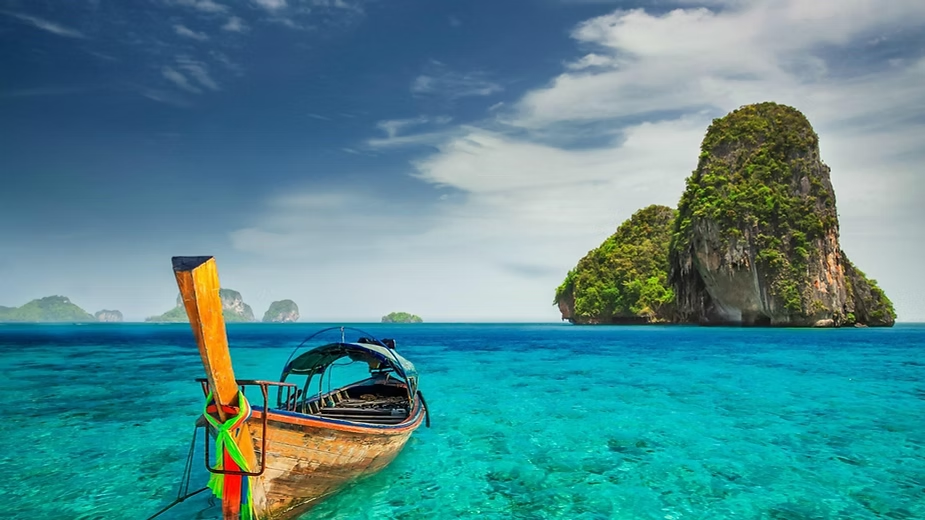
Discovering Andaman Scuba Diving The Andaman and Nicobar Islands are a paradise for scuba diving enthusiasts. With crystal-clear waters, diverse marine life, and stunning coral reefs, it offers an unforgettable experience for underwater explorers. Andaman and Nicobar Islands Andaman scuba diving opens up a whole new world beneath the waves. Dive into the depths and discover the vibrant colors and unique ecosystem that exists below the surface. With visibility of up to 40 meters, you’ll be able to see the coral reefs in all their glory. Whether you’re a beginner or an experienced diver, there are plenty of diving spots to choose from in the Andaman Islands. Havelock Island, Neil Island, and North Bay Island are some of the popular destinations known for their rich marine biodiversity. During your scuba diving adventure, you may come across majestic creatures like manta rays, sea turtles, and even dolphins. The underwater landscape is also home to a variety of coral species, including the rare black coral. Scuba Diving With professional dive operators and certified instructors, you can rest assured that your diving experience in Andaman will be safe and enjoyable. They provide all the necessary equipment and guidance to ensure a memorable underwater journey. So, pack your diving gear and get ready to plunge into the enchanting world of Andaman scuba diving. Click here to get your free personalized travel itinerary. Explore the underwater wonders and create memories that will last a lifetime. Exploring the Underwater Wonders Once you dive beneath the surface of the Andaman Sea, you’ll be amazed by the underwater wonders that await you. The coral reefs here are teeming with life, offering a kaleidoscope of colors and shapes. As you swim through the clear waters, you’ll encounter a variety of marine species. From tropical fish in all shapes and sizes to graceful sea turtles gliding through the currents, each dive brings a new adventure. Coral Reefs One of the highlights of exploring the underwater wonders is the chance to witness the unique symbiotic relationship between corals and other marine organisms. The coral reefs provide a habitat for countless species, from tiny shrimp to large groupers. For those interested in underwater photography, the Andaman Islands offer plenty of opportunities to capture the beauty of the marine world. From close-up shots of vibrant corals to wide-angle shots of schools of fish, there’s something for every photography enthusiast. Whether you’re snorkeling or scuba diving, take your time to explore the nooks and crannies of the coral reefs. You never know what hidden treasures you might discover, from hidden caves to colorful nudibranchs. Black Nudibranchs in Andman Sea With every dive, you’ll be mesmerized by the underwater wonders of the Andaman and Nicobar Islands. It’s a truly magical experience that will leave you in awe of the beauty and diversity of the marine ecosystem. Encountering Marine Biodiversity The Andaman and Nicobar Islands are known for their rich marine biodiversity. With over 500 species of corals and a wide variety of marine life, it’s a haven for nature enthusiasts and conservationists alike. During your underwater adventure, you’ll have the opportunity to encounter a myriad of marine species. From colorful reef fish like butterflyfish and angelfish to larger predators like barracudas and sharks, there’s always something fascinating to see. The coral reefs of the Andaman Islands are not only home to fish but also to a wide range of invertebrates. Keep an eye out for delicate sea fans, elegant sea anemones, and tiny crustaceans that call the reefs their home. Butterflyfish Angelfish One of the most unique encounters you can have in the Andaman Sea is swimming alongside majestic sea turtles. These gentle creatures can often be spotted gliding through the water, providing a truly unforgettable experience. Majestic Sea Turtle The marine biodiversity of the Andaman and Nicobar Islands is a testament to the importance of preserving and protecting this fragile ecosystem. By practicing responsible diving and supporting conservation efforts, we can ensure that future generations can also enjoy the wonders of these underwater habitats. Diving Tips and Safety Measures Before embarking on your scuba diving adventure in the Andaman and Nicobar Islands, it’s important to be well-prepared and aware of the necessary safety measures. First and foremost, make sure you are physically fit and in good health before diving. If you have any medical conditions, consult a doctor beforehand to ensure that diving is safe for you. Always dive with a certified instructor or dive master who is familiar with the local dive sites. They will guide you through the underwater world and ensure that you have a safe and enjoyable experience. Remember to do a thorough equipment check before each dive. Check your mask, fins, and other gear to make sure everything is in proper working order. When diving, always follow the buddy system and stay close to your dive partner. Finally, be mindful of your impact on the marine environment. Avoid touching or damaging coral reefs, and do not disturb or chase marine life. By being a responsible diver, you can help preserve the fragile ecosystem and contribute to its conservation. Preserving the Marine Ecosystem The Andaman and Nicobar Islands are blessed with a unique and fragile marine ecosystem. It’s our responsibility to protect and preserve this natural wonder for future generations to enjoy. One of the most important ways we can contribute to the preserve the marine ecosystem is by practicing responsible diving. This means respecting the underwater environment, following diving guidelines, and not disturbing or damaging marine life or coral reefs. Supporting local conservation efforts is another way to make a positive impact. Many organizations in the Andaman Islands are working tirelessly to protect the marine environment. By volunteering or donating to such organizations, you can help ensure the
Unveiling the Hidden Gems of Himachal Pradesh

Himachal Pradesh, located in the western Himalayas, is a treasure trove of hidden gems just waiting to be discovered. From remote villages tucked away in the mountains to pristine lakes and majestic waterfalls, Himachal offers a unique and offbeat experience for nature lovers and adventure enthusiasts alike. Credit: Unsplash, Himachal Pradesh One such hidden gem is the village of Malana, known for its distinct culture and ancient traditions. As you hike through the narrow paths surrounded by towering mountains, you’ll be transported to a different world. The beauty of Himachal Pradesh lies not only in its natural landscapes but also in the warmth and hospitality of its people. Don’t miss the opportunity to interact with the locals and learn about their way of life. Malana Village, Credit: Saavari Blogs Another hidden gem is the Kangra Valley, home to breathtaking landscapes and historical landmarks. Visit the Kangra Fort, a magnificent structure that dates back to the ancient times, and explore the nearby tea gardens that offer panoramic views of the valley. The beauty and tranquility of these hidden gems will leave you spellbound. Credit:Unsplash, Kangra Valley Embark on Offbeat Trails for an Adventure of a Lifetime If you’re an adventure seeker looking for a unique experience, Himachal Pradesh has plenty to offer. Embark on offbeat trails that will take you through dense forests, meandering rivers, and stunning valleys. One such trail is the Hampta Pass trek, which offers a thrilling experience for both beginners and experienced trekkers. As you make your way through the picturesque landscapes of the Kullu Valley, you’ll be rewarded with breathtaking views of snow-capped mountains and vibrant meadows. Hampta Pass trek The Chandratal Lake, located at an altitude of 4,300 meters, is another highlight of this trek. Its crystal clear waters reflecting the surrounding peaks create a mesmerizing sight. For those looking for a more challenging adventure, the Pin Parvati Pass trek is a must-try. This trek takes you through remote villages, high altitude lakes, and snow-covered mountain passes. The beauty of the landscape combined with the thrill of the trek will leave you with memories that will last a lifetime. Whether you choose the Hampta Pass trek or the Pin Parvati Pass trek, the state offers an adventure of a lifetime for all trekking enthusiasts. Immerse Yourself in the Tranquil Vistas of Himachal Himachal Pradesh is not just about adventure and hidden gems, it also offers serene vistas that will soothe your soul. From the lush green meadows of Khajjiar to the peaceful lakes of Dharamshala, Himachal is a paradise for nature lovers seeking tranquility. Credits: Pintrest, Khajjar Village One of the most tranquil vistas in Himachal Pradesh is the Spiti Valley. Located at an altitude of over 3,000 meters, this valley is known for its barren landscapes, ancient monasteries, and the peaceful Spiti River flowing through it. The stunning views of the snow-covered mountains against the clear blue sky will leave you in awe. Spiti Valley Another serene vista is the Prashar Lake, located amidst the Dhauladhar Range. Surrounded by dense forests and snow-capped peaks, this lake is a perfect spot for meditation and introspection. The calmness of the surroundings and the reflection of the mountains in the pristine waters of the lake create a surreal experience. Credits: Oyo, Prashar Lake in Winters Immerse yourself in the tranquil vistas of Himachal Pradesh and let the beauty of nature rejuvenate your mind, body, and soul. Discover the Rich Culture and Heritage of Himachal Himachal Pradesh is not just a land of natural beauty, but also a treasure trove of rich culture and heritage. The state is home to various indigenous communities, each with its own unique traditions and customs. One such community is the Kinnauris, known for their vibrant festivals and intricate handicrafts. Visit the picturesque villages of Kinnaur and witness the traditional dances and music that showcase the cultural heritage of the region. Don’t forget to explore the local markets and take home some exquisite handwoven shawls and wooden artifacts as souvenirs. Credit: Flickr, Kinnauris Another community with a rich cultural heritage is the Lahaulis. Their unique customs and rituals are reflected in the ancient monasteries and gompas that dot the landscape of Lahaul-Spiti. Visit the Tabo Monastery, one of the oldest functioning monasteries in the world, and immerse yourself in the spirituality and serenity of the place. Lahaulis, Credit: Holidify Discover the rich culture and heritage of Himachal Pradesh and get a glimpse into the lives of its diverse communities. Plan Your Perfect Himachal Getaway with Expert Tips Planning a trip to Himachal Pradesh can be overwhelming with so many options to choose from. Here are some expert tips to help you plan your perfect getaway: Research the different regions of Himachal Pradesh and decide which ones align with your interests. Whether you’re looking for adventure, tranquility, or cultural experiences, Himachal has something for everyone. Pack appropriate clothing and gear based on the activities you plan to indulge in. The weather in Himachal Pradesh can vary greatly, so it’s important to be prepared for all conditions. Book your accommodations in advance, especially during the peak tourist season. Himachal Pradesh attracts a large number of tourists, so it’s advisable to secure your stay well in advance. Try the local cuisine and indulge in the flavors of Himachal Pradesh. From steaming momos to piping hot thukpa, the local food is a treat for your taste buds. Follow these expert tips and plan your perfect Himachal getaway to make the most of your trip. Click here to get your personalized itinerary free
Kerala’s Green Getaway: Sustainable Tourism
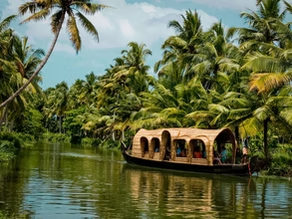
Kerala, also known as ‘God’s Own Country’, is a paradise for nature lovers and adventure enthusiasts. With its lush green landscapes, serene backwaters, and diverse wildlife, Kerala offers a unique opportunity to experience sustainable tourism. Credits: Unspalsh Kerala’s coastline is not only breathtakingly beautiful but also a crucial ecosystem that requires protection. By embracing sustainable tourism practices, Kerala aims to conserve its natural resources and protect its rich cultural heritage. It focuses on promoting eco-friendly activities and responsible travel to ensure the preservation of its pristine environment for future generations. One of the key aspects of sustainable tourism in Kerala is the promotion of green destinations. These destinations are carefully managed to minimize the negative impact on the environment while providing visitors with an unforgettable experience. From the tranquil backwaters of Alleppey to the breathtaking beauty of Munnar. Kerala offers a range of green destinations that showcase the state’s natural wonders. By choosing to explore these green destinations, you become a part of Kerala’s efforts to promote sustainable tourism. Whether you choose to cruise along the backwaters of Alleppey or embark on eco-friendly adventures in Munnar, you will be rewarded with unforgettable experiences and a deeper appreciation for the importance of sustainable travel. Alleppey Backwater Cruise: A Tranquil Journey One of the highlights of sustainable tourism in Kerala is the Alleppey backwater cruise. As you glide through the backwaters on a traditional houseboat, you can witness the daily life of the local communities who depend on these waterways for their livelihood. You can observe the traditional fishing techniques, see the vibrant birdlife, and marvel at the lush green landscapes that surround the backwaters. The Alleppey backwater cruise is not just a visual treat; it also offers a unique opportunity to experience the local culture and cuisine. You can savor traditional Kerala dishes prepared using fresh local ingredients and enjoy the warm hospitality of the boat crew, who will ensure that your journey is comfortable and memorable. By choosing the Alleppey backwater cruise, you support sustainable tourism practices that promote the preservation of the backwaters and the well-being of the local communities. Backwaters of Alleppey, Credits – Unspalsh Munnar Eco-Friendly Adventures: Embracing Nature’s Beauty If you are an adventure enthusiast and a nature lover, Munnar is the perfect destination for you. This picturesque hill station in Kerala offers a range of eco-friendly adventures that allow you to embrace the beauty of nature while minimizing your impact on the environment. From trekking through tea plantations to exploring the stunning waterfalls and wildlife sanctuaries, Munnar offers a wide range of outdoor activities that cater to all levels of adventure seekers. You can embark on guided hikes to the top of the hills, where you will be rewarded with panoramic views of the surrounding valleys and mountains. Munnar is also known for its tea estates, and you can learn about the tea-making process by visiting the tea factories and plantations. Experience the aroma of freshly brewed tea and taste the flavors of Kerala’s famous beverage. By choosing eco-friendly adventures in Munnar, you actively contribute to the sustainable development of the region. So, whether you choose to trek, cycle, or simply explore the natural beauty of Munnar, you can do so knowing that you are supporting sustainable tourism in Kerala. Munnar, Credits – Unspalsh Preserving Kerala’s Cultural Heritage Through Sustainable Tourism Kerala is not just a land of natural beauty; it is also rich in cultural heritage. Through sustainable tourism practices, Kerala aims to preserve its cultural traditions and promote responsible travel that respects the local communities. By engaging in activities that promote cultural preservation, visitors can gain a deeper understanding of Kerala’s history, traditions, and way of life. Preserving Kerala’s cultural heritage also involves supporting local communities and their traditional livelihoods. In order to have an immersive travel experince and to better understand the local culture, heritage and poeple you can: Explore ancient temples and traditional art forms Participating in local festivals and cuisin—–e Stay in eco-friendly accommodations Purchase localy crafted souvenirs Culture of Kerala This way you can not only have an immersive travel experience but also directly contribute to the economic well-being of the local communities and help preserve their way of life. Sustainable tourism not only ensures the preservation of Kerala’s cultural heritage but also provides a more authentic and travel experience for visitors. By connecting with the local communities you can create meaningful connections and memories that will last a lifetime. Community Engagement and Responsible Tourism in Kerala One of the key principles of sustainable tourism in Kerala is community engagement. By actively involving the local communities in the tourism industry, Kerala aims to empower them and create a positive impact on their lives. Through responsible tourism practices, visitors can support the economic development of the local communities. Few ways in which you can contribute as well. By choosing to stay in homestays or community-owned accommodations, you directly support the livelihoods of the local people and gain a deeper understanding of their way of life. By participating in traditional art and craft workshops to learning about sustainable farming practices, these initiatives provide a unique opportunity to learn and exchange cultural knowledge. So, when you visit Kerala, take the time to engage with the local communities and support responsible tourism practices. By doing so, you become a responsible traveler who not only enjoys the beauty of Kerala but also leaves a positive impact on the lives of the local people. Planning a trip to Kerela soon? This might help, click here.
Rajasthan: 10 Royal destinations at the Rajas’ abode, experiencing royalty
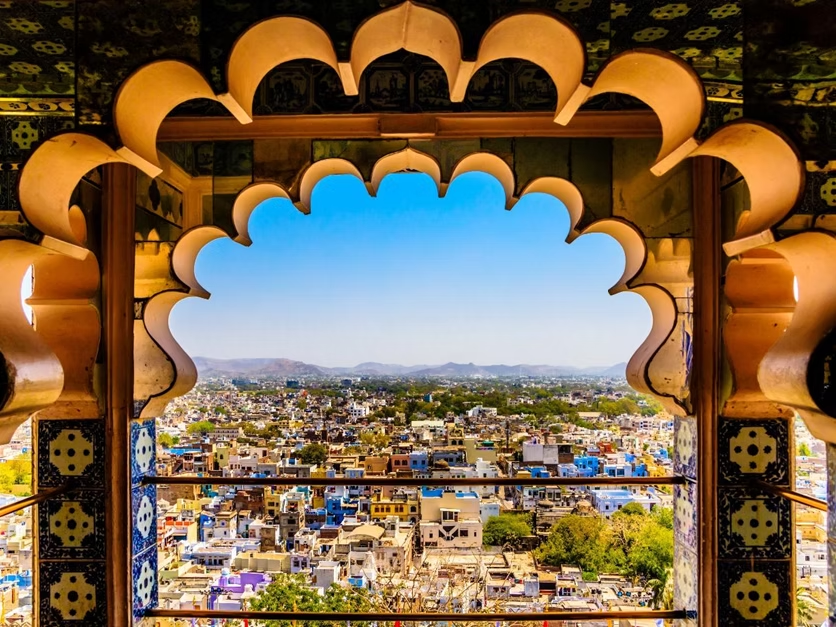
Rajasthan, a historical odyssey welcoming us to unveil the reminiscent of Historical kings and queens. Tag along with us and come and unravel the rich historical background of this state in the classical journey, to show its breath-taking palaces and fascinating culture. By means of our AI designed travel itinerary you are going to make the trip of insight and full-line immersion into the royal splendor of Ramayana and of the heroes’ valor and traditions. Credits: Unsplash How far would you journey back to the past to unravel the fascinating centuries of humanity’s existence, if you had a chance travel back in time? Walking through the ancient historical memorials that name old scars on Rajasthan’s landscape. From the once reputed 1. Mehmandar fortress in Jodhpur Pic: Mehmandar fortress Credit: Unsplash 2. To the heavenly Amber fort in Jaipur, The seepage from the history of unspeakable past, come face-to-face with the architectural wonders that have remained the silent witnesses of the region’s glorious past. Pic:Amber Fort Credit: Unsplash 3. Udaipur Palace Tour: This is the land of Queens and Kings but the one and only love can prevail. Our forthcoming visit is Udaipur – the City of Lakes, a place where you will find majestic palaces and the feeling of romance in the air. Experience the splendor of the City Palace on 4. Lake Pichola’s Banks and indulge yourself in its attractions. Beautifully designed buildings, grand suites and fantastic surrounding views make for an eye-opening palace tour. Don’t forget to add the experience of the beautiful 5. Mughal Gardens of Saheliyon Ki Bari and Jag Mandir into your itinerary, as we continue to unravel the lifestyle of the proud Rajput rulers. Pic: Pinchola Lake Credits: Unsplash 6. Jaipur Cultural Experiences: The details of course include Colors, Crafts, and Cuisine. On our way to Jaipur, the Pink City, hold tight to your enthusiasm so that you can go through a cultural excursion. Plunge into the hustle and crowding of – 7. Johari and Bapu markets Made of scents of spice and eyes with vibrant fabrics. Practical encounter the work of talented artists, who made and pass on elaborate labors involving generations. Credits:Unsplash 8. Chokhi Dhani village resort is famous because it is all about flavor and the culture of Rajasthan. The cultural presentations and warmth of hospitality in Chokhi Dhani will engage you into its communal feeling and remain eternally memorable. Pic: Chokhi Dhani Credits: Unsplash 9. Alsisar Mahal A mesmerizing metropolis inside the heart of Rajasthan. Uncover the splendors of Alsisar Mahal, a 17th-century palace-turned-resort, as it weaves testimonies of bygone royalty. Dive into the vibrant streets embellished with colorful havelis, and partake in a arms-on turban tying workshop for a taste of regal Rajasthani tradition. Pic: Alsisar Mahal Credits: Unsplash The place is located only at a distance of 4 hours from Gurgaon/Amer/Jaipur. Can be counted for a one day short visit as well. 10. Lodhruva: The desert’s lost kingdom Embark on a journey to Lodhruva, an ancient oasis in the coronary heart of Thar Desert. Unearth the mystique of its ruined temples, whispering memories of affection and loss. Feel the desolate tract winds weave thru time as you explore the regal echoes of Lodhruva’s past. Conclusion: Share your royal moments. While journey through the royal majesty of Rajasthan marks it’s end, on our behalf we would like to ask you to kindly share the biggest and unforgettable highlights of the journey. Credits: Unsplash Have you portrayed the hypnotizing structures of Mehrangarh fort or felt the allure of majestic palaces of Udaipur by the lakeside? For example, you could have chosen a dish that you had once seen on a food show, and now you want to reproduce it at your house. Leave your reviews, biographies, and general tips in the comments part. Together, we’ll build a nucleus of the fellow seaside creatures, everyone enriches the tale with their own thing. Credits: Freepik As you wind up this virtual expedition, we would like to say that packing your bags and experience Rajasthan in real is a perfect idea to fly until you find your treasures. Upon this journey of yours, may you be filled with wonder, discovery, and vigour of the Royal Palace until the last instant! Khadi Khamma!
Dog Friendly Trip to Europe
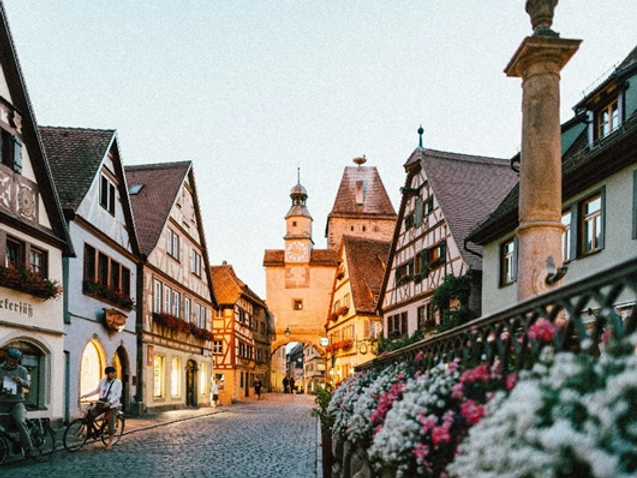
Imagine embarking on an unforgettable European adventure with your faithful canine companion. Europe is not just a dream destination for humans; it’s also an absolute delight for our four-legged friends. Whether you have a Golden Retriever, Rottweiler, Doberman, Pit Bull, or any other breed, there’s a world of dog-friendly destinations to explore together. In this comprehensive guide, we’ll lead you through some fantastic European cities and regions that not only tolerate dogs but also wholeheartedly welcome them into the fold. For dog lovers, there’s no better way to explore Europe than with your four-legged friends in tow. The Old Continent is increasingly welcoming to furry companions, making it easier than ever to plan a memorable dog-friendly trip. In this comprehensive guide, we’ll take you on a journey through the fantastic adventures awaiting you and your dogs in Europe, featuring some of the friendliest breeds, including the Golden Retriever, Rottweiler, Doberman, and Pit Bull. So, fasten your seatbelts and get ready to embark on a one-of-a-kind European adventure with your beloved canine friends. Golden Retrievers: Joyful Explorers Golden Retrievers are renowned for their friendly and easygoing nature. These lovable, medium-to-large dogs are ideal companions for a European escapade. Here’s how to make the most of your journey with your Golden Retriever: 1. Dog-Friendly Accommodations: Europe offers a diverse range of dog-friendly accommodations. From charming cottages nestled in the rolling hills of the English countryside to sleek apartments in the heart of Barcelona, finding pet-welcoming places to stay is a breeze. 2. Embrace the Outdoors: Europe is a haven for nature lovers. Take your Golden Retriever hiking in the Swiss Alps or enjoy a leisurely walk along the stunning French Riviera. Many national parks and hiking trails across the continent are open to dogs, ensuring both you and your Golden Retriever enjoy the breathtaking landscapes. 3. Café Culture: One of the quintessential European experiences is sitting in a cozy café, sipping on espresso or enjoying a croissant. Many cafes in Europe allow dogs to join their owners on the terrace. Imagine savoring a cappuccino in Rome while your Golden Retriever lounges contentedly at your feet. Rottweilers: The Loyal Companion Rottweilers are known for their loyalty and protective instincts. While their strong and imposing presence might seem intimidating to some, they can be excellent travel buddies. Explore the following aspects of European travel with your Rottweiler: 1. Historical Sites: Europe is teeming with history, and Rottweilers can be your loyal protectors as you explore ancient ruins, castles, and historic landmarks. From the Colosseum in Rome to the Acropolis in Athens, your Rottweiler will be your guardian throughout your historical journey. 2. Dog-Friendly Beaches: Europe boasts numerous dog-friendly beaches, particularly in Spain, Portugal, and Croatia. Your Rottweiler can enjoy the refreshing waters of the Mediterranean while you soak up the sun. 3. Pet-Friendly Transportation: Europe’s extensive public transportation networks are often pet-friendly. Trains, buses, and ferries typically welcome dogs, making it convenient to travel from one city to another with your Rottweiler. Dobermans: Elegance in the City Dobermans are sleek and elegant, known for their intelligence and agility. These qualities make them perfect for exploring Europe’s vibrant cities. Dive into the urban experience with your Doberman: 1. City Adventures: European cities like Paris, London, and Berlin offer endless opportunities for exploration. Walk your Doberman along the Seine in Paris, take them on a double-decker bus tour in London, or visit the Berlin Wall. Dobermans thrive in urban environments with their attentive nature. 2. Dog-Friendly Museums: Europe’s world-renowned museums often have pet-friendly policies. While you admire art and history, your Doberman can also partake in the cultural experience. Ensure your pup is well-behaved and on a leash during your museum visits. 3. Culinary Delights: European cities are culinary havens, with many restaurants welcoming dogs in their outdoor seating areas. Savor delectable cuisine with your Doberman, and don’t forget to share a treat or two from your plate. Pit Bulls: Enthusiastic Hiking Companions Pit Bulls are strong, loyal, and energetic dogs, making them exceptional hiking companions. Explore Europe’s diverse terrains and hiking trails with your energetic pit bull: 1. Mountain Adventures: Europe offers a plethora of mountain ranges perfect for hiking, and pit bulls will thrive in these challenging environments. Explore the Dolomites in Italy, the Pyrenees in France, or the Tatra Mountains in Poland with your adventurous pit bull. 2. Dog-Friendly Wineries: Europe is known for its wine culture, and many vineyards in France, Italy, and Spain allow dogs on their premises. Wine tasting becomes a delightful experience with your pit bull by your side. 3. Dog Parks and Trails: Many European cities have dedicated dog parks and trails where your pit bull can burn off energy and socialize with other dogs. Research local options to find the best spots for your canine friend. Itinerary for Your Dog-Friendly Trip to Europe Day 1: Arrival in Europe Morning: Arrive at the international airport in your chosen European destination. Make sure you and your furry companion are well-prepared for the journey, with all necessary documents, vaccinations, and pet supplies. Afternoon: Check-in at your dog-friendly accommodation. Settle in, and take a leisurely walk in the neighborhood to let your dog get used to the new surroundings. Evening: Enjoy a quiet evening together at a dog-friendly local eatery, soaking in the ambiance of your destination. Day 2-4: Golden Retriever’s Delight—Exploring the Outdoors Morning: Begin your day with a visit to a nearby dog-friendly park or beach where your Golden Retriever can enjoy some playtime and exercise. Afternoon: Explore the natural beauty of your chosen European destination with a hike or a visit to a dog-friendly nature reserve. Evening: Dine at a café or restaurant that allows dogs on the terrace, enjoying a meal while your Golden Retriever relaxes at your feet. Day 5-7: Rottweiler’s Historical Adventure Morning: Visit historical landmarks and sites like castles, museums, and ancient ruins, with your loyal Rottweiler by your side. Afternoon: Explore the city’s dog-friendly attractions, perhaps taking a guided tour
Night Life and How to plan Perfect Night Out in Europe
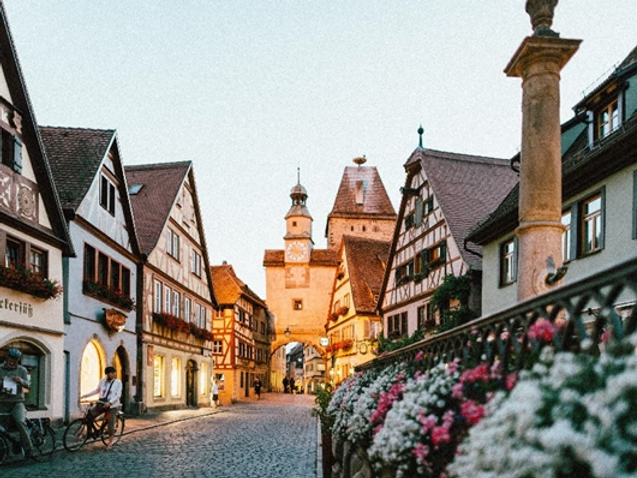
When the sun sets over the enchanting landscapes of Europe, a vibrant and energetic world comes alive. From bustling metropolises to charming villages, Europe offers a diverse and captivating nightlife that’s sure to make your evenings unforgettable. In this blog, we’ll delve into the secrets of experiencing the perfect night out in Europe, as we explore the dynamic nightlife scene, the different countries to visit, and the pursuit of happiness through a thriving nocturnal lifestyle. Just like the nightingale, let’s sing our songs of celebration as we venture into the heart of Europe’s nightlife. The Enigmatic Night Life of Europe Europe is a continent that never sleeps, where the night is as alive as the day. Each country offers a unique flavor of nightlife, making it a thrilling experience for night owls and partygoers. From the sultry rhythms of Spanish flamenco in Barcelona to the electro beats of Berlin’s techno scene, there’s something for everyone. Ibiza, Spain: Start your European night-out adventure in Ibiza, Spain. Known for its world-renowned clubs and electronic music scene, the island pulses with energy after dark. Dance the night away under the stars at iconic venues like Pacha and Amnesia. Amsterdam, Netherlands: Amsterdam offers a diverse range of experiences for the perfect night out. From canal-side bars to live music venues, the city caters to all tastes. Don’t forget to explore the Red Light District, a unique part of Amsterdam’s nightlife. Berlin, Germany: Berlin is a city that thrives on its techno and underground club culture. Visit Berghain, one of the world’s most famous techno clubs, or enjoy open-air parties along the Spree River. The city offers an unrivaled nightlife experience for electronic music enthusiasts. Prague, Czech Republic: For a more budget-friendly yet vibrant night out, Prague is the place to be. Enjoy affordable drinks at the countless bars and clubs in this beautiful city. Be sure to visit the historic Cross Club for an unforgettable night. Istanbul, Turkey: Experience the unique fusion of Eastern and Western culture in Istanbul’s nightlife. Sip on traditional Turkish tea or delight in delicious street food while listening to live music in the bustling streets of the city. Crafting the Perfect Night Out in Europe Planning the perfect night out in Europe takes a bit of preparation and a sense of adventure. Here’s how to create an evening you’ll cherish: Choose the Right Destination: First, select a European city or region that aligns with your interests. Whether you’re into electronic music, jazz, or classical concerts, Europe has it all. Local Cuisine: Before the evening kicks off, enjoy a dinner of local cuisine. Savoring traditional dishes at a local restaurant can be the perfect prelude to a night of fun. Entertainment: Check out local event listings for concerts, club nights, or theater performances that align with your interests. Europe offers a diverse array of entertainment options. Transportation: Plan your transportation for the night. Consider local public transport, taxis, or designated drivers to ensure a safe return. Dress Code: European cities often have specific dress codes for clubs and upscale venues. Dress appropriately to ensure you’re not turned away at the door. Be Adventurous: Don’t be afraid to explore new places and meet new people. Some of the best nights out in Europe happen when you let spontaneity lead the way. Seeking Happiness through Nightlife Nightlife isn’t just about partying; it’s also about experiencing joy, connecting with others, and embracing the cultural diversity that Europe offers. Happiness can be found in the rhythms of music, the laughter of friends, and the warmth of the local crowd. As you embark on your European night-out adventure, remember to enjoy the journey itself. The essence of happiness lies in the experiences you collect and the memories you create along the way. Itinerary: The Perfect Night Out in Europe Day 1: Arrival in Ibiza, Spain Evening: Arrive in Ibiza, the party capital of the world. Check in to your accommodation and unwind. Head to a beachside restaurant for traditional Spanish cuisine and watch the sunset. Day 2: Ibiza—Electronic Music Extravaganza Morning: Relax on one of Ibiza’s stunning beaches during the day. Evening: Experience the iconic nightlife. Start at Pacha Ibiza, where world-class DJs spin electronic beats. Dance the night away and enjoy the island’s electrifying atmosphere. Day 3: Amsterdam, Netherlands—Canals and Culture Morning: Travel to Amsterdam, the “Venice of the North.” Check in and explore the city during the day. Evening: Stroll along the picturesque canals and dine at a canal-side restaurant. Immerse yourself in Amsterdam’s vibrant nightlife by visiting local bars or live music venues. Day 4: Berlin, Germany—Techno Wonderland Morning: Fly to Berlin, a city known for its rich history and legendary techno scene. Evening: Dive into Berlin’s underground culture. Start your night at Berghain, one of the world’s most famous techno clubs. Explore the city’s open-air parties by the Spree River. Day 5: Prague, Czech Republic—Affordable Night Out Morning: Travel to Prague, the heart of Bohemian culture. Check in and explore the charming city. Evening: Enjoy a budget-friendly night out at Prague’s pubs and clubs. Don’t miss the historic Cross Club for a unique experience. Day 6: Istanbul, Turkey—East Meets West Morning: Fly to Istanbul, the city where East meets West, and immerse yourself in its rich cultural heritage. Evening: Experience Istanbul’s unique nightlife by savoring traditional Turkish tea and street food while listening to live music in the bustling streets. Day 7: Reflection and Departure Morning: Take some time to reflect on the incredible nights you’ve had in Europe. Afternoon: Depending on your departure time, explore any remaining attractions or simply relax. Evening: Bid farewell to Europe and embark on your journey back home, cherishing the memories of your perfect nights out in this beautiful continent. This itinerary provides an eclectic mix of nightlife experiences in some of Europe’s most exciting cities. Whether you’re dancing to electronic beats in Ibiza, savoring local cuisine in Amsterdam, or immersing yourself in Berlin’s techno culture, this journey promises unforgettable nights and lasting
Top 10 Clubs in Europe

Europe is a continent known for its rich cultural diversity, stunning landscapes, and vibrant nightlife. From the vibrant streets of Western Europe to the unique Bohemian clubs of Eastern Europe, the European club scene offers a kaleidoscope of experiences for music lovers and night owls. In this blog, we’ll take you on a thrilling journey to discover the top 10 clubs in Europe, spanning both Eastern and Western Europe, where you can dance the night away and create unforgettable memories. Berghain—Berlin, Germany Nestled in the heart of Berlin, Berghain is a legendary techno temple. Renowned for its cutting-edge music and distinctive interior design, this club has an unwavering reputation for creating a truly unique experience. Remember, getting past the door’s infamous bouncers can be a challenge, so be sure to follow the club’s unspoken rules for entry. Fabric – London, England Fabric in London is an iconic club that has withstood the test of time. It’s celebrated for its top-tier lineups and immersive sound systems. The club’s dedication to electronic music has made it a must-visit for dance music aficionados. Amnesia—Ibiza, Spain Ibiza, often referred to as the “party capital of the world,” is home to Amnesia, a renowned club on the island. With its world-class DJs, pulsating beats, and magical atmosphere, Amnesia guarantees an unforgettable night of dancing beneath the stars. Cavo Paradiso—Mykonos, Greece Mykonos, known for its stunning beaches and glamorous lifestyle, also boasts Cavo Paradiso. This open-air club offers incredible views and a dazzling lineup of international DJs. It’s the perfect destination for those who want to combine partying with the beauty of the Greek islands. Ushuaïa—Ibiza, Spain Ushuaïa is another gem on the party island of Ibiza. This beachfront club is famous for its daytime pool parties and open-air events featuring the biggest names in electronic dance music. The stunning outdoor setting and the pool create an unparalleled atmosphere. Zouk – Singapore For an Asian club experience, Zouk in Singapore is a must-visit. Known for its innovative design and diverse music offerings, Zouk is a hub for electronic and dance music enthusiasts in Asia. The club’s three distinctive rooms cater to a variety of musical tastes. Fabrique—Moscow, Russia In the heart of Moscow, Fabrique is a striking club offering a mix of underground and mainstream electronic music. The venue is known for its industrial ambiance, impressive light shows, and energetic crowd. It’s a true gem in the Russian club scene. Tresor—Berlin, Germany Another legendary club in Berlin, Tresor is a techno institution that has been around since the early ’90s. It’s located in a former power plant and is famous for its raw and underground atmosphere. It’s a must-visit for those who want to experience Berlin’s techno heritage. Space—Ibiza, Spain Space in Ibiza, one of the island’s most iconic venues, has now relocated to another island, Mykonos. The club’s infamous closing parties are legendary in the dance music world. The new location continues the tradition of top-quality DJs and a dynamic atmosphere. Bohemian Clubs of Eastern Europe While not specific to one club, Eastern Europe is home to a range of Bohemian-style venues. Cities like Prague, Budapest, and Krakow offer underground, alternative, and artsy club scenes. Be sure to explore the unique culture and music of the Bohemian clubs in these cities. Conclusion: Dance the Night Away in Europe Europe’s club scene is a melting pot of music, cultures, and experiences. From the pulsating beats of Berlin’s techno temples to the beachfront glamour of Ibiza, Europe’s top clubs cater to a diverse range of tastes. Whether you’re a party enthusiast or a music lover, these clubs offer a dynamic and unforgettable nightlife experience. So, put on your dancing shoes and prepare to dance the night away in the top clubs of Europe, creating memories that will last a lifetime.
Haunted and Abandoned place in Europe

Europe, with its rich history and diverse landscapes, is home to an array of enigmatic and ghostly locations. From haunted houses to long-forgotten ruins, the continent’s haunted and abandoned places offer a glimpse into the past, shrouded in mystery and intrigue. In this blog, we’ll embark on a spine-tingling journey to discover some of the most chilling and captivating haunted and abandoned places in Europe, taking you through the ghostly landscapes of Eastern Europe and beyond. The Haunting Beauty of Europe’s Abandoned Places Europe’s abandoned sites are like time capsules, preserving moments in history that have been long forgotten. These decaying structures evoke a sense of eerie beauty, and they often attract those who seek a connection with the past or an encounter with the supernatural. Pripyat, Ukraine – Chernobyl Exclusion Zone: The abandoned city of Pripyat, located near the Chernobyl Nuclear Power Plant, offers a haunting look at the aftermath of the 1986 nuclear disaster. The crumbling buildings, overgrown amusement park, and abandoned homes stand as a reminder of the tragedy that occurred here. Guided tours provide a safe way to explore this haunting site. Oradour-sur-Glane, France: The village of Oradour-sur-Glane in France remains frozen in time. In 1944, the entire population was massacred by Nazi soldiers, and the village was left untouched as a memorial to the victims. The abandoned streets, buildings, and cars stand as a chilling testament to the horrors of war. Europe’s Haunted Houses: Where Ghostly Tales Come to Life Haunted houses in Europe have captivated the imagination of thrill-seekers, paranormal enthusiasts, and history buffs alike. These eerie dwellings are said to be inhabited by spirits, each with their own ghostly tale. Leap Castle, Ireland: Leap Castle, often dubbed “the most haunted castle in Ireland,” has a dark history. It is said to be inhabited by various spirits, including the “Bloody Chapel,” where a gruesome massacre occurred. The castle’s history of violence and betrayal has left a lingering sense of dread. : Borley Rectory, known as “the most haunted house in England,” has a long history of paranormal activity. The rectory’s past is steeped in mysterious occurrences, including ghostly footsteps, unexplained voices, and sightings of the phantom nun. Attractions for the Fearless Traveler If you’re drawn to the thrill of visiting haunted and abandoned places in Europe, consider these attractions as you plan your eerie expedition: Eastern Europe’s Mystery: The Eastern European region, with its tumultuous history, is home to many abandoned sites, including forgotten castles, decaying factories, and wartime relics. Explore the eerie beauty of abandoned military bases in the former Eastern Bloc. Ghost Tours: Many European cities offer guided ghost tours that take you through their most haunted streets and buildings. Cities like Edinburgh, Prague, and Dubrovnik are known for their spine-tingling ghost tours, where professional guides share chilling tales from the past. Abandoned Theme Parks: Europe also boasts several abandoned theme parks, like Tivoli-Anders in Denmark, that provide an eerie and surreal experience. These once-joyful places now lie in disrepair, with rusted rides and overgrown paths. Itinerary: Exploring Haunted and Abandoned Places in Europe Day 1: Arrival in Kiev, Ukraine Evening: Arrive in Kiev, the capital of Ukraine. Check into your hotel, and rest up for the eerie adventures that await. Day 2-3: Pripyat and Chernobyl Morning: Join a guided tour to the Chernobyl Exclusion Zone. Explore the abandoned city of Pripyat, the Chernobyl Nuclear Power Plant, and the infamous amusement park. Evening: Return to Kiev and spend the evening reflecting on the haunting experiences of the day. Day 4: Travel to Limoges, France Morning: Fly to Limoges, France, your gateway to Oradour-sur-Glane. Evening: Check into your hotel in Limoges and prepare for your visit to the ghostly village. Day 5: Oradour-sur-Glane and Return to Limoges Morning: Visit the haunting village of Oradour-sur-Glane, exploring the abandoned streets, homes, and cars that remain as a memorial to the past. Afternoon: Return to Limoges and spend the evening exploring the local cuisine and culture. Day 6: Travel to Dublin, Ireland Morning: Fly to Dublin, Ireland, the first stop on your haunted house exploration. Evening: Check into your accommodation in Dublin, and prepare for your visit to Leap Castle. Day 7: Leap Castle and Departure for London Morning: Visit Leap Castle, exploring its dark history and tales of hauntings. Afternoon: Return to Dublin, catch a flight to London, and check into your hotel in the English capital. Day 8: Arrival in London Evening: Arrive in London and rest up for your exploration of Borley Rectory, the most haunted house in England. Day 9: Borley Rectory and City Exploration Morning: Embark on a day trip to Borley Rectory, delving into its eerie history and ghostly occurrences. Afternoon: Return to London and explore the city’s haunted past with a guided ghost tour, visiting locations with chilling tales. Day 10: Eastern Europe’s Mysterious Sites Morning: Fly to your chosen Eastern European destination for an exploration of abandoned castles, factories, and wartime relics. Evening: Immerse yourself in the enigmatic atmosphere of Eastern Europe’s haunted and abandoned places. Day 11-12: Ghost Tours and Theme Parks Morning: Join a guided ghost tour in your chosen European city, whether it’s Edinburgh, Prague, or Dubrovnik, to learn about local hauntings. Afternoon: Visit abandoned theme parks like Spreepark in Berlin or Tivoli-Anders in Denmark, and revel in the eerie atmosphere they offer. Evening: Reflect on your ghostly encounters and the surreal beauty of abandoned theme parks. Day 13: Final Reflection and Departure Morning: Spend a quiet morning reflecting on your eerie adventures and exploring any remaining attractions in your chosen city. Afternoon: Depart from your final destination and head back home, cherishing the memories of your haunted and abandoned journey through Europe. This itinerary provides a spine-tingling journey through Europe’s most chilling and captivating locations. Whether you’re exploring the eerie beauty of abandoned places, investigating the history of haunted houses, or experiencing the thrill of ghost tours, this adventure promises to leave you with an enduring fascination for the enigmatic landscapes of
Best things to buy in Jaipur

Entering Jaipur, often known as the Pink City of India, is like entering a world where craftsmanship, culture, and history all blend together in a beautiful symphony. Beyond the magnificent Amber Fort and the complex Hawa Mahal is a world of lively markets and busy bazaars, each of which offers a treasure trove of one-of-a-kind goods that embody the spirit of the city. We will go deeper into the top items to buy in Jaipur in this extensive exploration, enabling you to take home not only mementos of your visit but also a piece of the city’s rich history. Jaipur’s World-Famous Gemstones and Jewelry The “Gem City,” Jaipur, is linked with beautiful jewels and priceless jewellery. The city’s gem markets are renowned for their exquisite craftsmanship and vast selection of precious and semi-precious stones. Jaipur’s jewellery is a reflection of the wealth and workmanship of the city, from the captivating allure of emeralds and sapphires to the timeless elegance of diamonds and the distinctive pink tourmalines. A trip to the renowned Johari Bazaar is like entering a world of glistening jewels and elaborate jewellery. Both conventional Kundan jewellery with elaborate settings and new designs that combine contemporary aesthetics with traditional techniques are on display on the market. Credit: Unsplash Textiles and Block-Printed Fabrics For those who love textiles, Jaipur’s streets are a veritable rainbow of hues, designs, and materials, showcasing the city’s prowess in textile creativity. Block printing, tie-dyeing, and embroidery are all forms of art that are deeply ingrained in Jaipur’s cultural fabric. You’ll come across a wide variety of materials that, via their exquisite designs, convey stories as you stroll around the busy Bapu Bazaar. Bandhani (tie-dyed) and leheriya (striped) fabrics, both of which are elaborately made by experienced artisans, are particularly well known for being produced in the city. The labor-intensive processes used to create these textiles are explained in the Anokhi Museum of Hand Printing. The textile markets in Jaipur offer a sensory feast that immerses you in the centre of its artistic traditions, whether you’re seeking for sarees, scarves, or clothing. Credit: Unsplash Handicrafts and Artifacts People looking to bring a piece of Rajasthan’s artistic past home may find refuge in the vibrant handicraft marketplaces of Jaipur. These markets are filled with a wide range of goods, from brass decorative objects to elaborately carved wooden artefacts. Among the handicrafts, the city’s well-known blue pottery stands out because of its unusual azure hues. When you visit the bazaars around the City Palace, you’ll see a wide variety of handcrafted goods that highlight the city’s artistic talent. Each object is a monument to the artistry passed down through the years, whether it be exquisitely decorated wooden figurines, carefully crafted marble objects, or the captivating blue ceramics. Credit: Unsplash Rajasthani Textiles and Clothing Rajasthan’s traditional attire is a magnificent example of how its rich cultural heritage is portrayed. Rajasthani clothing that embodies the distinctive style of the area is available in a colourful array in the markets of Jaipur. The streets near the Hawa Mahal and Johari Bazaar are ideal for discovering traditional apparel, from the flowing ghagras (skirts) covered with delicate embroidery to the vivid turbans that are symbolic of Rajasthan’s culture. Indulge in these traditional outfits to fully experience the hues and textures of Rajasthan. These artefacts are a monument to the city’s commitment to maintaining its cultural history thanks to their superb craftsmanship and meticulous attention to detail. Credit: Unsplash Spices and Traditional Rajasthani Snacks As much a sensory experience as it is a treat for the taste senses, taking home the spirit of Jaipur’s culinary pleasures is a rewarding endeavour. The bright assortment of aromatic spices available at Jaipur’s spice markets ranges from cardamom’s warmth to saffron’s richness and cumin’s earthiness. You will be surrounded by the brilliant colours and aromas of the spices as you tour the region around Govind Dev Ji Temple. Enjoy the flavours of traditional Rajasthani foods in addition to the spices. Just a few of the mouthwatering foods found in Jaipur’s markets include ghevar, kachori, and bikaneri bhujia. With the help of these culinary gems, you can bring a little bit of the city’s thriving culinary culture home with you. Credit: Unsplash Conclusion: Capturing Jaipur’s Essence The city of Jaipur begs to be explored in all its facets. Remember that the best items to buy in Jaipur are more than just stuff; they are windows into the city’s character as you explore its bustling markets and colourful bazaars. Whether it’s a glistening gemstone, an elaborately woven fabric, a handcrafted artefact, a piece of traditional dress, or fragrant spices, each object carries the legends, customs, and workmanship that are the essence of Jaipur. Your shopping excursion in the Pink City turns into a voyage of connection as you get to know the talented artists, the colourful marketplaces, and the city’s unique culture. So make your discoveries and purchases a physical extension of your time spent in this magical city so you may take a little bit of Jaipur with you wherever you go.
Haunted places in Jaipur
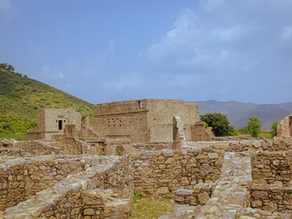
With its stunning architecture, vibrant culture, and extensive history, Jaipur, the capital of Rajasthan, has an unmistakable fascination. Jaipur, often known as the Pink City because of its pink-hued structures, is home to a wealth of tourist destinations that highlight its regal past. But underneath its vibrant exterior is another kind of fascination: the haunting locations that intrigue and terrify both locals and visitors. In this lengthy article, we’ll go in-depth into Jaipur’s frightening world of haunted locales, exploring ghost tales and learning the truth about these sinister spots. Bhangarh Fort: The Eerie Enigma One of the most well-known haunted locations in India, and not only in Jaipur, is the Bhangarh Fort, which is located inside the Sariska Tiger Reserve. This fort from the 17th century, which Man Singh I erected for his grandson Madho Singh I, has a peculiar air of mystery about it that makes it stand out from other historical locations. The fort was supposedly cursed by a tantric guru, according to the myth surrounding Bhangarh, which doomed it to be abandoned and engulfed in darkness. The tale goes on to say that anyone who attempts to construct a structure here will see it fall. The fort is reported to assume a spooky appearance as dusk falls; residents are adamant that the ghosts of the damned souls prowl its grounds. Despite the fort’s appealing beauty and breathtaking views, entry is not permitted after sundown. People who were bold enough to ignore this warning have described weird events, including shadows that appear to move by themselves and wind whispers. Although skeptics might deny these assertions, explorers and ghost lovers continue to flock to the Bhangarh Fort because of its reputation for being haunted. Nahargarh Fort: Where Legends Linger Nahargarh Fort, perched on the craggy hills overlooking the Pink City, offers a spectacular panoramic perspective of Jaipur’s bustling surroundings. It is a popular destination during the day for tourists looking for gorgeous photos and a taste of history. Nahargarh, however, changes into a site where the line separating the natural and supernatural worlds appears to blur as the sun sets. The narrative of Nahar Singh Bhomia, a Rathore prince who perished prematurely and unfairly, is connected to the fort’s eerie past. It’s thought that his restless ghost still prowls the fort, unable to rest until justice is done. Local lore claims that after dark, the fort is filled with weird noises, flickering lights, and a general sense of dread. Even when they are the only people within the fort, visitors have reported hearing footsteps echoing through the hallways. Others assert that they experienced an eerie presence observing them from the shadows. Whether one believes in ghosts or not, there is an undeniable air of the strange about Nahargarh Fort that makes people wonder what secrets the night hides. The Jal Mahal: Submerged Secrets The Jal Mahal, or Water Palace, stands as a tribute to Jaipur’s architectural genius amid the tranquil waters of Man Sagar Lake. It is a sight that captures the eye and arouses the imagination with its finely crafted facade rising from the waves. However, this palace is more complex than it first appears. The past of the Jal Mahal is steeped in mystery. It is rumored that the palace’s lower floors are still underwater, which has led to questions regarding any secrets that might be kept in these submerged spaces. Despite not being a classically haunted home, the Jal Mahal’s air of mystery has given rise to rumors about secret passageways and the potential for coming into contact with paranormal entities there. The Jal Mahal appears almost unreal as the moon’s reflection dances across the lake’s surface. It is simple to imagine the palace’s former splendor and to hear the echoes of royal celebrations that once filled its halls. Perhaps it is these hints of history that inspire tourists to wonder what mysteries lie beneath the placid waters. Ramgarh Bungalow: A Colonial Ghost Tale The Ramgarh Bungalow is a reminder of the colonial era in the middle of Jaipur’s contemporary bustle. It served as a hunting lodge for British officers in the past and has seen the affluence and luxury of that time. However, its historical allure is accompanied by a darker side, one with a history of spooky encounters and ghostly occurrences. According to legend, a British officer’s wife who was grieving the death of her child died tragically at the cottage. According to legend, her ghost wanders the hallways, her heartbroken cries resonating through the night. Although skepticism may cause some to dismiss these tales as mere superstition, the bungalow’s atmosphere changes significantly at night. There is a definite sense of melancholy in the air, according to visitors who have stayed the night at the Ramgarh Bungalow. They also report experiencing unexplained chills and catching fleeting sightings of dark figures. For those who are interested in the paranormal, the bungalow is a must-visit regardless of whether these experiences are the result of imagination or anything more. Jagatpura: Crossing Paths with the Otherworldly Jagatpura, a bustling district that hums with contemporary activity, is located in the center of the city of Jaipur. A gentler side of Jagatpura exists amid the bustle and traffic noise; this side is home to a spooky legend that people frequently whisper in private. The focal point of this local ghost story is an old haveli, or traditional home. Its former owner’s ghost is said to still reside within its walls. Strange phenomena have been reported by visitors, including unexpected temperature decreases and inexplicable drafts, suggesting a presence that defies scientific explanation. The haveli is a symbol of how the supernatural and modern worlds may coexist in a city that is alive with activity. It serves as a reminder that despite our technological advancements, we will always be fascinated by the mysteries of the unknowable. Conclusion: Unraveling the Paranormal Threads The Pink City of Jaipur is well-known for its historical riches and colorful culture, yet just beneath the surface