

Rome Bucket List: Top Attractions, Food & Travel Tips
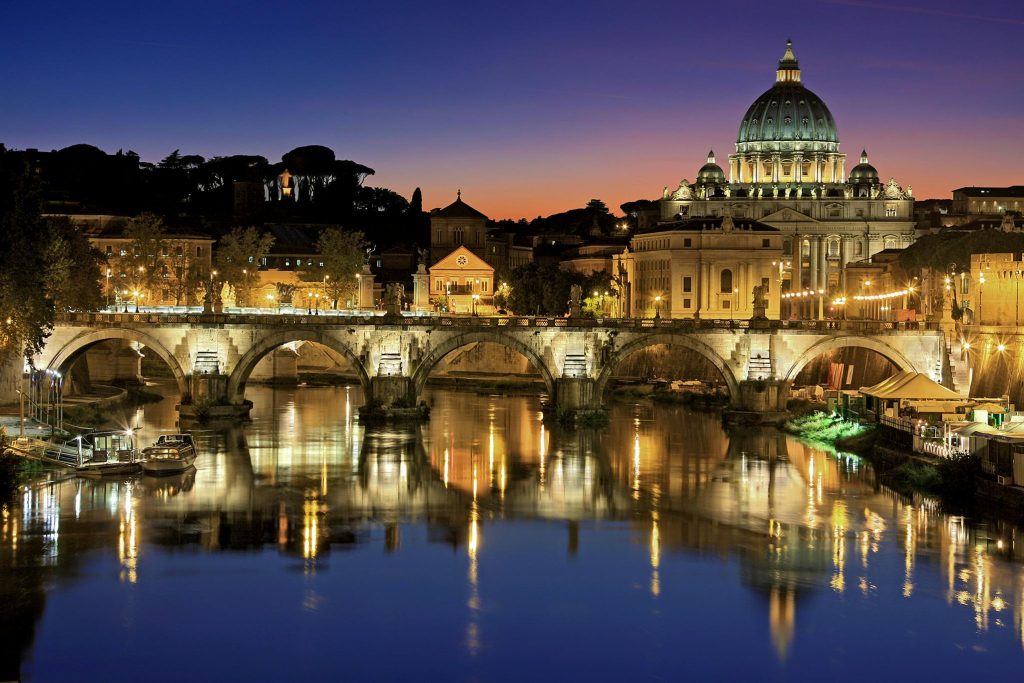
Rome is known to be the Eternal City. It is a destination where history and modernity smoothly blend together. From the magnificent Colosseum to the beauty of hidden alleyways, this city is a Hidden gem of experiences waiting to be explored. Whether you’re a History enthusiast, a food lover, or an adventurer, Rome has something to offer to everyone. This All-in-one guide will walk you through the best places to visit with all the top things to do, Authentic flavors to try, and essential travel tips to make the most of your Roman holiday. 1. Top Attractions in Rome: Must-Visit Landmarks The Colosseum The Colosseum is one of the most iconic landmarks in the world and a symbol of ancient Rome’s greatness. Built in 80 AD, this huge amphitheater once hosted gladiatorial combat which people came to watch with great enthusiasm. Today, you can’t see the combat and the way it used to be conducted but visitors can walk through its massive stone corridors, stand where warriors once stood, and imagine the passion of over 50,000 spectators cheering in excitement. Tip: To avoid long queues, visitors should consider booking a guided tour that includes access to the underground chambers and upper levels, so you don’t miss out on anything while being there. The Vatican City A trip to Rome is not complete without visiting Vatican City. the world’s smallest independent state and the spiritual center of Catholicism. You can also see the amazing ceiling paintings in the Sistine Chapel made by Michelangelo, and explore St. Peter’s Basilica which is known to be a masterpiece of Renaissance architecture. The Vatican Museums house has a huge collection of art, artifacts, and sculptures which makes it a must-visit for visitors who are culture enthusiasts. Tip:Here Be sure to reserve tickets in advance to skip the long lines. Piazza Navona Piazza Navona is a lively square surrounded by elegant Baroque architecture, some amazing outdoor cafés, and stunning fountains. The square was originally built as a stadium in ancient Rome but today it serves as a hub for street artists, musicians, and performers. Take a Peaceful stroll here, enjoy a gelato, or dine at one of the many restaurants which offers authentic Roman cuisine. The Pantheon The Pantheon is one of Rome’s best-preserved ancient buildings. It is a stunning example of Roman engineering and architectural brilliance. Originally it was built as a temple to the Roman gods but the Pantheon now serves as a church and a burial site for famous figures such as Raphael. The massive dome here with its central oculus allows the natural light to illuminate the grand interior which creates a breathtaking sight. Trevi Fountain The Trevi Fountain is one of the most famous fountains in the world. It is known for its stunning Baroque design and rich history. The Legend Says that tossing a coin over your left shoulder into the fountain will work like a thread that will pull you back to this place and will ensure your return to Rome. The fountain is beautifully illuminated at night and creates a magical atmosphere for visitors. When visiting here Don’t forget to capture some stunning photos of this breathtaking monument. 2. Hidden Gems in Rome: Secret Spots You Shouldn’t Miss Trastevere Trastevere is a stunning district known for its streets with stone paths, the buildings covered in beautiful vines, and a relaxed feel in the air. This area is perfect for those looking to experience Rome beyond its famous landmarks. Wander through its narrow alleys, Find some more hidden public squares, and enjoy a meal at a traditional restaurant. The nightlife here is also vibrant with local bars and live music which adds to the district’s magic. Aventine Keyhole For a unique experience you should visit the Aventine Keyhole on the Aventine Hill. When you look through the keyhole of the Knights of Malta gate, you’ll see a perfectly framed view of St. Peter’s Basilica which is surrounded by a lush garden pathway. This hidden gem is one of Rome’s most delightful secrets and something which is not known by everyone. Quartiere Coppedè Quartiere Coppedè is a less known area that feels like stepping into a dream.This unique district in Rome is a blend of Art Nouveau, medieval, and Baroque architecture.This charming neighborhood has the beautiful Fountain of the Frogs and offers a peaceful and magical experience. 3. Day Trips from Rome Tivoli Just an hour away from Rome you can visit Tivoli which is a home to Villa d’Este. It is famous for its stunning fountains and gardens, and Villa Adriana which is an ancient Roman retreat of Emperor Hadrian. It’s a perfect getaway for history and nature lovers. Ostia Antica This ancient Roman port city is well-preserved and shows how people lived in old Rome. take a Walk through the old streets, see ancient taverns, and admire the mosaics and amphitheater. Orvieto Orvieto is a short train ride from Rome. It has a beautiful cathedral, some underground caves, and amazing views of the Italian countryside. It’s a great place for a relaxing day trip. If you have time, you should definitely visit this place and explore it. 4. Food & Drink: A Culinary Journey Through Rome Best Roman Dishes to Try Carbonara: A creamy pasta dish made with eggs, Pecorino Romano cheese, pancetta, and black pepper. This has just authentic and rich flavors that will leave an imprint on you. Cacio e Pepe: A simple and delicious pasta dish with Pecorino cheese and black pepper which displays the beauty of minimal ingredients and how amazing these few things can make a dish. Supplì: A Roman street food favorite. These are deep-fried rice balls, which are stuffed with mozzarella and coated in crispy breadcrumbs. Pizza al Taglio: Rome’s unique pizza, it is served in rectangular slices and sold by weight. Tiramisu: A heavenly dessert made with coffee-soaked ladyfingers, mascarpone cheese, and cocoa powder. It’s a must have for all. Best Places to Eat in Rome For an authentic
BALI’S TOP TRAVEL PICKS: ICONIC AND HIDDEN GEMS!!

Bali, the “Island of the Gods” is a tropical paradise offering stunning beach fronts and traditional culture with its beautiful settings. Bali offers tourists a perfect place to explore its diverse range of must visit travel destinations from iconic to hidden sites. This blog will take you through the best places in Bali, including secret beaches, stunning waterfalls, ancient temples, and adventure spots. Best Time to Visit Bali: April to October (Dry Season): Best for beach activities, trekking, and sightseeing. November to March (Rainy Season): Best time for those who love lush green landscapes and fewer crowds. Iconic Tourist Attractions in Bali: 1. Ubud: Ubud, known as the cultural heart of Bali, showcases well-known aesthetic features which include scenic rice terraces, traditional architecture and historical temples. Bali is the ultimate haven for art lovers, yoga enthusiasts, and those seeking a spiritual retreat. This is a must visit destination to experience serene landscapes and a vibrant arts scene. Nearby Attractions & Activities: Goa Gajah (Elephant Cave) – A historical place with amazing rock carvings. Tegalalang Rice Terraces – Stunning terraced rice fields. Campuhan Ridge Walk – A scenic trekking path with serene views. 2. Gili Islands: The Gili Islands (Gili Trawangan, Gili Air, and Gili Meno) offer pristine white sandy beaches, crystal-clear waters, and incredible snorkeling spots. Gili Islands is the perfect spot to experience tropical beauty as there are no vehicles and offer both vibrant evenings and quiet tranquility. Nearby Attractions & Activities: Scuba Diving – Explore underwater coral gardens and shipwrecks. Bike Tours – Cycle around the islands. Snorkeling with sea turtles –The experience stands as an absolute must. 3. Canggu: Canggu is a lively coastal town that offers surf-friendly beaches, hip cafes, and energetic nightlife. This should be a must visit place for beach enthusiasts and nature lovers as it provides both relaxation and adventurous experiences. Nearby Attractions & Activities: Pererenan Beach – A peaceful beach with scenic landscapes. Tanah Lot Temple – A stunning seaside temple famous for sunset views. Horseback Riding – Ride through the black sand coast for an unforgettable journey. 4. Kuta: Kuta is one of Bali’s most famous destinations, known for its golden beaches, bustling nightlife, and surf-friendly waves.This place offers tourists an exciting scene with many amusement choices. Nearby Attractions & Activities: Waterbom Bali – One of the best water parks for thrill lovers. Legian Beach – A great spot for a more relaxed beach vibe. Beachwalk Shopping Center –Shopping mall with global brands and dining. 5. Nusa Lembongan: Nusa Lembongan is a peaceful island escape just off the coast of Bali, featuring dramatic cliffs, vibrant marine life, and crystal-clear waters. It offers an ideal setting for relaxation and is the perfect destination to experience Bali’s natural wonders away from crowds. Nearby Attractions & Activities: Nusa Penida – Kelingking Beach and Broken Beach. Nusa Ceningan – A beautiful island with stunning views. Mangrove Forest Tour – A peaceful kayaking experience through lush mangroves. Hidden Gems in Bali: For those who love to explore offbeat locations, here are some of Bali’s best-kept secrets: 1. Sidemen Valley: A peaceful alternative to Ubud, Sidemen Valley features lush rice fields, traditional villages, and scenic mountains. It’s perfect to escape the crowds and enjoy an authentic Balinese experience. Tourists can explore Balinese terrain while biking through rice paddies and stopping at traditional weaving studios and hiking to concealed waterfalls. 2. Banyu Wana Amertha Waterfall: Banyu Wana Amertha Waterfall is an underrated natural wonder featuring multiple waterfalls surrounded by lush jungle. People seeking a peaceful nature getaway will find Banyu Wana Amertha Waterfall as one of Bali’s most scenic hidden waterfalls. There are several other spots including Gitgit Waterfall and Ulun Danu Beratan Temple for travellers. 3. Tukad Cepung Waterfall: One of Bali’s most magical waterfalls, Tukad Cepung is a hidden gem located inside a cave, where sunlight creates a mesmerizing effect on the water. The trek to the waterfall is short but adventurous, passing through jungle pathways and rocky terrain. Nearby, you can also visit Tibumana Waterfall and Goa Rang Reng Waterfall for more nature adventures. Frequently Asked Questions (FAQs): Q1. What is the best time to visit Bali? The best time to visit Bali is from April to October for ideal beach weather, sightseeing, and outdoor activities. However, the rainy season from November to March offers less crowds and lush green landscapes. Q2. What are the must-visit temples in Bali? Must Visit temples include Besakih Temple, Tanah Lot, Tirta Empul, Goa Gajah and Uluwatu Temple for a glimpse into Bali’s rich cultural and spiritual heritage. Q3. What are the best islands near Bali to visit? The Gili Islands, Nusa Penida, Nusa Lembongan, and Nusa Ceningan offer stunning beaches, snorkeling spots, and adventure activities. Q4. How do I get around Bali? Travel around Bali using taxis, private drivers, scooter rentals or local shuttle services. Renting a scooter is a budget-friendly and flexible option, but ensure you have an international driving license. Q5. How much does a trip to Bali cost? Bali is a budget friendly option with tourists spending around $30–50 per day, while luxury travelers can expect to spend $150+ per day on accommodations, dining, and activities. Conclusion: Bali offers a perfect mix of adventure, culture, and relaxation. From iconic landmarks like Tanah Lot and Uluwatu Temple to hidden gems like Sidemen Valley and Tukad Cepung Waterfall.. Bali provides visitors with every experience they could want ranging from photogenic sites to adventure and tranquil hideaways. So pack your bags, plan your perfect Bali adventure, and get ready to explore the best places in Bali! Planning a trip? You are just one click away! Click here and let The Tarzan Way’s AI planner do the hassle for you. Let’s plan the best trip ever!
Santorini Unveiled: A Honeymooner’s Paradise of Romance
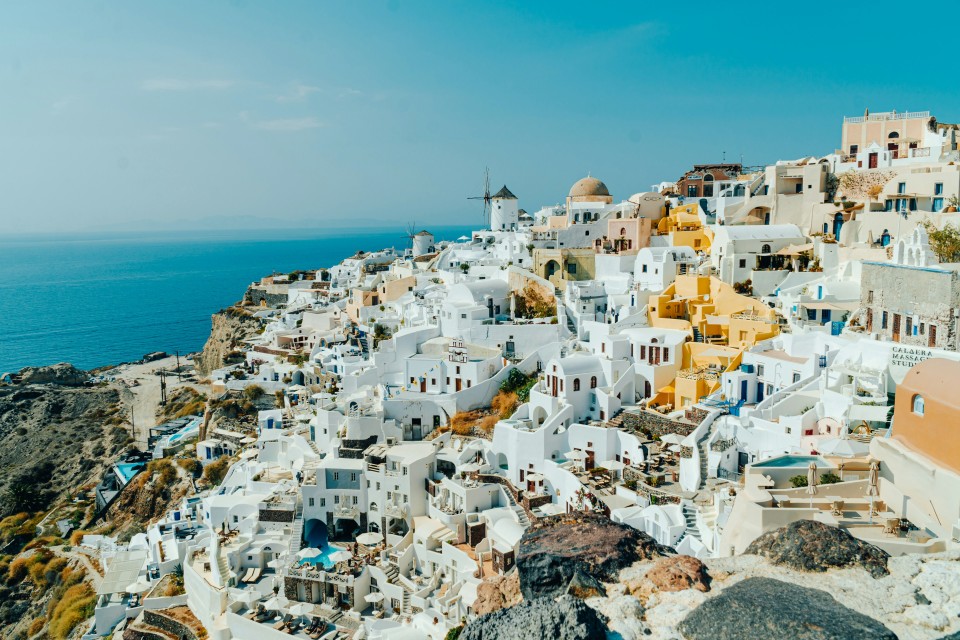
Immerse yourselves within the attraction of Santorini, Greece, wherein azure waters meet whitewashed cliffs. Known for its picturesque views and precise architecture, Santorini has grown to be synonymous with romance and is a dream destination for honeymooners. This island is a haven of intimacy, offering secluded spots, breathtaking views, and culturally rich studies that set the stage for a memorable honeymoon. Santorini In this, we’ll take you on an adventure via Santorini, highlighting hidden gem stones, intimate stays, and cultural adventures that make this island a honeymooner’s paradise. Let’s embark on an exploration of Santorini: A Honeymooner’s Paradise of Romance. Oia: The Iconic Cliffside Village No journey to Santorini is whole without a visit to Oia. This fascinating village is well-known for its whitewashed buildings, blue-domed churches, and beautiful sunsets. Stroll hand in hand along the slim streets, lined with boutique stores and cafes. Secluded Spot: Amoudi Bay Amoudi Bay Just beneath Oia lies Amoudi Bay, a hidden gem recognized for its crystal-clear waters and old-fashioned seafood tavernas. Take a dip within the bay or experience a romantic dinner with a backdrop of the colorful sunset. Fira: The Heart of Santorini Fira, the island’s capital, offers a mix of traditional and modern attractions. Explore the bustling streets coated with shops, cafes, and galleries. Fira, the island’s capital Visit the Orthodox Metropolitan Cathedral for a glimpse of lovely architecture. Secluded Spot: Skaros Rock Skaros Rock in Imerovigli For a secluded and panoramic view of the island, hike to Skaros Rock in Imerovigli, simply north of Fira. The path rewards you with breathtaking vistas of the caldera and surrounding islands. Plan a sunset hike for a virtually magical enjoyment. Intimate Stays: Luxury Retreats Santorini offers quite a number of intimate and expensive inns perfect for honeymooners. Opt for a non-public villa with a plunge pool and terrace overlooking the caldera. Some boutique resorts even provide non-public eating spaces. Secluded Spot: Megalochori Megalochori For a quieter life, do not forget Megalochori, a picturesque village acknowledged for its traditional structure and vineyards. Stay in a restored cave house or fascinating boutique motel for a peaceful retreat. Cultural Experiences for Honeymooners Santorini’s rich history and culture offer opportunities for precise stories. Explore ancient sites like Akrotiri, a well-preserved Minoan city, and Ancient Thera, an archaeological site. Akrotiri: A well-preserved Minoan city Secluded Spot: Pyrgos Visit the village of Pyrgos for a true glimpse into Santorini’s background. Climb the winding streets to the citadel ruins and enjoy panoramic perspectives. Pyrgos Discover neighborhood wineries and savor a wine tasting consultation collectively. Romantic Boat Tours Experience the island from a one-of-a-kind perspective with a romantic boat tour around the caldera. Many tours provide stops at Red Beach and White Beach, where you can loosen up in secluded spots and take in the lovely volcanic landscapes. Red Beach Secluded Spot: Thirassia Thirassia A boat excursion may additionally consist of a visit to Thirassia, a small island simply across the caldera from Oia. Here, you may revel in a quiet afternoon exploring the fascinating village or loosen up on a secluded seashore. Culinary Delights Santorini’s cuisine is a fusion of traditional Greek flavors and nearby ingredients. Dine at waterfront tavernas, trying dishes like fava (yellow cut-up pea puree), tomatokeftedes (tomato fritters), and sparkling seafood. Tomatokeftedes: Tomato fritters, Fava: Yellow cut-up pea puree Secluded Spot: Karterados Karterados: A village near Fira For an extra intimate eating experience, head to Karterados, a village near Fira, for a quiet dinner at a conventional taverna. Enjoy a candlelit meal and delight in the flavors of Santorini. Conclusion Santorini, with its spellbinding splendor, intimate settings, and cultural richness, provides the right backdrop for an unforgettable honeymoon. Whether you are looking for secluded spots, costly remains, or cultural reviews, this island has it all. Santorini: A honeymooner’s Paradise As you explore Santorini’s romantic corners, you will find yourselves captivated by its charm and immersed within the magic of your very own honeymoon paradise. Thanks for tuning in, and remember, the pleasant adventures take place off the overwhelmed route!
Lakshadweep Serenity: AI-Enhanced Beach Escapes

If you’re dreaming of a peaceful beach vacation, where soft sands meet calm waters and time feels slower, Lakshadweep might just be your answer. These islands, scattered across the Arabian Sea, remain one of India’s quietest and most untouched getaways. And now, thanks to a few smart tech tools, discovering this hidden paradise has never been easier—or more personal. The Calm of Lakshadweep’s Shores There’s something about Lakshadweep that feels different. Maybe it’s the silence, or how the sky blends into the sea with no skyscrapers in sight. Unlike the usual tourist-packed coastlines, this group of islands gives you space—space to breathe, relax, and just be. Each beach here has its own personality. Some are wide and welcoming, great for long walks or lazy afternoons. Others are tucked away, perfect for travelers who’d rather go off the map than follow a crowd. Planning your first trip? Take a look at Lakshadweep Revealed: An Essential Guide for First-Time Visitors — it’ll help you navigate entry permits, island hopping, and local customs without overwhelm. Beaches That Speak for Themselves A few of the best-known spots include: Agatti Beach – calm waters, white sands, and no noise except the wind. Ideal for swimming or just watching the sunset. Kavaratti Beach – livelier, but still peaceful. Water sports are popular here, so if you’re in the mood for kayaking or snorkeling, this is your place. Bangaram Island – uninhabited and untouched. You won’t find shops or cafes here—just sand, sea, and silence. For those planning a couple’s retreat, Romantic Escapes in Lakshadweep: Honeymoon Packages and Experiences in Lakshadweep covers candlelit dinners, private villas, and everything you need to turn your getaway into something unforgettable. What Lies Beneath: Coral Reefs & Atolls Above water, Lakshadweep is beautiful. Underwater? It’s something else. Minicoy Atoll offers calm, clear lagoons where schools of fish swim past like living art. Kadmat Atoll is a hit with divers—its coral reefs are bright, colorful, and full of life. Kiltan Atoll is more quiet and local, but the coral gardens here are just as magical. The best part? AI tools can now help you explore the sea more safely and smartly. Apps can point out coral species as you snorkel or alert you to eco-sensitive zones. They don’t replace a guide—but they make you feel more connected to the environment you’re in. We explored this tech-meets-nature magic in Lakshadweep: A Tropical Haven Mapped by AI, where the islands are navigated not just by maps, but intelligent planning. Let AI Help You Travel Smarter No, robots aren’t booking your hotel. But AI tools can make your Lakshadweep trip smoother. Want a day-by-day plan? You can use apps that build itineraries based on your travel dates, interests, and budget. Not sure what to pack? Tools that track weather and activities can help prep your bag with more than just flip-flops. Curious about what to expect? Virtual previews of resorts, dive sites, and beaches let you decide where to go before you even get there. If you’re someone who likes to keep things organized and stress-free, having a little tech on your side can make all the difference. More Than Just Beaches Lakshadweep isn’t only about white sand and blue water. There’s culture here too—quiet, simple, and deeply rooted in tradition. The Kavaratti Aquarium is a small but fascinating stop where you can see some of the sea creatures that live just offshore. Kalpeni Island offers more than beautiful views. If you’re lucky, you might catch a local dance or festival—small, welcoming, and full of heart. And when night falls? The skies here are unreal. With little light pollution, you can actually see the stars. Grab a mat, lie on the beach, and just look up. For night-sky lovers, Lakshadweep Mystique: Stargazing and Celestial Delights dives into all the best places and times to catch shooting stars and constellations. Great for Families Too People often think of Lakshadweep as a couple’s spot. And while it’s definitely romantic, it’s also a great place for families. Shallow waters make it safe for kids to swim. Many resorts have easy walking trails, and some offer educational nature walks and boat rides. If you’re traveling with parents or children, Lakshadweep Island – An All-Age Vacation Guide for Families breaks down how to make it fun for everyone—from toddlers to grandparents. In Closing: Peace Meets Personalization It’s hard to find places like this anymore. Lakshadweep doesn’t throw itself at you. It doesn’t rush. It lets you settle in—slowly. And with the help of a few smart travel tools, you can make the most of your time here without overplanning or missing what matters. If you’re ready to explore somewhere quiet, meaningful, and naturally stunning—without giving up the perks of smart planning—then Lakshadweep is waiting. Let The Tarzan Way help you plan the ultimate peaceful island escape—from curated itineraries to authentic stays, we’ve got your back.
Lakshadweep: A Tropical Haven

Imagine what the world would be like without turquoise waters shimmering in the heat, white sandy beaches stretching for miles, and leaf-like coral reefs teeming with marine life. Where the music of the sea is the music of the gentleman, and all sunrisings are newborn days. Lakshadweep is a little-known paradise in India and one of the most beautiful tropical archipelagos in the world. The cluster of 36 small islands, located in the Arabian Sea, is a paradise of no less than that. It is quite literally called a hundred thousand islands, though there are not that many, but the beauty here does not have any limits. Throughout this travel guide, we will walk you through all the information you need to know about Lakshadweep, including some of the best places to visit and the exciting activities to do in the water, as well as the best tips to pack, and some of the most common questions. Towards the end, you will be at the point to design the ultimate island escape and understand it is known as Lakshadweep: A Tropical Haven. Lakshadweep Why Visit Lakshadweep? Lakshadweep remains among the purest places of all in India, with an ideal balance of adventure and the serenity every tourist needs. People are coming and going in the other travel spaces but the islands are untouched and less frequented to allow the experience to be exclusive and intimate. Here is the reason why Lakshadweep is on your travel bucket list: Clean Beaches – White sandy beaches with crystal clear waters where people can swim and sunbathe. Thrilling Water Adventures – Snorkeling, scuba diving, kayaking, and others to get an adrenaline rush. Exclusive Marine Life – It contains colored coral and exotic marine life. Peaceful Getaway– a relaxing vacation in the midst of the bustle of city life. Cultural Richness– Find out what the locals in the island communities’ culture and hospitality are like. Island Hopping in Lakshadweep Island hopping is the most suitable way to visit Lakshadweep because the islands have something to offer. These are the best islands that you should not miss: 1. Kavaratti – The Cultural Heart Start at the Lakshadweep capital of Kavaratti. The island is perfect regarding the balance between nature and culture because it is reputed to be serene and has lovely lagoons and stunning landscapes. Best things to do in Kavaratti: Exhibit and visit the local marine biodiversity in the Marine aquarium and museum. Visit Ujra Mosque, which has a special structure and was built centuries ago. You can take long walks on the beaches and have a peaceful sunset. You can also go snorkeling or take a glass-bottom boat ride to see colorful coral reefs. Kavaratti is the best place to have a good time and take in culture at the same time. Kavaratti: The capital of Lakshadweep 2. Agatti – The Adventure Hub Agatti Island is the heaven of adrenaline junkies. Most visitors enter through it because it is the only airstrip in Lakshadweep. Why visit Agatti: Considered to have exciting water sports activities such as scuba diving, jet skiing, kayaking, and windsurfing. It also has the most colorful coral reefs in India, which provide one of the best snorkeling experiences. Perfectly suited to less practiced and more expert divers. Crystal-clear lagoons in Agatti have transformed the island into the best spot to explore the underwater world. Agatti: Water Sports Hub 3. Kadmat – The Peaceful Retreat Kadmat Island is the paradise of any traveler who wants to be alone and feels more relaxed. It has a more intimate and romantic feel with the long sandy beaches and insanely breathtaking coral reefs. Top activities in Kadmat: Rest in a hammock as you tan. Play beach volleyball, swim, or walk along the beach. Kadmat is the perfect place to be when one wants to relax during a honeymoon or as a couple. Kadmat Beach 4. Bangaram – The Hidden Gem Bangaram is an untouched island, thus regarded as one of the most exclusive places to visit. It has blue waters and pure, untouched beaches that make it ideal for photography lovers and nature enthusiasts. Why Bangaram is special: Isolated, serene, and impossibly beautiful. Good deep-sea fishing area as well as a diving area. An amorous outing without people. Things to Do in Lakshadweep: A Tropical Haven There is more to Lakshadweep than lying on the beach (but that is also a good choice). Some of the activities that one must not leave out are as follows: Snorkeling and Scuba Diving Discover the sea life at Lakshadweep. The experience here is comparable to the most exotic fish species in the world due to its colorful coral reefs and exotic fish species. Kayaking and Canoeing Cruise along smooth lagoons and mangroves, and coral reefs. It is calm and suitable for novice and advanced paddlers. Glass-Bottom Boat Rides A boat ride on top of the glass bottom is the perfect day for viewing the sea inhabitants without getting wet if you are not prepared to dive. Cultural Exploration Explore the quaint villages in the country, mingle with the hospitable natives in the islands, and learn about the country’s products and foods of Lakshadweep. Picnics and leisure on the beach. In some cases, there is no better plan than no plan. Take a book, drink fresh coconut water, and relax. Best Time to Visit Lakshadweep The climate on the islands is tropical throughout the year, although the best months to travel are between October and March. During this period: It is a good summer with great weather. The open ocean is the water, and therefore, the water sports are quite safe and enjoyable. Snorkeling and diving visibility are at their best. One is advised not to travel during the monsoon season (June to September) when rains and rough seas can spoil the travel plans. Travel Tips for Lakshadweep It takes a little planning to visit Lakshadweep: A Tropical Haven. Here are a few key tips: Get
Old Dubai’s Hidden Gems: Cultural Charms for a Romantic Getaway

When you think of Dubai, images of futuristic skyscrapers and luxurious shopping centers may come to mind. However, the city has a rich historical side that is just as captivating, if not more so. Old Dubai Immerse yourselves in the cultural charms of Old Dubai, where history meets authenticity. This blog post will guide you through Old Dubai’s hidden gems, including the Al Fahidi District, traditional souks, and boutique stays that create a cultural and romantic escape in the heart of the city. Exploring the Al Fahidi District The Al Fahidi District, also known as Bastakiya, is one of the oldest neighborhoods in Dubai. Walking through its narrow lanes, you’ll find yourself transported back in time. The district’s traditional wind-tower architecture and sand-colored buildings evoke a sense of nostalgia and charm. Al Fahidi Tip by Tarzan: Al Fahidi Fort: Housing the Dubai Museum, the fort offers insights into the city’s history, including traditional Bedouin life and the pearl diving industry. Al Fahidi Fort Sheikh Mohammed Centre for Cultural Understanding (SMCCU): Take part in a cultural tour or a traditional meal at this center, where you can learn about Emirati customs and traditions. Sheikh Mohammed Centre for Cultural Understanding (SMCCU) Romantic Stays: Boutique Hotels: Experience intimate and charming accommodations in traditional houses that have been transformed into boutique hotels. Many offer rooftop terraces and serene courtyards perfect for a romantic evening under the stars. Authentic Experiences for Couples Old Dubai provides plenty of opportunities for couples to connect with the city’s authentic culture. Traditional Souks: Gold Souk: Explore this iconic market filled with sparkling jewelry. It’s a perfect place to find a special piece for your loved one. Gold gallery in Dubai Spice Souk: Wander through the narrow alleys filled with aromatic spices, herbs, and dried fruits. The sensory experience adds a touch of exotic romance to your day. Spice souk in Dubai Textile Souk: Browse through colorful fabrics and traditional attire. You might even find the perfect material for a custom-made outfit or souvenir. Textile souk in Dubai Unique Dining Experiences Al Seef Waterfront: Enjoy a romantic meal at one of the waterfront restaurants, overlooking the serene Dubai Creek. The blend of modern and traditional architecture creates a picturesque setting for a memorable evening. Al Seef Waterfront Traditional Cafés: Sip on a cup of Arabic coffee or tea at a local café. These intimate spots provide a peaceful atmosphere to unwind and soak in the ambiance of Old Dubai. Delving into Heritage Beyond the souks and cafes, Old Dubai offers other cultural gems that you and your partner can explore: Heritage Houses and Museums: Al Shindagha Museum: Discover Dubai’s transformation from a fishing village to a global metropolis through interactive exhibits and restored heritage houses. Al Shindagha Museum Majlis Gallery: Visit this art gallery housed in a traditional wind-tower building. The gallery features contemporary art by both local and international artists. Majlis Gallery Cultural Performances: Cultural Nights: Check the local calendar for cultural events such as traditional music and dance performances. These events often take place in heritage venues, offering a rich cultural experience. Cultural Nights in dubai Taking a Step Back in Time One of the most romantic ways to experience Old Dubai is to step back in time and embrace the slower pace of life. Creekside Abra Ride: Abra Journey: Take a ride on an abra, a traditional wooden boat, across the Dubai Creek. The serene journey provides a beautiful view of the city and a moment of tranquility away from the hustle and bustle. Abra Visit Alserkal Avenue Alserkal Avenue Art and Culture: While it’s not technically in Old Dubai, a short trip to Alserkal Avenue offers an art and culture scene filled with galleries, studios, and event spaces. Stroll through the district to discover new art forms and engage in stimulating conversations. Conclusion Old Dubai’s rich history, vibrant culture, and charming ambiance make it a perfect destination for couples seeking a romantic and authentic escape. From exploring the Al Fahidi District to indulging in traditional experiences and enjoying Creekside moments, this part of the city offers something special for every couple. Old Dubai: Cultural Charms for a Romantic Getaway Let Old Dubai unveil its hidden gems to you, creating unforgettable memories and a deeper connection with the heart of this captivating city.
Ayodhya: 9 Destinations to trace the footsteps of Ramayana

Welcome, fellow travelers, to the enchanting city of Ayodhya, where every stone has a story to tell and every breeze whispers the tales of the Ramayana. Buckle up for an enchanting journey as we embark on the Ayodhya’s Ramayana Tour, exploring the sacred places and unlocking the historical significance of this ancient city. Beauty of Ayodhya · The Mythical start: Our adventure begins with the echoes of ancient times, mingling in the air. Ayodhya, the birthplace of Lord Rama, stands as a living testament to the legendary epic, the Ramayana. Picture yourself walking through the historic lanes, feeling the mythical energy that still lingers in every corner. Lets start imprinting our footprints on the land of spirituality and explore alongside. 1. Ram Janmabhoomi – The Sacred Ground: Our first stop is the renowned Ram Janmabhoomi, the very spot where Lord Rama is believed to have been born. As you step onto this sacred ground, where you can almost hear the divine whispers and witness the echoes of Ramayana filling the air. Take a moment to absorb the spiritual energies that envelopes this holy site. 2. Hanuman Garhi – The Monkey God’s Abode: Next on our Ayodhya Chronicles is Hanuman Garhi, the abode of the mighty Hanuman. Up above after 76 steps, the temple settle atop a mound. Be prepared to feel the power of devotion. People has it that Hanuman vigilantly guarded Ayodhya during Lord Rama’s exile. The panoramic view of the city, soak in the energy of Hanuman’s unwavering devotion. Tip by Tarzan: They say if you make a wish while tying a red thread around the tree in the temple premises, Hanuman might just make it come true! 3. Kanak Bhavan – The Palace of Devotion: Our journey through Ayodhya wouldn’t be complete without a visit to Kanak Bhavan, the palace gifted to Ma Sita by her mother after her marriage. The architecture, decorated with intricate carvings, tells tales of love and sacrifice. Explore the inner chambers and let your imagination run wild, envisioning the life that once thrived within these walls. 4. Treta Ke Thakur – The cluster of timeless temples: Ayodhya is filled with numerous ancient temples, each telling a special story. Take a stroll through Treta Ke Thakur, a cluster of temples dedicated to various deities. Go through the timeless architecture and connect with the spiritual aura that resonates through these sacred spaces. 5. Sita Ki Rasoi – The Kitchen of Devotion: Our next destination takes us to Sita Ki Rasoi, a humble kitchen that holds immense spiritual significance. According to the Ramayana, Sita is believed to have cooked for Lord Rama here during their time in Ayodhya. The essence of devotion and love lingers in the air, making it a must-visit for those seeking a deeper connection with the divine. 6. Nageshwarnath Temple – Serpent’s Sanctuary Our spiritual journey continues with a visit to Nageshwarnath Temple, dedicated to Lord Shiva. Devotees has it that Lord Rama instilled the Shivalinga here before proceeding to Lanka. The peaceful atmosphere and the divine energy within the temple create a perfect environment for meditation and self-reading. 7. Brahma Kund – The Sacred Pond As we stroll through Ayodhya’s spiritual landscape, we come across Brahma Kund, a sacred pond associated with Lord Rama’s return to Ayodhya. According to the locals, it is believed that Lord Rama took a ceremonial bath here, marking the end of his exile. Immerse yourself in the serene ambiance, and let the holy waters cleanse your spirit. 8. Bharat Mandir – A Brotherhood of Faiths Our final stop is Bharat Mandir, a temple dedicated to Lord Rama’s younger brother, Bharat. This temple serves as a symbol of unity among various communities and beliefs. Explore the vibrant cultural diversity that Ayodhya embraces, fostering an atmosphere of brotherhood and harmony. 9. Guptar Ghat – The Hidden Spiritual Retreat Our final destination takes us to the serene Guptar Ghat, a hidden gem along the Sarayu River. Guptar Ghat is believed to be the spot where Lord Rama entered the river to leave the mortal world and return to his divine abode. The calmness of this sacred location creates a sacred atmosphere, inviting visitors to connect with the spiritual essence of the river and the mythical departure of Lord Rama. As our spiritual exploration of Ayodhya concludes, remember that each of these places is not merely a destination but a gateway to a deeper understanding of the divine. Ayodhya, with its charm, invites you to escape the material world and connect with the spiritual touch that radiates through every corner of this holy city. May your journey be filled with enlightenment and inner peace. So, pack your curiosity, gather your wishes, and let Ayodhya mesmerize you with its Chronicles – a journey that defeats time and connects us to the eternal tales of the Ramayana. Thanks for tuning in, and remember, the pleasant adventures take place off the overwhelmed route! ????✈️????
Kashmir’s beauty: Valley of Dreams Unraveled
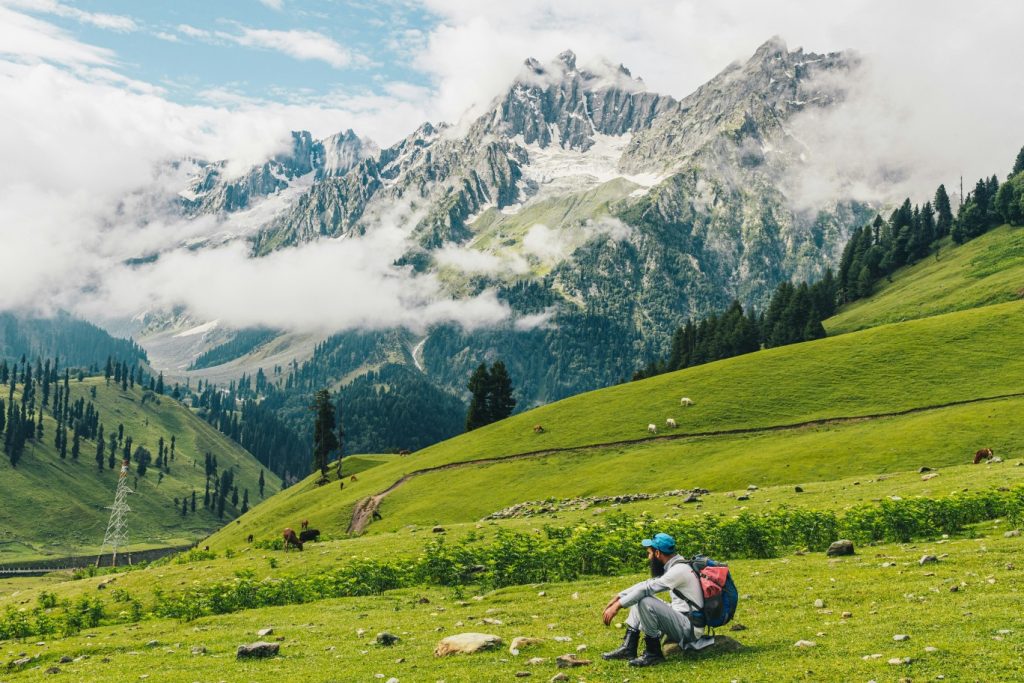
Nestled between the potent Himalayas and the stunning Pir Panjal range, Kashmir is referred to as the “Paradise on Earth.” This breathtakingly beautiful area captivates site visitors with its snow-capped peaks, lush green valleys, and enthralling rivers. However, the tale of Kashmir goes past its herbal splendor; it allows us to embark on an interactive adventure to unravel the beauty of the Kashmir Valley. An Intriguing History Old Kashmir: History Kashmir’s history is a charming tapestry woven from the threads of numerous rulers and influences. The valley has witnessed the reign of historical dynasties, which include the Mauryas and Guptas, followed by Muslim and Hindu rulers. Culture of Kashmir Its strategic region made it a hub of exchange and culture, leading to an amalgamation of various traditions. The Enchantment of Nature Serene beauty of Kashmir Kashmir’s natural splendor is exceptional. From the serene Dal Lake with its shikaras (conventional boats) and floating gardens to the breathtaking landscapes of Gulmarg and Sonamarg, the vicinity gives a ceremonial dinner for the senses. Tulips Garden of Kashmir The vibrant tulip gardens in spring and the pristine snow throughout winter make Kashmir a vacation spot for all seasons. Rich Cultural Heritage Making of Pashmina shawls Kashmir’s way of life is a mix of Hindu, Buddhist, and Islamic influences. The traditional artwork bureaucracy, along with Pashmina weaving and papier-mâché, showcases the complex craftsmanship of the local artisans. The valley is likewise regarded for its distinct tune and dance paperwork, like Rouf and Bhand Pather. A Culinary Adventure Kashmiri delicacies are a culinary journey via flavors and spices. The area’s signature dish, Wazwan, is a multi-course meal featuring succulent meats and aromatic rice dishes. Kahwa, a traditional saffron-infused tea, gives warm temperature and luxury, especially throughout the chilly icy months. Wazwan and Kahwa: Dishes of Kashmir The Warmth of the People One of the most memorable factors of touring Kashmir is the hospitality of its people. Kashmiri residents Known for their warmth and kindness, the locals welcome site visitors with open hands, making them feel at home in the valley. Conclusion Kashmir, the valley of dreams, is a land of stunning landscapes, rich records, and colorful lifestyles. Its charming splendor and warm hospitality leave an indelible mark on all who go there. As we get to the bottom of the layers of this captivating region, we come to understand why it has stimulated poets, artists, and tourists for centuries. Kashmir’s scenic view Embark on this adventure and let Kashmir weave its magic on you. Whether you are exploring the lush meadows, sampling its extremely good delicacies, or immersing yourself in its particular history, the valley is sure to leave you with memories that last a lifetime. Also, find hidden gems of Kashmir, the unexplored places in Kashmir From snow-kissed mountains to shikara rides on still waters, Kashmir truly is a dream waiting to be lived. Whether you’re planning a romantic escape, a soulful solo trip, or an unforgettable family getaway, let The Tarzan Way help you craft the perfect experience.
Rajasthan: Guide beyond the Palaces – Exploring the Hidden Gems

Khamma Ghani, fellow explorers! We are now diving deep into the heart of India, exploring the enthralling nation of Rajasthan, it is manner past the palaces that often steal the highlight! Credits: Canva Venture off the beaten path in Rajasthan with our AI-pushed guide. You may think you know Rajasthan – the land of palaces, vibrant fairs, and wealthy records. But nowadays, we are unlocking the secrets and techniques of this magical place, revealing hidden gems in order to go away you in awe. Hidden Gems in Jodhpur: Beyond the Blue City Jodhpur, the Blue City, is well-known for its majestic Mehrangarh Fort and bustling bazaars. But permit me take you beyond the same old traveler spots. Mehrangarh Fort Credits: Freepik Picture this: historic step wells, intricately designed and steeped in records. These architectural wonders now not most effective served as water assets but also as community collecting spaces. Join us as we discover those hidden marvels that regularly cross omitted. Cultural Exploration in Bikaner: Uncover the Authentic Rajasthan Junagarh Fort Credits: Freepik Now, let’s shift our cognizance to Bikaner, a town with a completely unique blend of lifestyle and allure. Beyond the grandeur of Junagarh Fort, there lies a cultural tapestry waiting to be unraveled Credits:Freepik Local markets packed with vibrant colours, aromatic spices, and conventional crafts offer a real flavor of Rajasthan’s authenticity. We’ll immerse ourselves in the hustle and bustle, discovering the soul of Bikaner via its streets and local flavors. Unknown: Off beat Experiences Across Rajasthan But wait, there’s more! Rajasthan has hidden treasures scattered across its landscape. Ever heard of the mystical Abhaneri Step Well? Let’s descend into its depths and wonder at the structure that echoes with tales from centuries in the past. Abhaneri Step well Credits: Freepik Now, believe the serene landscapes of the Keoladeo National Park, a birdwatcher’s paradise tucked far from the bustling towns. Join us on an adventure to these lesser-known places that redefine your notion of Rajasthan, showcasing its diverse splendour past the opulent palaces. Keolado National Park Credits: Freepik Ranakpur Jain Temple, As you approach this architectural masterpiece, you are greeted by a symphony of intricate carvings that seem to dance on the walls, telling tales of devotion and artistry. The temple, dedicated to Adinatha, the first Tirthankara of Jainism, is a sanctuary where spirituality and craftsmanship intertwine seamlessly. Ranakpur jain temple Credits: Unsplash Ranakpur is not just about the temple; it’s a sanctuary of peace surrounded by lush greenery and the soothing melody of nature. The nearby Sadri village offers a glimpse into the local way of life, where the warmth of the people mirrors the golden hues of the desert landscape. Kumbhalgarh Fort Prepare to step into the realm of Kumbhalgarh Fort, where history whispers through ancient stones, and the walls resonate with the tales of valor and mystique. Buckle up for an adventure that transcends time – Kumbhalgarh, where every stone has a story, and every turret hides a secret. Kumbhalgarh Fort Credits: Unsplash This isn’t just a destination it’s an odyssey into the heart of Rajasthan’s majestic past, guarded by the formidable walls of quirkiness and grandeur. Engaging with the Locals And the quality part? Interact with the locals, participate in conventional sports, and get a flavor of the true Rajasthani way of life. It’s no longer only a journey; it’s an immersive cultural enjoy. Credits:Canva Join the Adventure! So, there you’ve got it! Rajasthan isn’t pretty much the palaces; it is approximately the hidden gemstones, the offbeat stories, and the colorful tradition that awaits you. Join us on this exceptional adventure as we explore the unexplored, unlocking the secrets that make Rajasthan genuinely magical. Thanks for tuning in, and remember, the pleasant adventures take place off the overwhelmed route! ????✈️????
Himachal Hideouts: Remote Villages and Cultural Immersion
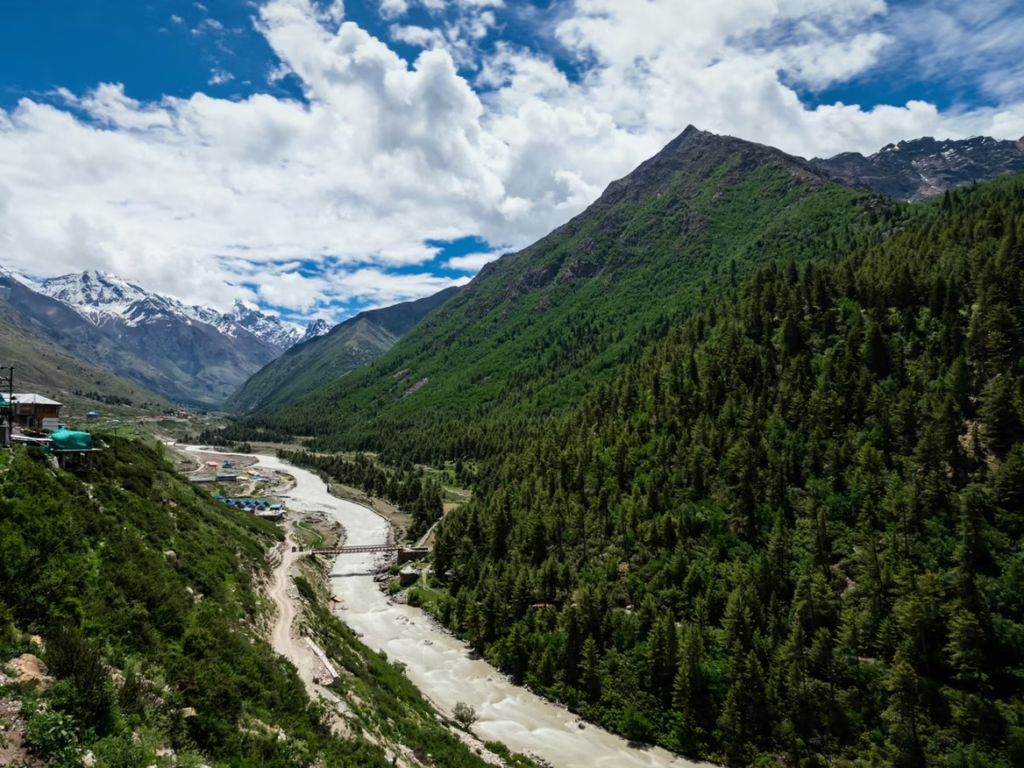
Discover the hidden gems of Himachal Pradesh by immersing yourself in the local culture of its remote villages. Explore the traditional way of life, interact with the friendly locals, and experience the rich heritage of this beautiful region. Himachal Pradesh, nestled in the mighty Himalayas, is a land of breathtaking beauty and enchanting charm. From snow-capped peaks to lush green valleys, this region is a paradise for nature lovers and adventure enthusiasts alike. But beyond its natural splendor, Himachal Pradesh also boasts a rich cultural heritage that is worth exploring. The state is home to numerous remote villages that offer a glimpse into the traditional way of life in the hills. These villages are tucked away from the bustling tourist hotspots, allowing visitors to truly immerse themselves in the local culture. From the warm hospitality of the villagers to the age-old customs and traditions, every aspect of life in these remote villages is just waiting for you to be explored. Himachal Pradesh Exploring the Remote Villages in Kinnaur Kinnaur, a district in Himachal Pradesh, is known for its remote villages that offer a glimpse into the unique culture and traditions of the region. Tucked away in the lap of the Himalayas, these villages are a paradise for nature lovers and culture enthusiasts alike. As you explore the remote villages of Kinnaur, you will be mesmerized by the stunning landscapes and the warm hospitality of the locals. From traditional wooden houses to ancient temples, every corner of these villages is steeped in history and charm. You can interact with the friendly villagers, learn about their way of life, and even participate in their daily activities. One of the highlights of exploring these remote villages is the opportunity to witness the vibrant local festivals and celebrations. Kinnaur, Himachal Pradesh From the famous Kinnaur Dussehra to the Fulaich Fair, these festivals offer a glimpse into the rich cultural heritage of the region. Soak in the festive atmosphere, try the local delicacies, and immerse yourself in the local traditions. Fulaich Fair Whether you choose to trek through the picturesque valleys or simply relax amidst the serene surroundings, a visit to the remote villages of Kinnaur is sure to leave you with lasting memories and a deeper appreciation for the cultural diversity of Himachal Pradesh. Embracing Traditional Life in Spiti Spiti, a remote valley in Himachal Pradesh, is a haven for those seeking a true cultural immersion. Nestled between Tibet and India, this region is known for its rugged landscapes, ancient monasteries, and traditional way of life. Spiti Valley As you venture into the remote villages of Spiti, you will be transported back in time. The traditional mud houses, prayer flags fluttering in the wind, and the serene monasteries create a mystical ambiance that is hard to find elsewhere. You can witness the daily rituals of the monks, listen to their enchanting chants, and even try your hand at meditation. You can participate in local festivals, learn traditional crafts like weaving and pottery, and savor the local cuisine that is infused with flavors unique to this region. Local festival celebration in Spiti Valley But Spiti is not just about culture and traditions. The valley also offers breathtaking views of snow-capped peaks, crystal clear rivers, and vast expanses of barren land. You can embark on thrilling treks, visit ancient Buddhist monasteries perched on hilltops, or simply soak in the serene beauty of the surroundings. Sounds exciting right? click here to get your free personalized itinerary and everything you need to know about Spiti. Lake in Spiti Valley Culinary Delights and Local Cuisine One of the best ways to experience the culture of Himachal Pradesh is through its mouth watering cuisine. Each region in Himachal has its own unique culinary traditions, influenced by the local ingredients and the cultural heritage of the area. In the remote villages of Himachal, you can savour authentic local dishes that are prepared using age-old recipes and traditional cooking techniques. From steaming bowls of thukpa in Spiti to the famous chha meat in Kinnaur, every bite is a burst of flavors. Thukpa Chha Meat The use of locally sourced ingredients like buckwheat, barley, and wild mushrooms adds a distinct taste to the dishes. You can also sample the traditional beverages like bhaang and chhang, which are an integral part of the local culture. But it’s not just about the food. The act of sharing a meal with the locals creates a sense of community and allows you to forge deep connections. So don’t be shy to try new dishes, engage in conversations over a cup of tea, and immerse yourself in the culinary delights of Himachal Pradesh. Art and Handicrafts The remote villages of Himachal Pradesh don’t just boast about their natural beauty and cultural traditions, but also are treasure troves of art and handicrafts that have been passed down through generations. From intricate wood carvings and handwoven textiles to exquisite metalwork and pottery, the art forms of Himachal Pradesh reflect the rich cultural heritage of the region. Wood Carvings Handwoven textiles By supporting these local artisans, you not only bring home unique souvenirs but also contribute to the preservation of these traditional art forms. Be it handcrafted shawls, or beautifully carved wooden artefacts, or a piece of intricate jewelry, each purchase helps sustain the livelihoods of these talented craftsmen. Take a stroll through the narrow lanes of the villages, visit the local markets, and witness the artistry firsthand. You may even get a chance to interact with the artisans, learn about their techniques, and try your hand at creating your own masterpiece. Preserve the heritage of Himachal Pradesh by embracing the art and handicrafts of its remote villages, and carry a piece of this rich culture back home with you. Found this interesting? Read about the captivating