

Top 10 Haunted Forests in the World for Brave Adventurers

Top 10 Haunted Forests in the World for Brave Adventurers Introduction — Where the Forests Whisper Back Forests are inherently fascinating. The stillness, the shadows, the gentle whispers of wind through massive trees: there’s something deep and wonderful about wild forests. However, in some parts of the world, the serenity becomes its opposite. There are stories and folklore that have been written about forests that can fold time, lights emanate from nowhere, and unseen eyes follow our every movement. They are not ordinary forests; they are living repositories of fear and folklore — haunted forests that sit in wait, beckoning travelers to come in. For brave souls ready to confront these sinister realms, these ominous destinations merge adventure travel with the impetus that humanity has possessed since the beginning of time: an insatiable curiosity about the unknown. From the Bermuda Triangle of Transylvania, to the haunted woods of Japan, or the fairytale forests of Germany, every tree has a story to tell. With the immersive storytelling journeys brought to life through The Tarzan Way, travelers can safely navigate forests steeped in folklore and fears — where folklore straddles the forest floor and every path has its own pulse. Are you ready to meet the shadows? Let’s meander through the most haunted forests in the world, and learn the myths that still breathe among the trees. Key Takeaways Discover the 10 most haunted forests in the world — from Romania to Japan. Each forest hides eerie folklore, ghost stories, and unsolved mysteries. Learn how these haunted travel destinations attract both adventurers and storytellers. Find practical insights, legends, and travel tips for every location. Understand the balance between curiosity and cultural respect in dark tourism. Explore responsibly with guides like The Tarzan Way, blending thrill and respect for local lore. Hoia Baciu Forest, Cluj-Napoca — called the Bermuda Triangle of Transylvania. 1. Hoia Baciu Forest, Romania — The Bermuda Triangle of Transylvania Nestled near Cluj-Napoca in Transylvania, the forest known as Hoia Baciu is said to be the most haunted forest in the world. The locals call it “the Bermuda Triangle of Transylvania” — a place where people, animals, and, interestingly enough, time disappears. There is a legend of a shepherd entering the forest with 200 sheep, and none were ever found. Since 1960, there have been reports of UFO sightings and unexplained lights in the area. Research studies have shown strange electromagnetic activity in the area. Adventurers who have visited Hoia Baciu describe being able to “feel” something that is different in the air — an energy that causes compasses to spin out of control and cameras to glitch. It is also known for its circle clearing — an area of the forest where no vegetation grows — and it continues to be a mystery with no scientific explanation. Traveler’s Tips Visit during daylight — fog moves quickly after dusk. Explore with local guides familiar with folklore and terrain. The site is perfect for paranormal photography tours. Why It Attracts Travelers Because fear and fascination meet perfectly here — a rare chance to step into a living legend. Explorers with The Tarzan Way can uncover how folklore and fear intertwine in forests like Hoia Baciu, where myths still whisper through the mist. Quick Facts Location: Cluj-Napoca, Romania Nickname: Bermuda Triangle of Transylvania Best Time to Visit: Late spring to early autumn Experience Level: Intermediate (guided exploration recommended) Aokigahara (Jukai) — the Sea of Trees at Mount Fuji’s base. 2. Aokigahara Forest, Japan — The Sea of Trees and Shadows Nestled at the foot of Mount Fuji , Aokigahara is Japan’s “Sea of Trees,” a beautiful, leafy forest characterized by its unnaturally quiet demeanor. The lush and mossy ground absorbs sound remarkably well; you can even hear your own heart beating with surprising volume. It is not all beauty, though; there is tragedy and myth hidden inside its greenery. Local folklore suggests that yūrei, or tortured souls of the deceased with unfulfilled desires, haunt Aokigahara. For many years, it has carried some level of notoriety as Japan’s “suicide forest.” However, locals still consider it hallowed ground, not a tourist spectacle. Traveler’s Tips Always explore with a certified guide. Stay on marked trails — many paths lead nowhere. Show deep respect for the cultural and spiritual significance. Why It Attracts Travelers Because it’s not just haunted — it’s heartbreakingly human. A place that reveals how beauty, grief, and legend coexist. Quick Facts Location: Yamanashi Prefecture, Japan Local Name: Jukai (“Sea of Trees”) Type: Volcanic forest on Mount Fuji’s base Best Time to Visit: April to October (guided day hikes only) Black Forest (Schwarzwald) — where fairy tales turned darker. 3. The Black Forest , Germany — Where Fairy Tales Turn Frightening Located in the southwestern corner of Germany is the Black Forest (Schwarzwald), which has long been the heart of European folklore. The woods dense with pines that surround you gave inspiration to some of the Brothers Grimm’s darkest tales — “Hansel and Gretel” and “Snow White.” However, beyond the fairy tales detailing the history of the land, are hundreds of years of very real, very chilling local legends. Locals told of headless horsemen, forest witches, and ghostly hunters wandering the woods, and even today, people claim to encounter ghosts moving through the fog or hear invisible footsteps as they traverse old logging paths. Traveler’s Tips Visit the Mummelsee Lake area for legends of underwater spirits. Join local “Nachtwanderung” (night walk) tours — storytelling meets adventure. Explore during autumn for hauntingly beautiful fog landscapes. Why It Attracts Travelers Because it’s not just haunted — it’s timeless. A forest where childhood fairy tales meet adult fears. With The Tarzan Way, travelers can dive into folklore-rich destinations like the Black Forest — journeys that turn myths into immersive experiences. Quick Facts Location: Baden-Württemberg, Germany Best Time to Visit: May to October Must-See: Triberg Falls, Mummelsee, Black Forest Open-Air Museum Dering Woods — the Screaming Wood near Pluckley, Kent. 4. Dering Woods, England — The
Spiritual Villages in India That Promote Inner Healing
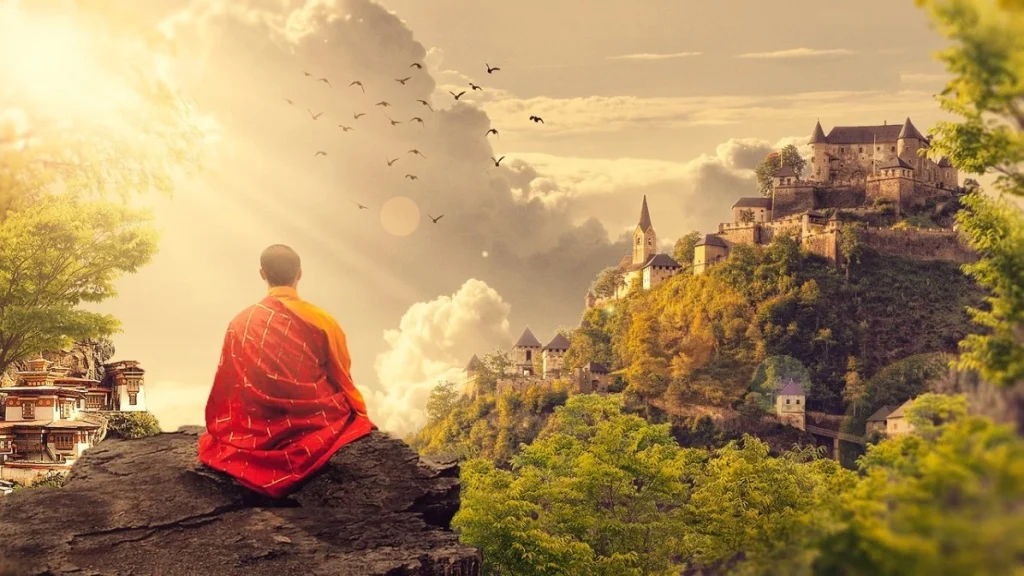
Many tourists are organizing wellness itineraries in 2025, which include spiritual walks through rural India, healing stays, and meditation retreats. These lesser-known villages teach you to live simply, slow down, and rediscover yourself. They are more than just tourist destinations. This comprehensive travel guide covers six of India’s most spiritual villages that genuinely encourage self-healing. 1. Auroville, Tamil Nadu – The Global Village of Conscious Living Why Visit: The concept of unity and inner transformation served as the foundation for Auroville. People come together to live sustainably and mindfully in this international township. Unique Highlight: If you’re into Yoga, meditation, pottery, and eco-workshops, then these all can be incorporated into a visitor’s customized healing schedule. Festivals: To celebrate Auroville Anniversary Day, every February, Auroville hosts meditation events and cultural performances. Foods: Expect plant-based, organic meals prepared using regional ingredients. Pro Tip: To adjust gradually, schedule a 3-day stay. Go to the morning meditation, and spend the evenings at the Matrimandir gardens. 2. Tawang Village Region, Arunachal Pradesh – Peace Amid the Himalayas Why Visit: The rhythm of monastery bells and clean mountain air helps in creating an atmosphere full of healing and mindfulness. It provides a tranquil fusion of natural beauty and Tibetan Buddhist culture. Unique Highlight: Visitors can walk through nearby hamlets, and soak in peaceful mountain sunsets. Participate in morning prayer sessions at the historic Tawang Monastery. Festivals: In January, the Torgya Festival includes masked dances that represent protection and purification. Foods: Enjoy momos, thukpa, and hot butter tea. Its healthy enriched nutrients make it ideal for healing at high elevations. Pro Tip: For peaceful reflection, eat light, drink lots of water, and go to a monastery for evening prayers. 3. Gokarna, Karnataka – The Coastal Sanctuary for Mindful Living Why Visit: Gokarna’s charm is in how it combines spiritual depth with beach tranquility. It is perfect for tourists looking for leisure as well as introspection. Unique Highlight: A leisurely coastal wellness itinerary includes visiting the historic Mahabaleshwar Temple, doing sunrise yoga by the sea, and strolling between beaches along picturesque cliffs. Festivals: Gokarna becomes a hub of devotion during Mahashivaratri. Foods: Try South Indian thalis, banana pancakes, fresh coconut water, Sattvic meals, and herbal teas. Pro Tip: For calm weather, go there between October and March. Reserve lodging close to Om Beach. 4. Rajgir, Bihar – Ancient Healing in the Heart of Magadha Why Visit: Rajgir, a timeless village renowned for its hot springs, Buddhist heritage, and serene hills, was once the capital of the ancient Magadha Empire. It is one of India’s first healing locations. Unique Highlight: Buddha preached at Vulture’s Peak, where you can meditate. You can also take a bath in the Rajgir Kund. Festivals: Every November, music, dance, and spiritual customs come together for the Rajgir Mahotsav. Foods: You stay energized and light throughout the day with simple Bihari meals like litti-chokha, sattu parathas, and seasonal vegetables. Pro Tip: Meditate in the vicinity of the Shanti Stupa. Be mindful of local traditions by wearing modest clothing and taking off your shoes when you’re close to shrines. 5. Meherabad, Maharashtra – A Retreat for Silence and Reflection Why Visit: Meher Baba, who was well-known for his teachings on love and silence, established Meherabad. His legacy is carried on by the village, which welcomes guests looking for simplicity as a means of achieving peace. Unique Highlight: You can read spiritual literature, stroll through peaceful fields, and meditate at Meher Baba’s Samadhi during the day. Festivals: Meher Baba’s Mahasamadhi is celebrated on January 31 of each year during the Amartithi Festival. Foods: Ashram kitchens prepare fresh Maharashtrian cuisine, including jowar roti, lentil dal, and seasonal vegetables. Pro Tip: Schedule your visit during Amartithi Week. Keep a journal with you at all times. 6. Spiti Valley Villages, Himachal Pradesh – The High-Altitude Haven Why Visit: The villages of Spiti, such as Kibber, Langza, and Dhankar, are tucked away in the Trans-Himalayan region and provide an unspoiled setting for profound spiritual healing. Unique Highlight: You can observe the Milky Way’s night sky illumination, learn meditation at isolated monasteries, and stay with local families. Festivals: The Tibetan New Year is celebrated at the Losar Festival with dance, chants, and blessings for rebirth. Foods: Taste warming dishes ideal for mountain climates, such as yak-butter tea, tsampa porridge, and barley soup. Pro Tip: For safer roads, travel between June and September. Bring a tea thermos, sunscreen, and altitude medication. Festivals of Healing Across India Auroville: Peaceful assemblies to foster creativity and solidarity. Tawang: Purification-symbolizing mask dances. Gokarna: The spiritual energy of Mahashivaratri by the sea. Rajgir: Peace festivals that combine music and Buddhism. Meherabad: Silent remembrance of Meher Baba. Spiti: Losar Festival welcoming new beginnings. Pro Tip: For more cultural and spiritual feel, plan your trip especially during regional festivals. Foods That Heal the Soul South India: Coconut-based curries, millets, and herbal teas. Himalayas: For strength, use barley, yak butter, and warm broths. Bihar & Maharashtra: Simple thalis that strike a balance between nutrition and flavor. Avoid overeating or processed food. Eat mindfully, chew slowly, and have gratitude. Pro Tip: Keep a reusable cutlery and bottle with you. Avoid single-use plastic. Travel Planner & Itinerary Ideas Day 1: Arrive in Delhi, Pune, or Guwahati on the first day, then relax. Day 2-3: Go to Gokarna or Auroville for yoga and relaxation. Day 4-5: Travel to Meherabad or Rajgir to participate in meditation sessions. Day 6-7: Conclude in Tawang or Spiti for mountain reflection and stargazing. Pro Tip: Before you travel, always check the climate. Include buffer days in your schedule. Frequently Asked Questions Q1. How long to stay? Three to Seven days. Q2. Are these open to beginners? Yes. It is open to beginners. Q3. When is the best time to visit? October to March. Himalayan villages in June to September. Q4. What is the average budget? ₹1500 – ₹3000 per day except Auroville and Spiti villages. Q5. Are these villages safe? Yes, it is safe. An invitation to slow
Ultimate Switzerland Itinerary for 7 and 10 Days
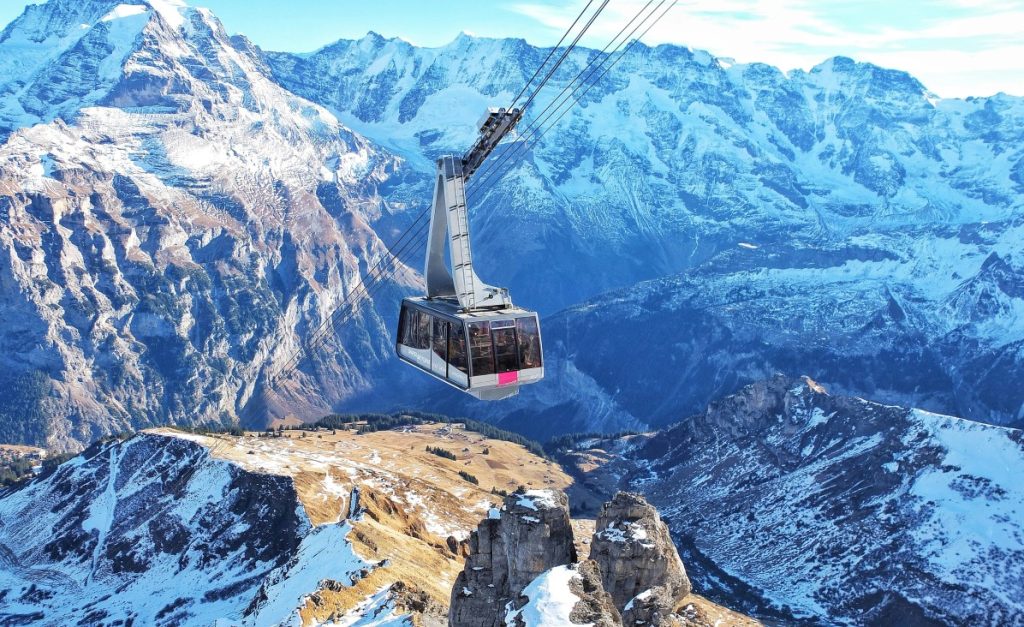
Switzerland is more than just a trip; it is an experience of a lifetime. The fantastic feeling of waking up to cow bells in alpine valleys, breathing the fresh mountain air, and watching the sun shine down on the snowy peaks is life-changing and unforgettable. Whether it is a honeymoon, solo trip, or a family vacation, having a good travel itinerary for travel in Switzerland will make sure you don’t miss a moment. When you have a Switzerland trip planner or curated tour packages you can experience iconic attractions, explore hidden gems, find adventure, and relax on one trip. If you need an example, look to Arjun and Meera from Mumbai, who had the chance to spend 7 days together enjoying Switzerland on their own terms—they went skiing in Zermatt, settled in for sunsets in Interlaken, and explored beautiful cities. Their story illustrates that if you plan thoughtfully, in the end you will have an adventure of several unforgettable moments. Understanding Switzerland – A Country of Contrasts Each Swiss city offers a unique flavor: Zurich: Modern luxury meets historic charm; perfect for shopping, riverside walks, and vibrant nightlife. Lucerne: Picture-perfect lakes, medieval streets, and easy access to Mount Pilatus and Mount Titlis. Interlaken: Nestled between two lakes, ideal for adventure sports and romantic escapes. Zermatt: Home to the iconic Matterhorn, ski slopes, and scenic hikes. Geneva: International culture, serene lake views, and world-class cuisine. The seasons also affect your experience: winter includes snow adventures, while summer includes hiking, festivals, and fun at the lake. You can build your trip around the weather and surrounding festivals to have an unforgettable trip that includes adventure, culture, and relaxation. Suggested 7-Day Switzerland Itinerary Day 1 – Zurich: Explore Old Town, Bahnhofstrasse, and the Limmat River. Evening dining or nightlife options. Day 2 – Lucerne: Walk Chapel Bridge, visit Mount Pilatus or Titlis, and enjoy a lakeside dinner. Day 3 – Interlaken: Paragliding, boat rides on Lake Thun/Brienz, boutique stays for honeymooners. Day 4 – Jungfraujoch: Train to Europe’s highest station, Ice Palace, and Aletsch Glacier views. Day 5 – Zermatt: Gornergrat Bahn, skiing or hiking, fondue dinner in a chalet. Day 6 – Geneva: Jet d’Eau, Old Town, lakeside promenades, and chocolate boutiques. Day 7 – Montreux: Château de Chillon, Lavaux vineyards, lakeside strolls before departure. This itinerary balances cities, mountains, lakes, and cultural experiences without rushing. Extending to a 10-Day Itinerary Longer trips allow exploration of offbeat destinations: Lauterbrunnen: “Valley of 72 Waterfalls” and Trümmelbach Falls. Bern: UNESCO-listed Old Town, Zytglogge Clock Tower, and local cuisine. Lausanne: Olympic Museum, lakeside promenades, vineyards, and wine tours. Gruyères: Famous for cheese, medieval castle, and culinary experiences. A 10-day itinerary offers more immersion, perfect for honeymooners, families, or solo travelers seeking adventure and relaxation. Activities & Experiences Adventure & Outdoor: Skiing, snowboarding, hiking, paragliding, cycling, and mountain biking. Scenic Rides & Water Fun: Glacier Express, Bernina Express, lake cruises, kayaking, and paddleboarding. Cultural Experiences: Medieval villages, local food and wine tours, museums, galleries, and festivals. Curated Switzerland tour packages or a Switzerland trip planner make integrating these experiences simple. Transport, Accommodation & Budget Tips Transport: Swiss Travel Pass covers trains, buses, and boats; panoramic routes include Glacier Express and Bernina Express. Accommodation: Options range from hostels and boutique hotels to luxury chalets and honeymoon packages. Budget Travel: Travel off-peak, use Airbnb or guesthouses, enjoy ready-to-eat meals, and combine destinations efficiently. Honeymoon & Romantic Highlights Switzerland is a top honeymoon destination: Chalet stays in Zermatt or St. Moritz. Scenic train rides on Glacier Express or Bernina Express. Sunset lake cruises and luxury spa retreats. Private wine and chocolate tastings. Packages from The Tarzan Way provide curated itineraries for romance, adventure, and cultural immersion. FAQs & Tips Best time to visit: April–June (spring), July–September (summer), Dec–Feb (winter). Top cities: Zurich, Lucerne, Geneva, Interlaken, Zermatt, Montreux, Bern. Suitability for budget travelers: Yes, with smart planning and Swiss Travel Pass. Trip length: 7–10 days for highlights, longer for hidden gems. Safety: Switzerland is very safe for solo travelers. Switzerland offers the ideal mix of relaxation, excitement, romance, and culture; every traveler will find moments they will remember. Besides beautiful mountains covered in snow, breathtaking lakes, vibrant cities, and relaxing villages, Switzerland is everything a traveler could hope for. You can plan aspects of your trip to Switzerland through an itinerary, guided tour packages, or honeymoon packages that combine all three elements of sightseeing, adventure, and relaxation. Begin your experience and enjoy special moments in memorable landscapes. Ready to plan your dream Swiss adventure? Scroll down to explore the complete Switzerland travel guide and uncover the perfect 7-day and 10-day Switzerland itinerary — featuring breathtaking cities, alpine adventures, scenic train rides, and hidden gems waiting to be discovered. Your Swiss Dream Awaits – Crafting the Perfect Itinerary Waking up to cowbells ringing in the valleys, breathing in the fresh alpine air, and watching the morning sun lightly touch the snow-capped peaks is something magical. Switzerland is not just a place, it’s a sensation. Whether you’re a couple on your honeymoon, a solo traveler, or a family vacationer, a thoughtful Switzerland travel itinerary will help you make the most of your trip to Switzerland. You may sit and sip coffee beside Lake Lucerne, hike in the surrounding Alps, or take a ride on a panoramic train. In Switzerland, with each bend comes another postcard perfect moment. Take for example Arjun and Meera, a couple from Mumbai who were newlywed and wanted to go to Switzerland, they didn’t want to just look at postcards, they wanted to feel Switzerland. With a Switzerland trip planner, they were able to spend 7 days discovering cities, mountains and lakes at their own pace. From skiing in Zermatt to catching a sunset over Interlaken, they found that with a detailed plan and itinerary that it is possible to live innumerable stories in one trip. To make your own dream itinerary come alive, this Switzerland travel guide walks you through everything – from breathtaking cities and
Best Time to Visit Switzerland for Snow & Summer Trips
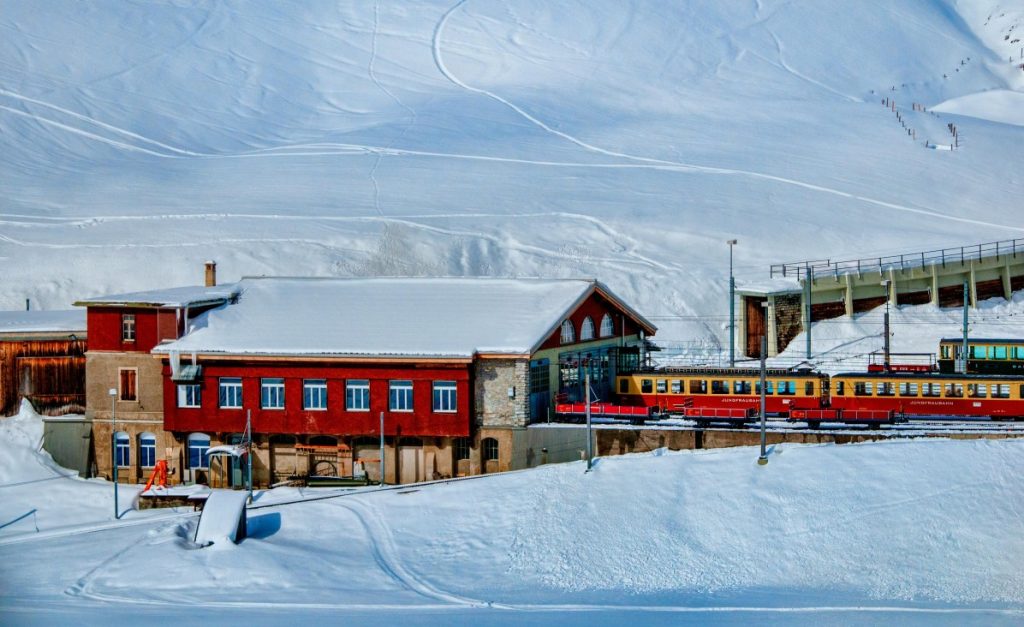
Switzerland is a dream trip destination with experiences for all types of travelers, from snow peaked mountains, sparkling lakes, charming medieval villages, and bustling cities. Whether taking a honeymoon trip, a family trip, a solo trip, or with a group, understanding the best time to visit is an important first step. You will have the possibility of a successful trip if you do your due diligence by planning your Switzerland itineraries creative tour packages that help you safely maximize your adventure, sightseeing, or relaxation efforts throughout your journey. Understanding Switzerland’s Seasons Switzerland transforms dramatically with the seasons, each offering unique experiences: Spring (March–May): Lower elevation snow melts; green meadows and blooming wildflowers abound. Perfect for walking tours, exploring the city, or taking photos in Zurich, Bern, and Lucerne. Less tourists mean you will enjoy sightseeing more. Summer (June–August): The mountains of the Alps are rich in greenery, with trails and lakes about which to create adventure. Cities are a vibrant hub of open-air markets, cultural festivals, and outdoor happenings. It is a place for families and couples and for people who are traveling alone to connect with nature and culture. Autumn (September–November): Switzerland turns golden and crimson; vineyards, alpine meadows, and forests are picturesque. Perfect for wine and food festivals, and a budget-friendly travel experience. Winter (December–February): The country is blanketed with snow: a winter paradise for skiing, snowboarding, tobogganing, and snowshoeing. Ideal for quaint honeymoon packages and delightful chalets. Visit Christmas markets, sip Swiss hot chocolate, and enjoy stunning train travel. Snow & Winter Activities For snow lovers, Switzerland in winter is unbeatable: Skiing & Snowboarding: Zermatt, St. Moritz, Verbier. Winter Adventures: Sledding, snowshoeing, winter hiking. Romantic Escapes: Chalets, private ski lessons, scenic gondolas. Festive Highlights: Christmas markets in Lucerne, Zurich, and Geneva. Booking guided tours or tour packages ensures safety, convenience, and access to hidden gems. Summer & Outdoor Adventures The Summer brings endless outdoor activities and city exploration: Hiking: Swiss Alps trails with panoramic views. Water Activities: Swimming, paddleboarding, or boat rides on Lake Geneva, Lucerne, and Thun. City Exploration: Zurich, Lucerne, Bern, and Interlaken offer culture, markets, and nightlife. Festivals: Open-air concerts, cultural events, and food fairs. Summer evenings are perfect for local cuisine, riverside cafés, and social nightlife. Must-Visit Cities & Attractions Lucerne: Medieval architecture, Chapel Bridge, and Lake Lucerne. Zurich: Modern city life, museums, shopping, and riverside strolls. Geneva: Jet d’Eau, lakeside promenades, and cosmopolitan vibes. Zermatt & Matterhorn: Skiing, hiking, and iconic alpine views. Interlaken: Adventure hub for paragliding, lake cruises, and hiking. Budget travelers can enjoy free attractions like hiking trails and lake promenades, while luxury seekers can opt for scenic train rides and private experiences. Suggested 7–10 Day Itinerary Days 1–2: Zurich – Old Town, Lake Zurich, museums. Day 3: Lucerne & Mt. Pilatus – Cable car, city strolls. Days 4–5: Interlaken & Jungfrau – Paragliding, hiking, lakes. Day 6: Zermatt & Matterhorn – Ski or summer hikes. Days 7–8: Geneva & Montreux – Jet d’Eau, Château de Chillon, vineyards. Days 9–10: Bern – Medieval streets, Zytglogge Clock Tower, local markets. Using a Switzerland travel planner ensures you balance nature, adventure, and urban exploration. Travel Tips Transport: Swiss Travel Pass for trains, buses, and trams. Accommodation: Budget hostels, mid-range hotels, luxury alpine resorts. Packing: Layered clothing, hiking shoes, swimwear. Etiquette: Punctuality, modest attire in churches, tipping appreciated but optional. Budget Travel: Eat at local cafés, use self-catering, and explore free attractions. Honeymoon & Romantic Experiences Switzerland is perfect for romance: Scenic train rides on Glacier Express or Bernina Express. Sunset cruises on Lake Geneva. Luxury spa retreats and chalet stays. Ski resorts for winter romance. Honeymoon packages combine private tours, romantic accommodations, and curated itineraries. FAQs Best time to visit: April–June (spring), July–Sept (summer), Dec–Feb (winter). Cities to visit: Zurich, Lucerne, Geneva, Interlaken, Zermatt, Montreux. Solo travel safety: Very safe with reliable transport. Must-see attractions: Matterhorn, Jungfraujoch, Rhine Falls, Lake Geneva, Château de Chillon. Budget options: Hostels, public transport, self-catering. Honeymoon packages available: Yes, with romantic experiences. Ideal itinerary: 7–10 days covers highlights comfortably. Nightlife: Zurich, Geneva, Interlaken – clubs, bars, live music. Switzerland is a utopia for nature lovers, adventurers, culture lovers, and honeymooners. From skiing the Alps to exploring quaint towns, skiing, enjoying lakes, and city life, it has it all. With a Switzerland travel guide or package, a considerate approach will help develop the perfect travel plan that includes the desired levels of adventure, relaxation, and romance. Start planning your unique escape to Switzerland now and enjoy the magic mix of snow, summer, culture, and adventure. Ready to explore every corner of Switzerland? Scroll down to dive into the complete Switzerland travel guide and discover the best seasons, cities, activities, and hidden gems for your perfect snow or summer trip. Switzerland Awaits, Any Season is Magical Switzerland is a country that feels like it was lifted out of a storybook. Snow-capped mountains, pristine lakes, medieval villages, and vibrant cities make it a dream place to visit for every type of traveler. Whether you’re planning your honeymoon, a family getaway, a solo trip, or even a group trip, knowing when the best time is to visit Switzerland is important to help you have the best experience possible. Take Anna and Marco from Italy who wanted to visit Switzerland for their honeymoon, for example. They began planning their trip for several months using a Switzerland travel guide, and a Switzerland trip planner. Ultimately, by organizing their days, they were able to do snow sports in Zermatt, summer hiking in Interlaken, or cultural walks in Lucerne – all in one trip. A structured Switzerland travel itinerary is a must to incorporate the full range of adventure, sightseeing, and relaxation for a rewarding trip and to maximize the value of each trip. With customized and curated Switzerland tour packages, tourists will experience popular attractions and hidden gems, from elevated views of the mountains to quaint Swiss villages. Whether it’s your first time traveling to Switzerland or planning a romantic trip with
Instagram-Worthy Travel in India (2026): Most Photogenic Spots + Guide
Traveling is now more than just crossing places off your list; it’s also about catching moments to post on Instagram. With India’s abundance of breathtaking scenery, you’ll need to have a picture-perfect travel planner’s mindset to capture every moment, from street-vibe motion to sunrise reflections. No matter if you’re a solo traveler or first time visitor, this guide will help you discover all the popular photogenic destinations of India, along with the best tips and advice regarding when to visit, ideal time, and festivals to attend for best travel photography. 1. Golden Hour Landscapes: Desert, Mountains & Water India offers breathtaking scenery that is worth a double-tap and these locations are one of such most popular spots on travel photography lists. Unique Highlights: For dramatic, minimalist frames, desert dunes provide silhouettes, Himalayan valleys provide layered mountain backdrops, airy skies and lakes create symmetry that works for both photos and reels. Best Destination to Experience: Visit places like Jaisalmer, Pangong Lake, Spiti Valley, Nubra Valley, Rann of Kutch. Pro Tip: Golden hour is the best time for photography. Use the panorama mode. Keep a wide-angle lens. 2. Vibrant Cities & Colourful Streets The pastel-shuttered lanes of Pondicherry, the vibrant pinks of Jaipur, and the chaotic charm of Delhi’s Chandni Chowk are all excellent photogenic locations for narrative photographs. Unique Highlights: Context is added by architectural backgrounds. Street scenes are ideal. Color-coding lanes or houses (think pink, mustard, or turquoise) are best for engaging grids. Best Destination to Experience: Visit places like Jaipur, Pondicherry, Delhi (Chandni Chowk), Varanasi (Ghats & Alleys), Jodhpur (Blue City). Pro Tip: For soft architectural light, visit shortly after sunrise, to see double-colored, reflective wet pavements visit after rain. 3. Heritage + Culture Scenes Heritage sites provide layers of meaning in every frame, which is ideal for a travel planner who wants both beauty and story. Unique Highlights: Ruins, architecture, and carvings provide interesting shadows and natural frames. Better lighting and fewer crowds can be found when visiting in the early morning. Best Destination to Experience: Visit places like Hampi, Khajuraho, Agra (Taj Mahal & Fort), Udaipur (City Palace), Ajanta & Ellora Caves. Pro Tip: Look into photography permissions beforehand. Video and tripods are prohibited in some places. 4. Beaches, Backwaters & Island Dream Scenes If you want to travel with a “relax-and-shoot” mentality, India’s beaches and serene waterways provide both peace and visual appeal. Unique Highlights: Open horizon lines, gentle waves, and water reflections combine to create serene images. Excellent background is available for lifestyle photos. Around coastal towns like Fontainhas and Goa, pastel-colored streets add diversity. Best Destination to Experience: Visit places like Radhanagar Beach (Havelock Island), Kerala Backwaters (Alleppey), Goa, Varkala, Gokarna. Pro Tip: If you plan to take pictures near water, bring a waterproof phone pouch. 5. Festivals, Local Food & Authentic Moments Pictures of people, events, and regional cuisine bring life to our feed. Whether it’s a Rajasthani festival or Delhi street food, these occasions foster genuine engagement in Instagram. Unique Highlights: Local customs, fairs, and festivals like Diwali offer dynamic, vibrant, and emotionally charged scenes. Local food, such as regional specialties and street vendors, gives your grid and story more flavor. Authentic interactions provide distinctive highlights. Best Destination to Experience: Visit places like Jaipur (Holi & Teej Festival), Delhi (Street Food & Fairs), Varanasi (Ganga Aarti), Pushkar (Camel Fair), Kolkata (Durga Puja). Pro Tip: Get the consent before taking close-ups. To separate emotion, use a prime lens or a zoom to a moderate extent. Travel Planner Checklist & Packing for the Photo Hunt Unique Highlights: Always have an extra SD card or memory and a portable charger with you. Carry a waterproof bag or pouch, a spare lens cloth or lens cleaner, and a light jacket or scarf for early morning shoots (particularly on the coast or in the hills). Pro Tip: Each day, create a loose “photo itinerary” by planning one or two important shots (local market, golden hour), allowing extra time for impromptu moments. Best Time for Photography Shoot in India When planning a trip to India, timing is crucial. The light and mood you want your pictures to capture will determine the ideal time for a photography shoot. Winter (October to February) It’s perfect for outdoor shoots because of the clear skies, bright sunshine, and comfortable weather. Best Destinations: Spots like Jaipur, Delhi, Agra, Varanasi, Rann of Kutch, and Goa. Highlight: The gentle, diffused light from the low sun angle is ideal for architecture and portraiture. Summer (March to June) Summer brings vibrant colors and fewer crowds, despite the heat. This season brings out the beauty of the Himalayan landscapes and hill stations. Best Destinations: Ladakh, Spiti Valley, Darjeeling, Sikkim, and Ooty. Highlight: Glacial lakes and snow-capped mountains shine bright during early morning. Monsoon (July to September) Monsoon shots are the best for drama and mood. Anticipate a lot of greenery, mist, and reflections. Best Destinations: Spots like Kerala backwaters, Coorg, Munnar, Meghalaya. Highlight: Soft, cloudy skies soften harsh shadows. It is perfect for narrative shots. Pro Tip: Schedule your activities around sunrise and sunset. The blue hour intensifies contrast and mood, while the golden hour adds warmth. Festival Frames: Capture India in Celebration Holi: Festival of Colours (March) Powder clouds of pink, yellow, and green create impromptu and vibrant frames. Where: Mathura, Vrindavan, Barsana, and Jaipur. Unique Highlight: Early morning temple processions and laughter-filled crowd scenes. Pro Tip: Use a fast shutter speed. Protect your phone or camera with a waterproof case. Diwali: Festival of Lights (October–November) With the use of fireworks, golden lamps, and festive clothing, everything seems to be glittery. Cities are transformed into glittering canvases. Where: Places like Varanasi, Jaipur, and Delhi. Unique Highlight: Take pictures of diyas by rivers or houses that are lit up at night. Pro Tip: To prevent blur in low light, use the night mode or manually adjust the ISO. Pushkar Camel Fair (November) Travellers who enjoy earthy, rustic frames, this desert fair is must-go to spot. Where: Places
Explore Bali Beyond Ubud: Hidden Beaches & Villages
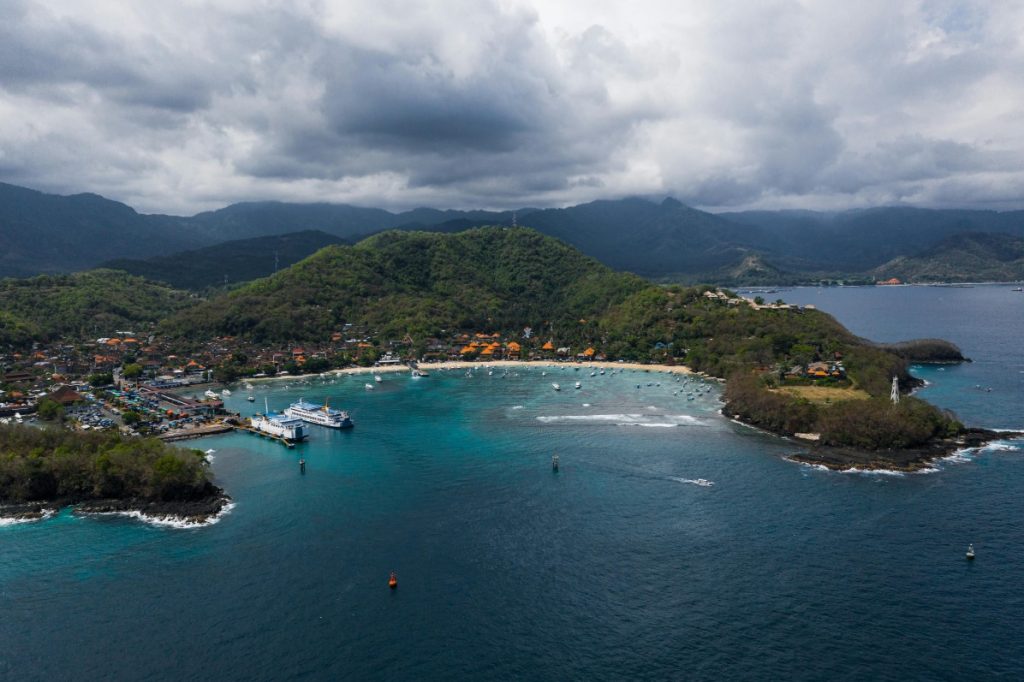
Most people visiting Bali will think of rice terraces and yoga retreats in Ubud, but the island’s true beauty is often found away from the common hotspots. Bali offers hidden beaches, traditional villages, waterfalls, and adventure trails, which underpin a cultural, nature, and local life-filled Bali adventure for all visitors to experience. Utilize a Bali travel planner or Bali trip planner to help ensure that you discover Bali’s hidden gems efficiently and in a meaningful way. Offbeat Beaches Canggu Bali: Surf, yoga, and sunset vibes! With hip cafes, smoothie bowls, and live music, Canggu is perfect for Bali solo travel or couples. Sanur Bali: Calm, family-friendly, and perfect for traveling the beachfront by bike. It is also the gateway to see Nusa Lembongan and Nusa Penida for an island getaway. Nusa Dua Bali: Home to luxury resorts, white sand beaches, and cultural experiences such as Museum Pasifika, Nusa Dua is perfect for Bali honeymoon packages all inclusive. Jimbaran Bali: Known for its sunset seafood dinners on the beach, Jimbaran is a must-visit for couples and families traveling together. Hidden Villages & Cultural Escapes Sidemen Village: Surrounded by stunning rice fields and offers weaving workshops and homestays. This is the perfect destination for the Bali honeymoon itinerary and provides a peaceful and authentic experience. Penglipuran Village: Regarded as one of the cleanest villages in Bali and continues to maintain its traditional architecture and local traditions. Tabanan & Jatiluwih Rice Terraces: UNESCO-recognized rice terraces that are perfect for an early morning walk, taking photos, and engaging with local culture. Adventure Trails Mount Batur Trek: Trekking to the summit of Mount Batur for sunrise views over the lake and volcano. Moderate difficulty; guided treks recommended. Rice Terraces and the Tegallalang: Walk paths to see the rice terraces or just be present to see produce agriculture and interact with farmers doing traditional irrigation. Waterfalls: Tegenungan (easy access), Tukad Cepung (different – hidden cave), Sekumpul (remote jungle). Wellness & Yoga Retreats Ubud Outskirts: Forest sanctuaries for meditation, healing, and spiritual connection. Canggu: Surf-friendly yoga studios and morning beach sessions. North Bali: Less touristy, perfect for detox, wellness, and mindful relaxation. Where to Stay Budget: Homestays located in Sidemen or Sanur to experience authentic local life. Mid-range: Boutique villas in Canggu or Seminyak to provide comfort and cultural experience. Luxury: Spa resorts located in Uluwatu, Nusa Dua, or Jimbaran for Bali honeymoon packages with everything included. The Tarzan Way offers curated stays connecting you to culture, hidden gems, and immersive adventures. Bali Nightlife & Food Scenes Seminyak: Upscale beach clubs and live music. Pair with spa or cycling tours. Canggu: Night markets, cafés, and acoustic music venues for solo travelers and digital nomads. Jimbaran & Sanur: Sunset dining and relaxed evenings. Local flavors include Nasi Campur, Lawar, Bebek Betutu, and Sate Lilit, best explored through food tours. Suggested 7–10 Day Bali Itinerary Day 1–3: Ubud, Sidemen, Mount Batur sunrise trek, Tegallalang rice terraces. Day 4–5: Canggu, Seminyak, Uluwatu, Jimbaran beach. Day 6–7: Nusa Dua, waterfalls, Sanur, optional island hopping. Optional Days 8–10: Tabanan exploration, workshops, spa retreats, and shopping. Check Complete Bali Itinerary (5, 7, 10 Days) for details. Best Time to Visit Bali April–June: Dry season, ideal for beaches and waterfalls. July–September: Peak season, festivals, and nightlife. October–March: Rainy season, perfect for wellness and spa retreats. Travel Tips Use scooters or local drivers for navigating the area. Remember to bring small bills in IDR for local shopping. Lightweight clothing, swimwear, hiking shoes, and yoga clothes are recommended. Dress modestly at temples and observe local customs. Bali is a rich tapestry of beaches, villages, waterfalls, and temples. Slow down, discover hidden paths, and participate in local life. With experiences curated for you from The Tarzan Way, let your Bali trip be a blend of adventure, culture, wellness, and romance. Begin your hidden Bali adventure today! Ready to dive deeper? Scroll down to explore the complete Bali travel guide and uncover every hidden beach, village, and local experience waiting beyond Ubud. Beyond Ubud – The Real Bali Begins Here When most people think of Bali, they think of Ubud – rice terraces, yoga, and a spiritual sense of calm. For Mira and Karan, who first traveled to Ubud on their honeymoon, Bali was full of secrets that went beyond the obvious postcards. On their second day in Ubud, they left the busy streets and went off the beaten path. They drove before the sun had finished rising over the horizon as they crossed emerald rice paddies, small rivers glistening in the sunlight, and tiny villages watching time pass without visitors. This was the other side of Bali; an island full of stories, traditions, and landscapes that many visitors never see. Bali is not just a group of resorts and temples, it is a living mosaic of experiences waiting to be discovered. If you want to plan a trip like Mira and Karan did in Bali, use a Bali travel planner or Bali itinerary planner. A properly organized Bali itinerary will give you time to visit hidden beaches, ancient villages, and adventure trails, while also capturing the true magic of the island. For first-time visitors, the Bali Travel Guide 2025 – The Ultimate Planner for Your Dream Trip provides detailed tips on transport, cultural etiquette, and must-visit spots. The Allure of Hidden Bali There exists a Bali beyond Ubud, and the busy streets that accompany most tourist centers. This is a Bali where mornings are spent smelling frangipani, witnessing locals work in rice paddies, and fishermen throwing their nets in a quiet cove. Visiting some remote corners of the island can give you: Quiet beaches like Balangan or Bingin, where the ocean seems endless. Authentic villages preserving centuries-old crafts and customs. Adventure trails ranging from volcano treks to jungle waterfalls. Wellness escapes tucked away in quiet corners, perfect for solo travelers or honeymooners. When you plan with a Bali vacation planner or tour packages to Bali, you can create a travel balance of adventure, culture, and relaxing
Best Singapore City Tours with Unique Local Experiences
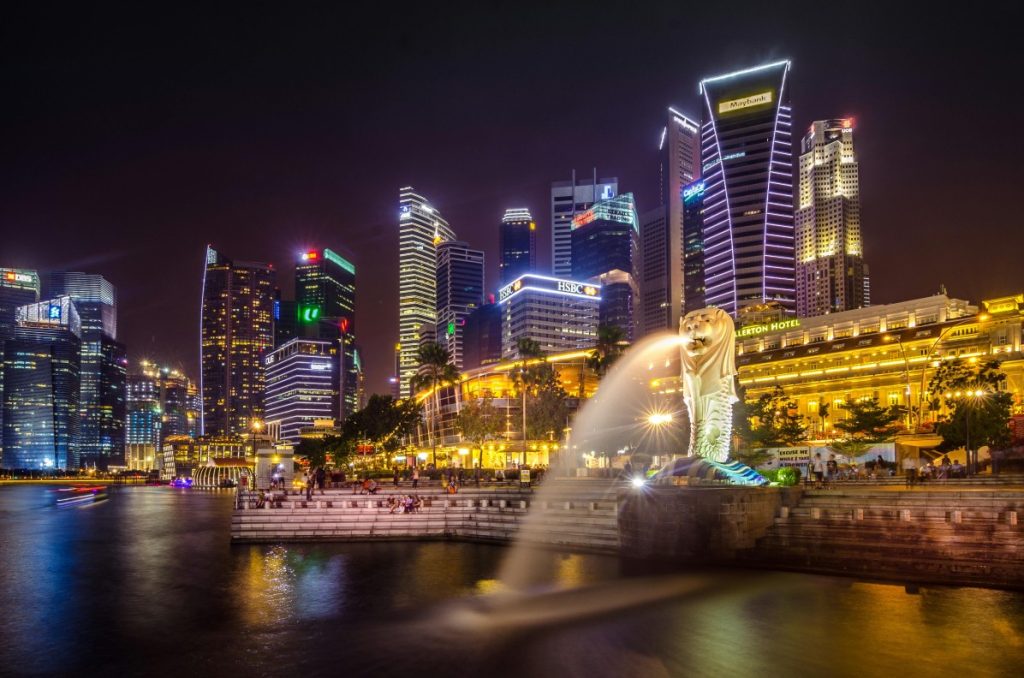
There is more to Singapore than Marina Bay Sands or Gardens by the Bay; it is a blend of culture, history, cuisine, and little-known narratives. The best way to delve into the city is to walk its streets, explore its neighborhoods, and participate in urban walks and city tours. The Tarzan Way offers curated experiences for first-time visitors that juxtapose well-known attractions with authentic interactions with the locals. Why City Tours Matter City tours are bridges to culture, history, and community. Benefits: Discover hidden gems not in guidebooks Save time with guided routes Interact with locals, taste authentic food, attend festivals Ideal for solo travelers, couples, and families who are looking to immerse themselves in Singapore vacation experiences. Types of City Tours 1. Heritage & Cultural Tours Explore Chinatown, Little India, Kampong Glam. Learn stories behind temples, markets, and family-run shops. Experience traditional food, art, and festivals. Pro Tip: Wear comfortable shoes; carry water. 2. Nature & Urban Green Tours Visit Gardens by the Bay, Singapore Botanic Gardens, Southern Ridges. Enjoy walking, hiking, panoramic views, and seasonal light festivals. Pro Tip: Bring a camera, sunscreen, and enjoy family-friendly spots. 3. Night Tours & Light Experiences Discover the city after dark: Marina Bay light show, Clarke Quay nightlife, Jewel Changi waterfall. Great for couples, photographers, and evening relaxation. 4. Culinary & Street Food Tours Must-visit hawker centers: Maxwell Food Centre, Old Airport Road, Lau Pa Sat. Sample iconic dishes like chicken rice, laksa, satay, and desserts. Pro Tip: Carry small bills, eat what locals eat, and ask about family recipes. 5. Offbeat & Thematic Experiences Hidden gems like Tiong Bahru murals, Pulau Ubin cycling, workshops (batik, Peranakan cooking). Ideal for travelers seeking authentic, local stories and hands-on experiences. Suggested Singapore 5-Day Itinerary Day 1: Marina Bay, Gardens by the Bay, river cruise Day 2: Chinatown & Little India heritage tours Day 3: Sentosa Island, Universal Studios/S.E.A. Aquarium Day 4: ArtScience Museum, Tiong Bahru cafés, Orchard Road shopping Day 5: Botanic Gardens, local cafés, Jewel Changi waterfall Pro Tip: Start early, plan around MRT routes, carry water and a camera. Best Time to Visit Jan–Mar: Pleasant, ideal for sightseeing Apr–Jun: Hot and humid; indoor attractions recommended Jul–Sep: Festival season, cultural immersion Oct–Dec: Occasional rain; Christmas lights and markets Planning around festivals enhances your Singapore trip guide experience. Where to Stay Bugis: Central, lively, MRT access Chinatown: Budget-friendly, culture-rich Clarke Quay: Nightlife and riverside dining Little India: Colorful heritage vibe Pro Tip: Stay near MRT lines for easy access to attractions. Special Experiences Romantic: Sunset cruises, rooftop dinners, spa retreats Family-Friendly: Sentosa, Night Safari, Singapore Flyer Solo Travel: Pulau Ubin cycling, hawker tours, cultural workshops Travel Tips Transport: MRT, buses; EZ-Link card recommended Apps: Grab, Google Maps for easy navigation Safety: Singapore is extremely safe Currency: SGD; small bills for hawkers Etiquette: Respect temples, avoid littering, follow local rules Shopping & Souvenirs Bugis Street: Fashion, souvenirs, quirky finds Chinatown: Crafts, snacks, home décor Little India: Textiles, spices, handcrafted items Orchard Road: Luxury and mid-range shopping Conclusion Singapore is a city filled with stories, flavors, and hidden treasures. Travelers can fully immerse themselves in the Singapore experience by participating in city tours, strolling through neighborhoods, sampling delicious street food, and attending festivals. You can visit on your own, as a couple, or with family; there is a way for everyone to create memories, immerse in culture, and enjoy local experiences that are only available in Singapore.
Top Dubai Tours: Perfect for Groups & Solo Travelers

Dubai is full of contrasts — huge skyscrapers next to golden deserts; fancy resorts next to traditional bustling souks; and, on every corner, stories to uncover. Dubai has something for every traveler whether you’re traveling alone, with friends, or in a group. From adrenaline-charged activities to cultural explorations. Here is your guide to the best Dubai tours to help share ideas for your ideal trip. Planning a Dubai tour may seem overwhelming – there are so many options! The Tarzan Way has you covered. Tour itineraries designed by the experts help travelers narrow down experiences based on preferences, group size, and time pace so you can focus on memories without stress. Why Choose Dubai Tours? Exploring Dubai is more than basic sightseeing – it’s about experiencing the city more thoughtfully. Here are reasons why it’s a good idea to participate in a guided tour or follow a set itinerary: Local Knowledge: If you’re going to go on a guided tour, the tour guide is likely going to know the perfect times to see the best spots, where the hidden gem locations are. Convenience for Groups: Coordinated transport(relieving the burden of car rentals and taxis), entrance tickets, and tour guides make for a relaxing experience for all. Comfort Factor for Solo Travelers: Small group tours offer a perfect place to meet other like-minded travelers while also keeping it safe. Unique Experiences: Sometimes, a tour can include desert activities like safaris or cultural walks that can add a lot to your visit and show what to do in the tour besides dune bashing. If you like finding ways to get off the beaten path during travel, there’s a great blog about Dubai Desert Safaris – Offbeat and Unique Experiences You Can’t Miss that shares unique ideas on things to do in the desert instead of dune bashing that you’ll never forget! Top Dubai Tours for Group Travelers 1. Desert Safari Adventure A desert safari is a must-do while in Dubai — be it just a half-day ride or possibly an overnight camp, the desert is where adventure meets culture. What will you be doing: dune bashing, camel rides, standard sandboarding, and BBQ dinners under the stars, punctuated by traditional music. Pro Tip: Make sure you book for an evening — you’ll catch the dunes glowing from the sunset, and the temperature is cooler in the evening. For travelers looking for offbeat and unique experiences, combining the desert adventure with small cultural insights can be truly magical. You can even read Top Free Offbeat Things to Do in Dubai for ideas on quirky spots to explore nearby. 2. Dubai City Tour If you’re visiting the city for the first time, you definitely want to join a guided city tour. You will see all of the major sites without the stress of figuring things out based on transportation. Highlights of the tour include: Burj Khalifa, Dubai Mall, Dubai Fountain, Jumeirah Mosque, Palm Jumeirah, Atlantis The Palm. Pro Tip: If you choose a morning tour, there are usually fewer crowds. It is perfect to do the tour in the day, and then go back for the evening fountain show. Members also love this type of tour because they combine seeing the sites, and a little flexibility for shopping or photo stops. 3. Abu Dhabi Day Trip A short drive from Dubai will take you to Abu Dhabi, where you can enjoy culture and luxury beyond what Dubai has to offer. As a reminder, Abu Dhabi’s highlights include: Sheikh Zayed Grand Mosque, Louvre Abu Dhabi, Ferrari World, and Yas Marina Circuit. Pro Tip: Visiting on a midweek day is quieter and more relaxing. Usually, you can plan the wonder of a day trip to Abu Dhabi alongside your Dubai city tour as part of a larger experience of the UAE together. This arrangement tends to serve well for travelers wanting a modern city and culture. 4. Adventure & Sports Tours Dubai offers plenty for those who seek an adrenaline rush. From sky-diving over Palm Jumeirah, to jet-skiing and flyboarding, there is no shortage of excitement for every type of thrill seeker. Pro Tip: If you are traveling in the high season (Nov-Mar) to Dubai, take the opportunity to book in advance to guarantee time-slots for the best adventures at the best price. Whether you are a solo traveller or part of a group, adventure and sightseeing tours are going to be an especially engaging way to visit Dubai. Don’t forget, if you want to incorporate an ‘off the beaten path’ and experience that is a little more affordable, some experiences shared in this post from Dubai Travel on a Budget – Is It Possible? would compliment a great, fun day. 5. Cultural & Historical Tours Dubai has a rich past, and exploring it can be fascinating. Al Fahidi Historical District, Dubai Museum, Dubai Creek, Gold Souk, Spice Souk are the highlights. Pro Tip: Take a traditional abra ride across Dubai Creek — it’s a peaceful and authentic way to soak in the city’s history. For a more romantic and cultural angle, couples can also check Old Dubai’s Hidden Gems – Cultural Charms for a Romantic Getaway for ideas on scenic walks and historical spots. Best Dubai Tours for Solo Travelers 1. Walking & Food Tours Solo travelers love walking and food tours — they’re social, easy, and authentic. Highlights: Try shawarma, luqaimat, camel milk ice cream, and explore lively neighborhoods. Pro Tip: Evening tours combine food sampling with cultural insights — a great way to meet people. 2. Art & Photography Tours Dubai’s public art, skyscrapers, and street murals make it a photographer’s paradise. Highlights: Alserkal Avenue, Dubai Opera, colorful murals, futuristic architecture. Pro Tip: Early morning light is ideal for capturing the best photos. For solo travelers looking for creative inspiration, there’s a helpful guide on Dubai Dreams – Honeymoon Adventures Unveiled that also includes visual spots perfect for photography. 3. Wellness & Spa Tours Relaxation is also part of the solo travel experience
Travel for Taste: India’s Best Foodie Destinations for Authentic Regional Cuisines
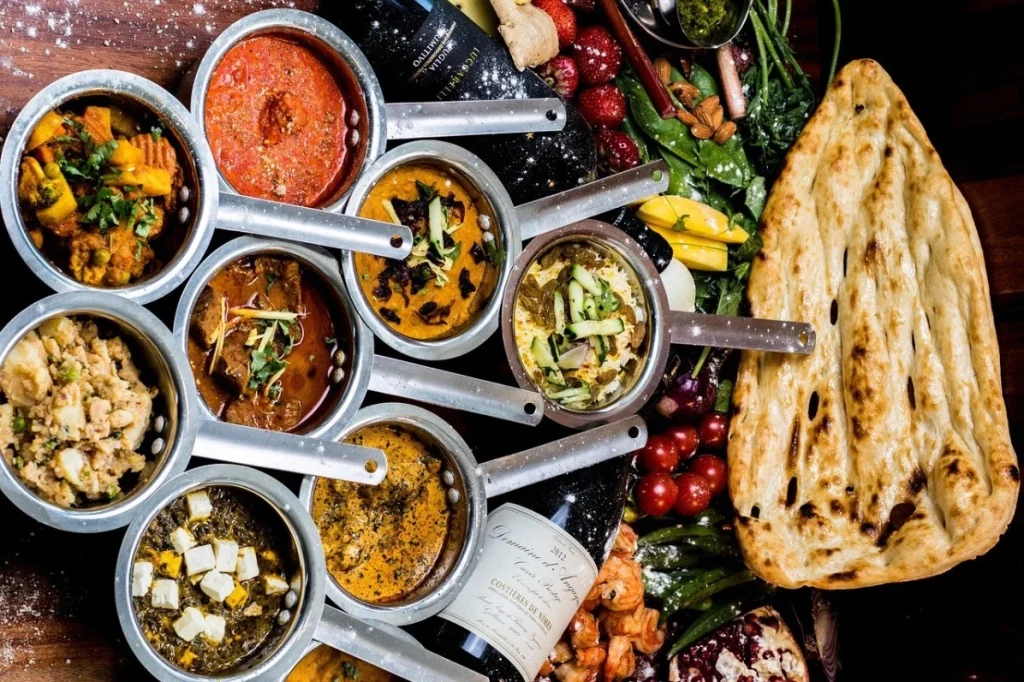
India is a mosaic of flavors, scents, and culinary traditions woven throughout its many states; it is more than just a nation. If “eat where the locals eat” is your motto when traveling, you’re in for a delicious adventure. Planning your Indian culinary trip in 2025 allows you to arrange your foodie travel itinerary according to your preferences, from Kerala’s seafood to Bengal’s sweets. This guide will highlight festivals and cuisine, offer the best travel itineraries, examine India’s most popular foodie destinations, and offer expert advice to make your culinary adventure enjoyable, safe, and unforgettable. Popular Foodie Indian Destinations To Travel in 2025: 1. North Indian Classics: Delhi, Lucknow & Amritsar The northern region of India is a veritable gold mine for those who enjoy rich gravies, kebabs, and hearty breads. Delhi (Old Delhi & Chandni Chowk) Try kebabs, spicy chaat, Banta-style jalebis, and parathas at Paranthe Wali Gali. Take a food walk in the morning; the aroma of freshly made chole and puris begins to fill the air before the sun rises. Pro Tip: Street frying oil can splash onto your fingers, so always have a small piece of tissue and a wet wipe with you. Lucknow (Awadhi cuisine) Taste slow-cooked biryani in the dum style, galouti kebab, and kakori kebab. Recently, Lucknow was chosen to be a Gastronomic Creative City by UNESCO. Visit the old city stalls and try the royal shakarkandi (sweet potato) chaat. Pro Tip: Many royal kitchens prepare fresh food for the evening crowd, so visit between 5 and 8 p.m. Amritsar (Punjabi & Sikh culinary heritage) Stuffed kulchas, chole, lassi, and langar at the Golden Temple (simple, soulful). Try the plain, cheese, and egg varieties of Kulcha King at the city’s chowk. Pro Tip: Go early in the morning for a langar experience; there will be fewer people and more time for introspection. 2. West India & Konkan Coast: Goa, Mumbai, Konkan The western Indian coastal cuisine is a hotspot for tropical flavors, from seafood to curries flavored with coconut. Goa & Konkan region (Malvani cuisine) Try the Goan fish curry, kokum-based drinks, prawn xacuti, and sol kadhi. Coconut is used in many different ways in Malvani cooking. Join a toddy shop feast at dusk, which consists of spicy food and local drinks. Pro Tip: Request “the house fish” from the locals; smaller, fresher catch frequently tastes better than menu items. Mumbai (Street food capital) The streets are lined with stands selling sandwiches, bhel puri, pav bhaji, and vada pav. Near the Marine Drive, sample the seafood “cutting chai & bun maska” combos. Pro Tip: The freshest plates are served by street vendors during the busiest lunch/dinner hours. Gujarat & Rajasthan (Vegetarian & spice-rich) Try the Gujarati dishes dhokla, fafda, and thepla; in Rajasthan, try the dal baati churma and laal maas.Try the Mirchi Bada and Mawa Kachori in Jodhpur. Pro Tip: Look for thali meals off of the main streets; you’ll frequently find hidden dishes and better value for your money there. 3. South India: Kerala, Tamil Nadu & Karnataka Here, the main ingredients are rice, coconut, and spices. Kerala (Malabar, Cochin, South Kerala) Kerala Sadya (banana leaf lunch), Thalassery-style Malabar biryani (Thalassery style), and meen pollichathu (banana leaf-wrapped fish) are not to be missed.Visit the neighborhood toddy shop and try the toddy + spicy fish snack combo. Pro Tip: Southern cuisine is frequently hotter than what the menu indicates, so proceed with caution when ordering spicy. Tamil Nadu Tamil Nadu cuisine includes Kongunadu dishes, filter kaapi, idli-dosa, and Chettinad chicken curry. The unique highlight is the jiggery-sweet Kuzhi Paniyaram, which is served at temple stalls. Pro Tip: If you’re health conscious, request a version with “less oil/ghee” because many dishes are heavy. Karnataka Mysorean fish curry, Coorg pork, and Mysore masala dosa are the best cuisine. A unique highlight is visiting temple kitchens in Udupi to sample sattvic, no-onion, no-garlic dishes. Pro Tip: Keep a small first aid kit for acidity because South Indian cuisine can be tangy. 4. East India & Himalayan Flavors: Bengal, Assam, Sikkim Teas, sweets, and ingredients with a mountain theme are available in these areas. West Bengal & Kolkata Misti doi, rosogolla, puchka (a variation of pani puri), and macher jhol are found in West Bengal and Kolkata. Enjoy your cha (tea) with a Kathi roll on College Street by dusk. Pro Tip: Try sweets in the morning .Since sweets are fresher in the morning and stores sell out quickly by the mid-day. Assam & Northeast Try the jadoh, apong (rice beer), bamboo shoot pickle, and fish tika. Pro Tip: Try regional cuisine at Assamese or Meghalayan homestays. Northeastern cuisine can surprise many visitors, so always inquire if the dish is spicy. Himalayan regions (Sikkim, Uttarakhand) Himalayan cuisine, including paik (pancake), momos, gyapa khatsa (spicy cheese), and thukpa (Sikkim, Uttarakhand).Try chang and butter tea in Sikkim’s monasteries. Pro Tip: Your flavor threshold may change at high elevations, so you may need more salt or seasoning than normal. Food Festivals & Events It can enhance your experience to plan your trip around food celebrations. Bangalore Restaurant Week (Bengaluru) – a carefully planned celebration that features chef menus and discounts. Pro Tip: Many well-known restaurants sell out of their participating slots, so make your reservations well in advance. State Tourism Food Fests – Kerala’s Onam Sadya feasts, the Tamil Nadu Mango Festival, and the Goa Food & Art Festival. Pro Tip: Dates may change, so check the state tourism calendars six months in advance. Local fairs & night markets – Examples include Kolkata’s Adda lanes during Durga Puja and Indore’s Sarafa Bazaar, a nighttime food market. Pro Tip: Keep small change on hand because many street vendors do not accept digital payments. Suggested Food Travel Itinerary “Regional Deep Dive” for one week : Select a region, such as South India. Day 1: Chennai arrival & street snacks Day 2: Food tour of Madurai and Chettinad Day 3: Coimbatore → Munnar — local dishes Day 4: Kochi —
Best Time to Visit Singapore for Festivals & Events
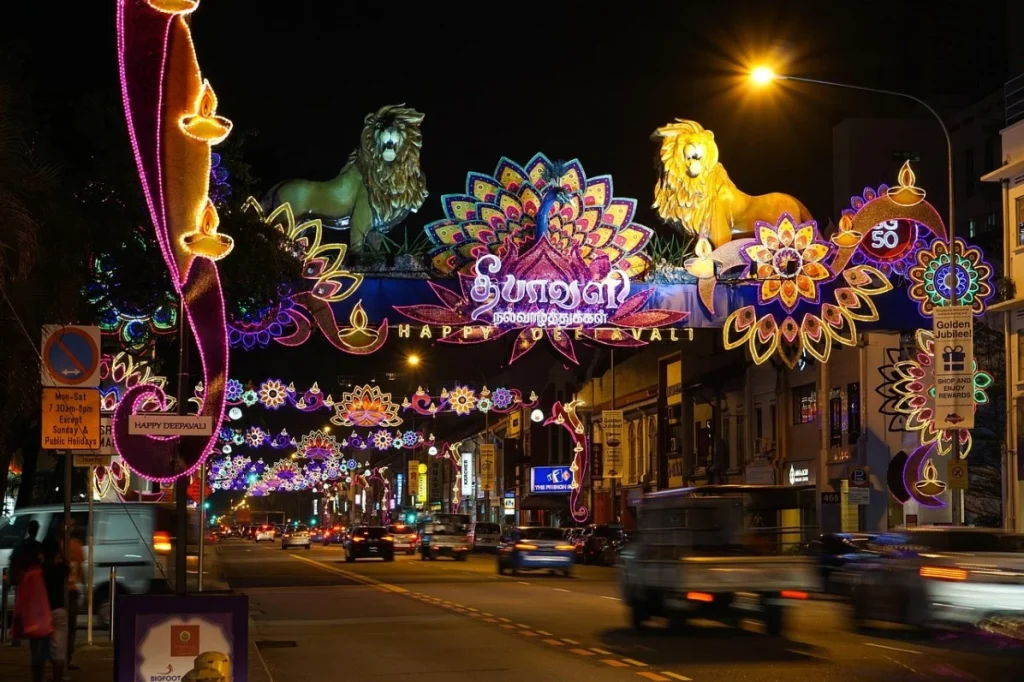
Singapore is one of those places teeming with life, with a little of everything for visitors all year round; a tiny island bursting with color, energy, and celebration every single month. From the spectacular street parades and celebratory cultural feasts to the international music festivals and mega shopping carnivals, Singapore never tires. But of course, the question travelers always want to know is — “When is the best time to visit Singapore?” The ‘best time’ will depend entirely on what kind of experience you are wanting to have. Whether that means immersing yourself in the glow of Chinese lanterns, or tasting your way through hawker stalls at the food festival, or dancing with revelers under fireworks on New Year’s Eve, we walk you through the best seasons and events that will have you planning your trip to Singapore with ease. And if planning your trip sounds like too much work, The Tarzan Way will make this effortless. It will help you build smart, experience-driven travel plans based on what you love, so you can concentrate on enjoying Singapore and not worrying about the logistics. Understanding Singapore’s Seasons Compared to many other countries of the world, Singapore does not really have four seasons; it has a tropical climate, which means it is warm and humid throughout the year. The average temperatures range between 25°C and 32°C, and it tends to rain briefly on occasion. There are two monsoon seasons: Northeast Monsoon (Dec–Mar): This typically produces more rain, and generally contains cooler winds. Southwest Monsoon (Jun–Sep): This typically produces lighter rains and breezy weeks. So, if you plan on going on a trip purely based on the weather, the best time to go out and experience all the sights is from February to April when the rain recedes, the skies clear up, and all the outdoor events commence. Pro Tip: Always take with you a random light rain jacket or umbrella — the rain can always be unpredictable, yet usually rather short-lived. You’d be surprised how many Singaporeans wait in their favorite cafés and malls to let the rain cease before making their return back outside. Major Festivals & Events Month by Month January–March: Cultural & New Year Festivities If you revel in vibrant traditions, these months are a sensory overload. The city turns into a sea of red and gold with Chinese New Year; Chinatown comes alive with lion dances, lanterns, and street food. The Chingay Parade is one of Asia’s largest street performances and takes over the city with floats, dancers, and costumes covered in sequins and electronics flashing lights. For a deeper look into a cultural experience there is Thaipusam, a Hindu festival where devotees carry ornate structures called kavadis in a spiritual act of devotion. It is often intense, spiritual and uniquely Singaporean. If you’re a first-time visitor, this period gives you a rich taste of the island’s multicultural energy. You can dive deeper into the city’s cultural neighborhoods with this detailed Singapore Travel Guide 2025 – Everything First-Time Visitors Need to Know. April–June: The Food & Shopping Lovers’ Season In April, the city exchanges the traditional festival atmosphere for a more gluttonous experience. This is the time when the Singapore Food Festival stages itself — a historic experience for any foodie. With amazing pop-up stalls, hawkers selling delicious food, Michelin-rated food events, and creative culinary learning experiences, you’ll be able to taste fare representing just about every corner of Asia, as well as the dishes you must try, such as laksa, chili crab, and satay. At the same time, The Great Singapore Sale takes over the malls and shopping districts. Orchard Road, Bugis, and Marina Bay become a shopping paradise filled with unending offers and deep discounts on luxury brands, electronics, and fashion. It’s also a great time for travelers looking for budget-friendly Singapore travel packages. You can find curated options here — Book Singapore Experiential Travel Packages Under $1000. Pro Tip: Combine the food festival with your shopping spree — hop between hawker stalls during the day and night markets for souvenirs in the evening. July–September: Music, Lights & National Pride If you would like to see the energetic side of Singapore, this is a great time to visit. In August, we have National Day, where the nation comes together in red and white with art shows, fireworks, and a sense of national pride. The celebration is in its finest form at Marina Bay with an exhilarating atmosphere. Next is the Singapore Night Festival, a creative extravaganza that transforms the Bras Basah-Bugis district into an outdoor gallery of visual art in the form of projections, performances, and immersive experiences. Also, September is when the Singapore Grand Prix happens, one of the great night races in Formula 1. Even if you are not a motor sport fan, you will love the concerts, parties, and energy of the occasion. Pro Tip: Hotels fill up quickly during the F1 season. Book early or stay in neighborhoods like Tiong Bahru or Katong for a quieter, authentic local experience. October–December: Festive Lights & Romantic Getaways This is possibly the most enchanting season of the year in Singapore. The month of October comes alive with Deepavali, where the streets of Little India are decorated with dazzling decorations, multicultural markets, and endless colorful sweet options. By November, Christmas on Orchard Street will turn the iconic boulevard into a glowing magical wonderland with lights, carols, and themed installations. Then, December will be the best month for couples, when the city is cozy and merry, and perfect for long romantic walks along the Marina Bay waterfront, or rooftop dinners with great views of the skyline. If you’re planning a couple’s escape, check out these Singapore Honeymoon Packages: Best Ideas & Itinerary for inspiration. Pro Tip: Visit during early December — you’ll catch both Deepavali lights and the Christmas charm without peak holiday crowds. Choosing the Best Time Based on Your Travel Style For Culture Seekers (Jan–Feb): Chinese New Year, Thaipusam, and Chingay Parade offer