

How were Andaman and Nicobar Islands Formed?
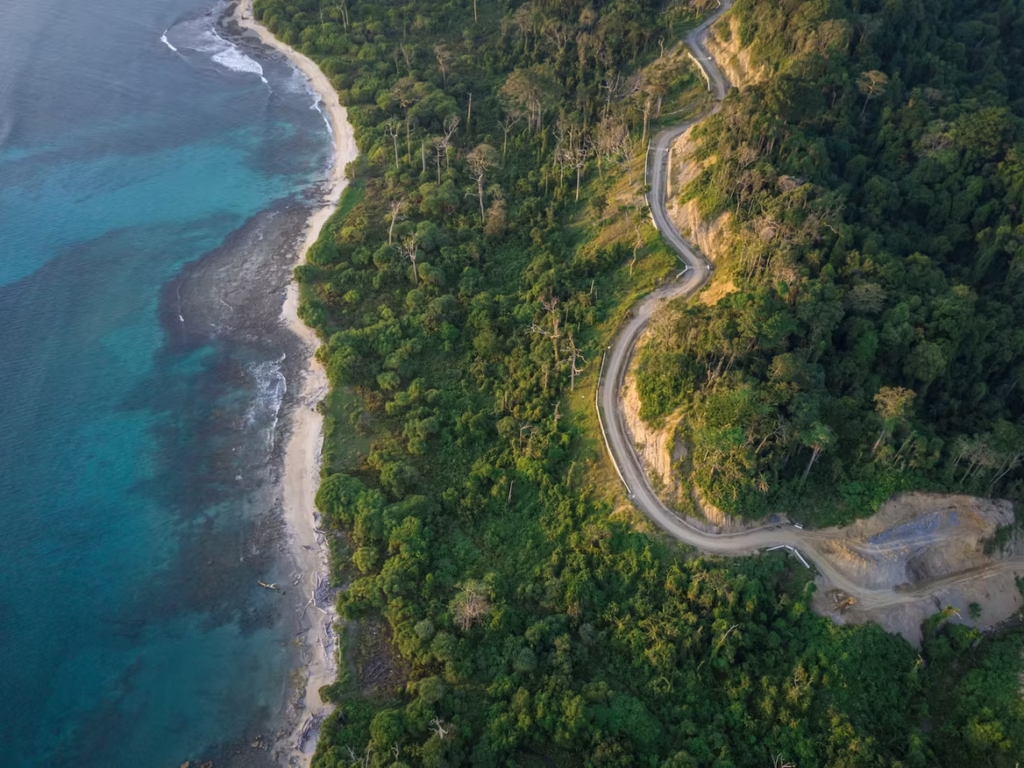
Today, when we think of the Andaman and Nicobar Islands, we think of turquoise waters, green forests, and all kinds of marine life. But the tropical paradise that exists today has a fascinating geological history that goes back millions of years. The Andaman Islands formation is a tectonic, volcanic, and landscape changing story, that is still happening today. In this article, we will explore the geological history of Andaman, the geological processes of tectonics and volcanism, and how they formed the exceptionally beautiful archipelago of islands that we know today. Are you looking to explore the Andaman and Nicobar Islands and create your own unique experience? Try The Tarzan Way, a unique AI-generated personalized trip planner generating unique Andaman travel experiences just for you. What’s in this Blog Geological History of Andaman Islands Plate Tectonics and the Subduction Zone Volcanic Activity in the Andaman Islands Separation from Indonesian Landmasses & Age of the Islands Erosion, Sea Level Changes & Coral Growth Impact on Biodiversity and Human Presence FAQs Final Thoughts Geological History of Andaman Islands The geological history of Andaman stretches over 88 million years ago, back when Earth’s continents came together and drifted apart in various configurations. The Andaman Nicobar geology shows that the islands were slowly exposed above sea level as a result of massive tectonic forces. Erosion, volcanism, and changing sea levels shaped the original landscape of the Andaman Nicobar area and created all that we see today as part of the Andaman Nicobar archipelago history. Check out our blog on Andaman and Nicobar Islands: Tropical Paradise Reimagined to see how these geological formations meet modern attractions. Plate Tectonics and the Subduction Zone It is impossible to fully explain how the Andaman Islands were formed without plate tectonics. The islands sit on a plate boundary where the Indian Plate is subducting beneath the Burmese Plate. This Andaman Nicobar subduction zone is very active and generates earthquakes and complex seafloor features. This immense pressure folded and lifted portions of the ocean crust, resulting in the chain of islands. The continuing plate tectonics in Andaman indicates the region is still geologically active. Volcanic Activity in the Andaman Islands Another important piece of the puzzle is volcanic activity in Andaman Islands. Barren Island, the only active volcano in India, is located here, and past eruptions have added new layers of rock and altered portions of the island group. Volcanic evidence has not only contributed to the Andaman Islands origin theory but continues to demonstrate the raw, creative power of geology. Adventure seekers can explore these landscapes alongside coral reefs — read more in our blog Andaman and Nicobar Islands: Diving into Underwater Wonders. Separation from Indonesian Landmasses & Age of the Islands Around 26 million years ago, fractures in the Earth’s crust first distinguished the Andaman Islands by breaking off from the Indonesian archipelago. This physical break allowed them room for unique ecological and cultural evolution. Thus, the Andaman Nicobar archipelago history represents millions of years of independent existence — a living museum of natural history. Erosion, Sea Level Changes & Coral Growth In addition to tectonics and volcanism, natural sculpting forces contributed. Erosion carved valleys, shifting seas submerged and revealed land, and corals colonized the coasts. Together, these forces have finely tuned the Andaman Islands formation, creating a nuanced interplay of steep cliffs, sandy beaches, and rich underwater habitats. Want to know if they are coral islands? Read our detailed blog: Are Andaman and Nicobar Coral Islands? Impact on Biodiversity and Human Presence The geological history of Andaman produced not only land but also biodiversity — from dense tropical forests to colorful reefs. Geological processes made the archipelago a rare hotspot of biodiversity. People arrived much later, bringing diverse cultures that added new chapters to the Andaman Nicobar archipelago history. Colonial exploration and waves of migration further shaped the human story here. If you’re planning to explore this mix of nature and heritage, don’t miss our Ultimate Travel Guide to Andaman. FAQs Q. How old are the Andaman Islands? The Andaman Islands’ age is estimated at around 88 million years, shaped by tectonic activity and volcanic forces. Q. What geological processes led to their formation? The Andaman Islands formation is the result of plate tectonics, volcanic activity, and erosion over millions of years. Q. Are the Andaman & Nicobar Islands volcanic? Yes – Barren Island shows active volcanic activity in the Andaman Islands, while many other islands have dormant or tectonic origins. Q. What plates are involved in Andaman tectonics? The Indian Plate and Burmese Plate interact at the Andaman Nicobar subduction zone, driving earthquakes and uplift. Q. When did the islands separate from Indonesia? About 26 million years ago, fractures split them from the Indonesian archipelago, shaping the unique Andaman Nicobar geology. Q. What role does the subduction zone play? The Andaman Nicobar subduction zone causes seismic activity and continues to shape the region’s geology through uplift and deformation. Q. Do volcanic activities still occur? Yes – Barren Island remains active, showing ongoing volcanic activity in Andaman Islands. Q. Are there different origin theories? The main Andaman Islands origin theory is tectonic uplift, but coral growth and erosion also played significant roles. Q. How do erosion and coral reefs affect the islands? Erosion and coral reefs refined coastlines, enriched marine biodiversity, and contributed to the long-term Andaman Nicobar archipelago history. Final Thoughts The Andaman’s geological history tells the grand story of Earth — continents moving, volcanoes erupting, oceans rising and falling, creating the beauty we see today. From plate tectonics and the Andaman Nicobar subduction zone to the living evidence of volcanic activity in the Andaman Islands, the archipelago embodies nature’s enduring creativity. Want to go further than science? Let The Tarzan Way, our AI-managed adventure generator, plot your Andaman experience including history, culture and natural beauty.
Celebrating the Vibrant Spirit of Bhutan’s Festivals
Bhutan – Where Faith Dances and Culture Breathes Located at the top of the Himalayas, Bhutan offers more than a travel experience; it is a destination where the air is filled with faith, and culture grows in every corner of the country. In addition to breathtaking views of mountains and beautiful monasteries, travelers looking for a travel experience can take advantage of the incredible breadth of festivals, each one steeped in centuries of devotion, dance, and delight. Traveling to Bhutan is unlike any other destination: Bhutan holidays are a celebration of colors, cultures, and joyful merriment that inspire you many months after you have traveled home. When you explore ancient dzongs or walk through the festival grounds, Bhutan destination travel will provide a perfect balance between spiritual reflection and vibrant local fiesta. If you enjoy uncovering untold cultural treasures, consider using The Tarzan Way, an AI-driven personalized itinerary planner, to create all kinds of curated experiences, not just limited to festivals. The Soul of Bhutan’s Festivals – A Celebration of Spirit The festivals of Bhutan represent more than just entertainment: They nod to devotion, culture, and the community. The masked dances show victory over evil, and sacred rituals worship deities. These festivals place travelers squarely into the heart of Bhutanese culture. As you discover tourist places in Bhutan, the Tshechus reveal the spiritual and religious aspects of Bhutanese life. A Bhutan guidebook will tell you that participating in one of these festivals is to sense the beat of a culture that acknowledges the right of tradition and the right of joy. And if you’ve ever felt drawn to calm Himalayan vibes, similar to Sillerygaon – The Hills That Beckon a Traveler, Bhutan’s festivals offer that same sense of serene cultural immersion, with the added excitement of communal celebration. Must-Experience Festivals in Bhutan Each Bhutanese festival has a story, a season, and a spirit. Here are the ones you simply cannot miss: Paro Tshechu Held in Paro’s majestic dzong, this festival showcases masked dances, traditional music, and rituals that have been performed for centuries. It is usually celebrated in March or April, making it the best time to visit Bhutan for tourists eager to witness cultural grandeur. Thimphu Tshechu Thimphu, the nation’s capital, comes alive every September or October with dances that narrate stories of heroism and Buddhist mythology. Attending Thimphu Tshechu provides a window into Bhutan’s vibrant spiritual life. Punakha Drubchen Known as the “Battle of the Clans,” Punakha Drubchen reenacts historical conflicts while promoting peace and unity. Travelers often combine this festival with scenic hikes in Punakha’s lush valleys. Jambay Lhakhang Drup Celebrated in Bumthang, this festival features fire rituals, mask dances, and blessings for local communities. The unique rituals make it one of the most photogenic Bhutan tourism places. Haa Summer Festival A lesser-known gem, this festival in the Haa Valley celebrates rural Bhutanese life — from archery competitions to yak races. It’s an authentic glimpse into Bhutanese traditions, perfect for travelers looking to step off the beaten path. Crafting Your Bhutan Itinerary Around the Festivals Planning your Bhutan itinerary around festival dates ensures you witness the country’s soul at its most vibrant. Spring (March–April): Focus on Paro Tshechu and Punakha Drubchen. Summer (June–July): Explore Haa Summer Festival and scenic treks in remote valleys. Autumn (September–October): Attend Thimphu Tshechu and combine it with cultural tours of nearby dzongs. Pair your festival visits with carefully selected Bhutan holiday packages or Bhutan trips to maximize convenience and local insights. For travelers inspired by Himalayan serenity, consider linking your journey with North Sikkim – A Slice of Heaven for breathtaking vistas and spiritual calm. Where to Stay: Finding the Best Hotels in Paro Bhutan and Beyond Accommodation can make or break a festival experience. Near Paro, you’ll find the best hotels in Paro Bhutan offering spectacular views of dzongs and valleys, as well as cozy retreats tucked into the mountains. Tips for a Festival Stay: Book early — festival season fills hotels quickly. Choose lodges near dzongs for easy festival access. Look for traditional Bhutanese architecture and local hospitality for an authentic touch. Beyond Paro, Bhutan tourism places like Thimphu and Punakha also have boutique hotels and homestays. If traveling with colleagues or friends, check out A Guide to Corporate Outings and Tours in India for inspiration on group-friendly Bhutan packages. Practical Bhutan Travel Guide: When to Go and What to Pack Bhutan’s high-altitude terrain demands preparation. Here’s a quick guide: Best time to visit Bhutan for tourists: Spring and Autumn for festivals, summer for lush landscapes. Packing essentials: Layered clothing, comfortable walking shoes, a rain jacket, sun protection, and modest attire respecting local customs. Local etiquette: Greet with a slight bow, avoid touching religious objects, and seek permission before photography inside dzongs or monasteries. A proper Bhutan travel guide and a well-planned Bhutan itinerary ensure your experience is safe, enjoyable, and culturally respectful. Nearby Inspirations Beyond Bhutan If Bhutan’s festivals have captured your heart, consider exploring nearby destinations with similar Himalayan charm: Sillerygaon – The Hills That Beckon a Traveler for serene village life and panoramic views. North Sikkim – A Slice of Heaven for breathtaking landscapes and Buddhist culture. A Guide to Corporate Outings and Tours in India for group-friendly Himalayan trips and cultural adventures. These destinations echo Bhutan’s spiritual vibrancy and offer additional avenues for travelers seeking meaningful journeys. FAQs 1. What are the most popular festivals to attend in Bhutan? Paro Tshechu, Thimphu Tshechu, Punakha Drubchen, Jambay Lhakhang Drup, and Haa Summer Festival are the top must-see events. 2. When is the best time to visit Bhutan for tourists who love festivals? Spring (March–April) and Autumn (September–October) offer the most celebrated festivals and pleasant weather. 3. How can I plan a Bhutan itinerary around the main Tshechu festivals? Map your visit to coincide with festival dates, prioritizing Paro, Thimphu, and Punakha, and use local guides or Bhutan travel guide tools for logistics. 4. Which are the best hotels in Paro Bhutan for festival travelers? Boutique hotels
Exploring Belgium’s Art Scene: From Flemish to Modern
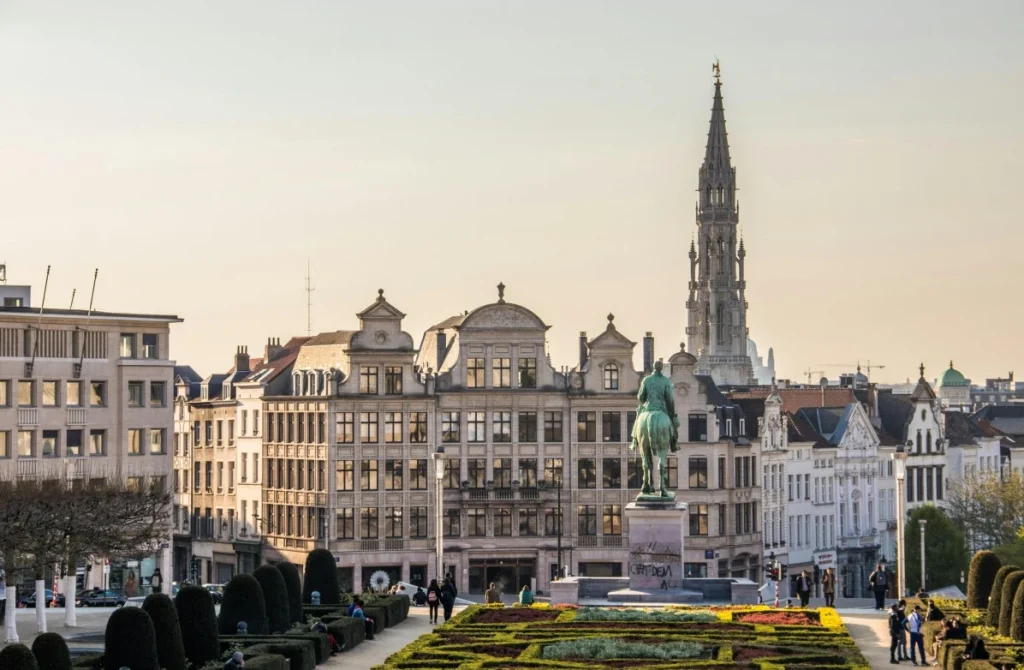
Belgium may be a small dot on the map, but when it comes to art, it is not small and is an artwork unto itself! From the spectacular museums in Antwerp to the picturesque canals in Bruges, with small galleries to the surrealist corners in Brussels, the art scene coordinates to tell a different experience. To investigate art in Belgium is not only to look at paintings, but to sense the layers of culture that have made art with intentional cultural influence for centuries. Bellevue and its art scene are sure to elicit various sensations surrounding the juxtaposition of history and imagination, whether you are an art enthusiast, a traveler who is simply interested in possibilities, or the planner for your European getaway with The Tarzan Way. Why Belgium for Art Lovers The artistic identity of Belgium is inscribed into every cobblestone street and café. Here is how each aspect contributes to Belgium’s arts and culture: Flemish finesse: where the famous painters Rubens, Van Eyck, and Bruegel once lived. Surrealist streak: celebrated with the art of René Magritte, where the ordinary becomes extraordinary. Modern energy: as new galleries and design studios challenge and shape contemporary arts. Compact and connected: for easy day trips in a relatively small land, it is an ideal artis vacay for a short holiday. Flemish Masters & Old Art: Antwerp, Bruges & Ghent Step back to the 15th–17th centuries – a golden era that defined European art. Here’s where to start: Antwerp: Stop by Rubenshuis, the historic home and workshop of Peter Paul Rubens, for a firsthand look at the artist’s life, packed with sketches, sculptures, and a touch of antiquity. Museum Plantin-Moretus: a UNESCO world heritage site that also happens to be the world’s first printing press, and is a must for anyone interested in history or typography. Bruges: Visit the Groeninge Museum to view the brushwork of Van Eyck up close and then walk along the canals — you will feel like the city is a painting. Ghent: Be sure to visit St. Bavo’s Cathedral for the “Adoration of the Mystic Lamb,” one of the most studied works in Europe. Each city is a short train ride away, making it easy to dive deep into Belgium’s classic art story. Brussels: Where Surrealism Meets Modern Life Brussels balances old elegance with new imagination. Royal Museums of Fine Arts: A collection that spans centuries – from Renaissance portraits to Magritte’s dreamlike surrealism. Magritte Museum: Dedicated to the artist who made bowler hats and floating clouds famous. His works blur the line between real and unreal, reflecting the city’s quirky charm. Street Art Scene: Wander around the Marolles district to spot bold murals and pop-art walls — Brussels’ creativity spills onto the streets. The city feels like an open-air gallery where every corner hides a creative surprise. Antwerp’s Modern Edge: KMSKA & MAS Antwerp isn’t just about Rubens – it’s where tradition meets experimentation. Royal Museum of Fine Arts Antwerp (KMSKA): Recently renovated, this museum beautifully blends Flemish masterpieces with modern art displays. Museum aan de Stroom (MAS): A stunning riverside museum combining art, history, and panoramic views. Each floor tells a different story about Antwerp’s identity. Zurenborg District: Architecture lovers will enjoy a stroll here – filled with art nouveau houses and local design studios. End your day at a riverside café, watching the sunset reflect off the Scheldt River. Hidden Art Gems & Local Museums Some of Belgium’s most authentic art experiences happen off the main trail. Plantin-Moretus Museum: Step into the world of 16th-century printing — an experience that connects literature, art, and craftsmanship. Rubenshuis: See how a master lived and created. Check schedules — renovations sometimes limit access. Museum Dr. Guislain (Ghent): An intriguing mix of medical history and outsider art — truly unique. These smaller gems offer an intimate look at Belgium’s creative spirit. Art + Food: A Perfect Pairing In Belgium, food is as expressive as its art. Chocolate & Art Cafés: Enjoy pralines and art prints side by side in Bruges or Brussels. Beer & Creativity: Many breweries double as art spaces — try De Koninck in Antwerp for a culture-meets-craft experience. Art-inspired dining: Some bistros design menus inspired by paintings or artists — creativity doesn’t stop at the canvas! Belgian cuisine adds warmth and character to your cultural journey. Day Trips from Brussels for Art & Culture Belgium’s size makes it easy to plan day trips filled with art and charm. Here are a few favorites: Ghent: Discover MSK and STAM museums, both offering great modern and classical collections. Bruges: Visit Groeninge Museum, then stroll canals lined with art shops. Antwerp: A must for KMSKA and MAS, just an hour from Brussels. Mechelen: Small yet surprising, with charming galleries and historical sites. Pack your daylight — trains are frequent and scenic! Best Time to Visit & Planning Tips Best time: April to June and September to early November — mild weather, fewer tourists, and perfect light for photos. Travel tip: Most museums close on Mondays — plan accordingly. Passes & Cards: Look for city museum passes like the Brussels Card or Antwerp City Pass to save on entries. What to pack: Comfortable shoes and a light rain jacket — Belgium’s weather can be playfully unpredictable. Sample Art Itineraries 48-Hour Art Break Day 1: Brussels — Magritte Museum, Royal Museums, and an evening at Grand Place. Day 2: Short trip to Antwerp for KMSKA and riverside strolls. 4-Day Flemish Loop Day 1: Brussels Day 2: Antwerp Day 3: Bruges Day 4: Ghent + return Week-Long Immersion Combine classic art with modern design — from medieval churches to street murals and creative cafés. FAQs What are the best museums in Belgium for art lovers? KMSKA in Antwerp, the Magritte Museum in Brussels, and Groeninge in Bruges are must-visits. Is Antwerp worth a day trip for art? Absolutely! It’s compact, full of Flemish history, and offers both classical and modern art experiences. What’s unique about Belgium’s art scene? It blends old-world
Goa Travel Itinerary: Must-Visit Spots & Hidden Gems
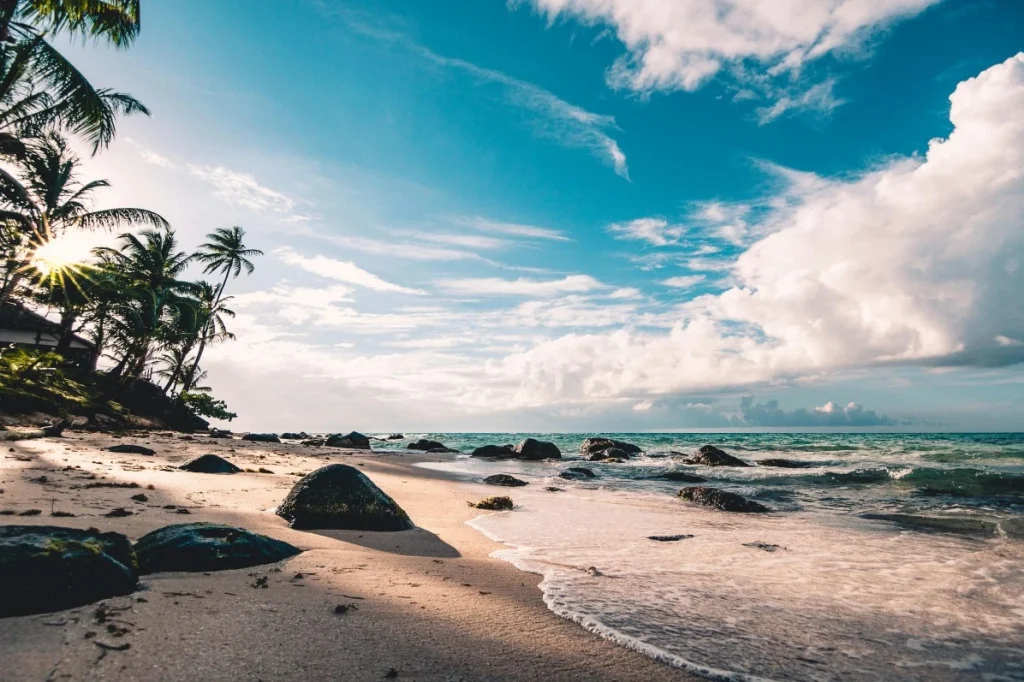
There’s something magnetic about Goa: its laid-back vibe, its breezy sea-salted mornings and lively evenings filled with music, laughter and dancing. For those who travel, Goa is more than a place. It is a feeling that looks different depending on how one engages with it. In this Goa itinerary, whether you’re planning a 1-3 day getaway or a full week of beach relaxation, we’ve pulled together the top highlights and some hidden gems locals enjoy. With a mix of nights out on the town and family-friendly beaches during the day, this itinerary finds the right balance between excitement and tranquility – just as it should be in Goa. If you would prefer a travel itinerary unique to your tastes, which circumvents the difficulties of planning and finding the perfect balance on your own, The Tarzan Way can plan your perfect Goa trip in minutes. North Goa – Where the Energy Never Sleeps Welcome to the lively half of Goa, where the roads buzz with scooters, beach bars shine with fairy lights, and music wafts through the night. North Goa is the place to begin – bold, crowded, and unapologetically alive. Must-Visit Spots: Calangute & Baga Beaches: The heartbeat of Goa tourism – perfect for water sports and beach parties. Fort Aguada: Catch golden sunsets and views stretching across the Arabian Sea. Anjuna Flea Market: Shop boho jewelry, handmade art, and souvenirs. Vagator & Chapora Fort: For those iconic cliff-top views featured in “Dil Chahta Hai.” Things to Do at Night: Party at Tito’s Lane or Curlies Beach Shack. Join a silent disco at Palolem or beach shacks along Anjuna. Explore local cafes that transform into cozy bars post-sunset. Pro Tip: If you’re looking for the convenience of walking to most nightlife options, stay close to Calangute or Baga. Book your stay early – budget accommodations come and go quickly in North Goa, especially on weekends and holidays. South Goa – For Serenity Seekers and Peace Lovers If, in North Goa, you have energy, in South Goa, you have balance – beaches lined with palms, morning yoga, and peaceful cafes with views of calm waters. This part of your trip to Goa feels like a refreshing breath after a prolonged song. Top Beaches: Palolem Beach: Great for kayaking, yoga, and relaxed evenings. Agonda Beach: Perfect for solitude and romantic sunsets. Butterfly Beach: Hidden and scenic – accessible by boat. Colva Beach: A mix of local life and scenic sands. Experiences You’ll Love: Morning dolphin tours and sunset cruises. Exploring Cabo de Rama Fort – one of the best Goa tourism places for views. Cafe-hopping in Patnem and Palolem for vegan and beachside brunches. Pro Tip: If you want to spend time in peace and silence, then visit South Goa during weekdays for the quietest experience. For a mix of luxury and affordability, try boutique Goa resorts near Agonda – they often come with private beach access. Hidden Gems Only Locals Know About Beyond the tourist maps of Goa, lay hidden treasures that frequent visitors may never see. These destinations will reveal the heart and soul of Goa – slow, simple, and breathtakingly beautiful. Hidden Beaches & Places: Kakolem (Tiger) Beach – Wild cliffs and pure privacy. Betul Beach – Delightfully small fishing village with an estuary. Hollant Beach – Tranquil bay for swimming and sunrises. Divar Island – Picturesque churches and colorful Portuguese houses. Netravali Waterfalls – Lush, jungle escape in South Goa. Why You Should Go: Excellent for nature photography. Ideal for travelers who prefer empty sand versus crowds. Peek into Goa’s traditional way of life. Pro Tip: Be sure to take cash with you while discovering the hidden beaches, because most stalls or taxis don’t have card machines. Always check tide timings if you’re heading to secluded coves. Beyond the Beaches – Goa’s Cultural & Heritage Side Goa’s charm isn’t just in its coastline – it’s in the music echoing from old churches, the bright Latin Quarter of Panjim, and the stories whispered by 400-year-old forts. Cultural Experiences to Try: Walk through Fontainhas – the Latin Quarter painted in blues and yellows. Visit Basilica of Bom Jesus and Se Cathedral – UNESCO heritage sites. Explore Reis Magos Fort for river views and history. Attend a local Goan music night in Panjim. Pro Tip: Early mornings are the best time to explore Old Goa – fewer crowds, softer light, and peaceful vibes for great photos. Where to Stay – Budget, Boutique & Beachside Bliss Whether you’re a backpacker or a comfort seeker, Goa offers stays that match every mood and budget. North Goa Stays: Budget-friendly hotels in North Goa (Calangute, Candolim, Baga). Ideal for partygoers and social travelers. South Goa Stays: Boutique villas and Goa resorts around Agonda or Palolem. Great for couples and families. Central Goa Stays: Panjim and Fontainhas – perfect for heritage lovers. If you’re planning a workation, browse through 13 Best Places to Have an Amazing Workation in Goa for the most scenic spots to mix work and leisure. Pro Tip: Book your stay near the area you plan to explore most – North for nightlife, South for peace. Many mid-range hotels offer discounts for stays longer than 5 nights. Sample 5-Day Goa Itinerary – Balanced & Breezy Day 1: Arrival + North Goa beaches (Calangute, Baga, Fort Aguada) Day 2: Anjuna Market + Chapora Fort + nightlife at Baga Day 3: Old Goa heritage sites + Fontainhas walk Day 4: Head to South Goa (Colva, Palolem, Cabo de Rama Fort) Day 5: Hidden beaches and cafe-hopping before departure For longer stays, check Goa Itinerary for 3, 5, and 7 Days for detailed route plans. Pro Tip: Keep your last day flexible – weather and beach vibes in Goa often tempt travelers to extend their stay. Goa Beyond the Sun – Food, People & Vibe No Goa travel guide is complete without talking about food. From beachside seafood shacks to local taverns serving spicy vindaloo, Goan cuisine reflects its mixed heritage. Must-Try Foods: Goan prawn
Kerala Trip Planner: Essential Tips for Your Dream Vacation
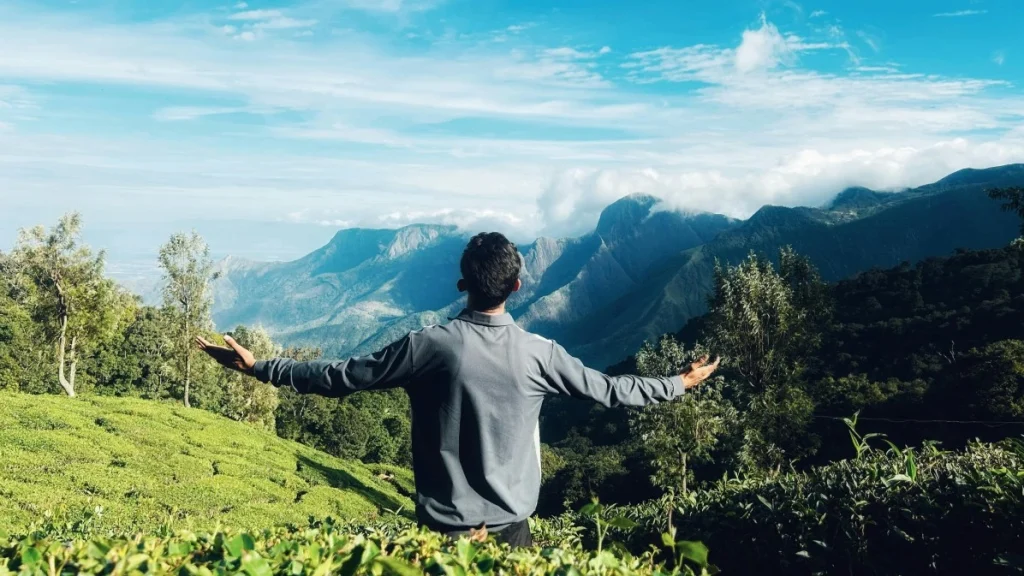
Welcome to Kerala — where emerald waters, misty tea estates, and golden beaches match a kaleidoscope of vibrant traditions. Whether you are looking for honeymoon bliss, a family vacation, or adventure by yourself, this southern Indian state will leave you with experiences that linger well beyond your stay. Creating an itinerary for a trip to Kerala may seem daunting, there will be so much to see, taste, and experience. From houseboat adventures on the calm waters of Alleppey to the rolling hills of tea plantations in Munnar, every former part of Kerala has something special. Therefore, having an itinerary for Kerala will ensure you get the most out of your trip. If you want a travel experience dedicated to local culture, responsible tourism and where local-style accommodations are prioritized, The Tarzan Way program is a great first step to explore authentic Kerala travel programs suited to various traveler types. Understanding Kerala – Geography, Climate & Culture Kerala is situated as a green ribbon along the Arabian Sea and Western Ghats that boasts remarkable variations in climate and experience. It falls in a tropical climate region and has two monsoons – the active Southwest monsoon from June to September and the less active Northeast monsoon from October to December. The best time to visit Kerala is between September and March when the climate is pleasantly cool and perfect for visiting beaches, hill stations, and backwaters. Kerala is culturally rich and colorful; festivals like Onam and Thrissur Pooram have fantastic rituals, performing arts and food. You also see remnants of ancient traditions in Kathakali dance, temple rituals and the friendliness of the people. Pro Tip: Visit during the winter months for mild weather and festive celebrations that truly bring Kerala to life. Choosing Your Kerala Itinerary Designing your Kerala itinerary depends on what you love most — relaxation, nature, adventure, or culture. Here’s a quick idea to get started: 4 to 5 Days: Kochi → Munnar → Alleppey 7 to 8 Days: Kochi → Munnar → Thekkady → Alleppey → Kovalam 10 Days or More: Add Wayanad, Varkala, or Bekal for offbeat experiences If you enjoy scenic drives and hidden gems, take inspiration from the Kerala Road Trip Itinerary, which covers scenic routes and local secrets. Pro Tip: Combine a hill station, a backwater stay, and a beach destination for a balanced Kerala trip. Where to Stay in Kerala Accommodation in Kerala varies as much as its geography. There are heritage mansions, floating houseboats, and treehouses up in the jungle canopy. 1. Luxury Resorts and Ayurvedic Retreats Kerala has some outstanding resorts, offering Ayurvedic treatment, infinity pools, and villas overlooking the ocean. These resorts are perfect for relaxation and recharging after a long day of exploring. For more detail, visit the guide about where to stay in Kerala for a relaxing Ayurvedic staycation. 2. Heritage Hotels Transformed palaces and old colonial bungalows provide the opportunity to experience Kerala’s architecture and history firsthand. Staying in one is like stepping back in time. 3. Houseboats A classic Kerala experience, it is magic to be on a traditional kettuvallam (houseboat) and cruising through the Alleppey or Kumarakom backwaters. 4. Homestays Stay in a homestay where you will have a unique experience of seeing daily life up close. Staying with a local family, you can share a meal, stories, and humor, something you will not receive in a hotel. 5. Eco-Lodges and Treehouses For a unique experience, stay in an eco-lodge or treehouse overlooking misty forests in Wayanad or Thekkady. Pro Tip: Book in advance, especially during December to February when Kerala sees its highest tourist footfall. Getting Around Kerala Kerala’s transport network makes traveling between towns and cities convenient. By Train: One of the most scenic ways to travel, especially along the coast or through the Western Ghats. By Bus: KSRTC and private buses connect even remote areas. Great for budget travelers. By Car: Ideal for flexibility — you can stop at spice gardens, roadside cafes, and waterfalls along the way. By Ferry: In regions like Alleppey, Kollam, or Kochi, ferries and boats aren’t just scenic but practical. Many travelers enjoy exploring Kerala through scenic drives or cycling trails. You can take cues from local explorers in The Tarzan Way’s Kerala itineraries to find offbeat travel routes and community-based tours. Pro Tip: For short distances, auto-rickshaws are affordable and a fun way to experience the local vibe. Kerala Cuisine to Try The cuisine of Kerala represents its geography; coconut groves, spice plantations, and fish-rich coasts. Each region has its own slightly different flavors. Dishes to try include Appam with stew, Kerala Sadya, Karimeen Pollichathu (pearl spot fish), Puttu with Kadala curry, and beef fry. As a snack, banana chips and jackfruit chips are also addictive. The state’s food culture blends with its festivals and traditions. You can dive deeper into this through the article on Top Cultural Experiences to Have in Kerala – Festivals & Food. Pro Tip: Try eating on a banana leaf at least once — it’s an authentic and eco-friendly Kerala tradition. Packing Smart for Kerala Kerala has a climate that is hot and tropical, so bring lightweight and breathable clothing, cotton or linen clothing, comfortable footwear, a hat, and sunscreen. If you travel to the hill station areas of Munnar or Wayanad, take along a light jacket for cool evenings. If you are visiting during the monsoon season a raincoat or umbrella is required. It is also a good idea to carry a small first-aid kit, garbage, mosquito repellent, and possibly your travel documents. Kerala is a modern society and very connected but having the essentials on hand will make for a more leisurely experience. Pro Tip: Pack a reusable water bottle and avoid single-use plastics to travel sustainably. Cultural Etiquette & Local Customs Kerala’s charm lies not just in its beauty but in its traditions. Respecting local customs enhances your travel experience. Dress modestly when visiting temples or rural areas. Use your right hand for eating and handing items.
Exploring Mumbai with a Student Budget
Mumbai is known as the city of dreams and surely is a dreamland with its mesmerizing vibe and fantastic nightlife paired with the city’s historical importance. Mumbai is also one of the country’s most important education hubs. The city is a residence to lakhs of students who yearn to enjoy and explore the city. However, the student budget isn’t much and must be taken into consideration. Here is a list of the fun yet cheap activities to do in the city this weekend. via Travel.Earth Imagica theme park Long drive in Bandra Worli sea link Hanging out at the Marine Drive Watch DDLJ at Maratha mandir Visit the Gateway Of India Shopping at the Causeway Market in Colaba Cycling tour around the city Visit the Haji Ali Dargah Go to the famous Sidhivinayak temple Imagica Theme Park via imagicaaworld.com Imagica theme park is one of the most thrilling and fun activities to do around the city. The park caters to people of all age groups. It is well equipped with fun rides, theme parks water parks and is the best spot for a weekend getaway. The park also has a lot of hotels that provide delicious lip-smacking food. Long Drive on the Bandra Worli Sea Link MakeMyTrip The Bandra- Worli sea link is one of the most beautiful places in Mumbai. Originally known as the Rajiv Gandhi sea link, a drive through the bridge will make you mesmerized by the beauty of the horizon where the city meets the ocean. The Bandra Worli sea link was made to reduce the distance between South Mumbai and its Suburbs and successfully does so while also giving passengers the time of their lives. Hanging out at the Marine Drive via Budget Wayfarers Marine drive is the most loved spot by people and tourists in the city. It is connected to the ocean by forming a “c” shaped bay which is adorned by rocks and a pathway. Marine drive is the best spot to visit to get away from the best spot to visit to escape your hectic life and relax for a while. The beauty of the place added with the subtle sound of waves of the ocean take your mind away from your worries. Watch DDLJ at Maratha Mandir via IndiaTimes Dilwale Dulhaniya Le Jayenge (DDLJ) is an iconic Indian movie that has been screened in the Maratha Mandir theatre in Mumbai for over 25 years. Shah rukh khan and Kajol starer was the most famous movie of its time and even now is adorned by youngsters of the country. Watching DDLJ in Maratha mandir is a Bollywood cultural experience one must-have when in Mumbai. Visit the Gateway Of India via Guide Tour The Gateway Of India was made in the early 19th century to commemorate the landing of the first British king to set foot in India. The Gateway Of India tells the story of a major part of the country’s history. The monument hence becomes of great historical importance. You can also board a fairy ride and watch the Gateway Of India from the ocean during your visit. The monument is made near the port and you can see many boats and even ships at a distance. Shopping at the Causeway Market in Colaba @padhaaro on pinterest The Colaba causeway market is every street shopper’s dream destination. The market is located between Colaba and Old Woman’s Island. The market is located in between buildings that were built around British rule and depict the ancient architecture of the city. Colaba market also has cheap but trendy clothes accessories miniatures toys and is the best place to shop for jewelry. Cycling tour around the city MySA Mumbai is considered to be one of the busiest cities in India. However, the city’s nightlife is much calmer. Nights in Mumbai are filled with subtle winds of the ocean the quiet after the storm and amazing buildings and spots illuminated by aesthetic lamp lights. A Cycling tour in south Bombay will show you the most iconic spots in the city such as Colaba, Bandra-Worli sea link, etc. of the city in its best form. Visit the Haji Ali Dargah via Adotrip The Haji Ali Dargah was made in 1916 on top of high lever rocks. It is located near the Mumbai shoreline and is home to the tomb of the Muslim saint Haji Ali Shah Bukhari. The Haji Ali dargah also holds a masjid inside it and is visited by people of all religions due to its beautiful structure and spiritual peace. The Indio Islamic structure is one of the sacred gems located in Mumbai with not too much weight on the pocket. Go to the famous Sidhivinayak Temple via MumbaiMirror Originally built in 1801 the siddhivinayak temple dedicated to worshipping lord ganesha is one of the mist famous temples in hinduism. The temple is a gigantic structure which is home to the ganesha deity as well as huge amount of gold that adorns the thorn of the deity. People from far away as well as from the city come to visit this templem with about 2 lakh people walking its steps everyday. The sidhivinayak temple is a sacred landmark in the city one must visit to get its full experience.
How to reach Sikkim
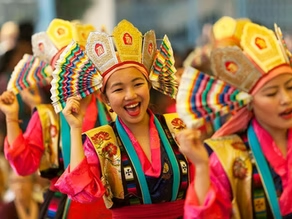
A lady merrily performing at Sikkim festival Beautiful snow-capped mountains, waterfalls in every turn, enthralling nature’s beauty, grand Tibetan-styled Buddhist monasteries is a paradise of every nature lover. The rich breathtaking beauty of the Sikkim flora will always stay fresh in your mind. How to get around Sikkim state Transportation to Sikkim is never a problem. All means of transportations are well rooted here. Despite being a hilly terrain the accessibility of Sikkim is never a question. By air:- Morning sunrays waking the mountains Airplane Sikkim can be accessed from two airports of which, one is in the Sikkim capital-Gangtok and the other is in West Bengal. Pakyong airport which is the first airport of Sikkim is just 35km away from Gangtok, whereas Bagdogra airport is 125km away from Gangtok. But people mostly prefer flying to Bagdogra airport as a number of airlines from the main cities operate to Gangtok. Pakyong airport of Sikkim is a recently constructed airport and the systems are not fully functional. So taking a flight to Bagdogra airport is the best choice. Helicopter Sikkim tourism also offers a chance to explore Sikkim in a different view, the helicopter experience from the Bagdogra airport to the Sikkim capital is simply awesome. By train:- A picturesque of Tsomgo lake The nearest railway station to Gangtok is Jalpaiguri railway station, which is located at a distance of 120 km from the Sikkim capital. Siliguri railway station in West Bengal is also a railway station close to Sikkim. Trains from most of the cities connect to Sikkim, and from outside the railway station, you can take a bus or a cab to reach your destination. By road:- The road not taken @saileshsharma The national highway 31A is the best route to Sikkim to travel by road. The scenic beauty of Sikkim, the Buddhist monasteries, the lakes, and the waterfalls adds to your
POST PANDEMIC TRAVEL AND CARAVANS
Traveling across states, smooth roads, captivating sceneries around, be it mountains, through the Gangetic Plains, the hot and bustling areas of Thar Desert, or with sea waves crashing alongside is something each traveler yearns for. At least once in a lifetime, a road trip finds a sweet spot in their itinerary. Road trips are an adventure at a different level garnished with multiple surprises and a level of comfort. I think nothing beats driving your car and vibing on your favorite playlist and surprising views impending as you’re speeding through your journey in pursuit of reaching the destination early. Bidding adieu to the Sun; Image credit: Abhishek Pawar on Unsplash With the outbreak of the pandemic, all such trips on the bucket list have been flushed into strangeness. It has become really hard to predict what crosses ways with our lives next. Travel, like other sectors, has been tarnished to the ground. Its revival is going to be slow and with a lot of effort. With the decline in cases of the coronavirus after the shocking second wave, the community is slowly coming to terms with the new version of travel guidelines and precautions. This time around, getting back to our favorite destinations is also going to be difficult as we have seen even isolated or less-populous areas were grappling with the pandemic, unlike the first wave of infections. Additionally, traveling on a bus, train, or taking a flight to start your vacation is as scarier as ever. Our transit from our towns to the destination is safer in private vehicles till the time all of this mess subsides. Also, road trips in either our coupe or SUVs are better for gaining new experiences and indulging in more insightful traveling by exploring the various dhabas, villages, or towns you pass. Another much safer and convenient option is traveling in a caravan in these distressful times of COVID and the virus scare. What are caravans? Now caravans are nothing new to us, right? At least for all of those who’ve heard Mohan Bhargava (Shah Rukh Khan) vibing with a Fakir on Yun Hi Chala Chal Rahi in Swades as they voyage through India in a big van with all amenities. A caravan is perfect for those who wish to explore new destinations in every leg of their trip and also stay away from the hassle of finding hotels. A caravan is a motor vehicle that also has space for travelers to accommodate for relaxing during their journey. The safety aspect of traveling in COVID times is also intact, minimalizing exposure to the outdoor environment. Caravan, the whole package; Image credit: Darya Py on Unsplash Indian states have recently started giving consent to caravan tourism projects wherein travelers are allowed to hire a fully-equipped vehicle with simple, and modern furniture and fittings. The best part about a caravan is you are not forced into rushing over places within the given time frame. Rather, you can spend as much time as you wish to at any desired location, and behold any view to its maximum beauty. Basically, your travel itinerary is liberated from external factors. There is no worry about taking your time to enjoy any landscape till it fills your heart. All of it, and also, you will save a lot more than a conventional trip. Ordinarily, you will have to go out for dining, look for accommodation charging on a daily basis, and find a commute from point A to B. Another excruciating task is looking for pet-friendly places that let you take your travel buddy with you. Some places often do not allow you to take your pets. So, if you’re traveling with your buddy, it limits the places you go to and you have to hurdle over to just the pet-friendly places, missing out on a lot of cultural and historical monuments. All of the research takes a lot of time and is energy-inefficient. So, as far as a caravan is concerned, you get it all covered. With a caravan, you just need to pack yourself for isolated travel home. Worrying about extra charges, or googling too many queries for your itinerary is avoidable when it comes to traveling in a caravan. Plus, you can take as many people with you too, a circle of college friends, your family, or your partner, and actually get to spend quality time with them over the vacation. For all the unexplored destination in the Himalayas, caravan is the better choice; Image credit: Bhai Rankar on Unsplash What makes Caravans a safer alternative in these times? Earlier, there was not much speculation when it came to zeroing down on the mode of transportation for your desired and well-planned vacation. You used to spend a couple of weeks googling about the desired destination, make a substantial plan for the itinerary, get done with the bookings (both accommodation and commute), pack your essentials, and head out. It seems normal, right? Well, this is not the case right now. If you ask a traveler nowadays, after the pandemic has struck (for twice now), you are going to find a completely different response to how they prepare for a vacation or even a road trip now. If they based their research around economic traveling, ease, and comfort; they will have different concerns this time around. Keeping their health in mind, they would prioritize their physical safety over other filters. A general traveler would go about preparing their itinerary around details that provide legitimate answers to their apprehensions about safety. So, this particular transition has a lot to define what post-COVID traveling is going to be like. Safety: Even if you’re traveling to states or tourist places that have been vulnerable to the virus, you have an edge in terms of personal safety as you won’t be looking for stays, meals, and transportation like in a convention vacation. Hence, your physical distancing aspect is comparatively sorted or you
Workation in Uttarakhand: The Ultimate Guide (2022)
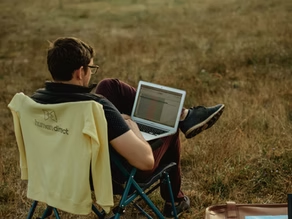
During the pandemic, when working from home became the new norm, an exciting alternative popped up. And we all love the thought of it and we bet you did too! So, are you tired of being stuck inside the four walls of your home, sitting on the same couch, and following the same routine every day? There’s good news for you. The only thing that can safely rescue you from this monotonous loop is Workation. It is a wonderful way to combine work and vacation and maintain a balance between professional and personal life. In India, there are ample of the best Workation destinations like Coorg, Goa, Bir, Nainital, Shimla, Chakrata, Kausani, Mussoorie, Wayanad, Srinagar, Assam, etc, which you can choose as your Workation destination. If you live or work in Delhi or nearby Uttarakhand, then Workation in Uttarakhand where you can work from the mountains is the best option for you. Image Source: Reyka Illyes via Unsplash Workation in Uttarakhand Uttarakhand is a state in northern India. It is often called the “Land of the Gods” due to the many Hindu temples and pilgrimage sites located here. Uttarakhand is also home to some of the most beautiful scenery in the Himalayan Mountains. If you are looking for a workation destination that is both beautiful and spiritual, Uttarakhand is the perfect place for you. In this blog, we will explore some of the best places to stay and work in Uttarakhand. 1. Why go on a Workcation in Uttarakhand? 2. What can affect your Workcation? 3. Where to go on a Workation? Rishikesh Mussoorie Nainital Auli Dehradun 4. Where to stay on Workcation? Why go on a Workation in Uttarakhand? Image Source: Euan Cameron via Unsplash Located in the foothills of the Himalayas, Uttarakhand is blessed with India’s most beautiful locations. This state offers everybody from mesmerizing hill stations and mountains to beautiful lakes and rivers. The beauty and peace around the place will rejuvenate your mind, body, and soul. Here you can begin your day with yoga or meditation in the pristine, peaceful surroundings and experience the pleasant weather and fresh air. The change of scenery, fresh Pahadi cuisine, and panoramic views all around can make you more productive and help you break the monotony of staying at home for so long. You can go on small walks to the forest whenever you need a short break. And once you are done with your work, you can explore nearby destinations, and immerse yourself in fun activities on weekends like hiking, camping, cultural programs, etc. What can affect your workation & how to deal with it? Image Source: Dessidre Flaming via Unsplash Work is the first and primary part of Workation. If you do not work on your Workation, there is no meaning of Workation. Here are some barriers that you might face while working and how to deal with them. Distractions: Working from these stunning locations it is natural for anyone to be distracted by the beauty of the place. You might find it hard to focus. So, to get away from distractions create a static work desk in your room or any other place. Establish a stable routine, if your routine is not fixed you will struggle to achieve all your targets. Time Management: Time management is very important if you want to enjoy your Workation properly. If you are one of those who tend to get too excited with work, make sure you plan leisure activities for the afternoon or weekend days. Stable internet connection: Without a stable network & internet connection you are totally cut out from the outer world and it would badly affect your Workation trip. Make sure you have a stable high-speed network at your location, to continue working digitally. Comfortable homestays: Your workplace should be comfortable and have all the essential facilities which help you to achieve your targets. If you are not comfortable at your workplace and not getting enough rest, you’ll find it difficult to focus on your work, making it difficult for your Workation to be successful. Your destination should be in a quiet location away from the chaos. So must do proper research before booking your stay. Where can you go for workation in Uttarakhand? Uttarakhand has plenty of locations for an ideal Workation. Let’s have a look at some of these. Workation in Rishikesh Workation in Mussoorie Workation in Nainital Workation in Auli Workation in Dehradun 1. Workation in Rishikesh Image Source: Narinder Pal Rishikesh is an amazing destination to attract yoga and meditation. Bunkstay is the ideal choice for those who seek to work in the divine Himalayas. This beautiful co-working space is just a 3-minute walk from Laxman Jhula. Bunkstay gives you an unobstructed view of Laxman Jhula, the holy river Ganga and the surrounding mountains. The breathtaking beauty of this place is ideal for long stays or Work from the Mountains. Aside from the spiritual realms of Rishikesh, the adventurous aspect of Rishikesh makes it a great choice for a workation destination. On weekdays, you can work alongside the imposing views of rocky mountains and the gushing sound of the Ganges. And on weekends, you can go out and venture into adventurous activities for a thrill. 2. Workation in Mussoorie Image Source: Alin Anderson Mussoorie is one of the best workation destinations in Uttarakhand. The tranquil environment, untouched villages, and natural atmosphere are ideal Workation destinations. Here you can take homestays, 5-star resorts, and hotels easily. Charming Cottage, a 3 bedroom home in Landour is perfect for a Workation. It has a dedicated workspace, free parking, wifi throughout the building, and beautiful outdoor space. It is within walking distance of the Landour, so you’ll love this adorable abode. Apart from the comfort and facilities of stays, Mussoorie is laden with exciting and beautiful sights to visit. After a day of work, one can stroll
10 WATER SPORTS IN GOA, YOU SHOULD TRY BEFORE TURNING 30.

The one place that comes to everyone’s mind while thinking about a trip in the summers, is Goa. The beautiful scenery of the seaside and the refreshing feeling of being so close to nature. The limitless water, and an opportunity to explore that water. Goa might be the smallest state but the significance it holds is surely big. After all, there’s a reason why Goa is called ‘Queen of beaches.’ Amazing thrilling water activities are held there as an opportunity to live the best of your youth. While we have activities like exploring the water with Yachts and Cruises, but for an adventure lover what can be better than high-level adrenaline activities that thrill you up to your toes. Here are some high-level adrenaline activities for you to enjoy at the peak of your youth. 1. Parasailing Parasailing is one of the most thrilling and famous water sports in Goa. The beautiful view of the ocean from up above is ethereal. You will be flying on a parasail harness which is fastened to the speedboat with a 30-40m long rope. And as the speedboat moves with great speed you will be moving up more to the sky. With the beautiful view of nothing but blue water beneath you and the fascinating view of nothing but the blue sky above you, you will feel like you’re inside a painting. Truly, this is once in a lifetime experience that you can not afford to miss at all. Where you can try? You can experience e thrill at Dona Paula, Anjuna, Calangute, Colva, Candolim, Vagator Beach. Cost – The cost per person is INR 850 for 1-2 minutes Best time to parasail– The best time to try parasailing in goa is the sunrise and sunsets of winters and summers. 2. Scuba Diving credits : hallie heeg @ unsplash The first thing everyone suggests after planning a trip to goa is, of course, Scuba Diving, and it is definitely worth the hype. Because of the magnificent view of the underwater world and the joy and thrill, it gives you. Unfortunately, you won’t be able to see SpongeBob but you can definitely see how marine life is doing. It’s definitely worth trying. After all, a trip to Goa is incomplete without trying scuba diving. Where you can try? For once in a lifetime experience try it in Majorda and Grande Island. Cost– The cost might differ according to the season and off-season. Off-season cost is around INR1500 while on season cost might go up INR3500 Best time to scuba dive– The season for scuba diving is from November to February. 3. Windsurfing credits : brett jordan @ unsplash Windsurfing is the magical combination of surfing and sailing. It’s the perfect example of “wherever the wind takes me.” All you need is the equipment that is, the board, and have fun. The thrill of this activity lies in handling the board and riding the water. This is one of the most thrilling activities, if you’re an adventure lover and haven’t tried this, what are you waiting for? Where you can Try? Dona Paula Beach, Bogmalo Beach, Vagator Beach, Calangute, Colva, Palolem, Miramar, Baga Beach. Cost –INR 400-600 per person. Best time to windsurf- January to March, If you’re an expert then in the afternoon when winds are strong. If you’re a beginner then in the morning when the wind is calm and soothing. 4. White water rafting credits : tom fisk @ pexels Even though Rishikesh is known for white water rafting, Goa isn’t left behind either. You can give it a go enjoy yourself fully. White water rafting is underrated in Goa Because of other activities but I’m telling you that’s not the truth. The thrill this sport gives has its own charm and you’ll be swayed away with it. The white water rafting is usually 10 km long, and it is bursting with areas where the flow is fast and current strong. Don’t think twice and go for the white water rafting. Where you can try? The popular places to try white water rafting in Goa are the Tilari River and Mandovi River. Cost – INR1500 onwards per person. Best time for white water rafting– The season for White water Rafting is From June to September 5. Jet skiing credits : Steve Donoghue @ unsplash The list of high-level adrenaline water sports is incomplete without adding the infamous Jet skiing. Short training and you are ready to zoom your way into the waters. The exhilarating experience and the instant serotonin boost, this is exactly that activity that you have been looking for. Try this once and you’ll understand what’s all the hype about. Remember all the movies where actors are shown Jet skiing and how much fun they are having? Yeah, the reality is just the same. You will feel like you’re in your own movie cutting through waters and going off with a show. Where you can try? Famous places for Jet skiing are Calangute, Candolim, Majorda, and Miramar Beach, Goa. Cost – INR500 per person. Best time to Jet ski– October to March 6. Water skiing credits : pixabay @ pexels Water skiing is one of the most thrilling activity where you feel the adrenaline pumping through your heart to your veins. It’s the type of activity where you’ll be yelling with joy and happiness. Water skiing is the type of water sport in which an individual will be getting pulled behind a boat with a cable, as the boat races you’ll be water skiing your way behind the boat. Truly, a water sport to try before you die. Where you can try? Some of the beaches that are famous for this activity are Baga beach and Calangute beach. Some other beaches where you can try this are Candolim Beach, Arossim Beach, Utorda Beach, and Mobor Beach. Cost – INR1949 per person. Best time to water ski – October to