

Amritsar Travel Guide: Top Attractions You Can’t Miss
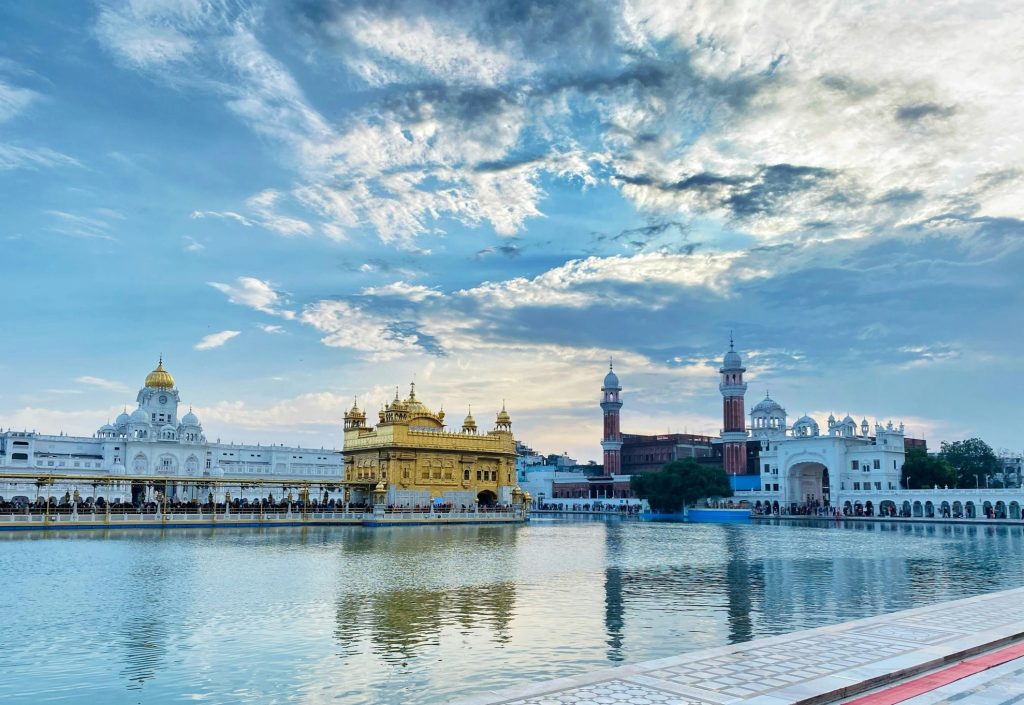
Amritsar stands as the spiritual as well as cultural center of Punjab and represents one of India’s top travel destinations. It is a memorable place known for its rich traditions, vibrant culture, and delicious food. After visiting this destination, it will surely become one of the most lively experiences of your life because both the people and the place are incredible. Beyond its spiritual significance, Amritsar lets you deep dive into India’s rich history and patriotism. With historic sites like Jallianwala Bagh and the unforgettable Wagah Border ceremony, Amritsar offers experiences that will imprint on your hearts forever. The city’s lively streets are filled with bustling bazaars, where you can buy traditional Phulkari embroidery, pick up handcrafted souvenirs for yourself, and soak in the vibrant local culture. And no trip to Amritsar is complete without indulging in its legendary food—whether it’s the buttery Amritsari kulcha, the flavorsome lassi, or the irresistible street-side chaat. This Amritsar travel guide will help you explore its best attractions, must-visit places, and exciting activities, ensuring you experience the true essence of this remarkable city. Top Must Visit Places in Amritsar: 1. Golden Temple: Golden Temple Known as the holiest Sikh shrine, is renowned for its golden architectural magnificence as well as its spiritual charm. Surrounded by the sacred Amrit Sarovar, it offers a serene and peaceful experience. Visitors numbering thousands can access daily langar service, which supports unity along with equality. The temple produces a stunning visual effect when its golden reflections appear on the water’s surface. The Golden Temple is a must-visit for anyone seeking spirituality, history, and architectural beauty. Beyond its divine ambiance, the temple complex also houses the Akal Takht, the highest seat of Sikh authority, and a museum showcasing the rich history of Sikhism. No matter when you visit this place, it is always beautiful and leaves everyone in awe of its beauty and spiritual aura. The Golden Temple offers serene and peaceful views. 2. Jallianwala Bagh: A historic site commemorating the tragic massacre of 1919 by British forces. Visitors can see the bullet-damaged walls and visit the Martyrs’ Well, which perpetually commemorates the past. An everlasting flame exists to honor every person who made the ultimate sacrifice. The Jallianwala Bagh Memorial has a museum which showcases historical documents with personal accounts and rare photographs. Walking through the garden is a powerful experience. It reminds visitors of the sacrifices made for India’s freedom. It is a place every history lover should visit. 3. Wagah Border The Wagah Border serves as a legendary international border that connects India with Pakistan. A former point of separation transformed into a space where patriotism flourishes alongside national unity and traditional customs. Amritsar tourism remains incomplete without experiencing the nightly Beating the Retreat ceremony. The Border Security Force (BSF) and Pakistan Rangers soldiers execute a synchronized parade while displaying perfect discipline and deep patriotism with strong enthusiasm. The event creates an energetic atmosphere because both sides of the audience generate loud, cheerful shouts while brandishing their national flags and performing national anthems. The ceremonial peak arrives when soldiers conduct the synchronized lowering of flags that belong to both nations. The ceremony concludes with the gates closing down, but its impact lasts well past the event’s end. The ceremony displays more than a big show because it helps recall the united past and the strong bond between both two nations. Despite past conflicts, the nations maintain periods of good relations during special events. During Diwali, along with Eid and Independence Day celebrations, soldiers share their greetings and sweets to demonstrate an ongoing spirit of brotherly love that transcends territorial boundaries. 4. Partition Museum: The Partition Museum in Amritsar exists as the world’s sole institution that showcases stories from the 1947 Partition. The museum displays personal items and handwritten messages alongside survivor accounts that illuminate history’s largest migration event. The museum uses historic Town Hall space to exhibit the past through interactive exhibits with rare historical photos and original newspaper clippings, which vividly showcase the era’s emotions. The ‘Tree of Hope’ stands out as a highlight of the museum because visitors can write messages about peace and unity there. This exhibition provides more than museum displays because it serves as an emotional homage to the heroic survivors of Partition. Visitors interested in Indian history and human heritage must visit this landmark. 5. RamBagh Gardens: The beautiful RamBagh Garden, built during the reign of Maharaja Ranjit Singh, served as his summer retreat. Visitors can take a peaceful walk through its lush greenery and enjoy the serene surroundings. The historic palace within the garden has now been converted into a museum. The museum displays unusual artifacts that belonged to the Sikh Empire, together with weapons and paintings. This location offers the perfect relaxation zone for experiencing Punjab’s royal heritage. RamBagh Garden is a quiet and beautiful place with green trees, small water pools, and nice walking paths to enjoy. Visitors can explore the life work of the legendary ruler through the Maharaja Ranjit Singh Museum inside the palace complex. Guests can relax in this peaceful garden as it is a quiet escape from the busy streets of Amritsar. 6. Gobindgarh Fort: Gobindgarh Fort presents Punjab’s cultural and martial accomplishments to visitors through cultural exhibitions that span military history. Gobindgarh Fort offers visitors two main attractions: the Sher-e-Punjab Museum and the ancient Toshakhana. Here at the 7D show, visitors experience an immersive presentation of remarkable Maharaja Ranjit Singh stories. Visitors can enjoy live performances like watching traditional Gatka martial arts, and experience folk dances. The light and sound show tells the fort’s incredible history, which makes the past feel alive. Here, Food stalls serve delicious Punjabi cuisine, which offers a perfect mix of history, culture, and entertainment. People who visit can also experience Punjabi culture through both handmade items and traditional food from the Haat Bazaar marketplace. Gobindgarh Fort stands as a must-see cultural attraction for both history enthusiasts and those who seek engaging entertainment in Amritsar. 7. Maharaja Ranjit
From the Western Ghats to the Bay of Bengal: Best Road Trips in South India!!
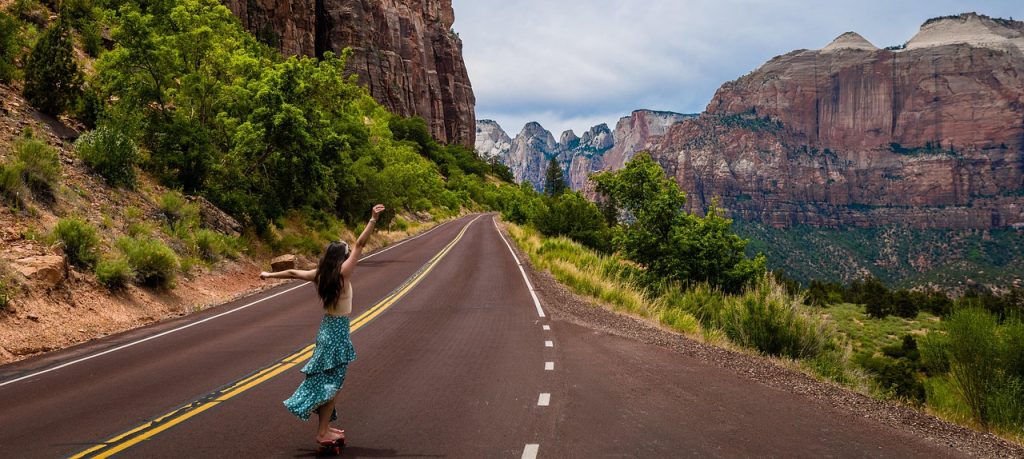
South India is a treasure trove of breathtaking landscapes, ancient temples, lush green hills, and pristine beaches. The journey through South India by road delivers unique adventures to anyone who loves exploring.These routes lead travelers from the majestic Western Ghats to the serene Bay of Bengal shores while delivering adventure alongside both cultural experiences and breathtaking scenery. Whether you’re a solo traveler, a couple seeking romance, or a family looking for a memorable getaway, South India’s best road trips have something for everyone. In this blog, we’ll explore the most exciting road trips across South India. Buckle up and get ready for the ultimate travel adventure! Serene beauty of South India featuring cliffs and ocean. 1. Bangalore to Coorg: The Coffee Trail Distance:265 km |Travel Time: 5-6 hours One of the most popular road trips from Bangalore, the drive to Coorg (Kodagu) is a mesmerizing journey through dense forests, coffee plantations, and mist-covered hills. Start your journey from Bangalore and stop at Ramanagara which gained fame from the Sholay movie production while also being recognized for its rock formations. The southern town of Channapatna stands as the “Toy Town of Karnataka” when you continue driving along this route. Must-Visit Spots: Golden Temple at Bylakuppe (Namdroling Monastery), Abbey Falls, Raja’s Seat, Dubare Elephant Camp. Best Time to Visit: October to March. 2. Chennai to Pondicherry: The ECR Beach Drive Distance:160 km | Travel Time:3-4 hours A journey along the East Coast Road starting from Chennai towards Pondicherry provides India with one of its most breathtaking coastal driving experiences. The road trip combines natural beauty with ocean views because it stretches between the Bay of Bengal and scenic vistas. Must-Visit Spots: Mahabalipuram (UNESCO Heritage Site), Alamparai Fort, Serenity Beach, Auroville & Matrimandir. Best Time to Visit: November to February. 3. Bangalore to Ooty: The Nilgiri Mountain Escape Distance:270 km |Travel Time:6-7 hours A drive from Bangalore to Ooty through Mysore and the Bandipur Tiger Reserve is a must for nature lovers. The path follows twisting roads as it leads through hilly terrain with misty conditions alongside tea plantation landscapes. Must-Visit Spots: Bandipur National Park (spot wildlife like elephants and deer), Ooty Lake, Doddabetta Peak, Tea Factory & Museum. Best Time to Visit: September to June. 4. Hyderabad to Araku Valley: The Eastern Ghats Marvel Distance:650 km |Travel Time:12-14 hours People who enjoy driving will find their perfect adventure through the Hyderabad to Araku Valley journey. This trip begins at the crowded Hyderabad streets then leads visitors through Visakhapatnam before arriving at Araku’s scenic hillside landscape. Must-Visit Spots: Borra Caves, Katiki Waterfalls, Coffee Plantations, Tribal Museum. Best Time to Visit: October to March. 5. Mangalore to Goa: The Konkan Coastal Delight Distance:365 km |Travel Time:7-8 hours If you love beaches, this road trip along the Konkan Coast is perfect for you. The journey from Mangalore to Goa along NH66 offers outstanding sights of untouched beaches along with coconut plantations and seafood restaurants. Must-Visit Spots: Maravanthe Beach, Gokarna (Om Beach, Kudle Beach), Palolem Beach, Dudhsagar Waterfalls. Best Time to Visit: October to May. 6. Kochi to Munnar: The Tea Plantation Paradise Distance:130 km |Travel Time:4-5 hours This enchanting road trip takes you from Kerala’s coastline to its breathtaking highlands. This road trip path runs through tea gardens with numerous waterfalls while passing misty mountain ranges to become one of Kerala’s top driving routes. Must-Visit Spots: Cheeyappara Waterfalls, Tea Gardens & Eravikulam National Park, Mattupetty Dam, Top Station Viewpoint. Best Time to Visit: September to April. 7. Chennai to Kanyakumari: The Southernmost Adventure Distance:700 km |Travel Time:12-14 hours The journey begins at Tamil Nadu’s capital city of Chennai and extends through to Kanyakumari which represents the southernmost point of India where three water bodies merge: the Arabian Sea, Bay of Bengal and Indian Ocean. Must-Visit Spots: Rameswaram & Pamban Bridge, Dhanushkodi (Ghost Town), Vivekananda Rock Memorial, Thiruvalluvar Statue. Best Time to Visit: October to March. 8. Bangalore to Hampi: The Heritage Trail Distance:350 km |Travel Time:6-7 hours A road trip to Hampi, a UNESCO World Heritage Site represents a journey through history. The journey is comfortable as it moves between lovely rural communities and beautiful sceneries. Must-Visit Spots: Virupaksha Temple, Lotus Mahal, Hampi Bazaar, Vittala Temple (Stone Chariot). Best Time to Visit: October to February. 9. Visakhapatnam to Yanam: The Hidden Coastal Gem Distance:200 km |Travel Time:4-5 hours The unique coastal drive provides breathtaking ocean scenery together with French colonial architecture in the small town of Yanam which lies close to Pondicherry. Must-Visit Spots: RK Beach, Visakhapatnam, Simhachalam Temple, Yanam French Colony, Coringa Wildlife Sanctuary. Best Time to Visit: November to February. 10. Madurai to Rameswaram: The Pilgrimage Route Distance:170 km |Travel Time:3-4 hours Those seeking religious journey experiences should drive from Madurai to Rameswaram to encounter beautiful landscapes and enriching cultural encounters. The Pamban Bridge stands as an impressive engineering achievement as it provides land access between Rameswaram and the mainland. Must-Visit Spots: Meenakshi Temple, Madurai, Pamban Bridge, Ramanathaswamy Temple, Dhanushkodi Beach. Best Time to Visit: October to April. Frequently Asked Questions (FAQs): Q1. What is the best time for road trips in South India? The best time is between October and March when the weather is pleasant. Q2. Which road trip is best for adventure lovers? The Bangalore to Ooty and Hyderabad to Araku Valley trips offer thrilling landscapes and adventurous routes. Q3. Are there good stops for food along these routes? Yes, South India has numerous roadside eateries serving delicious local cuisine. Q4. Which road trip is best for a weekend getaway? Bangalore to Coorg and Chennai to Pondicherry are perfect for short trips. Q5. Which trip is best for nature lovers? Kochi to Munnar and Mangalore to Goa offer stunning natural beauty. Conclusion: Road trips in South India offer a perfect blend of adventure, culture, and natural beauty. Every pathway from misty zones to calm coastal locations to traditional locations along South India presents its own individual highlight. Once people visit South India they will find everything from excellent highway
Top 10 Scenic Road Trips in India You Must Take in 2026!!
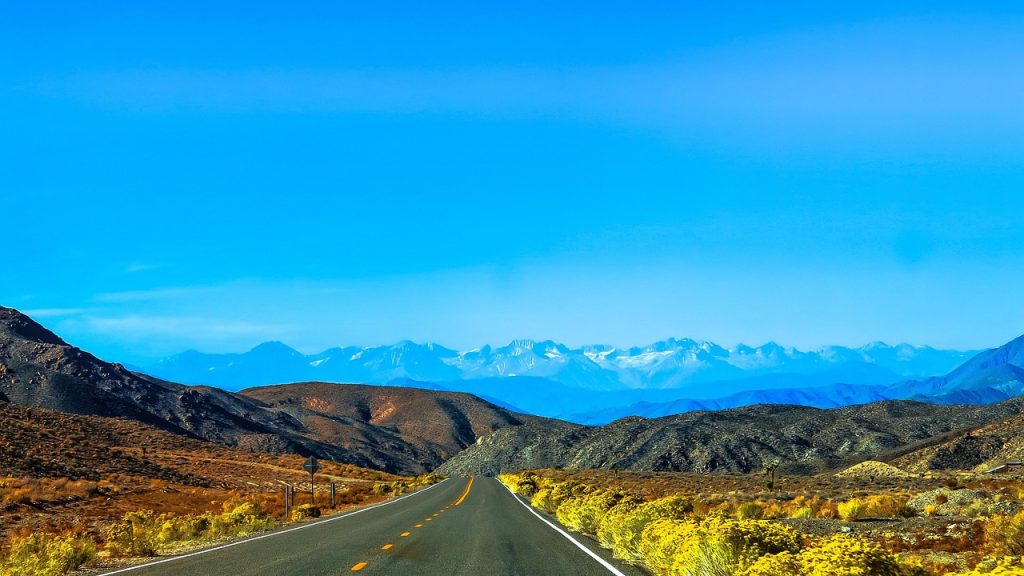
Ready to feel the wind, music, and adventure in your soul? India’s landscapes are calling!From the snow-capped Himalayas to sun kissed coastal roads the country is a canvas painted with dreamlike routes. As 2025 begins, it’s the perfect time to plan your travel bucket list. The scenic road trips in India will provide memorable travel experiences to both experienced travelers and those embarking on their first journey. Here are top 10 Indian scenic road trips for your travel bucket list 2025: Serene view of a highway surrounded by lush green valleys. 1. Manali to Leh – The Ultimate Himalayan Adventure The Manali to Leh road trip is often considered the most iconic in India. The journey takes you through Himachal and Ladakh regions while you enjoy sights of high peaks, ancient Buddhist sanctuaries and mountain passes that reach heights of Rohtang La and Khardung La. Attractions: Rohtang Pass, Keylong & Jispa, Pangong Lake, Magnetic Hill, Nubra Valley. Activities: Biking through mountain passes, Stargazing at Pangong Lake, Camping under the stars, Visiting ancient monasteries (Hemis, Diskit). 2. Delhi to Spiti Valley – The Offbeat Himalayan Wonder If you love offbeat and raw landscapes, the Delhi to Spiti Valley road trip is a must in 2025.Spiti attracts fewer visitors than Leh while providing travelers with lunar views and peaceful temples. Attractions: Nako Lake, Tabo Monastery, Key Monastery, Chandratal Lake. Activities: Camping at Chandratal, Village stays at Kaza, Visit to the mummy at Giu, Trekking in Pin Valley. 3. Mumbai to Goa – The Classic Coastal Escape Drives between Mumbai and Goa through NH66 unite seaside breezes with agricultural landscapes and curving pathways into coastal beauty. Enjoy a great weekend by road thanks to wonderful views, great meals and beach feelings at this destination. Attractions: Alibaug, Ganpatipule, Tarkarli Beach, Sindhudurg Fort. Activities: Beach hopping, Trying coastal cuisine (Malvani seafood) , Scuba diving at Tarkarli, Visiting historic forts. 4. Bangalore to Coorg – The Coffee Trail Drive One of the most popular road trips from Bangalore, the drive to Coorg (Kodagu) is a mesmerizing journey through dense forests, coffee plantations, and mist-covered hills. Attractions: Abbey Falls, Namdroling Monastery, Raja’s Seat, Coffee estates. Activities: Plantation walks, River rafting in Barapole, Wildlife safari at Nagarhole, Tasting authentic Coorgi cuisine. 5. Guwahati to Tawang – The Mystical Northeast Route The Guwahati to Tawang journey offers a glimpse into the untouched beauty of Northeast India. The trip takes travelers through thick forests as well as alpine meadows along with crossing tribal settlements which appeal to nature enthusiasts together with bold explorers. Attractions: Dirang Valley, Sela Pass, Tawang Monastery, JaswantGarh War Memorial. Activities: Birdwatching, Hiking near Dirang, Exploring Buddhist monasteries, Snow trekking. 6. Ahmedabad to Kutch – Desert Delight and White Rann This journey links the metropolitan Ahmedabad to the unbelievable Rann of Kutch which provides complete opposing scenarios. Witnessing the Great Rann’s white salt desert at the Rann Utsav creates a timeless visual spectacle. Attractions: Bhuj, White Rann of Kutch, Kala Dungar, Mandvi Beach. Activities: Attending Rann Utsav, Camel rides in the salt desert, Shopping Kutchi handicrafts, Beach relaxation in Mandvi. 7. Amritsar to Dharamshala – From Golden to Green Amritsar serves as the starting point of this route where one can find the Golden Temple before the journey leads up to peaceful Dharamshala. Dharamshala, the abode of the Dalai Lama, offers a blend of Tibetan culture, monasteries, and the stunning backdrop of the Dhauladhar range. Attractions: Golden Temple, Wagah Border, Norbulingka Institute, Bhagsu Waterfall. Activities: Tibetan cooking classes, Meditation sessions at Dalai Lama Temple, Cafe hopping in McLeodganj, Trek to Triund. 8. Kochi to Munnar – The Serene Kerala Hills Drive This enchanting road trip takes you from Kerala’s coastline to its breathtaking highlands. This road trip path runs through tea gardens with numerous waterfalls while passing misty mountain ranges to become one of Kerala’s top driving routes. Attractions: Cheeyappara and Valara Waterfalls, Eravikulam National Park, Tea Museum, Mattupetty Dam. Activities: Staying in a treehouse, Visiting tea factories, Elephant rides and spice garden tours, Trekking to Anamudi Peak. 9. Darjeeling to Pelling – The Himalayan Tea Estate Trail Travel through the magical Eastern Himalayas by visiting Tea Hill stretch of Darjeeling which leads to peaceful Pelling in Sikkim. Travelers who drive the route will find Kanchenjunga meets their eyes while passing through small villages and witnessing multiple waterfalls alongside the bends. Attractions: Tiger Hill sunrise view, Batasia Loop, Pemayangtse Monastery, Khecheopalri Lake. Activities: Tea estate tours in Darjeeling, Cable car ride over valleys, Visit the ruins of Rabdentse, Local Sikkimese food tasting. 10. Hyderabad to Araku Valley – Eastern Ghats Explorer People who enjoy driving will find their perfect adventure through the Hyderabad to Araku Valley journey. This trip begins at the crowded Hyderabad streets then leads visitors through Visakhapatnam before arriving at Araku’s scenic hillside landscape. Attractions: Borra Caves, Katiki Waterfalls, Araku Tribal Museum, Coffee plantations. Activities: Tasting Araku Valley coffee, Train ride on the Kirandul line, Ziplining and boating, Local tribal dance shows. FREQUENTLY ASKED QUESTIONS(FAQs): Q1. What’s the best time for road trips in India? October to March is ideal for most regions; summer is best for the mountains. Q2. Are Indian roads safe for road trips? Yes, most highways are safe, just follow traffic rules and check conditions. Q3. What should I carry for a road trip? Essentials include documents, water, snacks, offline maps, and a first-aid kit. Q4. Best road trip for beginners in India? Try Mumbai to Goa or Delhi to Jaipur, easy and well-connected. Q5. Are there monsoon-friendly road trips in India? Yes, like Kochi to Munnar and Lonavala from Mumbai. Q6. Best hill road trips in India? Manali to Leh and Darjeeling to Pelling. FINAL THOUGHTS! From the snow-kissed Himalayan highways to the breezy coastal routes of the south, India’s roads offer an ever-changing canvas of beauty, adventure, and discovery. These 2025 scenic road trips provide a journey beyond reaching landmarks since they let you experience the beauty while tasting local foods
Why In-Office Activations Are the New Team-Building Trend in India
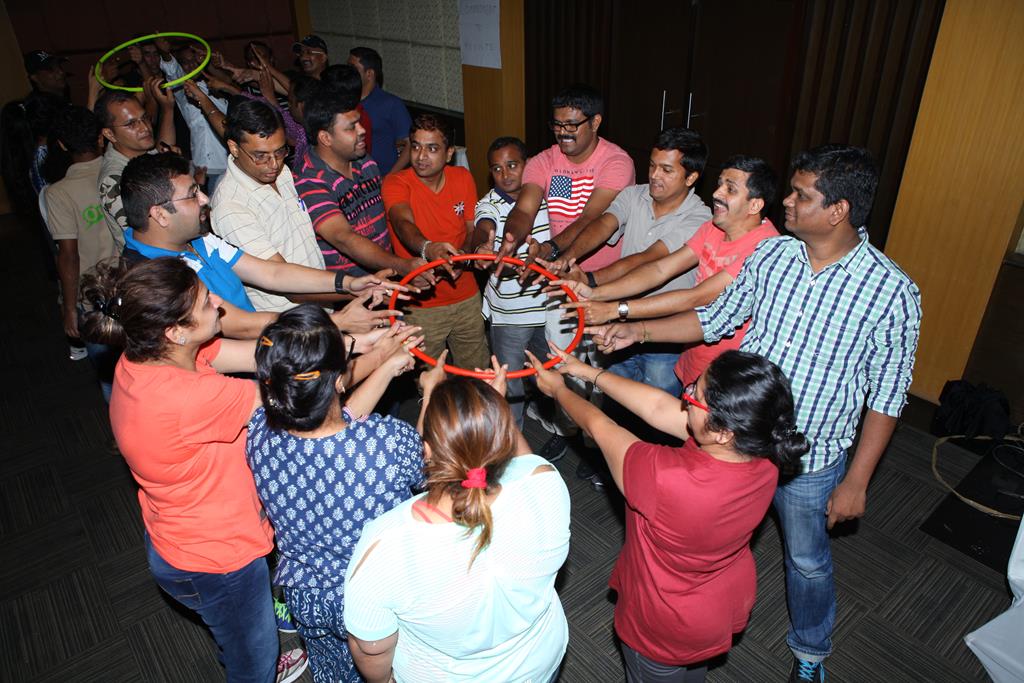
The New Way Companies Are Building Stronger Teams Not long ago, “team building” usually meant taking everyone to a resort for games and activities, only to return to business as usual on Monday. But today, with everyone working hybrid, having tighter schedules, and a stronger focus on employee well-being, companies felt the need for quicker and more regular ways to keep teams connected. That’s where in-office activations come in. These are basically simple activities right at the workplace that help people bond, recharge, and stay motivated. In 2025, bringing fun and learning into the office during regular work hours is becoming the new go-to strategy for building happy, energized teams. Why In-Office Activations Are Taking Over 1. They Are Easy for Everyone Offsite events can be exciting, but let’s face it, they take a lot of time, money, and planning. Not everyone can make it, especially in bigger or hybrid teams. That’s where in-office activations work better. They happen right where people already are, so it’s easy to join in without stepping away from work for too long. Which means, Less stress, more fun, and everyone feels included. 2. They Make Everyone Feel Included In-office activities are easy for everyone to join. From new interns to senior leaders all can be a part of this. Since this takes place right at the workplace, there’s no need to travel or take time off, which makes it easier for people from different teams and levels to connect and feel like part of the same community. 3. They Can Be Tailored to Your Team’s Needs Every team has different goals. Some need to be more creative, some want to improve communication, and others just need a break from stress. In-office activations can be designed around these needs, so the activities aren’t just fun but they’re also useful and relevant to daily work. 4. They Cost Less but Deliver More Big offsite events can be expensive and time-consuming, but in-office activities use the space and time you already have. They’re much more affordable, and because you can do them regularly, they give your team many more chances to bond and grow together. 5. They Keep the Energy Going All Year With offsite events, the excitement often fades after a few days. In-office activations help you keep that energy alive throughout the year, with small but consistent moments of fun, learning, and team connection that become part of your everyday work culture. Popular In-Office Activation Ideas for 2025 If you are wondering what kind of activities companies are doing today, here are some ideas that are working really well: 1. Wellness & Movement Sessions Short and energizing wellness breaks are helping employees reset during busy workdays. Activities like yoga, movement therapy, and even rhythmic experiences like a drum circle bring physical relaxation and mental clarity into the workplace. They’re easy to arrange in a meeting room or open space and help improve focus, posture, and mood in just 30 minutes. 2. Creative Corners & DIY Workshops Let employees tap into their artistic side with creative in-office workshops. Teams love hands-on experiences like art and pottery sessions, origami, perfume making, and even fun challenges like a 10-ingredient cook-off from the Culinary Quest series. These aren’t just relaxing. They spark joy, encourage teamwork, and give employees something memorable to take home. 3. Fun & Laughter-Filled Activities Sometimes, the best bonding happens over shared laughter. Some of the popular picks include karaoke sessions, comedy shows, personalized trivia and games, and paint with puppies. You could also organize a lively Bhangra evening, a theatre and improv session, or a good old movie screening with popcorn to lighten up the mood. 4. Music, Movement & Live Energy Turn your office into a mini event space for a day. Set up a live band performance, a DJ-led dance session, or even a mini flea market with live music in your common area. These activations are great for breaking routine and bringing spontaneous joy into the workday. 5. Games, Challenges & Competitions Add a little friendly competition with team-based challenges. Organize a fun paintball session, an energetic sports tournament, or a simple indoor challenge like the Human Chain activity to build trust and cooperation. Interactive team games like personalized trivia or the mixology workshop (non-alcoholic, office-friendly!) are also a hit with cross-functional teams. How to Get Started and Make It a Success Thinking about starting in-office activations? You do not need a huge budget or a long checklist. You just need a smart plan. Here’s a simple step-by-step guide: 1. Understand Your Team’s Needs Before you plan anything, take a little time to listen to your people. What do they feel they are missing at work? More fun? More creativity? Better health support? A stronger sense of community? You can do a quick survey or even small informal discussions to find out. When activities match what employees actually want, participation will be much higher. 2. Start Small and Simple You do not need to launch with a big event. Start with something small. maybe a 30-minute game, a wellness workshop, or a lunch-hour trivia quiz. The idea is to get people comfortable and excited about participating. Once they see how easy and fun it is, more people will naturally join future activities. 3. Keep a Regular Rhythm In-office activations work best when they happen regularly — not just once in a while. Set a simple schedule: maybe one activation every month, or even one small thing every two weeks. It builds a sense of expectation and excitement, and soon, these activities become a natural part of your work culture. 4. Mix It Up If every session feels the same, people will quickly lose interest. Mix different kinds of activities like wellness, games, learning, creativity. so that different personalities and interests are engaged over time. 5. Celebrate and Share Make a big deal out of every activation. Share photos, success stories, and funny moments on your internal emails, Slack channels, or office
Reliving Zindagi Na Milegi Dobara: A Journey Through Spain’s Most Breathtaking Destinations

The Bollywood film Zindagi Na Milegi Dobara (ZNMD) serves as more than a cinematic experience because it functions as a motivational force which guides people toward an intense lifetime experience. Directed by Zoya Akhtar in 2011 this film guides characters on an unforgettable Spanish journey through explorations of friendship alongside adventure and self-discovery and travel excitement. The movie’s beautiful locations combined with thrilling sports adventures and heartfelt storylines burned themselves into everyone’s travel memories. Travelers who love both movies and Bollywood find a magical experience in touring the memorable sites from ZNMD. Throughout this motion picture Spain emerges as a country whose inhabitants love to live boldly by showing viewers La Tomatina with flying projectiles as well as skydiving and diving in Costa Brava’s clear water followed by the Running of the Bulls challenge in Pamplona. We will explore each exquisite travel destination from ZNMD alongside understanding their appeal as travel targets and learning about the best ways to replicate Hrithik Roshan, Farhan Akhtar and Abhay Deol’s experiences. 1. Costa Brava – The Stunning Mediterranean Paradise This Spanish coastal region named Costa Brava presents spectacular views with clean beaches and impressive cliffs and cute coastal towns. Arjun (Hrithik Roshan) conquers his aquatic phobia at this location by engaging in scuba diving activities. This film conveys Costa Brava’s Mediterranean tranquility so perfectly that visitors should prioritize visiting this area between nature and water sports activities. Why Visit? Tourists will find both calm activities and thrilling experiences at Costa Brava. Several water sports enthusiasts find a perfect home here because the region features secret bays, lively sea creatures and the beautiful Calella de Palafrugell among other charming towns. Costa Brava’s deep history combined with its medieval towns and renowned Catalan cuisine makes this location truly enchanting. Pro Tip: For the best scuba diving experience, head to the Medes Islands, a marine reserve with stunning underwater biodiversity. Visitors who seek a relaxed atmosphere can visit charming fishing towns to experience local seafood at beachfront restaurants. 2. Buñol – The Wild & Messy La Tomatina Festival La Tomatina made Buñol famous because this Spain-based food fighting festival has become their main attraction. One of the film’s most visually stunning sequences features the cast participating in a simulated version of La Tomatina festival. During August thousands of people assemble to organize an intense tomato throwing celebration. Why Visit? La Tomatina presents to its participants an opportunity they will never forget. The experience provides an unforgettable blend of excitement and uniqueness that you cannot find anywhere else. Buñol presents both La Tomatina and a delightful combination of medieval architecture and exciting cultural attractions for visitors to discover. Pro Tip: The La Tomatina festival limits its participant numbers so book your tickets in advance. Wear clothes you don’t mind getting messy because you’ll definitely end up with red stains from the tomatoes by evening’s end. 3. Seville – The Soul of Andalusia & The Flamenco Capital Seville functions as the capital of Andalusia while presenting itself through a fusion of music and historical landmarks coupled with an intense passion. The movie skillfully showcases Seville’s dynamic flamenco dancing art through Laila’s (Katrina Kaif) passionate introductions to the group about its dazzling performances. Seville exceeds flamenco with its amazing architecture together with its lively public squares along with its enthusiastic spirit. Why Visit? The Spanish national essence animates every part of this historic city. Every part of Seville shows its story through its major landmarks that include Plaza de España, Alcázar Palace and the Giralda Tower. Visitors can discover amazing food options throughout the city which feature both tapas and classic Spanish cuisine. Pro Tip: Plan your itinerary to witness flamenco dancing at Tablao El Arenal or Casa de la Memoria where you can discover authentic Andalusian culture through performance arts 4. Ronda – The Thrill of Skydiving Within ZNMD viewers witness one of the film’s most thrilling moments when characters engage in skydiving in the beautiful Andalusian town of Ronda. This life-changing experience gains its full impact through its placement against the dramatic cliff faces and awe-inspiring landscape views. Why Visit? People seeking adventure activities ought to visit Ronda. Apart from skydiving activities the town is known for its New Bridge that displays remarkable vistas of the El Tajo Gorge. Visitors should make Ronda a priority stop because it combines its historical depth with bullfighting culture and breathtaking natural setting. Pro Tip: Even if skydiving isn’t your thing, take a scenic walk along Puente Nuevo and explore the town’s charming streets for a glimpse into authentic Spanish culture. 5. Pamplona – The Legendary Running of the Bulls ZNMD reaches its crescendo through its final act in Pamplona which hosts the San Fermín Festival together with the yearly Running of the Bulls spectacle. Travelers from across the globe flock to Spanish annual celebrations which have been part of tradition since centuries. Why Visit? Pamplona exists as a town filled with historical significance along with exciting attractions. The city holds magnificent medieval Old Town as well as vibrant Spanish cuisine and energetic nightlife in addition to its bull run activities. Pro Tip: If you don’t want to run with the bulls then you should watch it from a balcony above the streets for a safe yet thrilling view of the action. FAQs About Zindagi Na Milegi Dobara’s Spain Filming Locations Where was Zindagi Na Milegi Dobara filmed? The movie was shot in various locations across Spain, including Barcelona, Costa Brava, Buñol, Seville, Ronda, and Pamplona. Is La Tomatina a real festival? Yes! La Tomatina is an annual festival held in Buñol, Spain, on the last Wednesday of August. Can tourists participate in the Running of the Bulls? Yes, but it’s a high-risk activity. Tourists can participate after registering and following strict safety guidelines. Where was the skydiving scene in ZNMD filmed? The skydiving scene was filmed in Ronda, a breathtaking town in Andalusia. How can I visit all the ZNMD shooting locations? A road trip through Spain is the
The Ultimate Manali Experience: Nature, Adventure, and Culture!!
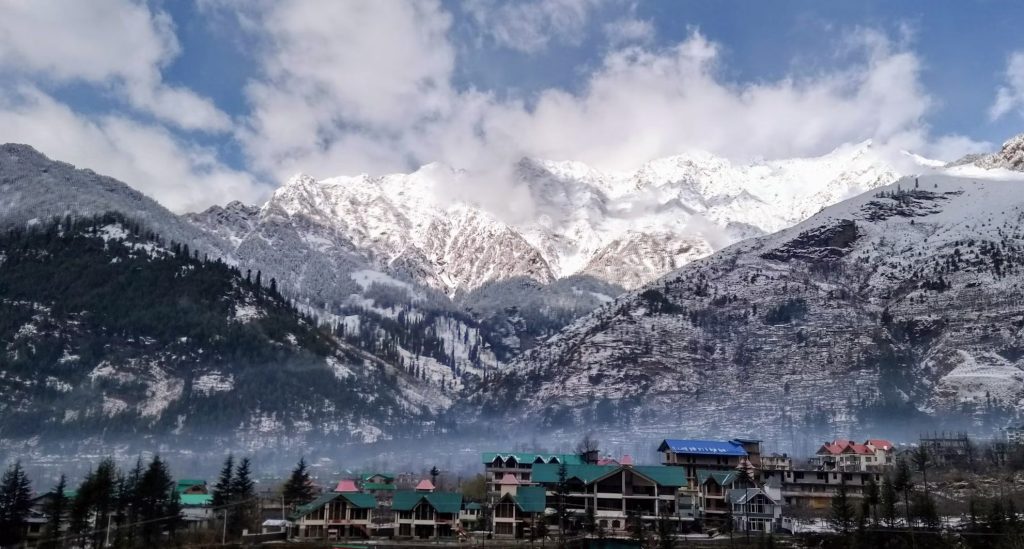
Manali, the heart of the Himalayas, is one of the most popular travel destinations in India. This Himalayan hill station is the perfect place for those who enjoy nature or adventure or travel. From breathtaking landscapes to thrilling adventure sports, Manali is the perfect escape. If you’ve ever dreamt of experiencing the exciting moments that Bunny, Naina, Aditi, and Avi shared in Yeh Jawaani Hai Deewani, Manali will help you relive those magical moments. This blog will take you to all the must-visit places and exciting activities of Manali. Best Places to Visit in Manali: 1. Solang Valley: Solang Valley, a paradise for adventure lovers, offers activities like paragliding, zorbing, and skiing. Solang Valley has the perfect environment to take amazing photographs because of its beautiful appearance. Solang Valley turns into a snowy fantasy in winter, which attracts winter sports enthusiasts. In summer, the lush greenery provides a scenic escape for tourists and trekkers. This is a must-visit for nature and adventure lovers. ACTIVITIES: Photography, Trekking, Cable Car Ride, Paragliding. 2. Rohtang Pass: Rohtang Pass is a must-visit for those who love snow. The pass serves as a gateway to Lahaul and Spiti Valley, giving viewers spectacular seasonal shifts in the landscapes. Thousands of visitors come to Rohtang Pass during summer because heavy winter snowfall forces the pass to remain closed. Visiting Rohtang Pass provides a thrilling experience because the journey features roads that take motorists through spectacular views of glaciers and mountains alongside waterfalls. ACTIVITIES: Skiing, Snowboarding, Photography. 3. Hidimba Devi Temple: An important temple honoring Hidimba Devi located in an atmospheric setting of cedar tree forests. The sacred site represents a quiet and religious spot for all visitors to Manali to explore. The locals recognize Hidimba Devi as the Mahabharata’s Bhima’s wife, who meditated at this place, thus turning it into a historical landmark. People can experience regional customs and cultures while visiting. ACTIVITIES: Photography, spiritual experience. 4. Sissu: The scenic Lahaul Valley hosts Sissu Village as its secret treasure, showcasing serene views alongside peaceful surroundings. Situated on the banks of the Chandra River, it offers mesmerizing views of snow-capped peaks and lush green valleys. The Sissu waterfall, a major attraction, offers a perfect spot for nature lovers and photographers. This is a must-visit destination for nature lovers. ACTIVITIES: Trekking, Photography. 5. Atal Tunnel: The Atal Tunnel stands as one of the longest highway tunnels worldwide, linking Manali to Lahaul Valley. The highway operates under the Rohtang Pass as a 9-kilometer tunnel that enables people to see the Lahaul Valley. This tunnel is a must-visit for lovers of road trips, as it provides an exciting driving adventure. Once you exit the tunnel, you are greeted by the stunning scenery of Sissu and the Lahaul region, making the journey even more memorable. ACTIVITIES: Photography, road trip. 6. Jogini Waterfall: A short trek from Vashisht Temple, Jogini Waterfall is a breathtaking natural attraction. Nature lovers will love the beautiful trail along with the cool waterfall. You can experience the local way of living while you walk through three different areas consisting of apple orchards, pine forests, and small villages. The waterfall produces a picturesque scene of flowing water with a backdrop of dense greenery. Tourists love having picnics at the waterfall area, where they experience natural air. ACTIVITIES: Trekking, Photography, Picnic. 7. Kasol: Kasol, also known as “Mini Israel of India,” is a must-visit destination near Manali for backpackers and nature lovers. Kasol provides visitors with dazzling Parvati River scenery combined with peaceful vibes and active hippie community activity. Trekking options to Kheerganga, Malana, and Tosh from this village turn it into a prime destination for adventure lovers. Whether you want to relax by the riverside or indulge in thrilling treks, Kasol is a perfect getaway from Manali. ACTIVITIES: Camping, Photography, Israeli Cuisines, Manikarnika Gurudwara. Top Adventure Activities in Manali: 1. Paragliding You can find paragliding at its best in Manali among all Indian destinations. The popular spots are Solang Valley and Kasol. 2. River Rafting The Beas River features several options for exciting white-water rafting tours. People who enjoy water activities must do this adventure. 3. Camping Enjoy mountain camping while gazing at the Himalayan mountains. The best places to camp are Solang Valley and Tirthan Valley. 4. Trekking Manali is a gateway to some of the most popular trekking routes, including Hampta Pass, Beas Kund, and Bhrigu Lake. These treks offer stunning views and a chance to explore the raw beauty of the Himalayas. 5. Skiing & Snowboarding Winter transforms Manali into a snowy paradise. Rohtang Pass and Solang Valley are perfect for skiing and snowboarding enthusiasts. Best Time to Visit Manali: Summer (March to June): Perfect for sightseeing and adventure activities. Monsoon (July to September): Offers lush greenery but is prone to landslides. Winter (October to February): Ideal for snow and sport lovers. FREQUENTLY ASKED QUESTIONS (FAQs): Q1. How many days are enough for a Manali trip? A 3- to 5-day trip is ideal to explore the major attractions, enjoy adventure activities, and experience the local culture. Q2. Is Rohtang Pass open throughout the year? No, Rohtang Pass is closed from November to April due to heavy snowfall and reopens in May or June. Q3. Are there any offbeat places to explore near Manali? Yes! Explore Sethan Valley, Hampta Pass, Jibhi, Tirthan Valley, and Malana for a quieter, less crowded experience. Q4. What are the must-try foods in Manali? Try Siddu, Thukpa, Momos, Trout Fish, and traditional Himachali cuisine at local cafés and dhabas. Q5. What are the best shopping spots in Manali? Visit Mall Road for souvenirs, Old Manali for handmade jewelry and clothes, and Tibetan Market for woolens and handicrafts. CONCLUSION: Manali is the perfect spot for breathtaking experiences. The Himalayan paradise of Manali provides everything you need to spend an unforgettable time. Get ready as you transform into your inner Bunny from Yeh Jawani Hai Deewani to embark upon a mesmerizing adventure to this gorgeous hill station. Planning a trip? You
5 Hidden Gems in Jaipur That Most Tourists Miss

The Indian city of Jaipur serves as the well-known “Pink City” with its majestic fortifications and luxurious palaces and busy markets. Through the well-known landmarks of Jaipur exists a sizable cache of hidden treasures that visitors can discover. Jaipur reveals its unique heritage along with architectural masterpieces and peaceful nature when travelers visit these lesser-known spots which most visitor groups tend to avoid. The hidden places of Jaipur wait for every traveler who avoids common tourist destinations because they offer experiences most people never see. If you’re looking for unique experiences beyond the usual, check out more of these Unexplored Places in Jaipur. 1. Panna Meena Ka Kund – The Hidden Stepwell of Jaipur Panna Meena Ka Kund positions itself as a marvelous 16th-century stepwell which stands minimally 200 meters from the famous Amer Fort. The symmetrical water storage facility combined two purposes by serving as both a conservation system as well as a refuge for those who needed to escape the intense Rajasthan heat. One feature that makes Panna Meena Ka Kund special lies in its complex building design featuring zigzag steps that create an interesting visual appearance. Through its design the stepwell demands that visitors use the same steps regardless of their approach direction to return. The combination of historical value and its unique geometric design makes Panna Meena Ka Kund one of Jaipur’s best hidden jewels perfect for photography. This is also a great place to visit early in the morning in Jaipur, as the golden light enhances its charm. Why Visit? Architectural Brilliance: Such traditional engineering marvel stands out because its symmetrical stair arrangement, arched niches, and cool environment combine to create an architectural masterpiece. Peaceful Retreat: Visitors find serenity at this location because it remains less crowded than the popular Amer Fort destination. Great for Photography: The symmetrical steps at this location create excellent photographic opportunities because of how light plays against shadows during either sunrise or sunset. Historical Significance: The stepwell is an excellent example of how ancient civilizations tackled water conservation in arid regions. Tip: The optimal time to see the steps is during morning hours when the place feels serene while getting ideal conditions for photo shots. The monsoon season should be avoided because the increasing water levels will block access to the site. 2. Galtaji Temple – The Monkey Temple The spiritual attraction of Galtaji Temple stands among the most extraordinary yet hidden sites in Jaipur despite its location under the Aravalli Hills. This Hindu temple attracts its name from its abundant monkey population while presenting an architecture of diverse temples along with sacred kunds which function as water tanks. The temple complex is located in a narrow valley space that gives visitors panoramic views of the neighboring hills. Historians believe that religious tanks at the temple site gained healing powers throughout the multiple centuries since its construction. Prayerful devotees and religious monks visit this temple for enlightened rest while sightseers enjoy the blend of natural beauty and distinct temple atmosphere. Why Visit? Spiritual Significance: The site hosts great religious importance as Lord Hanuman has a major presence here in Hindu mythology. Stunning Architecture: Visitors are drawn to this site because it combines stunning architecture with pastel temple structures that boast intricate frescoes and carvings. A Unique Experience: Visitors remember their temple experience because the primates at the shrine create a distinct dynamic peace. Panoramic Views: A short trek up the hill offers spectacular views of Jaipur, making it a rewarding experience for adventure lovers. Tip: People who want to feed monkeys should bring fruits but they should exercise caution due to the mischievous nature of these animals. You should choose comfortable footwear because exploring this temple includes trekking through surfaces with uneven features. If you’re someone who enjoys thrilling experiences, you may also want to check out some of the Haunted Places in Jaipur. 3. Chand Baori – The Forgotten Stepwell Near Jaipur Chand Baori exists in the rural Abhaneri village about 95 kilometers distant from Jaipur while escaping most standard travel tourism flows. A comprehensive downgrade through this ancient architecture takes visitors to the deep water reservoir via its 3500 perfect symmetry-patterned stairs among the deepest stepwells of India. The 9th-century construction of Chand Baori by King Chanda of the Nikumbh dynasty fulfilled an essential purpose to conserve water in arid Rajasthan. Community members used the stepwell as a meeting point since it provided relief from heat throughout the years. Why Visit? Mind-Blowing Architecture: The stepwell amazes visitors through its gigantic design that showcases impressive engineering precision. Historical Significance: This landmark provides visitors with important insights about the crucial ancient methods used to manage water during the arid conditions of Rajasthan. Serene Atmosphere: Unlike popular Jaipur landmarks, this unique site typically remains empty so visitors can experience the location at their preferred speed. Film Connection: Besides its visual appeal, Chand Baori gained fame from its appearance in multiple Hollywood productions, including ‘The Dark Knight Rises.’ Tip: When visiting Chand Baori, consider adding the neighboring Harshat Mata Temple as it offers a unique chance to explore its historical significance. If you’re looking for an adventure-filled outing, you might also want to check out Jaipur Adventure Places for more thrilling experiences. 4. Kanota Dam – A Scenic Escape People seeking relief from the urban bustle of Jaipur should explore Kanota Dam, which exists about 15 km away from the city’s central area. This well-concealed reservoir contains water amid natural surroundings and offers picturesque landscapes that attract those who enjoy photographing nature and spending time with the environment. Visitors should experience Kanota Dam during monsoon season because it becomes spectacular when water rises while the surrounding hills display their lush green coloration. People can use this site as a relaxing destination to experience either nature sightseeing or bird observation or spend peaceful time around the natural environment. Why Visit? Tranquil Environment: Tourists who visit Jaipur’s lively attractions will discover a peaceful ambiance at Kanota Dam, which stands apart from the city.
Best Place for Workation in India: Top Picks for 2026
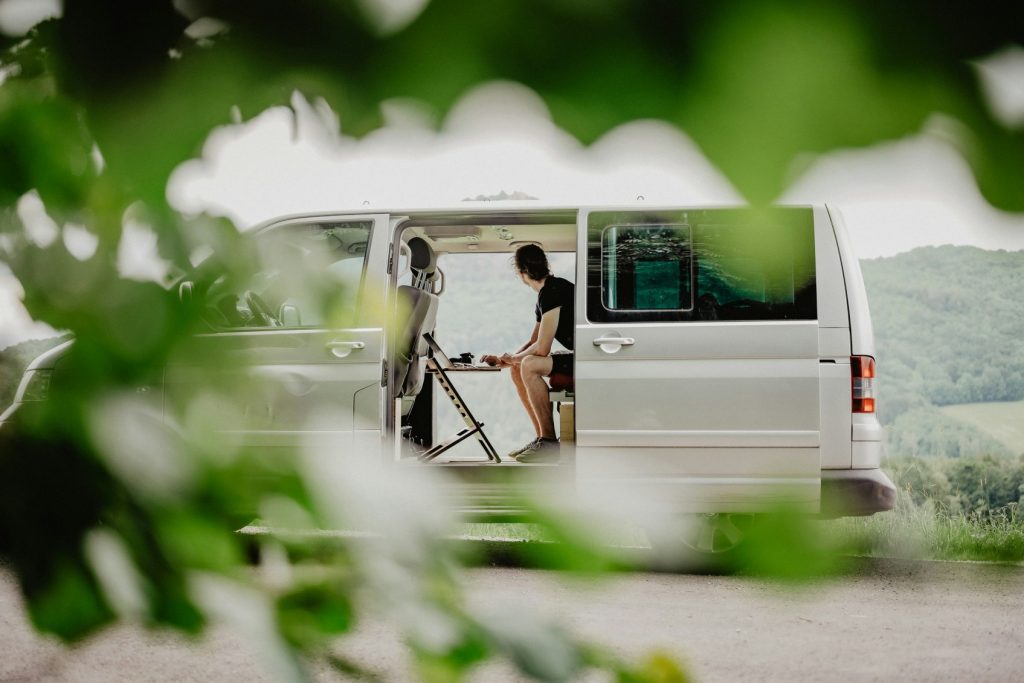
As we step into 2025, work and travel have never been more connected. With the rise of remote work and flexible jobs, more professionals are looking for places where they can work efficiently while enjoying a scenic change of environment. In this blog, we cover the best workation places in India—whether you’re a digital nomad, freelancer, or remote worker planning a solo escape or a long-term stay. Himachal Pradesh – Breathe, Work, Repeat If you’re searching for a peaceful escape to the mountains, Himachal Pradesh is one of the top choices. It is famous for its fresh air, scenic views, and vibrant yet calm towns, It’s one of the most popular hill stations for workations in India and a place you should definitely experience in your workation journey. The best time to visit Himachal Pradesh is from March to June or September to November, when the weather is pleasant, avoiding the harsh winters and monsoon season that might disrupt your travel or internet connectivity. Top spots in Himachal: Manali: A workation hotspot with affordable cafes, hostels, and coworking spaces. The Old Manali area is especially popular with digital nomads and remote workers. Dharamshala & McLeodganj: These places are ideal for a solo workation. Surrounded by monasteries and forests, these towns offer peaceful environments to work remotely and enjoy the surrounding beauty. Tirthan Valley: An offbeat gem perfect for those who want quiet surroundings and strong mobile network coverage.I personally recommend checking this place out. Major service providers like Jio and Airtel offer stable 4G connectivity in most of the areas, which makes it a very reliable choice for remote workers, even in this tucked-away location. Himachal is perfect if you want to work from the hills in India while staying connected and inspired. Goa – Where Work Meets Waves Goa has become much more than a party destination. Today, it’s one of the best beach workation places in India. With reliable Wi-Fi, affordable rentals, and growing coworking culture, Goa is ideal for remote workers. This is where the sunrise meets serenity. If you’re looking to avoid peak crowds, you should consider planning your workation during the shoulder seasons which is October to mid-December or mid-January to March, for a quieter and more peaceful vibe. Why Goa works for workation: Places like Anjuna, Assagao, and Panjim offer fast internet and many cafes that welcome remote workers. There are several long-stay accommodations designed for work-from-home professionals. The digital nomad crowd in Goa continues to grow, making it easy to network or find community. Whether you want to log off and hit the beach or join a startup meet-up in a coworking cafe, Goa offers the perfect balance. Uttarakhand – For Mindful Work and Mountain Air Another excellent choice for a mountain workation in India is Uttarakhand. It is known for it’s spiritual vibe, rich greenery, and quieter towns, it is one of the best states for long-term peaceful workations. It is both peaceful and affordable. Best towns to explore: Rishikesh: Beyond yoga and adventure, Rishikesh is becoming a remote work hub. You’ll find riverside cafes with Wi-Fi and plenty of serene corners to focus. The beautiful part about this place is that it allows you to connect with both spirituality and serenity. Almora and Mukteshwar: Surrounded by forests and mountain views, these towns offer great internet connectivity and low noise. If you’re seeking a nature retreat and a quiet place, these destinations are perfect for you. Lansdowne: A sleepy and clean hill town with minimal distractions and a strong mobile network. If your ideal work day includes meditative mornings and mountain evenings, Uttarakhand should be top on your list of workations. Kerala – Backwaters, Beaches, and Balance Kerala is known for its unique mix of natural beauty, good infrastructure, and calm energy which makes it a strong contender among affordable workation destinations in India. A point to note that Kerala experiences heavy monsoons from June to September, which can affect travel and limit outdoor activities for you, so it’s best to plan your workation outside this season for a smoother experience. Top locations: Varkala: This beach town combines yoga retreats, sea views, and quiet cafes. It’s a favorite among solo travelers and digital nomads. Kumarakom and Alleppey: Great for those who want to slow down while still being productive. Imagine your mornings by the backwaters and evenings with coconut curries. Just what a remote worker needs. Kerala also offers affordable living expenses, friendly hospitality, and excellent medical facilities—all of which are beneficial for extended workation stays. Karnataka – Coffee Hills and Culture From the misty hills of Coorg to the temples of Hampi, Karnataka offers a diverse range of workation options that are both culturally rich and remote-friendly. Highlights: Coorg: A mountain retreat with pleasant and cool weather, beautiful coffee plantations, and homestays offering stable Wi-Fi. Chikmagalur: Another calm hill town ideal for those seeking quiet surroundings and nature. Chikmagalur is a favourite destination for many hikers, ecotourists and sightseers because of the beautiful Mullayangiri Hills in the backgroundAnd this might just become your favourite workation destination too. Gokarna: A more peaceful alternative to Goa with beachside cafes and yoga huts. If you find Goa a little too busy for your liking, you should consider a workation at this alternative to Goa. This state suits both beach lovers and mountain fans, making it a flexible destination for work-from-anywhere professionals. Rajasthan – Royal Cities with Remote Work Access Rajasthan may not be the first state that comes to mind when planning a workation, but cities like Jaipur, Udaipur, and Jodhpur offer surprising advantages. Which makes them one of the best places to beat the heat and work in a setting that’s both soothing and productive, yet thoroughly enjoyable. However, summers (April to June) can get extremely hot, so it’s best to plan your stay during the cooler months which are from October to March, for a more comfortable workation. Why consider Rajasthan: Fast internet and multiple coworking spaces in urban centers. Affordable
Rome Bucket List: Top Attractions, Food & Travel Tips
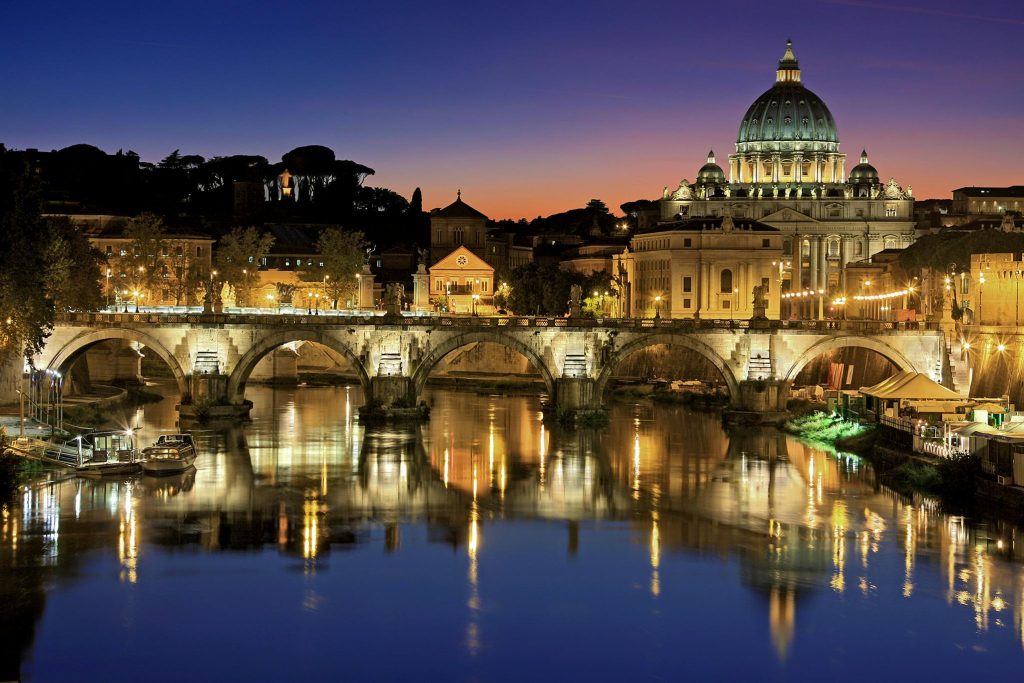
Rome is known to be the Eternal City. It is a destination where history and modernity smoothly blend together. From the magnificent Colosseum to the beauty of hidden alleyways, this city is a Hidden gem of experiences waiting to be explored. Whether you’re a History enthusiast, a food lover, or an adventurer, Rome has something to offer to everyone. This All-in-one guide will walk you through the best places to visit with all the top things to do, Authentic flavors to try, and essential travel tips to make the most of your Roman holiday. 1. Top Attractions in Rome: Must-Visit Landmarks The Colosseum The Colosseum is one of the most iconic landmarks in the world and a symbol of ancient Rome’s greatness. Built in 80 AD, this huge amphitheater once hosted gladiatorial combat which people came to watch with great enthusiasm. Today, you can’t see the combat and the way it used to be conducted but visitors can walk through its massive stone corridors, stand where warriors once stood, and imagine the passion of over 50,000 spectators cheering in excitement. Tip: To avoid long queues, visitors should consider booking a guided tour that includes access to the underground chambers and upper levels, so you don’t miss out on anything while being there. The Vatican City A trip to Rome is not complete without visiting Vatican City. the world’s smallest independent state and the spiritual center of Catholicism. You can also see the amazing ceiling paintings in the Sistine Chapel made by Michelangelo, and explore St. Peter’s Basilica which is known to be a masterpiece of Renaissance architecture. The Vatican Museums house has a huge collection of art, artifacts, and sculptures which makes it a must-visit for visitors who are culture enthusiasts. Tip:Here Be sure to reserve tickets in advance to skip the long lines. Piazza Navona Piazza Navona is a lively square surrounded by elegant Baroque architecture, some amazing outdoor cafés, and stunning fountains. The square was originally built as a stadium in ancient Rome but today it serves as a hub for street artists, musicians, and performers. Take a Peaceful stroll here, enjoy a gelato, or dine at one of the many restaurants which offers authentic Roman cuisine. The Pantheon The Pantheon is one of Rome’s best-preserved ancient buildings. It is a stunning example of Roman engineering and architectural brilliance. Originally it was built as a temple to the Roman gods but the Pantheon now serves as a church and a burial site for famous figures such as Raphael. The massive dome here with its central oculus allows the natural light to illuminate the grand interior which creates a breathtaking sight. Trevi Fountain The Trevi Fountain is one of the most famous fountains in the world. It is known for its stunning Baroque design and rich history. The Legend Says that tossing a coin over your left shoulder into the fountain will work like a thread that will pull you back to this place and will ensure your return to Rome. The fountain is beautifully illuminated at night and creates a magical atmosphere for visitors. When visiting here Don’t forget to capture some stunning photos of this breathtaking monument. 2. Hidden Gems in Rome: Secret Spots You Shouldn’t Miss Trastevere Trastevere is a stunning district known for its streets with stone paths, the buildings covered in beautiful vines, and a relaxed feel in the air. This area is perfect for those looking to experience Rome beyond its famous landmarks. Wander through its narrow alleys, Find some more hidden public squares, and enjoy a meal at a traditional restaurant. The nightlife here is also vibrant with local bars and live music which adds to the district’s magic. Aventine Keyhole For a unique experience you should visit the Aventine Keyhole on the Aventine Hill. When you look through the keyhole of the Knights of Malta gate, you’ll see a perfectly framed view of St. Peter’s Basilica which is surrounded by a lush garden pathway. This hidden gem is one of Rome’s most delightful secrets and something which is not known by everyone. Quartiere Coppedè Quartiere Coppedè is a less known area that feels like stepping into a dream.This unique district in Rome is a blend of Art Nouveau, medieval, and Baroque architecture.This charming neighborhood has the beautiful Fountain of the Frogs and offers a peaceful and magical experience. 3. Day Trips from Rome Tivoli Just an hour away from Rome you can visit Tivoli which is a home to Villa d’Este. It is famous for its stunning fountains and gardens, and Villa Adriana which is an ancient Roman retreat of Emperor Hadrian. It’s a perfect getaway for history and nature lovers. Ostia Antica This ancient Roman port city is well-preserved and shows how people lived in old Rome. take a Walk through the old streets, see ancient taverns, and admire the mosaics and amphitheater. Orvieto Orvieto is a short train ride from Rome. It has a beautiful cathedral, some underground caves, and amazing views of the Italian countryside. It’s a great place for a relaxing day trip. If you have time, you should definitely visit this place and explore it. 4. Food & Drink: A Culinary Journey Through Rome Best Roman Dishes to Try Carbonara: A creamy pasta dish made with eggs, Pecorino Romano cheese, pancetta, and black pepper. This has just authentic and rich flavors that will leave an imprint on you. Cacio e Pepe: A simple and delicious pasta dish with Pecorino cheese and black pepper which displays the beauty of minimal ingredients and how amazing these few things can make a dish. Supplì: A Roman street food favorite. These are deep-fried rice balls, which are stuffed with mozzarella and coated in crispy breadcrumbs. Pizza al Taglio: Rome’s unique pizza, it is served in rectangular slices and sold by weight. Tiramisu: A heavenly dessert made with coffee-soaked ladyfingers, mascarpone cheese, and cocoa powder. It’s a must have for all. Best Places to Eat in Rome For an authentic
BALI’S TOP TRAVEL PICKS: ICONIC AND HIDDEN GEMS!!

Bali, the “Island of the Gods” is a tropical paradise offering stunning beach fronts and traditional culture with its beautiful settings. Bali offers tourists a perfect place to explore its diverse range of must visit travel destinations from iconic to hidden sites. This blog will take you through the best places in Bali, including secret beaches, stunning waterfalls, ancient temples, and adventure spots. Best Time to Visit Bali: April to October (Dry Season): Best for beach activities, trekking, and sightseeing. November to March (Rainy Season): Best time for those who love lush green landscapes and fewer crowds. Iconic Tourist Attractions in Bali: 1. Ubud: Ubud, known as the cultural heart of Bali, showcases well-known aesthetic features which include scenic rice terraces, traditional architecture and historical temples. Bali is the ultimate haven for art lovers, yoga enthusiasts, and those seeking a spiritual retreat. This is a must visit destination to experience serene landscapes and a vibrant arts scene. Nearby Attractions & Activities: Goa Gajah (Elephant Cave) – A historical place with amazing rock carvings. Tegalalang Rice Terraces – Stunning terraced rice fields. Campuhan Ridge Walk – A scenic trekking path with serene views. 2. Gili Islands: The Gili Islands (Gili Trawangan, Gili Air, and Gili Meno) offer pristine white sandy beaches, crystal-clear waters, and incredible snorkeling spots. Gili Islands is the perfect spot to experience tropical beauty as there are no vehicles and offer both vibrant evenings and quiet tranquility. Nearby Attractions & Activities: Scuba Diving – Explore underwater coral gardens and shipwrecks. Bike Tours – Cycle around the islands. Snorkeling with sea turtles –The experience stands as an absolute must. 3. Canggu: Canggu is a lively coastal town that offers surf-friendly beaches, hip cafes, and energetic nightlife. This should be a must visit place for beach enthusiasts and nature lovers as it provides both relaxation and adventurous experiences. Nearby Attractions & Activities: Pererenan Beach – A peaceful beach with scenic landscapes. Tanah Lot Temple – A stunning seaside temple famous for sunset views. Horseback Riding – Ride through the black sand coast for an unforgettable journey. 4. Kuta: Kuta is one of Bali’s most famous destinations, known for its golden beaches, bustling nightlife, and surf-friendly waves.This place offers tourists an exciting scene with many amusement choices. Nearby Attractions & Activities: Waterbom Bali – One of the best water parks for thrill lovers. Legian Beach – A great spot for a more relaxed beach vibe. Beachwalk Shopping Center –Shopping mall with global brands and dining. 5. Nusa Lembongan: Nusa Lembongan is a peaceful island escape just off the coast of Bali, featuring dramatic cliffs, vibrant marine life, and crystal-clear waters. It offers an ideal setting for relaxation and is the perfect destination to experience Bali’s natural wonders away from crowds. Nearby Attractions & Activities: Nusa Penida – Kelingking Beach and Broken Beach. Nusa Ceningan – A beautiful island with stunning views. Mangrove Forest Tour – A peaceful kayaking experience through lush mangroves. Hidden Gems in Bali: For those who love to explore offbeat locations, here are some of Bali’s best-kept secrets: 1. Sidemen Valley: A peaceful alternative to Ubud, Sidemen Valley features lush rice fields, traditional villages, and scenic mountains. It’s perfect to escape the crowds and enjoy an authentic Balinese experience. Tourists can explore Balinese terrain while biking through rice paddies and stopping at traditional weaving studios and hiking to concealed waterfalls. 2. Banyu Wana Amertha Waterfall: Banyu Wana Amertha Waterfall is an underrated natural wonder featuring multiple waterfalls surrounded by lush jungle. People seeking a peaceful nature getaway will find Banyu Wana Amertha Waterfall as one of Bali’s most scenic hidden waterfalls. There are several other spots including Gitgit Waterfall and Ulun Danu Beratan Temple for travellers. 3. Tukad Cepung Waterfall: One of Bali’s most magical waterfalls, Tukad Cepung is a hidden gem located inside a cave, where sunlight creates a mesmerizing effect on the water. The trek to the waterfall is short but adventurous, passing through jungle pathways and rocky terrain. Nearby, you can also visit Tibumana Waterfall and Goa Rang Reng Waterfall for more nature adventures. Frequently Asked Questions (FAQs): Q1. What is the best time to visit Bali? The best time to visit Bali is from April to October for ideal beach weather, sightseeing, and outdoor activities. However, the rainy season from November to March offers less crowds and lush green landscapes. Q2. What are the must-visit temples in Bali? Must Visit temples include Besakih Temple, Tanah Lot, Tirta Empul, Goa Gajah and Uluwatu Temple for a glimpse into Bali’s rich cultural and spiritual heritage. Q3. What are the best islands near Bali to visit? The Gili Islands, Nusa Penida, Nusa Lembongan, and Nusa Ceningan offer stunning beaches, snorkeling spots, and adventure activities. Q4. How do I get around Bali? Travel around Bali using taxis, private drivers, scooter rentals or local shuttle services. Renting a scooter is a budget-friendly and flexible option, but ensure you have an international driving license. Q5. How much does a trip to Bali cost? Bali is a budget friendly option with tourists spending around $30–50 per day, while luxury travelers can expect to spend $150+ per day on accommodations, dining, and activities. Conclusion: Bali offers a perfect mix of adventure, culture, and relaxation. From iconic landmarks like Tanah Lot and Uluwatu Temple to hidden gems like Sidemen Valley and Tukad Cepung Waterfall.. Bali provides visitors with every experience they could want ranging from photogenic sites to adventure and tranquil hideaways. So pack your bags, plan your perfect Bali adventure, and get ready to explore the best places in Bali! Planning a trip? You are just one click away! Click here and let The Tarzan Way’s AI planner do the hassle for you. Let’s plan the best trip ever!