

Malaysia Travel Guide 2026: Everything You Need to Plan a Perfect Trip

Malaysia Is More Than Just a Destination Let’s be honest, Malaysia doesn’t always top people’s bucket lists the way Bali or Thailand might. But once you land here, you’ll wonder why it took you so long. The place is a beautiful mix of cultures, flavors, landscapes, and languages, all layered into one unforgettable experience. If you’re building a Malaysia trip planner or looking for the ultimate Malaysia travel guide, you’re in the right place. You’re not just checking off places here, you’re walking through history in Melaka, eating the best noodles of your life in Penang, and watching the sun rise over misty tea hills in the Cameron Highlands. Whether you’re coming for adventure, food, relaxation, or a bit of everything, this guide will help you map out your trip your way. Where Should You Even Begin? Here’s the deal: Malaysia is split into two parts – Peninsular Malaysia (the west, where KL and Langkawi are) and Malaysian Borneo (the east, home to orangutans and wild rainforests). Both sides are incredible, but it depends on the kind of trip you’re dreaming about. Want big cities and cultural depth? Head to Kuala Lumpur, Penang, or Melaka. Craving a chill island vibe? Try Langkawi, Perhentian Islands, or Tioman. More into eco-adventures and wildlife? Borneo’s Sabah and Sarawak are your go-to. Whether you’re planning a short Malaysia vacation or a long, slow journey through the region, a clear Malaysia travel itinerary helps, but don’t let it box you in. Tip: Most travelers make the mistake of cramming too much into one trip. Malaysia rewards slow travel. So, pick fewer places and enjoy them fully. Weather, Timing & Crowd-Free Travel Now, about the weather. Malaysia is tropical all year, but it still has distinct wet and dry seasons, just not the way you might expect. West Coast (KL, Langkawi, Penang): Best between Nov–April East Coast (Perhentian, Redang, Tioman): Best between March–October Borneo (Sabah, Sarawak): Generally good from May–September Avoid peak domestic travel periods (Malaysian school holidays and Eid) if you’re not a fan of crowds. Want to catch a cultural celebration? Time your visit with Thaipusam (Jan/Feb), Chinese New Year, or Hari Raya. Local Insight: Sometimes, a little rain brings out the best in a place – cooler temps, fewer tourists, and moody skies that look great in photos. Picking the Right Spots for Your Trip Here’s a quick breakdown to help you build a Malaysia trip itinerary that actually makes sense: Kuala Lumpur Yes, it’s modern and full of malls, but there’s also street food, mosques, temples, rooftop bars, and neighborhoods that feel like their own worlds. Start here if it’s your first time. Penang If you like eating, and let’s be honest, who doesn’t. Penang is your paradise. It’s also packed with murals, temples, and history. A must on any serious Malaysia vacation guide. Langkawi Think waterfalls, cable cars, clean beaches, and cheap duty-free shops. It’s a favorite in many Malaysia honeymoon tour packages because it combines comfort and nature effortlessly. Cameron Highlands Tea plantations, strawberry farms, and cool mountain air? Yes, please. A perfect escape when you want a break from the tropical heat. Borneo (Sabah & Sarawak) This is Malaysia’s wild side – orangutans, caves, tribal villages, and rainforest treks. If your Malaysia holiday guide includes adventure, you’ll love it here. Tip: Use a mix of city, coast, and highland in your route. It keeps the trip dynamic without burning you out. Should You Book a Planner or Go DIY? Here’s where most travelers get stuck. Do you piece together your journey using blogs and booking sites? Or trust a travel agency in Malaysia to do the heavy lifting? Honestly? It depends on how much time and energy you want to spend planning. If you love the research phase and customizing every detail, go DIY with help from a Malaysia tour guide book or a reliable online Malaysia trip planner. But if you’re short on time or want someone local to help you get the best deals and experiences, go for curated Malaysia travel packages or talk to Malaysia tour operators directly. Tip: Good travel agents for Malaysia trips often know about small lodges, local experiences, or routes most tourists miss. Worth it if you’re going for something special like a romantic getaway or family reunion. 7-Day Malaysia Travel Itinerary: Flexible & Fun You don’t need a rigid plan to enjoy Malaysia, but a little structure helps you make the most of your time. Here’s a sample 7-day Malaysia travel itinerary that blends culture, nature, and a little romance if you’re after a romantic getaway in Malaysia. Day 1: Kuala Lumpur Land and relax. Take it easy after your flight. Walk around Chinatown, Merdeka Square, and Bukit Bintang. Enjoy sunset views from a rooftop bar near the Petronas Towers. Tip: For a more local experience, skip the hotel chain and try a heritage boutique hotel in Kampung Baru or Bangsar. Day 2: Explore KL & Batu Caves Visit Batu Caves early to avoid crowds Check out the Islamic Arts Museum or the National Mosque Try nasi lemak at a roadside stall (it’s better than it sounds!) Tip: Speak with a local Malaysia tour guide or city expert if you prefer guided day tours to key sites. Day 3: Cameron Highlands (by car or bus) Head out for some cool mountain air—great detour on a Malaysia road trip Visit a tea plantation, strawberry farms, or go for a light jungle trek Stay in a cozy guest house surrounded by the forest Tip: If you’re planning with a Malaysia tour planner, request private transfers. It’s more comfortable than a bumpy bus ride. Day 4–5: Penang Drive or fly to Penang (budget flights take 1 hour) Walk the colorful alleys of George Town and check out the street art Feast on laksa, char kway teow, and cendol Visit Kek Lok Si Temple, Penang Hill, or simply relax by the sea Pro Tip: A proper Malaysia vacation
Kerala Road Trip Itinerary: Scenic Routes, Hidden Gems & Pro Tips
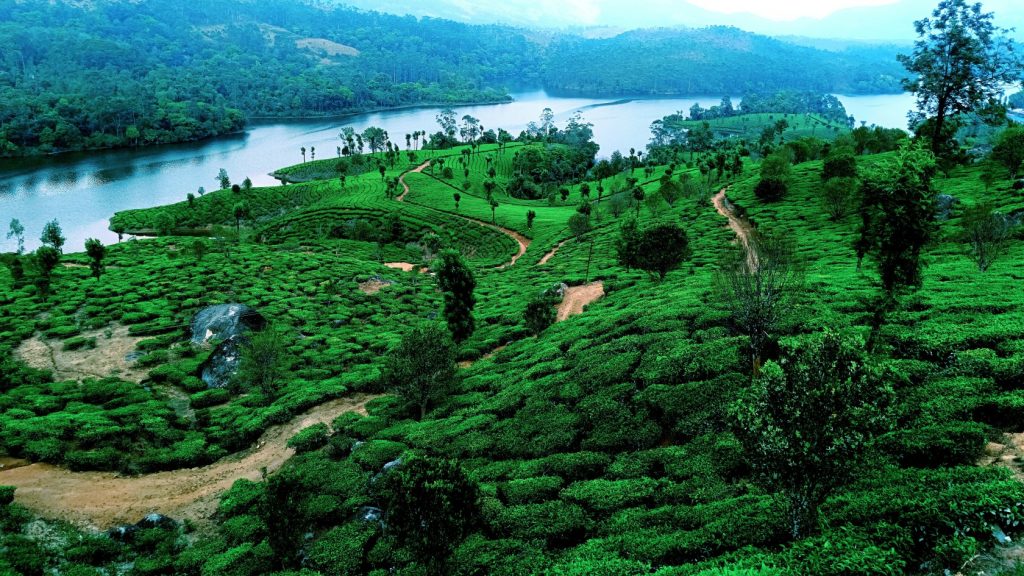
Why a Kerala Road Trip is More Than Just a Vacation Think of a place where the landscape shifts every few hours—from sun-drenched coastlines to mist-covered hills, and then onto the still waters of backwaters and thick forested interiors. That’s Kerala. And while it’s easy to book a Kerala tour package, nothing compares to taking the wheel (or the passenger seat) and experiencing the state up close. A well-planned Kerala road trip gives you the freedom to move at your own pace. Whether you’re leaning on a Kerala travel planner for the broad strokes or plotting it all from scratch, the result is the same: a journey packed with charm, spontaneity, and stories. Pro Tip: Don’t rush the route. Some of the best Kerala moments happen between destinations. Day 1–2: Kochi – Begin with Culture and Coastal Calm Kochi, often the starting point of most Kerala travel packages, is more than a pitstop. It’s where tradition meets the contemporary in a seamless blend. Begin your journey with a couple of relaxed days in Fort Kochi, a neighborhood where every street corner tells a tale. Spend time walking through colonial lanes, sipping filtered coffee at art cafés, and watching the sunset behind Chinese fishing nets. It’s a gentle introduction to Kerala tourism—slow-paced, cultural, and deeply welcoming. Visit Mattancherry Palace and the centuries-old synagogue Shop for antiques and handicrafts in Jew Town Try a Kathakali show or a Kalaripayattu performance You could stay at a restored heritage homestay or one of the boutique hotels the area is known for. This area is ideal for both backpackers and those on a Kerala honeymoon tour package looking to start their trip on a relaxed note. Pro Tip: Early morning walks in Fort Kochi are peaceful, photogenic, and crowd-free. Day 3: Kochi to Munnar – Into the Western Ghats (Approx. 130 km, 4–5 hrs) Leave the coastline behind as you head toward the hills. The route to Munnar is one of Kerala’s most scenic drives—dense forest patches, cascading waterfalls, and winding mountain roads. Munnar, a centerpiece of any Kerala hill station tour, welcomes you with emerald tea estates and cool, refreshing air. Stop for a tea break at Cheeyappara Waterfalls or take a detour to spice gardens along the way. Once in Munnar, explore the Tea Museum, walk through tea gardens, or enjoy a boat ride at Mattupetty Dam. This destination works beautifully for families, couples, or even solo travelers who love nature. Many Kerala family tour packages include Munnar, but when you arrive on your own terms, the experience is more intimate. Pro Tip: Book a stay slightly outside Munnar town for quieter nights and better mountain views. Day 4: Munnar to Thekkady – From Tea Trails to Tiger Country (Approx. 90 km, 3 hrs) As you descend from Munnar and head east to Thekkady, the terrain thickens into forest. Thekkady is home to the Periyar Wildlife Sanctuary, one of India’s richest biodiversity spots and a highlight of any Kerala vacation itinerary. While boat safaris are popular, try a guided forest walk or bamboo rafting session to truly immerse yourself. Afterward, stroll through the spice markets and treat yourself to a traditional Ayurvedic massage. There are several lodges, jungle resorts, and Kerala tour operators that arrange nature-based activities. Thekkady suits travelers seeking a blend of relaxation and adventure. Pro Tip: Many eco-resorts here offer night treks and early-morning bird watching—great ways to see the jungle wake up. Day 5: Thekkady to Vagamon – Kerala’s Quiet Side (Approx. 60 km, 2–2.5 hrs) Vagamon is often left off conventional Kerala tour planner routes—and that’s exactly what makes it special. Tucked between hills and pine forests, this sleepy village is perfect if you’re looking to slow down even more. Take a walk through the meadows, visit the Kurisumala Ashram, or simply enjoy the fog rolling in from your balcony. It’s peaceful, unhurried, and truly offbeat. This is a great stop for those crafting a custom Kerala trip and want to explore lesser-known spots. And yes, it’s incredibly romantic if you’re traveling as a couple. Pro Tip: If you love paragliding, Vagamon is one of the few places in Kerala where you can soar above tea gardens. Day 6: Vagamon to Alleppey – From Hills to Houseboats After soaking in the greenery of Vagamon, it’s time to head towards Alleppey. The drive itself is pretty relaxed — small shops, coconut palms, and villages that seem to move at their own pace. Once you get to Alleppey, or Alappuzha as it’s also called, you’ll know why it’s famous. Everything here flows — the canals, the boats, the pace of life. It’s the heart of Kerala Tourism, and a must-stop for anyone on a Kerala road trip. Most people go straight for the houseboat stay, and for good reason. Gliding through the backwaters on a wooden boat, watching local life go by — it’s not just relaxing, it feels like time stops. If you’re not into boats, there are great homestays right on the water too. Tip: Don’t book the first boat you see. Walk around the dock and talk to locals. You’ll find a quieter, cleaner one at a better price. Day 7: Alleppey to Varkala – Laid-Back by the Sea The next stretch takes you further down the coast to Varkala. Unlike Alleppey’s canals, Varkala gives you cliffs and the open sea. It’s not part of every Kerala tour package, but honestly, it should be. The beach here isn’t packed with loud crowds. Instead, you’ll find quiet cafés, yoga studios, and travelers who came for a weekend and never left. If you’ve been busy ticking off places, this is where you slow down. You can also find simple local restaurants serving authentic Kerala food, and guesthouses with ocean views that don’t cost a fortune. Tip: Wake up early and walk along the cliff path before breakfast. The views (and the breeze) are worth it. Day 8:
Top 10 Things to Include in Your Kerala Honeymoon Tour Package
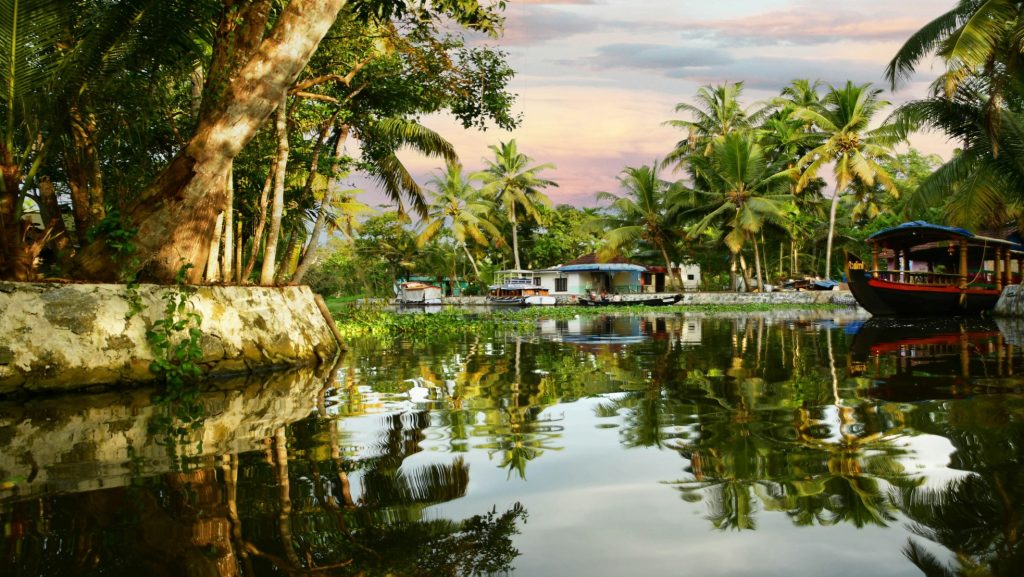
When you think of a honeymoon in India, Kerala probably lands at the top of the list, and with good reason. Between its quiet beaches, scenic hills, and lazy backwaters, there’s something deeply calming about this place. It’s not just about ticking destinations off a list. A honeymoon here feels like a slow, unfolding story, especially when you plan it right. Let’s walk through a few experiences worth adding to your Kerala honeymoon tour package that’ll leave you both relaxed and a little more in love. 1. Drift Through Alleppey’s Backwaters on a Private Houseboat This is probably already on your radar, and it should be. Gliding through Alleppey’s backwaters on a wooden houseboat, just the two of you and the water, is more peaceful than any luxury resort. Many Kerala tour packages include this as a highlight, but go for the private one with a simple layout and good food. You don’t need much more. Pro tip: Avoid the biggest boats. Smaller ones feel more personal, and they usually take quieter routes. 2. Slow Down in the Misty Tea Gardens of Munnar Munnar is cool—literally and emotionally. The air smells like tea leaves and eucalyptus, and even a walk through the plantations feels poetic. This is one of those places where you don’t have to “do” anything. Just sit with a cup of chai and watch the fog roll by. If you’re using a Kerala trip planner, ask for a few nights here. There are plenty of hillside bungalows and quiet boutique stays. Pro tip: Wake up early. Munnar mornings are magic. 3. Beach Days and Lighthouse Views in Kovalam Kovalam offers a nice contrast to the hills and forests. It’s sunny, laid-back, and has some of the cleanest beaches on the West Coast. If you love the idea of sipping coconut water with your toes in the sand, this is your spot. You’ll find beachfront hotels that include spa treatments and candlelight dinners in many Kerala holiday packages. Don’t miss the sunset view from the lighthouse, it’s simple, but perfect. Pro tip: Pick a weekday to visit. Kovalam gets crowded over the weekend. 4. Traditional Ayurveda Couple Therapy You don’t really know what “relaxation” means until you’ve had an authentic Ayurvedic massage in Kerala. For couples, many resorts offer side-by-side therapies using herbal oils and age-old techniques. You leave feeling light and refreshed, like your body’s been reset. Most Kerala travel packages or even local travel agents for Kerala trips will include this as an optional activity. If not, ask for it! Pro tip: Go for a certified Ayurvedic center. There’s a lot of variation in quality. 5. Jungle Walks and Bamboo Rafting in Thekkady Looking for something that’s not all about lounging? Head to Thekkady. It’s green, wild, and gives you a chance to explore nature together. You can go on early morning jungle walks, take a bamboo raft on Periyar Lake, or just watch the birds from your balcony. It’s a refreshing switch from the usual honeymoon routine, and some Kerala tour guides offer special couple-focused activities here. Pro tip: Try staying in a treehouse or a forest cottage for the full experience. 6. Escape to Wayanad’s Waterfalls and Coffee Trails Wayanad isn’t always the first place you see in a travel brochure, but it’s easily one of Kerala’s hidden gems. Tucked away in the Western Ghats, it’s a blend of quiet forests, hilltop viewpoints, and misty waterfalls. For honeymooners, Wayanad is great if you’re looking for a mix of comfort and adventure. Whether it’s hiking to Meenmutty Falls, sipping coffee on a plantation, or simply doing nothing in a treehouse. You’ll feel far, far away from the world. Pro tip: Choose stays near the forest or a stream. The sound of nature here is better than any playlist. 7. Get Lost (in the Best Way) in Fort Kochi’s Streets After all the greenery, Kochi adds a burst of color to your trip. Fort Kochi is a mix of colonial charm, local art cafés, and narrow lanes full of surprises. It’s not your usual honeymoon spot, but that’s what makes it interesting. If you love slow mornings, hand-in-hand walks, and good food, add Kochi to your Kerala trip itinerary. Some Kerala vacation packages even throw in a Kathakali performance or a spice market visit—don’t skip those. Pro tip: Go café-hopping in the afternoon and walk along the beach during sunset. Totally different vibe. 8. Plan a Scenic Kerala Road Trip Together Not every couple wants to stay in one place. If you two are the kind who bond over playlists and window views, consider adding a small road trip to your Kerala honeymoon tour package. You can drive from Kochi to Munnar, Thekkady to Alleppey, or even explore the Vagamon route. Most Kerala tour operators can help with renting a car with a driver, or if you’re confident, you can self-drive. It’s a great way to explore smaller towns, unplanned viewpoints, and roadside tea stalls. Pro tip: Avoid night travel in hilly regions. Roads are narrow, and you won’t want to miss the views anyway. 9. Add a Dash of Local Culture and Cuisine Kerala’s culture is subtle but rich. From the moment you land, you’ll hear the language, see the art, and taste the difference. Instead of just watching from a distance, try to include hands-on experiences in your Kerala honeymoon tour. Learn to cook Kerala-style fish curry, attend a local temple festival, or even watch a Theyyam performance if you’re heading north. These moments often stay with you longer than the sights do. Pro tip: Ask your homestay hosts about local events; they know what’s happening better than any guidebook. 10. End Your Trip with a Relaxing Beach Stay Finish your honeymoon on a slow note. After all the movement, it’s nice to spend your last night or two doing absolutely nothing. Mararikulam, Varkala, or even Poovar are all quieter
Wellness, Workshops & Wow Moments: Revamp Office Culture Today

Let’s be honest, most office events feel the same. A pizza party here, a Zoom quiz there, maybe a team lunch once a quarter. And then we wonder why everyone’s burned out, disengaged, or halfway out the door. But what if office culture could feel… exciting again? Welcome to the new era of workplace vibes, where karaoke nights, yoga sessions, paintball face-offs, and even “paint with puppies” afternoons are part of the plan, not rare exceptions. In-office activations are amazing in their own way, but sometimes stepping out and doing something together changes the way teams connect and bond. This isn’t just fluff. It’s a smarter way to build connections, boost morale, and yes, actually make people want to show up. So if your team’s looking a little too glued to their screens lately, here’s how to bring back the energy without feeling like you’re forcing fun. The Real Deal With Culture Today Here’s the thing: work has changed. People don’t just want a paycheck; they want a sense of belonging, mental space, and real human connection. And if your office still treats culture like a checkbox (cue the “Team Lunch” calendar invite), you’re already falling behind. The solution? Mix it up. Let’s look at the kind of stuff that actually makes people look forward to Mondays. It doesn’t have to be extravagant or expensive—you can create memorable, in-city corporate day-outs that are fun and budget-friendly. From Karaoke Chaos to DJ Vibes Who said you need a swanky venue to party with your team? A basic setup, a half-decent speaker, and someone brave enough to sing the first song, that’s all you need for a Karaoke Night that turns into a legend. Or go all out with a DJ evening in-office. Throw in some mood lights, snacks, and a playlist that doesn’t include elevator music. Watch your finance team out-dance marketing. Let’s Play: Trivia, Games & Mystery Rooms There’s something about Trivia Nights that gets people talking and yelling (in a good way). Whether it’s movie quotes or office gossip turned quiz questions, it’s an instant mood-lifter. Looking for something more immersive? Try a Mystery Room challenge or an in-office escape game. People forget emails exist when they’re too busy solving clues with colleagues. Paint with Puppies If you want the ultimate crowd-pleaser, this is it. Teams get together to paint, nothing fancy, just fun, and they’re surrounded by playful rescue puppies. It’s part team-building, part therapy, and all joy. It’s not just cute. It’s impactful. Activities like this lower stress levels, increase dopamine, and get people genuinely talking (instead of just typing on Slack). Active Vibes: Hiking, Paintball & More Let’s get one thing straight: not all team-building needs to be indoors. In fact, some of the best bonding happens outside the office walls. Plan a weekend hike to a nearby trail, organize a paintball tournament between departments, or try something like Boulder Box climbing. It’s mental and physical teamwork rolled into one. For the more sporty bunch, office sports tournaments (think cricket, football, or even tug-of-war) tap into team spirit like nothing else. Yoga, Sound Healing & Ayurvedic TLC Burnout doesn’t just disappear with a long weekend. You’ve got to build wellness into the work culture. Start small: weekly yoga sessions, guided sound healing meditations, or on-site Ayurvedic massages during high-stress weeks (hello, audit season). Employees come back clearer, calmer, and yes, more focused. This isn’t about turning your office into a retreat center. It’s about making space for recovery in the middle of the hustle. Workshops That Don’t Feel Like Work (But Still Kinda Are) Let’s be real, most people don’t want to sit through another “team-building activity” that feels like homework. But give them a table full of fabric, colors, maybe some string or clay, and suddenly, you’ve got people opening up, laughing, and making things with their hands like it’s art class all over again. Macrame, Tie & Dye, Crochet (Yes, Really) This stuff is unexpectedly therapeutic. Teams huddle up, sip on iced tea, and suddenly they’re deep into knotting jute or tying rubber bands on cloth like pros. It’s quiet. It’s weirdly calming. And it gets folks talking not about work, but life. Which is honestly where the real bonding happens. Some even get obsessed. We’ve seen people start crocheting during Zoom calls later. Clay Play & Carpet Weaving Nothing fancy, just your team, some soft clay, and a whole lot of creativity (and maybe a little mess). Or try your hand at traditional carpet weaving, like the kind your grandparents might’ve seen. It’s slow, satisfying, and way more fun than it sounds. Plus, it’s a total reset from screen time. Experiential Lunches: Not Your Basic Buffet Office lunch, but make it interesting. Think beyond paneer butter masala in silver trays. What if lunch was also a memory? Try a theme-based food pop-up. Or have different teams host lunches from their home states. Gujarati thalis, South Indian banana-leaf style, or even fusion chaat experiments. Add some blindfold taste tests or DIY food stations and boom, people actually remember it. Food + fun = peak engagement. Works every time. Let’s Take This Outside: Retreats That Actually Work Forget boring resorts with bad lighting and long presentations. A real corporate getaway should feel like you’ve hit pause on work, but still picked up something meaningful. Want ideas? Here’s what’s working: Goa: Beach walks, sunset sessions, and seafood that makes people happy. Coorg: Misty mornings, waterfall treks, and way too much filter coffee. Dehradun/Rishikesh: For when you want some chill vibes, river rafting, or a little spirituality thrown in. Near Gurgaon: Quick escapes with bonfires, outdoor games, and zero signal (on purpose). Add a light strategy session, maybe some open mic storytelling, and you’ve got a retreat that people won’t just tolerate, they’ll actually ask for more. Corporate Events That Don’t Feel Like Chores Yes, we still need AGMs, training sessions, and leadership
Solo Trip to Ladakh: Complete Travel Guide for Independent Explorers
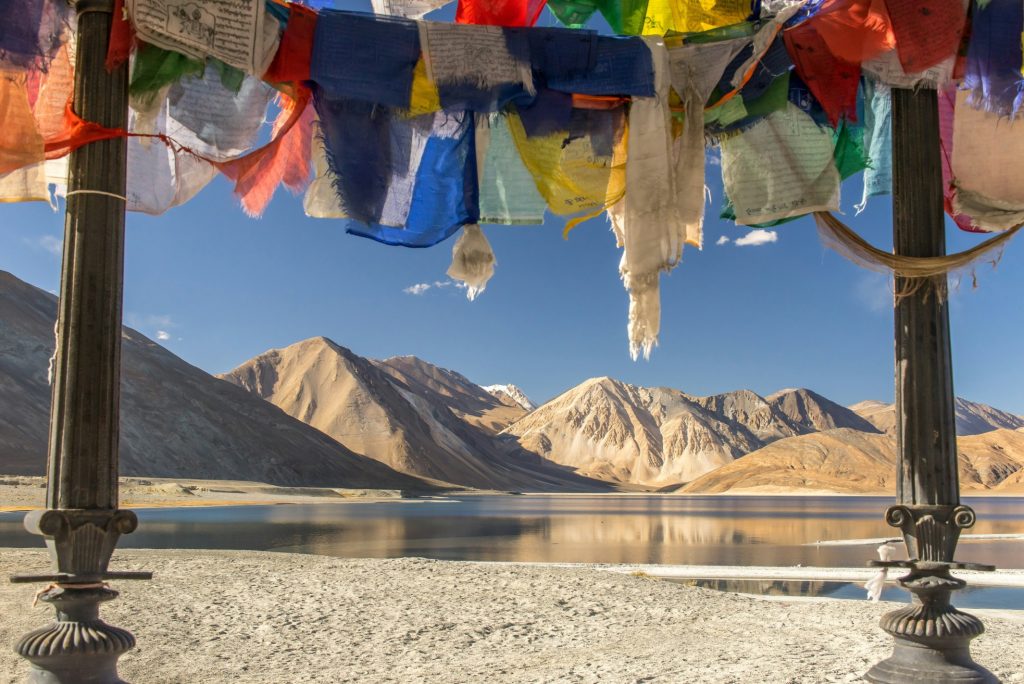
Ladakh Beyond the Obvious Ladakh is often imagined as a land of high passes, barren mountains, and frozen lakes. But for a solo traveller, there’s more than just dramatic landscapes. It’s a place where silence speaks, locals smile easily, and every road leads to a story. Traveling solo in Ladakh gives you the space to meet people, listen to their stories, and maybe hear your own thoughts more clearly. Whether you’re planning a simple Ladakh trip itinerary or booking one of the flexible Leh Ladakh tour packages, this guide gives you a different lens to explore Ladakh: one that values depth over speed. Tip: Don’t pack your schedule with stops. Let your Ladakh trip breathe. The most memorable moments often come unplanned. Stay With Locals: A More Meaningful Way to Travel There’s something different about Ladakhi hospitality. In small villages like Likir, Turtuk, or Hanu, families open their homes to travellers, offering not just a bed, but warmth and stories. Sharing meals, joining morning routines, and learning local customs all become part of your journey. Many modern Ladakh travel packages now include homestays. These not only help you experience real Ladakh holidays, but also support the local economy. It’s a win-win, especially for solo travellers looking for a safe and meaningful stay. Tip: Seek out women-run or community-approved homestays. They’re trustworthy and often lead to the most enriching conversations. Beyond Pangong: Hidden Paths Worth Finding Everyone talks about Pangong Lake and Khardung La, but Ladakh has trails that are quieter, more soulful, and just as beautiful. The Dah and Hanu region, home to the Drokpa community, is rarely visited but full of character. Or try the routes around Rumbak Valley, great for soft treks and wildlife. These aren’t your typical Leh Ladakh tour packages stops. And that’s why they matter. They give you time to walk slowly, speak with locals, and actually feel the place instead of just photographing it. Tip: Local guides aren’t just helpful—they’re essential. Many know hidden trails and offer insight you won’t find online. Time Your Trip for Culture, Not Just Climate Most travellers visit Ladakh between May and September, when the roads are open and the skies are clear. But for solo travellers, timing your trip with cultural festivals can make the experience even more powerful. Hemis Festival (July): Colourful dances and spiritual music Yuru Kabgyat (June): Held at Lamayuru, quieter but full of energy Sindhu Darshan (June): Celebrating the Indus and India’s unity These aren’t just performances; they’re expressions of Ladakhi identity. Attending even one can add so much richness to your Ladakh travel itinerary. Tip: Arrive in Leh at least two days before heading higher. You’ll enjoy the festival more if you’re well acclimatised. Silent Moments: The Spiritual Side of Ladakh Sometimes, solo travel is less about moving and more about pausing. In Ladakh, monasteries like Lamayuru, Diskit, and Phuktal invite you to do just that. You don’t need to be religious to feel something inside those quiet halls. Staying overnight at a monastery or even just sitting quietly during a prayer session can shift your whole journey. For many, this becomes the heart of their Ladakh trip. Tip: Be respectful. Ask for permission before joining any rituals or meals. And when in doubt, just sit and observe. Smart Travel Tips for Solo Explorers Connectivity: Postpaid SIMs from BSNL and Jio work best. Money: Carry enough cash, especially outside Leh. Clothing: Dress in layers. The weather turns quickly. Transport: Shared cabs from Leh are budget-friendly and safe. Tip: Always keep your Ladakh itinerary printed and your permits in a folder. The signal can disappear without warning. This version of Ladakh isn’t fast or flashy. But if you’re looking for something personal, peaceful, and powerful, this solo journey might just be the one that stays with you forever. Day-by-Day Itinerary for Solo Travelers Seeking Meaningful Adventures This Ladakh journey isn’t about ticking boxes. It’s about taking the road less travelled — literally and figuratively. This itinerary is for those who want their solo trip to mean something: to connect, to reflect, and to explore. Day 1: Settle In — Let Leh Welcome You Ladakh’s altitude isn’t gentle. So when you arrive in Leh, let yourself slow down. Rest, hydrate, and give your body a day to adjust Take a short stroll to Leh Market or visit Shanti Stupa Organize local essentials — SIM card, permits, accommodation Tip: Use this downtime to adjust your plans. Local advice can often be more useful than travel blogs. Day 2: Drive to Likir — Start Small, Go Deep Just a short drive away, Likir offers calm and culture Explore the hilltop monastery with its giant Buddha statue Stay in a village homestay; talk, share tea, ask questions Tip: A small village like Likir is ideal for a solo start — safe, personal, and deeply rooted in tradition. Day 3: Ancient Walls and Empty Trails — Alchi & Mangyu Visit Alchi Monastery — home to intricate frescoes and quiet corners Hike toward Mangyu — one of Ladakh’s least visited but oldest monasteries There’s a quiet here you’ll rarely find elsewhere. Tip: There won’t be shops en route, so bring your own snacks and water. Simplicity is part of the experience. Day 4: Journey to Turtuk — Another Side of Ladakh Travel via the iconic Khardung La Pass to reach Turtuk in Nubra Valley Explore a village with Balti roots, riverside paths, and stories from another time Stay in a homestay nestled among apricot trees Tip: Turtuk is ideal for solo explorers — it’s peaceful, welcoming, and less crowded than other stops. Day 5: Sand, Statues, and Stillness — Diskit Visit the Diskit Monastery, with views that stay with you Stop by the Hunder dunes for a rare camel ride Camp under the stars or stay in a quiet guesthouse Tip: Ask your host about the old trader routes — you’ll get tales you won’t find in any brochure. Day 6: A
Leh-Ladakh Travel Guide: Everything You Need for an Epic Trip
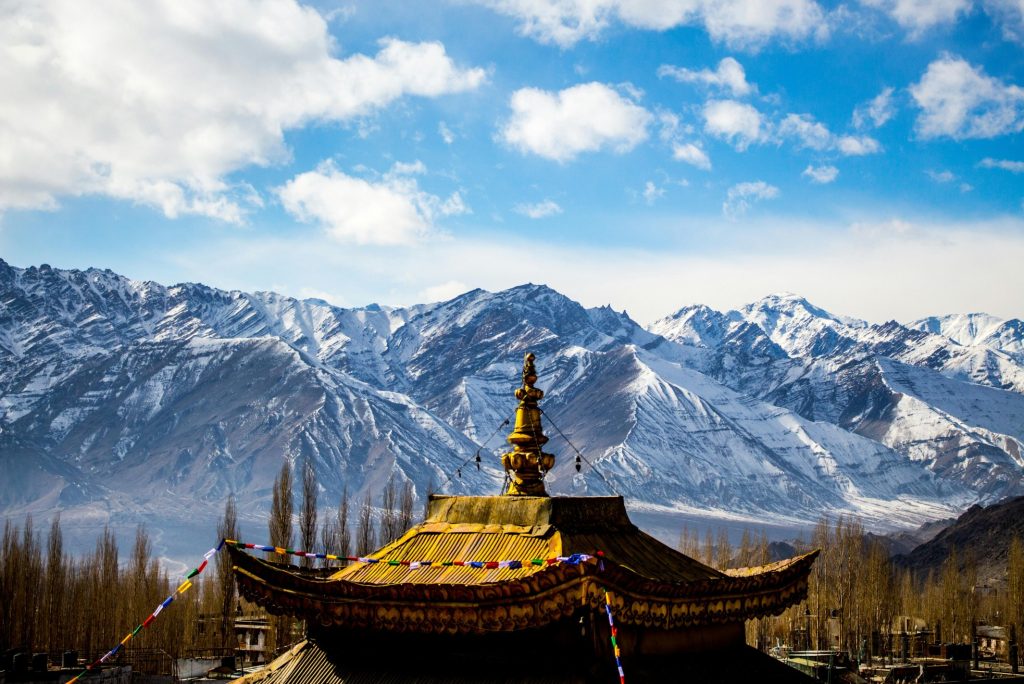
Why Ladakh is the Ultimate Travel Dream Set in the extreme north of India, Ladakh is a land of dream-like beauty and rugged mountains. Known for its dramatic landscapes, vast valleys, and ancient monasteries. A journey through Ladakh offers a once-in-a-lifetime experience of natural wonder, cultural discovery, and adventure. Whether you’re embarking on a Ladakh road trip, planning a Ladakh trekking expedition, or simply looking for immersive Ladakh sightseeing, this region has it all. With growing interest in Leh Ladakh tourism, many travelers now seek curated Ladakh tour packages or build their own Ladakh trip plan to explore this high-altitude desert. Best Time to Visit Ladakh The best time to visit Ladakh is from May to September, when roads are open and the weather is clear. This is also the ideal period for a Ladakh adventure tour, including treks and bike trips but, if you’re planning to visit in Winters (December–February), you’ll find it a bit harsh but it is perfect for extreme routes like the Chadar Trek, which is known as one of the most thrilling experiences in Ladakh trekking. Tip: For a classic Ladakh trip itinerary, choose June or July as these months have fewer roadblocks and perfect visibility for photography and trekking. Ladakh Trip Essentials: Permits, Acclimatization & Safety Permits: During your visit, you will require Inner Line Permits (ILP) in places such as Nubra Valley, Pangong Lake, and Tso Moriri. When you choose Leh Ladakh tour packages, these are usually taken care of. Acclimatization: Ladakh is located at an altitude of over 10,000 feet. I recommend spending at least two days in Leh to acclimatize before starting your Ladakh trip—it’s essential for a safe and enjoyable journey. Safety: Drink plenty of water, do not consume alcohol during the first couple of days, and do not force yourself in case you become dizzy or breathless. Tip: Always carry copies of your ID and permits. If planning a DIY Ladakh road trip, you should pre-print maps as network coverage is limited in remote areas. How to Reach Ladakh & Road Trip Routes There are two iconic routes that you can take for a Leh Ladakh road trip: Srinagar to Leh (434 km) – Open earlier and less steep. Manali to Leh (474 km) – Adventurous, scenic, but more challenging. A Ladakh road trip itinerary often includes stops in Keylong, Sarchu, or Jispa. These are all ideal for rest and acclimatization. Tip: Consider combining both routes in your Ladakh trip plan — travel via Srinagar and return via Manali for a full Himalayan loop. Tour Packages vs. DIY Planning You can either build your own Ladakh itinerary or book a Ladakh trip package through a good and reliable tour company. Most of the Leh Ladakh tour packages include stays, meals, transfers, and permits, which makes it an easy and convenient choice for first-time visitors or groups. DIY travelers can make their own Ladakh travel itinerary, with the help of blogs, forums, and local suggestions online. Tip: If you’re not sure where to start, start by comparing a few Ladakh travel package options online and match them with your ideal Ladakh holiday style, curate it just like you like it. Where to Stay in Ladakh Ladakh offers a range of stays — from cozy guesthouses and eco-camps to boutique homestays and luxurious hotels. Leh has the widest selection, while areas like Pangong, Nubra, and Tso Moriri offer rustic camps and homestays. Tip: Book your accommodations in advance during peak months, especially if your Ladakh tour itinerary includes remote stops like Hanle or Turtuk. Trekking in Ladakh: Top Routes to Know Trekking in Ladakh is one of the most amazing experiences one can have. Some of the popular Ladakh trekking routes include: Markha Valley Trek: Beginner-friendly and scenic (7–9 days). Sham Valley Trek: Short and easy, great for acclimatization (2–3 days). Chadar Trek: A winter-only trek on the frozen Zanskar River. Snow Leopard Trek: Best for wildlife and high-altitude adventure. Tip: For a first-time trek, add Sham Valley to your Ladakh trip planner. It’s short, scenic, and helps you get used to the terrain before taking longer routes. Quick Summary: Planning Your Leh Ladakh Trip Travel between May and September Choose a mix of Ladakh sightseeing, road tripping, and trekking Spend 2 days acclimatizing in Leh Compare multiple Leh Ladakh tour packages itinerary options Get your permits and ID proofs ready in advance Tip: Save this guide as a reference while finalizing your Ladakh travel itinerary. This will help you cover all the essentials without missing out on hidden gems. 7-Day Ladakh Trip Itinerary: Perfect Blend of Road Trip, Culture & Adventure Whether you’re crafting a Leh Ladakh tour itinerary from scratch or customizing a Ladakh tour package that matches your vibe, here is a day-wise guide packed with top experiences, amazing drives, and hidden gems. Day 1: Arrival in Leh & Acclimatization Arrive at Leh Airport (3,500m altitude) Check in and rest for some time. Acclimatization is Important! If you are feeling fine by late afternoon, take a stroll through the Leh market and visit the Shanti Stupa. Tip: Make sure to stay hydrated and avoid alcohol for some time. This first day sets the tone for your entire Leh Ladakh trip. Day 2: Local Ladakh Sightseeing – Leh Highlights Visit Magnetic Hill, Gurudwara Pathar Sahib, and the confluence of Zanskar & Indus Rivers. Next, you can explore Leh Palace, the Hall of Fame Museum, and monasteries like Thiksey and Shey. Tip: You should include this day in every Ladakh trip itinerary to soak in the history, culture, and landscapes before you hit the road. Day 3: Leh Ladakh Road Trip to Nubra Valley via Khardung La Drive to Nubra Valley via Khardung La (world’s highest motorable road at 18,380 ft) Visit Diskit Monastery and the giant Buddha statue Explore Hunder’s sand dunes and ride the Bactrian camels Tip: Book your Nubra stay in advance. Many Leh Ladakh tour packages
Top 5 Places to Visit in India (Hidden Gems Edition)
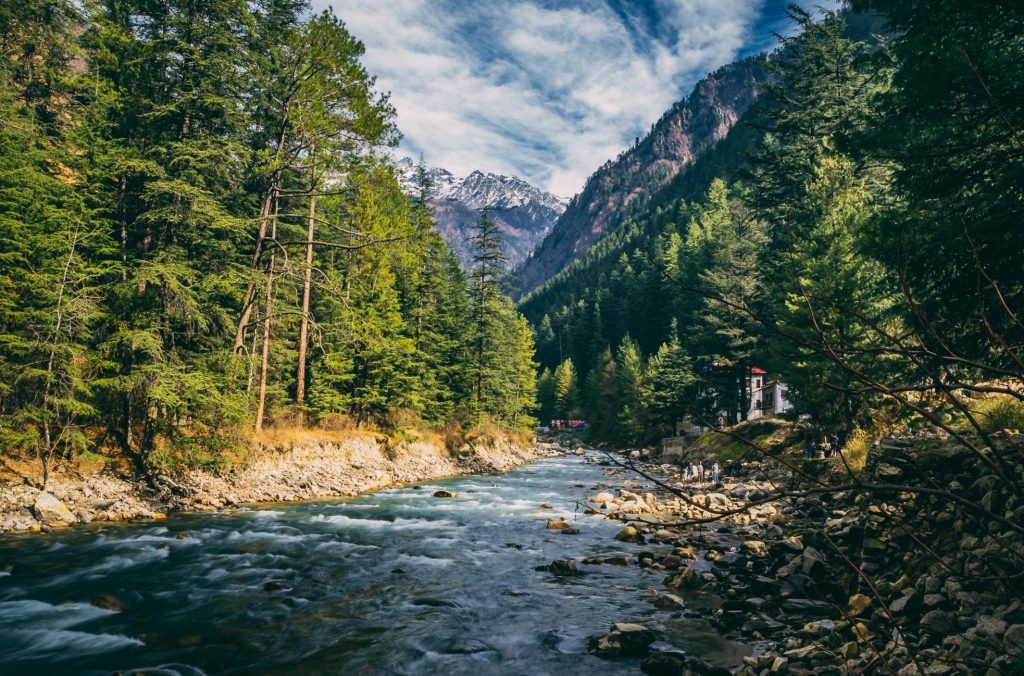
India is not just the land of the Taj Mahal and Jaipur. It’s a treasure chest of hidden gems, peaceful places, and unique travel experiences. Whether you’re seeking the mountains, cultural stories, remote villages, or something completely offbeat, this guide has you covered. Wondering what to see as a tourist in India, or where is the best place to start an India tour? Then this list is made just for you, with off-the-beaten-path India destinations that are ideal for solo travelers, culture vultures, and anyone who just likes to explore. Let’s explore some of India’s best-kept secrets that promise unforgettable experiences. 1. Spiti Valley, Himachal Pradesh Type: Remote · Scenic · Peaceful Best For: Solo travel · Nature seekers · Photographers Recommended Stay: 5–6 days Spiti Valley is a stunning cold desert nestled between Tibet and Himachal Pradesh. It is not like the bustling streets of Manali or Shimla, and that is what makes it a rough and unrefined travel experience; picturesque brown mountains, centuries-old monasteries, clear blue skies, and nights full of stars. What to Do: Visit Key Monastery, perched like a fortress on a hilltop, offering breathtaking views and centuries of spiritual history. Trek to Chandratal Lake, known as the moon-shaped jewel of the valley Stay in traditional homes in villages like Langza or Komic Spot wildlife in Pin Valley National Park Why It’s Special: Spiti is like being in a different world. It is one of those places in India that you just have to visit; it will make you speechless with its silence and greatness. Quick Tip: Be prepared for cold weather, even during the summer months. The roads to Spiti are typically open from May to October, and if you’re traveling from Delhi or Chandigarh, plan for at least a week to truly experience the region. While you’re there, don’t miss trying Thukpa, a warming Tibetan noodle soup that’s perfect for chilly evenings, or time your visit around the Ladarcha Fair in July, when locals from across Spiti gather for trade, culture, and celebration. 2. Ziro Valley, Arunachal Pradesh Type: Rural · Cultural · Green Best For: Cultural India trip · Nature lovers · Backpackers Recommended Stay: 3–4 days In the remote northeast of India, Ziro Valley is surrounded by dense pine forests and colorful rice paddies. It offers the dwelling of the Apatani tribe, who are closely related to nature and have strong cultural backgrounds. What to Do: Attend the Ziro Music Festival (September) for indie music under open skies Trek through lush farms and bamboo trails Stay in tribal homestays and learn about local farming and cooking Explore Apatani craft markets and village life Why It’s Special: Ziro is one of the most peaceful places in India. There are no honking cars, no tall buildings, just nature and warm people. It’s the definition of a hidden gem, India. Quick Tip: Reaching Ziro Valley takes some effort. You’ll need to fly to Guwahati or Dibrugarh and then drive the rest of the way. But that journey is exactly why the valley remains beautifully untouched. 3. Hampi, Karnataka Type: Historic · Scenic · Adventurous Best For: History buffs · Solo travelers · Budget travelers Recommended Stay: 2–3 days If you’re wondering, “What’s the best place to visit in India for 3–4 days?” Hampi is a top contender. It was once the grand capital of a mighty empire; now it is an enormous open-air museum, with ancient temples, grand ruins, and huge boulders that look like they were taken right out of a fantasy movie. What to Do: Visit Virupaksha Temple and Vittala Temple (with its famous musical pillars) Watch the sunset from Matanga Hill Rent a bicycle and explore the ruins at your own pace Cross the river to visit hippie cafes and stay in bamboo huts Why It’s Special: Hampi offers history, adventure, and scenery. It is safe, entertaining, and a perfect match for those traveling alone in India or couples seeking an alternative experience. Quick Tip: Hampi can be visited between October and March, which is the best time as the weather is pretty good and favourable to carry out explorations. It is also well connected to Goa and Bangalore and can be conveniently incorporated in a South India travel itinerary. Pro Travel Tips Whether you’re visiting India for 4 days or 4 weeks, keep these tips in mind: Travel Slow: Don’t rush to see everything. One region at a time is better than ticking boxes. Homestays > Hotels: They offer authentic experiences and help local communities. North East India = Goldmine: If you love peaceful places and rural tourism, this region is perfect. In remote areas, cash is still the preferred mode of payment, so it’s wise to carry some with you. Always carry a copy of your ID, especially in border states like Arunachal. In places like Hampi, local bike rentals are easily available, and staying in budget guesthouses or hostels can help stretch your travel funds while still offering a great experience. 4. Kakkathuruthu, Kerala Type: Rural · Backwater · Quiet Best For: Couples · Nature lovers · Slow travel Recommended Stay: 2 days Have you ever heard of an island called Kakkathuruthu or Crow Island? hidden in the calm waters of the Vembanad Lake in Kerala, this small green island has been one of the most peaceful secrets of India. Time here is at its own slow pace. No cars, no hotels. just plain little houses, silent fishing boats, and palm trees whispering gently in the wind. No wonder National Geographic claimed it as one of the most beautiful places in the world to see the sunset. What to Do: Glide across the backwaters in a canoe ride Walk or cycle around the island through lush green paths Watch thousands of crows fly back home during sunset—an unforgettable sight Stay with local families and enjoy traditional Kerala food Why It’s Special: If you’re seeking peaceful places in India that few travelers visit, Kakkathuruthu is the perfect choice.
Top 5 Corporate-Friendly Events in Delhi That Don’t Feel Like Work

Where productivity meets play (and yes, without the office vibes) Let’s be honest: corporate events can either be a hit or a huge miss. Sometimes, they get too formal, too dull, or too rigid — and suddenly, everyone’s pretending to have a good time while secretly checking their phones. But in Delhi, the game has changed. The capital is now buzzing with corporate-friendly events that blend networking, team-building, and a touch of fun. Whether you’re planning a team offsite, client gathering, or just want to treat your colleagues to something memorable, here are the top 5 corporate events in Delhi that actually excite people and don’t feel like work at all. 1. Escape Room Challenges in CyberHub or Connaught Place In search of new and exciting activities to discover the problem-solving abilities of your team? The best escape rooms in Delhi, found in CyberHub and Connaught Place, are completely immersive and time-based challenges, where teams battle out to finish the task in time to crack the clues and escape. Spy missions to haunted hotels, these games combine thrill, strategy, and teamwork, unlike any other. Why it works: High-energy, low-prep, and packed with adrenaline. it brings out leadership, communication, and creativity in real-time. Perfect for: Teams of 5–40, ice-breaking offsites, or boosting interdepartmental collaboration. Pro tip: Book a weekday afternoon slot followed by snacks or dinner nearby for a full experience. 2. Mixology Nights + DIY Cocktail Challenges in Aerocity Sick of having hotel dinners and dry buffet meals? Visit some of the popular bars of Delhi to have an interactive cocktail-making experience with master mixologists at Aerocity or Connaught Place with your team. It’s not just about drinking: there are team challenges, cocktail trivia, and even some storytelling. Why it works: Fosters casual bonding in a premium setting without feeling too formal. Perfect for: Post-conference celebrations, incentive programs, high-performing teams. Add-on idea: Combine with a wine or whisky tasting for added depth. 3. Interactive Art Jams and Pottery Sessions in South Delhi Corporate events can be colorful too! A fun idea would be to organize art jam sessions, pottery and mural painting classes, which would allow your team to unwind and explore their creative side. Venues in Shahpur Jat, Lado Sarai, and Gurugram offer guided, hassle-free experiences perfect for beginners. Why it works: Taps into stress relief, mindfulness, and casual teamwork without pressure. Perfect for: HR wellness programs, employee appreciation days, hybrid/remote team meetups. Added bonus: Everyone goes home with something they created, offering both memories and meaningful takeaways! 4. Curated Food Trails in Old Delhi or CR Park Have your group sample their way through the food history of Delhi. These special food tours combine storytelling, guided walks, and plenty of delicious food, from parathas and kebabs in Chandni Chowk to Bengali sweets and fish fry in CR Park. Why it works: Combines culture, history, and food. The perfect ice-breaker for diverse teams. Perfect for: New client onboarding, cross-cultural teams, and employee milestone celebrations. Pro tip: End the trail with a surprise dessert-tasting or chai stop—it adds a sweet finish and gives everyone a relaxed space to chat, bond, and digest both the food and the experience. 5. Business Meets Wellness: Yoga + Brunch Events in Farm Retreats Escape the noise with half-day corporate wellness retreats hosted in farmhouses near Chhatarpur, Manesar, or Sultanpur. These events blend guided yoga, breathwork, nutritious brunches, and light networking. It’s a modern way to show your team you care about their mental and physical well-being. Why it works: It’s wellness-first with business-second, and the impact lasts longer than a PowerPoint deck. Perfect for: Senior leadership, post-quarter resets, founder meetups, or CSR-driven programs. Optional extras: Add journaling, nature walks, or even group coaching sessions for a deeper experience. Why These Events Work in 2025 In today’s rapidly evolving work culture, simply booking a banquet hall doesn’t cut it anymore. They are about designing genuine, intentional moments of connection in which people meet, interact, and rejuvenate. Whether defining a brand, reinforcing culture or recognizing performance, these events create the most impact without the corporate exhaustion. Final Tips for Planning Corporate Events in Delhi Work with a local corporate event planner to manage logistics, permits, and experience curation. Personalize the experience with branded keepsakes, storytelling elements, or custom themes. Plan ahead: Many of these events require at least 2–3 weeks of lead time, especially for large groups. Ask for feedback post-event—this helps shape better team experiences over time. Ready to Plan a Corporate Event That Actually Works? If you’re looking for help with team outings in Delhi, corporate retreats, or customized business events, we’re here to craft something that fits your people and purpose. Say goodbye to boring, and let The Tarzan way make corporate events something your team actually looks forward to. Not ready just yet?, sign up for our newsletter and get handpicked team outing ideas, special deals, and insider tips, sent only when we have something truly worth sharing.
How to Plan an Epic In-City Corporate Day Out

Because great teams deserve great days Not every corporate getaway needs to involve flights, fancy hotels, or packed overnight bags. Sometimes, the best kind of team bonding happens right in your own city, with the right blend of fun, food, and purposeful connection. Whether it is a celebration, a reward after hard work, or simply a reset that is much needed. Here is how you can make a corporate day out feel new, exciting, and most importantly, stress-free. 1. Define the Purpose First Before choosing a venue or locking in an activity, take a moment to clarify why you’re planning this day. Is it a break from work to help reduce burnout? Is it a way to celebrate team wins or welcome new members? Are you trying to encourage collaboration and better communication? When your purpose is clear, the rest of the planning aligns more naturally. For example, adventure activities work great for confidence-building; on the other hand, activities like trivia nights are ideal for lighthearted bonding. 2. Time it Right When you plan, the day matters almost as much as what you plan. The Midweek time, which is Tuesdays or Thursdays, usually offers the best participation without stepping on personal or weekend plans. Also, decide if you want a: Half-day outing (4–5 hours): Easier to manage and less disruptive to work schedules Full-day experience (8+ hours): Ideal for immersive team-building or a more celebratory occasion Just make sure to communicate early with your team, block calendars, and send reminders for it. 3. Choose the Right Setting Within the City Your city is likely full of unexplored spaces perfect for a corporate escape. Think beyond conference rooms and boardrooms. Consider: Cozy rooftop cafes or lounges for relaxed conversations Private event spaces or co-working venues with a social vibe Mystery rooms and interactive zones for collaborative challenges Adventure zones just outside city limits for a quick thrill Music venues or open lawns for creative sessions Accessibility is the key to ensure it’s easy to reach via cab or public transport. 4. Make the Activities the Star of the Show The secret to a memorable day out? Engaging activities that make people loosen up, laugh, and connect. Here are some experiences that consistently bring teams closer together: Karaoke Evening: Watch your quietest team member steal the show with an 80s hit. It’s always a mood-lifter. Trivia & Games Night: Light, competitive, and surprisingly revealing of who’s the office quizmaster. Live Music Sessions: A more laid-back option that allows everyone to relax and unwind. Adventure Activities: Ziplining, short treks, or rope courses just on the outskirts can be great for breaking the routine and building confidence. Mystery Rooms: Perfect for testing your team’s collaboration and problem-solving under pressure. Laser Tag and Paintball: Fun, fast-paced, and great for team strategy with a little friendly fire. A mix of high-energy and slow-paced options works best, so people can participate without feeling overwhelmed. 5. Food Is More Than Just a Meal A great meal can turn a good day into a great one. Try to go beyond basic catering. Depending on the time of day and your budget, consider: Brunch buffets or curated lunch menus Local favorites or cloud kitchens with a variety of options Street food stalls, snack bars, or mocktail counters for a fun twist Outdoor picnic-style dining for a casual, community feel Don’t forget to account for dietary preferences and keep refreshments available throughout the event. 6. Cover the Little Details That Make a Big Difference A seamless experience comes from thoughtful planning behind the scenes. Make sure to: Collect RSVPs early with a simple form Share a clear agenda in advance Keep essentials handy like first aid, sanitizers, chargers, and umbrellas if needed Appoint a few people to help you with coordination Capture candid photos or hire someone to document the day Have a backup plan for weather-dependent activities These small touches show your team you care and help everything run smoothly. 7. End with Impact The wrap-up is just as important as the kick-off. End the day on a memorable and meaningful note: Host a short reflection session or thank-you circle Give out fun awards like “Karaoke Star” or “Team MVP.” Share a photo gallery or a short recap video later Offer small tokens of appreciation like personalized notes, goodie bags, or souvenirs It does not need to be excessive. It only has to be sincere and meaningful. Final Thoughts Corporate day-outs do not require huge budgets and long driving to be effective and entertaining. With a little creativity and intention, you can build a meaningful in-city experience that boosts morale, strengthens relationships, and gives your team a much-needed refresh. If you want to make it completely stress-free and engaging, we can help. Let Us Help You Craft the Perfect Day At The Tarzan Way, We specialize in personalized in-office activations and corporate day-outs, tailored for teams across your city. This includes high-energy games, creative workshops, music nights, and outdoor adventures. Whether you want a mystery room challenge or a paintball face-off, we’ll curate it end-to-end for you. Ready to plan your next epic team day? And if you’re not ready just yet, sign up for our newsletter and get handpicked team outing ideas, special deals, and insider tips, sent only when we have something truly worth sharing.
Best Road Trips in India for Every Type of Traveler

India isn’t just a place you visit, it’s an experience that stays with you long after you’ve left. And the best way to experience it is by hitting the open road. Chances are, you’ll agree once you experience it yourself. Indian road trips offer scenic, diverse, and breathtaking landscapes. As every traveler desires a different kind of adventure, some seek the thrill of mountain passes and others dream of quiet beaches or food trails that make every mile delicious. That’s why we have put together a quick guide to the best road trips in India. Whether you’re a couple, solo traveler, or family, there’s a route made just for you. The Wild Wanderer: Delhi to Spiti Valley Distance: ~730 km | Ideal Time: May to October If your idea of travel is scaling new heights, then literally this remote Himalayan journey is for you. The roads might be rough, but the views of the valleys are stunning, and the calm inside the monasteries is worth every mile. This is one of the most fulfilling solo road trips you can take in India. Route Snapshot: Delhi → Shimla → Kalpa → Nako → Kaza → Spiti Valley Don’t Miss: Tabo Monastery (built in 996 AD) The world’s highest post office at Hikkim Pro Tip: Pack altitude sickness meds and extra fuel because petrol pumps are few and far between. The Food Explorer: Delhi to Amritsar via Ludhiana Distance: ~470 km | Ideal Time: All year This is a trip for the taste buds. I still think about that buttery naan and smoky dal I had at a tiny roadside dhaba. Picture buttery paranthas, creamy lassi, and plates you’ll still be dreaming about on the ride back. Start your journey early and make sure to stop at some iconic dhabas along the way because they’re the real part of the adventure! Route Snapshot: Delhi → Murthal → Ludhiana → Amritsar Flavors to Savor: Amrik Sukhdev Dhaba (Murthal) Pal Dhaba (Chandigarh) Langar at Golden Temple Pro Tip: Start early to avoid NH1 traffic and hit Murthal in time for breakfast. The Romantic Rover: Mumbai to Gokarna via Goa Distance: ~700 km | Ideal Time: October to March Skip the crowds and take the road less traveled. This coastal route offers serene beach towns, old Portuguese charm, and golden sunsets best enjoyed hand-in-hand, with wind in your hair, dust on your shoes, and the kind of silence that only feels right when you’re with the right person. So grab your partner and hit the road as this romantic road trip waits for you. Route Snapshot: Mumbai → Alibaug → Ratnagiri → Goa → Gokarna Top Experiences: Breakfast at a beach shack in Palolem Sunset at Om Beach Try a clifftop Airbnb near Anjuna, where the breeze carries the scent of salt and music drifts in from beachside cafés. Pro Tip: Avoid NH66 traffic by starting at dawn and do not miss the early light on the Konkan coast, as it’s one of the most amazing views. The Nature Seeker: Bangalore to Wayanad Distance: ~280 km | Ideal Time: October to May This peaceful road trip takes you through green forest reserves, beautiful coffee plantations, and quiet little hill towns. It’s a perfect escape when you need to slow down. Step away from screens and into a kind of quiet that makes your shoulders drop and your breath slow down. Get away from the busy noise of the city. Plan a road trip now as nature calls your name. Route Snapshot: Bangalore → Mysore → Bandipur Forest → Wayanad Sights to See: Edakkal Caves Banasura Sagar Dam Chembra Peak Pro Tip: Plan a stop at Bandipur early in the morning; it’s one of the best times to spot elephants in the wild! The Family Bond Builder: Ahmedabad to Udaipur via Mount Abu Distance: ~330 km | Ideal Time: October to February Looking for a drive that’s fun, scenic, and doesn’t tire everyone out? This one’s packed with forts, lakes, hill stations, and it’s all in the little things, kids waving at passing boats, elders soaking in the peace with their feet in the water, and you just taking it all in. It’s a perfect family road trip that’s both fun and interesting. The best part is, everyone who visits ends up loving it. Route Snapshot: Ahmedabad → Mount Abu → Udaipur Must-Dos: Boating on Lake Pichola Toy train ride in Mount Abu Sunset at Sajjangarh Palace Pro Tip: Mount Abu gets quite cold in winter, especially in the evenings, so don’t forget to pack your warm layers. The Offbeat Dreamer: Chennai to Tharangambadi (Tranquebar) Distance: ~270 km | Ideal Time: November to March Skip the crowds of Pondicherry and head a little further along the ECR to Tharangambadi. This quiet Danish town by the sea is known for its calm waves and colonial charm. It is also a kinda road trip that is one of those rare finds that makes you feel like a true traveler, not just a tourist. So if you are looking for something offbeat, this is for you. Route Snapshot: Chennai → Mahabalipuram → Tranquebar Hidden Gems: Danish Fort The Bungalow on the Beach Old Danish Governor’s bungalow Pro Tip: The Danish museum closes early, so try to visit before noon. You’ll find it more informative than you might expect. Honorable Mentions for Offbeat Travelers: Tawang to Ziro (Arunachal Pradesh): Ideal for spiritual travelers seeking untouched nature. Shillong to Cherrapunji: For monsoon lovers and photographers. Rameswaram to Dhanushkodi: For spiritual and coastal vibes on a ghost town road. PRO TIP: Use Highway Cafés & Local Stays to Elevate Your Trip Instead of sticking to typical stops, explore some of the best highway cafés or local eateries along the way. Opt for homestays to enjoy a more authentic cultural experience and get better value compared to standard hotels. Road Trip Packing List: Essentials You Shouldn’t Forget If you’re heading for a scenic drive filled with beautiful stops, winding coastal roads,