


For those with a passion for travel and a desire to experience it in a deep way, there can be no better way than to plan their trip for India with temple festivals. A visitor to India will have the opportunity not only to witness the great scenery, but also to take part in the daily lifestyles of the people during times of celebration.
When planning a temple-based trip with an organized temple-focused itinerary and an expectation of attending festivals and participating in (or at least observing) the rituals and activities, visitors will have the unique benefit of seeing how much cultural and spiritual life connects with each location.
The ability to choose from the vast number of festivals throughout the year allows the traveller to develop travel routes that combine religious sites with cultural festivals. Temple festivals are ideal anchors for travel destinations as they naturally combine elements of history, devotion, and culture, whether creating an itinerary of a few days or covering multiple states.
Why Plan a Temple-Focused Itinerary During Festivals
Temple travel is enhanced by festive seasons, which transform static landmarks into vibrant cultural centers. For tourists, this means:
- Eye-witnessing rare rituals that are only carried out during festivals.
- Experiencing local way of life through food, music, and processions
- Organizing travel schedules around specific festival dates
A festival-based itinerary maximizes cultural exposure while establishing a clear travel schedule.
North India Temple Itinerary During Festive Seasons
Varanasi & Prayagraj (Dev Deepawali and Kartik Purnima)
This itinerary focuses majorly on sacred river cities.
- Varanasi’s morning rituals and evening aartis
- Festive ghats illuminated with lamps
- For a day trip, visit the holy river in Prayagraj.
Best time: October–November
Ideal for: Spiritual travelers and first-time visitors
East India Temple Travel Route
Puri & Bhubaneswar (Rath Yatra and Monsoon Festivals)
Cultural immersion is possible along this coastal temple route.
- Jagannath Temple celebrations in Puri
- Bhubaneswar temple architecture tours
- Coastal experiences alongside pilgrimage
Best time: June–July
Ideal for: Cultural explorers and heritage travelers
South India Temple Itinerary During Festivals
Madurai – Rameswaram – Thanjavur (Chaitra & Shivratri Festivals)
This traditional temple circuit in South India is festival-rich.
- Madurai’s Meenakshi Temple ceremonies
- Sacred water rituals in Rameswaram
- Chola-era temples and traditions in Thanjavur
Best time: March–April or February
Ideal for: Slow travelers and history lovers
Western India Temple Festival Route
Ujjain – Omkareshwar (Maha Shivratri)
A short itinerary focused on the temples of Jyotirlinga.
- Night-long rituals at Mahakaleshwar
- River-based ceremonies in Omkareshwar
- Spiritual towns connected by road travel
Best time: February–March
Ideal for: Short spiritual getaways
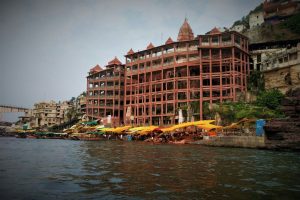
More Must-Visit Temple Destinations During Indian Festive Seasons
Adding a variety of must-visit temple destinations to your itinerary gives it more depth and flexibility.
Tirupati, Andhra Pradesh (Brahmotsavam)
It is one of India’s most visited temples especially during festive time.
- Massive processions and temple rituals
- Well-organized infrastructure for pilgrims
- Can be combined with Chennai or Vellore itineraries
Best time: September–October
Sabarimala, Kerala (Mandala & Makaravilakku Season)
A unique Kerala’s pilgrimage itinerary rooted in strict traditions.
- Forest routes and hill trekking
- Seasonal-only darshan windows
- Often combined with Kerala backwater travel
Best time: November–January
Dwarka, Gujarat (Janmashtami)
A coastal temple destination tied to Krishna legends.
- Festive temple décor and midnight rituals are the best thing to experience.
- Easy to combine with Somnath and coastal Gujarat
- Ideal for short religious road trips
Best time: August–September
Kamakhya, Assam (Ambubachi Mela)
A powerful destination for spiritual and cultural travelers.
- Large gatherings and unique ceremonies are observed.
- The trip can be combined with exploration to Northeast India
Best time: June
Shirdi, Maharashtra (Sai Baba Punyatithi & Ram Navami)
A high-demand spiritual destination during festivals.
- Devotional processions and extended temple hours
- Strong rail and road connectivity
- Suitable for short, focused itineraries
Best time: March–April, September–October
Vaishno Devi, Jammu (Navratri)
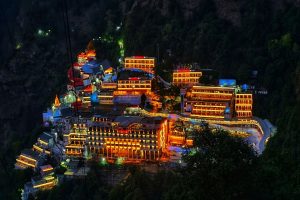
It blends mountain travel along with a spiritual pilgrimage experience.
- The route to the temple is the best scenic trekking route.
- Festive chants and celebrations
- Can be extended to Patnitop or Kashmir
Best time: March–April, September–October
Lesser-Known Temple Destinations for Festival Travel
Ideal for the travelers seeking quieter routes:
- Chidambaram during Natyanjali Dance Festival
- Guruvayur during Ekadasi celebrations
- Hampi during Virupaksha Temple festivals
These destinations suit travelers who prefer offbeat itineraries.
Best Months to Plan Temple Festival Travel in India
- October to February: Best weather and major festivals are celebrated during this time.
- March to April:It is a time of significant temple rituals with rising heat.
- June to July: Region-specific festivals with fewer tourists
Aligning festivals with weather improves itinerary comfort.
How Many Days Are Ideal for a Temple Festival Itinerary?
For a single-city festival trip experience,ideal days of trip will be 3–4 days.
>For the regional temple circuit,5–7 days are ideal.
>For multi-state festival route.8–10 days are ideal.
Travel duration depends on festival density and travel pace.

Temple Festival Dress Code: What to Wear
Festive temple travel requires respectful and practical clothing.
What to Wear
- Modest clothing covering shoulders and knees
- Cotton outfits for warm regions
- Shawls or scarves for head covering where required
- Comfortable footwear for walking (easy to remove)
What to Avoid
- Shorts, sleeveless tops, or revealing clothes
- Heavy gold or diamond jewelry during crowded festivals
- Tight or restrictive outfits
- Flashy or overly casual beachwear
Dress codes may vary by temple, so checking local customs is recommended.
What to Carry for Temple Festival Travel
Packing smart for temple visits improves comfort and safety.
Essentials to Carry
- Small backpack or sling bag
- Reusable water bottle
- Hand sanitizer and wet wipes
- Light jacket for early mornings or evenings
- Printed and digital copies of bookings
- Minimal cash for temple offerings
What Not to Carry
- Large bags or backpacks (often restricted)
- Expensive electronics or valuables
- Drones or professional camera gear without permission
- Food items inside temple premises
Travel light to move easily through crowds.
Where to Stay During Temple Festivals
Accommodation choices impact festival experience.
- Temple guesthouses for proximity
- Heritage hotels for cultural immersion
- Nearby cities for crowd avoidance
Booking early is essential during peak festival periods.
Practical Travel Tips for Temple Festival Itineraries
- Book accommodations early near temple towns
- Plan buffer days for crowds and delays
- Use local transport for easier access during festivals
- Dress appropriately and follow temple protocols
Festive travel requires flexibility but delivers unmatched experiences.
How to Combine Temple Festivals with Nearby Tourist Attractions
When combined with nearby sightseeing,festival-based travel works the best.
- Heritage walks, museums, and old towns near temple cities
- Natural attractions like rivers, hills, or coastlines close to pilgrimage sites
- Local markets and craft centers active during festivals
This approach creates a balanced itinerary that blends devotion with exploration.
Who Should Choose Festival-Based Temple Travel
This travel style suits:
- Spiritual and cultural travelers
- Photographers and storytellers
- Repeat visitors exploring deeper India
- Solo travelers seeking meaningful journeys
Temple festival itineraries offer purpose-driven travel.
FAQs
1. Is festival season a good time to visit Indian temples?
Yes, festivals offer the most immersive cultural and spiritual experience.
2. Are temple festivals very crowded?
Major festivals attract large crowds, but planning and timing help manage it.
3. How early should I book travel for temple festivals?
At least 2–3 months in advance for major festivals.
4. Can first-time travelers handle temple festival itineraries?
Yes, especially with shorter routes and well-connected destinations.
5. Are temple festivals suitable for senior travelers?
Yes, with comfortable pacing, nearby stays, and early visits.
6. Is photography allowed during temple festivals?
Limited photography is allowed and it totally depends on the temple’s rules.
7. What is the best time of day to visit temples during festivals?
Early mornings and late evenings are usually less crowded.
8. Are temple festivals family-friendly?
Most are, but some require long standing or walking.
9. Do temples enforce strict dress codes during festivals?
Yes, dress code checks are more strictly followed during festivals.
10. Can I combine temple festivals with leisure travel?
Absolutely—many temple destinations are close to beaches, hills, or heritage cities.
Conclusion
Designing an itinerary around India’s temple festivals transforms travel into a culturally rich and spiritually engaging experience. Rather than moving from one monument to another, travelers follow the rhythm of festivals, rituals, and sacred landscapes. With thoughtful planning and realistic expectations, temple destinations during festive seasons offer some of the most memorable journeys India has to offer.
Let The Tarzan Way guide you this time towards making the most of India’s festive season.