

In Short
- The Spiritual Core: A deep dive into the 7 most significant spiritual sites in Ayodhya, from the grandeur of the new Ram Mandir to the hidden tranquillity of Surya Kund.
- Must-Visit Temples: Detailed guides for Ram Mandir, Hanuman Garhi, Nageshwarnath, and the ancient Treta Ke Thakur.
- Hidden Gems: Discover the lesser-known Kaleramji Ka Mandir and the serene surroundings of Surya Kund.
- River Rituals: Experience the divine atmosphere of the Sarayu River ghats.
- Practical Guide: Includes temple timings, best times to visit, and cultural insights for a seamless pilgrimage.
Introduction — Where Faith Meets History
Greetings, fellow seekers of the divine! Welcome to Ayodhya, a city where the air vibrates with the rhythm of chants and every grain of sand holds a story from the Treta Yuga. For millennia, this city on the banks of the sacred Sarayu River has been the heartbeat of Hindu civilisation. Today, with the consecration of the magnificent Ram Mandir, Ayodhya is experiencing a spiritual renaissance unlike any other.
But Ayodhya is more than just one temple. It is a tapestry of ancient shrines, hidden ponds, and fortress-like sanctuaries that tell the saga of Lord Rama, the devotion of Hanuman, and the timeless flow of dharma.
Join me as we unravel the layers of this historic metropolis. From the dawn-lit waters of Surya Kund to the majestic spires of the Ram Janmabhoomi, this is your definitive guide to a spiritual expedition in the city of Ram Lalla.
1. Ram Mandir: Where Devotion Takes Form
Credit: Unsplash
The Heart of India
No journey through Ayodhya is complete without visiting the beating heart of the city – the Ram Mandir. This is not just a structure; it is the culmination of a 500-year-old dream for millions of devotees.
The Architecture: As you step into the temple premises, the grandeur unfolds before your eyes. Built in the Nagara style of architecture, the temple stands without the use of iron, designed to last a thousand years. The pink sandstone from Rajasthan glows in the sunlight. Marvel at the 392 pillars, each intricately carved with figures of deities, and the 44 majestic doors, some plated in gold.
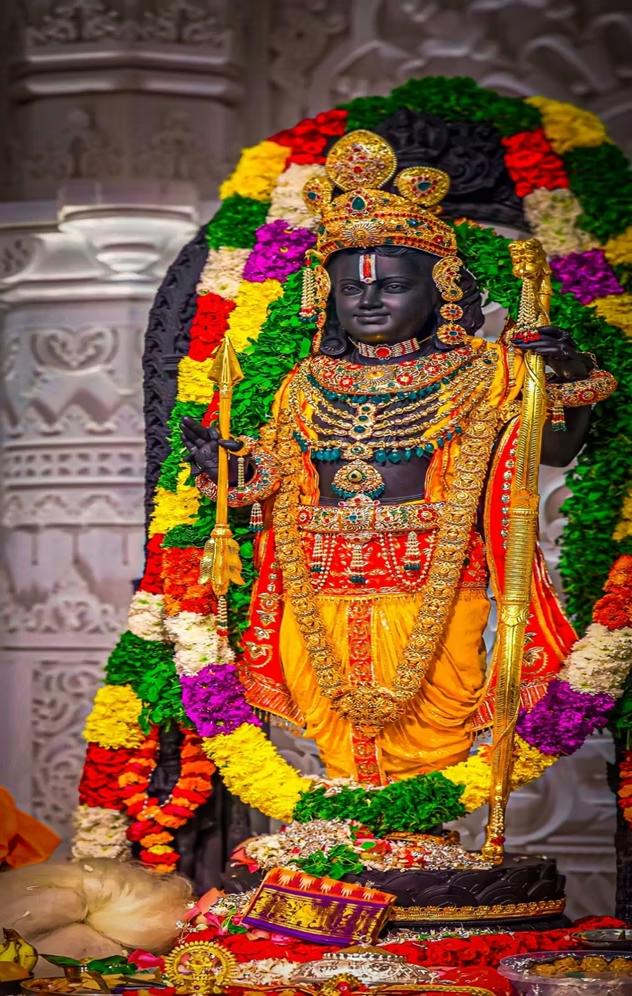
The Darshan: Walking through the Rang Mandap and Nritya Mandap, you finally reach the Garbha Griha (Sanctum Sanctorum). Here stands the idol of Ram Lalla (the infant Rama). The sight of the deity, adorned in silk and jewels with a smile that seems to nurture the soul, is an overwhelming emotional experience. It is a living, breathing embodiment of faith—an anchor for millions.
Traveller’s Tip:
- Entry: Entry is free, but you must deposit phones and leather items in the free lockers outside.
- Timing: The best time for Darshan is early morning (7:00 AM) or afternoon (2:00 PM) to avoid the peak crowds.
2. Embracing Dawn at Surya Kund
The Sun God’s Mirror
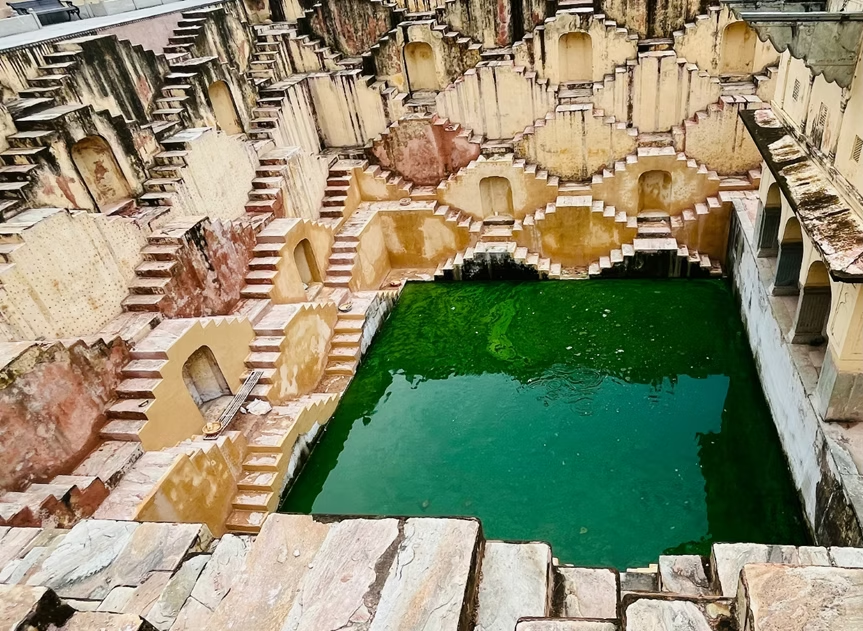
Our spiritual day trip begins not in the chaos of the city centre, but in the quiet embrace of Surya Kund. Located about 4 kilometres from the main Ayodhya town (near the Darshan Nagar area), this large, rectangular tank is a hidden gem often missed by the hurried tourist.
The Legend: According to mythology, when Lord Rama was born, the Sun God (Surya Dev) was so mesmerised that he stayed in Ayodhya for a month to behold the divine child. During his stay, his chariot halted here, creating this kund. It is also believed to be a spot where Lord Rama later meditated.
The Experience: Arrive here just before sunrise. The recent renovations have transformed Surya Kund into a spectacle of light and sound. The majestic statues of elephants, the intricately carved walls depicting scenes from the Ramayana, and the mesmerising Laser Sound and Light Show (held in the evenings) make it a blend of ancient sanctity and modern beauty. It is the perfect place to sit in silence and set your intentions for the pilgrimage ahead.
- Best Time: 6:00 AM for serenity; 7:00 PM for the Light & Sound show.
3. Hanuman Garhi: The Fortress of the Guardian
Credit: Unsplash
The Protector of Ayodhya
In Ayodhya, it is customary to visit the guardian before visiting the King. Perched atop a high mound in the centre of the city is Hanuman Garhi, a fortress-like temple dedicated to Lord Hanuman.
The Climb: As you climb the 76 steep stone steps, the air becomes charged with the sound of Hanuman Chalisa and the ringing of temple bells. The climb is symbolic of shedding one’s ego before entering the presence of the ultimate devotee.
The Sanctum: The main temple is unique. It houses a statue of a young Hanuman sitting on the lap of his mother, Anjani. It is believed that Hanuman lived here to guard the Ram Janmabhoomi and the city of Ayodhya. The aura of spirituality, combined with the panoramic view of the city from the ramparts, creates an atmosphere that resonates with power and protection.
- Ritual: Don’t forget to offer Laddoo here, Hanuman Ji’s favourite sweet.
4. Treta Ke Thakur: A Glimpse into the Ancient Past
The Site of the Ashwamedha Yagna
Venture off the beaten path near the Naya Ghat area to discover Treta Ke Thakur. This temple stands as a silent witness to the evolution of spirituality over millennia.
The History: This historic shrine marks the spot where Lord Rama is believed to have performed the Ashwamedha Yagna (Horse Sacrifice Ritual) to establish righteousness and sovereignty. The temple opens to the public only once a year on Ekadashi, but the exterior and the surrounding ghats are accessible year-round.
Inside, the idols are carved from a single block of black sandstone (Kasauti stone), said to be from the era of King Vikramaditya. Standing here, you can feel the ancient vibrations of the Treta Yuga. It is a moment of communion with the roots of Indian spirituality, a connection that transcends the boundaries of time.
5. Kaleramji Ka Mandir: A Treasured Secret
The Survivor of Time
Embark on a journey through Ayodhya’s narrow lanes near the Swarg Dwar area to unearth Kaleramji Ka Mandir (Temple of the Black Ram). This is a hidden jewel that many tourists miss, yet it holds immense historical significance.
The Legend: It is believed that these idols of Rama, Sita, Lakshman, and Bharat were originally in the ancient temple at the Ram Janmabhoomi site. When foreign invaders attacked Ayodhya, these idols were submerged in the Sarayu River to protect them. They were later recovered and installed in this temple.
The Experience: Ascend the stairs adorned with vibrant colours, and you’ll find yourself transported to a realm where faith and history coalesce. The idols are unique—carved from black touchstone—and radiate a distinct, powerful energy. It is a quiet sanctuary that adds depth to Ayodhya’s narrative, inviting you to explore the layers beneath the surface.
6. Nageshwarnath Temple: Unveiling the Mysteries of Shiva
Credit: Unsplash
A Legacy of Kush
Now, let’s travel a short distance to the Nageshwarnath Temple, nestled in the bustling Ram Ki Paidi area. This is the oldest temple in Ayodhya, dedicated to Lord Shiva.
The Legend: One fascinating legend states that this temple was established by Kush, the son of Lord Rama. The story goes that while bathing in the Sarayu, Kush lost his armlet (bajuband). It was retrieved by a Nag-Kanya (Serpent Maiden) who fell in love with him. As she was a devotee of Shiva, Kush built this magnificent temple for her.
The Vibe: As you step into the temple, you are greeted by the soothing sounds of bells and the fragrance of incense wafting through the air. During Mahashivratri, the temple comes alive with a massive procession (Baraat) of Lord Shiva. It stands as a testament that Ayodhya is not just the city of Vishnu (Rama), but also holds a deep reverence for Shiva.
7. The Ghats of Sarayu (Ram Ki Paidi): Where Mysticism Meets the River
Credit: Unsplash
The River of Salvation
Our spiritual sojourn in Ayodhya concludes at the banks of the holy Sarayu River. While the specific Tulsidas Ghat is famously located in Varanasi, Ayodhya honours the poet-saint with the Tulsi Udyan and the ghats where he is believed to have composed parts of the Ramcharitmanas.
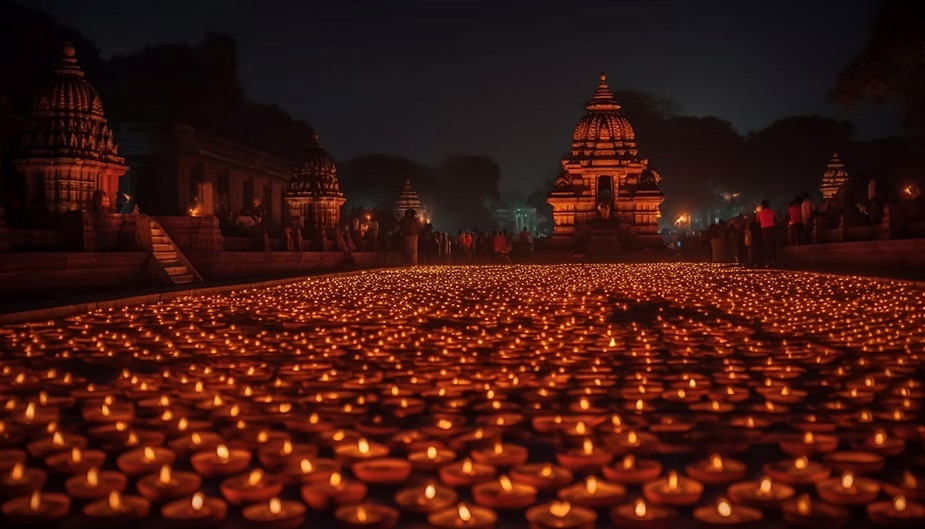
The Evening Aarti: Head to Ram Ki Paidi or Naya Ghat at sunset. This is where the magic happens. The Sarayu Aarti unfolds in rhythmic harmony. Priests line up with large brass lamps, and the flickering flames reflect on the dark waters.
The melodic chants, the rhythmic clapping of devotees, and the gentle flow of the river form a poetic symphony that resonates with the soul. As you take a leisurely stroll along the promenade, reflecting on the profound moments of your expedition, you realise that the river is the true witness to Ayodhya’s eternal story.
FAQs:
Q: What are the must-visit spiritual sites in Ayodhya for first-time pilgrims?
A: Ram Mandir, Hanuman Garhi, Surya Kund, Nageshwarnath, and Treta Ke Thakur are the top spiritual highlights.
Q: What is the best time to visit Ayodhya for a peaceful darshan of Ram Lalla?
A: Early morning, between 7:00–9:00 A.M., offers the most serene darshan experience.
Q: How many days are enough to explore Ayodhya’s major temples and ghats?
A: A 1–2 day itinerary is perfect to cover key temples, hidden gems, and the Sarayu Aarti.
Q: Is Surya Kund worth visiting during an Ayodhya trip?
A: Yes, Surya Kund is a must-visit for sunrise views, mythology, and the evening light-and-sound show.
Q: How can I plan a smooth spiritual trip to Ayodhya with local guidance?
A: You can book a curated Ayodhya itinerary with The Tarzan Way for a seamless pilgrimage experience.
Practical Tips for Your Spiritual Expedition
- Best Time to Visit: October to March offers pleasant weather. Avoid the peak summer months (May-June).
- Dress Code: Modest clothing is required. Shoulders and knees must be covered.
- Security: Ayodhya is a high-security zone. Always carry a valid ID card (Aadhar/Passport).
- Getting Around: Electric rickshaws (e-rickshaws) are the best way to navigate the narrow lanes of the temple town.
Concluding the Journey
Dear reader, Ayodhya is not just a destination; it is an emotion. It is a city that has waited centuries to tell its story. As you navigate the vibrant tapestry of its spiritual landscape—from the fortress of Hanuman to the serenity of the Sarayu—may your spirit soar.
May the echoes of divinity resonate within you long after you have left these sacred shores.
Until next time, happy exploring on your sacred journey. Jai Shri Ram!
Planning a trip to Ayodhya? Let The Tarzan Way (TTW) help you craft a seamless itinerary that covers these spiritual gems and hidden stories.