

Georgia Travel Guide (2026): Europe’s Hidden Gem for Nature & History
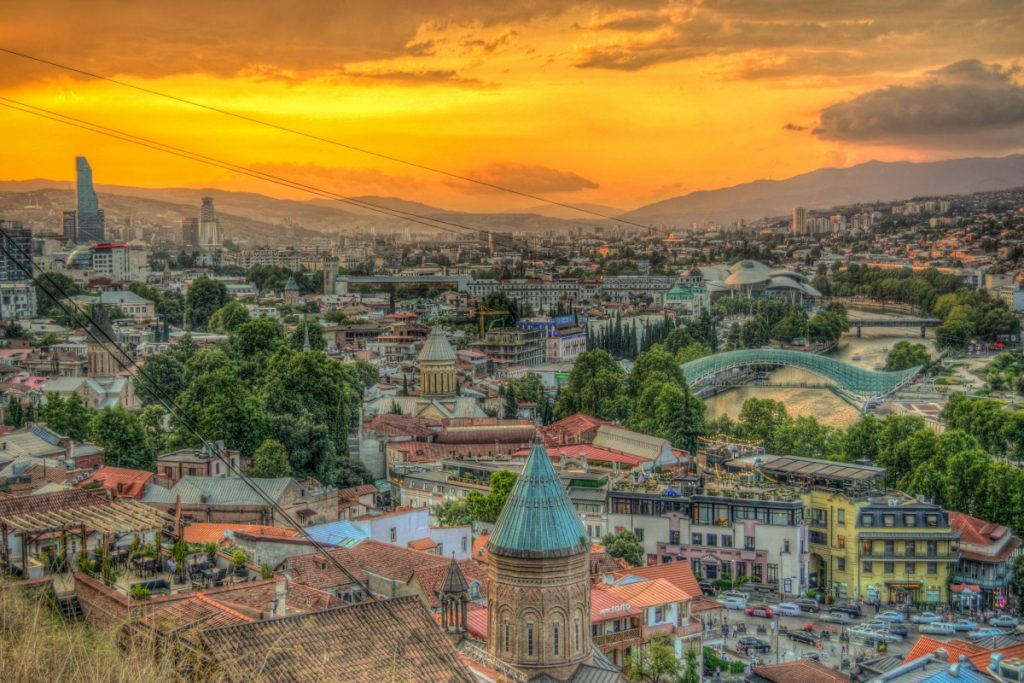
If you’re looking for a destination that blends dramatic mountain landscapes, ancient churches, wine traditions older than most civilizations, and charming cobblestone towns — Georgia might be your perfect next trip. Tucked between Europe and Asia, this small Caucasus country remains one of the continent’s most underrated travel destinations. Yet it offers everything: snow-capped peaks, Black Sea beaches, UNESCO heritage sites, warm hospitality, and surprisingly affordable travel. This complete Georgia travel guide will help you plan your trip — covering the best places to visit, history, food, budget, safety, and practical travel tips. In Short (TL;DR) Georgia is located at the crossroads of Europe and Asia. Best time to visit: May–June & September–October. Top highlights: Tbilisi, Kazbegi, Svaneti, Batumi. Budget-friendly compared to Western Europe. Ideal for nature lovers, history enthusiasts, and food explorers. 1. Where Is Georgia & Why Visit? Georgia sits between Russia, Turkey, Armenia, and Azerbaijan, along the Caucasus Mountains. Despite being geographically at the crossroads, culturally it feels distinctly European — with deep-rooted Christian traditions, medieval monasteries, and a thriving café culture. Why Georgia Is Trending: Visa-free or visa-on-arrival for many nationalities Affordable accommodation and food Untouched mountain landscapes 8,000-year-old wine culture Warm, welcoming locals It’s perfect if you want Europe — without Western Europe prices. 2. Best Places to Visit in Georgia 2.1 Tbilisi – The Cultural Heart Tbilisi blends old-world charm with modern energy. Top Attractions: Narikala Fortress (panoramic city views) Abanotubani sulfur baths Peace Bridge Holy Trinity Cathedral Spend 2–3 days exploring cobblestone streets, cafés, wine bars, and art galleries. 2.2 Kazbegi – Dramatic Mountain Scenery Officially called Stepantsminda, Kazbegi is famous for: Gergeti Trinity Church Mount Kazbek views Epic road trip via the Georgian Military Highway Ideal for hiking and photography lovers. 2.3 Svaneti – Medieval Towers & Wild Beauty A UNESCO-listed region known for: Stone defensive towers Remote mountain villages Ushguli (one of Europe’s highest settlements) Perfect for adventure travelers. 2.4 Batumi – Beach & Modern Architecture Located on the Black Sea coast, Batumi offers: Beachfront promenade Contemporary skyline Botanical gardens Relaxed summer vibe 3. Georgia’s Rich History & Culture Georgia has one of the oldest Christian traditions in the world, adopting Christianity in the 4th century. Throughout history, it has been influenced by: Persian empires Ottoman rule Russian Empire Soviet Union Yet Georgia has preserved its unique language and script — one of the most distinctive alphabets in the world. 4. Georgian Food You Must Try Food is a major highlight of traveling in Georgia. Popular Dishes: Khachapuri (cheese-filled bread) Khinkali (dumplings) Churchkhela (walnut candy) Lobio (bean stew) Georgia is also considered the birthplace of wine, with traditional clay-pot fermentation (qvevri). 5. Best Time to Visit Georgia Spring (May–June) Mild weather Fewer crowds Great for hiking Summer (July–August) Best for mountains & Batumi beaches Warmer temperatures Peak tourist season Autumn (September–October) Wine harvest season Beautiful fall colors Ideal temperatures Winter (December–February) Skiing in Gudauri Snow-covered landscapes 6. How Expensive Is Georgia? Georgia is significantly cheaper than most European countries. Average Daily Budget: Budget traveler: $30–50/day Mid-range: $60–120/day Luxury: $150+/day Accommodation, food, and local transport are very affordable. 7. Is Georgia Safe for Tourists? Yes — Georgia is considered one of the safest countries in the region. Low violent crime rates Safe for solo travelers Friendly locals Basic travel precautions still apply. 8. How Many Days Do You Need in Georgia? Ideal Duration: 5–7 days: Tbilisi + Kazbegi 10 days: Add Svaneti or Batumi 14 days: Full mountain + coast experience Georgia is compact but packed with diversity. 9. Sample 7-Day Georgia Itinerary Day 1–2: Tbilisi exploration Day 3: Day trip to Mtskheta Day 4–5: Kazbegi Day 6–7: Svaneti or Batumi FAQs About Traveling to Georgia Q: Is Georgia in Europe or Asia? A: Geographically it sits at the crossroads, but culturally and politically it aligns with Europe. Q: Do I need a visa to visit Georgia? A: Many nationalities enjoy visa-free entry for up to 1 year. Always check official guidelines before traveling. Q: What currency is used in Georgia? A: The Georgian Lari (GEL). Q: Is English widely spoken? A: In Tbilisi and tourist areas, yes. Less so in rural regions. Glossary Caucasus Mountains: Mountain range between the Black and Caspian Seas. Qvevri: Traditional Georgian clay vessel used for wine fermentation. Workation: Working remotely while traveling. Final Thoughts: Is Georgia Worth Visiting? Absolutely. Georgia offers a rare combination of untouched nature, ancient culture, unique cuisine, and affordability — all without the crowds of mainstream European destinations. Whether you’re hiking in Kazbegi, wandering Tbilisi’s colorful lanes, or sipping wine in a mountain village, Georgia delivers depth and authenticity. If you’re ready to explore Europe’s hidden gem, let The Tarzan Way help you design a personalized, Location-based Georgia travel itinerary tailored to your travel style.