

Rajasthan: Guide beyond the Palaces – Exploring the Hidden Gems
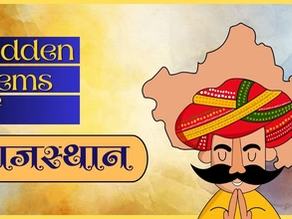
Khamma Ghani, fellow explorers! We are now diving deep into the heart of India, exploring the enthralling nation of Rajasthan, it is manner past the palaces that often steal the highlight! Credits: Canva Venture off the beaten path in Rajasthan with our AI-pushed guide. You may think you know Rajasthan – the land of palaces, vibrant fairs, and wealthy records. But nowadays, we are unlocking the secrets and techniques of this magical place, revealing hidden gems in order to go away you in awe. Hidden Gems in Jodhpur: Beyond the Blue City Jodhpur, the Blue City, is well-known for its majestic Mehrangarh Fort and bustling bazaars. But permit me take you beyond the same old traveler spots. Mehrangarh Fort Credits: Freepik Picture this: historic step wells, intricately designed and steeped in records. These architectural wonders now not most effective served as water assets but also as community collecting spaces. Join us as we discover those hidden marvels that regularly cross omitted. Cultural Exploration in Bikaner: Uncover the Authentic Rajasthan Junagarh Fort Credits: Freepik Now, let’s shift our cognizance to Bikaner, a town with a completely unique blend of lifestyle and allure. Beyond the grandeur of Junagarh Fort, there lies a cultural tapestry waiting to be unraveled Credits:Freepik Local markets packed with vibrant colours, aromatic spices, and conventional crafts offer a real flavor of Rajasthan’s authenticity. We’ll immerse ourselves in the hustle and bustle, discovering the soul of Bikaner via its streets and local flavors. Unknown: Off beat Experiences Across Rajasthan But wait, there’s more! Rajasthan has hidden treasures scattered across its landscape. Ever heard of the mystical Abhaneri Step Well? Let’s descend into its depths and wonder at the structure that echoes with tales from centuries in the past. Abhaneri Step well Credits: Freepik Now, believe the serene landscapes of the Keoladeo National Park, a birdwatcher’s paradise tucked far from the bustling towns. Join us on an adventure to these lesser-known places that redefine your notion of Rajasthan, showcasing its diverse splendour past the opulent palaces. Keolado National Park Credits: Freepik Ranakpur Jain Temple, As you approach this architectural masterpiece, you are greeted by a symphony of intricate carvings that seem to dance on the walls, telling tales of devotion and artistry. The temple, dedicated to Adinatha, the first Tirthankara of Jainism, is a sanctuary where spirituality and craftsmanship intertwine seamlessly. Ranakpur jain temple Credits: Unsplash Ranakpur is not just about the temple; it’s a sanctuary of peace surrounded by lush greenery and the soothing melody of nature. The nearby Sadri village offers a glimpse into the local way of life, where the warmth of the people mirrors the golden hues of the desert landscape. Kumbhalgarh Fort Prepare to step into the realm of Kumbhalgarh Fort, where history whispers through ancient stones, and the walls resonate with the tales of valor and mystique. Buckle up for an adventure that transcends time – Kumbhalgarh, where every stone has a story, and every turret hides a secret. Kumbhalgarh Fort Credits: Unsplash This isn’t just a destination it’s an odyssey into the heart of Rajasthan’s majestic past, guarded by the formidable walls of quirkiness and grandeur. Engaging with the Locals And the quality part? Interact with the locals, participate in conventional sports, and get a flavor of the true Rajasthani way of life. It’s no longer only a journey; it’s an immersive cultural enjoy. Credits:Canva Join the Adventure! So, there you’ve got it! Rajasthan isn’t pretty much the palaces; it is approximately the hidden gemstones, the offbeat stories, and the colorful tradition that awaits you. Join us on this exceptional adventure as we explore the unexplored, unlocking the secrets that make Rajasthan genuinely magical. Thanks for tuning in, and remember, the pleasant adventures take place off the overwhelmed route! ????✈️????
Kashmir essence : Arts & Craft along the Dal lake

Dal lake Credits: Unsplash The jewel in the crown of Indian tourism, Kashmir beckons with its captivating beauty tucked and preserved in the nation’s north. Known as “Heaven on Earth”, this heaven of natural beauties captivates tourists. Adventure is waiting for you here, amidst the snow-capped peaks and verdant valleys. Welcome to Kashmir, where there is always something new to discover at every turn. Whether you’re seeking relaxation, adventure, or a glimpse into the local culture, Kashmir offers it all with even more, especially with it’s exceptional arts and handicrafts. HANDICRAFTS OF KASHMIR Pottery activities Credits: Unsplash Enter the enchanted realm of Kashmir, where decades’ worth of tradition are woven together by skill and ingenuity. This place has an incredible collection of handcrafted wonders hidden within the beautiful scenery, just waiting to be discovered. Embrace the rich warmth of embroidered shawls and Pashminas, marvel at the exquisite craftsmanship of paper-mâché goods, and lose yourself in the exquisite beauty of silk and wool rugs. Every piece of silverware, no matter how elegant or how shiny, reflects the rich history of Kashmir. Discover the charm of Pashmina shawls, which are sought after all over the world for their excellent craftsmanship. Here is a collection of well-known Kashmiri arts and crafts that are exclusive to this state and region and are renowned for their exceptional craftsmanship, which elevates them to the status of some of the best handicrafts in the world. 1.Tila Sozi 2. Namda Waeving 3. Crewel Work 4. Carpet Weaving 5. Wood Carving (Walnut) 6. PaperMachie 7. Pashmina Shawls 8. Sozini Work 9. CopperWare 10. Chain Stich 11. Phool Kari 12. Basoli Miniature Paintings 13. Ladakhi Rugs 14. Wicker Work (Willow Work) 15. Silk Tweeds 16. Silverware Among all of these the ones that must be highlighted are of course the hand made shawls and the mesmerizing wood carving of Kashmir. HANDMADE SHAWLS OF KASHMIR Pashmina shawl Credits: Unsplash Explore the rich past of the unmistakable Kashmir shawl, where each thread relates a tale of grace and tradition. Unlike the girdle-style worn by Persians, these exquisite woolen robes, which derive from the Persian word “shal,” were originally draped across shoulders in India. Although shawls are loved for their coziness and fashion in North India these days, Kashmir is the region that attracts attention from around the world. Captivated by its allure, Akbar (the Mughal emperor) explored several styling options, eventually popularizing the carefree draped aesthetic. Fashion fans worldwide appreciate Kashmiri shawls, which have become a symbol of ageless charm from the busy streets of Mumbai to far-flung areas abroad. Kashmir’s Top 6 Shopping Destinations A devotee of art and craft ought to dedicate a day to perusing genuine merchandise in Kashmir. The greatest stores in Kashmir for textiles, tea, spices, and handicrafts are featured here. 1. Sarnal Payeen Anantnag Kashmir: For Metal Crafts 2. Heritage: For Traditional Wear 3. Ahmad Complex: For Kashmiri Jewelry 4. Shri Kedarnath Shop: For Sandalwood And Metals 5. Royal Kashmir: For Dry Fruits 6. Pick N Choose: For Tea Products And More. Now continuing into marking up of a higher stage of peace which is granted by just a long and nice fresh breath of air at the dal lake. DAL LAKE: NOT JUST ANY BODY OF WATER Vendors in Dal lake Credits: Unsplash Travel to Dal Lake, the jewel in Kashmir, where majesty and tranquility co-exist harmoniously. Picture yourself floating across its calm waters with the soothing sound of oars splashing in time to your favorite music. Not simply a simple body of water, Dal Lake tells stories of beauty and culture and is the beating heart of Srinagar. Tucked away amid the jaw-dropping views of the Zabarwan Range, Dal Lake is a captivating blend of blue waters and lush surroundings. Every moment is a discovery of Kashmir’s rich culture, whether you’re visiting the lively floating bazaar or enjoying a relaxing Shikara ride. Dal Lake turns into an incredibly beautiful painting when the sun sets and casts a golden glow over the serene waters. And your stay will be nothing short of spectacular because there are so many hotels in the area that provide gorgeous views and scrumptious local cuisine. Explore the charm of Dal Lake, a place of beauty and simplicity, and set out on a tour through the heart of Kashmir that will never be forgotten. Thanks for tuning in, and remember, the pleasant adventures take place off the overwhelmed route! ????✈️????