

Sri Lanka Beyond the Usual: Best Places to Visit, Budget, Train Routes & Coastal Stays
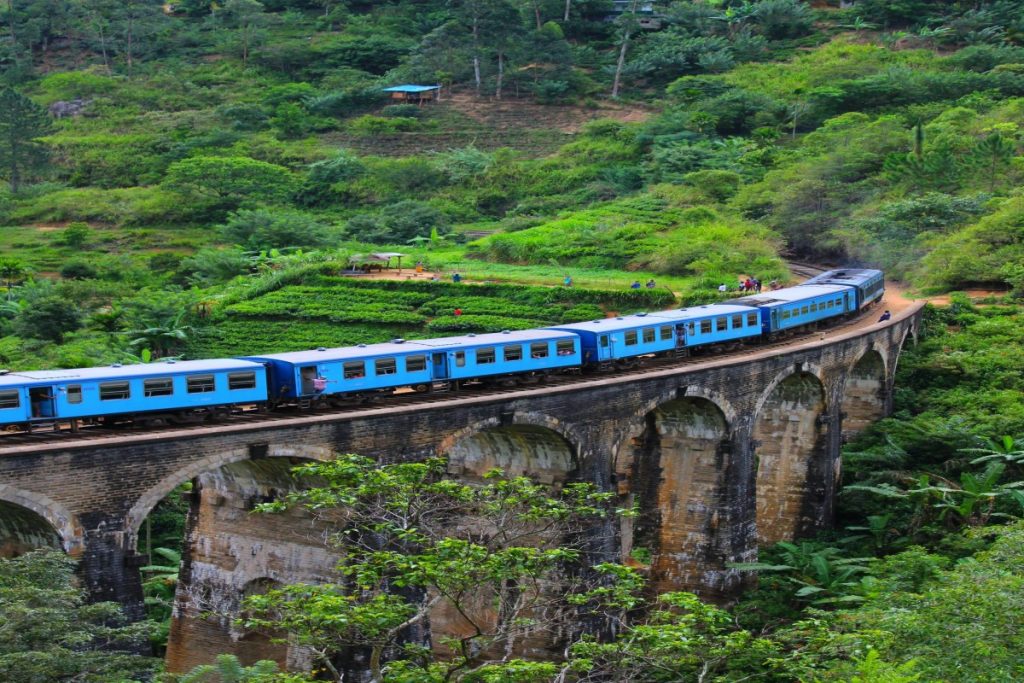
Introduction If your idea of Sri Lanka is limited to beaches and tea plantations, you’re missing out on a much richer story. This island country is filled with hidden mountain towns, scenic train journeys, untouched coastlines, and cultural gems that go far beyond the typical tourist checklist. What makes Sri Lanka truly special is how effortlessly it blends experiences. Within a few hours, you can go from surfing along the southern coast to sipping fresh tea in misty hills. Add to that its affordability, warm hospitality, and compact geography—it becomes one of the best destinations for Indian travelers looking for a balanced international trip. In this guide by The Tarzan Way, we cover everything you need to plan your journey—from offbeat places and scenic train routes to a detailed budget in INR and the best coastal stays. Whether you’re building a relaxed escape or a packed Sri Lanka travel itinerary, this blog has covered everything for you. In Short (Key Takeaways) Sri Lanka is perfect for budget-friendly international travel from India Daily budget: ₹2,000 to ₹7,000 depending on your style Best experience: Kandy to Ella train journey Ideal trip duration: 7–10 days Best time: December to April (West & South), May to September (East Coast) Why Sri Lanka is Perfect for Indian Travelers Sri Lanka offers a rare combination of accessibility and diversity: Short flight duration from India (2–4 hours) Visa-on-arrival or easy ETA process Affordable accommodation and food Scenic landscapes within short travel distances It’s one of the few destinations where your travel itinerary can include beaches, mountains, wildlife, and heritage—all in one trip. Best Places to Visit in Sri Lanka (Beyond the Usual) Ella – A Slow Travel Paradise Ella is often known for its train stop, but it’s much more than that. It’s a laid-back hill town perfect for unwinding. Top experiences: Hike to Little Adam’s Peak Visit the famous Nine Arch Bridge Relax in cafes with panoramic views Ideal for: Solo travelers, couples, workcations Nuwara Eliya – Colonial Charm in the Hills Often called “Little England,” this town offers a completely different vibe with cool weather and colonial architecture. What to explore: Tea estates and factories Gregory Lake Scenic countryside walks Tangalle – Secluded Coastal Escape Unlike crowded beach towns, Tangalle offers peace and raw beauty. Why visit: Quiet, untouched beaches Boutique eco-resorts Turtle nesting experiences Trincomalee – The Underrated East Coast A hidden gem for those looking to avoid crowds. Top things to do: Snorkeling at Pigeon Island Relax at Nilaveli Beach Dolphin and whale watching Haputale – A Hidden Hill Country Gem Less commercial than Ella, but equally stunning. Must-do experiences: Sunrise at Lipton’s Seat Walk through tea plantations Enjoy cloud-covered viewpoints Plan your trip to Weligama: Weligama travel itinerary Sri Lanka Budget Breakdown (2026 Guide in INR) Sri Lanka is one of the most affordable international destinations for Indian travelers. Daily Budget Estimates Budget Traveler (₹2,000–₹3,500/day): Hostels or homestays Local buses and trains Street food and local eateries Mid-Range Traveler (₹3,500–₹7,000/day): Boutique hotels Mix of public and private transport Cafes and curated experiences Luxury Traveler (₹8,000+ per day): Beach resorts and villas Private taxis and guided tours Premium dining experiences Detailed Cost Breakdown Accommodation: ₹800 – ₹6,500 per night Food: ₹400 – ₹1,500 per day Transport: ₹50 – ₹800 (trains & buses) Activities: ₹400 – ₹2,500 Scenic Train Routes You Shouldn’t Miss Sri Lanka’s train journeys are not just about getting from one place to another—they’re a core travel experience. Kandy to Ella Train Ride This is one of the most scenic train journeys in the world. What to expect: Rolling tea plantations Mist-covered mountains Open-door views perfect for photography Duration: 6–7 hours Cost: ₹150–₹1,000 depending on class Colombo to Kandy A shorter route that introduces you to Sri Lanka’s lush landscapes. Ella to Haputale A quieter, equally beautiful alternative route. Travel Tips for Train Journeys Book tickets in advance for reserved seats Choose second class for open windows Travel during daylight for the best views Best Coastal Stays in Sri Lanka Sri Lanka’s coastline offers diverse experiences—from lively beaches to peaceful retreats. Mirissa – Social & Vibrant Backpacker-friendly Beach cafes and nightlife Whale watching tours Unawatuna – Balanced Experience Mix of relaxation and nightlife Close to Galle Fort Tangalle – Peaceful Luxury Private beaches Eco-resorts and boutique stays Arugam Bay – Surfing Hub Ideal for surfers Laid-back, slow vibe Best Time to Visit Sri Lanka Sri Lanka’s weather varies by region due to two monsoon seasons. West & South Coast + Hill Country: December to April East Coast: May to September Sample 7-Day Sri Lanka Itinerary Day 1–2: Colombo to Kandy Explore the city Visit cultural sites Day 3–4: Kandy to Ella Scenic train journey Explore Ella Day 5: Haputale Sunrise at Lipton’s Seat Day 6–7: Tangalle or Mirissa Beach relaxation Water activities Travel Tips for Sri Lanka Carry cash (cards not accepted everywhere) Use trains for scenic travel Rent scooters in coastal towns Stay hydrated in humid weather FAQs What is the average cost of a Sri Lanka trip from India? A 7-day trip can cost between ₹20,000 to ₹60,000 depending on your travel style. Is Sri Lanka cheaper than Thailand? Yes, in most cases Sri Lanka is more budget-friendly for accommodation and transport. What is the best train journey in Sri Lanka? The Kandy to Ella route is the most scenic and popular. How many days are enough for Sri Lanka? 7–10 days are ideal to explore multiple regions comfortably. Do Indian travelers need a visa for Sri Lanka? Indian travelers can apply for ETA online or get visa-on-arrival depending on current rules. Is Sri Lanka safe for solo travelers? Yes, Sri Lanka is considered safe with friendly locals and well-connected tourist routes. What currency is used in Sri Lanka? Sri Lankan Rupee (LKR) is the local currency used across the country. Is Sri Lanka good for a honeymoon trip? Yes, Sri Lanka offers beaches, hills, train journeys, and luxury stays perfect for couples. Conclusion Sri Lanka is a
Japan’s Seasonal Rhythm: Where to Travel in Spring, Summer, Autumn & Winter
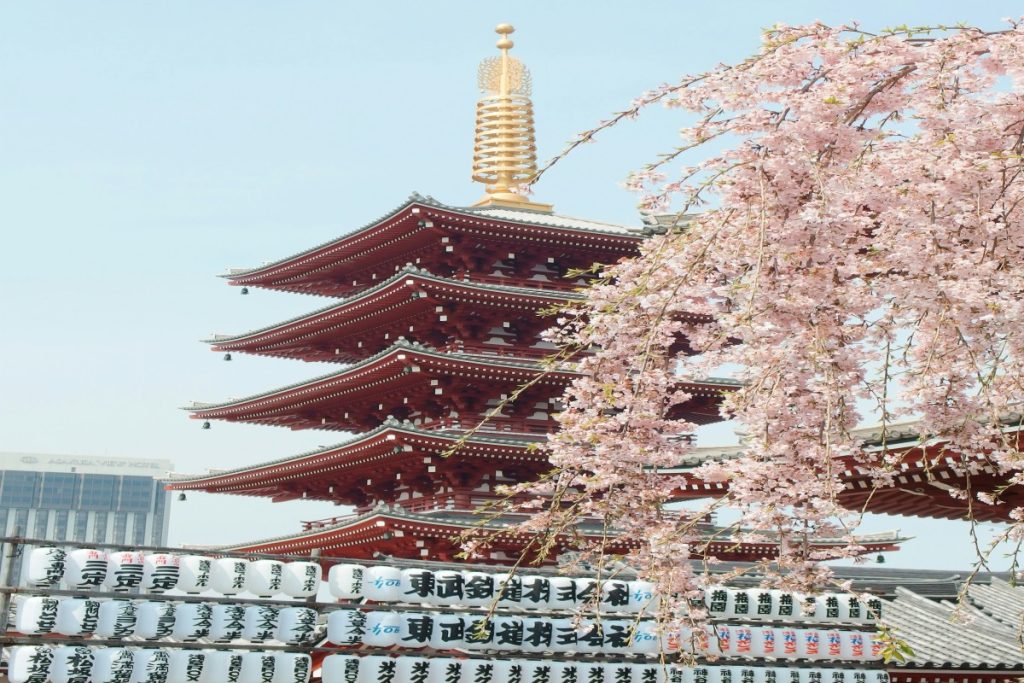
Japan is a country where every season feels like a completely new destination. From cherry blossoms in spring to snow-covered hot springs in winter, timing your trip can transform your experience. Whether you’re chasing vibrant festivals, scenic landscapes, or peaceful cultural moments, Japan’s seasonal rhythm offers something unforgettable year-round. This guide will help you decide where to travel in Japan across spring, summer, autumn, and winter, along with tips, highlights, and ideal experiences—perfect for planning your next Japan travel itinerary with The Tarzan Way. In Short (TL;DR) Spring (March–May): Cherry blossoms, best in Kyoto and Tokyo Summer (June–August): Festivals & beaches, explore Hokkaido and Okinawa Autumn (September–November): Fall foliage in Nikko and Kyoto Winter (December–February): Snow & ski resorts in Hokkaido and Nagano Spring in Japan (March–May): Cherry Blossom Magic Spring is Japan’s most iconic season, marked by the blooming of sakura (cherry blossoms). Parks, riversides, and temples turn into pastel dreamscapes.This Japan travel guide help travellers find the best destinations as per specific seasons. Best Places to Visit in Spring 1. Kyoto Historic temples framed by cherry blossoms Walk through the Philosopher’s Path Experience traditional tea houses 2. Tokyo Ueno Park and Shinjuku Gyoen for hanami (flower viewing) Vibrant city + nature balance 3. Osaka Osaka Castle surrounded by sakura Lively food and nightlife Why Visit in Spring? Comfortable weather (10–20°C) Cultural events and picnics under blossoms Ideal for photography and slow travel Summer in Japan (June–August): Festivals & Coastal Escapes Summer in Japan is vibrant, energetic, and filled with matsuri (festivals), fireworks, and coastal getaways. Best Places to Visit in Summer 1. Hokkaido Cooler climate compared to mainland Japan Lavender fields in Furano Ideal for hiking and nature 2. Okinawa Tropical beaches and turquoise waters Snorkeling and diving spots 3. Kyoto (for festivals) Attend the famous Gion Matsuri Traditional parades and street food Why Visit in Summer? Fireworks festivals across the country Cultural immersion through local celebrations Great for beach lovers Note: Expect humidity and temperatures above 30°C in cities like Tokyo and Osaka. Autumn in Japan (September–November): A Symphony of Colors Autumn rivals spring in beauty, with fiery red and golden foliage covering mountains and temples. Best Places to Visit in Autumn 1. Kyoto Arashiyama Bamboo Grove with fall colors Scenic temple views 2. Nikko UNESCO heritage shrines surrounded by forests Stunning waterfalls and lakes 3. Hakone Views of Mount Fuji with autumn foliage Relaxing hot springs (onsen) Why Visit in Autumn? Mild weather and fewer crowds than spring Perfect for scenic road trips and photography Rich seasonal cuisine Winter in Japan (December–February): Snow & Serenity Winter transforms Japan into a snowy wonderland, especially in the north. Best Places to Visit in Winter 1. Hokkaido World-class ski resorts Attend the Sapporo Snow Festival 2. Nagano Famous snow monkeys at Jigokudani Skiing and mountain retreats 3. Tokyo Illuminations and winter shopping Fewer tourists at major attractions Why Visit in Winter? Snow sports and hot springs Magical landscapes and festivals Budget-friendly travel (except peak holidays) How to Choose the Best Season for You Your ideal time depends on your travel style: Nature lovers: Spring & Autumn Festival seekers: Summer Snow & adventure: Winter Balanced experience: Late spring or early autumn Travel Tips for Japan Some of the best Japan travel tips are as follows: Book accommodations early during peak seasons (spring & autumn) Use Japan Rail Pass for intercity travel Carry cash—many places still prefer it Respect local customs and etiquette FAQs About Traveling Japan by Season What is the best time to visit Japan? Spring (March–April) and autumn (October–November) are the most popular due to pleasant weather and natural beauty. Is Japan too crowded during cherry blossom season? Yes, major cities like Tokyo and Kyoto can be crowded. Book early and explore lesser-known spots. Which season is cheapest to travel to Japan? Winter (excluding New Year) is generally the most budget-friendly. Is summer a good time to visit Japan? Yes, especially for festivals and northern regions like Hokkaido, though it can be hot and humid. When is cherry blossom season in Japan? Cherry blossom season usually runs from late March to early April depending on the region. Which part of Japan gets the most snow? Hokkaido and the Japanese Alps including Nagano receive the heaviest snowfall. Is autumn a good time for first-time travelers? Yes, autumn offers pleasant weather, beautiful foliage, and fewer crowds than spring. What should I pack for winter travel in Japan? Warm layers, waterproof shoes, gloves, scarves, and thermal wear are recommended. Conclusion Japan’s beauty lies in its ever-changing seasons—each offering a unique perspective of the country’s culture, landscapes, and experiences. Whether you’re admiring cherry blossoms in Kyoto, hiking through Hokkaido’s summer fields, capturing autumn leaves in Nikko, or soaking in a snowy onsen in Nagano, there’s no wrong time to visit. If you’re planning your next Location travel itinerary, let The Tarzan Way help you craft a journey that aligns perfectly with Japan’s seasonal rhythm.
Singapore Travel Guide: Attractions, Transport & Cost Breakdown
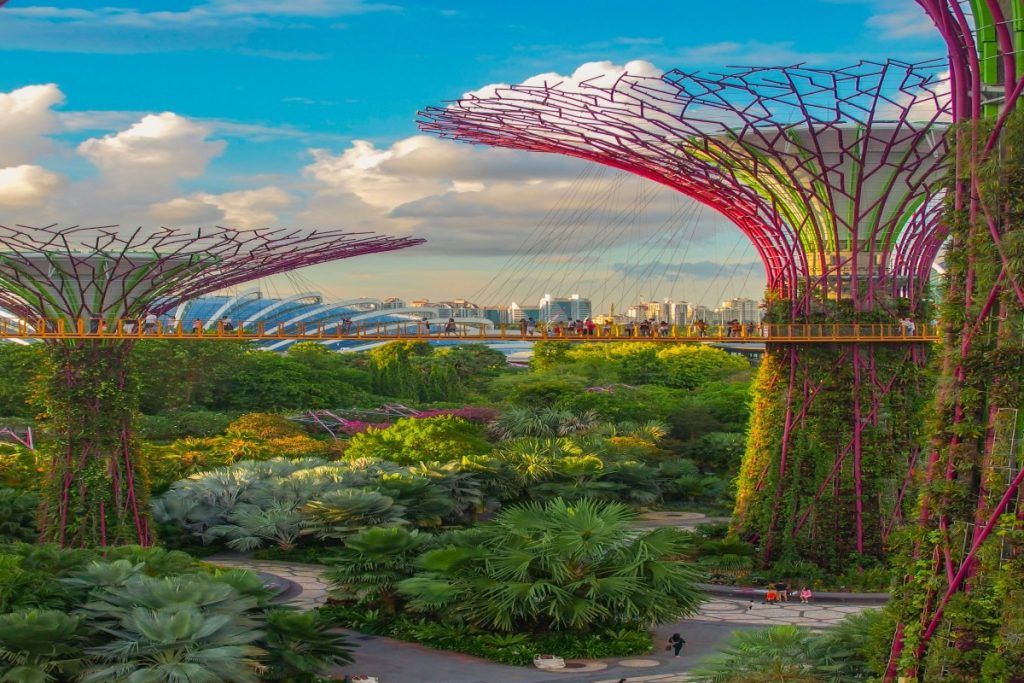
Introduction Singapore is one of the most efficient, vibrant, and traveler-friendly destinations in the world. Known for its futuristic skyline, diverse culture, and world-class infrastructure, this island nation offers a seamless blend of modern attractions and traditional charm. Whether you’re planning your first international trip or a short urban getaway, Singapore makes travel easy—with clean streets, reliable transport, and experiences for every kind of traveler. From iconic landmarks to budget-friendly hawker food, this guide will walk you through everything you need to know: top attractions, how to get around, and a detailed cost breakdown. If you’re building your Singapore travel itinerary, this comprehensive guide by The Tarzan Way will help you plan smarter, spend wisely, and explore deeper. In Short (TL;DR) Singapore offers a mix of modern attractions and cultural neighborhoods Public transport is efficient, affordable, and tourist-friendly Daily travel costs range from ₹5,000–₹12,000 depending on budget Must-visit attractions include Marina Bay, Sentosa, and Gardens by the Bay Ideal trip duration: 3–5 days Why Visit Singapore? Singapore stands out for its unique combination of: Ultra-modern infrastructure Rich multicultural heritage Safe and clean environment Easy navigation for tourists Despite being compact, it offers a wide range of experiences—from luxury shopping to street food and nature escapes. Top Attractions in Singapore Few top must-visit attractions in Singapore are as follows: 1. Marina Bay Sands One of the most iconic structures in the world, Marina Bay Sands is famous for its rooftop infinity pool and stunning city views. What to do: Visit the SkyPark Observation Deck Watch the Spectra light and water show Explore luxury shopping at The Shoppes 2. Gardens by the Bay A futuristic garden that blends technology with nature. Highlights: Supertree Grove light show Cloud Forest dome Flower Dome 3. Sentosa Island A complete entertainment hub perfect for families and adventure seekers. Top experiences: Beaches and water sports Universal Studios Singapore Cable car rides 4. Orchard Road Singapore’s shopping paradise. What to expect: Luxury malls International brands Cafés and restaurants 5. Chinatown A cultural hotspot blending tradition with modern experiences. Don’t miss: Buddha Tooth Relic Temple Street markets Hawker food 6. Little India A vibrant district full of colors, temples, and Indian cuisine. Highlights: Sri Veeramakaliamman Temple Mustafa Centre Authentic Indian food 7. Clarke Quay The go-to place for nightlife and riverside dining. Getting Around Singapore (Transport Guide) Singapore’s transport system is one of the best in the world—clean, punctual, and easy to use. MRT (Mass Rapid Transit) The Singapore MRT is the backbone of the city. Why use MRT: Covers all major attractions Affordable and fast Easy navigation for tourists Cost: ₹120–₹250 per ride Buses Buses complement MRT routes and reach residential areas. Pros: Scenic routes Budget-friendly Taxis & Ride-Hailing Apps like Grab are widely used. Average cost: ₹500–₹1,200 per ride depending on distance Tourist Pass The Singapore Tourist Pass offers unlimited travel on MRT and buses. Best for: Short stays (2–3 days) Frequent travelers within the city Cost Breakdown for Singapore Trip Singapore can be as budget-friendly or luxurious as you want. 1. Accommodation Budget hostels: ₹2,000–₹4,000 per night Mid-range hotels: ₹6,000–₹12,000 Luxury hotels: ₹20,000+ 2. Food Singapore is a paradise for food lovers. Budget options: Hawker meals: ₹300–₹800 Mid-range: Cafés & restaurants: ₹1,000–₹2,500 3. Attractions Gardens by the Bay: ₹1,500–₹2,000 Universal Studios: ₹5,000–₹7,000 Observation decks: ₹1,500+ 4. Transport Daily average: ₹300–₹800 5. Total Daily Budget Budget traveler: ₹5,000–₹7,000 Mid-range: ₹8,000–₹12,000 Luxury: ₹15,000+ Best Time to Visit Singapore Learn about the best time to visit Singapore. Singapore is a year-round destination, but some months are more comfortable. Best months: February to April (less rainfall) Avoid: Heavy monsoon months (November–January) Travel Tips for First-Time Visitors Carry a reusable water bottle Use MRT instead of taxis to save money Follow local rules (strict fines for littering, etc.) Try hawker food for authentic experiences How to Plan Your Singapore Itinerary Step-by-step framework: Step 1: Decide duration 3–5 days is ideal Step 2: Prioritize attractions Mix iconic spots with neighborhoods Step 3: Budget wisely Allocate major expenses to accommodation and attractions Step 4: Use public transport Save money and time Sample 4-Day Singapore Itinerary Day 1: Marina Bay Marina Bay Sands Gardens by the Bay Clarke Quay Day 2: Sentosa Universal Studios Beaches Cable car Day 3: Culture Chinatown Little India Orchard Road Day 4: Leisure Shopping Café hopping Local neighborhoods FAQs Q1. Is Singapore expensive for Indian travelers? Yes, but budget planning and hawker food can reduce costs significantly. Q2. What is the cheapest way to travel in Singapore? MRT and buses are the most affordable options. Q3. Do I need cash in Singapore? Cards are widely accepted, but small cash is useful for hawker stalls. Q4. How many days are enough for Singapore? 3–5 days is ideal to cover major attractions and local experiences. Q5. Is Singapore safe for tourists? Yes, it is one of the safest countries in the world. Glossary MRT: Mass Rapid Transit system used for public transport Hawker Center: Affordable food courts with local vendors Tourist Pass: Unlimited travel card for public transport Conclusion Singapore is a destination that delivers on every front—modern attractions, efficient transport, and diverse experiences. Whether you’re traveling on a budget or indulging in luxury, the city offers something for everyone. By planning your Singapore travel itinerary smartly, you can explore top attractions, manage your expenses, and make the most of your trip. Discover smarter travel experiences with The Tarzan Way and turn your Singapore trip into a seamless adventure.
Lansdowne Travel Guide: Perfect 2–3 Day Itinerary, Stays & Must-Do Experiences
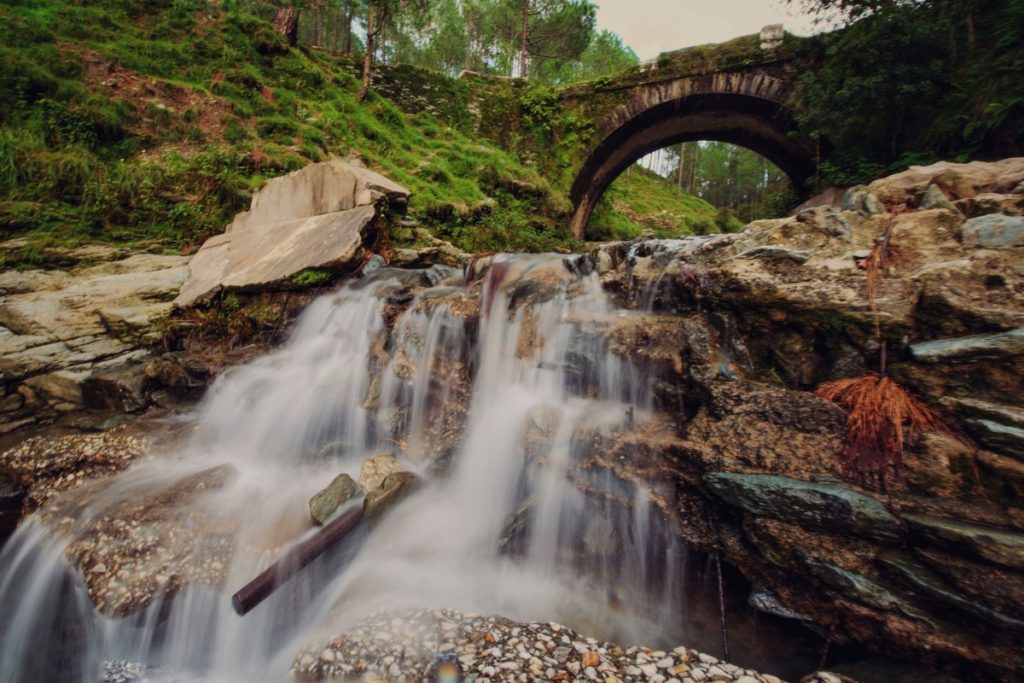
Planning the perfect itinerary for Lansdowne is the key to truly enjoying this peaceful hill station. Whether you’re searching for the best itinerary for Lansdowne, a quick Lansdowne trip plan, or a complete Lansdowne travel guide, this blog helps you design a calm, well-paced escape. Tucked away in Uttarakhand’s Garhwal region, Lansdowne is one of the few destinations where slow travel still feels authentic—no loud markets, no heavy traffic, no overcrowded viewpoints. Just pine forests, colonial charm, cool mountain air, and a simple Lansdowne travel itinerary that focuses on relaxation, nature, and quiet exploration. The blog also has useful travel tips like where to stay, what to eat, how to get to Lansdowne, and what to pack. The destination is great for couples, families, solo travelers, and nature lovers because it has everything from cheap guesthouses to high-end resorts. Helpful travel tips, frequently asked questions, and planning advice can help you plan a trip that goes smoothly and is relaxing. Lansdowne is a great place for people who want to be in a quiet place, breathe in fresh mountain air, and enjoy simple nature-based activities. If you plan your trip and set your expectations right, it can be a relaxing and memorable hill station getaway instead of a crowded sightseeing trip. If you’re planning a short break from Delhi, Dehradun, or nearby cities, this guide gives you the best way to experience Lansdowne, with a ready-made Lansdowne itinerary, ideal stay options, and must-do experiences that define the destination. Why Visit Lansdowne? Lansdowne is ideal if you wish to experience : A peaceful hill station free from the chaos of tourists Forest walks and tidy surroundings It has cool weather most of the year. Simple weekend travel from North India A blend of leisure, history, and nature It’s perfect for families, couples, lone travelers, and anyone craving a peaceful break. Best Time to Visit Lansdowne March to June: At this time, Lansdowne has beautiful weather and is ideal for sightseeing July to September: At this time, Lansdowne has lush greenery and light rain with fewer crowds. October to February: At this time, Lansdowne has cold weather but is scenic for photography with occasional fog. Best overall months: April–June & October–November are the best time to experience Lansdowne at its best. How Many Days Are Enough for Lansdowne? 2 Days: Two days are quite perfect for a short weekend getaway. 3 Days: Three days are ideal,if you want to experience leisurely trip to Lansdowne. Lansdowne Itinerary for 2 Days (First-Time Friendly) Day 1: Arrival + Town Exploration Arrive by morning Check in to your hotel Visit: St. Mary’s Church War Memorial & Parade Ground Tip-in-Top Viewpoint (sunset) Dinner at the hotel or café hopping in the evening Day 2: Nature & Easy Adventures Early morning forest walk Visit: Lake Bhulla Tal (boating) Darwan Singh Museum Mahadev Temple in Tarkeshwar (optional) Lunch and departure This is the best itinerary for Lansdowne if you’re short on time. Lansdowne Itinerary for 3 Days (Relaxed Version) For Day 1: Arrival + Sightseeing + Sunset Arrive by late morning Check in and relax Visit St. Mary’s Church Explore the Parade Ground and War Memorial Sunset at Tip-in-Top Viewpoint Dinner at a café or hotel For Day 2: Forest Walks + Bhulla Tal + Cafés Walk through a pine forest in the morning Breakfast with mountain views Take a boat ride and stroll around Bhulla Tal Lake. A local café for lunch Visit Darwan Singh Museum Evening coffee or sunset point Relaxed dinner Day 3: Short Hike / Temple Visit + Leisure Breakfast and slow morning Visit Tarkeshwar Mahadev Temple or take a short nature walk Return, pack up, and enjoy a light lunch Departure Ideal for travelers wanting a peaceful Lansdowne travel plan. Must-Do Experiences in Lansdowne Walk through pine forests in the early morning to feel nature’s beauty. Sunset views from Tip-in-Top or Snow View are the best. Boating at Bhulla Tal Café hopping with valley views Visit Army War Memorial Stargazing on clear nights Short nature hikes These are the heart of any good Lansdowne itinerary. Apart from must-do experiences in Lansdowne, you can also explore 7 offbeat thrilling activities to do in Uttarakhand. Unique Highlights of Lansdowne It is one of the quietest hill stations in Uttarakhand It is maintained by the Indian Army It has beautiful colonial-era architecture It is peaceful that is no mall road chaos Dense pine and oak forests are found majorly. Perfect for digital detox and for peace seekers. Where to Stay in Lansdowne Budget (₹1,500–₹3,000) Local guesthouses Small homestays GMVN Tourist Rest House Mid-Range (₹3,000–₹6,000) Boutique hotels Forest-view resorts Luxury (₹7,000+) Heritage resorts Premium hill resorts Best areas: Near Tip-in-Top Road or main town are the best areas to experience Lansdowne beauty. What to Eat in Lansdowne Try out simple North Indian food at the best restaurants in Uttarakhand. Don’t forget to try authentic Garhwali dishes (if available) Best way to experience nature by having maggi & tea at viewpoints Bakery snacks and café meals are best to munch. How to Reach Lansdowne If you are travelling from Delhi to Lansdowne: By Road: It will take 6–7 hours. By Train: Travel from the train : Delhi → Kotdwar + 40 km drive If you are travelling from Dehradun to Lansdowne: It takes 4–5 hours by road. What to Pack for Lansdowne Light jacket, as it is cooler especially during early morning or late evening. Keep warm layers especially if you are travelling during winter. Walking comfortable shoes to explore the destination with comfort. Keep first-aid and medicines with you. Power bank for emergency battery needs. Carry cash. Travel Tips Advance booking must be done prior and book hotels early especially on weekends. Carry cash with you for emergency exchange of transactions. Avoid driving during late-night. Start sightseeing early. Respect the calm and peaceful vibe of the place. Who Should Visit Lansdowne? Know the reason why you should visit Lansdowne: It is a couple-friendly destination. Ideal for solo
Bali Travel Guide for Non-Party Travelers: Temples, Nature & Quiet Beaches
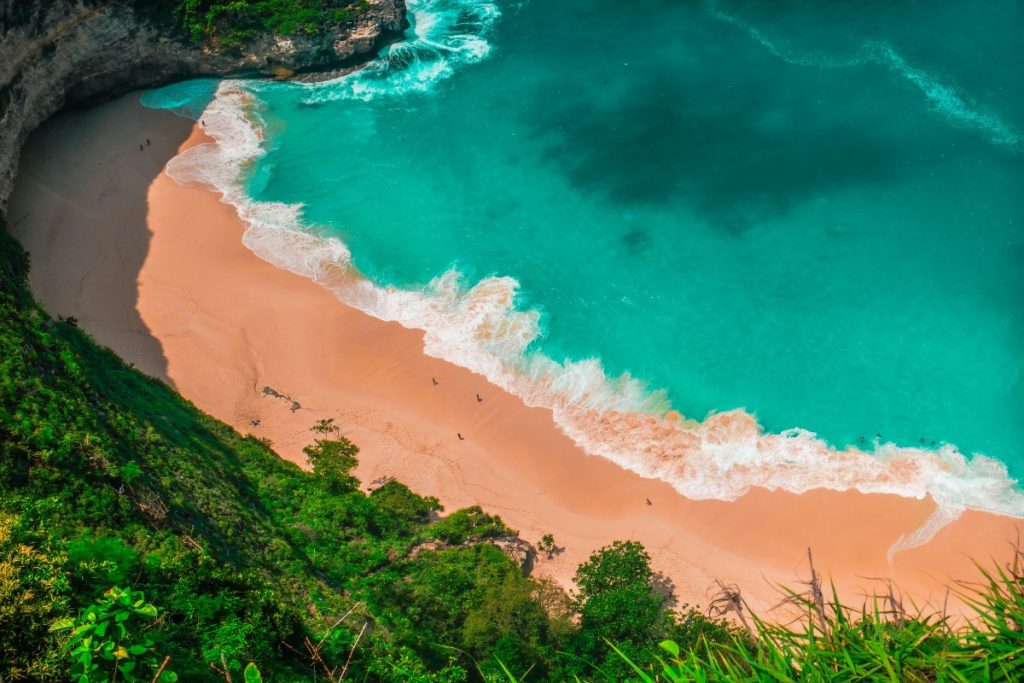
Bali is often portrayed as a party paradise filled with beach clubs and nightlife. But beyond the crowds of Kuta and Seminyak, the island offers a completely different experience — one filled with serene temples, lush jungles, quiet beaches, and deeply spiritual culture. For travelers who prefer peaceful exploration over nightlife, Bali can be one of the most rewarding destinations in Southeast Asia. From sunrise hikes near Mount Batur to meditation in ancient temples and slow days in rice terrace villages, Bali is perfect for a calm and reflective journey. If you’re building a Bali travel itinerary, this guide will help you discover the quieter side of Bali — where culture, nature, and tranquility come first. In Short (TL;DR) Bali is ideal for slow travel focused on temples, nature, and wellness. Best peaceful regions include Ubud, Amed, Sidemen, and Munduk. Skip crowded nightlife zones and focus on mountains, rice terraces, and hidden beaches. A 7–10 day Bali travel itinerary works well for non-party travelers. Ubud: Bali’s Cultural and Spiritual Heart Located in the island’s central highlands, Ubud is the perfect base for travelers seeking art, spirituality, and nature. Why Non-Party Travelers Love Ubud Unlike Bali’s coastal party areas, Ubud focuses on: Yoga and meditation retreats Traditional art and crafts Jungle landscapes Cultural performances The pace of life here is slow, reflective, and creative. Must-Visit Attractions Tegallalang Rice Terraces Sacred Monkey Forest Sanctuary Campuhan Ridge Walk These places offer scenic walks, cultural insights, and peaceful nature views. Cultural Experiences Travelers can explore Balinese traditions through: Temple ceremonies Balinese cooking classes Art workshops Local dance performances Explore Bali beyond Ubud Bali’s Sacred Temples: Spiritual Experiences Across the Island Temples are central to daily life in Bali. The island practices Balinese Hinduism, and thousands of temples exist across villages, mountains, and coastlines. Must-Visit Temples Tanah Lot – Iconic temple on a rocky offshore formation. Ulun Danu Beratan Temple – Floating temple on Lake Beratan. Lempuyang Temple – Famous for its mountain views. Besakih Temple – The largest and most sacred temple in Bali. Tips for Visiting Temples Wear a sarong and sash (often provided at entrances). Visit early morning to avoid crowds. Respect ceremonies and avoid loud behavior. Temples offer one of the most peaceful and spiritual experiences in Bali. Quiet Beach Destinations in Bali While many Bali beaches are crowded, some areas remain peaceful and untouched. Best Quiet Beaches Amed Calm fishing village Great for snorkeling and sunrise views Relaxed atmosphere Virgin Beach Clear turquoise water White sand Few tourists Balangan Beach Dramatic cliffs Excellent sunset spot Nyang Nyang Beach Long stretch of untouched coastline Requires a short hike to reach These beaches offer space, quiet, and natural beauty far from Bali’s nightlife scene. Bali’s Nature Escapes: Mountains, Waterfalls & Jungle Bali’s interior is filled with lush jungle landscapes and dramatic mountains. Top Nature Experiences Sunrise Trek at Mount Batur One of Bali’s most popular hikes Incredible sunrise views over volcanic landscapes Waterfalls in Sekumpul Waterfall Often considered Bali’s most beautiful waterfall Surrounded by rainforest Village Life in Sidemen Quiet rice-field village Authentic Balinese rural culture Mountain Retreat in Munduk Cool climate Coffee plantations Scenic hiking trails Nature-focused travelers often find these regions far more rewarding than the busy coastal towns. Learn about: Bali Travel Guide for beaches, Culture & Adventure Suggested 7–10 Day Bali Travel Itinerary (Quiet Route) Days 1–3: Ubud Explore rice terraces Visit temples Walk Campuhan Ridge Try yoga or meditation Days 4–5: Munduk Waterfall trekking Coffee plantation visits Lake temple at Ulun Danu Days 6–7: Sidemen Relax in rice-field villages Visit local temples Enjoy Mount Agung views Days 8–10: Amed Snorkeling and diving Sunrise beach walks Visit Lempuyang Temple This route highlights Bali’s most peaceful destinations. Travel Tips for a Calm Bali Experience Avoid Party Zones Skip or limit time in: Kuta Seminyak Canggu These areas focus heavily on nightlife and beach clubs. Travel Early in the Day Sunrise temple visits are magical Fewer crowds and cooler temperatures Check official site of Bali travel guide to learn about visa and other co-related tips Stay in Eco Resorts or Boutique Villas Many quiet regions offer: Jungle villas Eco lodges Yoga retreats These accommodations enhance the slow travel experience. FAQs Is Bali good for non-party travelers? Yes. Areas like Ubud, Munduk, Sidemen, and Amed offer peaceful landscapes, culture, and wellness experiences. What is the quietest part of Bali? Sidemen and Munduk are among the most peaceful regions, with few crowds and beautiful scenery. How many days do you need in Bali? A 7–10 day trip allows enough time to explore temples, nature, and beaches at a relaxed pace. When is the best time to visit Bali? The best months are April to October, during Bali’s dry season. Glossary Balinese Hinduism: A unique form of Hinduism practiced in Bali combining Hindu philosophy, ancestor worship, and local traditions. Rice Terrace Farming: A traditional agricultural method where rice is grown on stepped hillsides. Sarong: A traditional cloth worn around the waist when visiting temples. Conclusion Bali is far more than a party destination. Hidden among the rice terraces, jungle valleys, sacred temples, and quiet beaches is a peaceful island filled with spiritual traditions and natural beauty. For travelers seeking calm experiences, a carefully planned location travel itinerary by The Tarzan Way can reveal Bali’s most authentic side — sunrise volcano hikes, temple rituals, remote villages, and tranquil beaches. With slow travel and mindful exploration, Bali becomes not just a destination but a deeply meaningful journey.
Vietnam From North to South: Landscapes, Food & Cultural Shifts Explained
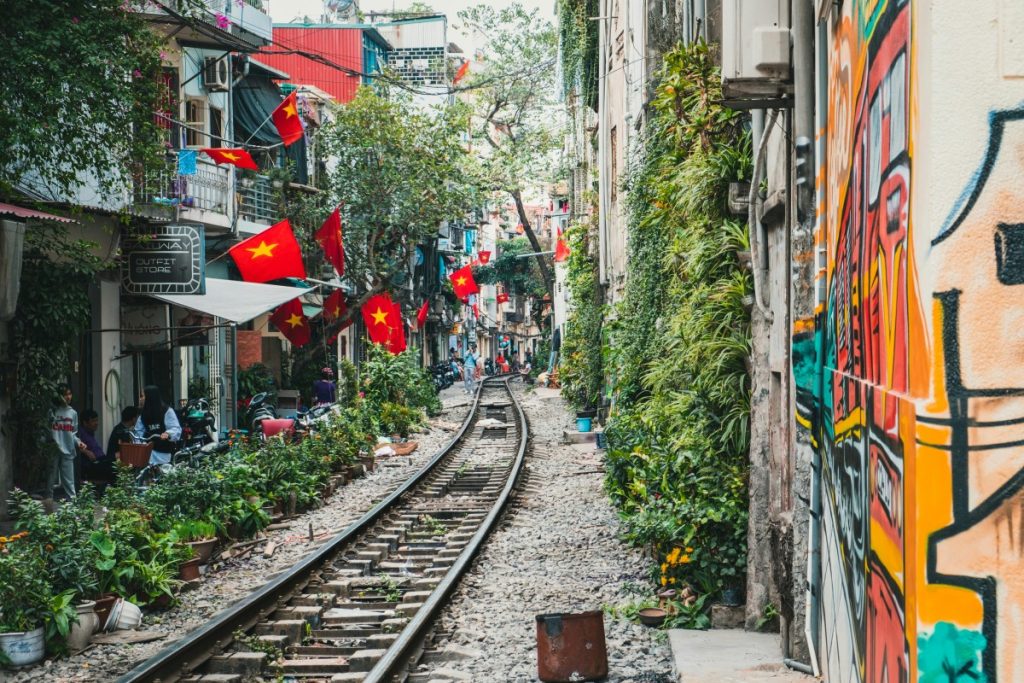
Vietnam is one of Southeast Asia’s most fascinating countries to explore from top to bottom. Stretching over 1,650 km, the country reveals dramatic changes in landscapes, cuisine, culture, and even pace of life as you travel from the misty mountains of the north to the tropical rivers of the south. From the limestone karsts of Ha Long Bay to the bustling streets of Ho Chi Minh City, every region tells a different story shaped by geography, history, and local traditions. For travelers planning a Vietnam travel itinerary, understanding these regional differences helps create a more meaningful journey. This guide breaks down the landscapes, food culture, and social vibe across North, Central, and South Vietnam. In Short (TL;DR) North Vietnam: Dramatic mountains, cooler weather, subtle flavors, traditional culture. Central Vietnam: Historic cities, imperial cuisine, cultural heritage. South Vietnam: Tropical landscapes, sweeter food, modern and energetic lifestyle. The best Vietnam travel itinerary typically moves North → Central → South for geographic and cultural flow. North Vietnam: Dramatic Landscapes & Deep Traditions Northern Vietnam is where many travelers start their journey. The region is known for its mountain scenery, historic cities, and traditional lifestyle. Read: best time to visit Vietnam Key Destinations Hanoi – Vietnam’s capital with colonial architecture and chaotic charm. Sapa – Famous for rice terraces and ethnic minority villages. Ha Long Bay – Iconic limestone islands rising from emerald water. Ninh Binh – Often called “Ha Long Bay on land”. Landscape Characteristics North Vietnam features some of the most dramatic scenery in Southeast Asia: Towering limestone karsts Misty mountain valleys Terraced rice fields Dense tropical forests These landscapes make the region perfect for: Trekking Photography Cultural homestays Nature cruises Cultural Identity The north is considered the cultural heart of Vietnam. Read more about: Best Vietnam Group Tours for Young Travelers Influences include: Ancient Vietnamese dynasties Confucian traditions Ethnic minority cultures such as the Hmong and Dao Life here often feels more traditional and slower-paced than the south. Northern Vietnamese Cuisine Food in northern Vietnam is known for clean, balanced flavors rather than intense sweetness or spice. Signature dishes include: Pho – Hanoi is the birthplace of this iconic dish. Bun Cha – Grilled pork with rice noodles and herbs. Banh Cuon Flavors are typically: Light Savory Herb-forward Central Vietnam: History, Imperial Culture & Coastal Beauty Central Vietnam sits between mountains and sea, creating a unique mix of historic heritage and coastal landscapes. Key Destinations Hue – Former imperial capital of the Nguyen Dynasty. Da Nang – Modern coastal city and gateway to central Vietnam. Hoi An Ancient Town – Lantern-lit historic trading port. Landscape Characteristics Central Vietnam offers diverse scenery: Long sandy beaches Mountain passes like Hai Van Pass Tropical forests Historic river towns Travelers often include this region in a Location travel itinerary for its balance of nature and culture. Cultural Highlights Central Vietnam reflects strong imperial and royal heritage. Important influences include: Nguyen Dynasty architecture Buddhist temples Historic trading culture in Hoi An Key sites include: Imperial City of Hue Ancient merchant houses in Hoi An Cham ruins like My Son Sanctuary Central Vietnamese Cuisine Food in this region is spicier, more complex, and visually artistic. Famous dishes include: Bun Bo Hue Cao Lau Banh Xeo Many dishes were originally created for the imperial court in Hue, resulting in beautiful presentation and rich flavors. South Vietnam: Tropical Energy & Modern Vietnam Southern Vietnam feels completely different from the north. The region is warmer, more tropical, and faster-paced. Key Destinations Ho Chi Minh City – Vietnam’s economic hub. Mekong Delta – Network of rivers and floating markets. Phu Quoc – Tropical island famous for beaches. Landscape Characteristics South Vietnam features: River deltas Tropical islands Coconut groves Floating markets The Mekong Delta is particularly unique with daily life centered around waterways. Cultural Atmosphere Compared to the north, the south feels: More cosmopolitan More business-focused Influenced by global culture Cities like Ho Chi Minh City have: Modern skyscrapers Rooftop bars International cuisine Southern Vietnamese Cuisine Southern food tends to be sweeter and more vibrant. Popular dishes include: Hu Tieu Com Tam Fresh tropical fruits like mango and dragon fruit Common flavor traits: Sweet sauces Coconut milk Fresh herbs Key Cultural Differences Across Vietnam Aspect North Vietnam Central Vietnam South Vietnam Climate Cooler winters Tropical with storms Warm year-round Landscapes Mountains & karsts Coast & historic towns Rivers & islands Cuisine Light and balanced Spicy and royal Sweet and bold Lifestyle Traditional Cultural heritage Fast-paced & modern Major City Hanoi Da Nang Ho Chi Minh City Suggested Vietnam Travel Itinerary (North → South) Many travelers follow this Vietnam travel itinerary route for the best experience. 10–14 Day Route Days 1–3 Explore Hanoi Street food tours Days 4–5 Cruise Ha Long Bay Days 6–7 Trekking in Sapa Days 8–9 Visit Hue Imperial City Days 10–11 Explore Hoi An Ancient Town Days 12–14 Discover Ho Chi Minh City Day trip to Mekong Delta Traveling north to south helps you see the natural and cultural transition of Vietnam step by step. FAQs What is the best route to travel to Vietnam? Most travelers follow Hanoi → Central Vietnam → Ho Chi Minh City, which aligns with the country’s geography. How long does it take to travel Vietnam from north to south? A comfortable trip takes 10–14 days, though 3 weeks allows deeper exploration. Which part of Vietnam has the best food? Food varies by region: North: balanced flavors Central: spicy and complex South: sweeter and tropical What is the best time to visit Vietnam? February–April and September–November usually offer the most balanced weather across the country. Glossary Karst Landscape: A terrain formed by limestone erosion, creating dramatic cliffs and caves. Floating Market: A traditional market where vendors sell goods from boats. Imperial Cuisine: Food originally prepared for Vietnamese royal courts. Conclusion Traveling through Vietnam from north to south feels like exploring three different countries in one journey. The misty mountains of Sapa, the lantern-lit streets of Hoi An, and the river life of the
Georgia’s Wine & Mountain Trail: A Cultural Route Few Travelers Know
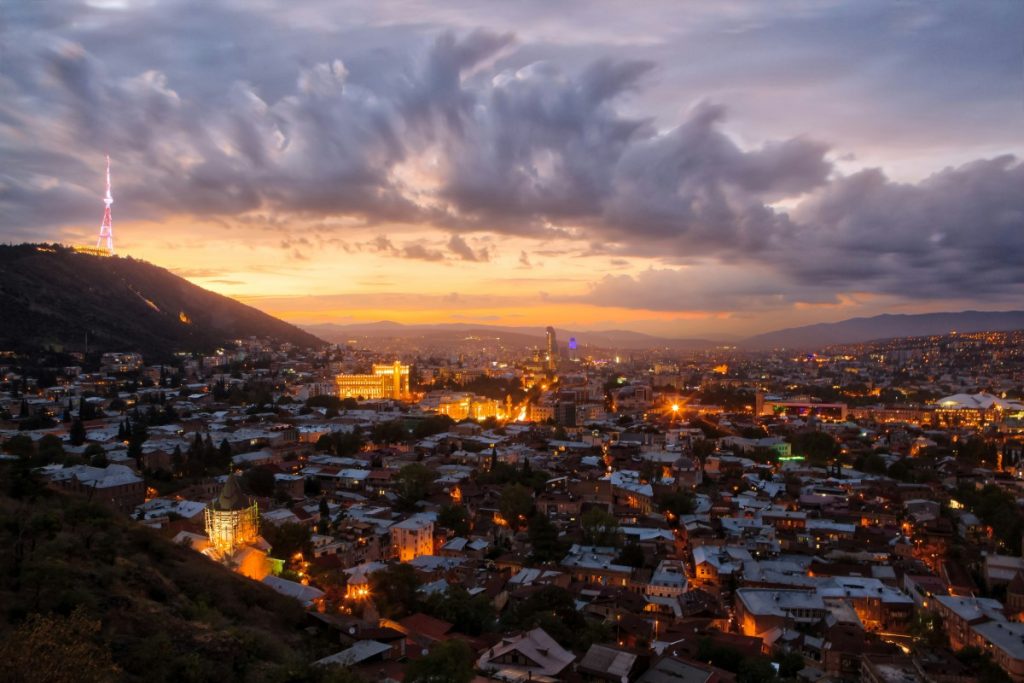
Tucked between Europe and Asia, Georgia is one of those rare destinations where ancient traditions, dramatic landscapes, and warm hospitality blend seamlessly. While most travelers flock to mainstream European hotspots, Georgia quietly offers something far more immersive—a journey through 8,000 years of winemaking and breathtaking mountain culture. If you’re looking for a unique Georgia travel itinerary, this guide will walk you through Georgia’s lesser-known yet unforgettable Wine & Mountain Trail—a route that combines vineyards, monasteries, and the mighty Caucasus mountains. Crafted with insights from The Tarzan Way, this is slow travel at its finest. In Short (TL;DR) Start in Tbilisi for culture & food Explore wine heritage in Kakheti Visit spiritual landmarks like Alaverdi Monastery Head north to Kazbegi for mountains Experience authentic village life in Svaneti Why Georgia Should Be on Your Travel Radar Georgia is often called the “cradle of wine”, thanks to its ancient qvevri winemaking technique—fermenting wine in clay vessels buried underground. But that’s just one side of the story. Here’s what makes Georgia special: A blend of European and Asian influences UNESCO-listed traditions and architecture Diverse landscapes—from vineyards to glaciers Warm, welcoming locals and rich cuisine Stop 1: Tbilisi – Where Old Meets New Your journey begins in Tbilisi, a city that effortlessly mixes history with modern charm. What to Experience Wander through the Old Town with colorful balconies Visit sulfur bathhouses in Abanotubani Try traditional dishes like khinkali and khachapuri Don’t Miss Wine bars serving natural Georgian wines Cable car ride to Narikala Fortress Why it matters: Tbilisi sets the tone—introducing you to Georgia’s culture, cuisine, and wine. Stop 2: Kakheti – The Heart of Georgian Wine Just a few hours from Tbilisi lies Kakheti, the epicenter of Georgian winemaking. What Makes Kakheti Unique? 8,000-year-old wine traditions Family-run wineries using qvevri Scenic vineyards with mountain backdrops Key Experiences Wine tastings at local cellars Vineyard tours and harvest participation (September) Traditional supra (Georgian feast) Stop 3: Alaverdi Monastery – Where Wine Meets Spirituality This centuries-old monastery isn’t just a religious site—it’s also a working winery. Highlights Monks still produce wine using ancient techniques Peaceful surroundings with panoramic views Deep cultural and spiritual significance Insight: In Georgia, wine is not just a drink—it’s part of identity, ritual, and faith. Stop 4: Kazbegi – Gateway to the Caucasus Leaving vineyards behind, head north along the Georgian Military Highway to Kazbegi (Stepantsminda). What Awaits You Dramatic mountain landscapes The iconic Gergeti Trinity Church Fresh alpine air and scenic hikes Best Experiences Jeep rides through valleys Sunrise views over Mount Kazbek Local homestays with traditional meals Stop 5: Svaneti – Georgia’s Hidden Gem If you want to go deeper into untouched Georgia, Svaneti is where the magic truly happens. Why Visit Svaneti? Medieval stone towers unique to the region Remote villages like Mestia and Ushguli Rich folklore and traditions Activities Trekking through alpine trails Exploring ancient watchtowers Experiencing authentic mountain life Suggested 7–10 Day Itinerary Day 1–2: Tbilisi City exploration, food tours, wine tasting Day 3–4: Kakheti Vineyard visits, monastery tours Day 5: Travel & Scenic Stops Drive along Georgian Military Highway Day 6–7: Kazbegi Hiking, mountain views Day 8–10: Svaneti (optional extension) Trekking and cultural immersion Travel Tips for the Route Best Time to Visit: Spring (April–June) and Autumn (September–October) Transport: Rent a car or hire a driver for flexibility Stay Options: Boutique guesthouses and family homestays Local Etiquette: Always accept wine during a supra—it’s a sign of respect What to Eat & Drink Khachapuri: Cheese-filled bread Khinkali: Juicy dumplings Churchkhela: Traditional sweet snack Amber Wine: Unique Georgian specialty FAQs What makes Georgian wine unique? Georgia uses the ancient qvevri method, fermenting wine underground, giving it a distinct flavor and texture. Is Georgia safe for travelers? Yes, Georgia is considered very safe with friendly locals and low crime rates. Do I need a visa for Georgia? Many nationalities can enter visa-free, but always check current requirements. How many days are enough for this route? 7–10 days is ideal to explore both wine regions and mountains comfortably. Glossary Qvevri: Clay vessels used for traditional Georgian winemaking Supra: A traditional Georgian feast with toasts and storytelling Caucasus: Mountain range spanning Eastern Europe and Western Asia Conclusion Georgia’s Wine & Mountain Trail is more than just a trip—it’s a journey through time, culture, and nature. From sipping ancient wines in Kakheti to standing beneath towering peaks in Kazbegi, every moment feels deeply rooted in tradition and authenticity. If you’re seeking a unique Location travel itinerary away from crowded tourist paths, this hidden cultural route is your answer. Let The Tarzan Way help you turn this into a personalized journey—crafted around your pace, preferences, and passion for meaningful travel.
Top 8 Cultural Places You Must Visit in Rajasthan
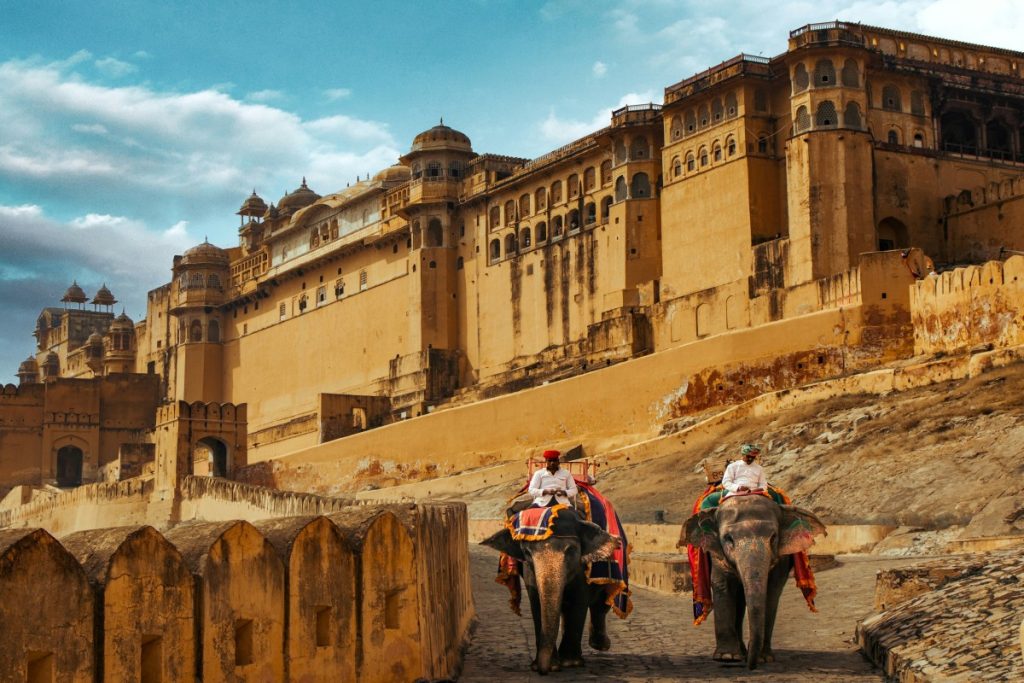
Are you planning to have a cultural rich tour this vacation? Then you are at the right place. Rajasthan is an ideal destination and is unbeatable for its royal palaces, deserts, colorful festivals, and traditions. Every city in this lively state of India has some interesting story to tell, from warrior legends and grand forts to holy lakes. This Rajasthan travel itinerary gives you one of India’s richest cultural travel experiences. No matter whether you’re interested in architecture, food, history, or local customs, this article will help you to explore the authentic heritage side of Rajasthan. This guide tells you about the top 8 cultural sites in Rajasthan and helps you know about what makes each place special, and what activities you should definitely do. 1. Jaipur – Royal Heritage & Vibrant Culture Jaipur is the cultural heart of Rajasthan. It is one of India’s most visited heritage cities of India. Jaipur is known as the Pink City and combines royal architecture, local markets, and traditional experiences. What To Do Visit Amber Fort and explore royal courtyards Explore City Palace museum and royal galleries Take photos at Hawa Mahal Walk through Johari Bazaar and Bapu Bazaar Attend cultural folk dance dinner show Visit Albert Hall Museum Unique Highlights Pink-colored old city architecture Royal Rajput and Mughal fusion buildings Traditional handicrafts and jewelry markets Local Rajasthani street food experience Cultural Experiences Block printing workshops Blue pottery shopping Traditional puppet shows Rajasthani thali dining Pro Tip Visit Amber Fort early morning to avoid crowds and heat. You can also join evening light shows, it is worth attending too. 2. Udaipur – Lakes, Palaces & Artistic Culture Udaipur is widely popular and is known for its peaceful atmosphere, royal palaces, and scenic lakes. It is the city that reflects the real cultural side of Rajasthan’s artistic culture. What To Do To experience Udaipur in the best possible way, take a boat ride on Lake Pichola Make sure to visit City Palace complex Explore the beautiful Jag Mandir island palace You can also watch folk dance at Bagore Ki Haveli Walk through old city streets for a more cultural historic vibe. Unique Highlights Lakefront palaces and temples Sunset views over Aravalli hills Traditional miniature painting art Calm and romantic cultural vibe Cultural Experiences Attend evening cultural show Visit local art galleries Explore heritage havelis Try rooftop dining with lake views Pro Tip Plan a sunset boat ride on Lake Pichola for the best photography and cultural atmosphere. 3. Jodhpur – Blue Houses & Desert Traditions To experience the desert side of Rajasthan with Marwar heritage, make sure to add Jodhpur in your itinerary. Everything like blue-painted houses and towering forts seem to create a striking cultural landscape. What To Do Explore Mehrangarh Fort museum Walk through blue streets of old city Visit Clock Tower market Try traditional Rajasthani cuisine Make sure to visit Jaswant Thada memorial Unique Highlights Blue-painted houses Massive hilltop fort Traditional desert lifestyle Local spice markets Cultural Experiences Folk music performances Local handicraft shopping Desert-inspired cuisine Heritage walking tours Pro Tip If you want to experience real peace & cultural vibe, do visit Mehrangarh Fort early in the morning for fewer crowds and better views. 4. Jaisalmer – Golden Desert Culture Jaisalmer offers one of the most authentic desert cultural experiences and the golden sandstone architecture makes the city more demanding and unique for travellers in Rajasthan. What To Do Explore Jaisalmer Fort Visit Patwon Ki Haveli Camel safari in Sam Sand Dunes Stay in desert camp Watch folk dance performance Unique Highlights Golden sandstone buildings Living fort with homes and shops Desert camping experience Star-lit cultural evenings Cultural Experiences Kalbelia dance performance Traditional desert cuisine Camel safari villages Folk music nights Pro Tip Stay overnight in desert camps for full cultural experience including music, dance, and dinner. 5. Pushkar – Spiritual Culture & Sacred Traditions Pushkar is known to be one of Rajasthan’s most peaceful cultural towns because of its spiritual atmosphere. What To Do Walk around Pushkar Lake Visit Brahma Temple Explore Pushkar markets Attend evening aarti Try rooftop cafes Unique Highlights Sacred lake with ghats Spiritual cultural environment Famous Pushkar Camel Fair Fusion of traditional and modern culture Cultural Experiences Temple rituals Yoga and meditation Local handicraft shopping Cultural cafes Pro Tip Visit during Pushkar Camel Fair for vibrant cultural activities and festivals. 6. Bikaner – Authentic Desert Heritage Bikaner offers a quieter yet culturally rich Rajasthan experience. The city preserves traditional desert culture. What To Do Visit Junagarh Fort Explore Karni Mata Temple Visit camel breeding farm Walk through old markets Try Bikaneri snacks Unique Highlights Camel culture Historic desert fort Traditional sweets and food Less crowded heritage streets Cultural Experiences Local food tasting Temple visits Heritage architecture walks Traditional shopping Pro Tip Try local Bikaneri bhujia and sweets from traditional shops. 7. Chittorgarh – Rajput History & Valor Chittorgarh is one of Rajasthan’s most historic destinations. The massive fort reflects bravery and sacrifice. What To Do Explore Chittorgarh Fort Visit Vijay Stambh See Rani Padmini Palace Attend sound and light show Visit ancient temples Unique Highlights Largest fort in Rajasthan Historic Rajput stories Panoramic hilltop views Ancient architecture Cultural Experiences Heritage walks Photography spots Historical storytelling Fort exploration Pro Tip Hire a guide inside the fort to understand historical significance. 8. Bundi – Hidden Cultural Gem Bundi is a lesser-known destination in India. But Bundi is rich in architecture and heritage. What To Do Visit Bundi Palace Explore Taragarh Fort See stepwells (Baoris) Walk through old town Visit local markets Unique Highlights Beautiful murals Stepwell architecture Quiet heritage streets Offbeat cultural vibe Cultural Experiences Photography tours Local artisan visits Heritage walks Temple visits Pro Tip Bundi is best explored on foot to discover hidden streets and stepwells. Best Time to Visit Rajasthan The best time to travel for cultural experience in Rajasthan is from October to March. The weather is nice during this period of time, which makes it easy to see the sights. There
Turkey for First-Time Travelers: Must-Visit Cities, Culture & Local Experiences (2026 Guide)
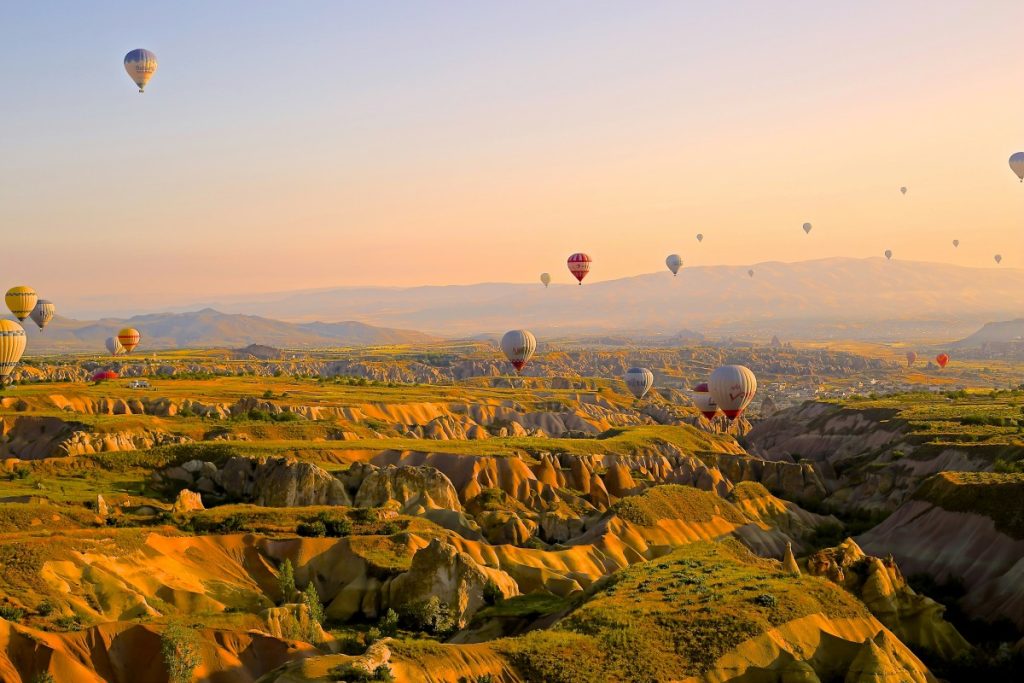
Introduction Turkey is where continents meet, cultures blend, and every city tells a different story. From the bustling bazaars of Istanbul to the surreal landscapes of Cappadocia and the turquoise coastline along the Mediterranean, Turkey offers an incredibly diverse travel experience. For first-time travelers, planning a trip here can feel overwhelming. Which cities should you visit? How do you navigate the culture? What experiences are truly worth it? In this detailed guide by The Tarzan Way, we simplify everything for you—covering must-visit cities, cultural insights, local experiences, and a complete budget in INR to help you build the perfect Turkey travel itinerary. In Short (Key Takeaways) Ideal trip duration: 7–10 days Budget: ₹4,000–₹12,000 per day Must-visit: Istanbul, Cappadocia, Antalya Best time: April–June & September–October Top experience: Hot air balloon ride in Cappadocia Why Visit Turkey for the First Time? Turkey offers a unique mix of Europe and Asia, making it ideal for first-time international travelers. What makes it special: Rich history and architecture Diverse landscapes Affordable compared to Europe Delicious and familiar cuisine for Indian travelers Must-Visit Cities in Turkey Istanbul – Where East Meets West Istanbul is the heart of Turkey and the perfect starting point. Top attractions: Hagia Sophia Blue Mosque Grand Bazaar Experiences: Bosphorus cruise Street food tours Exploring historic neighborhoods Cappadocia – Dreamlike Landscapes Famous for its fairy chimneys and sunrise balloons. Must-do: Hot air balloon ride Explore cave hotels Visit underground cities Antalya – Mediterranean Escape Perfect for beaches and relaxation. Highlights: Turquoise coast Old Town (Kaleiçi) Waterfalls and boat tours Pamukkale – Cotton Castle A natural wonder with white thermal terraces. Top experiences: Walk on travertine terraces Visit Hierapolis ruins Cultural Experiences You Shouldn’t Miss Turkish Cuisine Must-try foods: Kebabs Baklava Turkish tea and coffee Hammam (Turkish Bath) A traditional wellness experience: Steam bath Massage Relaxation ritual Local Markets & Bazaars Best places: Grand Bazaar (Istanbul) Spice Bazaar Turkey Budget Guide (INR) Daily Budget Budget Traveler (₹4,000–₹6,000/day): Hostels or budget hotels Public transport Street food Mid-Range (₹6,000–₹12,000/day): Boutique hotels Domestic flights or buses Guided tours Luxury (₹15,000+ per day): Premium hotels Private tours Fine dining Cost Breakdown Accommodation: ₹2,000–₹10,000/night Food: ₹800–₹2,500/day Transport: ₹1,000–₹4,000 Activities: ₹1,500–₹8,000 Best Time to Visit Turkey Spring (April–June): Pleasant weather, fewer crowds Autumn (September–October): Ideal for sightseeing Winter: Good for budget travel, fewer tourists Sample 8-Day Turkey Itinerary Day 1–3: Istanbul Explore historical sites Food and culture Day 4–5: Cappadocia Balloon ride Cave exploration Day 6: Pamukkale Thermal terraces Day 7–8: Antalya Beaches and relaxation Travel Tips for First-Time Travelers Following are some of the safe travel tips: Carry some cash (Turkish Lira) Use public transport in cities Dress modestly at religious sites Learn basic local phrases FAQs Is Turkey safe for first-time travelers? Yes, Turkey is generally safe for tourists, especially in popular destinations. Do Indians need a visa for Turkey? Yes, but the e-visa process is simple and quick. How expensive is Turkey compared to Europe? Turkey is significantly more affordable than most European countries. What is the best itinerary for Turkey? A mix of Istanbul, Cappadocia, and Antalya over 7–10 days works best. Conclusion Turkey is one of those rare destinations that offers history, culture, nature, and adventure all in one trip. For first-time travelers, it provides the perfect balance of comfort and exploration. Whether you’re wandering through Istanbul’s bustling streets, watching the sunrise over Cappadocia, or relaxing along Antalya’s coast, every moment feels unique and memorable. With the right location travel itinerary, your Turkey trip can be seamless, affordable, and deeply enriching. Start planning your journey with The Tarzan Way and experience Turkey like never before.
France by Regions: How Every Corner of the Country Feels Like a New Journey

Introduction France isn’t just a destination—it’s a collection of experiences that feel entirely different depending on where you go. From lavender fields in the south to vineyard-covered hills in the east and rugged coastlines in the north, every region tells its own story. If you’ve only explored Paris, you’ve barely scratched the surface. The real magic of France lies in its diversity—culture, cuisine, landscapes, and even pace of life change dramatically from one region to another. In this comprehensive guide by The Tarzan Way, we break down France by regions to help you build a well-rounded France travel itinerary—whether you’re planning a slow road trip, a cultural deep dive, or a food-focused adventure. In Short (TL;DR) France offers diverse travel experiences across its regions Provence, Normandy, Alsace, and the French Riviera all feel unique Ideal for road trips and slow travel itineraries Perfect blend of culture, food, history, and landscapes Why Explore France by Regions? Traveling through region-by-region and exploring France beyond Paris allows you to experience its true character. What makes regional travel special: Distinct cuisines and wine traditions Unique architecture and landscapes Local festivals and cultural identities Slower, more immersive travel experiences Pro Tip: Instead of rushing through multiple cities, spend 3–5 days in each region for a deeper experience. 1. Île-de-France – The Cultural Heart Beyond Paris Île-de-France is often associated with Paris, but the surrounding region has much more to offer. Highlights: Royal palaces like Palace of Versailles Charming towns and countryside escapes World-class museums and historical landmarks Experience: Day trips from Paris Art, history, and architecture 2. Provence – Sun, Lavender, and Slow Living Provence is the essence of southern France—warm, colorful, and relaxed. What defines Provence: Lavender fields (best in June–July) Hilltop villages and local markets Mediterranean climate Must-visit places: Aix-en-Provence Avignon Gordes Best for: Photography, slow travel, and cultural immersion 3. French Riviera (Côte d’Azur) – Glamour Meets Coastal Beauty French Riviera offers a mix of luxury and natural beauty. Highlights: Turquoise Mediterranean waters Stylish beach towns Vibrant nightlife Top destinations: Nice Cannes Monaco Ideal for: Beach lovers and luxury travelers 4. Normandy – History and Coastal Charm Normandy is rich in history and natural beauty. What makes it unique: Dramatic cliffs and coastline Key sites from D-Day landings Quaint seaside towns Must-see: Mont Saint-Michel Étretat 5. Alsace – A Blend of France and Germany Alsace feels like a fairytale with its unique cultural mix. Distinct features: Half-timbered houses Wine routes and vineyards German-influenced cuisine Top towns: Strasbourg Colmar Best for: Winter travel and wine lovers 6. Loire Valley – Castles and Countryside Loire Valley is known as the “Garden of France.” Highlights: Stunning châteaux (castles) Scenic countryside Wine tasting experiences Must-visit castles: Château de Chambord Château de Chenonceau 7. Bordeaux – Wine Capital of the World Bordeaux and its surrounding region are synonymous with wine. What to expect: World-famous vineyards Elegant architecture Gourmet food culture Experiences: Vineyard tours Wine tastings Riverside walks 8. French Alps – Adventure and Scenic Beauty French Alps offer year-round appeal. Winter: Skiing and snowboarding Summer: Hiking and mountain lakes Top destinations: Chamonix Mont Blanc 9. Brittany – Rugged Coastlines and Celtic Roots Brittany has a completely different feel from the rest of France. Unique traits: Dramatic cliffs and lighthouses Celtic cultural influences Fresh seafood cuisine Must-see: Saint-Malo Budget & Travel Tips for France Planning a smart Location travel itinerary helps you make the most of your trip. Budget tips: Travel by train using regional passes Stay in smaller towns for lower costs Eat at local bakeries and markets Travel tips: Learn basic French phrases Book popular attractions in advance Travel off-season for better prices Best Time to Visit Each Region Seasonal breakdown: Spring (April–June): Provence, Loire Valley Summer (July–August): French Riviera, Alps Autumn (Sept–Oct): Bordeaux, Alsace Winter (Dec–Feb): Alps, Alsace (Christmas markets) How to Plan Your France Itinerary Step-by-step framework: Choose 2–4 regions based on your interests Plan travel routes (train or car) Allocate 3–4 days per region Mix cities with countryside experiences Keep buffer days for relaxation FAQs How many regions should I visit in one trip to France? 2–4 regions are ideal for a 10–14 day trip to avoid rushing. What is the best way to travel across France? Trains are fast and efficient, but renting a car is best for rural regions. Is France expensive for tourists? It can be, but smaller towns and off-season travel help reduce costs. Which region is best for first-time visitors? Île-de-France and the Loire Valley offer a great mix of culture and scenery. Glossary Château: A French castle or manor house Terroir: The environmental factors that affect a crop’s characteristics (especially wine) Côte d’Azur: French term for the French Riviera Conclusion France is not just one destination—it’s a collection of journeys waiting to be experienced. Each region offers something completely unique, from the lavender-scented air of Provence to the historic shores of Normandy and the vineyard landscapes of Bordeaux. By exploring France region by region, you unlock a deeper, richer travel experience that goes far beyond the usual tourist trail. Whether you’re crafting a cultural escape, a culinary adventure, or a scenic road trip, building a thoughtful Location travel itinerary is the key. Start planning your journey with The Tarzan Way and discover how every corner of France feels like a brand-new adventure.