

Bollywood-Inspired Travel: 10 Bollywood Movie Locations in India
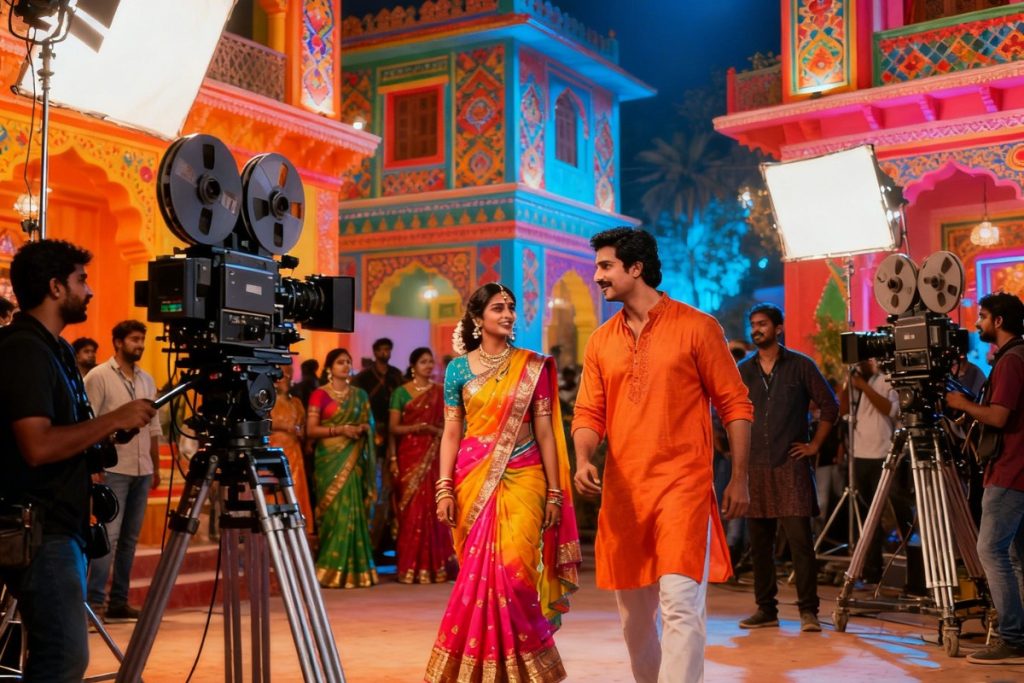
Bollywood is more than just a film industry in fact it is a source of inspiration for travel.The films are set in a number of places that have become popular travel destinations worldwide. Many famous movie scenes were filmed in places you can still visit today, from snow-covered mountains and royal palaces to busy streets and serene beaches. A single song has the power to inspire you to pack your bags, create a Bollywood-themed travel itinerary, and track down the precise location of your favorite scene.The best part? Many of these famous sites are actual locations that you can visit, explore, take pictures of, and experience exactly like the characters did on screen. If you want to experience India through the eyes of film makers, then these Bollywood movie locations are a perfect place to start. 1. Pangong Lake, Ladakh – Where the Ending of 3 Idiots Lives On Famous films: 3 Idiots, Jab Tak Hai Jaan Why it feels special: Pangong Lake doesn’t look real even when you’re standing in front of it. The water shifts shades of blue and green through the day, and the silence makes the place feel almost unreal. What to do beyond the movie spot: Drive along the lake for quieter viewpoints Visit nearby villages for a glimpse of Ladakhi life Stay overnight to see the lake under moonlight Unique highlights: Pangong Lake changes color multiple times a day due to sunlight angles Located at over 14,000 ft, making it one of the highest filming locations in India Best visited between May and September Travel tip: Acclimatization is key. Spend at least one day in Leh before heading here. 2. Udaipur, Rajasthan – Bollywood’s Favorite Romantic Backdrop Famous films: Goliyon Ki Raasleela Ram-Leela, Yeh Jawaani Hai Deewani Why filmmakers love it: As a naturally cinematic place, Udaipur’s lakes, palaces, and old streets do not require filters to showcase their beauty. How to experience it like a film scene: Go for a sunset boat ride across the lake Pichola. Explore City Palace’s courtyards in the early morning. Dining in the evening at Rooftop Cafes with vistas across the lake. Travel tip: To get more filming locations and better scenic views, stay in the old part of the city. 3. Manali, Himachal Pradesh – Road Trips, Snow & Feel-Good Scenes Famous films: Yeh Jawaani Hai Deewani, Jab We Met Why it works on screen: Manali is ideal for coming-of-age movies and it’s full of winding roads and unexpected snowfall, along with great little cafes. Don’t just stop at the famous spots: Check out Old Manali, where you can find great cafes and peaceful lanes Take scenic shots by driving up to Solang Valley. Also, take some short-themed hikes through the forest when you’re out sightseeing. Travel tip: When sightseeing, go early in the day to beat the crowds; peak seasons are especially heavy with traffic! 4. Kashmir Valley – Poetry, Emotions & Natural Drama Famous films: Haider, Bajrangi Bhaijaan What makes it unforgettable: Kashmir’s landscapes don’t need a script—they already tell a story.Often referred to as Bollywood’s original outdoor studio.Dal Lake shikara scenes are filmed at dawn for soft lighting. Beyond Dal Lake scenes: Visit Pahalgam for open valleys and rivers Explore Gulmarg meadows if weather allows Try a traditional shikara ride at sunrise Travel tip: Plan with flexibility. Best visited between April and October.Weather and local conditions can change quickly. 5. Mumbai – The City That Is Bollywood Famous films: Wake Up Sid, Bombay, Dil Chahta Hai Why this city feels cinematic: From Marine Drive to narrow Bandra lanes, Mumbai is constantly playing itself in films. Experience Mumbai like a movie montage: Morning walk at Marine Drive Explore Bandra’s cafés and street art Take a Bollywood studio tour if you’re curious Travel tip: The early morning walk along Marine Drive provides an opportunity to see popular locations without the crowds. 6. Goa – Where Every Frame Feels Like a Holiday Famous films: Dil Chahta Hai, Dear Zindagi Why Goa keeps coming back on screen: Beaches, forts, sunsets, and a relaxed atmosphere are what make Goa the vacation spot for Bollywood. More than just Chapora Fort: Visit quieter beaches in South Goa Explore Portuguese-era streets and churches Watch sunsets from lesser-known viewpoints Goa is good at any point of time, but is best between October and March when it’s cool. Most of the beach scenes are filmed in the early morning and late evening. Travel tip: Renting a scooter will allow you to explore the filming sites of a movie at your comfort. Explore South Goa for quieter filming locations. 7. Jaipur – Royal Frames & Historic Drama Famous films: Bajrangi Bhaijaan, Jodhaa Akbar Why it stands out: Jaipur can transform into any historical city in a movie while remaining true to its heritage. Explore beyond the famous forts: Walk through old bazaars early morning Visit lesser-known stepwells nearby Catch cultural shows in the evening Unique highlights: Amber Fort and Hawa Mahal are frequently used for historical scenes Jaipur is featured in films as many different fictional cities when it comes to shooting movies. The best time to visit Jaipur is between October and March. Travel tip: Winter is best for long sightseeing days without heat fatigue. 8. Kolkata – Old Souls & Quiet Storytelling Famous films: Piku, Parineeta What gives it character: Kolkata’s charm lies in its lived-in feel—perfect for emotional, grounded stories. How to soak it in: Walk North Kolkata’s old neighborhoods Visit heritage cafés and bookshops Watch life unfold along the Hooghly River Unique highlights: North Kolkata’s old lanes are preserved for period films Many locations are residential neighborhoods Ideal for slow, culture-focused travel Travel tip: Slow down. This city rewards patience and curiosity. 9. Rann of Kutch – Vast, Bold & Visually Striking Famous films: Ram-Leela Why it looks unreal on screen: The endless white desert creates powerful visual contrast. Make the most of your visit: Time your trip with Rann Utsav Explore nearby craft villages Stay overnight for stargazing Filming
Best Temple Destinations to Visit in India During Festival Time
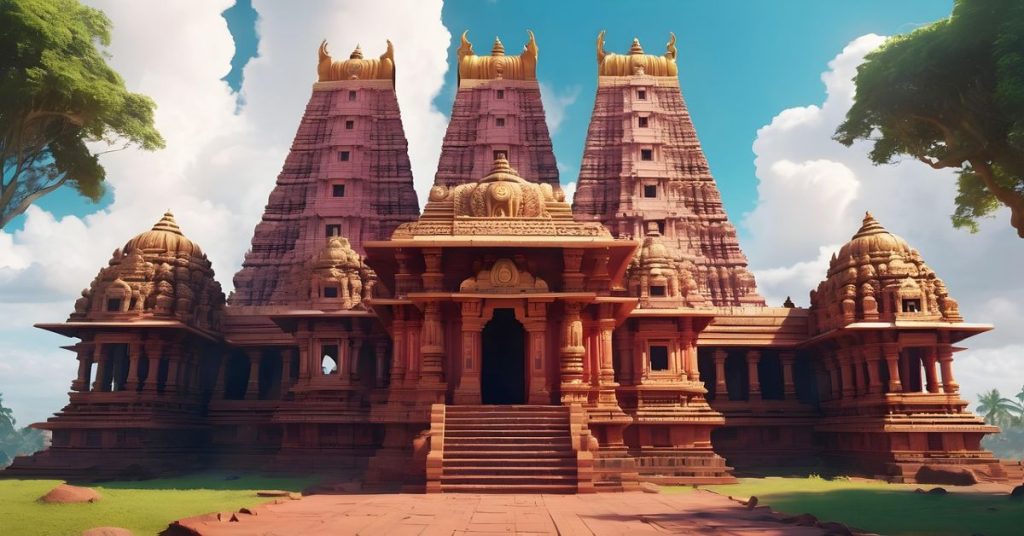
For those with a passion for travel and a desire to experience it in a deep way, there can be no better way than to plan their trip for India with temple festivals. A visitor to India will have the opportunity not only to witness the great scenery, but also to take part in the daily lifestyles of the people during times of celebration. When planning a temple-based trip with an organized temple-focused itinerary and an expectation of attending festivals and participating in (or at least observing) the rituals and activities, visitors will have the unique benefit of seeing how much cultural and spiritual life connects with each location. The ability to choose from the vast number of festivals throughout the year allows the traveller to develop travel routes that combine religious sites with cultural festivals. Temple festivals are ideal anchors for travel destinations as they naturally combine elements of history, devotion, and culture, whether creating an itinerary of a few days or covering multiple states. Why Plan a Temple-Focused Itinerary During Festivals Temple travel is enhanced by festive seasons, which transform static landmarks into vibrant cultural centers. For tourists, this means: Eye-witnessing rare rituals that are only carried out during festivals. Experiencing local way of life through food, music, and processions Organizing travel schedules around specific festival dates A festival-based itinerary maximizes cultural exposure while establishing a clear travel schedule. North India Temple Itinerary During Festive Seasons Varanasi & Prayagraj (Dev Deepawali and Kartik Purnima) This itinerary focuses majorly on sacred river cities. Varanasi’s morning rituals and evening aartis Festive ghats illuminated with lamps For a day trip, visit the holy river in Prayagraj. Best time: October–November Ideal for: Spiritual travelers and first-time visitors East India Temple Travel Route Puri & Bhubaneswar (Rath Yatra and Monsoon Festivals) Cultural immersion is possible along this coastal temple route. Jagannath Temple celebrations in Puri Bhubaneswar temple architecture tours Coastal experiences alongside pilgrimage Best time: June–July Ideal for: Cultural explorers and heritage travelers South India Temple Itinerary During Festivals Madurai – Rameswaram – Thanjavur (Chaitra & Shivratri Festivals) This traditional temple circuit in South India is festival-rich. Madurai’s Meenakshi Temple ceremonies Sacred water rituals in Rameswaram Chola-era temples and traditions in Thanjavur Best time: March–April or February Ideal for: Slow travelers and history lovers Western India Temple Festival Route Ujjain – Omkareshwar (Maha Shivratri) A short itinerary focused on the temples of Jyotirlinga. Night-long rituals at Mahakaleshwar River-based ceremonies in Omkareshwar Spiritual towns connected by road travel Best time: February–March Ideal for: Short spiritual getaways More Must-Visit Temple Destinations During Indian Festive Seasons Adding a variety of must-visit temple destinations to your itinerary gives it more depth and flexibility. Tirupati, Andhra Pradesh (Brahmotsavam) It is one of India’s most visited temples especially during festive time. Massive processions and temple rituals Well-organized infrastructure for pilgrims Can be combined with Chennai or Vellore itineraries Best time: September–October Sabarimala, Kerala (Mandala & Makaravilakku Season) A unique Kerala’s pilgrimage itinerary rooted in strict traditions. Forest routes and hill trekking Seasonal-only darshan windows Often combined with Kerala backwater travel Best time: November–January Dwarka, Gujarat (Janmashtami) A coastal temple destination tied to Krishna legends. Festive temple décor and midnight rituals are the best thing to experience. Easy to combine with Somnath and coastal Gujarat Ideal for short religious road trips Best time: August–September Kamakhya, Assam (Ambubachi Mela) A powerful destination for spiritual and cultural travelers. Large gatherings and unique ceremonies are observed. The trip can be combined with exploration to Northeast India Best time: June Shirdi, Maharashtra (Sai Baba Punyatithi & Ram Navami) A high-demand spiritual destination during festivals. Devotional processions and extended temple hours Strong rail and road connectivity Suitable for short, focused itineraries Best time: March–April, September–October Vaishno Devi, Jammu (Navratri) It blends mountain travel along with a spiritual pilgrimage experience. The route to the temple is the best scenic trekking route. Festive chants and celebrations Can be extended to Patnitop or Kashmir Best time: March–April, September–October Lesser-Known Temple Destinations for Festival Travel Ideal for the travelers seeking quieter routes: Chidambaram during Natyanjali Dance Festival Guruvayur during Ekadasi celebrations Hampi during Virupaksha Temple festivals These destinations suit travelers who prefer offbeat itineraries. Best Months to Plan Temple Festival Travel in India October to February: Best weather and major festivals are celebrated during this time. March to April:It is a time of significant temple rituals with rising heat. June to July: Region-specific festivals with fewer tourists Aligning festivals with weather improves itinerary comfort. How Many Days Are Ideal for a Temple Festival Itinerary? For a single-city festival trip experience,ideal days of trip will be 3–4 days.>For the regional temple circuit,5–7 days are ideal.>For multi-state festival route.8–10 days are ideal. Travel duration depends on festival density and travel pace. Temple Festival Dress Code: What to Wear Festive temple travel requires respectful and practical clothing. What to Wear Modest clothing covering shoulders and knees Cotton outfits for warm regions Shawls or scarves for head covering where required Comfortable footwear for walking (easy to remove) What to Avoid Shorts, sleeveless tops, or revealing clothes Heavy gold or diamond jewelry during crowded festivals Tight or restrictive outfits Flashy or overly casual beachwear Dress codes may vary by temple, so checking local customs is recommended. What to Carry for Temple Festival Travel Packing smart for temple visits improves comfort and safety. Essentials to Carry Small backpack or sling bag Reusable water bottle Hand sanitizer and wet wipes Light jacket for early mornings or evenings Printed and digital copies of bookings Minimal cash for temple offerings What Not to Carry Large bags or backpacks (often restricted) Expensive electronics or valuables Drones or professional camera gear without permission Food items inside temple premises Travel light to move easily through crowds. Where to Stay During Temple Festivals Accommodation choices impact festival experience. Temple guesthouses for proximity Heritage hotels for cultural immersion Nearby cities for crowd avoidance Booking early is essential during peak festival periods. Practical Travel Tips for Temple Festival Itineraries Book accommodations early near
India’s Food Festivals: When & Where to Travel
In India, food is not only a source of nourishment but also a symbol of celebration, identity, and storytelling. From silver-plated royal thalis to smoky street grills, every region expresses itself through flavor. Planning your trip around India’s culinary festivals is one of the most rewarding ways to experience the country. These events showcase regional cooking methods, customary recipes, in-season ingredients, and cutting-edge culinary creativity all in one place. Building a food festival itinerary offers a reason to travel with appetite and purpose, no matter whether you’re a street food lover, a dessert enthusiast, or someone curious about India’s culinary heritage. India’s food festivals bring these traditions together, turning cities and towns into vibrant tasting locations where tourists can gradually get a taste of the country. Why Food Festivals Are a Must-Experience in India In India, food festivals involve much more than just eating. These are cultural gatherings that unite community, agriculture, history, and climate. Many festivals have a strong connection to local life because they are associated with harvest seasons, religious holidays, or royal customs. These celebrations offer tourists: Availability of authentic regional cuisine in a single location. Opportunities to interact with local chefs, home cooks, and food artisans. A chance to sample seasonal or time-limited specialties. Without needing to travel across the state borders, India’s culinary festivals give tourists a daily opportunity to experience the nation’s diversity. Best Food Festivals in India (Month by Month) India’s year-round food festivals calendar makes it simple to arrange your food-focused travel throughout the year based on your taste. January – National Street Food Festival (New Delhi) One of the most well-known food festivals in India, it honors street cuisine from all over the nation. Recipes from over 20 Indian states Iconic snacks like chaat, momos, kebabs, and dosas Live music and cultural performances This festival is ideal for all the first-time visitors and also for those food-enthusiast travelers who are looking for a crash course in Indian street cuisine. February – Goa Food and Cultural Festival (Goa) Goa’s culinary festival showcases its Portuguese influence and coastal flavors. Fresh seafood, Goan curries, and desserts Beachside atmosphere and live entertainment A blend of modern and traditional Goan cuisine It’s perfect for tourists who want leisurely coastal travel combined with culinary adventures. March – Hornbill Festival Food Trails (Nagaland) Hornbill offers one of India’s most distinctive culinary experiences, despite being primarily a cultural festival. Tribal dishes and smoked meats Fermented foods and local brews Indigenous cooking techniques For all the adventurous diners and culture-focused travelers, this celebration is ideal to plan your trip to India. July – Mango Festivals (Multiple Cities) Summer in India brings mango season. The seasonal highlight mango is celebrated across states like Delhi, Mumbai, and Uttar Pradesh. Hundreds of mango varieties Mango-based dishes, drinks, and desserts Tastings and competitions Mango festivals are short but highly anticipated, making them a seasonal highlight. August – Onam Sadya Season (Kerala) While not a single festival event, Onam is Kerala’s biggest food celebration. Traditional vegetarian feast served on banana leaves Over 20 dishes prepared during the festival Emphasis on seasonal produce and balance Traveling to Kerala during Onam is a must for lovers of traditional Indian meals. October – Dussehra & Navratri Food Festivals (Multiple Cities) Autumn brings regional food festivals tied to religious celebrations. Fasting foods and festive sweets Regional variations in vegetarian cuisine Street food stalls and temple offerings These festivals highlight India’s spiritual connection to food. November – International Food Festival (Delhi & Mumbai) This festival blends Indian and global cuisines. Indian regional stalls alongside international food counters Chef demonstrations and culinary workshops Family-friendly atmosphere It’s ideal for travelers seeking variety in one location. December – Winter Food Festivals & Christmas Feasts (Pan-India) Winter is the peak food festival season in India to experience multiple culture-riched authentic cuisines. Regional winter specialties and comfort foods. Christmas food festivals in Goa, Kerala, and Northeast India Open-air night markets and pop-up food events. December combines food exploration with festive travel energy. Best Destinations in India for Food-Lover Travel When it comes to food-focused travel, some cities consistently stand out to be listed in India’s best foodie destinations for authentic regional cuisine. Delhi Known for its street food, Mughlai cuisine, and food festivals. Kashmir Kashmiri food is well known for its aromatic Wazwan feasts, saffron-infused dishes, traditional breads, and seasonal specialties. Mumbai Famous for snacks, coastal flavors, and multicultural food events. Kolkata Celebrated for sweets, fish dishes, and traditional Bengali cuisine. Chennai Offers South Indian staples and temple food traditions. Lucknow Renowned for Awadhi cuisine and slow-cooked royal recipes. Ladakh Known for its unique Ladakhi cuisine.Offers a distinctive high-altitude food experience with dishes like thukpa, momos, and butter tea, reflecting Tibetan influences. What Makes India’s Food Festivals Unique India’s culinary celebrations are unique because: Recipes are often passed down generations Many dishes are seasonal and unavailable year-round Regional differences in cooking techniques are significant. Here, the cuisine is very local and not standardized. Travel Tips for Visiting India’s Food Festivals To avoid long queues, arrive early. Start with small portions to try more dishes Drink plenty of water and take your time. Seek advice from locals. Food festivals can be very rewarding, but they can also be intense. Regional Food Festivals You Shouldn’t Miss Food festivals in India are a reflection of both taste and regional identity. North India: Rich gravies, breads, and festive sweets South India: Rice-based dishes, coconut flavors, and temple cuisine East India: Fish curries, rice desserts, and seasonal sweets West India: Street snacks, farsan, and festival thalis Beyond popular dishes, a deeper understanding of cuisine can be gained by traveling region by region. Budgeting for a Food Festival Trip in India Traveling to India with an emphasis on food can be reasonably priced. Entry fees are often minimal or free Food is less expensive than dining at a restaurant. Cities offer reasonably priced accommodations Food festivals make it possible to have luxurious travel experiences without breaking the bank. Who Should
Haunted Places in India That Give You the Stranger Things Vibe
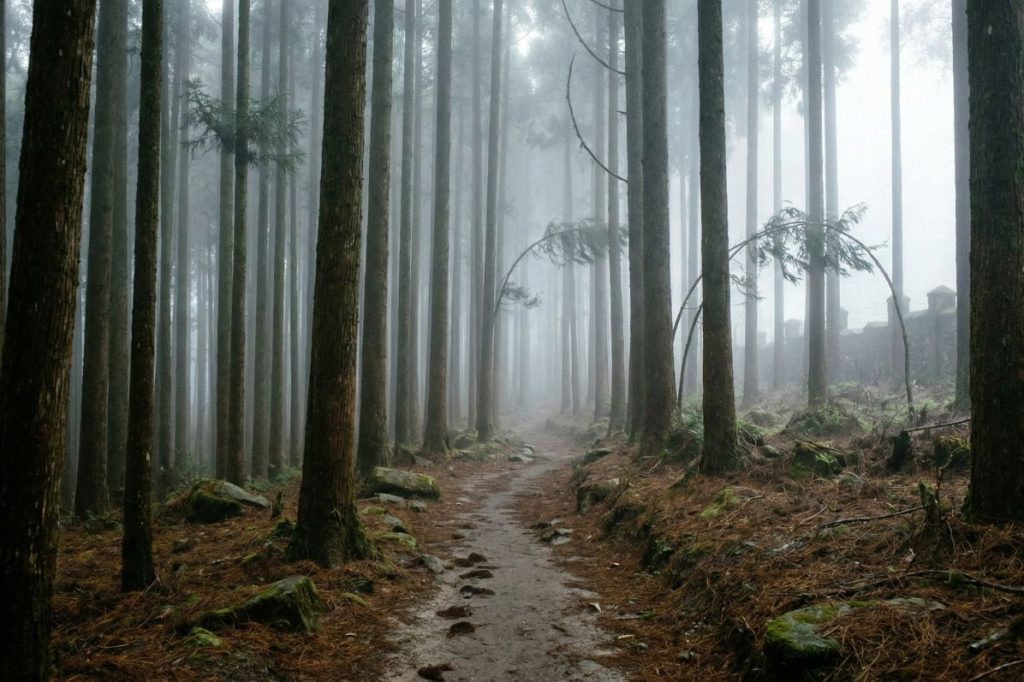
Last Updated: 02 Mar 2026 Introduction Ever since Stranger Things released, the world has been chasing that Hawkins vibe – foggy streets, flickering lights, dense forests, and the feel that something might crawl out of the shadows at any moment. This series provided viewers with much more than just Demogorgons, telekinesis and psychic powers from Eleven, and Mind Flayers-it also established a whole new aesthetic. The combination of nostalgia for small-town America, 1980s mystery, supernatural danger, and the friendship connections found in the midst of chaotic experiences shaped our perspectives on traveling to spooky locations. It is not just the monsters that hooked viewers – it is the atmosphere. The empty roads that feel too quiet. The woods that seem to breathe. The abandoned structures that whisper stories. That classic Stranger Things silence that somehow feels louder than noise. All over the globe, including in India, there are real locations where you can experience those intense feelings that draw fans to the show, such as: the intrigue that makes Dustin’s curiosity spike the thrill that would make Steve grab his nail-bat the uneasy quiet Eleven senses before something strange happens the wonder that turns every mystery into a Mike-and-Will adventure These eerie landscapes offer more than stunning visuals; they also provide a powerful source of nostalgia, suspense, and unbridled adventure that can transport fans back into the world of Stranger Things. The same combination of emotions that made the show so successful is present in off-the-beaten-path locations across the globe, whether it’s a ghost village deep within the forest, a haunted woodlands, or deserted industrial buildings. IN SHORT If you love Stranger Things, there are real places around the world-and in India-that evoke the same spooky, cinematic energy. These locations share: Abandoned or forgotten landscapes Disturbing legends or paranormal claims Dense forests, fog, tunnels, and empty structures Vibes similar to Hawkins Lab, the Upside Down, and the show’s supernatural setting In this part of the guide, you will explore: What makes a place feel like Stranger Things Kuldhara Village – one of India’s most mysterious abandoned settlements Lambi Dehar Mines – an eerie hillside location resembling Hawkins Lab’s secrecy Each destination includes traveller insights, visual cues, and reasons why they mirror the show’s atmosphere. What Makes a Place Feel Like Stranger Things? A real-world place feels like Stranger Things when it carries the same blend of mystery, subtle horror, and “something is not right here” energy. It is not only about abandoned structures-it is about ambience. Key Elements That Create the Stranger Things Vibe Isolation and silence – Small towns, empty villages, or remote hills that instantly feel unsettling. Abandoned architecture – Mines, derelict buildings, ghost villages, or underground areas. Fog, forests, and dim lighting – Natural elements that create the perfect eerie canvas. Folklore and legends – Stories of disappearances, curses, hauntings, or unexplained phenomena. Cold, industrial energy – Structures that resemble Hawkins National Laboratory: secretive, abandoned, or heavily guarded in the past. “Upside Down” resemblance – Overgrown vegetation, twisted pathways, or places where nature feels unnatural. Emotional Triggers Similar to the Show A sense of being watched Sudden quietness Atmospheric tension Visual cues like cracked walls, rusting machinery, or unlit corridors Why Travellers Love These Places They offer cinematic adventure beyond traditional tourism. They appeal to fans of dark tourism, paranormal experiences, and offbeat travel. They create opportunities for incredible photo shoots and storytelling. Stranger Things-like locations combine nostalgia, mystery, and adrenaline-making them perfect for explorers seeking something beyond the typical “beautiful place”. 1. Kuldhara Village, Rajasthan – The Real-Life Upside Down Kuldhara is often described as one of India’s eeriest abandoned sites, and for good reason. Walking through its deserted lanes feels like stepping into the Upside Down-silent, frozen in time, and charged with an invisible tension. Why It Feels Like Stranger Things Abandoned overnight – Just like Hawkins’ sudden chaos, the entire Paliwal Brahmin community vanished in one night. Desolate architecture – Crumbling havelis, broken walls, and empty pathways create a post-apocalyptic aesthetic. Absolute silence – The village remains untouched, giving it a haunting “another dimension” vibe. Local myths – Residents believe the village is cursed, adding a supernatural layer similar to Hawkins’ whispers. Visual Similarities Vast barren surroundings resembling the Upside Down’s empty landscapes Lack of human activity Wind sweeping through narrow lanes, creating eerie sound patterns Ideal For Fans of mystery and dark tourism Photographers looking for cinematic, dystopian frames Travellers exploring haunted or abandoned destinations Kuldhara’s stillness and visuals make it one of the closest real-life parallels to Stranger Things’s most terrifying dimension. 2. Lambi Dehar Mines, Mussoorie – The Hawkins Lab Energy Located in the hills of Mussoorie, the abandoned Lambi Dehar Mines carry an unsettling mix of industrial silence and paranormal mystery-very similar to the dark aura surrounding Hawkins National Laboratory. Why It Feels Like Hawkins Lab Industrial ruins – Old mining tunnels, rusted machinery, and derelict structures create a sinister scientific-facility vibe. History of tragedy – Thousands of miners reportedly died due to unsafe working conditions, embedding a sense of sorrow and disturbance. Restricted areas – Some parts remain inaccessible, enhancing the feeling of secrecy. Frequent paranormal claims – Locals report strange noises, screams, and unexplained shadows after dark. Atmospheric Elements Thick forests surrounding the site Fog rolling down the hills, reducing visibility A strange, metallic smell around certain tunnels Complete absence of daily human movement Ideal For Adventure travellers Dark tourism enthusiasts Fans looking to experience the unsettling Hawkins Lab aesthetic firsthand Lambi Dehar Mines blends industrial dread, paranormal rumours, and natural eeriness-making it feel straight out of a Stranger Things subplot. 3. Dow Hill, Kurseong – Mirkwood Forest in India Dow Hill in Kurseong is one of India’s most unsettling forest regions, known for phantom sightings, unexplained footsteps, and a deep silence that feels engineered. With mist-covered pine trees, narrow trails, and a chilling emptiness, it strongly resembles the “Mirkwood” forest sequences in Stranger Things-especially the scenes where Will Byers disappears. Why It
Best winter destinations in India for couples and families
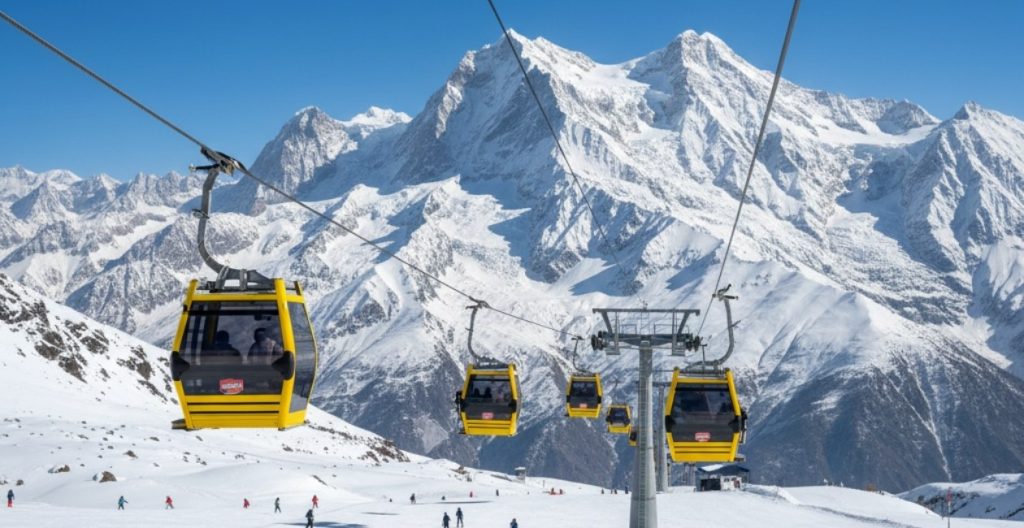
The winter season brings winter landscapes in India to life, with postcard landscapes of snow-clad peaks, misty yet lush pine dotted valleys, glistening lakes, bustling hill towns, and the warm interiors of cozy lodgings. It is the ideal time to travel with someone you love, or for a family winter break to experience some of India’s best destinations with great comfort, sights, activities, quietness or simply spend time together and share experiences. From the pristine powder of Gulmarg to the colonial splendour of Shimla to the tranquil lakes at Nainital to the best ski resorts at Auli, whatever the destination, there is always something to explore and enjoy. For couples – quiet mountain mornings, warm cabin interiors at suitable times, and stargazing strolls around the lodgings at night, should bring fond memories. Families should make winter memories by playing in the snow, conducting picturesque drives, and winter activities wherever they go! KEY TAKEAWAYS Best romantic winter destinations: Gulmarg, Manali–Solang, Shimla, Auli Best family-friendly spots: Pahalgam, Nainital, Mussoorie, Auli Best snow experiences: Gulmarg (skiing), Auli (ski slopes), Manali (adventure), Sonamarg (sledging) Warm winter getaways: Udaipur, Jaipur, Coorg (optional later sections) Top budget-friendly options: Dhanaulti, Kufri, Chopta, Patnitop Best time for snowfall: Late December to mid-February BEST ROMANTIC WINTER DESTINATIONS Beautifully curated destinations ideal for honeymooners, slow travellers, and couples seeking intimacy, privacy, and magical winter landscapes. 1. Gulmarg – India’s Most Romantic Snow Destination Gulmarg’s soft snow, forested hills draped in pine, and quiet luxury accommodation make it one of the most romantic winter destinations in India. Picture being cozy in a wooden chalet, sipping hot chocolate while flakes of snow tumble outside, the ideal atmosphere for winter romance. Why Couples Love Gulmarg Beautiful private cabins and boutique resorts Gondola rides offering surreal views of the Himalayas Quiet, scenic landscapes perfect for long walks One of India’s best places to experience real, deep snow Romantic Things to Do Gondola ride to Apharwat Peak Skiing & snowboarding Candlelight dinners with mountain views Sleigh rides through snowy meadows Best Time: Late December – March Ideal For: Honeymooners, couples seeking privacy, adventure-loving couples 2. Manali & Solang Valley – Romance + Adventure A winter favourite, Manali blends adventure with charm – perfect for couples who want cosy cafés, snowy landscapes, and activities like paragliding and skiing. Why Manali Works for Couples Snowy roads and pine forests Warm, café-filled Old Manali Hot springs in Vashisht Close access to Solang Valley for winter sports Romantic Experiences Café-hopping in Old Manali Private riverside resorts Skiing in Solang Drive to Atal Tunnel for fresh snow Explore: ✔ Ultimate Manali Experience ✔ Delhi to Manali Road Trip ✔ Manali Travel Guide 3. Shimla & Kufri – Colonial Romance Meets Snowy Playgrounds Perfect for couples seeking a mild, relaxed winter holiday. Shimla offers colonial charm, cafés, and Mall Road strolls, while Kufri brings snow adventures and pretty hilltop views. Why Couples Choose Shimla–Kufri Beautiful hotels with panoramic valley views Winter carnival, festive vibes Scenic toy train journey Snow activities in Kufri Romantic Experiences Ridge & Mall Road walks Ice skating at Shimla’s rink Kufri snow park Sunset views at Mashobra Also check out: ✔ How to Plan a Trip to Shimla Winter Carnival BEST FAMILY-FRIENDLY WINTER DESTINATIONS Safe, comfortable, activity-rich destinations perfect for families with kids, elderly travellers, or multigenerational trips. 1. Pahalgam – Comfortable, Scenic & Peaceful Pahalgam offers gentle slopes, easy snow access, and safe winter conditions – ideal for kids and families. Why Families Prefer Pahalgam Safe winter terrain Kid-friendly snow play areas Beautiful meadows for picnics Calm, crowd-free atmosphere Activities for Families Sledging Snow walks Short treks Aru Valley snow views 2. Auli – Skiing & Snow Fun for All Ages Auli is one of India’s best winter destinations for both families and couples. Wide slopes, training instructors, and panoramic views make it unforgettable. Family Highlights India’s best beginner-friendly skiing slopes Snow cable car rides Safe, open snowfields Great for Kids Snow play zones Ski lessons Friendly instructors 3. Nainital – Lakeside Calm & Gentle Snow A relaxing winter destination perfect for families wanting mild snow and easy travel. Why Nainital Works for Families Easy accessibility Lake views + mild winter snow Lots of kid-friendly attractions Short drives to snowfall points (Snow View, Pangot) Best For: Families with kids, elderly travellers, beginners 4. Kashmir – Romance, Snow & Family Warmth (Gulmarg • Pahalgam • Sonamarg) Kashmir remains one of the best winter destinations in India for couples and families, especially if you’re dreaming of snowfall, pine forests, frozen rivers, and cozy stays with breathtaking views. 4.1 Gulmarg – Perfect for Romantic Snow & Family Adventures Gulmarg transforms into a winter fairytale between December and March. Powder-white slopes, the iconic Gulmarg Gondola, and soft snowfall make it one of the most romantic snowfall destinations in India and a thrilling escape for families. Why couples love it: Candle-lit views of snow-draped meadows Gondola rides to Apharwat Peak Cozy cottages with fireplaces Why families love it: Beginner-friendly skiing Safe snow play zones Plenty of warm cafés and easy-access stays Best For: romance, skiing, family snow fun Keywords used: Gulmarg winter holiday, romantic winter destinations India, family winter destinations India. 4.2 Pahalgam – Peaceful Stays, Gorgeous Valleys & Family-Friendly Walks If you’re looking for a quieter winter getaway in India, Pahalgam strikes the perfect balance of beauty and calm. Couples get Instagram-worthy backdrops, while families enjoy relaxed activities suited for all ages. What makes it special: Betab Valley covered in glittering snow Riverside walks with mountain views Horses, sledges, and scenic winter photography Perfect For: couples who want peaceful winter retreats + families with kids or elders. 4.3 Sonamarg – Dramatic Snow Landscapes for Adventure-Loving Couples Sonamarg offers towering mountains, frozen lakes, and cinematic scenery. It’s ideal for couples looking for unique winter experiences and families who enjoy snow adventures. Top highlights: Snow-covered Thajiwas Glacier Sledging trails Wide-open meadows for snow play Best For: photography couples, adventure families. 5. Sikkim – Picture-Perfect Winter Escapes (Lachung, Lachen & Yumthang Valley)
How to Plan a Trip to Shimla Winter Carnival from Delhi
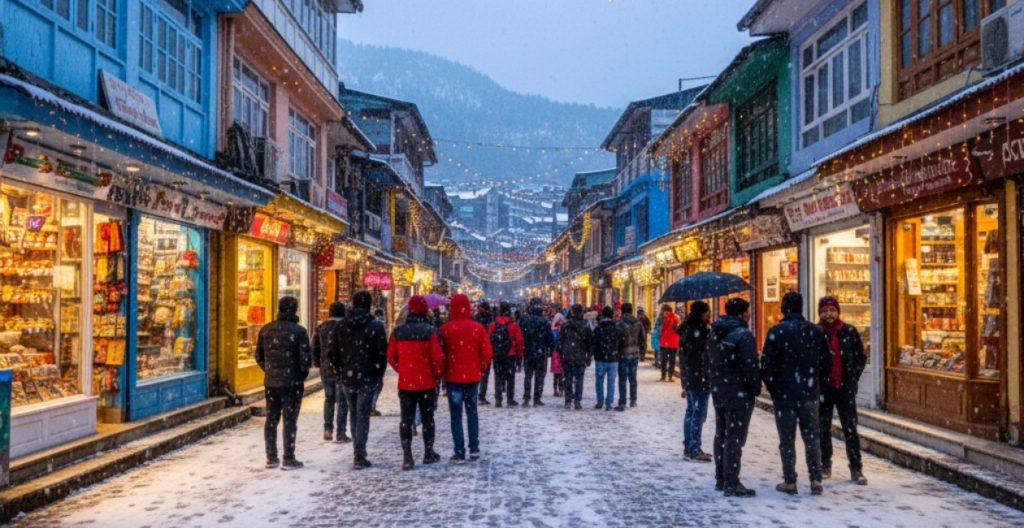
Last Update: 11 March 2026 If you have ever envisioned wintertime that features snow-laden streets, jubilant celebrations, and an energetic mountainous ambiance, then you must consider attending the Shimla Winter Carnival at the top of your travel agenda. Every January, the geographical and cultural capital of Himachal Pradesh welcomes visitors from Delhi and across the country. The Street comes alive to host new snowfall, cultural activities, dance performances and traditional festivities – it is one of the most exhilarating wintertime festivals in Himachal Pradesh, and if you have the opportunity to experience it, you should not miss it! However, attempting to make a trip to/from Delhi to attend the Shimla Winter Carnival necessitates preparation – traveling with various weather/transportation/accommodation options assists with things to consider, and missing out on key dates and timeframes to travel in January to get there. The purpose of this post is to walk through everything you will need to know about the Shimla Winter Carnival, such as what it is, key dates, and when are the best times to attend the festivities as a visitor in the snowfall season. The Tarzan Way will make your Shimla trip easier and less stressful with AI based personalized itinerary planning. Quick Summary Best month: January (peak winter + high chance of snowfall) Shimla Winter Carnival 2025: Early–Mid January (final dates to be announced) Top events: Folk dances, music concerts, ice skating shows, fashion shows, food stalls Best route from Delhi: Road or Volvo bus for direct access Ideal trip duration: 3 days Weather: –2°C to 7°C, expect snow at night or after a snowfall spell Who should visit: Families, couples, photographers, snow lovers Quick itinerary: Day 1 – Delhi to Shimla, Mall Road Day 2 – Carnival events + Kufri snow Day 3 – Local sightseeing, return Estimated budget: ₹6,000–₹15,000 depending on stay & transport What Is the Shimla Winter Carnival? The Shimla Winter Carnival is an annual winter festival that celebrates Himachal Pradesh’s culture, art, traditions, and the winter beauty of the region. The Carnival coincides with the peak of winter, especially when Shimla is covered in snow and adds an enchanting charm to the entire celebration. Why the Carnival is famous It combines culture, food, adventure, and snow in one event. Tourists enjoy Shimla at its most picturesque—blanketed in white snow. Major events take place around The Ridge, Mall Road, and Lakkar Bazaar, making it easy to explore on foot. It highlights Himachali culture through dance, handicrafts, and food stalls. Who should attend Families looking for a winter holiday Couples wanting a romantic snowy getaway Solo travellers and backpackers Snow lovers & photographers Festival enthusiasts In short, the Carnival brings winter alive with fun, colour, and culture, making it a top pick for travellers from Delhi every year. Shimla Winter Carnival 2025 Dates, Events & Highlights While official dates for Shimla Winter Carnival 2025 are typically announced closer to December, the festival historically takes place in the first or second week of January. Expected Dates for 2025 First Week of January – Mid January 2025 (Once government notifications are out, you can update this section.) Main Event Locations The Ridge – cultural shows, inaugural ceremony Mall Road – food stalls, shopping, live music Lakkar Bazaar – souvenirs, local crafts Ice Skating Rink near Lakkar Bazaar – winter sports events Major Events to Expect 1. Cultural Dance & Music Shows Himachali folk dances like Nati, Gaddi, and Kinnauri performances attract huge crowds. 2. Ice Skating Events Shimla boasts one of the oldest open-air ice skating rinks in Asia. Expect: Ice skating competitions Figure skating displays Beginner lessons 3. Fashion Shows & Talent Competitions Local artists and youth showcase modern and traditional styles. 4. Food Stalls & Himachali Cuisine Try: Siddu Babru Thukpa Momos Local hot beverages Winter sweets 5. Adventure Activities In and around Shimla, especially at Kufri, you can enjoy: Skiing Tobogganing Snow-walking Short treks 6. Photography & Art Stalls Carnival corners dedicated to local painters and photographers showcase Himachal’s landscapes and culture. Why These Events Matter for Travelers They offer a deep cultural immersion. Most activities are free or low-cost. Everything takes place in central Shimla, making navigation easy. The Carnival atmosphere is lively, vibrant, and perfect for winter travel. Explore Best Winter Adventure Destinations in India for Snow Lovers to plan your winter activities itinerary. Best Time to Visit Shimla Winter Carnival (Snowfall Season Guide) One of the biggest reasons Delhi travelers visit Shimla in January is the chance of experiencing live snowfall. When does Shimla get snowfall? Late December Early January Mid January These weeks are historically the most snow-heavy in Shimla. Temperature in January Day: 4°C to 7°C Night: –2°C to 2°C Cold waves and icy winds are common. Snowfall Conditions in Carnival Week Snowfall usually depends on weather patterns, but typically: After a western disturbance, Shimla often sees moderate snowfall. Kufri and Mashobra frequently see heavier snow than Shimla town. Best Days to Attend the Carnival Early mornings: Less crowd Evenings: Best for lights, music, and longer events Weekdays: Less crowded than weekends Peak vs Off-Peak Visit Time Pros Cons Early January High snowfall chance, coldest, best photos Max crowd, higher hotel rates Mid January Fewer tourists, still winter charm Slightly lower snowfall chances If You Want Snowfall Guarantee Visit: Kufri, Mashobra, or Narkanda (1–2 hrs from Shimla). Even during low-snowfall weeks in Shimla town, these areas usually stay snow-covered. Why This Is the Best Time for Delhi Travelers Perfect winter escape from Delhi’s foggy plains Carnival + snowfall = ideal holiday combo Scenic winter drives and mountain sunrises Cooler, fresher air compared to Delhi’s harsh winter pollution How to Reach Shimla Winter Carnival from Delhi (Complete Transport Guide) Travelling from Delhi to Shimla during winter is exciting but requires planning due to snowfall, fog, and traffic near festival venues. Here are all the travel options—road, bus, train, and flight—explained with winter-specific details. Delhi to Shimla by Road (Winter Road Trip) A road trip is one of the most
Best Winter Adventure Destinations in India for Snow Lovers
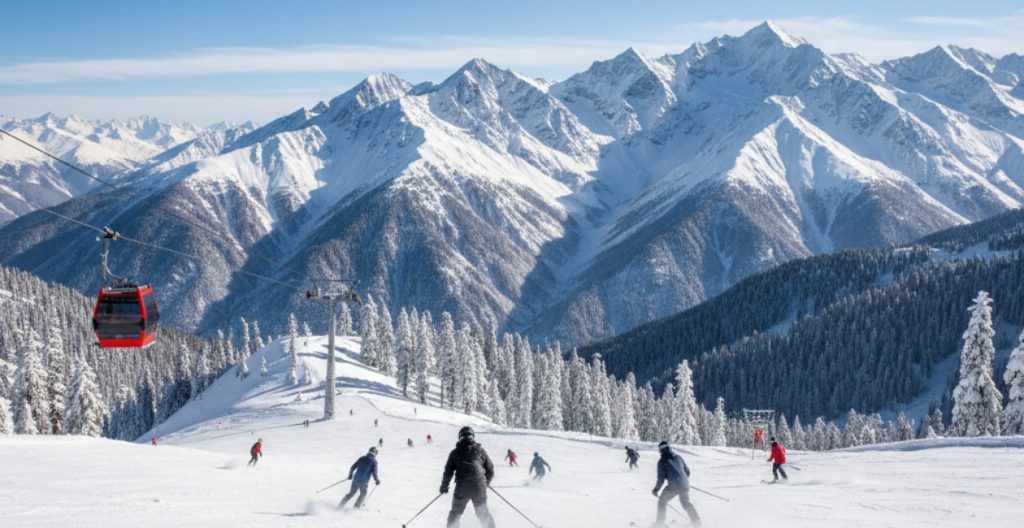
Last Updated: 03 March 2026 If you enjoy snow-covered landscapes, fresh winter air, and the excitement of adventure, India can be a fairytale playground from December to February. From skiing over fresh powder to winter trekking over frozen valleys, India has many of the best winter adventure destinations for snow lovers regardless of experience level – you may be a first-time snow traveler or a much more experienced traveler and just need to acclimatize to heights as you’ve already done low-altitude snow travel. Winter travel in India has grown rapidly and with it, the demand for snow destinations, winter adventure travel, and off-the-beaten-path snowy escapes. This guide outlines India’s favorite winter adventure destinations, what winter adventure experiences they provide, the best time of the year to visit, and what to consider when planning that special winter holiday. This blog will help you choose your winter getaway, whether you want to ski in Kashmir, camp in Spiti, trek in Uttarakhand or participate in family-friendly snowfall and sightseeing in Himachal. In Short India has some of the best winter destinations for snow lovers between December and February. Ideal for skiing, snow trekking, snow camping, sledging, winter photography, and more. Best regions: Jammu & Kashmir, Himachal Pradesh, Uttarakhand, Sikkim, and Arunachal Pradesh. Perfect for families, adventurers, honeymooners, and budget travelers. Top Snow Destinations in India 1. Gulmarg – India’s Winter Adventure Capital Gulmarg remains the ultimate destination for snow lovers and thrill-seekers. Known for its world-class skiing terrain and powder snow, it attracts both beginners and professional skiers from around the world. Why Visit Gulmarg? One of Asia’s best skiing destinations Home to the famous Gulmarg Gondola, one of the world’s highest cable cars Consistent heavy snowfall from December to March Stunning winter landscapes for photography Winter Adventures: Skiing & snowboarding Gondola ride to Apharwat Peak Snow trekking Snowmobile rides Sledging Best Time: Late December – March Who Is It For? Adventure seekers, photographers, couples. 2. Sonamarg – Frozen Wonderland of Kashmir Sonamarg transforms into a sparkling winter paradise during snowfall. Its frozen rivers, white meadows, and towering peaks make it one of the most enchanting winter destinations in India. Why Visit Sonamarg? Mesmerizing snow-covered valleys Less crowded than Gulmarg, perfect for peaceful winter travel Dreamlike landscapes ideal for film-style photography Gateway to Thajiwas Glacier winter trek Winter Adventures: Snow trekking to Thajiwas Glacier Snowmobile rides Sledging on soft snow slopes Frozen lake walks Best Time: December – March Who Is It For? Nature lovers, families, offbeat snow travelers. 3. Pahalgam – Family-Friendly Snow Destination Pahalgam is known for its gentle snow-covered meadows, pine forests, and riverside winter charm. It offers the perfect balance between adventure and relaxation. Why Visit Pahalgam? Safe and scenic for families and kids Soft, powdery snow perfect for beginners Beautiful winter views of Betaab Valley and Aru Valley Ideal for peaceful snow holidays Winter Adventures: Sledging & snow play Snow hikes in Aru Valley Pony rides through snowy forests Riverside winter walks Best Time: December – February Who Is It For? Families, couples, leisure travelers. 4. Manali & Solang Valley – Adventure Hub of Himachal Manali and Solang Valley transform into bustling winter adventure hubs every year. These destinations are ideal for first-time snow travelers and thrill-seekers alike. Why Visit Manali & Solang? Endless snow activities for all ages Famous for accessible adventure sports Snowy mountain views without long travel Perfect for winter road trips Winter Adventures: Skiing & snowboarding (Solang Valley) ATV & snowmobile rides Paragliding over snow-covered valleys Snow tubing, zorbing, and ropeway rides Best Time: December – February Who Is It For? Families, groups, adventure beginners. 5. Spiti Valley – Raw, Rugged & Only for the Brave Winter in Spiti is not for everyone. With frozen rivers, sub-zero temperatures, and dramatic landscapes, this is the ultimate test of adventure and resilience. Why Visit Spiti Valley? One of India’s most extreme winter destinations Lunar-like white landscapes Chance to spot the elusive snow leopard Authentic local hospitality in remote villages Winter Adventures: Winter treks across frozen terrain Monastery visits (Ki, Tabo) Snow leopard tracking Frozen river walks Best Time: January – March Who Is It For? Hardcore adventurers, photographers, wildlife enthusiasts. 6. Kalpa & Sangla – Himalayan Villages Wrapped in Snow Kalpa and Sangla offer peaceful, postcard-perfect winter escapes. Snow-covered apple orchards, old wooden houses, and quiet valleys make them magical. Why Visit Kalpa & Sangla? Stunning views of Kinnaur Kailash Untouched snow villages with minimal tourism Old-world charm and wooden architecture Clear skies perfect for sunrise and stargazing Winter Adventures: Snow village walks Winter hiking Local food & homestay experiences Photography of snow-covered orchards Best Time: December – February Who Is It For? Slow travelers, couples, culture lovers. 7. Auli – India’s Skiing Paradise Auli is India’s most popular skiing destination, known for its perfectly groomed slopes and panoramic Himalayan views. Why Visit Auli? One of India’s best places to learn skiing Breathtaking views of Nanda Devi and surrounding peaks Smooth slopes ideal for beginners Perfect combination of snow, adventure & scenery Winter Adventures: Skiing (beginner + professional courses) Chairlift & gondola rides Snow trekking Snow camping nearby Best Time: Late December – February Who Is It For? Beginner skiers, families, snow lovers. 8. Chopta–Tungnath–Chandrashila – Winter Trekking Heaven This region offers one of the most rewarding winter treks in India, famous for its snowy forests and summit views. Why Visit Chopta–Tungnath–Chandrashila? Known as India’s “Mini Switzerland” Easy-to-moderate trek even in winter Breathtaking 360° Himalayan summit view from Chandrashila Snow-covered forests and old temples Winter Adventures: Tungnath Temple snow trek Chandrashila summit climb Snow camping Wildlife spotting along the trail Best Time: December – February Who Is It For? Trekking enthusiasts, backpackers, adventure groups. 9. Mukteshwar – Snowy Forests & Tranquil Escapes Mukteshwar offers a quiet, serene winter escape surrounded by pine forests and mountain views. It’s ideal for slow travel and peaceful snow experiences. Why Visit Mukteshwar? Quiet alternative to crowded hill stations Beautiful forest trails dusted with snow Charming cafes, cottages, and nature
The Ultimate Guide to the Shimla to Manali Road Trip
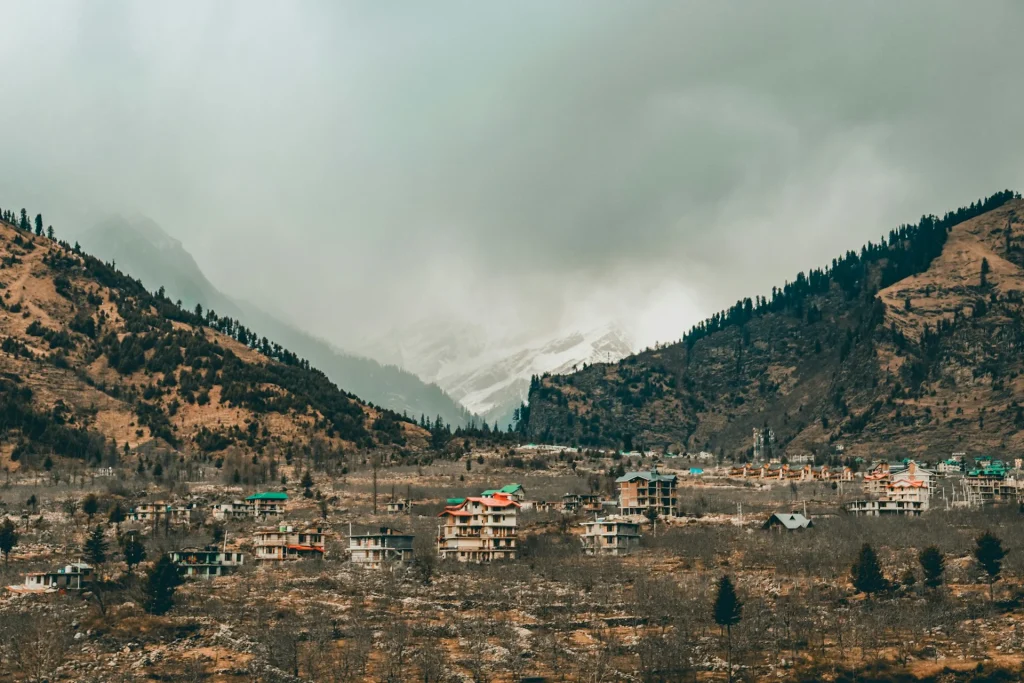
Beginning — The Call of the Himalayan Road The scenic highway from Shimla to Manali is a road tripper’s dream come true. It has winding paths framed by tall, snow-capped peaks, colorful villages, and charming roadside cafes serving hot momos. This famous road in northern India is more than just a way to get from one famous hill station to another; it’s an epic journey in its own right. It gives you nonstop beautiful views of the foothills of the Himalayas, with the turquoise Beas River always by your side, cutting through lush valleys. The 240-kilometer drive can be done in one long day, but it’s best to take your time and enjoy the culture, adventure, and food along the way over two, three, or even four days. This guide is the best thing you can bring with you on that trip. We will begin in the colonial charm of Shimla, then visit all the important stops along the way, from the quiet beauty of Naggar to the busy valley of Kullu. Finally, we will reach Manali, the adventure capital of the north. The Tarzan Way brings immersive storytelling journeys to life, turning this drive from a simple transfer into a rich cultural expedition, revealing hidden gems and local stories at every turn. Are you ready to pick up the phone? Let’s plan the best road trip through the Himalayas. Important Points The Route: A 240-kilometer drive (about 8 to 10 hours) that connects two of Himachal’s most well-known hill stations. Best to do over two or three days. Shimla is the starting point. You can learn about colonial history, visit The Ridge, Jakhoo Temple, and the UNESCO Kalka-Shimla Toy Train. The Journey: The drive itself is a draw, as it goes along the Beas River through towns like Kullu and Naggar. Key Stops: Kullu is great for river rafting, Naggar has a historic castle, and Manikaran has holy hot springs. Destination (Manali): a place for adventure and culture, with paragliding in Solang Valley, the Hadimba Temple, and Old Manali’s cafes. Important Planning: You need a Rohtang Pass Permit. Because of the risk of landslides, don’t take this route during the peak monsoon season (July to August). Be a responsible traveler: this ecosystem is very delicate. Working with guides like The Tarzan Way makes sure that your trip is safe and responsible. Shimla: The Beginning of the Colonies Credit: Unsplash Shimla, the “Queen of Hills” and the former summer capital of British India, is where your road trip starts. This city is the perfect first stop. It’s a great place to get used to the area and learn about its history before you go deeper into the mountains. Its neo-Gothic buildings and pedestrian-friendly streets give it an old-world charm that makes for a relaxing start to your trip. The Ridge and Mall Road This is the most important part of Shimla. The Ridge is a big, open-air platform that lets you see the Shivalik mountain ranges from all sides. On either side are Christ Church, the State Library, and a row of stores. Mall Road, a street without cars, is just below it and is full of life. It’s a great place to take a leisurely walk, buy souvenirs, and enjoy the lively atmosphere. Jakhoo Temple This old temple is on top of Jakhoo Hill, the highest peak in Shimla. It is dedicated to Lord Hanuman, the monkey god. There is a huge statue of the god that is 108 feet tall and can be seen from most of the city. There are two ways to get there: a beautiful hike or the “Jakhoo Gondola,” which is a cable car that gives you amazing views from above. Toy Train from Kalka to Shimla The trip to Shimla can be part of the fun. If you’re coming from Kalka (near Chandigarh), leave your car behind and take this train, which is a UNESCO World Heritage Site. This narrow-gauge railway, which was an engineering marvel at the time, goes through 103 tunnels, over 800 bridges, and offers stunning views of the forested hills. Tips for Travelers Jakhoo Monkeys: At Jakhoo Temple, be very careful with your things, like your phone, sunglasses, and food. Everyone knows that the monkeys that live there are very naughty. Booking a Toy Train: During peak season, tickets for the toy train sell out weeks or even months in advance. You can book online through the IRCTC website. Best Views: For the best pictures of the Himalayan skyline, go to The Ridge during the “golden hour,” which is either sunrise or sunset. Quick Facts The height of Shimla is 2,276 meters (7,467 feet). The Ridge, Kalka-Shimla Railway, and colonial architecture are some of the things that make it famous. Sita Ram & Sons for Chana Bhatura and Indian Coffee House for a nostalgic feel are two places you have to eat. The Journey: Driving on the Shimla-Manali Highway The trip from Shimla to Manali is a lot of fun. You will start by going down from Shimla’s heights and eventually meet the Beas River, which will guide you most of the way to Manali. The roads wind through tall pine forests, pass through small villages, and have many places where you can stop and take pictures of the beautiful scenery. Route and Conditions: NH 205 and NH 3 are the main roads that lead to it. The distance is only about 240 km, but it takes 8 to 10 hours to drive because the roads are winding and there may be traffic. That’s why it’s a good idea to stop along the way. What Makes It Popular with Travelers? The trip is the goal. The pine and deodar forests of the Shimla area give way to the more rugged, open, and beautiful valley of Kullu-Manali. Important Stops Along the Way: Kullu, Naggar, and More Credit: Unsplash Take your time on this drive. The towns and villages between Shimla and Manali are interesting in their own right, each
7 Days in Rajasthan: The Best Way to See the Land of Maharajas
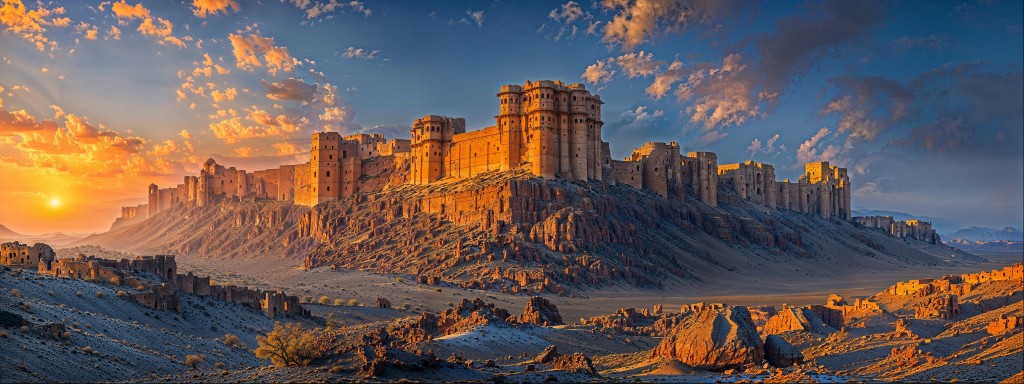
People call Rajasthan the “Land of Maharajas” for a reason. It’s a place where history isn’t just in books; it’s in the huge forts that protect old cities, the beautiful palaces where royalty used to live, and the lively culture that spills out onto every street. When you come here, it’s like stepping into a beautifully illustrated storybook full of stories of bravery, love, and unmatched beauty. I still remember my first trip here—the colours that hit me right away. The men wore bright turbans, the women wore shimmering saris, and the cities were all painted in their own unique colours: Jaipur in a warm blush of pink, Jodhpur in a cool, calming blue, and Jaisalmer in a radiant glow of gold. It’s a traveler’s paradise and a photographer’s dream. But let’s be honest, planning a trip to Rajasthan can be a lot of work. There are so many amazing cities and things to do that it’s hard to know where to start. How do you fit hundreds of years of history into one week? This is where this guide comes in. I’ve made the perfect 7-day Rajasthan itinerary that will give you a deep and rich experience of this amazing state. It includes both must-see sights and opportunities for real connection and discovery. So, get your bags ready and let’s go on a trip through the heart of royal India. A Few Important Tips Before You Go A little planning ahead of time can make your trip to Rajasthan go smoothly and be fun. When to Go: The best time to visit Rajasthan is in the winter, from October to March, when the weather is cooler. The weather is nice and great for seeing the sights. From April to June, the summers can be very hot. Getting Around: Trains and buses connect the state well. The best and most comfortable way to get around on this itinerary is to hire a private car with a driver. This way, you can stop wherever you want. What to Bring: Bring light cotton clothes for the day and a light jacket or shawl for the evenings when it gets cooler. You must have comfortable walking shoes! You should also bring sunscreen, a hat, and sunglasses to keep the sun off of you. A Royal Tour in 7 Days: The Perfect Itinerary for Rajasthan This plan is for a challenging but rewarding trip to Rajasthan’s most famous cities. Get ready for an adventure because it goes quickly! Day 1: Arriving in Jaipur, the Pink City Jaipur, the lively capital of Rajasthan, is where your journey begins. When you first step into the old city, you’ll see why it’s called the “Pink City.” The buildings are all painted a lovely terracotta pink, a colour that means welcome. After checking into your hotel In the Morning, go straight to the famous Hawa Mahal (Palace of Winds). In person, the building’s complicated, honeycomb-like front is even more beautiful. Royal women could watch street parades from this building without being seen. In the afternoon, go to the City Palace to see the heart of royalty. The architecture of this large complex is a lovely mix of Rajasthani and Mughal styles. The current royal family still lives in part of it. Don’t miss the beautiful gates in the inner courtyard; each one is a piece of art. Evening: Get lost in the chaos and colour of Jaipur’s markets. Johri Bazaar is known for its jewellery, and Bapu Bazaar is known for its textiles and leather goods. It’s a great place to buy souvenirs and get a sense of the city’s life. Foodie Corner: For dinner, go to a heritage restaurant like Chokhi Dhani and have a traditional Rajasthani thali. It’s a great way to experience the culture. Day 2: Jaipur—Palaces, Forts, and Stars Today is all about seeing the amazing forts and buildings that are just outside the main city. Get up early In the Morning and head to the beautiful Amber Fort (Amer Fort). This fort is stunning, sitting on a hilltop with a view of Maota Lake. For a truly royal experience, you can walk up, take a jeep, or ride an elephant to the entrance. In the afternoon, go back towards the city to see the Jantar Mantar, an amazing 18th-century astronomical observatory. It’s a UNESCO World Heritage Site, and it’s hard to believe how big and old the tools used to track celestial bodies are. End your day with a stop for a photo at the peaceful Jal Mahal (In the Evening). This beautiful palace looks like it floats in the middle of Man Sagar Lake. It looks especially nice at sunset. Pro Tip: When you go to Amber Fort, it’s a good idea to hire a licensed guide at the entrance. You will have a much more interesting visit if you hear their stories about the fort’s history, secret passages, and the lives of the Maharajas. Day 3: Jodhpur, the Beautiful Blue City Note for travellers: It takes about six hours to drive from Jaipur to Jodhpur. Get up early to get the most out of your day. Welcome to Jodhpur, the “Blue City.” As you get closer, you’ll see a sea of blue houses below the city’s strong protector, the Mehrangarh Fort. In the afternoon, go straight to the Mehrangarh Fort after you get there and check in. In my opinion, this is one of the most beautiful and well-kept forts in all of India. From a rocky cliff, it rises high above the city. The audio guide is great and tells great stories as you walk through the palaces and courtyards. In the evening, walk from the fort to the old city. Walk through the narrow, blue-painted streets and feel the charm of the Middle Ages. The busy Sardar Market near the Ghanta Ghar (Clock Tower) is a great place to end your day. It’s a great place to watch people and try local food. Foodie Corner: You have to
How to Travel Comfortably in India on a Budget: 10 Essential Tips

India is a magical place that always leaves travelers speechless, no matter what time of year it is. There is always something amazing to find, from the high Himalayas to the sunny beaches in the south. A lot of people want to go on a fancy trip, but we usually have to travel on a tight budget. But does traveling on a budget have to mean being uncomfortable? No way! It’s not about how much you spend on a trip, but how you spend it that matters. You can have a great and comfortable vacation in India without spending a lot of money if you make a few smart choices. The key is to travel smarter, not cheaper. There is no one “budget” that works for everyone, but these tips can help anyone save money and still have a great time. “Here are 10 important tips to help you plan the perfect trip to India so you can enjoy your time there while staying within your budget.” 1. Stay in guesthouses and homestays Image by Business Traveller Stay in an Airbnb, a homestay, or a guesthouse run by a local family instead of a pricey hotel. These places are much cheaper and more comfortable than hotels, and they give you a better taste of Indian culture. How This Helps You Save Money: Most of the time, nightly rates are much lower than hotel rates. Many homestays let you use the kitchen, so you can make some of your own meals. Your local host will give you free, useful tips on where to eat and what to do. Pro Tip: Before you book, make sure to read the reviews carefully. Check out places that talk about how clean they are and how nice the host is. A good host can make your trip a lot more fun. 2. Go on vacation when it’s not busy Image by Tour My India One of the best ways to save money is to not travel during busy times like major holidays (Christmas, Diwali) or school breaks (May to June). Everything, from flights to hotels, is a lot cheaper when you travel during the off-season. How This Saves You Money: Flights and hotels can be 30 to 50 percent less expensive than at peak times. There will be fewer people at popular tourist spots. Because there is less demand, local shops and taxis may have better prices. Pro Tip: The “shoulder seasons,” which are the months just before or after the peak season (like September or March), are usually the best times to go because the weather is nice and the prices are low. 3. Eat Smart Like a Local Image by Alex Green If you know where to look, food in India can be very cheap and tasty. It’s nice to go to a nice restaurant every once in a while, but eating out every meal can quickly add up. Eating like the locals is the most important thing. How This Saves You Money: Street food and local restaurants (dhabas) serve full, tasty meals for a lot less than tourist-focused restaurants. If you have a kitchen, making your own breakfast or a simple dinner can save you a lot of money. Buying fresh fruit from local markets is a cheap and healthy way to snack. Pro Tip: To find the best and safest street food, look for stalls that are busy with people from the area. The food is fresh because a lot of people come and go. 4. Get good at haggling In many local markets in India, it’s normal to haggle over prices. The first price you are given for things like clothes, souvenirs, and handicrafts is usually higher than the real price. You shouldn’t be afraid to politely bargain. How This Saves You Money: If you haggle, you can often get 20–30% off the original price. It stops tourists from being charged too much. Pro Tip: When you go to a street market or get into an auto-rickshaw (if there’s no meter), you should be ready to haggle. But in restaurants, branded stores, and hotels where prices are set, you shouldn’t haggle. Always smile when you haggle! 5. Take public transportation The public transportation system in India is very big and works well. It’s also the cheapest way to get from one city to another. Instead of paying for expensive flights or private taxis for every trip, use the local way to get around. How This Saves You Money: Tickets for trains are a lot cheaper than tickets for planes, especially for long distances. The cheapest way to get around a city or to nearby towns is by taking the bus. The metro in cities like Delhi, Mumbai, and Bangalore is cheap, quick, and has air conditioning. Pro Tip: Indian Railways is the best way to travel long distances. Use the official IRCTC website or apps like RailYatri to buy your tickets ahead of time. 6. Go on a trip overnight This is a classic backpacking tip that will save you a lot of money. If you need to travel a long way, book a bus or train for the night. You’ll wake up in a different city, which will save you time and money. How This Will Help You Save Money: You don’t have to pay for one night in a hotel or guesthouse. You don’t waste a whole day of your vacation just getting there. Pro Tip: For a comfortable, safe, and air-conditioned overnight trip, book a sleeper class in AC 3-Tier (3A) or AC 2-Tier (2A) on trains. 7. Visit places that aren’t very popular Jaipur and Goa, two popular tourist spots, can be expensive. If you want to save money and have a more unique experience, think about going to places that aren’t as well-known. These places are usually cheaper and give you a more real look at how people live there. How This Will Save You Money: In places that aren’t touristy, food and lodging