

Best Time to Visit Spain: Weather, Seasons and Costs
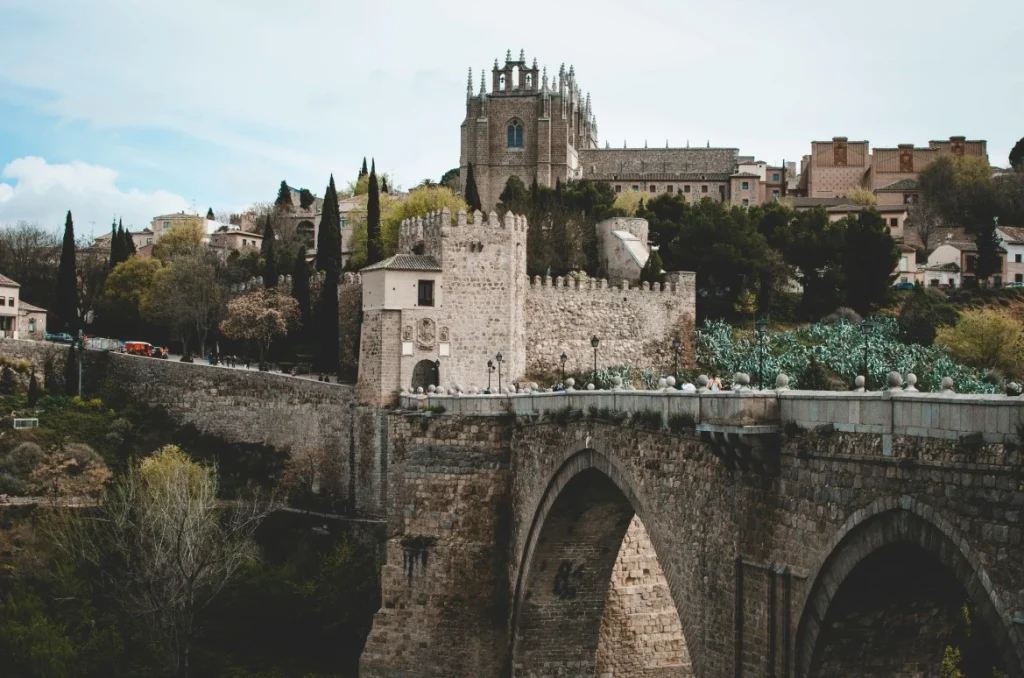
Spain is a year-round destination, but the experience changes dramatically depending on when you visit. From sun-soaked beaches to historic city walks and budget-friendly winter escapes, each season in Spain offers something different. This variety often creates confusion for travelers planning their trip for the first time. Spain’s weather varies sharply by region-coastal areas, inland cities, and southern Spain experience very different climates. Travel costs fluctuate heavily by month, with prices peaking in summer and dropping significantly in winter. Crowd levels also play a major role, as peak season tourism can completely alter the sightseeing experience in popular cities. This guide breaks down the best time to visit Spain by season, helping you decide the ideal months for sightseeing, the cheapest time to travel, when to avoid crowds, and which seasons work best for first-time visitors-based on Spain travel seasons and Spain weather by month. In Short Best overall: April-June and September-October Cheapest months: January-March (excluding holidays) Peak season: June-August (hot, crowded, expensive) Best for first-time travelers: Spring and fall Best to avoid crowds: Shoulder seasons Spain Travel Seasons Explained Spain does not follow a single, uniform climate pattern. Travel experiences vary significantly depending on region and season, which is why understanding Spain travel seasons is critical for planning. Coastal regions enjoy milder winters and busy summers Inland cities face temperature extremes-hot summers and cold winters Southern Spain remains warmer year-round These variations directly impact weather conditions, travel costs, and crowd levels. Knowing when Spain’s peak season and off season travel periods occur helps set realistic expectations for your trip. Spain in Spring (April-June) – Best Overall Balance Spring is widely regarded as the best season to visit Spain, especially for travelers seeking comfort and flexibility. Mild temperatures across most regions Ideal for sightseeing, walking tours, and city exploration Shoulder-season pricing before summer demand increases Excellent choice for first-time travelers Spring offers a strong balance of pleasant weather, manageable crowds, and good value. Spain in Summer (July-August) – Peak Heat & Crowds Summer represents Spain’s peak season, with travel conditions that vary sharply by region. Extreme heat in Madrid, Seville, and inland Spain Coastal destinations are the busiest and most expensive Festivals, nightlife, and beach travel dominate itineraries Less suitable for cultural sightseeing beginners This season works best for beach-focused trips rather than intensive city sightseeing. Spain in Autumn (September-October) – Smart Alternative Autumn is a highly efficient travel window and a classic shoulder season in Spain. Warm but comfortable daytime temperatures Noticeably reduced crowds after summer ends Improved hotel availability and more stable pricing Excellent for city breaks, food travel, and relaxed sightseeing Autumn delivers many summer benefits without peak-season drawbacks. Spain in Winter (November-March) – Budget-Friendly Travel Winter marks the core Spain off season travel period and is ideal for budget-conscious travelers. Lowest flight and hotel prices of the year Fewer tourists in major cities and attractions Mild weather in southern regions like Andalusia Limited appeal for beach-focused travel Winter suits cultural travelers, city explorers, and those prioritizing lower costs. Spain Weather by Month – What to Expect Understanding Spain weather by month helps travelers align comfort with cost and crowd tolerance. While conditions vary by region, some patterns remain consistent nationwide. High-level weather guidance: May and September offer the most reliable weather across Spain Warm days, cooler evenings Ideal for sightseeing, walking tours, and outdoor dining July and August bring significant heat risks in inland cities Madrid, Seville, and Córdoba can exceed comfortable limits Coastal areas remain pleasant but crowded Winter months deliver mixed conditions Cities are comfortable for exploration Northern regions are cooler and wetter For most travelers, May and September rank as the best months to visit Spain for good weather. Spain Travel Costs by Season Travel expenses in Spain fluctuate sharply by season. Knowing Spain travel costs by season prevents budget surprises and improves planning accuracy. Peak Season (June-August) Highest flight and hotel prices of the year Premium pricing in beach destinations and islands Attractions sell out quickly; advance booking is essential This is the most expensive and crowded time to visit Spain. Shoulder Season (April-May, September-October) Best overall value for money Balanced accommodation and flight pricing Greater itinerary flexibility and availability Shoulder months combine comfort, affordability, and reduced crowds. Off Season (January-March) Lowest prices across flights and hotels Excellent choice for budget-focused travel Limited appeal for beach and island experiences The off season represents the cheapest time to visit Spain, particularly for city-based itineraries. Best Time to Visit Spain for Different Travelers Choosing the best time to visit Spain depends on how you plan to experience the country. Different seasons clearly favor different travel goals. By travel goal: Sightseeing-focused travelers: April-May and September offer ideal walking weather, open attractions, and manageable crowds. These months are widely considered the best time to visit Spain for sightseeing. Budget travelers: January-March delivers the lowest flight and hotel prices, making it the best time to visit Spain on a budget, especially for city trips. First-time visitors: Spring and fall provide the smoothest experience, balancing weather, costs, and crowd levels. Crowd-averse travelers: Shoulder seasons consistently offer fewer tourists without sacrificing experiences. When Should You Avoid Visiting Spain? Understanding when peak tourist season is in Spain helps set realistic expectations. August brings extreme heat in inland cities Easter and Christmas create sharp price and crowd spikes Coastal destinations can feel overcrowded in midsummer Avoiding these periods leads to a more relaxed trip. FAQs 1. What is the best time of year to visit Spain? The best time to visit Spain is during spring (April-June) and fall (September-October) when the weather is pleasant and crowds are manageable. 2. What is the cheapest time to visit Spain? The cheapest time to visit Spain is during the off-season, from January to March, excluding major holidays. 3. When is peak tourist season in Spain? Peak season in Spain runs from June to August, especially in coastal areas and major cities. 4. Is winter a good time to visit Spain? Yes. Winter is
Dhurandhar Movie Locations You Can Travel To
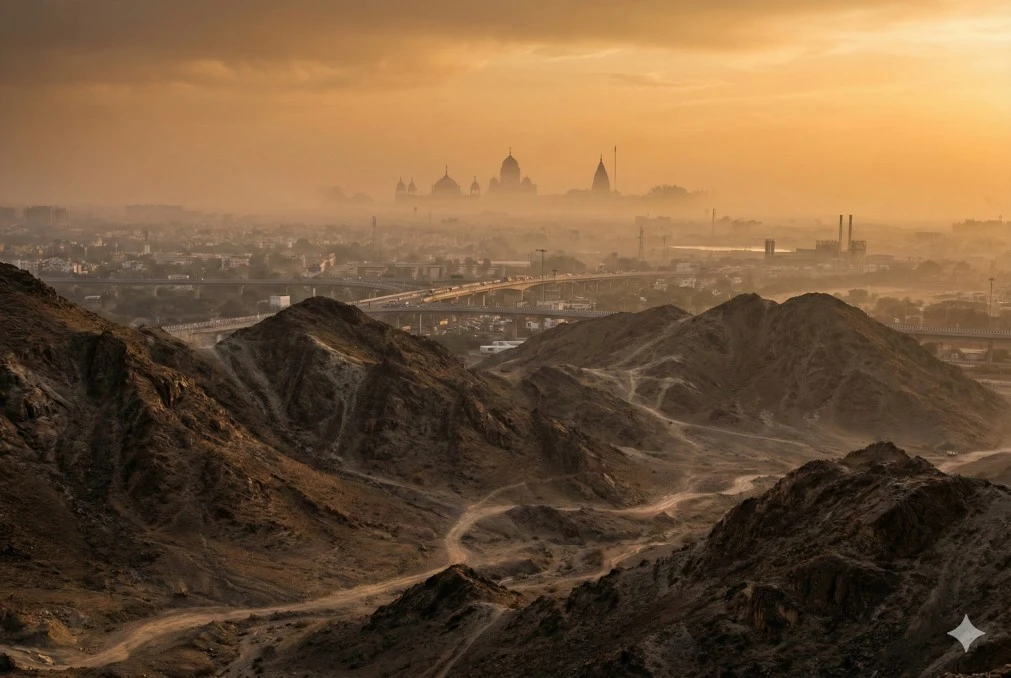
Dhurandhar is a film that relies heavily on visual authenticity. Rather than depending solely on studio backdrops or green screens, the makers chose grounded, real-world locations to amplify the film’s intensity and realism. From bustling urban landscapes to remote, rugged terrains, the movie’s settings play an active role in shaping its narrative. A significant portion of Dhurandhar was filmed across real locations in India and Thailand, making the visuals feel raw, immersive, and travel-worthy. While a few controlled sequences were recreated on temporary sets for logistical or safety reasons, most scenes were shot in actual, accessible destinations. Where Was Dhurandhar Filmed? (Complete Location Snapshot) Before diving into each destination in detail, here is a quick snapshot of the primary filming locations used in Dhurandhar: Bangkok, Thailand Amritsar, Punjab Khera Village, Ludhiana Ladakh Mumbai, Maharashtra Kasauli / Sanawar, Himachal Pradesh Chandigarh These locations set clear expectations: the film spans international cityscapes, culturally rich towns, and dramatic natural backdrops. IN SHORT Dhurandhar was filmed across India and Thailand Most locations shown are real and visit-ready A limited number of scenes used temporary sets The film blends cinematic fiction with authentic destinations Dhurandhar Movie Locations You Can Visit in Real Life Below is a clear, location-wise breakdown with travel relevance. Bangkok, Thailand – International Filming Base What was filmed Lyari Town was recreated on a 6-acre temporary set Designed exclusively for controlled action sequences The set was dismantled after filming What travelers should know The set no longer exists Bangkok itself is very much visitable and vibrant Why visit Bangkok anyway Grand temples and cultural landmarks Floating markets and street food scenes River cruises along the Chao Phraya One of the most popular hubs for Bollywood movies shot in Thailand Amritsar, Punjab – Spiritual & Urban Backdrop Key filming spots Golden Temple surroundings Amritsar Bus Stand Lal Kothi near Bhandari Bridge Travel relevance All locations are fully visitable Excellent road, rail, and air connectivity Why it works on screen Mix of spiritual calm and urban movement Deep cultural texture adds realism to scenes Khera Village, Ludhiana – Rural Punjab on Screen How it appears in the film Village scenes adapted to represent cross-border settings Minimal artificial modifications Strong emphasis on authenticity For travelers Easily reachable from Ludhiana Best visited with local guidance No formal tourist infrastructure, but rich in real rural character Ladakh – Rugged Action Landscapes Filming highlights High-intensity action sequences Locations around Leh and Gurudwara Patthar Sahib Vast, raw Himalayan terrain Travel considerations Popular tourist region Acclimatisation is essential due to high altitude Seasonal accessibility should be planned in advance Why Ladakh stands out Adds scale and intensity to the film One of the most visually striking Dhurandhar filming locations Mumbai – Studios & City Sequences Where filming happened Filmistan Studios (indoor shoots) Madh Island Dombivli–Mankoli Bridge Industrial zones around Vile Parle Visitor access Studio interiors are restricted Outdoor locations can be viewed externally Why Mumbai fits Versatile cityscapes Seamless mix of controlled studio work and real-world environments Kasauli / Sanawar, Himachal Pradesh – Hill Setting Filming location The Lawrence School, Sanawar What to expect Colonial-era architecture Calm hill town visuals Misty, scenic atmosphere Access notes Kasauli is freely visitable School campus access may require prior permission Chandigarh – Clean Urban Visuals Filming areas Near Sukhna Lake Landscaped gardens and city spaces Why it works for travelers Planned city with clear navigation Well-maintained public attractions Easy to explore independently Are Dhurandhar Movie Locations Suitable for Travel Planning? Short answer: Yes-most of them are. Why Dhurandhar locations work for travelers Majority of filming locations are established tourist destinations Cities and regions featured already support: Hotels across budget categories Reliable road, rail, and air connectivity Guided tours and local transport Ideal for themed travel itineraries Mountains: Ladakh, Himachal Pradesh Culture & heritage: Amritsar, Chandigarh Urban exploration: Mumbai, Bangkok Rural immersion: Villages near Ludhiana Planning takeaway While a few scenes relied on temporary sets, the travel value lies in the real landscapes and cities where the story unfolds. How Dhurandhar Uses Real Places to Tell a Fictional Story Dhurandhar blends realism with cinematic adaptation to maintain narrative flexibility. Temporary Sets vs Authentic Locations Select scenes used custom-built sets (such as the recreated Lyari Town in Thailand) These sets were created for: Controlled action choreography Security and logistical ease Most other scenes rely on authentic, recognisable places Why filmmakers choose adaptable destinations Real locations add texture, credibility, and scale Cities like Mumbai and Bangkok offer: Studio infrastructure Diverse visual backdrops within short distances How cinema elevates real-world places Films reframe familiar destinations through: Lighting, camera angles, and narrative tension Emotional context rather than pure geography This often sparks viewer interest in visiting places they may have otherwise overlooked FAQs Where was the Dhurandhar movie shot? Dhurandhar was filmed across multiple locations in India and Thailand, including Mumbai, Ladakh, Amritsar, Ludhiana, Himachal Pradesh, Chandigarh, and Bangkok. Can you visit Dhurandhar movie locations in real life? Yes. Most Dhurandhar movie locations are real, accessible places that can be visited by travelers, except for a few temporary sets created solely for filming. Which Dhurandhar scenes were filmed in Ladakh? Action-heavy sequences were filmed around Leh and the Gurudwara Patthar Sahib area, using Ladakh’s rugged terrain as a dramatic backdrop. Was any part of Dhurandhar shot outside India? Yes. Portions of the film were shot in Bangkok, Thailand, where a temporary set was constructed for specific scenes. Are the Dhurandhar movie locations suitable for travel planning? Yes. The majority of locations are well-connected tourist regions with accommodation, transport, and sightseeing infrastructure already in place. Which Indian city has the most Dhurandhar shooting locations? Mumbai features the highest number of shooting locations, including studio-based scenes and multiple outdoor urban settings. Is Dhurandhar based on real places or fictional locations? The story is fictional, but it is told through a mix of real locations and limited temporary sets, grounding the narrative in authentic geography. Conclusion Dhurandhar stands out not just for its storytelling, but for its expansive geographic footprint across
Stranger Things-Inspired Adventures You Must Experience at Least Once
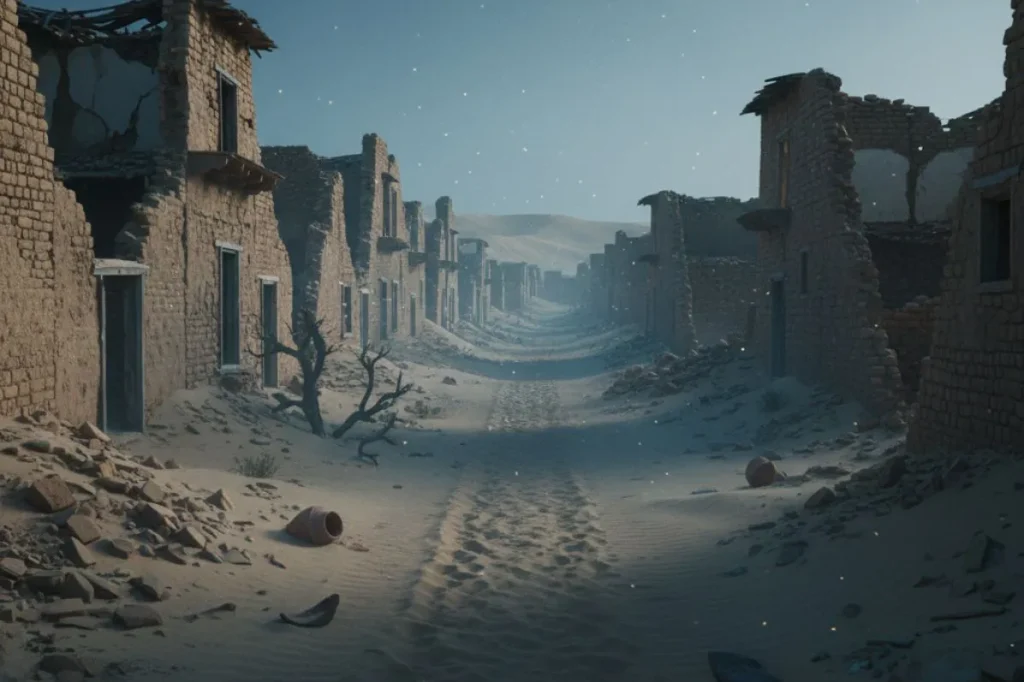
Last Updated: 06 March 2026 Many feel the same way as you after seeing Stranger Things: “I’d like to go there!” Since Eleven lifted the van (and subsequently the Demogorgon) out of Hawkins Middle School, people across the globe have searched for real locations that evoke a similar creepy feeling (i.e. the foggy forest/abandoned towns/streetlamps), where silence can be deafening. The increase in dark tourism and adrenaline-seeking activities related to Stranger Things has resulted in the next generation of experiential travel for many. People no longer want traditional sightseeing. They are seeking suspense, mystery, and adrenaline-producing experiences including landscapes that are one-dimensional near the Upside Down. From shadowy forests reminiscent of Will Byers’ disappearance to abandoned locations that look like Hawkins Lab, this blog uncovers the best destinations worldwide that promise a thrill only true Stranger Things fans will understand. IN SHORT Before diving in, here’s what this part covers: The world’s most atmospheric forests that feel like portals to the Upside Down. Abandoned towns and derelict industrial zones that recreate the eerie tension of Hawkins Lab. Real Stranger Things filming locations you can actually visit, from Hawkins Middle School to Starcourt Mall. Perfect global choices for fans seeking supernatural adventure destinations, creepy adventure activities, and Hawkins-style adventures. Global Stranger Things – Inspired Adventures These destinations blend eerie landscapes, supernatural legends, abandoned architecture, and suspenseful energy-perfect for fans craving real-life Hawkins vibes. Mystery Forest Trekking Adventures That Feel Like the Upside Down Some forests are just forests. Others feel like portals-silent, fog-wrapped, and unpredictable. If the thought of walking where a Dimensional Rift could open excites you, these forests belong on your adventure list. Aokigahara Forest, Japan Located at the base of Mount Fuji, Aokigahara is one of the world’s most mysterious forests. Dense trees block sunlight, creating a near-dark atmosphere even during daylight. Compasses reportedly malfunction due to the volcanic soil-similar to how magnetic disturbances appear near the Upside Down. Known for eerie silence and maze-like paths. Hoia Baciu Forest, Romania Often called the “Bermuda Triangle of Transylvania,” Hoia Baciu is famous for paranormal phenomena. Visitors report strange lights and unexplained shadows. Perfect setting for supernatural adventure destinations. The circular clearing resembles the mysterious scorch marks and portals Eleven often interacts with. Black Forest, Germany A fairytale forest by day, a haunting maze by night. Mist-cloaked trails Whispering winds Old folklore of ghostly figures This forest channels the same chilling atmosphere that surrounded Will’s disappearance in Season 1. Also explore: Top 10 Haunted Forests in the World for Brave Adventurers. Why this feels like Stranger Things Fog density makes visibility drop-like entering a sensory deprivation zone. Trees twist into unnatural silhouettes, nodding to the Mind Flayer’s web-like tendrils. Ideal for night trekking for thrill seekers craving an atmospheric, cinematic adventure Abandoned Locations Adventure Tours for Real-Life Hawkins Vibes If your favorite scenes involve the Hawkins Lab, Creel House basement, or the Russian base corridors, these abandoned destinations will send chills down your spine-in the best possible way. Hashima Island, Japan Once a bustling coal mining town, now a completely deserted island fortress. Concrete buildings collapsing into the sea Narrow corridors eerily similar to the Russian base arc Feels like a whole city evaporated overnight Pripyat (Chernobyl), Ukraine The world’s most iconic abandoned town. Kindergarten toys left scattered Broken Ferris wheel looming over an empty plaza Silent apartments frozen in 1986 This mirrors the unsettling emptiness of Hawkins in Season 2 when the Mind Flayer took control. Bodie Ghost Town, California, USA A preserved Wild West town caught in a state of “arrested decay.” Dusty saloons Abandoned tool shops Homes filled with belongings left in place The atmosphere feels similar to wandering around Hawkins after Vecna’s attacks-silent, lifeless, and charged with tension. Stranger Things parallels Rusted machinery evokes the industrial chaos of Hawkins Lab. Echoing hallways mirror the tension of Season 4’s Creel House scenes. Perfect destinations for dark tourism adventures. Explore Real Stranger Things Filming Locations For fans who want to physically step into Hawkins, the real filming locations in the U.S. offer a rewarding and immersive experience. Hawkins Middle School & Hawkins High School – Atlanta, Georgia Yes, these buildings exist-and you can visit them. The courtyard where Mike, Dustin, Lucas, and Will rode their bikes The exact corridors where Demogorgons were heard scratching the walls A must-see for photographers and superfans Starcourt Mall Filming Site The mall lives on-minus the Mind Flayer goo and Russian laser tunnels. Iconic Season 3 battle scenes Retro design preserved in parts Fans often recreate “Scoops Ahoy” moments here Bellwood Quarry A dramatic filming location used in several intense sequences. Steep cliffs and deep waters Featured in multiple suspense scenes Palace Arcade Relive Season 2 nostalgia. Neon lights 80s’-inspired arcade games The setting for Max’s introduction as “Mad Max” Why visit? You step directly into the world where Eleven fought monsters and Hopper cracked mysteries. Locations are well-maintained and easy to access. Ideal for fans who want authentic Stranger Things inspired travel experiences. Extreme & Thrilling Adventure Activities These activities blend danger, mystery, supernatural energy, and pure adrenaline-ideal for adventure tourism for adrenaline lovers and fans who want experiences far more intense than Netflix marathons. Darkness & Depth: Cave Adventures That Feel Like the Tunnels of the Upside Down If Season 2’s sprawling, pulsating tunnel network gave you chills, these caves will feel like stepping into Will Byers’ nightmares. Damp walls, echoing chambers, shifting shadows-everything screams mystery. Waitomo Glowworm Caves, New Zealand An enchanting yet eerie system where the ceilings glow with thousands of blue luminescent creatures. Black-water rafting through tight caverns Silent chambers illuminated only by glowworms Feels like a bioluminescent Upside Down with magical spores floating overhead Postojna Cave, Slovenia One of Europe’s most dramatic cave systems. Underground train ride Massive stalactite formations Labyrinthine tunnels that feel like Vecna’s lair The deep resonance in these caverns resembles the unsettling echo effects during Will’s possession scenes. Meghalaya Caves, India India’s adventure capital for cave exploration-dark, wet, rugged, and unpredictable. Krem
Haunted Places in India That Give You the Stranger Things Vibe
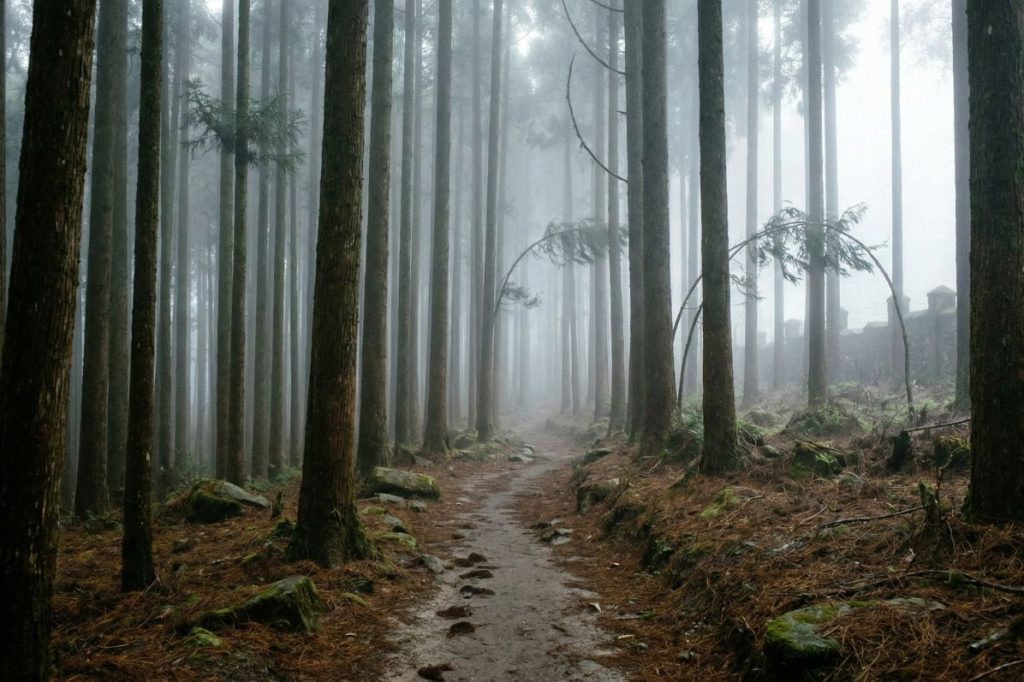
Last Updated: 02 Mar 2026 Introduction Ever since Stranger Things released, the world has been chasing that Hawkins vibe – foggy streets, flickering lights, dense forests, and the feel that something might crawl out of the shadows at any moment. This series provided viewers with much more than just Demogorgons, telekinesis and psychic powers from Eleven, and Mind Flayers-it also established a whole new aesthetic. The combination of nostalgia for small-town America, 1980s mystery, supernatural danger, and the friendship connections found in the midst of chaotic experiences shaped our perspectives on traveling to spooky locations. It is not just the monsters that hooked viewers – it is the atmosphere. The empty roads that feel too quiet. The woods that seem to breathe. The abandoned structures that whisper stories. That classic Stranger Things silence that somehow feels louder than noise. All over the globe, including in India, there are real locations where you can experience those intense feelings that draw fans to the show, such as: the intrigue that makes Dustin’s curiosity spike the thrill that would make Steve grab his nail-bat the uneasy quiet Eleven senses before something strange happens the wonder that turns every mystery into a Mike-and-Will adventure These eerie landscapes offer more than stunning visuals; they also provide a powerful source of nostalgia, suspense, and unbridled adventure that can transport fans back into the world of Stranger Things. The same combination of emotions that made the show so successful is present in off-the-beaten-path locations across the globe, whether it’s a ghost village deep within the forest, a haunted woodlands, or deserted industrial buildings. IN SHORT If you love Stranger Things, there are real places around the world-and in India-that evoke the same spooky, cinematic energy. These locations share: Abandoned or forgotten landscapes Disturbing legends or paranormal claims Dense forests, fog, tunnels, and empty structures Vibes similar to Hawkins Lab, the Upside Down, and the show’s supernatural setting In this part of the guide, you will explore: What makes a place feel like Stranger Things Kuldhara Village – one of India’s most mysterious abandoned settlements Lambi Dehar Mines – an eerie hillside location resembling Hawkins Lab’s secrecy Each destination includes traveller insights, visual cues, and reasons why they mirror the show’s atmosphere. What Makes a Place Feel Like Stranger Things? A real-world place feels like Stranger Things when it carries the same blend of mystery, subtle horror, and “something is not right here” energy. It is not only about abandoned structures-it is about ambience. Key Elements That Create the Stranger Things Vibe Isolation and silence – Small towns, empty villages, or remote hills that instantly feel unsettling. Abandoned architecture – Mines, derelict buildings, ghost villages, or underground areas. Fog, forests, and dim lighting – Natural elements that create the perfect eerie canvas. Folklore and legends – Stories of disappearances, curses, hauntings, or unexplained phenomena. Cold, industrial energy – Structures that resemble Hawkins National Laboratory: secretive, abandoned, or heavily guarded in the past. “Upside Down” resemblance – Overgrown vegetation, twisted pathways, or places where nature feels unnatural. Emotional Triggers Similar to the Show A sense of being watched Sudden quietness Atmospheric tension Visual cues like cracked walls, rusting machinery, or unlit corridors Why Travellers Love These Places They offer cinematic adventure beyond traditional tourism. They appeal to fans of dark tourism, paranormal experiences, and offbeat travel. They create opportunities for incredible photo shoots and storytelling. Stranger Things-like locations combine nostalgia, mystery, and adrenaline-making them perfect for explorers seeking something beyond the typical “beautiful place”. 1. Kuldhara Village, Rajasthan – The Real-Life Upside Down Kuldhara is often described as one of India’s eeriest abandoned sites, and for good reason. Walking through its deserted lanes feels like stepping into the Upside Down-silent, frozen in time, and charged with an invisible tension. Why It Feels Like Stranger Things Abandoned overnight – Just like Hawkins’ sudden chaos, the entire Paliwal Brahmin community vanished in one night. Desolate architecture – Crumbling havelis, broken walls, and empty pathways create a post-apocalyptic aesthetic. Absolute silence – The village remains untouched, giving it a haunting “another dimension” vibe. Local myths – Residents believe the village is cursed, adding a supernatural layer similar to Hawkins’ whispers. Visual Similarities Vast barren surroundings resembling the Upside Down’s empty landscapes Lack of human activity Wind sweeping through narrow lanes, creating eerie sound patterns Ideal For Fans of mystery and dark tourism Photographers looking for cinematic, dystopian frames Travellers exploring haunted or abandoned destinations Kuldhara’s stillness and visuals make it one of the closest real-life parallels to Stranger Things’s most terrifying dimension. 2. Lambi Dehar Mines, Mussoorie – The Hawkins Lab Energy Located in the hills of Mussoorie, the abandoned Lambi Dehar Mines carry an unsettling mix of industrial silence and paranormal mystery-very similar to the dark aura surrounding Hawkins National Laboratory. Why It Feels Like Hawkins Lab Industrial ruins – Old mining tunnels, rusted machinery, and derelict structures create a sinister scientific-facility vibe. History of tragedy – Thousands of miners reportedly died due to unsafe working conditions, embedding a sense of sorrow and disturbance. Restricted areas – Some parts remain inaccessible, enhancing the feeling of secrecy. Frequent paranormal claims – Locals report strange noises, screams, and unexplained shadows after dark. Atmospheric Elements Thick forests surrounding the site Fog rolling down the hills, reducing visibility A strange, metallic smell around certain tunnels Complete absence of daily human movement Ideal For Adventure travellers Dark tourism enthusiasts Fans looking to experience the unsettling Hawkins Lab aesthetic firsthand Lambi Dehar Mines blends industrial dread, paranormal rumours, and natural eeriness-making it feel straight out of a Stranger Things subplot. 3. Dow Hill, Kurseong – Mirkwood Forest in India Dow Hill in Kurseong is one of India’s most unsettling forest regions, known for phantom sightings, unexplained footsteps, and a deep silence that feels engineered. With mist-covered pine trees, narrow trails, and a chilling emptiness, it strongly resembles the “Mirkwood” forest sequences in Stranger Things-especially the scenes where Will Byers disappears. Why It
Haunted Places Around the World That Feel Straight Out of Stranger Things
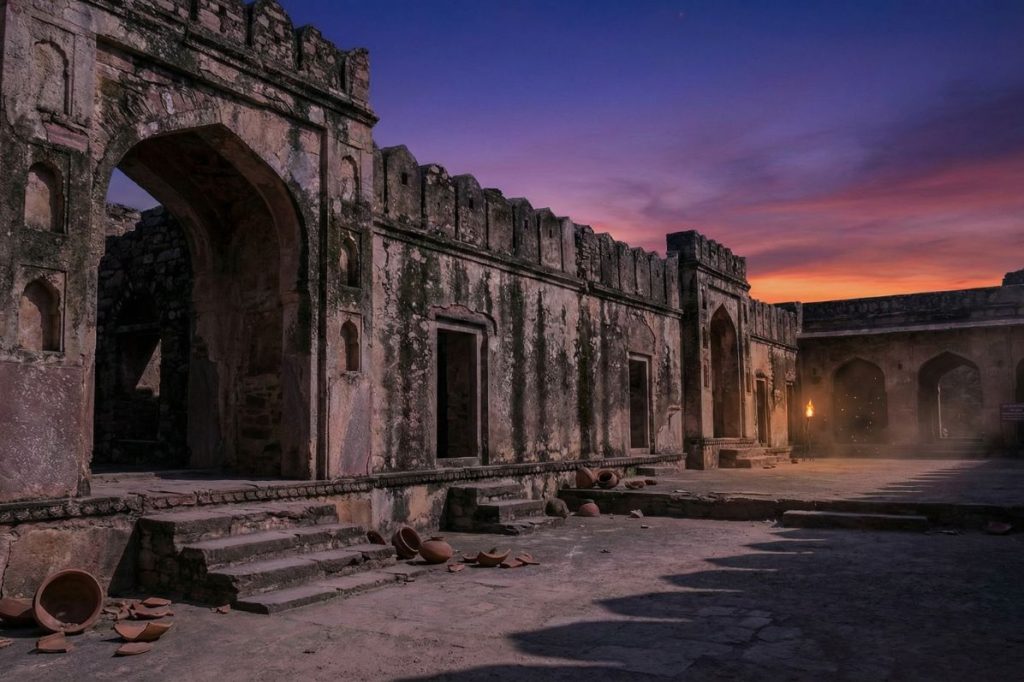
Last Updated: 03 March 2026 The allure of the unknown is magnetic. It draws you in unquestionably, before you have time to develop a reason for being drawn to it. As an example, think about what allows a ghost town to be shrouded in silence, or a forest where children seemingly vanish with no explanation. Unknown places creating unknown experiences are so appealing to today’s travelers who want much more than just to take pretty pictures of the environment. Today’s tourists, especially with regards to ‘dark tourism’, are looking for more emotion and adrenaline than just pretty scenery! Stranger Things reminded us how much of what we all see is only half of the true story. There is an “upside-down” world out there, both literally and metaphorically: abandoned labs that have been untouched for decades, haunted islands full of old memories, and towns that feel like they have stopped happening altogether (like Hawkins). Standing somewhere eerily remote yet so familiar (like Hawkins), you would encounter the same sorts of phenomena as depicted in the show-thick, grey fog, buzzing lights, the sensation of feet following behind you, and absolutely no one around. These could very possibly be portals to an unknown realm. This guide reveals 7 haunted locations across the world that feel straight out of Stranger Things – places with chilling legends, terrifying histories, and experiences powerful enough to bend reality. Get ready to step just a little closer to the dark side. And if you’re planning a dark-themed adventure, smart tools like The Tarzan Way’s AI-powered travel planning can help curate safe routes, guided tours, and budget-friendly stay options designed for adventure lovers. In Short 7 most haunted places around the world inspired by Stranger Things themes Perfect for paranormal lovers, thrill seekers & dark tourism explorers Includes haunted forests, ghost towns, cursed islands, abandoned hotels & asylums 1. Hoia Baciu Forest, Romania – “The Real-Life Upside Down” Often called the most haunted forest in the world, Hoia Baciu in Transylvania has long been associated with paranormal sightings, mysterious disappearances, and unexplained electromagnetic disturbances. Travelers report sudden nausea, disorientation, malfunctioning compasses, and strange lights floating among the trees-eerily similar to the supernatural energy fields in Stranger Things. Why it feels like Stranger Things A circular clearing where nothing grows – similar to dimensional rift portals Documented UFO sightings and ghost photographs Locals warn visitors from entering after dark How to Visit Closest city: Cluj-Napoca (Romania) Best season: September–November for foggy ambience Recommended: guided night investigation tours For more eerie natural locations and forest legends, explore Top 10 Haunted Forests in the World for Brave Adventurers – perfect read before planning your trip. 2. Pripyat & Chernobyl Exclusion Zone, Ukraine – Frozen in Time Once a thriving Soviet town, Pripyat was evacuated within hours after the 1986 Chernobyl nuclear disaster. Today, a ghost city remains-abandoned schools, fairgrounds, hospitals, and apartments still filled with personal belongings. The silence feels unbearably heavy, like Hawkins after the Demogorgon strikes. Stranger Things parallels Government experimentation and secrecy Toxic abandoned laboratories & restricted zones Nature reclaiming destroyed human spaces Travel Information Access only via licensed tour agencies Full-day & 2-day guided photography tours available Carry protective clothing & follow safety instructions 3. Aokigahara Forest, Japan – The Sea of Trees Resting on the slopes of Mount Fuji, Aokigahara is infamous for being one of the world’s most tragic and spiritually heavy forests. Dense trees swallow sound, causing almost complete silence-creating a surreal, oppressive feeling. Why it feels like Stranger Things Disorienting paths & magnetic soil that distorts phone signals Rumored spirit presence & abandoned belongings scattered across paths Locals say compasses spin wildly Travel Tips Stick to marked trails only Visit early morning or during guided tours 4. Bhangarh Fort, India – “The Most Haunted Place in India” Located in Rajasthan, Bhangarh Fort is infamous for its Archaeological Survey of India notice prohibiting entry after sunset-no one is allowed inside once darkness falls. Legends speak of a cursed town, mass disappearance, and a sorcerer whose broken spell still haunts the abandoned palace ruins. Why it feels like Stranger Things A cursed town suddenly collapsed without explanation (like Hawkins after a major attack) Locals report screams, shadows, and footsteps after dark Energy shifts and oppressive silence in abandoned markets and temples How to Visit Nearest airport: Jaipur (85 km) Visiting Hours: 6 AM–6 PM only Best time: October–February (winter for pleasant weather) Travel Tip: Hire licensed guide-stories and locations become far more powerful with guided storytelling. Interested in India’s ghost road legends? Check out ? Spine-Chilling Road Trips: India’s Most Haunted Highways 5. Island of the Dolls, Mexico – A Silent Island of Staring Eyes Deep inside Mexico City’s Xochimilco canals lies Isla de las Muñecas, where thousands of old broken dolls hang from trees-eyes, limbs, and heads arranged like a ritual offering. Created by a hermit who believed dolls could protect him from spirits, the island now feels like an abandoned experiment gone wrong. Stranger Things Parallels Dolls turning heads & whispering sounds reported by visitors Unsettling silence except for cracking branches Feels like an abandoned laboratory world in the Upside Down Travel Details Access via boat ride from Embarcadero Cuemanco Guided haunted canal tours available at night Bring warm clothes & avoid carrying valuables 6. Centralia Ghost Town, USA – The Ever-Burning Hellfire Town Once a thriving mining community, Centralia became uninhabitable after a coal mine fire ignited underground in 1962 and continues burning to this day. Smoke vents from cracks in the ground, paint melts off structures, and the deserted roads echo with emptiness. Why it feels like Stranger Things Toxic environment similar to Vecna’s decaying dimension Empty buildings frozen in time Fog, smoke & unnatural silence Visitor Guidance Official access is partially restricted Most travelers explore the outer remains & Graffiti Highway Do not step on steaming cracks-ground is unstable 7. Hashima Island, Japan – Ghost Industrial City Known as Battleship Island, Hashima was
How to Use an AI Chatbot to Plan Your Trip: A Complete Beginner’s Guide

Last Updated: 05 March 2026 You sit down to plan your dream vacation – one hour passes, then two… soon your screen is filled with flight comparison tabs, hotel options, travel blogs, and YouTube itineraries.After multiple hours of searching your computer, you do not feel excitement as much as overwhelmed by having too much information thrown at you. Instead of this chaos of information overload, picture using a single solution that can analyze your interests and provide you with the optimal travel plan in just seconds! That’s exactly how AI Chatbot-based Travel Planning works. Why AI travel planning matters: Get instant destination recommendations tailored to your interests Receive smart, day-by-day itineraries in minutes Optimize budgets and travel routes efficiently Make real-time changes without starting from scratch Platforms like The Tarzan Way are leading this revolution. Their AI travel assistant, Kaira, lets travelers plan entire trips conversationally, combining intelligent automation with human-like understanding. For a deeper dive into AI-powered trip planning, check out our guide on how artificial intelligence is changing trip planning. IN SHORT AI chatbots simplify travel planning through conversation Personalized itineraries and smart recommendations save time and effort Kaira by The Tarzan Way is an AI travel assistant designed for Indian travelers Works for beginners as well as experienced planners Helps you plan smarter, optimize budgets, and refine trips instantly What Is an AI Travel Chatbot? AI Travel Chatbots are digital planning assistants, designed to assist the traveler in planning his or her trip as expeditiously as possible. Unlike conventional travel tools, AI travel chatbots leverage AI to comprehend traveller preferences, assess a variety of potential options and provide personalized itineraries via a natural dialogue. Unlike basic question-answer chatbots, AI travel chatbots can discern the traveller’s travel style, group type, pace, budget and hidden preferences. As such, they are akin to having a virtual travel companion who provides insight and recommendations, similar to how an experienced friend would offer suggestions. Key capabilities of AI travel chatbots: Destination suggestions: Based on your interests, budget, and timeline Instant itinerary creation: Detailed day-by-day plans with activities, transport, and meals Route and transport optimization: Helps you find faster, cheaper, or more scenic options Budget management: Adjusts recommendations to keep trips within your desired cost Real-time updates: Alerts for flight price drops, weather changes, festivals, and events For a more comprehensive understanding of how AI is transforming travel, check out our article on AI travel planners and intelligent trip design. Why Travel Planning Needs AI in 2025 The process of planning travel today has become extremely cumbersome. Planning your trip using traditional methods involves hours of research over multiple websites and apps, and manually comparing all flight, hotel, and itinerary options. Even experienced travellers find it difficult to monitor all aspects of travel, including price fluctuations and last-minute cancellations or closures. Through the use of artificial intelligence (AI), the process of planning a trip has been revolutionised by increased speed, intelligence, and flexibility. Instead of being a stressful process, planning a trip with AI has become an easy, smooth transition from fast-paced activity to an exciting new adventure. Benefits of AI travel planning: Saves time: Hours of research are reduced to minutes of conversation Reduces mistakes: Avoids scheduling conflicts, long drives, or overbooked accommodations Increases personalization: Tailored to preferences such as pace, activity type, and comfort level Enhances decision-making: Real-time insights about weather, local events, and travel deals India is seeing a surge in travel tech innovation, with startups like The Tarzan Way leading the AI travel revolution. Their tools combine technology with deep travel expertise, helping travelers plan smarter and more efficiently. For insights on India’s AI travel startups and their impact, read how The Tarzan Way is leading the AI travel revolution. How to Plan Your Trip Using Kaira – Your Personal AI Travel Expert Planning your trip with Kaira is as simple as chatting with a well-travelled friend. You don’t need technical knowledge, forms, or long research hours – just say what you want, and she builds everything instantly. Step 1 – Share Your Trip Details Start with a simple message like: “Plan a 6-day trip to Ladakh in April for 4 friends. Keep drives short and include adventure activities.” Kaira understands your destination, dates, group type, travel style, comfort level, and budget preferences – even if you don’t give structured inputs. She instantly begins crafting the plan based on real traveler needs. Step 2 – Get an Instant Day-by-Day Itinerary Within seconds, Kaira generates a complete itinerary including: Daily activities and sightseeing flow Best route and travel time optimization Hotel & internal travel suggestions Estimated budget across categories Local insights, weather notes & festive events Designed to be practical, efficient, and personalized, not generic templates. Step 3 – Edit & Refine in Real Time (Conversationally) You can modify any part of your itinerary with simple instructions: “Replace this hotel with something premium.” “Add kid-friendly activities.” “Cut the budget by 20%.” “Shift the desert safari to Day 2 instead of Day 3.” Every change updates instantly-no rebuilding from scratch. Step 4 – Get Smart Suggestions & Live Travel Intelligence Kaira actively compares options and recommends what’s best for you, such as: Road trip vs. internal flight based on time & comfort Budget vs. luxury vs. mid-range stay options Alerts for flight price drops and booking advice Weather-based suggestions and safety insights Local events and traffic considerations Avoiding overscheduled days & optimizing routes She thinks ahead so you don’t have to. Step 5 – Finalize, Save & Share When the plan feels perfect, Kaira lets you: Save & download your itinerary Share it with your co-travelers Continue editing later (Coming Soon) Book hotels, activities & transport directly inside WhatsApp/Voice/Instagram For a deeper look at AI-powered intelligent itineraries, see AI-powered travel experiences and smart tourism. Real Prompts You Can Try Using the right prompts ensures the AI understands your requirements and produces the best itinerary. Here are some examples: Destination Discovery: “Suggest budget-friendly international destinations for May.” “Where can I travel
Amsterdam Light Festival | Route, Tickets, Timings & Complete Travel Guide
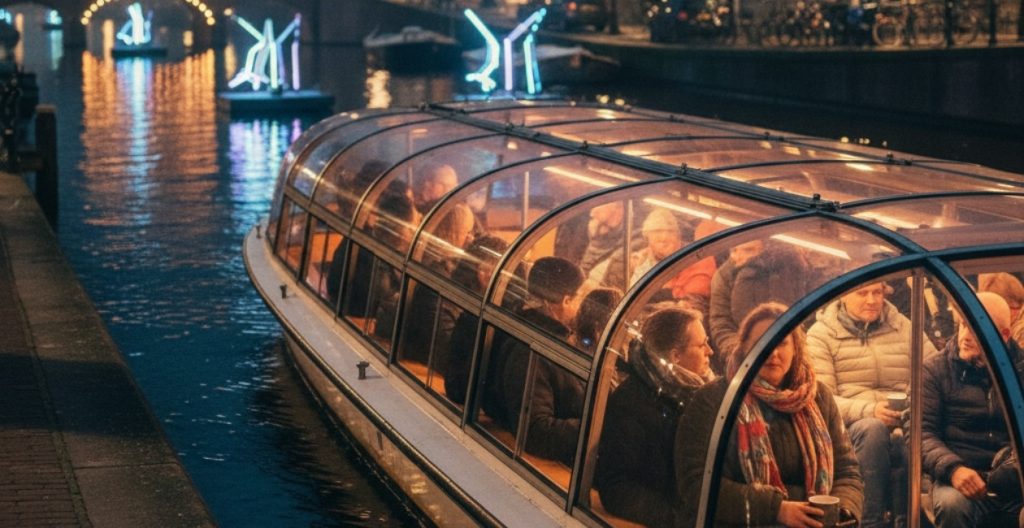
The Amsterdam Light Festival should definitely be on your travel itinerary if you’re thinking about visiting Europe in the winter. The city becomes an outdoor art gallery every year from late November to mid-January, complete with interactive artworks, light sculptures, glowing installations, and enchanted reflections on the canals. The festival has a dreamy and cinematic vibe. It is ideal for winter enthusiasts, whether you explore it on foot or by canal cruise. To help you enjoy the festival like a pro, this guide covers the precise routes, ticket types, best experiences, local advice, and travel planning. Key Takeaways: Every year, the Amsterdam Light Festival transforms the city into an outdoor gallery featuring 20–25 large-scale light artworks. It can be explored by boat, walking routes, or self-guided tours, each of which offers a completely distinct atmosphere and perspective. Depending on the duration, type of boat, and inclusions, tickets range from €18 to €32, depending on the boat operator. Unless you purchase an official map (€7.50) or participate in a guided walk (€15–€20), a walking route is free. The best viewing time is 5 pm – 10 pm, when reflections on the canals look magical for photography. Every year, the artwork is altered according to a theme, making each edition feel original, imaginative, and Instagram worthy. The festival routes are easily accessible if you stay close to Grachtengordel, Jordaan, Museumplein, or Nieuwmarkt. What is the Amsterdam Light Festival? The Amsterdam Light Festival (ALF) is an annual winter event. It is Europe’s most magical winter experiences.Every year in the winter, international artists create light-based artworks along the streets and canals as part of the Amsterdam Light Festival (ALF).It’s the ideal fusion of engineering, art, culture, and the famous canal charm of Amsterdam. It usually lasts 53–60 days. Features 20–25 art installations each year. Includes a theme, curated route, and interactive pieces. Best viewed by boat tours or walking routes. Attracts millions of tourists from all over the world. Amsterdam Light Festival 2025–2026 Dates & Timings Dates: End of November 2025 – Mid-January 2026 Lights On: Daily after sunset Timing: Usually 5 PM – 11 PM Special Days: Lights remain on till midnight during Christmas & New Year weekends. Best Ways to Experience the Amsterdam Light Festival There are two main ways to explore the festival: 1. Boat Route (Highly Recommended) The festival is designed to be seen from the water. Canal cruises give you the closest and clearest views. Why choose the boat tour? You pass directly under or beside installations. Warm boats = comfortable winter experience. No walking in cold winds. Audio guide included. Best for couples, families, senior travellers. Boat Tour Duration 60–75 minutes on average. Boat Tour Starting Points Most boats depart from: Amsterdam Central Station (East Side) Museumplein / Rijksmuseum area Amsterdam Amstel area 2. Walking Route (Budget-Friendly) A self-guided walking route lets you enjoy the installations at your own pace. Why choose the walking route? Free (if self-guided). Perfect for photographers. Lets you enjoy small cafés, Christmas markets, and canal views. You can explore narrow bridges and alleys the boats don’t access. Walking route time: 1.5 to 2.5 hours depending on pace. Amsterdam Light Festival Walking Route (Step-by-Step Itinerary) The route usually changes every year, but the general path follows Amsterdam’s historic canal belt. Here’s the most widely used route outline: Start Point: Oosterdok (Opposite NEMO Science Museum) This is where many installations begin. The waterfront area glows beautifully at night, with reflections dancing on the calm water. What you’ll see here: Large-scale sculptures Intro light installation Boats lined up for cruises City skyline lights Stop 2: Maritime Museum Bridge A picturesque arch bridge with beautiful festival visuals. What to expect: One of the most photographed installations Reflections in water Great for wide-angle shots Stop 3: Entrepotdok Canal A quiet, narrow canal with light artworks stretching between the buildings. Highlights: Suspended installations Moving light artwork Silent, peaceful ambiance Stop 4: Nieuwe Herengracht This area often hosts the biggest centerpiece artwork. You’ll find: Large interactive installations Color-changing light structures Drone-friendly area (follow local rules) Stop 5: Amstel River One of the most iconic sections of Amsterdam. What makes it special: Open water space = huge installations Photo-friendly bridges Stop for mulled wine or hot chocolate nearby Stop 6: Hermitage Museum / Magere Brug (Skinny Bridge) This glowing white wooden bridge becomes stunning under festival lighting. Perfect for: Couple photos Drone photography (where permitted) Slow walking + nighttime river views End Point: Stopera (City Hall & Opera House) The final part usually features immersive or message-based installations. Amsterdam Light Festival Tickets (Complete Breakdown) Boat Tour Tickets Average price: €22 – €29 (standard tourist boats) €35 – €45 (luxury heated boats) €50+ (private boat or small group tours) What’s included: Entry to water route Guided audio commentary Blankets on some boats Hot chocolate or drinks (depending on provider) Walking Route Tickets (Optional) You can walk the festival for free, but they also sell: Official Walking Map (€7–€10) Audio Guide App (€5–€8) Where to Book Tickets Book from: Official Amsterdam Light Festival website City boat companies: Blue Boat Lovers Canal Cruises Stromma Tours & activities platforms: GetYourGuide Viator Tiqets Pro Tip: Book at least 2–6 days earlier. As weekend cruises sell out fast. How to Reach the Festival Route From Amsterdam Central Station: Walk 5–10 minutes to the starting point Or take tram 26 or 14 From Schiphol Airport: Train to Amsterdam Central (15–20 minutes) Then walk or take a tram Food & Café Stops Along the Route Here are popular (and cozy!) winter stops: Café de Sluyswacht — Canal-view drinks Puccini Bomboni — Chocolates Bakers & Roasters — Amazing cakes Hannekes Boom — Wooden, rustic, waterfront Café de Plantage — Warm-lit, aesthetic Pro Tips to Experience the Festival Perfectly Wear warm layers .Amsterdam winds can feel icy. Carry gloves (your phone gets cold too!). Choose weekday evenings for fewer crowds. Take the boat route first, then the walking route. Carry a power bank — photos will drain the battery fast.
How to Plan a Trip to Shimla Winter Carnival from Delhi
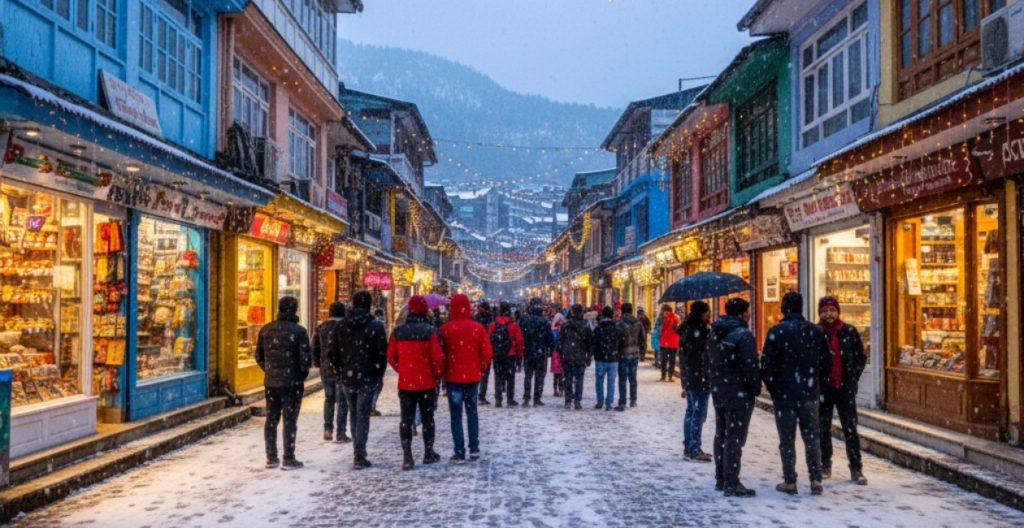
Last Update: 11 March 2026 If you have ever envisioned wintertime that features snow-laden streets, jubilant celebrations, and an energetic mountainous ambiance, then you must consider attending the Shimla Winter Carnival at the top of your travel agenda. Every January, the geographical and cultural capital of Himachal Pradesh welcomes visitors from Delhi and across the country. The Street comes alive to host new snowfall, cultural activities, dance performances and traditional festivities – it is one of the most exhilarating wintertime festivals in Himachal Pradesh, and if you have the opportunity to experience it, you should not miss it! However, attempting to make a trip to/from Delhi to attend the Shimla Winter Carnival necessitates preparation – traveling with various weather/transportation/accommodation options assists with things to consider, and missing out on key dates and timeframes to travel in January to get there. The purpose of this post is to walk through everything you will need to know about the Shimla Winter Carnival, such as what it is, key dates, and when are the best times to attend the festivities as a visitor in the snowfall season. The Tarzan Way will make your Shimla trip easier and less stressful with AI based personalized itinerary planning. Quick Summary Best month: January (peak winter + high chance of snowfall) Shimla Winter Carnival 2025: Early–Mid January (final dates to be announced) Top events: Folk dances, music concerts, ice skating shows, fashion shows, food stalls Best route from Delhi: Road or Volvo bus for direct access Ideal trip duration: 3 days Weather: –2°C to 7°C, expect snow at night or after a snowfall spell Who should visit: Families, couples, photographers, snow lovers Quick itinerary: Day 1 – Delhi to Shimla, Mall Road Day 2 – Carnival events + Kufri snow Day 3 – Local sightseeing, return Estimated budget: ₹6,000–₹15,000 depending on stay & transport What Is the Shimla Winter Carnival? The Shimla Winter Carnival is an annual winter festival that celebrates Himachal Pradesh’s culture, art, traditions, and the winter beauty of the region. The Carnival coincides with the peak of winter, especially when Shimla is covered in snow and adds an enchanting charm to the entire celebration. Why the Carnival is famous It combines culture, food, adventure, and snow in one event. Tourists enjoy Shimla at its most picturesque—blanketed in white snow. Major events take place around The Ridge, Mall Road, and Lakkar Bazaar, making it easy to explore on foot. It highlights Himachali culture through dance, handicrafts, and food stalls. Who should attend Families looking for a winter holiday Couples wanting a romantic snowy getaway Solo travellers and backpackers Snow lovers & photographers Festival enthusiasts In short, the Carnival brings winter alive with fun, colour, and culture, making it a top pick for travellers from Delhi every year. Shimla Winter Carnival 2025 Dates, Events & Highlights While official dates for Shimla Winter Carnival 2025 are typically announced closer to December, the festival historically takes place in the first or second week of January. Expected Dates for 2025 First Week of January – Mid January 2025 (Once government notifications are out, you can update this section.) Main Event Locations The Ridge – cultural shows, inaugural ceremony Mall Road – food stalls, shopping, live music Lakkar Bazaar – souvenirs, local crafts Ice Skating Rink near Lakkar Bazaar – winter sports events Major Events to Expect 1. Cultural Dance & Music Shows Himachali folk dances like Nati, Gaddi, and Kinnauri performances attract huge crowds. 2. Ice Skating Events Shimla boasts one of the oldest open-air ice skating rinks in Asia. Expect: Ice skating competitions Figure skating displays Beginner lessons 3. Fashion Shows & Talent Competitions Local artists and youth showcase modern and traditional styles. 4. Food Stalls & Himachali Cuisine Try: Siddu Babru Thukpa Momos Local hot beverages Winter sweets 5. Adventure Activities In and around Shimla, especially at Kufri, you can enjoy: Skiing Tobogganing Snow-walking Short treks 6. Photography & Art Stalls Carnival corners dedicated to local painters and photographers showcase Himachal’s landscapes and culture. Why These Events Matter for Travelers They offer a deep cultural immersion. Most activities are free or low-cost. Everything takes place in central Shimla, making navigation easy. The Carnival atmosphere is lively, vibrant, and perfect for winter travel. Explore Best Winter Adventure Destinations in India for Snow Lovers to plan your winter activities itinerary. Best Time to Visit Shimla Winter Carnival (Snowfall Season Guide) One of the biggest reasons Delhi travelers visit Shimla in January is the chance of experiencing live snowfall. When does Shimla get snowfall? Late December Early January Mid January These weeks are historically the most snow-heavy in Shimla. Temperature in January Day: 4°C to 7°C Night: –2°C to 2°C Cold waves and icy winds are common. Snowfall Conditions in Carnival Week Snowfall usually depends on weather patterns, but typically: After a western disturbance, Shimla often sees moderate snowfall. Kufri and Mashobra frequently see heavier snow than Shimla town. Best Days to Attend the Carnival Early mornings: Less crowd Evenings: Best for lights, music, and longer events Weekdays: Less crowded than weekends Peak vs Off-Peak Visit Time Pros Cons Early January High snowfall chance, coldest, best photos Max crowd, higher hotel rates Mid January Fewer tourists, still winter charm Slightly lower snowfall chances If You Want Snowfall Guarantee Visit: Kufri, Mashobra, or Narkanda (1–2 hrs from Shimla). Even during low-snowfall weeks in Shimla town, these areas usually stay snow-covered. Why This Is the Best Time for Delhi Travelers Perfect winter escape from Delhi’s foggy plains Carnival + snowfall = ideal holiday combo Scenic winter drives and mountain sunrises Cooler, fresher air compared to Delhi’s harsh winter pollution How to Reach Shimla Winter Carnival from Delhi (Complete Transport Guide) Travelling from Delhi to Shimla during winter is exciting but requires planning due to snowfall, fog, and traffic near festival venues. Here are all the travel options—road, bus, train, and flight—explained with winter-specific details. Delhi to Shimla by Road (Winter Road Trip) A road trip is one of the most
Best Winter Adventure Destinations in India for Snow Lovers
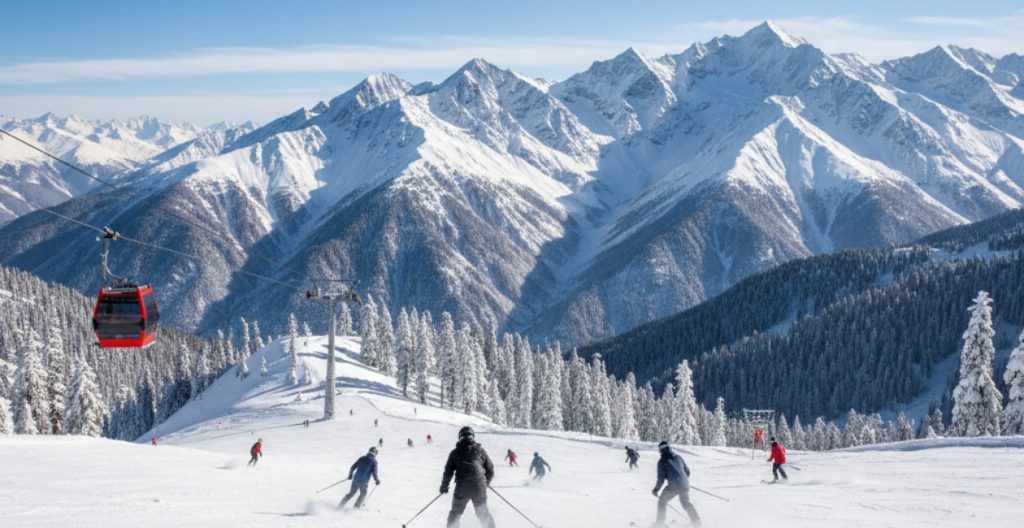
Last Updated: 03 March 2026 If you enjoy snow-covered landscapes, fresh winter air, and the excitement of adventure, India can be a fairytale playground from December to February. From skiing over fresh powder to winter trekking over frozen valleys, India has many of the best winter adventure destinations for snow lovers regardless of experience level – you may be a first-time snow traveler or a much more experienced traveler and just need to acclimatize to heights as you’ve already done low-altitude snow travel. Winter travel in India has grown rapidly and with it, the demand for snow destinations, winter adventure travel, and off-the-beaten-path snowy escapes. This guide outlines India’s favorite winter adventure destinations, what winter adventure experiences they provide, the best time of the year to visit, and what to consider when planning that special winter holiday. This blog will help you choose your winter getaway, whether you want to ski in Kashmir, camp in Spiti, trek in Uttarakhand or participate in family-friendly snowfall and sightseeing in Himachal. In Short India has some of the best winter destinations for snow lovers between December and February. Ideal for skiing, snow trekking, snow camping, sledging, winter photography, and more. Best regions: Jammu & Kashmir, Himachal Pradesh, Uttarakhand, Sikkim, and Arunachal Pradesh. Perfect for families, adventurers, honeymooners, and budget travelers. Top Snow Destinations in India 1. Gulmarg – India’s Winter Adventure Capital Gulmarg remains the ultimate destination for snow lovers and thrill-seekers. Known for its world-class skiing terrain and powder snow, it attracts both beginners and professional skiers from around the world. Why Visit Gulmarg? One of Asia’s best skiing destinations Home to the famous Gulmarg Gondola, one of the world’s highest cable cars Consistent heavy snowfall from December to March Stunning winter landscapes for photography Winter Adventures: Skiing & snowboarding Gondola ride to Apharwat Peak Snow trekking Snowmobile rides Sledging Best Time: Late December – March Who Is It For? Adventure seekers, photographers, couples. 2. Sonamarg – Frozen Wonderland of Kashmir Sonamarg transforms into a sparkling winter paradise during snowfall. Its frozen rivers, white meadows, and towering peaks make it one of the most enchanting winter destinations in India. Why Visit Sonamarg? Mesmerizing snow-covered valleys Less crowded than Gulmarg, perfect for peaceful winter travel Dreamlike landscapes ideal for film-style photography Gateway to Thajiwas Glacier winter trek Winter Adventures: Snow trekking to Thajiwas Glacier Snowmobile rides Sledging on soft snow slopes Frozen lake walks Best Time: December – March Who Is It For? Nature lovers, families, offbeat snow travelers. 3. Pahalgam – Family-Friendly Snow Destination Pahalgam is known for its gentle snow-covered meadows, pine forests, and riverside winter charm. It offers the perfect balance between adventure and relaxation. Why Visit Pahalgam? Safe and scenic for families and kids Soft, powdery snow perfect for beginners Beautiful winter views of Betaab Valley and Aru Valley Ideal for peaceful snow holidays Winter Adventures: Sledging & snow play Snow hikes in Aru Valley Pony rides through snowy forests Riverside winter walks Best Time: December – February Who Is It For? Families, couples, leisure travelers. 4. Manali & Solang Valley – Adventure Hub of Himachal Manali and Solang Valley transform into bustling winter adventure hubs every year. These destinations are ideal for first-time snow travelers and thrill-seekers alike. Why Visit Manali & Solang? Endless snow activities for all ages Famous for accessible adventure sports Snowy mountain views without long travel Perfect for winter road trips Winter Adventures: Skiing & snowboarding (Solang Valley) ATV & snowmobile rides Paragliding over snow-covered valleys Snow tubing, zorbing, and ropeway rides Best Time: December – February Who Is It For? Families, groups, adventure beginners. 5. Spiti Valley – Raw, Rugged & Only for the Brave Winter in Spiti is not for everyone. With frozen rivers, sub-zero temperatures, and dramatic landscapes, this is the ultimate test of adventure and resilience. Why Visit Spiti Valley? One of India’s most extreme winter destinations Lunar-like white landscapes Chance to spot the elusive snow leopard Authentic local hospitality in remote villages Winter Adventures: Winter treks across frozen terrain Monastery visits (Ki, Tabo) Snow leopard tracking Frozen river walks Best Time: January – March Who Is It For? Hardcore adventurers, photographers, wildlife enthusiasts. 6. Kalpa & Sangla – Himalayan Villages Wrapped in Snow Kalpa and Sangla offer peaceful, postcard-perfect winter escapes. Snow-covered apple orchards, old wooden houses, and quiet valleys make them magical. Why Visit Kalpa & Sangla? Stunning views of Kinnaur Kailash Untouched snow villages with minimal tourism Old-world charm and wooden architecture Clear skies perfect for sunrise and stargazing Winter Adventures: Snow village walks Winter hiking Local food & homestay experiences Photography of snow-covered orchards Best Time: December – February Who Is It For? Slow travelers, couples, culture lovers. 7. Auli – India’s Skiing Paradise Auli is India’s most popular skiing destination, known for its perfectly groomed slopes and panoramic Himalayan views. Why Visit Auli? One of India’s best places to learn skiing Breathtaking views of Nanda Devi and surrounding peaks Smooth slopes ideal for beginners Perfect combination of snow, adventure & scenery Winter Adventures: Skiing (beginner + professional courses) Chairlift & gondola rides Snow trekking Snow camping nearby Best Time: Late December – February Who Is It For? Beginner skiers, families, snow lovers. 8. Chopta–Tungnath–Chandrashila – Winter Trekking Heaven This region offers one of the most rewarding winter treks in India, famous for its snowy forests and summit views. Why Visit Chopta–Tungnath–Chandrashila? Known as India’s “Mini Switzerland” Easy-to-moderate trek even in winter Breathtaking 360° Himalayan summit view from Chandrashila Snow-covered forests and old temples Winter Adventures: Tungnath Temple snow trek Chandrashila summit climb Snow camping Wildlife spotting along the trail Best Time: December – February Who Is It For? Trekking enthusiasts, backpackers, adventure groups. 9. Mukteshwar – Snowy Forests & Tranquil Escapes Mukteshwar offers a quiet, serene winter escape surrounded by pine forests and mountain views. It’s ideal for slow travel and peaceful snow experiences. Why Visit Mukteshwar? Quiet alternative to crowded hill stations Beautiful forest trails dusted with snow Charming cafes, cottages, and nature
AI-Powered Travel Experiences: The Future of Smart Tourism and Intelligent Itineraries

Introduction – The Dawn of AI-Powered Travel The world of travel is changing more rapidly than at any point in history. Whether it is a spontaneous weekend trip, or an excursion on another continent, today’s travelers desire something more than a simple checklist – they are looking for connection, personalization and meaning. At the core of today’s shift is AI powered travel – technology infused with emotion which creates journeys that often feel human in their humanity. We are officially in the age of smart tourism – a social movement that is transforming travel into an intelligent, data driven, and profoundly immersive experience. Rather than the old-fashioned approach to trip planning, smart tourism utilizes AI travel tech to predict interests, optimize itineraries, and personalize every part of your journey down to the moment you begin searching for your next trip, to the stories you share when you arrive home. This transformation is being led by a wave of travel-tech startups in India that are combining artificial intelligence with stories of culture. The Tarzan Way (TTW), a travel platform that is reimagining intelligent travel planning by combining automation with authenticity, is a leading innovator in this space. Check out our deep dive: AI Travel Planner: How Artificial Intelligence Is Changing Trip Planning What Smart Tourism Means in 2025 Smart tourism is not a concept for the future-it is happening right now. In 2025, smart tourism involves innovation, sustainability and personalization. It is about enabling AI and data analytics to promote travelers’ journey at every stage. What if you were to: search for “a quiet coastal retreat” on your phone, and an AI-based itinerary planner provided you not only with scenic seaside towns but also with destination suggestions that reflect your personality, whether you are a quiet writer in search of solitude or a digital nomad seeking Wi-Fi and a wave. That’s AI-driven travel at its best-predictive, personal, and above all, human. The Evolution of Smart Tourism In the early 2010s, the technology for travel was measured largely by its transactional quality – booking tickets, reserving a hotel, or comparing prices. Then, as we reached 2020, personalization emerged as the next great frontier. Platforms began making tailored suggestions based on behavioral markers. Now, here we are in 2025, and we are in a new era of intelligent travel planning. The system is now not only reactive, but predictive. AI greatly enhances the opportunity for personalization, as it can analyze substantial amounts of traveler data-preferences, reviews, and even social media sentiment-to curate trips that feel like a tailored experience. This is not just about convenience, it is about curating experiences that enhance the emotional and intentional activity of belonging to the place in question. Smart Tourism and Sustainability Sustainability is yet another pillar key to smart tourism in 2025. AI can avert over-tourism by directing travelers to less-travelled destinations, reducing energy use in hotels and other accommodations, and cultivating local economies via curated local experiences. By merging data-based travel experiences with sustainable smart tourism, startups like The Tarzan Way show that ingenuity can be purpose-driven, as “smart tourism is not about technology replacing intuition. Smart tourism connects us by creating experiences around people with intelligent algorithms and personalization”. Smart tourism is not about “where to go” – it’s about why to go there and the experience of travelling together. Data-Driven and Predictive Travel Experiences If smart tourism is the soul of future travel, data is its heartbeat. Every choice a traveler makes – the kind of destinations they prefer, how long they stay, what foods they love, and even when they decide to travel – generates valuable insights. When analyzed with AI, these insights turn into predictive travel technology that anticipates what travelers will want before they even search for it. This is what we call data-driven travel experiences – journeys shaped by patterns, powered by personalization, and perfected by prediction. The Shift from Reactive to Predictive Travel Traditional travel platforms worked reactively. You searched for destinations, compared hotels, and manually built itineraries. Now, AI in tourism goes a step further. By analyzing your search intent, social media sentiment, weather trends, and global events, it predicts your next move. Planning a spiritual trip? AI tools recommend destinations like Bhutan or Bali during calmer, off-peak months. Prefer adventure? Predictive models suggest spots like New Zealand or Peru when conditions are ideal for hiking or skydiving. Traveling for mindfulness? AI curates wellness itineraries blending meditation, local healing practices, and sustainable stays. This is intelligent travel planning – transforming passive browsing into active personalization. “In predictive travel, you don’t plan your journey. Your journey plans itself for you.” Behind the Magic – How Predictive Travel Technology Works Predictive AI combines machine learning in tourism with behavioral analytics. It learns from millions of interactions – every booking, review, and click – to identify patterns of traveler behavior. At The Tarzan Way, this technology is used to create what we call “Traveler DNA” – a profile built from emotional, experiential, and behavioral data. For example: A traveler who books serene, nature-driven destinations might receive suggestions for digital detox or mindfulness retreats. A thrill-seeker searching for offbeat routes might get itineraries built around outdoor expeditions, local sports, or cultural immersion. Every recommendation is unique because the algorithm learns you. Read: Top Digital Detox Retreats Around the World to see how predictive AI connects travelers with tech-free mindfulness experiences. How The Tarzan Way Combines AI with Human Insights Technology can personalize, but only humans can empathize. That’s why at The Tarzan Way (TTW), we’ve designed our platform not just as an AI travel planner, but as a human-guided system that balances artificial intelligence and authentic intuition. We call this model: “AI + HI = Authentic Intelligence.” Human-AI Collaboration in Travel Most AI travel apps rely purely on algorithms. They’re fast, efficient – but often cold. TTW’s philosophy goes beyond that. Our travel design process starts with AI-based itinerary planners that use data to recommend destinations, but every suggestion is