

How to Plan a Trip to Shimla Winter Carnival from Delhi
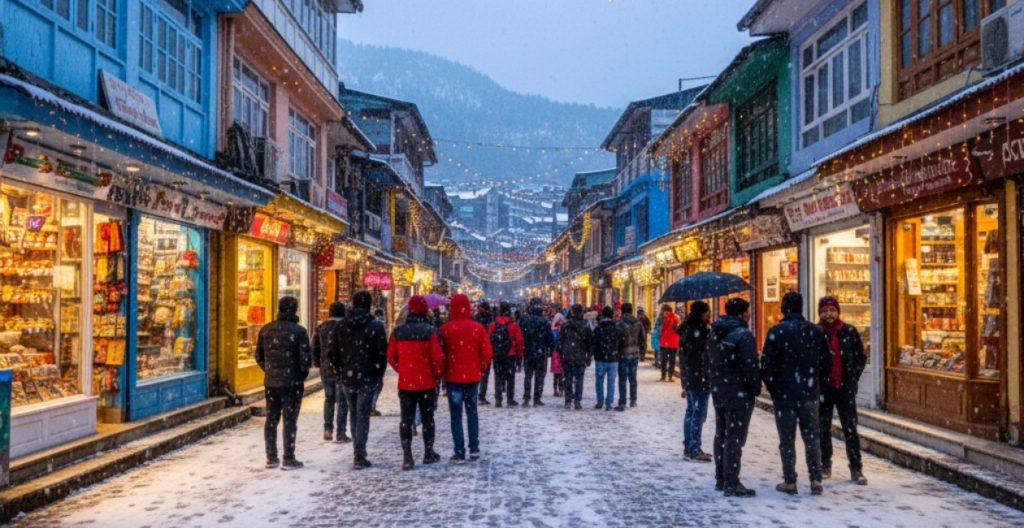
Last Update: 11 March 2026 If you have ever envisioned wintertime that features snow-laden streets, jubilant celebrations, and an energetic mountainous ambiance, then you must consider attending the Shimla Winter Carnival at the top of your travel agenda. Every January, the geographical and cultural capital of Himachal Pradesh welcomes visitors from Delhi and across the country. The Street comes alive to host new snowfall, cultural activities, dance performances and traditional festivities – it is one of the most exhilarating wintertime festivals in Himachal Pradesh, and if you have the opportunity to experience it, you should not miss it! However, attempting to make a trip to/from Delhi to attend the Shimla Winter Carnival necessitates preparation – traveling with various weather/transportation/accommodation options assists with things to consider, and missing out on key dates and timeframes to travel in January to get there. The purpose of this post is to walk through everything you will need to know about the Shimla Winter Carnival, such as what it is, key dates, and when are the best times to attend the festivities as a visitor in the snowfall season. The Tarzan Way will make your Shimla trip easier and less stressful with AI based personalized itinerary planning. Quick Summary Best month: January (peak winter + high chance of snowfall) Shimla Winter Carnival 2025: Early–Mid January (final dates to be announced) Top events: Folk dances, music concerts, ice skating shows, fashion shows, food stalls Best route from Delhi: Road or Volvo bus for direct access Ideal trip duration: 3 days Weather: –2°C to 7°C, expect snow at night or after a snowfall spell Who should visit: Families, couples, photographers, snow lovers Quick itinerary: Day 1 – Delhi to Shimla, Mall Road Day 2 – Carnival events + Kufri snow Day 3 – Local sightseeing, return Estimated budget: ₹6,000–₹15,000 depending on stay & transport What Is the Shimla Winter Carnival? The Shimla Winter Carnival is an annual winter festival that celebrates Himachal Pradesh’s culture, art, traditions, and the winter beauty of the region. The Carnival coincides with the peak of winter, especially when Shimla is covered in snow and adds an enchanting charm to the entire celebration. Why the Carnival is famous It combines culture, food, adventure, and snow in one event. Tourists enjoy Shimla at its most picturesque—blanketed in white snow. Major events take place around The Ridge, Mall Road, and Lakkar Bazaar, making it easy to explore on foot. It highlights Himachali culture through dance, handicrafts, and food stalls. Who should attend Families looking for a winter holiday Couples wanting a romantic snowy getaway Solo travellers and backpackers Snow lovers & photographers Festival enthusiasts In short, the Carnival brings winter alive with fun, colour, and culture, making it a top pick for travellers from Delhi every year. Shimla Winter Carnival 2025 Dates, Events & Highlights While official dates for Shimla Winter Carnival 2025 are typically announced closer to December, the festival historically takes place in the first or second week of January. Expected Dates for 2025 First Week of January – Mid January 2025 (Once government notifications are out, you can update this section.) Main Event Locations The Ridge – cultural shows, inaugural ceremony Mall Road – food stalls, shopping, live music Lakkar Bazaar – souvenirs, local crafts Ice Skating Rink near Lakkar Bazaar – winter sports events Major Events to Expect 1. Cultural Dance & Music Shows Himachali folk dances like Nati, Gaddi, and Kinnauri performances attract huge crowds. 2. Ice Skating Events Shimla boasts one of the oldest open-air ice skating rinks in Asia. Expect: Ice skating competitions Figure skating displays Beginner lessons 3. Fashion Shows & Talent Competitions Local artists and youth showcase modern and traditional styles. 4. Food Stalls & Himachali Cuisine Try: Siddu Babru Thukpa Momos Local hot beverages Winter sweets 5. Adventure Activities In and around Shimla, especially at Kufri, you can enjoy: Skiing Tobogganing Snow-walking Short treks 6. Photography & Art Stalls Carnival corners dedicated to local painters and photographers showcase Himachal’s landscapes and culture. Why These Events Matter for Travelers They offer a deep cultural immersion. Most activities are free or low-cost. Everything takes place in central Shimla, making navigation easy. The Carnival atmosphere is lively, vibrant, and perfect for winter travel. Explore Best Winter Adventure Destinations in India for Snow Lovers to plan your winter activities itinerary. Best Time to Visit Shimla Winter Carnival (Snowfall Season Guide) One of the biggest reasons Delhi travelers visit Shimla in January is the chance of experiencing live snowfall. When does Shimla get snowfall? Late December Early January Mid January These weeks are historically the most snow-heavy in Shimla. Temperature in January Day: 4°C to 7°C Night: –2°C to 2°C Cold waves and icy winds are common. Snowfall Conditions in Carnival Week Snowfall usually depends on weather patterns, but typically: After a western disturbance, Shimla often sees moderate snowfall. Kufri and Mashobra frequently see heavier snow than Shimla town. Best Days to Attend the Carnival Early mornings: Less crowd Evenings: Best for lights, music, and longer events Weekdays: Less crowded than weekends Peak vs Off-Peak Visit Time Pros Cons Early January High snowfall chance, coldest, best photos Max crowd, higher hotel rates Mid January Fewer tourists, still winter charm Slightly lower snowfall chances If You Want Snowfall Guarantee Visit: Kufri, Mashobra, or Narkanda (1–2 hrs from Shimla). Even during low-snowfall weeks in Shimla town, these areas usually stay snow-covered. Why This Is the Best Time for Delhi Travelers Perfect winter escape from Delhi’s foggy plains Carnival + snowfall = ideal holiday combo Scenic winter drives and mountain sunrises Cooler, fresher air compared to Delhi’s harsh winter pollution How to Reach Shimla Winter Carnival from Delhi (Complete Transport Guide) Travelling from Delhi to Shimla during winter is exciting but requires planning due to snowfall, fog, and traffic near festival venues. Here are all the travel options—road, bus, train, and flight—explained with winter-specific details. Delhi to Shimla by Road (Winter Road Trip) A road trip is one of the most
Best Winter Adventure Destinations in India for Snow Lovers
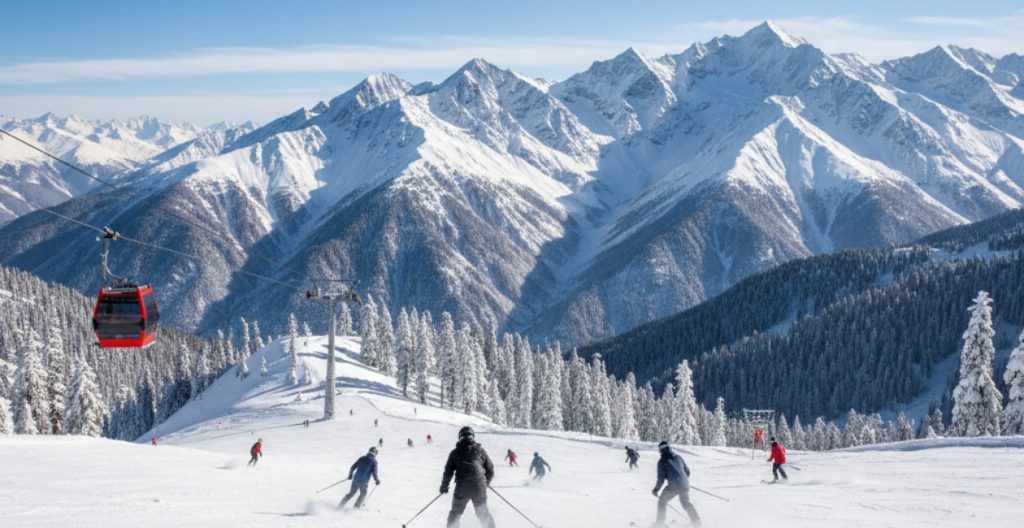
Last Updated: 03 March 2026 If you enjoy snow-covered landscapes, fresh winter air, and the excitement of adventure, India can be a fairytale playground from December to February. From skiing over fresh powder to winter trekking over frozen valleys, India has many of the best winter adventure destinations for snow lovers regardless of experience level – you may be a first-time snow traveler or a much more experienced traveler and just need to acclimatize to heights as you’ve already done low-altitude snow travel. Winter travel in India has grown rapidly and with it, the demand for snow destinations, winter adventure travel, and off-the-beaten-path snowy escapes. This guide outlines India’s favorite winter adventure destinations, what winter adventure experiences they provide, the best time of the year to visit, and what to consider when planning that special winter holiday. This blog will help you choose your winter getaway, whether you want to ski in Kashmir, camp in Spiti, trek in Uttarakhand or participate in family-friendly snowfall and sightseeing in Himachal. In Short India has some of the best winter destinations for snow lovers between December and February. Ideal for skiing, snow trekking, snow camping, sledging, winter photography, and more. Best regions: Jammu & Kashmir, Himachal Pradesh, Uttarakhand, Sikkim, and Arunachal Pradesh. Perfect for families, adventurers, honeymooners, and budget travelers. Top Snow Destinations in India 1. Gulmarg – India’s Winter Adventure Capital Gulmarg remains the ultimate destination for snow lovers and thrill-seekers. Known for its world-class skiing terrain and powder snow, it attracts both beginners and professional skiers from around the world. Why Visit Gulmarg? One of Asia’s best skiing destinations Home to the famous Gulmarg Gondola, one of the world’s highest cable cars Consistent heavy snowfall from December to March Stunning winter landscapes for photography Winter Adventures: Skiing & snowboarding Gondola ride to Apharwat Peak Snow trekking Snowmobile rides Sledging Best Time: Late December – March Who Is It For? Adventure seekers, photographers, couples. 2. Sonamarg – Frozen Wonderland of Kashmir Sonamarg transforms into a sparkling winter paradise during snowfall. Its frozen rivers, white meadows, and towering peaks make it one of the most enchanting winter destinations in India. Why Visit Sonamarg? Mesmerizing snow-covered valleys Less crowded than Gulmarg, perfect for peaceful winter travel Dreamlike landscapes ideal for film-style photography Gateway to Thajiwas Glacier winter trek Winter Adventures: Snow trekking to Thajiwas Glacier Snowmobile rides Sledging on soft snow slopes Frozen lake walks Best Time: December – March Who Is It For? Nature lovers, families, offbeat snow travelers. 3. Pahalgam – Family-Friendly Snow Destination Pahalgam is known for its gentle snow-covered meadows, pine forests, and riverside winter charm. It offers the perfect balance between adventure and relaxation. Why Visit Pahalgam? Safe and scenic for families and kids Soft, powdery snow perfect for beginners Beautiful winter views of Betaab Valley and Aru Valley Ideal for peaceful snow holidays Winter Adventures: Sledging & snow play Snow hikes in Aru Valley Pony rides through snowy forests Riverside winter walks Best Time: December – February Who Is It For? Families, couples, leisure travelers. 4. Manali & Solang Valley – Adventure Hub of Himachal Manali and Solang Valley transform into bustling winter adventure hubs every year. These destinations are ideal for first-time snow travelers and thrill-seekers alike. Why Visit Manali & Solang? Endless snow activities for all ages Famous for accessible adventure sports Snowy mountain views without long travel Perfect for winter road trips Winter Adventures: Skiing & snowboarding (Solang Valley) ATV & snowmobile rides Paragliding over snow-covered valleys Snow tubing, zorbing, and ropeway rides Best Time: December – February Who Is It For? Families, groups, adventure beginners. 5. Spiti Valley – Raw, Rugged & Only for the Brave Winter in Spiti is not for everyone. With frozen rivers, sub-zero temperatures, and dramatic landscapes, this is the ultimate test of adventure and resilience. Why Visit Spiti Valley? One of India’s most extreme winter destinations Lunar-like white landscapes Chance to spot the elusive snow leopard Authentic local hospitality in remote villages Winter Adventures: Winter treks across frozen terrain Monastery visits (Ki, Tabo) Snow leopard tracking Frozen river walks Best Time: January – March Who Is It For? Hardcore adventurers, photographers, wildlife enthusiasts. 6. Kalpa & Sangla – Himalayan Villages Wrapped in Snow Kalpa and Sangla offer peaceful, postcard-perfect winter escapes. Snow-covered apple orchards, old wooden houses, and quiet valleys make them magical. Why Visit Kalpa & Sangla? Stunning views of Kinnaur Kailash Untouched snow villages with minimal tourism Old-world charm and wooden architecture Clear skies perfect for sunrise and stargazing Winter Adventures: Snow village walks Winter hiking Local food & homestay experiences Photography of snow-covered orchards Best Time: December – February Who Is It For? Slow travelers, couples, culture lovers. 7. Auli – India’s Skiing Paradise Auli is India’s most popular skiing destination, known for its perfectly groomed slopes and panoramic Himalayan views. Why Visit Auli? One of India’s best places to learn skiing Breathtaking views of Nanda Devi and surrounding peaks Smooth slopes ideal for beginners Perfect combination of snow, adventure & scenery Winter Adventures: Skiing (beginner + professional courses) Chairlift & gondola rides Snow trekking Snow camping nearby Best Time: Late December – February Who Is It For? Beginner skiers, families, snow lovers. 8. Chopta–Tungnath–Chandrashila – Winter Trekking Heaven This region offers one of the most rewarding winter treks in India, famous for its snowy forests and summit views. Why Visit Chopta–Tungnath–Chandrashila? Known as India’s “Mini Switzerland” Easy-to-moderate trek even in winter Breathtaking 360° Himalayan summit view from Chandrashila Snow-covered forests and old temples Winter Adventures: Tungnath Temple snow trek Chandrashila summit climb Snow camping Wildlife spotting along the trail Best Time: December – February Who Is It For? Trekking enthusiasts, backpackers, adventure groups. 9. Mukteshwar – Snowy Forests & Tranquil Escapes Mukteshwar offers a quiet, serene winter escape surrounded by pine forests and mountain views. It’s ideal for slow travel and peaceful snow experiences. Why Visit Mukteshwar? Quiet alternative to crowded hill stations Beautiful forest trails dusted with snow Charming cafes, cottages, and nature
Shimla Guide: Discover the Charm of the Hills
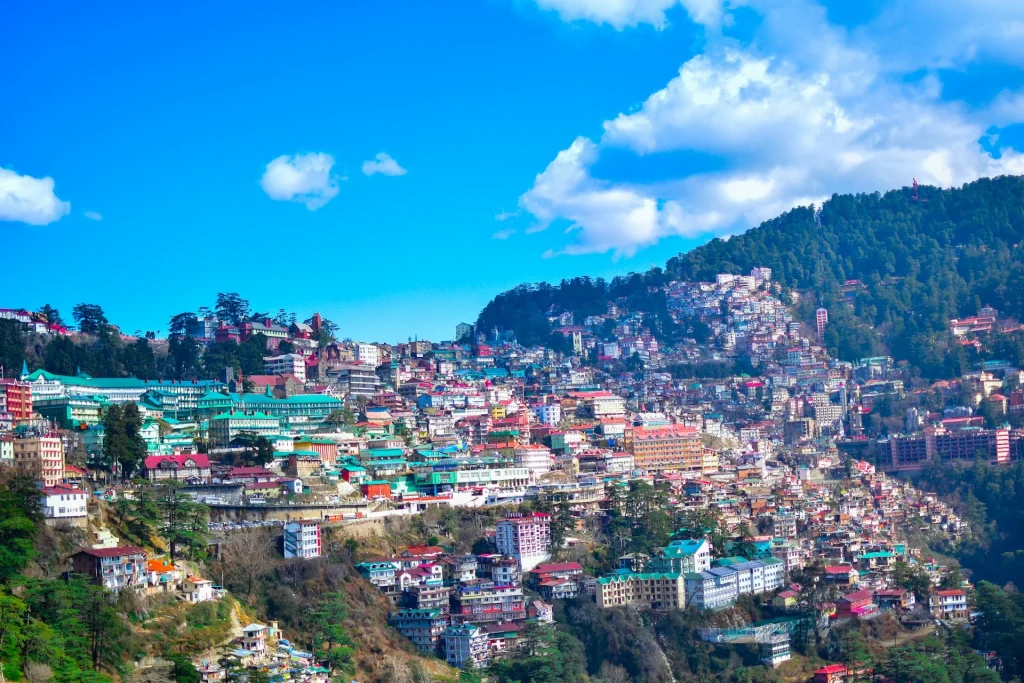
Where the Hills Echo: An Introduction, The Past Picture a place where the air smells like pine trees covered in mist, colonial-era buildings stand as proud reminders of a time long gone, and the majestic Himalayas rise up behind it all. This is Shimla, not a dream. This beautiful hill station was once the summer capital of British India. It still draws travellers in with its unique mix of natural beauty and architectural elegance. This place is more than just a vacation spot; it’s a trip back in time. Shimla is the answer for people who want to get away from the noise of the city and into a world of peaceful scenery and interesting history. This guide is meant to be your best friend as you explore every part of the “Queen of Hills.” We’ll show you around its famous sights, take you on secret trails, let you taste its local foods, and give you all the useful advice you need to plan an amazing trip. The Tarzan Way brings immersive storytelling journeys to life, allowing travellers to safely explore Shimla’s historic lanes and beautiful viewpoints, where every corner has a story and every view is a work of art. Are you ready to be charmed? Let’s go to the heart of Shimla and find out why it has always been so appealing. Key Takeaways: A Historic Getaway: Find out why Shimla was the summer capital of British India and see its beautiful colonial buildings, such as the Viceregal Lodge and Christ Church. Famous Places: Find out about the must-see places, such as The Ridge, Mall Road, and the Jakhoo Temple, which has a huge statue of Lord Hanuman. UNESCO World Heritage: Take a ride on the Kalka-Shimla Toy Train, a historic train ride that gives you stunning views of the Himalayas. Beyond the Town: Kufri is great for adventure sports, Chail is great for its peaceful palace, and Mashobra is great for its peaceful nature trails. Practical Planning: Find out when the best time to go is, how to get to Shimla, where to stay, what to eat, and other important travel tips. Be a responsible traveller: Learn how to travel mindfully in the Himalayas so you can protect its beauty and culture with help from groups like The Tarzan Way. 1. A Look into Shimla’s Royal Past Credit: Unsplash Shimla was once a quiet group of villages before it became a busy tourist spot. In the 1820s, British officers looking for a break from the hot Indian summers found its nice weather and changed their fate. In 1864, it was officially named the British Raj’s summer capital. For the next few decades, the whole government would move here from Calcutta (and later Delhi) for six months each year. Because of this yearly migration, Shimla became a centre of power, glamour, and political intrigue. It was given the nickname “Queen of the Hills.” The beautiful buildings, the carefully planned Mall Road, and the overall layout of the town are all lasting gifts from this time period. Advice for Travellers You can see rare photos and objects from the British Raj at the Shimla Heritage Museum. Hire a local guide to take you on a heritage walk so you can hear interesting stories and anecdotes that aren’t in guidebooks. Read Rudyard Kipling’s “Kim,” which has Shimla in it a lot, to get a sense of what the town was like at that time. Quick Facts Shyamala Devi, the goddess Shyamala, was the name before. Height: About 2,276 metres (7,467 feet). Importance in history: From 1864 to 1947, it was the summer capital of British India. 2. The Ridge and Mall Road are the heart of Shimla Credit: Unsplash A leisurely walk along The Ridge and Mall Road, Shimla’s two most famous streets, is a must for anyone who goes there. In the middle of town, The Ridge is a big open area with amazing, unobstructed views of the snow-capped Himalayan ranges. It is the centre of all cultural activities and is surrounded by important landmarks. Mall Road, a street without cars, is just below The Ridge. It is lined with colonial-style buildings, busy shops, cute cafes, and restaurants. It’s the main shopping street and social centre of Shimla. It’s a great place to go for a walk, look for souvenirs, or just enjoy the lively atmosphere. Tips for Travellers The Ridge has the best views and photo opportunities at sunrise and sunset. It’s a classic Shimla experience to get soft ice cream from the vendors on Mall Road. Wear shoes that are easy to walk in because the road is only for pedestrians. Why It Draws Tourists: Because it’s the best way to experience a hill station. The mix of beautiful mountain views, old buildings, and lively local life makes for a relaxing and energising atmosphere. 3. Amazing buildings from the British period Credit: Unsplash Shimla is a museum of colonial architecture that is still in use. The neo-Gothic, Tudor, and Victorian styles of the buildings here tell stories of a grand past. Christ Church is the second-oldest church in North India and is on The Ridge. You have to see it because of its beautiful stained-glass windows, tall spire, and peaceful atmosphere. At night, when the church is lit up, it looks especially nice. Viceregal Lodge and Botanical Gardens: This used to be the home of the British Viceroy of India. Now it is home to the Indian Institute of Advanced Study. Scottish Baronial architecture is amazing. Take a guided tour of the inside to see the teak-panelled walls and learn about the important decisions that were made there, like the ones that led to the partition of India. Gaiety Theatre: A Victorian theatre on Mall Road that has been beautifully restored. It used to host famous people like Rudyard Kipling. It still hosts a variety of cultural events and plays. Advice for Travellers Because the times for the Viceregal Lodge tour are set, you should check
Spiti Valley: The Best Travel Guide to Finding the Right Time to Go
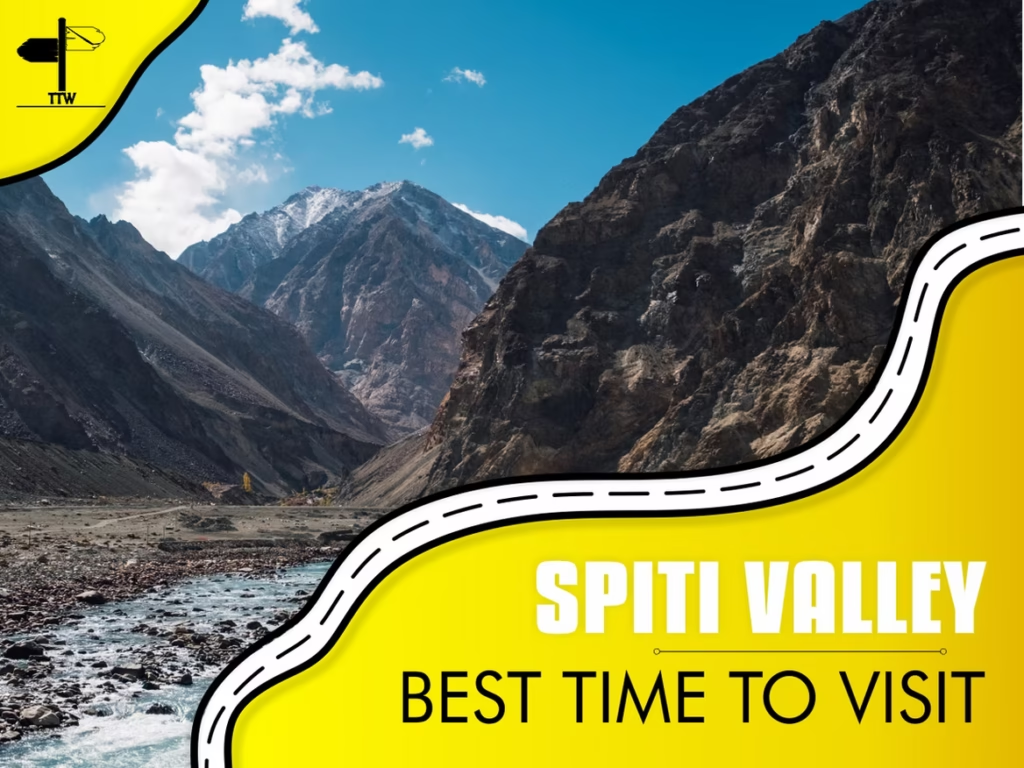
Some places on Earth are more than just places to go; they are trips to another world. One of these places is the Spiti Valley. This cold desert mountain valley is a piece of Tibet that has been cut off from the rest of India. It is in the far north-east of Himachal Pradesh. It’s a place of stark, breathtaking beauty, with ancient monasteries clinging to bare cliffs, clear blue rivers cutting through huge canyons, and a billion stars lighting up the night sky. If you’re not brave, you shouldn’t go to Spiti. The roads are hard to drive on, the altitude is hard to deal with, and the weather is bad. But for those who answer its call, the rewards are beyond measure. It’s an adventure that pushes you to your limits, a spiritual journey that calms your soul, and a cultural experience that opens your heart. The friendly people who live here, who have simple lives and warm smiles, are what make this valley special. Timing is the most important thing for a successful trip to the Spiti Valley. Picking the best time to visit Spiti Valley can make the difference between a great trip and a logistical nightmare. The weather here is very bad, and the high mountain passes that connect the two areas are only open for a few months each year. This is the most complete guide to planning the best trip to Spiti Valley. We’ll talk about everything, from the best time of year for your travel style to detailed itineraries, what to pack, how to budget, and all the things you need to do (and not do!). We have something for everyone, whether you’re looking for adventure, spirituality, or photography. A World Within a World: About Spiti Valley Credit: unsplash The name “Spiti” means “The Middle Land,” which is a perfect way to describe where it is between India and Tibet. It’s a cold desert at a high altitude, which means it doesn’t get much rain because the Himalayas block the monsoon clouds. This makes the area’s famous landscape: rocky, barren mountains in shades of brown, purple, and grey, with patches of green barley fields and the Spiti River’s shimmering turquoise. Tibetan Buddhism is the main religion in this area. There are some of the oldest and most important monasteries in the world in the valley. For more than a thousand years, there have been places where people can learn and grow spiritually. Life here is simple, hard, and very connected to nature and faith. A full breakdown of the best times to visit Spiti Valley by season Credit: freepik.com There isn’t one “best” time to visit Spiti; it all depends on what you want to do. The valley has a very different personality in each season. The best time to go is in the summer, from June to September This is the best time to visit Spiti Valley because it is the most popular and easiest to get to. The weather is perfect, and the whole Spiti circuit, even the high passes, is open. Weather: The temperature during the day is nice and warm, between 15°C and 25°C. A t-shirt and a light jacket are often enough to keep you warm. But the nights are still cold, with temperatures dropping to between 3°C and 7°C. Road Conditions: The highways from Manali to Kaza and from Shimla to Kaza are both open. There may be some water crossings from melting snow and occasional landslides caused by the monsoon on the roads leading up to the area (especially near Manali), but this is usually the safest time to go on a road trip. What to Look Forward To: Bright Landscapes: The valley is at its greenest right now, with lush barley fields making beautiful patches of colour against the dry mountains. Access: It’s easy to get to all of the monasteries, villages, and tourist spots, like the famous Chandratal Lake. Peak Crowds: This is the most crowded time of year, especially in June and July when Indian schools are out for summer break. There will be more tourists, and rooms can fill up quickly. Who Should Go in the Summer? This time of year is great for first-time visitors, families, and people who like the weather to be more pleasant. This is the best time to see and do everything the valley has to offer. Fall (from mid-September to October) is the best time for photographers Credit: freepik.com A lot of people who have been to Spiti Valley before say that this is the best time to go. The summer crowds are gone, the monsoon has passed, and the valley is now bathed in a magical golden light. The weather is nice and clear, with temperatures between 10°C and 20°C. But the nights get a lot colder, and they often go below freezing (0°C to -5°C). Road Conditions: The roads are mostly in great shape now that the monsoon rains have stopped. But there is a small but real chance that the Kunzum Pass (on the Manali route) will close after the first week of October due to an early snowfall. What You Should Expect: The valley turns into a canvas of fall colours that are stunning. After the harvest, the poplar and willow trees turn a bright yellow, and the fields turn a golden brown. Fewer Tourists: You’ll have the beautiful scenery and old monasteries all to yourself. Clear Skies: The air after the monsoon is very clear, giving you the best views of the snow-covered peaks and the stars at night. Who Should Come in the Fall? This time of year is great for photographers, people looking for peace, and experienced travellers who don’t mind the cold and want to see the valley at its most beautiful and peaceful. Winter (November to April) is the best time for an adventure Credit: pexels.com Not everyone can go to Spiti in the winter. It is a very extreme adventure that needs a lot
Cochin’s Winter Magic: A Top 10 Festive Holiday Guide
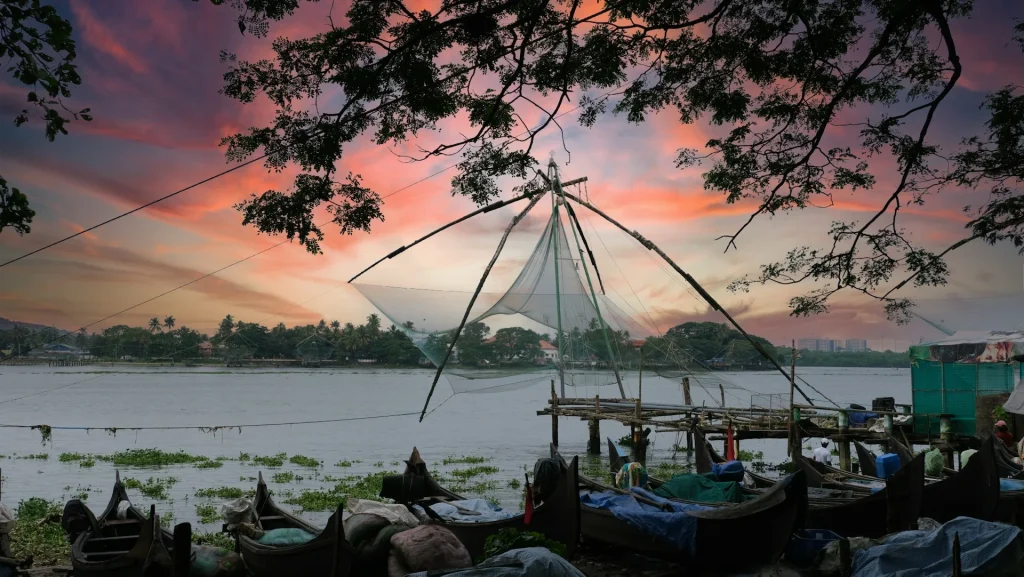
After the monsoon, cool sea breezes make Cochin wonderful. Winter on the Malabar coast of India isn’t about snow. The vibrant energy of the season is enough to fill the air. The streets have bright, twinkling Christmas stars, carolers sing delightful songs, and the churches of the old city resound with a mix of festive joy and olden traditions. Things to do in Cochin in winter. The season is perfect to explore the charm of the old city, and an ideal time for you to plan your trip to Cochin. Cochin’s winters spark a blend of traditions and cultures like no other city. The sound of carols from a church during midnight mass intertwines with the chants of pilgrims on their way to Sabarimala. The festive city lights amplify the charm of the city’s unique pre-colonial and modern architecture during the new art blend. For all the trip planners out there, there is no city in Kerala with a more delightful and varied ‘things to do’ list than Cochin in the winter. This guide outlines ten experiences that capture the charm of Cochin during the winter season, including the extraordinary Cochin Carnival and the special Christmas menu offered at some restaurants: 01. Witness the Splendor of the Cochin Carnival December in Cochin coincides with the Cochin Carnival, the most important Cochin event of the year. Carnival festivities begin the week leading up to New Year’s Day and transform Fort Kochi, with parades and celebrations that span the entire week. The entertainment includes competitions, music, and other folk art performances. What Makes It Festive: Themed parades featuring elaborate and beautiful costumes from around the world. Exciting live music, sports, and other games at the beach. The New Year is ushered in at the climax of the festivities when an effigy of ‘Pappanji” is burned at the stroke of midnight. Pro Tip: On New Year’s Eve, arrive early at the beach to get a good view of the Pappanji burning ceremony. 02. Discover the Illuminated Walkways of Fort Kochi Kochi’s winter is like a poem. Fort Kochi is the city’s gateway to history, and stepping into a winter wonderland is one of its seasonal benefits. The shoreline and coastline are lined with old buildings and Chinese fishing nets, and draw the eye with elaborate decorations for December’s holidays. The promenade is a must for the evening stroll. What Makes It Festive: Lights adorn the promenade, adding a complementary glow to the evening. Recently opened and beautifully modernized shanties and cafes offer a browsing and catering choice. Street food and seasonal snacks maintain a festive spirit all day and evening. Pro Tip: For several hours, a bike rental is a good option to discover the hidden and ornamented corridors of Fort Kochi. 03. Marvel at the Historic Santa Cruz Basilica Santa Cruz Basilica is one of the oldest and most admired churches in town. It is a fine example of Indo-European and Gothic architecture. The history of this grand creation is also tied to the Portuguese and their expansion. Every Christmas, this basilica is beautifully adorned for the holidays and draws the most visitors in town to celebrate the festive church services. What Makes It Festive: The church is beautifully dressed in lights, embroidered nativity scenes, and an abundance of Christmas trees, and Christmas is joyous and moves with an added touch of gravity with the midnight mass. Frescoes, interior murals, and further the church itself with frescoes and historical paintings are intricate and truly splendid. Pro Tip: Arrive in the late afternoons. The stained-glass windows are beautiful when they are lit with the sun, and you might be inclined to stay for calm, soothing, or serene prayers. 04. A Special Keralan Christmas Menu Unique in spice and taste, and with the signature Keralan Christmas menu, Keralas Christmas menu tastes and offers beautifully aromatic and flavours with a representative local with: Syrian Christian, Middle-Eastern, and Jewish influences. What Makes It Festive: Appam and Stew: soft rice pancakes tastefully or cashed with mildly spicy if chicken or vegetables are good in form, are steamed Pidi: Small rice dumplings Plum Cake: Christmas and Christian tradition Pro Tip: For an authentic taste, try eating at a Kudumbashree (women’s group) café or arrange a traditional Christmas meal at a local homestay. 05. Visit the Mattancherry Dutch Palace The Mattancherry Palace (or Dutch Palace) is a step back in time. Originally built by the Portuguese, it was later renovated by the Dutch. The palace features wonderful works, including murals of the Ramayana, Mahabharata, and portraits of the Cochin rulers. What Makes it Festive: The Palace offers a quiet, historical place to escape the commotion of the festivities. The winter season offers inviting weather to explore the palace surroundings. The tales of royalty and invasions add a unique edge to the holidays. Pro Tip: At the entrance, get a licensed local guide. For a very small fee, their narration about the intricately painted murals and the historical context you will get is invaluable. 06. Shop for Antiques and Souvenirs in Jew Town Jew Town is a narrow street bordered by the Mattancherry Palace and the Paradesi Synagogue. It is well known for its antique stores. This is a great place to find unique Christmas gifts and some festive decorations. What Makes It Festive: Sweet baubles, old-world figurines, and handcrafted decorations fill the shops to deck your Christmas tree. You can find various beautiful old-world metalcrafts, wooden furniture, and vintage collectibles. The nice aroma of spices and essential oils wafts through the air from the shops nearby. Pro Tip: The antiques are beautiful, but don’t forget to keep an eye out for spices, Tellicherry peppercorns, and cardamom. 07. Dine Al Fresco on Tower Road Dining at Tower Road in Fort Kochi, especially in winter evenings, is one of the best experiences in the city. Its open-air restaurants and food stalls lined along the street serve all kinds of food, from steaming hot food and fresh seafood. What Makes It
Best Time to Visit Vietnam for Travelers in 2026
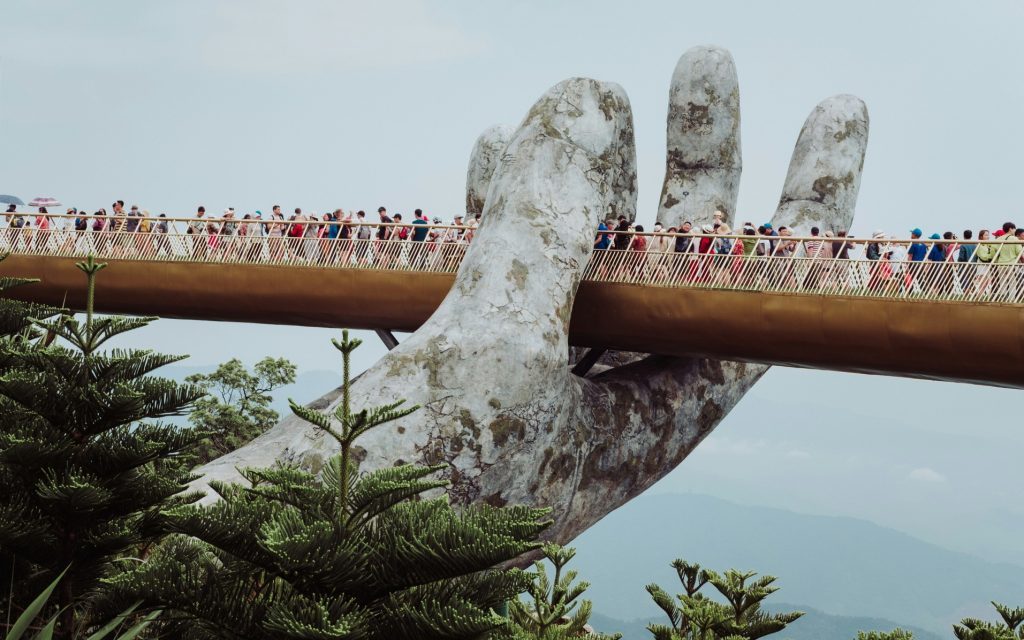
Travelling to Vietnam is an adventurous and daunting experience. Through its smoky mountainous north and its crowded cities, Vietnam has a wide variety of activities and attractions suitable for any kind of traveler. But before you dive into the details of your Vietnam travel itinerary, there’s one essential question to answer first: When is the best time to visit Vietnam in 2025? The climate in Vietnam is special in the sense that the nation extends over 1,000 miles in length between the north and the south. This forms three different climatic zones, i.e., the most auspicious seasons to visit, depending on the part of the land you are sightseeing. A properly organised trip planner to Vietnam will make your trip as fruitful as possible because they will match your activities with the best seasons. In this Vietnamese travel guide, we’ll explore seasonal highlights, regional variations, festivals, and tips to make your Vietnam trip planning smoother. Whether you’re crafting a Vietnam honeymoon itinerary, a family vacation plan, or a solo adventure, this guide has you covered. Understand the Vietnam Climate Before finalizing your Vietnam travel itinerary, it’s important to understand how weather patterns vary across the country. The regions of Vietnam are three: Northern Vietnam (Hanoi, Sapa, Ha Long Bay): There are four seasons: spring, summer, autumn, and winter. Winters (December to February) can be cold, particularly in mountainous places such as Sapa. Summers (May- August) are hot, humid, and sometimes have heavy rains. The Central Vietnam (Da Nang, Hoi An, Hue): Warm weather throughout the year tropical climate. Likely to typhoons and downpours during September and November. Southern Vietnam (Ho Chi Minh City, Mekong Delta, Phu Quoc): Warm and humid year-round. Separated into the dry season (November to April) and the rainy season (May to October). By aligning your Vietnam holiday guide with these climate zones, you can avoid weather-related disruptions while enjoying the country at its best. Best Time to Visit Northern Vietnam Northern Vietnam is a natural and cultural treasure trove, having it all, cities with their colored lights and mountains covered with mist. Ideal Months: October -April. These months are cool and comfortable, thus an ideal time to sightsee and do other activities outdoors. The months of October and November have clear skies and would be the best moments to be taken around Ha Long Bay or traveling in Hanoi. During winter months (December to February), there is a different kind of appeal, and in Sapa, it may be misty and occasionally there is a snowfall in the higher places. The month of spring (March to April) is lovely as flowers begin to bloom and there are celebrations. Must-Do Activities: Visiting the ancient streets and cuisine of Hanoi. Take a romantic Ha Long Bay cruise, perfect for couples on a Vietnam honeymoon itinerary. Hike across the Sapa terraced rice fields to have stunning scenery. Pro Tip: Tet, the Lunar New Year in Vietnam, generally occurs in the late month of January or February. It is a spectacular cultural adventure, and transportation and hotels are already booked several months beforehand, so reserve early. Central Vietnam Best Times to Visit The place is a country that boasts of cultural landmarks, historic cities, and beautiful beaches. Most suitable Months: February to August. It is also the time of year when the weather in the country is dry and sunny, and therefore, beach vacations and outdoor exploration are perfect. This would also be a perfect opportunity to explore Hoi An Ancient Town and the imperial monuments of Hue without fear of getting drenched by rain. Hoi An Lantern Festival, conducted every month, is particularly magical during clear weather. Must-Do Activities: Take a break on immaculate beaches such as My Khe Beach in Da Nang or An Bang Beach in Hoi An. Stroll in the by-lanes of Hoi An, illuminated with lanterns. Hue, the royal city of Vietnam, with the Imperial City and royal tombs. Visit My Son Sanctuary, which is also a UNESCO World Heritage site displaying the ancient Cham ruins. Travel Tip: Central Vietnam is prone to typhoons and flooding, especially in September to November, and so should not be visited at all. Best Time to Visit Southern Vietnam Southern Vietnam is a combination of bustling city life and all-natural immersion. Best Months: November-April. These are dry months in the year, and the weather is sunny, ideal in case people need to travel to Ho Chi Minh City, have boat tours in the Mekong Delta, or go to the beaches at Phu Quoc Island. Must-Do Activities: Tour the Tan Cu Chi Tunnels and gain knowledge about the history of the Vietnam War. Explore the floating markets of the Mekong Delta to have a glimpse of the local life. It is also about unwinding on the pristine white-sanded beaches of Phu Quoc and having a taste of seafood. Travel Tip: The rainy season lasts between May and October, although showers are normally brief and appear in the late afternoon thus they will not get your plans spoiled entirely. Month-by-Month Guide for 2025 Here’s a quick breakdown to help with your Vietnam travel planner: January: The Northern part is cool and dry, and festal Tet celebrations are on their way. February: Good in every part, good time to get outdoors. March: Hot and sunny, great in central Vietnam, and green hiking in the north. April: Beautiful climate all over the country, wonderful to sightsee and explore the outdoors. May: The rainy season begins in the south, but central and northern areas are always good places to visit. June-July: It is the high season of the beach season in central Vietnam, but somehow it becomes crowded. Sample Vietnam Honeymoon Itinerary The diversity of Vietnam makes it a great honeymoon country. Here’s a suggested 10-day Vietnam honeymoon itinerary: Days 1-3: Begin in Hanoi and explore the cultural sites, and spend 3 days on a luxury cruise in Ha Long Bay. Day 4-5: Fly to Da Nang, wander Hoi An with its romanticising lantern-lit
January Jaunts: Top Travel Destinations to plan your Remarkable Winter Escape
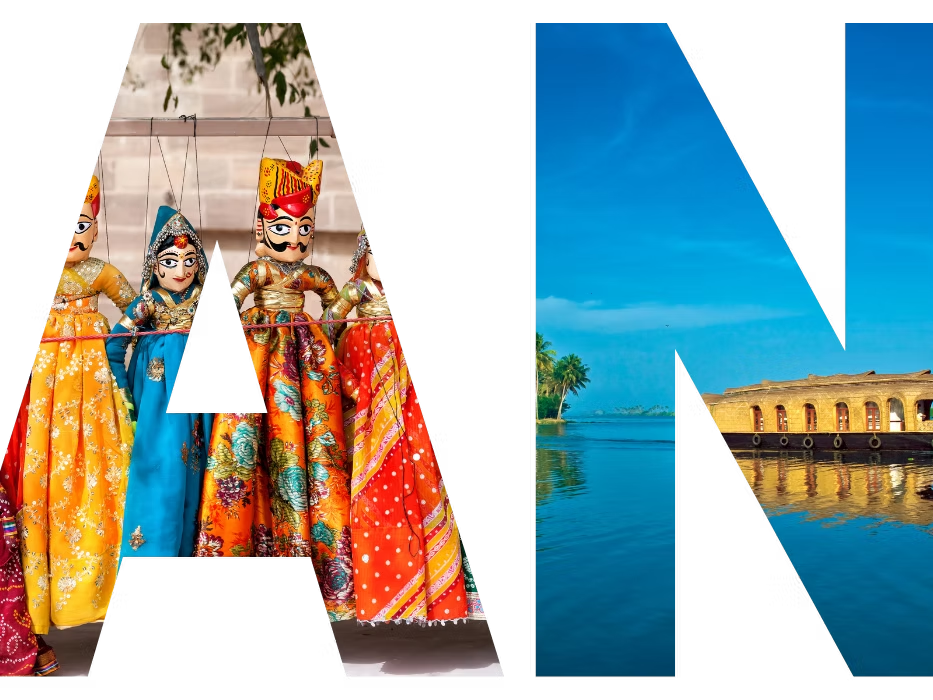
Imagine: As the calendar turns to January, India awakens from its slumber to welcome visitors with a wonderful embrace of experiences that will make your heart skip a beat. It’s almost as if the country is shouting, “Come on, let’s make memories together!” With the winter chill in the air, India’s travel locations in January are a treasure trove waiting to be discovered. India offers it all, from the sun-soaked beaches of Goa, where the party never stops, to the towering forts of Rajasthan, which whisper tales of monarchy, and the calm backwaters of Kerala, which call with their serene beauty. We’re not simply talking about travel in this article; we’re embarking on an adventure, a whirlwind romance with India in January. Whether you’re someone looking for alpine highs, a beach bum looking for sandy coasts, or a culture vulture looking for unparalleled immersion, we have you covered. Read on for a ready-to-embark-on travel itinerary and guide for your 20-day long winter escape 🙂 Here are the top 3 places you can enjoy your January at! GOA A 20-day trip to Goa in January allows plenty of time to enjoy the beaches, culture, cuisine, and natural beauty of this renowned Indian tourist destination. Here’s a thorough travel itinerary to help you make the most of your trip: Days 1-3: Goa Arrival Arrive at Dabolim Airport or Madgaon Railway Station in Goa. Make your way to a beachfront town like Calangute, Baga, or Anjuna. Spend the first several days lounging on the beach, getting to know the locals, and enjoying the lively nightlife. Days 4-6: North Goa Visit North Goa’s beaches, such as Calangute, Baga, Anjuna, and Vagator. Take a look at the historic Aguada Fort and Aguada Lighthouse. Take part in water sports such as paragliding and jet skiing. On Wednesdays, visit the Anjuna Flea Market for shopping and local crafts. Find top North Goa hotels where you can enjoy a luxurious and comfortable stay here! Days 7-9: Central Goa Relocate to a more central area, such as Panaji, Goa’s capital. Visit the St. Augustine Tower and the Basilica of Bom Jesus in Fontainhas’ Latin Quarter. Spend a day in Old Goa, where you may visit the Se Cathedral, the Church of St. Cajetan, and the Archaeological Museum. In the evening, take a river boat on the Mandovi River. You can find more plans to add to your travel itinerary by reading this blog. Days 10-12: Relaxation in South Goa Visit South Goa’s quieter beaches, such as Palolem, Agonda, and Colva. Go to the Cabo de Rama Fort for stunning views of the coastline. Visit the Cotigao Wildlife Sanctuary to see the native flora and fauna. Days 13-15: Nature and Adventure Travel to the Western Ghats to see the Dudhsagar Waterfalls. To get to the falls, you can take a walk, a vehicle safari, or a rail ride. Pay a visit to the Bhagwan Mahavir Wildlife Sanctuary and the Mollem National Park. Discover the Tambdi Surla Temple, a 12th-century wonder tucked away in the jungle. Days 16-18: Beach Relaxation and Water Sports Return to your favourite beach in North Goa or discover new ones. Visit quieter beaches such as Ashwem, Morjim, and Arambol. Go on a dolphin-watching, snorkelling, or scuba diving cruise. Looking for in-depth details about the water sports offered in Goa? Get adventure-ready by reading more about them here! Day 19-20: Shopping and Culinary Delights Sample Goan cuisine at nearby restaurants, including vindaloo, xacuti, and bebinca. Look for souvenirs and handicrafts in the local marketplaces. Take in your final sunset in Goa and reminisce on your unforgettable journey. Also read: Top romantic things that you can do with your partner in Goa! ???? In a nutshell, Goa is a sliver of paradise that begs to be explored. Consider renting a scooter or car for easy transit throughout your vacation, and book your accommodations well in advance, especially if you’re travelling in January, which is peak tourist season. RAJASTHAN A 20-day journey to Rajasthan in January allows you to immerse yourself in the rich history, culture, and different landscapes of this enthralling Indian state. Here’s a detailed itinerary to help you make the most of your Rajasthan adventure: Day 1-3: Jaipur Arrival Arrive at the Sanganer International Airport or the Jaipur Junction Railway Station in Jaipur. Check into your hotel in the Pink City. Explore Amber Fort, City Palace, Hawa Mahal, and Jantar Mantar, among other prominent Jaipur attractions. Bonus! – 7 day trip to Rajasthan: Tips and travel plan Day 4-6: Jaipur and the Surrounding Areas Visit Nahargarh Fort for panoramic views of the city. Explore the markets of Jaipur for authentic Rajasthani crafts and textiles. Take a day excursion to Amer and visit Jaigarh Fort. Visit the Albert Hall Museum and lunch at a typical Rajasthani restaurant. Day 7-9: Pushkar Drive to Pushkar, a holy town famous for its sacred lake and Brahma Temple. Visit the Pushkar Camel Fairground if your trip coincides with the fair (which is normally held in November). Explore the town’s lively streets and markets. Day 10-12: Jodhpur Travel to the “Blue City” of Jodhpur. Mehrangarh Fort, Jaswant Thada, and Umaid Bhawan Palace are all worth seeing. Discover the busy markets surrounding the Clock Tower and Sardar Market. Day 13-15: Udaipur Udaipur, the “City of Lakes,” is a short drive away. City Palace, Jagdish Temple, and Saheliyon Ki Bari are all worth seeing. Take a boat trip on Lake Pichola and see the Lake Palace and Jag Mandir from the water. Day 16-18: Rajasthan in the countryside Stay at a vintage hotel or homestay in rural Rajasthan. Discover the culture, traditions, and food of the area. Visit villages, meet residents, and take part in cultural events. You can even explore an offbeat village in Rajasthan, of which more details can be found by clicking here! Day 19-20: Jaisalmer Travel to the “Golden City” of Jaisalmer. Jaisalmer Fort, Patwon Ki Haveli, and Gadisar Lake are all
Planning a Trip to Manali this Summer? Here’s What You Need to Know About the Weather
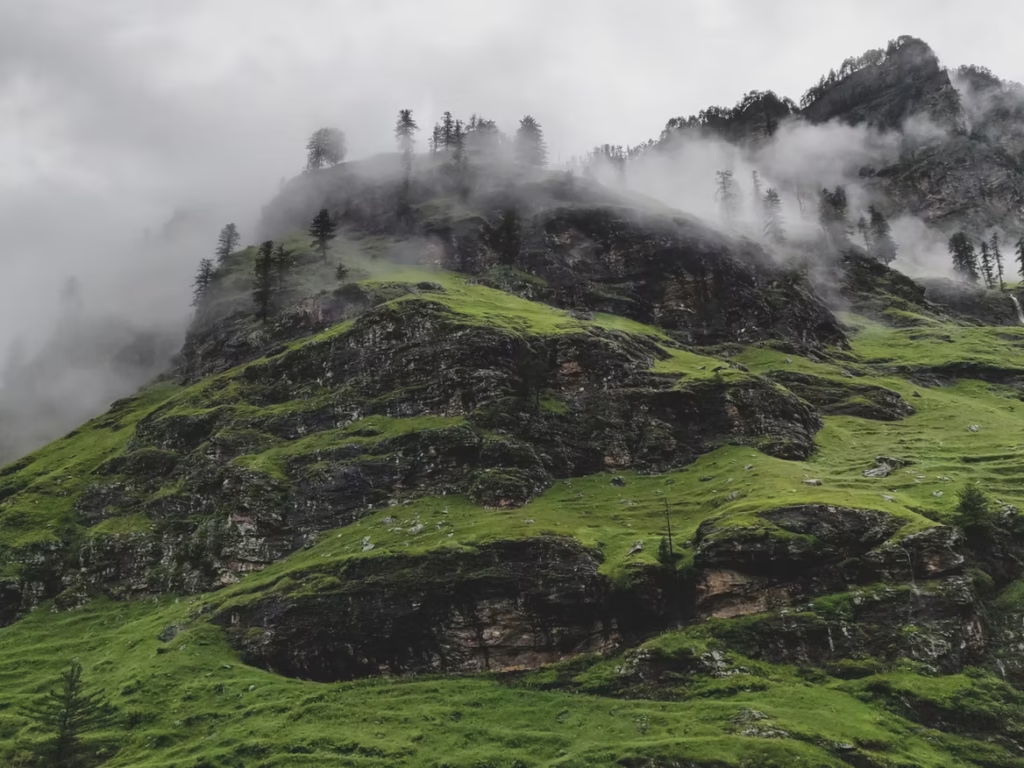
Tucked away in the Himalayas, Manali is one of the most popular summer getaways for Indians. When the plains heat up, this hill town is cool relief and a mix of scenic beauty and adventure. During the summer, you should expect anything from sunny mornings to misty rains to thunderstorms at any given moment.With a bit of planning, you can still get the most out of your Manali trip. This guide will tell you everything you need to know about Manali weather, including temperatures, rainfall amounts, what to pack, things to do in Manali by season, and the best time to visit Manali so that you can enjoy your holiday rain or shine. You can also plan your trip to Manali with The Tarzan Way. What’s in this blog Manali Weather: An Overview Manali in Summer (April–June) Manali in Monsoon (July–September) Manali in Winter (December–February) Manali in Spring (March–April) Best Time to Visit Manali What to Pack for Your Trip Things to Do in Manali by Season Suggested Itinerary for Manali FAQs Final Thoughts Manali Weather: An Overview At an altitude of nearly 2,050 meters, the weather in Manali can be dramatically different from season to season. Summertime may bring comfortable temperatures between 15°C and 25°C, but the high altitude makes the sun feel stronger. The monsoon usually starts at the end of June, with sudden showers. This unpredictable Manali weather means travelers must pack efficiently during the summer—they should carry light clothes for hot sunny days, a jacket for breezy evenings, and an umbrella for unexpected showers. Manali in Summer (April–June) Visiting Manali in summer is the most popular choice. Daytime temperatures are pleasant (15–25°C), perfect for an outdoor getaway. Humidity starts creeping in by May, but monsoon hasn’t fully arrived. Pros: Clear skies and mountain views. Ideal for trekking, paragliding, rafting, and camping. Cafes and markets are lively for food and shopping. Cons: Rain may arrive by late June. Rohtang Pass might still be closed in early April. Planning a road trip? Read: How to Plan the Perfect Delhi to Manali Road Trip. Manali in Monsoon (July–September) The monsoon season creates a verdant green paradise in Manali, but it also brings heavy rainfall that influences travel accessibility. Humidity will be high at levels between 75%–80% and landslides may occur frequently. Pros: Fewer travellers and hotel prices are discounted. Rivers and waterfalls could be flowing at their most spectacular. Great time for budget travelers. Cons: The roads may be prone to landslides and blockages. Outdoor adventure activities will be limited. Fog could obscure views. Want more? Check out our Manali Travel Guide for some safety tips during the monsoon season. Manali in Winter (December–February) In winter, Manali becomes an enchanting snow-laden land. The temperature fluctuates from -5°C during the night to 10°C in the day. Pros: Skiing, snowboarding, and snowmobiling at the Solang Valley. Fewer tourists, and appealing hotel offers. Charming sceneries with snow-clad mountains. Cons: Heavy snow can make the roads impassable. Limited connectivity to remote areas. Very cold and necessitate heavy winter wear. Manali in Spring (March–April) Spring brings moderate weather with highs of 18°C to 25°C, but evenings can still be chilly. Expect light showers and even snow at higher altitudes. Pros: Blooming orchards and colorful valleys. Off-season discounts on hotels. Ideal time for temple visits and easy treks. Cons: Sudden rain or snow at higher points. Some activities remain closed until summer. Best Time to Visit Manali The “best” time depends on your travel style: Summer (April–June): Adventure activities, family trips. Monsoon (July–September): Budget-friendly, lush scenery. Winter (December–February): Snow sports and cozy retreats. Spring (March–April): Flowering orchards, festivals, and fewer crowds. Planning a romantic escape? Check out our Manali Honeymoon Guide. What to Pack for Your Trip Summer: Light cottons, hats, sunscreen, trekking shoes, and a light jacket for evenings. Monsoon: Raincoat, umbrella, waterproof boots, quick-dry clothing. Winter: Heavy woolens, thermals, snow boots, gloves, moisturizers. Spring: Layered clothing, compact umbrella, light sweaters for evenings. Tip: Always carry a basic medical kit and reusable water bottles. Things to Do in Manali by Season Summer (April–June): Paragliding at Solang Valley, rafting in the Beas River, trekking (Hampta Pass, Bhrigu Lake), riverside camping. Monsoon (July–September): Temple visits (Hadimba, Vashisht), cozy cafes, local food, indoor relaxation. Winter (December–February): Skiing, snowboarding, sledding, zorbing, trekking (Chadar trek for experts). Spring (March–April): Nature walks, birdwatching, apple orchards, temple visits, cultural festivals. These activities highlight some of the best things to do in Manali no matter when you visit. Suggested Itinerary for Manali (4 Days) Day 1: Explore Mall Road and Hadimba Temple. Day 2: Adventure sports in Solang Valley. Day 3: Visit Naggar Castle, Vashisht hot springs, and Old Manali cafes. Day 4: Optional trip to Rohtang Pass (if open) or explore Kullu. This plan covers top places to visit in Manali, giving you a balanced mix of adventure and relaxation. FAQs Q. Is Manali hot in summer? No, summers are cool with 15°C–25°C temperatures, perfect for sightseeing. Q. Does it rain in Manali in June? Yes, occasional showers start by late June as monsoon approaches. Q. Which month is best for Manali? April–June for adventure, December–February for snow. Q. Is May good for Manali? Yes, sunny days, pleasant evenings, and open adventure activities. Q. Does Manali get snow in summer? Not in town, but higher passes may still have snow till May. Q. Is Manali crowded in June? Yes, June sees peak tourist crowds before monsoon starts. Q. What to wear in Manali in May? Light cottons by day, a jacket for cool evenings. Q. Is Manali safe in July? July is monsoon season; heavy rains can disrupt travel. Q. Does it snow in Manali in December? Yes, December usually brings snowfall, especially after mid-month. Q. Is January a good time for Manali? Yes, but pack heavy woolens; expect snow and sub-zero nights. Q. How many days are enough for Manali? 3–4 days are enough for sightseeing, cafes, and adventure. Q. Is Rohtang open in June? Yes, Rohtang Pass usually
Roadtrips to Embark on this Monsoon in India
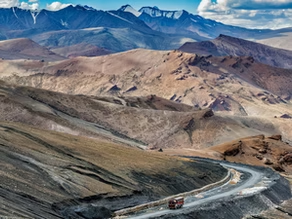
As the famous saying goes, ‘the journey is the destination’, this holds true for one of the most memorable travel experiences when it comes to road trips in India. India is very generous in its offering to anyone willing to travel the lengths of the country. Be it the bustling cities or the quiet hill stations or the lively villages, every part of it serves as an experience to hold on to for life. Road trips in themselves may sound tough and exerting to both the mind and the body. But with the right people at the right time and the right choice of vehicle, road trips in India have so much to offer to anyone willing to take on the challenge. With the onset of monsoon coupled with travel season being on the low and almost on hold, hitting the road for trips can be both budget-friendly and memorable ways to beat the rain literally showering on your fun parade. Keeping that in mind, we’ve picked up some routes that will guarantee you the best monsoon road trips in India. Top Road Trips in Monsoon in India Manali to Leh Chandigarh to Kasauli Srinagar to Zanskar Valley Jaisalmer to Jodhpur Puri to Konark Bangalore to Ooty Chennai to Pondicherry Vishakhapatnam to Araku Valley Manali to Leh Credit: Outlook India A road trip that calls for every adventure enthusiast to take up at least once in their lifetime when in India would undoubtedly be the journey from Manali to Leh road trip. The fascinating beauty of the snow-draped mountains and pristine weather from Manali to Leh is truly unmatched. The 474 km long route is clearly one of the most beautiful highways in India. This route comes alive during the monsoon season with occasional rainfall that glistens up the road and offers a thrilling ride along. With some deadly twists and turns, spectacular landscapes, and stunning monasteries, this road trip is exhilarating and needs to be experienced for yourself. Duration: 2 days Distance: 474 km Recommended route: Manali – Rohtang – Gramphu – Kokhsar – Keylong – Jispa – Darcha – Zingzingbar – Baralacha La – Bharatpur – Sarchu – Gata Loops – Nakee La – Lachulung La – Pang – Tanglang La – Gya – Upshi – Karu – Leh Chandigarh to Kasauli Credit: Jannar-e Himachal A relatively short road trip that will definitely guarantee a good trip in the hilly terrain is the stretch between Chandigarh and Kasauli. A dotted route that is famous for the scenic view of The Himalayan expressway with lush green mountains all around it, this road trip when taken during the monsoon season will open up your senses. The light rain during the trip will enhance the view of the forest cover of the mountain as it relaxes and calms your mind. As you drive along, the colonial-era churches and houses line the roads which almost feels nostalgic and filmy, especially on a rainy evening. The sloppy roads and blind cuts at some point may require careful attention but apart from that, this road trip will be everything you would want it to be. Duration: 2 hours Distance: 57 km Recommended route: NH5 Srinagar to Zanskar Valley Credit: Devil on Wheels The tales of the charm of both Srinagar and Zanskar valley are known far and wide for their enticing views and offerings to visitors. But this offbeat road trip that starts from Srinagar to Zanskar Valley is truly an experience of its own. There is no way an adventurer with a knack for road trips will regret taking this trip as it traverses through snow-capped mountains, breath-taking villages, alpine forests, and streams gushing through the valleys. Although the monsoon season is in full force in almost all parts of India, rainfall in this region is almost non-existent and hence it makes for a great choice to avoid the rain and enjoy a downpour-free ride during this time of the year. Duration: 2 days Distance: 447 km Recommended route: Srinagar – Kargil – Padum Road – Zanskar Valley Jaisalmer to Jodhpur Credit: Ketan Nikharge A wild ride along the lengths of Rajasthan will eventually unravel the beauty of this land with its periodic villages, the stretch of deserts, and golden fields. A popular road trip route in Rajasthan from Jaisalmer to Jodhpur during the monsoon season will heighten the adrenaline as you traverse across various places and challenge yourself with frequent rain. Though most of the roads that stretch along this trip are even and comfortable, you might come across some patchy and unpaved spots. But no trip is complete without a little bump and this should not be a reason to deter you from taking this opportunity to venture out into the quirky trip in Rajasthan. Duration: 3 days Distance: 307 km Recommended route: Jaisalmer – Chandan – Khetolai – Pokhran – Dechu – Shekhala – Agolai – Jodhpur Puri to Konark Credit: Anindita Das Escape the heat of the city and revel in some time enjoying a trip along the impeccable roads of the Puri-Konark highway route. As you drive through the rain with a cool breeze and views of canopy trees lining the sides of the road, this road trip in monsoon is truly a memorable experience. The route is also called the Puri Monark Marine drive as it runs parallel to the Bay of Bengal and offers impeccable views of the beach. Usually, on rainy days the waves of the sea and various stopovers at temples, food stalls, and beaches on the way will give you a small insight into the culture and lifestyle of the people on the eastern coast of India. Duration: 2 hours Distance: 35 km Recommended route: Puri – Konark Marine Drive Bangalore to Ooty Credir: Revv The road trip starting from the IT capital of India to the Queen of the Nilgiris will most likely be one of the most memorable experiences. Lush green valleys,
Best Winter Destinations in India
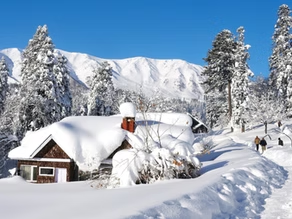
There’s something special about taking a vacation during winter. No two places experience it quite the identical way and a visit in winter often appears like you’re seeing a destination again for the very first time. Unlike other seasons, winter can completely transform an area and make an exciting experience that you just can’t get at other times of the year. With a series of various destinations and cities in one country, India offers a buffet of cultures for the would-be winter traveler. Either way, India encompasses a wealth of destinations to satisfy every taste. Whether that be the snowy slopes of the Gulmarg or the gentle winter sunshine of Udaipur, the list of places to spend winter in India are endless. Not every destination is suited to winter, except for those who are, there’s unlikely to be a more appropriate time to go. Let’s take a look at the best winter destinations in India and what makes each so special. Gulmarg Photo by Make my trip Gulmarg, also known as ‘Meadow of Flowers, is truly one of the most beautiful travel destinations in Kashmir. A crowning jewel of North India, it is a winter wonderland that will live up to anyone’s expectations offering the best of views of snow-draped mountains making it an almost snow globe world in itself. Also housing several winter sports, Gulmarg is among the most favored destination and is indeed a winter adventurer’s paradise. It has something to offer to any traveler willing to visit the town during the winter months. What not to miss: Take a ride on the famous Gulmarg Gondola. Trek to the beautiful Alphater Lake. Visit religious sites like the Baba Reshi Shrine and Rani Temple. Auli Photo by exoticmiles Considered to be the best skiing destination in India, Auli is a famous hill station in Uttarakhand famed for its famous glittering snowy slopes, it is another winter destination that will take your breath away as soon as you land. The landscape is covered with a thick layer of snow, numerous ski resorts dotting the region are bustling with holidaymakers, and adventure junkies are on their way to tame the snow-laden slopes. What not to miss: Board the Auli ropeway- Chair lift and Ski Lift, one of the highest in the world. Trekking to the beautiful trails of Nanda Devi, Mana Parvat, Kamet, Trishul Peak, and other high peaks of the Himalayas. Binsar Photo by Istock A small town in Uttarakhand known for the surreal beauty of the snow-laden Himalayan peaks, Binsar is bestowed with nature’s best gift. Binsar is a perfect place for wildlife photography, bird watching, and jungle trekking. It is heaven for nature lovers. The Binsar Valley offers excellent views of the Himalayan range mainly the famous peaks like Nanda Devi, Chaukhamba, Nanda Kot, Kedarnath, Panchachuli, etc. What not to miss: Explore the Binsar Wildlife Sanctuary. Watching sunrise and sunset at Zero Point. Visit the Kasar Devi temple and the Bineshwar Mahadev temple. Tawang Photo by Travemynation A charming getaway situated in Arunachal Pradesh, Tawang is a soul-seekers paradise as it offers a perfect escape from the hustle and bustle of everyday life. Gorgeous vistas, beautiful mountain yaks, and warm Monpas tribals make up for the best vacation time in Tawang. Heavy snowfall in December and January gives the town an ethereal look as now encompasses the entire place painting the place in a winter wonderland storybook visual. What not to miss: Take a tour around the impressive Tawang Buddhist Monastery. Visit the mighty Nuranang Falls. Ride along the Sela Pass and Bumla Pass. Shillong Photo by Gerald Cubitt Located in the Northeastern part of India, Shillong, famously referred to as the ‘Scotland of the East,’ is a sleepy hill station in Meghalaya that is adorned with pine trees and beautiful landscapes. Shillong also acts as the gateway to Meghalaya, the state famous for heavy rainfall, caves, tallest waterfalls, beautiful landscapes, and amazing people and their culture. What not to miss: Try the famous street foods of Shillong at Police Bazaar. Visit the famous three-step waterfalls at Elephant Falls. Take a walk around the cleanest village in Asia at Mawlynnong. Gangtok Photo by tour my India Situated in the eastern Himalayan range, the state capital of Sikkim, Gangtok combines a modern, resort town style with ancient spiritual beliefs and impressive natural heritage. Gangtok city is the epitome of neatness and is one of the few such places in India. It is a place that is brimming over with natural wonders of which the Kanchenjunga mountain is the most imposing. What not to miss: Visit Nathula Pass which connects Sikkim with China’s Tibet Autonomous Region. Enjoy a picnic along the shores of Tsomgo Lake. Treat yourself to some amazing sunrise and sunset views at Tashi Viewpoint with the Himalayan range at the backdrop. Udaipur Photo by Getty Images Known as ‘Venice of the East’, the city of Udaipur is blessed with sights that will awaken the soul and sight. Located around stunning water lakes and enveloped by the Aravalli Hills in all directions, Udaipur is known for its azure lakes, magnificent palaces, vibrant culture, and delectable food. The slight breeze in the air during the winter months offers tourists a perfect climate for sightseeing and exploring the city. What not to miss: Enjoy the annual Shilpgram Arts and Crafts Fair. Indulge in beautiful sunset boat rides at Lake Pichola or Fateh Sagar Lake. Shop at Hathi Pol Bazaar, Bada Bazaar, or the Chetak circle. Rann of Kutch Photo by Shutterstock One of the largest salt deserts in the world, Rann of Kutch is a remarkable place with its surreal landscapes. It lies between Gujarat in India and the Sindh province in Pakistan. Given the tempestuous climate, most travelers visit the Great Rann in winter for the best chance to see the lunar-like landscapes. This salt desert has a pristine beauty. The crystal white salt desert is beautiful to watch during sunset.