

The Hidden Gems of Ladakh: Must-See Places Most Tourists Miss
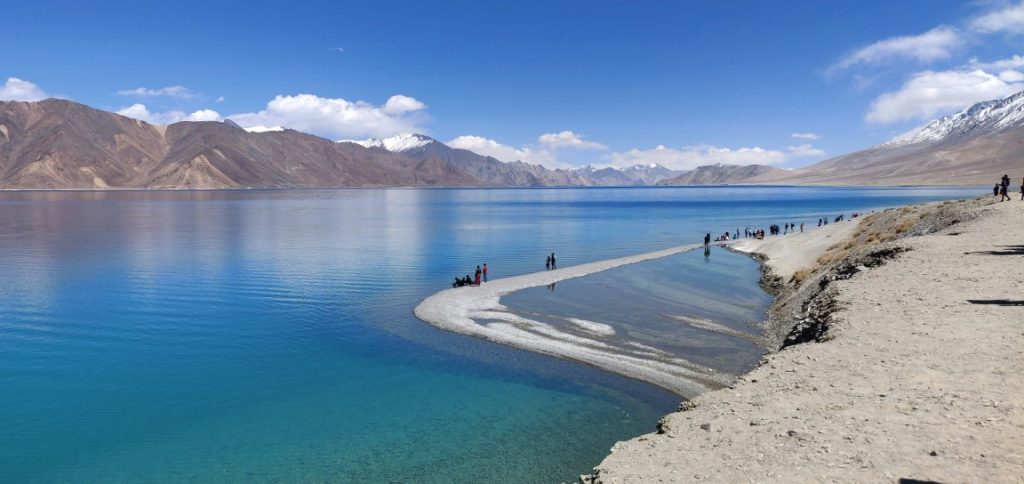
Ladakh is a stunner. But while most travelers flock to Pangong Lake, Nubra Valley, and Magnetic Hill, there’s a whole other side to this high-altitude wonderland that rarely makes it to Instagram feeds. If you’re planning your Ladakh trip and want to go beyond the usual tourist checklist, you’re in for a wild ride. This guide uncovers the offbeat, soul-touching, and hidden gems of Ladakh that even seasoned backpackers sometimes miss. Whether you’re on a Leh Ladakh road trip or seeking the best Ladakh trekking routes, here are the hidden gems that deserve a top spot on your Ladakh itinerary. 1. Turtuk—The Unexpected Surprise Near the Border Turtuk legitimately feels like you’ve walked into a different country. This quiet little village tucked away near the Indo-Pak border is all about Balti vibes, cute stone houses, and apricot orchards that smell like heaven. It’s a culturally rich pocket that most tourists totally miss on their Ladakh road trip. Pro Tip: If you’re in Ladakh around July or August, don’t sleep on the apricot harvest here. They’re chef’s kiss good! Add Turtuk to your Ladakh trip itinerary as a scenic detour from Nubra Valley; it’s worth every dusty kilometer. 2. Sumur—Soulful and Still in Nubra Valley Sumur is your go-to if you want to slow down and soak in the peaceful side of Nubra Valley. It’s got these beautiful golden fields, quiet monasteries (hello Samstanling!), and wholesome homestays where the chai flows endlessly. Pro Tip: Book a homestay and chat with the locals over butter tea. It’ll give your Ladakh trip major heart and soul. Perfect spot to recharge if your Leh Ladakh road trip has been a whirlwind. 3. Uleytokpo—Where the Stars Go Wild Uleytokpo is low-key the most underrated stargazing spot in Ladakh. It’s quiet and scenic, and you’ll probably see more stars than people here. Plus, it’s a sweet launchpad if you’re eyeing some easy trekking in Ladakh without going full hardcore. Pro Tip: Plan your visit around a new moon night. Trust me, the Milky Way views are insane. Don’t forget your camera, and drop this into your Ladakh travel itinerary if you’re big on cosmic vibes and night-sky photography. 4. Tso Moriri—Pangong’s Quieter Sister Pangong gets all the hype (and tourists), but Tso Moriri is where you go to actually breathe. Tucked high up at over 4,500 meters, this serene lake is wrapped in silence, snow-capped mountains, and zero crowds. No honking, no distractions, just pure vibes. If you’re crafting your Ladakh trip planner, trust us: Tso Moriri is the unplugged detox you didn’t know you needed. Pro Tip: Altitude here is no joke. Stay a night in Leh before heading up. Oh, and pack thermals even in summer. Add it to your Ladakh travel package for that offbeat glow-up. 5. Dha-Hanu – The Land of the Aryans Sounds wild, right? This hidden valley is home to the Brokpa tribe folks, who are believed to be actual descendants of Alexander the Great. Their features, traditions, and language are totally unique. Visiting Dah-Hanu is like stepping into a parallel timeline, one that most travelers skip in their usual Leh Ladakh tour itinerary. Pro Tip: Be respectful; this is a sacred cultural zone. Bring some dried fruits as gifts when staying in the village; it’s a kind gesture and opens up conversation with the locals. A total must for your Ladakh sightseeing plans. 6. Chuchot Yokma – Live the Ladakhi Way Who says you need to go remote to go local? Just a short drive from Leh, Chuchot Yokma is where you can hang with locals, help out on farms, and eat home-cooked thukpa with aunties who’ll treat you like family. It’s the kind of Ladakh sightseeing that doesn’t make it to Instagram reels but stays in your memory forever. Pro Tip: Visit during sowing or harvest season and get your hands dirty; you’ll earn your lunch and stories for life. Drop it into your Ladakh travel guide if authenticity tops your list. FAQs: Hidden Gems of Ladakh Q1. Is it safe to travel to these offbeat places in Ladakh? Yes, most of these locations are safe with basic infrastructure. However, always check with locals and stay updated on weather conditions. Q2. Do I need special permits for places like Turtuk or Dha-Hanu? Yes, Inner Line Permits are required for border areas like Turtuk and Dha-Hanu. They’re easy to obtain in Leh through your hotel or travel agency. Q3. What’s the best time to explore hidden spots in Ladakh? May to September is ideal. Roads are open, and the weather is traveler-friendly. Q4. Can these places be added to my Leh Ladakh tour packages? Absolutely! Custom Leh Ladakh packages often allow flexibility. Just discuss your Ladakh trip plan with your tour operator. Q5. Are these spots included in regular Ladakh travel guides? Not always. That’s why this blog is your cheat code to discovering the best places in ladakh beyond the mainstream. Final Thoughts: Time to Go Beyond the Map The magic of Ladakh isn’t just in the big names; it’s in the tiny villages, the quiet valleys, and the stories no one’s telling yet. Whether you’re crafting your Ladakh travel itinerary, looking for a Ladakh trip package, or booking Leh Ladakh tour packages, don’t sleep on these gems. And if you’re feeling a bit overwhelmed with planning your Leh Ladakh trip, The Tarzan Way’s curated Ladakh tour itineraries can help you unlock Ladakh like a true explorer. Let’s make your trip unforgettable, one hidden trail at a time.
Thailand Tour Guide 2026: Top Places to Visit & Expert Tips
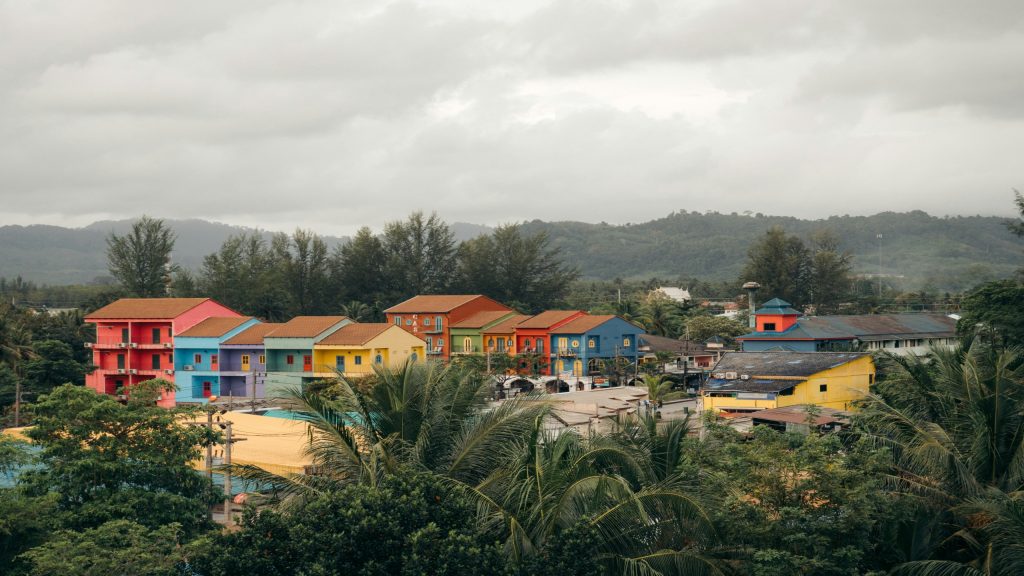
Planning a trip to Thailand? You’re in for something amazing. Whether it’s your first time or you’ve been before, Thailand’s got that perfect mix of chill beaches, wild cities, incredible food, and culture that hits different. This guide has everything you actually need, from top places to visit and helpful tips to a simple Bangkok itinerary to get you started. No pressure, no overplanning, just a solid starting point for your 2025 adventure. Think of it as your low-key Thailand trip planner from someone who’s just as excited about the journey as you are. Top Places to Visit in Thailand in 2025 1. Bangkok—The City That Never Sleeps If you’re planning a Bangkok, Thailand trip and skipping Bangkok… rethink that. It’s loud, a little wild, but honestly, kind of magical. One minute you’re walking through a 200-year-old temple, the next you’re sipping cocktails on a rooftop 40 floors up. It just works. Places you can’t miss: Wat Arun at sunset—trust me, it’s unreal Wat Pho for the massive Reclining Buddha Chatuchak Market if you’re down for cheap clothes, souvenirs, and snacks every few feet Tip: Don’t mess with Bangkok traffic; it’s brutal. Stick to the BTS Skytrain or catch a riverboat. It’s faster, cheaper, and kind of fun. Sample 3-Day Bangkok Itinerary: Day 1: Hit the big temples and take a river cruise Day 2: Shop ‘til you drop + street food crawl (save room for mango sticky rice) Day 3: Do a chill day trip either to Ayutthaya (ancient ruins) or a floating market Bangkok can feel overwhelming at first, but once you settle in, you’ll get why it’s a must on every Thailand travel planner. Just roll with the chaos that’s part of the charm. 2. Chiang Mai – Slow Days, Good Energy Chiang Mai feels like a deep breath after the buzz of Bangkok. It’s up in the mountains, way more laid-back, and kind of perfect if you’re into nature, temples, and slow mornings with good coffee. You’ll spend your days wandering through night markets, visiting peaceful temples, and maybe even hanging out with elephants (the nice, ethical kind—no rides, just love). What’s worth your time: Doi Suthep Temple—the view from the top is unreal Local night bazaars—perfect for souvenirs and endless street food An elephant sanctuary And if you’re there in November, catch the Yi Peng Lantern Festival with floating lanterns everywhere. It’s one of those moments you’ll never forget. Tip: November is the sweet spot. Cooler temps, fewer tourists, and the whole city just feel alive during festival season. Chiang Mai isn’t about rushing around; it’s more like… take it slow, enjoy the vibes, and let the place grow on you. If you’re planning your Thailand holiday guide and want something meaningful (and super chill), this is your place. 3. Phuket – Sun, Sea & Zero Regrets Phuket’s the kind of place that makes you want to ditch your return ticket. It’s all palm trees, blue water, and a “let’s just stay forever” vibe. Whether you’re there to party, explore, or fully unplug, it just works. You’ll probably end up at Patong Beach at least once. It’s loud, messy, and kind of chaotic… but also kind of fun. If that’s not your scene, no worries; there are way more peaceful spots too. Definitely take a boat trip out to the Phi Phi Islands. Yeah, it’s touristy, but it’s also insanely beautiful. And at some point, go visit the Big Buddha. It’s quiet, up on a hill, and the views over the island are actually kind of surreal. Tip: Stay on the west side of the island if you’re into sunsets and want a break from the noise. The beaches are calmer, and the vibes are unbeatable. Phuket’s a must for any Thailand trip planner, especially if you’re looking to mix a little adventure with a whole lot of chill. 4. Krabi—Straight-Up Coastal Magic Krabi is a screensaver IRL. You’ve got these giant limestone cliffs, crazy blue water, and beaches that are somehow both chill and dramatic at the same time. Musts: Railay Beach—no roads, just boats and jaw-dropping views Ao Nang—super chill, good food, easy vibes Island hopping—hit up Koh Phi Phi or Koh Lanta (yes, both if you can) Tip: Book the early boat tours; it’s quieter, cooler, and ideal for stunning photos. If your Thailand itinerary doesn’t include Krabi, it’s time to reconsider. The experience is nothing short of cinematic. 5. Pai—Your Soft Life Era Pai is tiny, peaceful, and kind of magical. It’s the place you go when you’re tired of being “on” all the time. No big plans, no loud crowds—just mountains, fresh air, and a slow pace that hits different. What you’ll find: Hot springs, waterfalls, sleepy cafés, people playing guitar at sunset, and the kind of quiet that makes you actually breathe. It’s not flashy, and that’s exactly the point. Tip: Rent a scooter and just cruise around. No map needed. Every random road leads to something pretty. Pai won’t be for everyone. But if you’re craving calm, creativity, or just a break from the noise, this is your sign to add it to your Thailand trip guide. FAQs About Traveling to Thailand (2025 Edition) 1. What’s the best time to visit Thailand? Thailand is great year-round, but the best weather is from November to February—cooler, drier, and perfect for sightseeing or beach-hopping. A good Thailand vacation planner will help you avoid the rainy season in the south and extreme heat in the north. 2. Do I need a visa to travel to Thailand? Depends on your passport. Many countries get a 30-day visa exemption, but always double-check. A solid Thailand travel planner or Thailand tour guide should include up-to-date visa info. 3. Is Thailand expensive for travelers? Not really. Thailand can be super affordable, especially for food, transport, and accommodation. Whether you’re going luxe or backpacker, a good Thailand trip planner can help you stick to your budget. 4. Is it safe to travel solo in Thailand? Yes,
Rajasthan: Beyond the Deserts – Wildlife Adventures Unveiled
Last Updated: 27 March 2026 Rajasthan: Beyond the Deserts Rajasthan is not merely a state of royal palaces and endless golden deserts. It is also the heaven of the wildlife lovers and the adventurers. Pulsating so much in a bid to preach a rare mixture of Rajasthan tourism and clean nature about the traditions, the wilderness adventure in the state. From spotting the majestic Bengal tigers of Ranthambore to witnessing flocks of migratory birds at Keoladeo National Park. This Rajasthan travel guide will take you through the state’s wild side. Whether you’re planning a family trip, a honeymoon, or looking for the best Rajasthan tour packages, this guide will help you create the perfect itinerary. It will show you the true essence of Rajasthan: Beyond the Deserts for an unforgettable journey. Ranthambore National Park: Home of the Bengal Tigers Ranthambore National Park No Rajasthan trip itinerary is complete without visiting Ranthambore National Park, one of India’s most famous wildlife sanctuaries. It is a home to photographers, nature lovers, and wildlife lovers due to its wild animals, especially Bengal tigers, all of which can be found in this very park. Tigers aside, other types of wildlife you’ll spot include leopards, sloth bears, striped hyenas, wild boars, and marsh crocodiles. The rough park terrain, comprising forest and open lawns, has rendered the park ideal for thrilling jeep safaris. Inclusion of Ranthambore in your Rajasthan tour itinerary would make sure that you get in touch with the wild core of Rajasthan. Ranthambore: Home to diverse wildlife Keoladeo National Park: A Birdwatcher’s Paradise Also known as the Bharatpur Bird Sanctuary, the Keoladeo National Park is a UNESCO World Heritage Site and a must-visit destination for bird enthusiasts. This sanctuary is one of the best places in Rajasthan to witness diverse birdlife in their natural habitat. Migratory birds like Siberian cranes, painted storks, pelicans, and kingfishers flock to this wetland during the winter months, giving it a spectacular view. Mist floating over lakes, a hundred birds screaming, that is the ha-ha of early mornings here. Keoladeo should be part of your Rajasthan tour packages, as it will provide you with an opportunity to relax in nature and a different cultural experience. Bharatpur Bird Sanctuary Bharatpur Bird Sanctuary The most interesting thing about this sanctuary is the amazing range of migratory birds that come in the winter. It is a great place to observe colorful birds, such as rare Siberian cranes, giant pelicans, colorful painted storks, and colorful Kingfishers. You will be engulfed by the sounds of the singing birds and the tranquility of the wetlands as you walk or ride through the well-kept walkways. The photojournalists and lovers of nature found particular beauty in the early mornings, when the mist hovered over the wetlands and flocks of birds started flying above them in perfect sync. You will never forget just how much of a great experience it can be, whether you are an old birder or just simply need a day of taking your feet up and experiencing the natural heritage of the Rajasthan state and the natural biodiversity of the Keoladeo National Park. Sariska Tiger Reserve: Revived Habitat for Tigers Another destination for wildlife lovers not to be missed is the Sariska Tiger Reserve, which is located in the Alwar district. Sariska is renowned for its Bengal tigers, leopards, sambar deer, and chinkaras, and its dry deciduous forests provide an exciting jeep safari experience. At a prominent point here is the historic Kankwari Fort inside the reserve. It is to give you a moneying of history when you come to a kingdom of savage things, which is the very mix of tradition and nature. Sariska represents a compromise between adventure and civilization to the tourist planning a custom-made Rajasthan travel brochure. Sariska Tiger Reserve, Alwar Desert National Park: A Unique Ecosystem Few would have a chance to observe the incredible wildlife in the arid landscapes of Rajasthan. As it is in the Desert National Park, which is near Jaisalmer. The largest area of its kind is the giant arcs of the dunes of dust, the cones of rock, and the ancient salt lakes. And in this respect, it has become one of the most popular tourist destinations for lovers of nature. It is also known for its exciting elements. The endangered Great Indian Bustard is one of the largest attractions within the park. It is a beautiful bird due to its conspicuous appearance and towering stature. And it is about this endangered species that conservation becomes a frontier area for Rajasthan, and a kind of tourism for bird watchers of the world. The visit to the Desert National Park is an adventure in itself. You can enjoy a fun-filled jeep safari through the dunes, or you can go on a guided walking tour, where a local guide and naturalist can tell you all about the history and biodiversity of the desert. Surreal quality of the wildlife photography and lifetime memories is created by the dramatic nature of the scenery, especially around sunset or sunrise. Desert National Park & The Great Indian Bustard Tal Chhapar Sanctuary: Blackbuck Haven Tal Chhapar Sanctuary, The BlackBuck reserve Another wildlife paradise, which promises a unique experience within untrodden wildlife paths, is Tal Chhapar Sanctuary. It is revered as a mute cemetery of the blackbucks, a herd of beautiful antelopes, with a turning horn and a flexing range of motion. The flat and open expanses of the sanctuary closely resemble the savannah, and it is a perfect place for these graceful animals. Herds of blackbucks running effortlessly on the plains is a breathtaking view and a photographer’s dream. In addition to blackbucks, Tal Chhapar is also a birdwatcher destination with many resident and migratory bird populations, including the Indian spotted eagle, Indian crested lark, skylark, and short-toed snake eagle, bringing color to the scenery. Tal Chhapar is a peaceful resort for nature lovers who want to be closer to nature. Unlike the more popular reserves in Rajasthan,
The Andaman & Nicobar Islands Railway Station: A Hidden Gem in the Indian Ocean
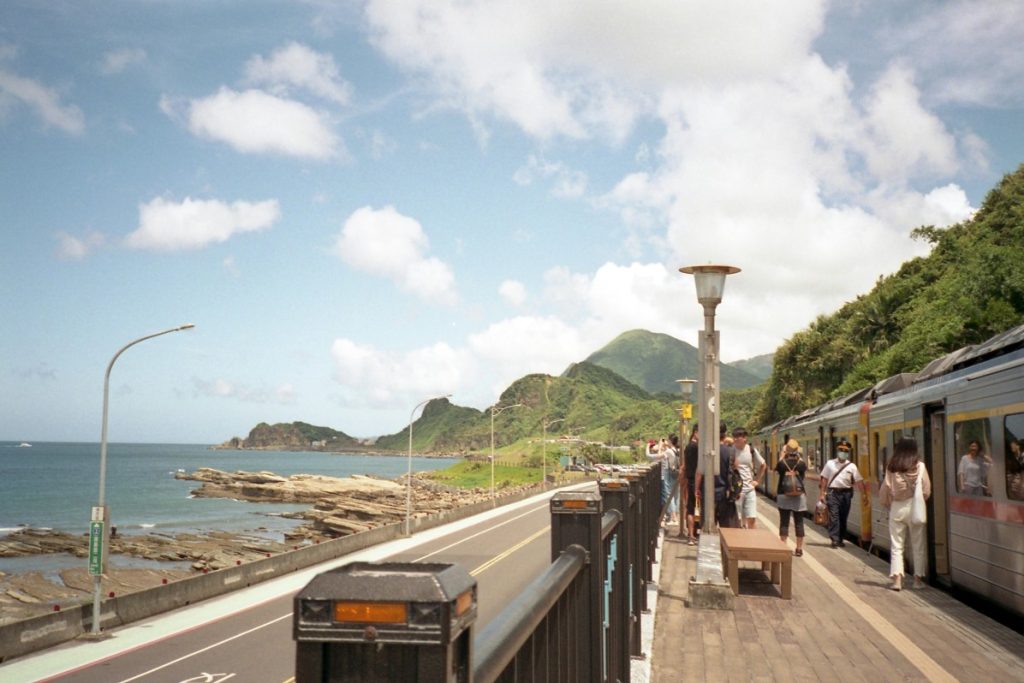
Introduction: Where Trains Meet the Sea When travelers think of the Andaman & Nicobar Islands, images of turquoise waters, swaying palm trees, and coral reefs come to mind. What few know is that there is a unique landmark that marries architecture, culture, and nature – the Andaman & Nicobar Islands Railway Station. Picture yourself standing on the platform of a railway station, where the rhythm of the trains dances to the melody of waves, coconut palms sway in the sun and the salty sea breeze drifts outside. This station is more than just the trains that pass through it – it provides a glimpse into the soul of the islands. For travelers arriving in the archipelago via Port Blair, many travelers find themselves extending their stay longer than planned, enamored by the island spirit and charm of the station. If you are looking for hidden gems on the islands and to experience the Andaman like a local, The Tarzan Way can tailor a bespoke itinerary that incorporates the railway station as part of the adventure itinerary along the beaches, diving trips and cultural experiences. Why the Andaman Railway Station is Special Eco-Friendly Infrastructure: Solar panels, rainwater harvesting, and sustainable materials preserve the environment. Architecture Blending with Nature: Thatched roofs, wooden beams, and artisan carvings reflect local culture. Scenic Views: Platforms overlook pristine beaches, coconut groves, and coral-rich waters. Cultural Hub: Friendly staff and occasional folk performances make the station lively. Photography Heaven: Ideal for travelers who want to capture the island’s beauty. Pro Tip: Combine a visit to the station with The Tarzan Way’s curated Andaman itineraries for a complete travel experience. Design and Architecture: A Harmony of Tradition and Sustainability The station is designed to honor the natural environment while showcasing Nicobari and Andamanese culture: Materials: Local timber, stone, and sustainable composites. Roofing: Thatch-inspired design to blend with the coastal environment. Energy: Integrated solar panels and rainwater harvesting. Landscaping: Native plants and flora surrounding the station. This makes it one of the unique stations in Andaman, demonstrating how infrastructure can harmonize with nature rather than disrupt it. Cultural Experiences at the Station One of the most enchanting aspects of this station is the human touch. Travelers can interact with locals, learn island stories, and enjoy spontaneous cultural moments: Folk music performances on shaded platforms Storytelling by station staff about Andamanese culture and history Local artisan displays showcasing traditional handicrafts Even if trains aren’t running, the station itself offers a cultural journey. This blog ensures travelers don’t miss these authentic experiences while exploring Andaman’s hidden gems. Scenic Beauty Around the Station The station isn’t just an architectural marvel—it’s surrounded by breathtaking scenery: White sandy beaches stretches into the horizon Coconut groves rustle in the sea breeze Turquoise waters and coral gardens perfect for diving and snorkeling Ideal sunset and sunrise spots for photography Many visitors combine their station visit with nearby beaches, taking in both natural beauty and local culture. Nearby Attractions and Activities Whether you’re a beach lover, a diver, or a cultural enthusiast, the station is a perfect starting point: 1. Beaches Short walks to secluded shores Relaxation and swimming Sunset views over the Indian Ocean 2. Coral Reefs and Diving Guided diving trips to Havelock and Neil Islands Snorkeling coral Andaman tours for beginners Glass-bottom boat rides for non-swimmers 3. Cultural Tours Local markets and handicraft villages Folk music and storytelling events Interaction with artisans 4. Eco-Tourism Learn about sustainable building and eco-friendly practices Observe how the station blends with the environment Responsible travel tips included in The Tarzan Way itineraries Pro Tip: Plan your station visit along with eco-tours and diving trips via The Tarzan Way, which ensures every activity respects local culture and nature. Travel Information Topic Details Location Near Port Blair, Andaman & Nicobar Islands Best Time to Visit October – May (dry season, calm seas) Entry Open for sightseeing, photography, and cultural experiences Transport Taxi, local bus, or combination of ferry and road for nearby islands Nearby Hotels Eco-lodges and resorts recommended in Andaman travel guides For more information about Andaman & Nicobar Islands you can checkout our Blogs: Are Andaman and Nicobar Coral Islands? How were Andaman and Nicobar Islands Formed? Andaman and Nicobar Islands: Tropical Paradise Reimagined. FAQs Q. What is the Andaman & Nicobar Islands Railway Station? It is a unique cultural and architectural landmark in the Andaman Islands, blending sustainable design with natural beauty. Q. Where is the Andaman & Nicobar station located? The station is situated near Port Blair, making it easily accessible for travelers before exploring Havelock, Neil, or other islands. Q. Is it operational for trains? While it resembles a railway station, it primarily functions as a cultural and tourist site rather than serving regular train operations. Q. What makes it eco-friendly? The station uses solar power, rainwater harvesting, native plants, and sustainable materials to minimize environmental impact. Q. Can visitors enter for sightseeing? Yes, visitors can explore the station, take photographs, enjoy cultural activities, and admire scenic ocean and beach views. Q. Are there nearby attractions? Nearby attractions include pristine beaches, coral reefs, local markets, cultural centers, and eco-tourism activities for travelers. Q. What cultural experiences are offered? Travelers can enjoy folk music, storytelling by locals, artisan displays, and insights into traditional Andamanese culture. Q. How do I reach the station? Visitors can reach the station via taxi, local bus, or a combination of ferry and road transport when coming from nearby islands. Q. When is the best time to visit? The ideal time to visit is October through May, during the dry season, for calm seas, clear skies, and perfect sightseeing. Q. Can beginners enjoy diving and snorkeling? Yes, beginners can safely enjoy snorkeling, guided diving tours, and glass-bottom boat rides to explore the vibrant reefs. Why Visit the Andaman & Nicobar Islands Railway Station? Experience Andaman architecture blending with nature Enjoy eco-conscious design while exploring tropical beauty Interact with locals and learn island culture Visit nearby beaches, coral reefs, and markets
How to Plan the Perfect Delhi to Manali Road Trip
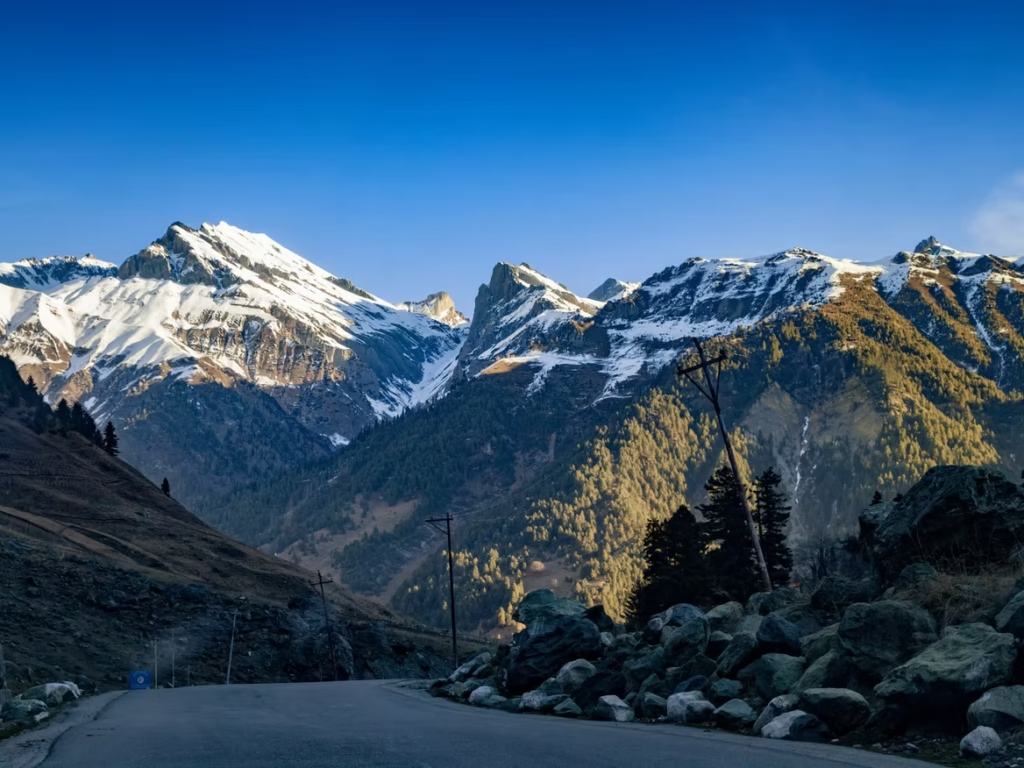
The road trip from Delhi to Manali is one of the best adventures in India. Imagine cruising along the winding highways with the towering Himalayas surrounding you; stopping at small dhabas for warm, buttery parathas; and opening the windows to let in the crisp mountain breeze. This isn’t just a drive, it’s an experience encompassing food, history, culture, and visually stunning landscapes. The distance from Delhi to Manali is about 470 km and can take anywhere between 10-12 hours. You will pass through picturesque towns in Himachal, see historic temples, and drive through scenic valleys. Smart planning will allow you to craft your Delhi to Manali itinerary into either an adventure packed with thrill or a well-deserved retreat. This guide outlines the best routes, breaks, packing advice, and safety tips for a road trip filled with beautiful scenery, food, and long-lasting memories. What’s in this blog Why Take a Road Trip from Delhi to Manali? Best Time to Travel Planning Your Route Packing and Preparing for the Trip Best Places and Stops on the Way Suggested Delhi to Manali Road Trip Itinerary Travel Essentials and Safety Tips Where to Stay Along the Route Why Plan with The Tarzan Way FAQs Final Thoughts Why Take a Road Trip from Delhi to Manali? Manali is one of the most loved hill stations in India; however, the adventure begins long before you reach the destination. If you drive from Delhi, you get to experience Scenic diversity – You go from Delhi with all its chaos, to flat farmland in Haryana and Chandigarh’s gardens to the mountains of Himachal. Freedom & flexibility – Stop where you want, eat the food that tempts you, and detour into remote villages. Unforgettable bonding – Long drives mean stories, laughter, memories, and experiences with your fellow travelers. Adventure factor – Hairpin bends, high passes, and spontaneous pitstops mean that the journey is as thrilling as the destination. Unlike a short easy flight, the road allows you to slow down and truly feel the spirit of Himachal. Best Time to Travel Timing really can impact your smooth roadway trip from Delhi to Manali. March–June – Great weather to experience and do fun activities. July–August – Torrential rains make the roads slippery and prone to landslides. No bueno. September–November – The weather is crisp, the air is clear and the crowd is smaller. December–February – A beautiful blanket of snow, but riskier driving option because of icy roads. If this is your first trip, I’d recommend a trip in March–June or September–November for a safer and comfortable trip. Planning Your Route The distance from Delhi to Manali is about 470 km, which can take 10-12 hours for a direct route. But the best part of this trip is to part it into a leisurely 3-5 days where you can visit towns along the way. Common Route Delhi → Murthal → Panipat → Ambala → Chandigarh → Bilaspur → Mandi → Kullu → Manali Suggested Stopovers Murthal – well known for parathas, and dhaba culture. Chandigarh – well known for architecture, gardens and museums. Kalka & Solan – great hillside views. Kullu – with apple orchards, temples, and river rafting. You will get the most food, culture, and relaxation on your trip by having 2-3 stopovers. Packing and Preparing for the Trip Packing smart makes the difference between a nice road trip and a stressful one. Things to consider: Clothes – lightweight cottons for the daytime, heavier jackets for the evening. Travel gear – sunglasses, hats, power banks for the trip, and car chargers. Snacks – buy dry fruits, sandwiches, some chips, and lots of water. Medical kit – buy basic medicines, motion sickness tablets, and band-aids. Car supplies – spare tyre, basic toolkit, torchlights, and extra fuel cans. Pro Travel Tips: Servicing of your car should be done one week prior to your trip (e.g. battery check, brakes check, and tyres check). Make sure to create playlists for the length of your trip, to keep your spirits high on longer stretches. Assign roles in the planning. Having a navigator, photographer and DJ will engage everyone. Best Places and Stops on the Way There are so many stops you can make while driving along the Delhi-Manali Highway. It’s full of places you will want to stop over! In and Around Delhi Sadar Bazaar – chaotic, colorful, and full of tasty street food. Chole Bhature breakfast – a classic North Indian kickstart. Murthal (NH44) Renowned for giant stuffed parathas with butter and lassi. Kurukshetra & Panchkula Kurukshetra temples – deep dive into India’s mythology. Nada Sahib Gurudwara – a peaceful spiritual stop. Chandigarh Explore the Rock Garden, Rose Garden, and museums. Perfect place for an overnight halt. Shimla & Kasauli (Optional detour) Colonial architecture, Mall Road, toy train rides. Approaching Manali Kullu – apple orchards, rafting in Beas River, temples. Solang Valley – adventure hub for paragliding and skiing. Rohtang Pass – if open, this snow paradise is a must-visit. In Manali Stroll along Mall Road. Visit Hidimba Devi Temple. Cozy up in local cafes with mountain views. Suggested Delhi to Manali Road Trip Itinerary Here’s a basic 5-day road trip plan: Day 1: Delhi → Chandigarh (250 km, approx. 5–6 hour drive). After a day of visiting Chandigarh’s gardens, stay overnight at a hotel. Day 2: Chandigarh → Shimla/Kasauli (90-120 km, approx. 3-4 hour drive). Explore Shimla or Kasauli with their beautiful hills and colonial architecture; stay overnight. Day 3: Shimla/Kasauli → Mandi/Kullu (180 km, 6–7 hour drive). See the beautiful scenic drives, apple orchards, and temples on this drive and stay overnight. Day 4: Kullu → Manali (40 km; 2 hour drive). Arrive in Manali; spend the day exploring Mall Road and Hidimba Temple. You can stay here two nights – the accommodation options are plentiful. Day 5: Around Manali → Take day trips from Manali to Solang Valley or Rohtang Pass (if open). Either way, there will be wonderful scenery and adventure. This trip can be done in
Planning a Trip to Manali this Summer? Here’s What You Need to Know About the Weather
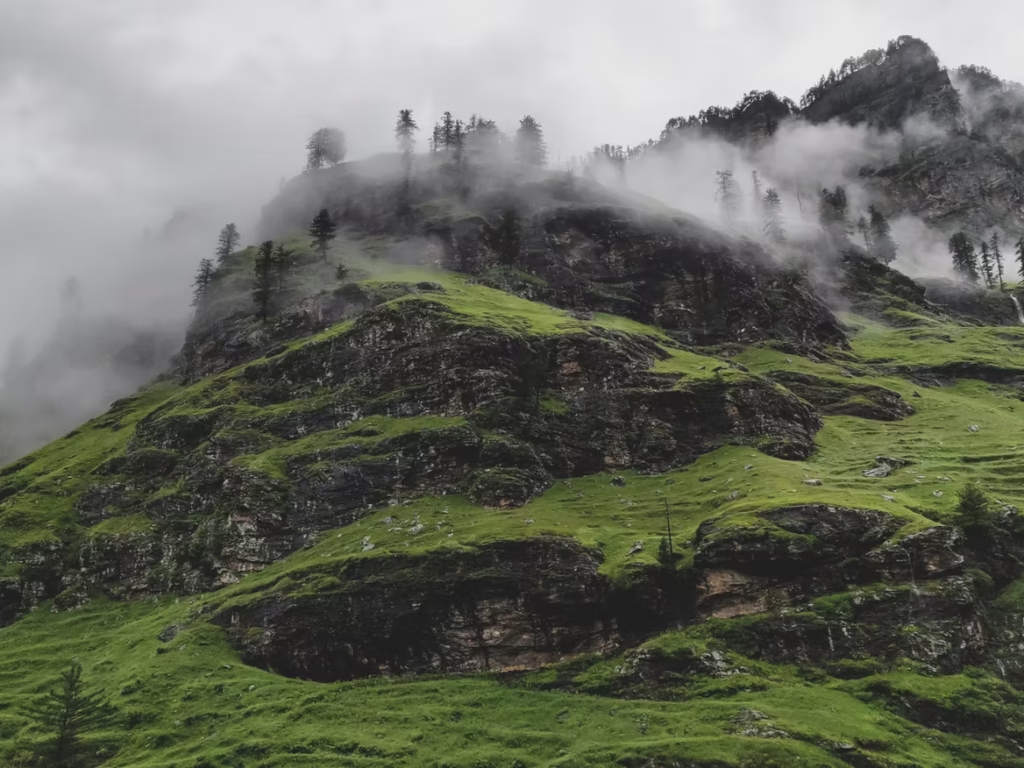
Tucked away in the Himalayas, Manali is one of the most popular summer getaways for Indians. When the plains heat up, this hill town is cool relief and a mix of scenic beauty and adventure. During the summer, you should expect anything from sunny mornings to misty rains to thunderstorms at any given moment.With a bit of planning, you can still get the most out of your Manali trip. This guide will tell you everything you need to know about Manali weather, including temperatures, rainfall amounts, what to pack, things to do in Manali by season, and the best time to visit Manali so that you can enjoy your holiday rain or shine. You can also plan your trip to Manali with The Tarzan Way. What’s in this blog Manali Weather: An Overview Manali in Summer (April–June) Manali in Monsoon (July–September) Manali in Winter (December–February) Manali in Spring (March–April) Best Time to Visit Manali What to Pack for Your Trip Things to Do in Manali by Season Suggested Itinerary for Manali FAQs Final Thoughts Manali Weather: An Overview At an altitude of nearly 2,050 meters, the weather in Manali can be dramatically different from season to season. Summertime may bring comfortable temperatures between 15°C and 25°C, but the high altitude makes the sun feel stronger. The monsoon usually starts at the end of June, with sudden showers. This unpredictable Manali weather means travelers must pack efficiently during the summer—they should carry light clothes for hot sunny days, a jacket for breezy evenings, and an umbrella for unexpected showers. Manali in Summer (April–June) Visiting Manali in summer is the most popular choice. Daytime temperatures are pleasant (15–25°C), perfect for an outdoor getaway. Humidity starts creeping in by May, but monsoon hasn’t fully arrived. Pros: Clear skies and mountain views. Ideal for trekking, paragliding, rafting, and camping. Cafes and markets are lively for food and shopping. Cons: Rain may arrive by late June. Rohtang Pass might still be closed in early April. Planning a road trip? Read: How to Plan the Perfect Delhi to Manali Road Trip. Manali in Monsoon (July–September) The monsoon season creates a verdant green paradise in Manali, but it also brings heavy rainfall that influences travel accessibility. Humidity will be high at levels between 75%–80% and landslides may occur frequently. Pros: Fewer travellers and hotel prices are discounted. Rivers and waterfalls could be flowing at their most spectacular. Great time for budget travelers. Cons: The roads may be prone to landslides and blockages. Outdoor adventure activities will be limited. Fog could obscure views. Want more? Check out our Manali Travel Guide for some safety tips during the monsoon season. Manali in Winter (December–February) In winter, Manali becomes an enchanting snow-laden land. The temperature fluctuates from -5°C during the night to 10°C in the day. Pros: Skiing, snowboarding, and snowmobiling at the Solang Valley. Fewer tourists, and appealing hotel offers. Charming sceneries with snow-clad mountains. Cons: Heavy snow can make the roads impassable. Limited connectivity to remote areas. Very cold and necessitate heavy winter wear. Manali in Spring (March–April) Spring brings moderate weather with highs of 18°C to 25°C, but evenings can still be chilly. Expect light showers and even snow at higher altitudes. Pros: Blooming orchards and colorful valleys. Off-season discounts on hotels. Ideal time for temple visits and easy treks. Cons: Sudden rain or snow at higher points. Some activities remain closed until summer. Best Time to Visit Manali The “best” time depends on your travel style: Summer (April–June): Adventure activities, family trips. Monsoon (July–September): Budget-friendly, lush scenery. Winter (December–February): Snow sports and cozy retreats. Spring (March–April): Flowering orchards, festivals, and fewer crowds. Planning a romantic escape? Check out our Manali Honeymoon Guide. What to Pack for Your Trip Summer: Light cottons, hats, sunscreen, trekking shoes, and a light jacket for evenings. Monsoon: Raincoat, umbrella, waterproof boots, quick-dry clothing. Winter: Heavy woolens, thermals, snow boots, gloves, moisturizers. Spring: Layered clothing, compact umbrella, light sweaters for evenings. Tip: Always carry a basic medical kit and reusable water bottles. Things to Do in Manali by Season Summer (April–June): Paragliding at Solang Valley, rafting in the Beas River, trekking (Hampta Pass, Bhrigu Lake), riverside camping. Monsoon (July–September): Temple visits (Hadimba, Vashisht), cozy cafes, local food, indoor relaxation. Winter (December–February): Skiing, snowboarding, sledding, zorbing, trekking (Chadar trek for experts). Spring (March–April): Nature walks, birdwatching, apple orchards, temple visits, cultural festivals. These activities highlight some of the best things to do in Manali no matter when you visit. Suggested Itinerary for Manali (4 Days) Day 1: Explore Mall Road and Hadimba Temple. Day 2: Adventure sports in Solang Valley. Day 3: Visit Naggar Castle, Vashisht hot springs, and Old Manali cafes. Day 4: Optional trip to Rohtang Pass (if open) or explore Kullu. This plan covers top places to visit in Manali, giving you a balanced mix of adventure and relaxation. FAQs Q. Is Manali hot in summer? No, summers are cool with 15°C–25°C temperatures, perfect for sightseeing. Q. Does it rain in Manali in June? Yes, occasional showers start by late June as monsoon approaches. Q. Which month is best for Manali? April–June for adventure, December–February for snow. Q. Is May good for Manali? Yes, sunny days, pleasant evenings, and open adventure activities. Q. Does Manali get snow in summer? Not in town, but higher passes may still have snow till May. Q. Is Manali crowded in June? Yes, June sees peak tourist crowds before monsoon starts. Q. What to wear in Manali in May? Light cottons by day, a jacket for cool evenings. Q. Is Manali safe in July? July is monsoon season; heavy rains can disrupt travel. Q. Does it snow in Manali in December? Yes, December usually brings snowfall, especially after mid-month. Q. Is January a good time for Manali? Yes, but pack heavy woolens; expect snow and sub-zero nights. Q. How many days are enough for Manali? 3–4 days are enough for sightseeing, cafes, and adventure. Q. Is Rohtang open in June? Yes, Rohtang Pass usually
How were Andaman and Nicobar Islands Formed?
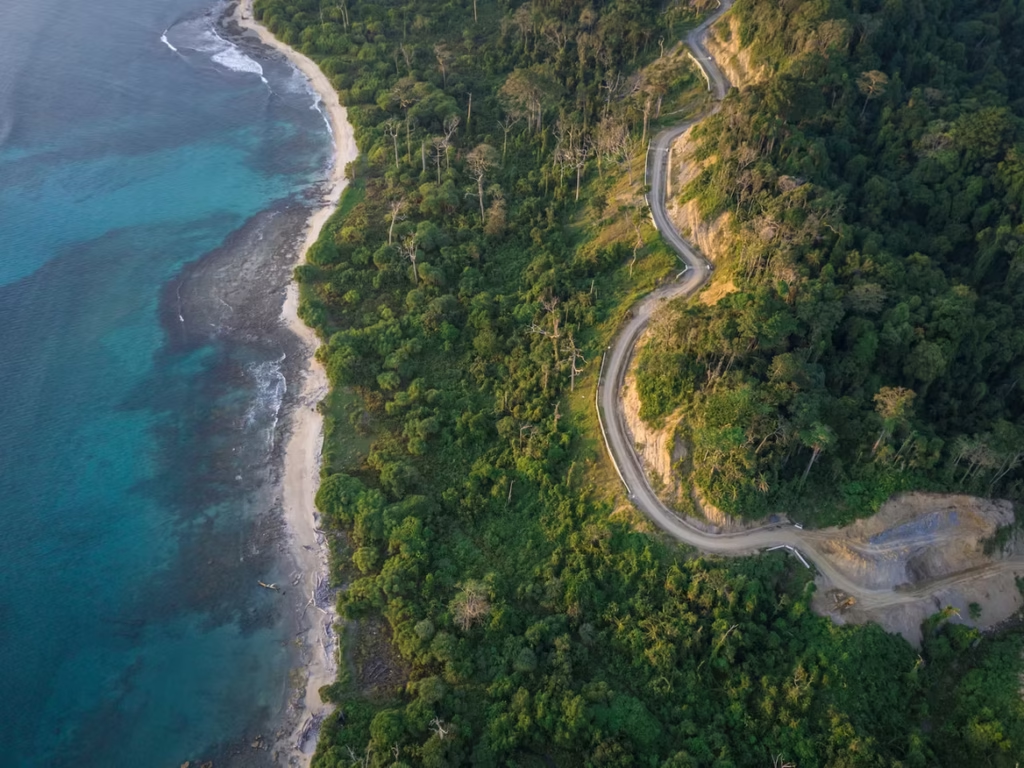
Today, when we think of the Andaman and Nicobar Islands, we think of turquoise waters, green forests, and all kinds of marine life. But the tropical paradise that exists today has a fascinating geological history that goes back millions of years. The Andaman Islands formation is a tectonic, volcanic, and landscape changing story, that is still happening today. In this article, we will explore the geological history of Andaman, the geological processes of tectonics and volcanism, and how they formed the exceptionally beautiful archipelago of islands that we know today. Are you looking to explore the Andaman and Nicobar Islands and create your own unique experience? Try The Tarzan Way, a unique AI-generated personalized trip planner generating unique Andaman travel experiences just for you. What’s in this Blog Geological History of Andaman Islands Plate Tectonics and the Subduction Zone Volcanic Activity in the Andaman Islands Separation from Indonesian Landmasses & Age of the Islands Erosion, Sea Level Changes & Coral Growth Impact on Biodiversity and Human Presence FAQs Final Thoughts Geological History of Andaman Islands The geological history of Andaman stretches over 88 million years ago, back when Earth’s continents came together and drifted apart in various configurations. The Andaman Nicobar geology shows that the islands were slowly exposed above sea level as a result of massive tectonic forces. Erosion, volcanism, and changing sea levels shaped the original landscape of the Andaman Nicobar area and created all that we see today as part of the Andaman Nicobar archipelago history. Check out our blog on Andaman and Nicobar Islands: Tropical Paradise Reimagined to see how these geological formations meet modern attractions. Plate Tectonics and the Subduction Zone It is impossible to fully explain how the Andaman Islands were formed without plate tectonics. The islands sit on a plate boundary where the Indian Plate is subducting beneath the Burmese Plate. This Andaman Nicobar subduction zone is very active and generates earthquakes and complex seafloor features. This immense pressure folded and lifted portions of the ocean crust, resulting in the chain of islands. The continuing plate tectonics in Andaman indicates the region is still geologically active. Volcanic Activity in the Andaman Islands Another important piece of the puzzle is volcanic activity in Andaman Islands. Barren Island, the only active volcano in India, is located here, and past eruptions have added new layers of rock and altered portions of the island group. Volcanic evidence has not only contributed to the Andaman Islands origin theory but continues to demonstrate the raw, creative power of geology. Adventure seekers can explore these landscapes alongside coral reefs — read more in our blog Andaman and Nicobar Islands: Diving into Underwater Wonders. Separation from Indonesian Landmasses & Age of the Islands Around 26 million years ago, fractures in the Earth’s crust first distinguished the Andaman Islands by breaking off from the Indonesian archipelago. This physical break allowed them room for unique ecological and cultural evolution. Thus, the Andaman Nicobar archipelago history represents millions of years of independent existence — a living museum of natural history. Erosion, Sea Level Changes & Coral Growth In addition to tectonics and volcanism, natural sculpting forces contributed. Erosion carved valleys, shifting seas submerged and revealed land, and corals colonized the coasts. Together, these forces have finely tuned the Andaman Islands formation, creating a nuanced interplay of steep cliffs, sandy beaches, and rich underwater habitats. Want to know if they are coral islands? Read our detailed blog: Are Andaman and Nicobar Coral Islands? Impact on Biodiversity and Human Presence The geological history of Andaman produced not only land but also biodiversity — from dense tropical forests to colorful reefs. Geological processes made the archipelago a rare hotspot of biodiversity. People arrived much later, bringing diverse cultures that added new chapters to the Andaman Nicobar archipelago history. Colonial exploration and waves of migration further shaped the human story here. If you’re planning to explore this mix of nature and heritage, don’t miss our Ultimate Travel Guide to Andaman. FAQs Q. How old are the Andaman Islands? The Andaman Islands’ age is estimated at around 88 million years, shaped by tectonic activity and volcanic forces. Q. What geological processes led to their formation? The Andaman Islands formation is the result of plate tectonics, volcanic activity, and erosion over millions of years. Q. Are the Andaman & Nicobar Islands volcanic? Yes – Barren Island shows active volcanic activity in the Andaman Islands, while many other islands have dormant or tectonic origins. Q. What plates are involved in Andaman tectonics? The Indian Plate and Burmese Plate interact at the Andaman Nicobar subduction zone, driving earthquakes and uplift. Q. When did the islands separate from Indonesia? About 26 million years ago, fractures split them from the Indonesian archipelago, shaping the unique Andaman Nicobar geology. Q. What role does the subduction zone play? The Andaman Nicobar subduction zone causes seismic activity and continues to shape the region’s geology through uplift and deformation. Q. Do volcanic activities still occur? Yes – Barren Island remains active, showing ongoing volcanic activity in Andaman Islands. Q. Are there different origin theories? The main Andaman Islands origin theory is tectonic uplift, but coral growth and erosion also played significant roles. Q. How do erosion and coral reefs affect the islands? Erosion and coral reefs refined coastlines, enriched marine biodiversity, and contributed to the long-term Andaman Nicobar archipelago history. Final Thoughts The Andaman’s geological history tells the grand story of Earth — continents moving, volcanoes erupting, oceans rising and falling, creating the beauty we see today. From plate tectonics and the Andaman Nicobar subduction zone to the living evidence of volcanic activity in the Andaman Islands, the archipelago embodies nature’s enduring creativity. Want to go further than science? Let The Tarzan Way, our AI-managed adventure generator, plot your Andaman experience including history, culture and natural beauty.
Andaman & Nicobar Islands
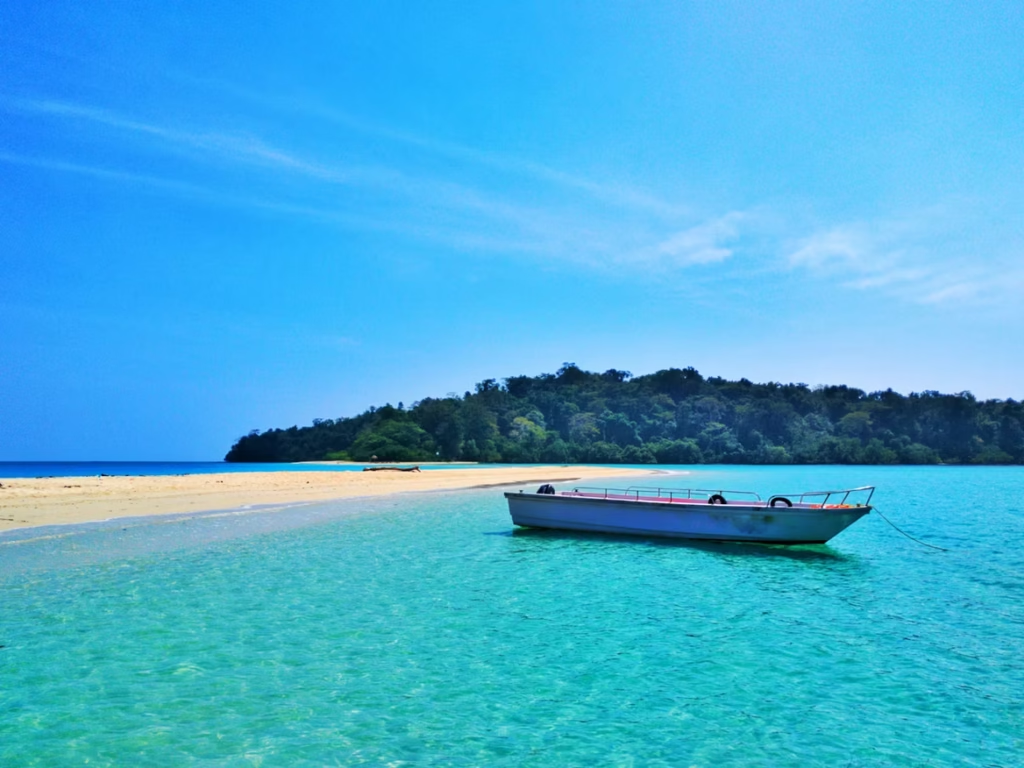
An Idyllic Paradise in the Bay of Bengal About History Population and people Climate Top 3 places to visit About The Andaman and Nicobar islands are one of the 8 union territories of India and are located in the Bay of Bengal, located between latitudes 6°N and 14°N and longitudes 92°E and 94°E. One can find white sand, pristine beaches lined with palm trees all over the islands. They give an opportunity for the perfect getaway to an abundance of quiet, tranquillity, and turquoise water. Andaman is a living example of what you mean when you refer to a “Tropical Paradise.” History The English East India Company’s fleet reached the Andaman Islands in 1789, and the British connected them administratively to the Nicobar Islands in 1872. The Andaman Islands are located on the historic trade route between India and Myanmar. In 1956, the two groups of islands were admitted as a union territory of the Indian Republic. The region has been known for its indigenous communities, which have steadfastly avoided considerable engagement with ethnic outsiders, for more than a century. The islands gained international prominence in 2004 after a sizable tsunami that had been caused by an earthquake in the Indian Ocean close to Indonesia badly destroyed them. 8,249 square km or 3,185 square miles. Population and People Photo by bionic__exe on Unsplash South Asian immigrants and their offspring make up the great bulk of the Andamans’ population. The majority of people speak Hindi or Bengali, but Tamil, Telugu, and Malayalam are also widely used. In the past, the Andamanese were small, isolated communities. Single outrigger canoes were used to harpoon or net turtles, dugongs, and fish. Major cultural change wasn’t possible until the middle of the 20th century due to the isolation of the Andamanese and their overall antagonism toward Westerners. Few native Andamanese remain alive today; the majority of these populations were wiped out by disease as a result of their contact with Europeans, Indians, and other foreigners. Early in the twenty-first century, the majority of the Nicobar Islands’ population was still made up of its native Nicobarese people (including the related Shompen). Both the Mon (also known as the Talaing) of Myanmar and the Malays of insular and peninsular Southeast Asia are likely their direct ancestors. The Austroasiatic language family includes the Mon-Khmer language group, which includes the Nicobarese languages. Some Nicobarese also speak Hindi and English. The Nicobar Islands are home to a sizable Tamil community in addition to its native inhabitants and other residents from the Indian mainland. As part of the Indian government’s initiative to advance the region’s agriculture, many arrived during the 1960s and 1970s. The people of the Andaman and Nicobar Islands are friendly and proud of their rich cultural history. Their welcoming atmosphere and open spirit provide visitors to the islands a sense of belonging. Festivals and events highlight the variety of their cultures while also encouraging unity among the diverse ethnic populations. The islanders have a deep connection to nature, living in harmony with the beautiful surroundings and enthusiastically sharing their knowledge of the indigenous flora and animals. Their fortitude in the face of adversity, especially natural calamities, is inspiring, and they continue to prosper with a strong sense of community. Interacting with the inhabitants exposes their true warmth and openness, leaving lasting recollections of the island’s allure. The inhabitants of the Andaman and Nicobar Islands are an essential part of the enthralling experience, making your trip genuinely enriching. Take advantage of the opportunity to engage with these friendly hosts and learn about the distinct character that defines this tropical sanctuary. Climate The best thing about these islands is that they are a year-round vacation spot with little variation in temperature and constant comfort. Between October and May is regarded as the ideal season to visit the Andaman and Nicobar Islands. A tropical paradise with a year-round warm and humid environment, the weather is sunny and comfortable, ideal for beach activities, snorkelling, and discovering beautiful coral reefs. The turquoise sea and moderate breeze provide an excellent environment for water sports and underwater experiences. During the monsoon season, which lasts from May to October, rain showers renew the lush green forests, creating a peaceful haven for nature enthusiasts but it is not a good time to visit because of the high tides, persistent rain, and strong winds. Regardless of the weather, immerse yourself in the islands’ rich cultural heritage by attending local events and traditional performances. Whether you prefer sun-kissed beaches or lush rainforests, the Andaman & Nicobar Islands provide a memorable and diverse experience, attracting travellers with their spectacular beauty and kind welcome. Because Andaman is a tropical island, it never experiences winter. Tourists can simply relax and take in the expansive view of the ocean in this comfortable, moderately humid climate that gives a good sea breeze. In the summer, the white dunes contrast with the clear blue sky and turquoise sea, which reflect blue tones. This makes for a beautiful vacation spot, not just for honeymooning couples but also for families with older members. It’s the ideal location to get a drink and relax on the shacks because it’s not too hot or humid. Andaman and Nicobar Airports How were Andaman and Nicobar Islands formed? Are Andaman and Nicobar Coral Islands? The Andaman and Nicobar Railways Do you need a passport to travel to Andaman and Nicobar Islands? Top 3 places to visit for your next trip to Andaman and Nicobar Islands Port Blair Photo by Sahil on Unsplash The Andaman and Nicobar Islands’ capital is Port Blair. Additionally, it serves as the sole notified town in the region as well as the administrative centre for the South Andaman district and the local administrative subdivision (tehsil) of the islands. The entry point is Port Blair, which has both air and marine connections to the rest of India. INS Jarawa, a
Exploring Belgium’s Art Scene: From Flemish to Modern

Belgium may be a small dot on the map, but when it comes to art, it is not small and is an artwork unto itself! From the spectacular museums in Antwerp to the picturesque canals in Bruges, with small galleries to the surrealist corners in Brussels, the art scene coordinates to tell a different experience. To investigate art in Belgium is not only to look at paintings, but to sense the layers of culture that have made art with intentional cultural influence for centuries. Bellevue and its art scene are sure to elicit various sensations surrounding the juxtaposition of history and imagination, whether you are an art enthusiast, a traveler who is simply interested in possibilities, or the planner for your European getaway with The Tarzan Way. Why Belgium for Art Lovers The artistic identity of Belgium is inscribed into every cobblestone street and café. Here is how each aspect contributes to Belgium’s arts and culture: Flemish finesse: where the famous painters Rubens, Van Eyck, and Bruegel once lived. Surrealist streak: celebrated with the art of René Magritte, where the ordinary becomes extraordinary. Modern energy: as new galleries and design studios challenge and shape contemporary arts. Compact and connected: for easy day trips in a relatively small land, it is an ideal artis vacay for a short holiday. Flemish Masters & Old Art: Antwerp, Bruges & Ghent Step back to the 15th–17th centuries – a golden era that defined European art. Here’s where to start: Antwerp: Stop by Rubenshuis, the historic home and workshop of Peter Paul Rubens, for a firsthand look at the artist’s life, packed with sketches, sculptures, and a touch of antiquity. Museum Plantin-Moretus: a UNESCO world heritage site that also happens to be the world’s first printing press, and is a must for anyone interested in history or typography. Bruges: Visit the Groeninge Museum to view the brushwork of Van Eyck up close and then walk along the canals — you will feel like the city is a painting. Ghent: Be sure to visit St. Bavo’s Cathedral for the “Adoration of the Mystic Lamb,” one of the most studied works in Europe. Each city is a short train ride away, making it easy to dive deep into Belgium’s classic art story. Brussels: Where Surrealism Meets Modern Life Brussels balances old elegance with new imagination. Royal Museums of Fine Arts: A collection that spans centuries – from Renaissance portraits to Magritte’s dreamlike surrealism. Magritte Museum: Dedicated to the artist who made bowler hats and floating clouds famous. His works blur the line between real and unreal, reflecting the city’s quirky charm. Street Art Scene: Wander around the Marolles district to spot bold murals and pop-art walls — Brussels’ creativity spills onto the streets. The city feels like an open-air gallery where every corner hides a creative surprise. Antwerp’s Modern Edge: KMSKA & MAS Antwerp isn’t just about Rubens – it’s where tradition meets experimentation. Royal Museum of Fine Arts Antwerp (KMSKA): Recently renovated, this museum beautifully blends Flemish masterpieces with modern art displays. Museum aan de Stroom (MAS): A stunning riverside museum combining art, history, and panoramic views. Each floor tells a different story about Antwerp’s identity. Zurenborg District: Architecture lovers will enjoy a stroll here – filled with art nouveau houses and local design studios. End your day at a riverside café, watching the sunset reflect off the Scheldt River. Hidden Art Gems & Local Museums Some of Belgium’s most authentic art experiences happen off the main trail. Plantin-Moretus Museum: Step into the world of 16th-century printing — an experience that connects literature, art, and craftsmanship. Rubenshuis: See how a master lived and created. Check schedules — renovations sometimes limit access. Museum Dr. Guislain (Ghent): An intriguing mix of medical history and outsider art — truly unique. These smaller gems offer an intimate look at Belgium’s creative spirit. Art + Food: A Perfect Pairing In Belgium, food is as expressive as its art. Chocolate & Art Cafés: Enjoy pralines and art prints side by side in Bruges or Brussels. Beer & Creativity: Many breweries double as art spaces — try De Koninck in Antwerp for a culture-meets-craft experience. Art-inspired dining: Some bistros design menus inspired by paintings or artists — creativity doesn’t stop at the canvas! Belgian cuisine adds warmth and character to your cultural journey. Day Trips from Brussels for Art & Culture Belgium’s size makes it easy to plan day trips filled with art and charm. Here are a few favorites: Ghent: Discover MSK and STAM museums, both offering great modern and classical collections. Bruges: Visit Groeninge Museum, then stroll canals lined with art shops. Antwerp: A must for KMSKA and MAS, just an hour from Brussels. Mechelen: Small yet surprising, with charming galleries and historical sites. Pack your daylight — trains are frequent and scenic! Best Time to Visit & Planning Tips Best time: April to June and September to early November — mild weather, fewer tourists, and perfect light for photos. Travel tip: Most museums close on Mondays — plan accordingly. Passes & Cards: Look for city museum passes like the Brussels Card or Antwerp City Pass to save on entries. What to pack: Comfortable shoes and a light rain jacket — Belgium’s weather can be playfully unpredictable. Sample Art Itineraries 48-Hour Art Break Day 1: Brussels — Magritte Museum, Royal Museums, and an evening at Grand Place. Day 2: Short trip to Antwerp for KMSKA and riverside strolls. 4-Day Flemish Loop Day 1: Brussels Day 2: Antwerp Day 3: Bruges Day 4: Ghent + return Week-Long Immersion Combine classic art with modern design — from medieval churches to street murals and creative cafés. FAQs What are the best museums in Belgium for art lovers? KMSKA in Antwerp, the Magritte Museum in Brussels, and Groeninge in Bruges are must-visits. Is Antwerp worth a day trip for art? Absolutely! It’s compact, full of Flemish history, and offers both classical and modern art experiences. What’s unique about Belgium’s art scene? It blends old-world
Goa Travel Itinerary: Must-Visit Spots & Hidden Gems
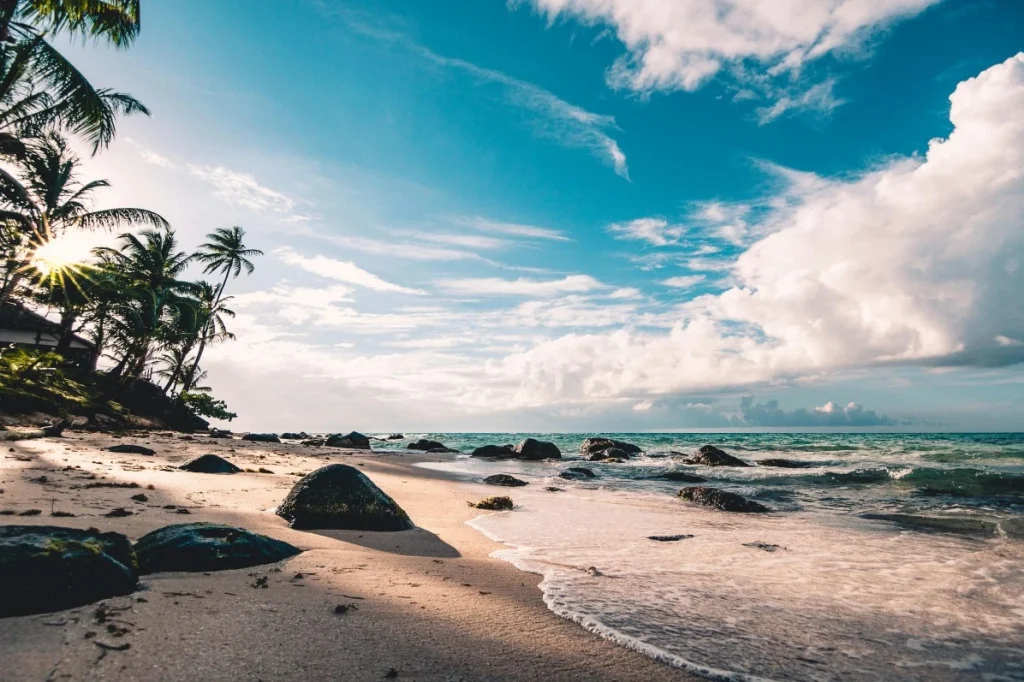
There’s something magnetic about Goa: its laid-back vibe, its breezy sea-salted mornings and lively evenings filled with music, laughter and dancing. For those who travel, Goa is more than a place. It is a feeling that looks different depending on how one engages with it. In this Goa itinerary, whether you’re planning a 1-3 day getaway or a full week of beach relaxation, we’ve pulled together the top highlights and some hidden gems locals enjoy. With a mix of nights out on the town and family-friendly beaches during the day, this itinerary finds the right balance between excitement and tranquility – just as it should be in Goa. If you would prefer a travel itinerary unique to your tastes, which circumvents the difficulties of planning and finding the perfect balance on your own, The Tarzan Way can plan your perfect Goa trip in minutes. North Goa – Where the Energy Never Sleeps Welcome to the lively half of Goa, where the roads buzz with scooters, beach bars shine with fairy lights, and music wafts through the night. North Goa is the place to begin – bold, crowded, and unapologetically alive. Must-Visit Spots: Calangute & Baga Beaches: The heartbeat of Goa tourism – perfect for water sports and beach parties. Fort Aguada: Catch golden sunsets and views stretching across the Arabian Sea. Anjuna Flea Market: Shop boho jewelry, handmade art, and souvenirs. Vagator & Chapora Fort: For those iconic cliff-top views featured in “Dil Chahta Hai.” Things to Do at Night: Party at Tito’s Lane or Curlies Beach Shack. Join a silent disco at Palolem or beach shacks along Anjuna. Explore local cafes that transform into cozy bars post-sunset. Pro Tip: If you’re looking for the convenience of walking to most nightlife options, stay close to Calangute or Baga. Book your stay early – budget accommodations come and go quickly in North Goa, especially on weekends and holidays. South Goa – For Serenity Seekers and Peace Lovers If, in North Goa, you have energy, in South Goa, you have balance – beaches lined with palms, morning yoga, and peaceful cafes with views of calm waters. This part of your trip to Goa feels like a refreshing breath after a prolonged song. Top Beaches: Palolem Beach: Great for kayaking, yoga, and relaxed evenings. Agonda Beach: Perfect for solitude and romantic sunsets. Butterfly Beach: Hidden and scenic – accessible by boat. Colva Beach: A mix of local life and scenic sands. Experiences You’ll Love: Morning dolphin tours and sunset cruises. Exploring Cabo de Rama Fort – one of the best Goa tourism places for views. Cafe-hopping in Patnem and Palolem for vegan and beachside brunches. Pro Tip: If you want to spend time in peace and silence, then visit South Goa during weekdays for the quietest experience. For a mix of luxury and affordability, try boutique Goa resorts near Agonda – they often come with private beach access. Hidden Gems Only Locals Know About Beyond the tourist maps of Goa, lay hidden treasures that frequent visitors may never see. These destinations will reveal the heart and soul of Goa – slow, simple, and breathtakingly beautiful. Hidden Beaches & Places: Kakolem (Tiger) Beach – Wild cliffs and pure privacy. Betul Beach – Delightfully small fishing village with an estuary. Hollant Beach – Tranquil bay for swimming and sunrises. Divar Island – Picturesque churches and colorful Portuguese houses. Netravali Waterfalls – Lush, jungle escape in South Goa. Why You Should Go: Excellent for nature photography. Ideal for travelers who prefer empty sand versus crowds. Peek into Goa’s traditional way of life. Pro Tip: Be sure to take cash with you while discovering the hidden beaches, because most stalls or taxis don’t have card machines. Always check tide timings if you’re heading to secluded coves. Beyond the Beaches – Goa’s Cultural & Heritage Side Goa’s charm isn’t just in its coastline – it’s in the music echoing from old churches, the bright Latin Quarter of Panjim, and the stories whispered by 400-year-old forts. Cultural Experiences to Try: Walk through Fontainhas – the Latin Quarter painted in blues and yellows. Visit Basilica of Bom Jesus and Se Cathedral – UNESCO heritage sites. Explore Reis Magos Fort for river views and history. Attend a local Goan music night in Panjim. Pro Tip: Early mornings are the best time to explore Old Goa – fewer crowds, softer light, and peaceful vibes for great photos. Where to Stay – Budget, Boutique & Beachside Bliss Whether you’re a backpacker or a comfort seeker, Goa offers stays that match every mood and budget. North Goa Stays: Budget-friendly hotels in North Goa (Calangute, Candolim, Baga). Ideal for partygoers and social travelers. South Goa Stays: Boutique villas and Goa resorts around Agonda or Palolem. Great for couples and families. Central Goa Stays: Panjim and Fontainhas – perfect for heritage lovers. If you’re planning a workation, browse through 13 Best Places to Have an Amazing Workation in Goa for the most scenic spots to mix work and leisure. Pro Tip: Book your stay near the area you plan to explore most – North for nightlife, South for peace. Many mid-range hotels offer discounts for stays longer than 5 nights. Sample 5-Day Goa Itinerary – Balanced & Breezy Day 1: Arrival + North Goa beaches (Calangute, Baga, Fort Aguada) Day 2: Anjuna Market + Chapora Fort + nightlife at Baga Day 3: Old Goa heritage sites + Fontainhas walk Day 4: Head to South Goa (Colva, Palolem, Cabo de Rama Fort) Day 5: Hidden beaches and cafe-hopping before departure For longer stays, check Goa Itinerary for 3, 5, and 7 Days for detailed route plans. Pro Tip: Keep your last day flexible – weather and beach vibes in Goa often tempt travelers to extend their stay. Goa Beyond the Sun – Food, People & Vibe No Goa travel guide is complete without talking about food. From beachside seafood shacks to local taverns serving spicy vindaloo, Goan cuisine reflects its mixed heritage. Must-Try Foods: Goan prawn