

Exploring The Exquisite Flavors Of Kerala: A Culinary Odyssey
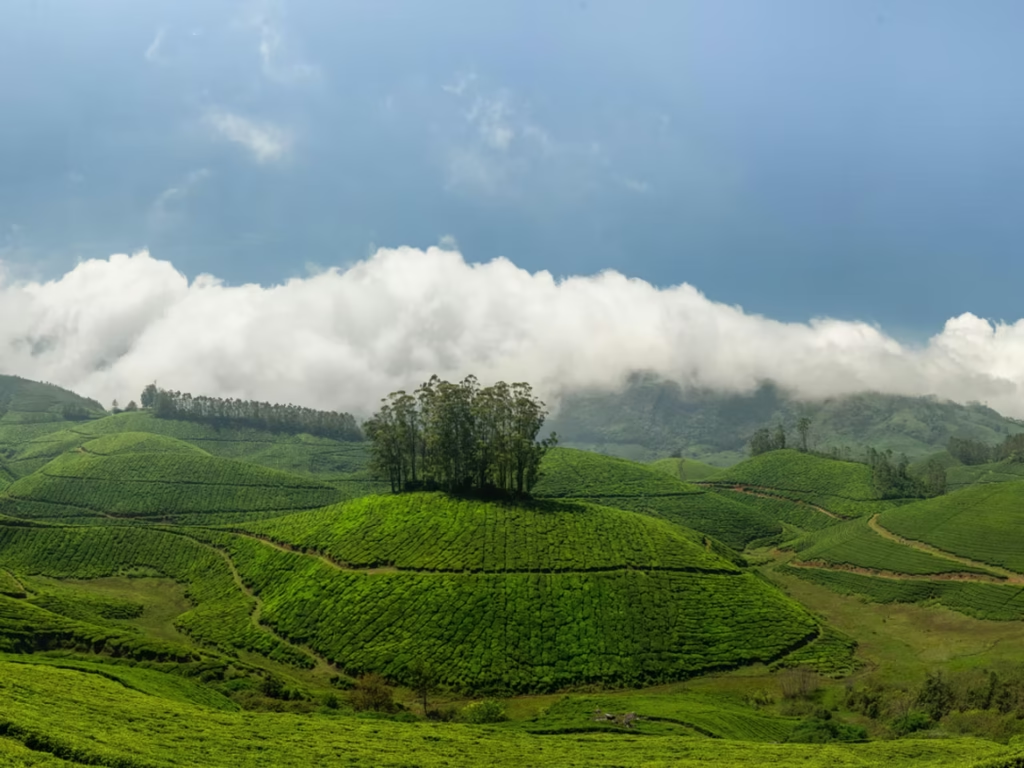
Embark on a gastronomic journey through the flavors of Kerala with our AI-enhanced culinary guide. From traditional spices to coastal delicacies, savor the best of Kerala cuisine. Introduction: The Rich Culinary Heritage Of Kerala Kerala, a state located in the southern region of India, is renowned for its rich and diverse culture, enchanting landscapes and warm hospitality. But one aspect of this beautiful land that often goes unnoticed is its flourishing culinary heritage. The food of Kerala is as captivating and varied as its people, with influences from different cultures dating back to ancient times. From fragrant spices to fresh seafood, every bite in this picturesque state is an explosion of flavors that will leave your taste buds wanting more. Keep reading to know more! Backwaters of Kerala From Sea To Plate: Exploring Kerala’s Coastal Cuisine Kerala’s long coastline along the Arabian Sea has not only blessed it with breathtaking views but also a unique and diverse cuisine that has been influenced by various cultures over centuries. From seafood to coconut-based dishes, Kerala’s coastal cuisine is a true reflection of its rich cultural heritage and natural resources. Kerala Chemmeen (Prawns/Curry) Appam and crab masala Karimeen Pollichathu Oyster Ethakka Thoran A Vegetarian’s Paradise: Taste The Delights Of Onam Sadya This traditional feast is a must-try for any food lover, especially vegetarians. Onam Sadya is a grand meal served during the festival of Onam in Kerala. It consists of an elaborate spread of over 20 different vegetarian dishes, all made with fresh and local ingredients. From flavorful curries to crispy papadums, every dish has its own unique taste and complements each other perfectly. And the best part? It’s all served on a banana leaf, adding a touch of eco-friendliness to this culinary experience. Following are the top 5 mouthwatering dishes part of the Onam sadya spread: 1)Thoran: It is a stir fry vegetable dish made of either cabbage, beans, raw jackfruit or carrot and grated coconut. Thoran 2)Olan: A mixture of white pumpkin, coconut milk and cow peas, olan can be served with steamed rice or red rice. Olan 3)Upperi or Sarkara Varatti: Add a sugary twist to the banana chips and you have upperi. Upperi or Sarkara Varatti 4)Ada Payasam: Ada Pradhaman is a traditional Kerala payasam prepared with jaggery coconut milk and rice ada or rice flakes. Ada Payasam 5) Puli Inji: Puli Inji is a sweet and sour ginger pickle made of tamarind, ginger and jaggery, served as an appetiser in Sadhya. Puli Inji The Art Of Pickling And Preserving In Kerala One of the most beloved aspects of Kerala’s cuisine is the art of pickling and preserving. This traditional method of food preservation has been passed down through generations in Kerala, resulting in an array of flavors. The process involves using a variety of spices, oils, and vinegars to create mouth-watering pickles that can be enjoyed for months on end. From fiery mango pickle to tangy lemon pickle to sweet and spicy mixed vegetable pickle, there is no shortage of options when it comes to pickled delights in Kerala. These special preserves not only add flavor to meals but also have numerous health benefits as they are packed with probiotics and essential nutrients.. Pickles Influences From Around The World: Fusion Dishes In Kerala’s Cuisine One of the most unique aspects of Kerala’s cuisine is its fusion dishes. The state, situated in the southern part of India, has been a major trading hub for centuries and has welcomed influences from around the world. This is reflected in its cuisine, which blends Indian ingredients and cooking techniques with flavors from various cultures such as Chinese, Portuguese, Dutch, and Arab. These fusion dishes add an exotic touch to the already diverse cuisine From spicy and tangy curries to mouth-watering seafood delicacies, the fusion dishes in Kerala are a must-try for food enthusiasts looking to embark on a culinary odyssey through this beautiful state. 1) Meen Moilee: A coconut milk-based fish curry with influences from Portuguese and Dutch cuisines, featuring Kerala’s signature spices. Meen Moilee 2) Kerala Beef Fry: Marinated beef stir-fried with onions, spices, and curry leaves, reflecting a blend of Kerala’s traditional flavors with Portuguese and Dutch influences. Kerala Beef Fry 3) Kerala Prawn Curry: Prawns cooked in a tangy coconut milk gravy infused with spices, showcasing the fusion of Kerala’s culinary traditions with Dutch and Arab influences. Kerala Prawn Curry 4) Kerala Chicken Stew: A creamy chicken stew with potatoes, carrots, and coconut milk, combining Kerala’s spices with Portuguese and Dutch culinary techniques. Kerala Chicken Stew 5) Kerala Egg Roast: Hard-boiled eggs cooked in a spicy onion-tomato gravy, representing the fusion of Kerala’s flavors with influences from Chinese, Portuguese, and Arab cuisines. Kerala Egg Roast Desserts, Sweets, And Snacks: An Exploration Of Kerala’s Sweet Tooth One can’t talk about Kerala’s cuisine without mentioning its irresistible sweet treats. From traditional desserts passed down through generations to modern snacks influenced by global flavors, Kerala’s love for sweets knows no bounds. Unniyappam: Sweet and fluffy rice flour fritters, flavoured with jaggery and bananas, a beloved snack during festivals. Palada Payasam: A creamy rice pudding cooked in milk, flavoured with cardamom and garnished with nuts, a must-have dessert for celebrations. Nei Appam: Crispy, golden-brown pancakes made with rice flour, coconut, and jaggery, a delightful treat enjoyed year-round. Kozhikodan Halwa: A chewy and aromatic sweet made from wheat, ghee, sugar, and nuts, a specialty of Kozhikode’s culinary heritage. Ada Pradhaman: A rich and decadent dessert made with rice flakes, coconut milk, jaggery, and garnished with fried coconut pieces, a staple during Onam festivities. Unniyappam Palada Payasam Kozhikodan Halwa As we come to the end of our culinary adventure in Kerala, we’ve experienced a rich blend of traditional flavors. In Kerala, food is not just a means of
How to Plan the Perfect Delhi to Manali Road Trip
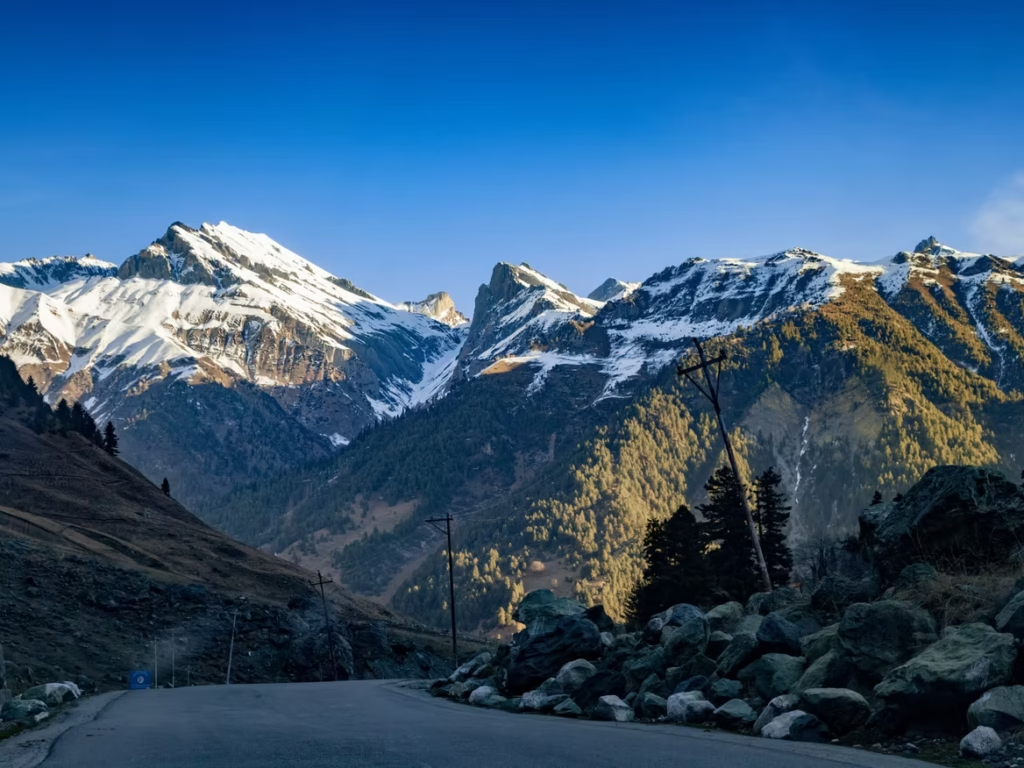
The road trip from Delhi to Manali is one of the best adventures in India. Imagine cruising along the winding highways with the towering Himalayas surrounding you; stopping at small dhabas for warm, buttery parathas; and opening the windows to let in the crisp mountain breeze. This isn’t just a drive, it’s an experience encompassing food, history, culture, and visually stunning landscapes. The distance from Delhi to Manali is about 470 km and can take anywhere between 10-12 hours. You will pass through picturesque towns in Himachal, see historic temples, and drive through scenic valleys. Smart planning will allow you to craft your Delhi to Manali itinerary into either an adventure packed with thrill or a well-deserved retreat. This guide outlines the best routes, breaks, packing advice, and safety tips for a road trip filled with beautiful scenery, food, and long-lasting memories. What’s in this blog Why Take a Road Trip from Delhi to Manali? Best Time to Travel Planning Your Route Packing and Preparing for the Trip Best Places and Stops on the Way Suggested Delhi to Manali Road Trip Itinerary Travel Essentials and Safety Tips Where to Stay Along the Route Why Plan with The Tarzan Way FAQs Final Thoughts Why Take a Road Trip from Delhi to Manali? Manali is one of the most loved hill stations in India; however, the adventure begins long before you reach the destination. If you drive from Delhi, you get to experience Scenic diversity – You go from Delhi with all its chaos, to flat farmland in Haryana and Chandigarh’s gardens to the mountains of Himachal. Freedom & flexibility – Stop where you want, eat the food that tempts you, and detour into remote villages. Unforgettable bonding – Long drives mean stories, laughter, memories, and experiences with your fellow travelers. Adventure factor – Hairpin bends, high passes, and spontaneous pitstops mean that the journey is as thrilling as the destination. Unlike a short easy flight, the road allows you to slow down and truly feel the spirit of Himachal. Best Time to Travel Timing really can impact your smooth roadway trip from Delhi to Manali. March–June – Great weather to experience and do fun activities. July–August – Torrential rains make the roads slippery and prone to landslides. No bueno. September–November – The weather is crisp, the air is clear and the crowd is smaller. December–February – A beautiful blanket of snow, but riskier driving option because of icy roads. If this is your first trip, I’d recommend a trip in March–June or September–November for a safer and comfortable trip. Planning Your Route The distance from Delhi to Manali is about 470 km, which can take 10-12 hours for a direct route. But the best part of this trip is to part it into a leisurely 3-5 days where you can visit towns along the way. Common Route Delhi → Murthal → Panipat → Ambala → Chandigarh → Bilaspur → Mandi → Kullu → Manali Suggested Stopovers Murthal – well known for parathas, and dhaba culture. Chandigarh – well known for architecture, gardens and museums. Kalka & Solan – great hillside views. Kullu – with apple orchards, temples, and river rafting. You will get the most food, culture, and relaxation on your trip by having 2-3 stopovers. Packing and Preparing for the Trip Packing smart makes the difference between a nice road trip and a stressful one. Things to consider: Clothes – lightweight cottons for the daytime, heavier jackets for the evening. Travel gear – sunglasses, hats, power banks for the trip, and car chargers. Snacks – buy dry fruits, sandwiches, some chips, and lots of water. Medical kit – buy basic medicines, motion sickness tablets, and band-aids. Car supplies – spare tyre, basic toolkit, torchlights, and extra fuel cans. Pro Travel Tips: Servicing of your car should be done one week prior to your trip (e.g. battery check, brakes check, and tyres check). Make sure to create playlists for the length of your trip, to keep your spirits high on longer stretches. Assign roles in the planning. Having a navigator, photographer and DJ will engage everyone. Best Places and Stops on the Way There are so many stops you can make while driving along the Delhi-Manali Highway. It’s full of places you will want to stop over! In and Around Delhi Sadar Bazaar – chaotic, colorful, and full of tasty street food. Chole Bhature breakfast – a classic North Indian kickstart. Murthal (NH44) Renowned for giant stuffed parathas with butter and lassi. Kurukshetra & Panchkula Kurukshetra temples – deep dive into India’s mythology. Nada Sahib Gurudwara – a peaceful spiritual stop. Chandigarh Explore the Rock Garden, Rose Garden, and museums. Perfect place for an overnight halt. Shimla & Kasauli (Optional detour) Colonial architecture, Mall Road, toy train rides. Approaching Manali Kullu – apple orchards, rafting in Beas River, temples. Solang Valley – adventure hub for paragliding and skiing. Rohtang Pass – if open, this snow paradise is a must-visit. In Manali Stroll along Mall Road. Visit Hidimba Devi Temple. Cozy up in local cafes with mountain views. Suggested Delhi to Manali Road Trip Itinerary Here’s a basic 5-day road trip plan: Day 1: Delhi → Chandigarh (250 km, approx. 5–6 hour drive). After a day of visiting Chandigarh’s gardens, stay overnight at a hotel. Day 2: Chandigarh → Shimla/Kasauli (90-120 km, approx. 3-4 hour drive). Explore Shimla or Kasauli with their beautiful hills and colonial architecture; stay overnight. Day 3: Shimla/Kasauli → Mandi/Kullu (180 km, 6–7 hour drive). See the beautiful scenic drives, apple orchards, and temples on this drive and stay overnight. Day 4: Kullu → Manali (40 km; 2 hour drive). Arrive in Manali; spend the day exploring Mall Road and Hidimba Temple. You can stay here two nights – the accommodation options are plentiful. Day 5: Around Manali → Take day trips from Manali to Solang Valley or Rohtang Pass (if open). Either way, there will be wonderful scenery and adventure. This trip can be done in
Top Budget Hotels in Manali for a Mountain Getaway
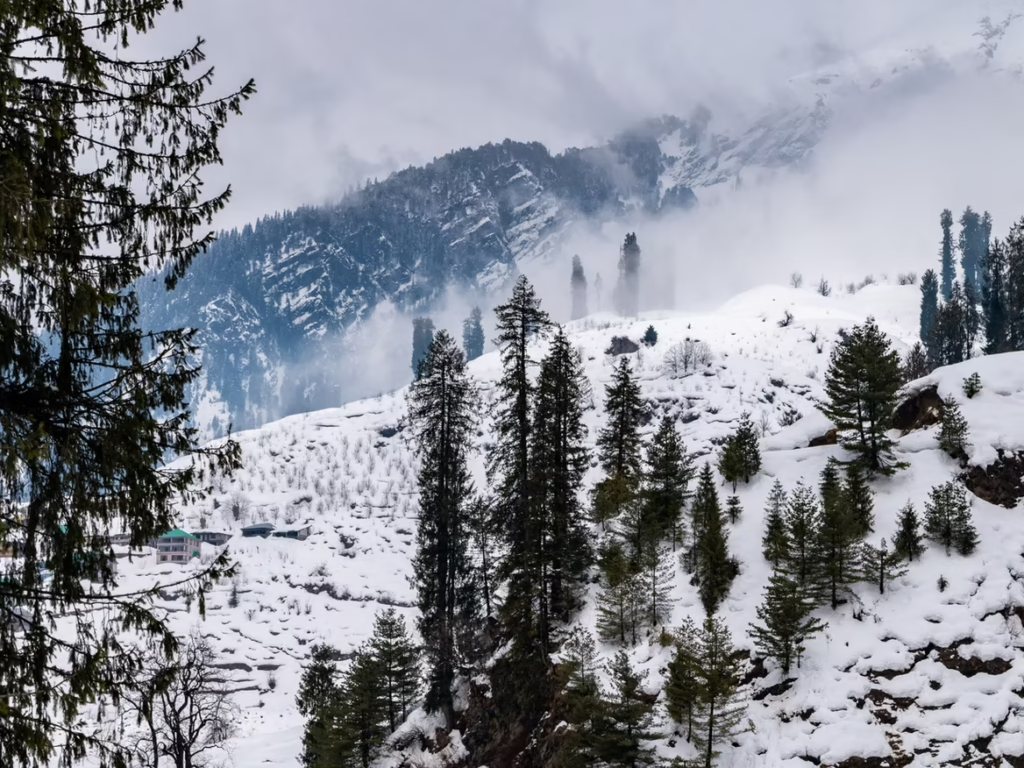
Manali has always been a destination for travelers who love the beauty of the Himalayas. Snow-capped mountains, lush valleys, pine trees, and the Beas River create the perfect picture. But here’s the best thing: you can enjoy this beauty on a budget. There are several top-rated hotels in Manali for a mountain vacation that are affordable with amazing comfort, good eating options, and welcoming hospitality – for a reasonable prize! So, whether you are traveling solo, with friends, a family trip, or on your honeymoon, there is a great blend of affordable stay in Manali. In this blog, we will share some of the best budget hotels in Manali near Mall Road, budget places to stay in peace of mind, and other awesome backpacker hostels. Plan your trip with The Tarzan Way. What’s in this Blog? Why Choose Budget Hotels in Manali? The Orchard Greens Hotel Hotel Snow Valley Resort Zostel Manali Hotel Tibetan Classic Johnson Lodge Manali Tips to Choose the Best Budget Hotels in Manali Why Stay Near Mall Road? Using The Tarzan Way for Smarter Travel Planning FAQs Final Thoughts Why Choose Budget Hotels in Manali? Budget travel is not synonymous with compromised quality. As a matter of fact, most of the negatively reviewed budget hotels to stay in Manali have: Ideal locations – close to Mall Road, Hadimba Temple, and sleepy away from the hustle and bustle are some of the loveliest villages in Manali as Vashisht. Modern amenities – including Wi-Fi, room service, and travel assistance. Quality food – Indian cuisine, Tibetan food including momos and thukpa. More than this, the chances to experience the local activities – including treks, temples and adventure sports available in Manali like paragliding, and rafting. Budget hotels to stay in Manali that families, couples and backpackers take, about their family trips, or honeymoons, budget accommodation is an updated way to experience the magic of the mountains at 50% off. The Orchard Greens Hotel If you’re searching for Manali budget hotels near Mall Road, The Orchard Greens Hotel tops the list. Location: Just minutes away from Hadimba Temple and Manu Temple. Room Rates: From ₹1360 per night. Amenities: Free Wi-Fi, LCD TVs, attached bathrooms, travel desk, fitness center, and a rooftop with breathtaking views. Why Stay Here? Central location makes it easy for couples and small families to explore the town. Hotel Snow Valley Resort Looking for top budget hotels in Manali for a mountain getaway for family? Hotel Snow Valley Resort offers peace and rejuvenation. Location: Nestled in Old Manali, surrounded by gardens and quiet trails. Room Rates: From ₹1500 per night. Unique Features: Floor-to-ceiling windows, yoga sessions, massages, vegetarian meals, and shuttle service to Mall Road. Nearby Adventures: River rafting in the Beas River and paragliding flights. Zostel Manali No list of best budget hotels in Manali is complete without mentioning Zostel – a favorite among backpackers. Location: Near Mall Road and also in Old Manali, Vashisht, Burwa, Pangan, and Dhobi. Room Rates: Beds from just ₹500 per night. Vibe: Colorful dorms, lively common spaces, terrace café, games, and karaoke nights. What’s Special: Free kitchen access, budget-friendly stays, and the chance to connect with travelers worldwide. Hotel Tibetan Classic For travelers wanting something culturally immersive, Hotel Tibetan Classic is an amazing choice. Location: The peaceful village of Vashisht. Room Rates: From ₹1500 per night. Ambience: Ladakhi-style interiors, woodwork, Buddhist murals, and garden café with mountain views. Special Experiences: Butter tea, Tibetan cuisine (momos, thukpa), wellness sessions, and massages. Johnson Lodge Manali One of the best budget hotels in Manali near Mall Road, Johnson Lodge blends comfort with affordability. Location: Central Manali, walking distance to Mall Road. Room Rates: From ₹1000 per night. Amenities: Complimentary breakfast, Wi-Fi, safety lockers, laundry, and a restaurant serving Indian & continental dishes. Why Stay Here? A convenient base for sightseeing while still enjoying a cozy retreat. Tips to Choose the Best Budget Hotels in Manali For Families: Look for budget hotels in Manali for family that provide larger rooms, safety, and kid-friendly food options. For Honeymooners: Choose the best budget hotels in Manali for honeymoon with scenic views and privacy. For Backpackers: Go for dorm-style hostels like Zostel to save money for activities. Near Mall Road: The best budget hotels in Manali near Mall Road are convenient for shopping, food, and nightlife. Cultural Stays: Try unique stays like dharamshala in Manali for stay to experience spirituality and culture. Why Stay Near Mall Road? Staying near Mall Road gives you easy access to: Street shopping for woolens and handicrafts. Local eateries and cafés. Quick access to taxis and bus stands. Proximity to tourist spots like Hadimba Temple. Using The Tarzan Way for Smarter Travel Planning Choosing where to stay in Manali can be overwhelming with so many options. That’s where The Tarzan Way makes a difference. Get personalized hotel recommendations. Build your own custom itinerary. Balance your budget with comfort. If you’re planning longer adventures, check out: Manali to Leh: The Ultimate High-Altitude Road Trip in India The Ultimate Manali Experience: Nature, Adventure, and Culture Exploring the Mountains: A Guide to the Main Attractions Along the Shimla-Manali Highway How to Plan the Perfect Delhi to Manali Road Trip The Ultimate Manali Travel Guide: How to reach and get around the mountain town With The Tarzan Way, you don’t just book hotels—you design your mountain getaway smarter. FAQs 1. Which are the top budget hotels in Manali for a mountain getaway? Some of the best include The Orchard Greens Hotel, Hotel Snow Valley Resort, Johnson Lodge, Hotel Tibetan Classic, and Zostel Manali. 2. What are the best budget hotels in Manali near Mall Road? Johnson Lodge and The Orchard Greens Hotel are excellent choices near Mall Road. 3. Are there budget hotels in Manali for family trips? Yes, Hotel Snow Valley Resort and The Orchard Greens Hotel are great for families. 4. Which are the best budget hotels in Manali for honeymoon couples? Hotel Tibetan Classic in Vashisht and Hotel Snow Valley Resort
The Ultimate Manali Travel Guide: How to reach and get around the mountain town.
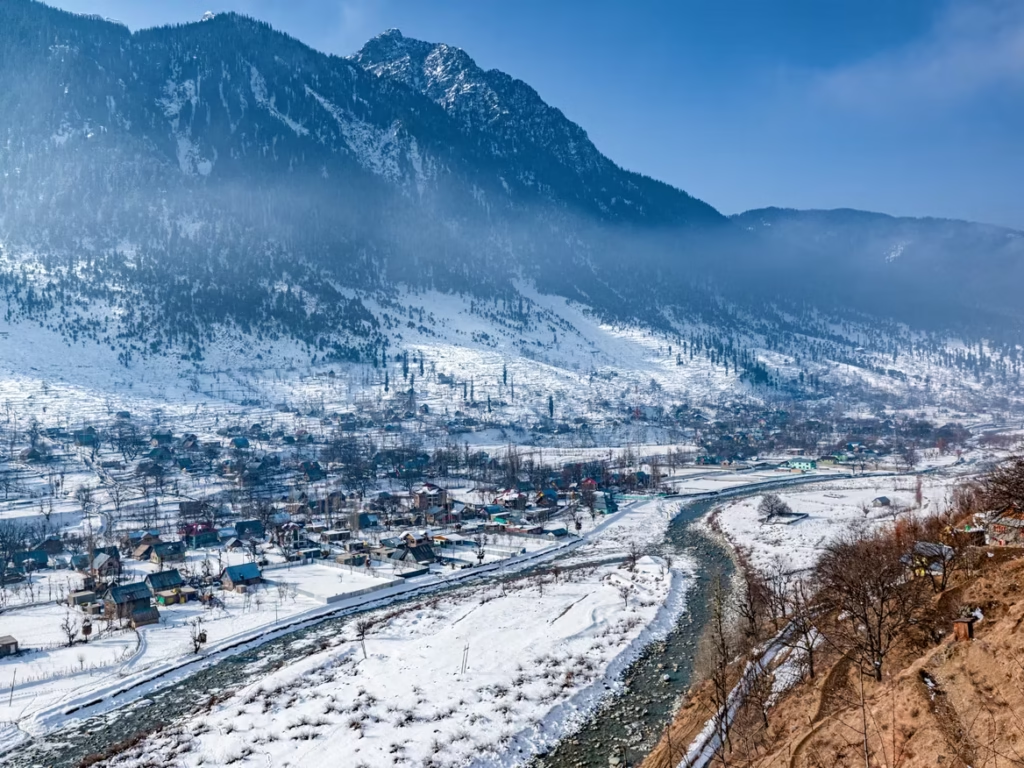
One of the few mountain towns that wins over every tourist’s heart is Manali. Manali, which is proudly located in the Kullu Valley of Himachal Pradesh and has the Beas River running through the center of it, combines cultural diversity with stunning scenery. Manali never lets you down, whether you’re there for trekking, snow sports, temple visits, or just to enjoy a hot chocolate in a quaint café overlooking the mountains. However, “How do I get to Manali, and once I’m there, how do I get around?” is one of the most common questions tourists have before going. Everything you need is covered in this ultimate Manali travel guide, from the best routes to get to this mountain paradise to the most practical and efficient ways to get around once you’re there. Plan your dream trip to Manali by AI powered Manali itinerary planner. What’s in this Blog? Why Visit Manali? Best Time to Visit Manali How to Reach Manali Reaching Manali by Road Reaching Manali by Train Reaching Manali by Air How to Get Around Manali Local Buses Taxis and Cabs Two-Wheeler and Car Rentals Walking Around Town Tips for Smooth Travel Using The Tarzan Way for Smarter Planning FAQs About Reaching and Getting Around Manali Final Thoughts Why Visit Manali? Manali is an experience rather than merely a town. Imagine walking through apple orchards, opening your window to view snow-capped peaks, and waking up to the crisp mountain air. Manali is ideal for all types of tourists because every area has a distinct vibe: Adventure Seekers: Paragliding over snowfields, river rafting in the Beas, or skiing in the Solang Valley. Couples and honeymooners: Couples can enjoy quiet walks in Old Manali, cozy lodgings, and candlelit dinners by fireplaces. Families: Kid-friendly attractions like Hadimba Temple and Vashisht Hot Springs, family-friendly lodging, and a safe atmosphere. Backpackers: There are lots of like-minded travelers to meet, lively cafés, and inexpensive hostels. For a complete picture, check out The Ultimate Manali Experience: Nature, Adventure, and Culture!!. Best Time to Visit Manali Summer (March – June): Ideal for sightseeing, trekking, and river activities. Days are pleasant (10–25°C). Monsoon (July – September): The valley turns green and beautiful, but heavy rains can cause landslides. Travel with extra caution. Winter (October – February): Temperatures drop below zero, but snowfall transforms Manali into a wonderland. Perfect for honeymooners and snow lovers. How to Reach Manali Getting to Manali depends on your budget, time, and comfort preferences. Here are the main routes: Reaching Manali by Road Road journeys are the most popular way to reach Manali. From Delhi: Around 550 km, 12–14 hours by car or bus. From Chandigarh: 310 km, around 8–9 hours. By Bus: Luxury Volvos and Himachal Roadways buses leave daily from Delhi, Chandigarh, and Shimla. Prices: ₹1000–₹1500. By Car/Self-Drive: Perfect for those who love scenic drives. Popular stops include Mandi, Kullu, and Kasol. Pro Tip: Winter driving requires snow chains and caution. If road trips excite you, read How to Plan the Perfect Delhi to Manali Road Trip for a complete guide. Reaching Manali by Train Manali doesn’t have a railway station, but you can combine train + road: Joginder Nagar Railway Station (163 km): Smallest and nearest station, limited trains. Chandigarh Railway Station (310 km): Best choice, with regular trains from Delhi, Mumbai, and Kolkata. Ambala Cantt (340 km): Another good option for major train routes. From these stations, taxis or buses connect you to Manali. Reaching Manali by Air The quickest way is flying into Kullu-Manali Airport (Bhuntar Airport): Distance: ~50 km from Manali. Connectivity: Delhi and Chandigarh via Air India and smaller airlines. Taxi cost: ₹1500–₹2000 from Bhuntar to Manali. If direct flights are limited, fly to Chandigarh or Delhi and continue by road. How to Get Around Manali Once you arrive, moving around Manali is relatively easy. Here are your best options: Local Buses Cheapest mode of transport. Connects nearby attractions like Naggar, Kullu, and Solang Valley. Great for budget-conscious and solo travelers. Taxis and Cabs Readily available at Mall Road taxi stands. Comfortable for families and honeymooners. Best for day trips to Rohtang Pass, Solang Valley, and Kasol. Always negotiate or use prepaid counters. Two-Wheeler and Car Rentals Adventure seekers often rent scooters or bikes (₹500–₹1200/day). Cars are available for self-drive or with a driver. Driving gives freedom to stop at lesser-known spots like Sethan Village or Jana Waterfalls. Explore more scenic routes in our blog: Exploring the Mountains: A Guide to the Main Attractions Along the Shimla-Manali Highway. Walking Around Town Mall Road and Old Manali are best explored on foot. Walking lets you enjoy cafés, handicraft shops, and music scenes at leisure. Great way to feel the town’s slow-paced, charming lifestyle. Tips for Smooth Travel Book in Advance during May–June and December–January. Carry Cash: Digital payments are common, but rural areas still depend on cash. Pack Smart: Layered clothing, power banks, and medicines. Travel Light: Mountain terrain isn’t friendly to oversized luggage. Check Weather: Always before booking road trips, especially in monsoon. Using The Tarzan Way for Smarter Planning Planning trips can be overwhelming with so many options. That’s why The Tarzan Way offers AI-powered travel planning: Personalized itineraries based on your budget and interests. Suggestions for budget hotels in Manali and transport options. Helps you balance cost, comfort, and experiences. Just like we simplify road trips such as Manali to Leh: The Ultimate High-Altitude Road Trip in India!!, we can make your Manali trip seamless. FAQs 1. What is the best way to reach Manali from Delhi? The most popular option is the overnight Volvo bus, which is affordable and comfortable. Self-driving offers flexibility but requires long hours. 2. Does Manali have a railway station? No, the nearest station is Joginder Nagar (163 km), though Chandigarh is a more reliable hub for onward travel. 3. How far is Manali from Delhi by road? It’s about 550 km, taking 12–14 hours depending on weather and traffic. 4. Which is the nearest airport to Manali? Bhuntar
Planning a Trip to Manali this Summer? Here’s What You Need to Know About the Weather
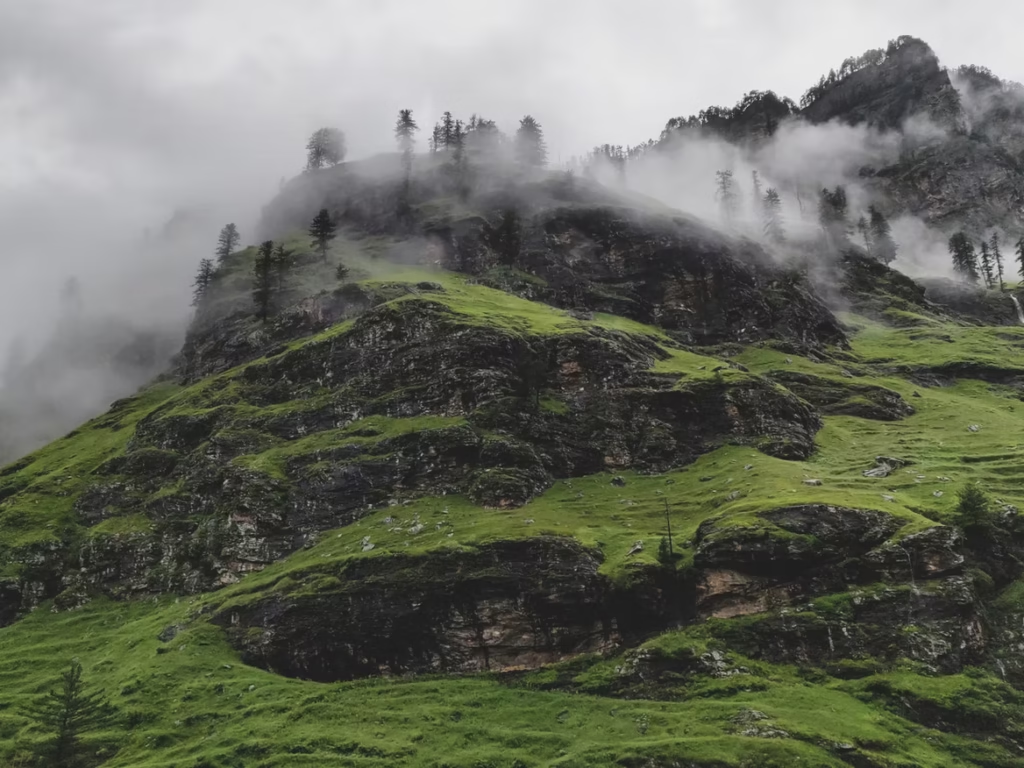
Tucked away in the Himalayas, Manali is one of the most popular summer getaways for Indians. When the plains heat up, this hill town is cool relief and a mix of scenic beauty and adventure. During the summer, you should expect anything from sunny mornings to misty rains to thunderstorms at any given moment.With a bit of planning, you can still get the most out of your Manali trip. This guide will tell you everything you need to know about Manali weather, including temperatures, rainfall amounts, what to pack, things to do in Manali by season, and the best time to visit Manali so that you can enjoy your holiday rain or shine. You can also plan your trip to Manali with The Tarzan Way. What’s in this blog Manali Weather: An Overview Manali in Summer (April–June) Manali in Monsoon (July–September) Manali in Winter (December–February) Manali in Spring (March–April) Best Time to Visit Manali What to Pack for Your Trip Things to Do in Manali by Season Suggested Itinerary for Manali FAQs Final Thoughts Manali Weather: An Overview At an altitude of nearly 2,050 meters, the weather in Manali can be dramatically different from season to season. Summertime may bring comfortable temperatures between 15°C and 25°C, but the high altitude makes the sun feel stronger. The monsoon usually starts at the end of June, with sudden showers. This unpredictable Manali weather means travelers must pack efficiently during the summer—they should carry light clothes for hot sunny days, a jacket for breezy evenings, and an umbrella for unexpected showers. Manali in Summer (April–June) Visiting Manali in summer is the most popular choice. Daytime temperatures are pleasant (15–25°C), perfect for an outdoor getaway. Humidity starts creeping in by May, but monsoon hasn’t fully arrived. Pros: Clear skies and mountain views. Ideal for trekking, paragliding, rafting, and camping. Cafes and markets are lively for food and shopping. Cons: Rain may arrive by late June. Rohtang Pass might still be closed in early April. Planning a road trip? Read: How to Plan the Perfect Delhi to Manali Road Trip. Manali in Monsoon (July–September) The monsoon season creates a verdant green paradise in Manali, but it also brings heavy rainfall that influences travel accessibility. Humidity will be high at levels between 75%–80% and landslides may occur frequently. Pros: Fewer travellers and hotel prices are discounted. Rivers and waterfalls could be flowing at their most spectacular. Great time for budget travelers. Cons: The roads may be prone to landslides and blockages. Outdoor adventure activities will be limited. Fog could obscure views. Want more? Check out our Manali Travel Guide for some safety tips during the monsoon season. Manali in Winter (December–February) In winter, Manali becomes an enchanting snow-laden land. The temperature fluctuates from -5°C during the night to 10°C in the day. Pros: Skiing, snowboarding, and snowmobiling at the Solang Valley. Fewer tourists, and appealing hotel offers. Charming sceneries with snow-clad mountains. Cons: Heavy snow can make the roads impassable. Limited connectivity to remote areas. Very cold and necessitate heavy winter wear. Manali in Spring (March–April) Spring brings moderate weather with highs of 18°C to 25°C, but evenings can still be chilly. Expect light showers and even snow at higher altitudes. Pros: Blooming orchards and colorful valleys. Off-season discounts on hotels. Ideal time for temple visits and easy treks. Cons: Sudden rain or snow at higher points. Some activities remain closed until summer. Best Time to Visit Manali The “best” time depends on your travel style: Summer (April–June): Adventure activities, family trips. Monsoon (July–September): Budget-friendly, lush scenery. Winter (December–February): Snow sports and cozy retreats. Spring (March–April): Flowering orchards, festivals, and fewer crowds. Planning a romantic escape? Check out our Manali Honeymoon Guide. What to Pack for Your Trip Summer: Light cottons, hats, sunscreen, trekking shoes, and a light jacket for evenings. Monsoon: Raincoat, umbrella, waterproof boots, quick-dry clothing. Winter: Heavy woolens, thermals, snow boots, gloves, moisturizers. Spring: Layered clothing, compact umbrella, light sweaters for evenings. Tip: Always carry a basic medical kit and reusable water bottles. Things to Do in Manali by Season Summer (April–June): Paragliding at Solang Valley, rafting in the Beas River, trekking (Hampta Pass, Bhrigu Lake), riverside camping. Monsoon (July–September): Temple visits (Hadimba, Vashisht), cozy cafes, local food, indoor relaxation. Winter (December–February): Skiing, snowboarding, sledding, zorbing, trekking (Chadar trek for experts). Spring (March–April): Nature walks, birdwatching, apple orchards, temple visits, cultural festivals. These activities highlight some of the best things to do in Manali no matter when you visit. Suggested Itinerary for Manali (4 Days) Day 1: Explore Mall Road and Hadimba Temple. Day 2: Adventure sports in Solang Valley. Day 3: Visit Naggar Castle, Vashisht hot springs, and Old Manali cafes. Day 4: Optional trip to Rohtang Pass (if open) or explore Kullu. This plan covers top places to visit in Manali, giving you a balanced mix of adventure and relaxation. FAQs Q. Is Manali hot in summer? No, summers are cool with 15°C–25°C temperatures, perfect for sightseeing. Q. Does it rain in Manali in June? Yes, occasional showers start by late June as monsoon approaches. Q. Which month is best for Manali? April–June for adventure, December–February for snow. Q. Is May good for Manali? Yes, sunny days, pleasant evenings, and open adventure activities. Q. Does Manali get snow in summer? Not in town, but higher passes may still have snow till May. Q. Is Manali crowded in June? Yes, June sees peak tourist crowds before monsoon starts. Q. What to wear in Manali in May? Light cottons by day, a jacket for cool evenings. Q. Is Manali safe in July? July is monsoon season; heavy rains can disrupt travel. Q. Does it snow in Manali in December? Yes, December usually brings snowfall, especially after mid-month. Q. Is January a good time for Manali? Yes, but pack heavy woolens; expect snow and sub-zero nights. Q. How many days are enough for Manali? 3–4 days are enough for sightseeing, cafes, and adventure. Q. Is Rohtang open in June? Yes, Rohtang Pass usually
Srinagar Travel Guide: The Jewel of Kashmir
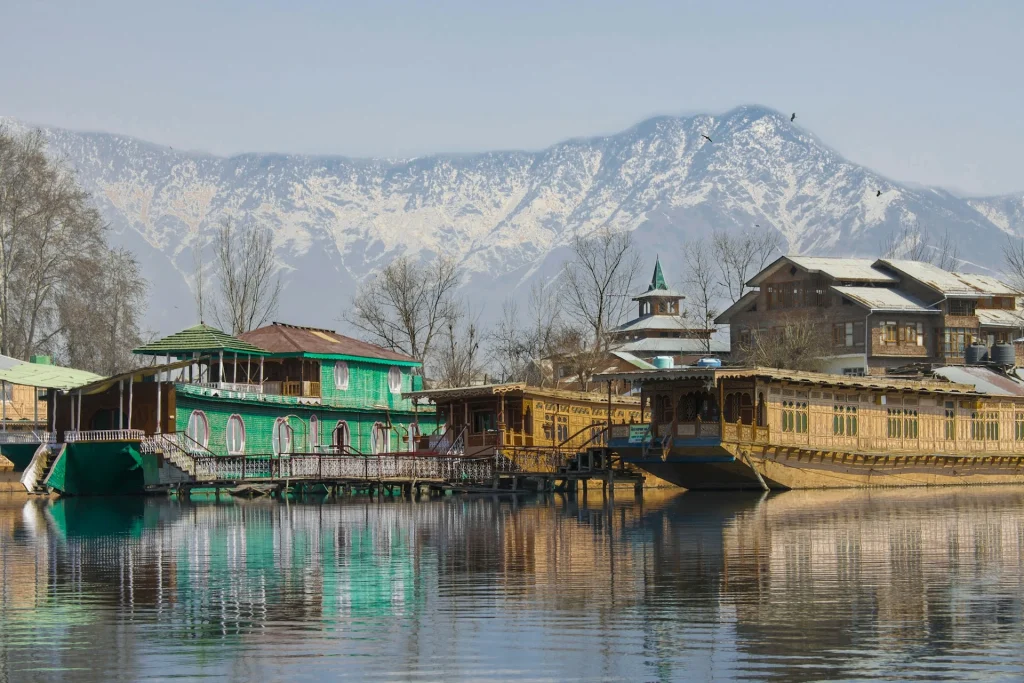
Some places in the world are more than just places to visit; they are feelings. One of these places is Srinagar. The Pir Panjal range’s beautiful, snow-covered peaks surround this city, making it feel like a real-life paradise. It was so beautiful that it looked like a painting when I first saw Dal Lake. Anyone who loves nature, is interested in history, or just wants some peace and quiet will love Srinagar. Welcome to Jammu and Kashmir’s summer capital, a city with a perfect mix of natural beauty, rich culture, and a sense of peace that you can’t find anywhere else. Srinagar is a place that will please your senses and calm your soul. The soft sound of a shikara gliding across the calm Dal Lake and the smell of the old Mughal gardens are two examples. This isn’t just a list of things to do; it’s everything you need to know to enjoy the beauty of Srinagar. We’ll go on a trip together through its famous waterways, learn about its imperial past, and taste the amazing flavors of its local food. Let’s go on an adventure to see how magical Srinagar is and make memories that will last a lifetime. 1. Find out what makes Srinagar tick: The Dal Lake That Never Ends Credit: Unsplash The beautiful Dal Lake is the most famous and loved place in the middle of Srinagar. This big lake in the city is more than just a body of water; it’s the city’s beating heart. The big mountains and lush greenery that surround this place make the air here very peaceful and beautiful. Why You’ll Never Forget This Experience: The View: The view is just beautiful. The water is still and looks like a mirror, showing the changing colors of the sky and the sharp peaks of the mountains. This makes a picture of perfect harmony. The Beat of Life: There are floating markets, houses, and even whole communities that live on the lake’s surface. It’s a fascinating look at a different way of living. Things You Must Do: Take a Shikara ride: This is the most common thing to do in Srinagar. A shikara is a traditional wooden boat with a bright canopy. Imagine this: you’re lying on soft cushions while the shikara wallah, your boatman, gently paddles you across the lake. There is no wind, and the only sound is the soft dip of his heart-shaped paddle in the water. It feels like magic, especially at dawn or dusk. To really enjoy the Floating Vegetable Market, you have to get up before dawn. In the early morning, local farmers get together in their boats to sell fresh food at a busy, floating wholesale market. It’s a photographer’s dream because there are so many people and colors. Go to the Floating Gardens: People in the area call them “Rad.” People grow tomatoes, cucumbers, and melons on the surface of the lake on these cleverly woven mats of plants. Pro Tip: Before you get in a shikara, make sure you agree on how long the ride will last and how much it will cost. You have to leave your hotel or houseboat by 5 AM at the latest to see the real action at the floating market. 2. Go Back in Time: The Mughal Gardens Are Beautiful Credit: Unsplash The Mughal gardens in Srinagar are a beautiful reminder of how long and interesting the city has been around. The Mughal emperors thought that Kashmir was their earthly paradise, so they made these beautiful gardens. They are the perfect combination of Persian style and the natural beauty of the Himalayas. Why You Should Go: The Beauty of Architecture: These gardens are great examples of Mughal landscape architecture because they have terraced lawns, cascading fountains, and channels of running water. They were supposed to look like heaven in Islam. A lot of colors: The gardens are a treat for the eyes because they are full of beautiful flowers, big Chinar trees, and well-kept lawns. Three Gardens You Should Visit: The biggest and most well-known garden is the Shalimar Bagh. The emperor Jahangir made it for his wife Nur Jahan. The pavilions and water channels are so pretty. The “Garden of Joy,” Nishat Bagh, has 12 terraces that each represent one of the 12 signs of the zodiac. There is a great view of Dal Lake from it. Chashme Shahi: The “Royal Spring” is the smallest of the three. People think that the natural spring there can heal them. Pro Tip: The Mughal Gardens are best visited in the spring (April-May), when the flowers are in full bloom, or in the fall (October-November), when the leaves of the Chinar trees turn a bright red and gold. 3. Live on the Water: The Unique Experience of Staying on a Houseboat Credit: Unsplash Staying on a traditional houseboat is one of the most interesting and romantic things you can do in Srinagar. These wooden boats are tied up along the calm shores of Dal Lake and Nigeen Lake. They offer a stay that is both very quiet and very nice. What Makes It Unique: Luxury and Comfort: Don’t be fooled by the word “boat.” These houseboats are like small hotels that float. They have everything you could want, like soft carpets, wooden furniture with detailed carvings, modern bathrooms, and sometimes even a private deck. Stunning Views: You’ll never forget waking up to a view of the calm lake and the mountains around it, with the soft sound of water lapping against the boat. Hospitality that is made just for you: Families often run houseboats, and the service is friendly and personal. You will be treated like a VIP. Pro Tip: Nigeen Lake is a quieter and smaller part of Dal Lake. You might want to book a stay on Nigeen Lake instead if you want to stay on a houseboat that is quieter and less touristy. 4. Take care of your taste buds: The Flavors of Kashmiri Food
The Ultimate Travel Guide to Ladakh in 2022
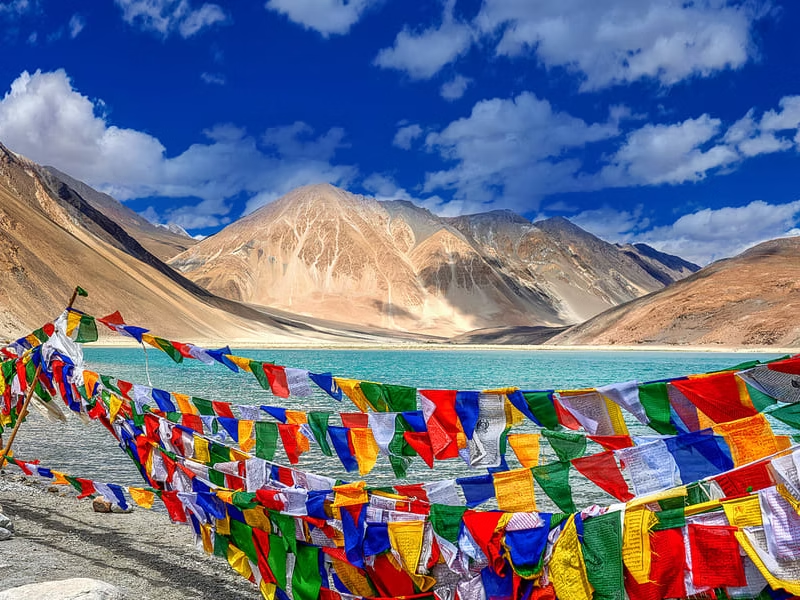
Known as the ‘Land of High Passes’, tucked away in the confines of the Kunlun Mountains and the Himalayas, Ladakh is a natural wonder. Considered to be one of the most beautiful regions in India, Ladakh is clothed in glory with barren cold desert, snow-draped mountains, quaint gompas, striking blue water bodies, multi-colored flags fluttering in the air, and sightings of Bactrian camels traversing the deserts. It is spectacularly an embodiment of all things beautiful and serene. The remoteness of the region coupled with rocky terrains of mountains and cold air breezing through is what makes Ladakh a perfect place for anyone seeking to experience some time away from the ordinary and revel in the extraordinary. A haven for adventure enthusiasts, the entire length of Ladakh is brimming with things to do, and places to visit and explore. Here is a list of guides you might want to consider before you plan your trip to Ladakh: Best Time to Visit Ladakh: When to go? The most ideal time to visit Ladakh would be in the summer months from June to September. The roads of the Srinagar Leh highway and Leh-Manali highway open up by May to mid-July and hence serves as the perfect time to plan a road trip along this famous and magnificent road. The roads are also open during the monsoon months from end-July to August but the sludge on the highway proves to be very challenging. By October, the roads are closed off from the world due to heavy snowfall. The only way to reach the place is by flight. But winter in Ladakh is very mesmerizing and an experience to cherish for a lifetime. How to reach Ladakh? By Air: The Kushok Bakula Rimpochee Airport in Leh is the best option to reach Ladakh. It is well connected to other major cities of India. Flight bookings are available throughout the year. By Train: Ladakh does not have a functioning railway station. However, the closest train station is Jammu Tawi in the city of Jammu. You can hire a taxi or bus to reach Ladakh from here on. By Road: The road network in Ladakh is well connected to other major cities of India. However, the roads are only open for six months of the year, and from November to April, the roads are closed due to heavy snowfall. However, the Delhi-Manali-Leh highway and Delhi-Srinagar-Ladakh routes are famous for their captivating views which makes for a memorable road trip. Places to Visit in Ladakh: Where to go? God has blessed Ladakh with some of the most beautiful and magnificent places on earth. Whether it is a long trek or a short trip, there are many places where you can visit and enjoy the natural beauty of Ladakh. These places are the perfect getaway to rejuvenate your soul. For the uninitiated, these places are some of the best places to visit in Ladakh. 1. Nubra Valley Credit: Getty Images One of the most beautiful destinations in Leh, Ladakh, Nubra valley is a gem waiting to be explored. From aged old monasteries to bountiful orchards, this region of Leh, Ladakh is sandwiched between Kashmir and Tibet. The breathtaking view of the valley where sights of dunes coupled with herds of Bactrian camels can be witnessed is what makes Nubra Valley even more appealing. 2. Zanskar Valley Credit: Trek and Trails An enchanting semi-desert region in Kargil, Ladakh, Zanskar Valley is truly a work of art. The sparkling clean rivers, snow-capped mountains, enthralling landscapes, and pleasant weather serve as a perfect destination to escape the hectic reality and relish in the best of nature. The mountain range of Zanskar is part of the Tethys Himalayas hence it offers a spellbinding view into the panoramic trans Himalayan region. 3. Pangong Lake Credit: Jagran Josh Pangong Lake or Pangong Tso is one of the most significant tourist attractions in Ladakh. Located at a height of almost 4,350 meters above sea level, it is said to be one of the highest altitude lakes in Ladakh. A beautiful water body so blue and serene that captivates anyone that visits the place, Pangong Lake also serves as a photographer’s paradise. The tall mountains surrounding the lake, ducks wandering on the banks, colored flags swaying in the wind, and the clear blue sky all add to the charm of the lake. 4. Tso Moriri Credit: Himachal Watcher An emerald lake known for its spellbinding beauty, Tso Moriri is a must-visit place in Ladakh. The sheer beauty of this lake combined with the vast expanse of the blue sky and the tall barren mountains as the backdrop with marshlands and wetlands around the lake makes the entire length of Tso Moriri majestic. Though lesser known than Pangong Lake, Tso Moriri rightfully stands as a tourist favorite for offering nothing but the best to its visitors. Things to do in Ladakh: What to do? If you are planning a vacation to India, you should know that the main attraction is Ladakh. There is a lot of beauty and adventure to be found in this region. This section enlists all the things you can do on your Ladakh trip. 1. Chadar Trek A thrilling and possibly one of the most exhilarating trekking experiences over the frozen ice carpet of the Zanskar river. Loved by adventure enthusiasts for its taxing yet exciting route, the trek is very strenuous and daunting even for experienced trekkers. The temperature drops below sub-sub-zeroes. Regardless of the difficulty, the nights spent in caves, sightings of exotic wildlife, traversing across frozen rivers with sparkling blue water flowing in gaps, and walking along the barren yet majestic mountains are what make this trek an experience to treasure for a lifetime. 2. Bactrian Camel Safari A famous fun and adventurous activity that can be experienced in
The Ultimate Travel Guide for Kashmir
Nestled in the foothills of the mighty Himalayan Mountain ranges, the Kashmir valley is bestowed with the best of nature’s gifts in terms of beauty and grace. No amount of words will ever measure up to meet the standard of beauty Kashmir holds unless you visit the place and witness it yourself. Considered to be one of the most exotic travel destinations in India, Kashmir offers an array of things a visitor can experience. From the snow-capped mountains crowning the valley to the luscious meadow of gold and the floating market coupled with magnificent lakes, the so-called ‘Heaven on Earth’ calls for an experience of a lifetime. Kashmir Tourism Guide To help you experience the best of Kashmir’s offerings, here is a comprehensive list of guides that will come in handy when planning a trip to Kashmir. Where to go in Kashmir: Srinagar Credit: Klook The summer capital of Kashmir is an exotic location waiting to be explored. This majestic city is an embodiment of nature’s wonder with sparkling lakes, lofty mountains, bustling markets, splendid gardens, and various religious sites. Pahalgam Credit: Cntraveller Popularly known as the ‘Valley of Sheperd’, this town in the Anantnag district is adorned with the most mesmerizing spread of lush meadows. The Lidder river flowing in the heart of the town and the tall Himalayan mountain ranges add to the town’s picturesque quality. Sonamarg Credit: EGanderbal One of the most enticing destinations in Kashmir valley is Sonamarg also translated as the Meadow of Gold. This small mountain city set in a scenic position is the starting point for a range of hikes and adventures into the girding peaks, glaciers, and valleys. Gulmarg Credit: Make My Trip The crowning glory of Kashmir, Gulmarg is a dream destination that will surely take your breath away. A stunning town surrounded by snow-capped mountains, Gulmarg is every adventure seeker’s dream as it hosts a variety of exciting activities. What to do in Kashmir: Houseboat Stay at Dal Lake Credit: Welcome Heritage One of the most loved and recommended activities in Kashmir is the Houseboat Stay, which attracts many tourists. These houseboats are designed in pleasant Kashmiri architecture generally having luxury bedrooms, separate dining, and lounge rooms, as well as a balcony facing the lake with snow-covered mountains on the horizon. Shikara Ride at Dal Lake Credit: Adotrip Considered to be one of the best things to do in Srinagar, this simple Shikara boat ride brings instant joy and some quality quiet time away from the hustle and bustle of the city. Riding on a boat amidst the clean blue water of Dal Lake, enjoying the surrounding of snow-draped mountains, and the soft sound of the boatman’s oar breaking the surface of the water, this activity will surely be a breathtaking experience. Kolahoi Glacier Trek Credit: iStock The Kolahoi Glacier, usually referred to as the “Goddess of Light”, is a landmark valley glacier also iconic for being the highest glacier in Kashmir. Nestled below the Kolahoi mountain and above the Lidder valley, the 5 Km hanging glacier is truly magnificent in its way. The trek also provides an illustrious view of the sprawling green meadows, endearing waterfalls, and spellbinding coniferous forests. Gondola Ride at Gulmarg Credit: Picnicwale A top attraction in Gulmarg, the Gondola cable car ride is Asia’s largest and highest cable car project. The ride that takes you high in the sky offers you a bird’s eye view of Gulmarg valley covered either in a white sheet of snow or lush green vegetation. One of the cable cars moves up from Gulmarg to Kongdoor, and another one goes up from Kongdoor to Apharwat. It is about 13,500 ft above sea level and offers a view like no other. When to go to Kashmir: The best time to visit Kashmir is in the months of April to October. The summer months from April to June serve as the perfect time for activities like trekking, camping, shikara rides, houseboat stays, paragliding, and various other outdoor activities. The months from October to February are perfect for winter activities like skiing, snowboarding, sightseeing, etc. The peak tourist season starts from March to June and October to February. During these months, the bookings for flights and hotels are mostly packed; hence, prior bookings should be done. The months from July to September are not rushed for bookings and hence it can be a good time to enjoy the calm nature of Kashmir. How to go to Kashmir: By Air: The Shiekh-ul-Alam Airport in Srinagar is the most well-connected airport in Kashmir. By Train: The only functional railway station in Kashmir is the Jammu Tawi which is connected to all major cities in India. By Road: The road network in Kashmir is well established. NH 1 and NH 44 connect Kashmir to all major cities in India. Both private and state bus services are available from cities across India. What to eat in Kashmir: Nadir Monji – Nadir Monji, made from Lotus stem, is a popular snack among Kashmir residents. Served with mint dip, Nadir Monji will surely enlighten your taste buds. Dum Olav – Dum Aloo is cooked with golden fried potatoes, yogurt, ginger powder, fennel, and other hot spices to give it a unique flavor and aroma. Rogan Josh – The mutton meat is cooked and the ingredients are made with a combination of spices, yogurt, and browned onions. Rogan Josh is best savored with rice or naan bread, a healthy low-fat dish. Yakhni – Yakhni is mutton cooked in a yogurt-based gravy, and the lamb is prepared in a gravy made with yogurt, mawal flowers, onion paste, and dry mint leaves. Travel tips and cautions to keep in mind when visiting Kashmir: Check the weather updates regularly while traveling in Kashmir since, during monsoons, severe storms become prevalent. And in the winters, the temperature drops below sub-zero degrees and heavy snowfall
Chitkul: Journey to the Last Village of India
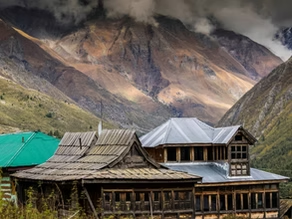
Chitkul by Oyo Sometimes, we all just want to pack our bags like Bunny from Yeh Jawani Hai Diwani and go on an adventure trip with our best friends. But unfortunately, unlike the movie, our friends never make plans. And when they do, we can never find a good destination with equal parts adventure and fun. Isn’t it? But, don’t worry! Even though we won’t be able to help you with your friends who often ditch us last minute, but we can help you with the perfect destination for your next adventure destination, i.e., Chitkul. Being the last inhabitable village of India and close to the mountains, the place experiences some extreme weather conditions but provides with the best and adventurous trekking trails to choose from. Read on to know all the stories about each place at Chitkul and what will you find at each stop, because Chitkul will leave you mesmerized for sure. Mathi Devi Temple Chitkul Fort Hydro Flour Mill Karchham Dam and Lake Rani Kanda Meadows Lamkhaga Pass Trek Borasu Pass Trek Batseri 1. Mathi Devi Temple Mathi Devi Temple by Dreamstime.com Mathi Devi Temple is dedicated to Goddess Mathi, the Goddess of Kinnaur. The temple houses three shrines. The oldest of the three is about five- hundred years old and was built by a Garhwal resident. The temple is very different from other Hindu temples as unlike other temples, Mathi Devi Temple has an ark of walnut wood covered with clothes and a tuft of yak tail. There are two poles inserted in the ark to hold it properly. The temple has a very sacred legend behind its existence. According to the legend, Lord Badrinath’s wife Mathi once found a land divided into seven different parts after Baruakhad, during their journey from Brindavan to Baruakhad via Garhwal, Sirmour, Sarahan in Bushar. When passing through the place, Mathi found that her nephew Narenas was the deity of Shuang Village, so she appointed him as the guard of the village to save the village from any impending calamities and provide the residents with care. When she moved further, she reached Chasu Village, she found that Narenas was also the deity of this village and was worshipped by the entire village. Therefore, she appointed him as the guard of this village also and gave him the responsibility to save the village from any impending calamities and provide the residents with care. When she moved forward, she reached Kamru Fort, where she found that Lord Badri Nath was guarding the Thorne of Bushahr. So, she leaves it as such and moves forward to the other divisions of the seven divisions. In this manner, she covered all the divisions and appointed different people to take care of the villages as well as the village residents while assuring them a nice living. She appointed Lord Badrinath to take care of Dhumthan subdivision, Shanshares to take care of Rakchham and Barang Nag to take care of RupinGhanti. After securing the seven divisions, she further moved forward. Finally, she reached Chitkul and made the Mathi Devi Temple as her final abode and settled there forever to take care of Chitkul while also supervising all other divisions from there. After her arrival at Chitkul, the village began to prosper, making the villagers thrive with success because of abundant crops, flora and fauna. This made the villagers worship her with high reverence and it is believed it’s the Goddess who takes care of the villagers and she is the reason that the village is doing so good. 2. Chitkul Fort Chitkul Fort by Flickr Going a little ahead of the Mathi Devi Temple is the Chitkul Fort. The fort looks more like a watchtower actually. The Fort is the tallest building in the village, other than the newly opened hotels. Chitkul Fort is a three- story structure that towers over the village. It is also referred to as ‘quila’ by the locals. Though it is also a shrine, it is commonly called fort because of its tower- like structure. 3. Hydro Flour Mill Hydro Flour Mill by way2traveller.blogspot.com While it may not sound like a very touristy place but the Hydro Flour Mill in Chitkul is one of a kind and is quite interesting to see. The water from the Baspa River is used to power the Mill as well as to grind wheat flour. 4. Karchham Dam and Lake Karchham Dam and Lake by Vargis Khan The road towards Sangla and Chitkul divides from the main highway near Karchham. Karchham is best known for a huge dam located near the town and is named after town. The dam is built over the Sutlej River. The place presents a beautiful view and is a great place to click some pictures and soak into the view. 5. Rani Kanda Meadows Rani Kanda Meadows by Raacho Trekkers A campsite which also serves as a base camp for Lamkhega Pass trek, Rani Kanda Meadows offers a beautiful site to pitch your tents and enjoy the stunning view of the place. The place looks breath- taking with mountains surrounding the area as well the green meadows which are spread in the whole area. 6. Lamkhaga Pass Trek Lamkhaga Pass Trek by Discovery Hike One of the most popular trek choices in Himalayan Mountain trek routes, Lamkhega Pass is located in the Indo- China Border area in the Dhauladhar Mountain Range and connects the north- eastern Garhwal with Himachal Pradesh. It is situated at a height of 5326 meters and offers an adventurous and breath- taking trekking experience. History has it that the beautiful Lamkhega Pass Trek, which comparatively remote, was first crossed by Marco Pallis in 1933. The trekkers can choose between the two routes, either from Harshil, a stunning hill- station in the Garwhal region and end at
Sangla Valley- A Peaceful Weekend Getaway
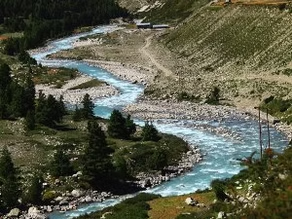
Breath- Taking Sangla Valley by TripAdvisor Sometimes, all we want to do is just pack our bags and go to a peaceful place with beautiful scenery and peace. But then the reality hits and we are all sitting in the office chairs and thinking about the weekend and how we all just want to escape the hustle bustle of the city and just relax in the mountains. Sangla Valley is one such place, surrounded by evergreen forests, mountain slopes and snow- clad peaks. You can visit the place and just relax with a beautiful view of the valley or sit near the banks of the Baspa River and look at the clean waters and enjoy yourself for hours. And if you are in for some adventures, Sangla Valley also offers some beautiful trekking trails which you can do within a day and soak in all the beauty that the valley has to offer. Read on to find out more about Sangla Valley and plan a relaxing trip for the upcoming weekend: Kamru Fort Sangla Buddhist Monastery Bering Nag Temple Sangla Kanda Rakchham Tibetan Wood Carving Centre Baspa River Rupin Pass 1. Kamru Fort The Ancient Kamru Fort by Wikipedia An ancient wooden fort located in the Sangla Valley, Kamru Fort was the original seat of the Bushehr dynasty. The Fort was built thousands of years ago by Lord Badrinath and is situated at a height of 2600 meters. Kamru Fort is one of the oldest forts in Himachal Pradesh. Set in a picturesque location, the Fort offers a beautiful view of the Sangla Valley, streams, apple gardens and much more. When entering the Fort, one can see a series of entry gates, while the main gate has a stunning statue of Lord Buddha. One of the key highlights of the Fort is its wooden balcony. At the top of the Fort one can see the idol of Kamakhya Devi, which is believed to have been brought from Guwahati and is of great importance to the people of Sangla. According to some of the folklore, there are 33 crore Gods and Goddesses present inside the Fort premises. 2. Sangla Buddhist Monastery Sangla Buddhist Monastery by NativePlanet Sangla Buddhist Monastery, popularly known as Brelengi Gompa, came into existence in 1992 and was founded by the Mahabodhi Society to provide assistance to the Dalai Lama for observing the Kalachakra ceremony. A modern Buddhist Monastery, it has the 10-meter-high status of the highly revered Buddha. The sight is a treat for the eyes. The top attractions of the Monastery are its wooden walls. The roof of the Monastery has a very beautiful and delicate design which will take your breath away. 3. Bering Nag Temple The Architectural Wonder Bering Nag Temple by Flickr Dedicated to Lord Jagas, a manifestation of Lord Shiva, the temple is a popular attraction for tourists, especially during the months of August and September. Often known as an architectural wonder, the Bering Nag Temple is considered as one of the most important temples for Hindus. The locals visit and worship in the temple for the wellbeing of the village and its inhabitants. The temple is especially a must visit during the Fulaich fair, which is celebrated between the months of August and September. The festival is celebrated to honor the deceased and is done by offering them food items like wine and rice. 4. Sangla Kanda Serene Sangla Kanda by Ixigo A relatively unheard trek, Sangla Kanda is a 6-hour long trek. Often considered a close competitor for Chitkul. Sangla Kanda is a small village with a handful of people and a beautiful lake, known as Kanda Lake. Kanda Lake is a gorgeous lake, situated at a height of 3,568 meters and is surrounded by snow- capped mountains whose reflection in the algae encompassing water just adds to the beauty. The snow- capped mountains surrounding the lake are believed to be Kailash- Lord Shiva’s Home. According to the locals, no person who dares to climb the Kailash Mountains ever returns, as it is not easy to find God. At the base of the hill is a meagre river flowing and is called Black River, which merges into the Baspa River upon reaching the Sanga Valley. The river has a slight black color and is rumored to be cursed, hence the name, Black River. The place is a great site for camping and even provides the basic camping needs like food and washrooms. It is advisable to reach the top of the Sangla Kanda by afternoon because as the day goes by, the place becomes cooler. Also, if you have planned a day trip, then arriving early will give you the benefit of time to soak in the beauty of the place and return during the daylight, as trekking at night can be difficult. 5. Rakchham Picturesque Rakchham by Holidify Rakchham, pronounced as Rakshaym by the locals, is quite a remote village 14km from Sangla Valley. The place is blessed with beautiful gardens, snow- capped mountains and lush green trees. The place has only 800- 1000 people and offers an uninterrupted peace and solitude in the town. Being a quiet and solitary place, Rakcham is not visited by many travelers. However, those who choose to stop over here get to witness the picturesque beauty, the mountain peaks, the fresh atmosphere and the way of life of the people of Rakcham. The people here are very warm and friendly and always welcome everyone with a smile. One can come here or just trek to the town. The place also offers some thrilling sports, like river crossing, nature walks, etc. 6. Tibetan Wood Carving Centre Tibetan Wood Carving Centre by Savaari Blog One of the most famous attractions of Sangla is the Tibetan Wood Carving Centre. The place, as the name