

How to Plan a Trip to Shimla Winter Carnival from Delhi
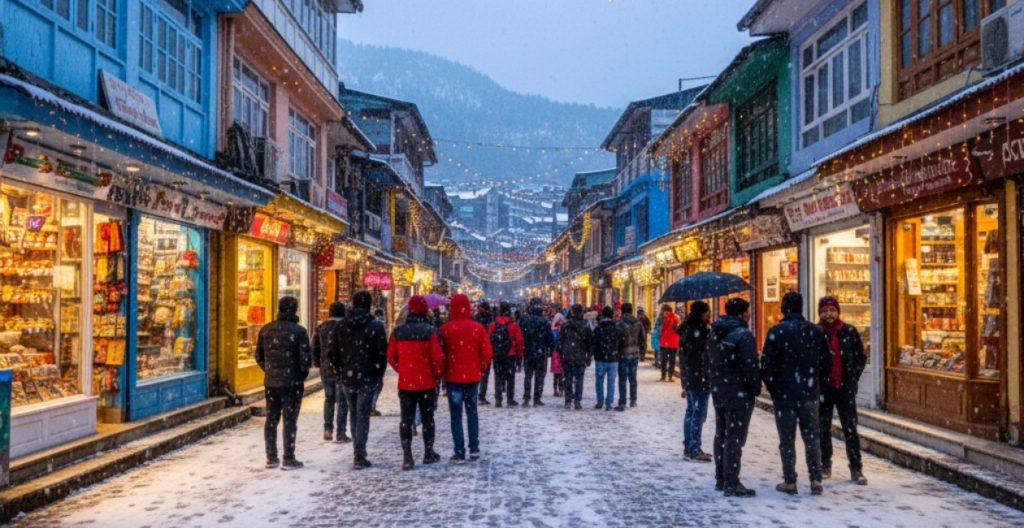
Last Update: 11 March 2026 If you have ever envisioned wintertime that features snow-laden streets, jubilant celebrations, and an energetic mountainous ambiance, then you must consider attending the Shimla Winter Carnival at the top of your travel agenda. Every January, the geographical and cultural capital of Himachal Pradesh welcomes visitors from Delhi and across the country. The Street comes alive to host new snowfall, cultural activities, dance performances and traditional festivities – it is one of the most exhilarating wintertime festivals in Himachal Pradesh, and if you have the opportunity to experience it, you should not miss it! However, attempting to make a trip to/from Delhi to attend the Shimla Winter Carnival necessitates preparation – traveling with various weather/transportation/accommodation options assists with things to consider, and missing out on key dates and timeframes to travel in January to get there. The purpose of this post is to walk through everything you will need to know about the Shimla Winter Carnival, such as what it is, key dates, and when are the best times to attend the festivities as a visitor in the snowfall season. The Tarzan Way will make your Shimla trip easier and less stressful with AI based personalized itinerary planning. Quick Summary Best month: January (peak winter + high chance of snowfall) Shimla Winter Carnival 2025: Early–Mid January (final dates to be announced) Top events: Folk dances, music concerts, ice skating shows, fashion shows, food stalls Best route from Delhi: Road or Volvo bus for direct access Ideal trip duration: 3 days Weather: –2°C to 7°C, expect snow at night or after a snowfall spell Who should visit: Families, couples, photographers, snow lovers Quick itinerary: Day 1 – Delhi to Shimla, Mall Road Day 2 – Carnival events + Kufri snow Day 3 – Local sightseeing, return Estimated budget: ₹6,000–₹15,000 depending on stay & transport What Is the Shimla Winter Carnival? The Shimla Winter Carnival is an annual winter festival that celebrates Himachal Pradesh’s culture, art, traditions, and the winter beauty of the region. The Carnival coincides with the peak of winter, especially when Shimla is covered in snow and adds an enchanting charm to the entire celebration. Why the Carnival is famous It combines culture, food, adventure, and snow in one event. Tourists enjoy Shimla at its most picturesque—blanketed in white snow. Major events take place around The Ridge, Mall Road, and Lakkar Bazaar, making it easy to explore on foot. It highlights Himachali culture through dance, handicrafts, and food stalls. Who should attend Families looking for a winter holiday Couples wanting a romantic snowy getaway Solo travellers and backpackers Snow lovers & photographers Festival enthusiasts In short, the Carnival brings winter alive with fun, colour, and culture, making it a top pick for travellers from Delhi every year. Shimla Winter Carnival 2025 Dates, Events & Highlights While official dates for Shimla Winter Carnival 2025 are typically announced closer to December, the festival historically takes place in the first or second week of January. Expected Dates for 2025 First Week of January – Mid January 2025 (Once government notifications are out, you can update this section.) Main Event Locations The Ridge – cultural shows, inaugural ceremony Mall Road – food stalls, shopping, live music Lakkar Bazaar – souvenirs, local crafts Ice Skating Rink near Lakkar Bazaar – winter sports events Major Events to Expect 1. Cultural Dance & Music Shows Himachali folk dances like Nati, Gaddi, and Kinnauri performances attract huge crowds. 2. Ice Skating Events Shimla boasts one of the oldest open-air ice skating rinks in Asia. Expect: Ice skating competitions Figure skating displays Beginner lessons 3. Fashion Shows & Talent Competitions Local artists and youth showcase modern and traditional styles. 4. Food Stalls & Himachali Cuisine Try: Siddu Babru Thukpa Momos Local hot beverages Winter sweets 5. Adventure Activities In and around Shimla, especially at Kufri, you can enjoy: Skiing Tobogganing Snow-walking Short treks 6. Photography & Art Stalls Carnival corners dedicated to local painters and photographers showcase Himachal’s landscapes and culture. Why These Events Matter for Travelers They offer a deep cultural immersion. Most activities are free or low-cost. Everything takes place in central Shimla, making navigation easy. The Carnival atmosphere is lively, vibrant, and perfect for winter travel. Explore Best Winter Adventure Destinations in India for Snow Lovers to plan your winter activities itinerary. Best Time to Visit Shimla Winter Carnival (Snowfall Season Guide) One of the biggest reasons Delhi travelers visit Shimla in January is the chance of experiencing live snowfall. When does Shimla get snowfall? Late December Early January Mid January These weeks are historically the most snow-heavy in Shimla. Temperature in January Day: 4°C to 7°C Night: –2°C to 2°C Cold waves and icy winds are common. Snowfall Conditions in Carnival Week Snowfall usually depends on weather patterns, but typically: After a western disturbance, Shimla often sees moderate snowfall. Kufri and Mashobra frequently see heavier snow than Shimla town. Best Days to Attend the Carnival Early mornings: Less crowd Evenings: Best for lights, music, and longer events Weekdays: Less crowded than weekends Peak vs Off-Peak Visit Time Pros Cons Early January High snowfall chance, coldest, best photos Max crowd, higher hotel rates Mid January Fewer tourists, still winter charm Slightly lower snowfall chances If You Want Snowfall Guarantee Visit: Kufri, Mashobra, or Narkanda (1–2 hrs from Shimla). Even during low-snowfall weeks in Shimla town, these areas usually stay snow-covered. Why This Is the Best Time for Delhi Travelers Perfect winter escape from Delhi’s foggy plains Carnival + snowfall = ideal holiday combo Scenic winter drives and mountain sunrises Cooler, fresher air compared to Delhi’s harsh winter pollution How to Reach Shimla Winter Carnival from Delhi (Complete Transport Guide) Travelling from Delhi to Shimla during winter is exciting but requires planning due to snowfall, fog, and traffic near festival venues. Here are all the travel options—road, bus, train, and flight—explained with winter-specific details. Delhi to Shimla by Road (Winter Road Trip) A road trip is one of the most
Best Winter Adventure Destinations in India for Snow Lovers
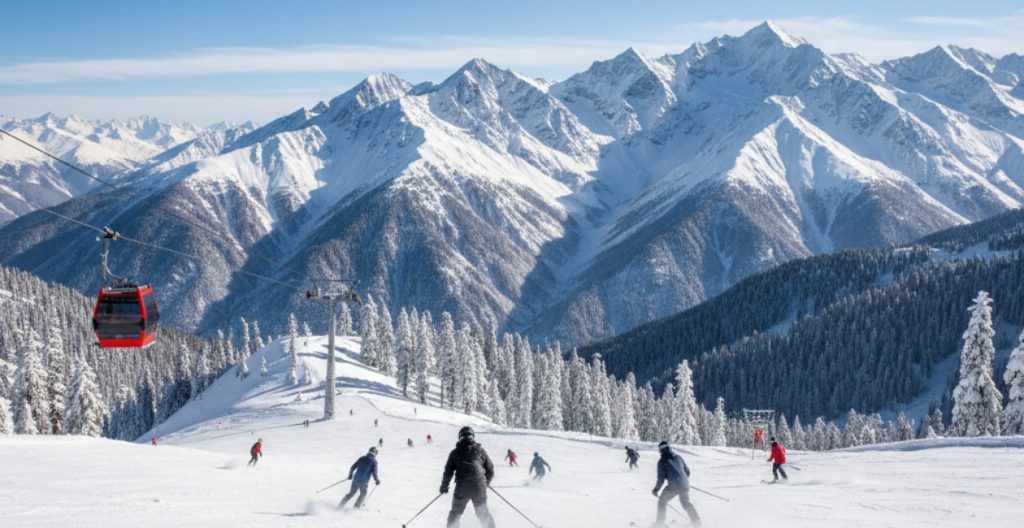
Last Updated: 03 March 2026 If you enjoy snow-covered landscapes, fresh winter air, and the excitement of adventure, India can be a fairytale playground from December to February. From skiing over fresh powder to winter trekking over frozen valleys, India has many of the best winter adventure destinations for snow lovers regardless of experience level – you may be a first-time snow traveler or a much more experienced traveler and just need to acclimatize to heights as you’ve already done low-altitude snow travel. Winter travel in India has grown rapidly and with it, the demand for snow destinations, winter adventure travel, and off-the-beaten-path snowy escapes. This guide outlines India’s favorite winter adventure destinations, what winter adventure experiences they provide, the best time of the year to visit, and what to consider when planning that special winter holiday. This blog will help you choose your winter getaway, whether you want to ski in Kashmir, camp in Spiti, trek in Uttarakhand or participate in family-friendly snowfall and sightseeing in Himachal. In Short India has some of the best winter destinations for snow lovers between December and February. Ideal for skiing, snow trekking, snow camping, sledging, winter photography, and more. Best regions: Jammu & Kashmir, Himachal Pradesh, Uttarakhand, Sikkim, and Arunachal Pradesh. Perfect for families, adventurers, honeymooners, and budget travelers. Top Snow Destinations in India 1. Gulmarg – India’s Winter Adventure Capital Gulmarg remains the ultimate destination for snow lovers and thrill-seekers. Known for its world-class skiing terrain and powder snow, it attracts both beginners and professional skiers from around the world. Why Visit Gulmarg? One of Asia’s best skiing destinations Home to the famous Gulmarg Gondola, one of the world’s highest cable cars Consistent heavy snowfall from December to March Stunning winter landscapes for photography Winter Adventures: Skiing & snowboarding Gondola ride to Apharwat Peak Snow trekking Snowmobile rides Sledging Best Time: Late December – March Who Is It For? Adventure seekers, photographers, couples. 2. Sonamarg – Frozen Wonderland of Kashmir Sonamarg transforms into a sparkling winter paradise during snowfall. Its frozen rivers, white meadows, and towering peaks make it one of the most enchanting winter destinations in India. Why Visit Sonamarg? Mesmerizing snow-covered valleys Less crowded than Gulmarg, perfect for peaceful winter travel Dreamlike landscapes ideal for film-style photography Gateway to Thajiwas Glacier winter trek Winter Adventures: Snow trekking to Thajiwas Glacier Snowmobile rides Sledging on soft snow slopes Frozen lake walks Best Time: December – March Who Is It For? Nature lovers, families, offbeat snow travelers. 3. Pahalgam – Family-Friendly Snow Destination Pahalgam is known for its gentle snow-covered meadows, pine forests, and riverside winter charm. It offers the perfect balance between adventure and relaxation. Why Visit Pahalgam? Safe and scenic for families and kids Soft, powdery snow perfect for beginners Beautiful winter views of Betaab Valley and Aru Valley Ideal for peaceful snow holidays Winter Adventures: Sledging & snow play Snow hikes in Aru Valley Pony rides through snowy forests Riverside winter walks Best Time: December – February Who Is It For? Families, couples, leisure travelers. 4. Manali & Solang Valley – Adventure Hub of Himachal Manali and Solang Valley transform into bustling winter adventure hubs every year. These destinations are ideal for first-time snow travelers and thrill-seekers alike. Why Visit Manali & Solang? Endless snow activities for all ages Famous for accessible adventure sports Snowy mountain views without long travel Perfect for winter road trips Winter Adventures: Skiing & snowboarding (Solang Valley) ATV & snowmobile rides Paragliding over snow-covered valleys Snow tubing, zorbing, and ropeway rides Best Time: December – February Who Is It For? Families, groups, adventure beginners. 5. Spiti Valley – Raw, Rugged & Only for the Brave Winter in Spiti is not for everyone. With frozen rivers, sub-zero temperatures, and dramatic landscapes, this is the ultimate test of adventure and resilience. Why Visit Spiti Valley? One of India’s most extreme winter destinations Lunar-like white landscapes Chance to spot the elusive snow leopard Authentic local hospitality in remote villages Winter Adventures: Winter treks across frozen terrain Monastery visits (Ki, Tabo) Snow leopard tracking Frozen river walks Best Time: January – March Who Is It For? Hardcore adventurers, photographers, wildlife enthusiasts. 6. Kalpa & Sangla – Himalayan Villages Wrapped in Snow Kalpa and Sangla offer peaceful, postcard-perfect winter escapes. Snow-covered apple orchards, old wooden houses, and quiet valleys make them magical. Why Visit Kalpa & Sangla? Stunning views of Kinnaur Kailash Untouched snow villages with minimal tourism Old-world charm and wooden architecture Clear skies perfect for sunrise and stargazing Winter Adventures: Snow village walks Winter hiking Local food & homestay experiences Photography of snow-covered orchards Best Time: December – February Who Is It For? Slow travelers, couples, culture lovers. 7. Auli – India’s Skiing Paradise Auli is India’s most popular skiing destination, known for its perfectly groomed slopes and panoramic Himalayan views. Why Visit Auli? One of India’s best places to learn skiing Breathtaking views of Nanda Devi and surrounding peaks Smooth slopes ideal for beginners Perfect combination of snow, adventure & scenery Winter Adventures: Skiing (beginner + professional courses) Chairlift & gondola rides Snow trekking Snow camping nearby Best Time: Late December – February Who Is It For? Beginner skiers, families, snow lovers. 8. Chopta–Tungnath–Chandrashila – Winter Trekking Heaven This region offers one of the most rewarding winter treks in India, famous for its snowy forests and summit views. Why Visit Chopta–Tungnath–Chandrashila? Known as India’s “Mini Switzerland” Easy-to-moderate trek even in winter Breathtaking 360° Himalayan summit view from Chandrashila Snow-covered forests and old temples Winter Adventures: Tungnath Temple snow trek Chandrashila summit climb Snow camping Wildlife spotting along the trail Best Time: December – February Who Is It For? Trekking enthusiasts, backpackers, adventure groups. 9. Mukteshwar – Snowy Forests & Tranquil Escapes Mukteshwar offers a quiet, serene winter escape surrounded by pine forests and mountain views. It’s ideal for slow travel and peaceful snow experiences. Why Visit Mukteshwar? Quiet alternative to crowded hill stations Beautiful forest trails dusted with snow Charming cafes, cottages, and nature
AI-Powered Travel Experiences: The Future of Smart Tourism and Intelligent Itineraries

Last Update: 26 May 2026 Introduction – The Dawn of AI-Powered Travel The world of travel is changing more rapidly than at any point in history. Whether it is a spontaneous weekend trip, or an excursion on another continent, today’s travelers desire something more than a simple checklist – they are looking for connection, personalization and meaning. At the core of today’s shift is AI powered travel – technology infused with emotion which creates journeys that often feel human in their humanity. We are officially in the age of smart tourism – a social movement that is transforming travel into an intelligent, data driven, and profoundly immersive experience. Rather than the old-fashioned approach to trip planning, smart tourism utilizes AI travel tech to predict interests, optimize itineraries, and personalize every part of your journey down to the moment you begin searching for your next trip, to the stories you share when you arrive home. This transformation is being led by a wave of travel-tech startups in India that are combining artificial intelligence with stories of culture. The Tarzan Way (TTW), a travel platform that is reimagining intelligent travel planning by combining automation with authenticity, is a leading innovator in this space. Check out our deep dive: AI Travel Planner: How Artificial Intelligence Is Changing Trip Planning What Smart Tourism Means in 2025 Smart tourism is not a concept for the future-it is happening right now. In 2025, smart tourism involves innovation, sustainability and personalization. It is about enabling AI and data analytics to promote travelers’ journey at every stage. What if you were to: search for “a quiet coastal retreat” on your phone, and an AI-based itinerary planner provided you not only with scenic seaside towns but also with destination suggestions that reflect your personality, whether you are a quiet writer in search of solitude or a digital nomad seeking Wi-Fi and a wave. That’s AI-driven travel at its best-predictive, personal, and above all, human. The Evolution of Smart Tourism In the early 2010s, the technology for travel was measured largely by its transactional quality – booking tickets, reserving a hotel, or comparing prices. Then, as we reached 2020, personalization emerged as the next great frontier. Platforms began making tailored suggestions based on behavioral markers. Now, here we are in 2025, and we are in a new era of intelligent travel planning. The system is now not only reactive, but predictive. AI greatly enhances the opportunity for personalization, as it can analyze substantial amounts of traveler data-preferences, reviews, and even social media sentiment-to curate trips that feel like a tailored experience. This is not just about convenience, it is about curating experiences that enhance the emotional and intentional activity of belonging to the place in question. Smart Tourism and Sustainability Sustainability is yet another pillar key to smart tourism in 2025. AI can avert over-tourism by directing travelers to less-travelled destinations, reducing energy use in hotels and other accommodations, and cultivating local economies via curated local experiences. By merging data-based travel experiences with sustainable smart tourism, startups like The Tarzan Way show that ingenuity can be purpose-driven, as “smart tourism is not about technology replacing intuition. Smart tourism connects us by creating experiences around people with intelligent algorithms and personalization”. Smart tourism is not about “where to go” – it’s about why to go there and the experience of travelling together. Data-Driven and Predictive Travel Experiences If smart tourism is the soul of future travel, data is its heartbeat. Every choice a traveler makes – the kind of destinations they prefer, how long they stay, what foods they love, and even when they decide to travel – generates valuable insights. When analyzed with AI, these insights turn into predictive travel technology that anticipates what travelers will want before they even search for it. This is what we call data-driven travel experiences – journeys shaped by patterns, powered by personalization, and perfected by prediction. The Shift from Reactive to Predictive Travel Traditional travel platforms worked reactively. You searched for destinations, compared hotels, and manually built itineraries. Now, AI in tourism goes a step further. By analyzing your search intent, social media sentiment, weather trends, and global events, it predicts your next move. Planning a spiritual trip? AI tools recommend destinations like Bhutan or Bali during calmer, off-peak months. Prefer adventure? Predictive models suggest spots like New Zealand or Peru when conditions are ideal for hiking or skydiving. Traveling for mindfulness? AI curates wellness itineraries blending meditation, local healing practices, and sustainable stays. This is intelligent travel planning – transforming passive browsing into active personalization. “In predictive travel, you don’t plan your journey. Your journey plans itself for you.” Behind the Magic – How Predictive Travel Technology Works Predictive AI combines machine learning in tourism with behavioral analytics. It learns from millions of interactions – every booking, review, and click – to identify patterns of traveler behavior. At The Tarzan Way, this technology is used to create what we call “Traveler DNA” – a profile built from emotional, experiential, and behavioral data. For example: A traveler who books serene, nature-driven destinations might receive suggestions for digital detox or mindfulness retreats. A thrill-seeker searching for offbeat routes might get itineraries built around outdoor expeditions, local sports, or cultural immersion. Every recommendation is unique because the algorithm learns you. Read: Top Digital Detox Retreats Around the World to see how predictive AI connects travelers with tech-free mindfulness experiences. How The Tarzan Way Combines AI with Human Insights Technology can personalize, but only humans can empathize. That’s why at The Tarzan Way (TTW), we’ve designed our platform not just as an AI travel planner, but as a human-guided system that balances artificial intelligence and authentic intuition. We call this model: “AI + HI = Authentic Intelligence.” Human-AI Collaboration in Travel Most AI travel apps rely purely on algorithms. They’re fast, efficient – but often cold. TTW’s philosophy goes beyond that. Our travel design process starts with AI-based itinerary planners that use data to recommend
AI Travel Planner: How Artificial Intelligence Is Changing Trip Planning | The Tarzan Way

Last Update: 26 May 2026 When we founded The Tarzan Way (TTW) in 2018,travel packages were never our only objective, our goal was to create something more profound.A bridge connecting people and locations, a means of giving travel purpose, authenticity, and effortless personalization. However, as the travel industry evolved, we realized that although technology speeds up bookings and reduces the cost of flights. But on the other hand it also makes the trip planning tiresome. Before you’ve even packed your bags, you’ve already seen dozens of tabs, contradicting reviews, and countless comparisons. We thought, “What if organizing a trip could be as easy as talking to a friend who really understands you?” We have previously used advanced AI models integrated into our platform to craft seamless end-to-end travel experiences, helping users plan, book, and enjoy their trips effortlessly. Our system intelligently analyzed traveler preferences, behaviors, and contexts to curate trips that matched their unique interests and needs. Now, taking this innovation a step further, we are introducing “Kaira”, the next evolution in intelligent travel solutions. Kaira does not just plan trips; it understands the traveler. By interpreting moods, emotions, and intent, Kaira personalizes every aspect of the journey, suggesting destinations, activities, and experiences that truly resonate with how the traveler feels. This makes travel not only smarter but also deeply personal and emotionally aware. Prior to revealing how we created her and her capabilities. Let’s examine how artificial intelligence is transforming travel planning and how we at TTW are leading that change. Key Takeaways AI-powered trip planners,such as Kaira,reduce complicated planning.Transform it into simple and conversational steps. In no time,using data and reasoning,the AI travel planners can customize itineraries, budgets, and experiences. At The Tarzan Way,with the fusion of AI technology with human empathy, we make travel planning simple and fulfilling by fusing AI technology with human empathy. Humans are not replaced by AI. It improves personalization, increases creativity, and saves time. TTW’s mission remains clear: to use technology to make travel more convenient, responsible, and genuine while staying true to its core values. What Is an AI Travel Planner? To put it simply, an AI travel planner is a digital tool that assists travelers in automatically designing their trips by utilizing artificial intelligence. Artificial intelligence trip planners examine millions of data points, including prices, reviews, travel times, and weather forecasts, to create a comprehensive AI trip itinerary based on your preferences, eliminating the need for manual flight, hotel, or attraction searches. Contextual understanding, however, is what makes them truly revolutionary.When you say, “I want a peaceful getaway,” AI can understand that you’re not looking for a crowded city.As an alternative, it might suggest mountain retreats or homestays by lakes. Our goal in developing Kaira was precisely that: an AI that does more than just process data; it reads between the lines, senses your vibe, and creates a journey that genuinely feels you. How AI Automates Itinerary Creation & Budgeting Traditionally, trip planning used to involve hours of manual searching.You would look at several websites for airfare offers, evaluate hotels, read reviews, and still question if this is the best choice. Here is how AI completely changes the traditional approach: Instant Itinerary Building: AI programs such as Kaira can generate a comprehensive travel itinerary in a matter of seconds. Complete with daily itineraries, suggested activities, transportation routes, and meal breaks.It goes with the mood of the traveler from calm to cultural to nightlife, you chose your vibe and the Ai delivers. Smart Budgeting: AI continuously monitors current prices and makes recommendations for changes to keep your plan within your means. Time Optimization: It eliminates irrational plans (such as attempting to visit too many locations in a single day). It generates sensible routes. Dynamic Adjustments: Is the flight delayed?Did the weather change? AI trip planning will update your plan instantly, preventing chaos and stress. For example, if rain is predicted, Kaira may recommend moving your beach day earlier or replacing a lengthy road trip with a short internal flight.It’s similar to having an attentive personal assistant who’s always one step ahead The Human Touch in Artificial Intelligence It has always been our belief at The Tarzan Way that travel is as much an emotional experience as it is a practical one. AI is capable of analyzing data, but empathy is what transforms data into knowledge. Because of this, we didn’t want Kaira to come across as transactional or robotic. We created her to feel like a human—kind, funny, and compassionate. If you plan a Europe trip on a tight budget, she could gently remark, “Hmm… Europe might be a stretch under ₹30,000, but have you thought about Vietnam or Georgia instead?” She leads you with humor and warmth, not just correcting you. Real innovation, in our opinion, starts with this fusion of human sensitivity and AI intelligence. Pros & Cons of Using AI for Travel Artificial Intelligence travel has advantages and disadvantages, just like any other technology.Let’s honestly consider both sides to better understand the pros and cons of using AI for travel. Pros Speed:Construct whole itineraries in a matter of seconds. Personalization:Each plan is tailored to your goals, budget, and travel preferences. Data-Driven Insights:AI instantly verifies current travel information, reviews, and prices. Efficiency: You can stop worrying about missed deals and juggling tabs. Cons Lack of Emotional Nuance: Despite Kaira’s best efforts, not all AIs are able to comprehend your emotions or mood. Limited Local Context:Undiscovered local gems may be missed by purely digital tools. Dependence on Tech:Travelers need to maintain an internet connection. But we have a solution for this too. Our team of travel curators adds human stories, local insights, and cultural authenticity to the data we handle with AI for accurate and better results. For advanced ai trip planning, discover the article: use of an chatbot to plan your trip How Our System Creates Seamless Travel Experiences (before “Kiara”) Before introducing Kaira, we at The Tarzan Way were already using our own advanced system to design
Travel-Tech Startups in India: How The Tarzan Way Is Leading the AI Travel Revolution

Last Updated: 26 May 2026 Introduction – The Beginning of a Smarter, More Human Travel Era At The Tarzan Way, we have believed that travel is not just about the destination but about the experience. The travel landscape in India is changing rapidly. With technology entering every facet of our lives, it was only time before travel would also become smarter, more intuitive, and incredibly personalized! Artificial Intelligence is no longer just a buzzword of the future – it is already changing how we plan our journeys, book our stays, and enjoy the travel experience! And here in India, we are glad to be part of that transformation. The Tarzan Way (TTW) is one of the country’s prominent travel-tech startups, and we are on a mission to make travel meaningful, accessible, and intelligent. We don’t only create algorithms; we create feelings. Our systems, powered by AI, go beyond creating simple itineraries; they learn who you are as a traveler, what motivates you, and what trip will truly make you feel alive. Whether it’s a cultural road trip through Rajasthan, or a tranquil spiritual retreat in Bali, every itinerary we build is designed to feel human – even when run by AI. Our Story – From a College Dream to a Travel-Tech Pioneer The Tarzan Way started as a college project back in 2018 when Shikhar Chadha had one simple dream: to make travel simple, authentic, and transformative. We observed a disconnect between travelers and travel. Most trips were transactional – travelers booked accommodations via platforms focused primarily on price instead of onsite experience. What travelers were actively seeking sought purposeful, authentic connection – to engage with a destination based upon the context of local stories, culture, and emotion. And the TTW was ready. We evolved a platform that brought together technology + storytelling + community – a braided ecosystem supporting travelers with opportunities to intelligently explore destinations while creating the warmth of human connection and getting away from the traditional transactional travel experience. Eventually, that idea emerged into a comprehensive AI- powered travel platform that connects the world of automation with a human-based approach. Now, TTW fosters travel discovery, design, and booking that are customized for travelers – combining smart recommendations with authentic content created by locals and travel writers. Our mission has remained constant: “To make every journey intelligent, immersive, and inspired by the human spirit.” Our Previous System – Crafting Intelligent, Human-Centered Journeys Before introducing Kaira, our AI travel assistant, The Tarzan Way’s system was already designed to make every trip uniquely personal. We didn’t believe in one-size-fits-all itineraries – instead, we created a data-driven personalization engine that blended traveler insights, behavioral analytics, and emotional mapping to build tailor-made journeys. How It Worked When a traveler joined The Tarzan Way, our system began by learning about them – not just their destination and budget, but their travel personality. We analyzed: Their travel goals (adventure, relaxation, wellness, spirituality, etc.) Preferred pace and style of exploration Group size, duration, and seasonal preferences Previous trip patterns and feedback This data was then processed through our internal algorithms to generate a smart itinerary blueprint – a foundation that our human travel curators enhanced with authentic storytelling, local experiences, and emotional depth. Each trip was a co-creation between AI precision and human creativity. Our curators reviewed every itinerary to ensure it wasn’t just optimized – but meaningful. “We wanted our system to think like a human and plan like a machine – intelligent, efficient, yet full of heart.” The result? A seamless travel experience where AI handled the logic, and humans handled the soul. Every itinerary that came out of The Tarzan Way was a story in motion – curated, data-informed, and deeply personal. This approach helped thousands of travelers craft journeys that felt as though they were designed just for them. But we didn’t stop there, in 2025, we took a giant leap forward – with the launch of our very own AI travel assistant. Meet Kaira – Your Personal AI Travel Companion Imagine a travel expert who knows your budget, vibe, and travel dreams – and can design a full itinerary in seconds. That’s Kaira, our newest innovation. A Travel Expert in Your Pocket Kaira is more than a chatbot. She is your amiable, sharp, and capable travel companion – someone to hear, to listen, and to create the ideal trip as a best friend who’s traveled everywhere does. Learn to use an AI Chatbot to plan your trip, no matter whether you want to plan a honeymoon in Greece, a solo trip through Vietnam, or a spontaneous weekend trip in India, Kaira can: Assess your travel intentions, mood, and budget Build out detailed itineraries instantly Optimize routes and modify plans in real-time Recommend experiences based on who you are As our founder Shikhar Chadha puts it: “Kaira doesn’t just give you random options – she reads between the lines, understands your vibe, and builds a trip that genuinely fits your personality.” Available through our website, WhatsApp, Instagram, and even over call, Kaira ensures that wherever you are, your next adventure is just a conversation away. How Kaira Works – Smart, Simple, Seamless Kaira operates in two intuitive stages: Trip Discovery: She begins with a natural, conversational chat – asking about your travel dates, group size, interests, and preferred pace. Within seconds, she generates a visual, day-by-day itinerary tailored just for you. Smart Editing: Once your plan is ready, you can refine it effortlessly – swap destinations, change hotels, or adjust budgets. Kaira even gives proactive “smart nudges” to help you save money, choose better weather windows, or discover sustainable alternatives. The result? Planning feels effortless, enjoyable, and completely personalized. A Smarter, More Human Travel Experience What makes Kaira special is her personality. She isn’t robotic – she’s empathetic, warm, and occasionally funny. If you try planning a Europe trip under ₹30,000, she might gently suggest exploring Vietnam or Georgia instead. If you plan Ladakh in January, she’ll warn you
Top Digital Detox Retreats Around the World
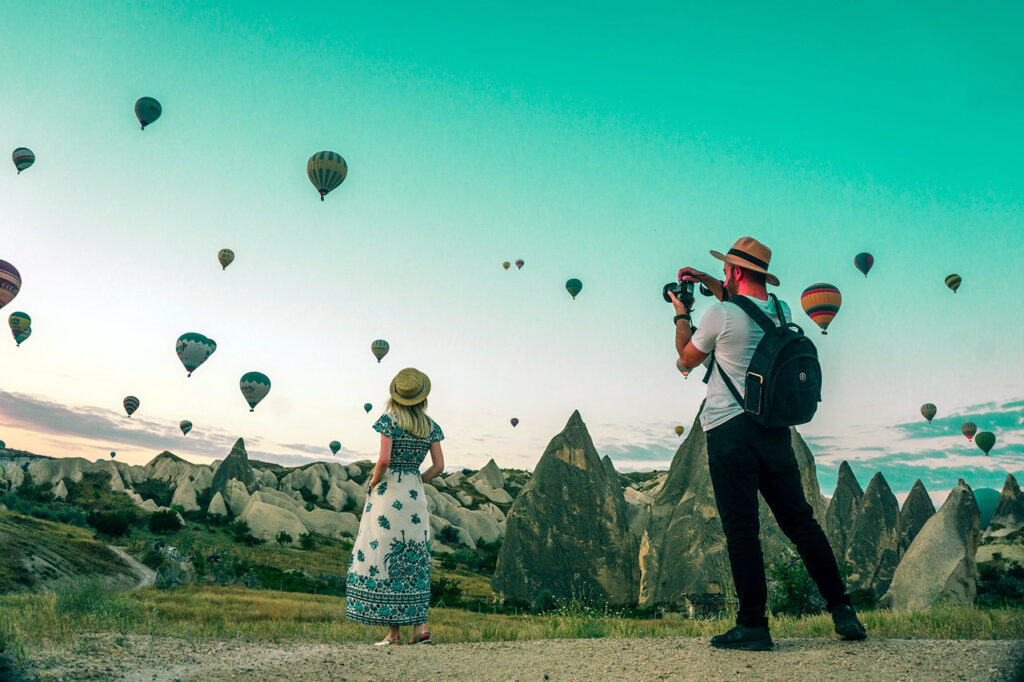
Introduction In a world filled with notifications, screens across our four walls, and vacations that consist of scrolling – silence has become the greatest luxury to most of us. For this reason, digital detox retreats have emerged as one of the fastest growing travel trends around the world. Digital detox retreats are not simply a spa getaway or a yoga holiday – they are retreats that intentionally remove the pressures of technology to allow travelers to reconnect with themselves. Whether immersed in a tropical rainforest, hidden in the Himalayas, or accompanying the smell of the ocean, the best digital detox retreats are some kind of an invitation to swap Wi-Fi for waterfalls, emails for meditation, and blue light for starlight. Through The Tarzan Way digital detox retreats, the opportunity to plan travels that offer a modern approach, while also offering ancient peace, is all possible with the help of a personal AI travel itinerary planner, which will help you plan your mindful adventure while connecting your ideas without losing all practicality. So if you are ready to unplug and recharge – let’s see some of the best digital detox retreats around the world, and how silence, nature, and simplicity can change how you travel and think about travel. Key Takeaways Top digital detox retreats around the world offer the perfect escape from screens, noise, and digital burnout. These tech-free wellness destinations blend mindfulness, meditation, and nature to help you reconnect with yourself. From forest lodges in Scandinavia to beach retreats in Bali, every location offers a unique path to inner peace. You can choose between luxury digital detox resorts or affordable eco-retreats based on your travel style. Use The Tarzan Way’s AI wellness travel planner to design your personalized, mindful itinerary with ease. Popular themes include mindfulness and meditation escapes, eco-friendly getaways, and unplugged nature experiences. A digital detox vacation isn’t just a break — it’s a reset for your body, mind, and spirit. Plan smarter with an AI-powered travel itinerary planner and make your next trip truly mindful. What Makes a Digital Detox Retreat Truly Transformative Before we explore specific places, it’s important to understand why digital detox retreats are so effective. It’s not simply switching off your phone, but switching on presence, mindfulness, and clarity. Here’s what makes them transformative: Tech-Free Environments: Most retreats encourage surrendering your devices at check-in. Some even have no Wi-Fi zones, helping guests truly disconnect from digital distractions. Nature-Driven Settings: Think lush jungles, serene beaches, misty mountains — places where your only notifications come from birds, waves, and the wind. Mindfulness and Meditation Programs: You’ll find activities like forest bathing, breathwork, journaling, and sunrise yoga — designed to realign your mind and body. Nutrition and Healing Rituals: From plant-based meals to local herbal treatments, these retreats emphasize nourishment and slow living. Community of Conscious Travelers: Many people come alone but leave with deep friendships, built through shared silence and introspection. Using resources such as The Tarzan Way wellness travel planner, you can also find unplugged travel locations and tailor the length of your stay to your wellness orientation — whether that’s going deep with a meditation, renewing your creativity, or simply being still. Asia — Ancient Wisdom Meets Mindful Silence For centuries, Asia has held the space for mindfulness, balance, and simplicity — making it an exceptional region for digital detox. From Himalayan monasteries to tropical retreats, the continent boasts every type of tranquility possible. Here are some of the top digital detox retreats in Asia ranging from ancient techniques combined with modern luxuries. 1. Ananda in the Himalayas, India Nestled in the foothills of Rishikesh, the “Yoga Capital of the World,” Ananda is where wellness meets wisdom; where our guests relinquish their devices on check-in and surrender to Ayurveda, meditation, and the silence of the mountains. Why Visit: One of the world’s most famous wellness retreats without technology. Offers personalized Ayurveda and yoga sessions overlooking the Ganges valley. Best For: Meditation beginners, spiritual seekers, and anyone in need of emotional clarity. Unique Experience: Morning satsangs (spiritual talks), Ganga aarti by the river, and detox cuisine crafted from local produce. For a deeper look at India’s spiritual side, explore Spiritual Villages in India That Promote Inner Healing. 2. Fivelements Retreat, Bali, Indonesia Fivelements, situated within the canopy of the lush Ayung River jungle, is where nature sets the pace. The retreat features thatched-roof villas, holistic healers, and a “no digital devices” policy in many areas — everything you need to re-establish your connection to life’s natural rhythms. Why Visit: It’s one of Asia’s most authentic eco-friendly wellness getaways, combining Balinese healing rituals and plant-based cuisine. Best For: Travelers seeking mindfulness and eco-conscious luxury. Unique Experience: The “Panca Mahabhuta” treatment uses the five elements — earth, water, fire, air, and spirit — for healing balance. 3. Kamalaya Wellness Sanctuary, Thailand Set on the tranquil island of Koh Samui, Kamalaya blends its monastery legacy with tropical ease. With an ancient monk’s cave at its core, the retreat promotes reconnection through wellness and simplicity of the spirit. Why Visit: A top digital detox vacation destination, offering holistic healing programs like emotional balance therapy and mindful living workshops. Best For: Burnout recovery and soul searching. Unique Experience: Participate in silent breakfast sessions and guided meditations at dawn. If you love peaceful island escapes, you’ll also enjoy reading about Peaceful Islands in Thailand: Best Hidden Escapes Away from the Crowds. 4. Chiva-Som, Hua Hin, Thailand Sometimes referred to as the “Haven of Life,” Chiva-Som is where the synthesis of scientific wellness joins soulful rejuvenation. It is one of the world’s premier luxury resorts for digital detox, attracting a variety of guests from CEOs to creatives. Why Visit: Offers a completely tech-free mindfulness retreat experience where each day is designed for digital abstinence. Best For: Those seeking structured detox programs with world-class amenities. Unique Experience: Personalized mindfulness consultations, sleep therapies, and wellness cooking classes. 5. The Hermitage, Kandy, Sri Lanka If you prefer mountain stillness to coastal calm,
Top 10 Cities to Celebrate Diwali with Grand Festivities
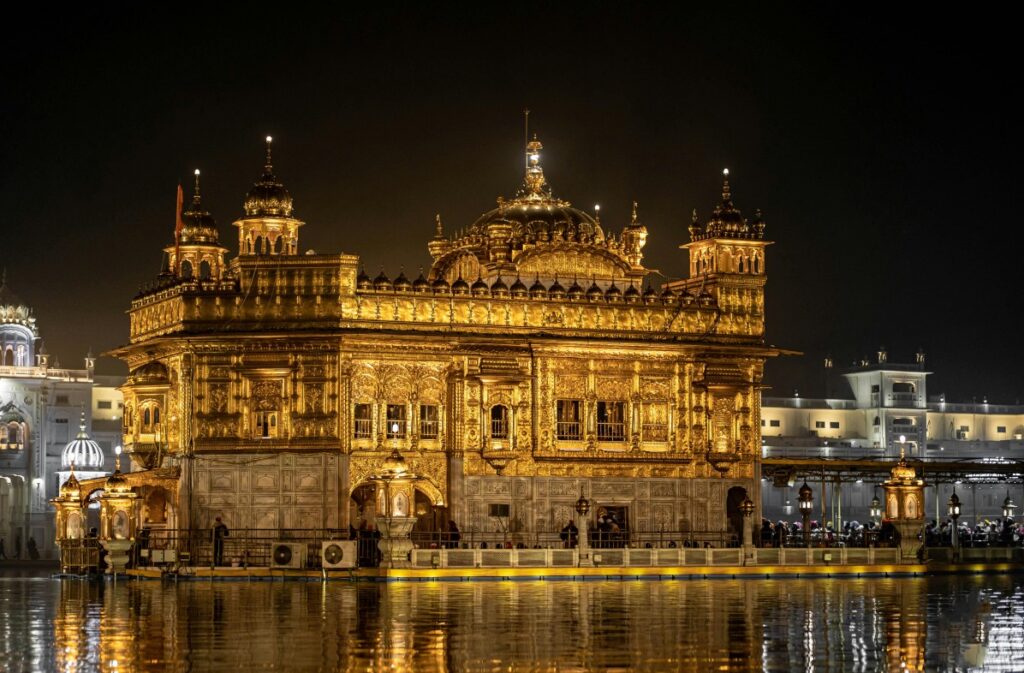
Introduction – Where the Lights Tell Stories India is more radiant than the stars every year during October or November. Diwali is the festival of light and love. During Diwali’s radiant warmth , it changes homes, streets, and hearts. The celebrations are not just about lamps and sweets but it is about community, culture, and boundless joy. Travelers should take advantage of Diwali to experience India from a cultural perspective.Firecrackers light up cities, chants reverberate in temples, and joyous laughter fills bazaars.Every location has a unique Diwali experience, from historic ghats illuminated by diyas to busy streets aglow with color.This guide highlights the top 10 cities where the celebration combines travel, tradition, and cuisine to create an unforgettable experience. Bring your festive spirit and ignite your curiosity by planning your Diwali itinerary. This Diwali, let’s see where India shines the brightest! Key Takeaways Learn how different cultures and communities across India come together to celebrate light over darkness. Discover quick facts, expert travel advice, and local insights to ensure a seamless and unforgettable Diwali vacation. Understand the balance between celebrating joyfully and traveling respectfully, especially at spiritual sites. With The Tarzan Way, you can responsibly explore India’s varied Diwali customs. 1. Varanasi, Uttar Pradesh – Where Diwali Meets the Divine During Diwali, Varanasi, an ancient city, transforms into a magical place.Thousands of diyas illuminate the Ganges’ ghats, which float serenely on the holy water.The scent of incense mingles with the scent of fresh marigolds as bells ring through the air. It is a two-part wonder for tourists because locals celebrate Dev Deepawali, the festival of gods, shortly after the main Diwali. Fireworks light up the sky in a heavenly dance of light and sound, temples glow, and pilgrims are transported by boats.The city is both mystical and incredibly human.You will sense Diwali not only around you but also within you as you stroll through the tiny lanes lined with chants, sweets, and oil lamps. Why It Attracts Travelers: Because spirituality is transformed into spectacle in Varanasi. It is the site of India’s most picturesque Diwali, where faith, light, and river all coexist harmoniously. Traveler’s Tips & Pro Tips: Come to Dashashwamedh Ghat for the evening Ganga Aarti. After sunset, it can get windy in the ghats, so bring a scarf. For the best views at night, stay on the eastern bank. Quick Facts & Unique Highlights: Famous for: Dev Deepawali (15 days after Diwali) Must-Try Food: Malaiyo, Kachori-Sabzi, Jalebi Highlight: Floating diyas on the Ganges Best Time: October–November 2. Jaipur, Rajasthan – The Royal Diwali of Palaces and Lights During Diwali, Jaipur transforms into a jewel box. Golden fairy lights illuminate every structure, including modest stores and royal palaces. The whole Pink City is bathed in rose and gold tones, giving the place a fantastical feel. With shoppers searching for jewelry, sweets, and handcrafted lamps, markets such as Johari Bazaar and Bapu Bazaar transform into vibrant, noisy seas.As music reverberates from rooftop parties, fireworks rise over Nahargarh Fort.This festival has a royal vibe, rich in tradition but welcoming to everyone. Why It Attracts Travelers: Because Diwali is performed in Jaipur rather than merely celebrated.The festival experience is made both regal and personal by the city’s splendor, marketplaces, and friendliness. Traveler’s Tips & Pro Tips: Participate in neighborhood lighting contests; the goal is to have the brightest house. Don’t miss City Palace’s Laxmi Puja. Carry cash for handcrafted décor and street food. Quick Facts & Unique Highlights: Known For: Royal decorations and palace lights Must-Try Food: Ghewar, Dal Baati Churma Highlight: Light competition in Johari Bazaar Best Time: Late October to early November 3. Amritsar, Punjab – Diwali with a Golden Glow In Amritsar, Diwali falls on the same day as Bandi Chhor Divas, a Sikh celebration of faith and freedom.The Golden Temple transforms into a sea of light, flawlessly reflecting off the shimmering water. Chants, fireworks, and food all combine to create a grand celebration, demonstrating the overwhelming devotion present. Every lane is decorated with diyas by the locals, and guests are invited into community kitchens, or langars, which provide thousands of people with free meals. Everyone is smiling, sharing sweets, and lighting lamps together, and the enthusiasm is infectious. Why It Attracts Travelers: Because Amritsar uses light to celebrate unity. One of India’s most touching Diwali experiences is the fusion of grandeur, service, and devotion. Traveler’s Tips & Pro Tips: For a less crowded view of the temple, visit early in the morning. Don’t miss the Langar meal , as it is an integral part of the culture. For convenient access, book stays near Harmandir Sahib. Quick Facts & Unique Highlights: Known For: Golden Temple illumination Must-Try Food: Langar meal, Amritsari Kulcha, Lassi Highlight: Bandi Chhor Divas fireworks Best Time: November 4. Delhi – Diwali in the Heart of India Diwali in Delhi is a festival of contrasts, simultaneously spiritual, cultural, and modern. Temples are illuminated, bazaars are crowded, and localities compete in decorating their streets. Every region of the city has its own rhythm, from rooftop parties in South Delhi to Laxmi Puja in historic temples. Markets like Dilli Haat and Chandni Chowk become gold mines of decorations, candles, and sweets. Everywhere you look is festive, and the air is filled with the scent of cardamom and fireworks. Delhi offers you both the urban glitz of India’s capital and the traditional rituals. Why It Attracts Travelers: It’s India in one city because Delhi’s Diwali combines vibrancy and diversity, from glittering malls to historic lanes. Traveler’s Tips & Pro Tips: Avoid the crowds at Chandni Chowk by shopping early. Experience the festive lights of Old Delhi by taking a rickshaw ride. Only use environmentally friendly fireworks in approved locations. Quick Facts & Unique Highlights: Must-See: Akshardham Temple light show Must-Try: Motichoor Ladoo, Chole Bhature Highlight: Fireworks over India Gate Best Time: October–November 5. Ayodhya, Uttar Pradesh – The Birthplace of Diwali Nowhere else celebrates Diwali as much as Ayodhya, the birthplace of Lord Rama. By lighting millions of
Rann Utsav 2026: Dates, Tickets & First-Time Visitor’s Travel Guide
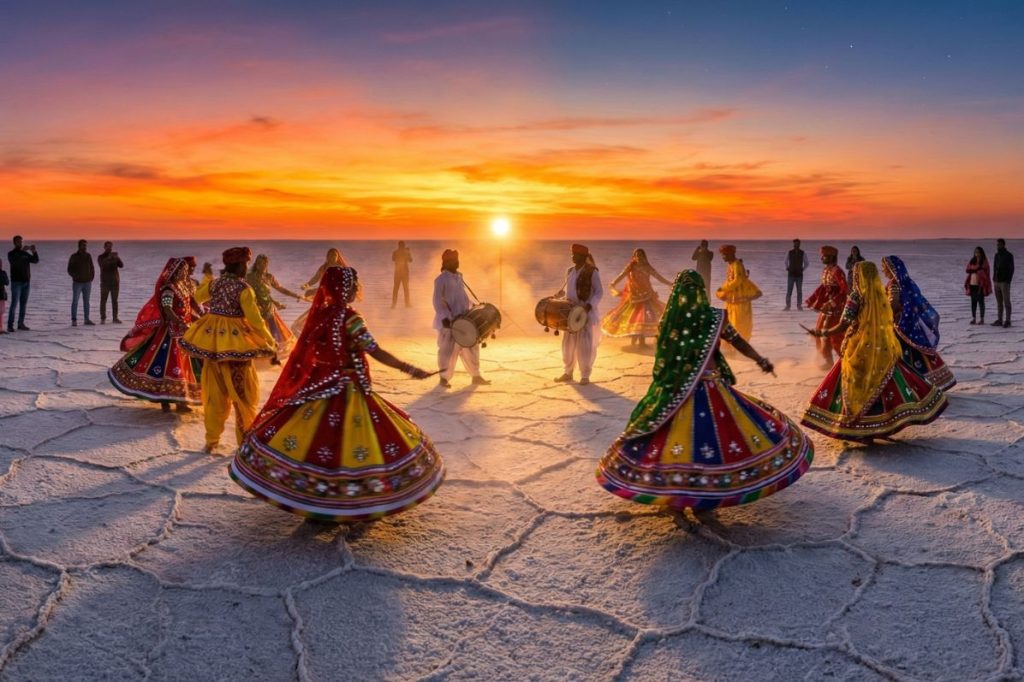
Introduction Rann Utsav is truly a magical festival. The festival takes place in a remote desert area known as Rann of Kutch. The desert has very few inhabitants and is home to many ethnic groups. While you stand on a flat, white salt pan looking up at the stars, you hear the sound of traditional folk music playing in the background as you drink hot spiced tea called chai from a tent set up beside the tent where artisans sell their wares. You are surrounded by artisans who sell their goods, including colourful clothing and other beautiful handicrafts. You can also smell the delicious, traditional dishes being served at food stalls all around the festival. If this is your first time visiting, this guide will help you with: Official 2025 festival dates & booking tips How to reach the desert and where to stay What the Tent City experience includes Best travel windows, costs, and practical tips In Short – Key Takeaways Festival Period: 23 Oct 2025 to 4 Mar 2026 Best months to visit: November to February – pleasant desert climate & full-moon nights Getting there: Fly or train to Bhuj → 80 km / ~1.5–2 hr road to Dhordo Tent City Why go: White-salt desert under full-moon, cultural shows, folk art & crafts, desert adventure under stars What Is Rann Utsav? Rann Utsav is a winter festival hosted in the Kutch’s Rann region, where there is a large expanse of white salt deserts. When illuminated by the moonlight, this vast desert transforms into a dream-like white scene. During the festival’s existence, it has evolved into a combination of several aspects including nature, culture, adventure, and hospitality. This festival provides an opportunity for travelers who want to do something different than visit beaches or populous areas. What to Expect at Rann Utsav A temporary Tent City at Dhordo offering varied accommodation from simple tents to premium cottages Cultural nights with folk music, traditional dance, local cuisine, and handicraft bazaars showcasing Kutchi art & textiles Desert adventures: camel rides, ATV/buggy rides, paramotoring, night desert safaris, sunrise & sunset visits to the White Desert White-salt plains glowing under full-moon – a surreal photography & stargazing experience For many, Rann Utsav is a chance to experience Gujarat’s heritage, desert beauty, and local hospitality all at once. Rann Utsav 2025 Dates & Schedule The 2025-26 edition of Rann Utsav runs from 23 October 2025 to 4 March 2026. Period What to Expect Late Oct – Early Nov Festival kickoff; moderate crowds; first full-moon nights after monsoon November – February (Peak) Best time – clear skies, comfortable weather, full-moon nights, maximum cultural events & tent occupancy March (early) Festival wind-down; fewer crowds, cooler desert mornings, ideal for budget travelers Best months to visit: November, December, January – when the weather is pleasant, nights are cool, and the desert under moonlight is magical. Pro tip: For a jaw-dropping experience, aim for full-moon nights – the salt desert reflects moonlight beautifully, creating a surreal, dream-like landscape. Location & How to Reach Rann Utsav Where is it Held? The festival is held at Dhordo Tent City, set at the edge of the White Salt Desert in Kutch, Gujarat. How to Reach Mode Details By Air Fly into Bhuj Airport (BHJ) – nearest airstrip to Rann Utsav By Train Reach Bhuj Railway Station, well connected to major cities; then travel by road From Bhuj to Dhordo ~80 km / ~1.5–2 hours by road. Taxi, shuttle or pre-arranged transfer recommended Typical travel cost (road transfer from Bhuj): modest – especially if using shared taxi or shuttle services. If you come via major cities like Ahmedabad, Mumbai or Delhi, you can combine flight/train to Bhuj + road transfer for a smooth journey. Why Rann Utsav Should Be On Your Travel Radar If you’re looking for a travel experience unlike beaches, hills or cities – Rann Utsav offers a magical mix: A salt-desert transformed into a cultural festival under a blanket of stars Rustic tents & ethnic vibes that bring you close to local culture Adventure + calm: desert safaris by day, folk music under moonlight by night Affordable for Indian travellers – budget friendly compared to international trips Whether you’re travelling solo, with family or friends, Rann Utsav gives a slice of surreal beauty, culture, and adventure – all wrapped into one experience. For travellers who enjoy global seasonal festivals, this could be India’s most unique winter escape – something akin to a desert festival crossed with a cultural carnival. Rann Utsav Tent City & Accommodation Guide When you arrive at Rann Utsav, you stay at the well-managed Tent City at Dhordo. Here’s what you need to know about accommodation and tent city booking. Types of Tents & Facilities Rann Utsav tent options range from budget-friendly to premium luxury. Choices include: Tent Type / Class Key Features Non-AC / Basic Tent or Swiss Cottage Simple tent or cottage with fan or basic ventilation, twin beds or single, attached bathroom – budget friendly. Deluxe AC / AC Swiss Cottage Air-conditioned or well-ventilated, attached bathroom, comfortable beds and amenities – mid-range comfort. Premium Tent Bigger space, typically better interiors, AC, front porch – good balance of comfort & value. Super Premium / Luxury / “Darbari / Rajwadi Suite” Highest level comfort: AC, premium furnishings, possibly more space or suite-style amenities for couples or those wanting luxury. All tent-city stays usually include meals, access to cultural evenings & festival-related shows, and proximity to the desert/sunset-point for night desert & full-moon experiences. Tip for selection: If you’re on a budget or travelling solo or as backpackers → choose Non-AC / Deluxe tent. For families, couples or comfort-seekers → Premium or Super Premium tent works best. For travellers after full comfort + extras (AC, privacy, luxury) → go for the luxury suite tent option. Rann Utsav Tickets & Tent City Prices (2025–26) Here’s a breakdown of typical tent-city pricing and inclusions. Actual tariff may vary based on dates (full-moon nights, holidays, demand),
World’s Most Peaceful Places for Soul-Searching Travelers
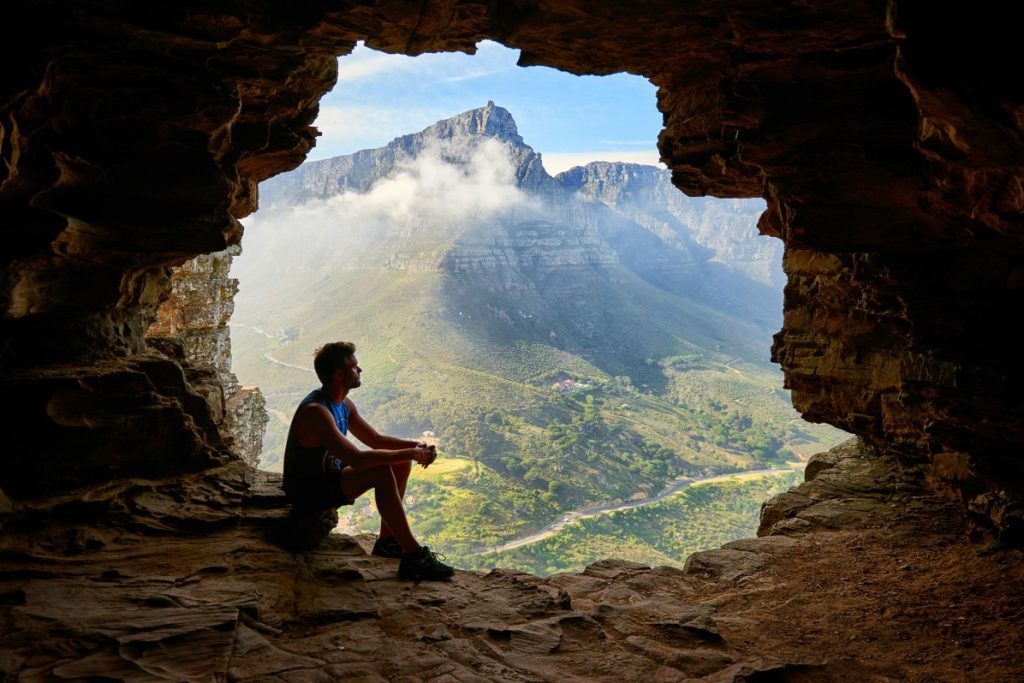
Introduction — In Search of Stillness in a Noisy World In a world that seems defined by our buzzing technology and hardly a moment of stillness, it might feel like you are pursuing the illusion of peace. But, at times, true peace can simply be a few moments in a beautiful setting – a place where the air is a little cleaner, time moves a little slower, and silence may actually be a friend rather than an escape. Soulful travel is not fleeing from life, it is discovering a better way to live it. It may include meditating under a palm tree, watching the sun rise from a monastery, or simply walking barefoot on cool sand, but peaceful settings all have an inherent quality to remind us that peace does not exist out there, it exists here. We are all travelers searching for places of peace and calm in the world that nourish our bodies and spirits in today’s world. With technology and modern tools such as The Tarzan Way AI Travel Planner, it has never been easier to find refuge in peaceful destinations. This travel planner assists with non-contact, journeyed escapes and mindful travel experiences incorporating soulful and inspired travel – just the right mix of peace and adventure, technology and soul. So, pack your curiosity and an open heart. Let’s explore the most peaceful places in the world, where stillness still exists, waiting for you to rediscover it. Key Takeaways The most peaceful places in the world not only offer breathtaking vistas – they also offer healing for the mind and soul. Travelers want to experience soul-searching escapes around the world – from islands of the ocean to monasteries in the mountains. There is also an AI travel tool called The Tarzan Way AI Travel Planner – capable of creating personalized wellness trips based on your mood and travel purpose. Peace travel is about connection – to nature, culture, and yourself. Whether that is through the silence of an island or the chants of the mountains, you will find calm if you know where to park your peace. Islands of Serenity: Ocean Whispers and Quiet Shores The ocean has been a teacher of peace throughout time. The ocean has a neverending rhythm, reflecting the ebb and flow of meditation – breathe in and breathe out, ebb and flow. In quiet islands, life moves with the tide. You wake up to the sound of waves, eat the sunrise, and let the wind decide the rest of life. These hidden peaceful places to visit tell you something deeper than just beauty. They allow you to slow down, breathe, and listen. 1. Koh Yao Noi, Thailand Nestled between Phuket and Krabi, this tiny Thai island is the opposite of its bustling neighbors. Locals live by simplicity — fishing, farming, and smiling at strangers. Here, yoga sessions face the sea, and every sunset feels like a ceremony. If you’re drawn to islands where waves replace city noise, explore these peaceful islands in Thailand, where turquoise horizons and warm sand redefine calm. 2. Aitutaki, Cook Islands Picture relaxing in a lagoon so vividly blue you’d swear someone had painted it. Aitutaki, famously known as the most beautiful lagoon in the world, truly seems to have been forgotten by time; no large resorts, no heavy traffic, just hammocks, tranquillity and stars. Ideal for travellers who want a peaceful place to practice mindfulness. 3. Savai’i, Samoa On America’s untouched Savai’i island in Samoa, the active principle of “fa’a Samoa” — the Samoan way — focuses on community and peace instead of competition. Slow days are filled with coconut palms, swimming in the ocean, and laughter with people. It is a good reminder that simplicity actually is a form of spirituality. 4. Lord Howe Island, Australia Only 400 visitors are allowed at a time on this UNESCO-listed island. No Wi-Fi in most areas, no cars after dark — just nature in its purest form. You’ll find coral reefs, mountains, and silence deep enough to hear your heartbeat. 5. The Azores, Portugal The Azores, Europe’s secret paradise, is a combination of verdant volcanoes, crater lakes, and ocean breezes. Go hiking in the foggy wilderness of Sete Cidades, or relax in the natural hot springs of São Miguel. These islands show that peaceful places to travel are not just in Asia; there are peaceful places to travel everywhere. Each of these islands show that peace is not a place; it is a state of being. When you go to a place with awareness, you help preserve the peaceful aspect of travel and find your own rhythm again. Mountain Monasteries & Spiritual Villages If the oceans give us to flow, then the mountains give us stillness. Their silence is not empty —it is sacred. Mountain monasteries and spiritual villages around the world greet travelers who seek calm and meaning, not luxury. These are spiritual travel destinations and retreats for meditation around the world, which help us put down the noise, and back into the truth. You do not need to be religious to feel their magic, simply open-hearted. 1. Paro Taktsang, Bhutan (Tiger’s Nest Monastery) Located 3,000 feet above the valley on a cliff, this famous monastery has an extraordinary feeling. Monks meditate in cafes lit by candles, clouds float through hallways, and bells could be heard in the foggy air. It is more than a walk — it is an internal pilgrimage. 2. Dharamkot, India Dharamkot, a small settlement located high above McLeod Ganj, is commonly referred to as “the yoga village.” Cafes provide herbal teas and plant-based food, and travelers often spend days being silent and/or learning about meditation. Through The Tarzan Way wellness travel programs you can visit these tranquil villages in the Himalayas that emphasize living in balance with community and alone time. Some of the spiritual villages in India that promote inner healing are perfect examples of how mindfulness becomes a lifestyle here. 3. Meteora, Greece In a place where sandstone pillars soar
Ancient Temples Beyond Asia: Lesser-Known Spiritual Sites Around the World
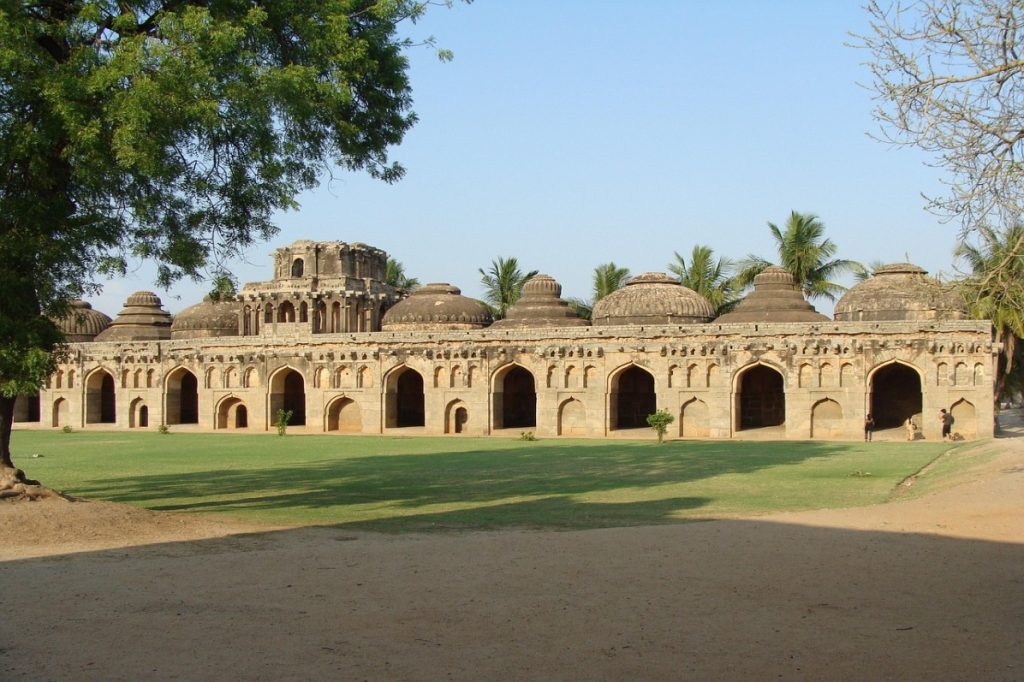
Last Update: 01 April 2026 Table of Contents Introduction — Rediscovering Ancient Temples Beyond Asia Key Takeaways Europe — Stones That Remember Ġgantija Temples, Malta — The Giants’ Legacy Newgrange, Ireland — Passage to the Afterlife Skellig Michael, Ireland — The Island of Monks and Myths Oceania — The Floating Temples of Micronesia Nan Madol, Pohnpei — The Venice of the Pacific Africa — Sacred Kingdoms of Stone and Spirit Great Zimbabwe, Zimbabwe — The City of Stone Kings South America — Temples Aligned with the Stars Tiwanaku, Bolivia — Gateway to the Gods Templo Mayor, Mexico — The Heart of the Aztec Universe North America — Cities of the Sky and Earth Chaco Canyon, USA — The Celestial City of the Desert Cahokia, USA — Mounds of Mystery Themes That Unite the World’s Sacred Landscapes Responsible & AI-Powered Spiritual Travel Conclusion — Faith, Stone, and Eternity Frequently Asked Questions (FAQs) Glossary Introduction — Rediscovering Ancient Temples Beyond Asia When we imagine ancient temples, we tend to imagine traveling east — to the magical, mystical landscapes of Cambodia, India, or Japan. The human spirit has always sought the divine, leaving behind sacred places on every continent. From stone circles well before history to cliff houses encircled by the motion and sounds of ocean winds, spirituality is universal — a language that crosses time and space. This exploration takes you beyond Asia, discovering other ancient temples and sacred sites that whisper stories of the gods, sacred stars, and human service. These are not the kitschy tourist attractions of today, but instead, they are still living relationships of earth to sky, nature to faith. And, today, with an AI-generated travel itinerary planner or AI travel guide by The Tarzan Way, seeking and discovering spiritual places could not be easier. Whether an architect, history lover, or quiet seeker, this inspiring global travelogue will foster your engagement with the spiritual traditions and heritage of our world today! Key Takeaways Ancient sanctuaries existing outside of Asia provide evidence of forgotten civilizations with actual living spiritual traditions in Africa, Europe, and America’s Sites such as Great Zimbabwe, Tiwanaku, and Newgrange were not simply places of worship: they were actually cosmic observatories with alignment to the stars. Every sacred site of worship embodies humanity’s deep connection to nature, astronomy, and faith. You can responsibly visit every sacred site using an AI travel itinerary planner, or AI travel guide with cultural, historical, and spiritual context. These are not ancient ruins, they are living monuments to our shared human spirituality. Europe — Stones That Remember Europe’s sacred history runs deep — older than written scripture, carved into stones aligned with the stars. These temples tell of civilizations that worshipped the cosmos, earth, and life itself. Ġgantija Temples, Malta — The Giants’ Legacy Ġgantija Temples, Malta — The Giants’ Legacy Older than Egypt’s pyramids, Ġgantija is one of the world’s oldest temple complexes. Its name translates to “Place of the Giants,” referring to a local legend that giant beings built the enormous temple quickly, overnight. The temples are made of huge limestone slabs that form an interior circular chamber that was once used for fertility rituals and to worship the moon. Archaeologists believe that the temples were dedicated to a mother goddess; this is possibly the earliest evidence of organized religion in Europe. From the perspective of the traveler, to be inside of the stone walls while the sun is setting has a feeling of time being suspended. Travel Tip: Visit in the early morning to avoid the crowds and feel the mystical calm. Combine the trip to Ġgantija with a visit to the other megalithic sites in Gozo and use The Tarzan Way’s AI travel guide to plan a seamless route throughout these prehistoric sites. Newgrange, Ireland — Passage to the Afterlife Newgrange, Ireland — Passage to the Afterlife More than a tomb, Newgrange is a cosmic temple, built more than 5000 years ago, with an earth-covered opening that contains a long stone passage leading to an inner chamber that lights up only one time a year — at sunrise on the winter solstice. The bay’s alignment with the rising sun likely governs a ritual that honored death and rebirth, and the spirals carved in the stones seem to represent eternity and cyclical life. The site predates both Stonehenge and the Great Pyramids and reveals how great European cultures understood celestial harmony and their interrelation with it. Travelers Note: If you want to visit during the winter solstice, book the visit months ahead; it is a rare moment when the sunlight fills the inner chamber. And if winter solstice isn’t possible, look into virtual visits. The AI-powered itinerary planner will help you add the visit to your Irish route, along with historic stops nearby. Skellig Michael, Ireland — The Island of Monks and Myths Skellig Michael, Ireland — The Island of Monks and Myths Situated on a rocky isle off the west coast of Ireland, Skellig Michael comes across as more of a figment of the imagination than a physical place. Stone huts, remnants of early Christian monks who occupied Skellig Michael, sit on the cliffs above crashing waves of the Atlantic Ocean. The monks lived in seclusion praying and studying while storms rolled through below them. The shapes and remoteness of the island make it a sacred space — just recently it gained notoriety as Luke Skywalker’s place of retreat in Star Wars: The Last Jedi. It pulls together mystical elements and cinematic beauty intertwining faith and fantasy. Travel Tip: boat trips depend on the weather; it is always a good idea to check the schedule before heading out. If adventure is what you love, be sure to check out the Tarzan Way, where you can go on journeys of storytelling with historical narratives or mythological origins – great for those who are pulled by sacred solitude. Oceania — The Floating Temples of Micronesia The Pacific hides stories that blend land, sea, and spirit. Among coral reefs